


Most combat aircraft are built with an expected service life measured in decades, not generations. Yet a handful of U.S. aircraft continue flying long past their planned retirement dates, trusted by commanders and relied upon in real-world operations. These airframes survived sweeping changes in technology and strategy by evolving rather than disappearing. Their continued service reveals how modernization, mission flexibility, and institutional confidence can outweigh the push for newer platforms. Here, 24/7 Wall St. is taking a closer look at the oldest combat aircraft still in service of the U.S. Military.
To determine the oldest combat aircraft still used by the U.S. Military, 24/7 Wall St. reviewed various historical and military sources. We included supplemental information for each aircraft regarding the year entered service, which branches it served in, its primary combat role, and why this matters.
Here is a look at the oldest combat aircraft still flying in service of the U.S. Military:
Why Are We Covering This?
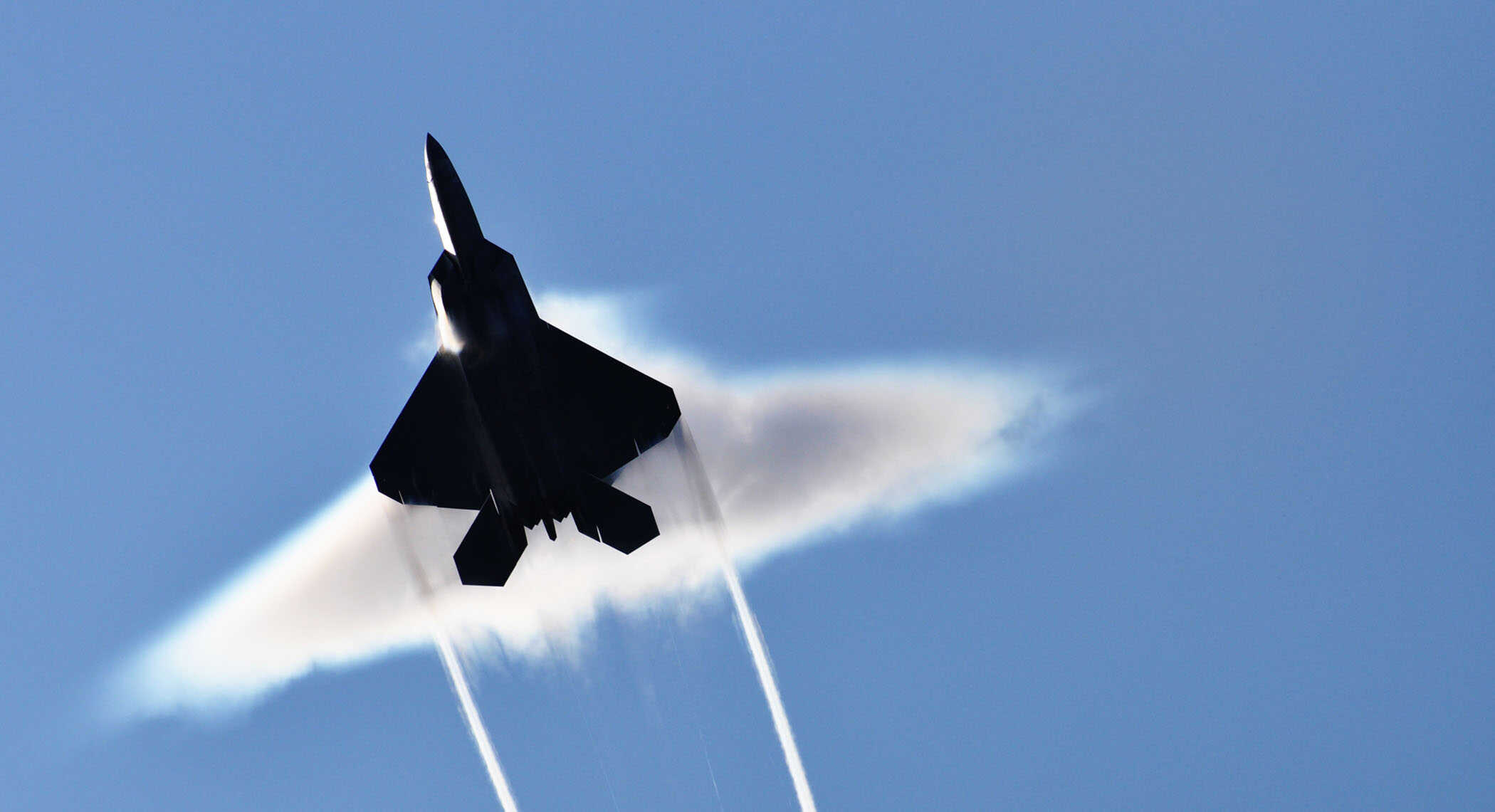
The oldest combat aircraft still flying in U.S. service tell a deeper story than simple longevity. These platforms survived not because of tradition or nostalgia, but because they continued to deliver capabilities the military could not easily replace. By examining why certain aircraft outlived their expected service lives, this article highlights how operational necessity, modernization, and institutional trust shape U.S. airpower decisions. Understanding why these airframes remain in service offers insight into how the military balances cost, capability, and risk as well as why relevance, not age, ultimately determines what stays airborne.
Age Was Never the Disqualifier
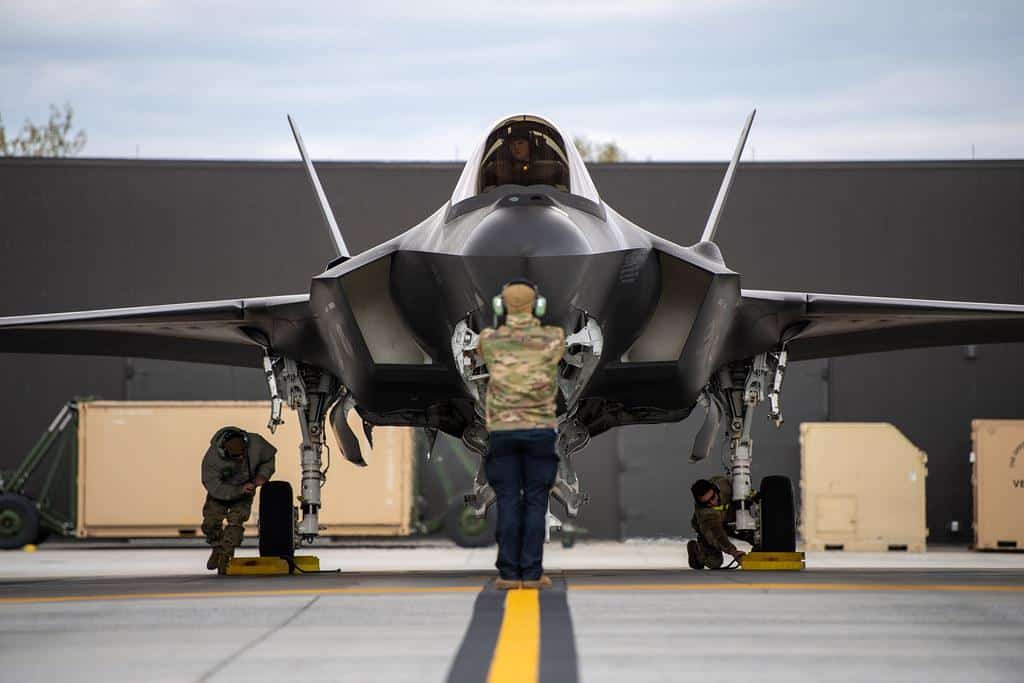
In U.S. military aviation, age alone has never been a reason to retire an aircraft. Many platforms now considered old were originally expected to serve for only a few decades, yet combat demands, delayed replacements, and proven performance kept them flying far longer than planned. These aircraft survived not because of sentiment, but because they continued to deliver capabilities commanders still needed in real-world operations.
Built for a Different War — Still Fighting Today

Most of the aircraft still flying today were designed for very different wars. Many entered service during the Cold War or Vietnam era, built to counter peer adversaries, massed formations, or strategic threats that no longer define modern conflict. Instead of becoming obsolete, these airframes adapted. They transitioned into new missions, supported post–Cold War operations, and proved flexible enough to remain useful in an entirely different strategic environment.
Modernization Kept Them Alive
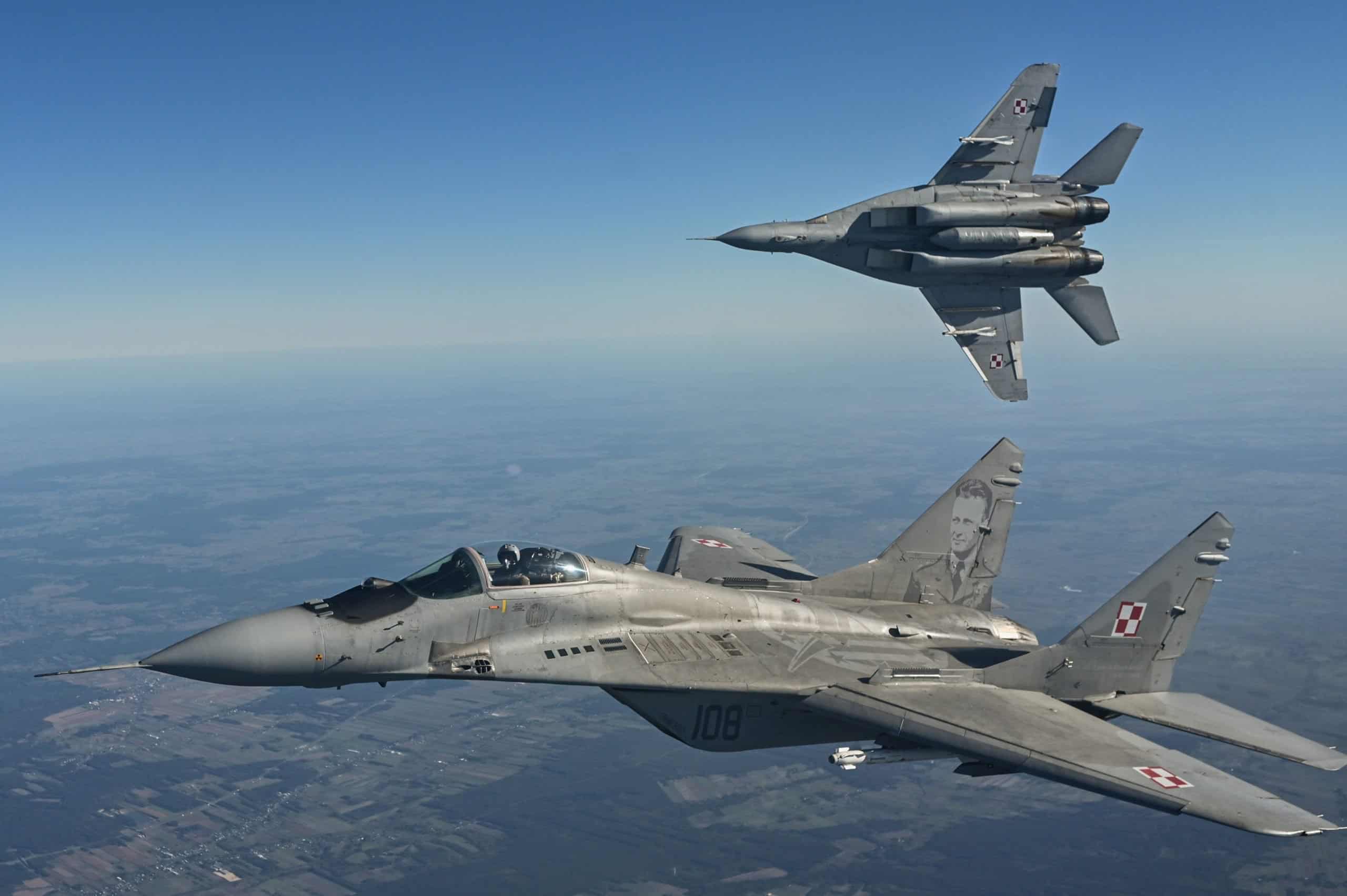
Modernization, not youth, is what kept these aircraft alive. New avionics, sensors, engines, and weapons transformed aging airframes into platforms capable of meeting modern mission demands. In many cases, upgrades delivered more capability at lower cost than entirely new aircraft. The result is a fleet where airframe age matters far less than what the aircraft can still accomplish in combat and support roles.
No True Replacements Existed
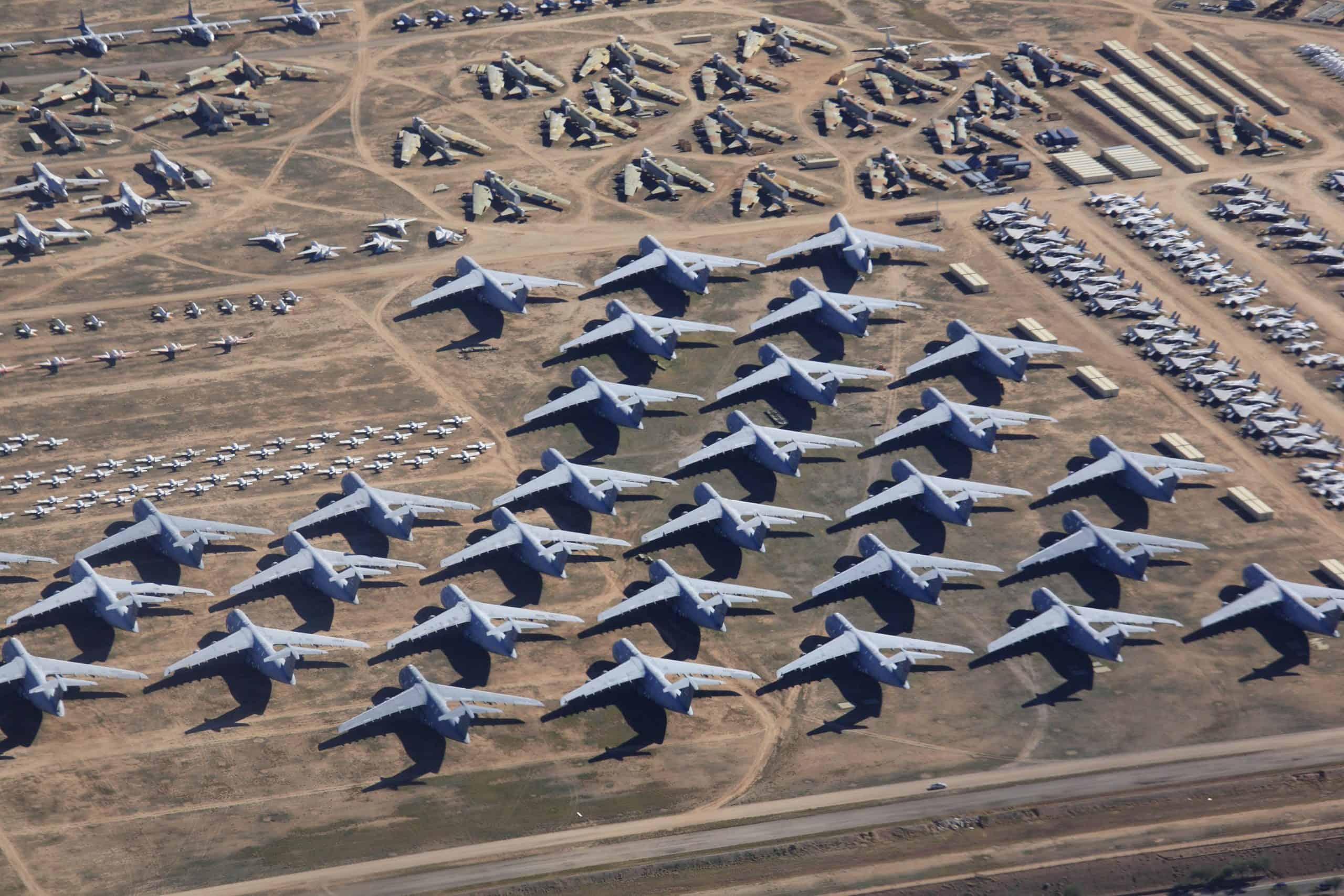
Many of these aircraft remain in service because no true replacement ever emerged. Some fill niche roles that newer platforms struggle to replicate, while others outperform replacements in payload, endurance, or cost-effectiveness. Replacement programs were delayed, scaled back, or canceled outright, leaving proven aircraft as the best available option. In practice, these airframes stayed because alternatives simply fell short.
Why These Aircraft Still Matter
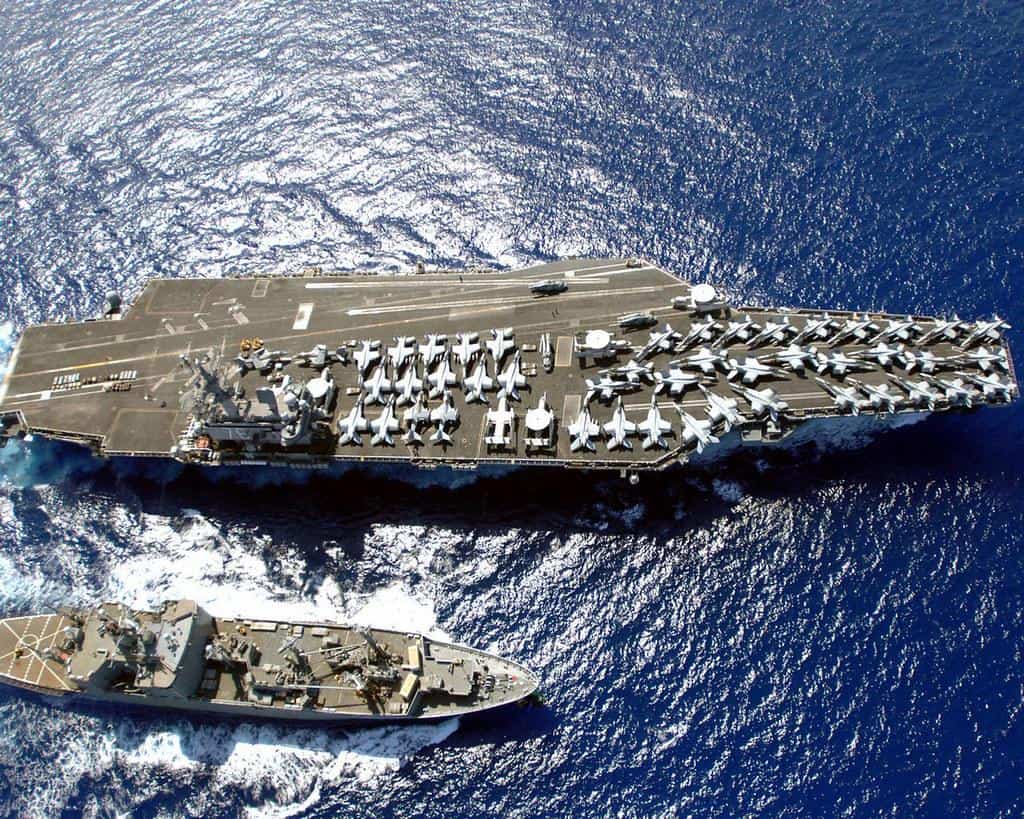
These aircraft still matter because longevity reflects institutional trust, not nostalgia. They continue to deploy, support combat operations, and shape modern airpower doctrine. Their extended service offers lessons about procurement, adaptability, and the value of building platforms that can evolve over time. In the end, these aircraft prove that relevance—not age—is what determines what remains in U.S. service.
B-52H Stratofortress
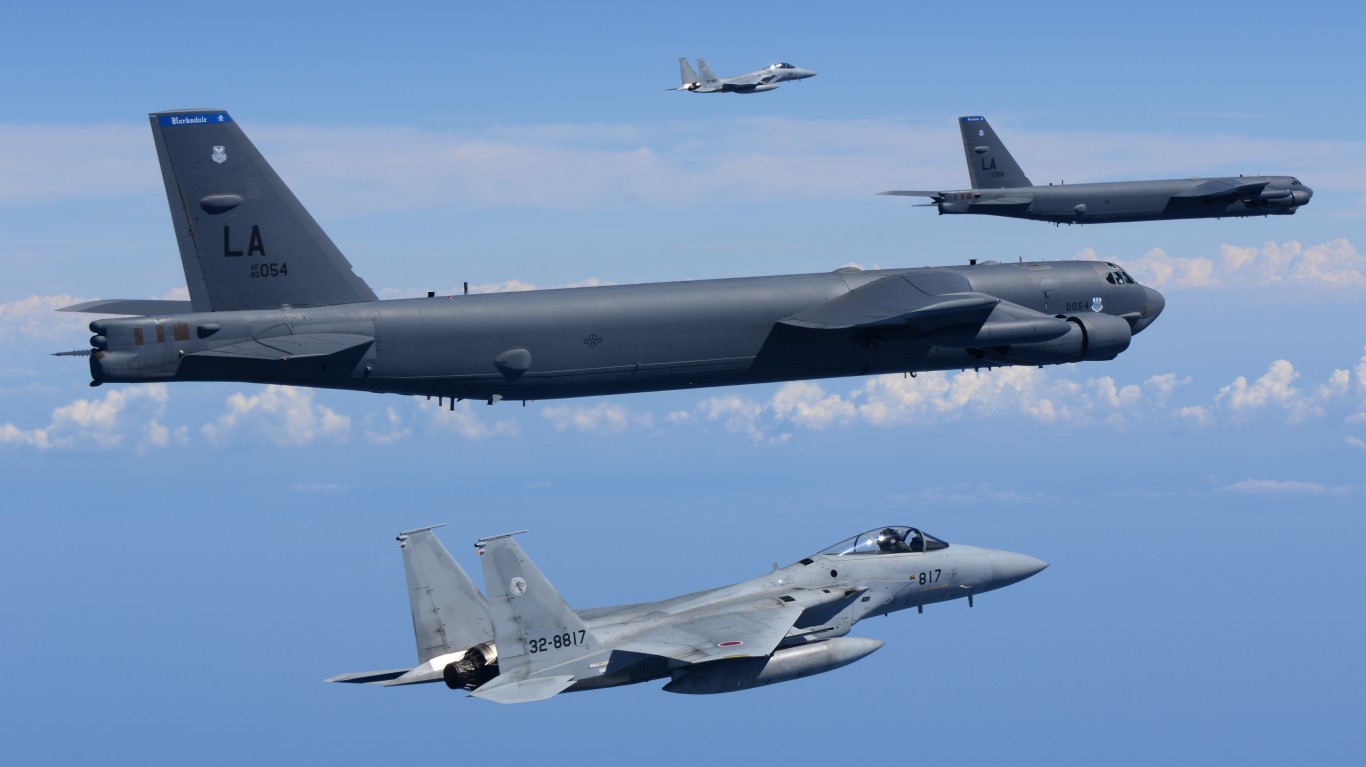
- Year introduced to service: 1961
- U.S. service branch: U.S. Air Force
- Primary combat role: Strategic bomber
- Original era: Cold War
- Key modernization or upgrade: Avionics, engines, weapons updates
- Current operational use: Global strike and deterrence
- Planned replacement or retirement outlook: Planned retirement delayed
The B-52H remains in service more than six decades after entering the fleet because no other aircraft combines its payload, range, and flexibility. Continuous upgrades have kept it relevant for nuclear deterrence, conventional strike, and standoff weapons, making it indispensable to U.S. airpower.
B-1B Lancer

- Year introduced to service: 1986
- U.S. service branch: U.S. Air Force
- Primary combat role: Strategic bomber
- Original era: Cold War
- Key modernization or upgrade: Avionics and weapons integration
- Current operational use: Conventional long-range strike
- Planned replacement or retirement outlook: Partial replacement by B-21
Originally designed for nuclear missions, the B-1B evolved into a conventional strike workhorse. Its large payload and speed allow it to deliver precision weapons globally, keeping it operational despite its age.
B-2 Spirit
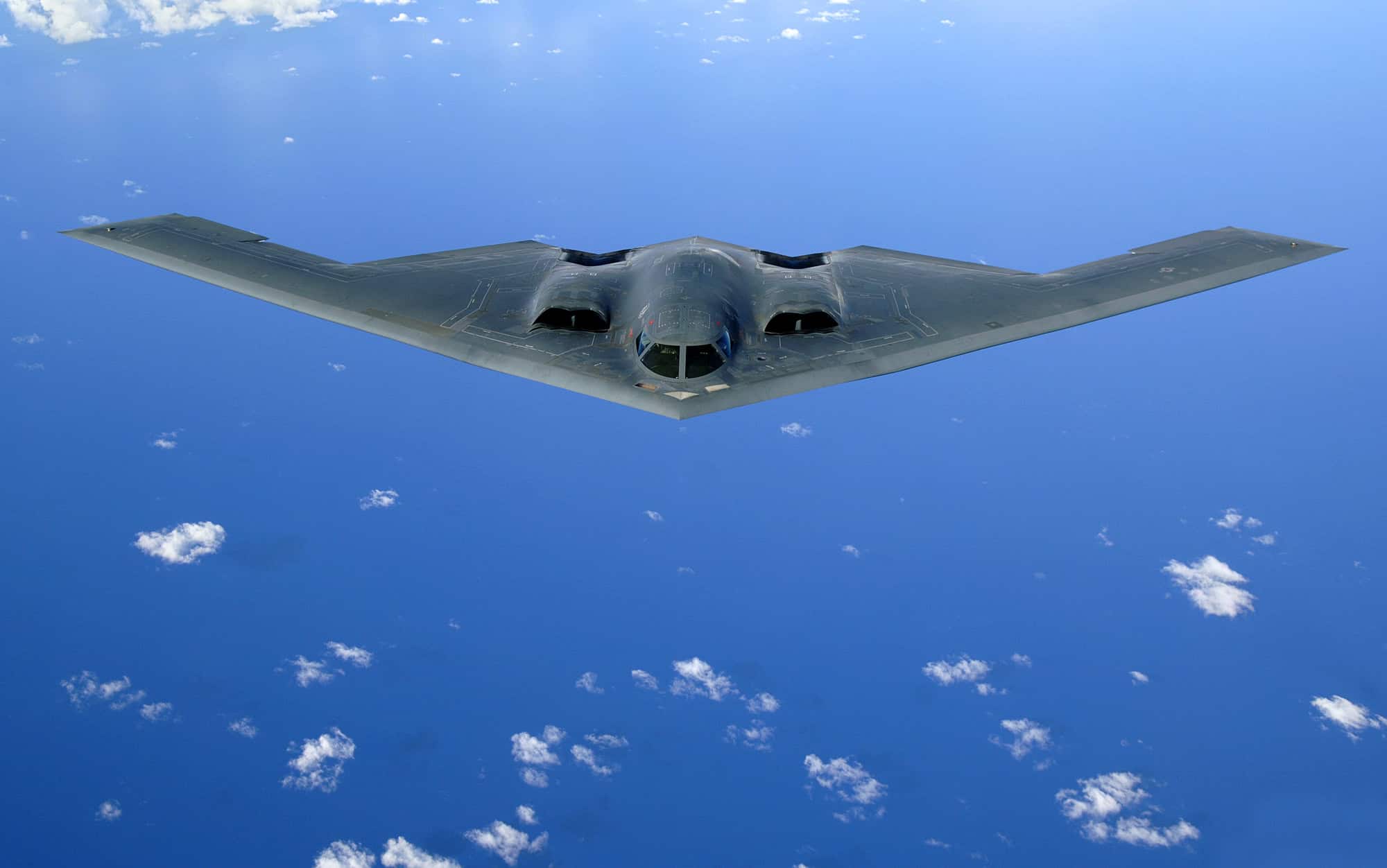
- Year introduced to service: 1997
- U.S. service branch: U.S. Air Force
- Primary combat role: Stealth bomber
- Original era: Post–Cold War
- Key modernization or upgrade: Avionics and low-observable upgrades
- Current operational use: Strategic strike
- Planned replacement or retirement outlook: Replacement planned
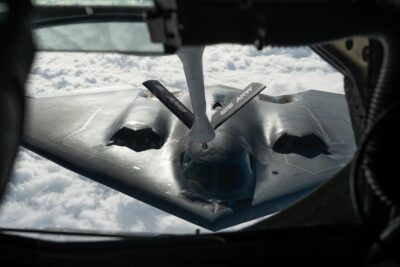
Though newer than others on this list, the B-2’s unique stealth capabilities have kept it operational. It remains central to penetrating defended airspace until the B-21 fully replaces it.
A-10C Thunderbolt II
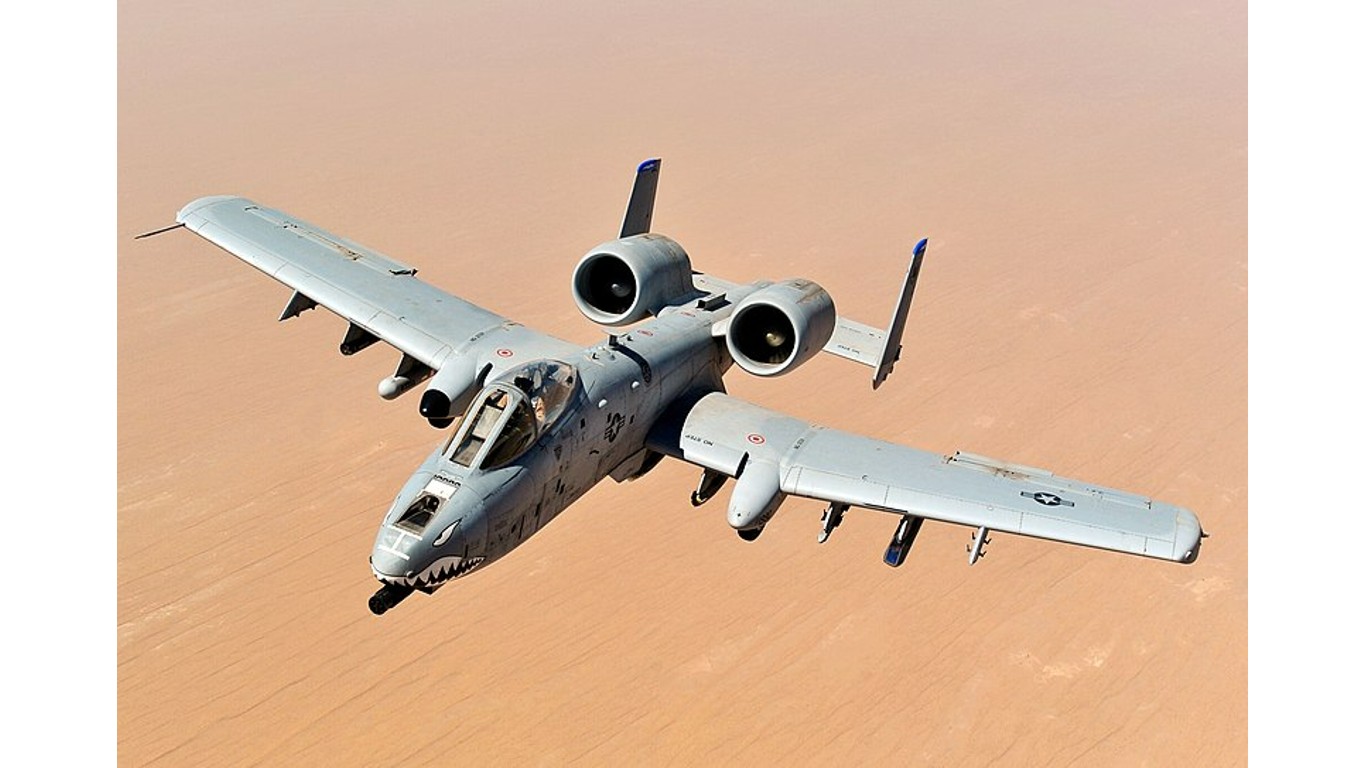
- Year introduced to service: 1977
- U.S. service branch: U.S. Air Force
- Primary combat role: Close air support
- Original era: Cold War
- Key modernization or upgrade: Avionics and weapon upgrades
- Current operational use: CAS and battlefield support
- Planned replacement or retirement outlook: Retirement repeatedly delayed
The A-10 endures because of its unmatched ability to support ground forces. Modern avionics and weapons have extended its relevance despite repeated retirement attempts.
AC-130 Gunship
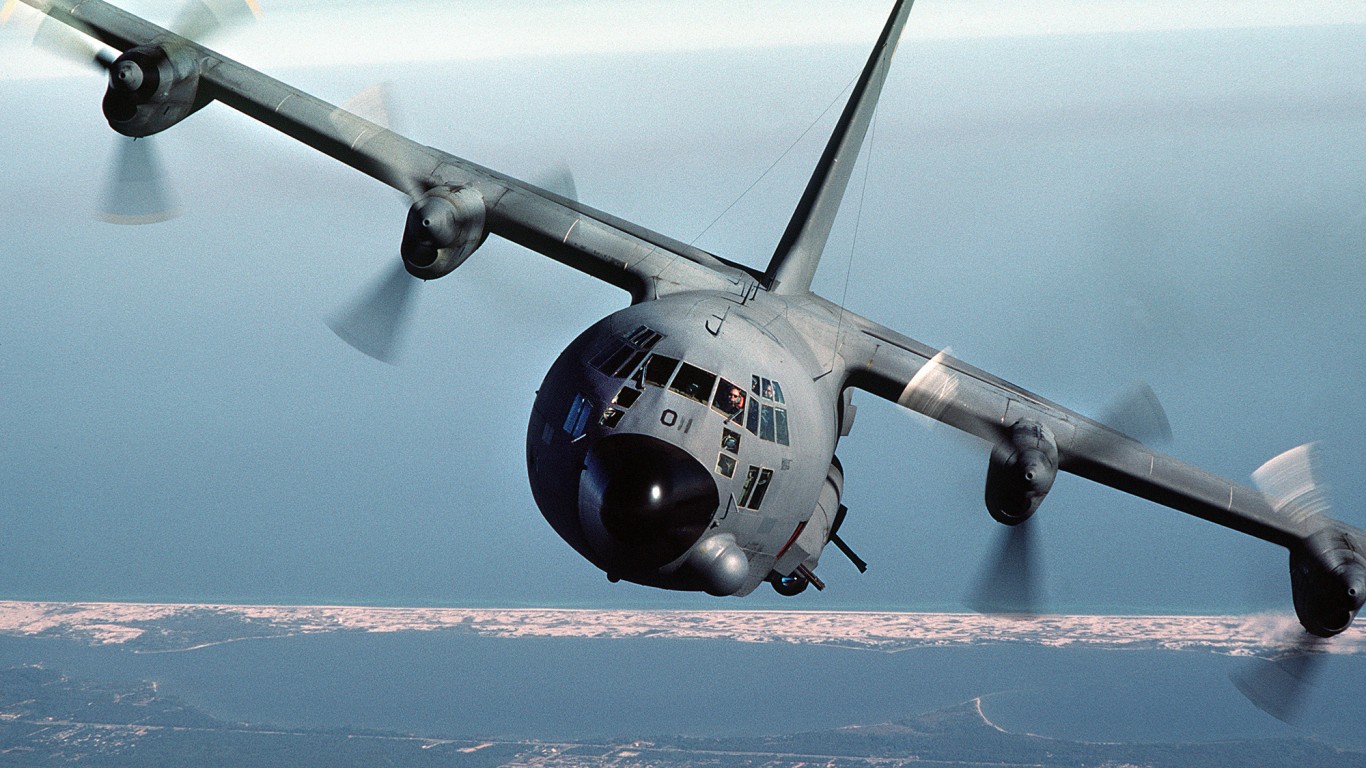
- Year introduced to service: 1968
- U.S. service branch: U.S. Air Force
- Primary combat role: Gunship
- Original era: Vietnam era
- Key modernization or upgrade: Sensors, weapons, avionics
- Current operational use: Special operations fire support
- Planned replacement or retirement outlook: No full replacement
AC-130 gunships remain vital due to their precision firepower and endurance. Their ability to loiter and support ground forces keeps them in demand decades after introduction.
F-15C/D Eagle
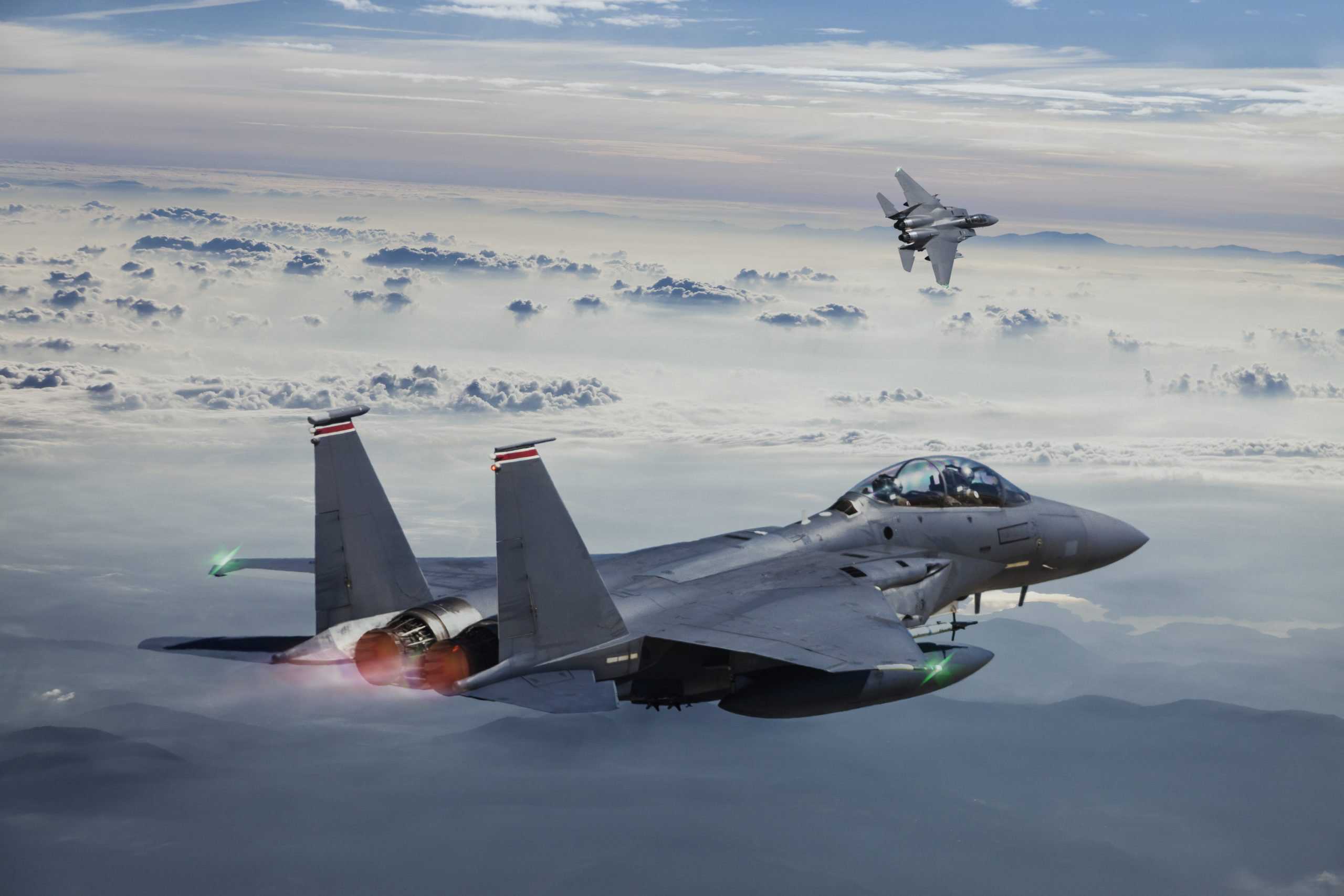
- Year introduced to service: 1976
- U.S. service branch: U.S. Air Force
- Primary combat role: Air superiority fighter
- Original era: Cold War
- Key modernization or upgrade: Radar and avionics upgrades
- Current operational use: Air defense
- Planned replacement or retirement outlook: Replacement ongoing
The F-15C/D continues flying because of its unmatched air-to-air performance. Upgrades have kept it viable while replacements roll out slowly.
F-15E Strike Eagle

- Year introduced to service: 1988
- U.S. service branch: U.S. Air Force
- Primary combat role: Strike fighter
- Original era: Cold War
- Key modernization or upgrade: Avionics, sensors, weapons
- Current operational use: Precision strike
- Planned replacement or retirement outlook: Gradual replacement
The F-15E’s adaptability has kept it relevant for decades. Its ability to perform deep strike and close support missions ensures continued use.
F-16C/D Fighting Falcon
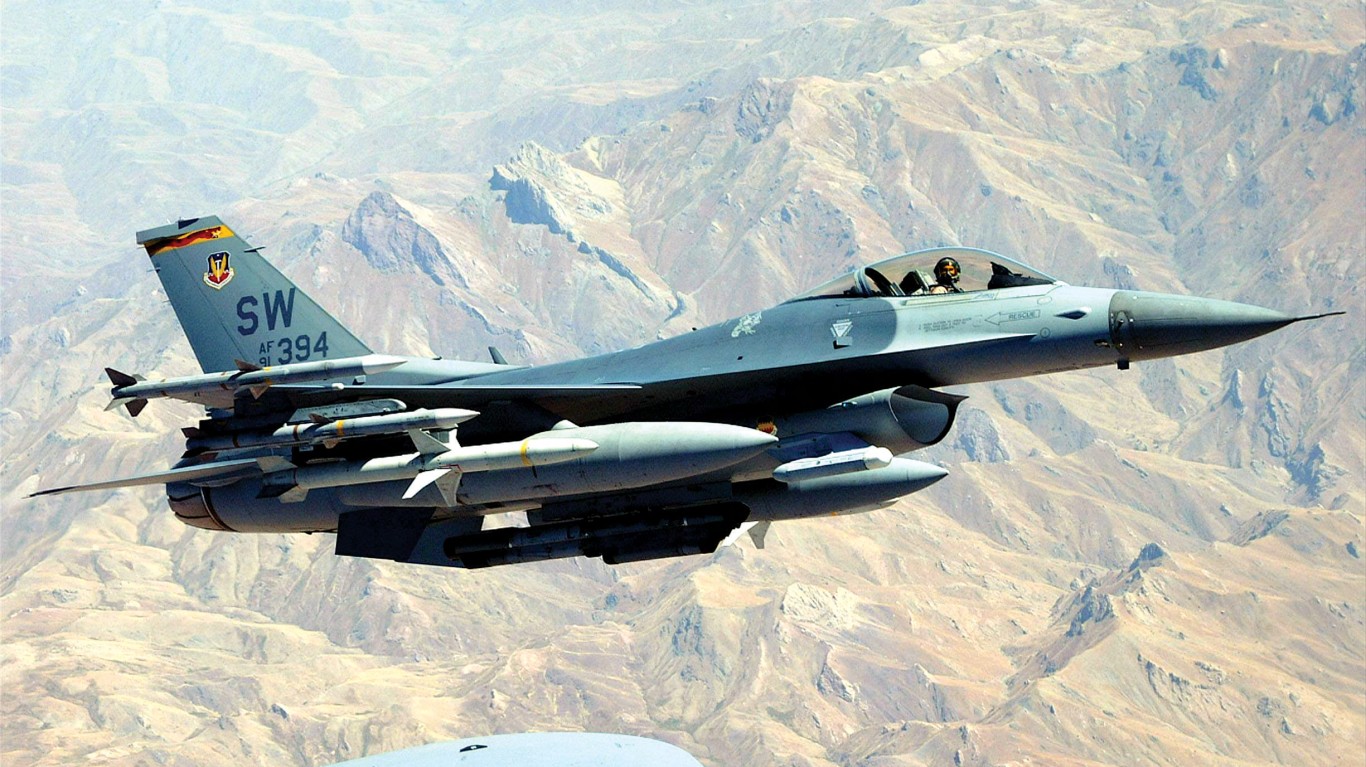
- Year introduced to service: 1984
- U.S. service branch: U.S. Air Force
- Primary combat role: Multirole fighter
- Original era: Cold War
- Key modernization or upgrade: Radar and avionics upgrades
- Current operational use: Combat deployments
- Planned replacement or retirement outlook: Partial replacement
The F-16 remains in service due to its affordability and versatility. Upgrades have extended its combat relevance well beyond initial expectations.
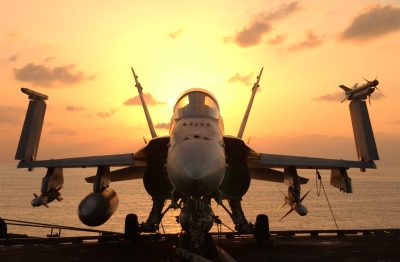
F/A-18C/D Hornet
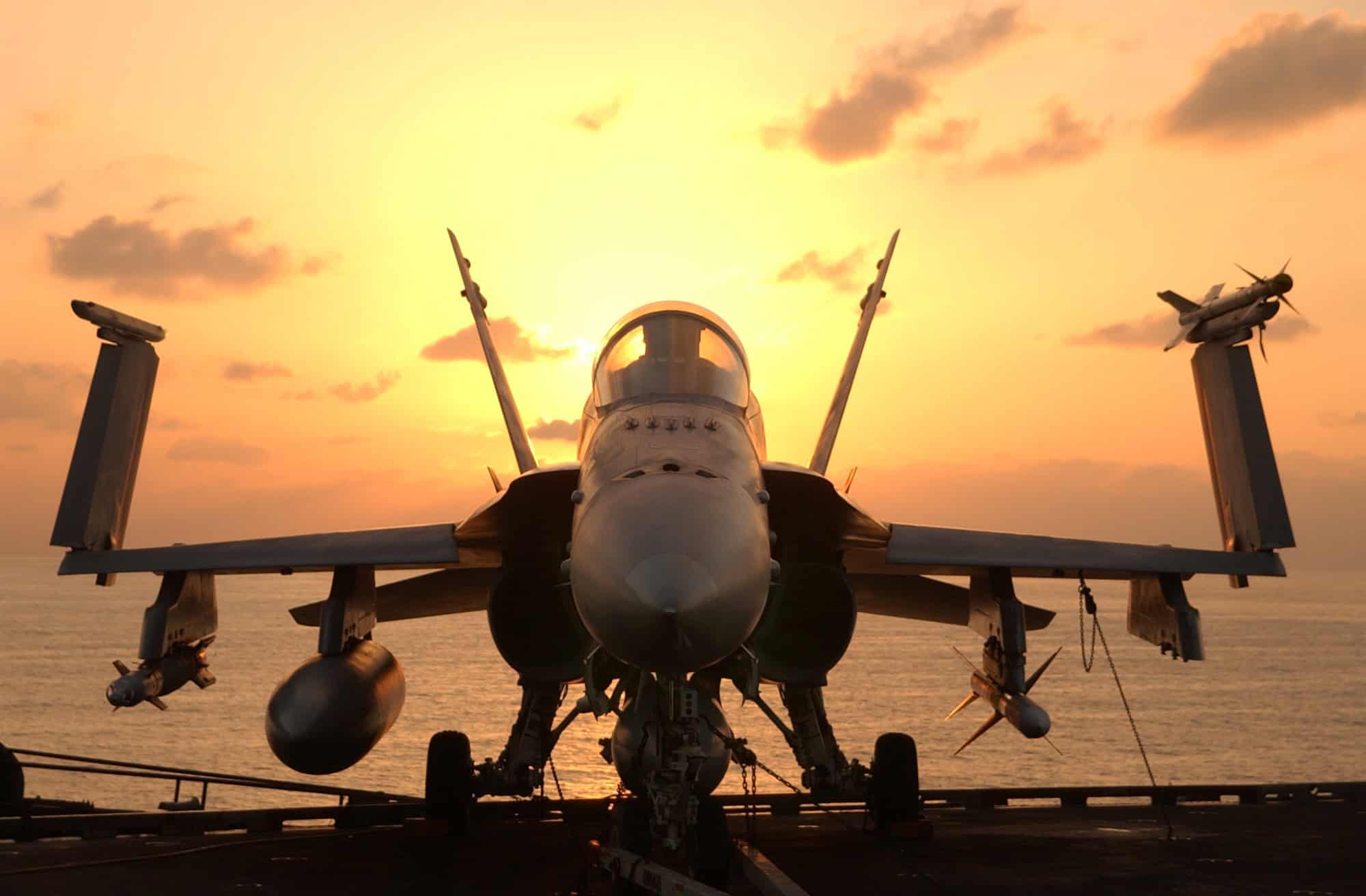
- Year introduced to service: 1987
- U.S. service branch: U.S. Navy / Marine Corps
- Primary combat role: Multirole fighter
- Original era: Cold War
- Key modernization or upgrade: Avionics and weapons updates
- Current operational use: Carrier and expeditionary ops
- Planned replacement or retirement outlook: Replacement ongoing
The legacy Hornet continues flying because of its adaptability to carrier and expeditionary operations, even as newer aircraft enter service.
AV-8B Harrier II
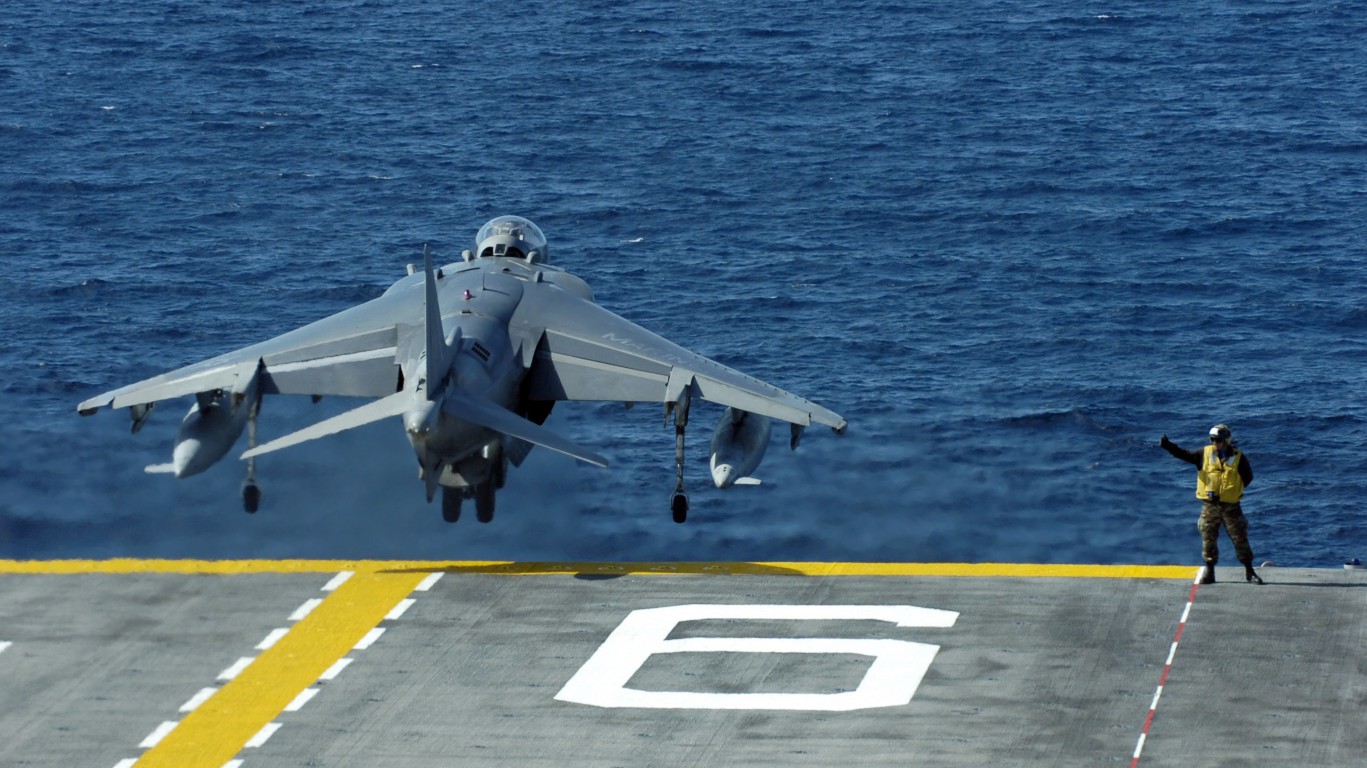
- Year introduced to service: 1985
- U.S. service branch: U.S. Marine Corps
- Primary combat role: Attack aircraft
- Original era: Cold War
- Key modernization or upgrade: Avionics and weapon updates
- Current operational use: Expeditionary strike
- Planned replacement or retirement outlook: Replacement by F-35B
The Harrier’s vertical/short takeoff capability allowed Marines to operate from austere bases, keeping it relevant until F-35B adoption.
U-2S Dragon Lady
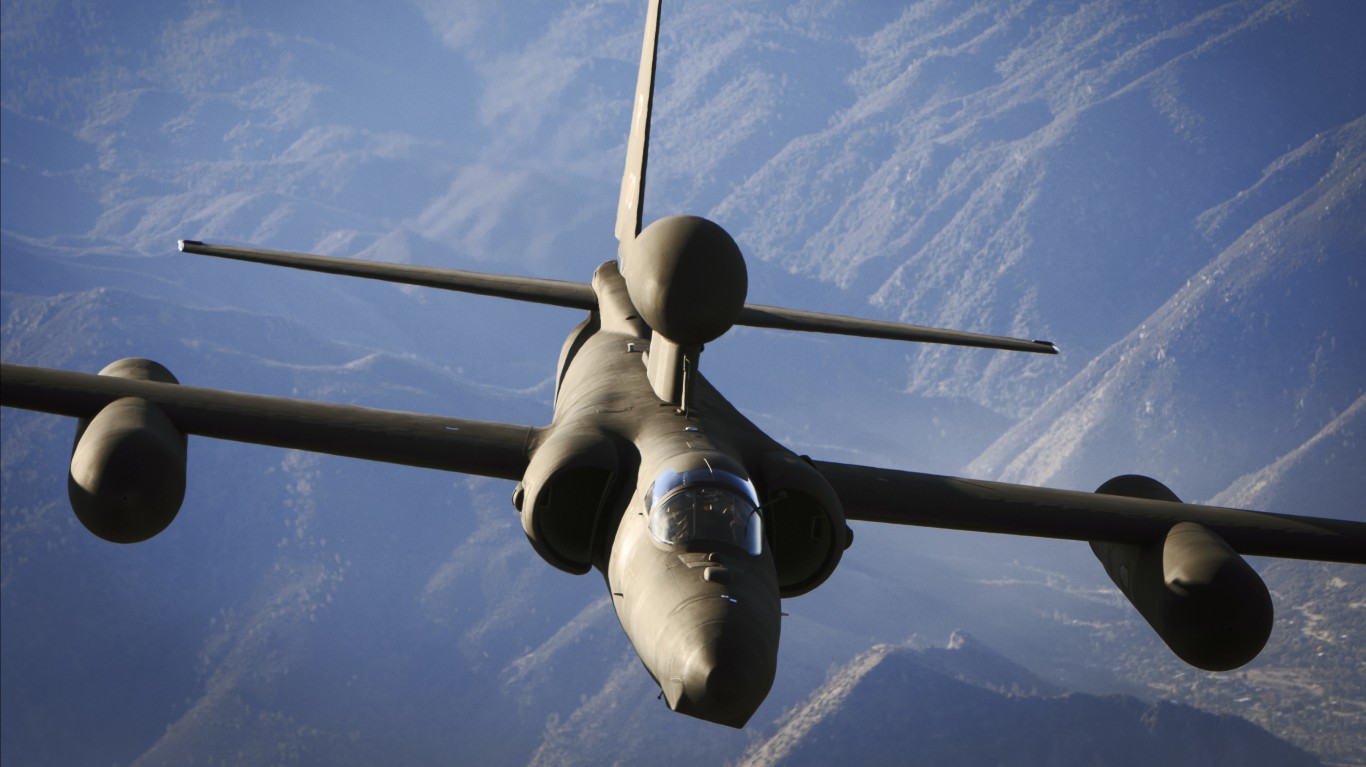
- Year introduced to service: 1957
- U.S. service branch: U.S. Air Force
- Primary combat role: ISR
- Original era: Cold War
- Key modernization or upgrade: Sensors and avionics
- Current operational use: Strategic reconnaissance
- Planned replacement or retirement outlook: Replacement delayed
The U-2’s unmatched altitude and sensor payload have kept it flying for decades. Continuous upgrades ensure its ISR value remains high.
E-3G Sentry
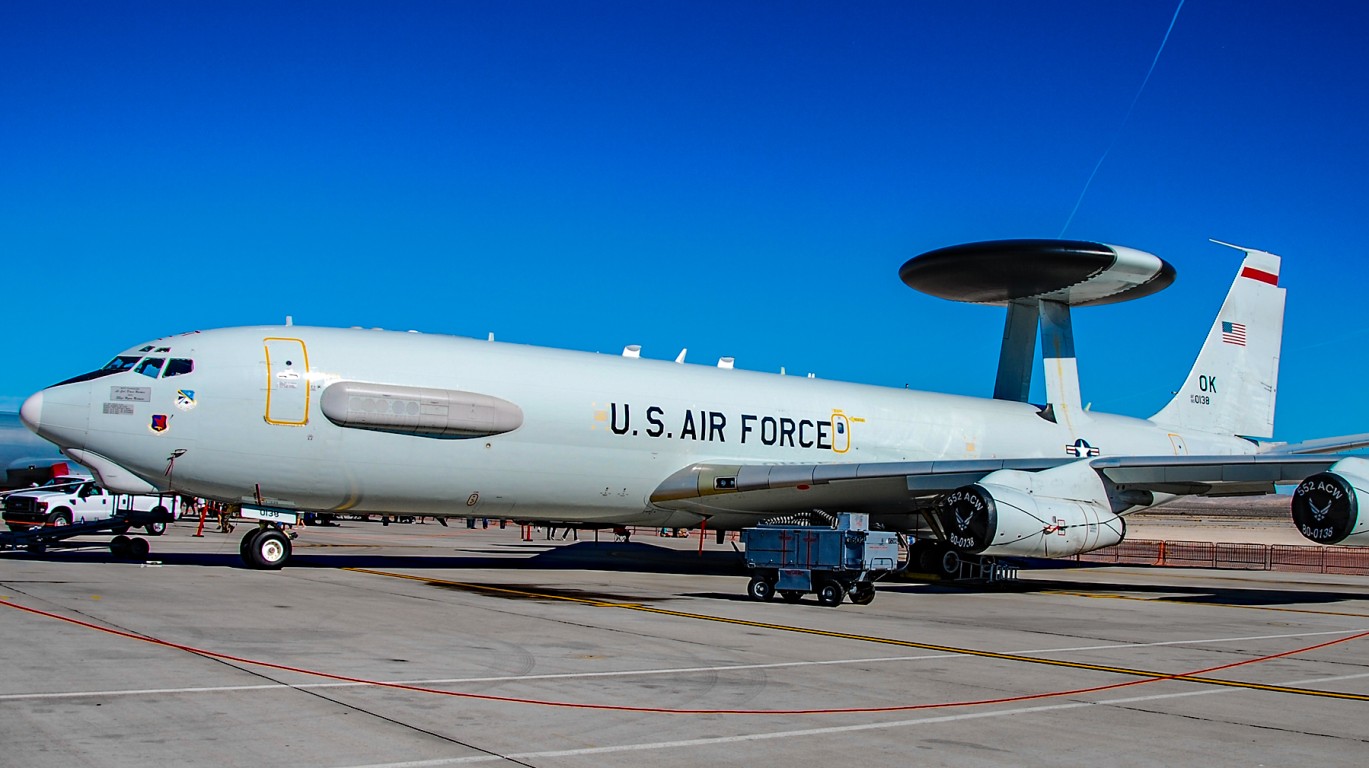
- Year introduced to service: 1977
- U.S. service branch: U.S. Air Force
- Primary combat role: AWACS
- Original era: Cold War
- Key modernization or upgrade: Radar and avionics upgrades
- Current operational use: Air battle management
- Planned replacement or retirement outlook: Replacement planned
The E-3 provides airborne command and control unmatched by other platforms. Modernization has kept it central to air operations.
RC-135 Rivet Joint
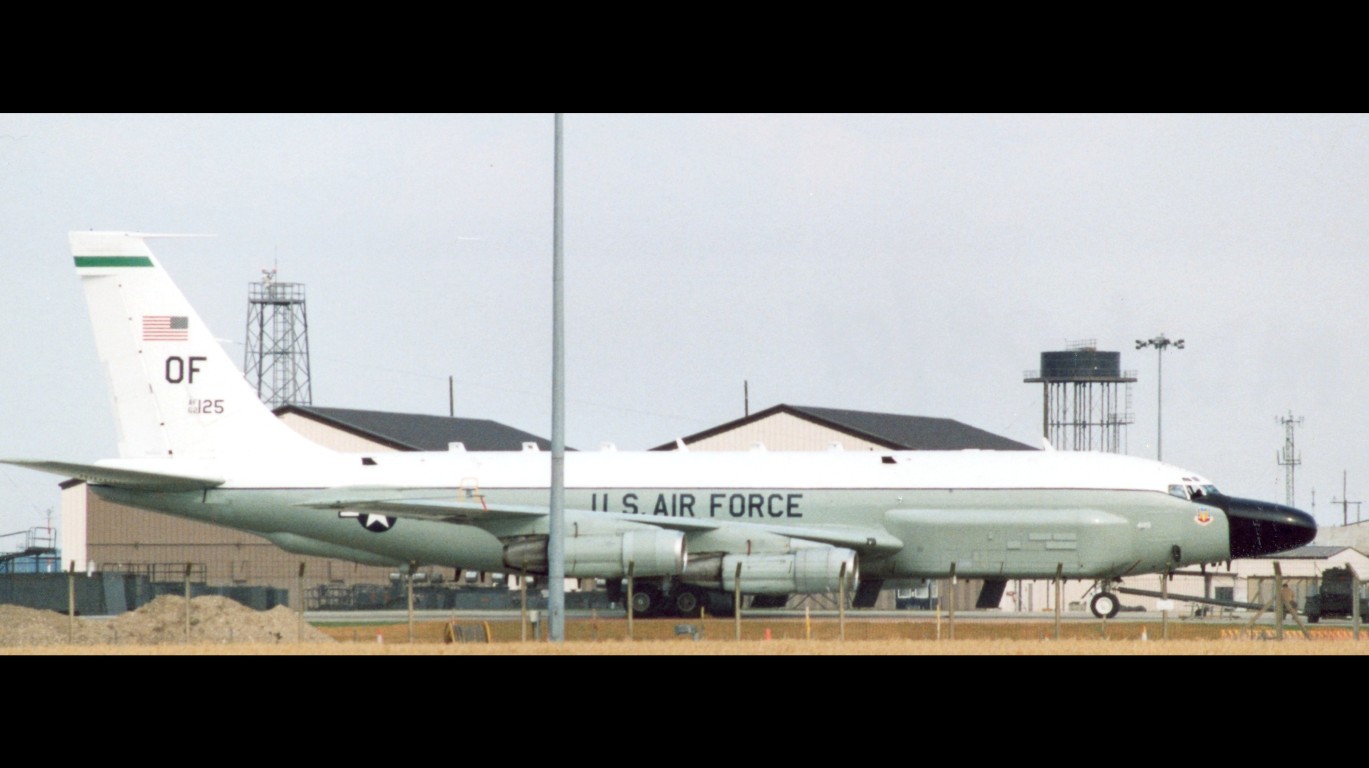
- Year introduced to service: 1964
- U.S. service branch: U.S. Air Force
- Primary combat role: ISR / SIGINT
- Original era: Cold War
- Key modernization or upgrade: Sensors and avionics
- Current operational use: Intelligence collection
- Planned replacement or retirement outlook: No direct replacement
RC-135 aircraft remain vital due to their specialized intelligence-gathering capabilities that newer platforms have yet to replicate fully.
EC-130H Compass Call

- Year introduced to service: 1972
- U.S. service branch: U.S. Air Force
- Primary combat role: Electronic warfare
- Original era: Cold War
- Key modernization or upgrade: Avionics and EW upgrades
- Current operational use: Electronic warfare
- Planned replacement or retirement outlook: Replacement underway
Compass Call aircraft persist because of their ability to disrupt enemy communications and sensors, a role still in high demand.
KC-135 Stratotanker

- Year introduced to service: 1957
- U.S. service branch: U.S. Air Force
- Primary combat role: Aerial refueling
- Original era: Cold War
- Key modernization or upgrade: Avionics and structural upgrades
- Current operational use: Global refueling
- Planned replacement or retirement outlook: Replacement ongoing
The KC-135’s reliability and global refueling role have kept it operational for decades, underpinning nearly all U.S. air operations.
KC-130
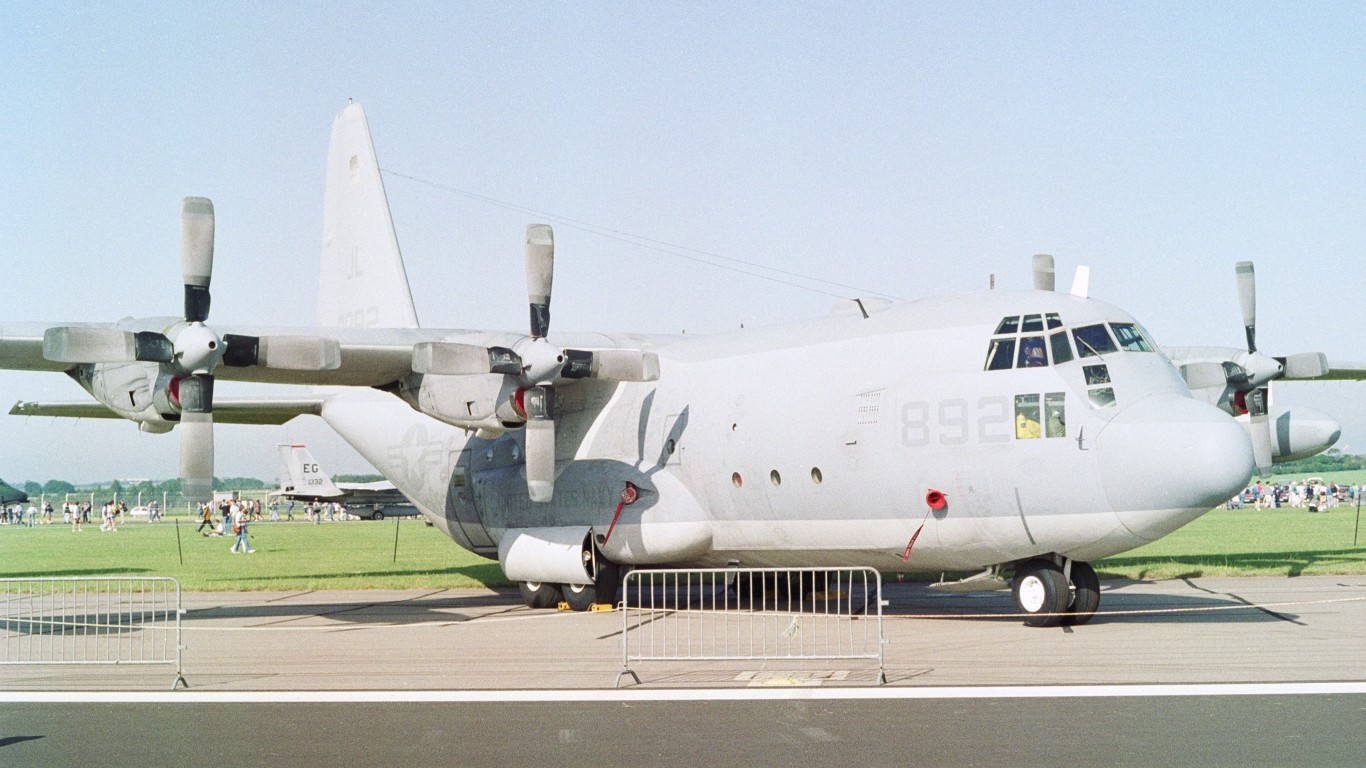
- Year introduced to service: 1960
- U.S. service branch: U.S. Marine Corps / Air Force
- Primary combat role: Aerial refueling / transport
- Original era: Cold War
- Key modernization or upgrade: Avionics upgrades
- Current operational use: Expeditionary support
- Planned replacement or retirement outlook: Gradual replacement
KC-130 aircraft remain valuable due to their ability to refuel aircraft and support expeditionary operations from austere bases.
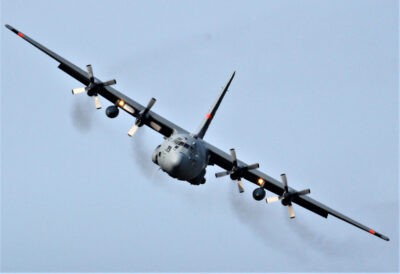
C-130H Hercules
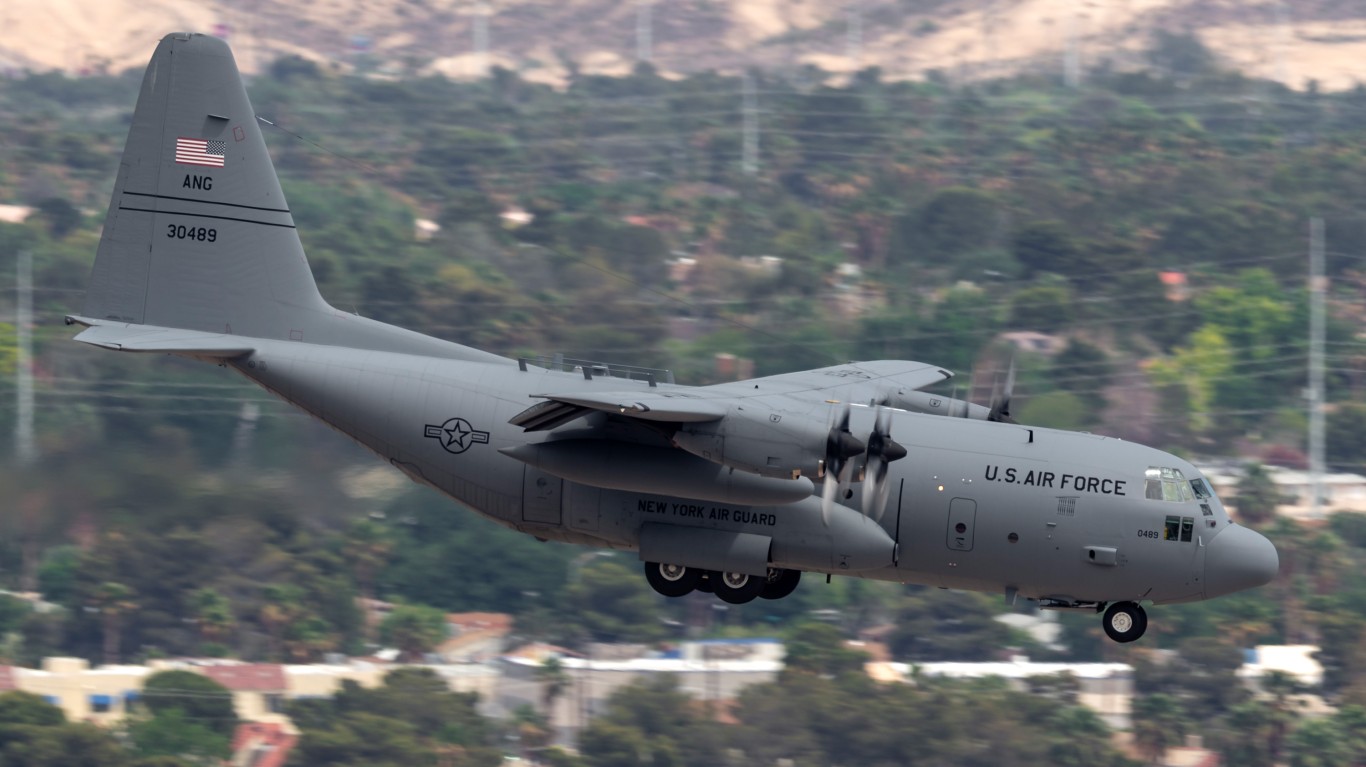
- Year introduced to service: 1974
- U.S. service branch: U.S. Air Force
- Primary combat role: Tactical airlift
- Original era: Cold War
- Key modernization or upgrade: Avionics and structural upgrades
- Current operational use: Combat airlift
- Planned replacement or retirement outlook: Replacement gradual
The C-130’s ruggedness and flexibility have kept it flying across decades of combat and humanitarian missions.
MC-130
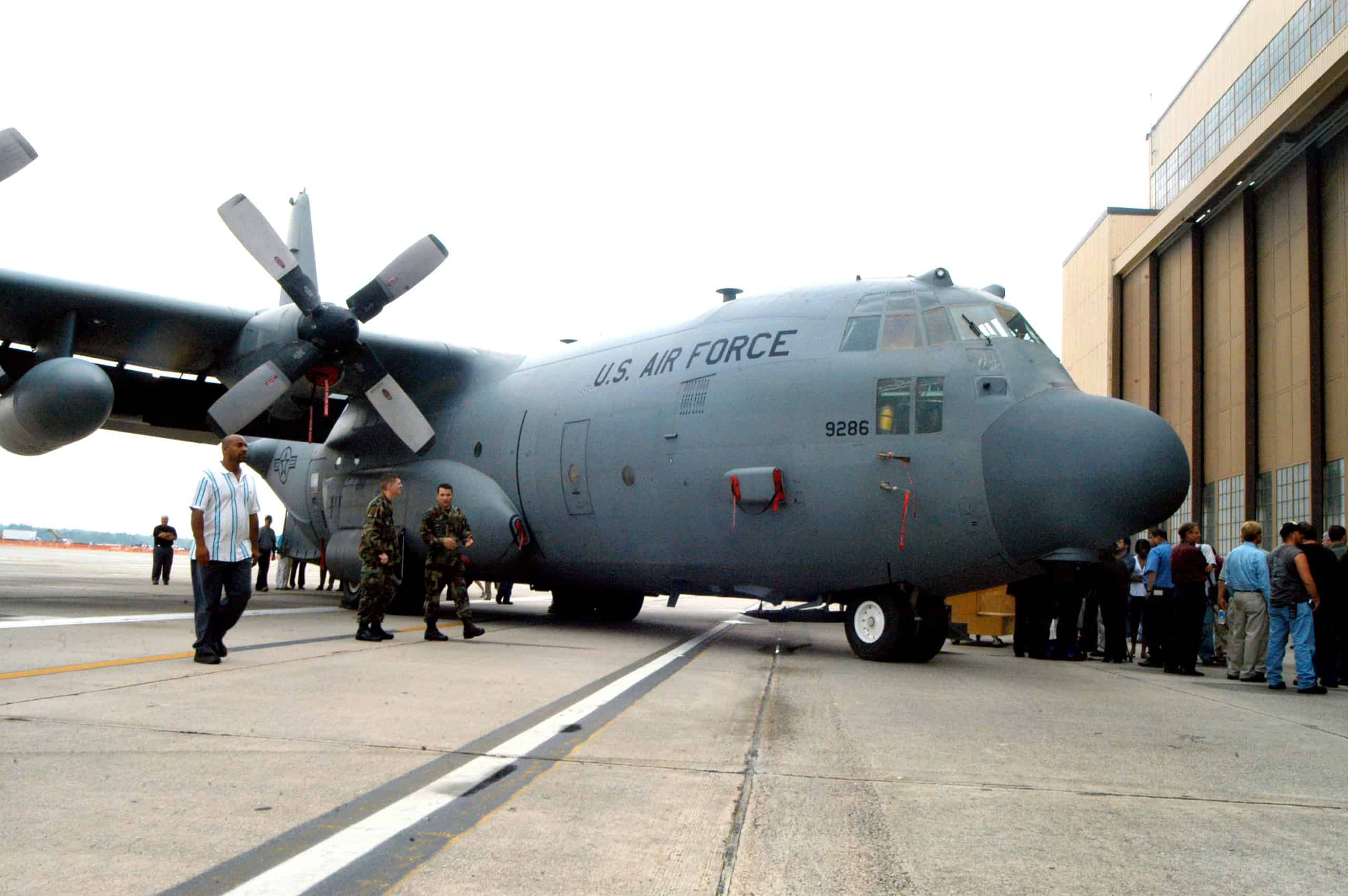
- Year introduced to service: 1966
- U.S. service branch: U.S. Air Force
- Primary combat role: Special operations transport
- Original era: Vietnam era
- Key modernization or upgrade: Sensors and avionics
- Current operational use: Special operations
- Planned replacement or retirement outlook: No full replacement
MC-130 aircraft continue serving because of their specialized role supporting special operations forces in contested environments.
CH-47F Chinook
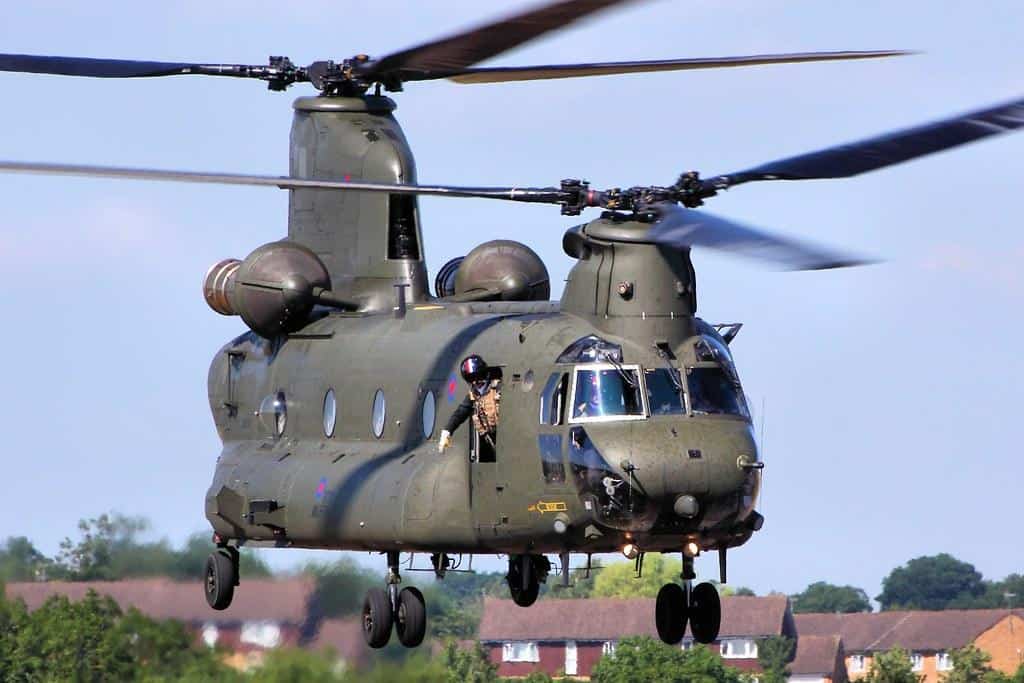
- Year introduced to service: 1962
- U.S. service branch: U.S. Army
- Primary combat role: Heavy-lift helicopter
- Original era: Vietnam era
- Key modernization or upgrade: Avionics and engines
- Current operational use: Troop and cargo lift
- Planned replacement or retirement outlook: Continued upgrades
The Chinook’s tandem-rotor design provides unmatched lift capacity, keeping it relevant for modern operations.
AH-64 Apache

- Year introduced to service: 1986
- U.S. service branch: U.S. Army
- Primary combat role: Attack helicopter
- Original era: Cold War
- Key modernization or upgrade: Sensors and weapons
- Current operational use: Close combat
- Planned replacement or retirement outlook: Continued modernization
The Apache remains a cornerstone of Army aviation thanks to continuous upgrades that keep it lethal and survivable.
UH-60 Black Hawk

- Year introduced to service: 1979
- U.S. service branch: U.S. Army
- Primary combat role: Utility helicopter
- Original era: Cold War
- Key modernization or upgrade: Avionics and engines
- Current operational use: Air assault
- Planned replacement or retirement outlook: Ongoing upgrades
The Black Hawk’s versatility has made it indispensable for transport, medevac, and combat support missions.
P-3C Orion
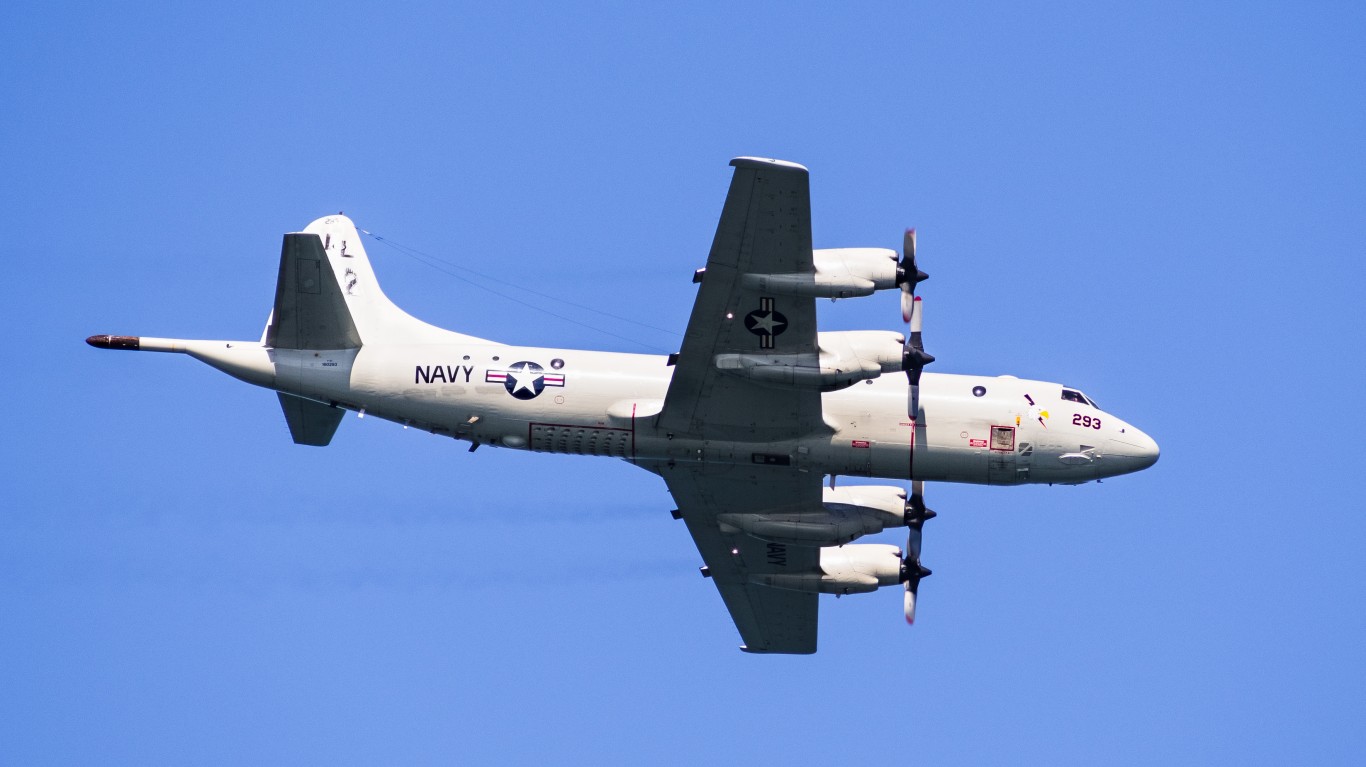
- Year introduced to service: 1969
- U.S. service branch: U.S. Navy
- Primary combat role: Maritime patrol
- Original era: Cold War
- Key modernization or upgrade: Sensors and avionics
- Current operational use: Maritime surveillance
- Planned replacement or retirement outlook: Mostly replaced
Some P-3 aircraft continue flying in niche roles due to their endurance and sensor suite.
EP-3E Aries II
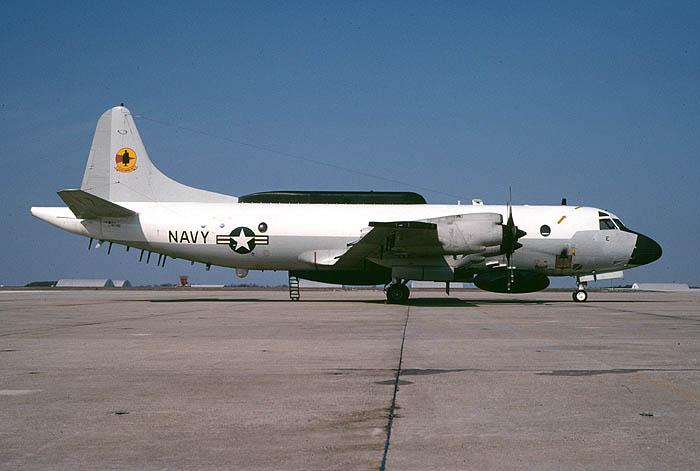
- Year introduced to service: 1974
- U.S. service branch: U.S. Navy
- Primary combat role: SIGINT
- Original era: Cold War
- Key modernization or upgrade: Sensors and avionics
- Current operational use: ISR missions
- Planned replacement or retirement outlook: Limited replacement
The EP-3E remains valuable for its specialized signals intelligence capabilities.
E-6B Mercury

- Year introduced to service: 1989
- U.S. service branch: U.S. Navy
- Primary combat role: Command and control
- Original era: Cold War
- Key modernization or upgrade: Avionics upgrades
- Current operational use: Strategic communications
- Planned replacement or retirement outlook: Replacement planned
The E-6B supports nuclear command and control missions that require unique airborne capabilities.
E-4B Nightwatch
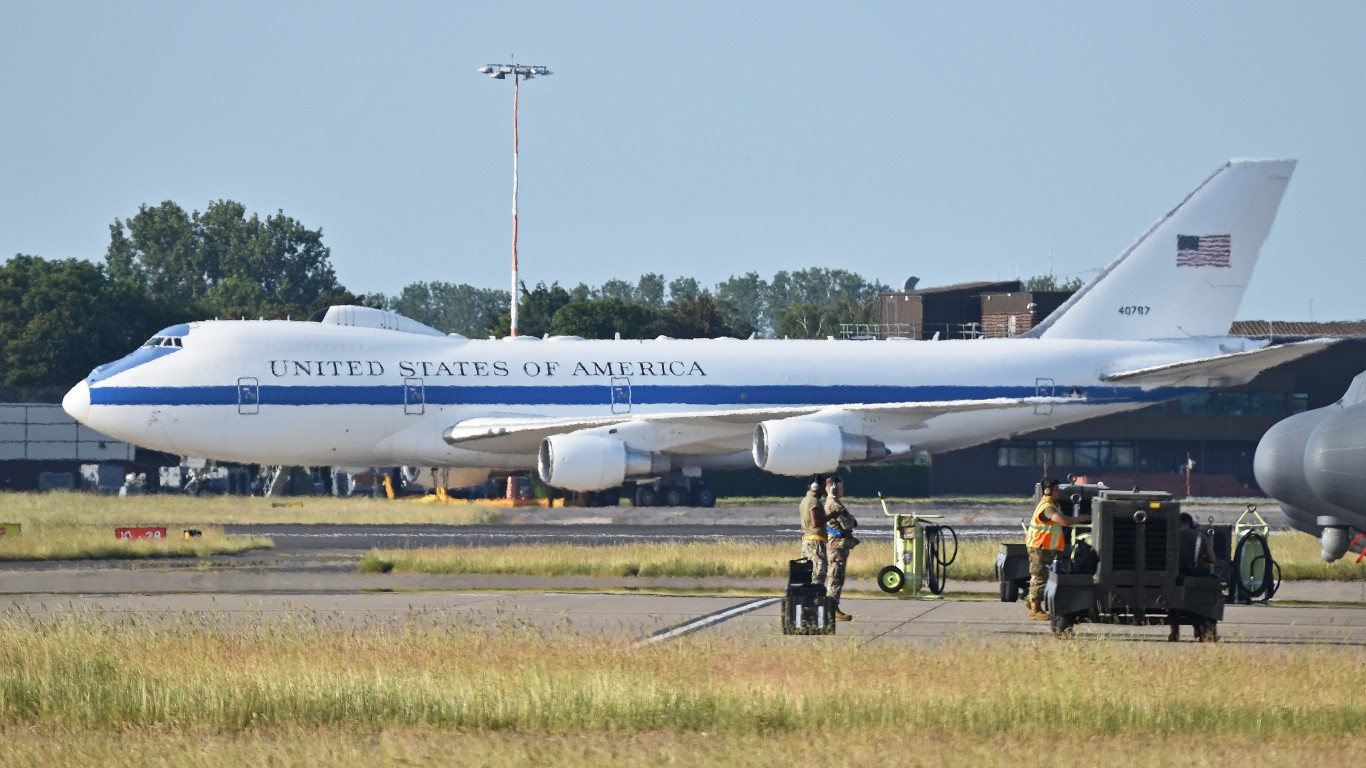
- Year introduced to service: 1974
- U.S. service branch: U.S. Air Force
- Primary combat role: Command aircraft
- Original era: Cold War
- Key modernization or upgrade: Avionics upgrades
- Current operational use: Strategic command
- Planned replacement or retirement outlook: Replacement uncertain
The E-4B serves as the airborne national command post, a role that keeps it indispensable despite its age.
T-38 Talon

- Year introduced to service: 1961
- U.S. service branch: U.S. Air Force
- Primary combat role: Trainer / adversary
- Original era: Cold War
- Key modernization or upgrade: Avionics updates
- Current operational use: Pilot training
- Planned replacement or retirement outlook: Replacement underway
Though primarily a trainer, the T-38 supports combat readiness by preparing fighter pilots for high-performance aircraft.
A-29 Super Tucano
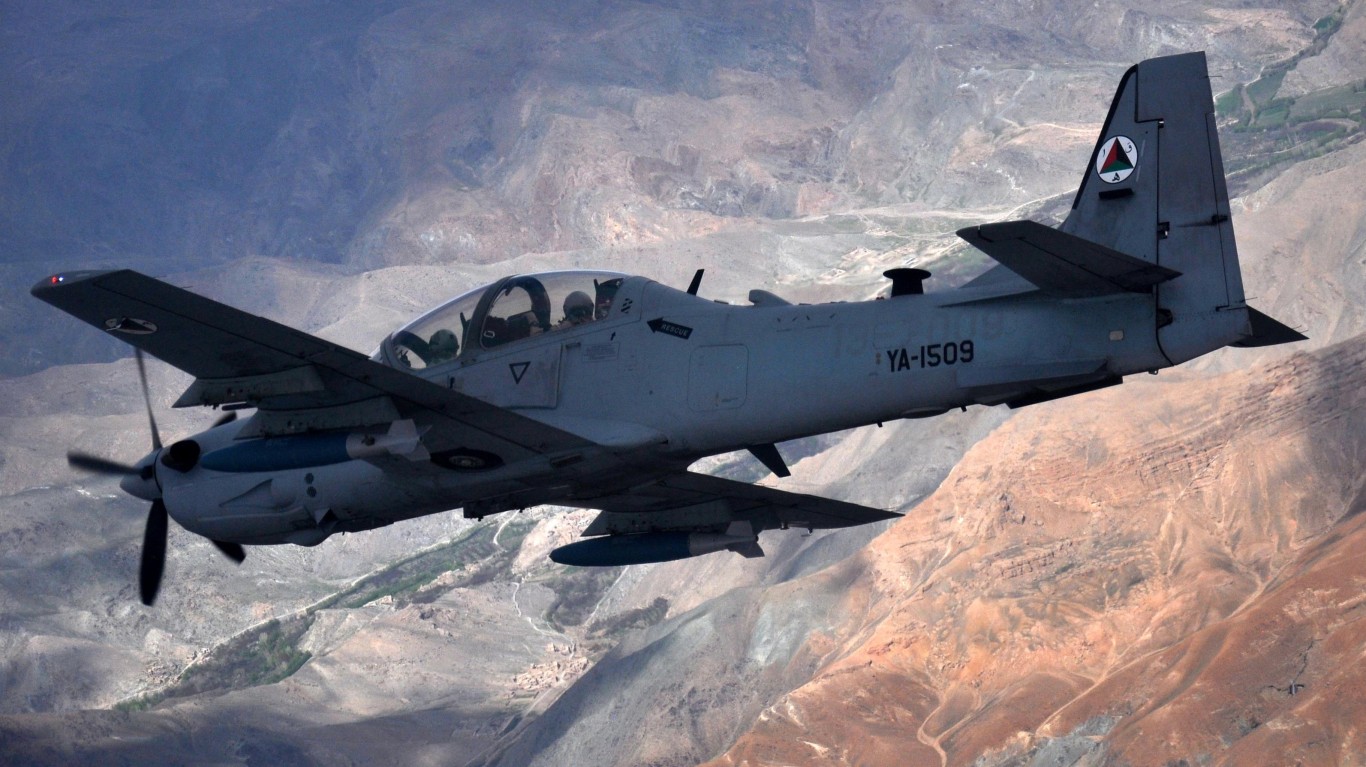
- Year introduced to service: 2018
- U.S. service branch: U.S. Air Force
- Primary combat role: Light attack
- Original era: Modern
- Key modernization or upgrade: Sensors and weapons
- Current operational use: Partner training/combat
- Planned replacement or retirement outlook: Continued service
The A-29 supports partner forces and light attack missions, filling a niche not covered by larger combat aircraft.
MQ-9 Reaper
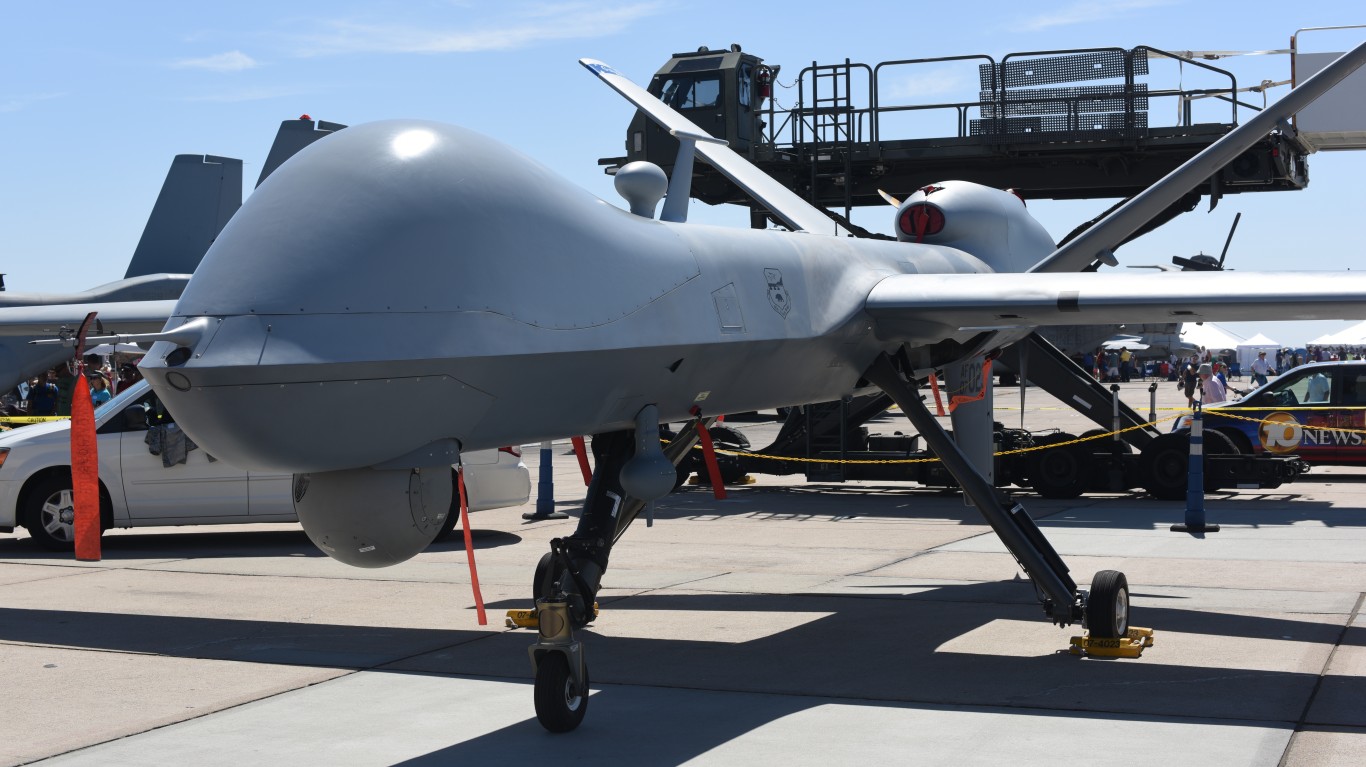
- Year introduced to service: 2007
- U.S. service branch: U.S. Air Force
- Primary combat role: Unmanned combat
- Original era: Post-9/11
- Key modernization or upgrade: Sensors and datalinks
- Current operational use: ISR and strike
- Planned replacement or retirement outlook: Upgrades ongoing
Early MQ-9 airframes remain operational due to constant upgrades that keep them relevant for ISR and precision strike missions.
RQ-4 Global Hawk
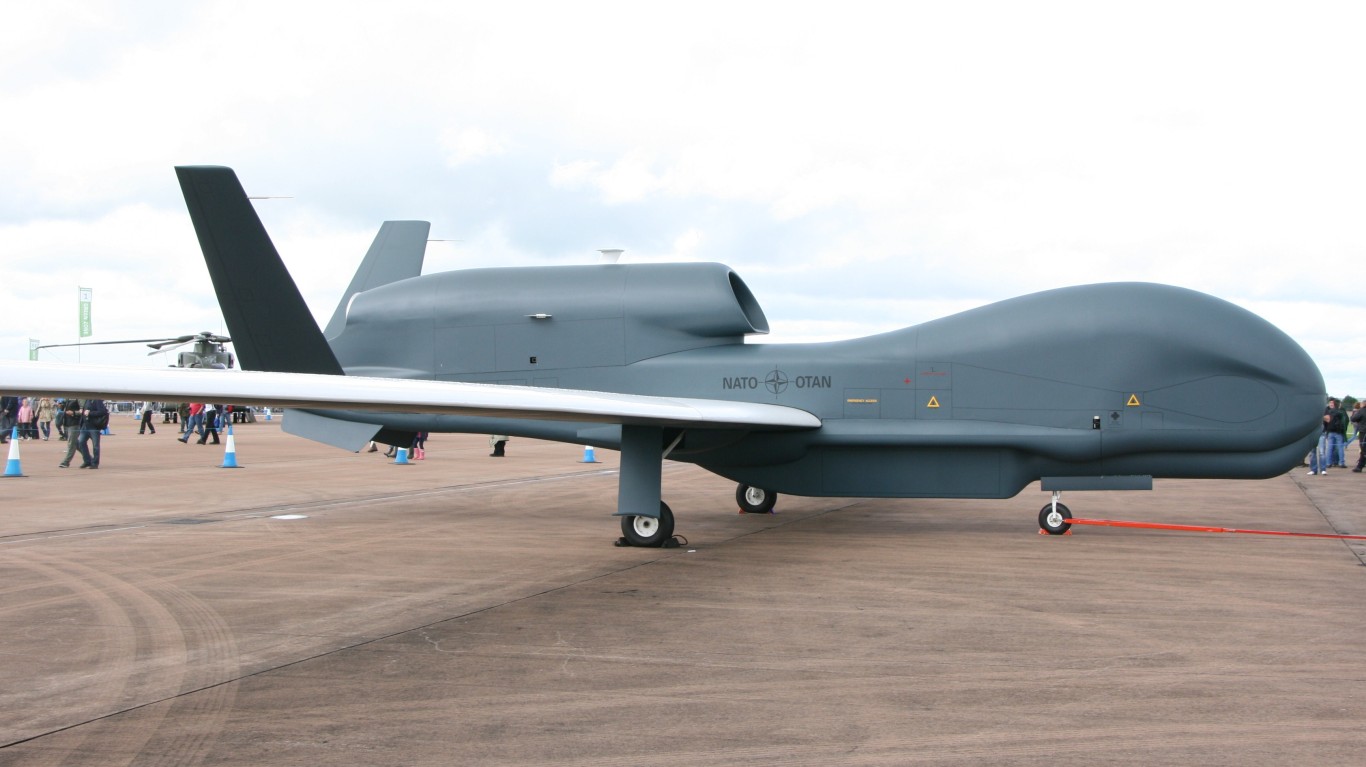
- Year introduced to service: 2001
- U.S. service branch: U.S. Air Force
- Primary combat role: Unmanned ISR
- Original era: Post-9/11
- Key modernization or upgrade: Sensors and avionics
- Current operational use: Strategic ISR
- Planned replacement or retirement outlook: Retirement debated
Some Global Hawk variants continue flying due to their ability to provide long-endurance, high-altitude surveillance.
F-5N Tiger II
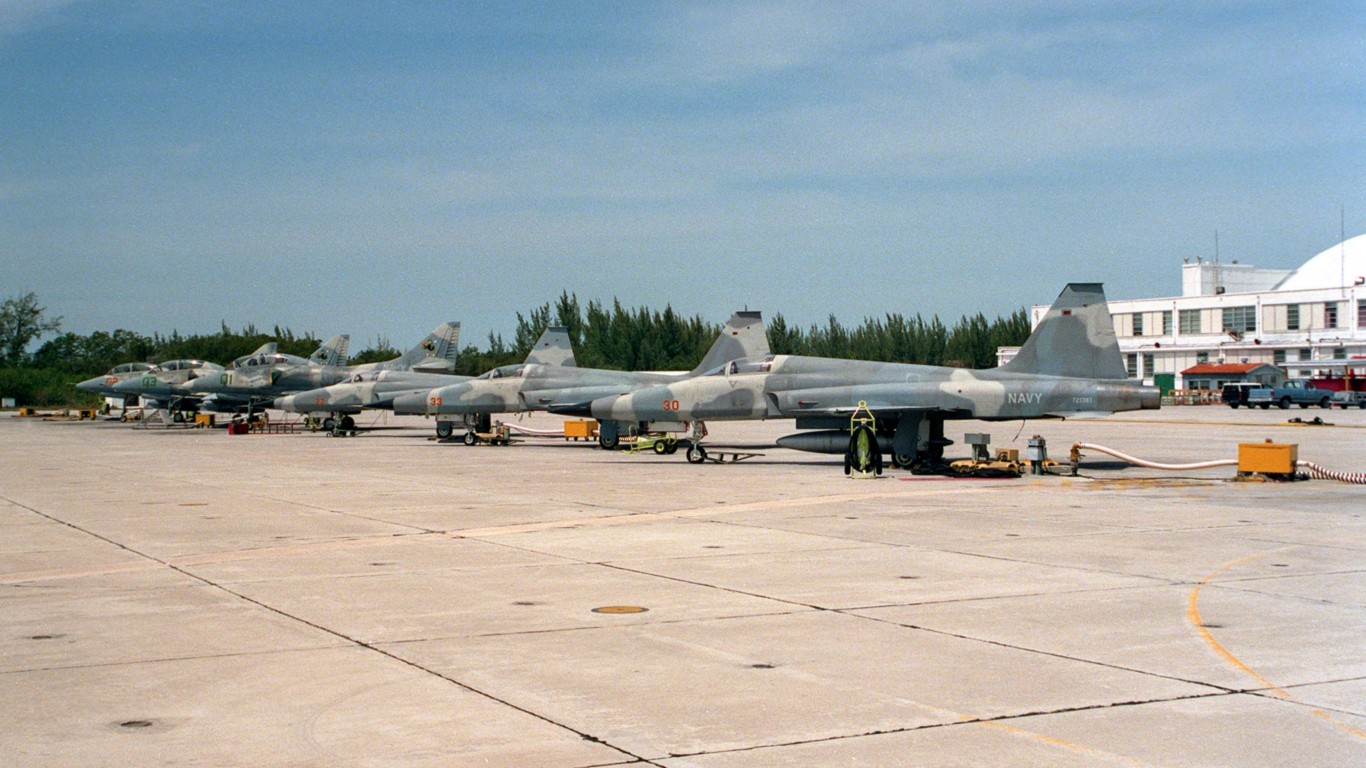
- Year introduced to service: 1972
- U.S. service branch: U.S. Navy / Marine Corps
- Primary combat role: Adversary fighter
- Original era: Cold War
- Key modernization or upgrade: Avionics upgrades
- Current operational use: Training
- Planned replacement or retirement outlook: Continued service
The F-5N remains in service as an adversary aircraft, supporting combat training by replicating potential threats.






 Top Gaining Stocks
 Top Losing Stocks