


For some weapons, the hardest fight wasn’t against the enemy, in fact it was more so against wear and time. Advanced technology has delivered decisive advantages but in some cases has imposed relentless upkeep on crews and logistics chains. Here, 24/7 Wall St. is taking a closer look at how these systems became a maintenance nightmare for the U.S. Military.
To determine the most high maintenance weapons ever used by U.S. Forces, 24/7 Wall St. reviewed various historical and military sources. We included supplemental information regarding each weapon or weapon system, why each was so maintenance heavy, what was done about it, and why it is so important.
Here is a look at the most high maintenance weapons ever issued to U.S. Forces:
Why Are We Covering This?
Maintenance-heavy weapons show a hidden side of military power that rarely makes headlines. While these systems often delivered unmatched capability on the battlefield, their sustainment demands shaped readiness, deployment tempo, and long-term viability just as much as combat performance. By examining weapons that strained maintenance and logistics networks, this highlights how sustainment realities influence military effectiveness and why the ability to keep systems operational is as decisive as the weapons themselves.
Capability Came at a Cost

Some of the most powerful weapons ever issued to U.S. forces delivered exceptional performance, but that capability came at a steep cost. Advanced engines, sensors, stealth materials, and complex mechanics pushed technological boundaries while quietly increasing the burden placed on maintainers. The result was combat power paired with an often invisible sustainment bill.
The Maintenance Burden Behind Readiness
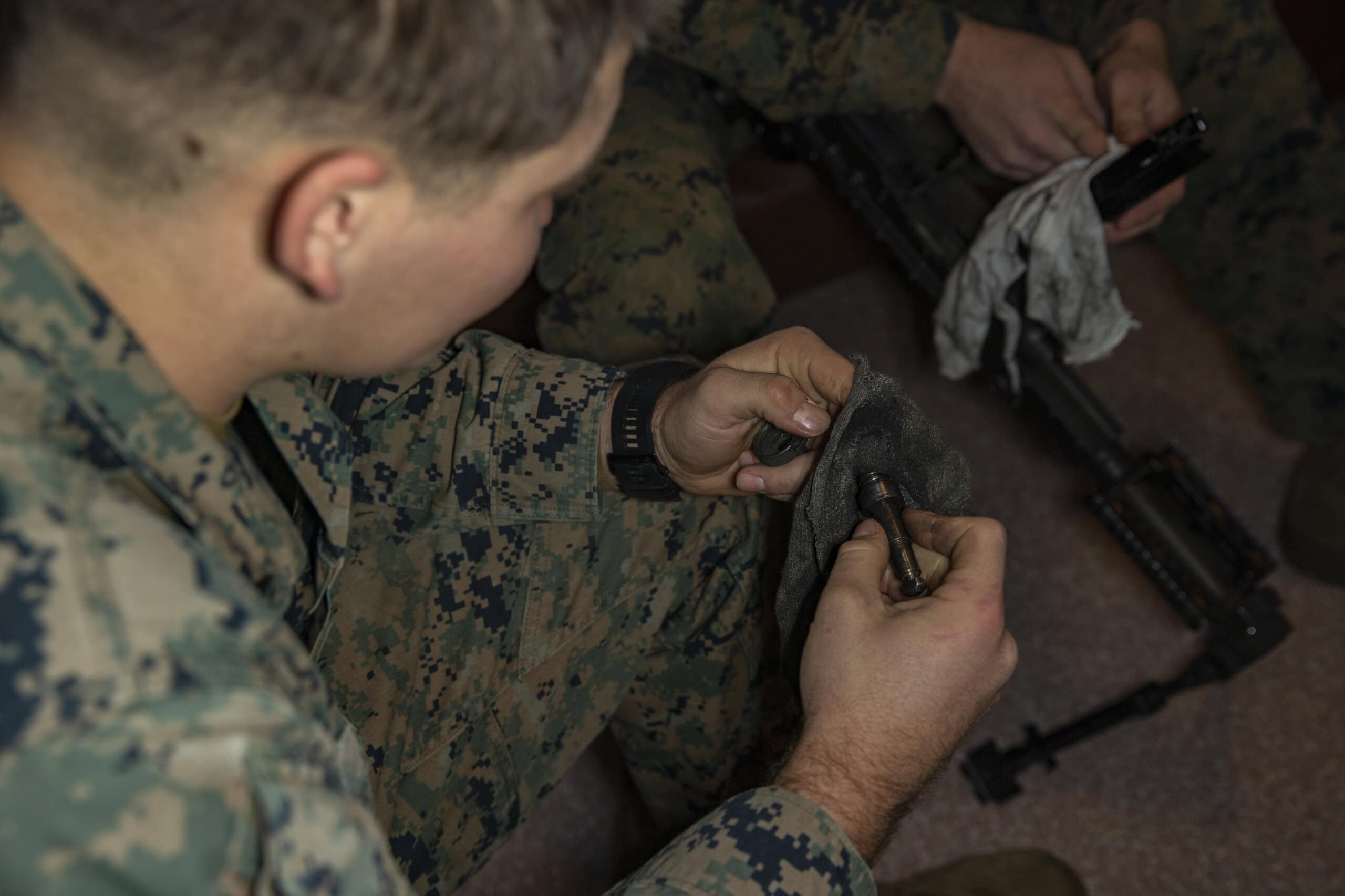
Maintenance demands directly shape readiness. Weapons that require excessive man-hours, specialized tools, or controlled environments are harder to keep available, even when they perform well in combat. In many cases, mission-capable rates were determined not by enemy action, but by time spent in hangars, motor pools, and maintenance bays.
Why These Weapons Stayed in Service
Despite these challenges, many maintenance-heavy systems remained in service because they delivered capabilities no easy replacement could match. Commanders accepted sustainment pain in exchange for range, survivability, precision, or dominance in specific roles. Upgrades and life-extension programs often kept these weapons relevant long after their complexity became apparent.
When Maintenance Became the Limiting Factor
For some platforms, maintenance eventually became the limiting factor. High upkeep reduced deployment availability, constrained operational tempo, or drove early retirement decisions. These systems did not fail on the battlefield; instead, sustainment realities dictated how often and how effectively they could be used.
What These Systems Teach About Warfighting
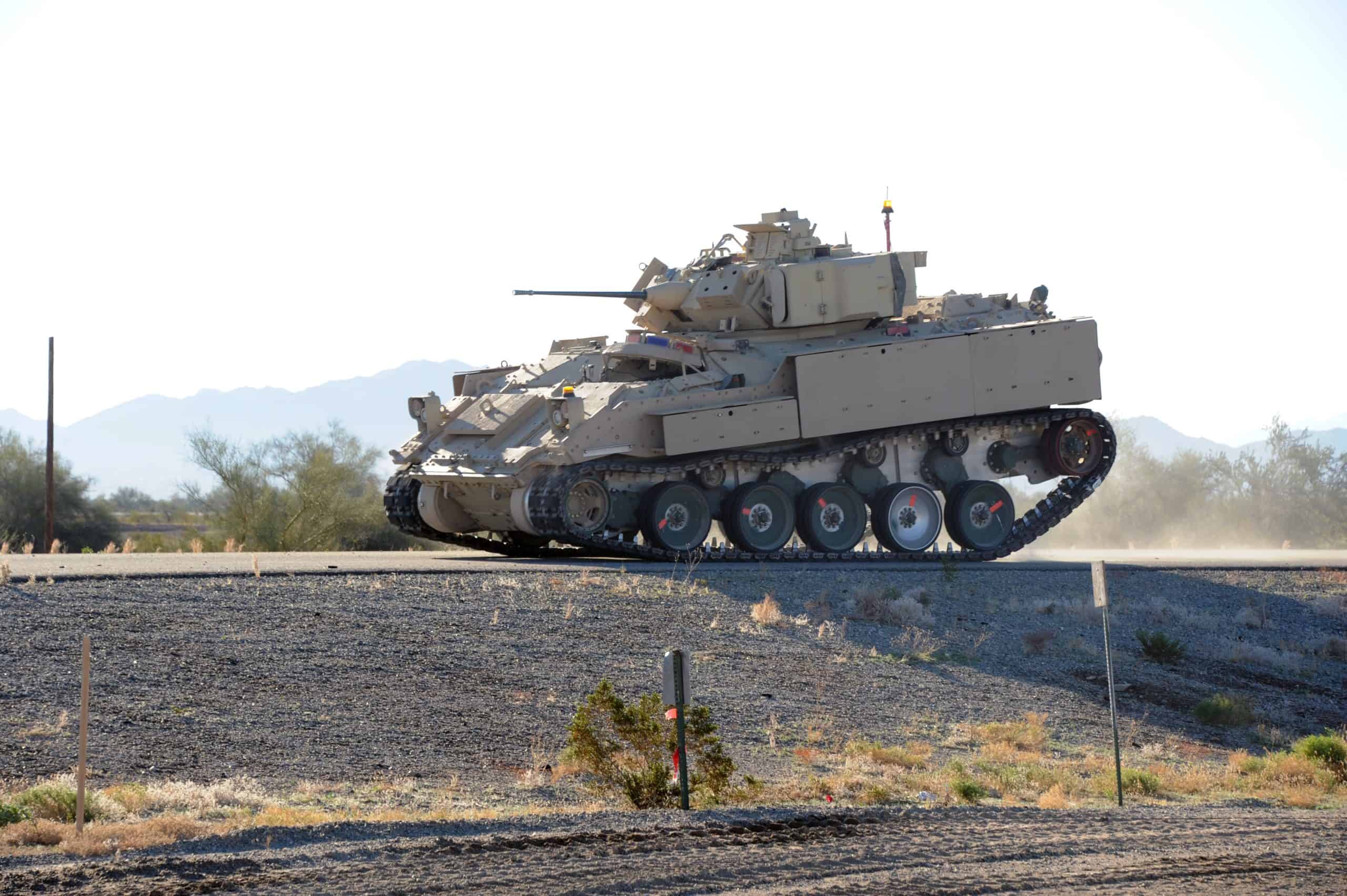
Together, these weapons highlight a critical lesson of modern warfare: logistics and maintenance are inseparable from combat power. Designing for performance without equal attention to sustainment creates long-term tradeoffs. In the end, the most effective weapon is not just the most advanced—but the one that can be kept running.
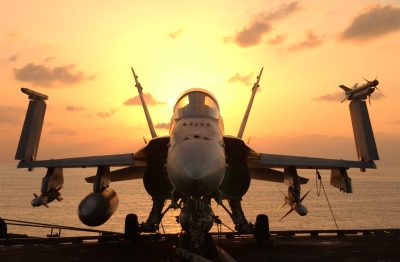
F-14 Tomcat
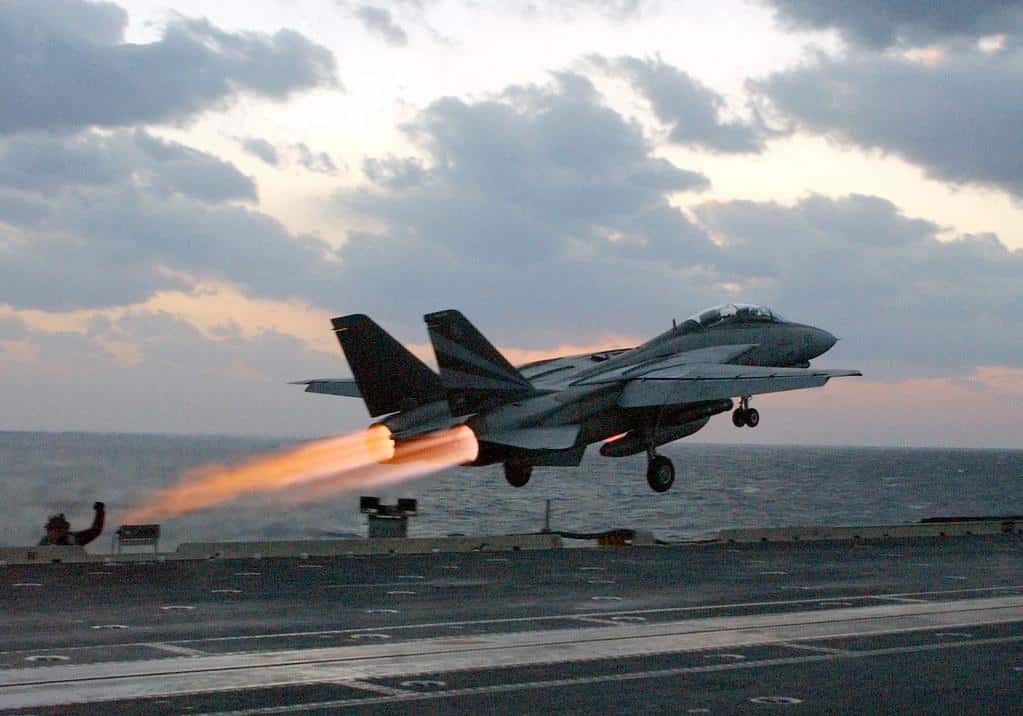
- Service branch: Navy
- Type: Aircraft
- Year introduced to service: 1974
- Primary combat role: Fleet air defense
- Why it was maintenance-heavy: Variable-sweep wings, aging avionics
- Maintenance impact: Extremely high maintenance man-hours
- Operational consequence: Low readiness rates late service
The F-14 delivered unmatched fleet defense capability but at a steep sustainment cost. Its variable-sweep wings, complex avionics, and aging components required enormous maintenance effort, making readiness difficult to sustain despite strong combat performance.
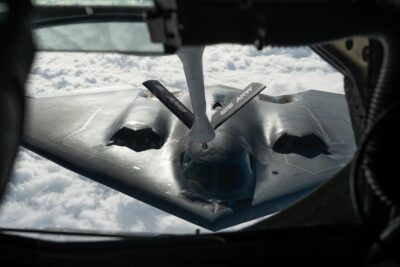
B-2 Spirit

- Service branch: Air Force
- Type: Aircraft
- Year introduced to service: 1997
- Primary combat role: Stealth strategic strike
- Why it was maintenance-heavy: Stealth coatings and climate-controlled upkeep
- Maintenance impact: Intensive hangar and coating maintenance
- Operational consequence: Limited sortie generation
The B-2 offered revolutionary stealth strike capability, but its sensitive coatings and environmental requirements made it one of the most maintenance-intensive aircraft ever fielded by the U.S. Air Force.
F-35 Lightning II

- Service branch: Joint
- Type: Aircraft
- Year introduced to service: 2015
- Primary combat role: Multirole stealth fighter
- Why it was maintenance-heavy: Software, sensors, stealth materials
- Maintenance impact: Sustainment backlog and parts shortages
- Operational consequence: Early readiness challenges
Early F-35 service revealed heavy maintenance demands driven by complex software, sensor fusion, and stealth coatings, creating sustainment challenges even as combat capability matured.
AV-8B Harrier II
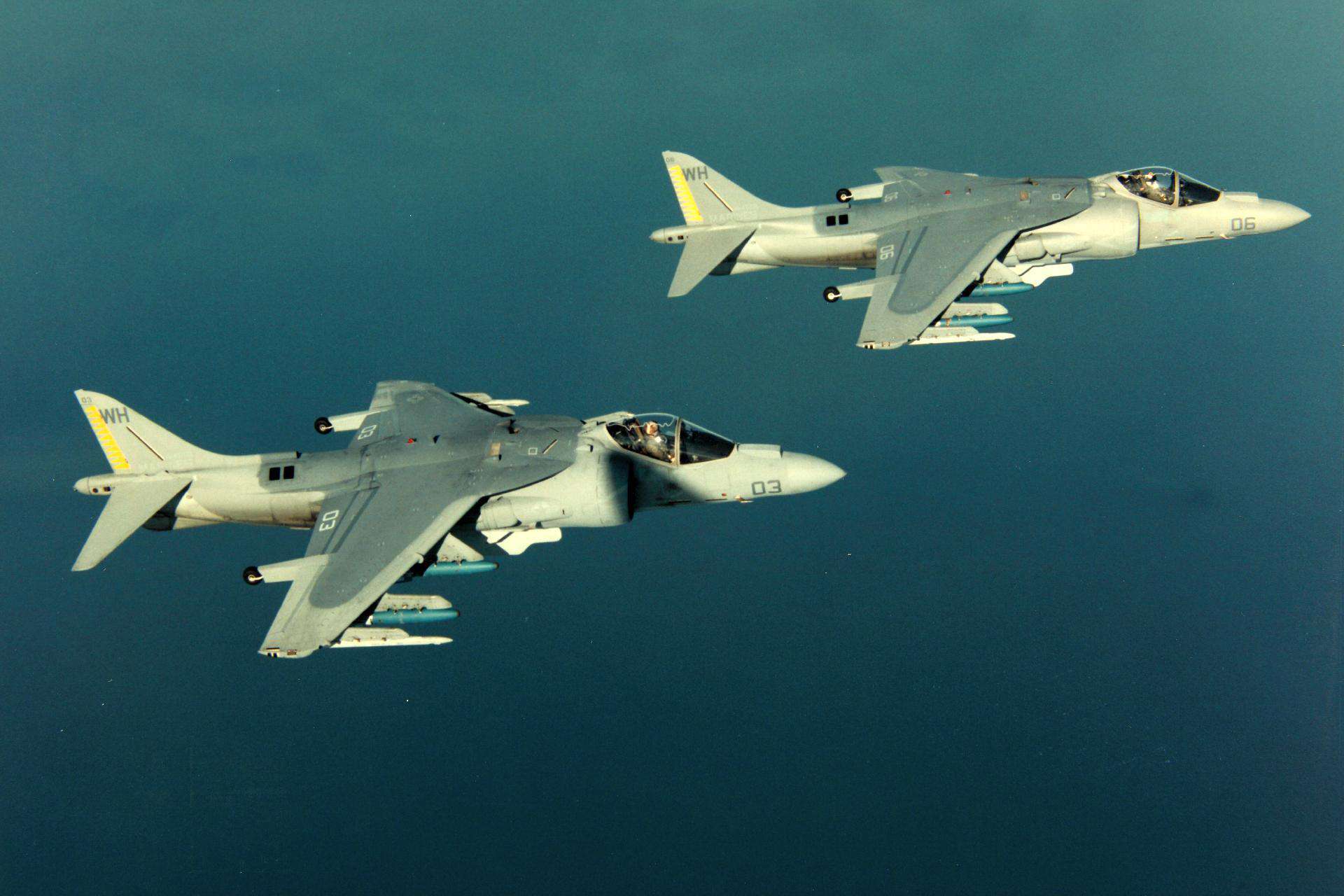
- Service branch: Marine Corps
- Type: Aircraft
- Year introduced to service: 1985
- Primary combat role: STOVL attack
- Why it was maintenance-heavy: VTOL propulsion complexity
- Maintenance impact: High inspection and failure rates
- Operational consequence: Restricted sortie generation
The Harrier’s vertical lift system provided unique flexibility but required constant inspection and repair, making it one of the most maintenance-intensive aircraft in Marine Corps history.
F-22 Raptor
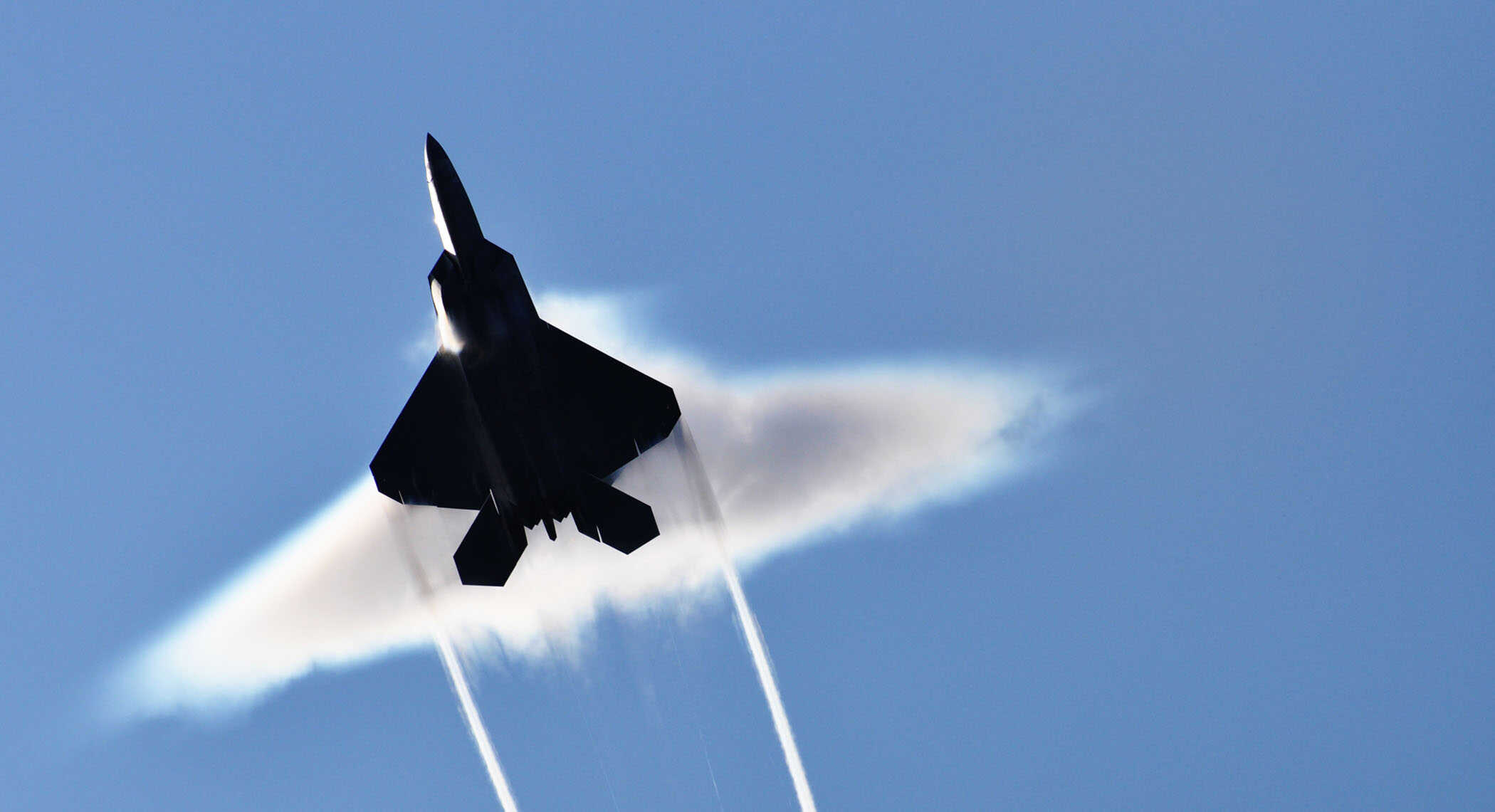
- Service branch: Air Force
- Type: Aircraft
- Year introduced to service: 2005
- Primary combat role: Air superiority
- Why it was maintenance-heavy: Stealth coatings and bespoke components
- Maintenance impact: Specialized maintenance crews
- Operational consequence: Low availability
The F-22’s unmatched performance came with a heavy sustainment burden, driven by stealth materials and low-production bespoke parts that complicated maintenance.
B-1B Lancer

- Service branch: Air Force
- Type: Aircraft
- Year introduced to service: 1986
- Primary combat role: Long-range strike
- Why it was maintenance-heavy: High-speed airframe and aging systems
- Maintenance impact: Chronic readiness issues
- Operational consequence: Limited availability
The B-1B delivered payload and speed, but structural fatigue and aging components drove persistent maintenance challenges that reduced mission-capable rates.
AC-130 Gunship
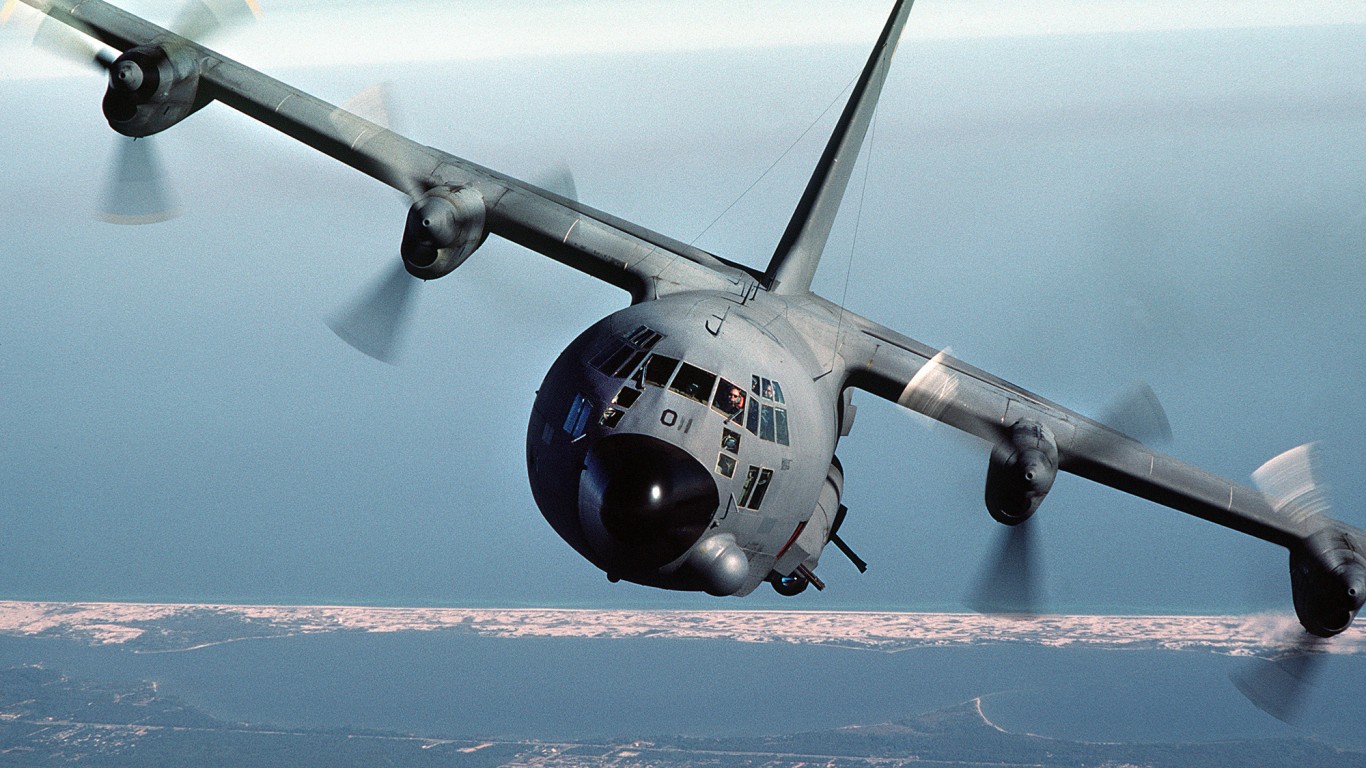
- Service branch: Air Force
- Type: Aircraft
- Year introduced to service: 1968
- Primary combat role: Precision fire support
- Why it was maintenance-heavy: Sensors, weapons, and modifications
- Maintenance impact: High sustainment demand
- Operational consequence: Limited deployable numbers
The AC-130’s unique combination of sensors and weapons made it devastatingly effective, but also required intensive maintenance to keep fully mission-capable.
EA-6B Prowler
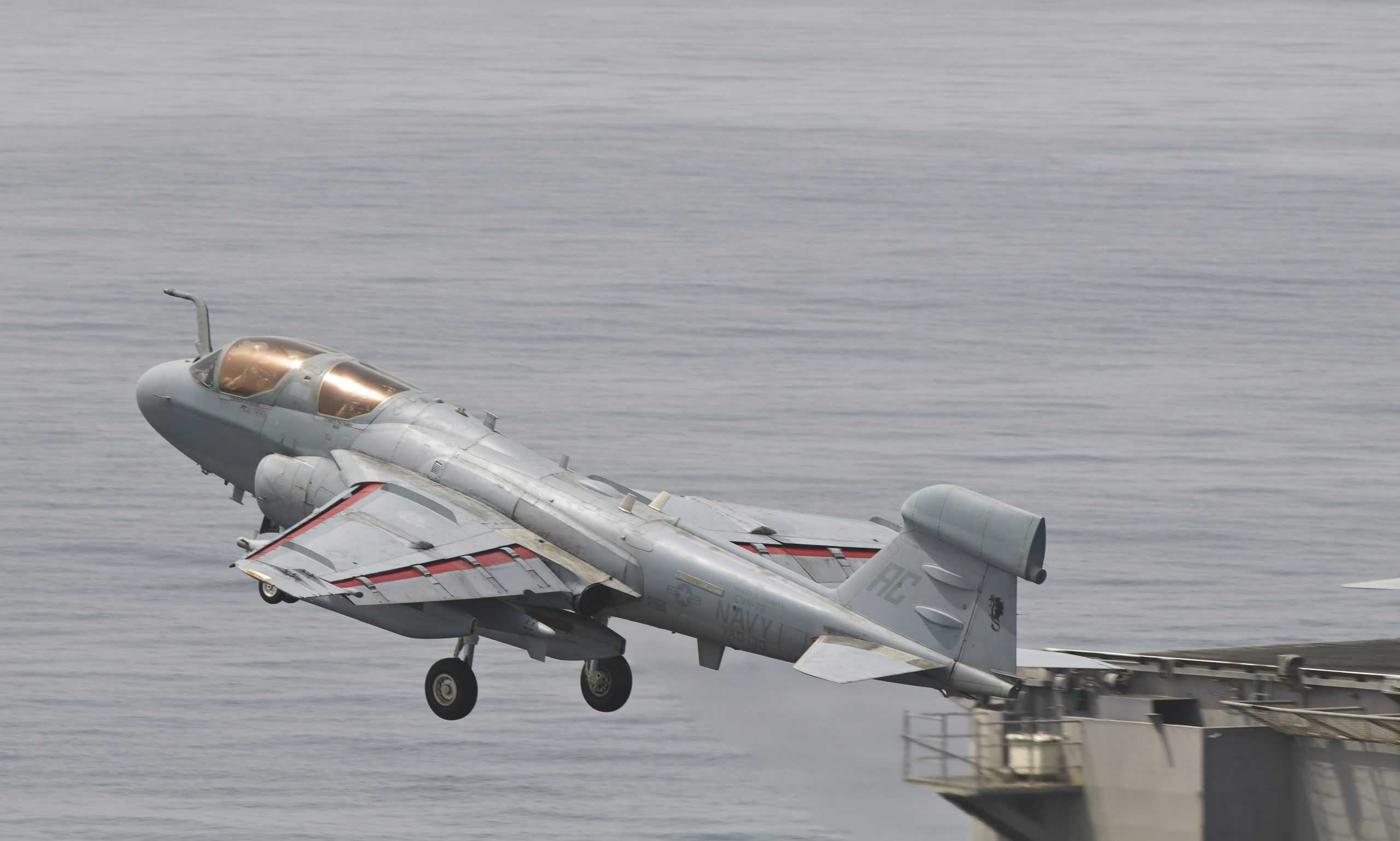
- Service branch: Navy
- Type: Aircraft
- Year introduced to service: 1971
- Primary combat role: Electronic warfare
- Why it was maintenance-heavy: Complex EW systems
- Maintenance impact: Specialized maintenance personnel
- Operational consequence: Reduced availability
The EA-6B provided critical electronic attack capability, but its aging airframes and complex systems placed a heavy burden on maintenance crews.
A-10 Thunderbolt II
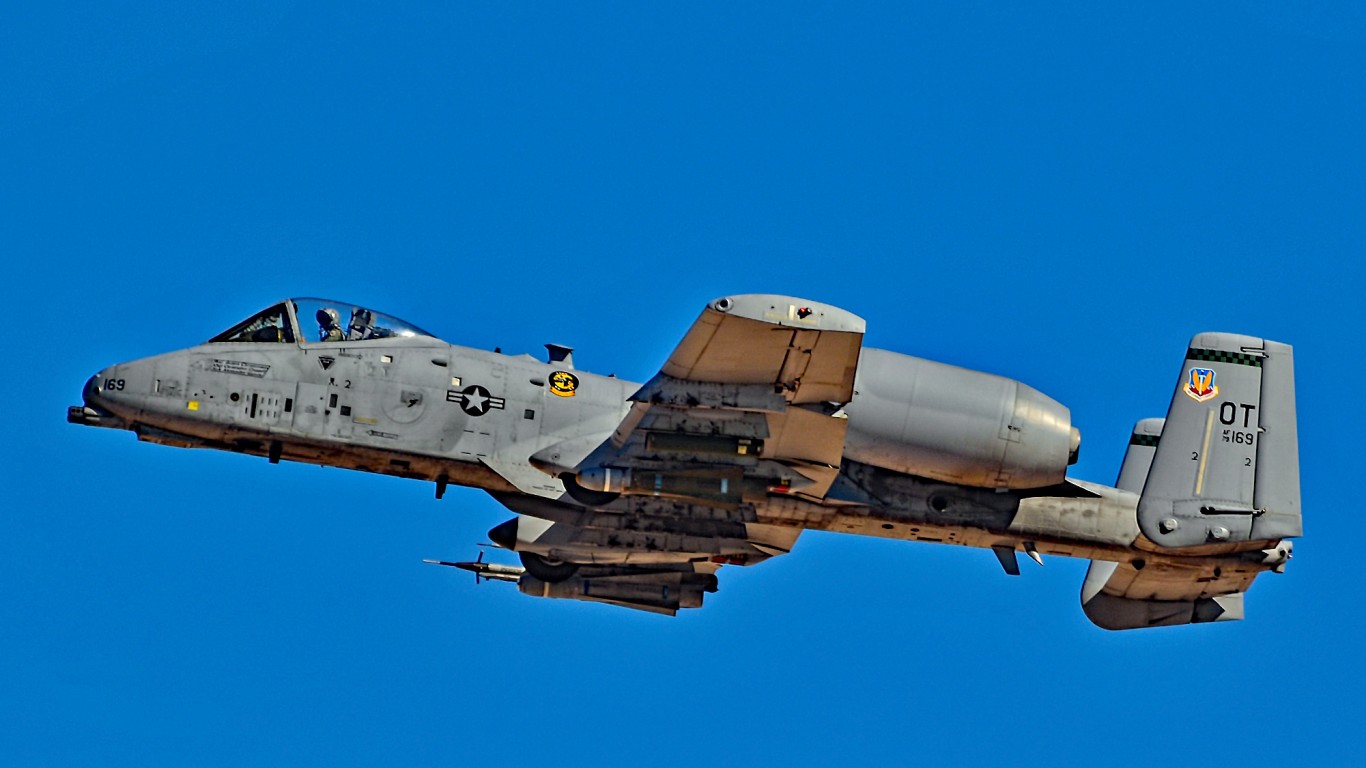
- Service branch: Air Force
- Type: Aircraft
- Year introduced to service: 1977
- Primary combat role: Close air support
- Why it was maintenance-heavy: Aging airframes and engines
- Maintenance impact: High depot maintenance demand
- Operational consequence: Limited readiness
The A-10 proved durable in combat but required extensive maintenance as its airframes aged, demanding significant sustainment investment to remain viable.
F-111 Aardvark
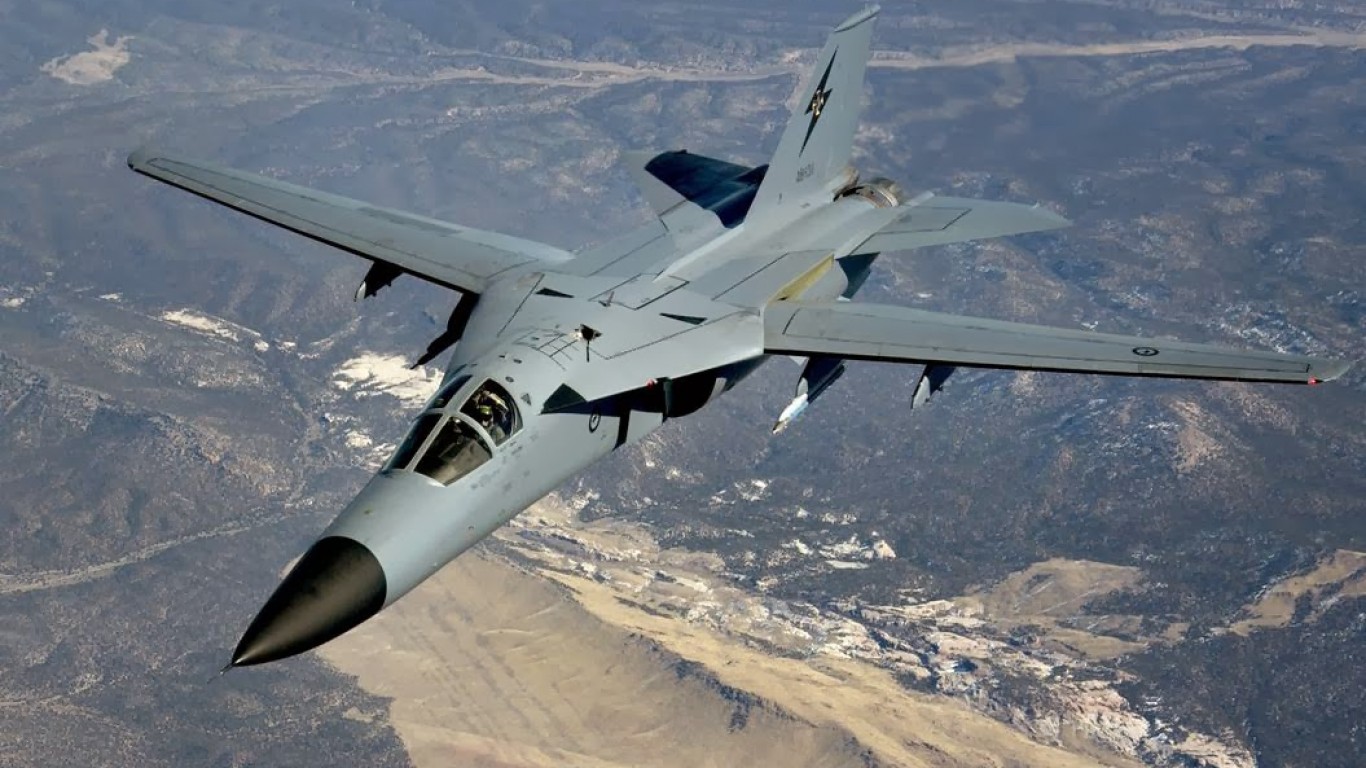
- Service branch: Air Force
- Type: Aircraft
- Year introduced to service: 1967
- Primary combat role: Deep strike
- Why it was maintenance-heavy: Swing-wing complexity
- Maintenance impact: Intensive inspection cycles
- Operational consequence: High sustainment cost
The F-111’s advanced design delivered capability but required constant maintenance, particularly in its variable-geometry wings.
AH-64 Apache

- Service branch: Army
- Type: Helicopter
- Year introduced to service: 1986
- Primary combat role: Attack helicopter
- Why it was maintenance-heavy: Advanced sensors and engines
- Maintenance impact: High maintenance man-hours
- Operational consequence: Reduced availability
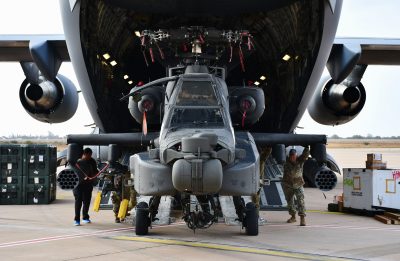
Early Apache variants delivered unmatched lethality but required intensive maintenance due to sophisticated sensors and propulsion systems.
CH-53E Super Stallion
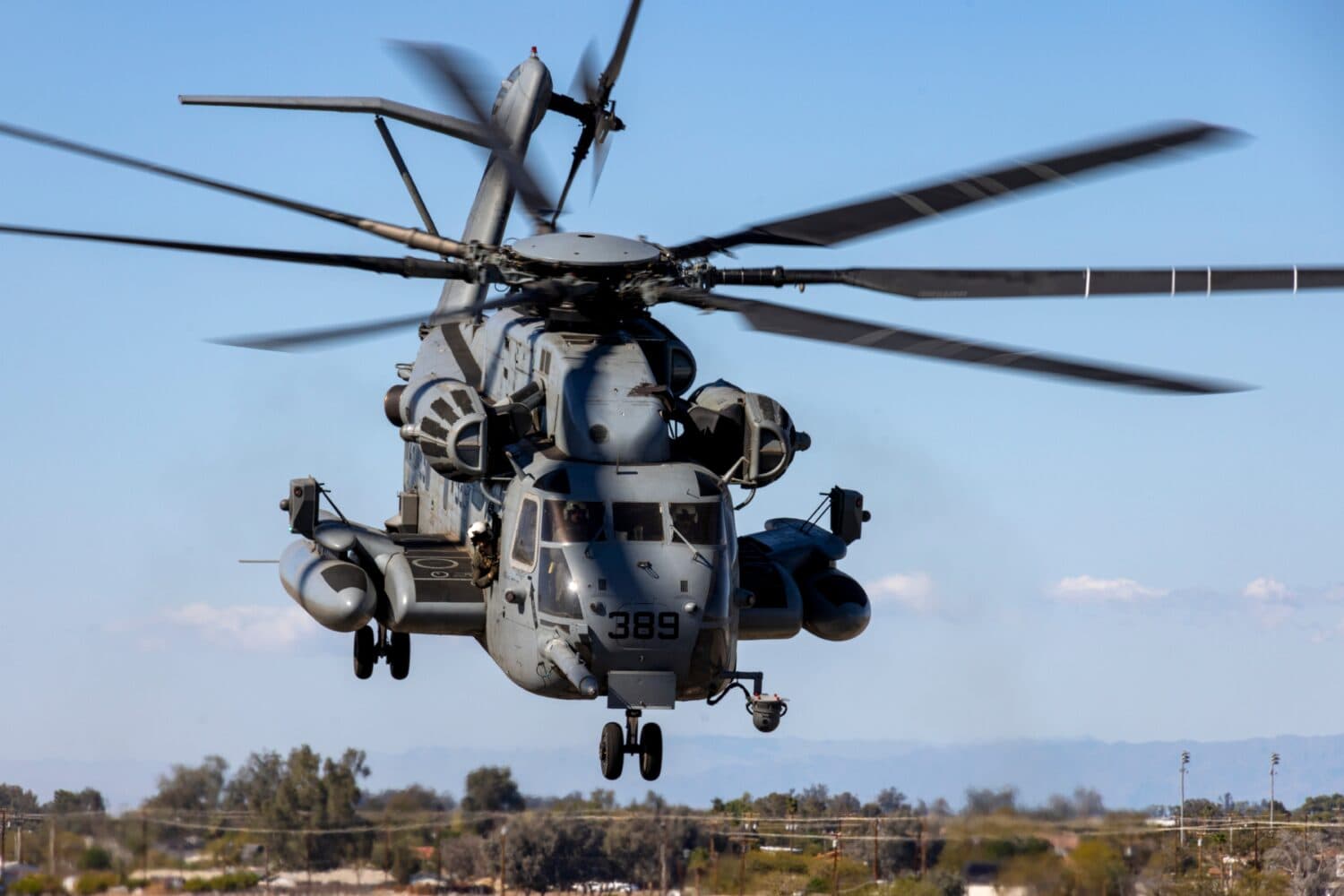
- Service branch: Marine Corps
- Type: Helicopter
- Year introduced to service: 1981
- Primary combat role: Heavy lift
- Why it was maintenance-heavy: Powerful engines and transmission
- Maintenance impact: Extremely high maintenance hours
- Operational consequence: Low readiness rates
The CH-53E provided vital heavy-lift capability, but its complex drivetrain demanded extraordinary maintenance effort.
CH-47 Chinook

- Service branch: Army
- Type: Helicopter
- Year introduced to service: 1962
- Primary combat role: Heavy lift
- Why it was maintenance-heavy: Complex rotor systems
- Maintenance impact: High maintenance hours
- Operational consequence: Sustainment intensive
The Chinook’s lift capability required significant maintenance investment to keep mission-ready.
V-22 Osprey
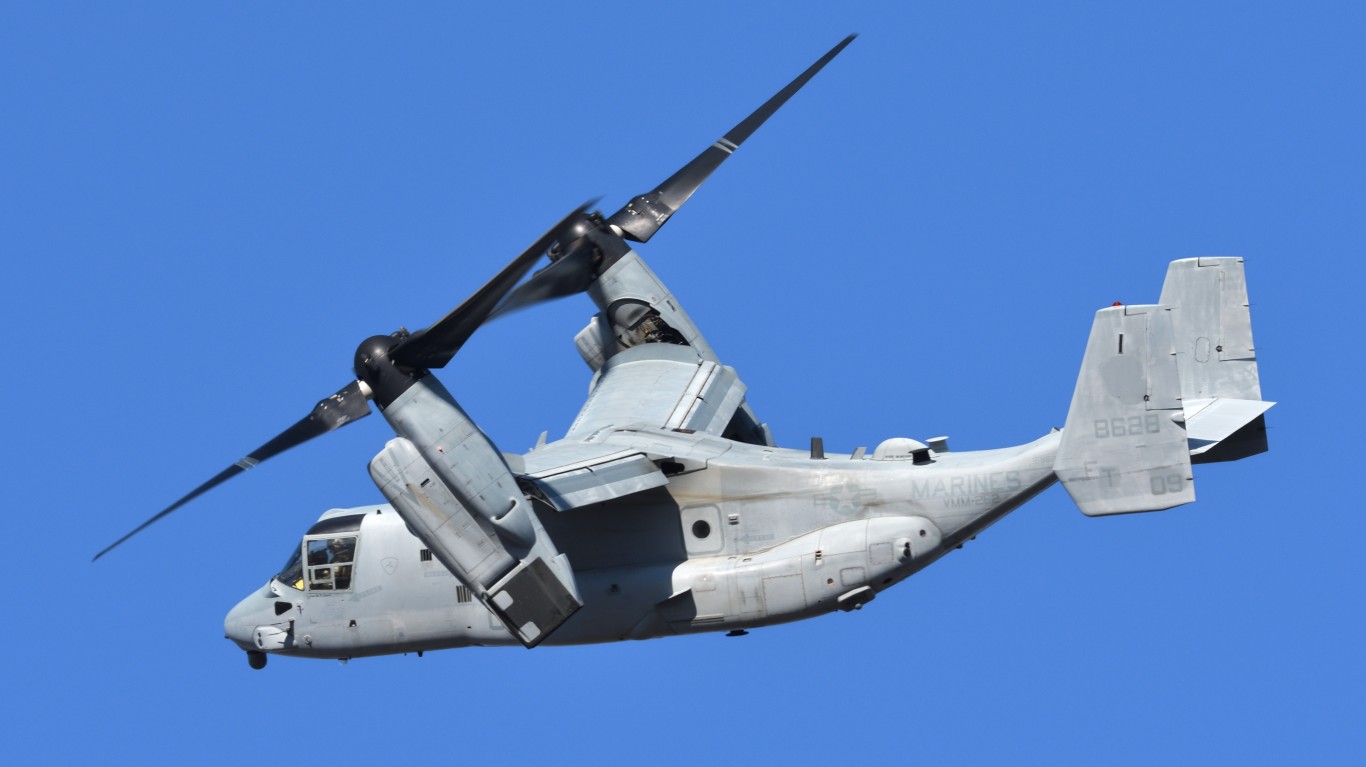
- Service branch: Joint
- Type: Tiltrotor
- Year introduced to service: 2007
- Primary combat role: Assault transport
- Why it was maintenance-heavy: Tilt-rotor mechanics and software
- Maintenance impact: Complex sustainment
- Operational consequence: Operational pauses
The V-22’s revolutionary tilt-rotor design expanded operational reach but introduced significant maintenance complexity.
MH-53 Pave Low
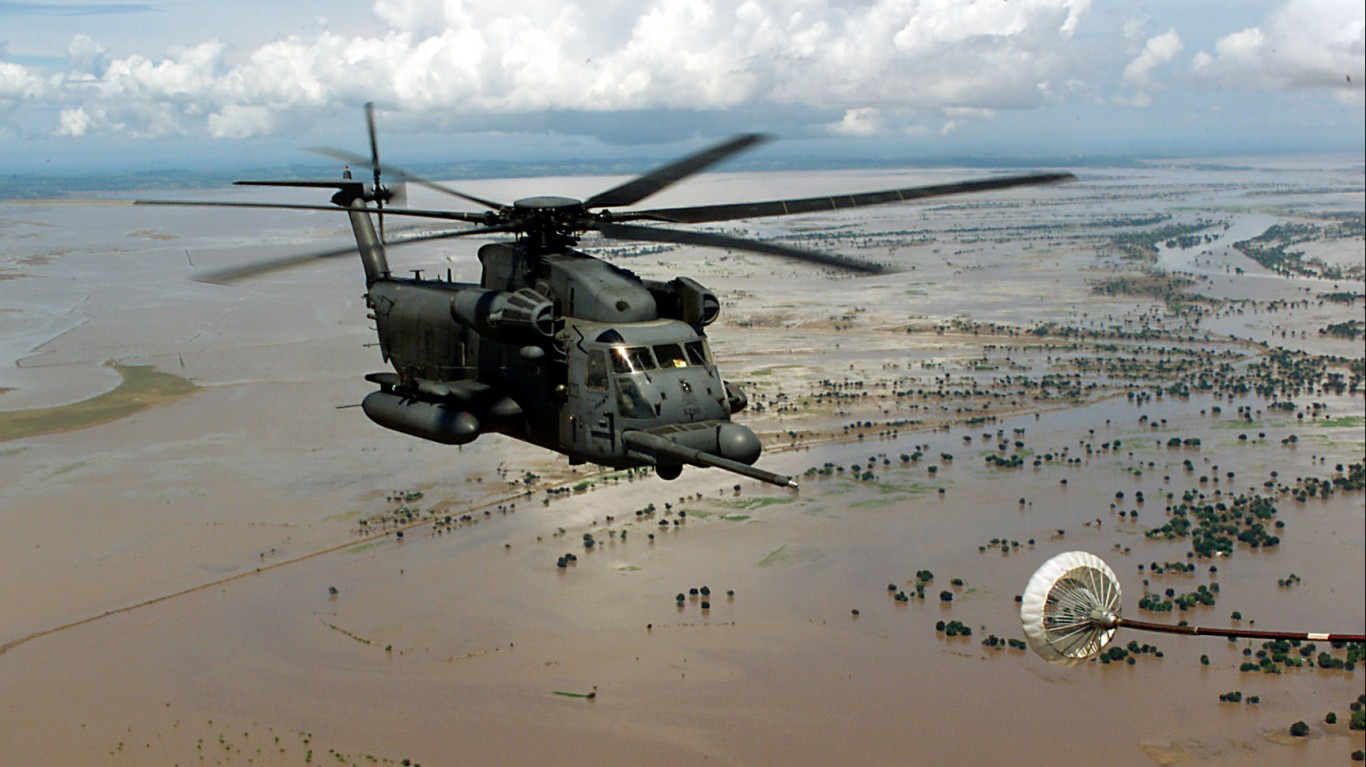
- Service branch: Air Force
- Type: Helicopter
- Year introduced to service: 1980
- Primary combat role: Special operations
- Why it was maintenance-heavy: Specialized avionics
- Maintenance impact: Aging airframes
- Operational consequence: High sustainment burden
The MH-53 supported special operations missions but required extensive upkeep due to unique avionics and aging structures.
M1 Abrams
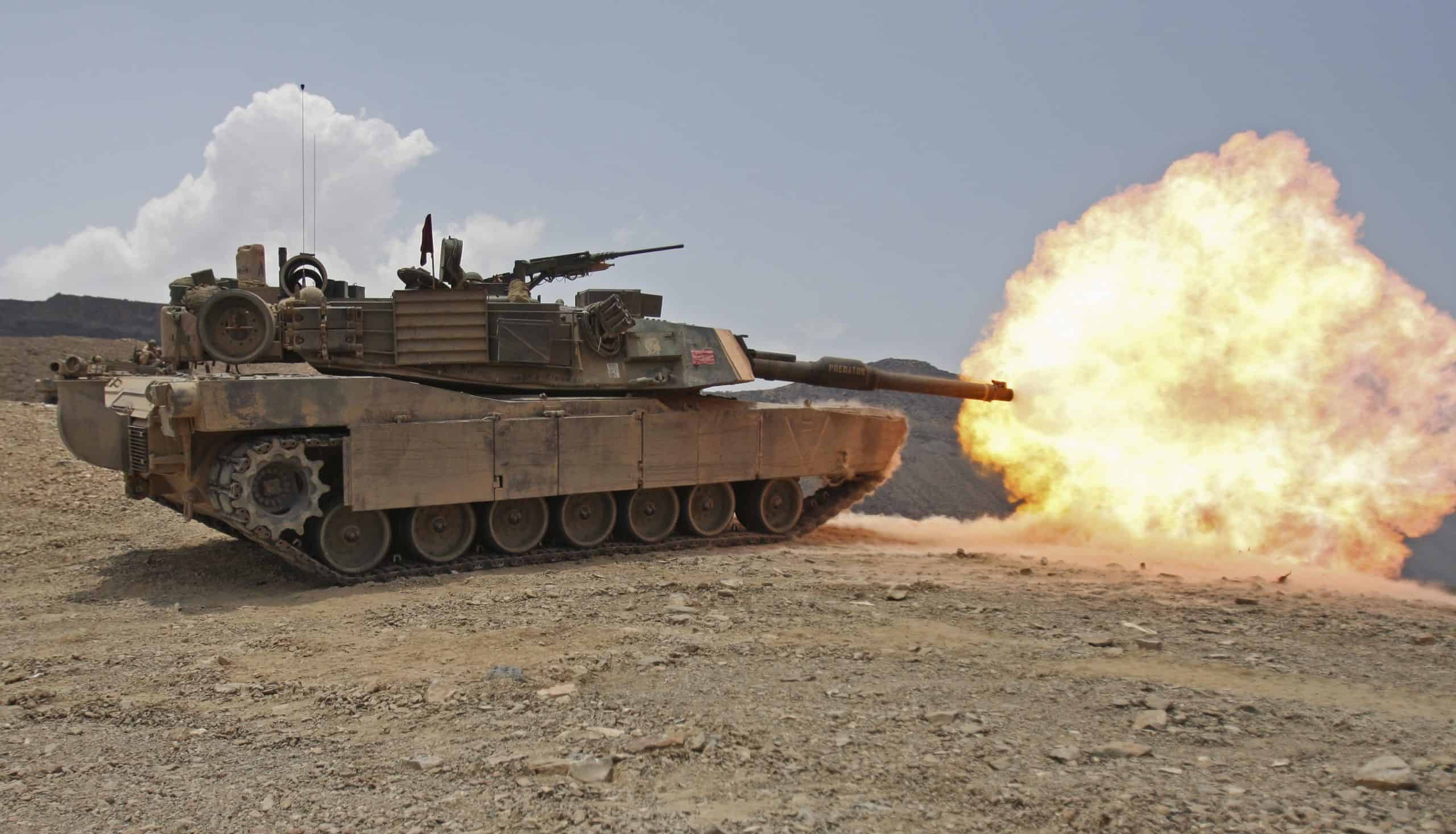
- Service branch: Army
- Type: Ground vehicle
- Year introduced to service: 1980
- Primary combat role: Main battle tank
- Why it was maintenance-heavy: Gas turbine engine
- Maintenance impact: Fuel and maintenance intensive
- Operational consequence: Logistics burden
The Abrams delivered unmatched armored dominance, but its turbine engine imposed heavy maintenance and fuel demands.
M2 Bradley
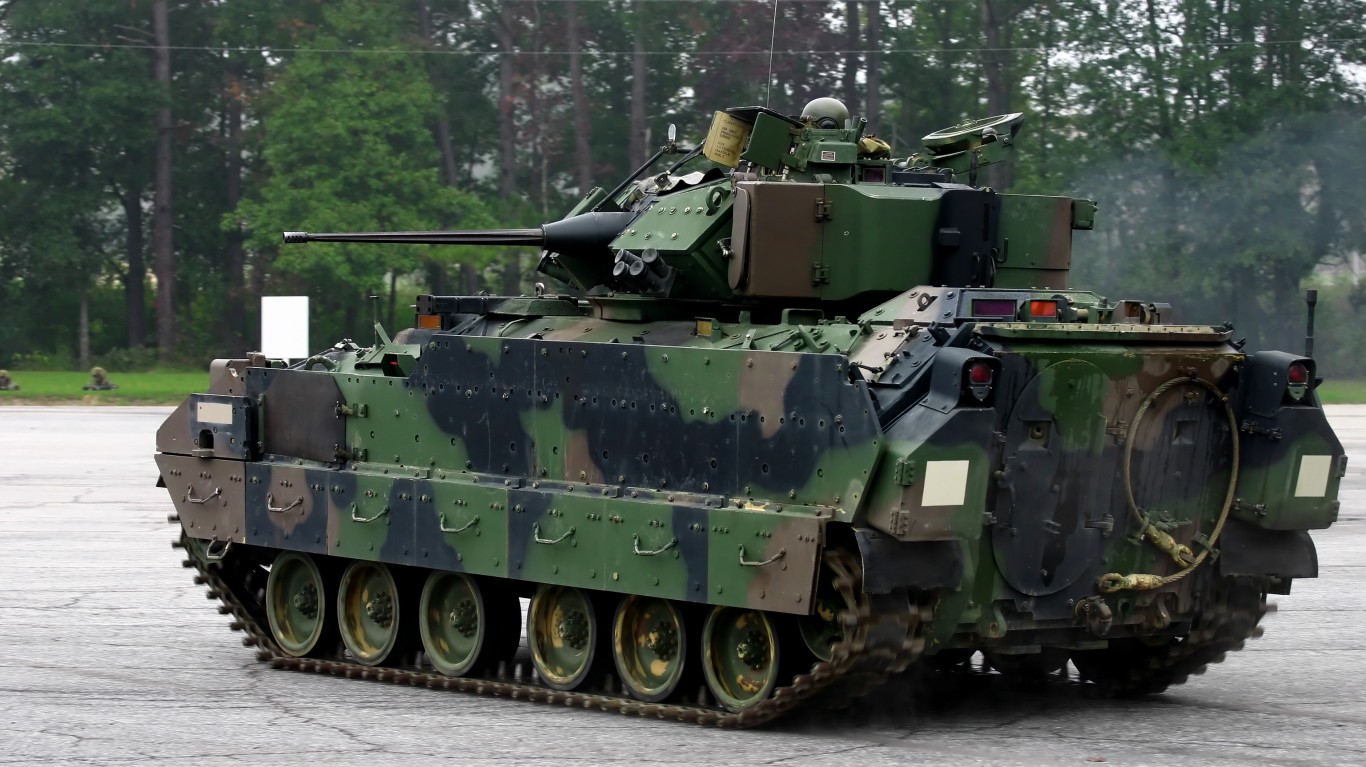
- Service branch: Army
- Type: Ground vehicle
- Year introduced to service: 1981
- Primary combat role: Infantry fighting vehicle
- Why it was maintenance-heavy: Electronics and armor systems
- Maintenance impact: High maintenance load
- Operational consequence: Reduced readiness
The Bradley’s sensors and protection enhanced combat power but increased sustainment demands across the fleet.
M109 Paladin
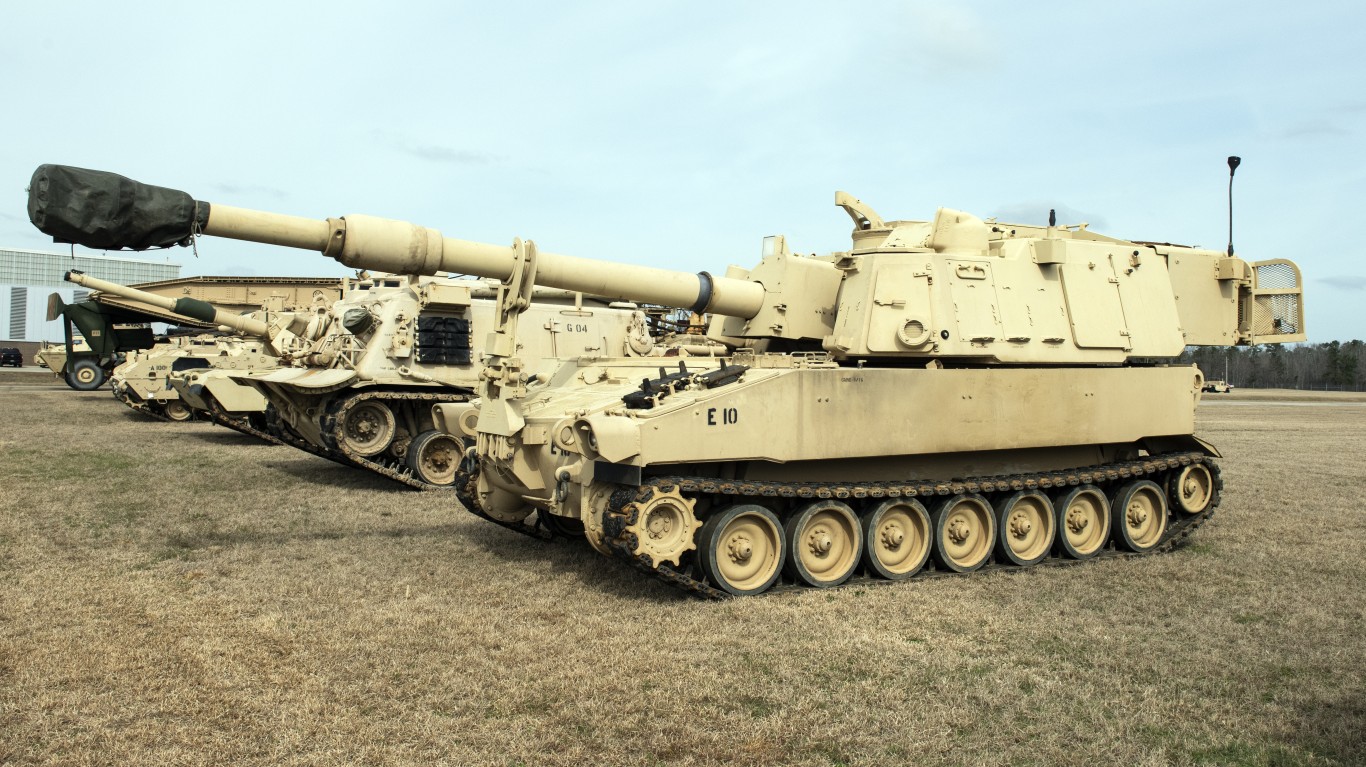
- Service branch: Army
- Type: Artillery
- Year introduced to service: 1963
- Primary combat role: Self-propelled artillery
- Why it was maintenance-heavy: Early digital systems
- Maintenance impact: Maintenance-intensive electronics
- Operational consequence: Availability challenges
Early digital Paladin systems increased artillery effectiveness but added sustainment complexity.
Patriot Air Defense System
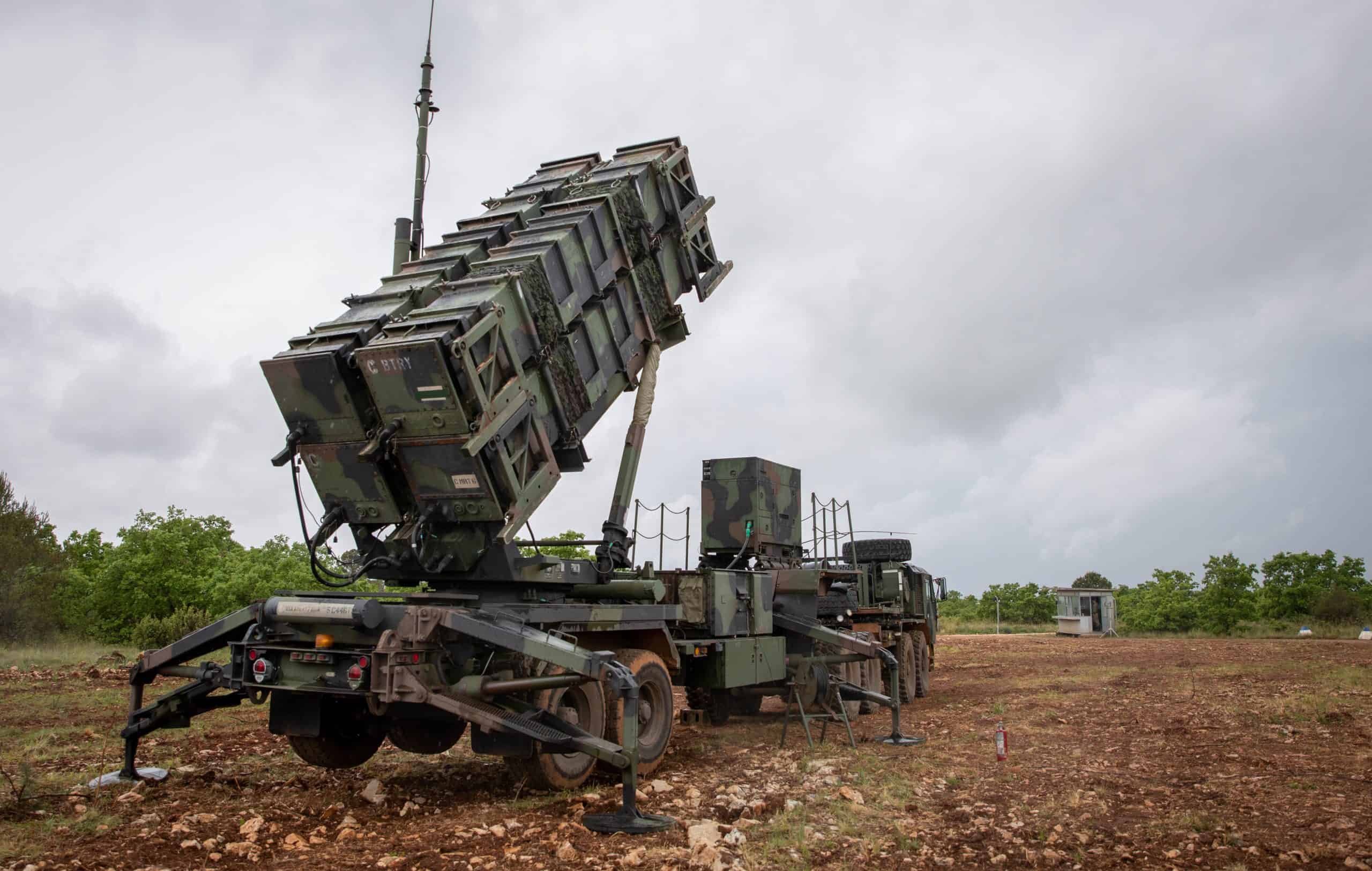
- Service branch: Army
- Type: Missile system
- Year introduced to service: 1984
- Primary combat role: Air and missile defense
- Why it was maintenance-heavy: Radar and generators
- Maintenance impact: Constant servicing
- Operational consequence: High manpower demand
Patriot batteries provide critical defense but require constant maintenance of radars, launchers, and power systems.
THAAD

- Service branch: Army
- Type: Missile system
- Year introduced to service: 2008
- Primary combat role: Ballistic missile defense
- Why it was maintenance-heavy: Advanced sensors
- Maintenance impact: Calibration-intensive
- Operational consequence: Limited deployability
THAAD delivers high-end missile defense but demands meticulous maintenance and calibration.
Aegis Combat System
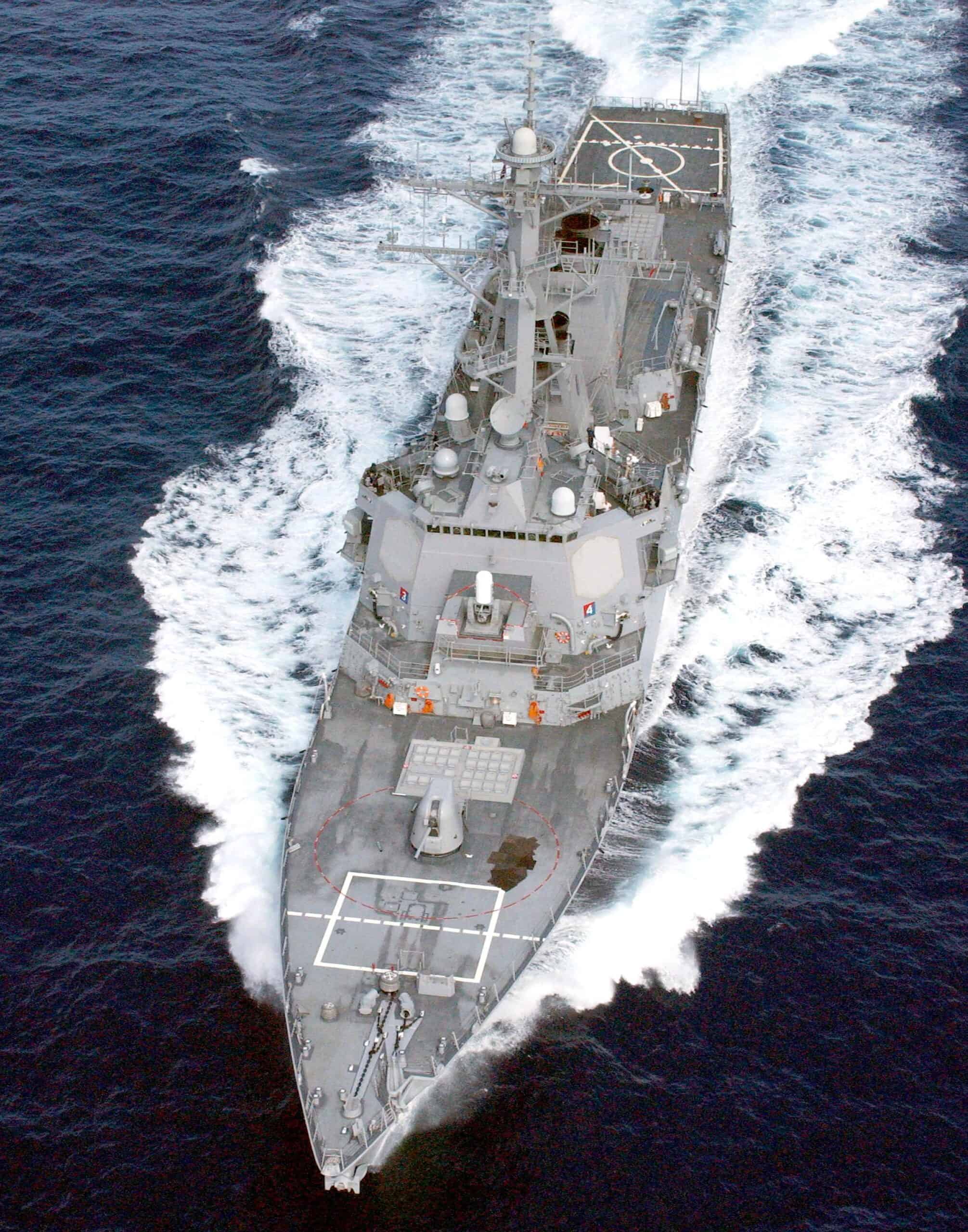
- Service branch: Navy
- Type: Naval system
- Year introduced to service: 1983
- Primary combat role: Fleet air defense
- Why it was maintenance-heavy: Software-heavy architecture
- Maintenance impact: Continuous updates
- Operational consequence: Crew workload
Aegis revolutionized naval air defense, but its software-intensive nature requires constant maintenance and updates.
Littoral Combat Ship
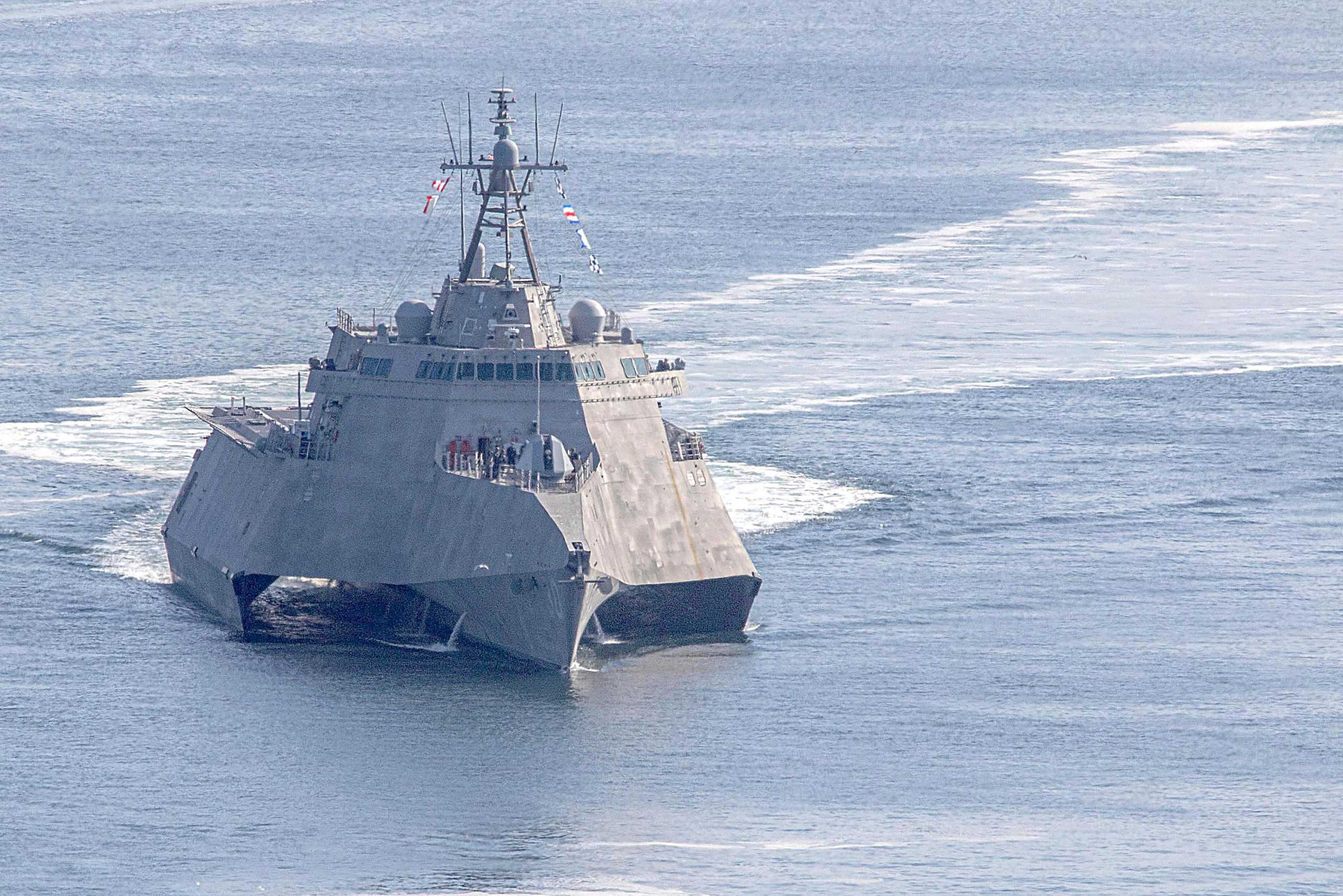
- Service branch: Navy
- Type: Naval system
- Year introduced to service: 2010
- Primary combat role: Littoral warfare
- Why it was maintenance-heavy: Modular mission packages
- Maintenance impact: Maintenance overruns
- Operational consequence: Low availability
Early LCS variants suffered from high maintenance demands that limited operational availability.
Zumwalt-class Destroyer
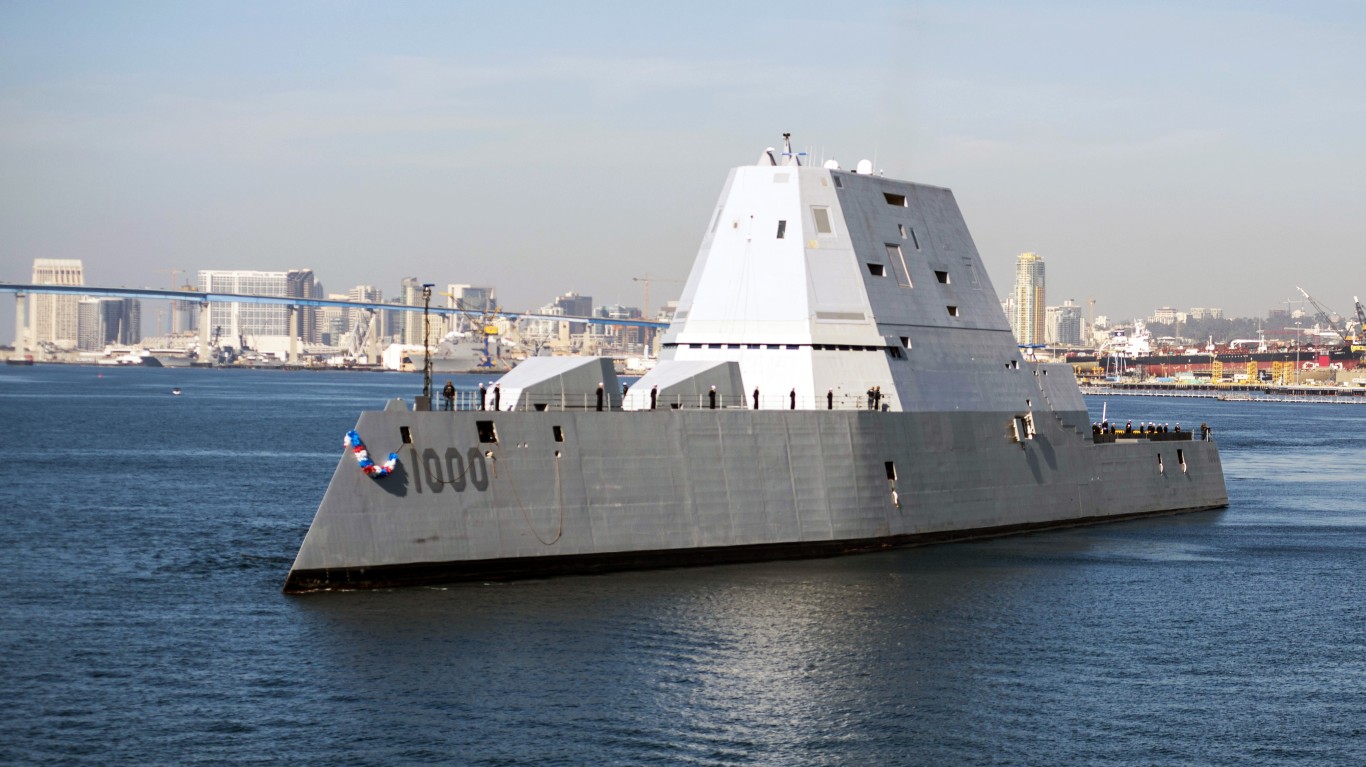
- Service branch: Navy
- Type: Naval system
- Year introduced to service: 2016
- Primary combat role: Advanced surface combat
- Why it was maintenance-heavy: Integrated power systems
- Maintenance impact: Logistics complexity
- Operational consequence: Limited readiness
Zumwalt-class ships incorporated advanced technologies that increased sustainment complexity.
Los Angeles-class Submarine
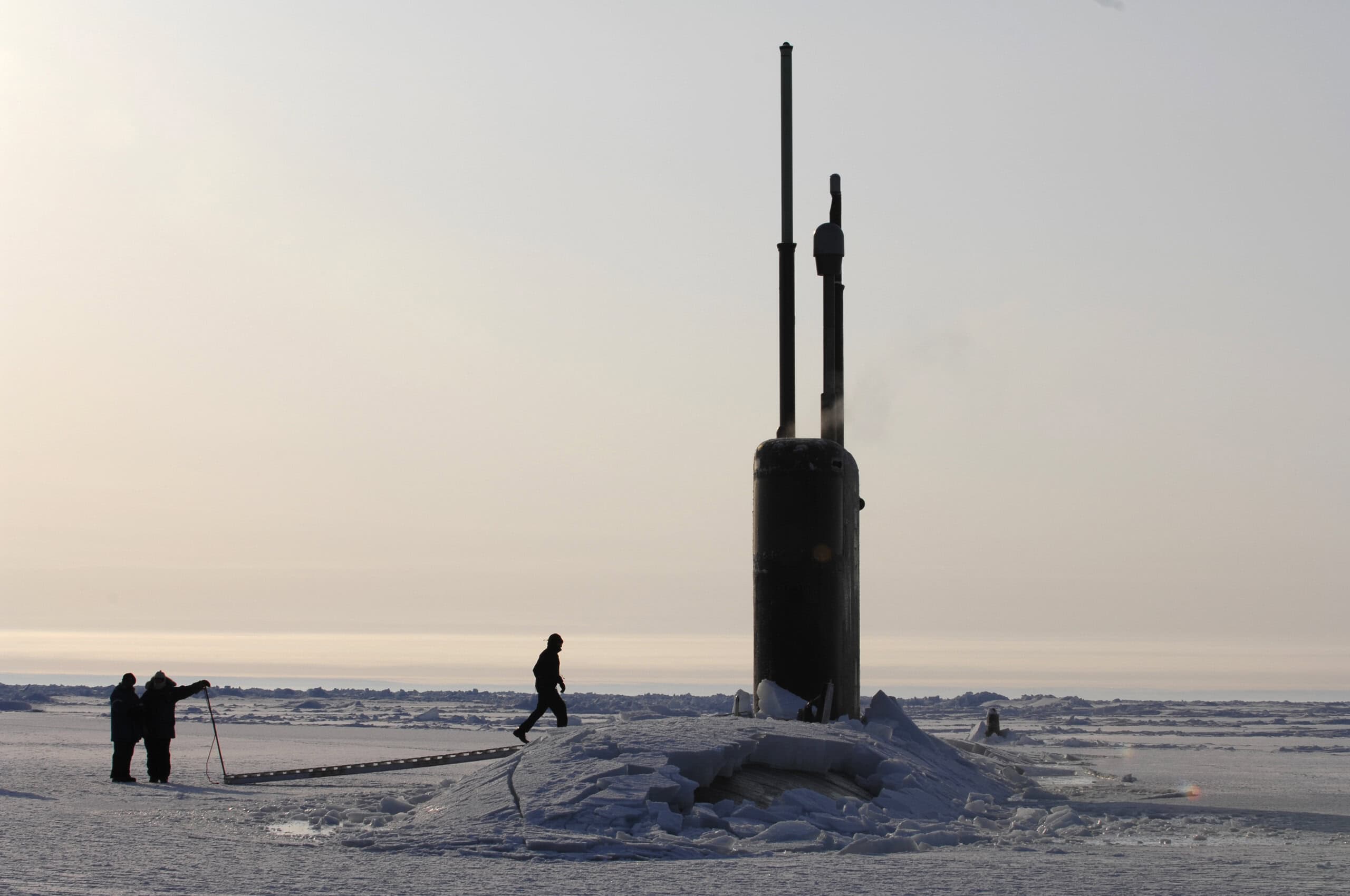
- Service branch: Navy
- Type: Submarine
- Year introduced to service: 1976
- Primary combat role: Attack submarine
- Why it was maintenance-heavy: Aging nuclear systems
- Maintenance impact: Extensive upkeep
- Operational consequence: Extended maintenance cycles
Late-service Los Angeles–class submarines required significant maintenance to keep aging nuclear systems operational.
E-3 AWACS
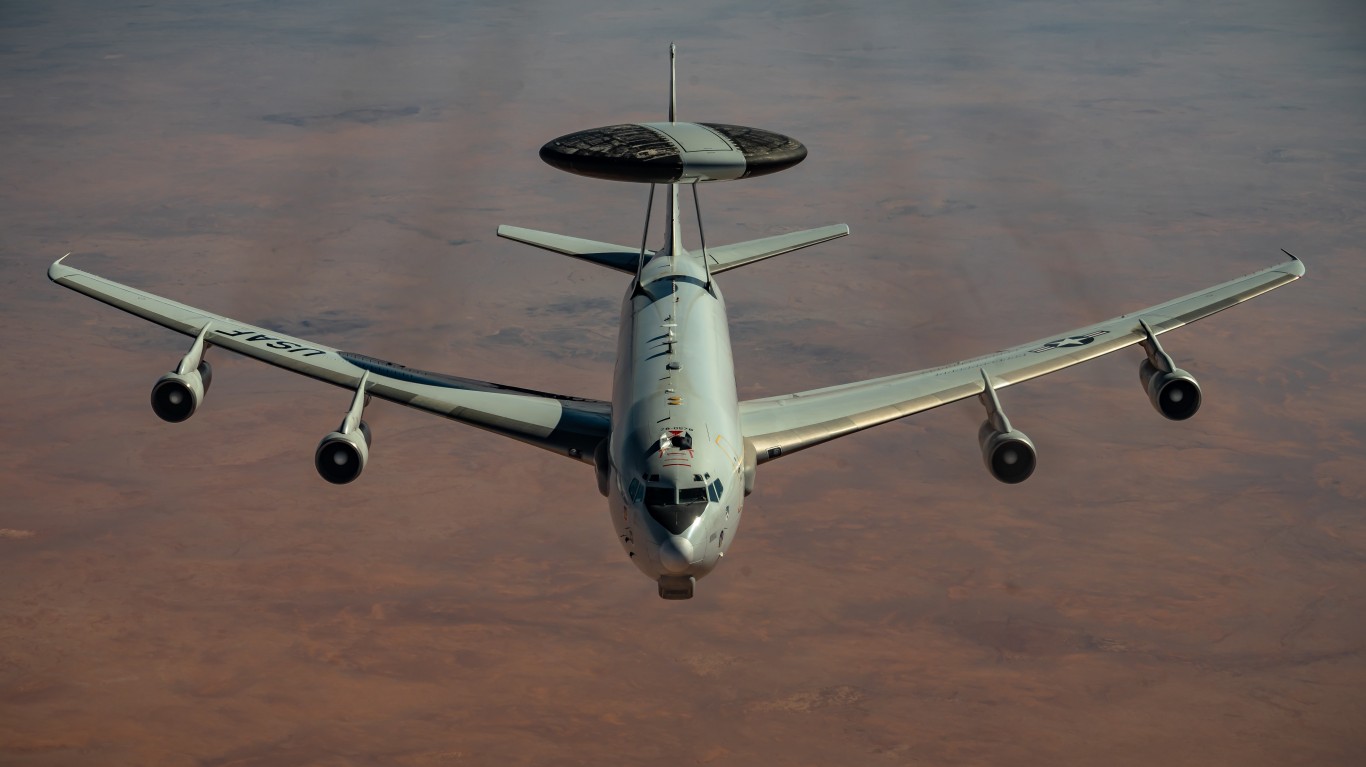
- Service branch: Air Force
- Type: Aircraft
- Year introduced to service: 1977
- Primary combat role: Airborne command and control
- Why it was maintenance-heavy: Radar and avionics
- Maintenance impact: High maintenance hours
- Operational consequence: Reduced availability
The E-3’s powerful radar defined air battle management, but aging airframes and electronics strained sustainment.
E-8 JSTARS
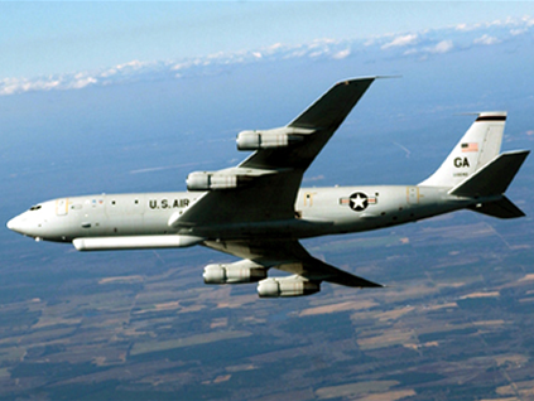
- Service branch: Air Force
- Type: Aircraft
- Year introduced to service: 1996
- Primary combat role: Ground surveillance
- Why it was maintenance-heavy: Legacy sensors
- Maintenance impact: Maintenance intensive
- Operational consequence: Low readiness
JSTARS provided unmatched battlefield awareness but required heavy maintenance due to aging platforms.
M249 SAW
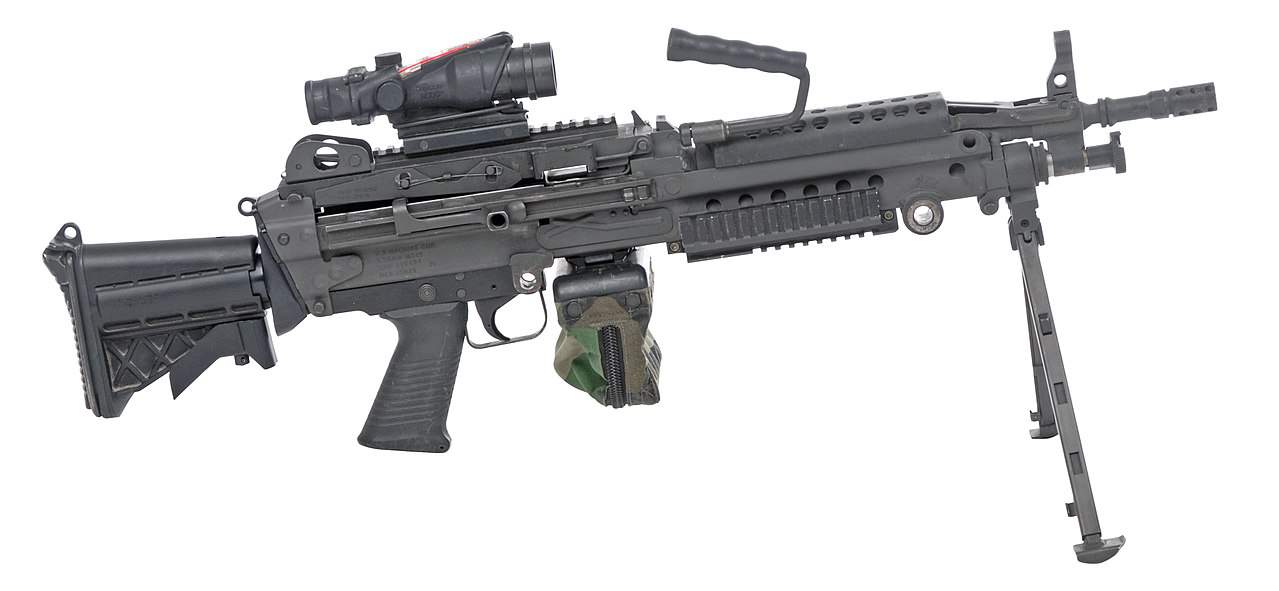
- Service branch: Army
- Type: Small arms
- Year introduced to service: 1984
- Primary combat role: Squad automatic weapon
- Why it was maintenance-heavy: High wear rates
- Maintenance impact: Frequent parts replacement
- Operational consequence: Sustainment at scale
The M249’s high rate of fire accelerated wear, making it maintenance-intensive across large infantry formations.
M60 Machine Gun

- Service branch: Army
- Type: Small arms
- Year introduced to service: 1957
- Primary combat role: General-purpose MG
- Why it was maintenance-heavy: Design wear issues
- Maintenance impact: Frequent breakdowns
- Operational consequence: Reliability concerns
The M60 delivered firepower but earned a reputation for frequent maintenance demands.
M110 SASS
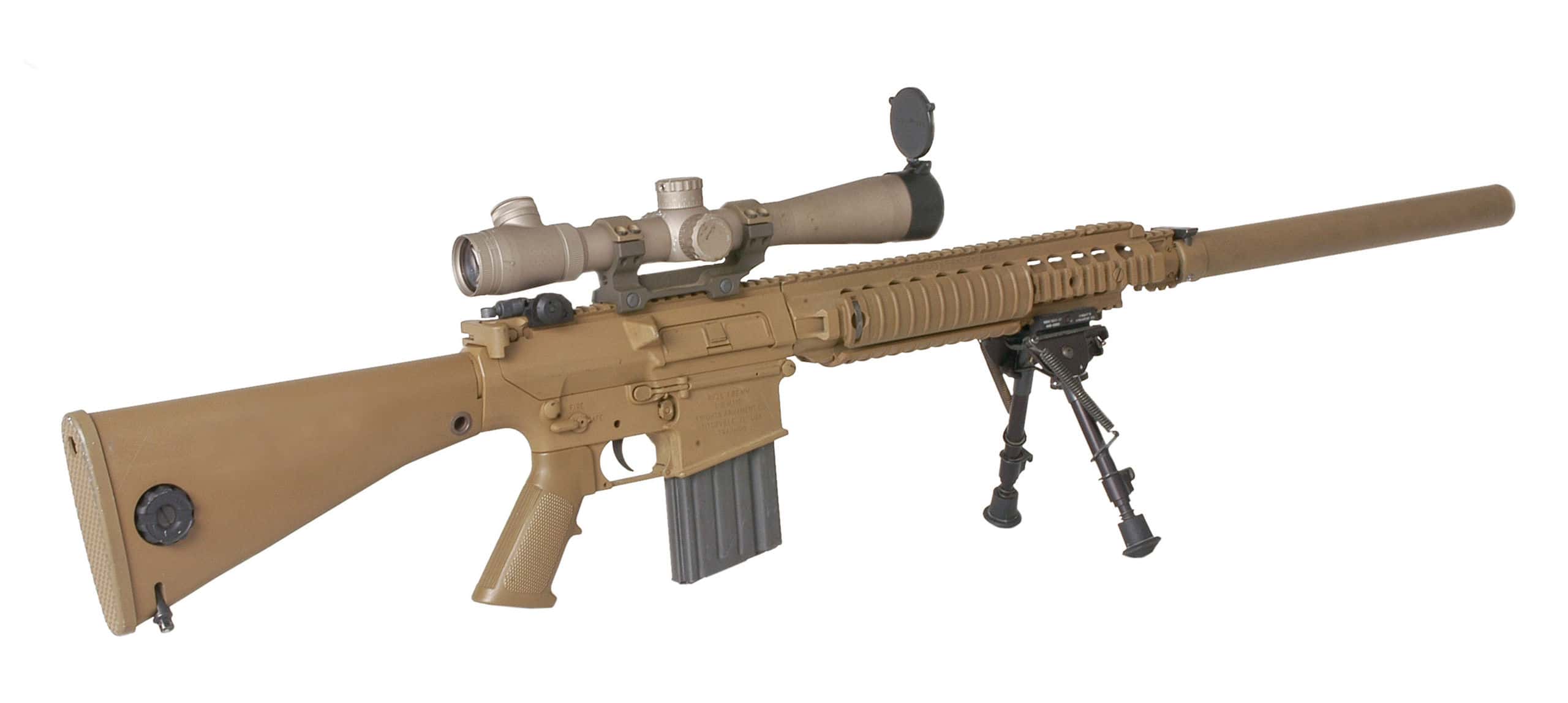
- Service branch: Army
- Type: Small arms
- Year introduced to service: 2007
- Primary combat role: Precision rifle
- Why it was maintenance-heavy: Tight tolerances
- Maintenance impact: Sensitive to environment
- Operational consequence: Limited field availability
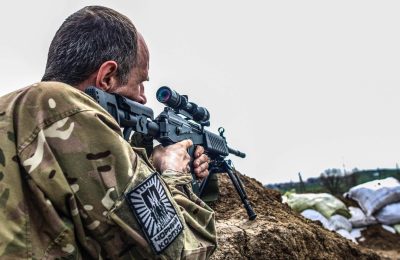
The M110’s precision came at the cost of careful maintenance requirements.
M88 Recovery Vehicle
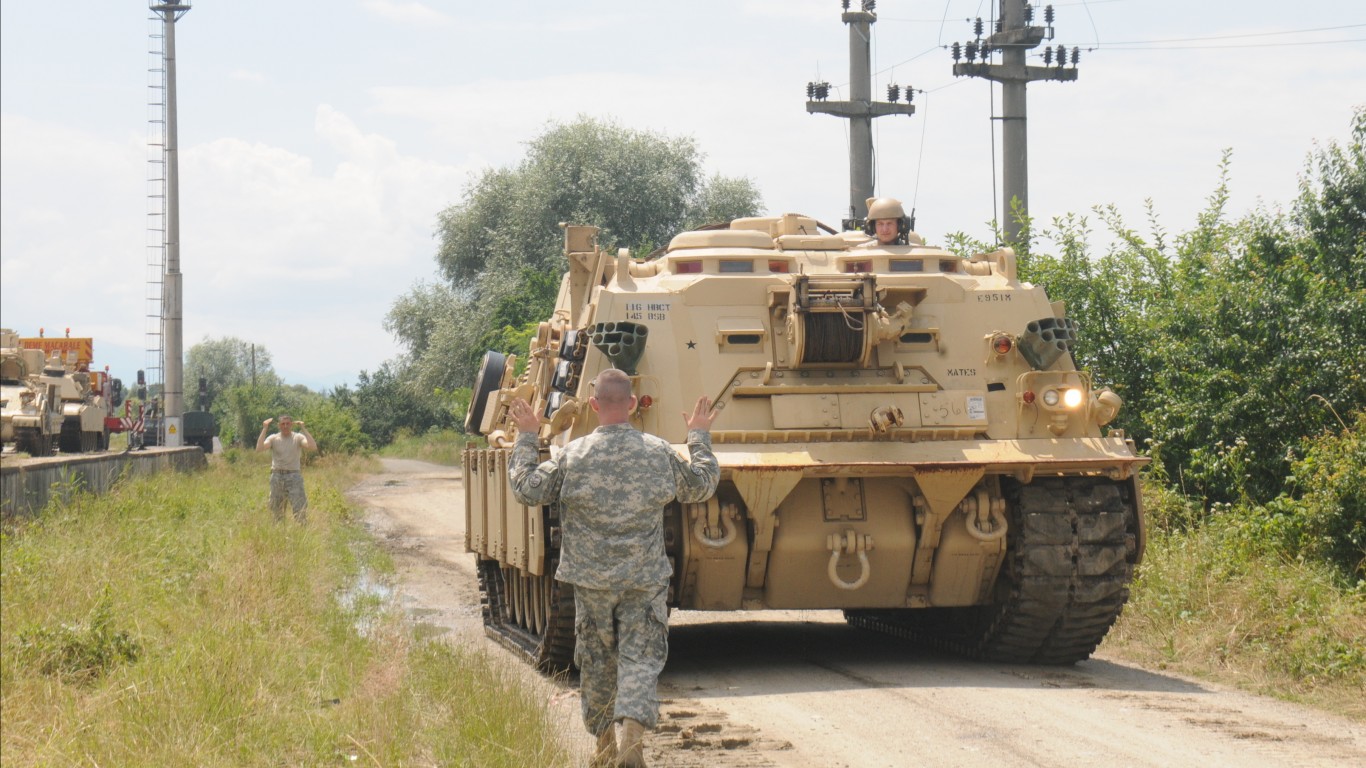
- Service branch: Army
- Type: Ground vehicle
- Year introduced to service: 1961
- Primary combat role: Armored recovery
- Why it was maintenance-heavy: Heavy-duty systems
- Maintenance impact: Constant upkeep
- Operational consequence: Logistics strain
The M88’s demanding role placed heavy stress on components, driving high maintenance needs.







 Top Gaining Stocks
 Top Losing Stocks