


The Cold War ended more than three decades ago, but many of the weapons built for it never left U.S. service. Designed for a superpower conflict that never happened, these systems instead adapted to entirely new forms of warfare. Their continued use reflects a simple truth of military power: weapons that work are kept, regardless of age. Here, 24/7 Wall St. is taking a closer look at these Cold War Weapons that are still used today.
To identify the Cold War weapons still used by the U.S. Military, 24/7 Wall St. reviewed various historical and military sources. We included supplemental information on each regarding the category of each weapon, how it was used during the Cold War, as well as the key modernizations that have kept each relevant.
Here is a look at the Cold War weapons the U.S. Military still relies on today:
Why Are We Covering This?
Cold War weapons that remain in U.S. service reveal how military power is sustained through reliability, adaptability, and proven performance rather than constant replacement. These systems survived dramatic shifts in geopolitics and warfare because they continued to deliver essential capability when newer alternatives fell short or arrived too late. By examining why the U.S. military still relies on Cold War–era weapons, this highlights how modernization, institutional trust, and real-world effectiveness shape long-term defense decisions and continue to influence modern combat.
Built for a War That Never Happened
Many Cold War weapons were built for a conflict the U.S. military fully expected but never fought—a massive, high-intensity war against the Soviet Union. These systems were designed for scale, durability, and sustained combat, with the assumption that they would be replaced once the geopolitical landscape shifted. Few were ever intended to remain relevant decades later.
The Cold War Ended — the Weapons Didn’t
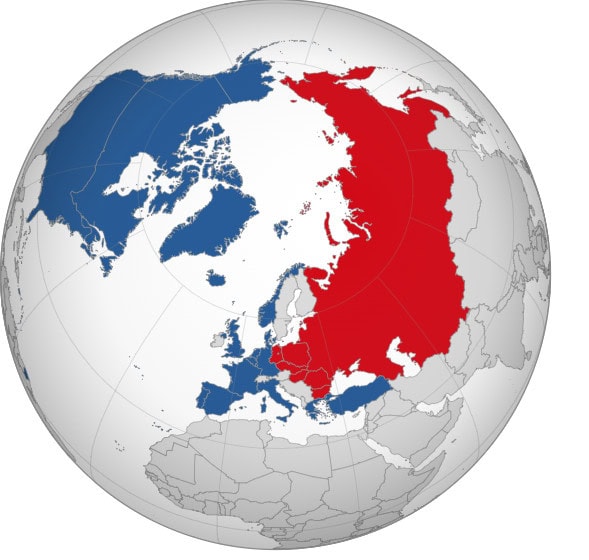
When the Cold War ended, the weapons did not disappear with it. Instead, many transitioned into a radically different era of warfare defined by regional conflicts, counterinsurgency, and expeditionary operations. Platforms originally built for peer conflict proved adaptable enough to survive entirely new mission sets.
Modernization Kept Them Relevant
Modernization, not replacement, kept these weapons viable. Advances in sensors, electronics, munitions, and protection were integrated into Cold War–era systems, allowing proven platforms to absorb modern technology. In many cases, upgrades delivered greater capability faster and at lower cost than starting from scratch.
No Replacement Did the Job Better
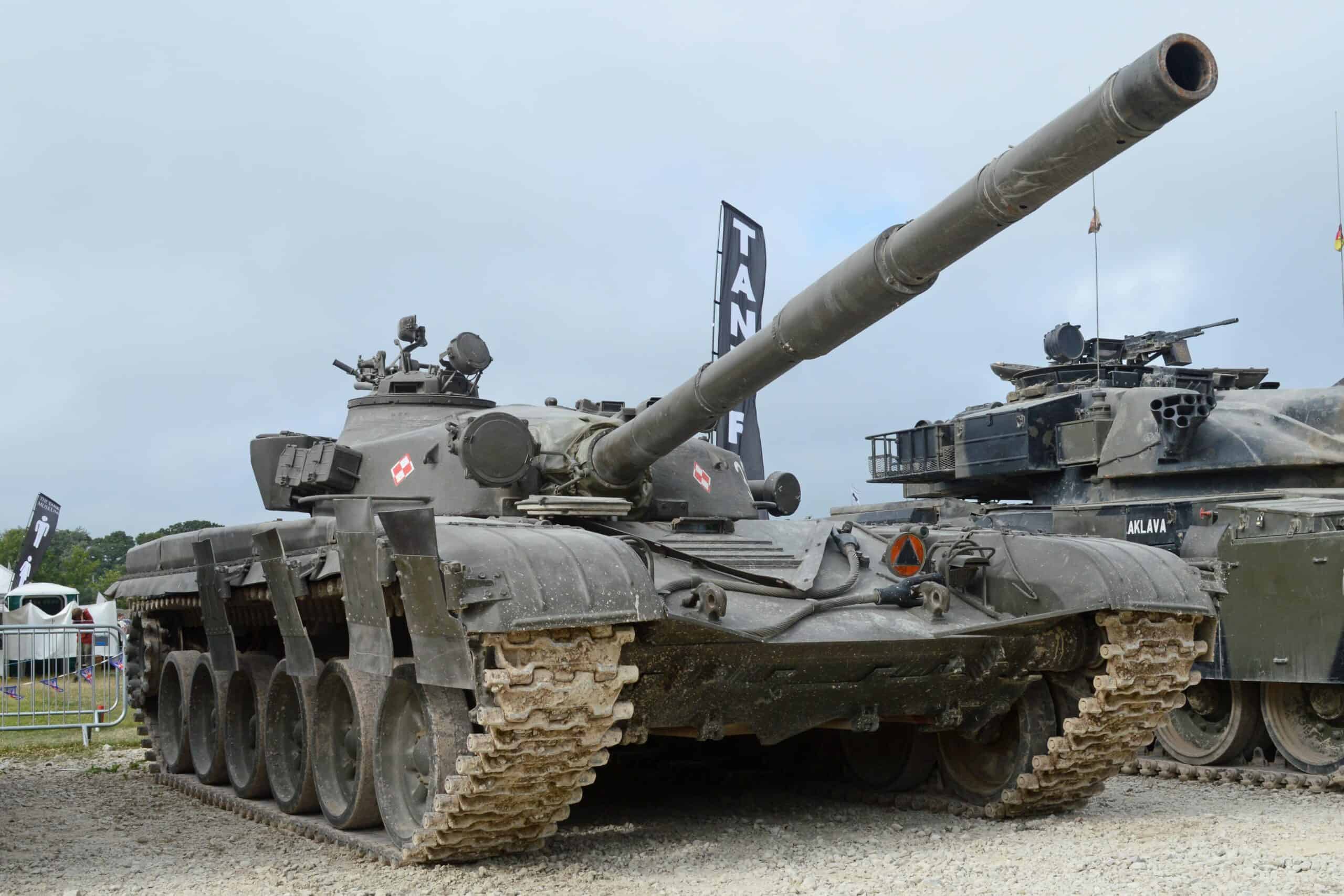
Many of these weapons remained in service because replacements failed to do the job better. Newer systems were often delayed, scaled back, or unable to match the reliability, versatility, or cost-effectiveness of the platforms they were meant to replace. Commanders continued to rely on what consistently worked.
Why the U.S. Still Relies on Them
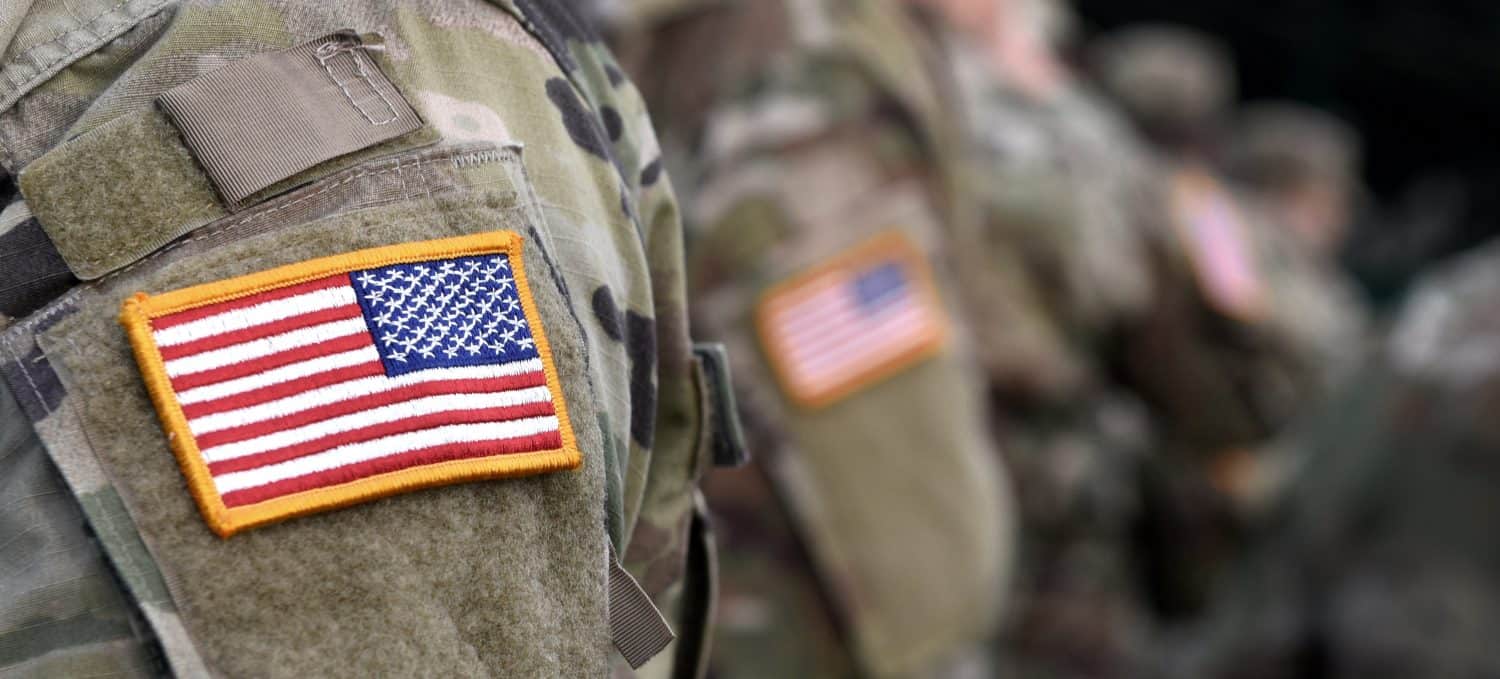
The U.S. military still relies on these Cold War weapons because they continue to deliver essential capability. Their longevity reflects institutional trust earned through decades of operational use. Together, they demonstrate that relevance, adaptability, and performance—not age—determine what remains in service.
M2 Browning .50-cal Machine Gun
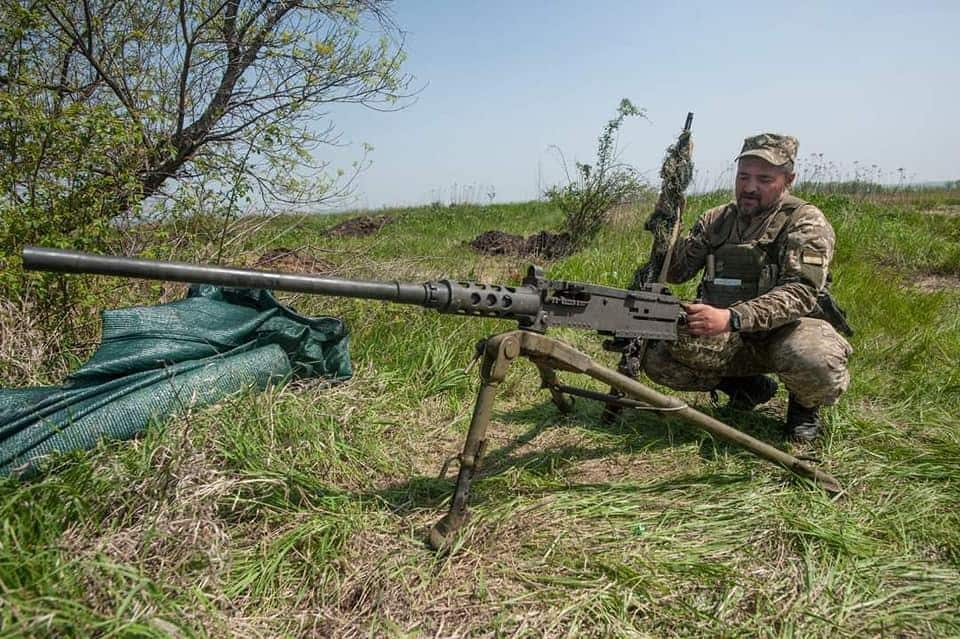
- Category: Small arms
- Year introduced to service: 1918
- Cold War role: Heavy machine gun for vehicles and defense
- Modern role today: Heavy fire support across domains
- Why the U.S. still relies on it: Reliability, power, unmatched versatility
- Key modernization or upgrade: New mounts, optics, ammunition
- Replacement status: None
The M2 Browning remains indispensable due to its unmatched reliability and firepower. Despite its age, it continues to serve on vehicles, aircraft, and ships because no replacement offers the same versatility, durability, and sustained lethality across so many combat roles.
M240 Machine Gun
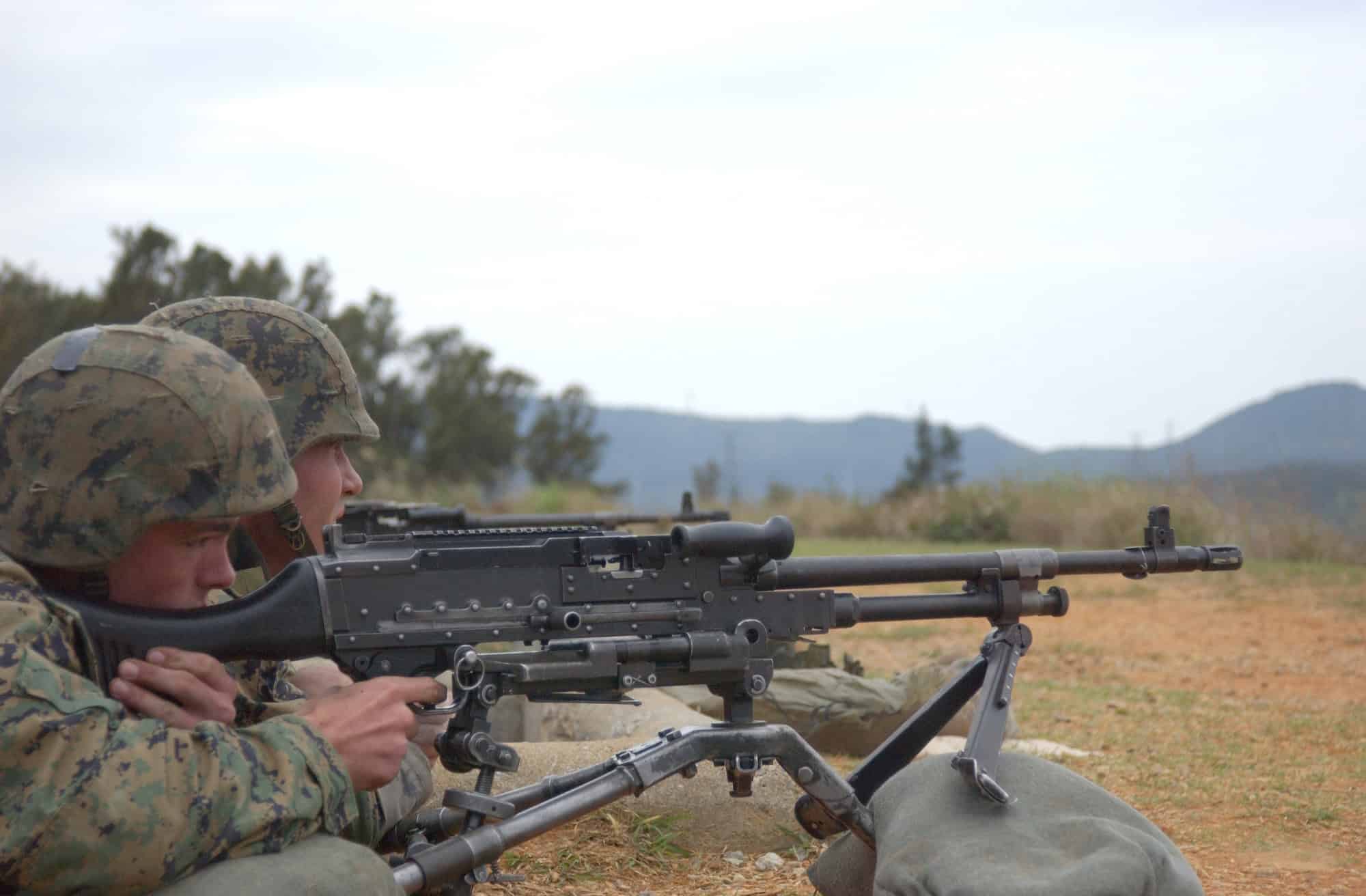
- Category: Small arms
- Year introduced to service: 1958
- Cold War role: General-purpose machine gun
- Modern role today: Infantry and vehicle-mounted fire support
- Why the U.S. still relies on it: Balanced firepower and reliability
- Key modernization or upgrade: Optics integration, weight reduction
- Replacement status: None
The M240 endures because it delivers consistent, reliable firepower in harsh conditions. Modern optics and mounting upgrades have kept it relevant, allowing it to remain a backbone of infantry and vehicle units.
M249 SAW
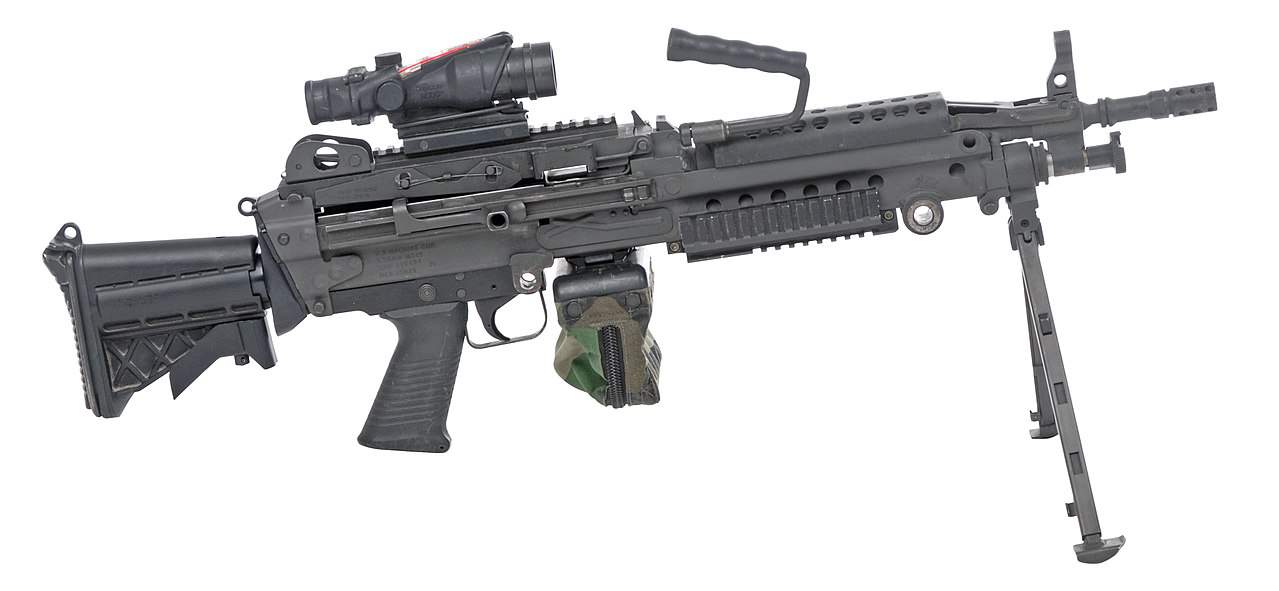
- Category: Small arms
- Year introduced to service: 1984
- Cold War role: Squad automatic weapon
- Modern role today: Squad-level suppressive fire
- Why the U.S. still relies on it: Lightweight automatic fire
- Key modernization or upgrade: Improved barrels, optics
- Replacement status: Partial
The M249 continues to provide squads with organic automatic firepower. While alternatives exist, its sustained fire capability and familiarity keep it in service.
M16/M4 Rifle Family
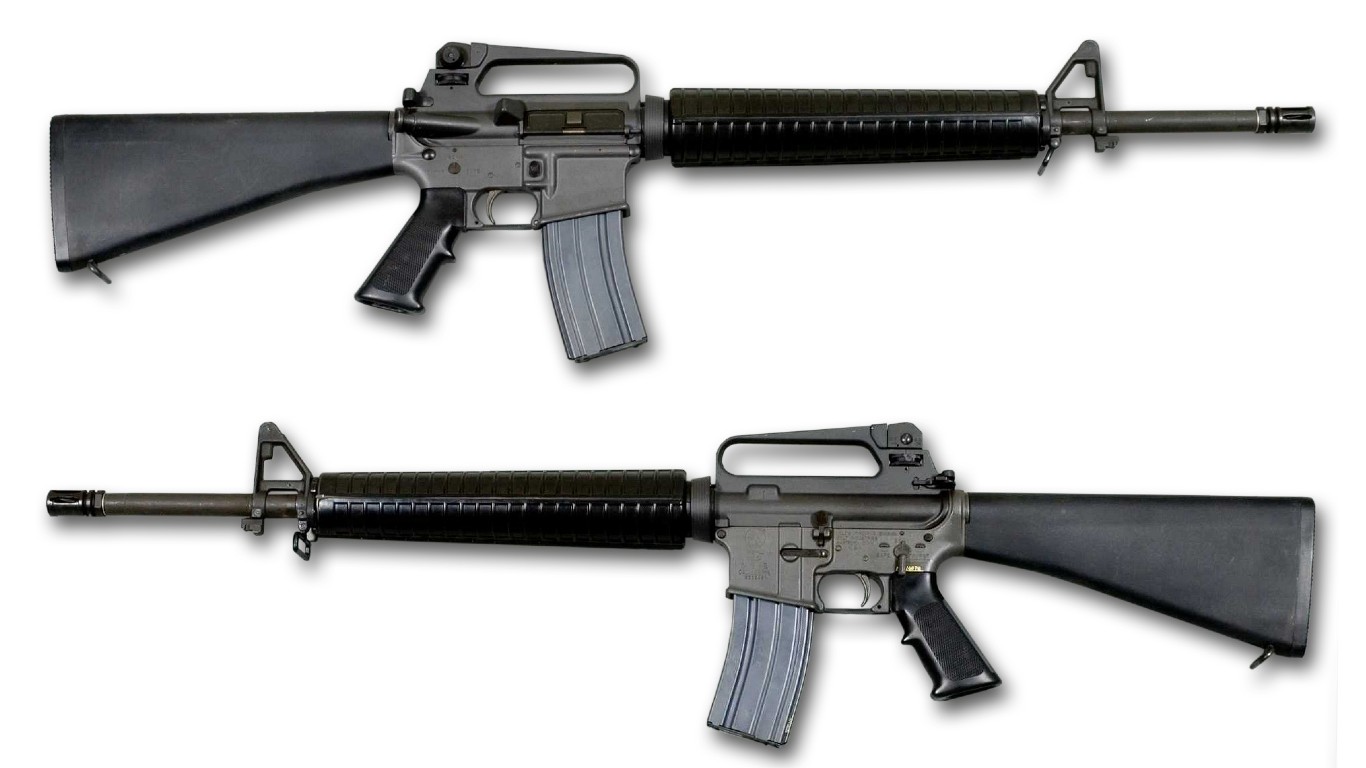
- Category: Small arms
- Year introduced to service: 1964
- Cold War role: Standard infantry rifle
- Modern role today: Primary service rifle
- Why the U.S. still relies on it: Modularity and adaptability
- Key modernization or upgrade: Rails, optics, caliber improvements
- Replacement status: Partial
The M16 and M4 family survived decades of warfare by evolving with doctrine. Modular upgrades allowed the platform to adapt to new combat environments while maintaining continuity across generations of soldiers.
AT4
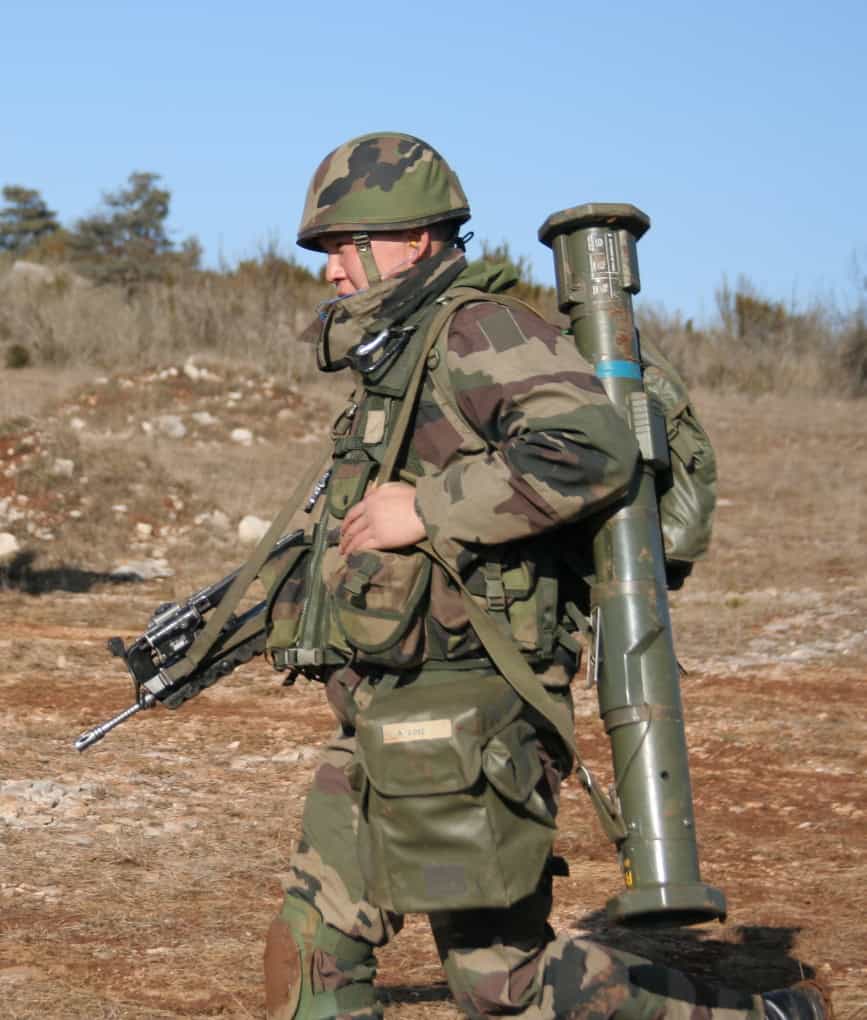
- Category: Small arms
- Year introduced to service: 1987
- Cold War role: Disposable anti-armor weapon
- Modern role today: Infantry anti-armor
- Why the U.S. still relies on it: Simplicity and effectiveness
- Key modernization or upgrade: Improved warheads
- Replacement status: None
The AT4 remains relevant because it offers infantry a simple, effective solution against armor and fortified positions without complex training or logistics.
Carl Gustaf Recoilless Rifle
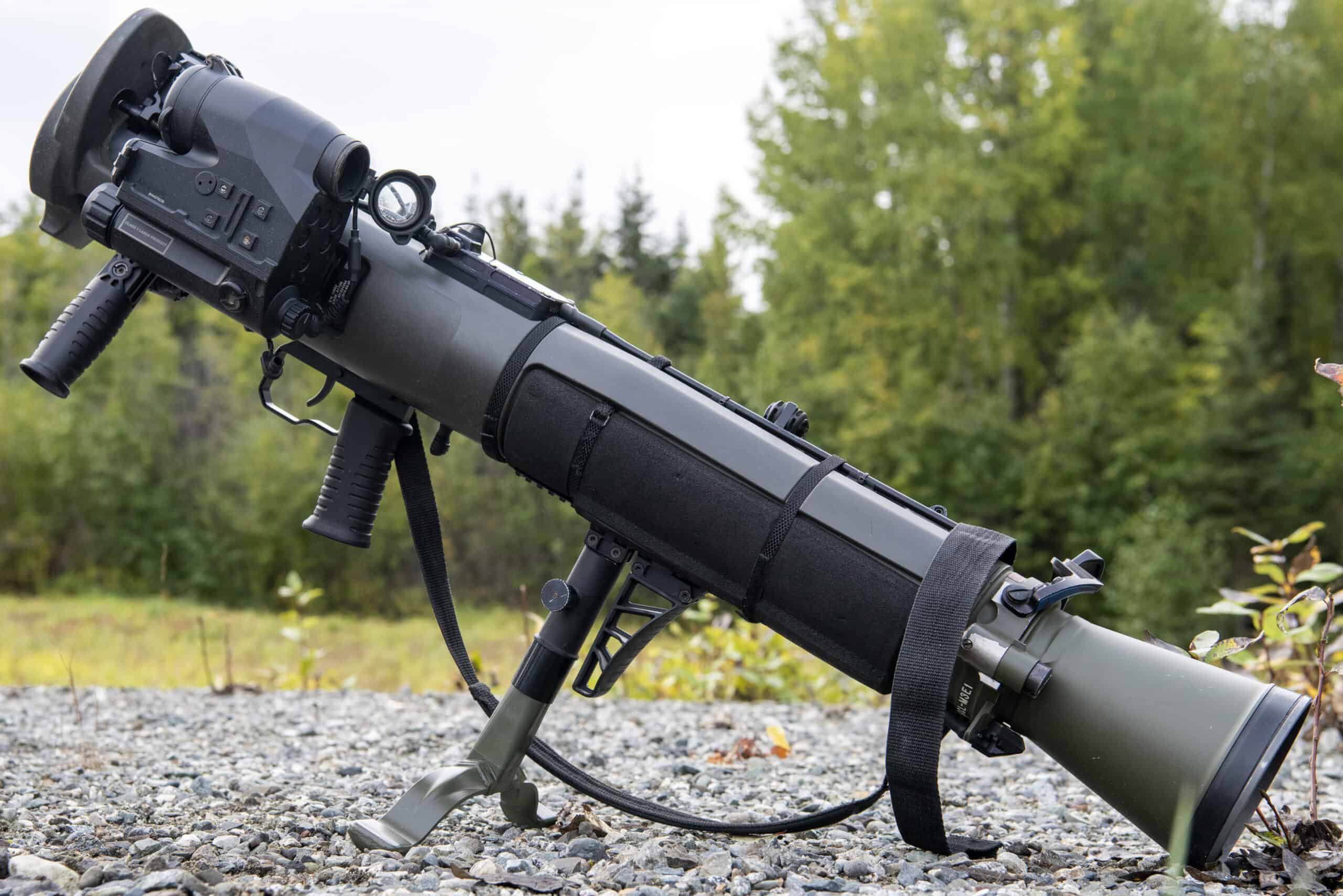
- Category: Small arms
- Year introduced to service: 1948
- Cold War role: Infantry anti-armor
- Modern role today: Multi-role infantry fire support
- Why the U.S. still relies on it: Versatility across missions
- Key modernization or upgrade: New ammunition types
- Replacement status: None
The Carl Gustaf continues to serve because it adapts to multiple missions, from anti-armor to bunker busting, making it indispensable across conflicts.
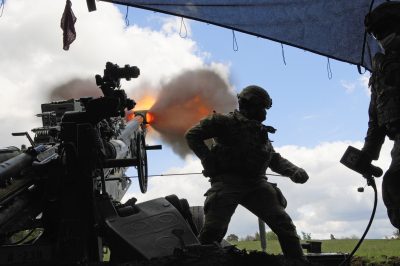
M109 Paladin
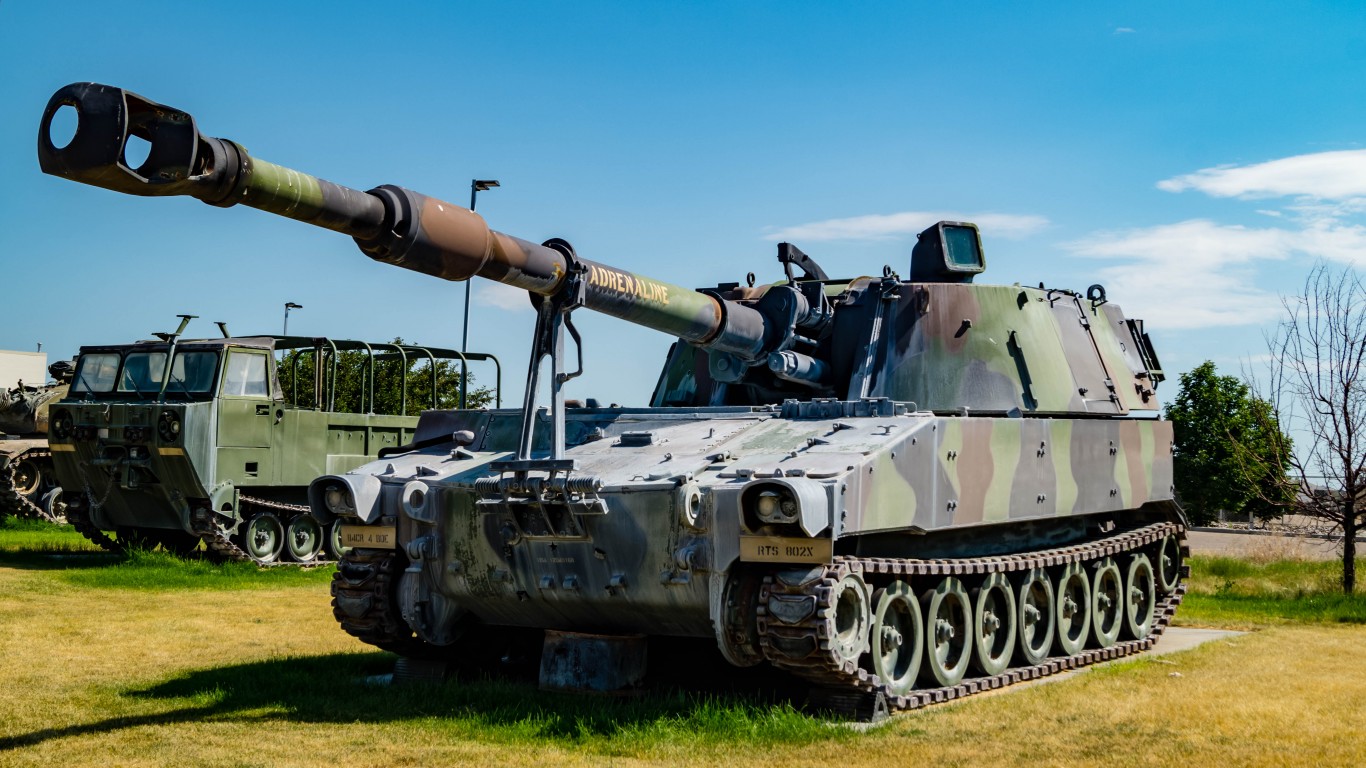
- Category: Artillery
- Year introduced to service: 1963
- Cold War role: Self-propelled artillery
- Modern role today: Modern mobile artillery
- Why the U.S. still relies on it: Mobility and sustained fire
- Key modernization or upgrade: Digital fire control
- Replacement status: Partial
The M109 Paladin remains a core artillery system due to continuous upgrades that keep it lethal and mobile on modern battlefields.
M270 MLRS
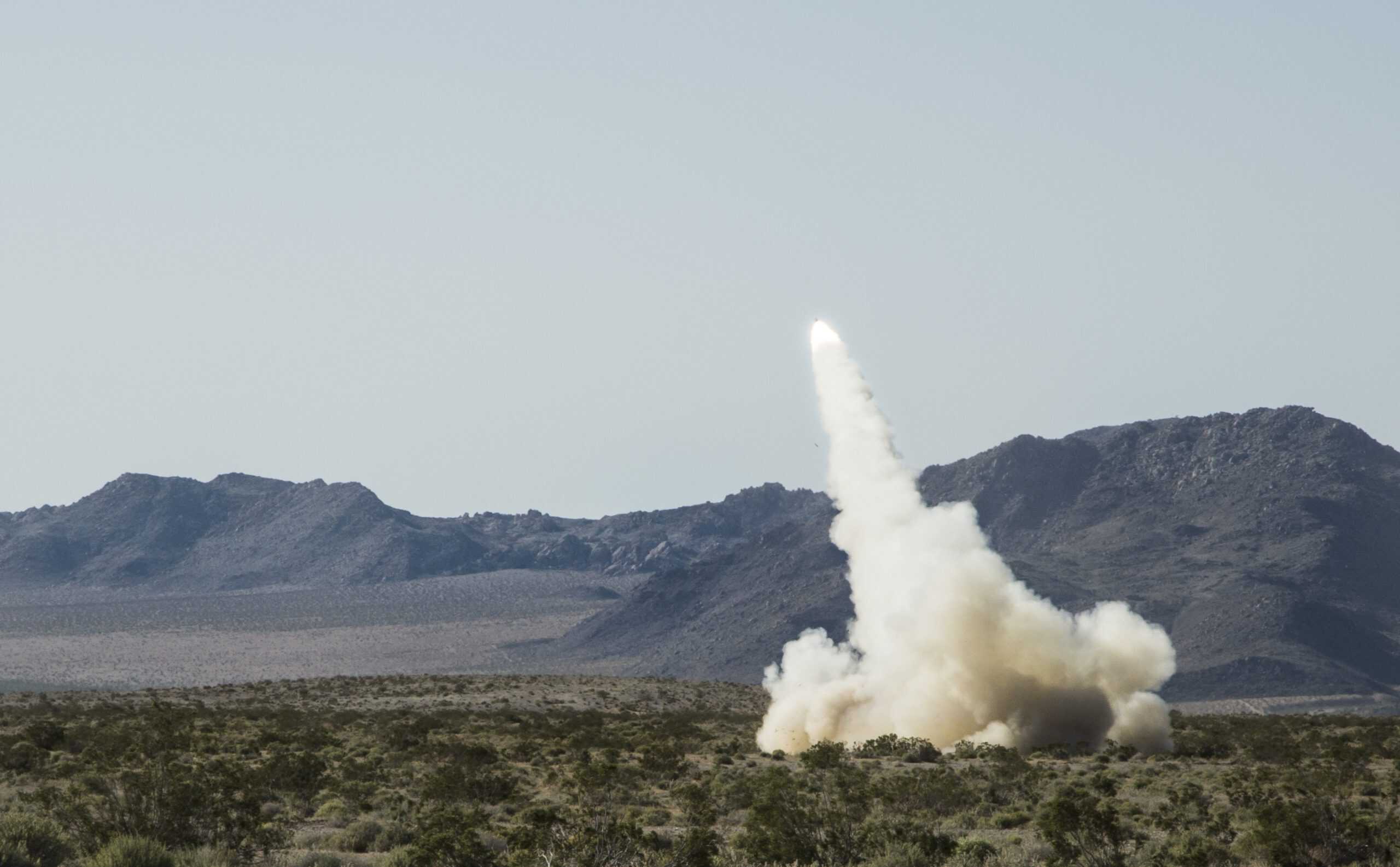
- Category: Artillery
- Year introduced to service: 1983
- Cold War role: Rocket artillery
- Modern role today: Precision and saturation fires
- Why the U.S. still relies on it: Long-range firepower
- Key modernization or upgrade: Guided rockets
- Replacement status: None
The M270 MLRS continues to deliver decisive long-range fires through modernization, maintaining relevance against modern threats.
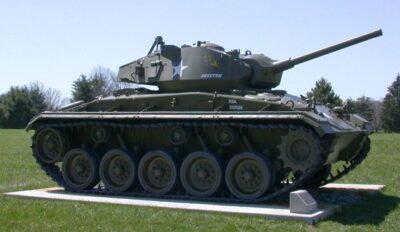
M113 APC
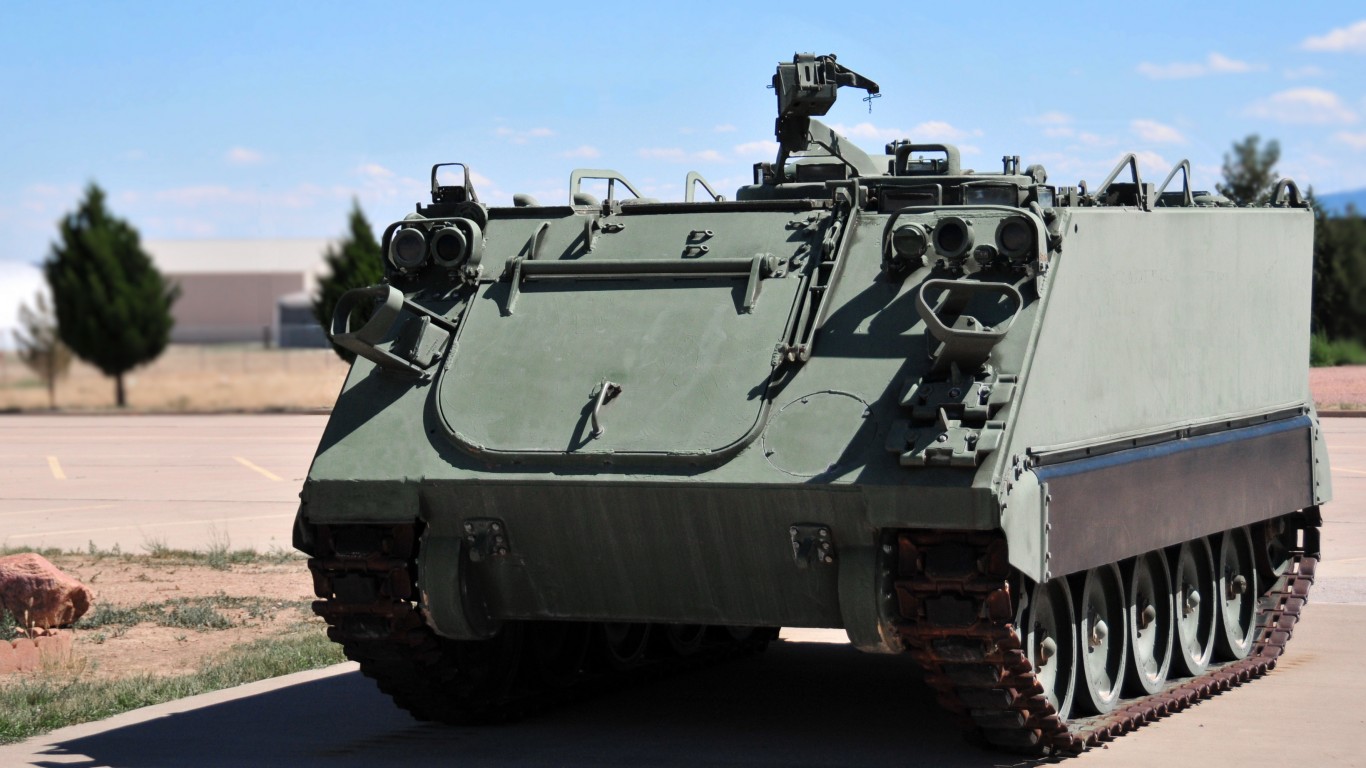
- Category: Ground vehicle
- Year introduced to service: 1960
- Cold War role: Armored personnel carrier
- Modern role today: Support and utility roles
- Why the U.S. still relies on it: Adaptability
- Key modernization or upgrade: Multiple variants
- Replacement status: Partial
The M113 survives in limited roles due to its adaptability and cost-effectiveness, filling support functions newer vehicles often cannot economically replace.
M1 Abrams

- Category: Ground vehicle
- Year introduced to service: 1980
- Cold War role: Main battle tank
- Modern role today: Heavy armored warfare
- Why the U.S. still relies on it: Survivability and firepower
- Key modernization or upgrade: Armor and electronics upgrades
- Replacement status: None
The M1 Abrams remains dominant due to continuous modernization that preserves its battlefield superiority decades after introduction.
Bradley Fighting Vehicle
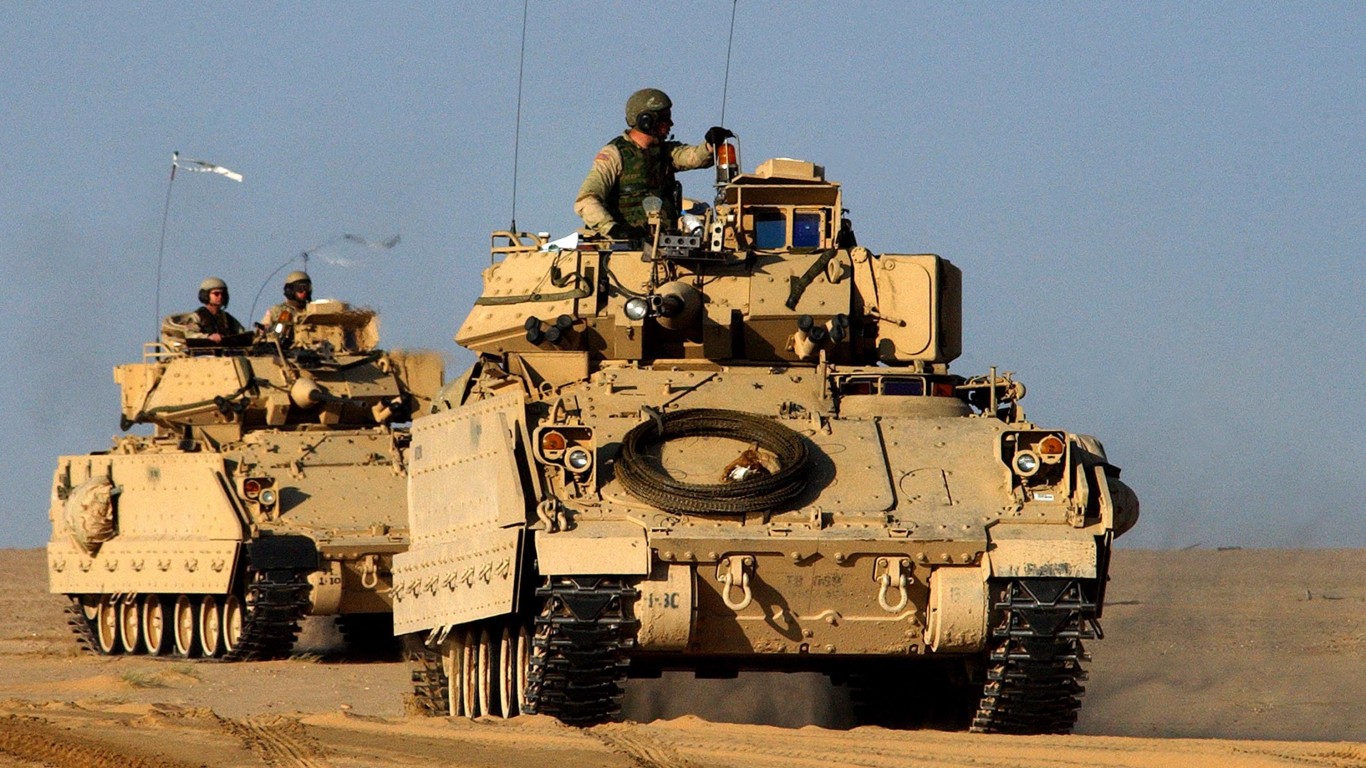
- Category: Ground vehicle
- Year introduced to service: 1981
- Cold War role: Infantry fighting vehicle
- Modern role today: Combined arms operations
- Why the U.S. still relies on it: Balanced protection and firepower
- Key modernization or upgrade: Sensors and armor
- Replacement status: Partial
The Bradley continues to serve as a key component of combined arms warfare through ongoing upgrades that keep it combat-relevant.
B-52 Stratofortress
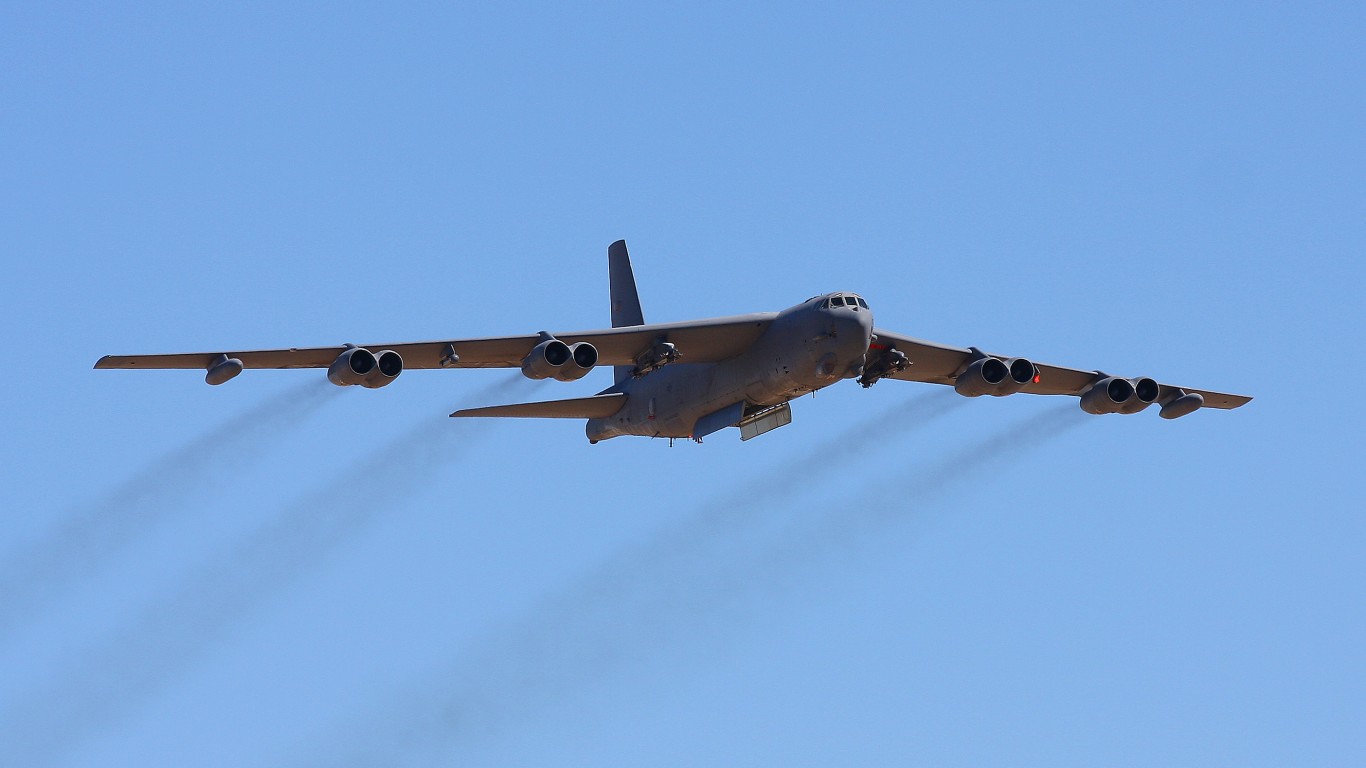
- Category: Aircraft
- Year introduced to service: 1961
- Cold War role: Strategic bomber
- Modern role today: Long-range strike and deterrence
- Why the U.S. still relies on it: Payload and endurance
- Key modernization or upgrade: Avionics and weapons
- Replacement status: None
The B-52 remains in service because no other aircraft matches its payload, range, and adaptability, making it central to U.S. strike capability.
A-10 Thunderbolt II
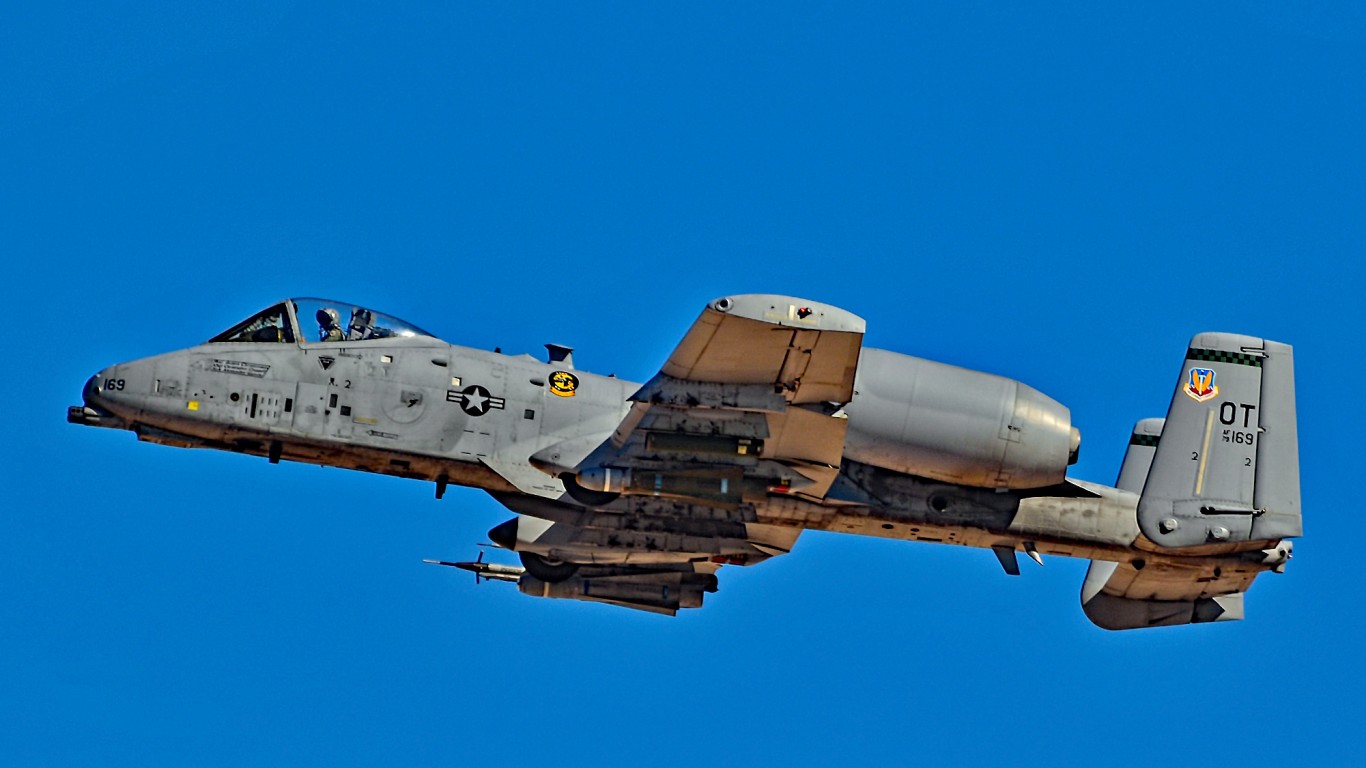
- Category: Aircraft
- Year introduced to service: 1977
- Cold War role: Close air support
- Modern role today: CAS
- Why the U.S. still relies on it: Unmatched ground support
- Key modernization or upgrade: Avionics and weapons
- Replacement status: Partial
The A-10 endures due to its unparalleled ability to support ground forces, remaining relevant through upgrades despite repeated retirement attempts.
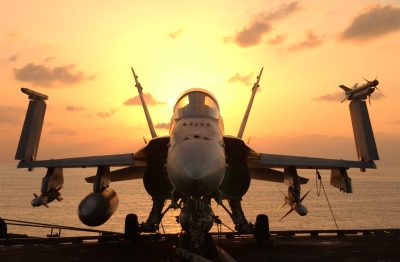
F-15 Eagle / Strike Eagle
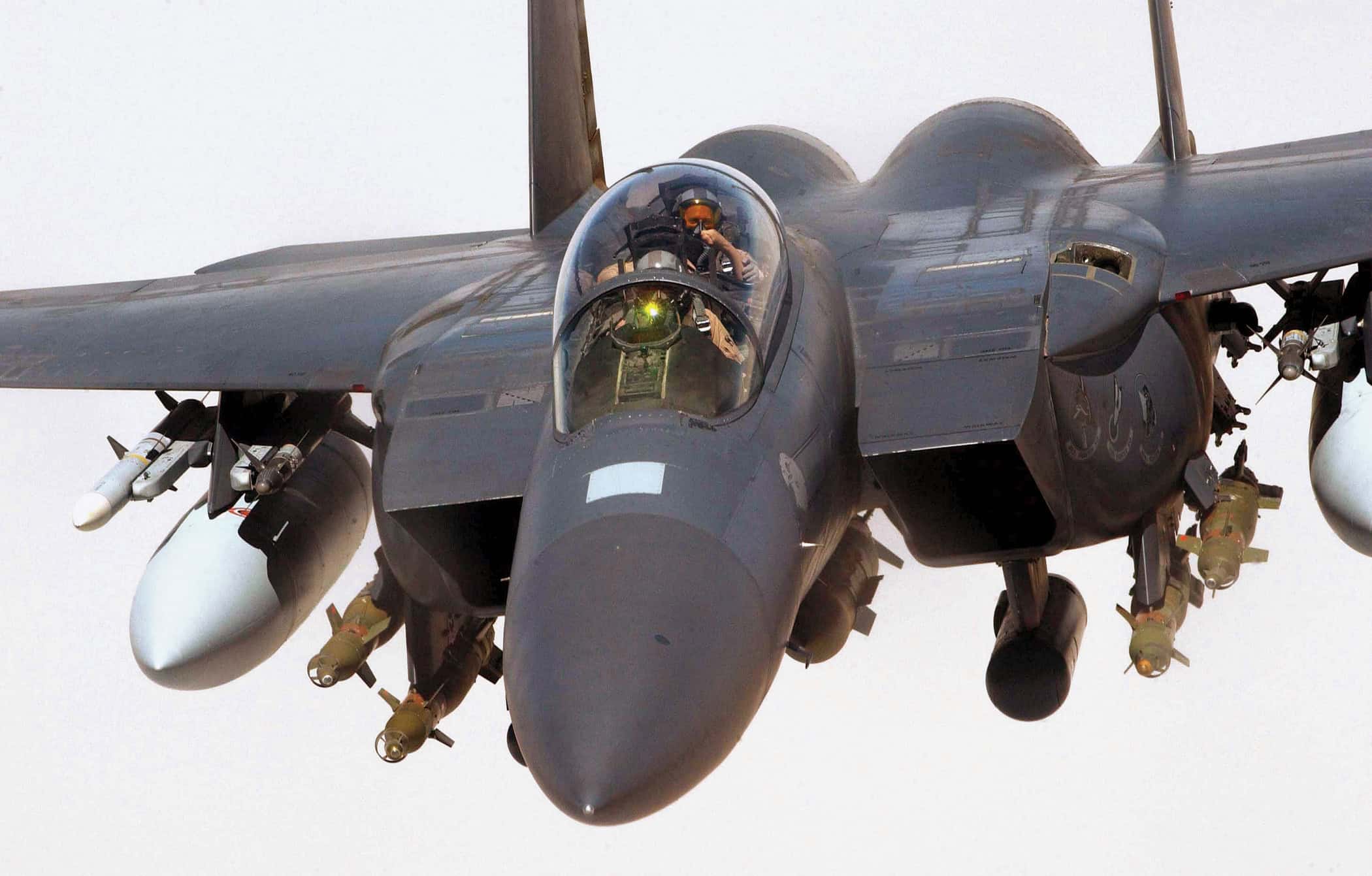
- Category: Aircraft
- Year introduced to service: 1976
- Cold War role: Air superiority
- Modern role today: Multirole and strike
- Why the U.S. still relies on it: Performance margin
- Key modernization or upgrade: Radar and avionics
- Replacement status: Partial
The F-15 family continues to serve because its performance margin allows upgrades to keep pace with modern threats.
F-16 Fighting Falcon

- Category: Aircraft
- Year introduced to service: 1978
- Cold War role: Lightweight fighter
- Modern role today: Multirole operations
- Why the U.S. still relies on it: Cost-effective versatility
- Key modernization or upgrade: Radar and avionics
- Replacement status: Partial
The F-16 remains in service due to its adaptability, affordability, and continuous modernization across decades of conflict.
AC-130 Gunship
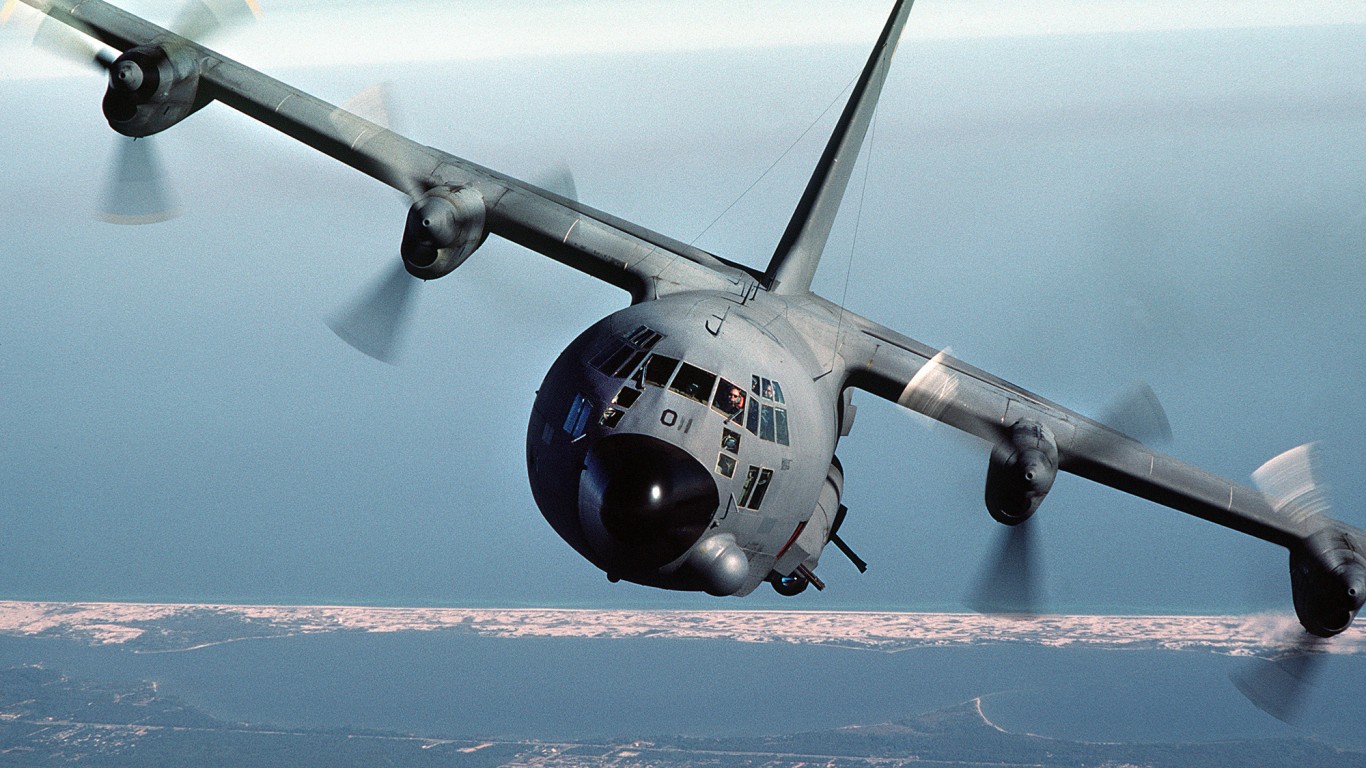
- Category: Aircraft
- Year introduced to service: 1968
- Cold War role: Gunship support
- Modern role today: Precision fire support
- Why the U.S. still relies on it: Persistent firepower
- Key modernization or upgrade: Sensors and weapons
- Replacement status: None
The AC-130 remains irreplaceable due to its ability to provide sustained, precise fire support for ground forces.
U-2 Dragon Lady
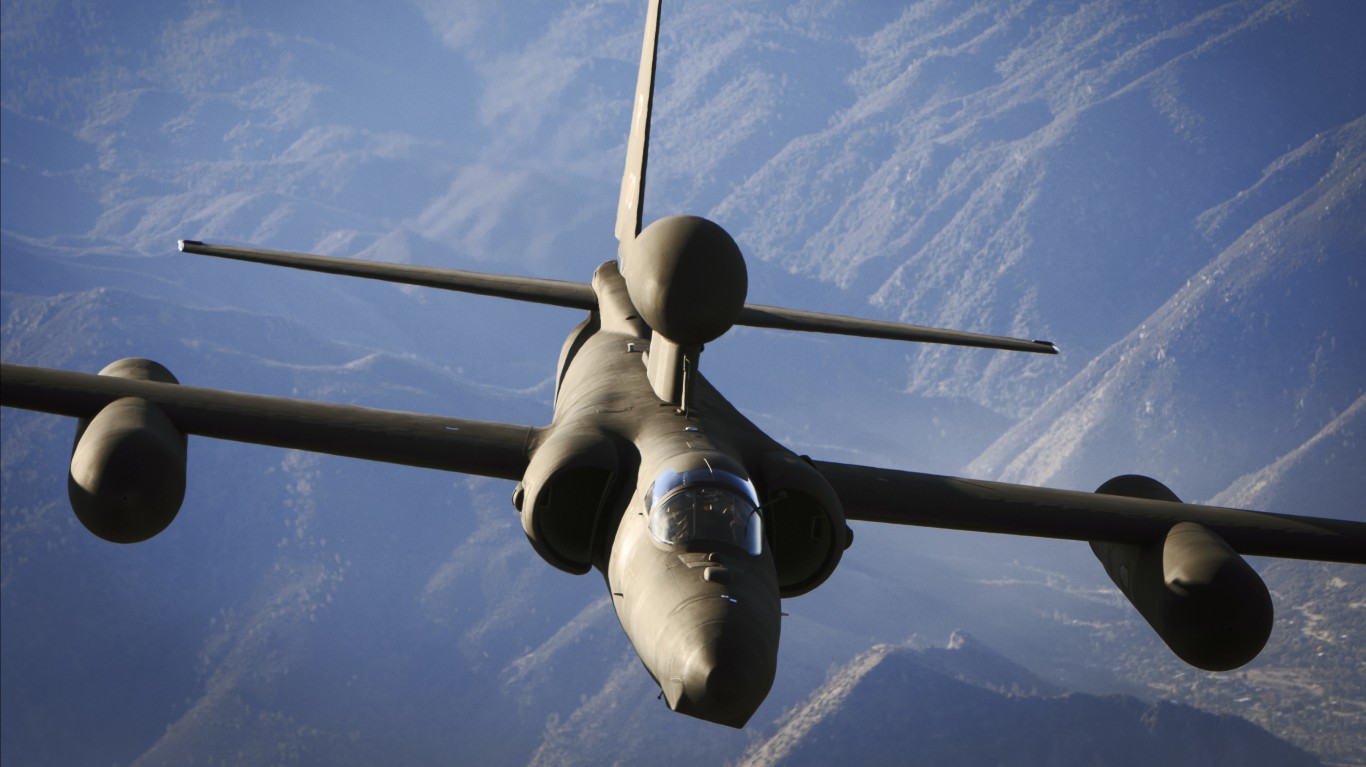
- Category: Aircraft
- Year introduced to service: 1957
- Cold War role: Strategic reconnaissance
- Modern role today: High-altitude ISR
- Why the U.S. still relies on it: Unique altitude capability
- Key modernization or upgrade: Sensor upgrades
- Replacement status: None
The U-2 continues flying because its altitude and sensor payload remain unmatched by most modern platforms.
KC-135 Stratotanker

- Category: Aircraft
- Year introduced to service: 1957
- Cold War role: Aerial refueling
- Modern role today: Global refueling
- Why the U.S. still relies on it: Essential logistics role
- Key modernization or upgrade: Avionics and structural upgrades
- Replacement status: Partial
The KC-135 underpins global air operations, remaining indispensable due to its reliability and refueling capacity.
RC-135 Rivet Joint
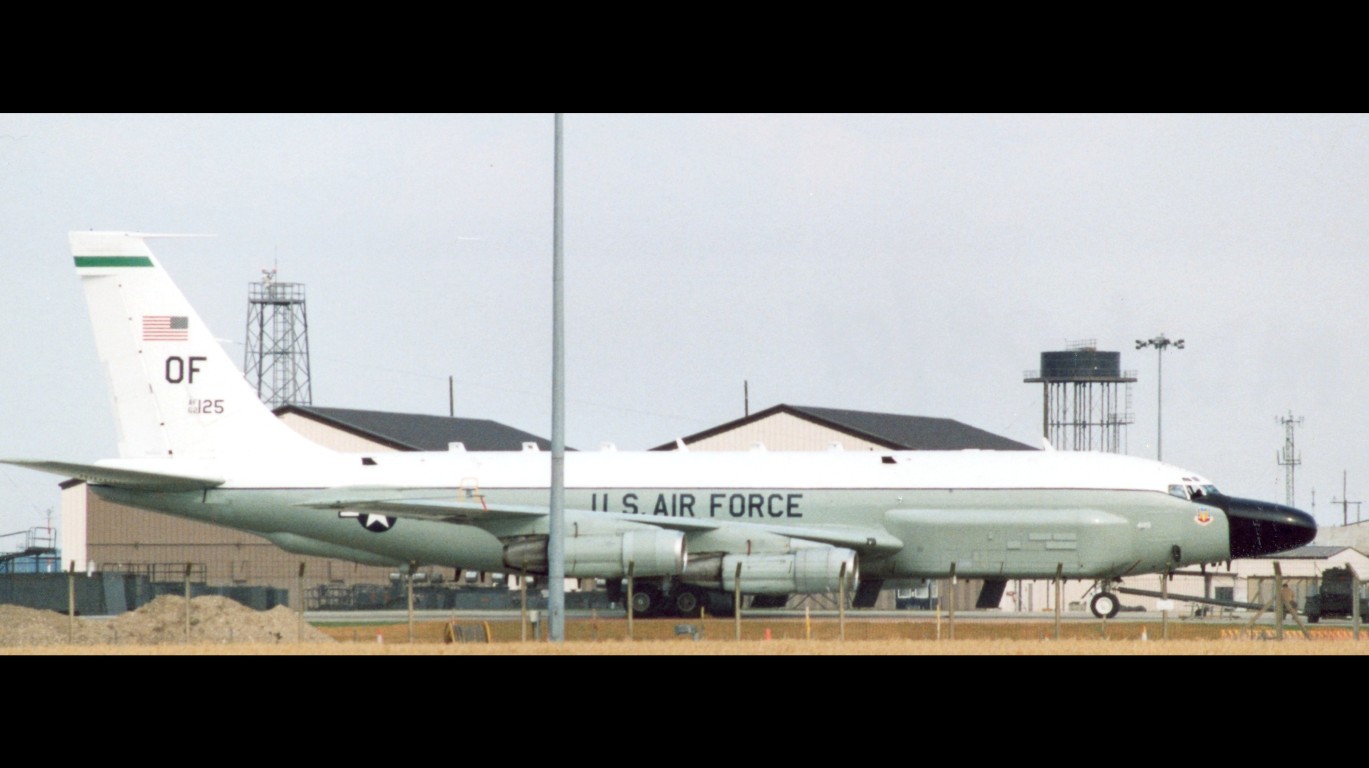
- Category: Aircraft
- Year introduced to service: 1964
- Cold War role: Signals intelligence
- Modern role today: ISR
- Why the U.S. still relies on it: Unique SIGINT capability
- Key modernization or upgrade: Sensor upgrades
- Replacement status: None
The RC-135 remains critical due to its specialized intelligence-gathering capabilities that few platforms can replicate.
E-3 Sentry
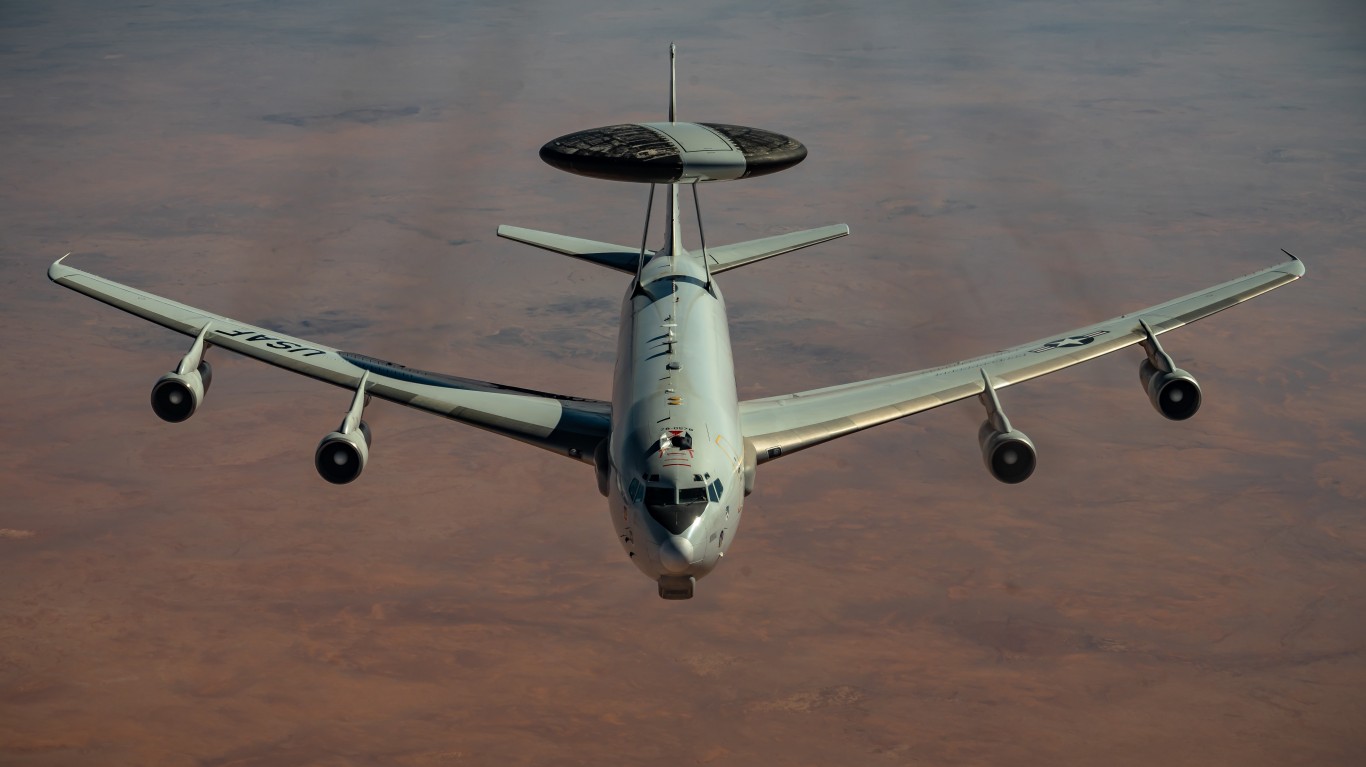
- Category: Aircraft
- Year introduced to service: 1977
- Cold War role: Airborne warning
- Modern role today: Battle management
- Why the U.S. still relies on it: Command and control
- Key modernization or upgrade: Radar upgrades
- Replacement status: Planned
The E-3 continues to provide airborne command and control, a role still essential to modern air operations.
E-4B Nightwatch
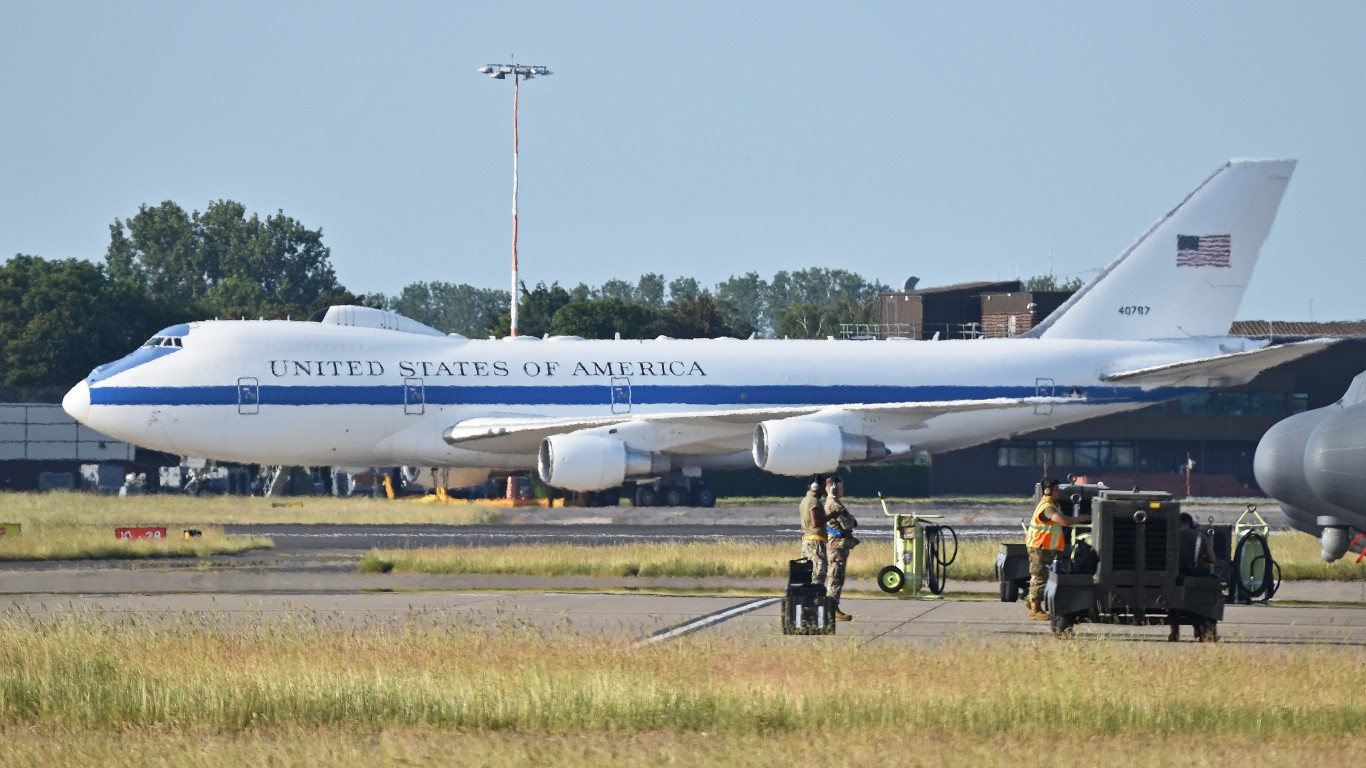
- Category: Aircraft
- Year introduced to service: 1974
- Cold War role: National command post
- Modern role today: Strategic command
- Why the U.S. still relies on it: Survivable command role
- Key modernization or upgrade: Avionics upgrades
- Replacement status: Planned
The E-4B remains in service as the airborne national command post, a role too critical to abandon without a proven replacement.
E-6B Mercury

- Category: Aircraft
- Year introduced to service: 1989
- Cold War role: Nuclear communications
- Modern role today: Strategic command
- Why the U.S. still relies on it: Unique nuclear C2
- Key modernization or upgrade: Avionics upgrades
- Replacement status: Planned
The E-6B supports nuclear command and control missions that require highly specialized airborne capabilities.
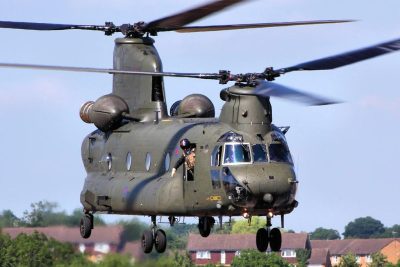
CH-47 Chinook

- Category: Helicopter
- Year introduced to service: 1962
- Cold War role: Heavy-lift transport
- Modern role today: Troop and cargo lift
- Why the U.S. still relies on it: Unmatched lift capacity
- Key modernization or upgrade: Avionics and engines
- Replacement status: None
The Chinook remains essential due to its unique tandem-rotor design that provides unmatched lift and reliability.
UH-60 Black Hawk

- Category: Helicopter
- Year introduced to service: 1979
- Cold War role: Utility transport
- Modern role today: Air assault and medevac
- Why the U.S. still relies on it: Versatility
- Key modernization or upgrade: Avionics and engines
- Replacement status: Partial
The Black Hawk continues serving across multiple roles thanks to its adaptability and constant modernization.
AH-64 Apache
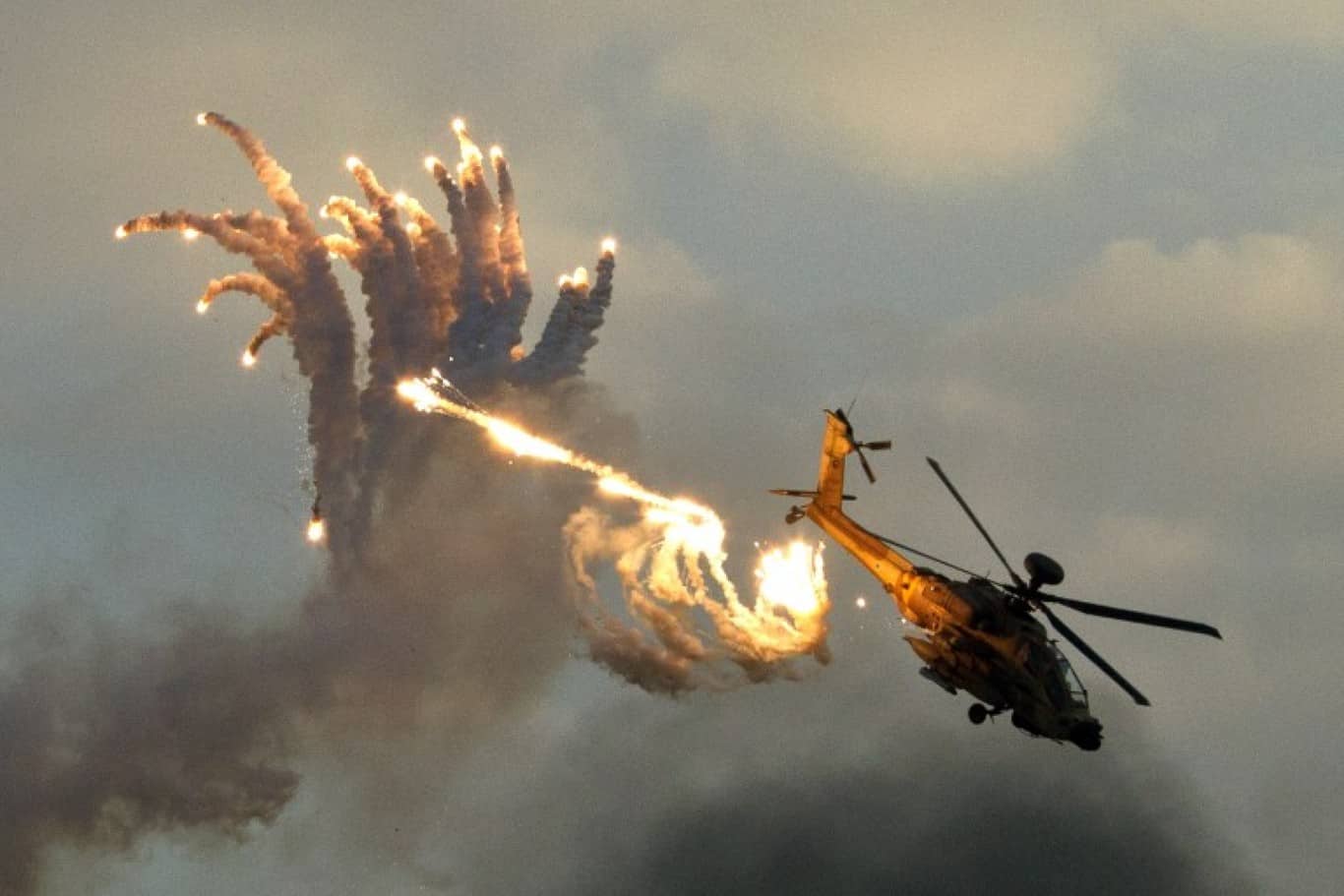
- Category: Helicopter
- Year introduced to service: 1986
- Cold War role: Attack helicopter
- Modern role today: Close combat
- Why the U.S. still relies on it: Survivability and lethality
- Key modernization or upgrade: Sensors and weapons
- Replacement status: None
The Apache remains the Army’s primary attack helicopter due to continuous upgrades that keep it lethal and survivable.
Patriot Air Defense System
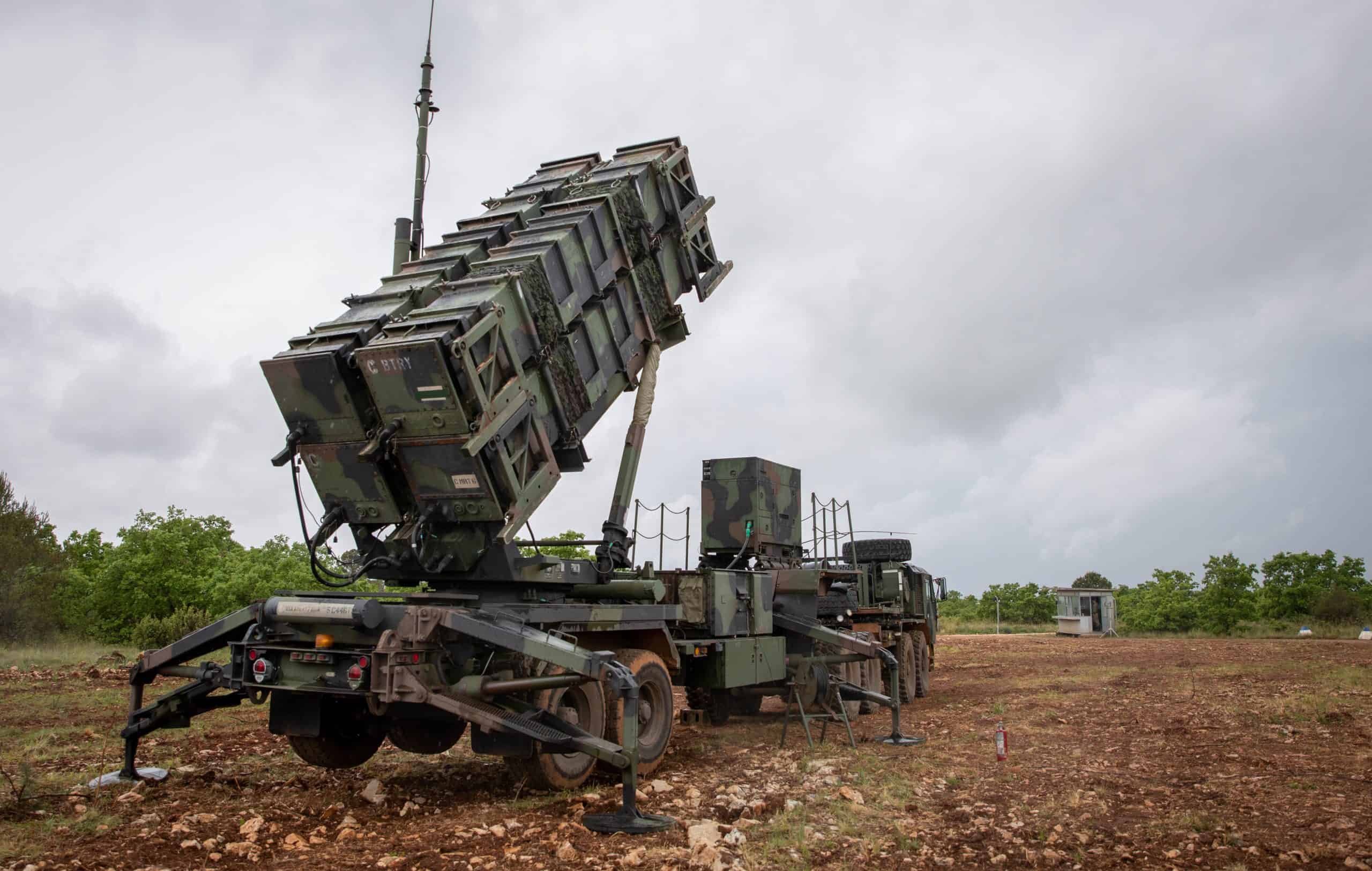
- Category: Missile
- Year introduced to service: 1984
- Cold War role: Air and missile defense
- Modern role today: Integrated air defense
- Why the U.S. still relies on it: Adaptability
- Key modernization or upgrade: Radar and missile upgrades
- Replacement status: None
The Patriot system remains vital due to constant modernization that allows it to counter evolving missile threats.
TOW Missile

- Category: Missile
- Year introduced to service: 1970
- Cold War role: Anti-tank missile
- Modern role today: Armor defeat
- Why the U.S. still relies on it: Reliability
- Key modernization or upgrade: Improved guidance
- Replacement status: None
The TOW missile continues to defeat modern armor through upgrades that extend its effectiveness.
Stinger MANPADS
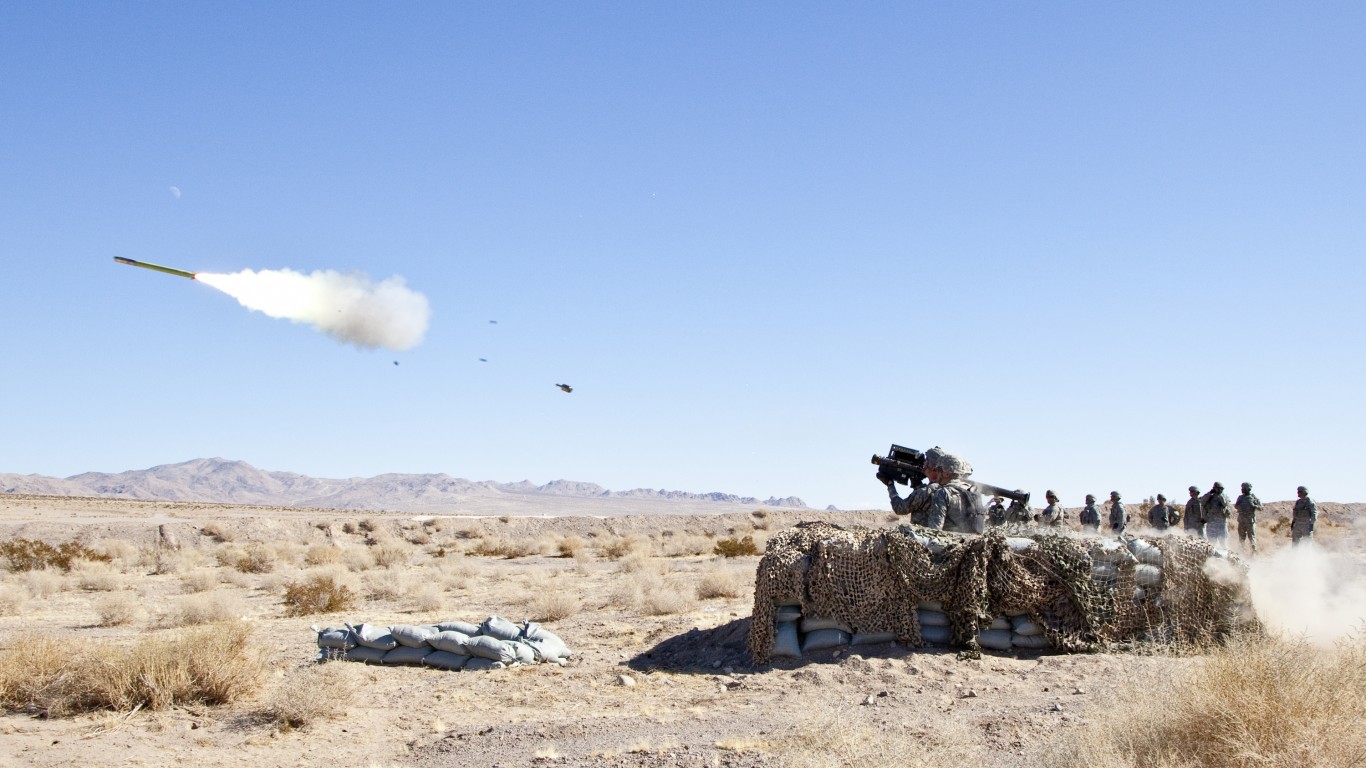
- Category: Missile
- Year introduced to service: 1981
- Cold War role: Portable air defense
- Modern role today: Short-range air defense
- Why the U.S. still relies on it: Portability
- Key modernization or upgrade: Improved seekers
- Replacement status: None
Stinger missiles remain relevant by giving infantry a portable air-defense capability against modern aircraft.
KC-130
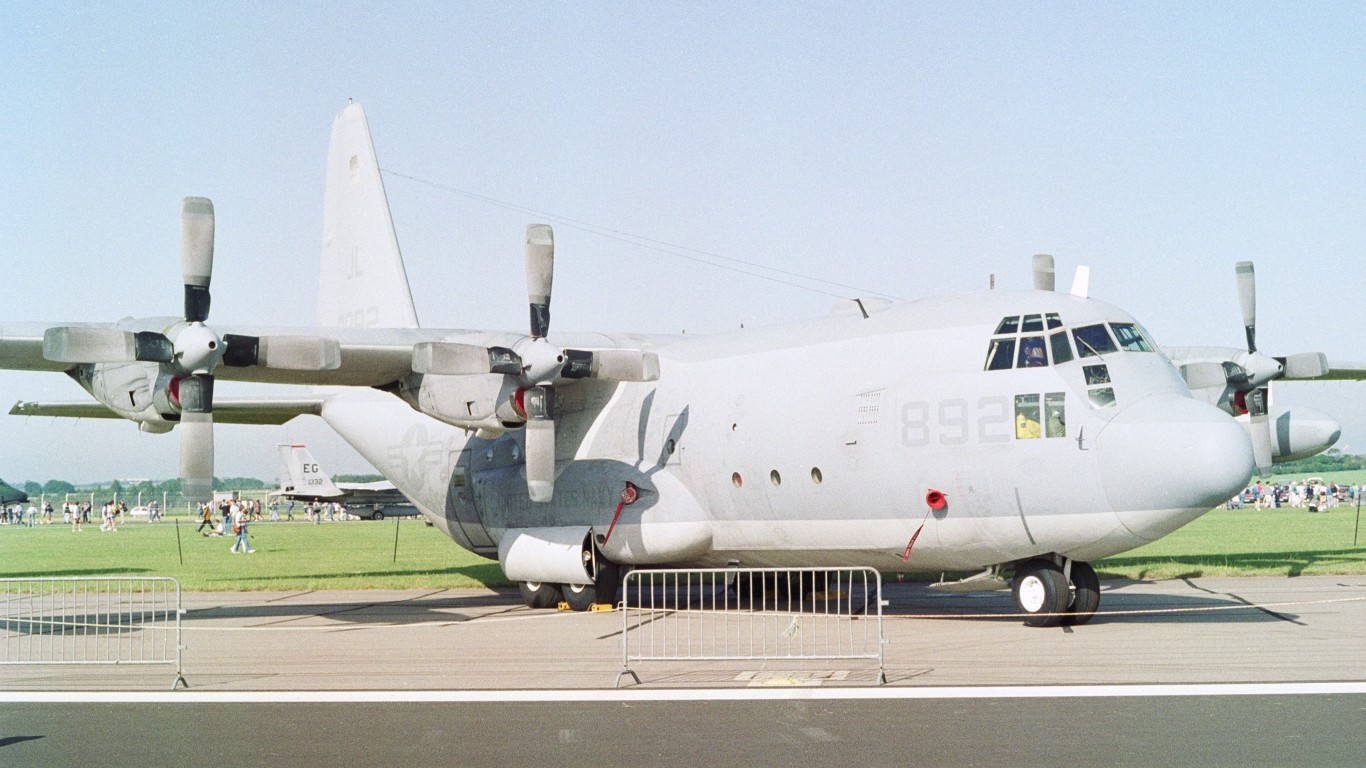
- Category: Aircraft
- Year introduced to service: 1960
- Cold War role: Tactical refueling
- Modern role today: Expeditionary support
- Why the U.S. still relies on it: Flexibility
- Key modernization or upgrade: Avionics upgrades
- Replacement status: Partial
The KC-130 supports expeditionary operations by combining refueling and transport in austere environments.
M270A1 MLRS
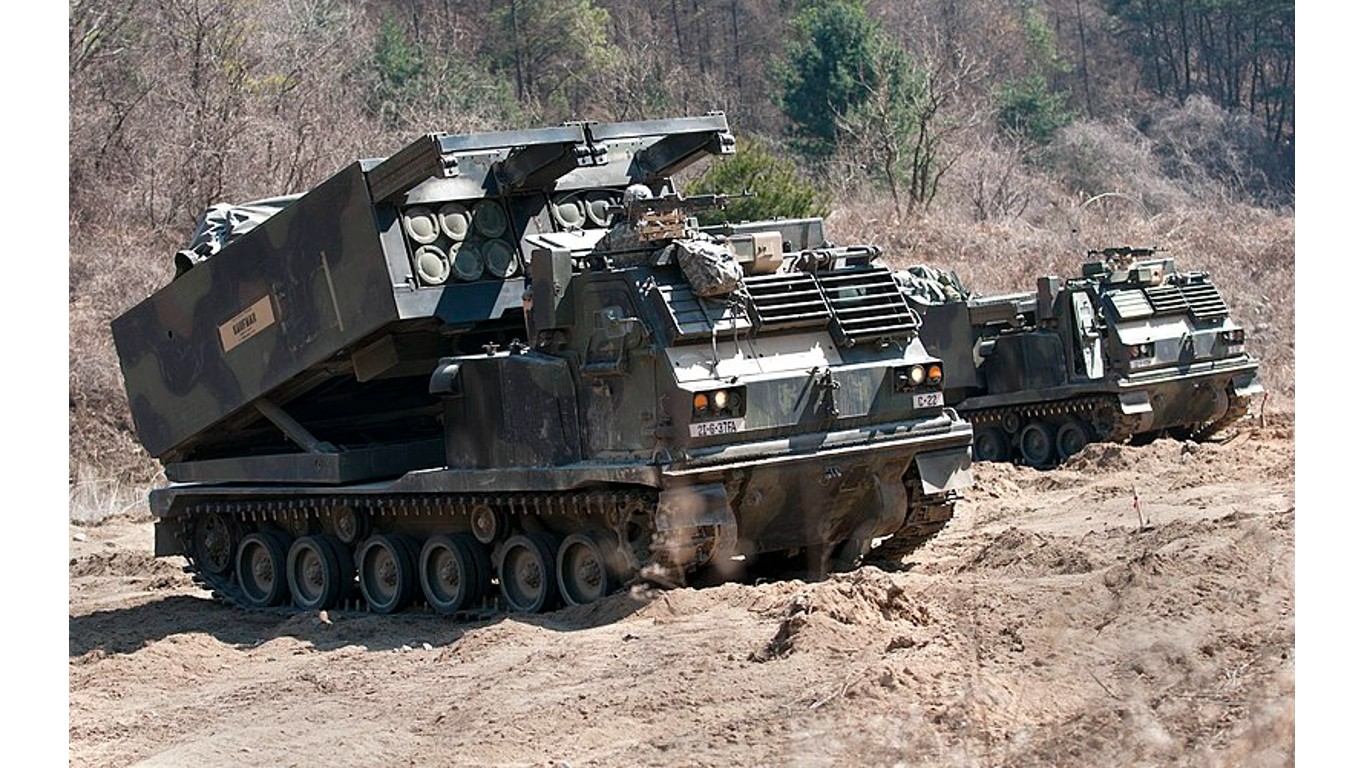
- Category: Artillery
- Year introduced to service: 1983
- Cold War role: Rocket artillery
- Modern role today: Precision fires
- Why the U.S. still relies on it: Long-range strike
- Key modernization or upgrade: Guided munitions
- Replacement status: None
Upgraded M270 systems continue delivering precision fires, proving the value of Cold War artillery designs adapted for modern warfare.







 Top Gaining Stocks
 Top Losing Stocks