


Some of the most capable aircraft ever flown by the U.S. military came with an unspoken cost: extraordinary logistical demands. From stealth bombers that required climate-controlled hangars to transports that consumed enormous maintenance hours, these aircraft reshaped not only how wars were fought, but how they were sustained. Here, 24/7 Wall St. is taking a closer look at some of the most logistically demanding aircraft.
To determine the most logistically demanding aircraft used by the U.S. Military, 24/7 Wall St. reviewed various historical and military sources. We included supplemental information regarding when these aircraft were introduced, their primary missions, and what types of logistical burden each carried.
It’s worth pointing out that many of the aircraft on this list delivered unique or unmatched capabilities, but only at significant logistical cost. High maintenance hours, specialized parts, fuel demands, and limited deployability shaped how and when these aircraft could be used. In many cases, logistics set stricter limits than enemy threats.
Ultimately, these aircraft show that airpower is not limited by ambition or design alone, but by what can be sustained over time. At the heart of it, maintenance and infrastructure quietly shape readiness, affordability, and the future of U.S. airpower.
Here is a look at the most logistically demanding aircraft in the U.S. Military:
Why Are We Covering This?
Understanding the most logistically demanding aircraft in U.S. military history matters because it exposes the typically unseen constraints that shape airpower in the real world. These aircraft demonstrate that capability alone is never enough; maintenance hours, supply chains, specialized infrastructure, and manpower ultimately determine what can be deployed, how often it can fly, and where it can operate. Examining these platforms helps explain why some highly capable aircraft were used sparingly, why others required massive investment to remain viable, and why logistics typically decides the limits of military aviation.
B-2 Spirit

- Service branch / Operator: USAF
- Era introduced: Cold War
- Primary mission role: Stealth bomber
- What made it logistically demanding: Low-observable coatings, climate-controlled hangars, specialized tooling
- Logistics burden type: Maintenance-intensive
- Operational impact of the logistics burden: Limited deployability and high sortie preparation time
- Why the U.S. accepted the burden: Unique stealth penetration and strategic deterrence
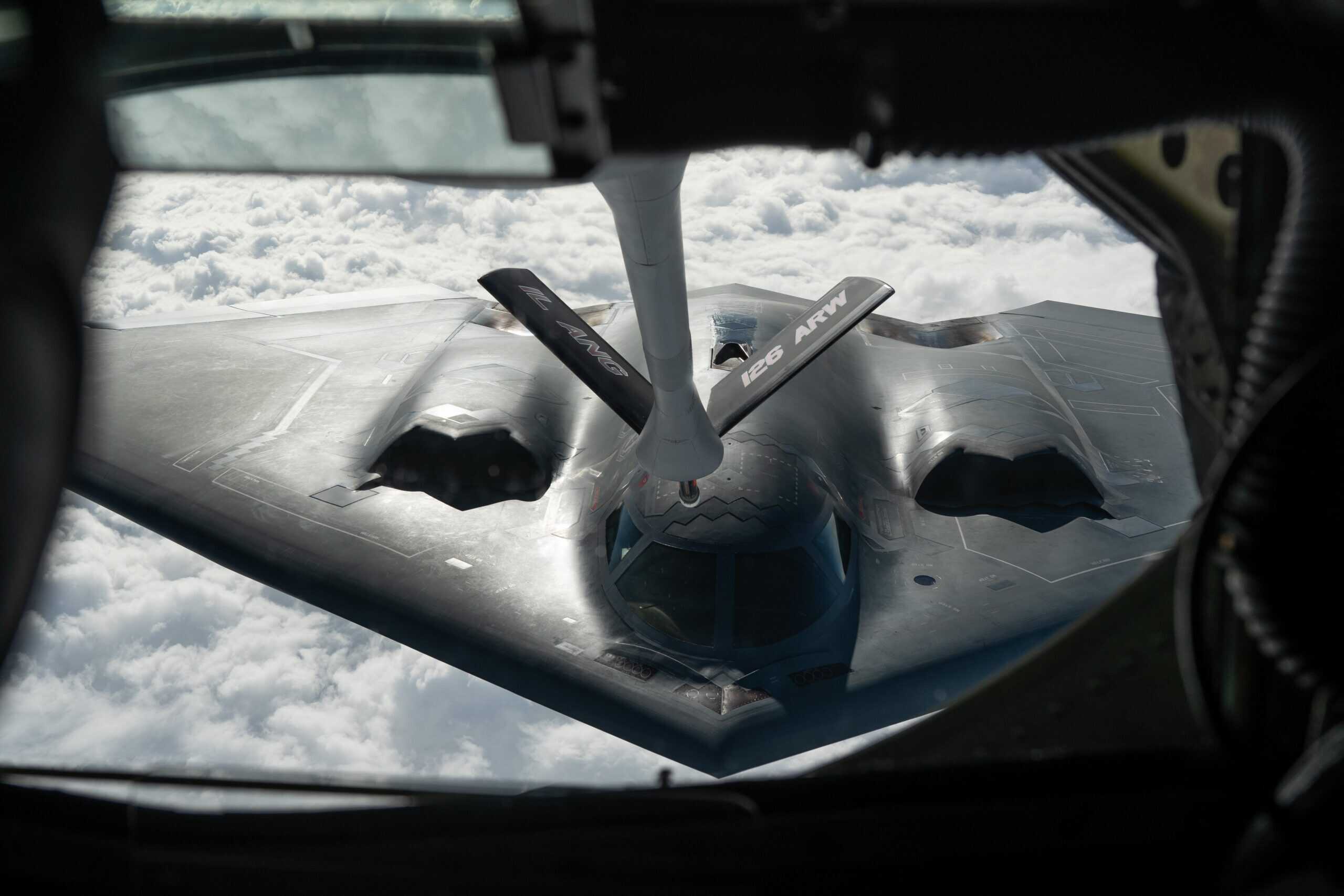
The B-2 Spirit imposed one of the heaviest logistics burdens in U.S. aviation history. Its stealth coatings required climate-controlled hangars, constant inspection, and specialized maintenance teams. While extraordinarily expensive to sustain, the aircraft’s ability to penetrate advanced defenses from intercontinental range made it indispensable for strategic strike and deterrence missions.
B-52 Stratofortress
- Service branch / Operator: USAF
- Era introduced: Cold War
- Primary mission role: Strategic bomber
- What made it logistically demanding: Aging airframes, massive parts inventory, fuel consumption
- Logistics burden type: Manpower-heavy
- Operational impact of the logistics burden: Large maintenance footprint and long sustainment timelines
- Why the U.S. accepted the burden: Global strike persistence and adaptability
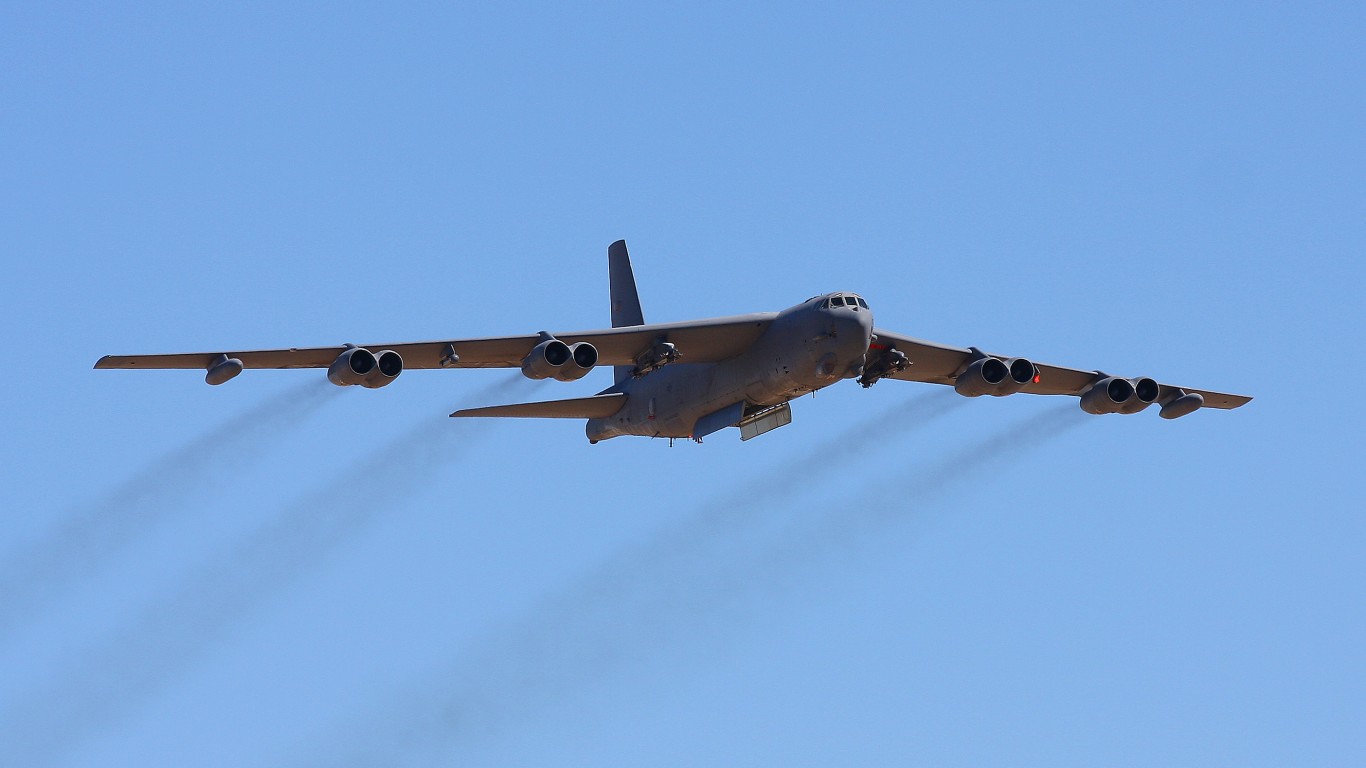
The B-52 has remained effective only through an immense logistics effort. Aging airframes, extensive spare parts inventories, and high fuel demands require constant sustainment investment. The U.S. accepted this burden because the bomber’s payload, range, and adaptability made it a cornerstone of global power projection for decades.
B-1B Lancer
- Service branch / Operator: USAF
- Era introduced: Cold War
- Primary mission role: Long-range bomber
- What made it logistically demanding: Complex swing-wing systems and avionics
- Logistics burden type: Maintenance-intensive
- Operational impact of the logistics burden: Reduced readiness during peak operational periods
- Why the U.S. accepted the burden: High-speed conventional strike capability
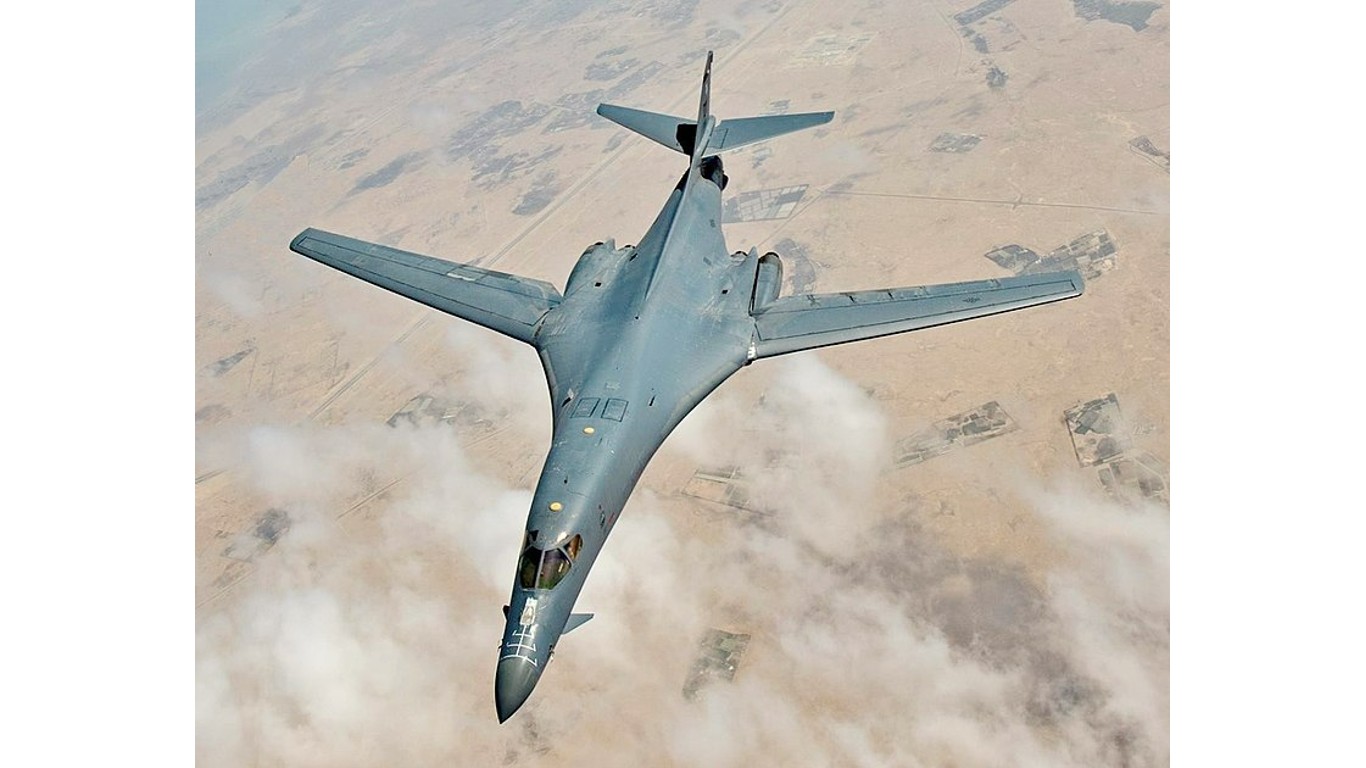
The B-1B’s advanced design imposed heavy maintenance demands, particularly on its swing-wing mechanisms and avionics. These logistics challenges limited readiness at times, but the aircraft’s speed and payload made it valuable for rapid conventional strikes, justifying continued sustainment despite high upkeep costs.
B-36 Peacemaker
- Service branch / Operator: USAF
- Era introduced: Cold War
- Primary mission role: Strategic bomber
- What made it logistically demanding: Six piston engines plus jet engines, massive size
- Logistics burden type: Infrastructure-heavy
- Operational impact of the logistics burden: Required specialized bases and large ground crews
- Why the U.S. accepted the burden: Intercontinental nuclear reach
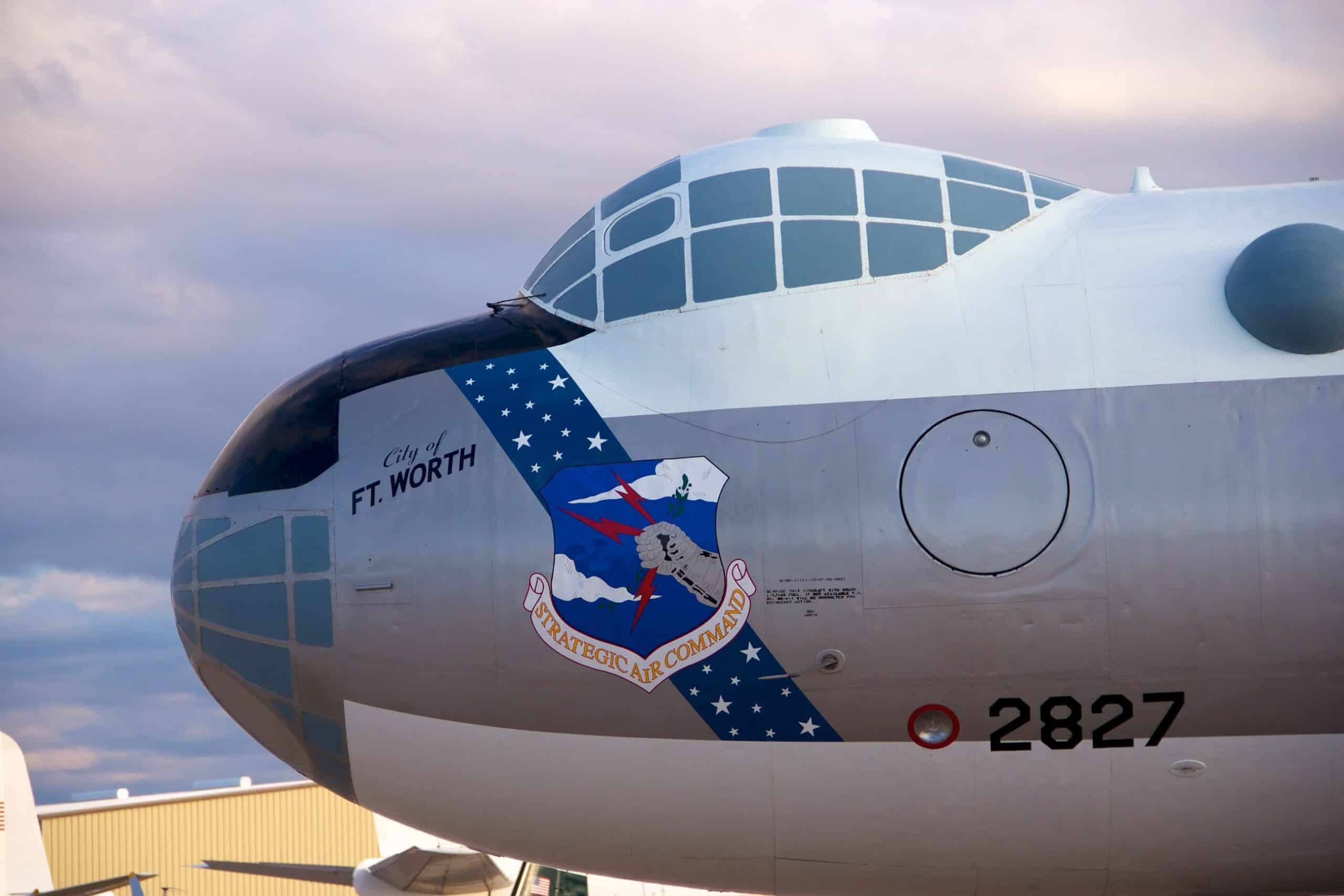
The B-36 was one of the most logistically demanding aircraft ever operated by the U.S. Its enormous size and mixed propulsion system required extensive ground crews and specialized infrastructure. Despite the burden, it provided unmatched intercontinental nuclear reach before reliable jet bombers became available.
B-47 Stratojet
- Service branch / Operator: USAF
- Era introduced: Cold War
- Primary mission role: Jet bomber
- What made it logistically demanding: Early jet engine maintenance and tanker dependence
- Logistics burden type: Fuel-heavy
- Operational impact of the logistics burden: High basing and refueling demands
- Why the U.S. accepted the burden: Jet-age nuclear deterrence
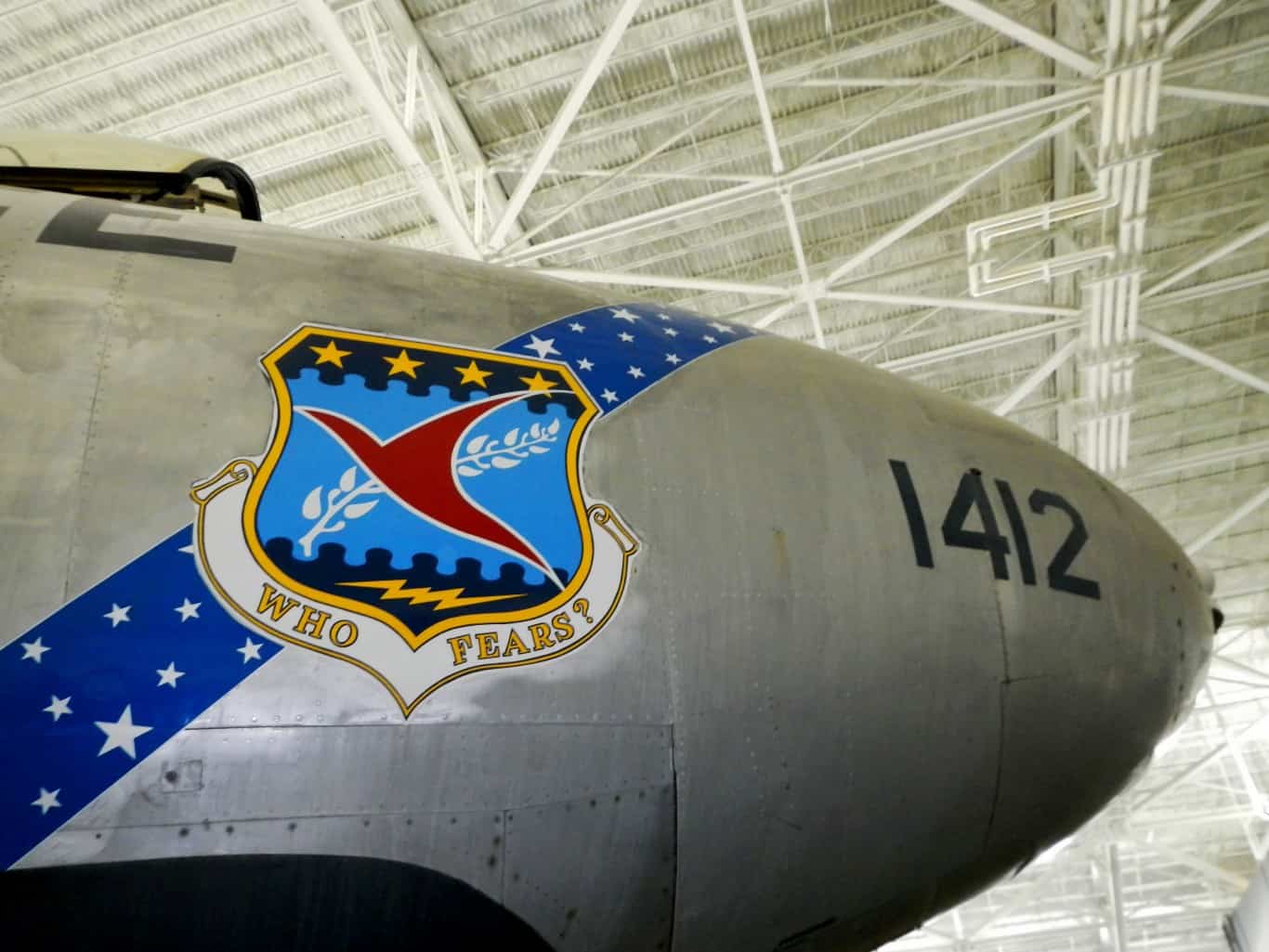
The B-47 pushed the Air Force into the jet age but at significant logistical cost. Early jet engines demanded constant maintenance, and long-range missions depended heavily on tanker support. The aircraft was sustained because it enabled faster nuclear response times during the early Cold War.
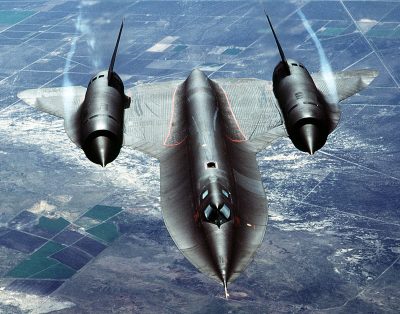
SR-71 Blackbird
- Service branch / Operator: USAF
- Era introduced: Cold War
- Primary mission role: Strategic reconnaissance
- What made it logistically demanding: Special fuels, titanium structure, global support network
- Logistics burden type: Infrastructure-heavy
- Operational impact of the logistics burden: Limited basing and extreme sortie preparation
- Why the U.S. accepted the burden: Unmatched speed and survivability
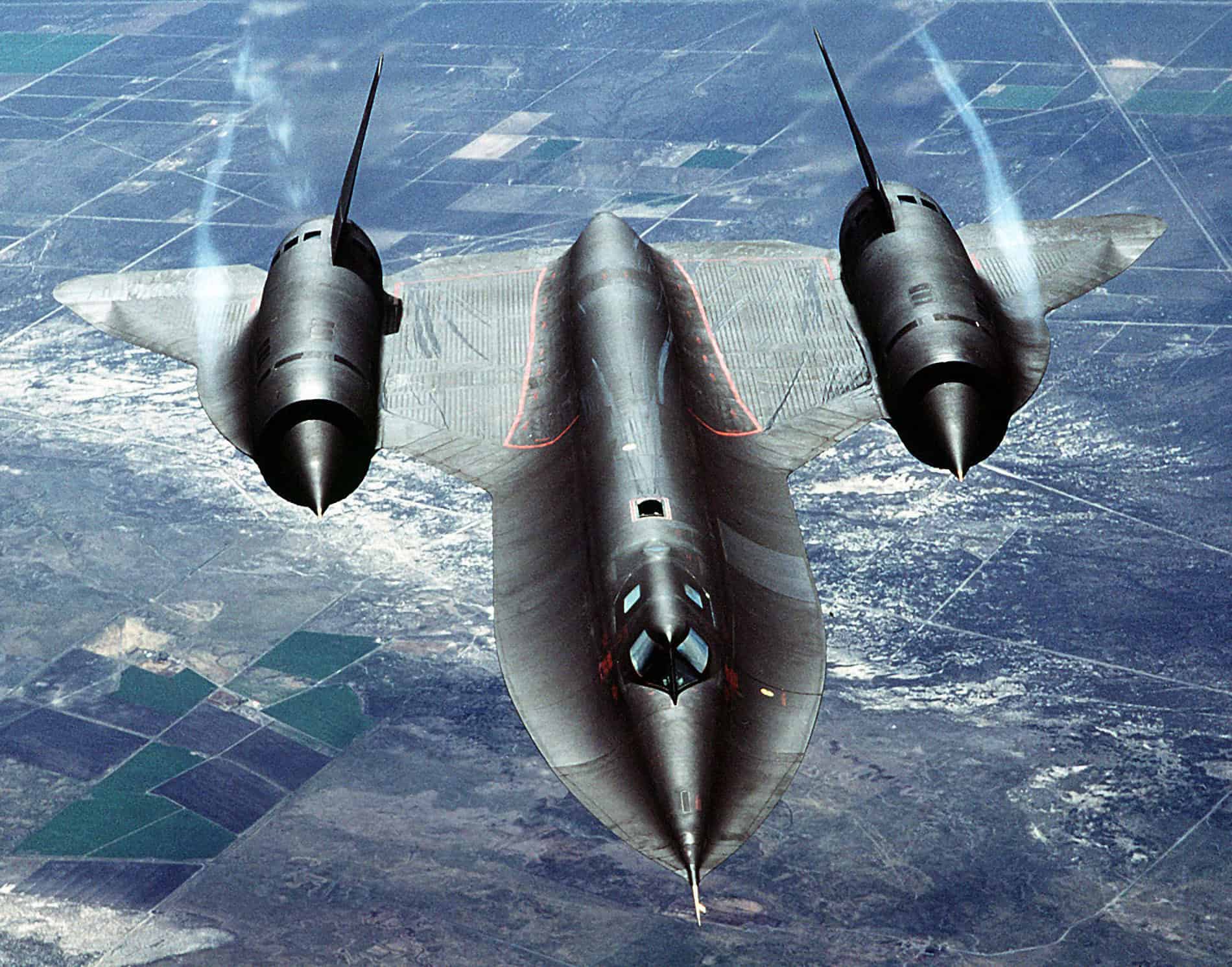
The SR-71 required a unique logistics ecosystem, including specialized fuel, materials, and global support teams. Each sortie demanded extensive preparation, but its ability to collect intelligence at extreme speed and altitude justified the extraordinary sustainment burden.
F-117 Nighthawk
- Service branch / Operator: USAF
- Era introduced: Cold War
- Primary mission role: Stealth attack aircraft
- What made it logistically demanding: Labor-intensive stealth maintenance
- Logistics burden type: Maintenance-intensive
- Operational impact of the logistics burden: Low sortie generation rates
- Why the U.S. accepted the burden: First-generation stealth strike
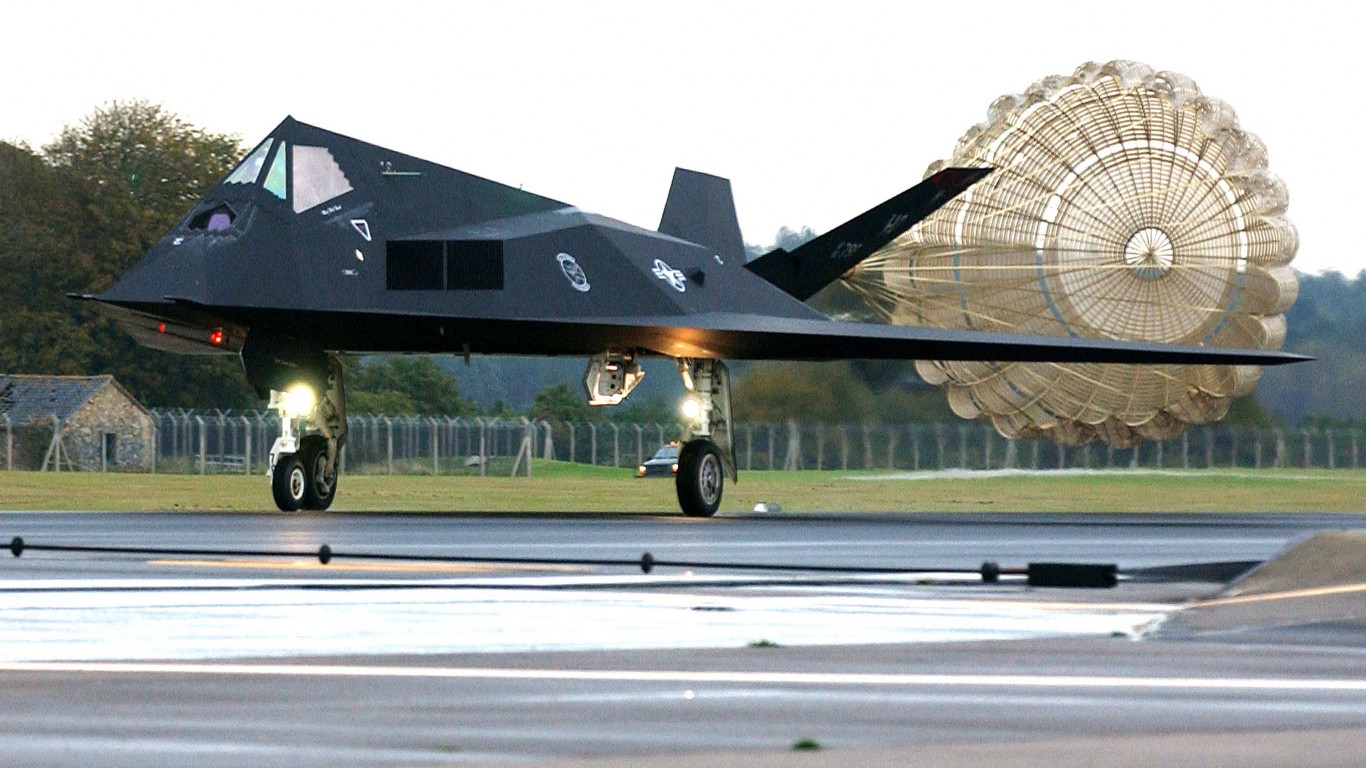
The F-117’s stealth coatings required constant hands-on maintenance, limiting sortie rates and deployment flexibility. Despite the burden, it revolutionized precision strike by enabling attacks against heavily defended targets, making the logistics tradeoff worthwhile during its service life.
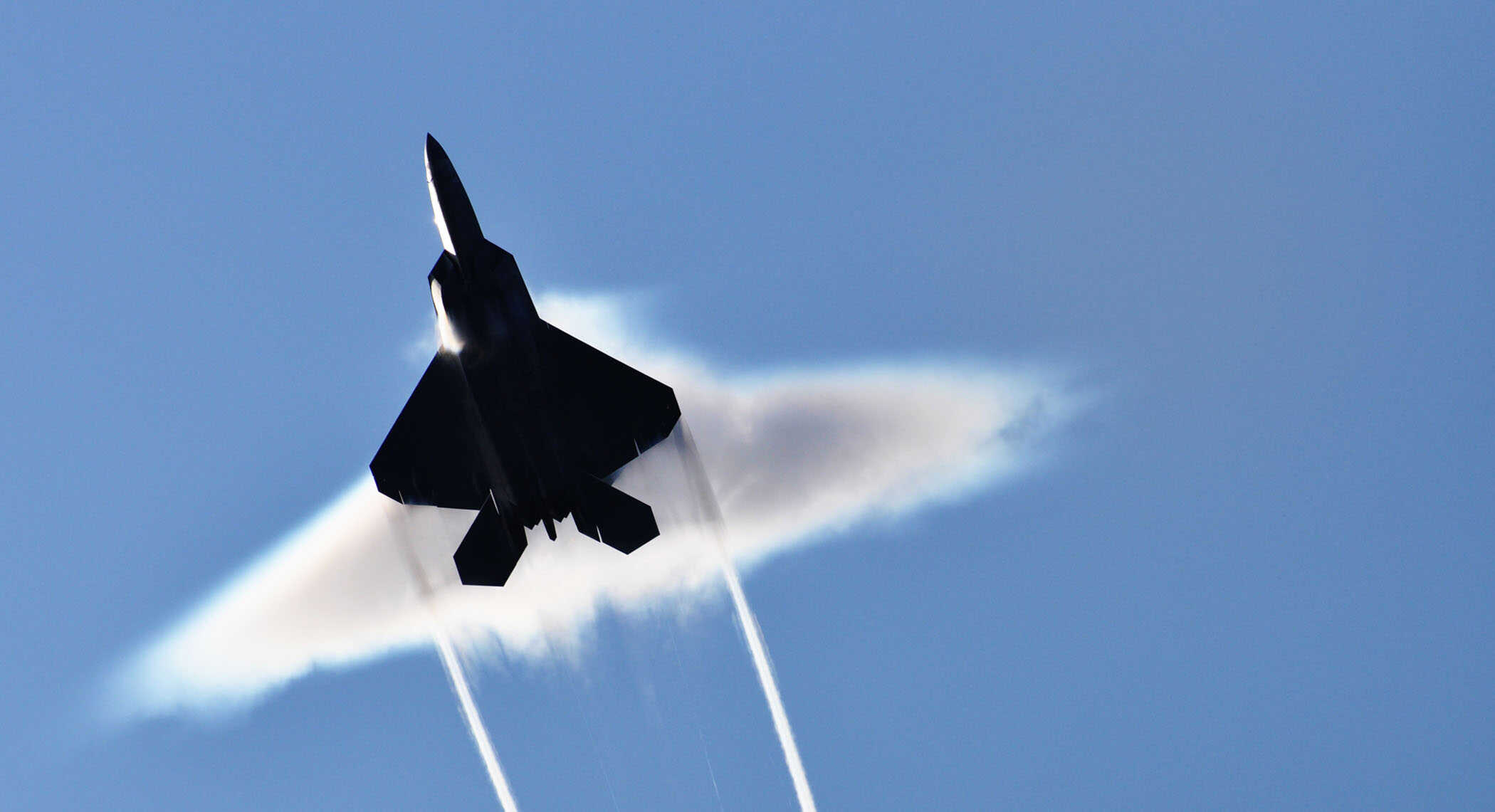
F-22 Raptor
- Service branch / Operator: USAF
- Era introduced: Modern
- Primary mission role: Air superiority fighter
- What made it logistically demanding: Stealth coatings, specialized parts, limited production
- Logistics burden type: Parts scarcity
- Operational impact of the logistics burden: High sustainment cost per flight hour
- Why the U.S. accepted the burden: Air dominance against peer threats
The F-22 imposed steep logistics demands due to its stealth coatings, limited production run, and complex systems. Sustainment costs restricted fleet size and availability, but its unmatched air dominance capability justified continued investment.
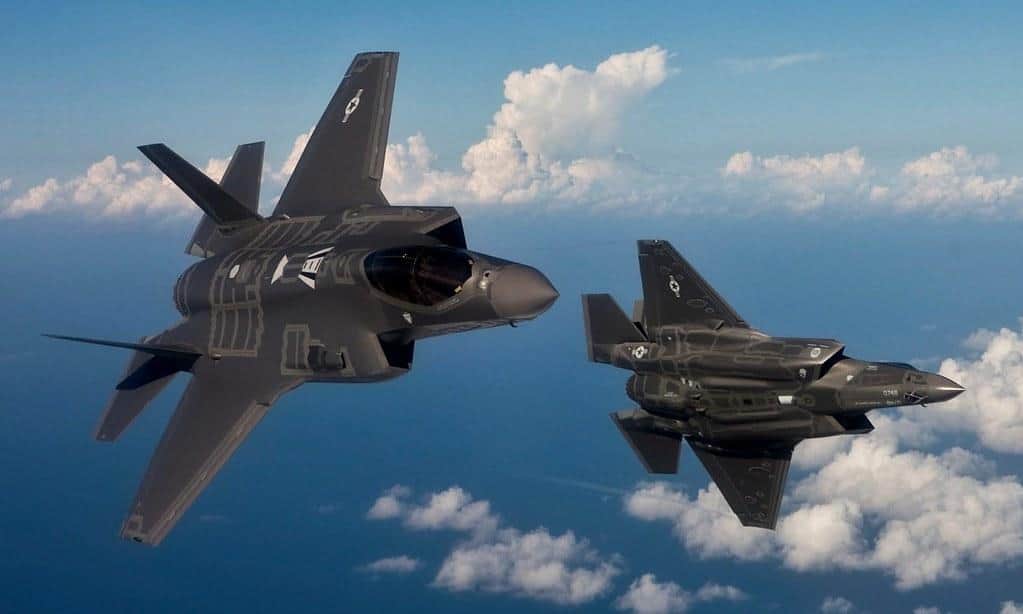
F-35 Lightning II
- Service branch / Operator: USAF/USN/USMC
- Era introduced: Modern
- Primary mission role: Multirole stealth fighter
- What made it logistically demanding: Software complexity, global supply chain, stealth upkeep
- Logistics burden type: System-intensive
- Operational impact of the logistics burden: Maintenance delays and readiness challenges
- Why the U.S. accepted the burden: Coalition interoperability and multirole flexibility
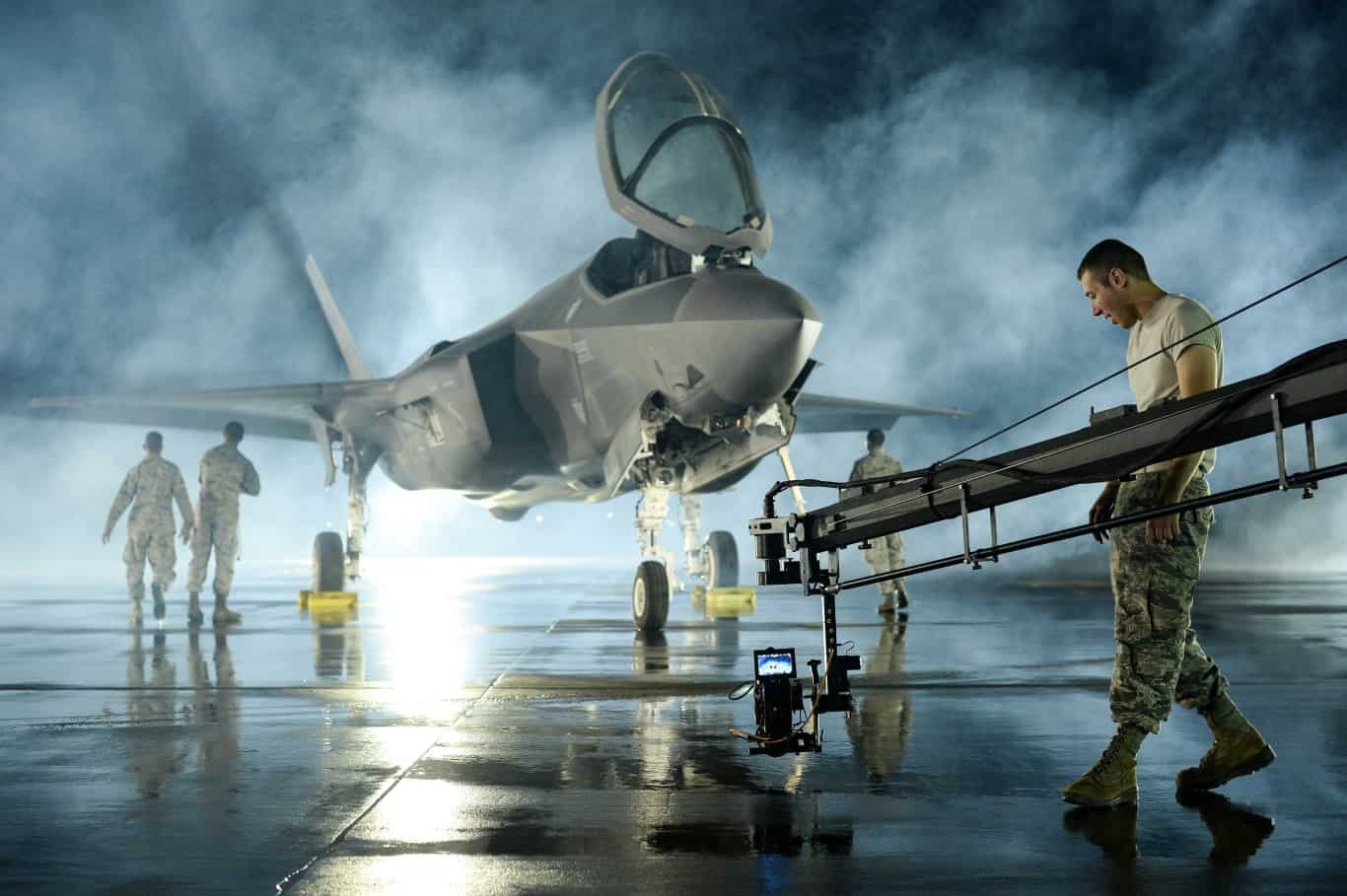
The F-35’s logistics burden extends beyond hardware to software, data systems, and a global supply chain. Sustainment challenges affected readiness, but its multirole flexibility and coalition integration made it central to modern U.S. and allied airpower.
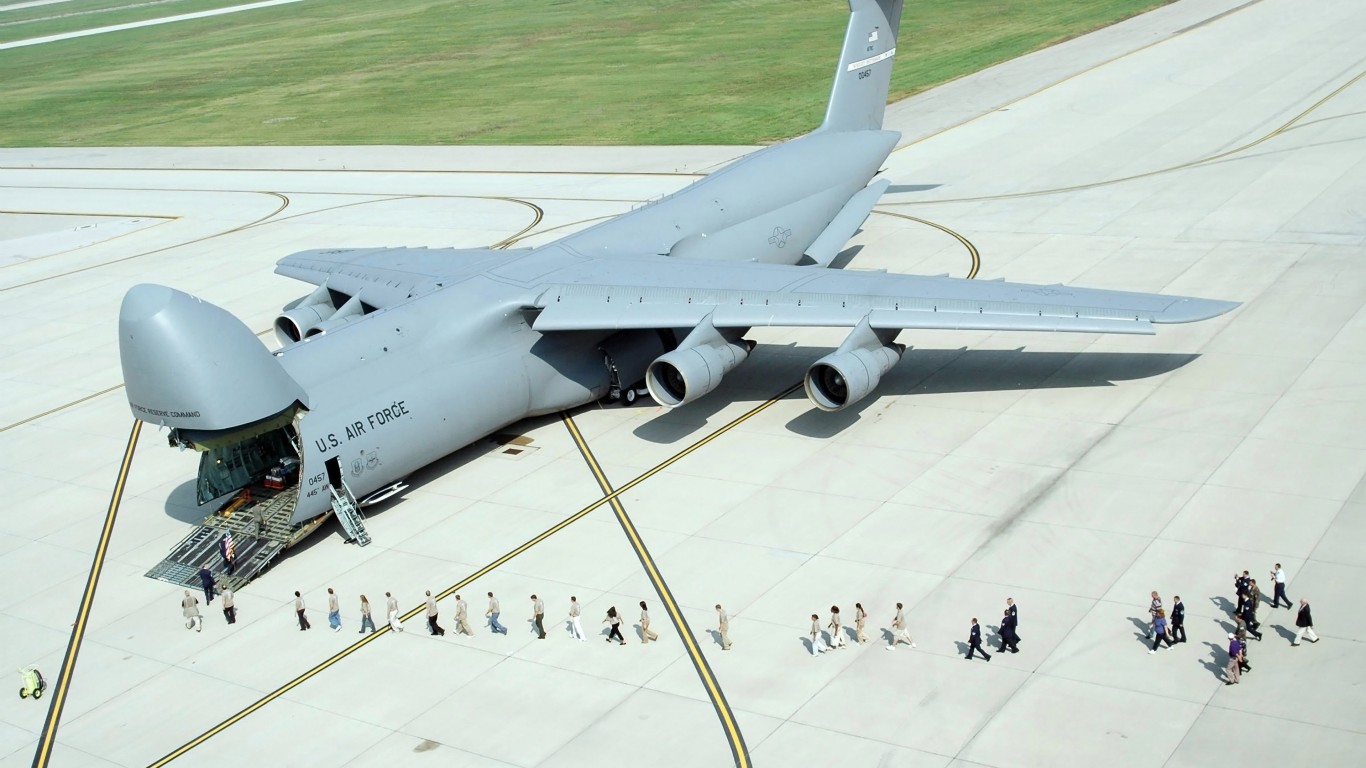
C-5 Galaxy
- Service branch / Operator: USAF
- Era introduced: Cold War
- Primary mission role: Strategic airlift
- What made it logistically demanding: Enormous size, aging systems, spare parts demand
- Logistics burden type: Manpower-heavy
- Operational impact of the logistics burden: Long maintenance cycles
- Why the U.S. accepted the burden: Heavy global airlift capability
The C-5 Galaxy required massive logistical support due to its size and complex systems. Maintenance cycles were lengthy, but its unmatched ability to move oversized equipment worldwide made it indispensable for large-scale deployments.
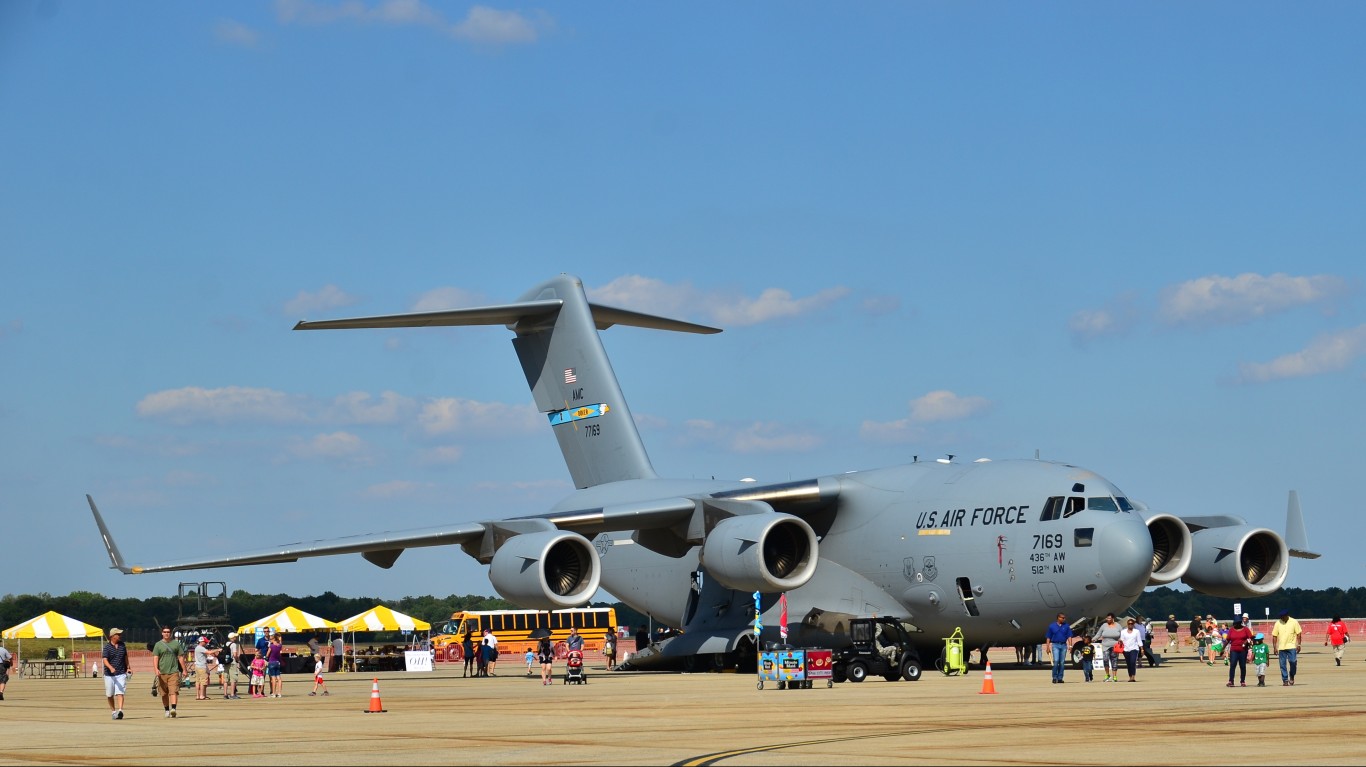
C-17 Globemaster III
- Service branch / Operator: USAF
- Era introduced: Post–Cold War
- Primary mission role: Strategic airlift
- What made it logistically demanding: Advanced avionics and heavy operational tempo
- Logistics burden type: Maintenance-intensive
- Operational impact of the logistics burden: Sustainment stress during high demand
- Why the U.S. accepted the burden: Rapid global deployment
The C-17’s sophisticated systems and nonstop global use placed heavy strain on maintenance and logistics networks. The U.S. accepted this burden because the aircraft enabled rapid deployment of forces and equipment directly into theaters worldwide.
KC-135 Stratotanker

- Service branch / Operator: USAF
- Era introduced: Cold War
- Primary mission role: Aerial refueling
- What made it logistically demanding: Aging fleet and constant upgrades
- Logistics burden type: Manpower-heavy
- Operational impact of the logistics burden: High maintenance demand to sustain availability
- Why the U.S. accepted the burden: Global reach for all air operations
The KC-135 has remained viable only through continuous maintenance and modernization. Its aging airframes require extensive upkeep, but the aircraft’s role in enabling global air operations made sustaining it a strategic necessity.
EA-6B Prowler
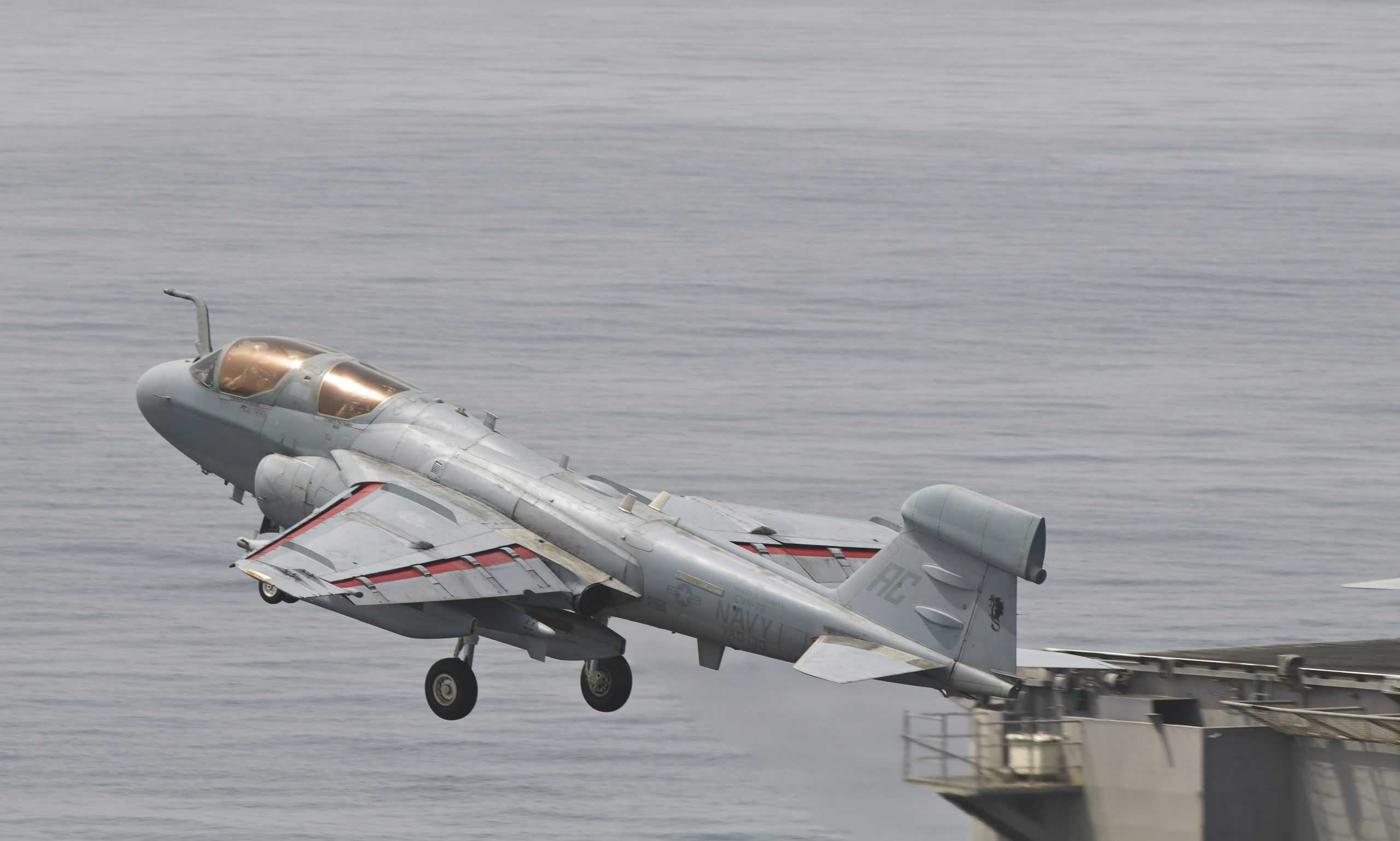
- Service branch / Operator: USN
- Era introduced: Cold War
- Primary mission role: Electronic warfare
- What made it logistically demanding: Complex jamming systems and avionics
- Logistics burden type: System-intensive
- Operational impact of the logistics burden: High maintenance workload per sortie
- Why the U.S. accepted the burden: Suppression of enemy air defenses
The EA-6B’s electronic warfare systems demanded constant tuning and maintenance. These logistics challenges limited availability, but its ability to suppress enemy air defenses was critical to carrier and joint operations.
F-14 Tomcat
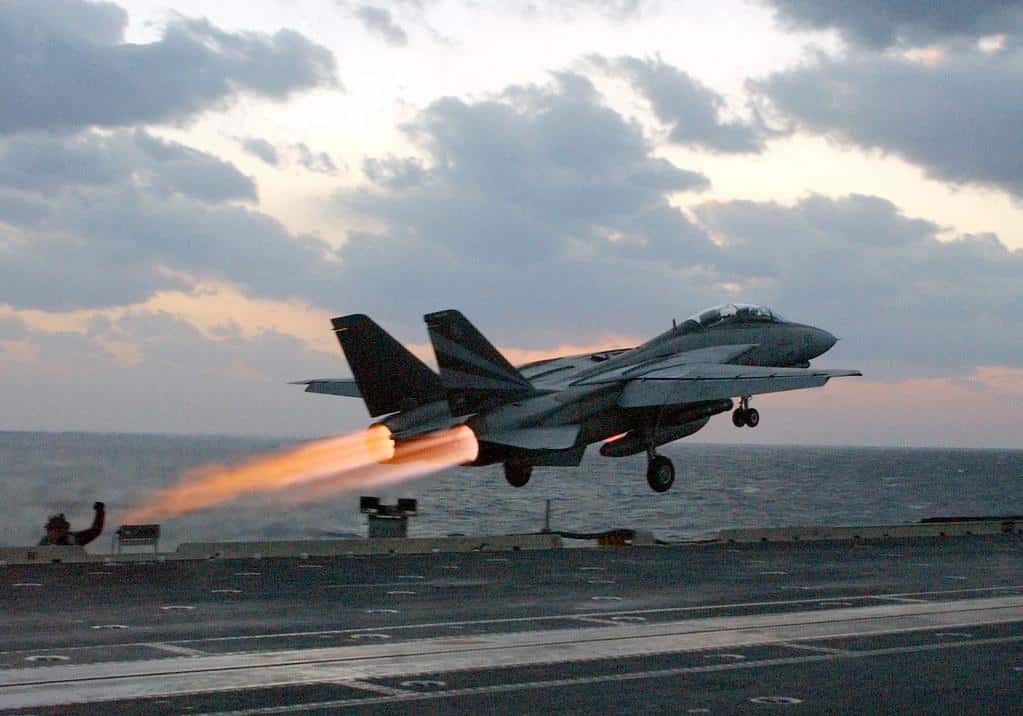
- Service branch / Operator: USN
- Era introduced: Cold War
- Primary mission role: Fleet defense fighter
- What made it logistically demanding: High maintenance hours per flight hour
- Logistics burden type: Maintenance-intensive
- Operational impact of the logistics burden: Low readiness compared to newer fighters
- Why the U.S. accepted the burden: Carrier group protection
The F-14 was famous for its performance and infamous for its logistics burden. High maintenance demands strained carrier operations, but the aircraft’s long-range fleet defense capability justified the effort during the Cold War.
U-2 Dragon Lady
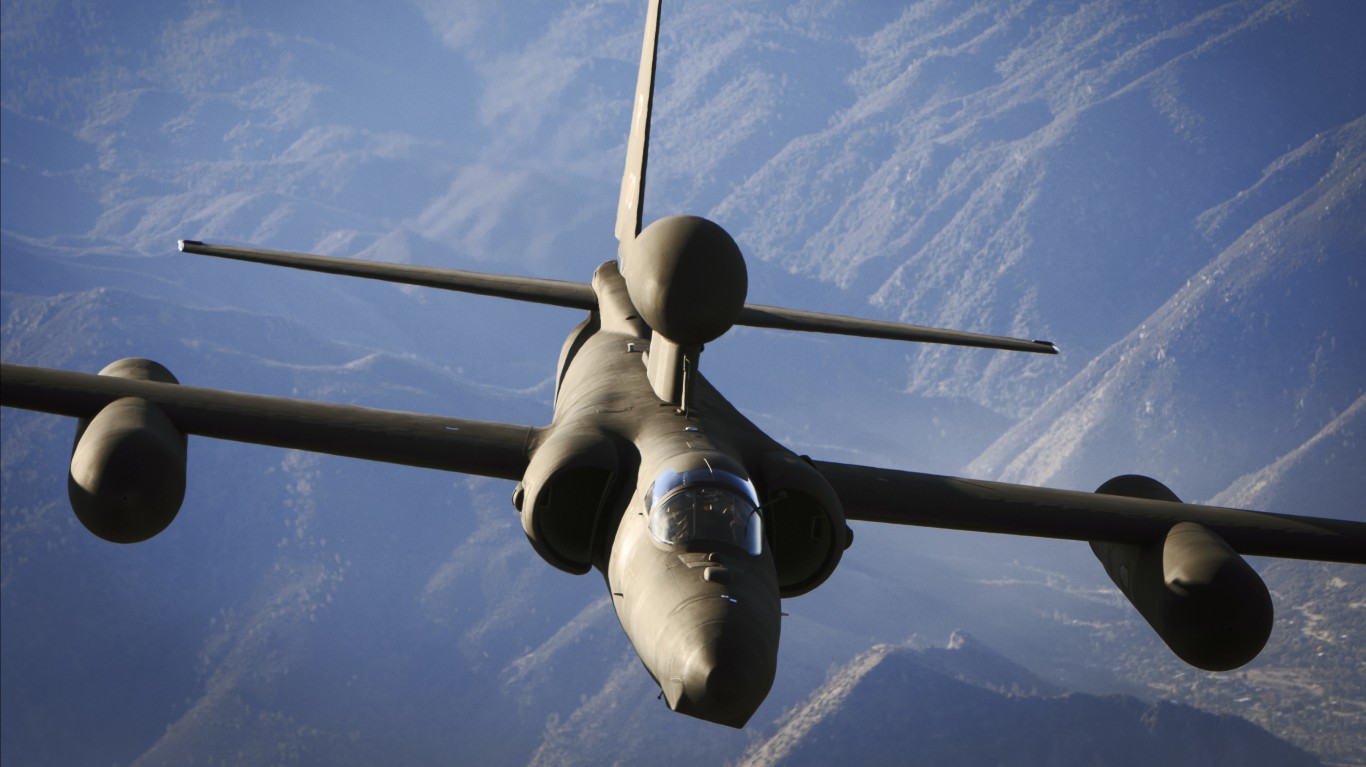
- Service branch / Operator: USAF
- Era introduced: Cold War
- Primary mission role: High-altitude ISR
- What made it logistically demanding: Specialized support equipment and pilot training
- Logistics burden type: Infrastructure-heavy
- Operational impact of the logistics burden: Limited basing options
- Why the U.S. accepted the burden: Strategic intelligence collection
The U-2 required unique ground equipment, specialized training, and carefully selected bases. These constraints made logistics challenging, but its intelligence value sustained the aircraft through decades of service.
E-3 AWACS
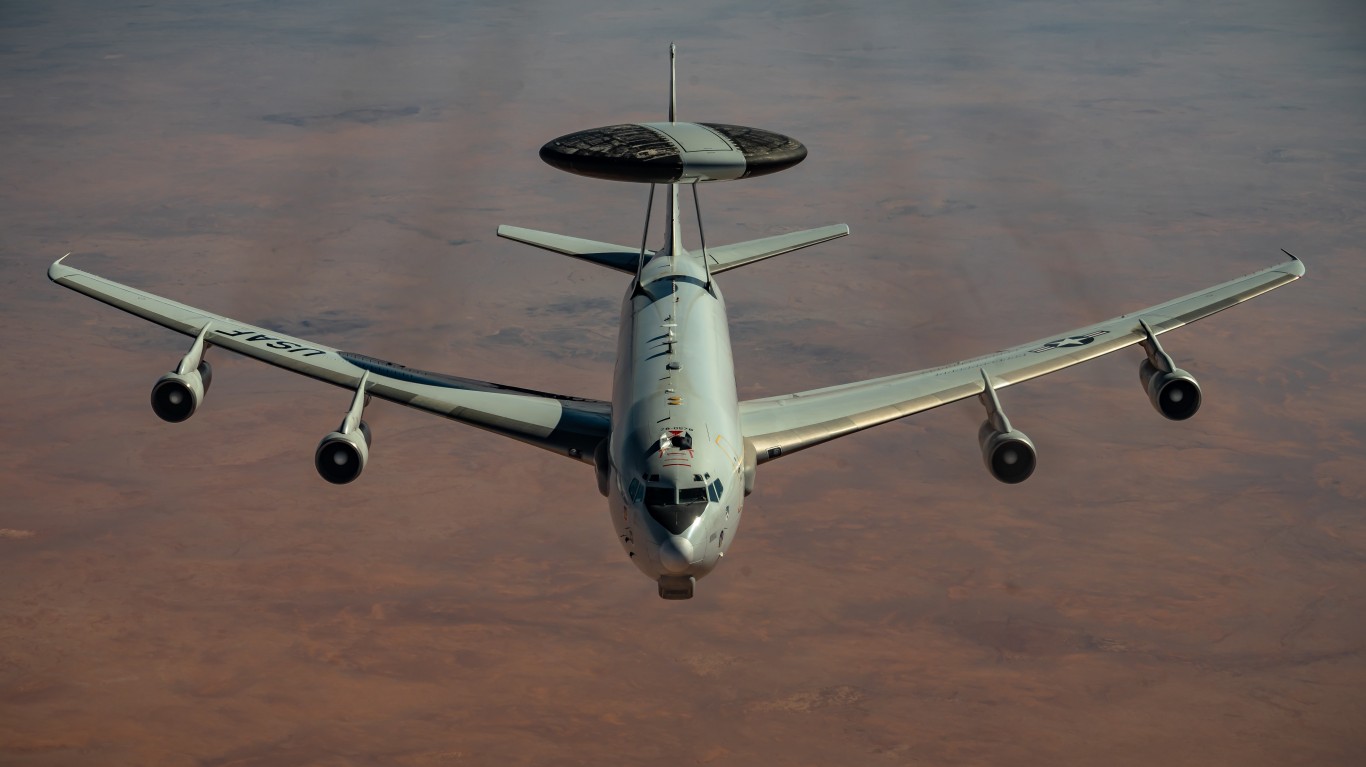
- Service branch / Operator: USAF
- Era introduced: Cold War
- Primary mission role: Airborne command and control
- What made it logistically demanding: Large radar, crew size, and sustainment needs
- Logistics burden type: Manpower-heavy
- Operational impact of the logistics burden: High operating cost and maintenance demand
- Why the U.S. accepted the burden: Coalition airspace control
The E-3 AWACS imposed significant logistics demands through its massive radar system and large crew requirements. Despite high costs, it became indispensable for managing air operations and coalition warfare.
V-22 Osprey
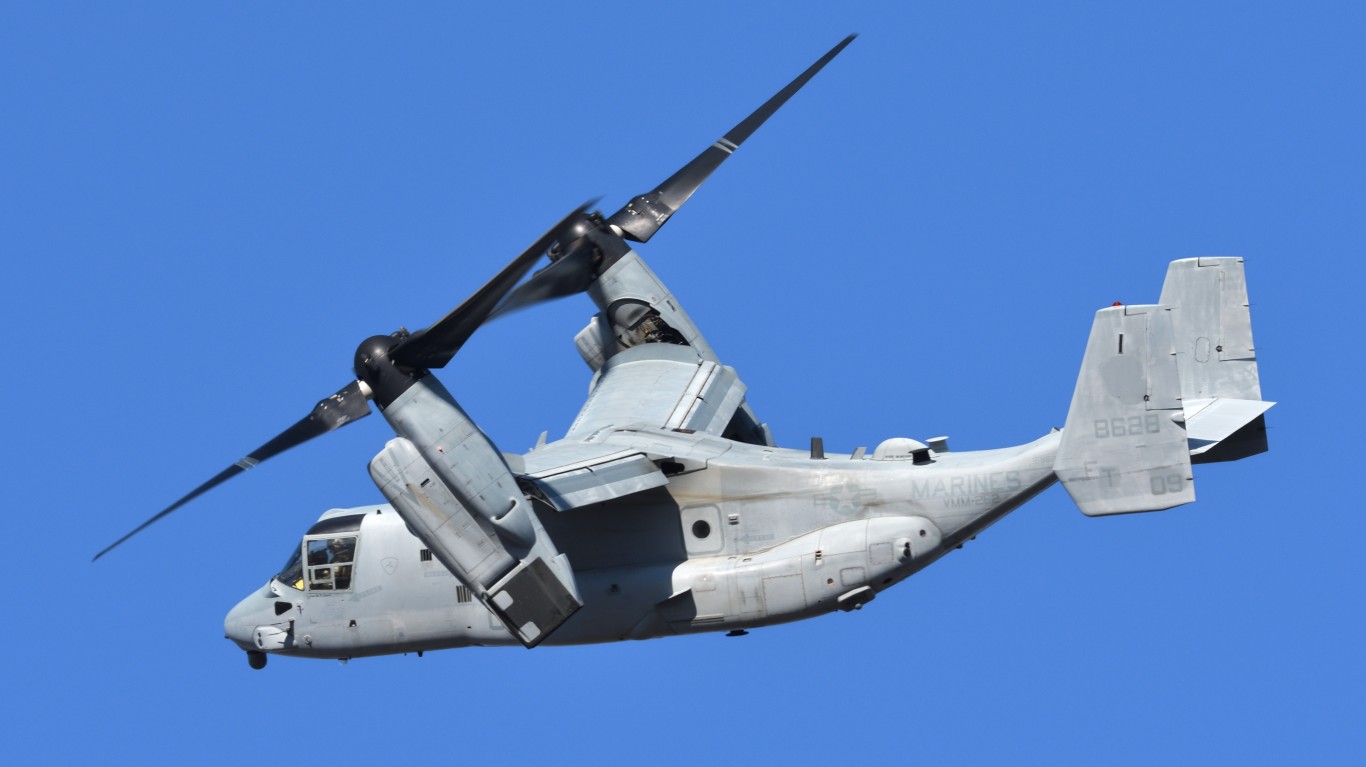
- Service branch / Operator: USAF/USMC
- Era introduced: Modern
- Primary mission role: Tiltrotor transport
- What made it logistically demanding: Complex tiltrotor mechanisms and parts supply
- Logistics burden type: Maintenance-intensive
- Operational impact of the logistics burden: Reduced availability during early service
- Why the U.S. accepted the burden: Extended vertical lift reach
The V-22’s tiltrotor design introduced unique maintenance challenges and parts shortages. Although availability suffered early on, its ability to combine helicopter access with airplane range justified continued investment.
CH-53E Super Stallion
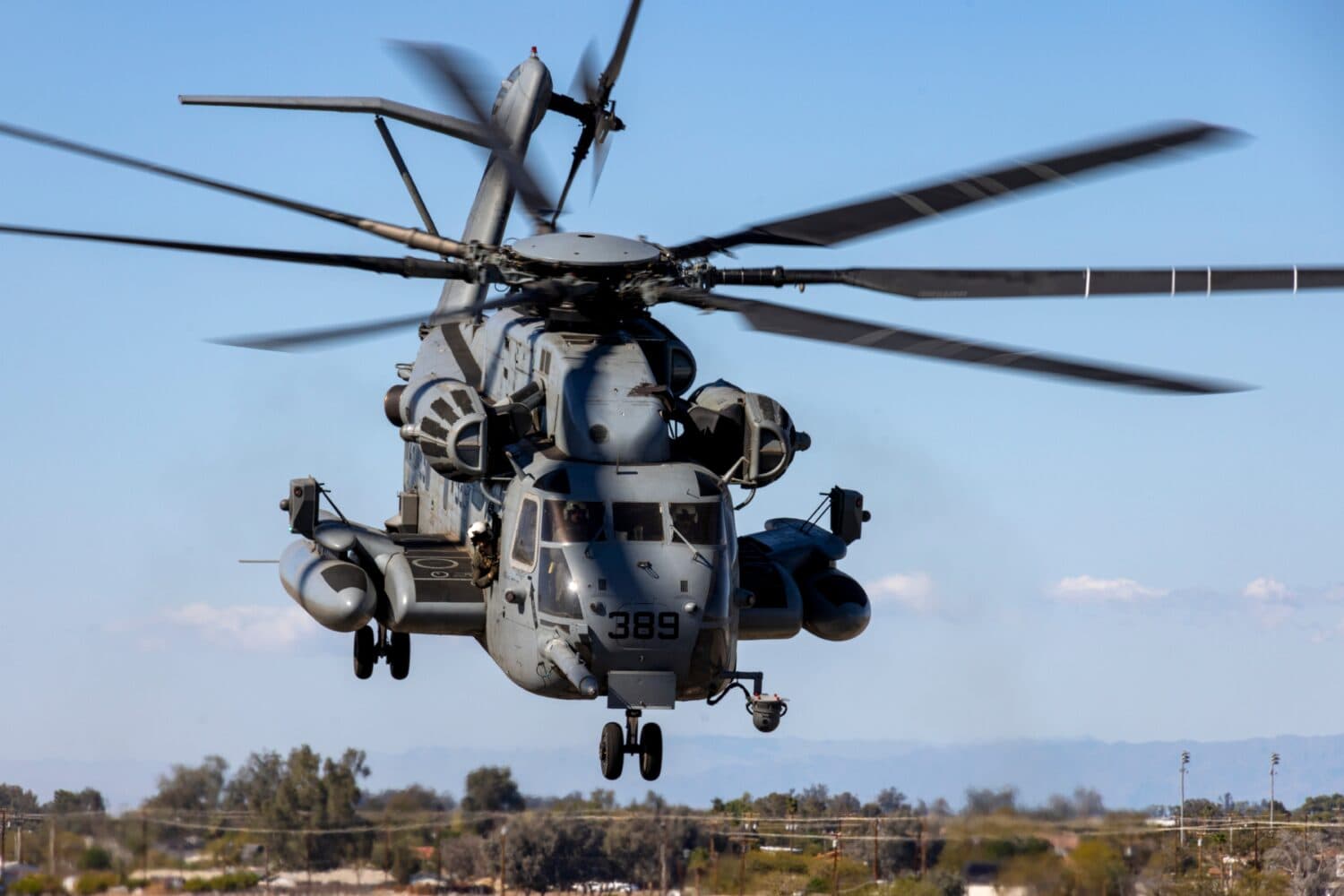
- Service branch / Operator: USMC
- Era introduced: Cold War
- Primary mission role: Heavy-lift helicopter
- What made it logistically demanding: Extremely high maintenance hours
- Logistics burden type: Maintenance-intensive
- Operational impact of the logistics burden: Low readiness rates
- Why the U.S. accepted the burden: Heavy lift for expeditionary forces
The CH-53E required extraordinary maintenance effort, earning a reputation for low readiness. Its unmatched heavy-lift capability, however, made it essential for Marine expeditionary operations.
AC-130 Gunship
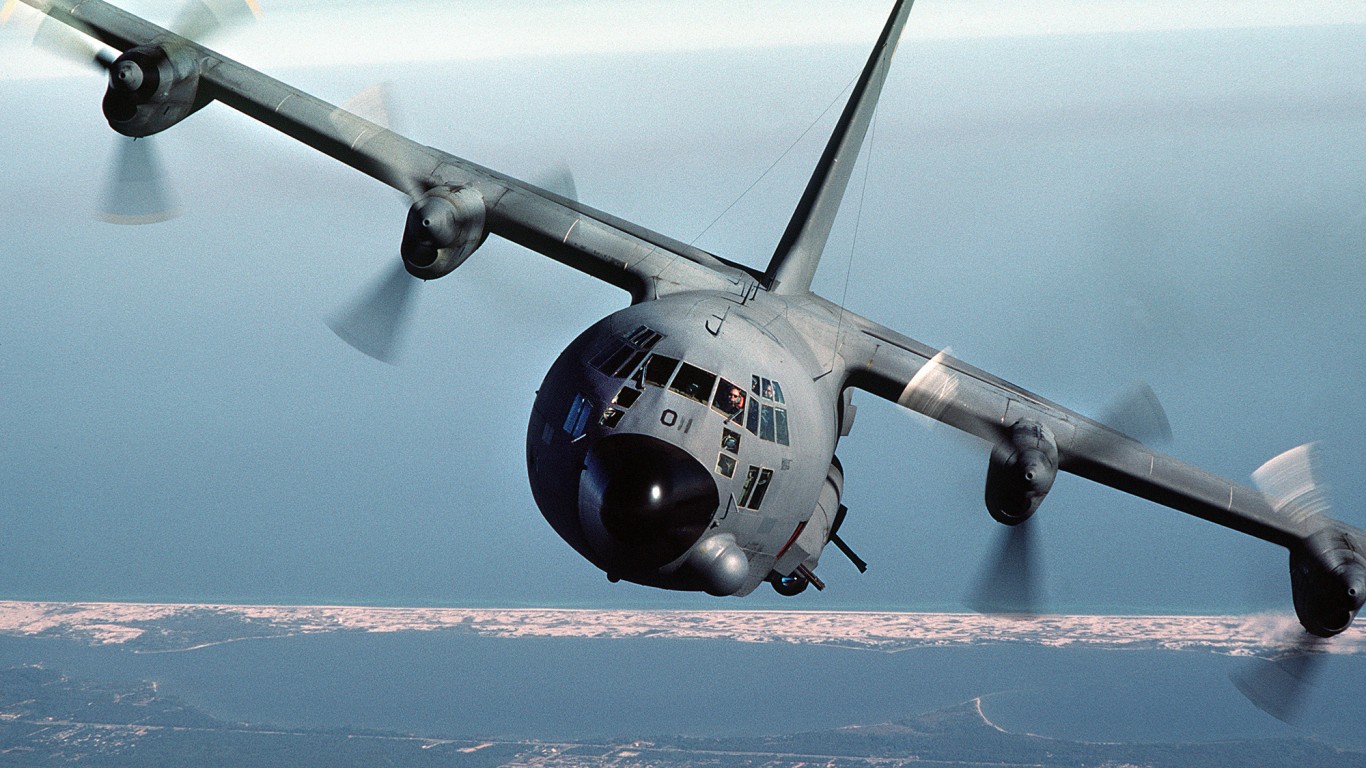
- Service branch / Operator: USAF
- Era introduced: Cold War
- Primary mission role: Gunship / CAS
- What made it logistically demanding: Weapons integration and airframe stress
- Logistics burden type: System-intensive
- Operational impact of the logistics burden: High maintenance between missions
- Why the U.S. accepted the burden: Persistent precision firepower
The AC-130’s weapons, sensors, and modified airframe created a heavy logistics burden. Maintenance demands were high, but its ability to provide sustained, precise fire support made it invaluable in permissive environments.
RQ-4 Global Hawk
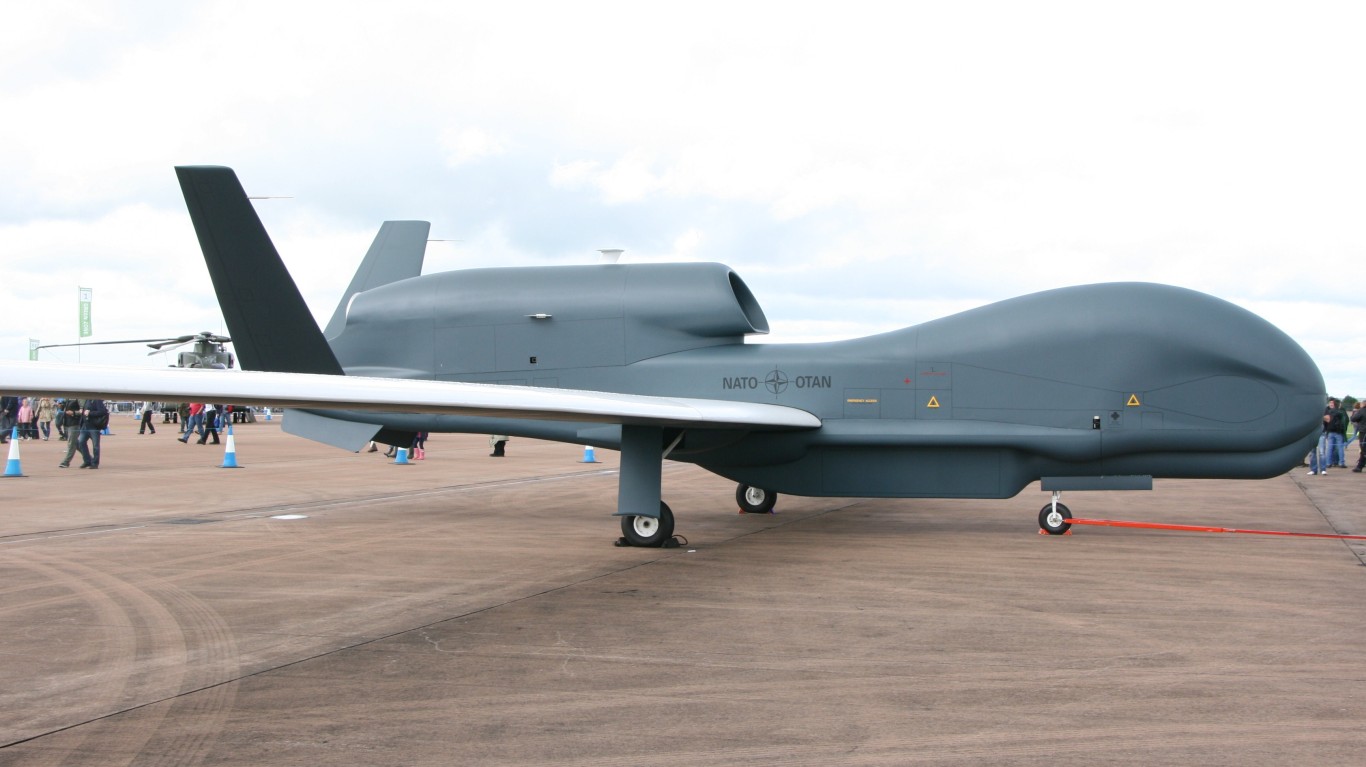
- Service branch / Operator: USAF
- Era introduced: Modern
- Primary mission role: Unmanned ISR
- What made it logistically demanding: High operating cost and specialized support
- Logistics burden type: Infrastructure-heavy
- Operational impact of the logistics burden: Limited deployment flexibility
- Why the U.S. accepted the burden: Persistent global surveillance
The RQ-4 required specialized ground infrastructure and costly sustainment. While criticized for expense, its long-endurance surveillance capability provided global awareness that few alternatives could match.
E-8 JSTARS
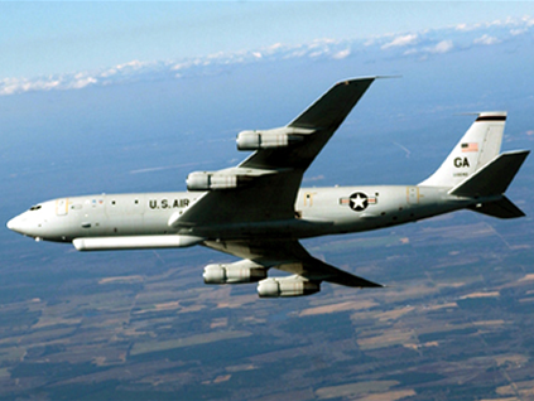
- Service branch / Operator: USAF
- Era introduced: Post–Cold War
- Primary mission role: Ground surveillance
- What made it logistically demanding: Aging airframes and mission systems
- Logistics burden type: Maintenance-intensive
- Operational impact of the logistics burden: Decreasing readiness over time
- Why the U.S. accepted the burden: Battlefield management
The E-8 combined aging airframes with complex mission systems, creating growing logistics challenges. Despite declining readiness, its ability to track ground movements made it central to joint operations.
RC-135 Rivet Joint
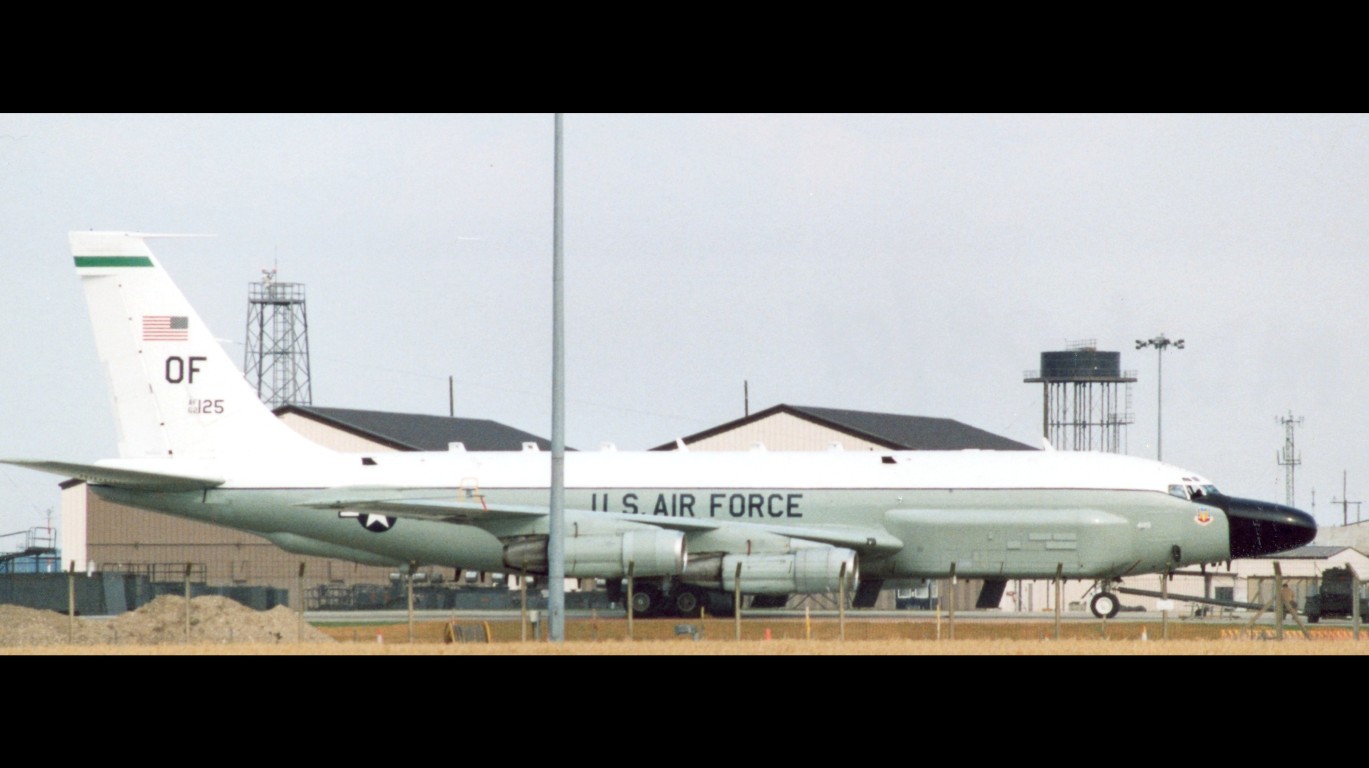
- Service branch / Operator: USAF
- Era introduced: Cold War
- Primary mission role: Signals intelligence
- What made it logistically demanding: Continuous upgrades and sensitive systems
- Logistics burden type: System-intensive
- Operational impact of the logistics burden: High sustainment cost
- Why the U.S. accepted the burden: Strategic intelligence collection
The RC-135’s sensitive electronics and constant modernization demands created a persistent logistics burden. The aircraft remained in service because of its unmatched signals intelligence capabilities.
KC-10 Extender
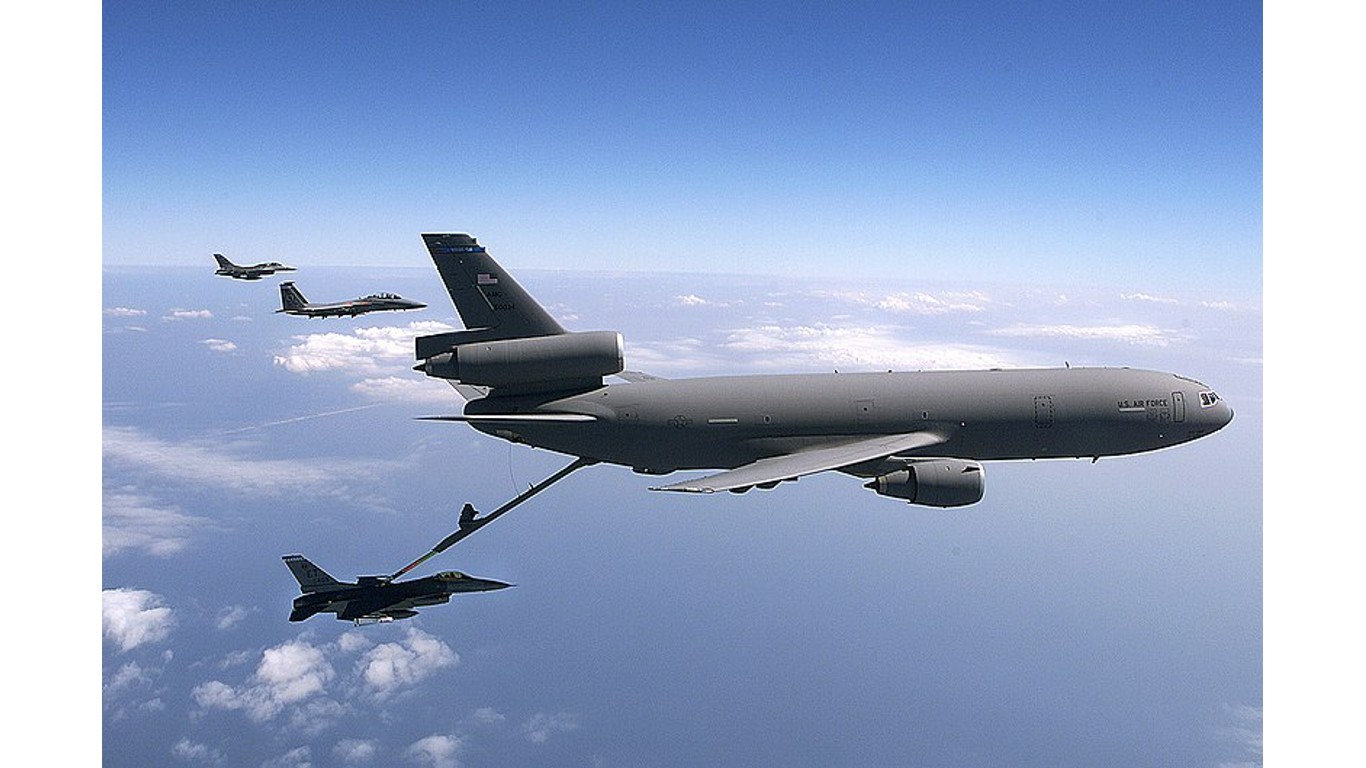
- Service branch / Operator: USAF
- Era introduced: Cold War
- Primary mission role: Aerial refueling / airlift
- What made it logistically demanding: Dual-role systems complexity
- Logistics burden type: System-intensive
- Operational impact of the logistics burden: Increased maintenance coordination
- Why the U.S. accepted the burden: Efficient global sustainment
The KC-10’s combined refueling and transport role increased logistical complexity. Despite this, it enhanced efficiency in sustaining global operations, making the burden worthwhile.
A-3 Skywarrior
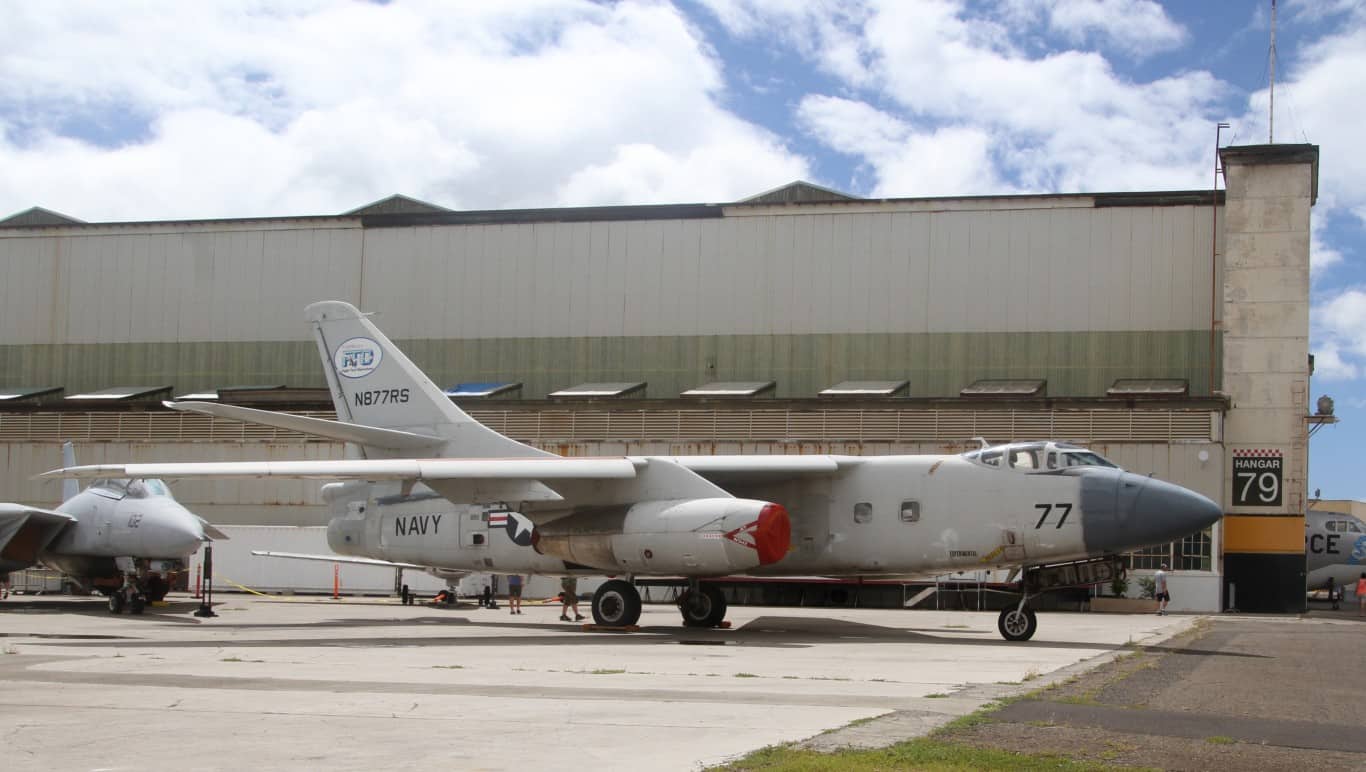
- Service branch / Operator: USN
- Era introduced: Cold War
- Primary mission role: Carrier-based bomber
- What made it logistically demanding: Large size stressed carrier logistics
- Logistics burden type: Infrastructure-heavy
- Operational impact of the logistics burden: Reduced carrier deck efficiency
- Why the U.S. accepted the burden: Nuclear strike capability
The A-3’s size imposed heavy logistics demands on aircraft carriers. Despite deck and maintenance challenges, it extended carrier strike reach during the early Cold War.
E-2 Hawkeye (early)
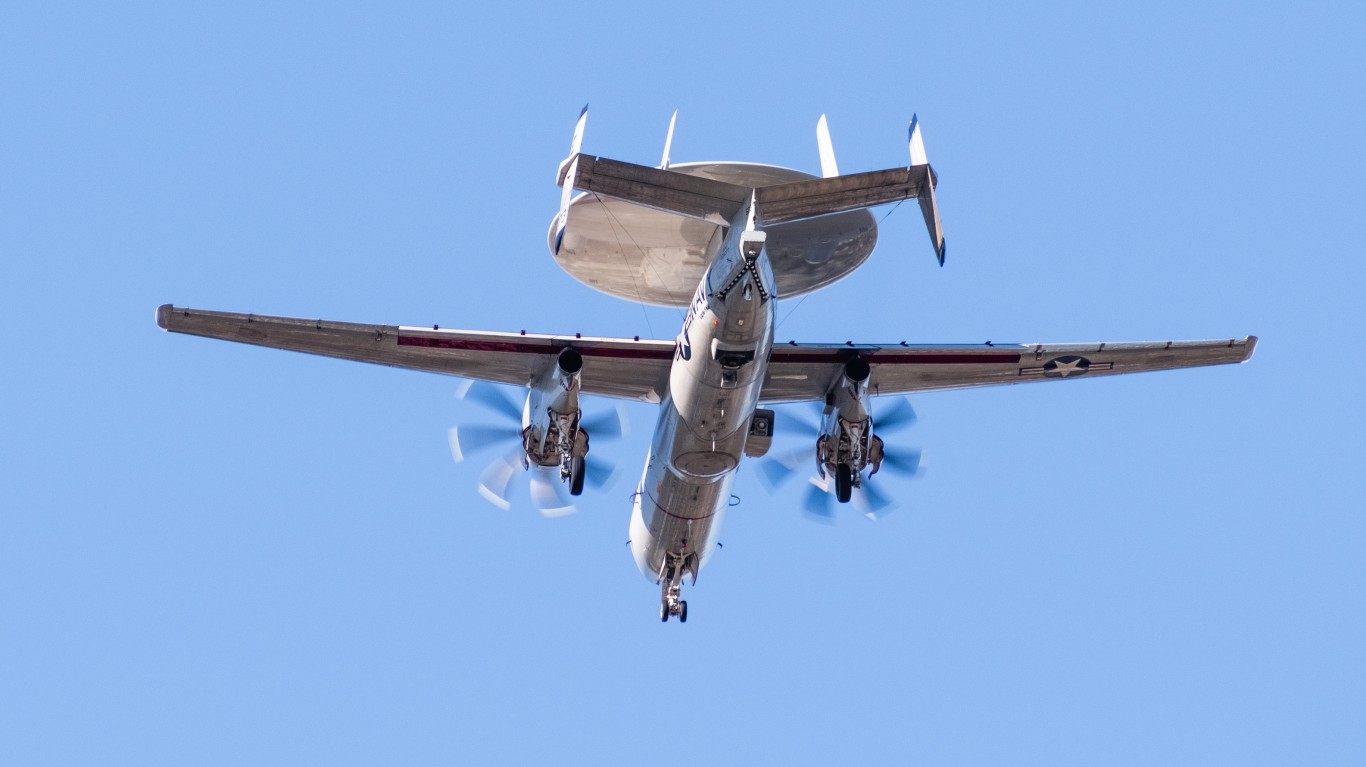
- Service branch / Operator: USN
- Era introduced: Cold War
- Primary mission role: Carrier AEW
- What made it logistically demanding: Radar and avionics sustainment
- Logistics burden type: System-intensive
- Operational impact of the logistics burden: High maintenance workload
- Why the U.S. accepted the burden: Carrier battle management
Early E-2 variants required constant attention to keep their radar and avionics operational. The logistics burden was accepted because airborne early warning was essential to carrier group survival.
S-3 Viking
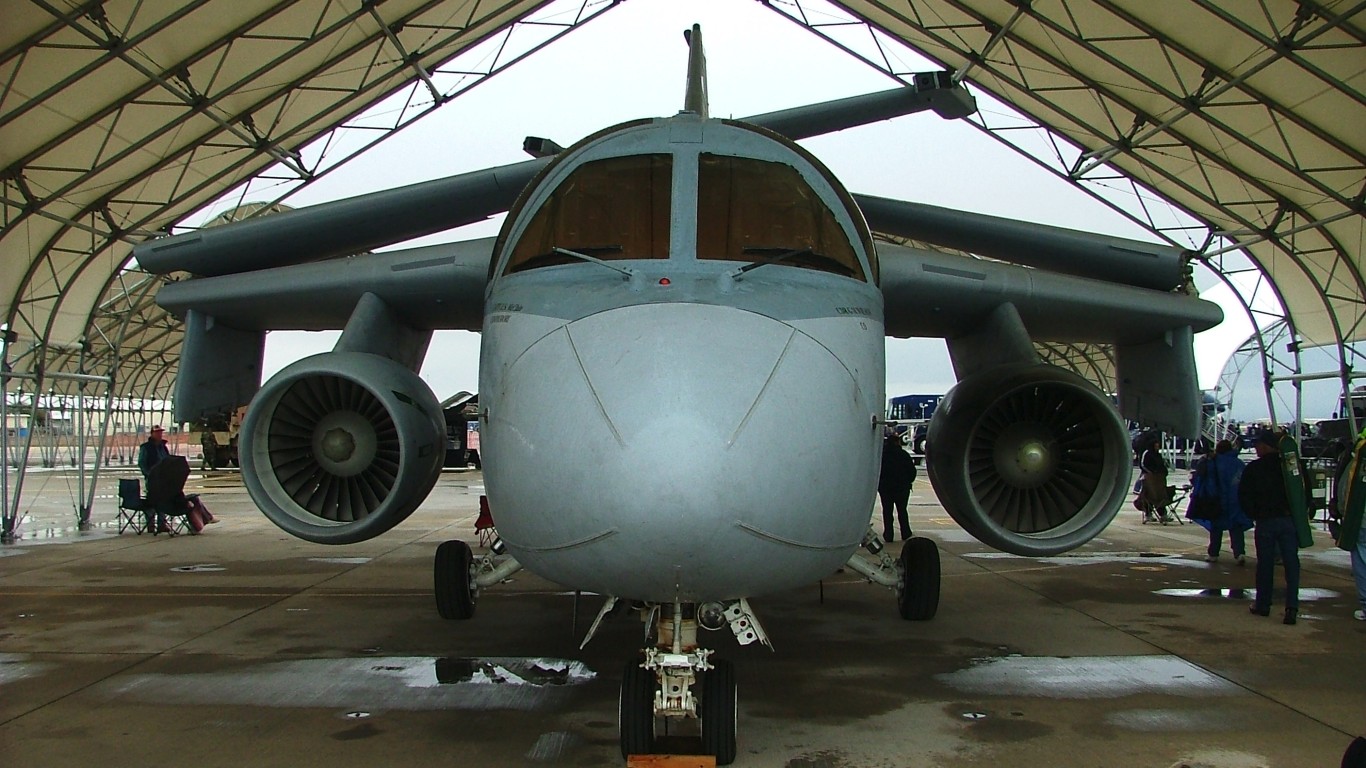
- Service branch / Operator: USN
- Era introduced: Cold War
- Primary mission role: ASW / support
- What made it logistically demanding: Multi-role systems complexity
- Logistics burden type: System-intensive
- Operational impact of the logistics burden: Maintenance strain aboard carriers
- Why the U.S. accepted the burden: Maritime patrol and support
The S-3’s multiple mission systems increased sustainment demands, particularly aboard carriers. Despite this, it provided valuable anti-submarine and support capabilities.
CH-53K King Stallion
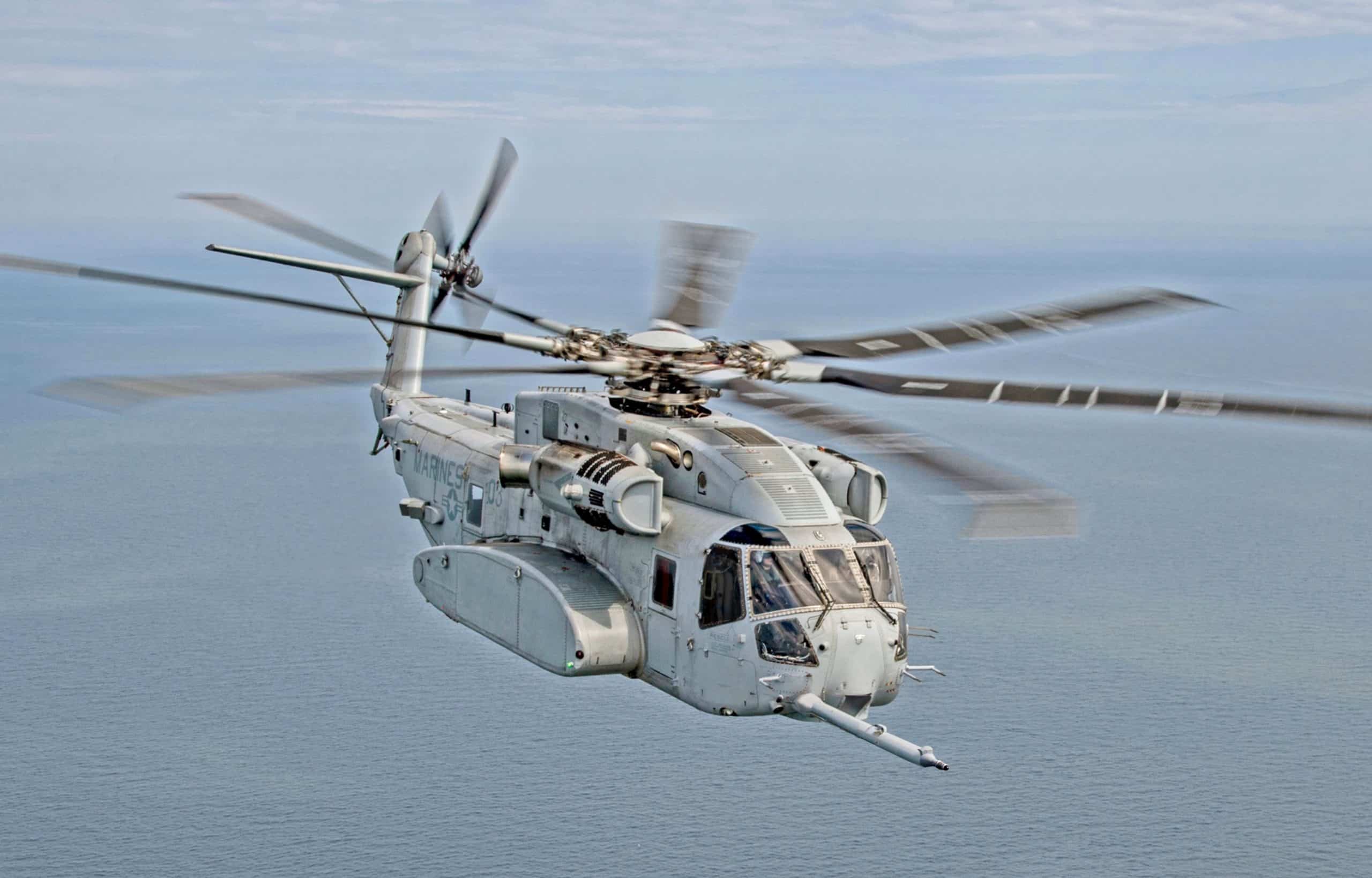
- Service branch / Operator: USMC
- Era introduced: Modern
- Primary mission role: Heavy-lift helicopter
- What made it logistically demanding: Advanced systems and supply-chain complexity
- Logistics burden type: System-intensive
- Operational impact of the logistics burden: High sustainment cost early in service
- Why the U.S. accepted the burden: Future heavy lift capability
The CH-53K introduced advanced systems that increased logistics complexity. Early sustainment costs were high, but the aircraft was retained to meet future heavy-lift requirements.
MH-53 Pave Low
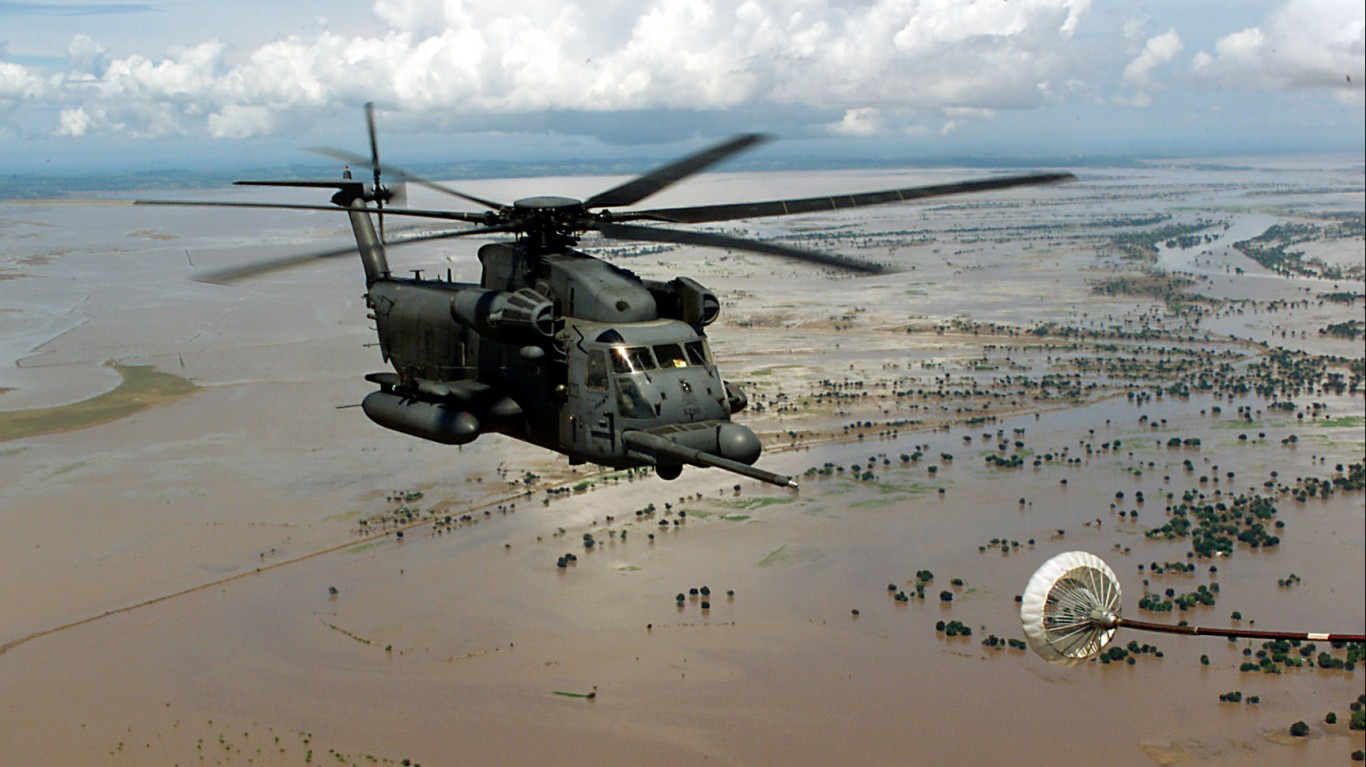
- Service branch / Operator: USAF
- Era introduced: Cold War
- Primary mission role: Special operations helicopter
- What made it logistically demanding: SOF avionics and sustainment demands
- Logistics burden type: System-intensive
- Operational impact of the logistics burden: Intensive maintenance between missions
- Why the U.S. accepted the burden: Deep-penetration SOF support
The MH-53’s specialized avionics and mission equipment created a heavy logistics burden. Despite the strain, it enabled long-range special operations missions that no other platform could support at the time.
YF-12
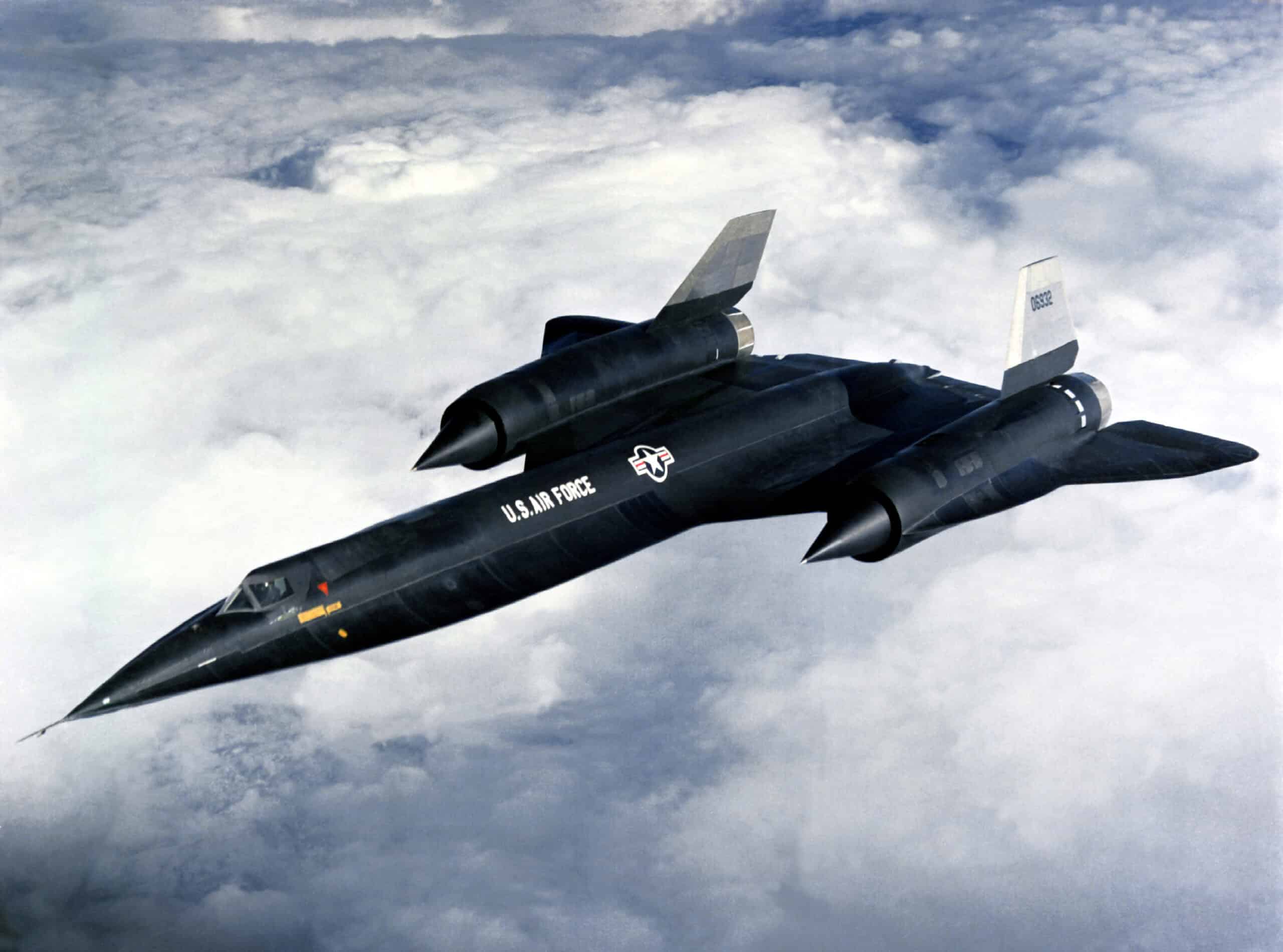
- Service branch / Operator: USAF
- Era introduced: Cold War
- Primary mission role: Interceptor prototype
- What made it logistically demanding: Exotic materials and support needs
- Logistics burden type: Infrastructure-heavy
- Operational impact of the logistics burden: Limited operational practicality
- Why the U.S. accepted the burden: High-speed interception potential
The YF-12 shared the SR-71’s demanding logistics profile, requiring exotic materials and extensive support. While operationally limited, it demonstrated the extreme sustainment costs of pushing aerospace performance boundaries.
B-47 Stratojet (late service)
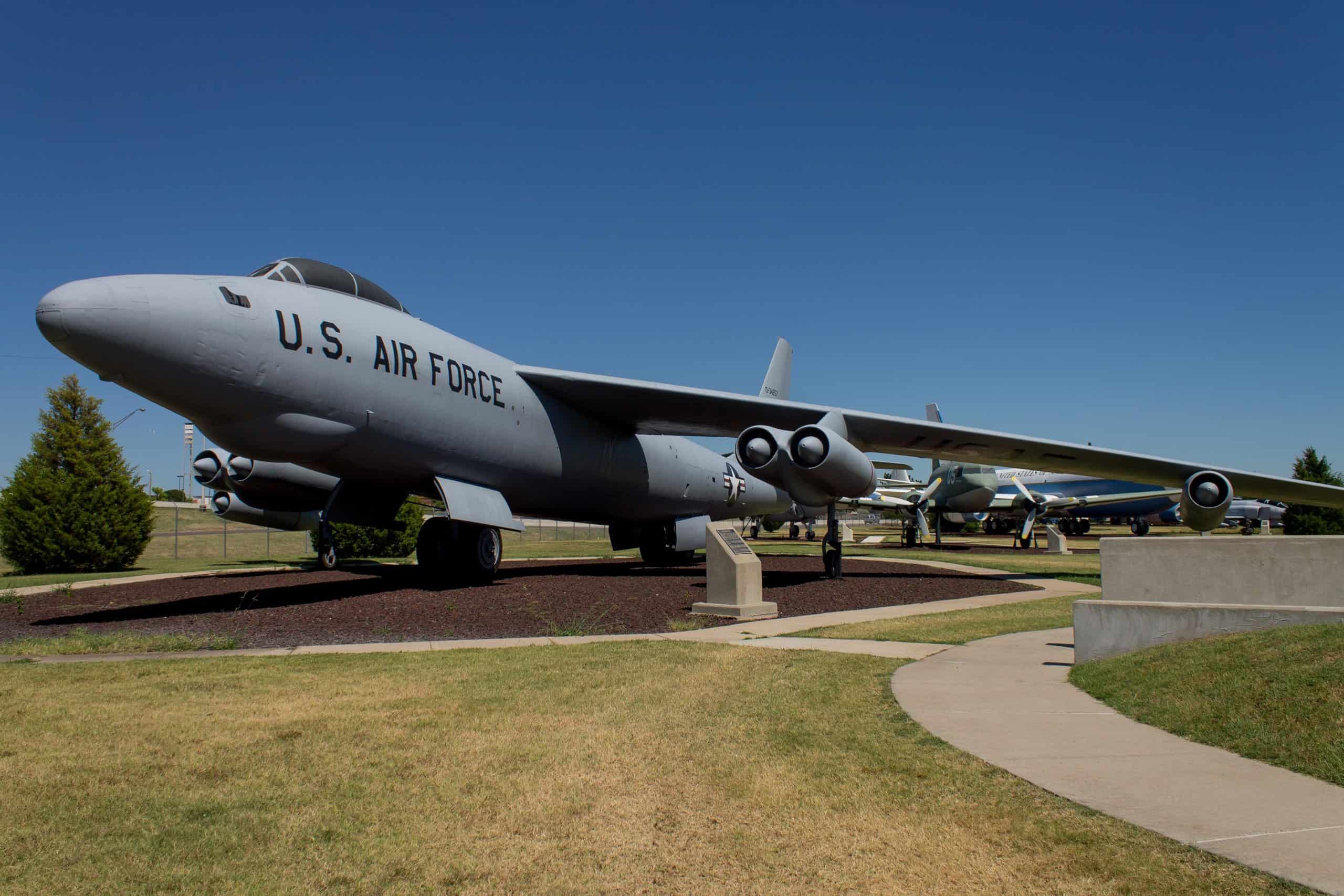
- Service branch / Operator: USAF
- Era introduced: Cold War
- Primary mission role: Jet bomber
- What made it logistically demanding: Fatigue and aging systems
- Logistics burden type: Maintenance-intensive
- Operational impact of the logistics burden: Declining readiness
- Why the U.S. accepted the burden: Extended deterrence role
As the B-47 aged, fatigue and maintenance demands increased dramatically. The Air Force tolerated the logistics burden to maintain deterrence until newer bombers fully replaced it.







 Top Gaining Stocks
 Top Losing Stocks