


Modern militaries constantly pursue lighter materials, smarter optics, and advanced electronics, but combat has a way of exposing weak designs. In real-world conditions, reliability outweighs innovation, and only the most rugged rifles endure. From World War II battlefields to modern urban combat, a select group of rifles proved they could keep firing under extreme abuse, poor maintenance, and harsh environments. Here, 24/7 Wall St. is taking a closer look at some of the most reliable rifles ever.
To determine the most reliable rifles used by militaries around the world, 24/7 Wall St. reviewed various historical and military sources. We included supplemental information regarding the country of origin, year introduced, the primary conflicts these rifles were used in and why it matters.
Here is a look at the most reliable rifles used by militaries around the world:
Why Are We Covering This?
Military rifles are often judged by specifications, price tags, or the year they were introduced, but soldiers measure them by a simpler standard: whether they work when everything else fails. Across decades of conflict, certain rifles earned their reputations not because they were the newest or most advanced, but because they functioned in mud, sand, extreme heat, and freezing cold with minimal maintenance. In an era obsessed with innovation, these rifles prove that reliability remains the most valuable feature a weapon can have.
The Trust Factor
On the battlefield, reliability matters more than innovation. A rifle either works when it’s needed or it doesn’t, and soldiers learn very quickly which weapons they can trust with their lives. Advanced features and cutting-edge technology mean little if a rifle fails under pressure. Over time, certain platforms earned near-unshakable loyalty simply because they functioned when everything else went wrong.
Tested Where It Matters
True reliability is not proven on test ranges or in controlled environments. It is forged in mud, sand, freezing rain, jungle humidity, and desert heat. Many rifles performed well in theory but failed once exposed to real combat conditions. The rifles on this list survived prolonged wars, harsh climates, and inconsistent maintenance, separating dependable designs from those that could not endure sustained use.
Why These Rifles Worked
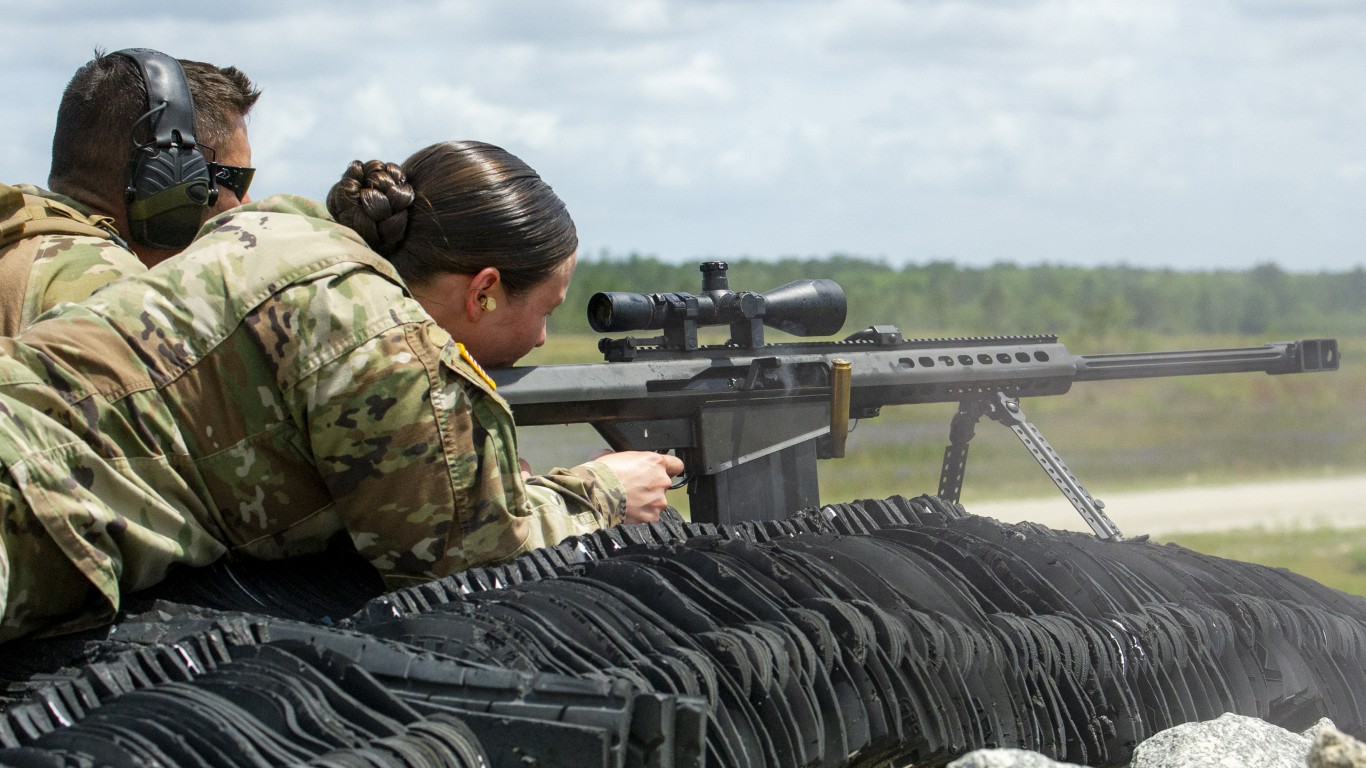
Despite coming from different countries and eras, the most reliable rifles often shared similar design philosophies. Simplicity, generous tolerances, and robust operating systems allowed them to keep functioning when fouled by dirt or fed imperfect ammunition. These rifles prioritized durability over refinement, accepting trade-offs in weight or precision to ensure they continued firing under the worst conditions.
When Soldiers Refused to Let Them Go
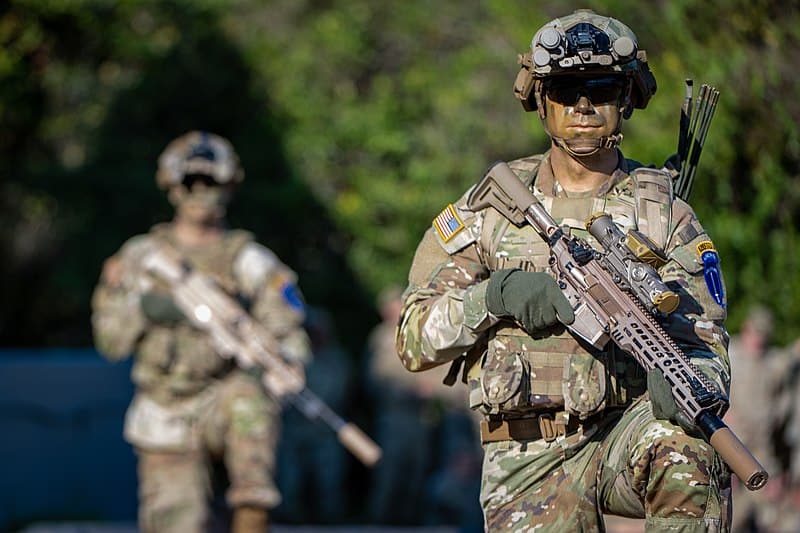
In many cases, official replacements did not immediately earn the same trust as the rifles they were meant to replace. Soldiers frequently preferred older, proven platforms to newer designs that looked better on paper but lacked battlefield credibility. Some rifles remained in frontline service for decades, while others were repeatedly upgraded rather than retired, reinforcing their reputations as dependable workhorses.
The 30 Rifles Soldiers Swore By
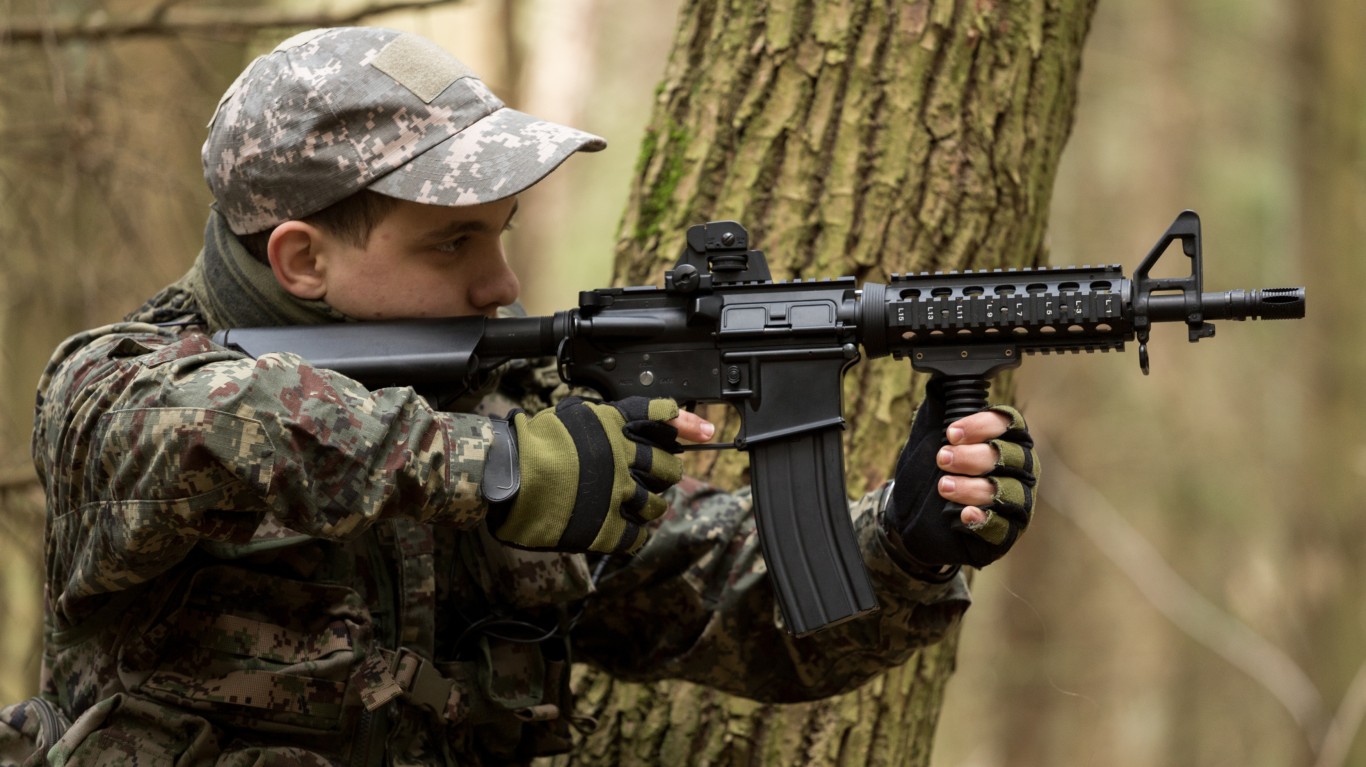
The following list highlights 30 rifles that earned reputations for exceptional reliability across World War II, the Cold War, and modern conflicts. Used by forces across NATO, the Warsaw Pact, and non-aligned nations, these rifles proved themselves in deserts, jungles, mountains, and dense urban combat. They were trusted for one reason above all others: when soldiers needed them most, they worked.
AK-47 / AKM
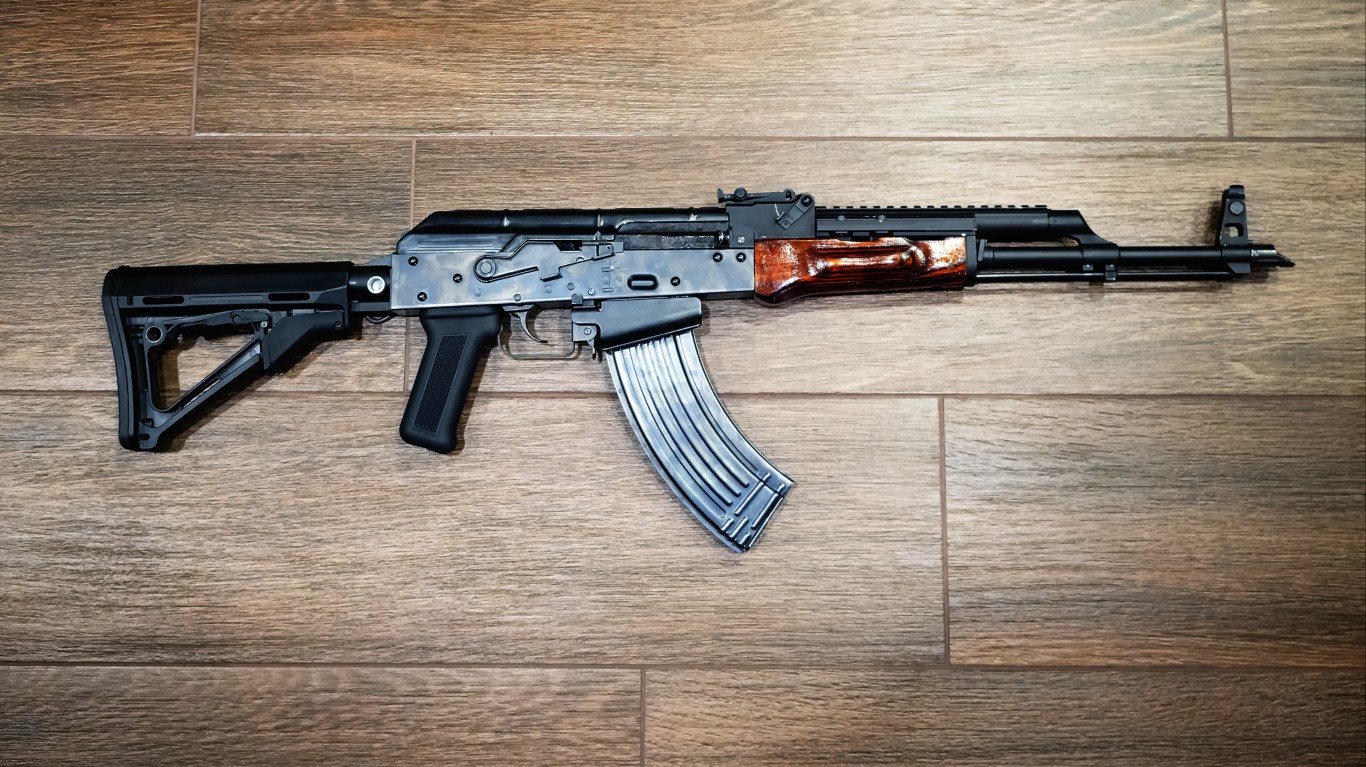
- Country of origin: Soviet Union
- Year introduced to service: 1949
- Primary conflicts used in: Cold War, Vietnam War, Global Conflicts
- Firing action: Long-stroke gas piston
- Standard cartridge: 7.62×39mm
- Reliability reputation: Extremely tolerant of dirt and neglect
Designed for mass production and battlefield abuse, the AK-47 became legendary for functioning in mud, sand, snow, and extreme heat. Soldiers trusted it because it could fire reliably with poor ammunition and minimal maintenance. Loose tolerances reduced accuracy but ensured near-constant operation, making it a preferred rifle in prolonged conflicts and austere environments worldwide.
M1 Garand
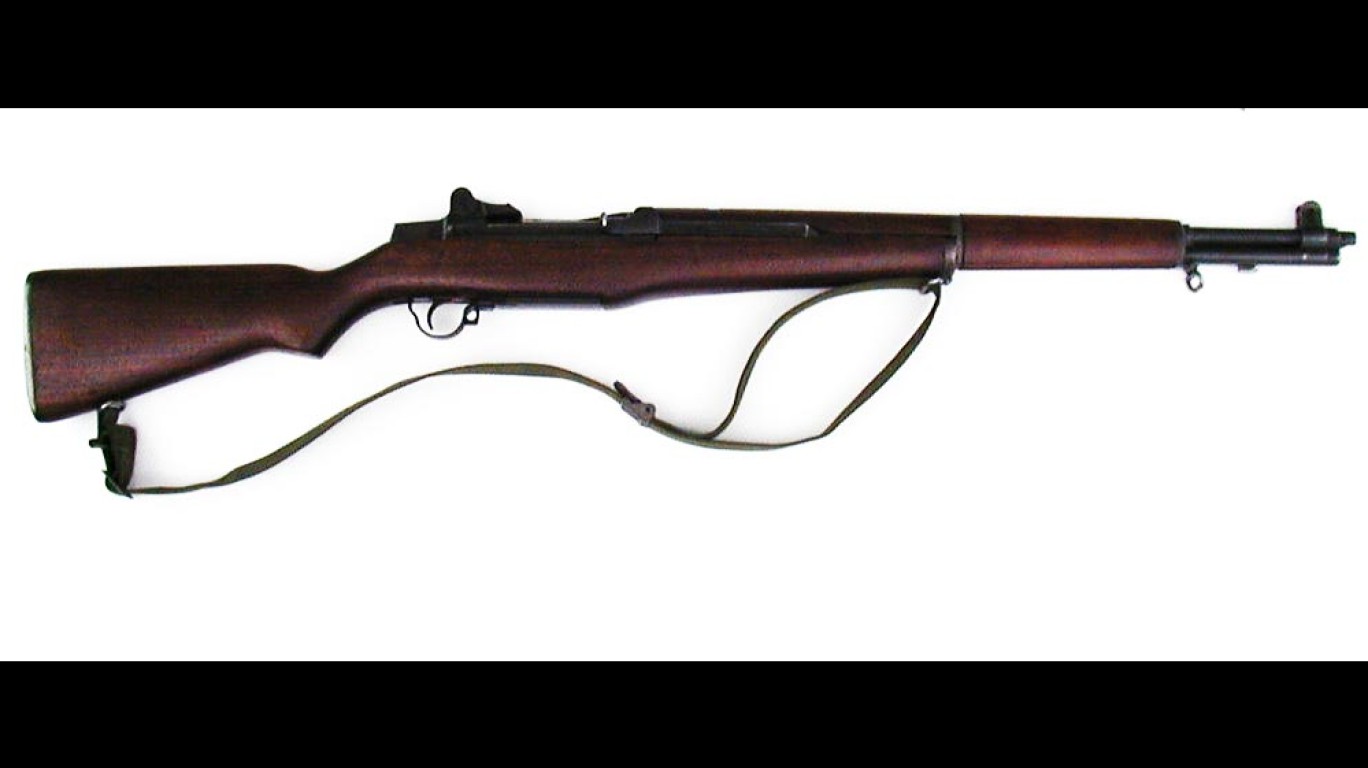
- Country of origin: United States
- Year introduced to service: 1936
- Primary conflicts used in: World War II, Korean War
- Firing action: Gas-operated, rotating bolt
- Standard cartridge: .30-06 Springfield
- Reliability reputation: Reliable in harsh weather and heavy combat
The M1 Garand gave U.S. infantry a decisive advantage with its semi-automatic fire and rugged construction. Soldiers praised its reliability in rain, mud, and freezing temperatures. Even after heavy combat use, the rifle continued to function dependably, earning trust across multiple wars and shaping modern infantry doctrine.
FN FAL
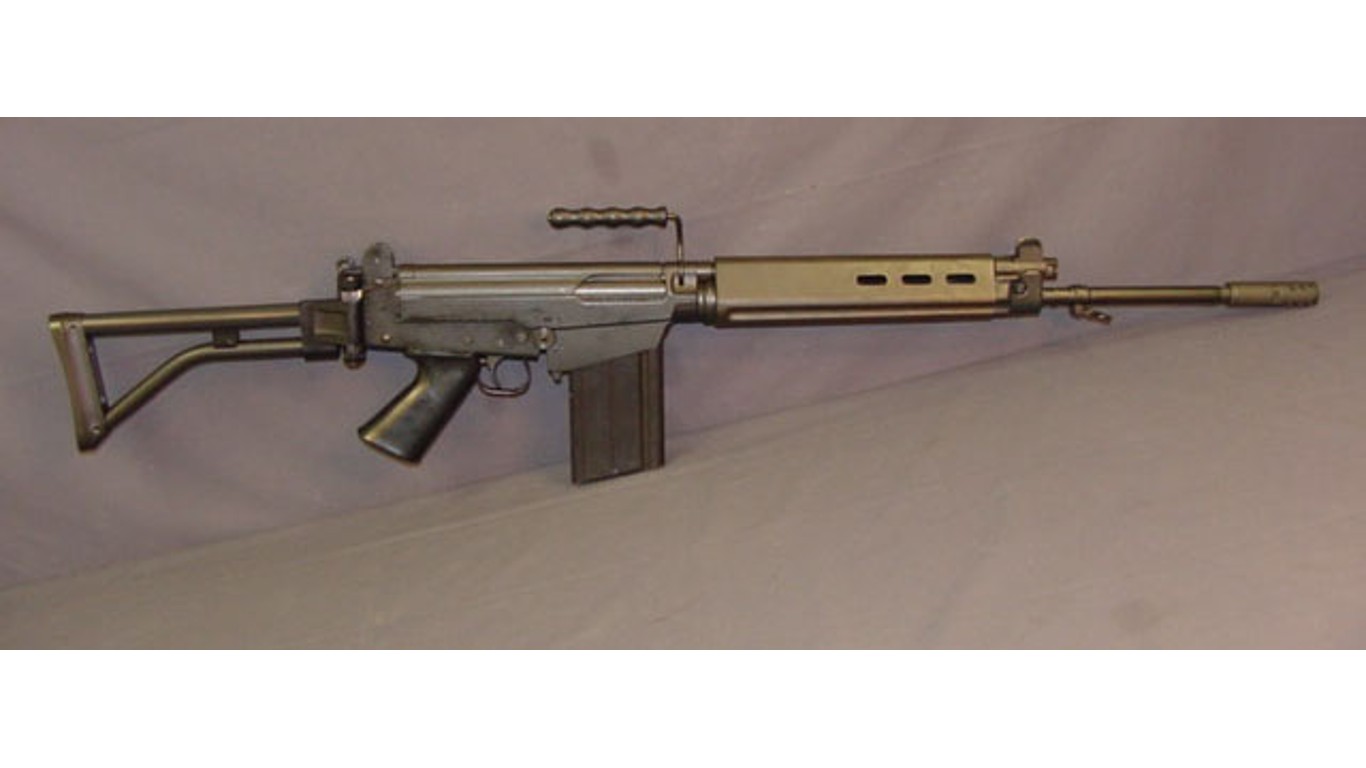
- Country of origin: Belgium
- Year introduced to service: 1953
- Primary conflicts used in: Cold War, Africa & Middle East
- Firing action: Gas-operated, adjustable regulator
- Standard cartridge: 7.62×51mm NATO
- Reliability reputation: Adaptable to filthy conditions
Nicknamed the ‘Right Arm of the Free World,’ the FN FAL earned its reputation through global service in extreme climates. Its adjustable gas system allowed soldiers to keep it running despite fouling or weak ammunition. From deserts to jungles, troops trusted the FAL for consistent battlefield performance.
Lee-Enfield No.4

- Country of origin: United Kingdom
- Year introduced to service: 1941
- Primary conflicts used in: World War II, Postwar Conflicts
- Firing action: Bolt-action
- Standard cartridge: .303 British
- Reliability reputation: Exceptionally durable and smooth
British soldiers valued the Lee-Enfield for its rugged bolt-action design and smooth cycling under stress. It performed reliably in muddy trenches, tropical jungles, and desert environments. Its durability and fast rate of aimed fire made it a trusted companion for infantry well into the Cold War.
G3
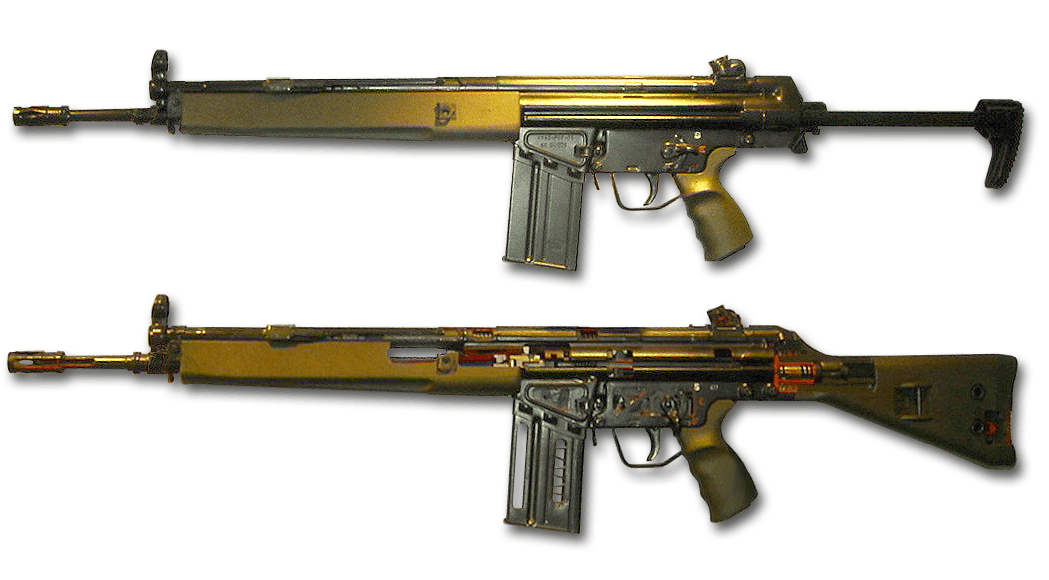
- Country of origin: Germany
- Year introduced to service: 1959
- Primary conflicts used in: Cold War, Global Conflicts
- Firing action: Roller-delayed blowback
- Standard cartridge: 7.62×51mm NATO
- Reliability reputation: Runs reliably with minimal maintenance
The G3’s roller-delayed system eliminated a traditional gas system, reducing fouling and maintenance demands. Soldiers praised its ability to function even when dirty or poorly maintained. Its simplicity and durability kept it in service with dozens of countries for decades.
M14
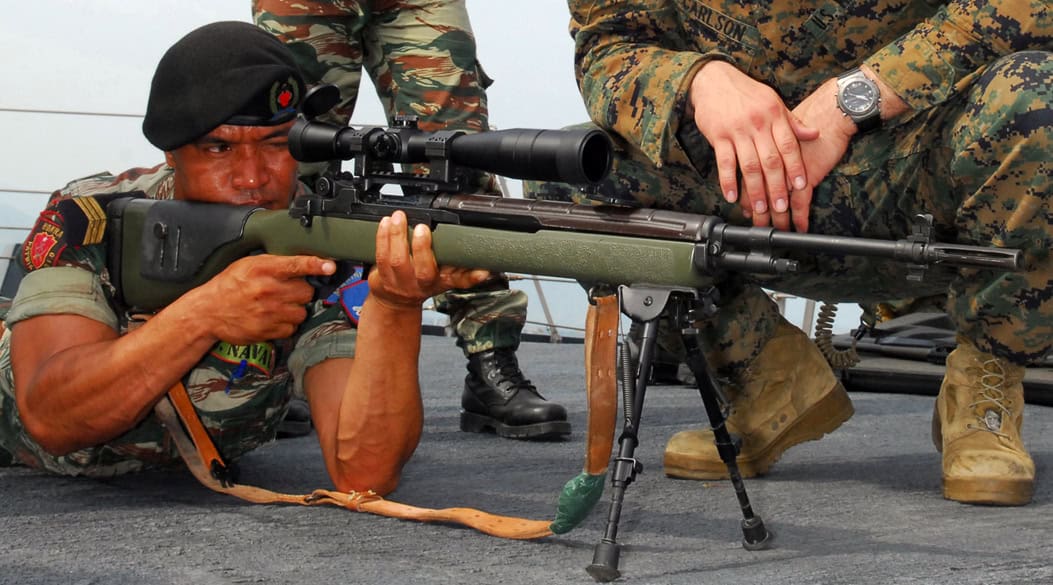
- Country of origin: United States
- Year introduced to service: 1959
- Primary conflicts used in: Cold War, Vietnam War
- Firing action: Gas-operated, rotating bolt
- Standard cartridge: 7.62×51mm NATO
- Reliability reputation: Mechanically rugged and durable
Though replaced quickly as a standard service rifle, the M14 earned respect for its durability and power. Soldiers trusted its robust construction in harsh environments, and its continued use in designated marksman roles highlights the platform’s long-term reliability.
SKS
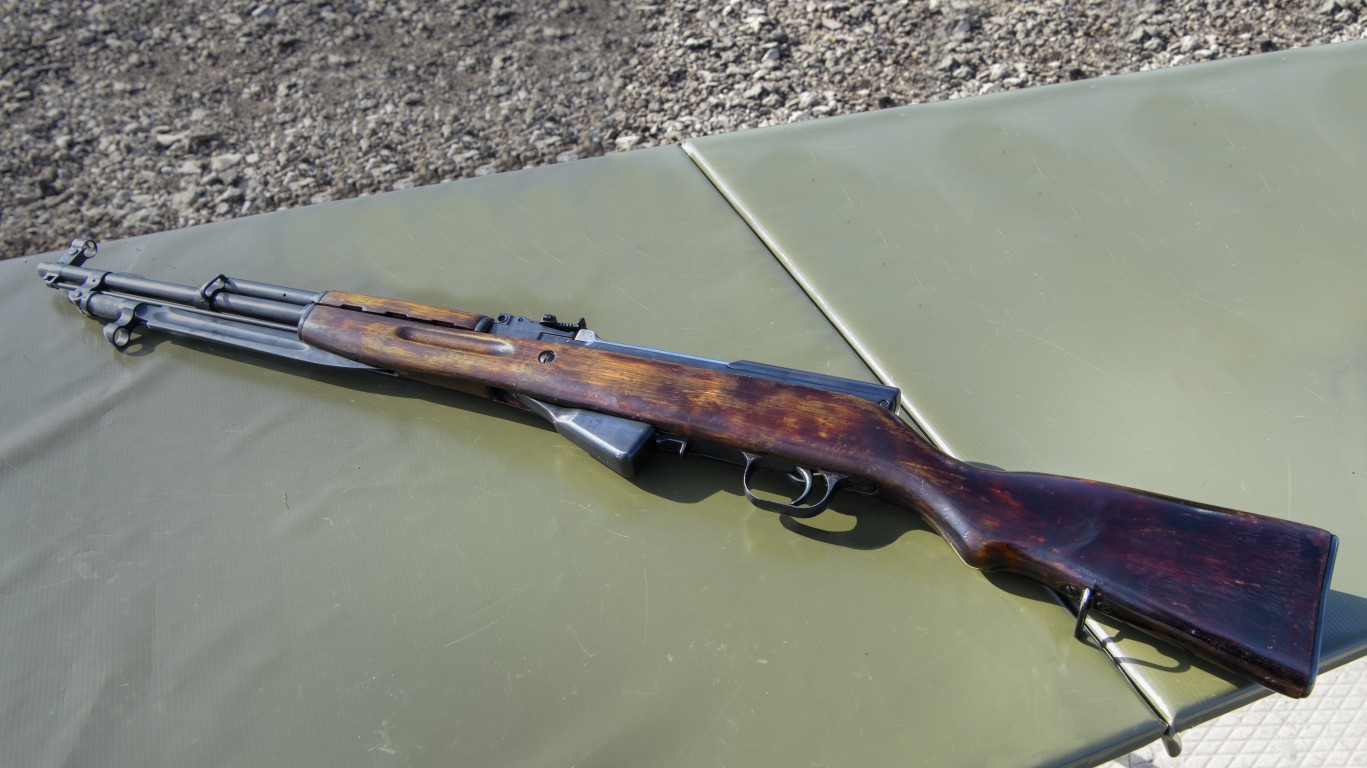
- Country of origin: Soviet Union
- Year introduced to service: 1945
- Primary conflicts used in: Cold War, Regional Conflicts
- Firing action: Gas-operated, tilting bolt
- Standard cartridge: 7.62×39mm
- Reliability reputation: Simple and dependable
The SKS was prized for its simplicity and ease of maintenance. Soldiers found it dependable in extreme weather and poor conditions. While eventually overshadowed by the AK, its reliability kept it in service with reserve and paramilitary forces worldwide.
Mosin–Nagant
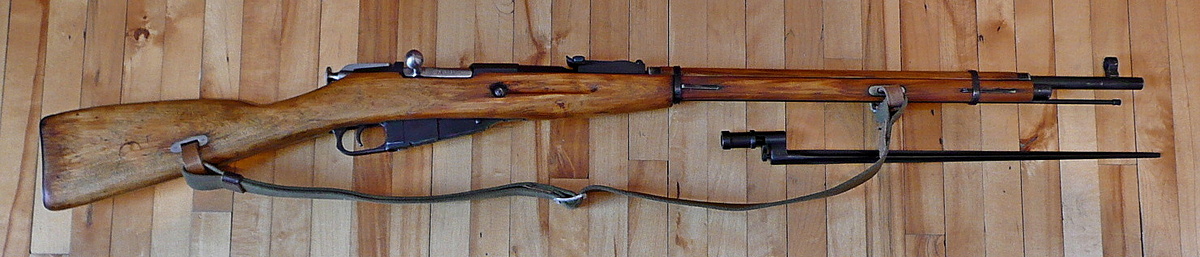
- Country of origin: Russia
- Year introduced to service: 1891
- Primary conflicts used in: World War I, World War II
- Firing action: Bolt-action
- Standard cartridge: 7.62×54mmR
- Reliability reputation: Functions in extreme cold
Crude but nearly indestructible, the Mosin–Nagant earned legendary status for reliability in freezing conditions. Russian and Soviet troops relied on it when more refined rifles failed, trusting its ability to fire under extreme cold and battlefield abuse.
Galil ARM
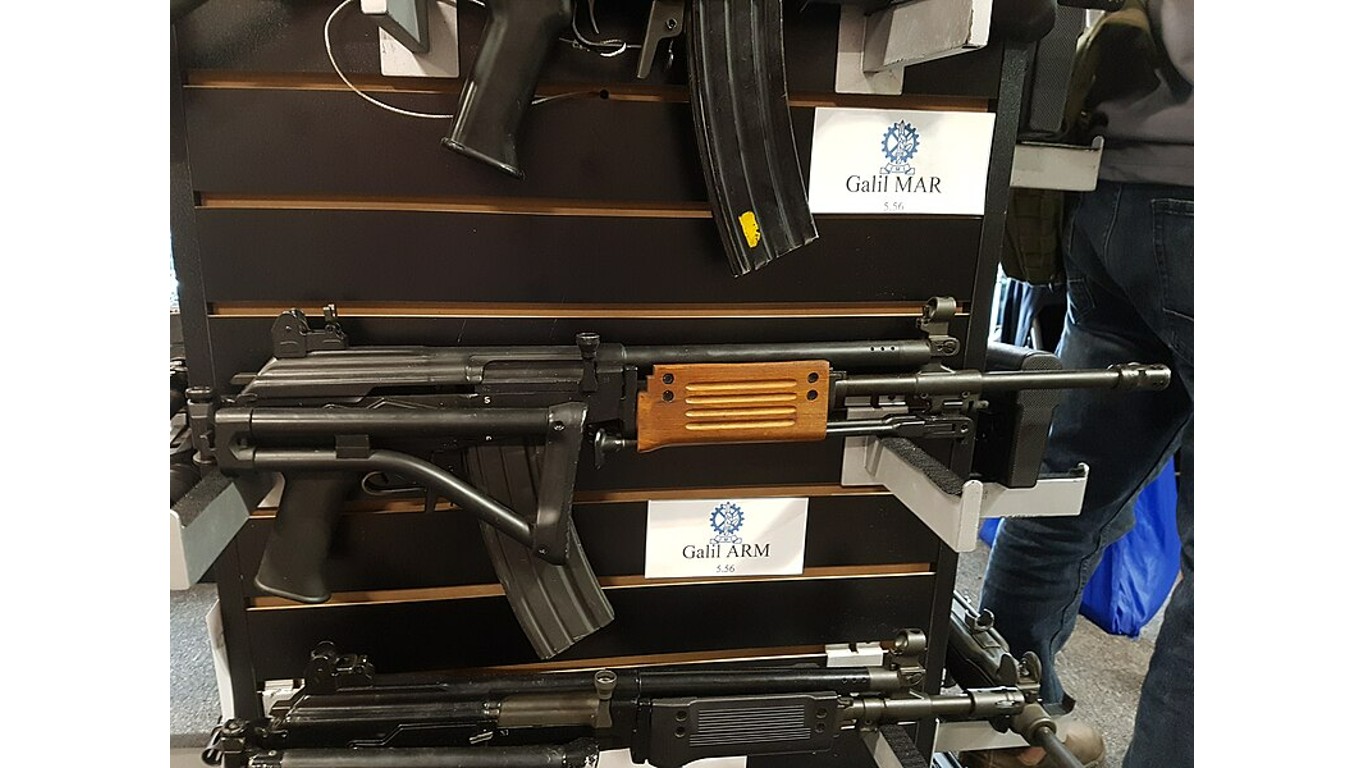
- Country of origin: Israel
- Year introduced to service: 1972
- Primary conflicts used in: Middle East Conflicts
- Firing action: Long-stroke gas piston
- Standard cartridge: 5.56×45mm NATO
- Reliability reputation: Highly reliable in desert environments
Built on the proven AK operating system, the Galil ARM was optimized for Israel’s harsh desert conditions. Soldiers trusted its rugged construction and consistent performance in sand and heat, making it a dependable service rifle during intense regional conflicts.
SIG SG 550
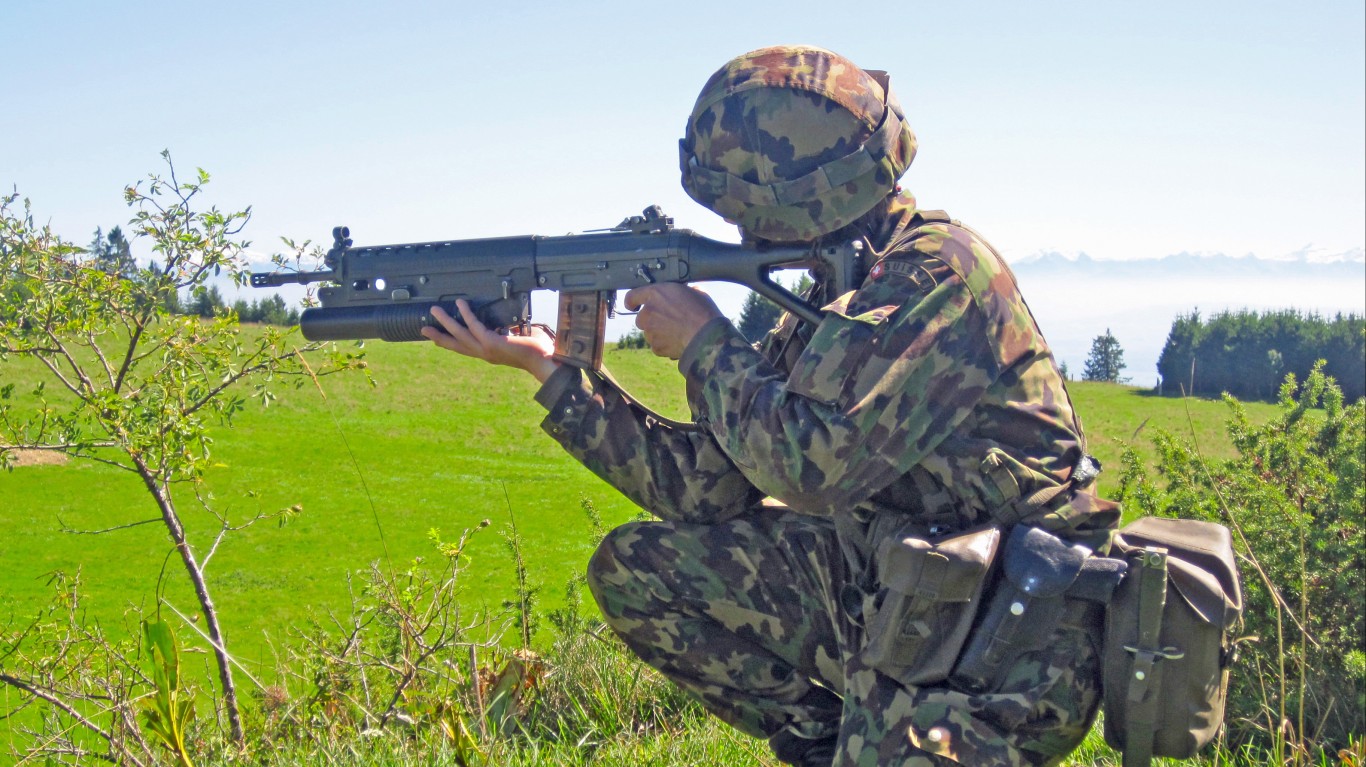
- Country of origin: Switzerland
- Year introduced to service: 1990
- Primary conflicts used in: Cold War, Modern Service
- Firing action: Gas-operated, rotating bolt
- Standard cartridge: 5.56×45mm NATO
- Reliability reputation: Outstanding cold-weather reliability
Engineered for alpine warfare, the SIG SG 550 is known for exceptional reliability in cold and mountainous environments. Its sealed gas system and precision manufacturing earned widespread trust among Swiss troops and international users alike.
M16A2
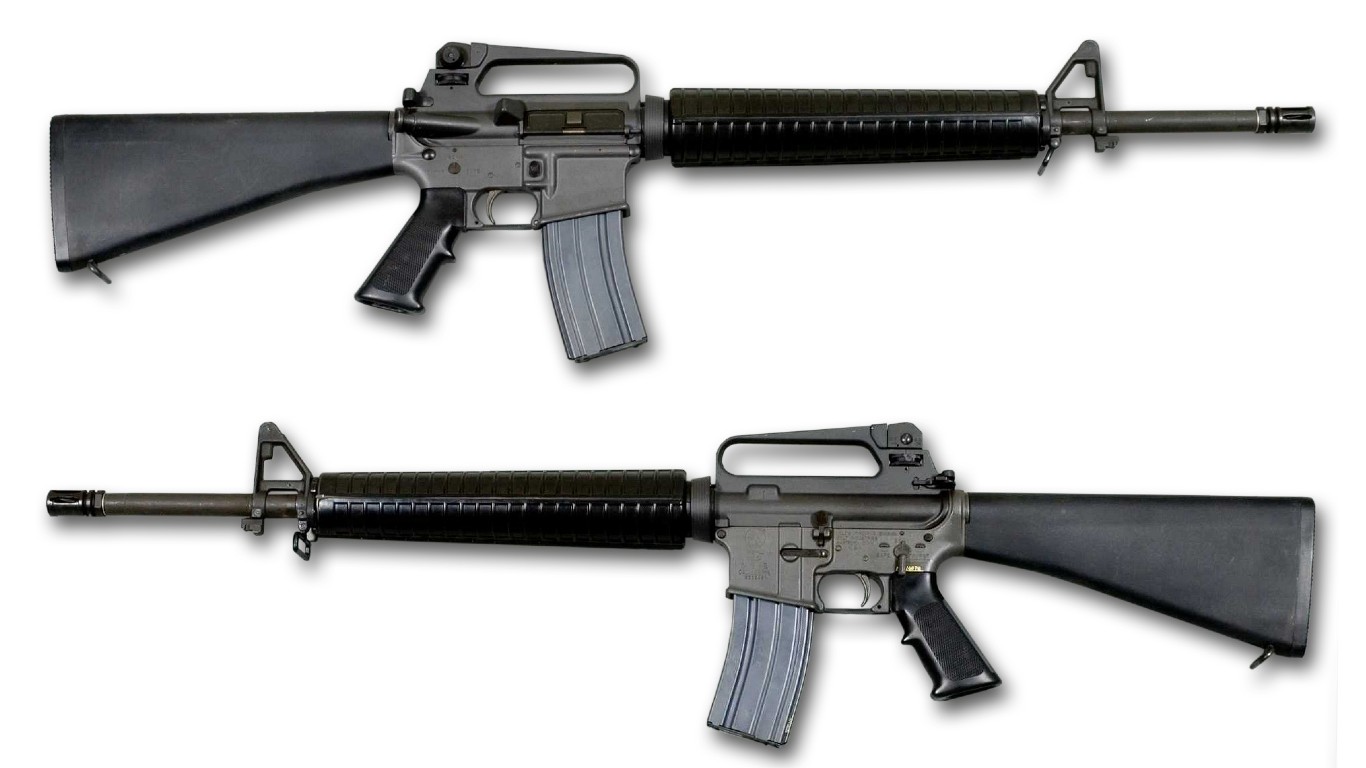
- Country of origin: United States
- Year introduced to service: 1983
- Primary conflicts used in: Cold War, Gulf War
- Firing action: Direct impingement
- Standard cartridge: 5.56×45mm NATO
- Reliability reputation: Reliable when properly maintained
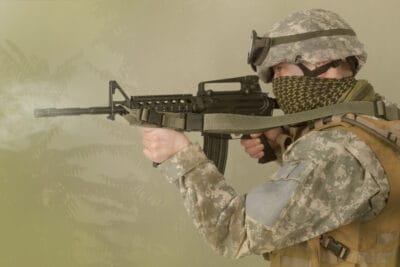
The M16A2 resolved many early reliability issues through improved materials and training. Soldiers came to trust it for consistent performance and lighter weight, especially during extended operations where reliability and controllability mattered most.
M4A1
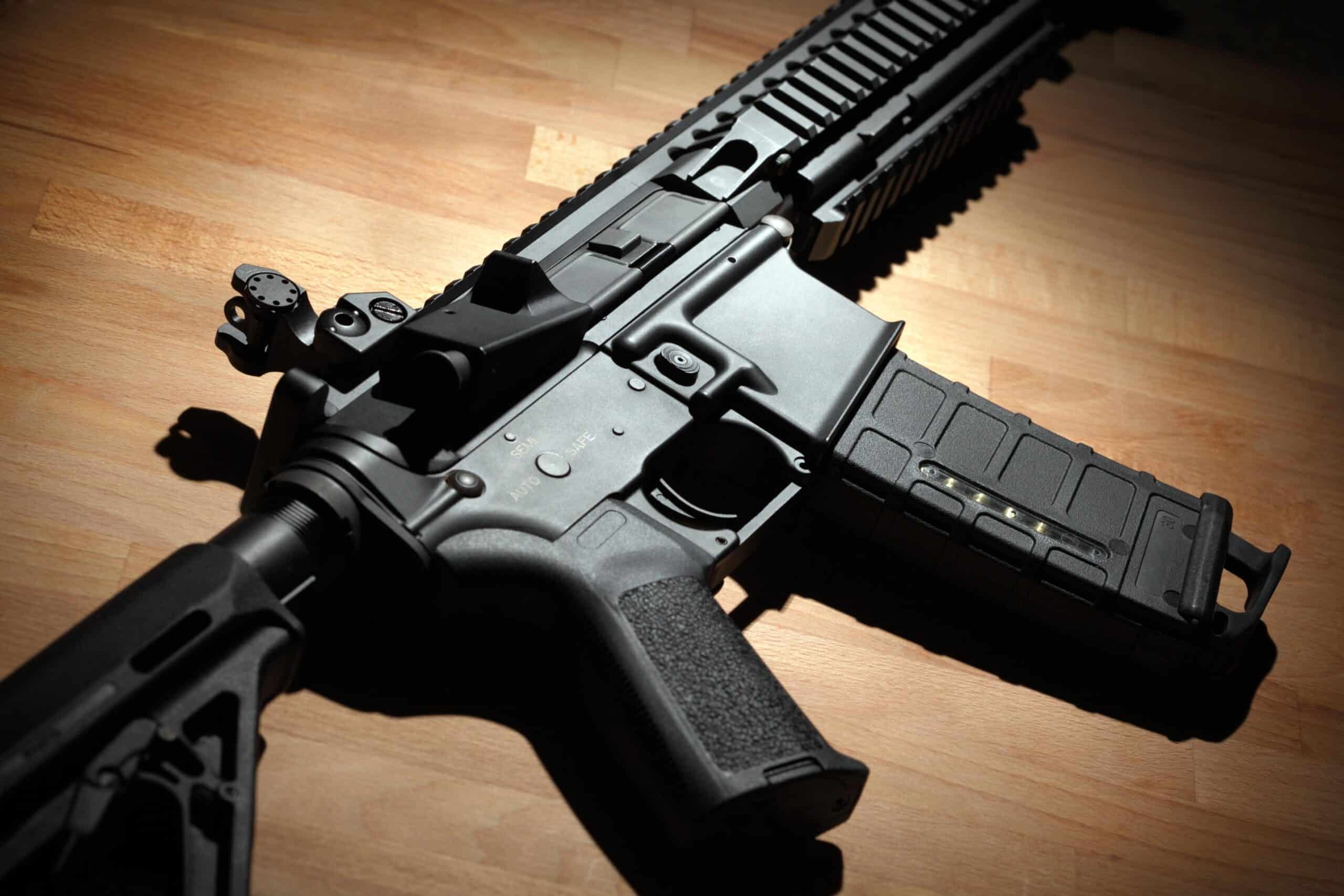
- Country of origin: United States
- Year introduced to service: 1994
- Primary conflicts used in: GWOT, Modern Conflicts
- Firing action: Gas-operated, rotating bolt
- Standard cartridge: 5.56×45mm NATO
- Reliability reputation: Battle-proven modern reliability
Refinements to the M4A1 addressed earlier shortcomings, resulting in a dependable modern service rifle. Soldiers trust it for close-quarters and extended patrols, valuing its reliability when properly maintained across diverse combat environments.
HK416
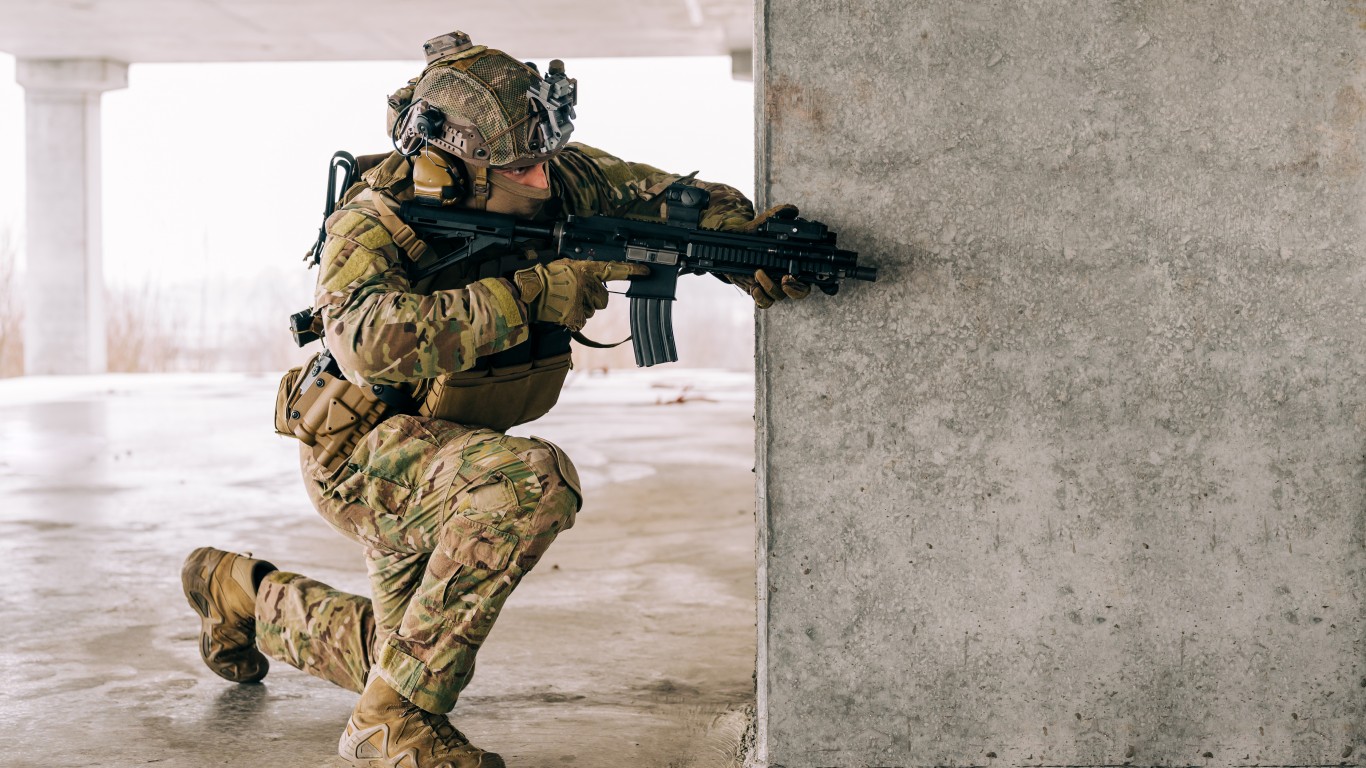
- Country of origin: Germany
- Year introduced to service: 2005
- Primary conflicts used in: GWOT, Special Operations
- Firing action: Short-stroke gas piston
- Standard cartridge: 5.56×45mm NATO
- Reliability reputation: Exceptionally reliable under heavy use
Developed to improve reliability over direct-impingement rifles, the HK416 quickly earned trust among elite units. Its piston system reduced fouling, allowing it to perform consistently during sustained firing and harsh operational conditions.
AK-74
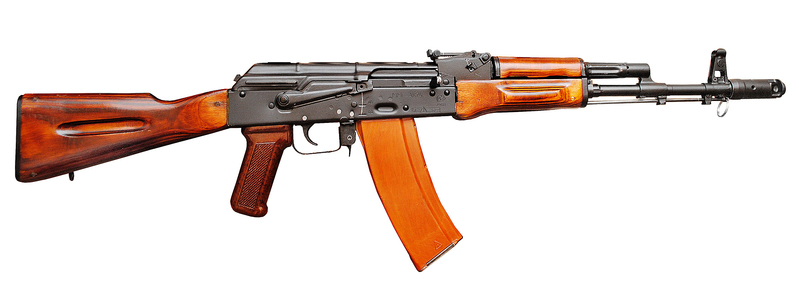
- Country of origin: Soviet Union
- Year introduced to service: 1974
- Primary conflicts used in: Cold War, Modern Conflicts
- Firing action: Long-stroke gas piston
- Standard cartridge: 5.45×39mm
- Reliability reputation: Improved accuracy with AK reliability
The AK-74 retained the legendary reliability of earlier AK designs while improving controllability and accuracy. Soldiers valued its ability to function in dirt, sand, and extreme temperatures without sacrificing durability.
MAS-49/56
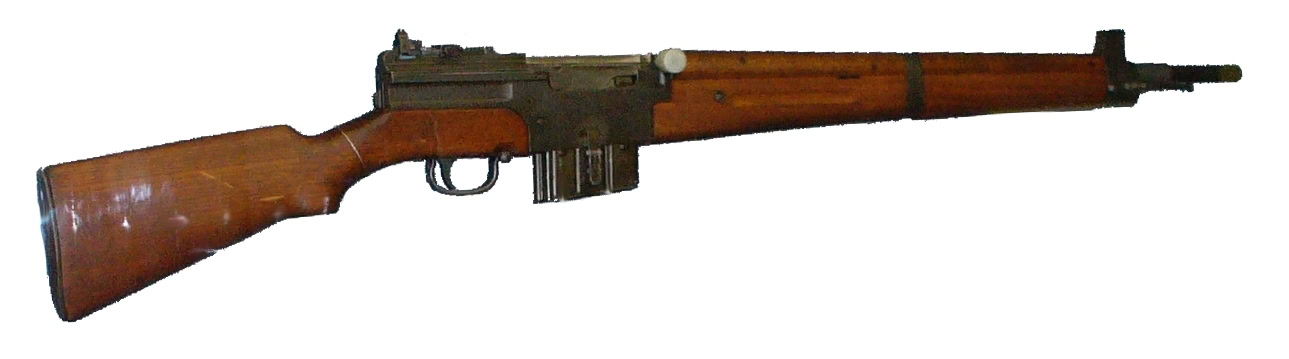
- Country of origin: France
- Year introduced to service: 1956
- Primary conflicts used in: Cold War, Colonial Wars
- Firing action: Direct impingement
- Standard cartridge: 7.5×54mm French
- Reliability reputation: Simple and rugged
The MAS-49/56 was appreciated for its simplicity and ruggedness in harsh colonial conflicts. French troops trusted its reliability in difficult climates, and its straightforward design made maintenance easy under field conditions.
Type 56

- Country of origin: China
- Year introduced to service: 1956
- Primary conflicts used in: Cold War, Regional Conflicts
- Firing action: Long-stroke gas piston
- Standard cartridge: 7.62×39mm
- Reliability reputation: AK-level reliability
China’s Type 56 mirrored the AK’s legendary dependability. Soldiers valued its ability to function despite poor ammunition quality and limited maintenance, making it a staple rifle across Asia, Africa, and numerous prolonged conflicts.
FAMAS F1

- Country of origin: France
- Year introduced to service: 1978
- Primary conflicts used in: Cold War, Middle East, Africa
- Firing action: Lever-delayed blowback
- Standard cartridge: 5.56×45mm NATO
- Reliability reputation: Reliable in sand and heat
The FAMAS F1 proved dependable in harsh overseas deployments, particularly in sandy and hot environments. French troops trusted its mechanical reliability despite its unconventional operating system, keeping it in frontline service for decades.
Steyr AUG

- Country of origin: Austria
- Year introduced to service: 1977
- Primary conflicts used in: Cold War, Modern Conflicts
- Firing action: Gas-operated, rotating bolt
- Standard cartridge: 5.56×45mm NATO
- Reliability reputation: Consistent and reliable
Initially controversial, the Steyr AUG earned respect through reliable service in diverse climates. Soldiers praised its sealed design and dependable operation, which helped legitimize bullpup rifles for modern military use.
CZ vz. 58
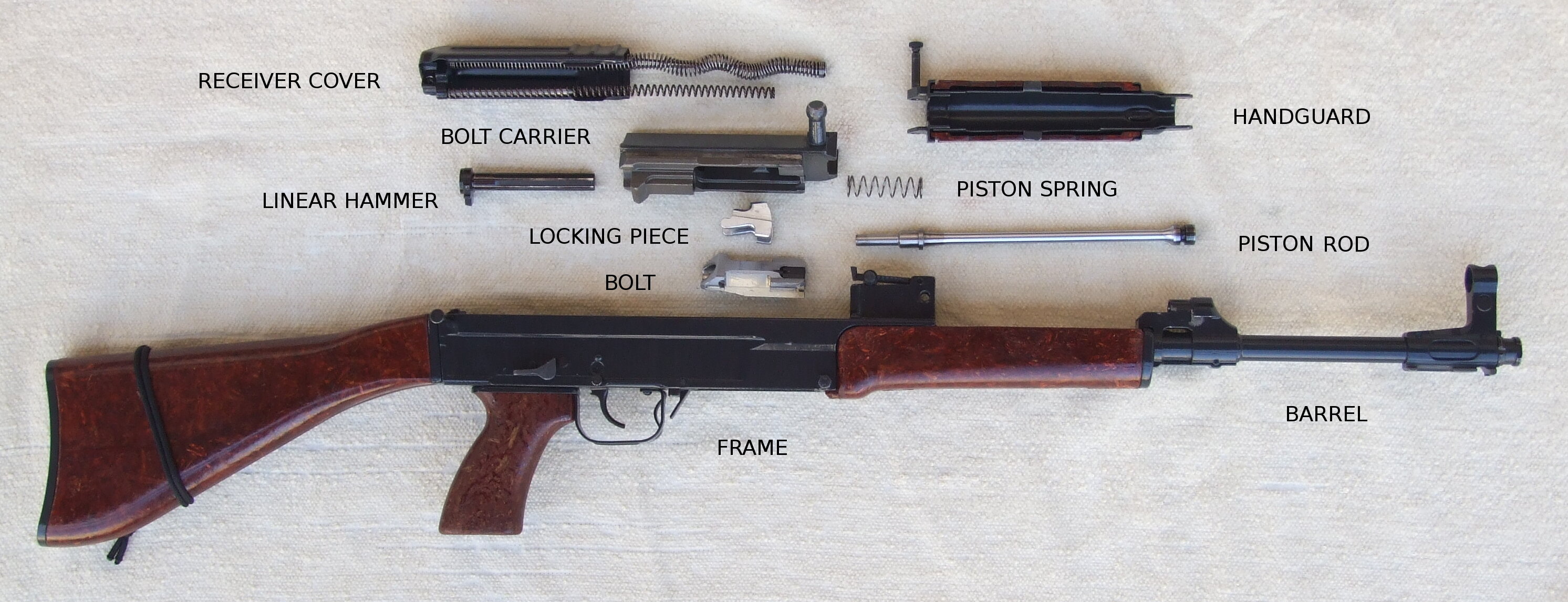
- Country of origin: Czechoslovakia
- Year introduced to service: 1958
- Primary conflicts used in: Cold War, Regional Conflicts
- Firing action: Gas-operated, short-stroke piston
- Standard cartridge: 7.62×39mm
- Reliability reputation: Runs cleaner than AK
Though often mistaken for an AK, the vz. 58 features a distinct operating system that soldiers praised for cleaner operation. Its reliability and durability kept it trusted by troops well beyond its original service life.
L1A1 SLR
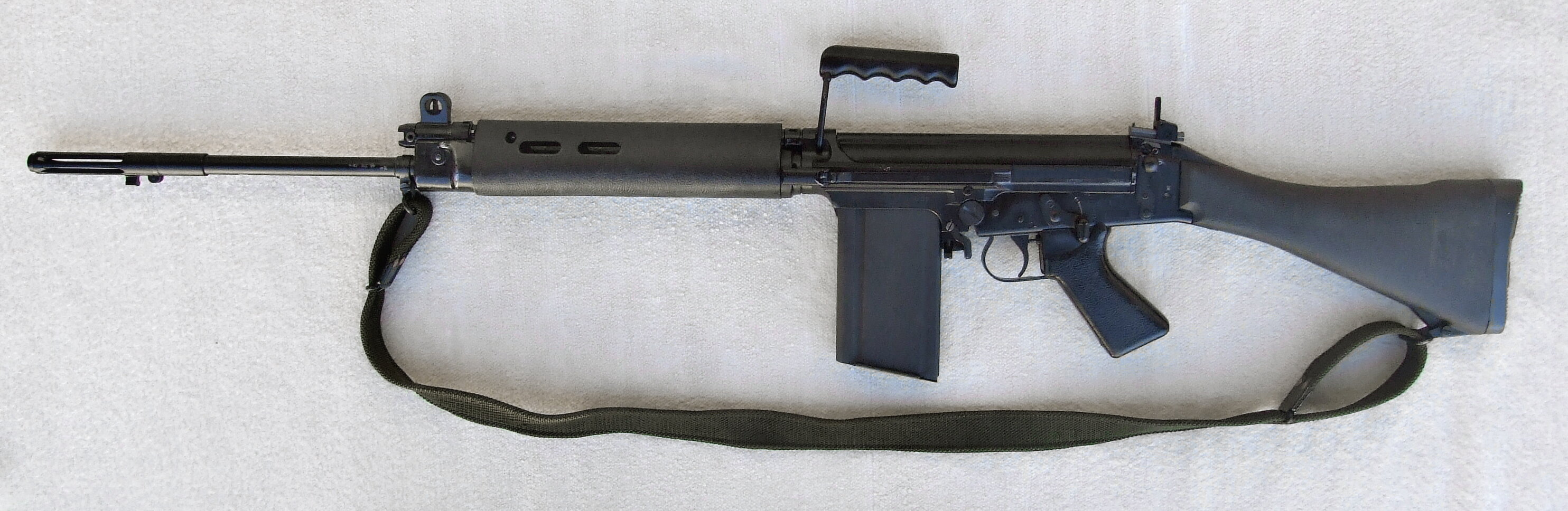
- Country of origin: United Kingdom
- Year introduced to service: 1957
- Primary conflicts used in: Cold War, Commonwealth Conflicts
- Firing action: Gas-operated
- Standard cartridge: 7.62×51mm NATO
- Reliability reputation: Extremely rugged battle rifle
The L1A1 SLR, a Commonwealth FN FAL variant, was respected for its ruggedness and stopping power. Soldiers trusted it to function reliably across deserts, jungles, and temperate climates.
AN-94
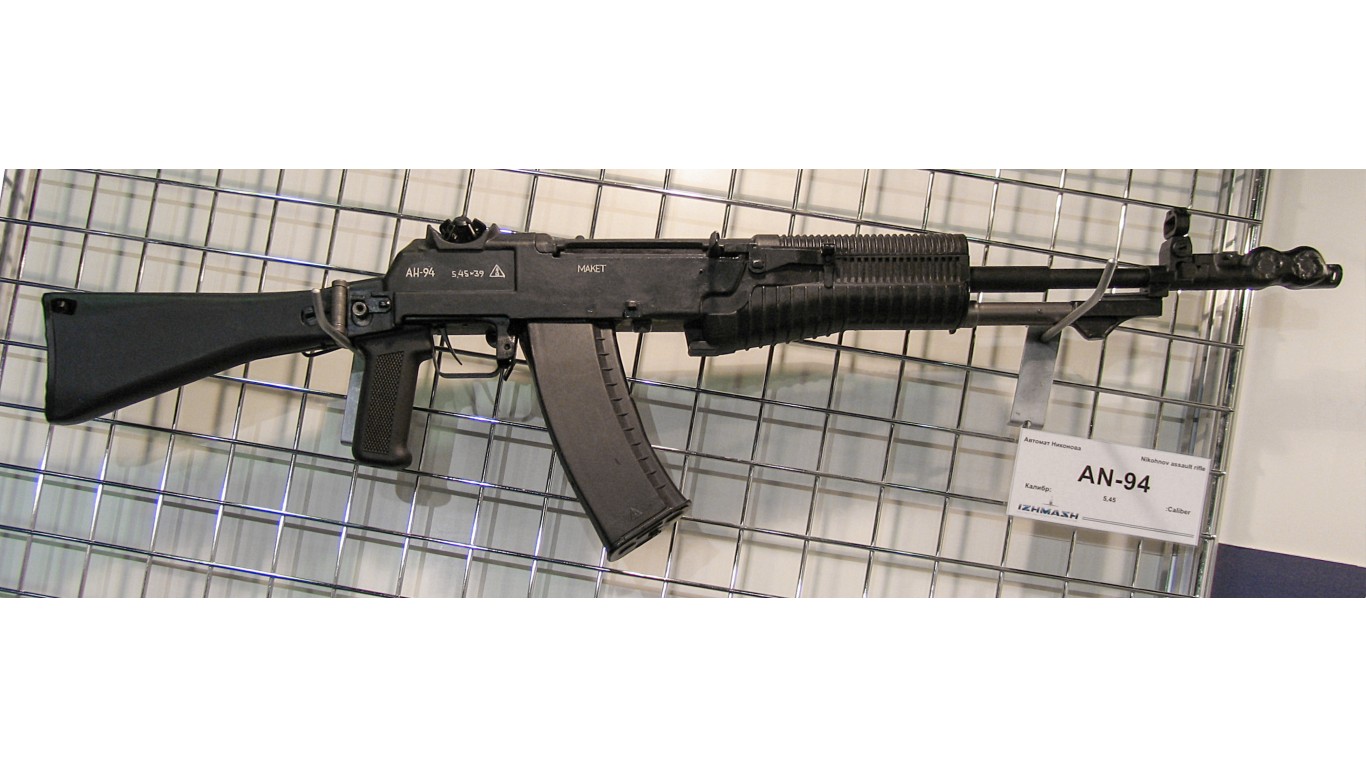
- Country of origin: Russia
- Year introduced to service: 1997
- Primary conflicts used in: Post–Cold War Conflicts
- Firing action: Gas-operated, complex recoil system
- Standard cartridge: 5.45×39mm
- Reliability reputation: Reliable despite complexity
Despite its complex internal design, the AN-94 demonstrated reliable battlefield performance once properly maintained. Soldiers valued its mechanical durability and unique burst system, though its cost limited widespread adoption.
Type 81
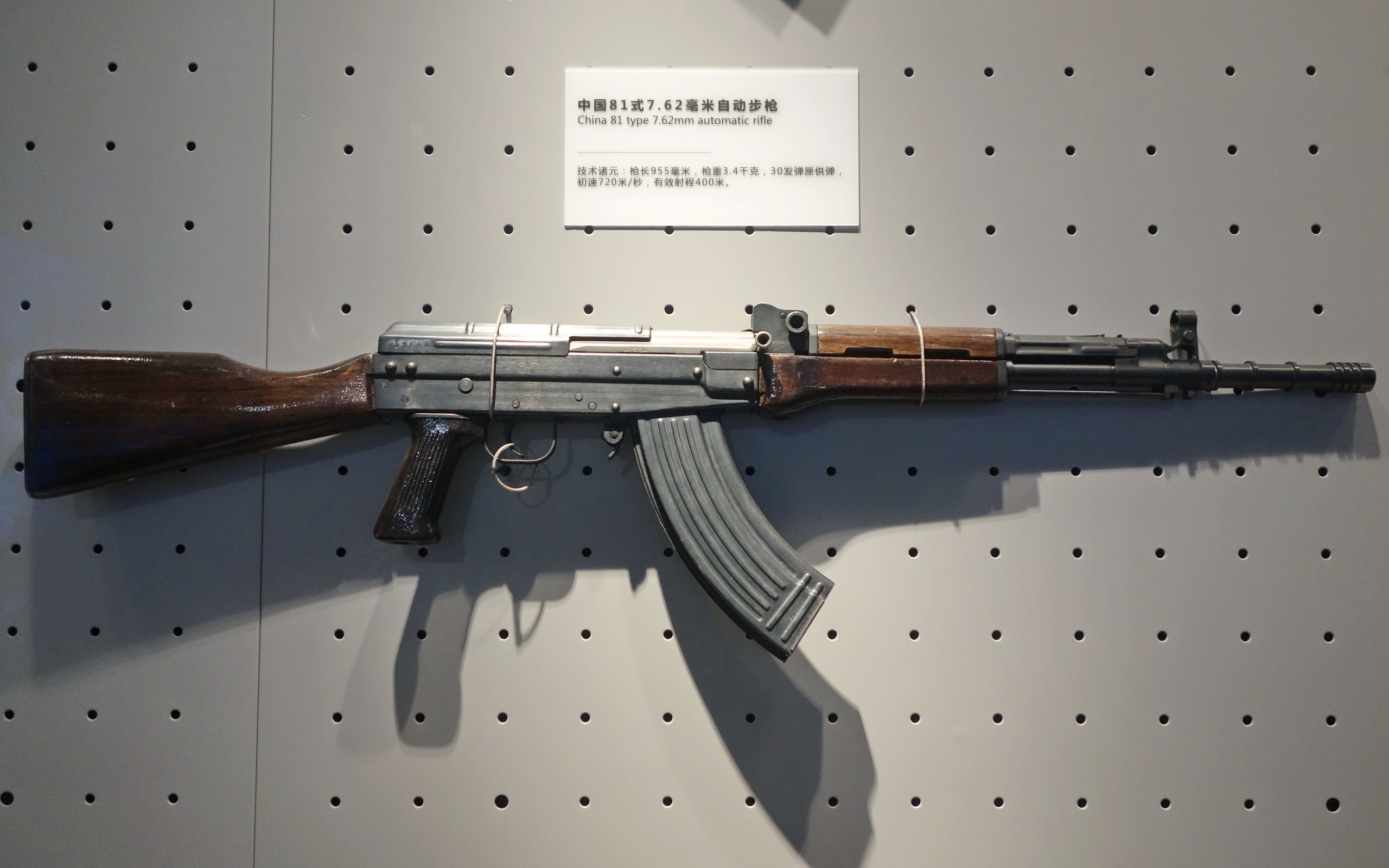
- Country of origin: China
- Year introduced to service: 1981
- Primary conflicts used in: Cold War, Regional Conflicts
- Firing action: Gas-operated
- Standard cartridge: 7.62×39mm
- Reliability reputation: Durable and controllable
The Type 81 combined AK-style reliability with improved ergonomics. Chinese troops trusted it for dependable performance and controllability in varied terrain and weather conditions.
Beretta AR70/90
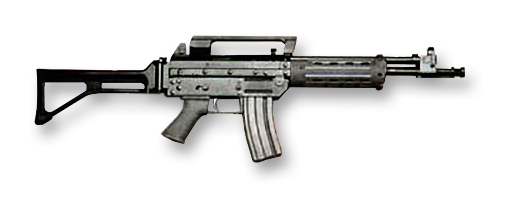
- Country of origin: Italy
- Year introduced to service: 1990
- Primary conflicts used in: Cold War, NATO Service
- Firing action: Gas-operated
- Standard cartridge: 5.56×45mm NATO
- Reliability reputation: Reliable NATO service rifle
Italy’s AR70/90 earned a quiet reputation for reliability during NATO service. Soldiers appreciated its straightforward design and dependable function in training and overseas deployments.
Madsen LAR
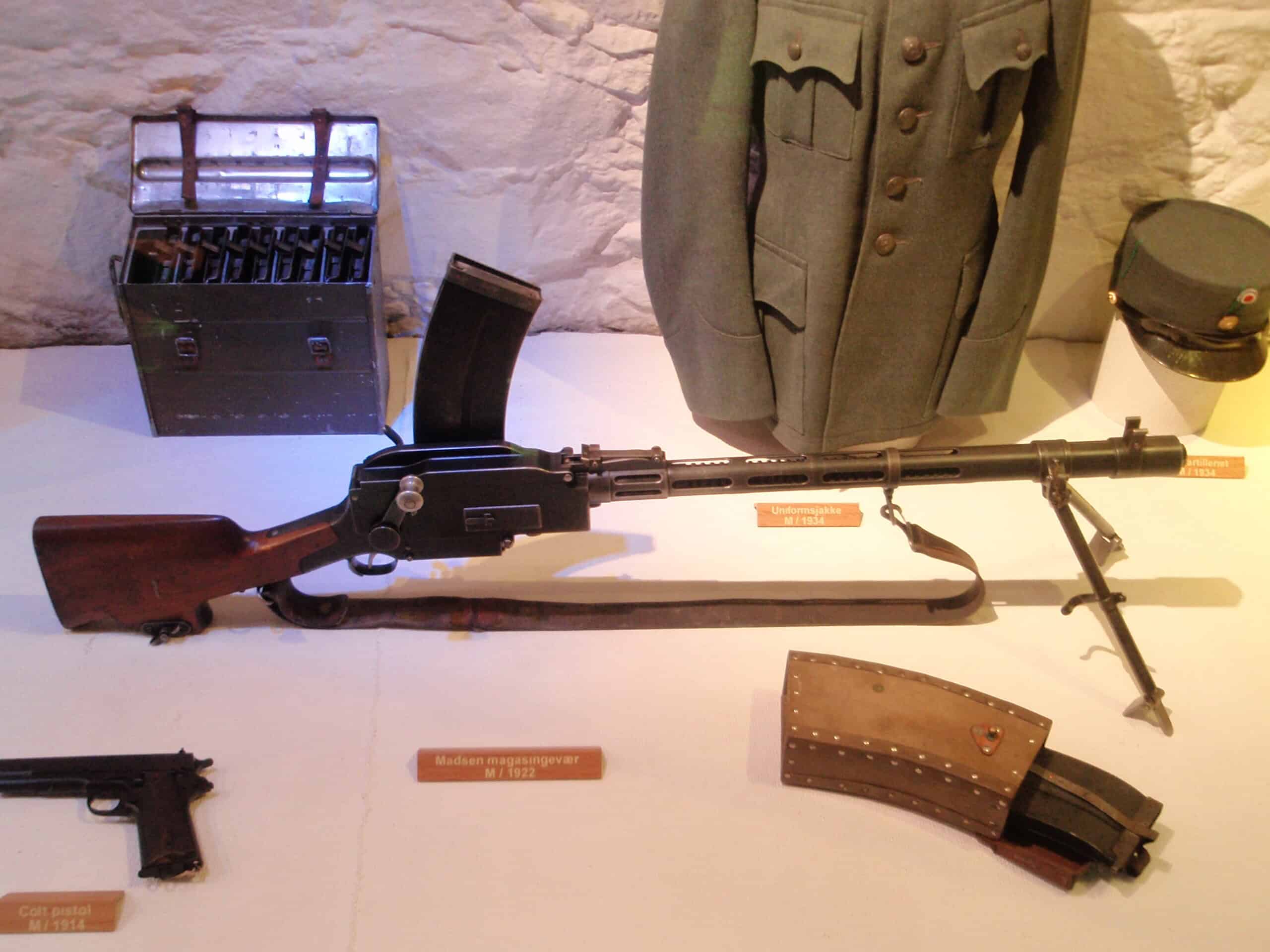
- Country of origin: Denmark
- Year introduced to service: 1958
- Primary conflicts used in: Cold War, Limited Service
- Firing action: Gas-operated
- Standard cartridge: 7.62×51mm NATO
- Reliability reputation: Simple and robust
The Madsen LAR was respected for its simplicity and mechanical strength. While not widely adopted, soldiers who used it praised its reliability and ease of maintenance under field conditions.
RPK
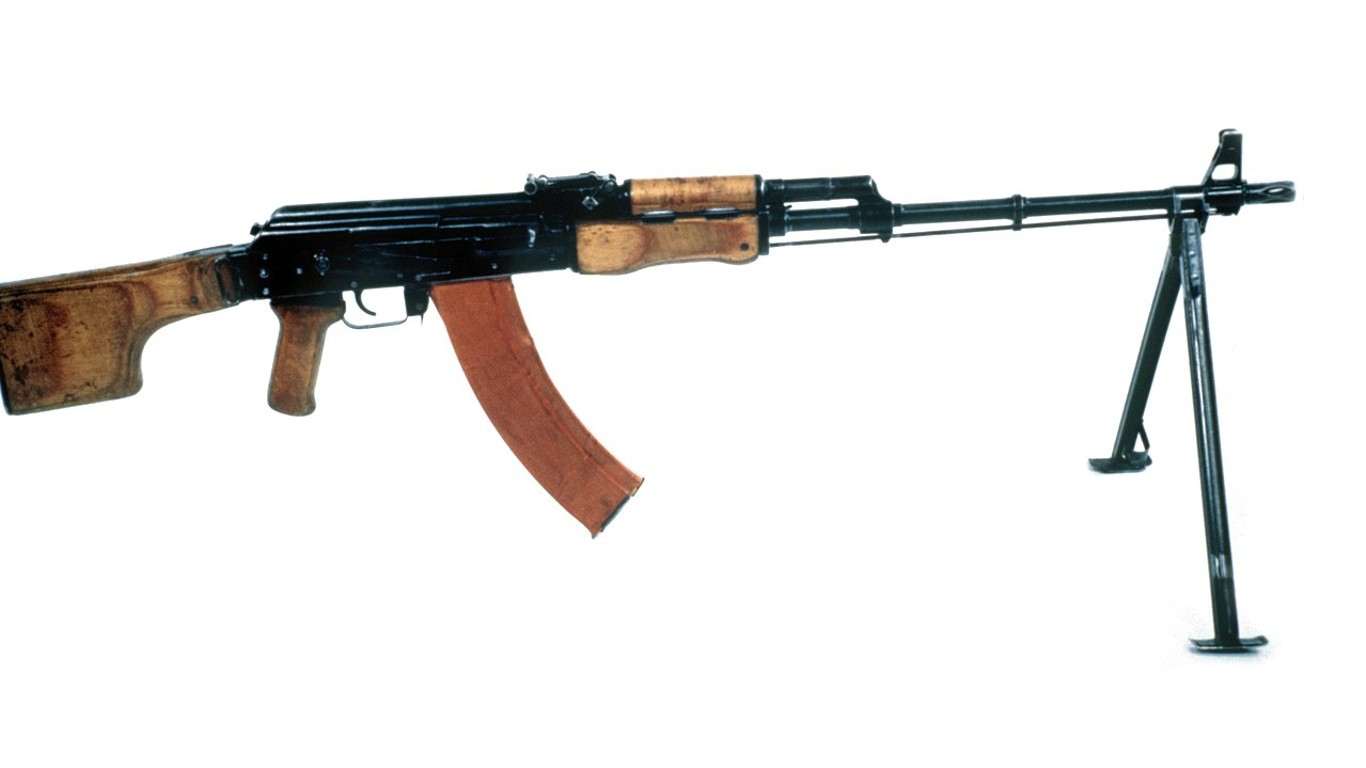
- Country of origin: Soviet Union
- Year introduced to service: 1961
- Primary conflicts used in: Cold War, Global Conflicts
- Firing action: Long-stroke gas piston
- Standard cartridge: 7.62×39mm
- Reliability reputation: Built for sustained fire
As a squad automatic variant of the AK platform, the RPK inherited legendary reliability. Soldiers trusted it to endure prolonged firing while remaining functional in dirty and austere environments.
SIG SG 510
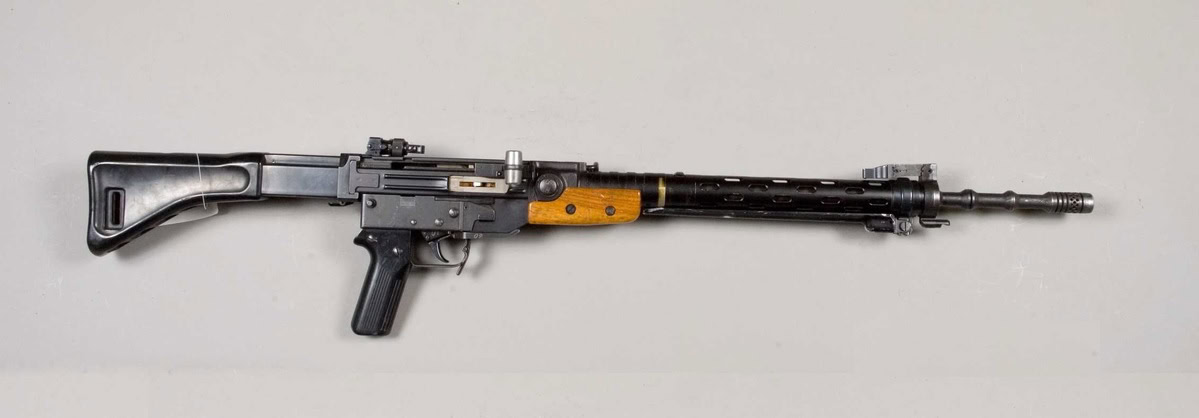
- Country of origin: Switzerland
- Year introduced to service: 1957
- Primary conflicts used in: Cold War
- Firing action: Roller-delayed blowback
- Standard cartridge: 7.62×51mm NATO
- Reliability reputation: Overbuilt and extremely durable
The SIG SG 510 was heavily overbuilt, prioritizing durability over weight savings. Swiss troops trusted it for consistent performance in harsh terrain and adverse weather conditions.
VZ-52

- Country of origin: Czechoslovakia
- Year introduced to service: 1952
- Primary conflicts used in: Early Cold War
- Firing action: Gas-operated, tilting bolt
- Standard cartridge: 7.62×45mm
- Reliability reputation: Mechanically tough
The VZ-52 earned respect for mechanical toughness and reliability during early Cold War service. Soldiers valued its robust design, even as newer rifles eventually replaced it.
BM-59
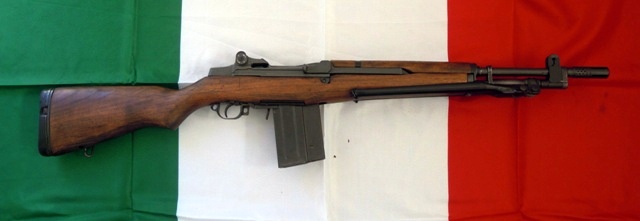
- Country of origin: Italy
- Year introduced to service: 1959
- Primary conflicts used in: Cold War
- Firing action: Gas-operated, rotating bolt
- Standard cartridge: 7.62×51mm NATO
- Reliability reputation: Garand-level reliability
Derived from the M1 Garand, the BM-59 retained the legendary reliability of its predecessor. Italian troops trusted it for dependable operation while benefiting from modernized features.
Howa Type 64
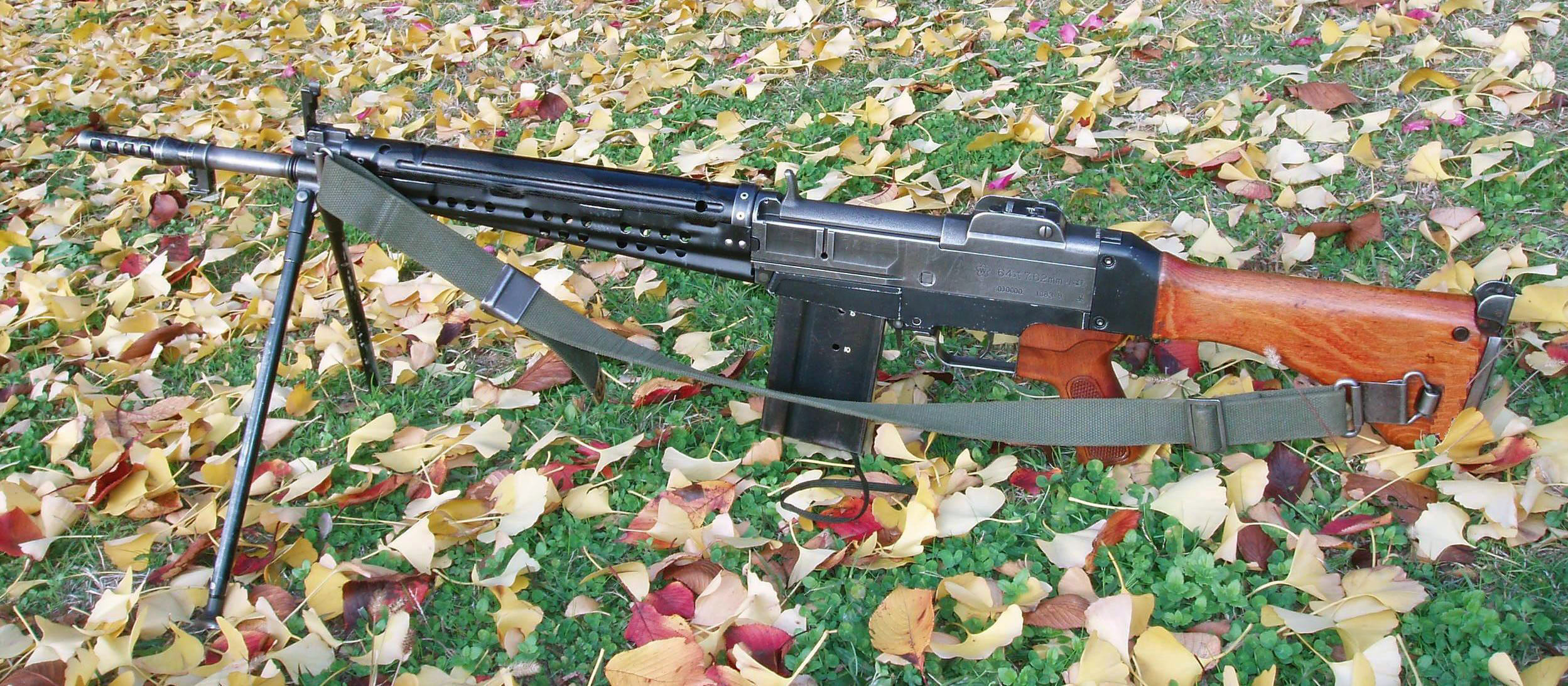
- Country of origin: Japan
- Year introduced to service: 1964
- Primary conflicts used in: Cold War, Domestic Defense
- Firing action: Gas-operated
- Standard cartridge: 7.62×51mm NATO
- Reliability reputation: Reliable in humid environments
Designed for Japan’s humid and mountainous terrain, the Type 64 emphasized reliability and controllability. Soldiers trusted its consistent performance despite environmental challenges.
SA80 A2
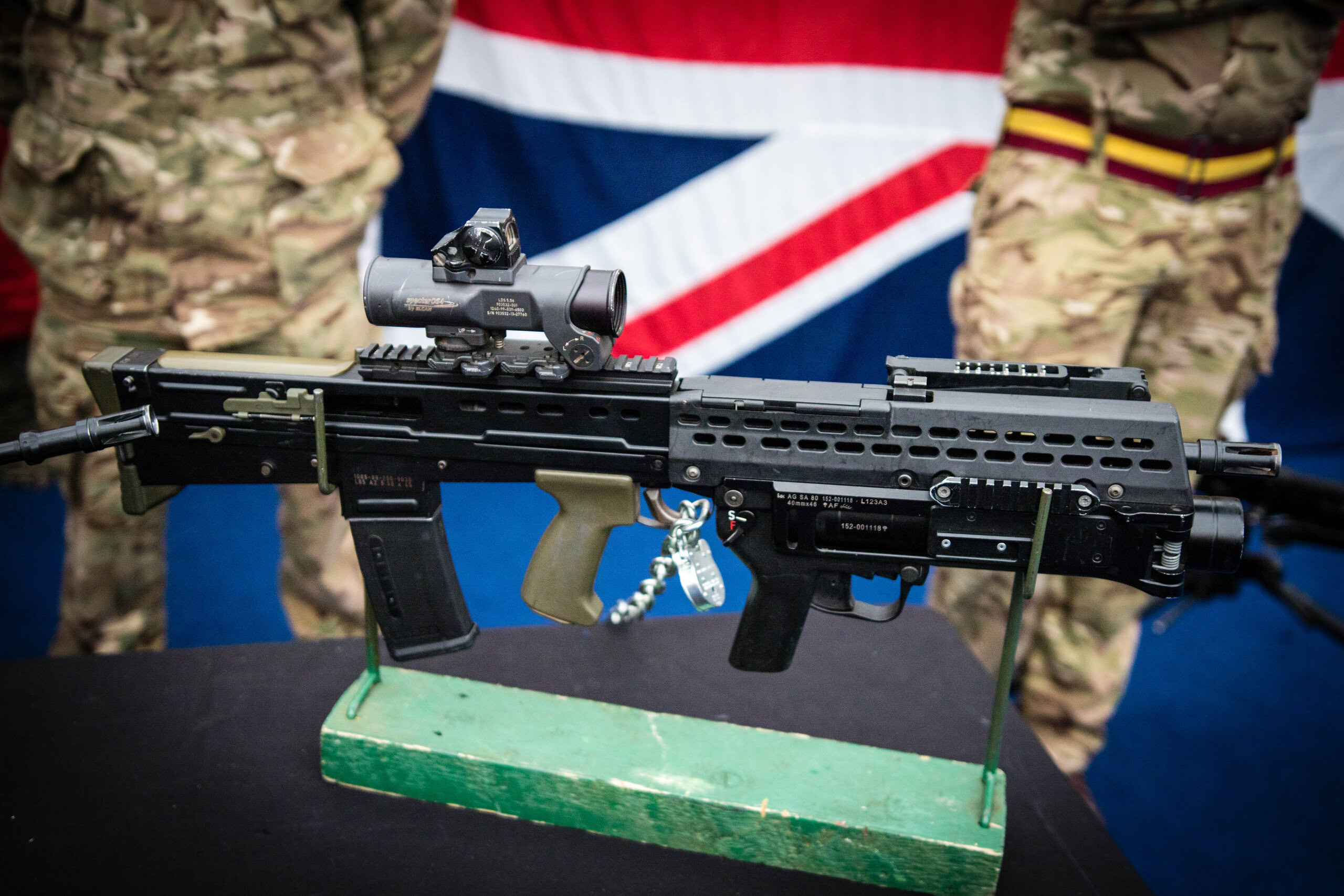
- Country of origin: United Kingdom
- Year introduced to service: 2002
- Primary conflicts used in: GWOT
- Firing action: Gas-operated, short-stroke piston
- Standard cartridge: 5.56×45mm NATO
- Reliability reputation: Reliability restored after upgrades
After extensive redesign and upgrades, the SA80 A2 corrected earlier reliability issues. British soldiers reported significantly improved performance, restoring confidence in the rifle during modern operations.






 Top Gaining Stocks
 Top Losing Stocks