


Many of the tactics used by modern militaries were forged long before today’s conflicts ever began. During the Cold War, firearms were designed with an eye toward deterrence and large-scale war, but they ended up shaping how real battles were fought in proxy wars and beyond. Here, 24/7 Wall St. is taking a closer look at Cold War firearms and how they influenced modern tactics.
To determine the Cold War weapons that shaped modern military tactics, 24/7 Wall St. reviewed various historical and military sources. We included supplemental information for each firearm regarding when it was introduced, the modern tactics it influenced, the conflicts it was involved in, and why it matters.
Here is a look at the Cold War firearms that shaped modern military tactics:
Why Are We Covering This?
Modern military tactics were shaped deliberately during the Cold War, a period defined by preparation, deterrence, and constant doctrinal experimentation. Firearms developed in this era were designed not just to equip soldiers, but to support specific ways of fighting, from squad-level autonomy to dispersed maneuver and sustained firepower. By examining how Cold War firearms influenced tactics that are still in use today, this article explains why modern infantry fights the way it does and how weapons built for a conflict that never fully occurred ended up defining real wars that followed.
Preparing for a War That Never Came
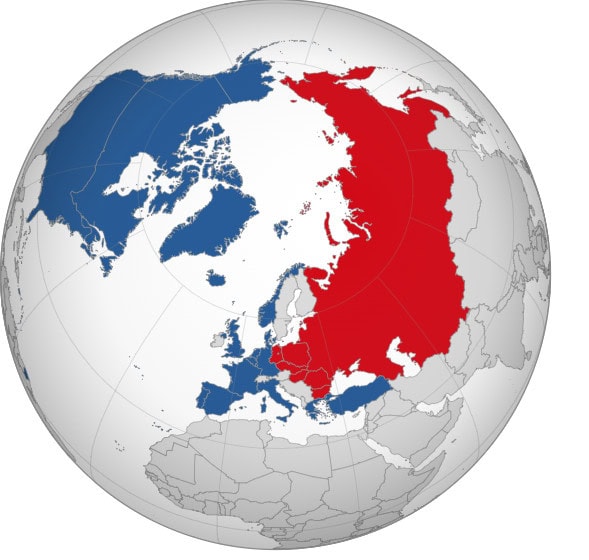
The Cold War reshaped modern warfare even without a direct, full-scale fight between NATO and the Warsaw Pact. Both sides planned for a massive conventional conflict in Europe, built around readiness, deterrence, and rapid mobilization. That preparation created a constant feedback loop between doctrine and equipment, especially at the infantry level. In many ways, modern tactics were forged in the shadow of a war that never fully came—through planning, training, and weapons built for a battlefield everyone expected.
Firearms Became Doctrine, Not Just Equipment
During the Cold War, firearms became more than equipment—they became doctrine. Weapon designs reflected competing military philosophies: mass conscript armies that needed simple, reliable platforms versus professional forces that emphasized accuracy, training, and standardization. These firearms shaped how infantry moved, how squads generated firepower, and how armies structured small-unit engagements. The result was a tactical identity built as much around what soldiers carried as around what commanders believed infantry should do.
The Rise of Squad-Level Autonomy
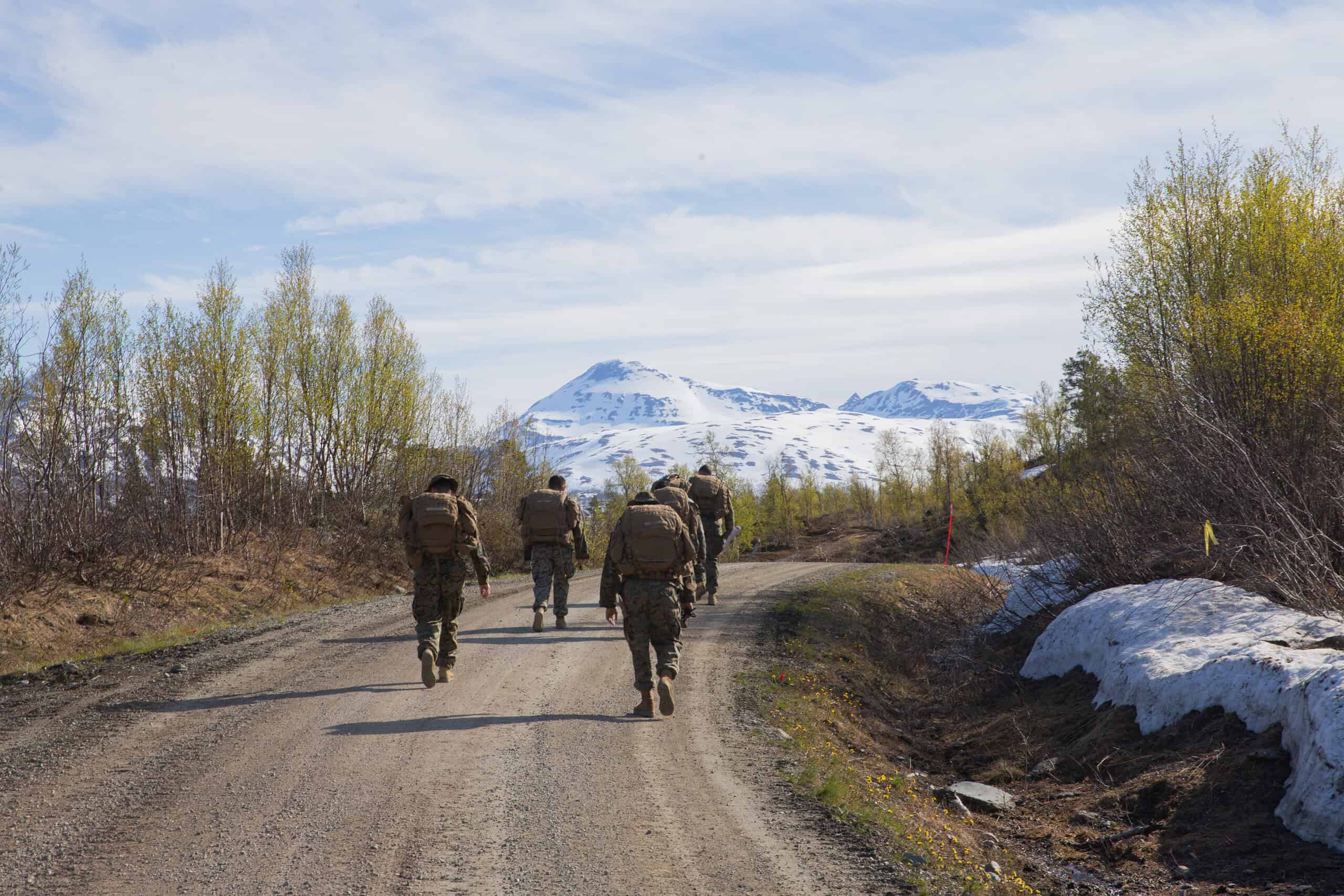
Cold War small arms pushed combat decision-making down to the squad level. Assault rifles replaced full-power battle rifles as militaries prioritized controllable fire and mobility, while squad automatic weapons provided organic suppressive capability that enabled maneuver. At the same time, designated marksman concepts emerged to extend engagement ranges without relying solely on specialized sniper teams. Together, these shifts helped create the modern squad: a small unit capable of fighting independently with its own balance of firepower, precision, and flexibility.
Proxy Wars as Tactical Laboratories

Proxy wars became the testing ground where Cold War firearms and tactics were proven under real conditions. Vietnam, Afghanistan, and conflicts across the Middle East and Africa forced weapons to perform in jungle humidity, desert dust, mountains, and dense urban terrain. Combat revealed which designs held up, which doctrines worked, and what needed refinement. Lessons from these wars fed back into training and procurement, ensuring that Cold War weapon design was shaped not only by planning, but by battlefield reality.
The Legacy Still Shapes Today’s Battlefields
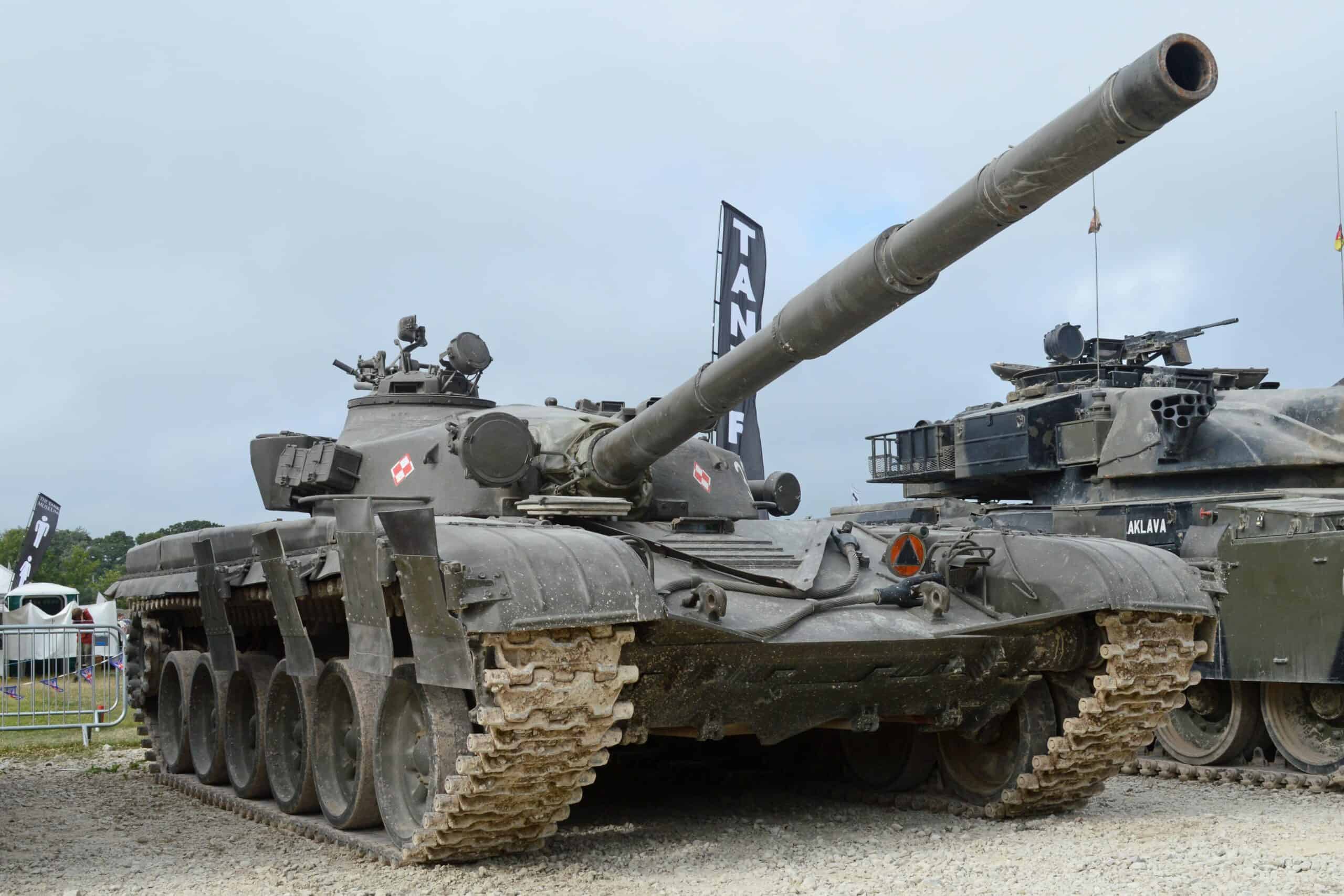
The legacy of Cold War firearms still shapes today’s battlefields. Many of the era’s designs remain in service, and even when replaced, their concepts live on in modern rifles, machine guns, and squad-level systems. The emphasis on dispersed maneuver, organic squad firepower, and flexible engagement ranges remains the foundation of modern infantry tactics. To understand why today’s armies fight the way they do, it helps to trace the lineage back to Cold War weapons that quietly defined the modern battlefield.
AK-47 / AKM
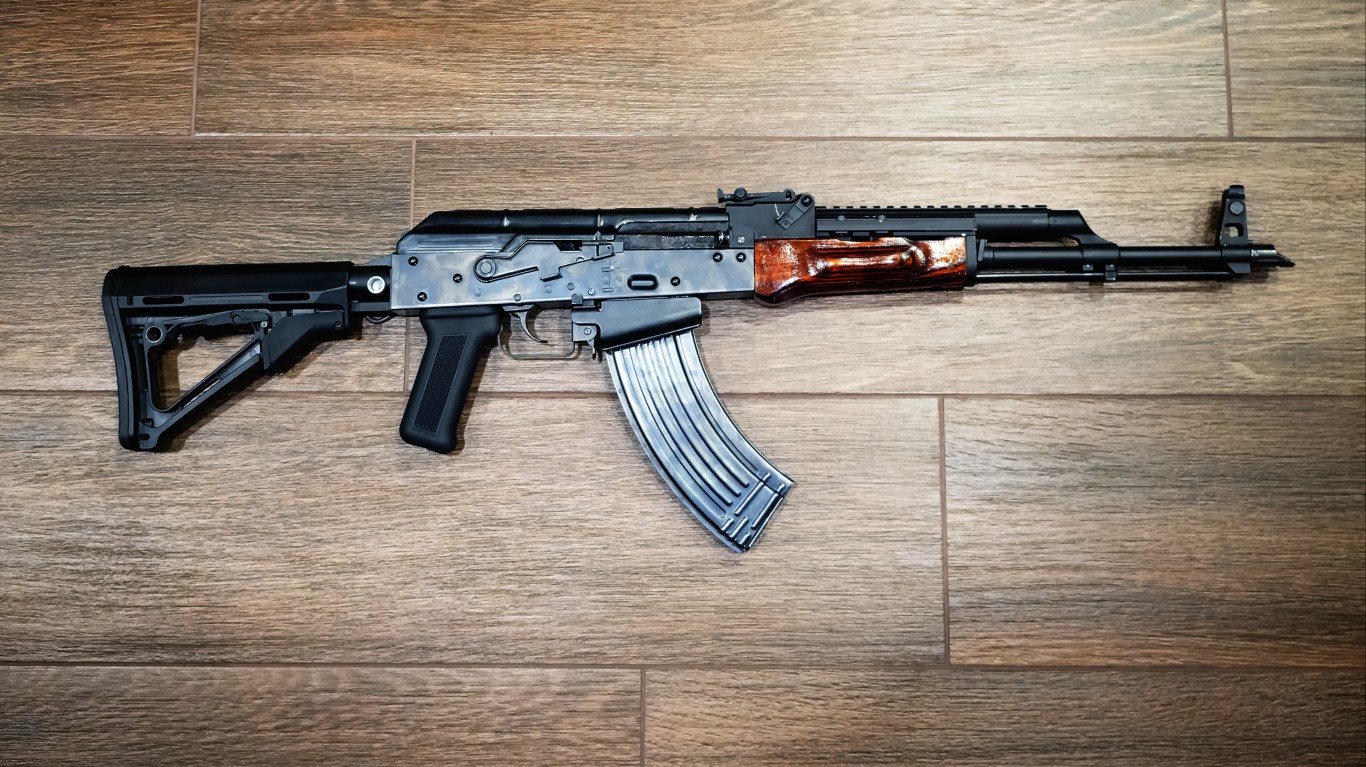
- Type: Assault rifle
- Year introduced to service: 1947
- Country / Bloc: Soviet / Warsaw Pact
- Primary tactical role: Standard infantry rifle
- Doctrine or tactic it influenced: Mass infantry firepower
- Cold War conflict or context: Global proxy wars
- Why it shaped modern tactics: Standardized assault rifle doctrine worldwide
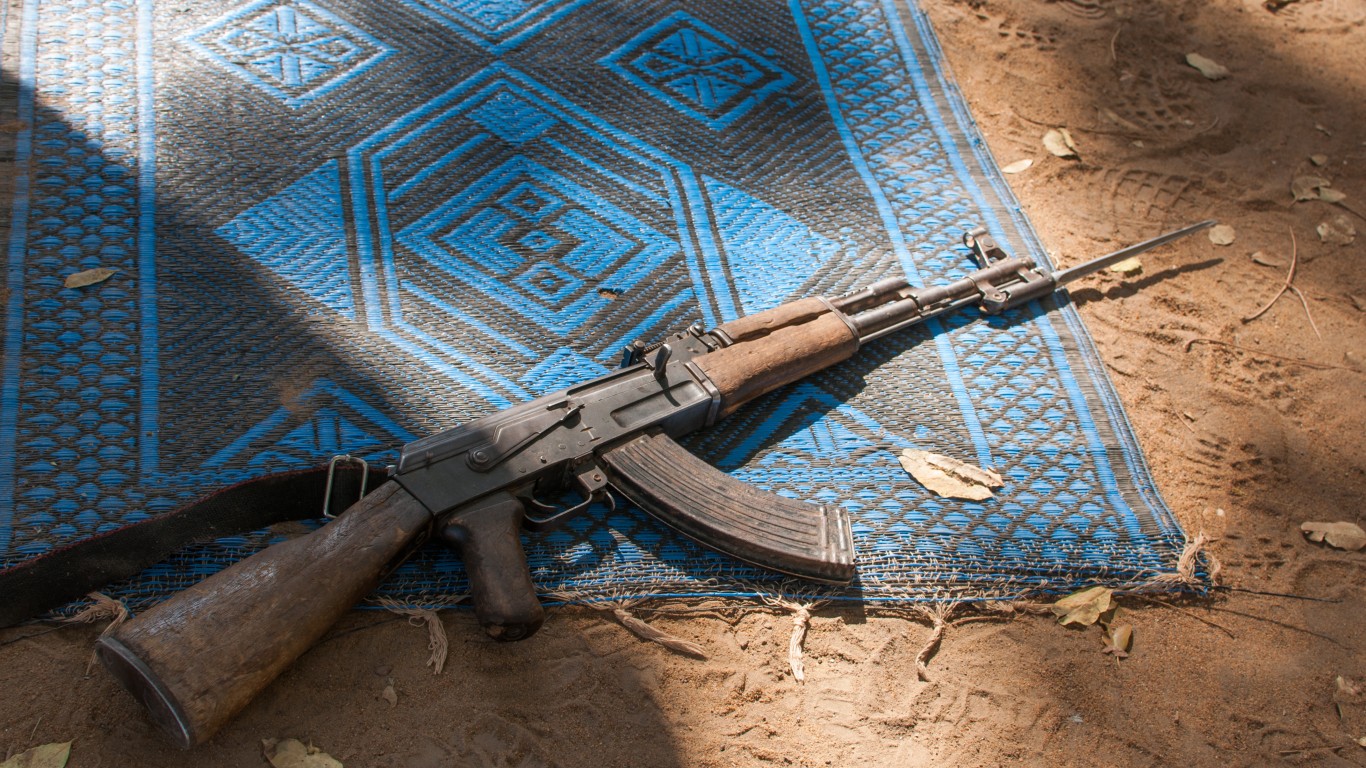
The AK-47 and later AKM defined Cold War infantry tactics by prioritizing reliability, simplicity, and mass issue. These rifles supported doctrines built around large conscript armies and dispersed maneuver, influencing how modern forces equip and train infantry units worldwide.
M16 (early variants)
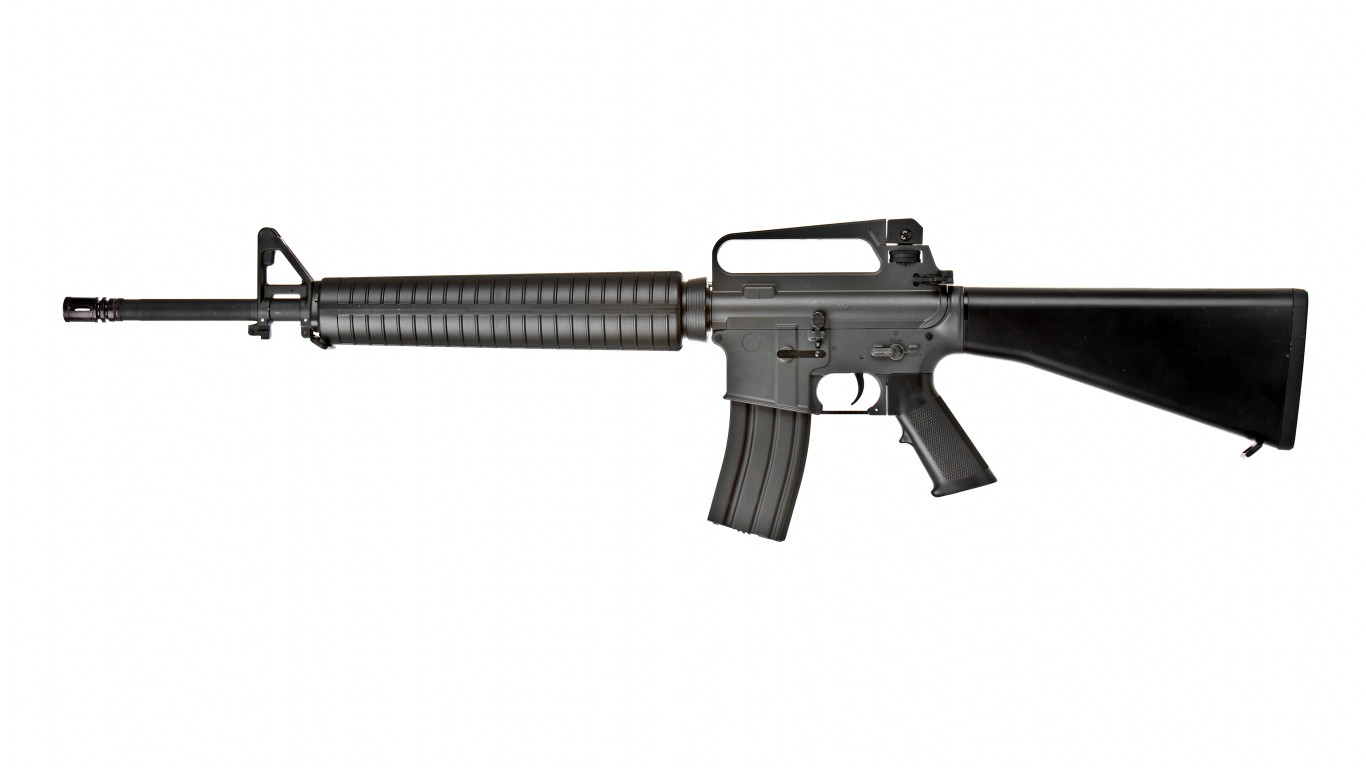
- Type: Assault rifle
- Year introduced to service: 1964
- Country / Bloc: United States / NATO
- Primary tactical role: Standard infantry rifle
- Doctrine or tactic it influenced: Lightweight, high-velocity fire
- Cold War conflict or context: Vietnam War
- Why it shaped modern tactics: Shifted U.S. doctrine toward lighter infantry weapons
Early M16 rifles reshaped U.S. infantry tactics by emphasizing lightweight weapons and high-velocity ammunition. Despite early challenges, the platform influenced modern concepts of mobility, controllability, and squad-level firepower.
FN FAL
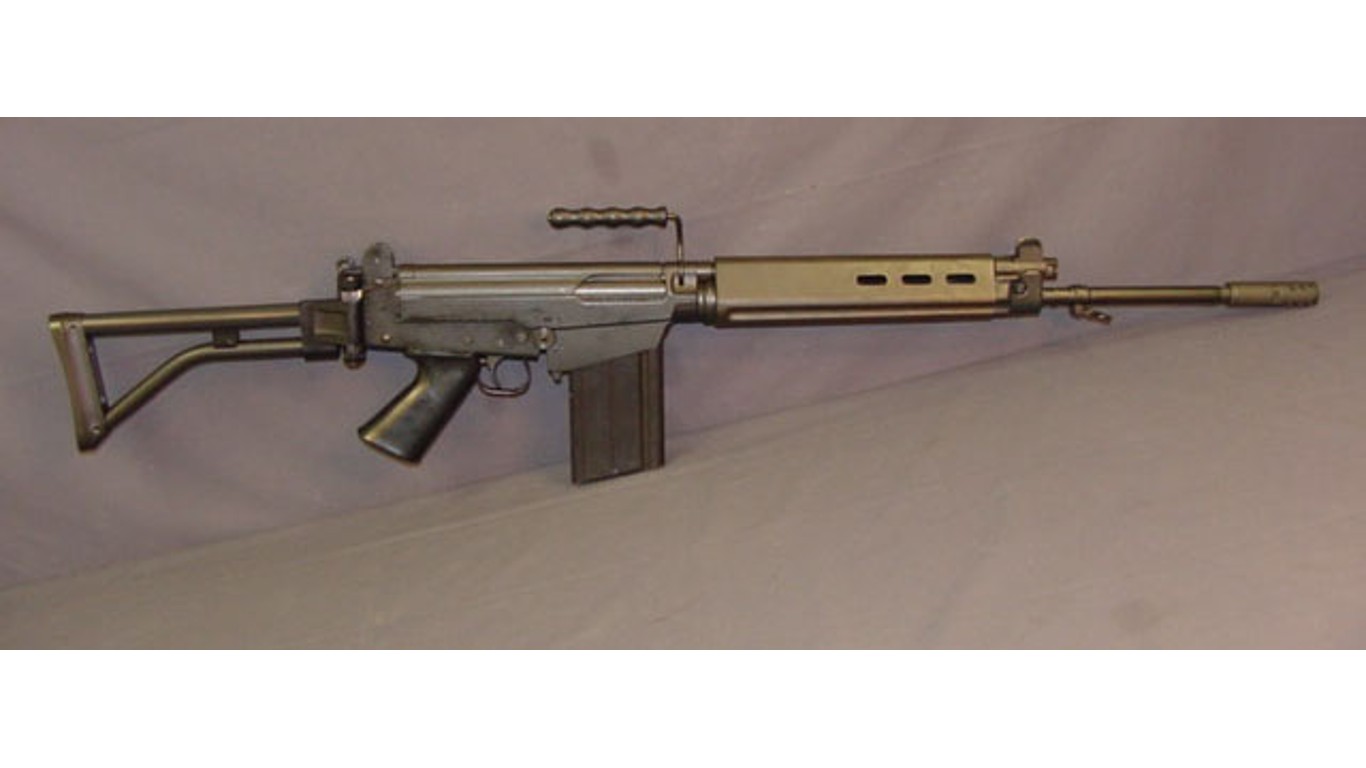
- Type: Battle rifle
- Year introduced to service: 1954
- Country / Bloc: Belgium / NATO
- Primary tactical role: Standard infantry rifle
- Doctrine or tactic it influenced: Full-power rifle doctrine
- Cold War conflict or context: NATO planning
- Why it shaped modern tactics: Defined Cold War battle rifle tactics
The FN FAL became the backbone of many NATO-aligned armies, shaping tactics built around longer engagement ranges and mechanized infantry. Its influence remains visible in training and marksmanship doctrine.
G3

- Type: Battle rifle
- Year introduced to service: 1959
- Country / Bloc: West Germany / NATO
- Primary tactical role: Standard infantry rifle
- Doctrine or tactic it influenced: Mechanized infantry firepower
- Cold War conflict or context: NATO defense planning
- Why it shaped modern tactics: Reinforced rugged, full-power rifle use
The G3 reinforced Cold War doctrines favoring rugged, powerful infantry rifles suited for mechanized warfare. Its durability and accuracy influenced later infantry weapon philosophies.
SKS
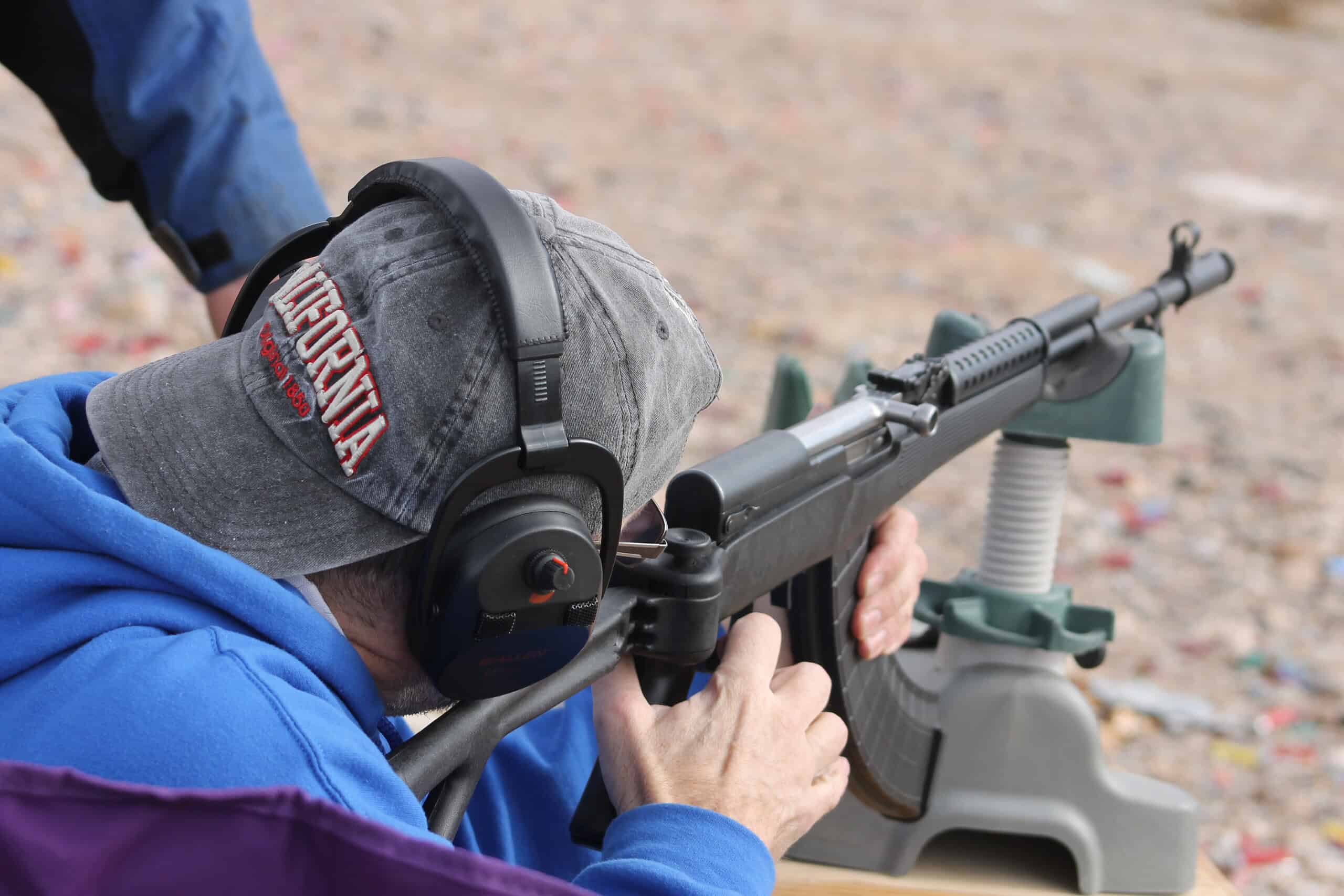
- Type: Semi-automatic rifle
- Year introduced to service: 1945
- Country / Bloc: Soviet / Warsaw Pact
- Primary tactical role: Transitional infantry rifle
- Doctrine or tactic it influenced: Transition to assault rifle doctrine
- Cold War conflict or context: Early Cold War
- Why it shaped modern tactics: Bridged WWII and modern infantry tactics
The SKS served as a transitional weapon that helped move infantry doctrine away from bolt-action rifles toward semi-automatic and assault rifle concepts.
AK-74
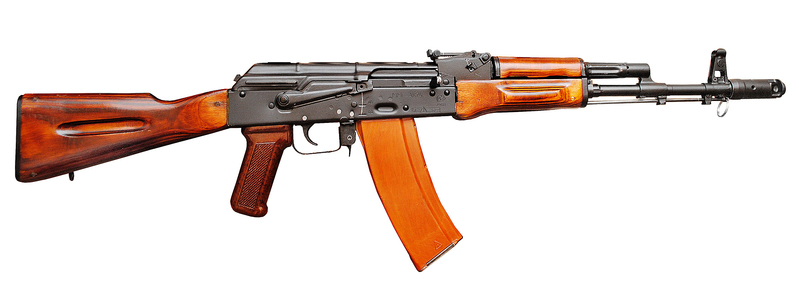
- Type: Assault rifle
- Year introduced to service: 1974
- Country / Bloc: Soviet / Warsaw Pact
- Primary tactical role: Standard infantry rifle
- Doctrine or tactic it influenced: Small-caliber, high-velocity doctrine
- Cold War conflict or context: Late Cold War
- Why it shaped modern tactics: Shifted Soviet infantry tactics
The AK-74 introduced smaller caliber ammunition into Soviet doctrine, improving controllability and modernizing infantry tactics that continue to influence contemporary forces.
PK / PKM
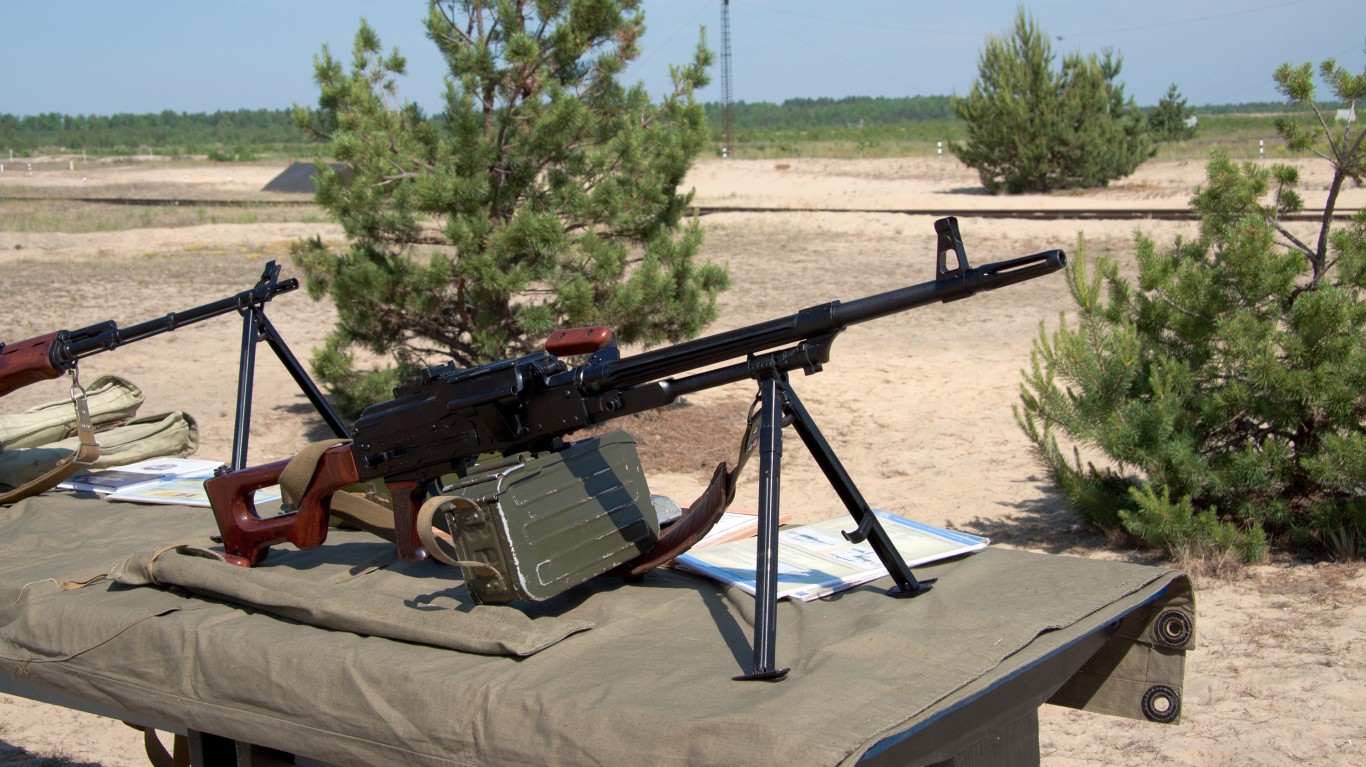
- Type: GPMG
- Year introduced to service: 1961
- Country / Bloc: Soviet / Warsaw Pact
- Primary tactical role: Squad and platoon support
- Doctrine or tactic it influenced: Sustained automatic fire
- Cold War conflict or context: Proxy wars
- Why it shaped modern tactics: Set global GPMG standard
The PK machine gun family became one of the most influential support weapons of the Cold War, shaping infantry tactics around mobile, sustained automatic fire.
M60
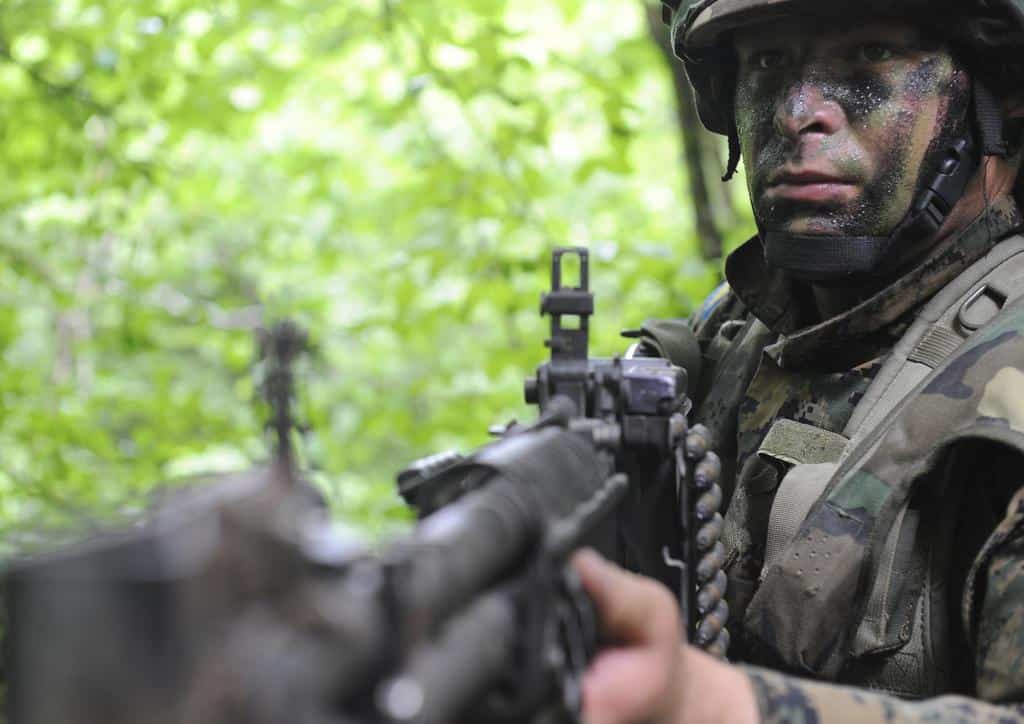
- Type: GPMG
- Year introduced to service: 1957
- Country / Bloc: United States / NATO
- Primary tactical role: Platoon support
- Doctrine or tactic it influenced: Base-of-fire doctrine
- Cold War conflict or context: Vietnam War
- Why it shaped modern tactics: Anchored U.S. infantry firepower
The M60 shaped U.S. infantry tactics by providing portable, sustained firepower at the platoon level, influencing later machine gun doctrine.
RPD
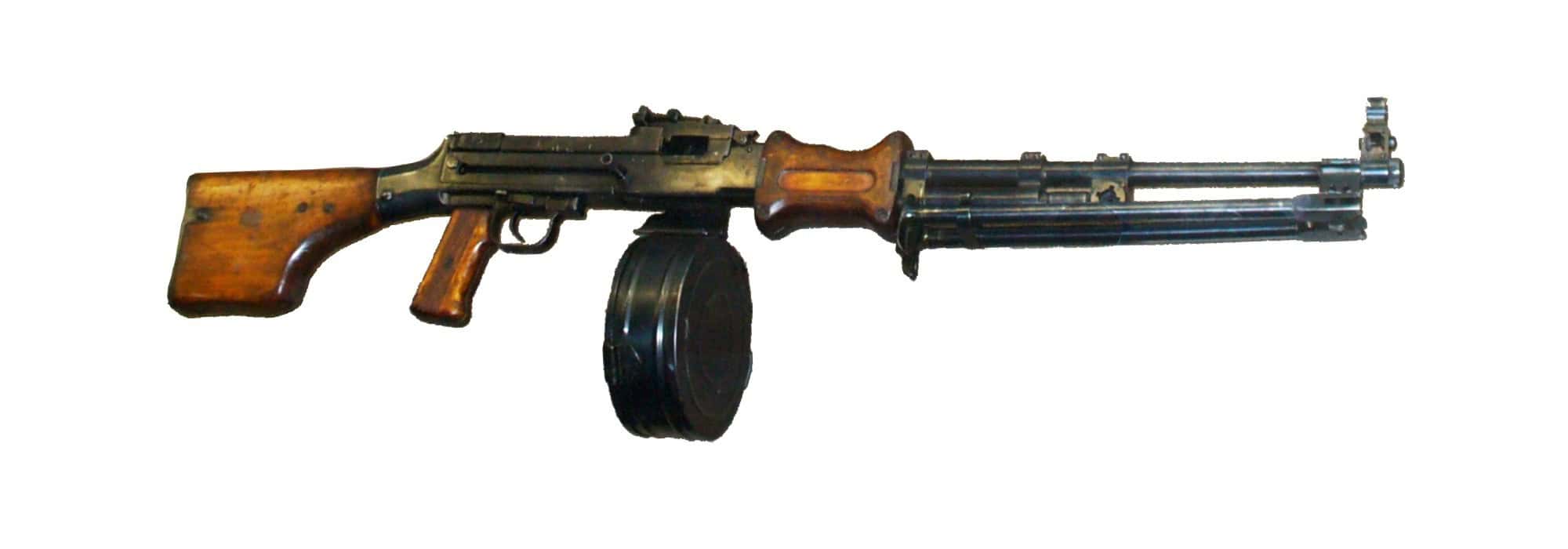
- Type: LMG
- Year introduced to service: 1944
- Country / Bloc: Soviet / Warsaw Pact
- Primary tactical role: Squad automatic weapon
- Doctrine or tactic it influenced: Squad-level automatic fire
- Cold War conflict or context: Early Cold War
- Why it shaped modern tactics: Influenced LMG concepts
The RPD helped establish the idea that infantry squads should possess organic automatic fire, shaping later light machine gun doctrine.
RPK
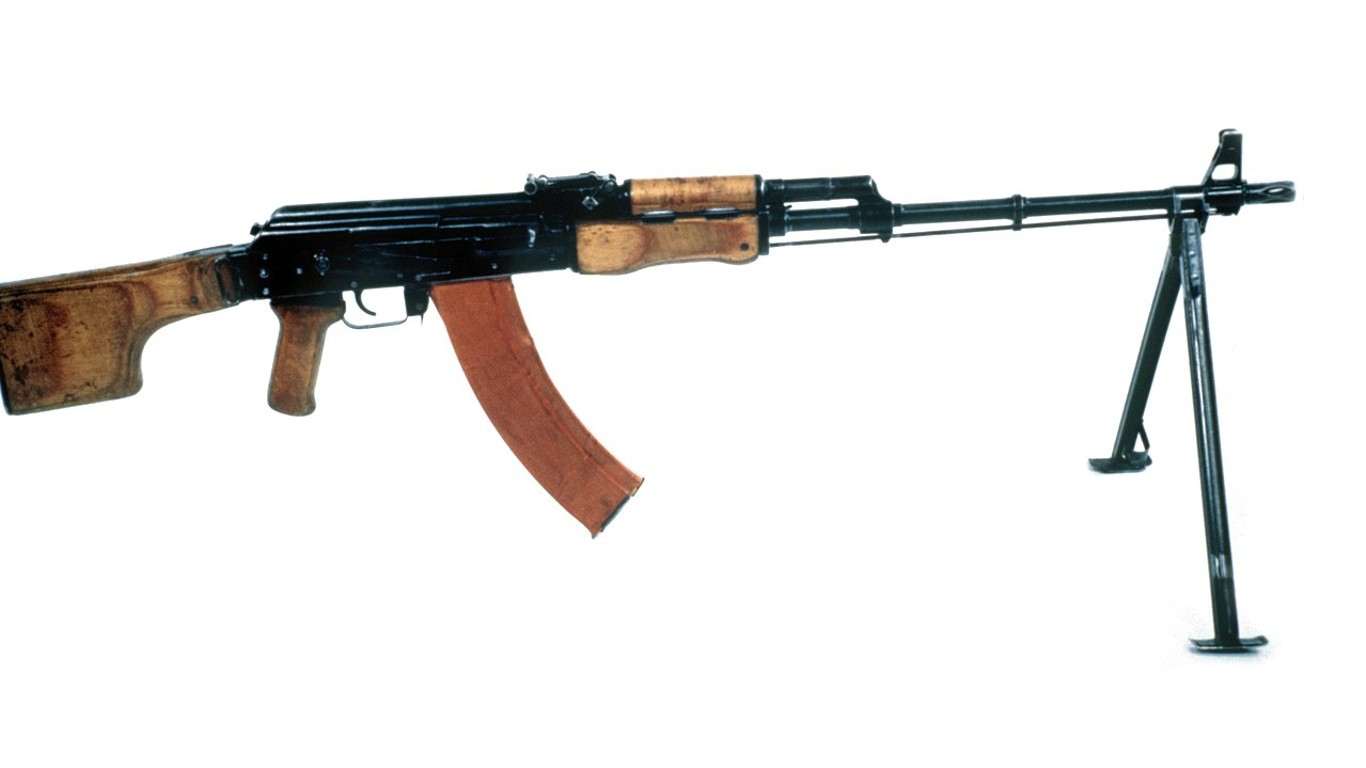
- Type: LMG
- Year introduced to service: 1961
- Country / Bloc: Soviet / Warsaw Pact
- Primary tactical role: Squad automatic weapon
- Doctrine or tactic it influenced: Extended squad firepower
- Cold War conflict or context: Proxy wars
- Why it shaped modern tactics: Reinforced squad autonomy
The RPK reinforced squad-level fire support within Warsaw Pact forces, emphasizing sustained automatic fire integrated with rifle units.
MG3
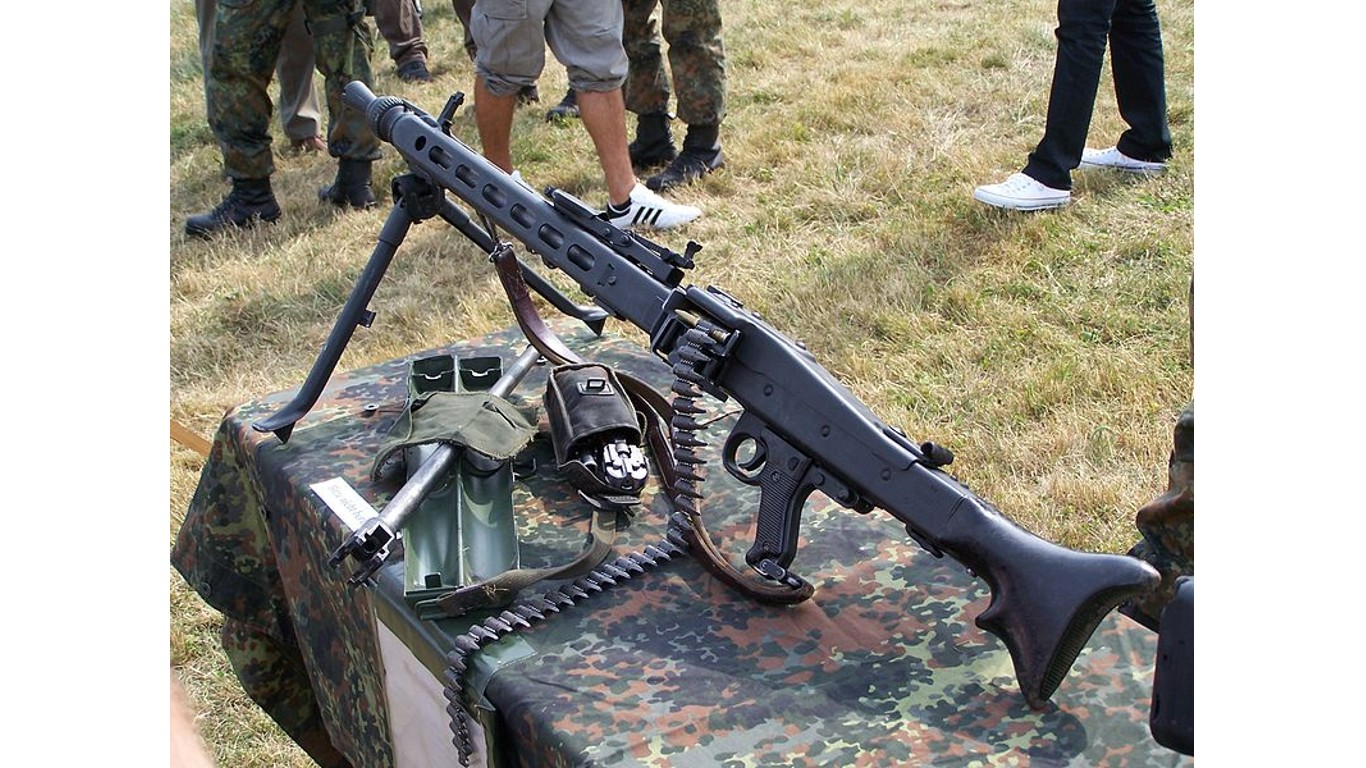
- Type: GPMG
- Year introduced to service: 1959
- Country / Bloc: West Germany / NATO
- Primary tactical role: Platoon support
- Doctrine or tactic it influenced: High-rate defensive fire
- Cold War conflict or context: NATO defense
- Why it shaped modern tactics: Defined defensive fire doctrine
The MG3 maintained Cold War emphasis on overwhelming defensive firepower, influencing modern defensive infantry tactics.
MP5
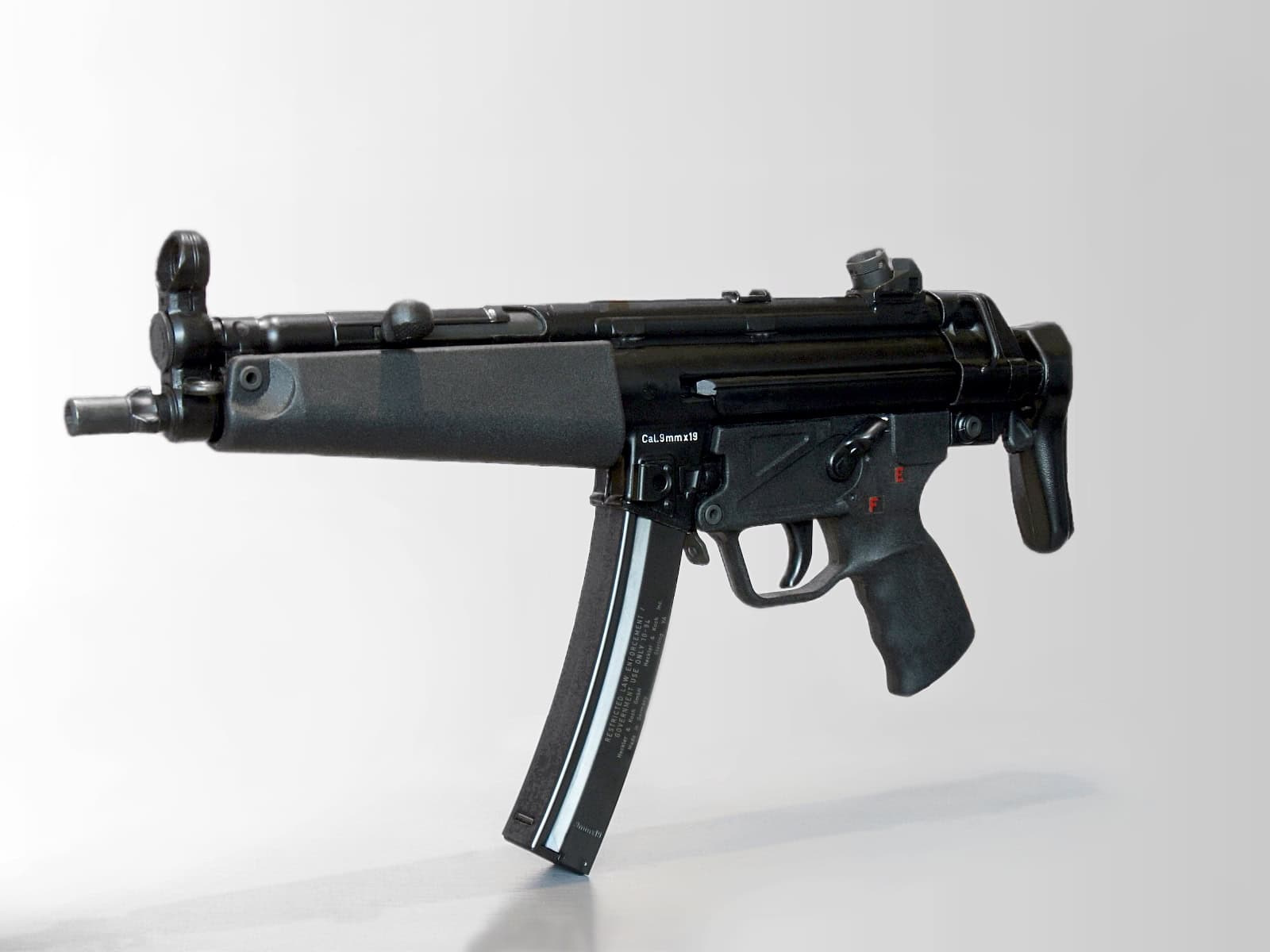
- Type: SMG
- Year introduced to service: 1966
- Country / Bloc: West Germany / NATO
- Primary tactical role: CQB and counterterrorism
- Doctrine or tactic it influenced: Precision close-quarters fire
- Cold War conflict or context: Internal security
- Why it shaped modern tactics: Redefined CQB tactics
The MP5 reshaped close-quarters battle doctrine by emphasizing controllable automatic fire and precision in confined spaces.
Uzi
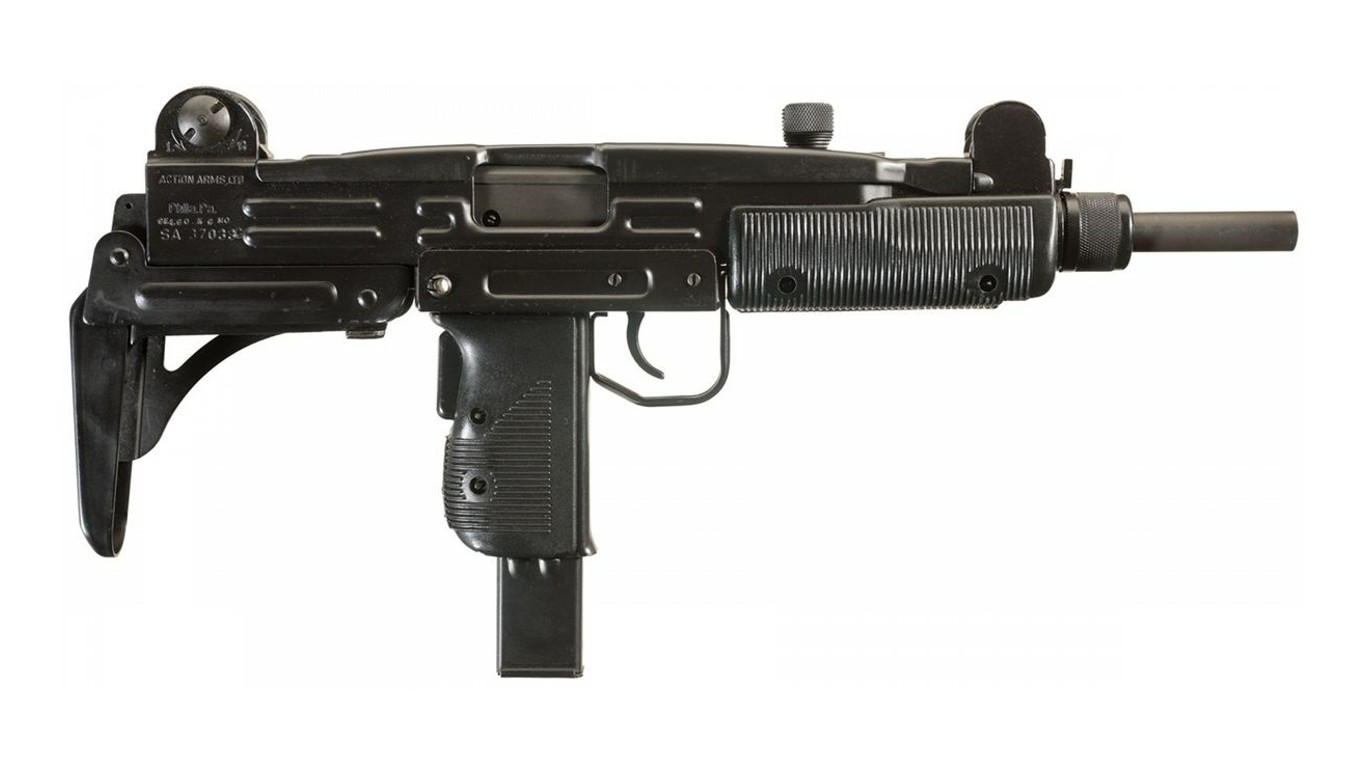
- Type: SMG
- Year introduced to service: 1954
- Country / Bloc: Israel / NATO-aligned
- Primary tactical role: Mechanized infantry weapon
- Doctrine or tactic it influenced: Compact automatic fire
- Cold War conflict or context: Proxy conflicts
- Why it shaped modern tactics: Popularized compact automatic weapons
The Uzi influenced Cold War tactics by providing compact firepower for vehicle crews and mechanized units.
PPSh-41 (Cold War service)
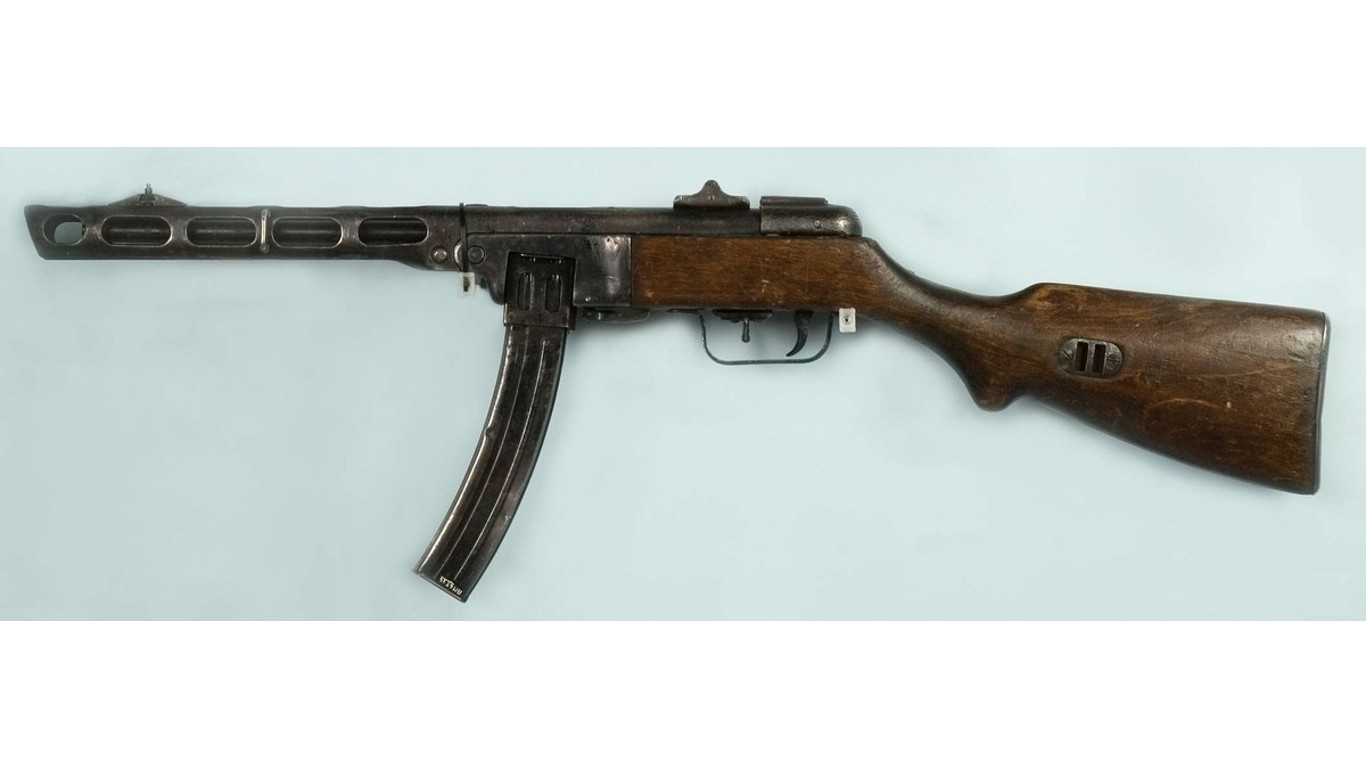
- Type: SMG
- Year introduced to service: 1941
- Country / Bloc: Soviet / Warsaw Pact
- Primary tactical role: Infantry automatic weapon
- Doctrine or tactic it influenced: High-volume close fire
- Cold War conflict or context: Early Cold War
- Why it shaped modern tactics: Sustained SMG doctrine
The PPSh-41 continued to influence infantry tactics into the Cold War, demonstrating the value of high-volume automatic fire in close combat.
Sterling SMG
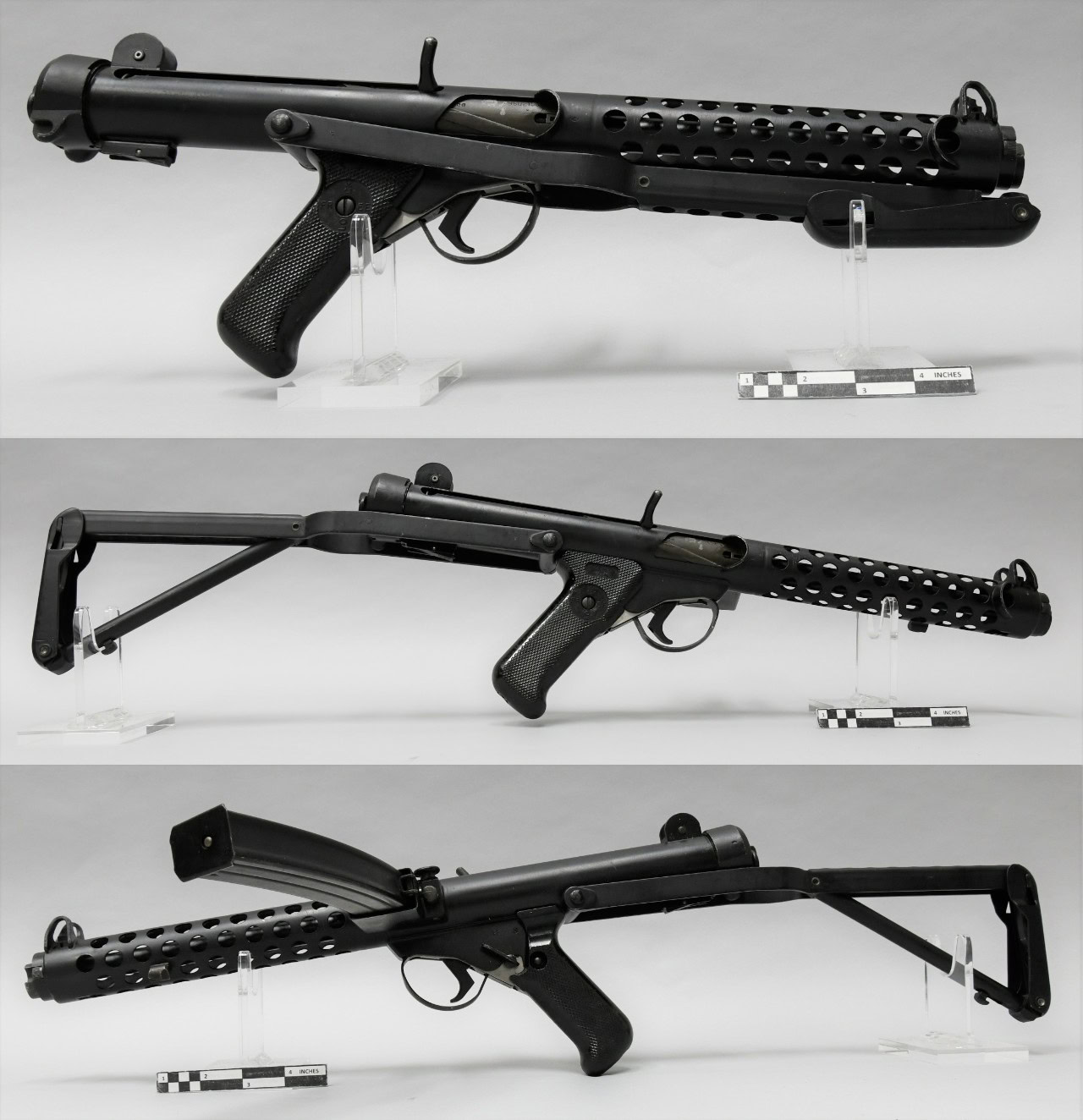
- Type: SMG
- Year introduced to service: 1953
- Country / Bloc: United Kingdom / NATO
- Primary tactical role: Infantry and security forces
- Doctrine or tactic it influenced: Urban combat
- Cold War conflict or context: Counterinsurgency
- Why it shaped modern tactics: Influenced compact weapon handling
The Sterling SMG influenced Cold War urban combat tactics through its compact design and reliability.
Dragunov SVD
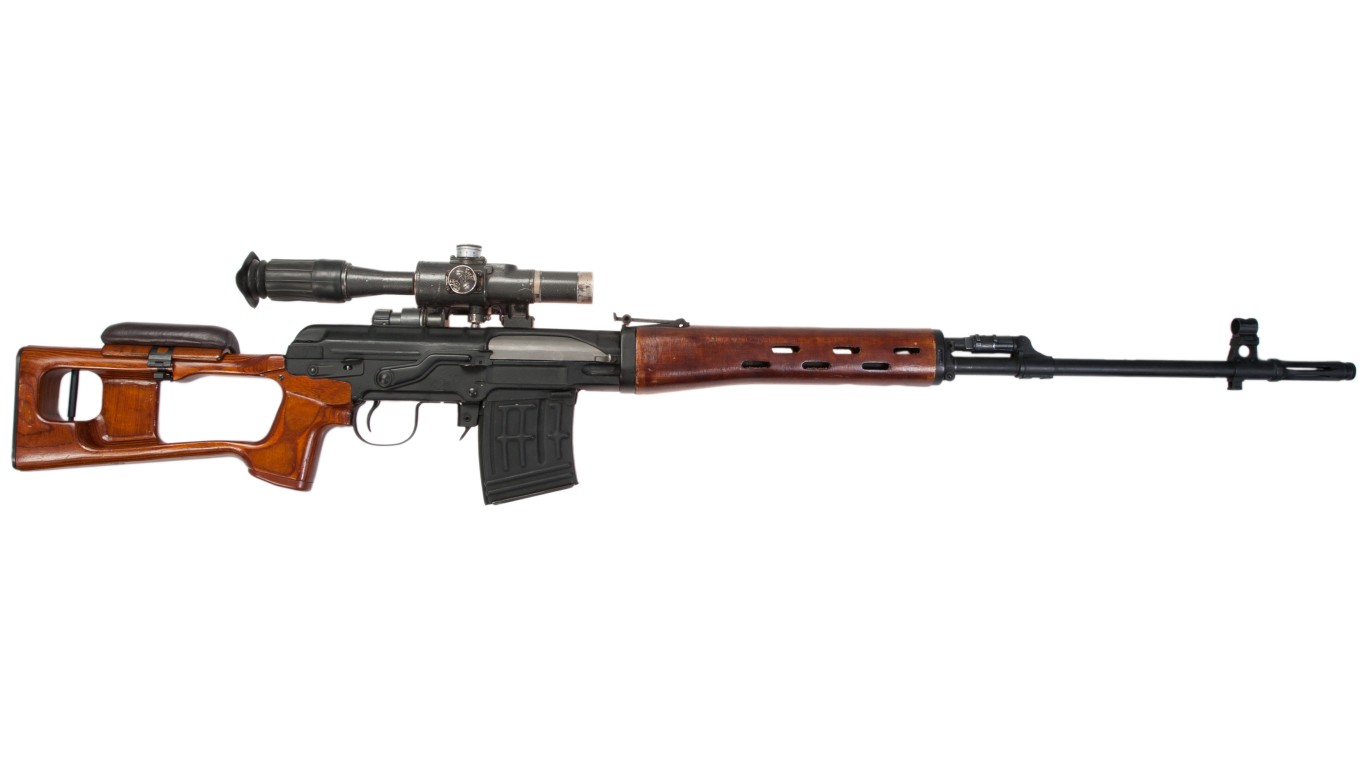
- Type: DMR
- Year introduced to service: 1963
- Country / Bloc: Soviet / Warsaw Pact
- Primary tactical role: Squad precision weapon
- Doctrine or tactic it influenced: Designated marksman role
- Cold War conflict or context: Proxy wars
- Why it shaped modern tactics: Created modern DMR doctrine
The SVD institutionalized the designated marksman concept, extending infantry engagement ranges without dedicated snipers.
M14
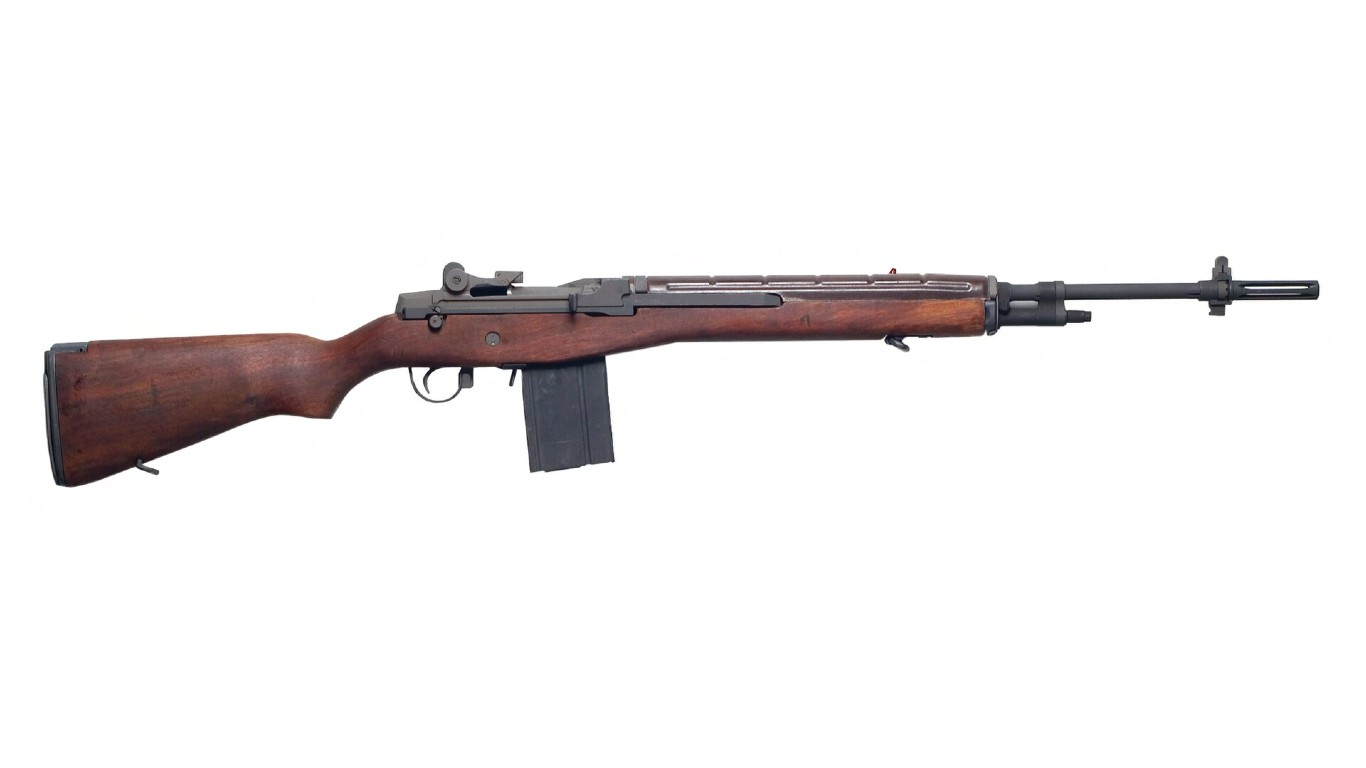
- Type: Battle rifle
- Year introduced to service: 1959
- Country / Bloc: United States / NATO
- Primary tactical role: Infantry rifle / DMR
- Doctrine or tactic it influenced: Precision fire
- Cold War conflict or context: Cold War transition
- Why it shaped modern tactics: Bridged battle rifle and DMR roles
The M14 influenced U.S. infantry doctrine by serving as both a battle rifle and early designated marksman platform.
FN MAG
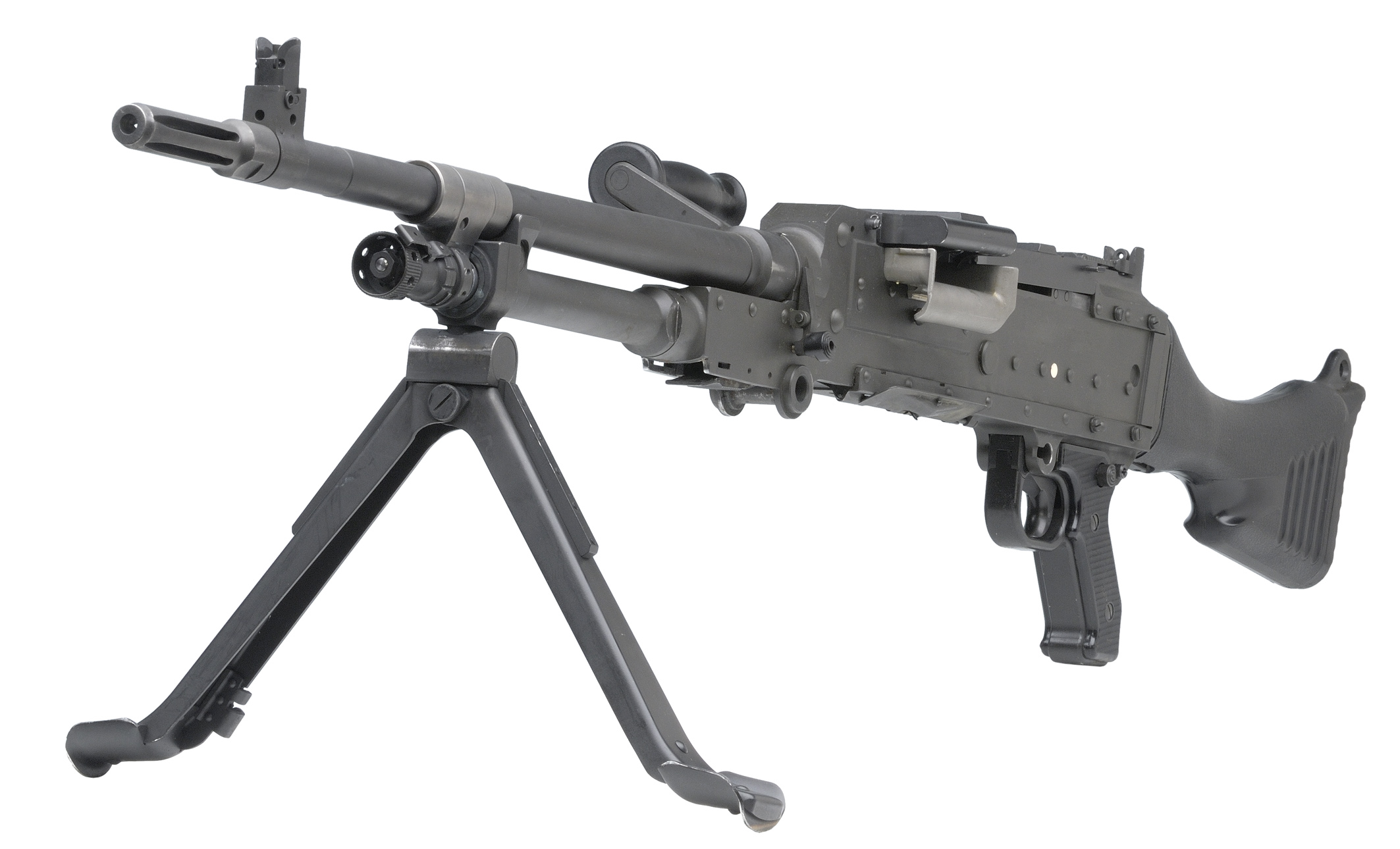
- Type: GPMG
- Year introduced to service: 1958
- Country / Bloc: Belgium / NATO
- Primary tactical role: Infantry support
- Doctrine or tactic it influenced: Sustained fire doctrine
- Cold War conflict or context: Global Cold War
- Why it shaped modern tactics: Influenced global GPMG use
The FN MAG shaped infantry tactics worldwide by offering reliable sustained firepower adaptable to multiple roles.
L42A1
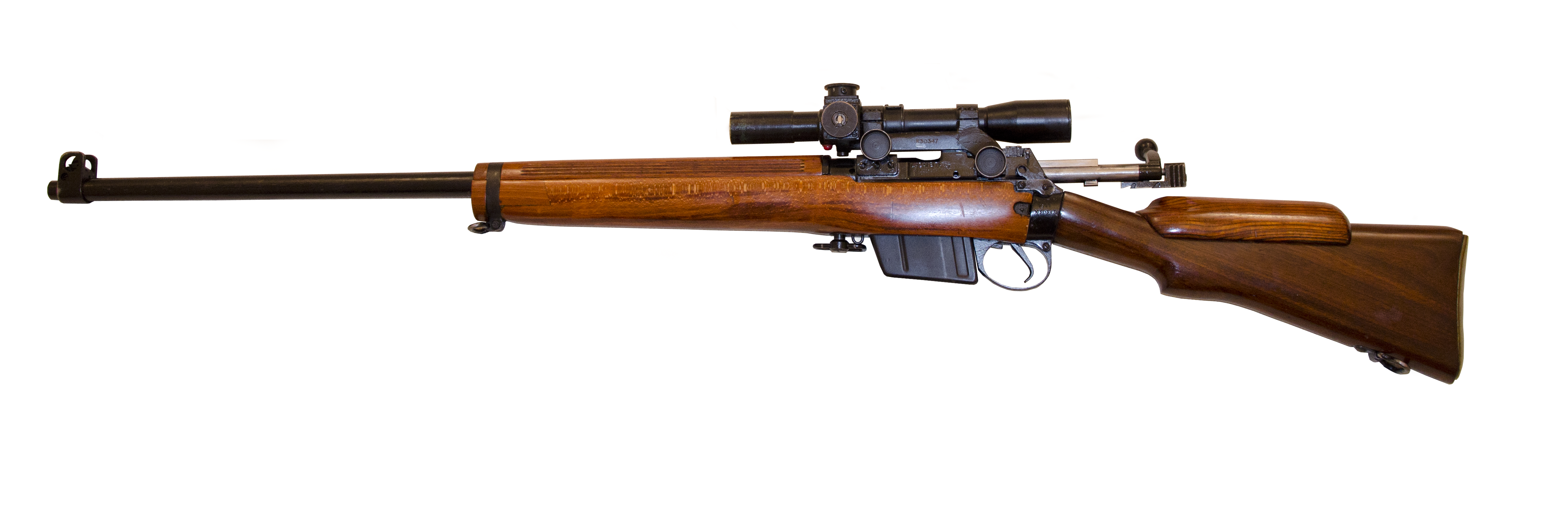
- Type: Sniper rifle
- Year introduced to service: 1970
- Country / Bloc: United Kingdom / NATO
- Primary tactical role: Precision overwatch
- Doctrine or tactic it influenced: Modern sniper doctrine
- Cold War conflict or context: Cold War Europe
- Why it shaped modern tactics: Transitioned WWII sniper concepts
The L42A1 modernized British sniper tactics, bridging WWII practices with Cold War precision doctrine.
M1911A1
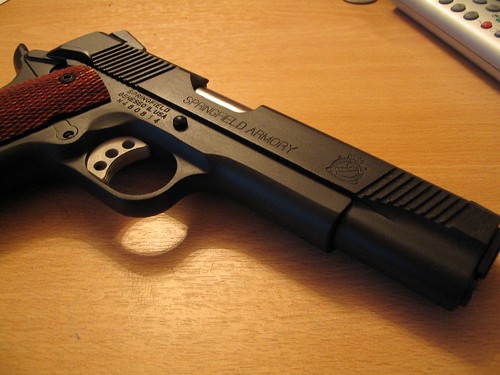
- Type: Pistol
- Year introduced to service: 1911
- Country / Bloc: United States / NATO
- Primary tactical role: Sidearm
- Doctrine or tactic it influenced: Officer and specialist carry
- Cold War conflict or context: Cold War service
- Why it shaped modern tactics: Continued sidearm doctrine
The M1911A1 remained influential during the Cold War, reinforcing sidearm roles within infantry units.
Makarov PM

- Type: Pistol
- Year introduced to service: 1951
- Country / Bloc: Soviet / Warsaw Pact
- Primary tactical role: Standard sidearm
- Doctrine or tactic it influenced: Simplified logistics
- Cold War conflict or context: Mass conscript forces
- Why it shaped modern tactics: Standardized sidearm doctrine
The Makarov PM simplified sidearm logistics for Warsaw Pact forces, supporting mass-issue doctrine.
Beretta M9
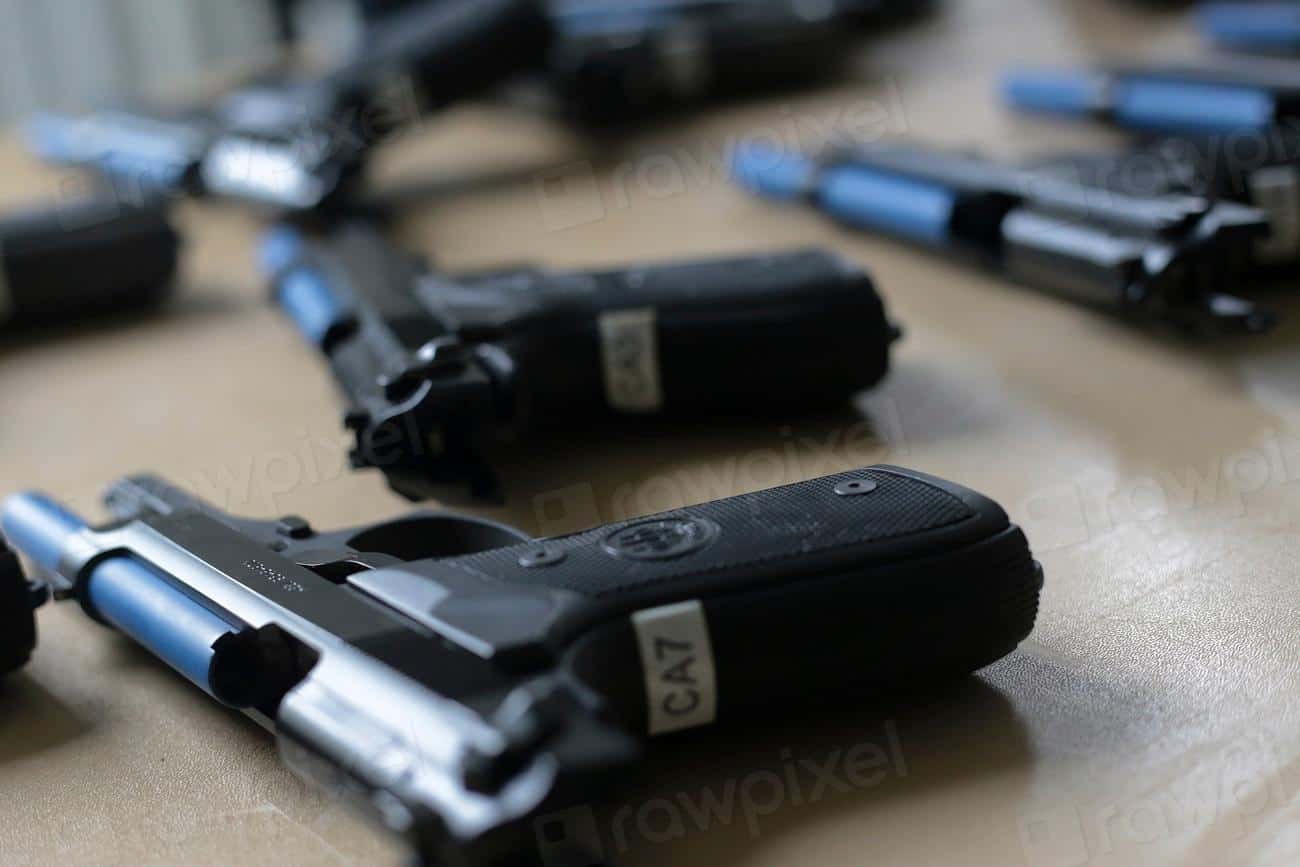
- Type: Pistol
- Year introduced to service: 1985
- Country / Bloc: United States / NATO
- Primary tactical role: Standard sidearm
- Doctrine or tactic it influenced: NATO standardization
- Cold War conflict or context: Late Cold War
- Why it shaped modern tactics: Unified sidearm logistics
The M9 reflected late Cold War priorities of alliance standardization and interoperability.
RPG-7
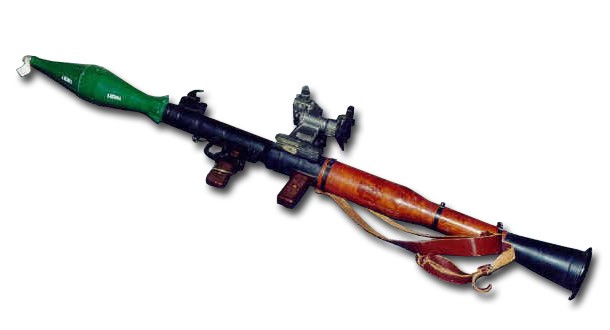
- Type: Anti-armor launcher
- Year introduced to service: 1961
- Country / Bloc: Soviet / Warsaw Pact
- Primary tactical role: Infantry anti-armor
- Doctrine or tactic it influenced: Tank counter
- Cold War conflict or context: Proxy wars
- Why it shaped modern tactics: Defined infantry anti-armor tactics
The RPG-7 allowed infantry to counter armored vehicles independently, reshaping urban and guerrilla warfare.
M72 LAW
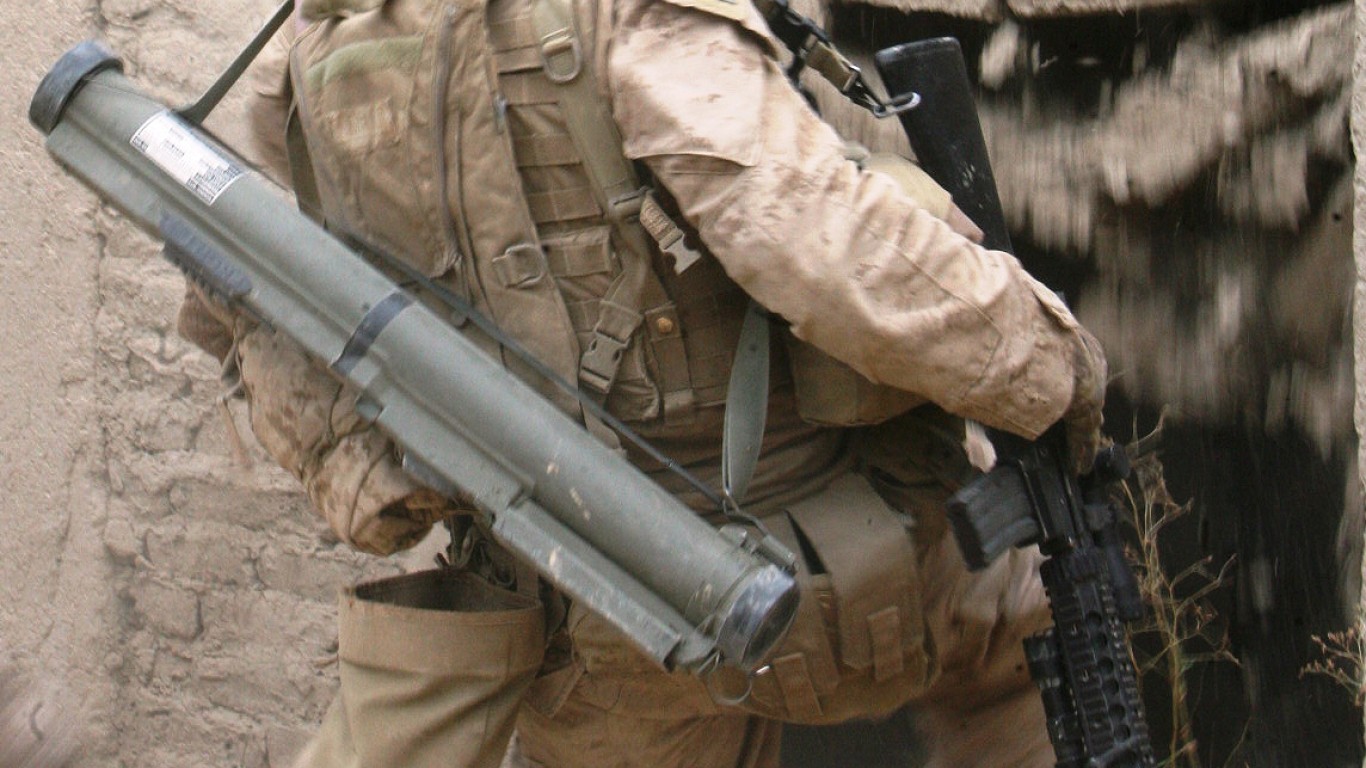
- Type: Anti-armor launcher
- Year introduced to service: 1963
- Country / Bloc: United States / NATO
- Primary tactical role: Disposable anti-tank
- Doctrine or tactic it influenced: Individual soldier AT
- Cold War conflict or context: Vietnam War
- Why it shaped modern tactics: Empowered infantry vs armor
The M72 LAW gave individual soldiers portable anti-armor capability, influencing later disposable launcher designs.
Carl Gustaf
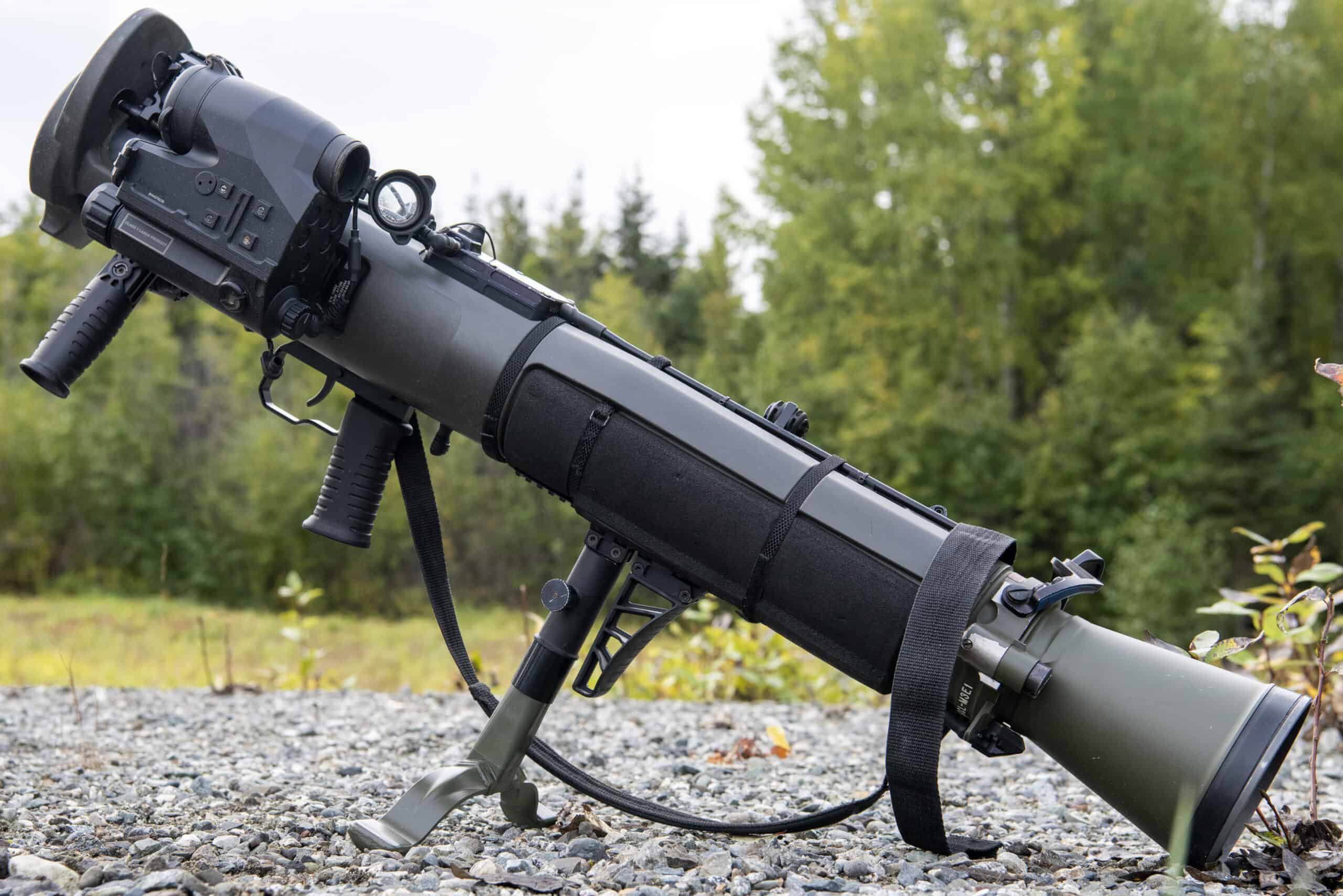
- Type: Recoilless rifle
- Year introduced to service: 1948
- Country / Bloc: Sweden / NATO-aligned
- Primary tactical role: Infantry fire support
- Doctrine or tactic it influenced: Multi-role heavy fire
- Cold War conflict or context: Cold War conflicts
- Why it shaped modern tactics: Expanded infantry fire support
The Carl Gustaf gave infantry heavy firepower against armor and fortifications, shaping support doctrine.
M79 Grenade Launcher
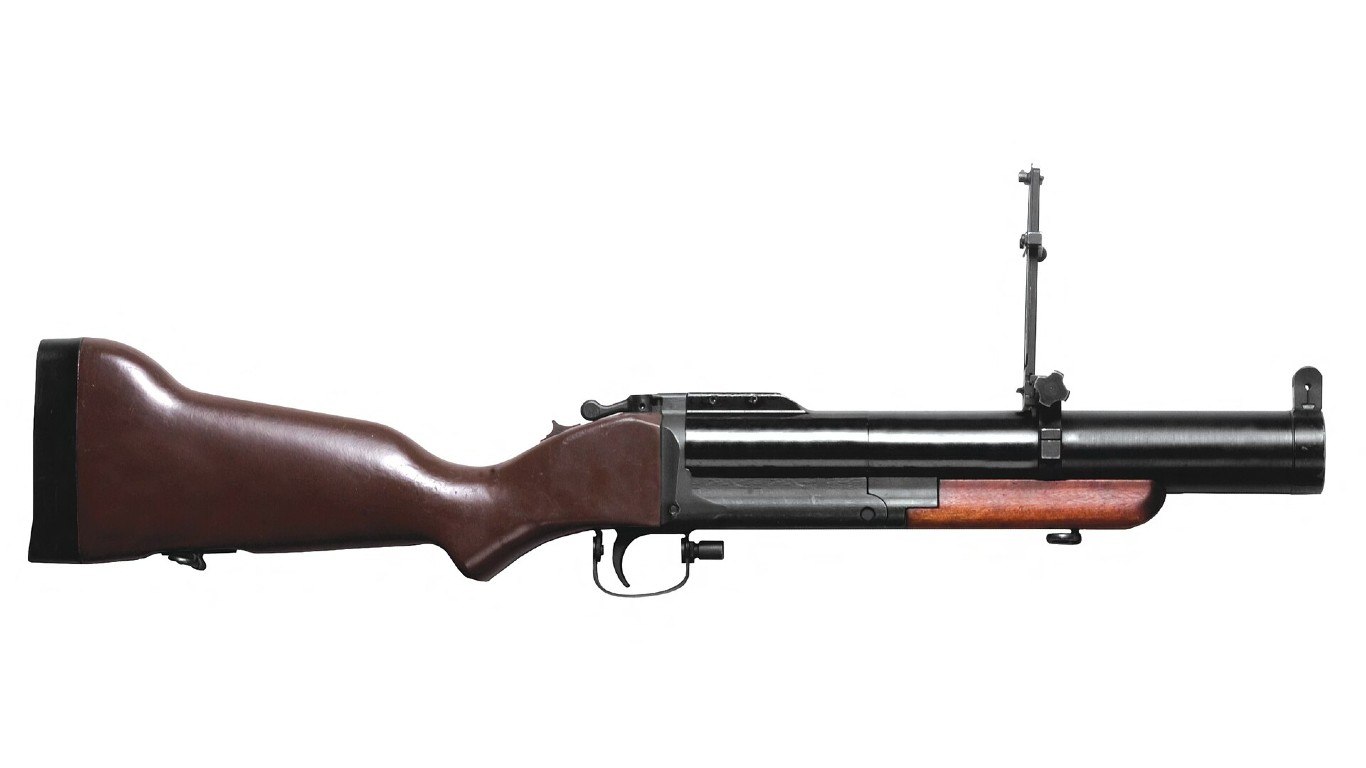
- Type: Grenade launcher
- Year introduced to service: 1960
- Country / Bloc: United States / NATO
- Primary tactical role: Squad explosive fire
- Doctrine or tactic it influenced: Organic explosive support
- Cold War conflict or context: Vietnam War
- Why it shaped modern tactics: Changed squad explosive tactics
The M79 allowed squads to deliver indirect explosive fire independently, influencing later launcher integration.
M203 Grenade Launcher
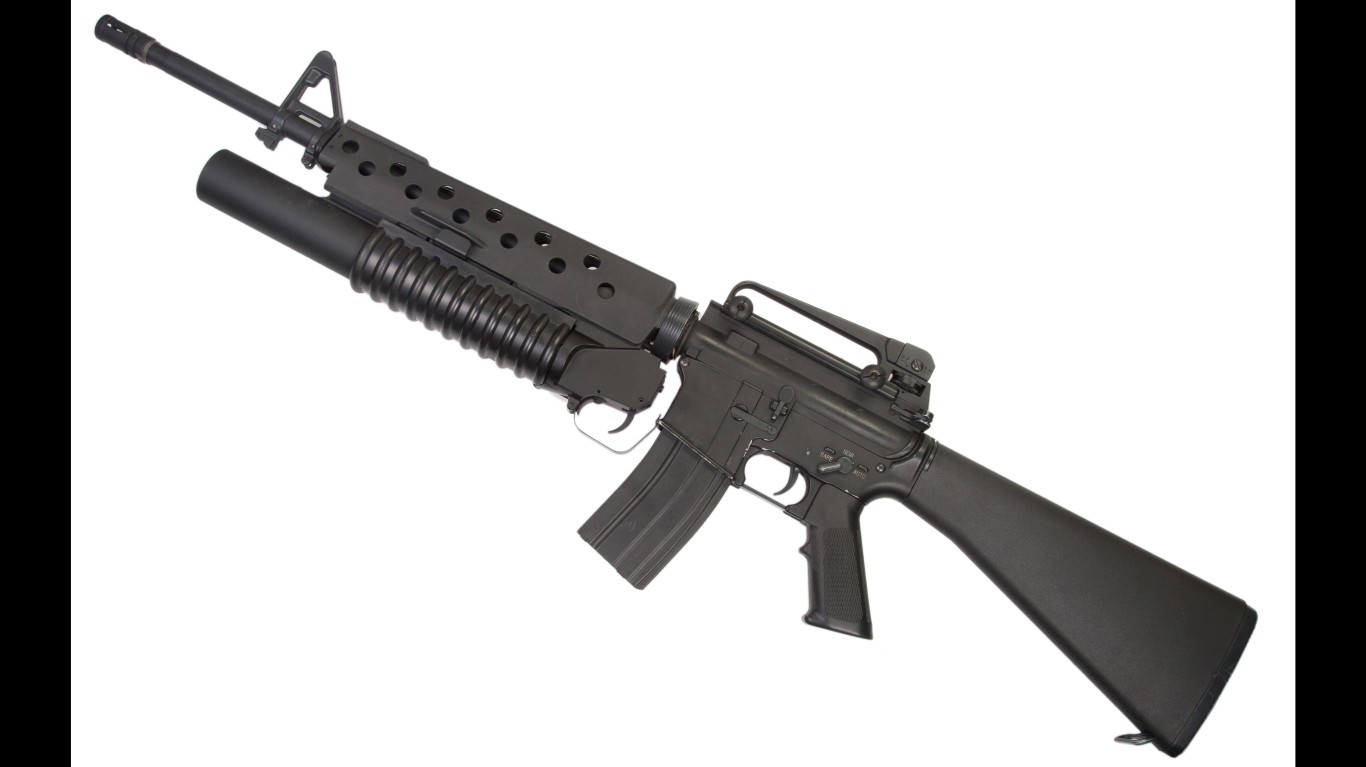
- Type: Grenade launcher
- Year introduced to service: 1969
- Country / Bloc: United States / NATO
- Primary tactical role: Integrated explosive fire
- Doctrine or tactic it influenced: Rifle-grenade integration
- Cold War conflict or context: Cold War
- Why it shaped modern tactics: Integrated explosives into squads
The M203 integrated grenade launchers into rifle squads, permanently altering infantry explosive support tactics.
AKS-74U
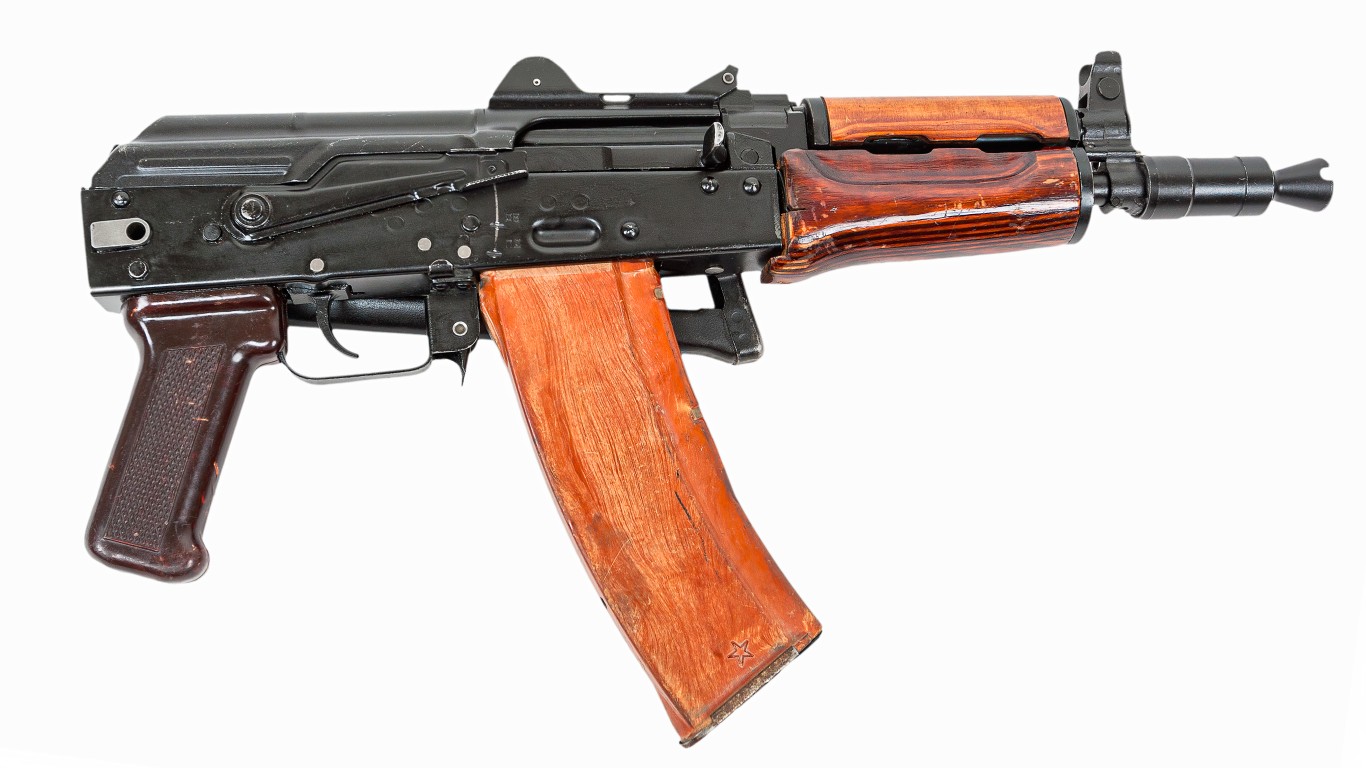
- Type: Carbine
- Year introduced to service: 1979
- Country / Bloc: Soviet / Warsaw Pact
- Primary tactical role: Compact infantry weapon
- Doctrine or tactic it influenced: Vehicle crew defense
- Cold War conflict or context: Late Cold War
- Why it shaped modern tactics: Influenced compact weapon doctrine
The AKS-74U influenced Cold War doctrine for compact weapons used by crews and support troops.
Vz. 58

- Type: Assault rifle
- Year introduced to service: 1958
- Country / Bloc: Czechoslovakia / Warsaw Pact
- Primary tactical role: Standard infantry rifle
- Doctrine or tactic it influenced: Independent design doctrine
- Cold War conflict or context: Warsaw Pact
- Why it shaped modern tactics: Shaped regional infantry tactics
The Vz. 58 demonstrated independent small-arms design within the Warsaw Pact, influencing regional tactics.
FNC
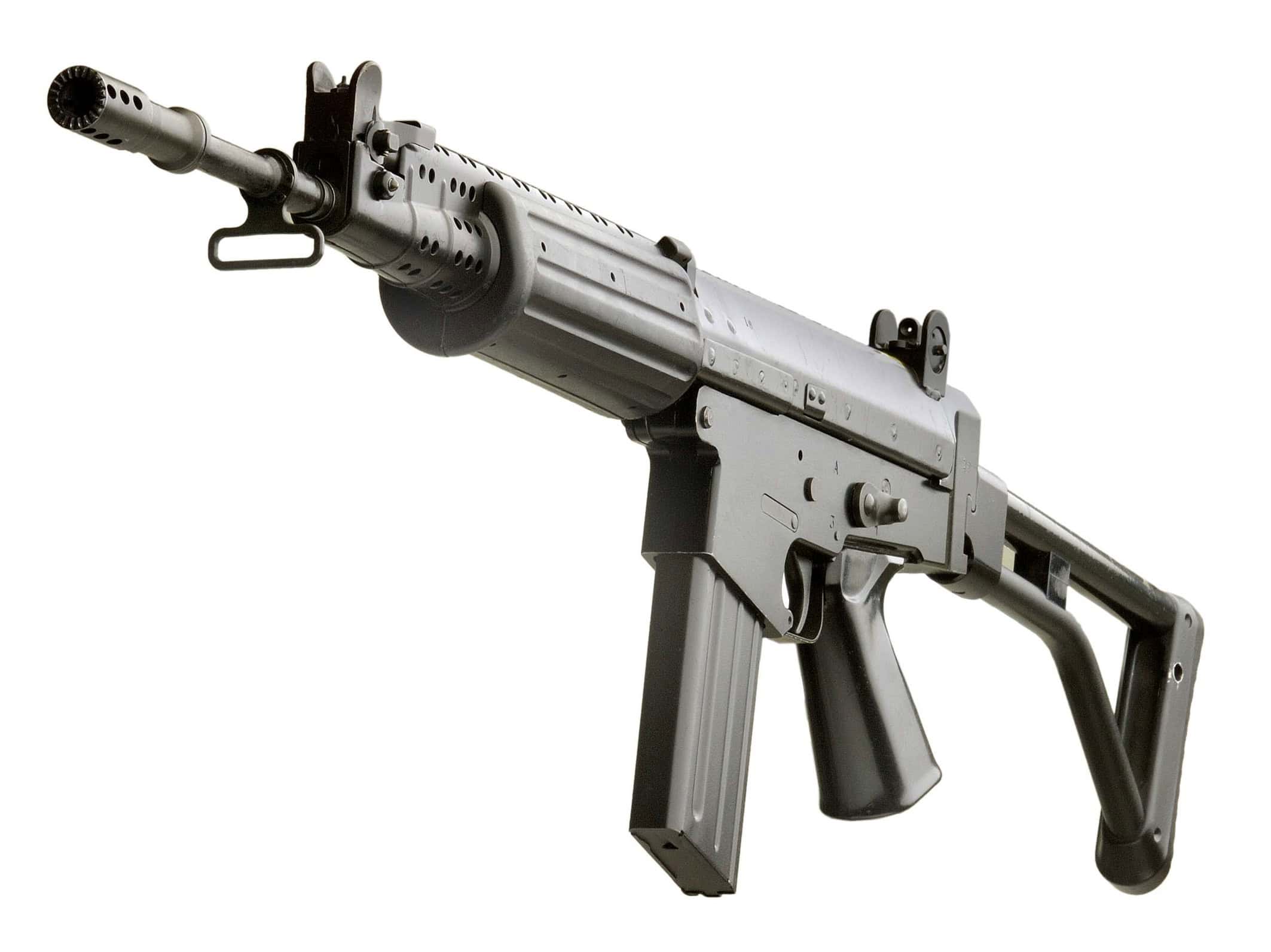
- Type: Assault rifle
- Year introduced to service: 1979
- Country / Bloc: Belgium / NATO
- Primary tactical role: Export infantry rifle
- Doctrine or tactic it influenced: NATO-style doctrine
- Cold War conflict or context: Global exports
- Why it shaped modern tactics: Spread NATO infantry tactics
The FNC helped export NATO-style infantry doctrine globally during the late Cold War.






 Top Gaining Stocks
 Top Losing Stocks