


Much of what defines modern warfare was born during World War II. From combined arms operations to strategic bombing and amphibious assault, the conflict produced weapons that permanently altered how wars are fought. These weren’t temporary solutions—they were answers to fundamental battlefield problems. Here, 24/7 Wall St. is taking a closer look at some of the most influential weapons from World War II.
To determine the WWII weapons that heavily influenced modern combat doctrine, 24/7 Wall St. reviewed various historical and military sources. We included supplemental information regarding when each weapon was introduced, what role it had in WWII, and how it influenced modern combat as we know it.
Here is a look at the World War II weapons that still influence modern combat doctrine:
Why Are We Covering This?
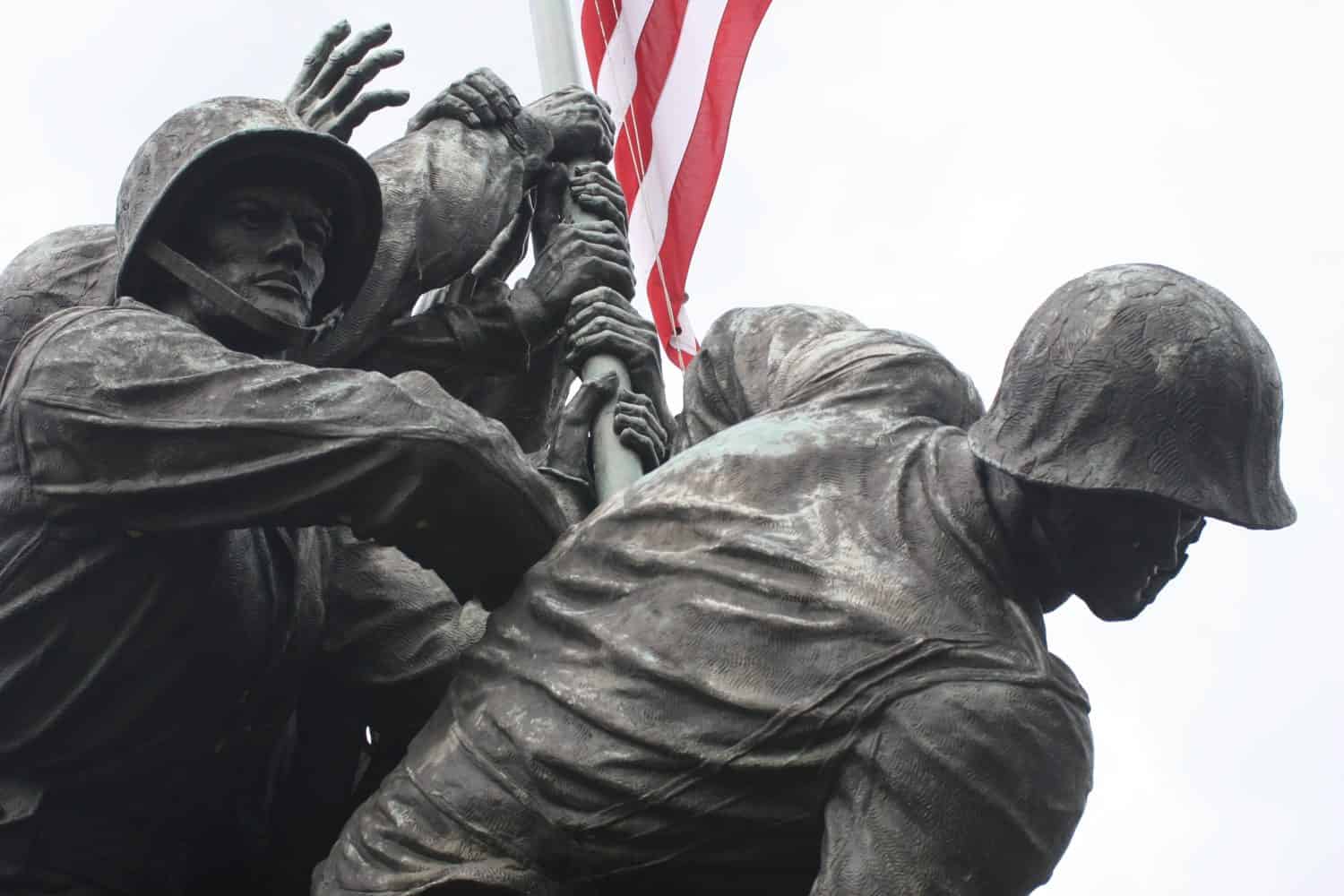
World War II forced militaries to confront combat on an unprecedented scale, accelerating innovations that still underpin modern doctrine. Many of today’s battlefield assumptions—about fire-and-maneuver, combined arms, air power, sensors, and logistics—trace directly back to weapons developed during the war. By examining the WWII systems that continue to influence how wars are fought, this piece highlights the origins of modern combat thinking and explains why lessons forged over 80 years ago remain relevant today.
World War II as the Foundation of Modern Warfare
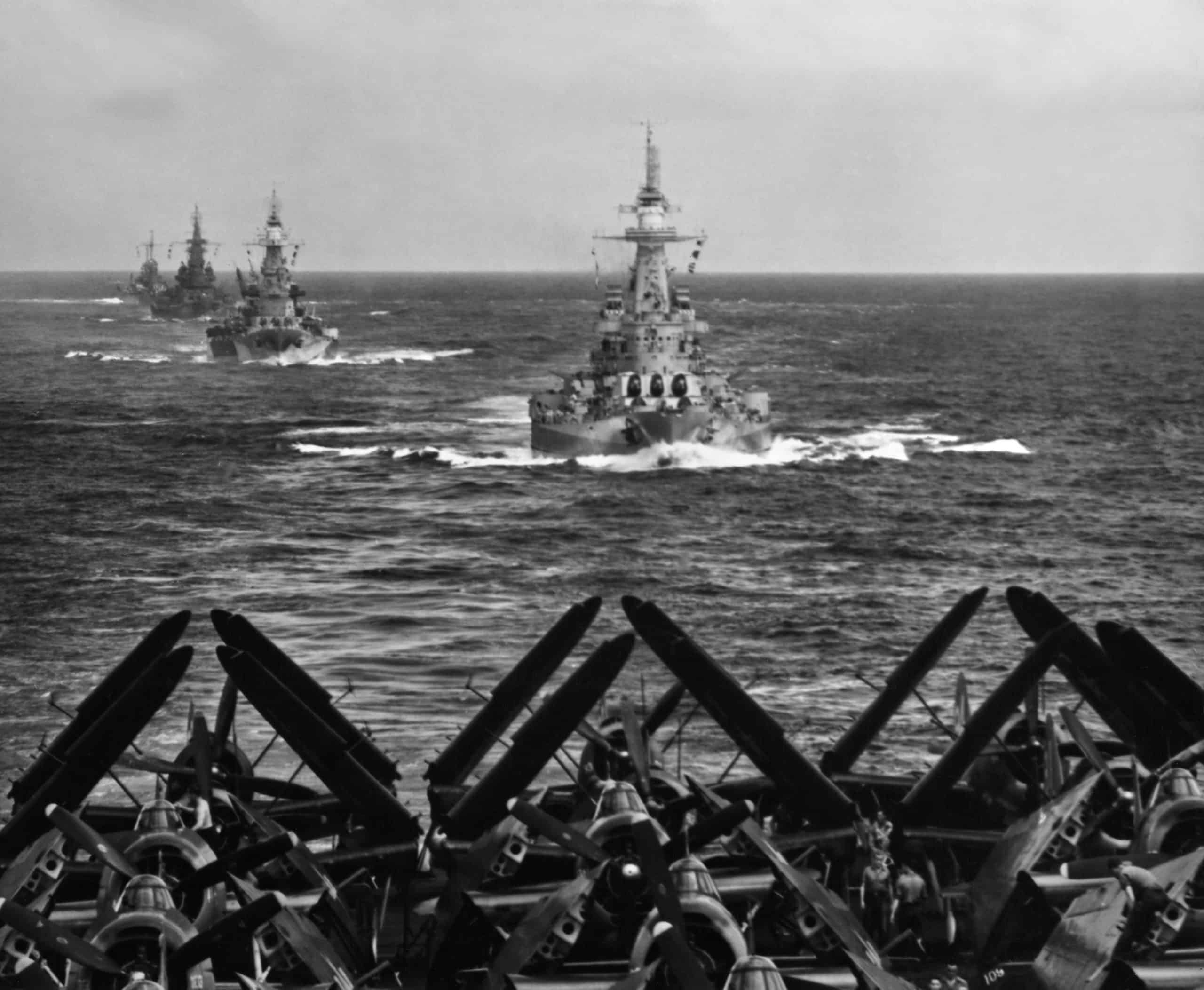
World War II was not just a global conflict; it was the laboratory where modern combat doctrine was forged. Faced with industrial-scale warfare, militaries were forced to innovate rapidly across land, sea, and air. Many of the weapons introduced during this period did more than win battles—they established principles that still govern how modern forces organize, fight, and equip themselves.
Doctrine Was Shaped by Necessity, Not Theory
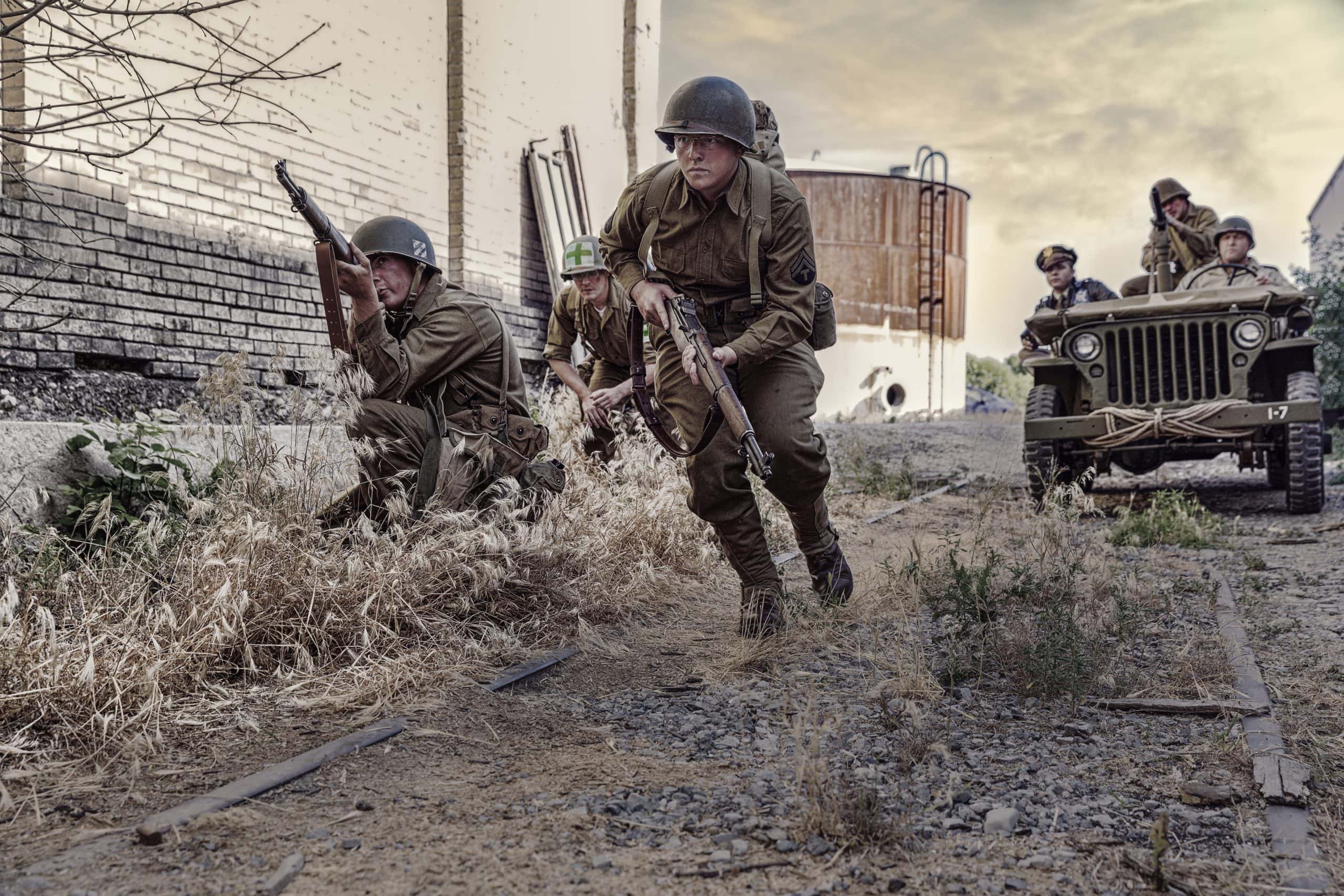
WWII exposed the limits of prewar thinking. Static defenses collapsed, massed formations evolved, and flexibility became essential. Weapons that succeeded did so because they solved real battlefield problems: mobility, firepower, survivability, and coordination. Doctrine followed performance, not planning, and militaries rewrote how they fought based on what actually worked under fire.
Firepower, Mobility, and Integration Became Central

The war demonstrated that no single weapon could dominate alone. Infantry weapons, armor, artillery, airpower, and naval forces had to operate as integrated systems. Automatic weapons enabled fire-and-maneuver, tanks relied on infantry and logistics, and aircraft reshaped both battlefield support and strategic reach. This integration remains a defining feature of modern combat doctrine.
Technology Began Driving Command and Control
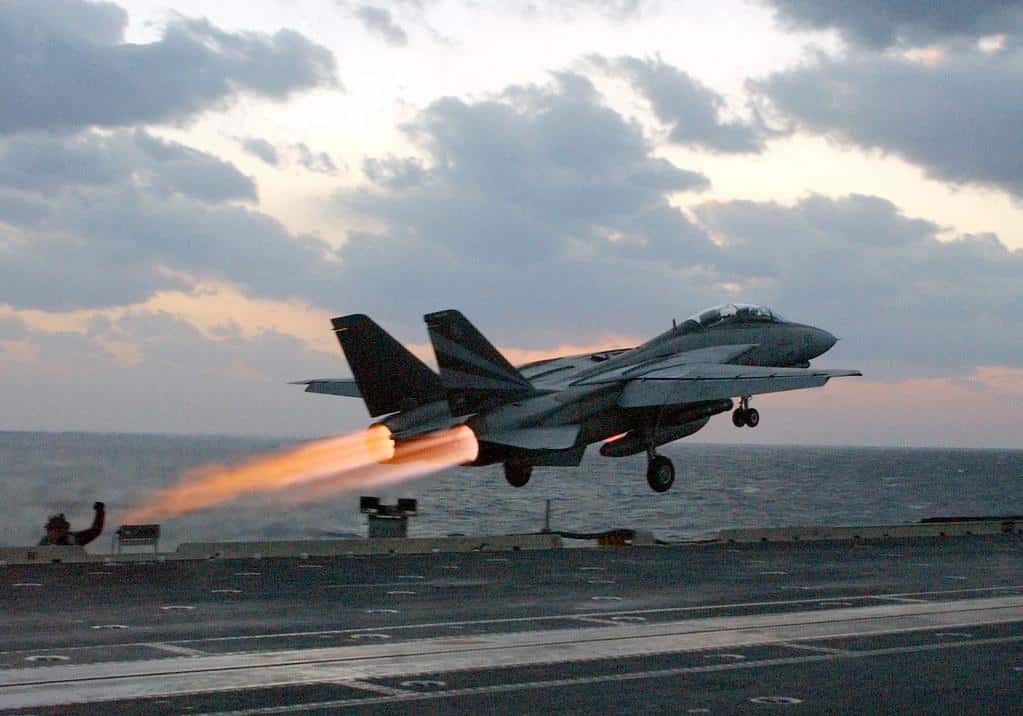
Sensors and communications emerged as decisive tools during WWII. Radar, sonar, and improved fire-control systems transformed detection, targeting, and coordination. These technologies laid the groundwork for sensor-driven warfare, where information and response time became as important as raw firepower—an idea that continues to shape modern military operations.
Weapons That Still Shape How Wars Are Fought
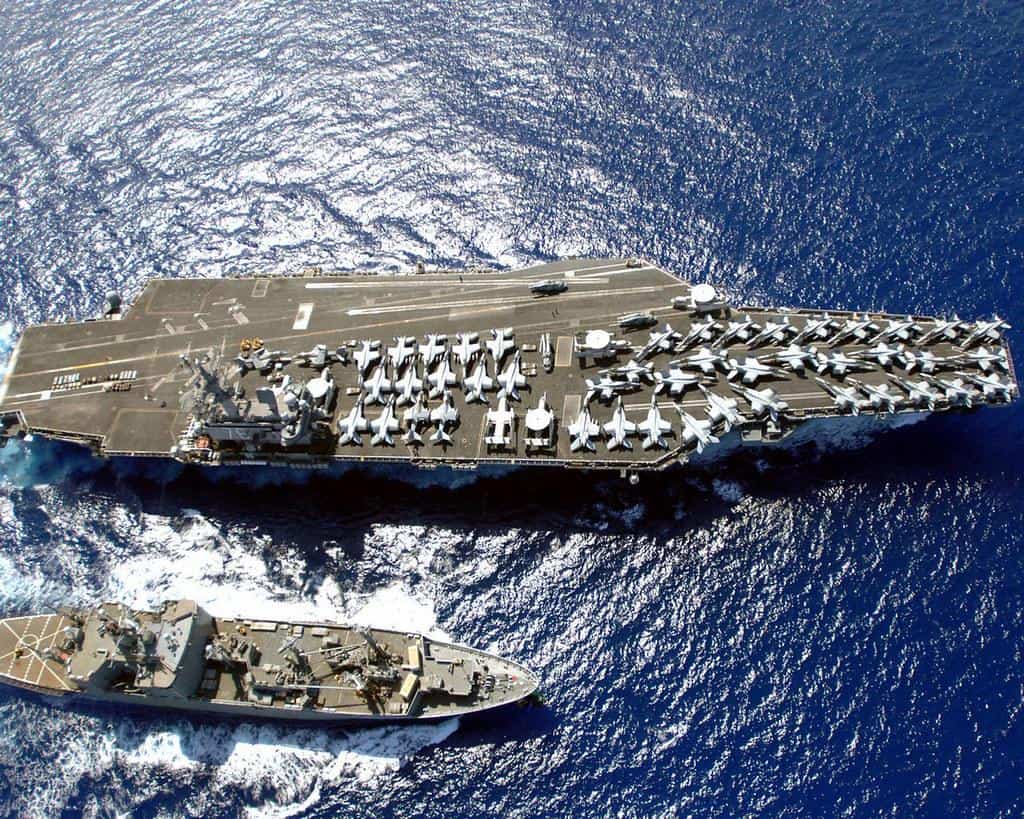
From infantry arms and armored vehicles to aircraft, naval platforms, and battlefield sensors, each system introduced concepts that outlasted the war itself. Their legacy is visible in how today’s militaries fight, train, and plan for future conflicts. The list that follows highlights 30 WWII-era weapons that continue to influence modern combat doctrine.
M1 Garand
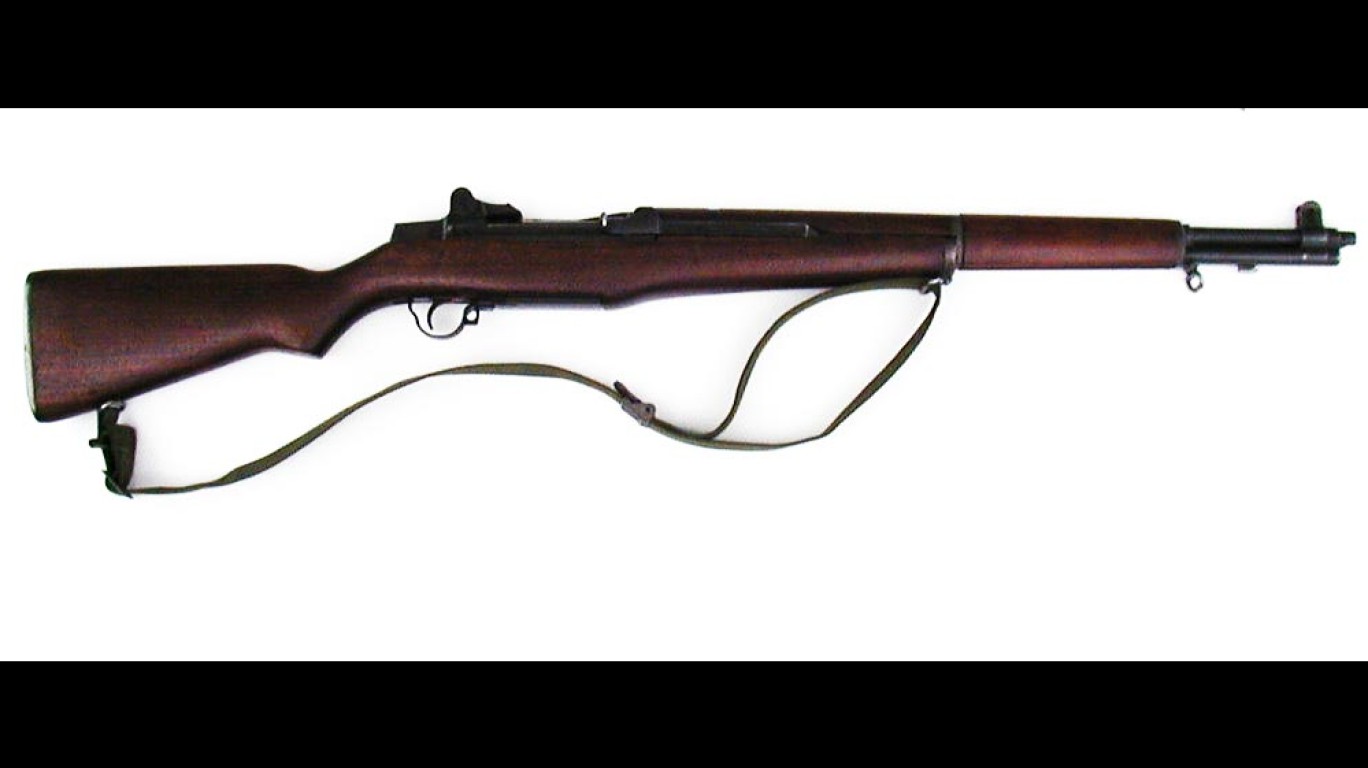
- Type: Infantry Rifle
- Year introduced to service: 1936
- Role in WWII: Semi-automatic infantry firepower
- What problem it solved: Increased rate of accurate fire
- How it influenced modern combat doctrine: Infantry assault doctrine
- Modern legacy: Still influences modern service rifle concepts
The M1 Garand proved the decisive value of semi-automatic rifles for infantry, permanently shaping small-arms doctrine.
MP40
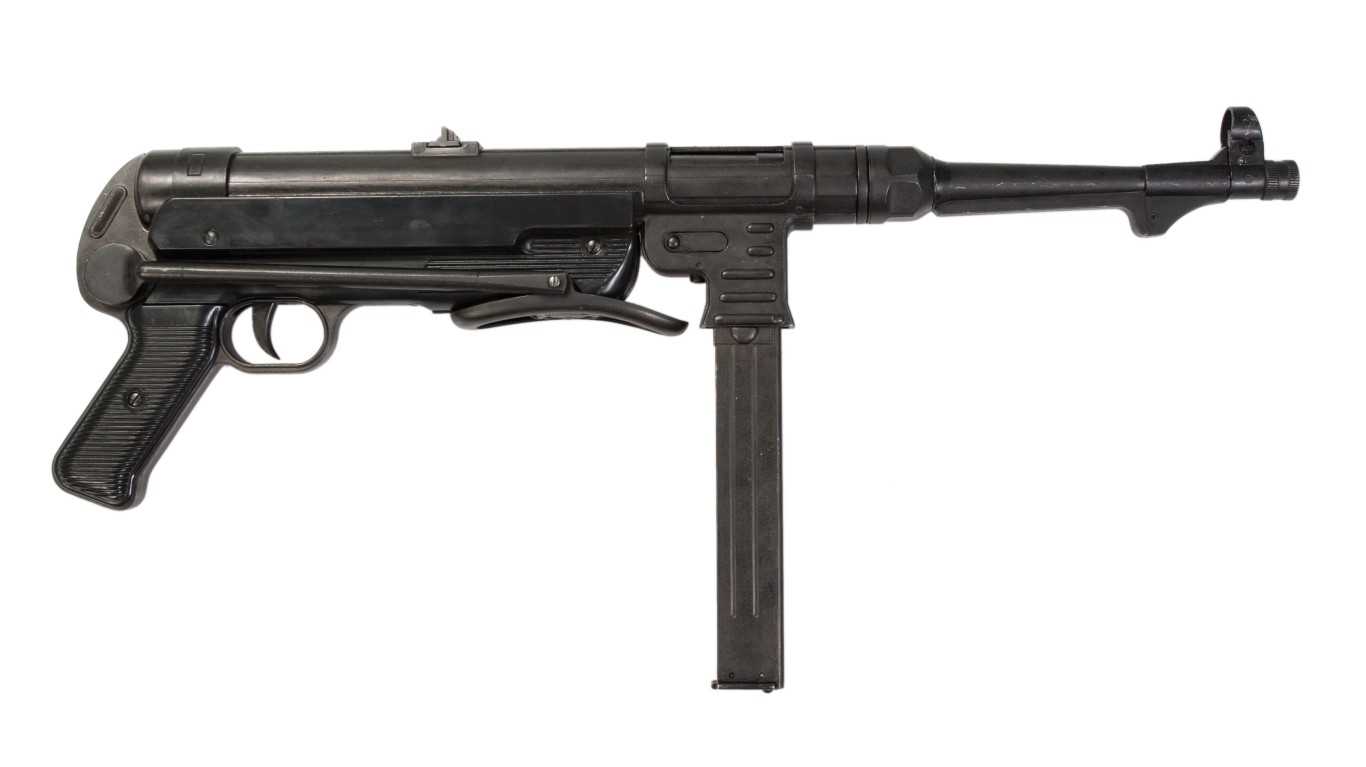
- Type: Submachine Gun
- Year introduced to service: 1938
- Role in WWII: Close-quarters automatic fire
- What problem it solved: Urban and trench fighting
- How it influenced modern combat doctrine: CQB doctrine
- Modern legacy: Influenced modern SMG design
The MP40 reinforced the importance of compact automatic weapons in close combat.
PPSh-41

- Type: Submachine Gun
- Year introduced to service: 1941
- Role in WWII: Massed automatic fire
- What problem it solved: Urban and winter warfare
- How it influenced modern combat doctrine: Volume-fire infantry tactics
- Modern legacy: Copied worldwide
The PPSh-41 demonstrated how cheap, reliable SMGs could dominate close combat.
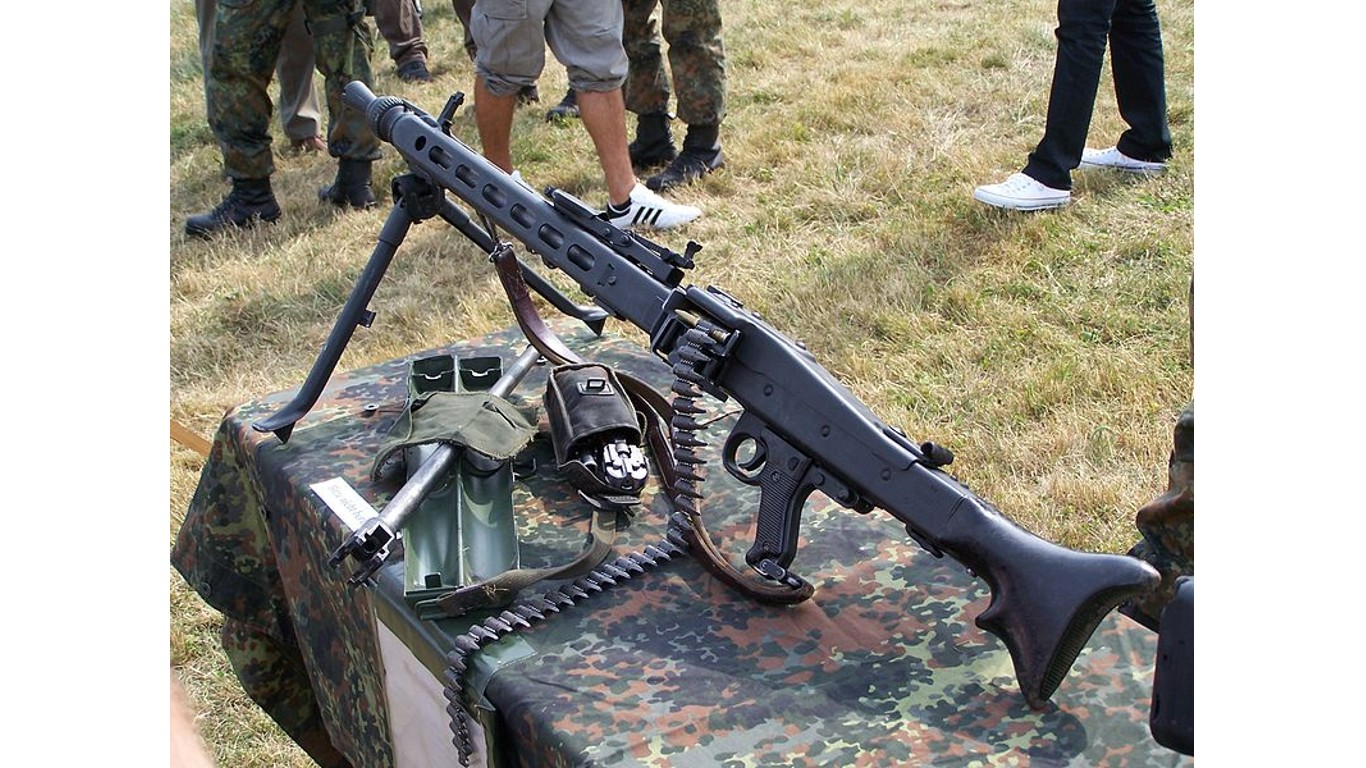
MG42
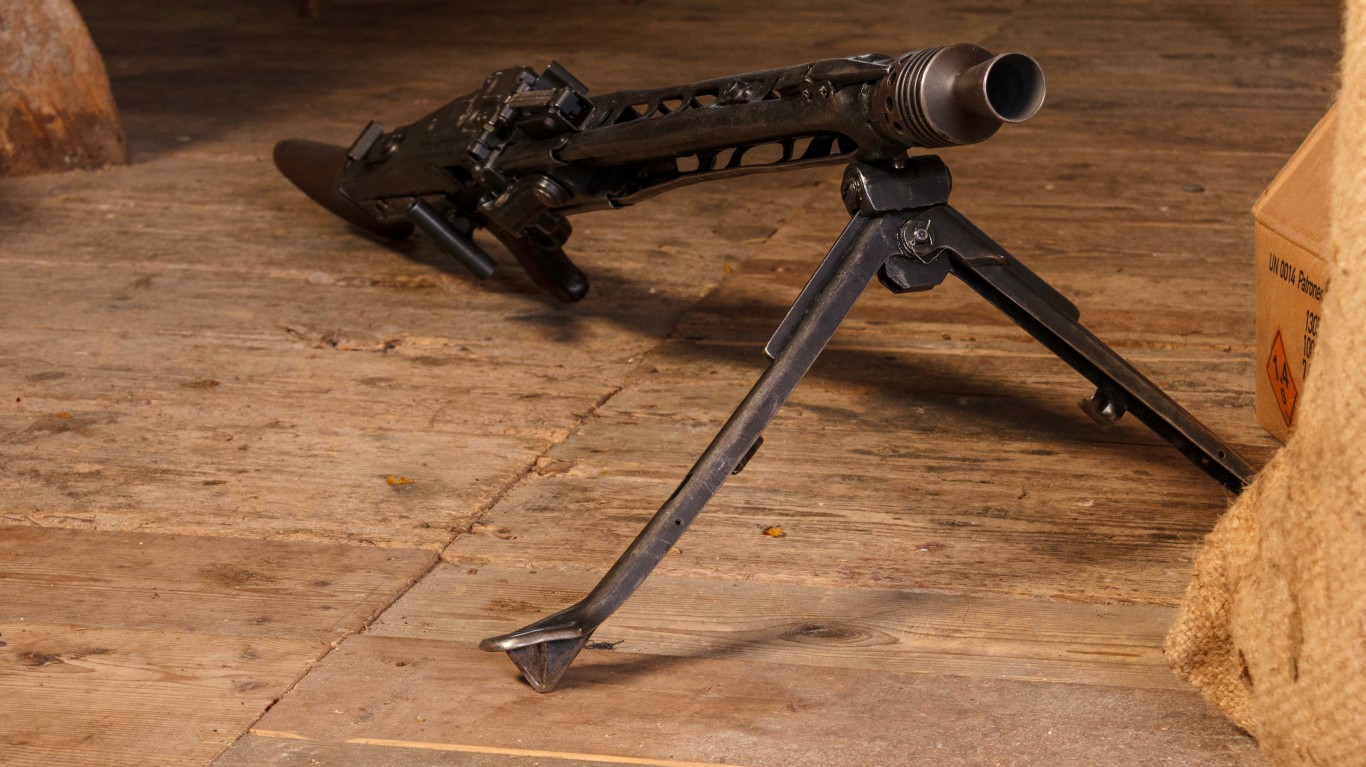
- Type: General-Purpose MG
- Year introduced to service: 1942
- Role in WWII: Sustained suppressive fire
- What problem it solved: High rate of fire
- How it influenced modern combat doctrine: Fire-and-maneuver doctrine
- Modern legacy: Still influences MG design
The MG42 established the machine gun as the core of infantry squads.
Bazooka

- Type: Rocket Launcher
- Year introduced to service: 1942
- Role in WWII: Infantry anti-armor
- What problem it solved: Portable AT weapons
- How it influenced modern combat doctrine: Infantry anti-tank doctrine
- Modern legacy: Global adoption
The Bazooka made infantry a serious threat to armored vehicles.
Panzerfaust
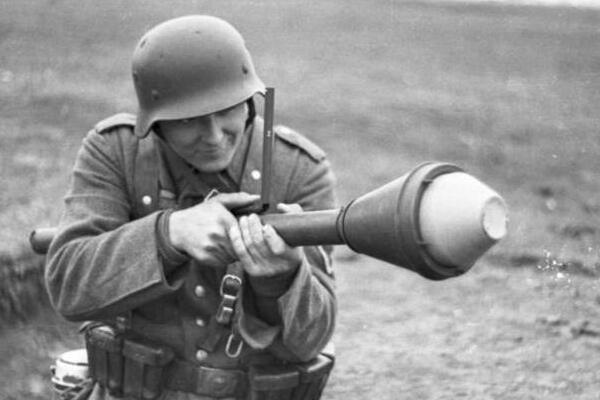
- Type: Anti-Tank Weapon
- Year introduced to service: 1943
- Role in WWII: Disposable AT capability
- What problem it solved: Urban armor defense
- How it influenced modern combat doctrine: Disposable AT doctrine
- Modern legacy: Influenced modern AT weapons
The Panzerfaust pioneered disposable anti-tank concepts still used today.
M2 Browning

- Type: Heavy Machine Gun
- Year introduced to service: 1933
- Role in WWII: Heavy sustained fire
- What problem it solved: Long-range suppression
- How it influenced modern combat doctrine: Heavy weapons doctrine
- Modern legacy: Still in service
The M2 remains a benchmark for durability and firepower.
StG 44
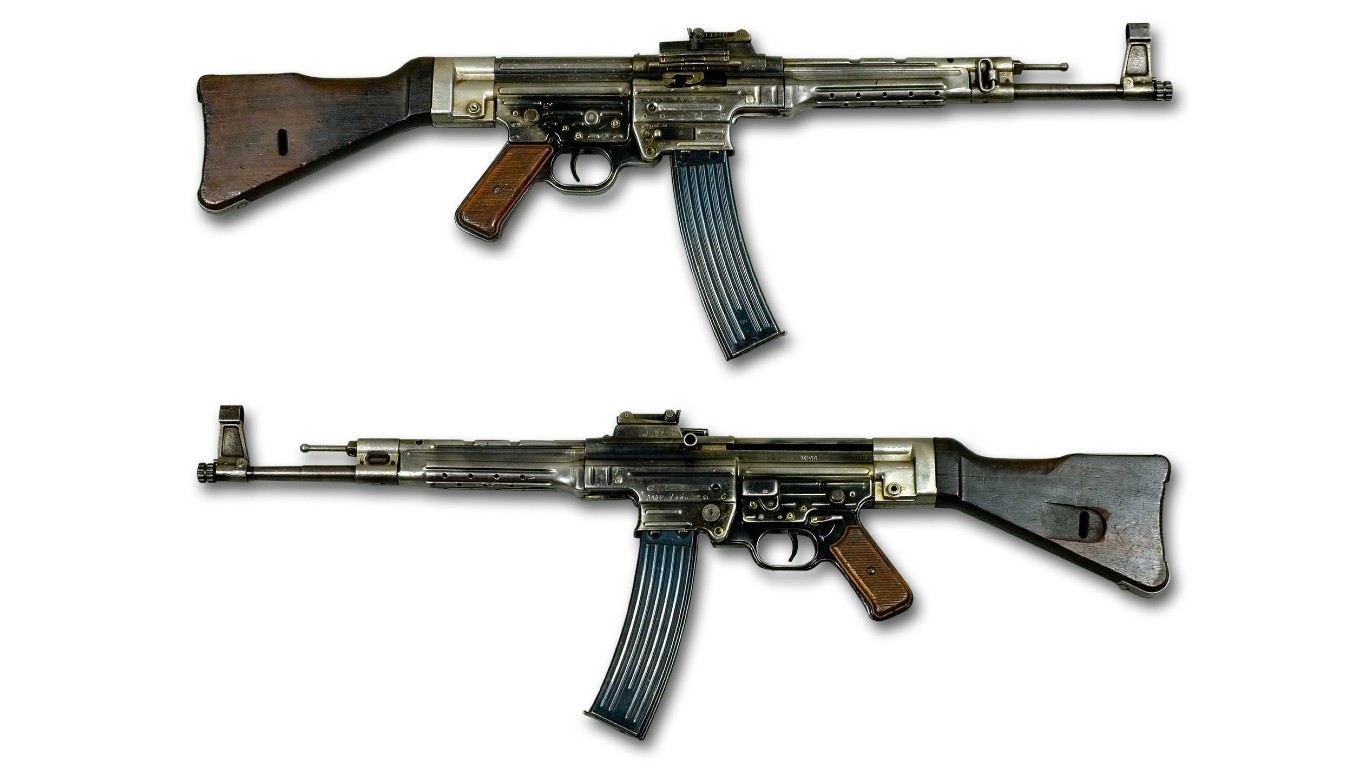
- Type: Assault Rifle
- Year introduced to service: 1943
- Role in WWII: Intermediate-caliber fire
- What problem it solved: Balanced range and control
- How it influenced modern combat doctrine: Assault rifle doctrine
- Modern legacy: Inspired modern ARs
The StG 44 created the blueprint for modern assault rifles.
Lee-Enfield

- Type: Bolt-Action Rifle
- Year introduced to service: 1895
- Role in WWII: Rapid bolt-action fire
- What problem it solved: Infantry marksmanship
- How it influenced modern combat doctrine: Rifle doctrine
- Modern legacy: Influenced training methods
The Lee-Enfield showed how rate of fire and training mattered.
Kar98k
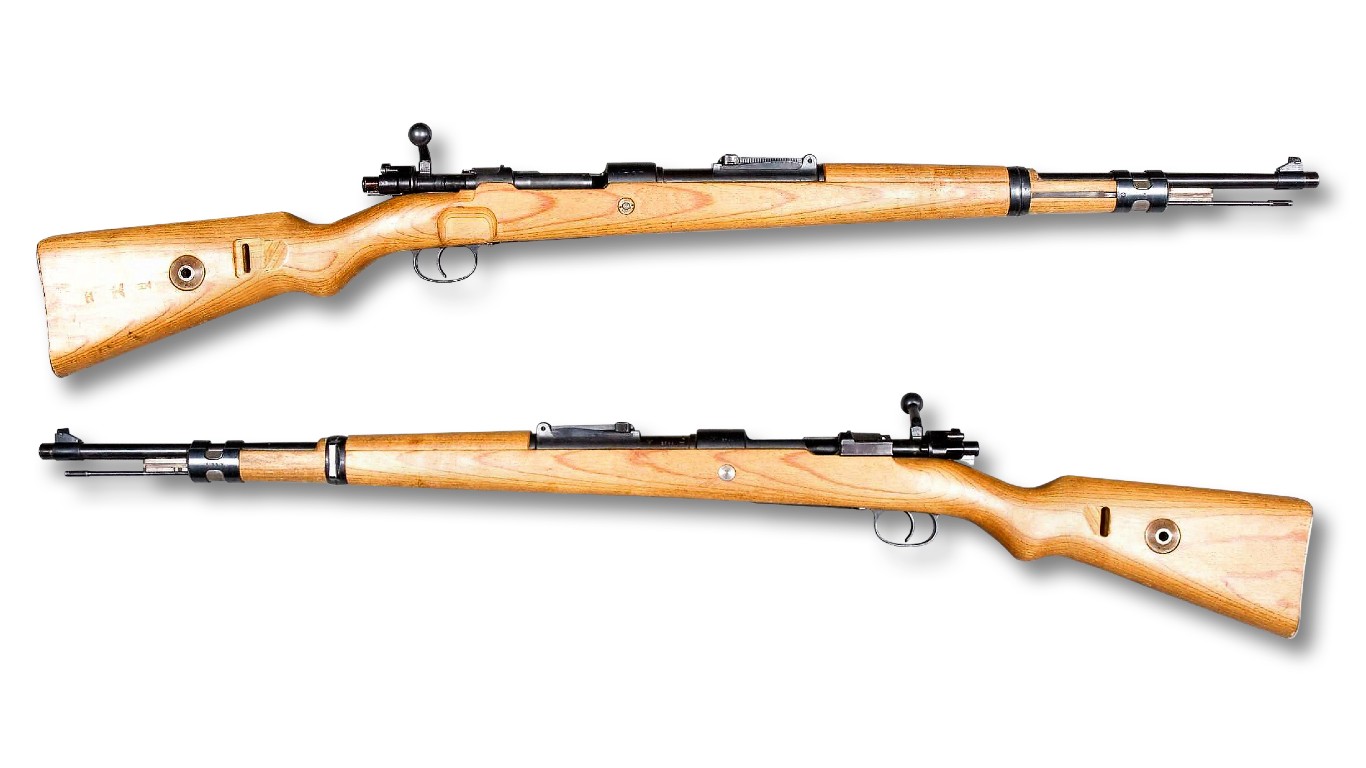
- Type: Bolt-Action Rifle
- Year introduced to service: 1898
- Role in WWII: Precision infantry fire
- What problem it solved: Long-range accuracy
- How it influenced modern combat doctrine: Sniper doctrine
- Modern legacy: Still referenced
The Kar98k shaped modern bolt-action precision rifles.
M1 Carbine
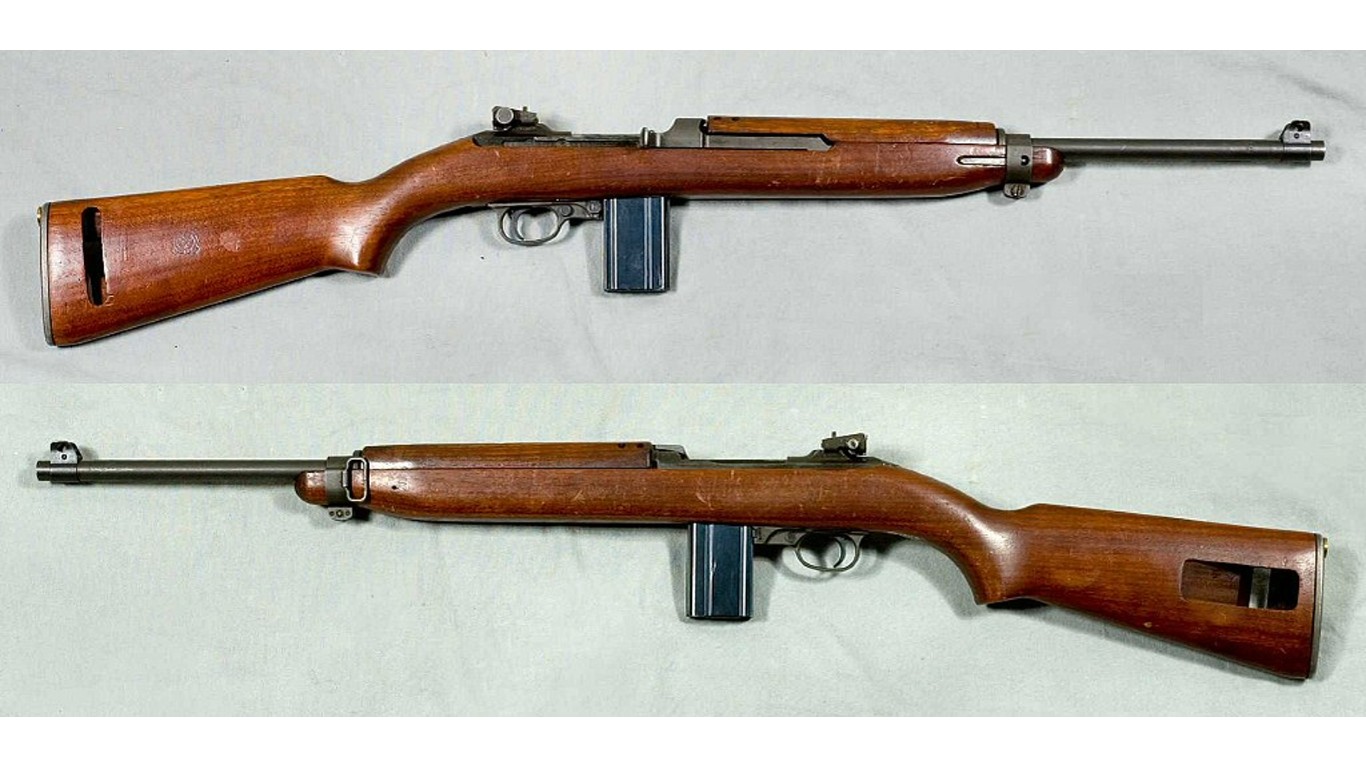
- Type: Light Rifle
- Year introduced to service: 1941
- Role in WWII: Lightweight infantry weapon
- What problem it solved: Rear-echelon defense
- How it influenced modern combat doctrine: Personal defense weapon concept
- Modern legacy: Influenced PDWs
The M1 Carbine influenced compact rifle concepts.
Flamethrower (M2)
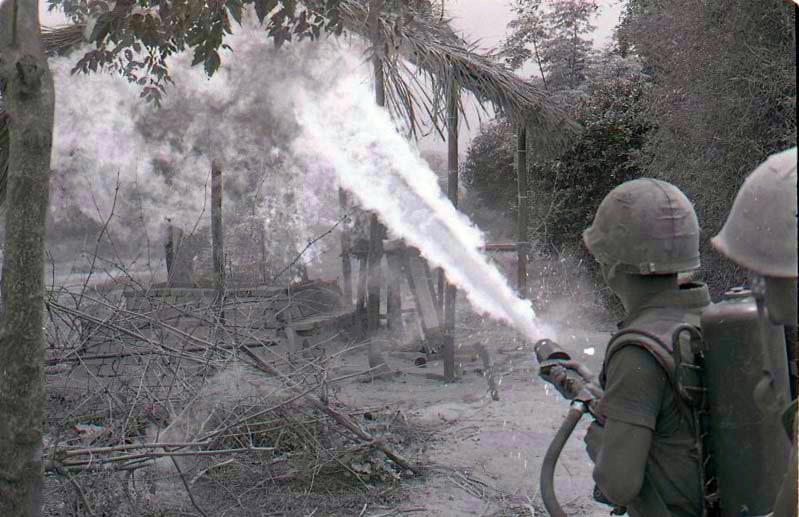
- Type: Incendiary Weapon
- Year introduced to service: 1942
- Role in WWII: Bunker clearing
- What problem it solved: Fortified positions
- How it influenced modern combat doctrine: Shock weapon doctrine
- Modern legacy: Limited modern use
Flamethrowers shaped assault tactics against fortifications.
B-17 Flying Fortress
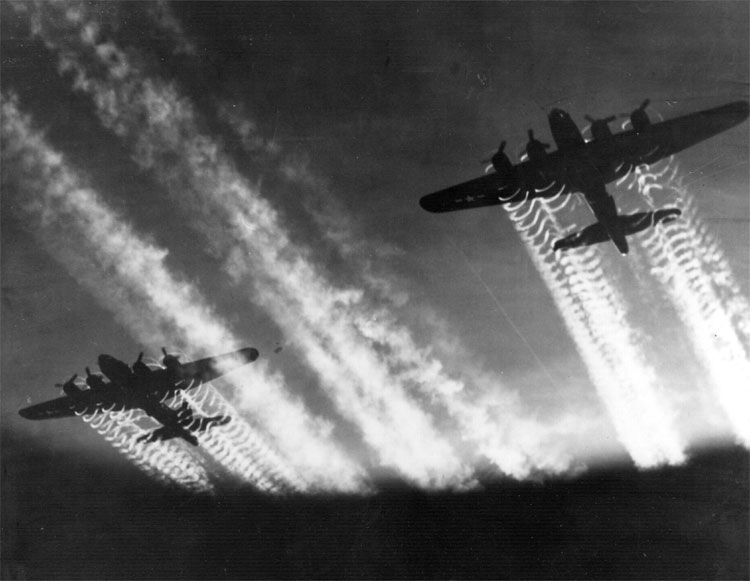
- Type: Bomber
- Year introduced to service: 1938
- Role in WWII: Strategic bombing
- What problem it solved: Massed bomber formations
- How it influenced modern combat doctrine: Strategic airpower doctrine
- Modern legacy: Influenced bomber doctrine
The B-17 helped define strategic bombing theory.
B-29 Superfortress
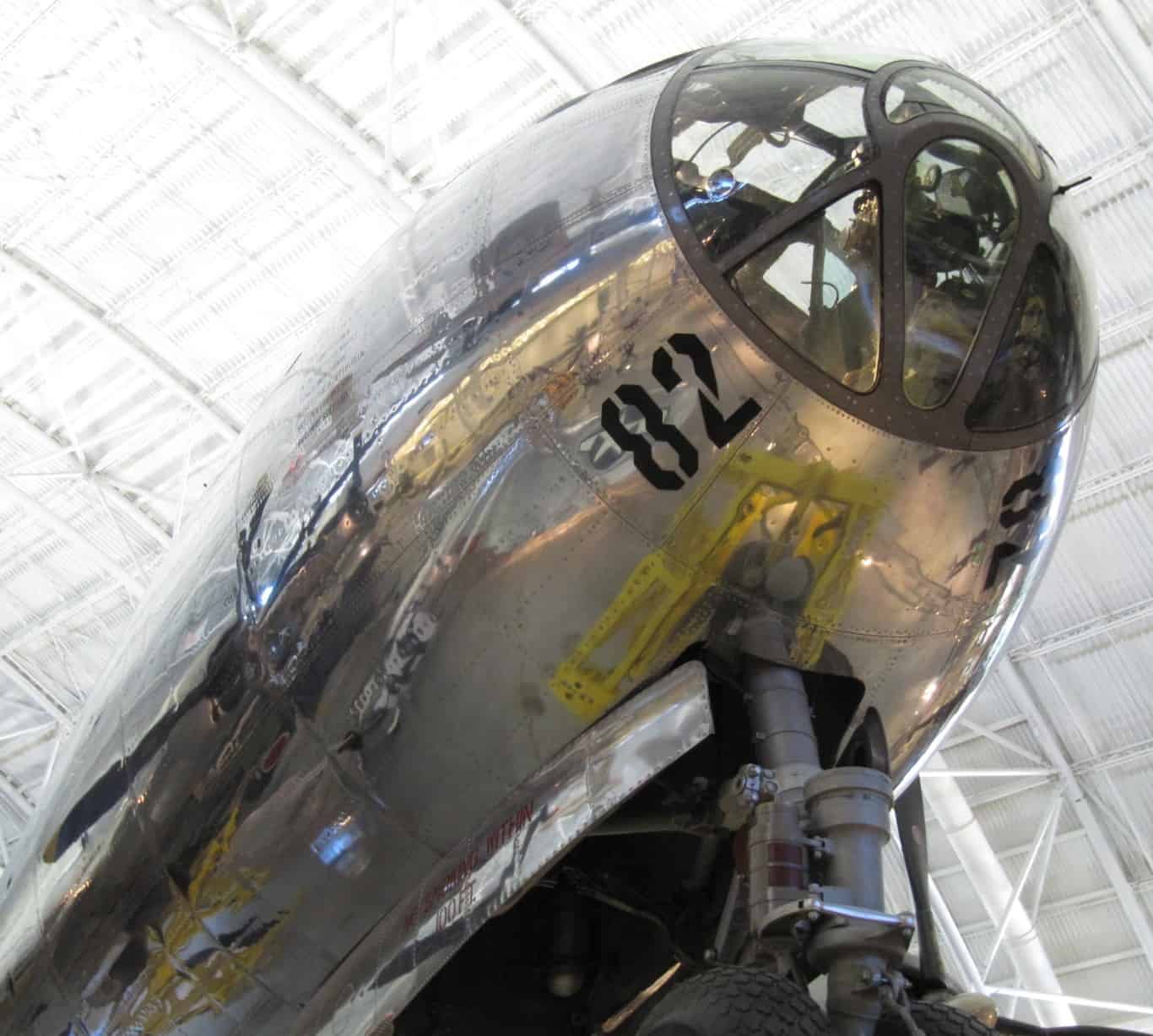
- Type: Bomber
- Year introduced to service: 1944
- Role in WWII: Long-range bombing
- What problem it solved: Precision strategic strike
- How it influenced modern combat doctrine: Modern bomber doctrine
- Modern legacy: Influenced Cold War bombers
The B-29 laid foundations for modern strategic bombing.
V-1 Flying Bomb
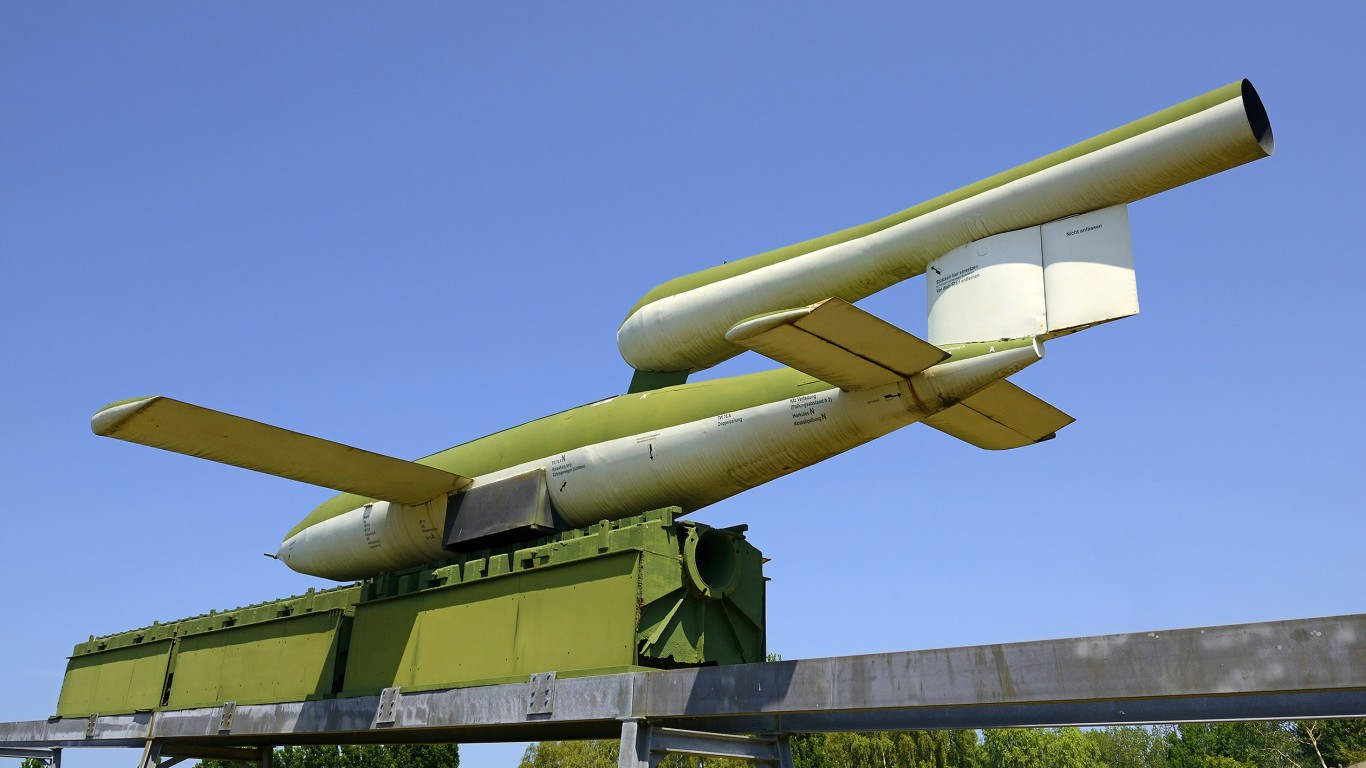
- Type: Cruise Missile
- Year introduced to service: 1944
- Role in WWII: Long-range strike
- What problem it solved: Unmanned attack
- How it influenced modern combat doctrine: Missile doctrine
- Modern legacy: Influenced cruise missiles
The V-1 pioneered unmanned strike concepts.
V-2 Rocket
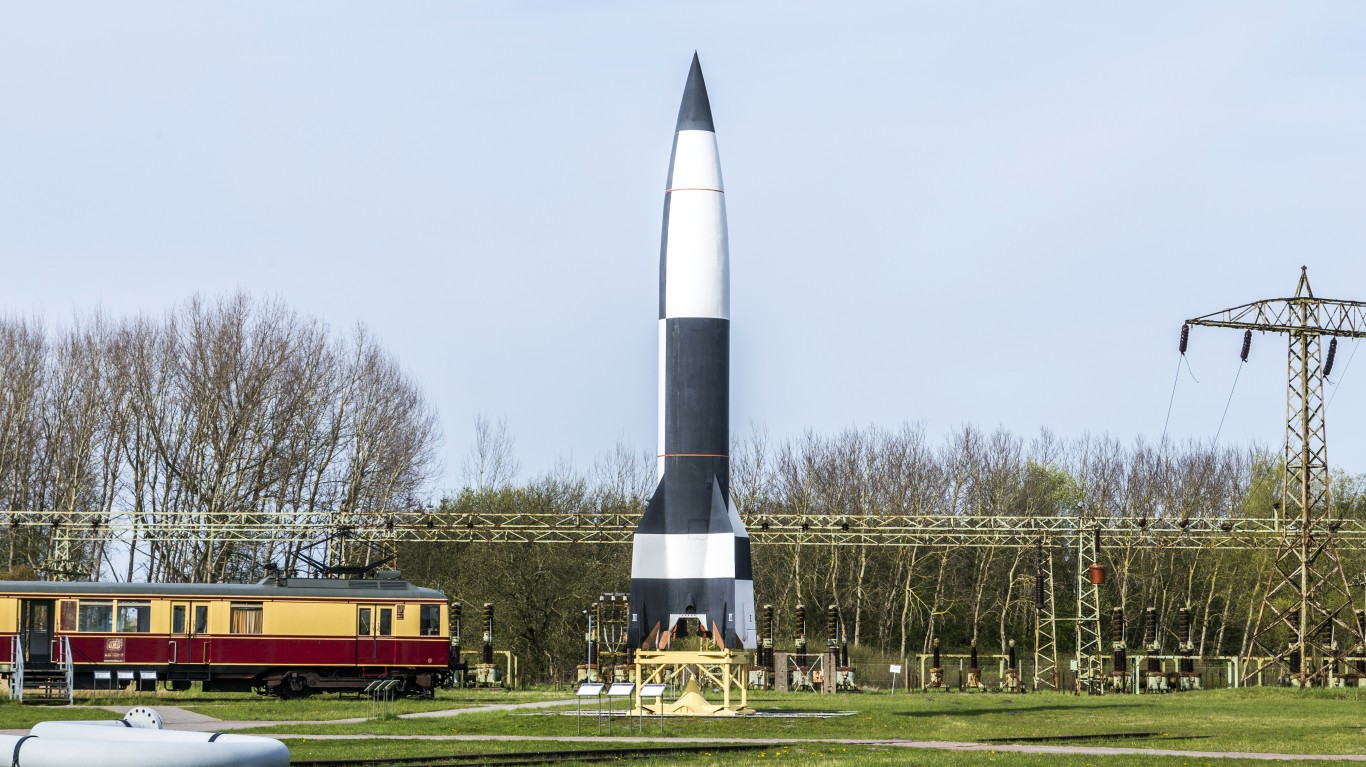
- Type: Ballistic Missile
- Year introduced to service: 1944
- Role in WWII: Long-range attack
- What problem it solved: Rocket warfare
- How it influenced modern combat doctrine: Missile and space doctrine
- Modern legacy: Influenced ICBMs
The V-2 shaped missile and spaceflight development.
U-Boat (Type VII)
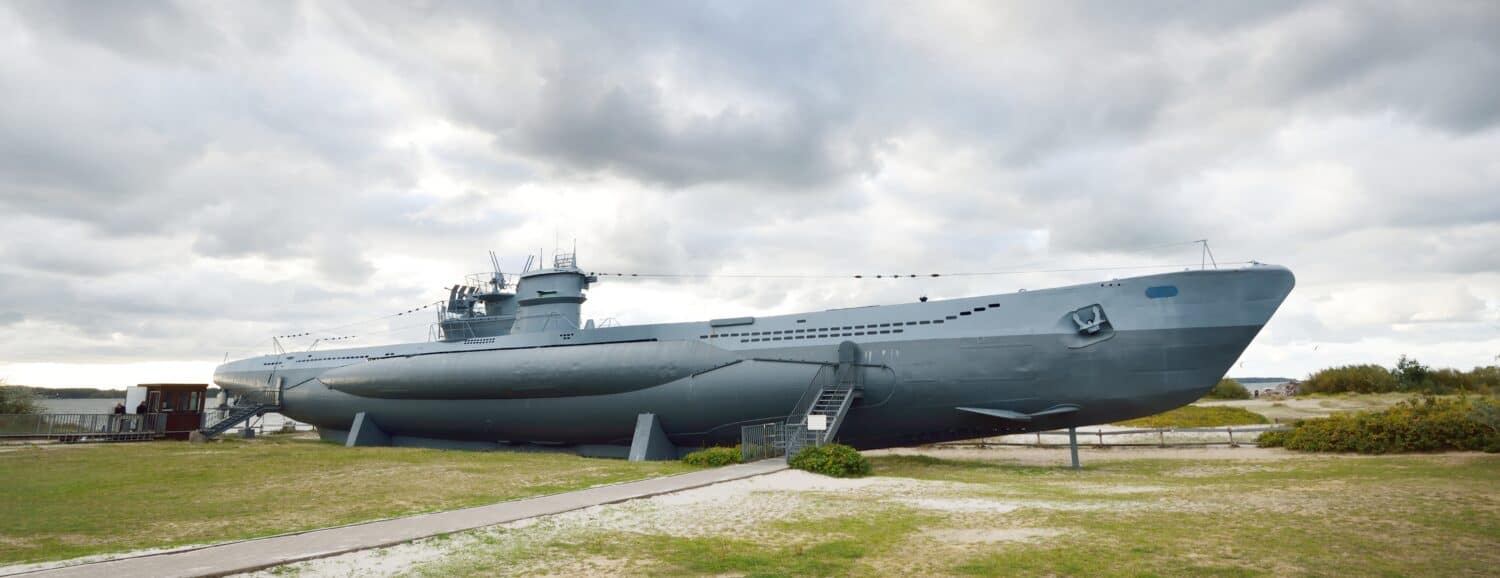
- Type: Submarine
- Year introduced to service: 1938
- Role in WWII: Commerce raiding
- What problem it solved: Undersea warfare
- How it influenced modern combat doctrine: Submarine doctrine
- Modern legacy: Influenced modern subs
German U-boats shaped modern naval warfare.
Aircraft Carrier (WWII Era)
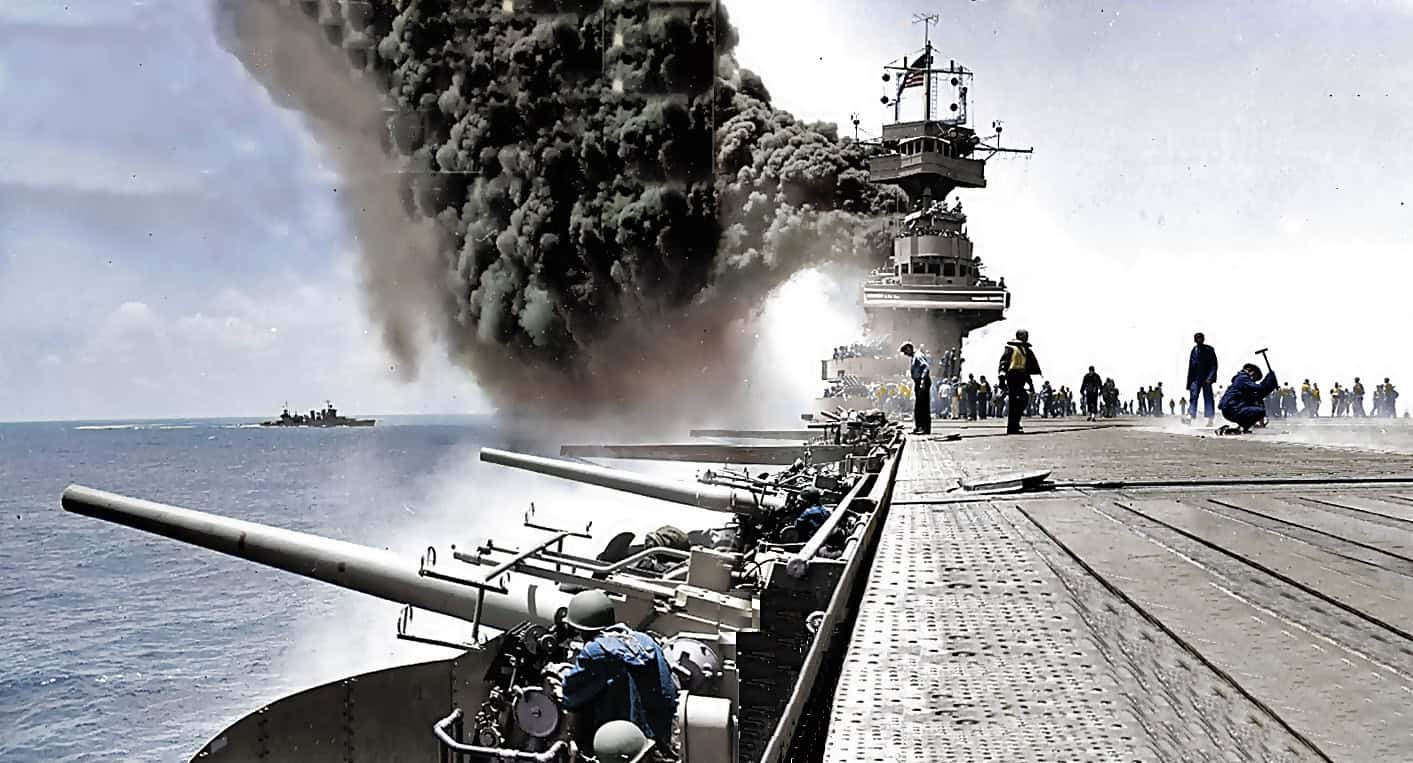
- Type: Naval Platform
- Year introduced to service: 1941
- Role in WWII: Power projection
- What problem it solved: Sea-based airpower
- How it influenced modern combat doctrine: Carrier doctrine
- Modern legacy: Still dominant
WWII proved carriers replaced battleships.
Higgins Boat (LCVP)
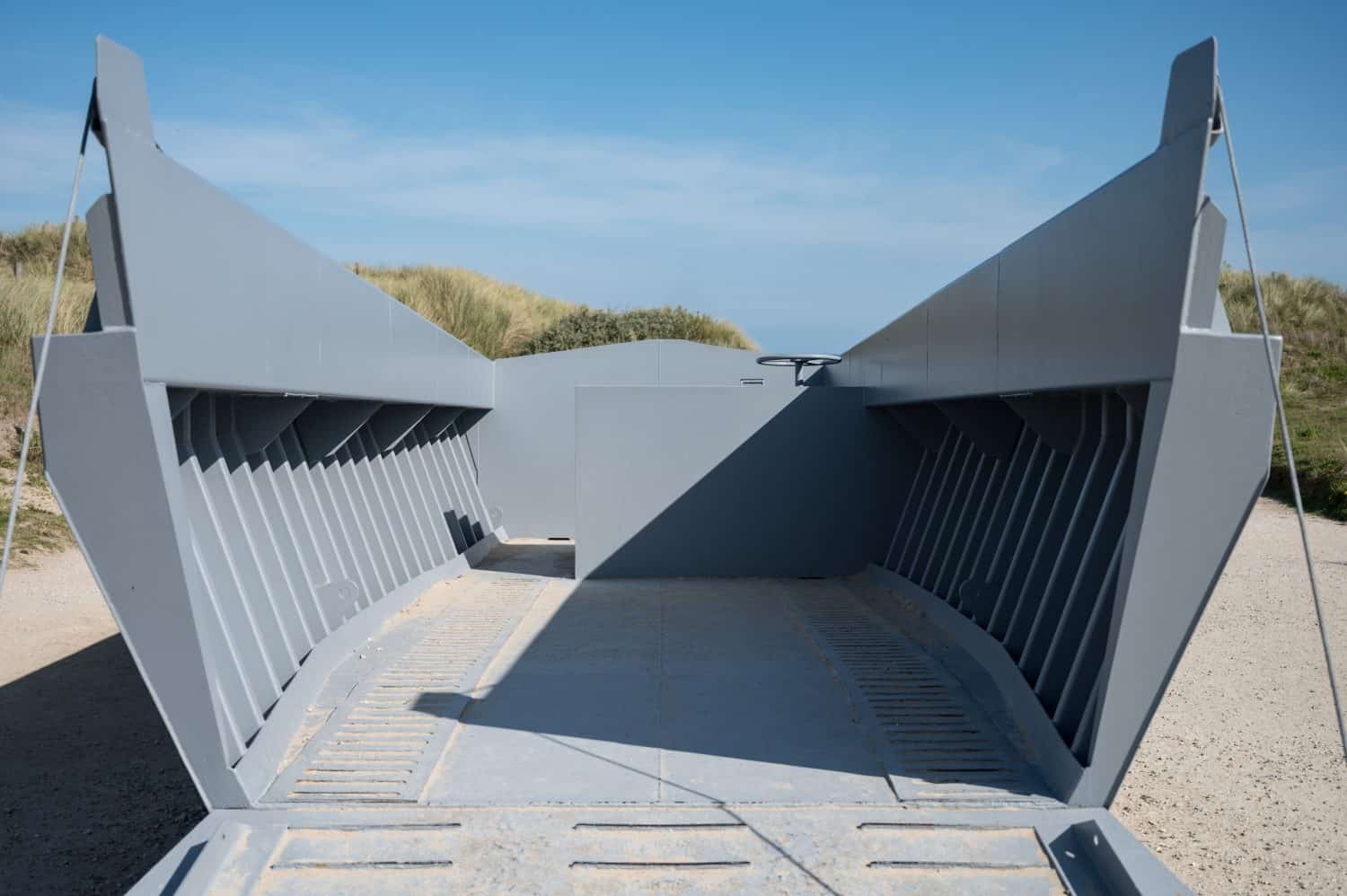
- Type: Landing Craft
- Year introduced to service: 1942
- Role in WWII: Amphibious assault
- What problem it solved: Beach landings
- How it influenced modern combat doctrine: Amphibious doctrine
- Modern legacy: Still referenced
The Higgins boat made modern amphibious warfare possible.
M4 Sherman
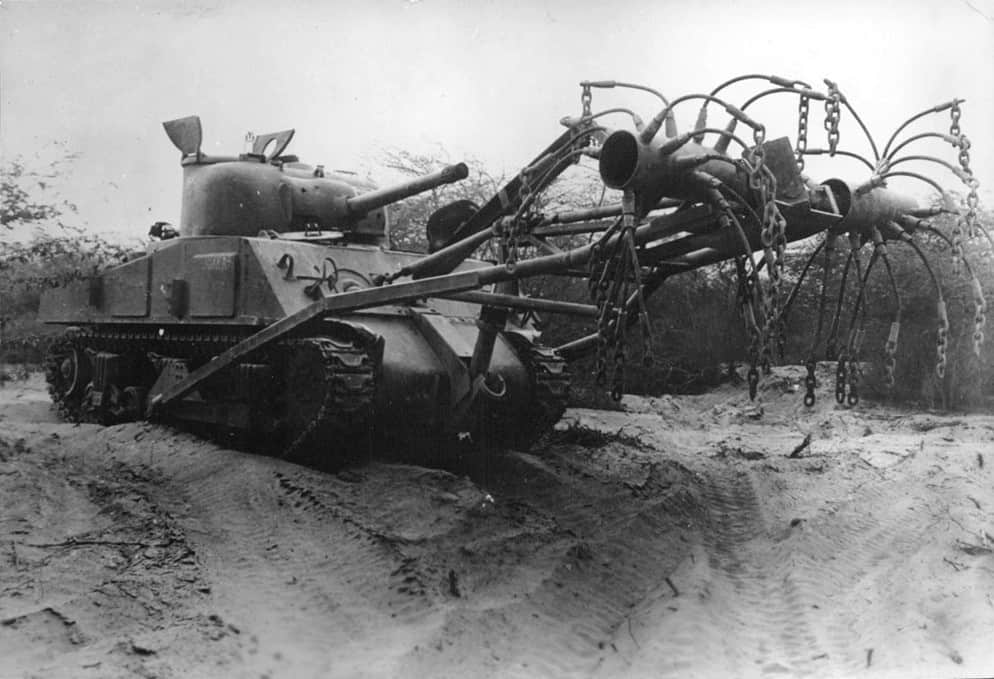
- Type: Tank
- Year introduced to service: 1942
- Role in WWII: Mass armored warfare
- What problem it solved: Reliable armor
- How it influenced modern combat doctrine: Combined arms doctrine
- Modern legacy: Influences tank design
The Sherman emphasized reliability and logistics over raw power.
Tiger I
.jpg "panzer by Gru00f6nert")
- Type: Heavy Tank
- Year introduced to service: 1942
- Role in WWII: Breakthrough firepower
- What problem it solved: Heavy armor dominance
- How it influenced modern combat doctrine: Armor threat doctrine
- Modern legacy: Still studied
The Tiger shaped responses to heavy armor threats.
88mm Flak
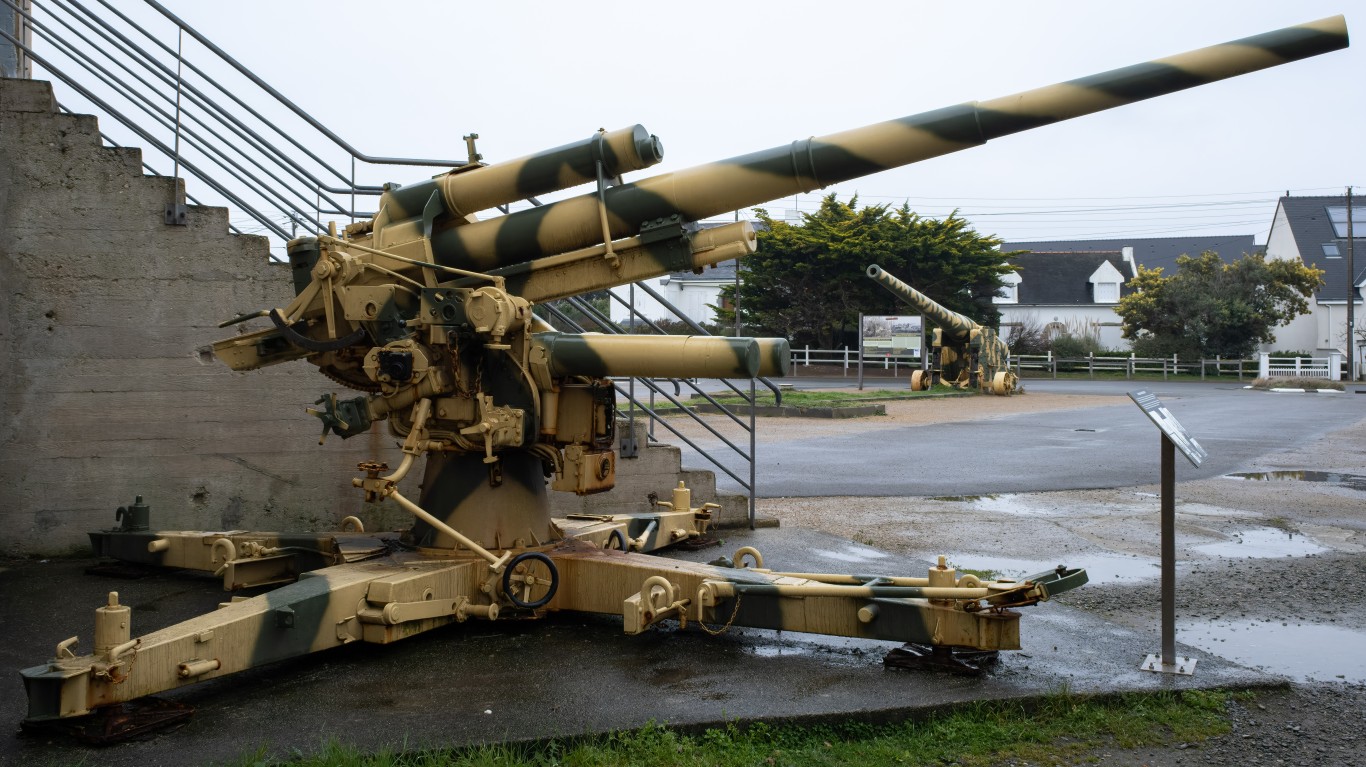
- Type: Artillery / AA
- Year introduced to service: 1933
- Role in WWII: Dual-role firepower
- What problem it solved: AA and AT roles
- How it influenced modern combat doctrine: Multi-role weapon doctrine
- Modern legacy: Still influential
The 88mm showed flexibility in artillery design.
Radar (WWII Systems)
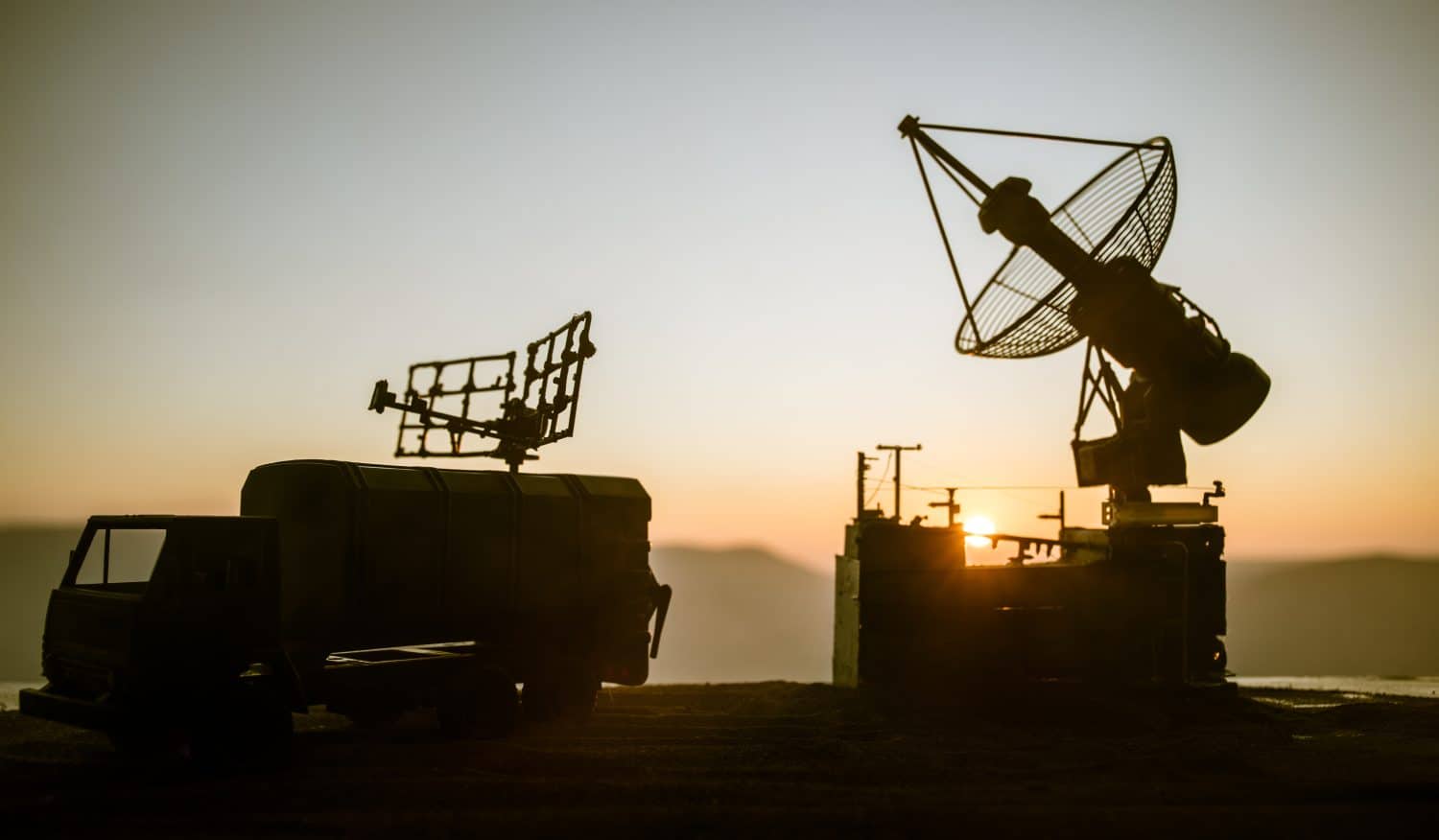
- Type: Sensor
- Year introduced to service: 1940
- Role in WWII: Early warning
- What problem it solved: Air defense
- How it influenced modern combat doctrine: Sensor-driven warfare
- Modern legacy: Foundational tech
Radar transformed detection and command systems.
Sonar (ASDIC)
- Type: Sensor
- Year introduced to service: 1939
- Role in WWII: Submarine detection
- What problem it solved: ASW warfare
- How it influenced modern combat doctrine: Anti-submarine doctrine
- Modern legacy: Still foundational
Sonar enabled modern ASW operations.
Proximity Fuse
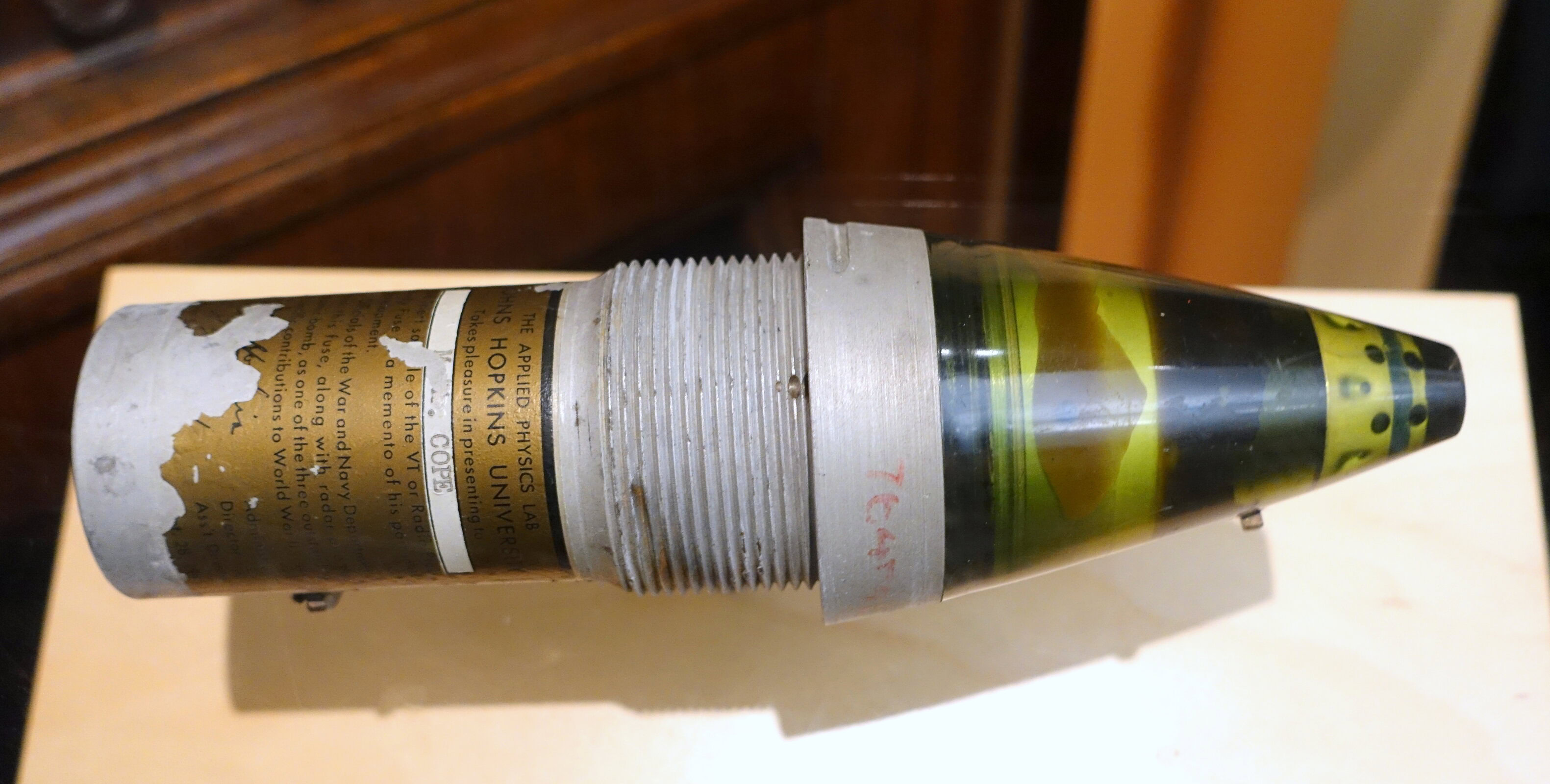
- Type: Munition
- Year introduced to service: 1942
- Role in WWII: Improved lethality
- What problem it solved: Air defense
- How it influenced modern combat doctrine: Smart munition doctrine
- Modern legacy: Still used
The proximity fuse revolutionized munitions effectiveness.
Jeep (Willys MB)
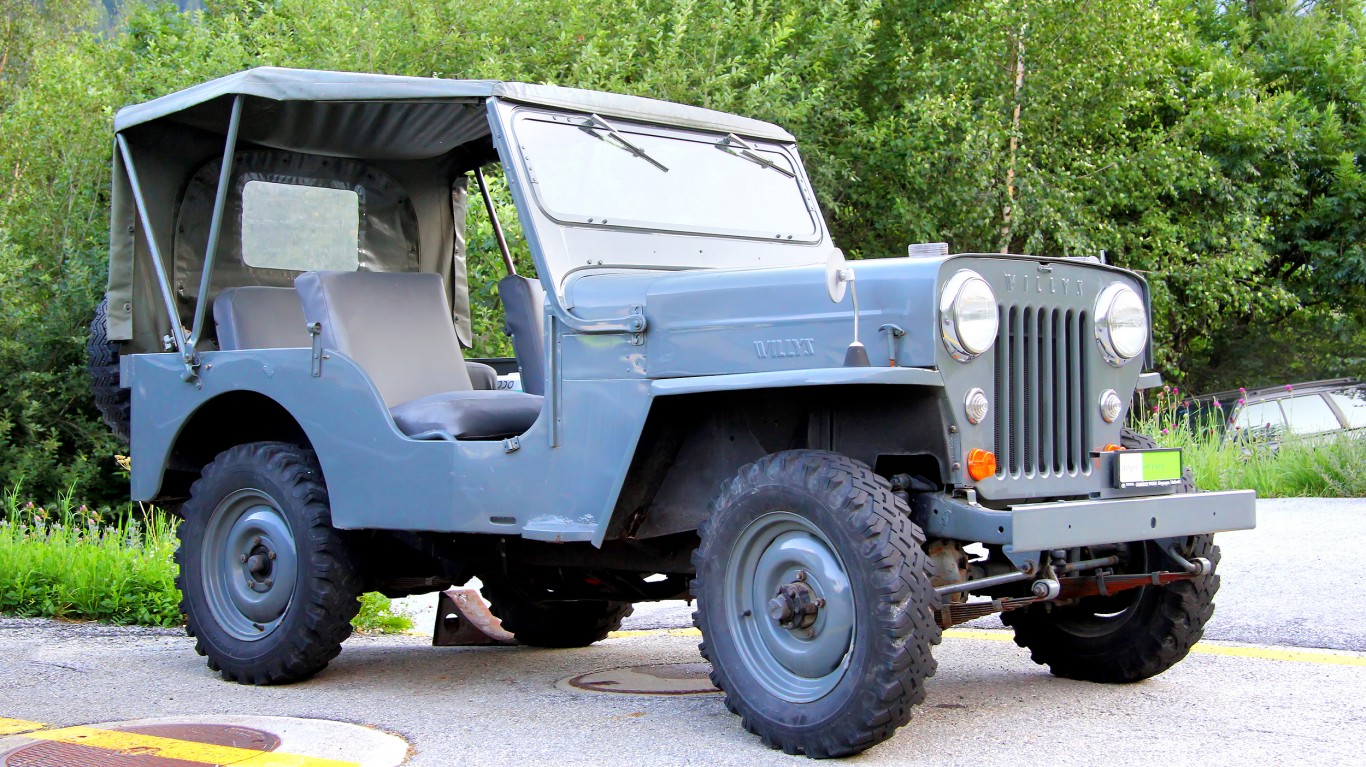
- Type: Light Vehicle
- Year introduced to service: 1941
- Role in WWII: Mobile transport
- What problem it solved: Rapid movement
- How it influenced modern combat doctrine: Logistics doctrine
- Modern legacy: Influenced light vehicles
The Jeep defined military mobility concepts.
Sten Gun
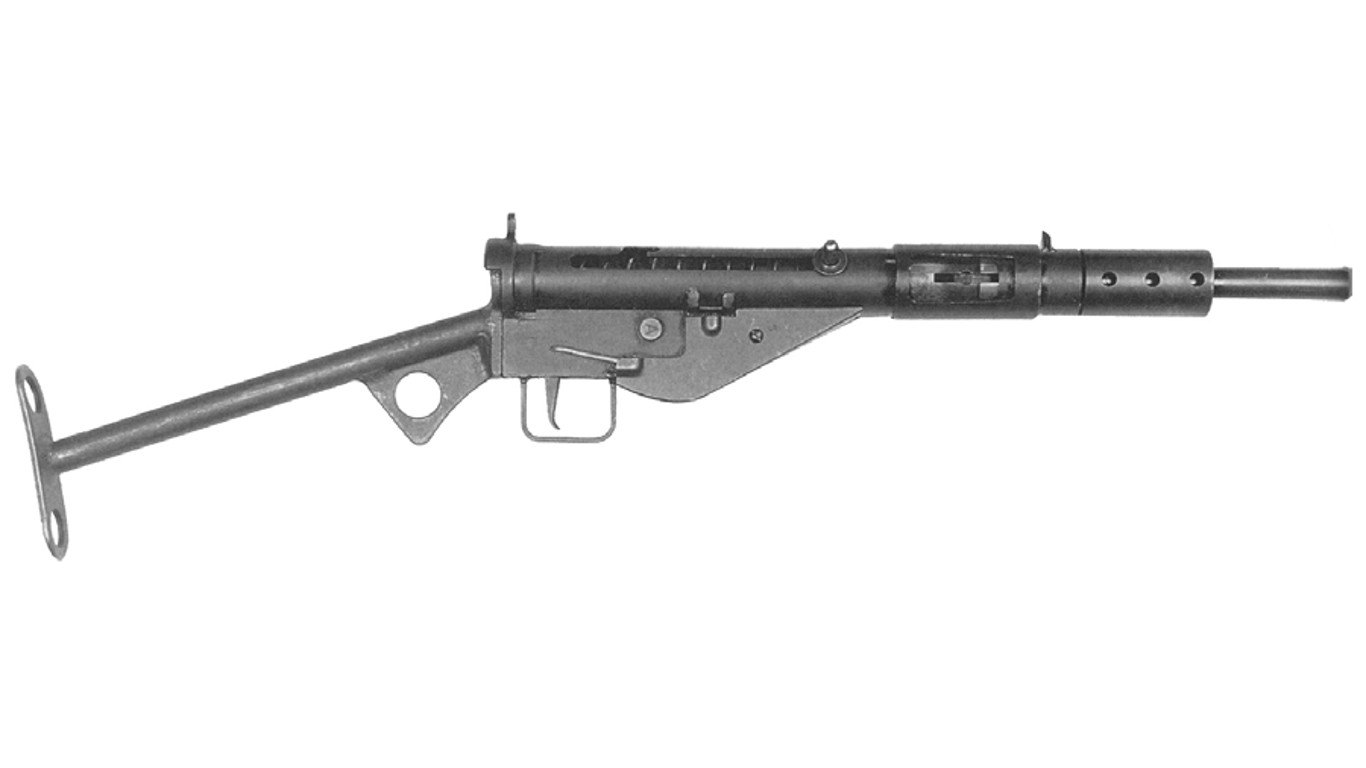
- Type: Submachine Gun
- Year introduced to service: 1941
- Role in WWII: Low-cost automatic fire
- What problem it solved: Rapid production
- How it influenced modern combat doctrine: Mass-armament doctrine
- Modern legacy: Copied globally
The Sten showed how simplicity could arm forces quickly.
M3 Grease Gun
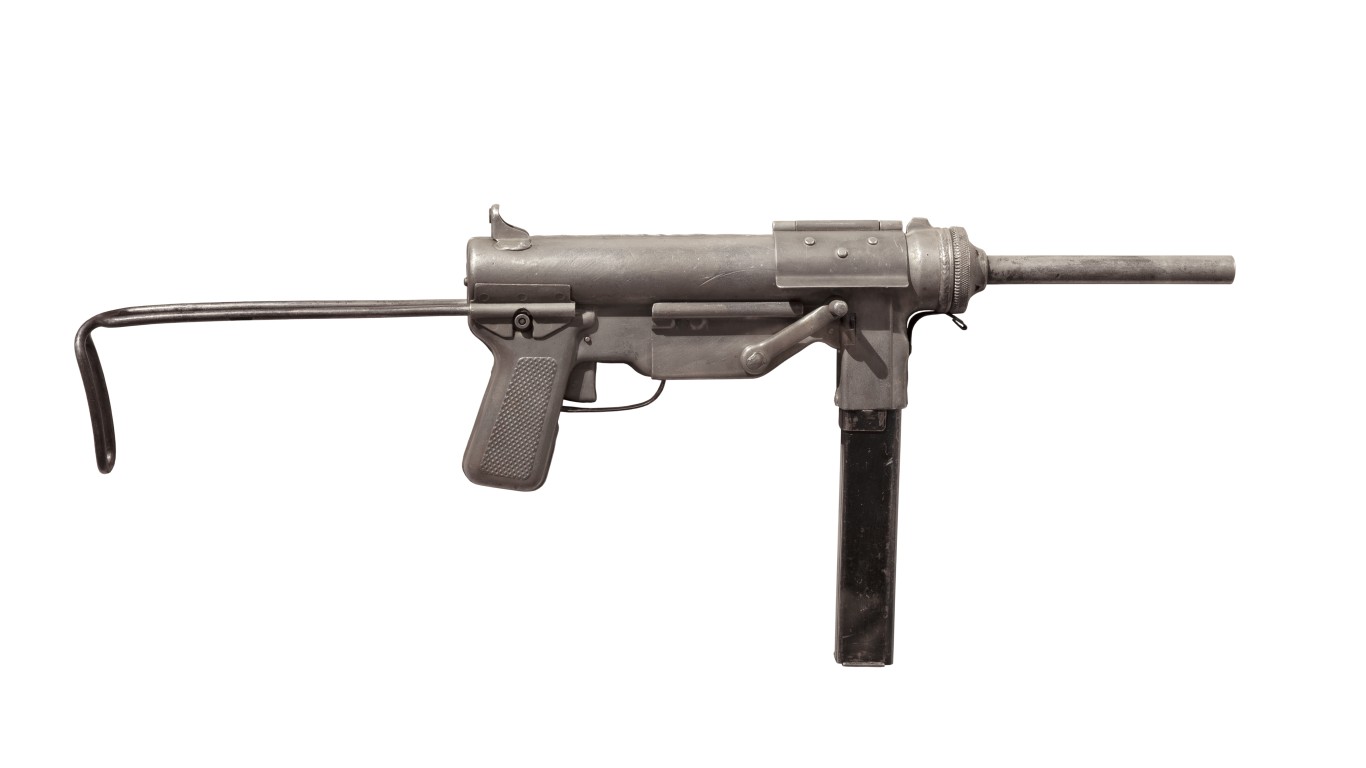
- Type: Submachine Gun
- Year introduced to service: 1943
- Role in WWII: Compact automatic fire
- What problem it solved: Vehicle crews
- How it influenced modern combat doctrine: Simple weapon doctrine
- Modern legacy: Influenced later SMGs
The M3 reinforced simplicity in weapon design.
Depth Charge
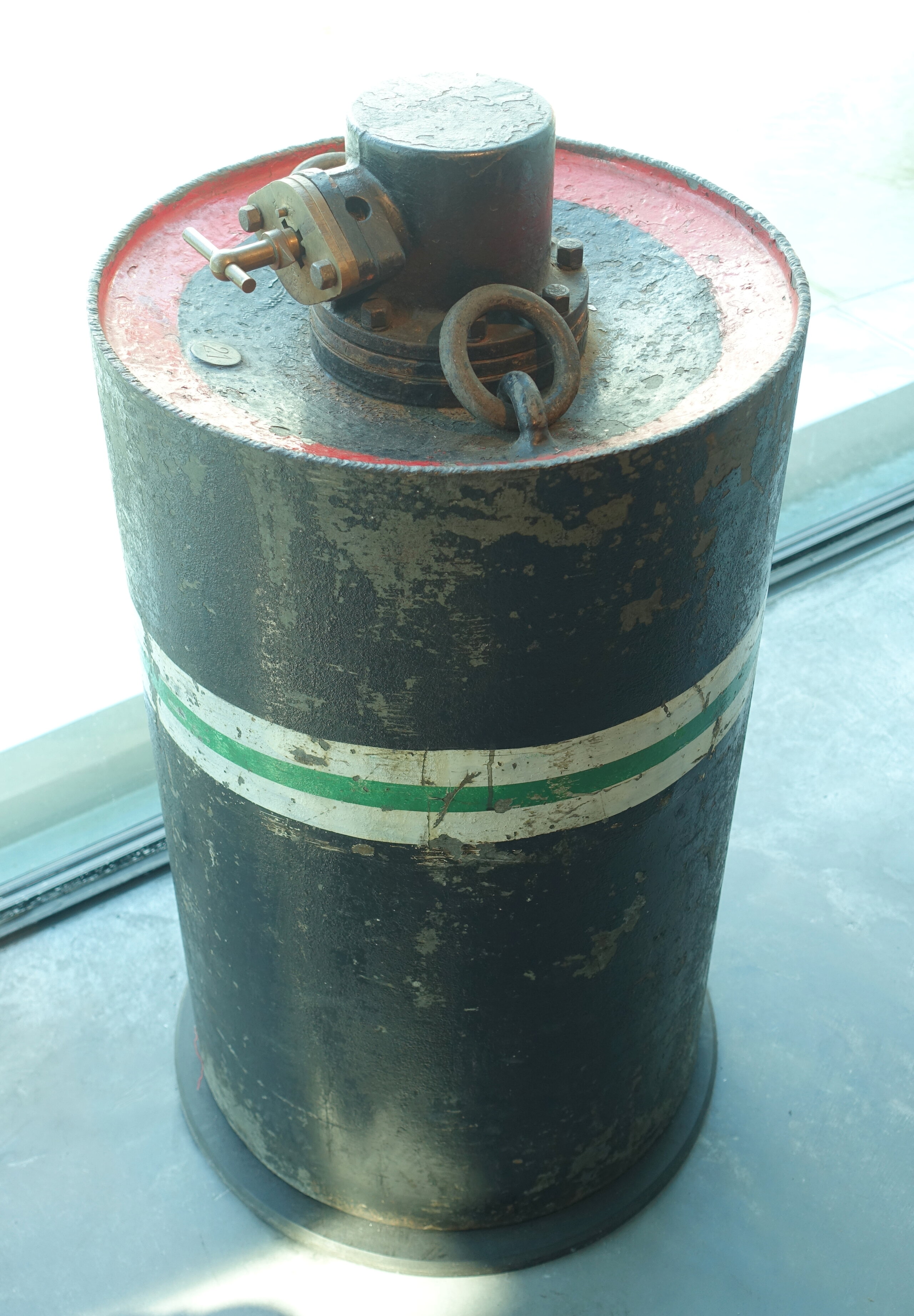
- Type: Naval Weapon
- Year introduced to service: 1918
- Role in WWII: Submarine warfare
- What problem it solved: Area denial
- How it influenced modern combat doctrine: ASW doctrine
- Modern legacy: Still used conceptually
Depth charges shaped naval ASW tactics.





 Top Gaining Stocks
 Top Losing Stocks