


Not every shift in infantry tactics comes from better equipment. Some changes emerged because weapons failed to perform as intended, forcing troops to adapt in order to survive and remain effective. Reliability issues, safety risks, and handling limitations reshaped how soldiers moved, engaged, and coordinated. Here, 24/7 Wall St. is taking a closer look at the infantry weapons that changed tactics, but not because they were better.
To identify the infantry weapons that negatively impacted military tactics, 24/7 Wall St. reviewed various historical and military sources. We included supplemental information regarding each weapon, its primary role, when it was from, what tactical problems it created, and how troops ultimately adapted to it.
Here is a look at the infantry weapons that changed tactics:
Why Are We Covering This?
Understanding infantry weapons that changed tactics is important because it challenges the assumption that battlefield evolution is driven only by technological improvement. In many cases, soldiers altered how they moved, fought, and organized not to gain advantage, but to compensate for unreliable, awkward, or limiting equipment. Examining these weapons reveals how real-world infantry tactics often emerge from constraint and adaptation, offering a more honest picture of how combat behavior evolves when doctrine is forced to bend around imperfect tools rather than improved capability.
Tactical Change Isn’t Always Progress
Infantry tactics are often assumed to evolve because weapons improve. In reality, many tactical shifts emerged because soldiers were forced to adapt to weapons that were unreliable, awkward, dangerous, or mismatched to doctrine. This article examines infantry weapons that changed how troops fought—not because they offered an advantage, but because their shortcomings demanded new behavior.
When Weapons Forced Soldiers to Adapt
Several weapons on this list introduced friction at the squad level. Reliability problems, limited range, poor accuracy, or safety risks forced changes in spacing, movement, formations, and fire discipline. These adaptations were about avoiding failure and reducing risk, not increasing lethality or tempo.
Doctrine Followed Reality, Not Design
Many of these weapons were issued with doctrine that assumed performance they could not reliably deliver. Automatic fire was restricted. Assault weapons slowed advances. Firepower tools became positional or defensive. Doctrine evolved after soldiers discovered what the weapons could not do under combat conditions.
Scale Made Tactical Change Inevitable
These weapons mattered tactically because they were issued in large numbers. Once entire units carried the same limitations, individual workarounds became standardized behavior. Over time, those behaviors hardened into doctrine, shaping how infantry units moved, fought, and organized themselves.
What These Weapons Reveal About Infantry Combat
Together, these weapons show that infantry tactics are often shaped by constraint rather than capability. Tactical change does not always signal improvement—it can reflect compensation. Understanding these cases helps explain how real-world infantry combat evolves when equipment forces adaptation rather than advantage.
Chauchat (CSRG M1915)
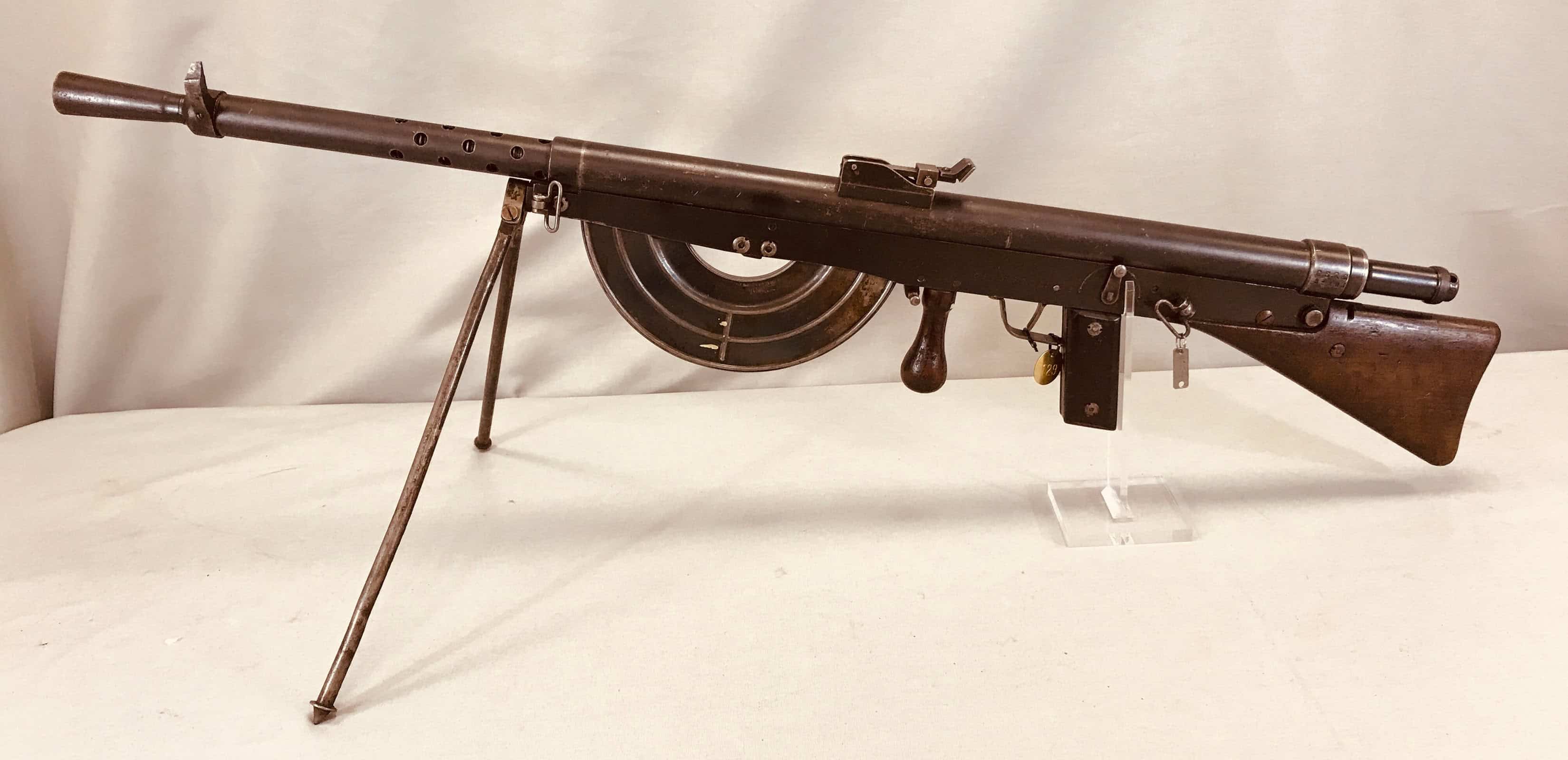
- Era: WWI
- Infantry role: Automatic rifle
- Why it wasn’t “better”: Unreliable and dirt-sensitive
- Tactical problem it created: Frequent stoppages broke assault momentum
- How troops adapted: Slower movement and deliberate firing
- Tactic or doctrine that changed: Fire-and-maneuver slowed and centralized
- Why the weapon stayed in use Anyway: Urgent wartime need
The Chauchat forced infantry to slow their assaults and fire more deliberately due to frequent jams. Rather than enabling aggressive automatic fire, it pushed units to adapt movement and spacing to avoid weapon failure at critical moments, shaping early fire-and-maneuver tactics despite its shortcomings.
MP18
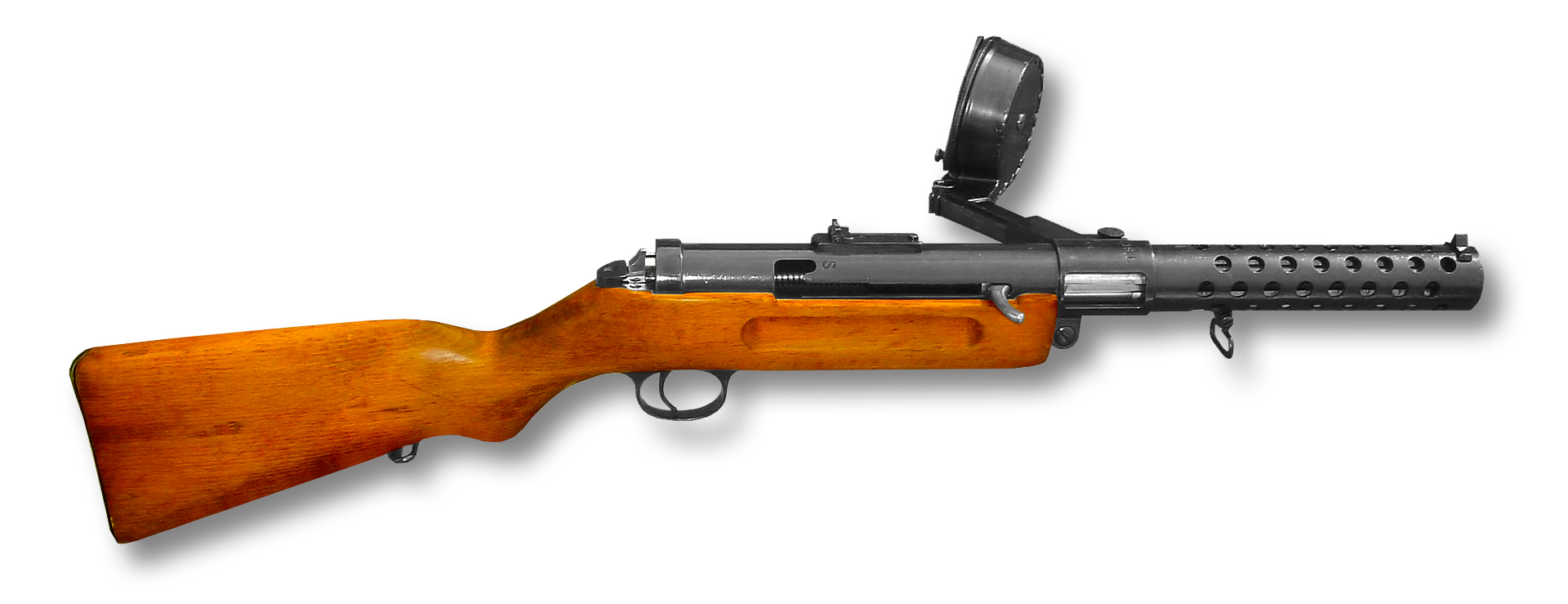
- Era: WWI
- Infantry role: Submachine gun
- Why it wasn’t “better”: Limited range and control
- Tactical problem it created: Required extreme close-range employment
- How troops adapted: Developed stormtrooper CQB tactics
- Tactic or doctrine that changed: Close-assault formations
- Why the weapon stayed in use Anyway: No alternatives
The MP18 changed tactics by forcing soldiers into close-quarters combat where its limitations mattered less. Its short range and poor control shaped assault tactics focused on trenches and confined spaces, influencing future infantry CQB doctrine despite the weapon’s crude design.
Lewis Gun

- Era: WWI
- Infantry role: Light machine gun
- Why it wasn’t “better”: Heavy and awkward to carry
- Tactical problem it created: Limited mobility during advances
- How troops adapted: Assigned fixed support roles
- Tactic or doctrine that changed: Fire team structuring
- Why the weapon stayed in use Anyway: Unique automatic capability
The Lewis Gun’s weight and cooling system restricted mobility, forcing infantry units to build tactics around fixed supporting fire rather than fluid movement. Its limitations shaped early squad roles and spacing, even though the weapon was not universally superior.
BAR (early employment)
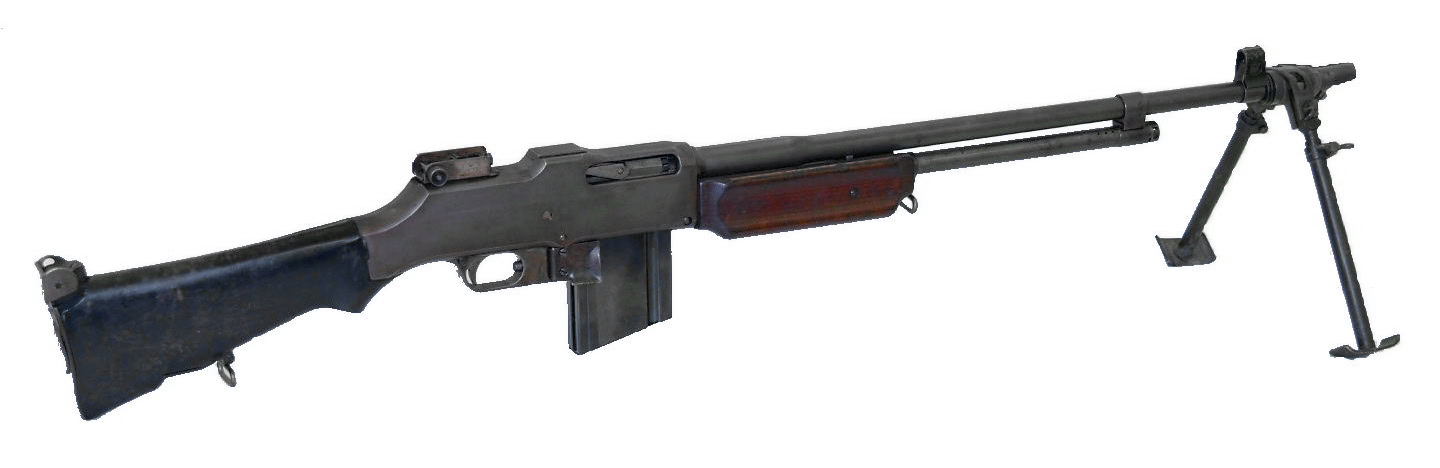
- Era: WWI/WWII
- Infantry role: Automatic rifle
- Why it wasn’t “better”: Limited sustained fire
- Tactical problem it created: Could not replace true machine guns
- How troops adapted: Used as walking fire support
- Tactic or doctrine that changed: Assault pacing adjustments
- Why the weapon stayed in use Anyway: Doctrine experimentation
Early use of the BAR forced troops to rethink automatic fire at the squad level. Its inability to sustain fire meant tactics emphasized short bursts during movement rather than suppression, shaping assault methods despite its middling firepower.
Mondragón Rifle

- Era: WWI
- Infantry role: Semi-automatic rifle
- Why it wasn’t “better”: Fragile mechanism
- Tactical problem it created: Frequent malfunctions disrupted units
- How troops adapted: Selective issue to specialists
- Tactic or doctrine that changed: Restricted employment
- Why the weapon stayed in use Anyway: Technological optimism
The Mondragón rifle’s fragility forced armies to limit its use and adjust tactics around specialist employment. Rather than empowering infantry broadly, it demonstrated how unreliable innovation could complicate battlefield behavior.
Sten Gun
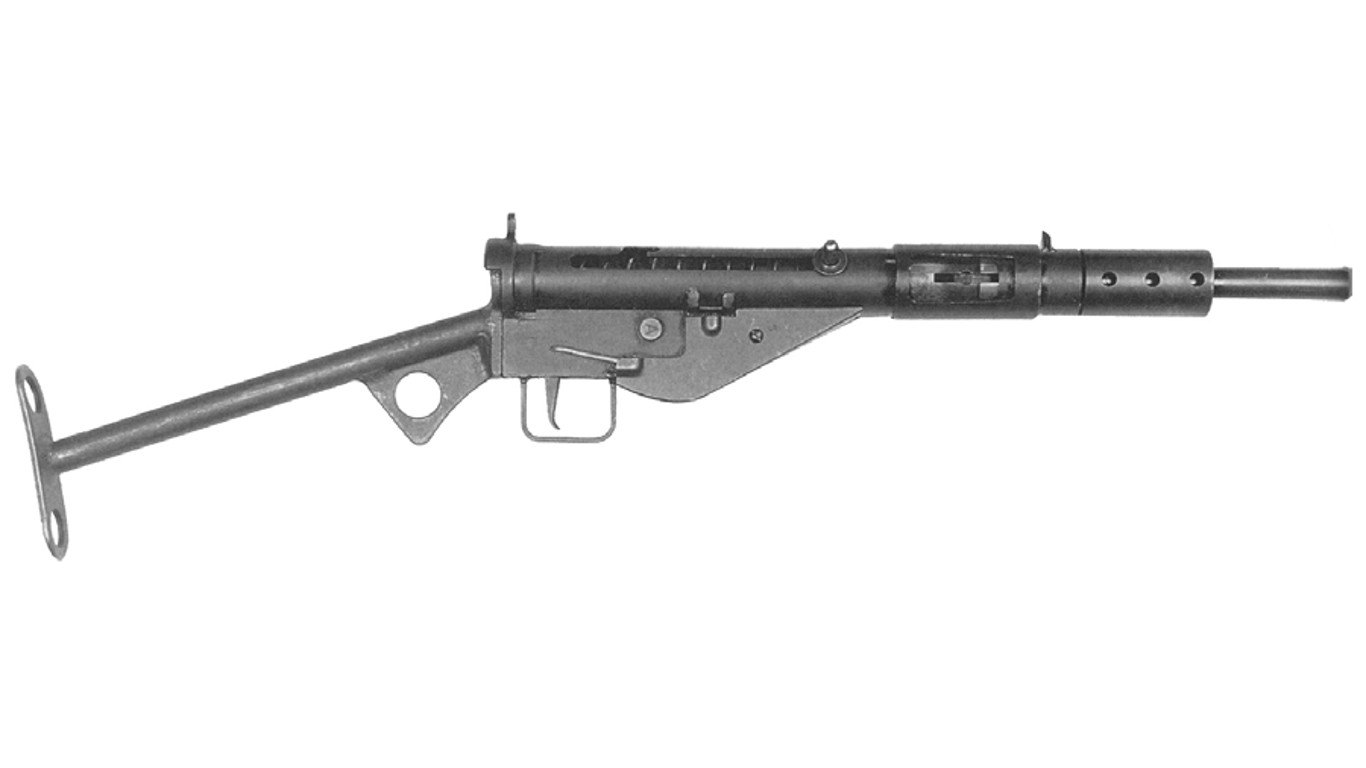
- Era: WWII
- Infantry role: Submachine gun
- Why it wasn’t “better”: Poor accuracy and safety
- Tactical problem it created: Accidental discharges altered patrol behavior
- How troops adapted: Short-range ambush tactics
- Tactic or doctrine that changed: Patrol and ambush doctrine
- Why the weapon stayed in use Anyway: Mass production need
The Sten’s inaccuracy and safety issues forced troops to adopt cautious handling and close-range tactics. Infantry relied on ambushes and surprise rather than firepower, reshaping patrol doctrine despite the weapon’s crude construction.
Bren Gun
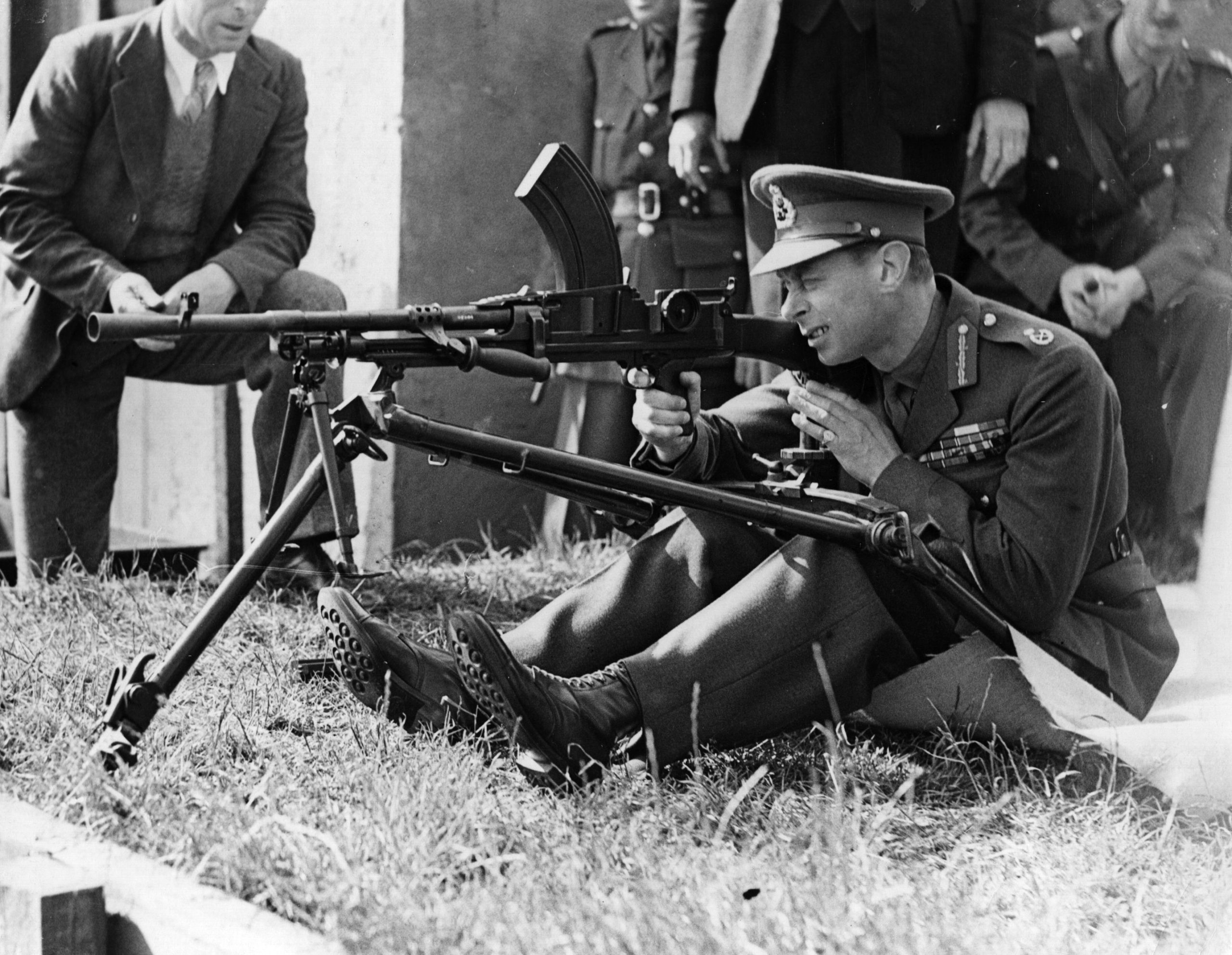
- Era: WWII
- Infantry role: Light machine gun
- Why it wasn’t “better”: Magazine-fed limitations
- Tactical problem it created: Frequent reloads interrupted suppression
- How troops adapted: Fixed gunner roles
- Tactic or doctrine that changed: Section-based fire doctrine
- Why the weapon stayed in use Anyway: Reliability tradeoff
The Bren’s top-mounted magazine limited sustained fire, forcing infantry to build tactics around controlled bursts and fixed gunner positions. Its reliability mattered more than raw volume, shaping section-level doctrine without dramatically increasing lethality.
PPSh-41

- Era: WWII
- Infantry role: Submachine gun
- Why it wasn’t “better”: Poor accuracy at range
- Tactical problem it created: Ineffective beyond close combat
- How troops adapted: Close-range mass assault
- Tactic or doctrine that changed: Urban and trench fighting
- Why the weapon stayed in use Anyway: Industrial simplicity
The PPSh-41 pushed infantry toward aggressive, close-range tactics to offset poor accuracy. Rather than improving marksmanship, it changed movement and engagement distances, reinforcing assault-oriented doctrine built around proximity.
M1 Carbine
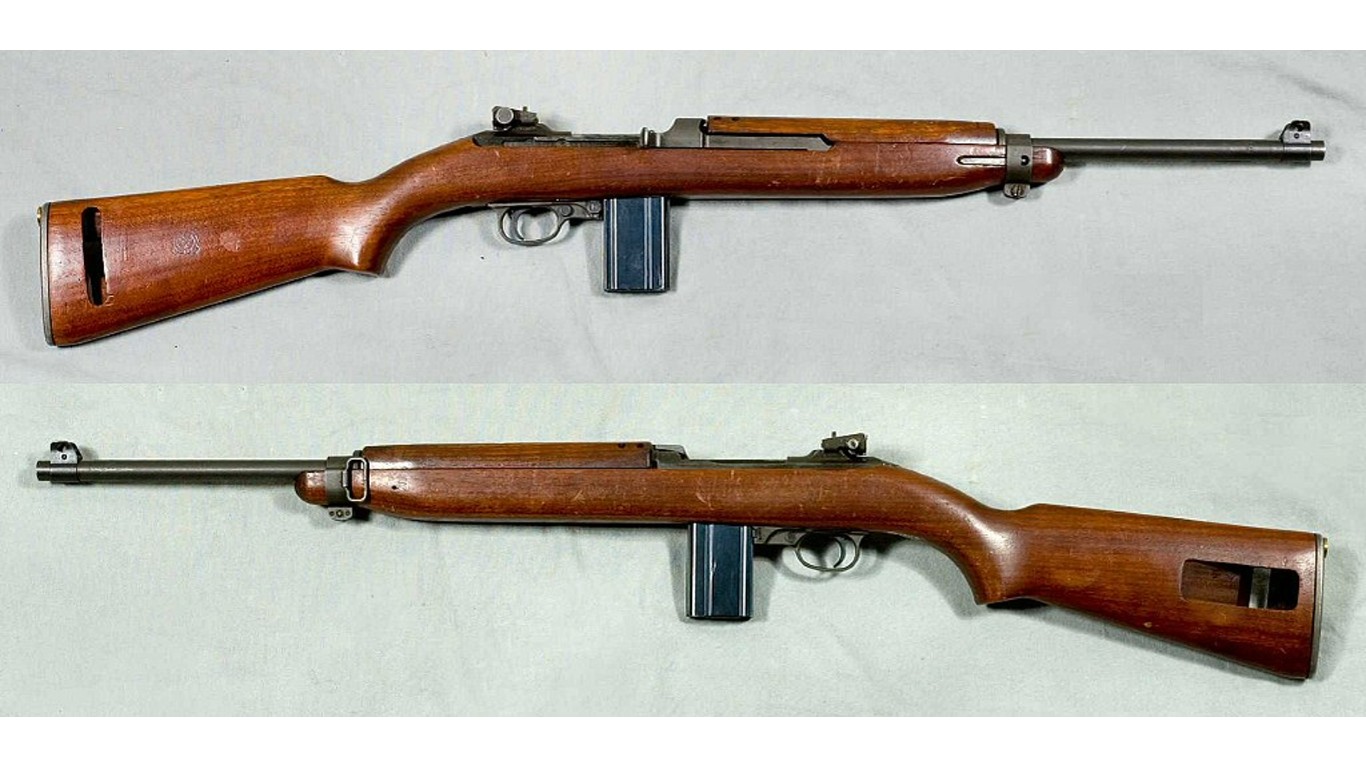
- Era: WWII
- Infantry role: Carbine
- Why it wasn’t “better”: Limited stopping power
- Tactical problem it created: Reduced effectiveness at range
- How troops adapted: Short-range engagement focus
- Tactic or doctrine that changed: Rear-echelon tactics
- Why the weapon stayed in use Anyway: Weight and logistics
The M1 Carbine altered tactics by limiting effective engagement distance. Units adapted by emphasizing maneuver and volume of fire over stopping power, especially among support troops, despite the weapon offering no clear ballistic advantage.
M3 Grease Gun
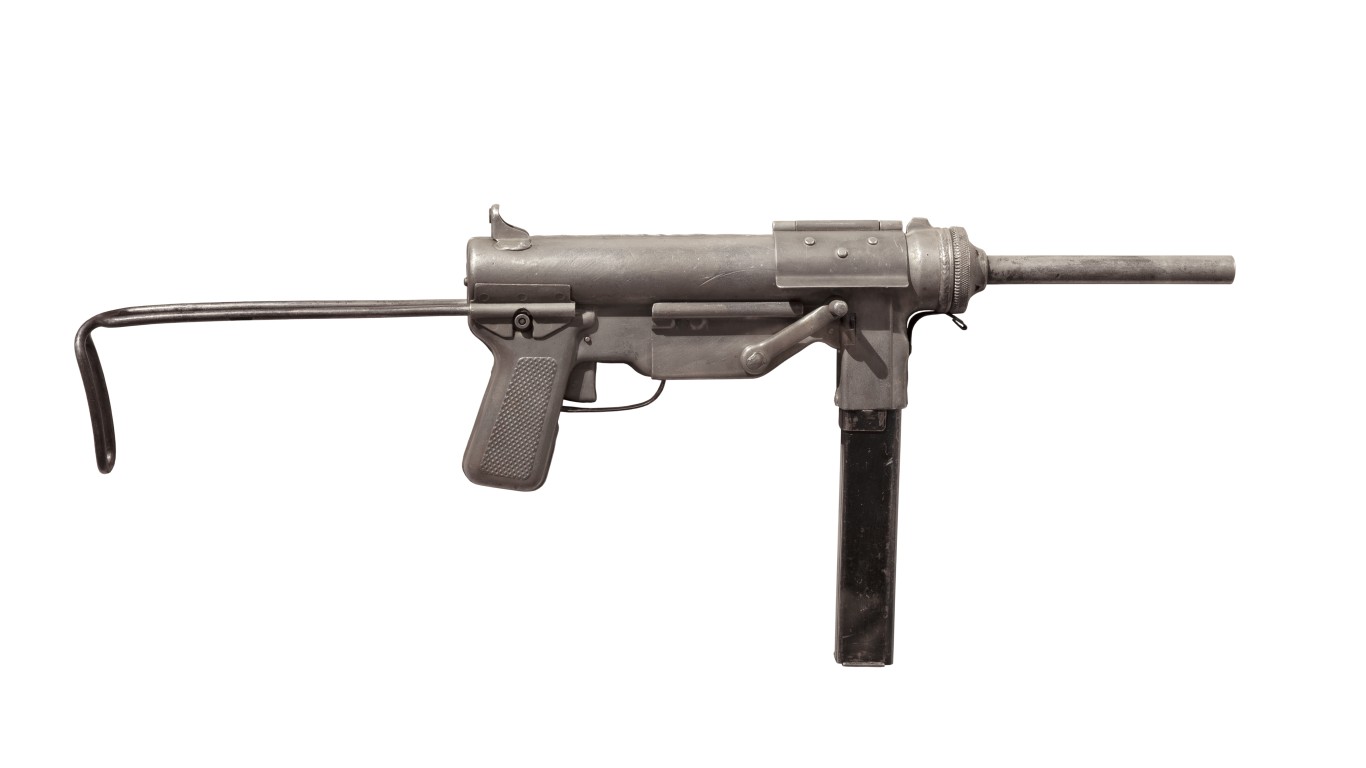
- Era: WWII
- Infantry role: Submachine gun
- Why it wasn’t “better”: Low rate of fire
- Tactical problem it created: Limited suppressive capability
- How troops adapted: Deliberate, aimed bursts
- Tactic or doctrine that changed: Controlled-fire doctrine
- Why the weapon stayed in use Anyway: Cost and simplicity
The M3’s slow rate of fire forced deliberate shooting rather than spray-and-pray tactics. Infantry adapted by emphasizing controlled bursts at close range, changing how suppression was applied without increasing combat effectiveness.
MAS-36

- Era: WWII
- Infantry role: Bolt-action rifle
- Why it wasn’t “better”: Slow rate of fire
- Tactical problem it created: Reduced responsiveness
- How troops adapted: Conservative engagement tactics
- Tactic or doctrine that changed: Defensive infantry posture
- Why the weapon stayed in use Anyway: Industrial constraints
The MAS-36 forced slower engagement tempos due to its bolt-action design. Troops compensated through positioning and deliberate fire, adjusting tactics to weapon limitations rather than gaining battlefield superiority.
Type 100 SMG
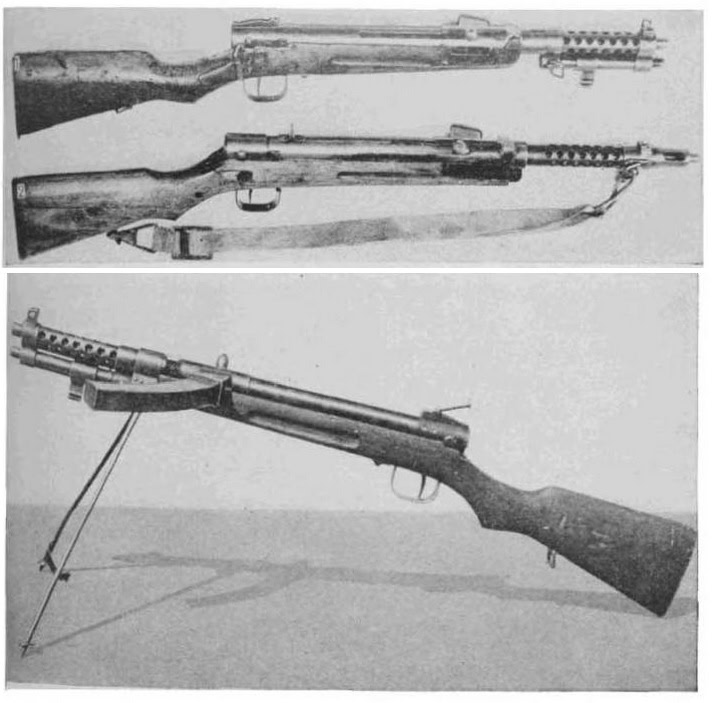
- Era: WWII
- Infantry role: Submachine gun
- Why it wasn’t “better”: Inconsistent quality
- Tactical problem it created: Unreliable performance
- How troops adapted: Selective CQB use
- Tactic or doctrine that changed: Limited assault doctrine
- Why the weapon stayed in use Anyway: Production limits
The Type 100’s inconsistent quality forced cautious employment and limited tactical reliance. Rather than reshaping combat positively, it constrained Japanese CQB tactics and forced workarounds.
M14 (automatic role)
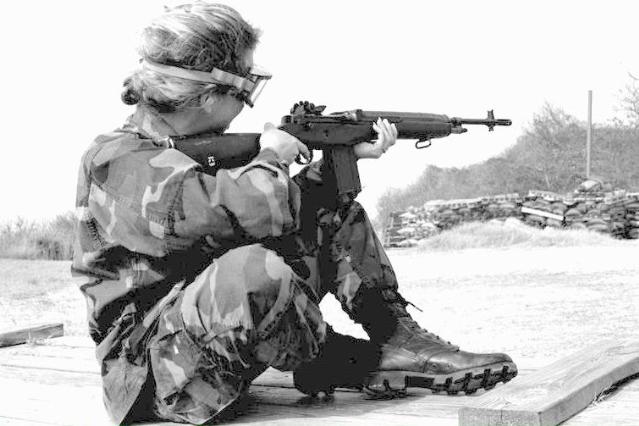
- Era: Cold War
- Infantry role: Battle rifle
- Why it wasn’t “better”: Uncontrollable recoil
- Tactical problem it created: Automatic fire unusable
- How troops adapted: Semi-auto emphasis
- Tactic or doctrine that changed: Fire discipline doctrine
- Why the weapon stayed in use Anyway: Transitional requirement
The M14’s automatic mode proved impractical, forcing doctrine to abandon full-auto fire. Infantry tactics shifted toward controlled semi-automatic engagement, demonstrating how limitation—not superiority—drove doctrinal change.
FN FAL (full-auto)
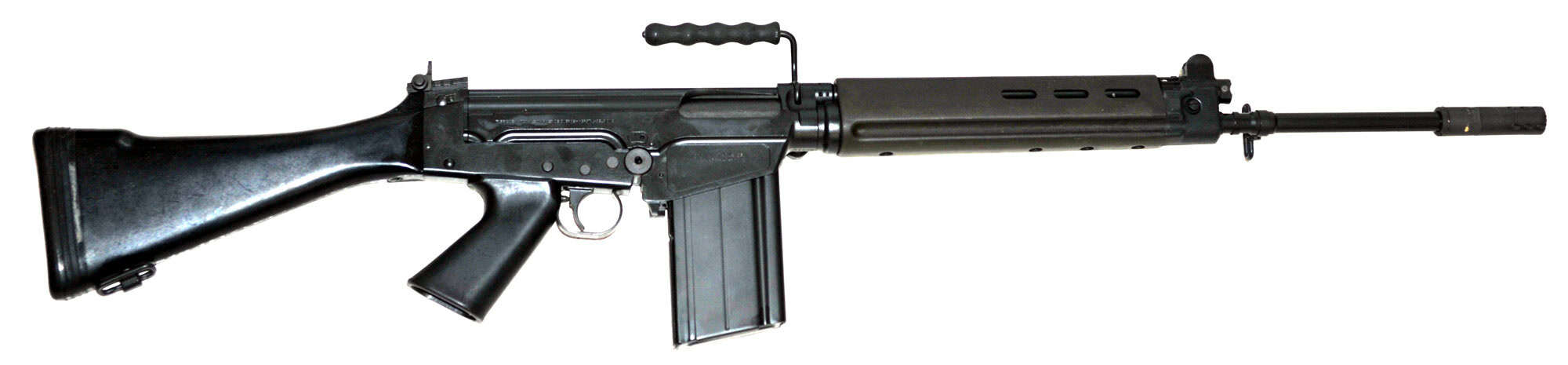
- Era: Cold War
- Infantry role: Battle rifle
- Why it wasn’t “better”: Excessive recoil
- Tactical problem it created: Wasted ammunition
- How troops adapted: Restricted automatic use
- Tactic or doctrine that changed: Fire discipline enforcement
- Why the weapon stayed in use Anyway: Standardization pressure
Full-auto FAL variants forced armies to limit automatic fire due to recoil. Infantry tactics emphasized discipline and accuracy, changing engagement behavior without increasing lethality.
G3 Battle Rifle

- Era: Cold War
- Infantry role: Battle rifle
- Why it wasn’t “better”: Harsh recoil impulse
- Tactical problem it created: Reduced follow-up accuracy
- How troops adapted: Spacing and accuracy focus
- Tactic or doctrine that changed: Marksmanship doctrine
- Why the weapon stayed in use Anyway: Reliability preference
The G3’s recoil punished poor fundamentals, pushing infantry tactics toward spacing and deliberate fire. Rather than enabling volume, it shaped doctrine around accuracy and control.
AK-47 (early doctrine)
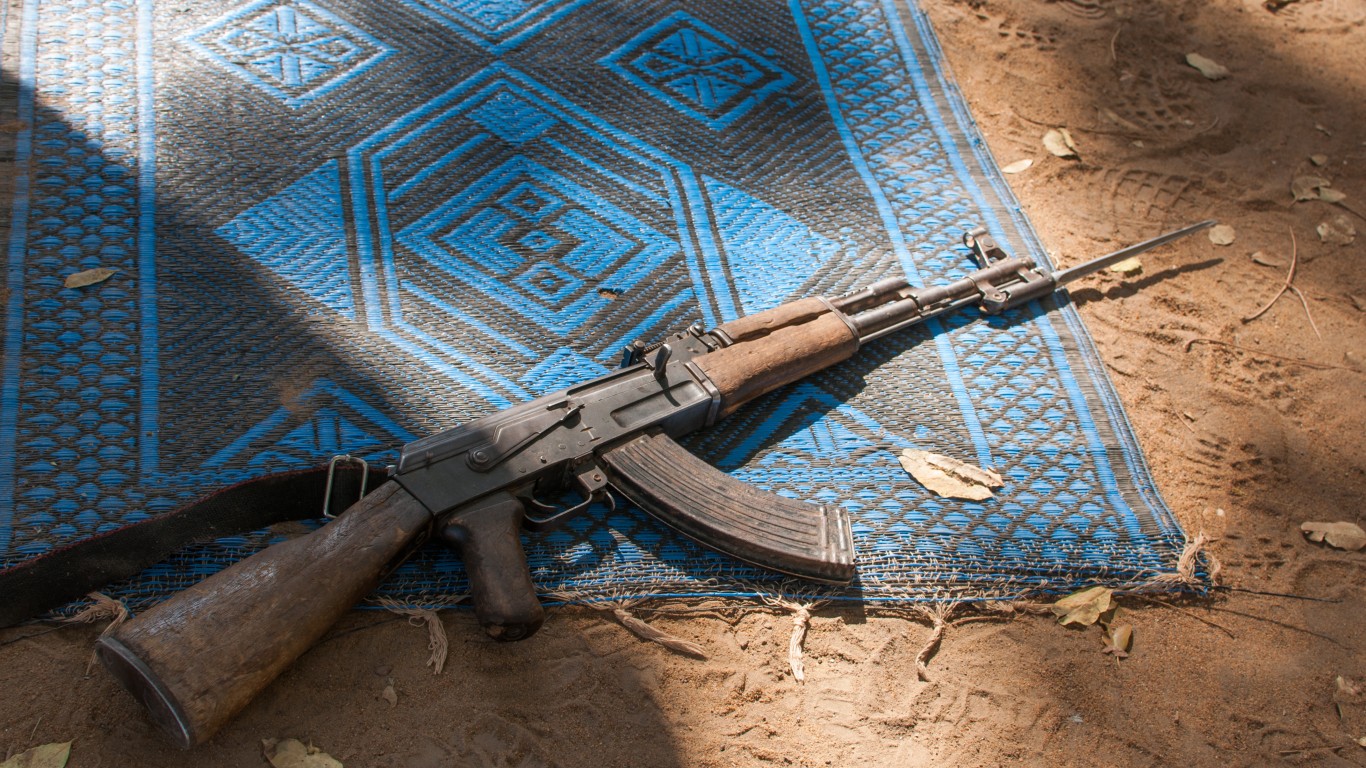
- Era: Cold War
- Infantry role: Assault rifle
- Why it wasn’t “better”: Low accuracy
- Tactical problem it created: Ineffective precision fire
- How troops adapted: Volume and durability emphasis
- Tactic or doctrine that changed: Assault tactics shift
- Why the weapon stayed in use Anyway: Ease of use
Early AK-47 doctrine accepted poor accuracy, encouraging tactics built around volume of fire and aggressive movement. This shift reflected adaptation to limitation rather than technical superiority.
RPK
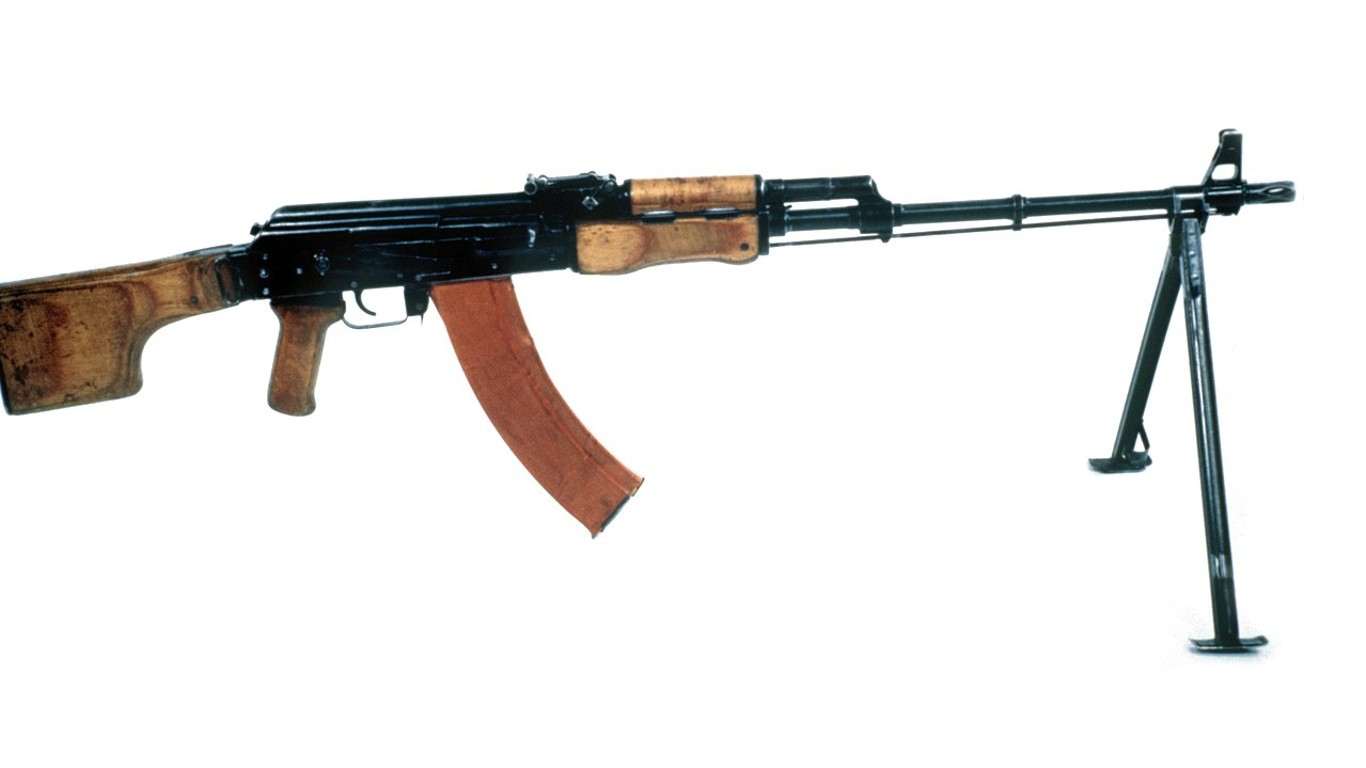
- Era: Cold War
- Infantry role: Automatic rifle
- Why it wasn’t “better”: Limited sustained fire
- Tactical problem it created: Could not replace machine gun
- How troops adapted: Positioned support fire
- Tactic or doctrine that changed: Squad-level suppression
- Why the weapon stayed in use Anyway: Logistical simplicity
The RPK forced squads to adapt suppression tactics despite lacking true machine-gun capability. Infantry adjusted positioning and fire discipline to compensate for its limitations.
M60 (infantry employment)
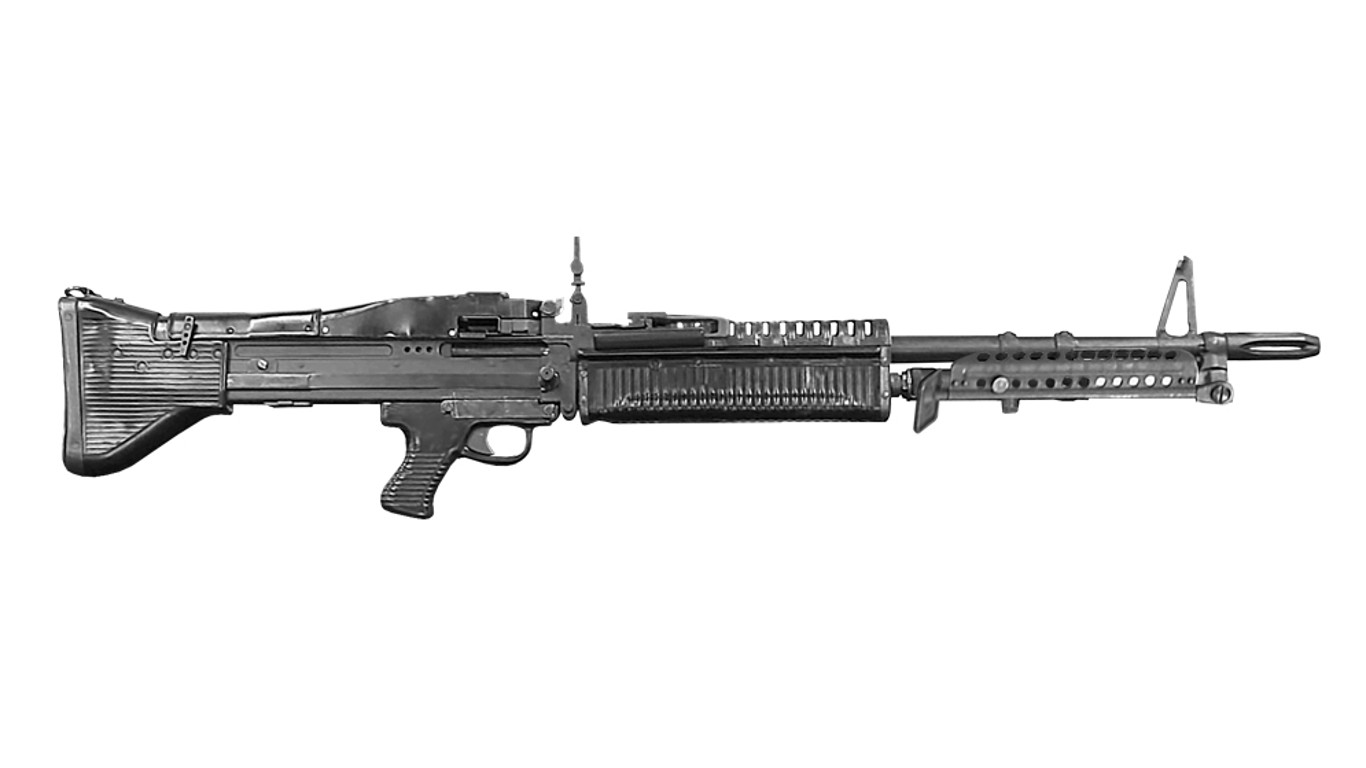
- Era: Cold War
- Infantry role: Machine gun
- Why it wasn’t “better”: Reliability issues
- Tactical problem it created: Frequent stoppages
- How troops adapted: Crew coordination emphasis
- Tactic or doctrine that changed: Crew-served doctrine
- Why the weapon stayed in use Anyway: Firepower requirement
The M60’s reliability problems required tight crew coordination and constant maintenance. Infantry tactics adapted around weapon care rather than increased effectiveness.
M16 (early Vietnam)
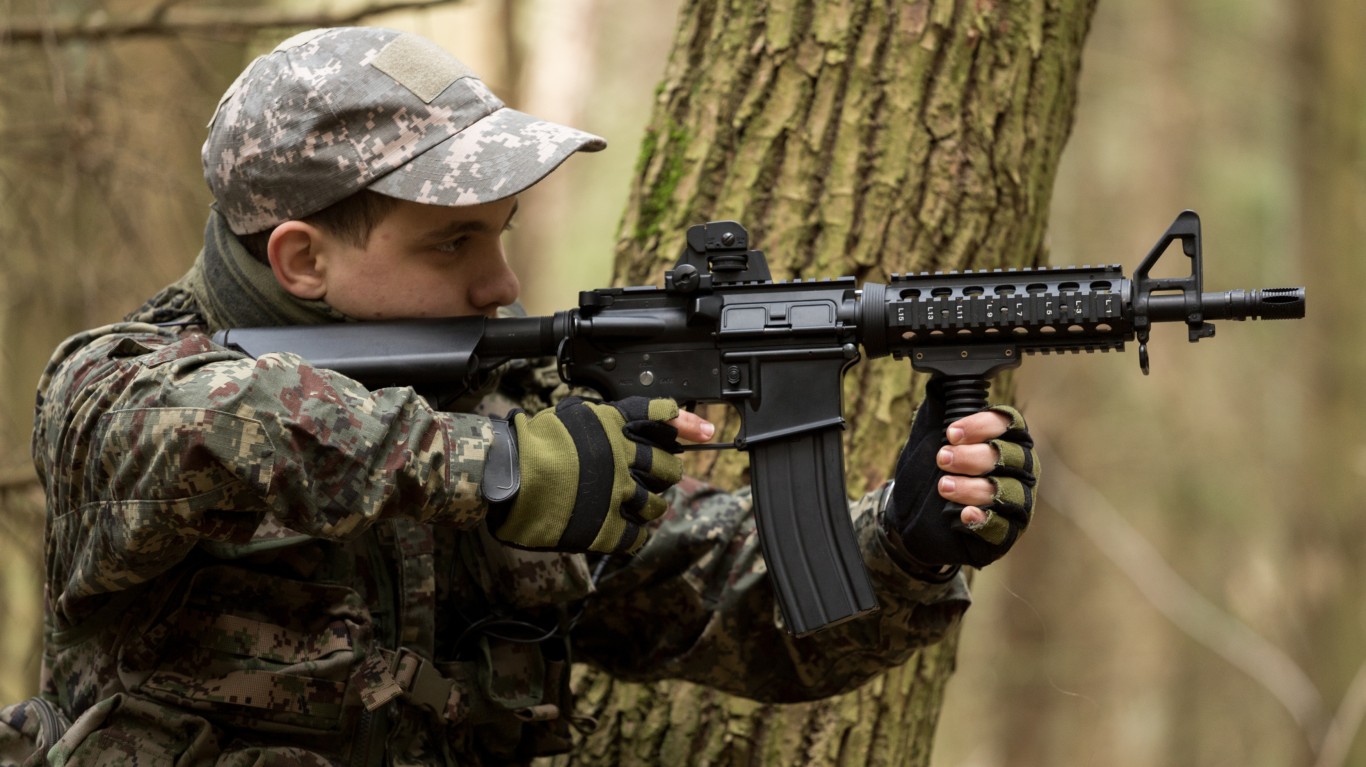
- Era: Vietnam
- Infantry role: Assault rifle
- Why it wasn’t “better”: Fouling and jamming
- Tactical problem it created: Loss of confidence in contact
- How troops adapted: Movement caution and fire control
- Tactic or doctrine that changed: Small-unit adaptation
- Why the weapon stayed in use Anyway: Rapid fielding
Early M16 issues forced infantry to adapt movement and engagement tactics to avoid weapon failure. The change was driven by limitation, not improved combat performance.
L85A1 SA80
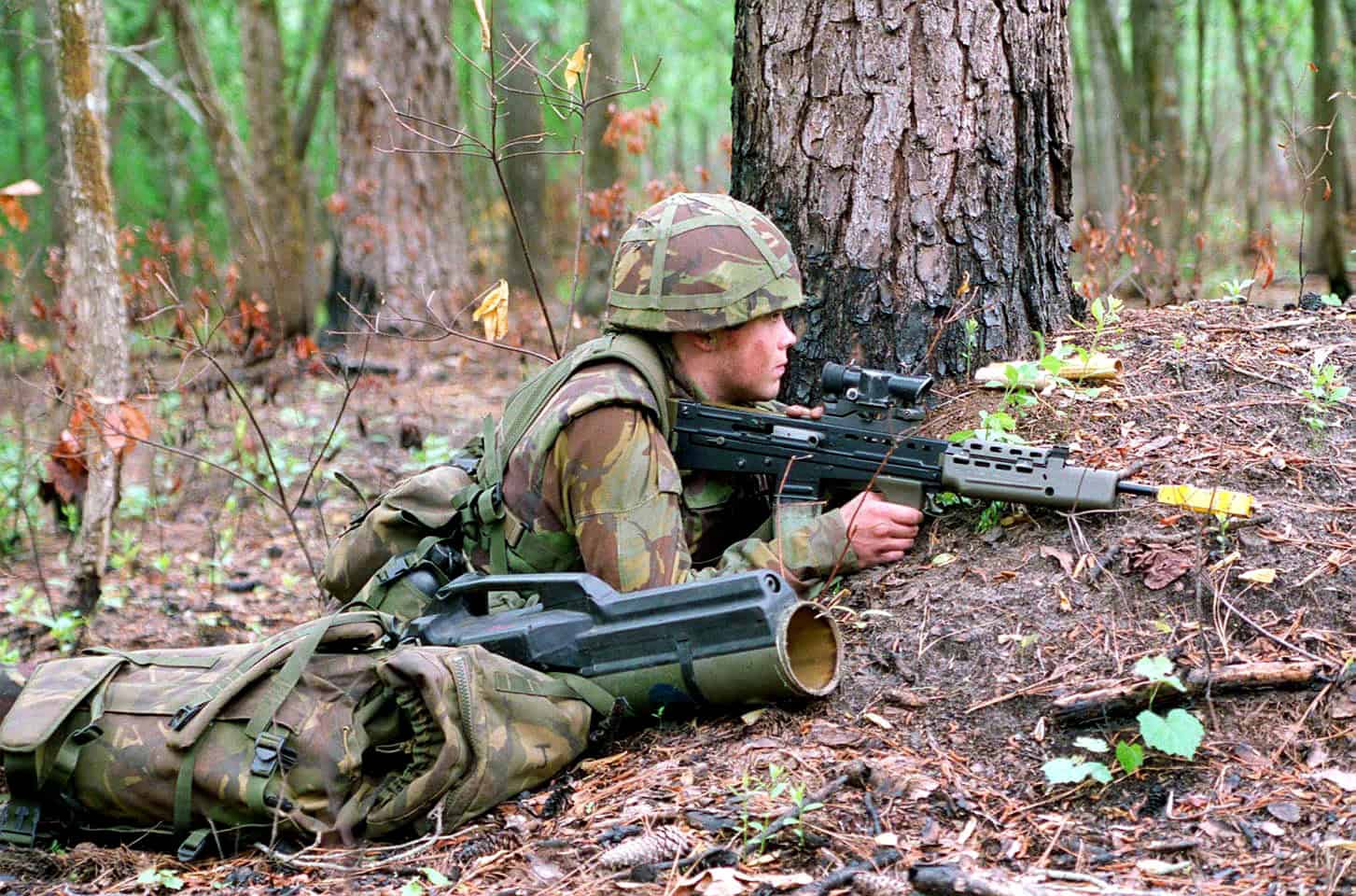
- Era: Cold War
- Infantry role: Assault rifle
- Why it wasn’t “better”: Poor balance and reliability
- Tactical problem it created: Awkward handling in combat
- How troops adapted: Positional firing adjustments
- Tactic or doctrine that changed: British infantry handling doctrine
- Why the weapon stayed in use Anyway: National production
The L85A1’s handling problems forced British troops to adjust firing positions and movement. Tactical adaptation compensated for flaws rather than enhanced capability.
FN P90
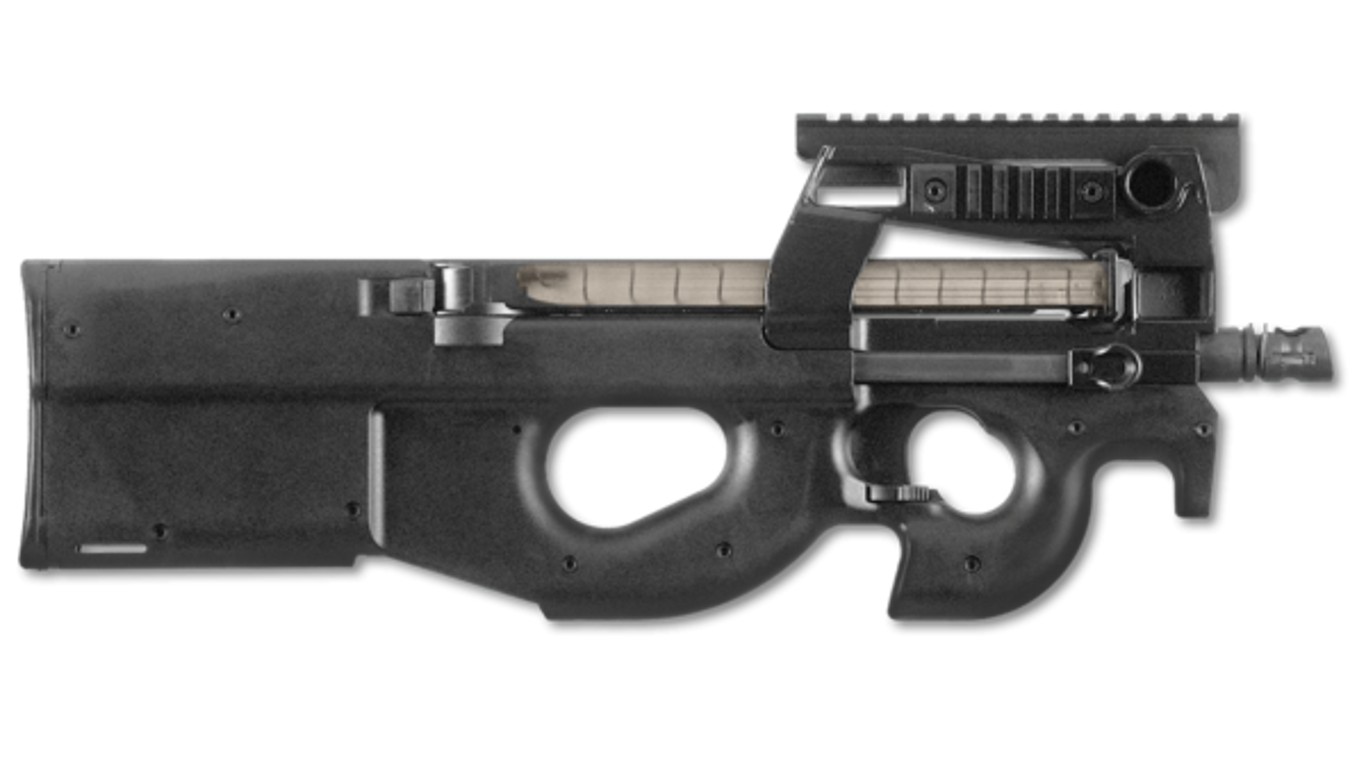
- Era: Modern
- Infantry role: PDW
- Why it wasn’t “better”: Limited stopping power
- Tactical problem it created: Extended engagements required
- How troops adapted: High-volume CQB fire
- Tactic or doctrine that changed: Specialist CQB tactics
- Why the weapon stayed in use Anyway: Niche requirement
The FN P90 altered CQB tactics by emphasizing penetration and volume over stopping power. Users adapted engagement behavior to compensate for its ballistic limitations.
HK G11 (trials)
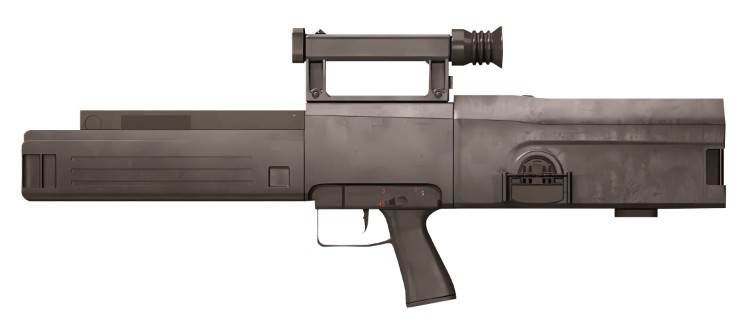
- Era: Cold War
- Infantry role: Experimental rifle
- Why it wasn’t “better”: Unconventional operation
- Tactical problem it created: Doctrinal uncertainty
- How troops adapted: Tactical experimentation
- Tactic or doctrine that changed: Concept-driven doctrine
- Why the weapon stayed in use Anyway: Technological ambition
The HK G11 forced extensive doctrinal experimentation during trials. Its unconventional design changed training and tactics despite offering no clear battlefield advantage.
AA-12
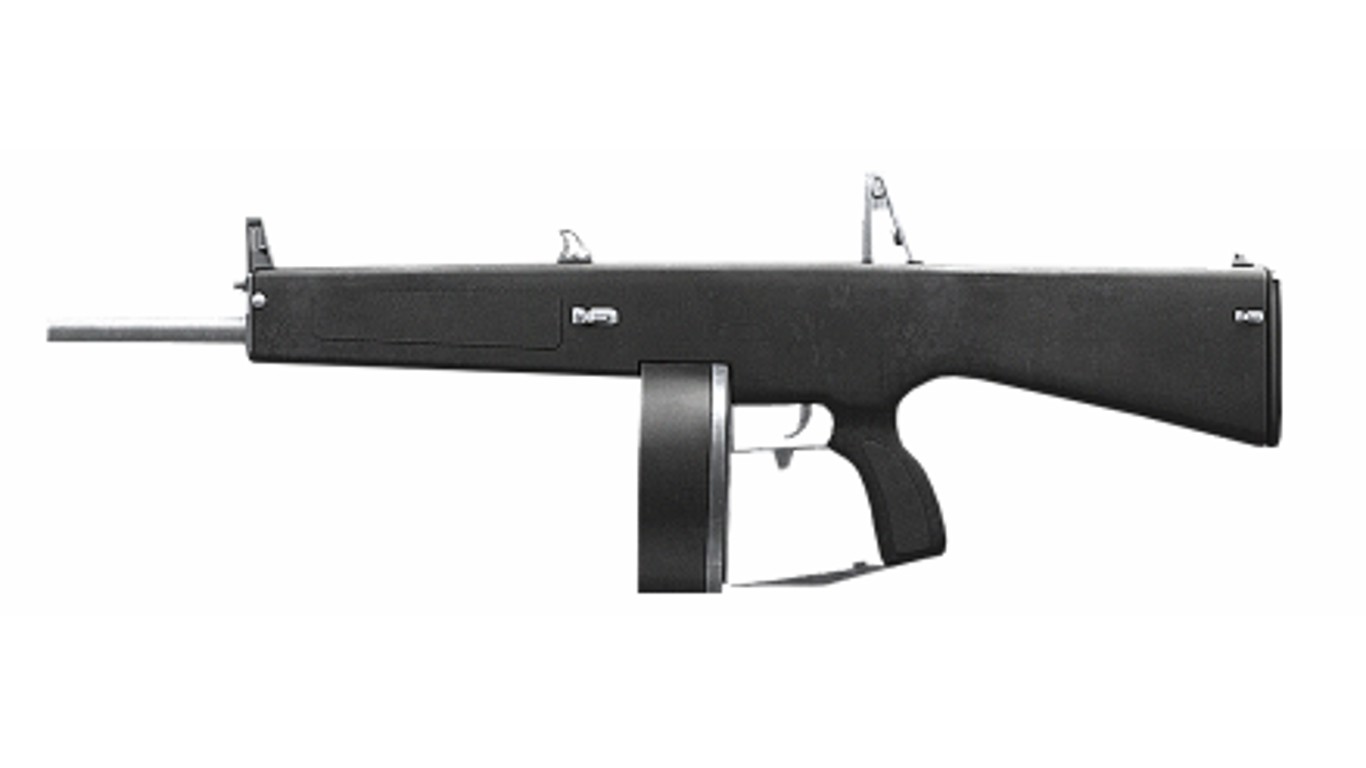
- Era: Modern
- Infantry role: Shotgun
- Why it wasn’t “better”: Impractical size and weight
- Tactical problem it created: Limited maneuverability
- How troops adapted: Static breaching concepts
- Tactic or doctrine that changed: Specialized breaching roles
- Why the weapon stayed in use Anyway: Experimental interest
The AA-12 changed breaching concepts during limited trials, not because it was better, but because its impracticality forced niche tactical adaptation.
XM25 CDTE
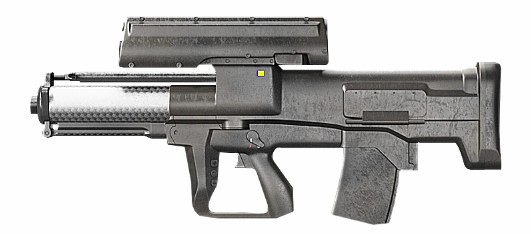
- Era: Modern
- Infantry role: Grenade launcher
- Why it wasn’t “better”: Complexity and reliability
- Tactical problem it created: Deployment hesitation
- How troops adapted: Cover-denial tactics
- Tactic or doctrine that changed: Indirect engagement methods
- Why the weapon stayed in use Anyway: Capability gap
The XM25 pushed tactics toward indirect cover denial. Its limitations reshaped engagement behavior despite limited operational success.
PIAT
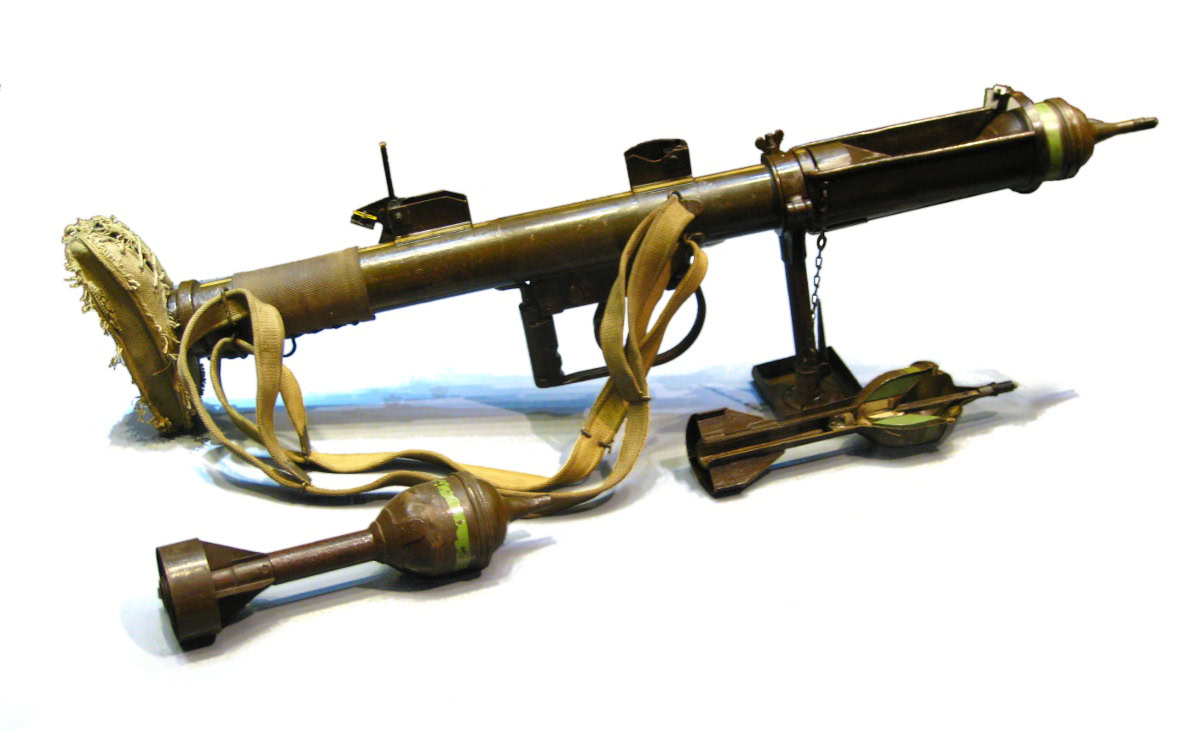
- Era: WWII
- Infantry role: Anti-tank weapon
- Why it wasn’t “better”: Heavy recoil and short range
- Tactical problem it created: Risky engagement distances
- How troops adapted: Ambush positioning
- Tactic or doctrine that changed: Close anti-armor tactics
- Why the weapon stayed in use Anyway: No alternatives
The PIAT forced infantry to adopt risky ambush tactics due to its short range. Tactical change was driven by necessity rather than weapon superiority.
Bazooka (early)
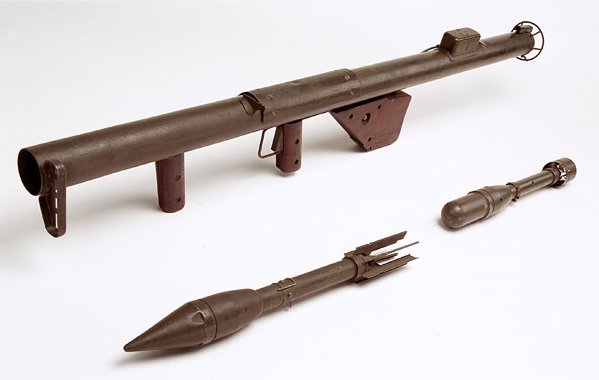
- Era: WWII
- Infantry role: Anti-tank weapon
- Why it wasn’t “better”: Backblast and reliability
- Tactical problem it created: Positioning constraints
- How troops adapted: Careful firing positions
- Tactic or doctrine that changed: AT engagement spacing
- Why the weapon stayed in use Anyway: Rapid innovation
Early bazookas forced careful positioning to manage backblast and reliability. Infantry tactics adapted to the weapon’s dangers rather than its strengths.
Panzerfaust

- Era: WWII
- Infantry role: Anti-tank weapon
- Why it wasn’t “better”: Single-shot limitation
- Tactical problem it created: One-chance engagements
- How troops adapted: Massed close assaults
- Tactic or doctrine that changed: Infantry AT doctrine
- Why the weapon stayed in use Anyway: Desperation weapon
The Panzerfaust forced infantry to close dangerously with armor. Tactics evolved around one-shot opportunities, reshaping anti-armor behavior under constraint.
Boys Anti-Tank Rifle
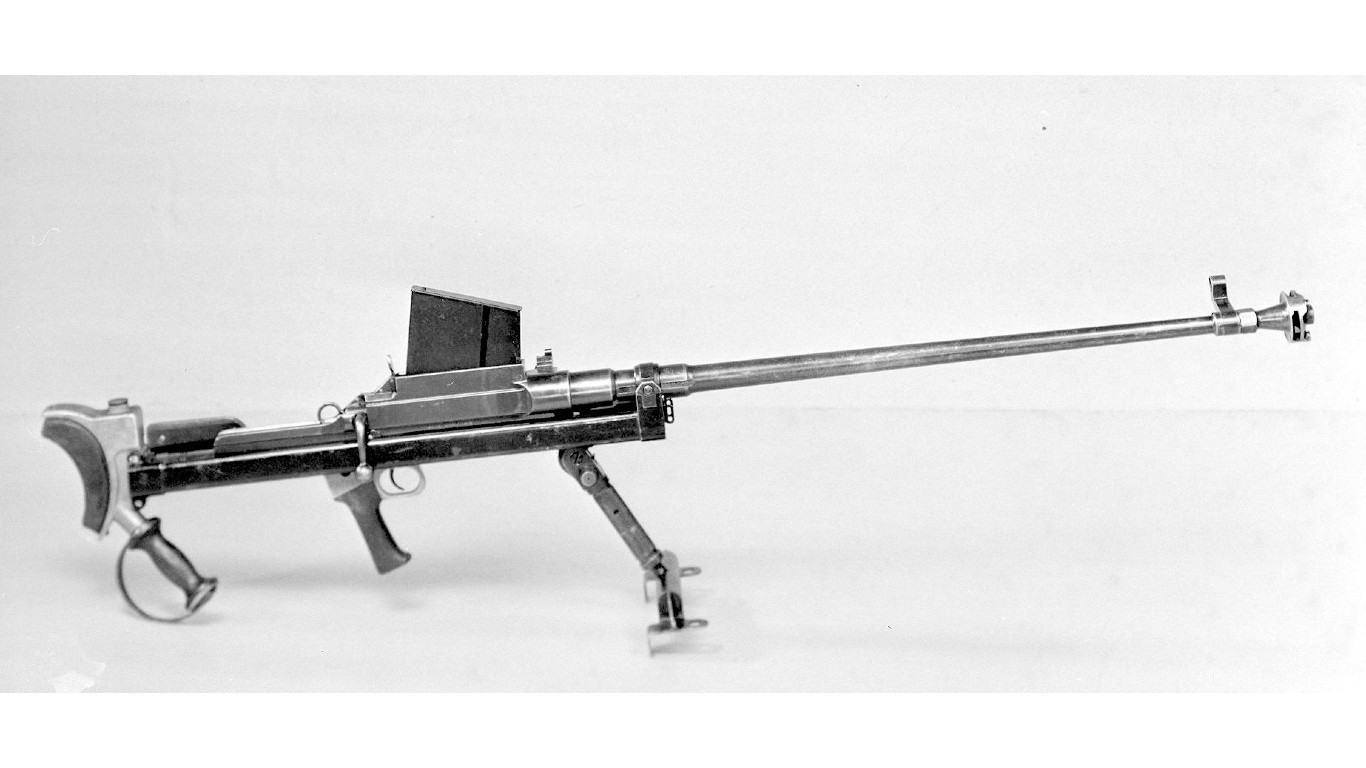
- Era: WWII
- Infantry role: Anti-tank rifle
- Why it wasn’t “better”: Heavy recoil and weight
- Tactical problem it created: Reduced mobility
- How troops adapted: Static ambush tactics
- Tactic or doctrine that changed: Defensive AT posture
- Why the weapon stayed in use Anyway: Early-war need
The Boys rifle forced static ambush tactics due to weight and recoil. Infantry adapted defensively rather than gaining advantage.
M79 Grenade Launcher
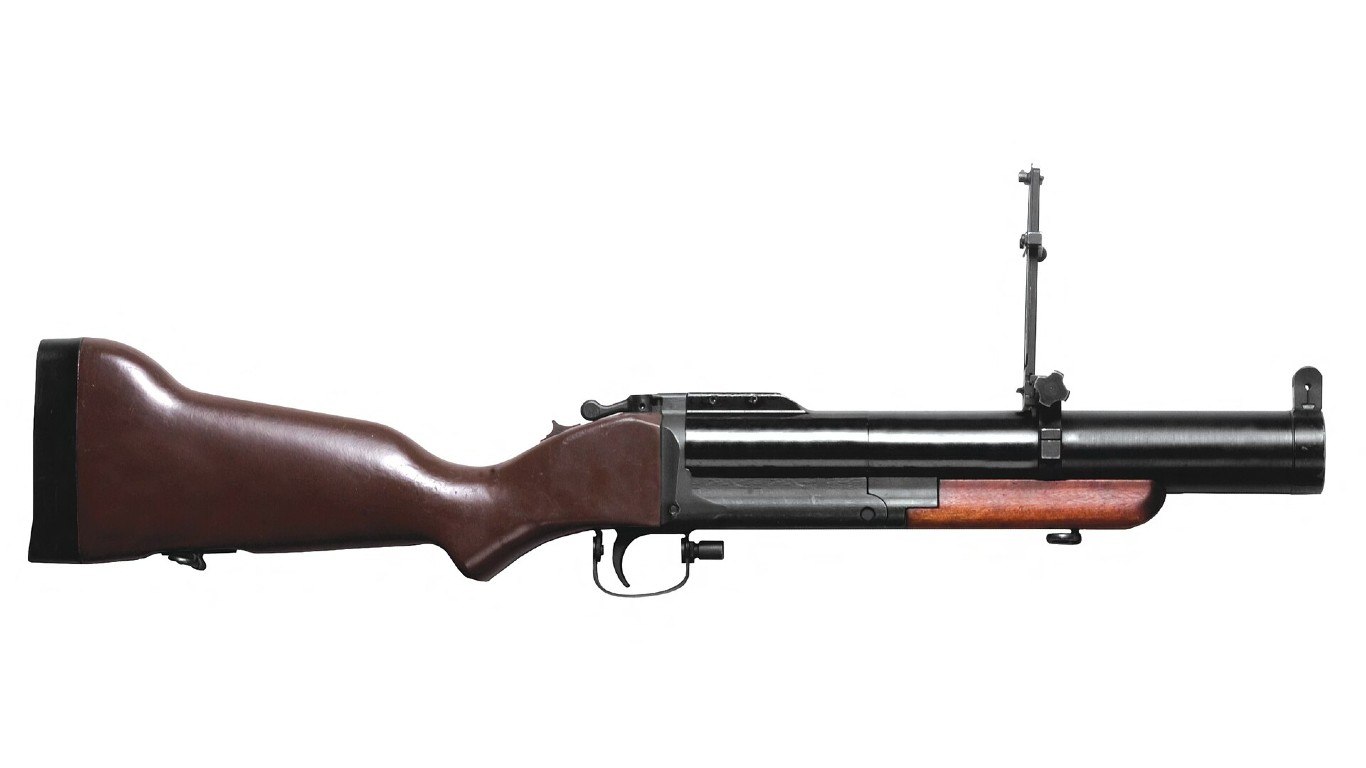
- Era: Vietnam
- Infantry role: Grenade launcher
- Why it wasn’t “better”: Single-shot limitation
- Tactical problem it created: Reduced direct fire capability
- How troops adapted: Dedicated grenadier role
- Tactic or doctrine that changed: Squad composition change
- Why the weapon stayed in use Anyway: Tactical niche
The M79 reshaped squad tactics by creating a dedicated grenadier role. This change compensated for its limitations rather than increasing firepower.
Mk 19 (infantry integration)
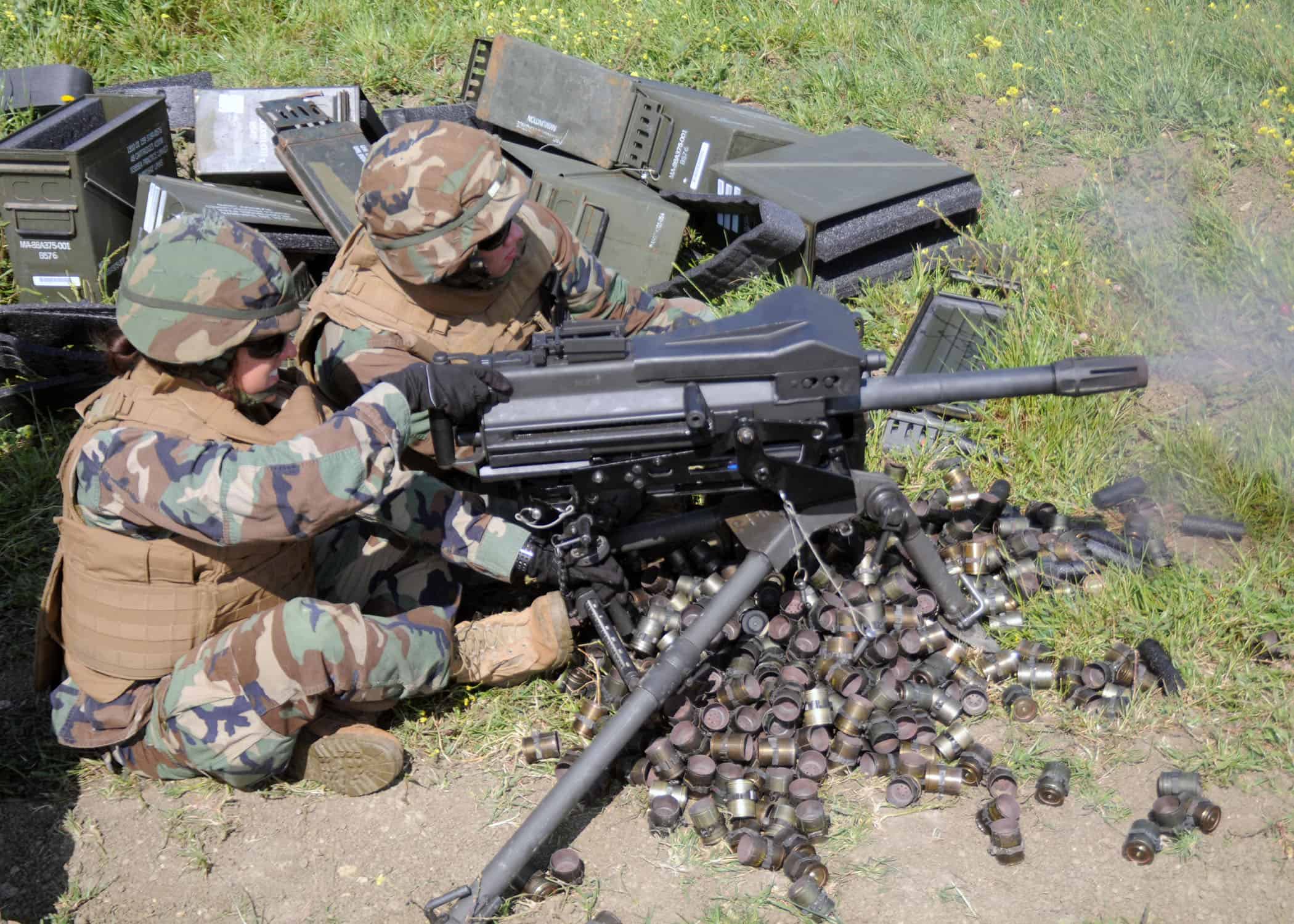
- Era: Modern
- Infantry role: Automatic grenade launcher
- Why it wasn’t “better”: Weight and recoil
- Tactical problem it created: Limited mobility
- How troops adapted: Fixed defensive employment
- Tactic or doctrine that changed: Defensive layout changes
- Why the weapon stayed in use Anyway: Firepower need
The Mk 19 forced infantry to adjust defensive layouts due to its weight and recoil. Tactical adaptation reflected limitation, not improved maneuver capability.






 Top Gaining Stocks
 Top Losing Stocks