


Modern battlefields may be filled with drones, precision strikes, and advanced sensors, but wars are still decided by infantry in close contact. The reason lies in a long chain of technological breakthroughs that steadily empowered foot soldiers to shape outcomes once dictated by cavalry, artillery, or armor. Here, 24/7 Wall St. is taking a closer look at the weapons that empowered infantry over the years.
To determine the weapons that made infantry dominant on the battlefield, 24/7 Wall St. reviewed various historical and military sources. We included supplemental information for each weapon or system regarding when it was used, the impact it had on the battlefield, what it overcame or neutralized, as well as why it matters.
Here is a look at the weapons that turned infantry into a dominant force on the battlefield:
Why Are We Covering This?
Infantry remains the decisive force in warfare not by tradition, but because technology repeatedly shifted power into the hands of the individual soldier. From the decline of cavalry and massed formations to the modern ability of small units to counter armor, aircraft, and fortified positions, the battlefield has steadily tilted toward infantry dominance. By examining the weapons and systems that enabled those shifts, this article explains how foot soldiers evolved from supporting elements into the primary agents of battlefield control. Understanding this progression helps clarify why modern wars are often decided at the squad level—and why infantry continues to shape outcomes even in an age of advanced technology.
Infantry Wasn’t Always King
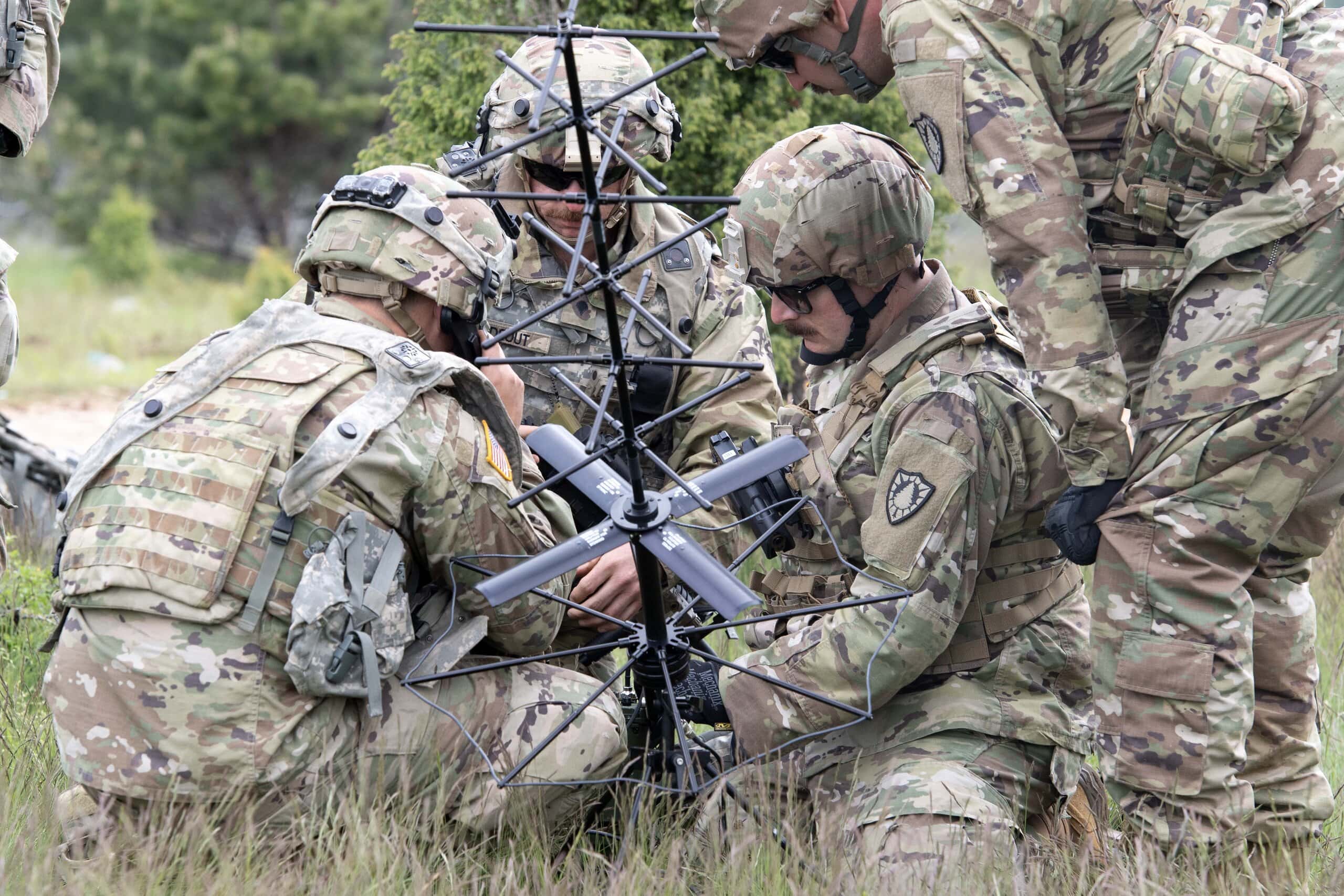
Infantry has not always been the dominant force on the battlefield. For long stretches of history, power belonged to cavalry, fortified positions, massed formations, or later, mechanized armor. Foot soldiers often played a supporting role—holding ground, absorbing pressure, and enabling the decisive strike delivered by something “bigger.” The modern idea of infantry shaping outcomes on its own is a relatively recent development, built on a long chain of technological and doctrinal shifts.
Technology Changed Who Wins Wars
The balance began to change when weapons started giving individual soldiers and small units the ability to neutralize traditional battlefield advantages. Firearms reduced the value of armor and elite cavalry, automatic weapons broke mass assaults, and portable explosives let infantry crack positions without waiting on artillery. Each new capability expanded infantry reach, lethality, and independence. When infantry gained the tools to win fights once reserved for specialized arms, battlefield power shifted decisively toward the soldier on foot.
From Formations to Small Units
As infantry weapons improved, armies also had to rethink how they organized and fought. The decline of tight formations and the rise of dispersed maneuver forced doctrine to evolve around squads and platoons rather than lines and columns. Automatic fire, organic indirect weapons, and precision at distance turned small units into self-contained combat systems. Over time, infantry stopped being a supporting element and became the decisive unit around which modern battlefield tactics were built.
Infantry Learned to Defeat Everything
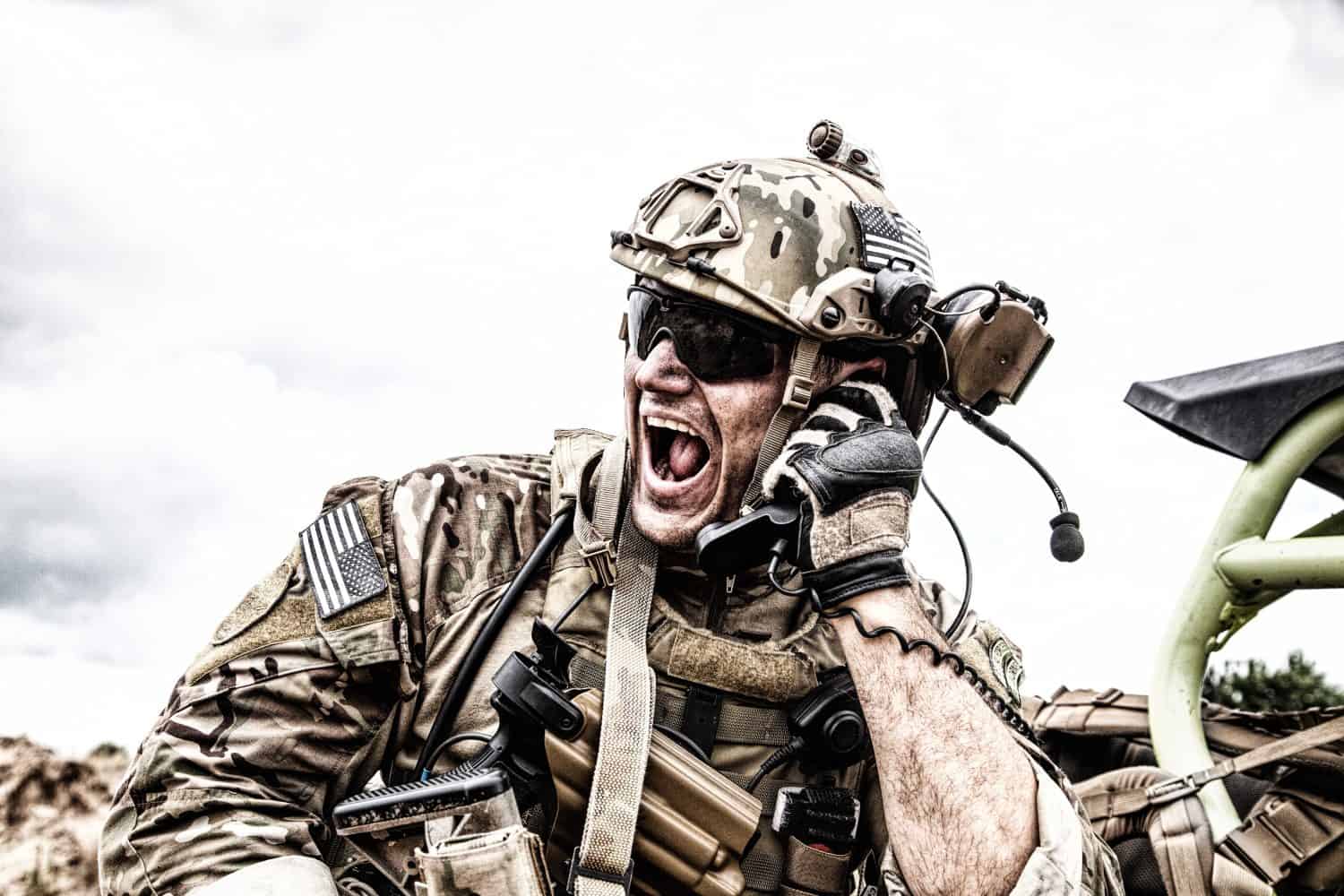
Modern infantry eventually learned to counter nearly every threat it once had to fear. Anti-armor weapons made tanks vulnerable, man-portable air defenses threatened low-flying aircraft, and sensors like night vision and thermals reduced the protection of darkness and concealment. Add modern protection, communications, and reconnaissance tools, and infantry became faster, harder to kill, and harder to hide from. The result was a battlefield where small units could deny space, shape movement, and win fights without needing overwhelming supporting arms.
Why Infantry Dominance Still Matters
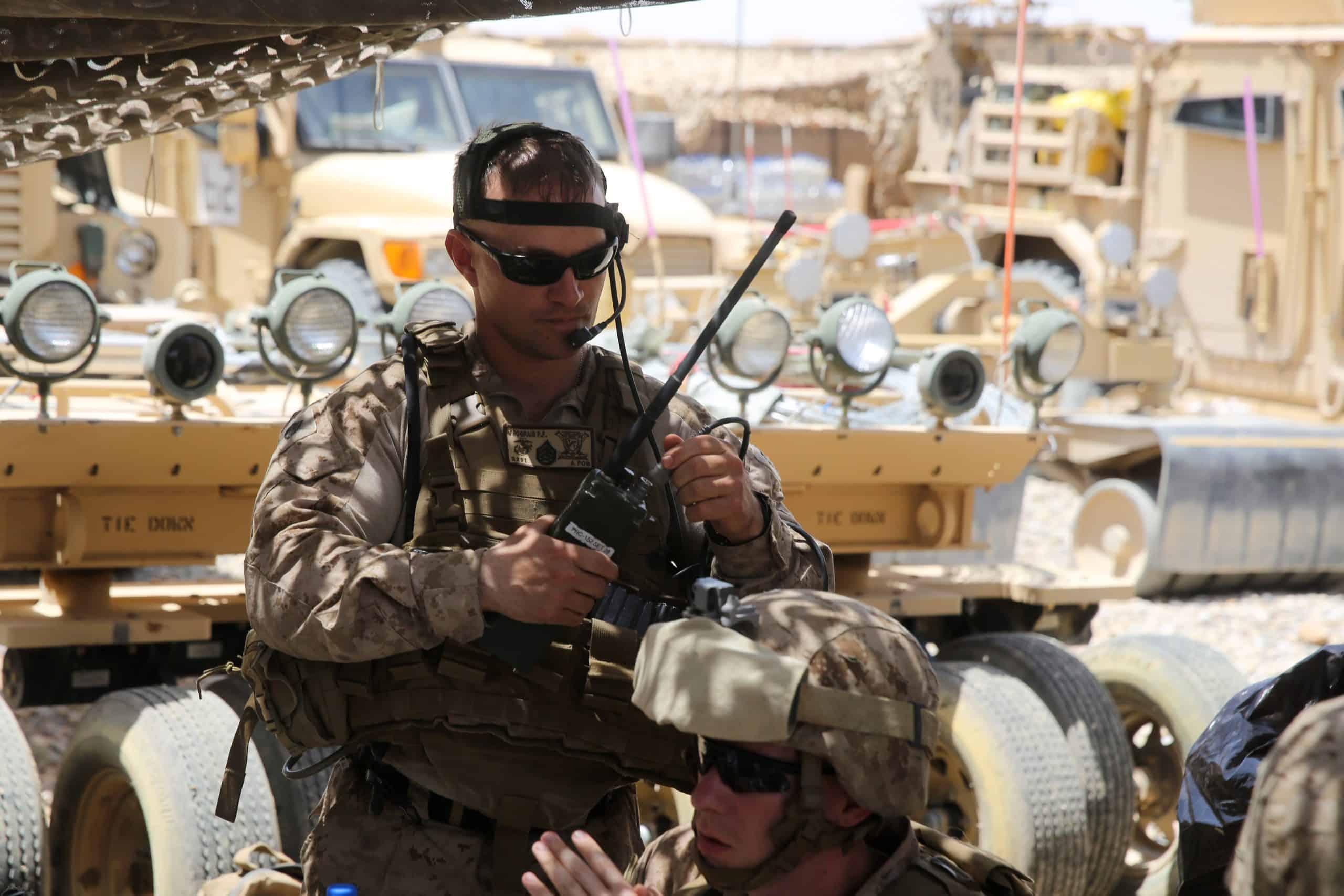
Infantry dominance still matters because modern wars are increasingly decided by small units operating with high autonomy and high lethality. Even in an age of drones, precision strikes, and advanced surveillance, it is infantry that clears terrain, holds ground, raids targets, and forces decisions in close contact. The weapons and systems on this list explain how that reality was built—how infantry became capable of dictating terms on the battlefield rather than simply surviving it.
Matchlock Musket
- Category: Small arm
- Era of impact: Early Modern
- Primary threat it countered: Armored cavalry
- How infantry used it: Individual soldier
- What it replaced or neutralized: Armored knight
- Why it shifted battlefield power: Allowed massed infantry to defeat heavily armored cavalry
- Doctrinal impact: Shifted dominance from mounted elites to foot soldiers
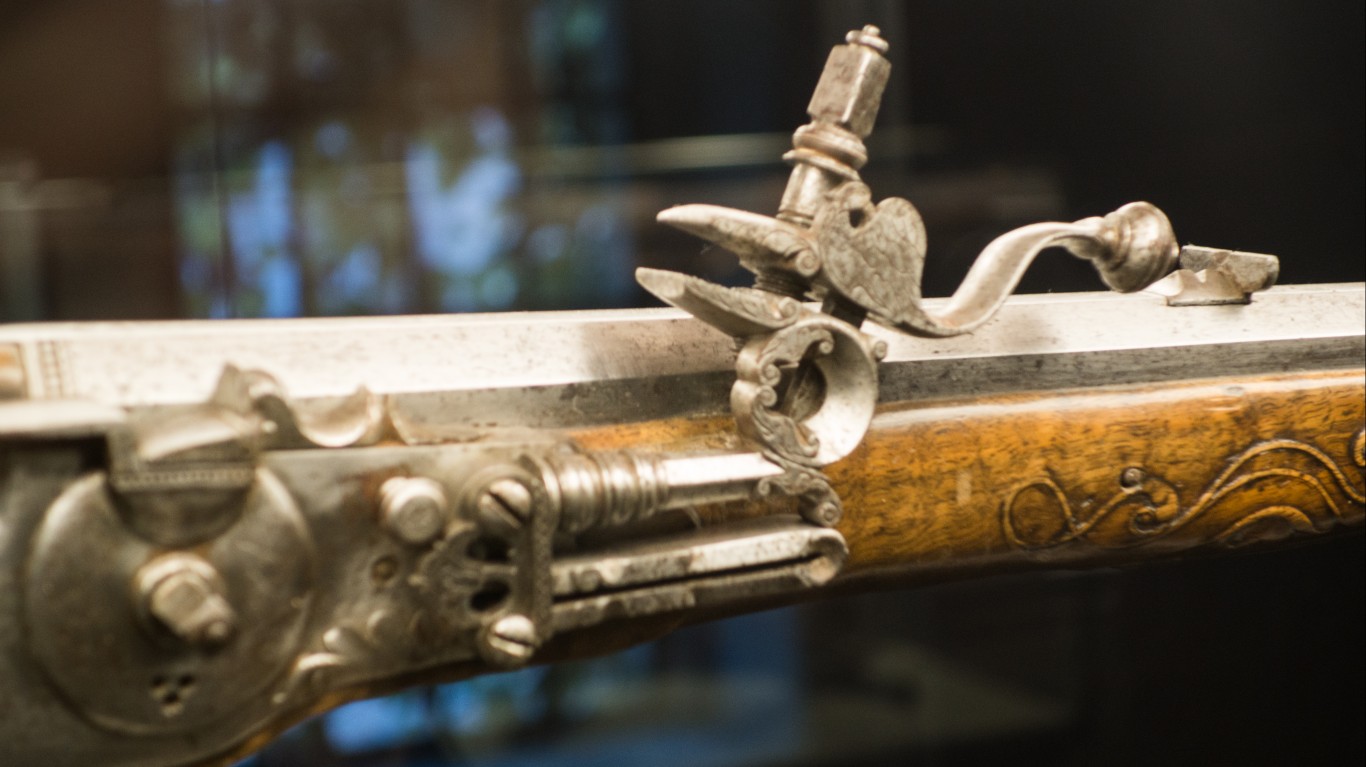
The matchlock musket marked one of the earliest turning points in battlefield power. It allowed relatively untrained infantry to defeat armored knights and cavalry formations, undermining feudal warfare. Firearms reduced the value of armor and individual martial skill, enabling mass infantry formations to dominate through coordinated volleys and sheer numbers.
Flintlock Musket
- Category: Small arm
- Era of impact: Early Modern
- Primary threat it countered: Cavalry and pike formations
- How infantry used it: Individual soldier
- What it replaced or neutralized: Pike-and-shot systems
- Why it shifted battlefield power: Improved reliability enabled disciplined infantry firepower
- Doctrinal impact: Standardized volley-based infantry tactics
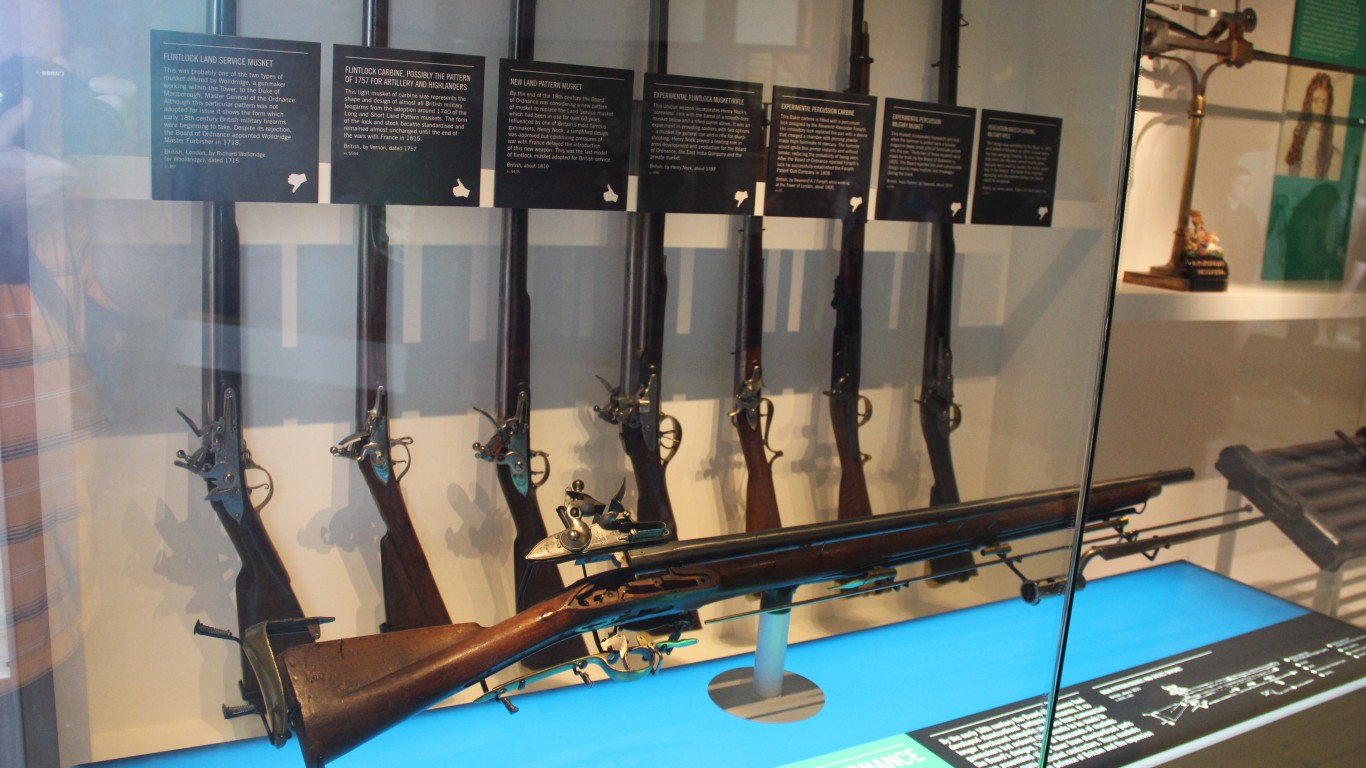
The flintlock musket improved reliability and speed over earlier firearms, making infantry formations far more effective. With fewer misfires and faster reloads, soldiers could deliver sustained firepower that overwhelmed cavalry and traditional formations, solidifying infantry as the backbone of early modern armies.
Bayonet

- Category: Small arm accessory
- Era of impact: Early Modern
- Primary threat it countered: Cavalry charges
- How infantry used it: Individual soldier
- What it replaced or neutralized: Pike formations
- Why it shifted battlefield power: Made musketeers self-sufficient
- Doctrinal impact: Eliminated need for separate pikemen
The bayonet transformed infantry by allowing musket-equipped soldiers to defend themselves against cavalry without separate pike units. This innovation streamlined formations and increased flexibility, helping infantry dominate the battlefield without reliance on specialized troops.
Rifled Musket
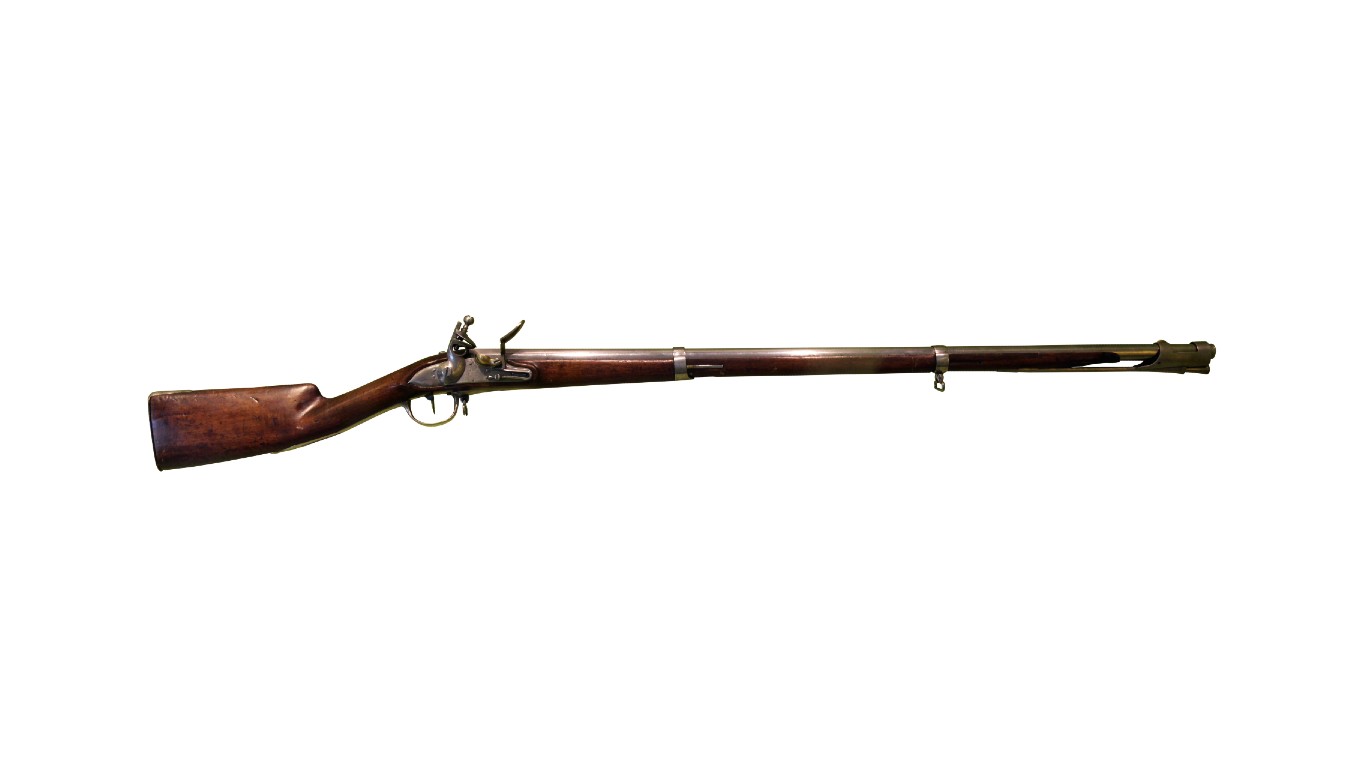
- Category: Small arm
- Era of impact: Industrial Age
- Primary threat it countered: Massed infantry
- How infantry used it: Individual soldier
- What it replaced or neutralized: Smoothbore musket
- Why it shifted battlefield power: Extended lethal range of infantry
- Doctrinal impact: Destroyed massed formations
The rifled musket dramatically increased range and accuracy, making traditional massed infantry assaults suicidal. Infantry could now kill at distances previously unreachable, forcing armies to abandon close-order formations and fundamentally reshaping battlefield tactics.
Breech-Loading Rifle
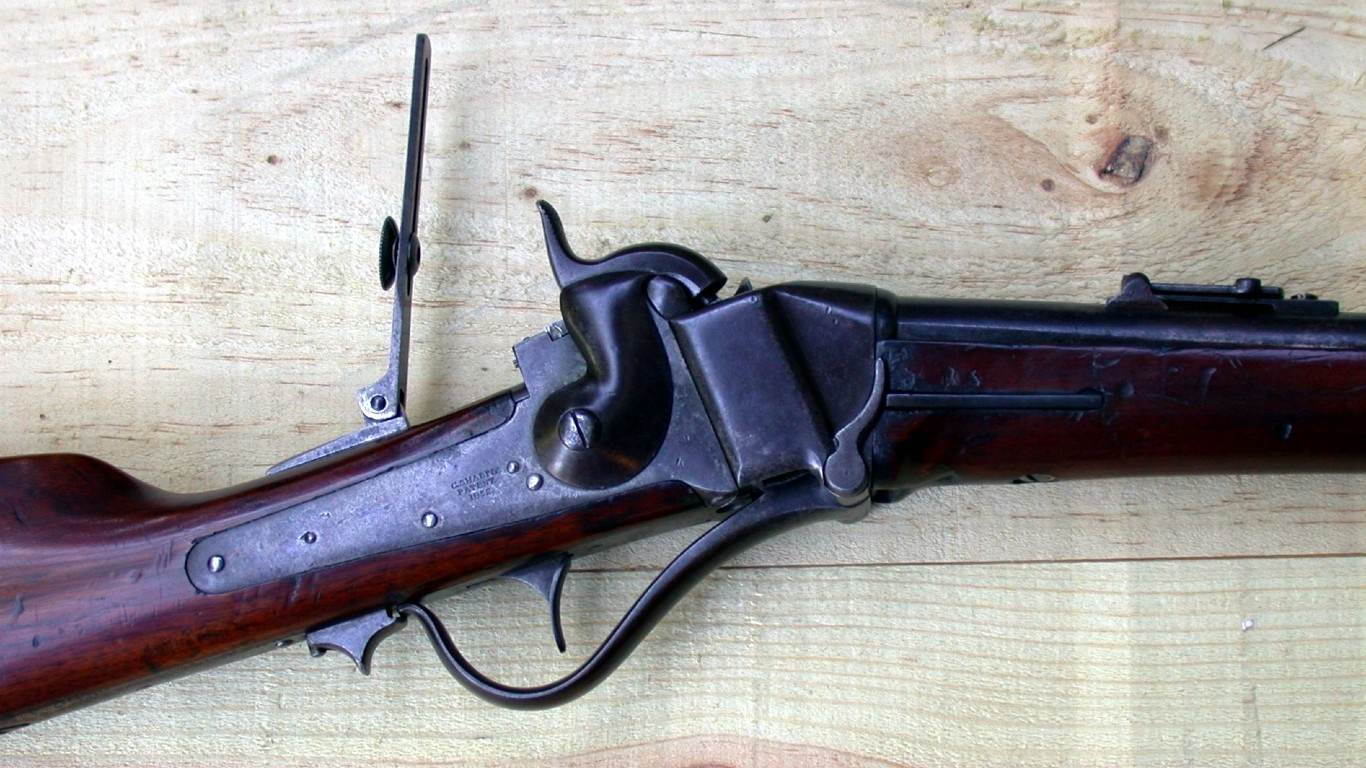
- Category: Small arm
- Era of impact: Industrial Age
- Primary threat it countered: Massed infantry
- How infantry used it: Individual soldier
- What it replaced or neutralized: Muzzle-loading rifle
- Why it shifted battlefield power: Faster reload from cover
- Doctrinal impact: Enabled modern skirmishing
Breech-loading rifles allowed infantry to reload faster and from prone or covered positions. This dramatically increased survivability and fire output, giving infantry dominance over advancing forces and accelerating the decline of traditional battlefield formations.
Bolt-Action Service Rifle
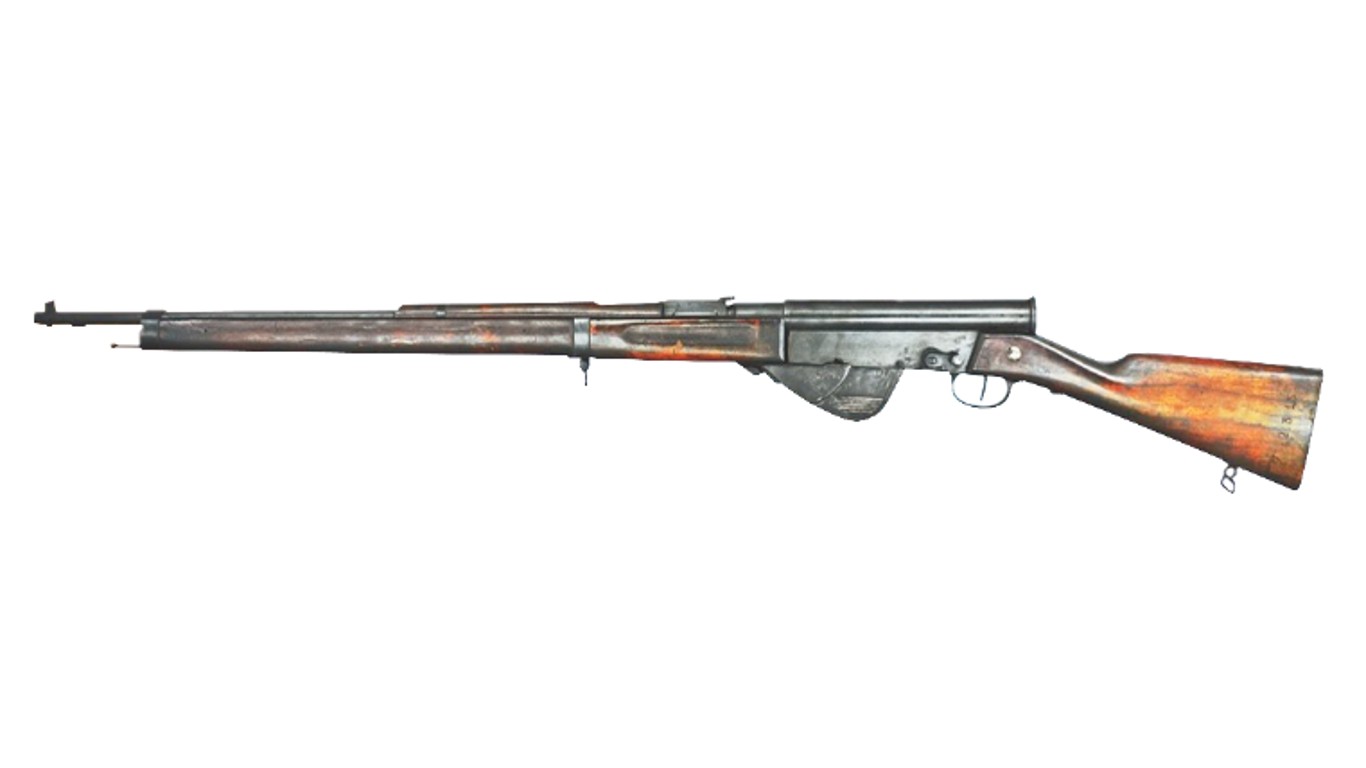
- Category: Small arm
- Era of impact: Industrial Age
- Primary threat it countered: Infantry and cavalry
- How infantry used it: Individual soldier
- What it replaced or neutralized: Single-shot rifles
- Why it shifted battlefield power: Reliable long-range firepower
- Doctrinal impact: Defined modern infantry marksmanship
Bolt-action rifles gave infantry consistent, accurate long-range fire. Soldiers could dominate open terrain and repel attacks at distance, making infantry formations lethal even without artillery or cavalry support.
Maxim Machine Gun
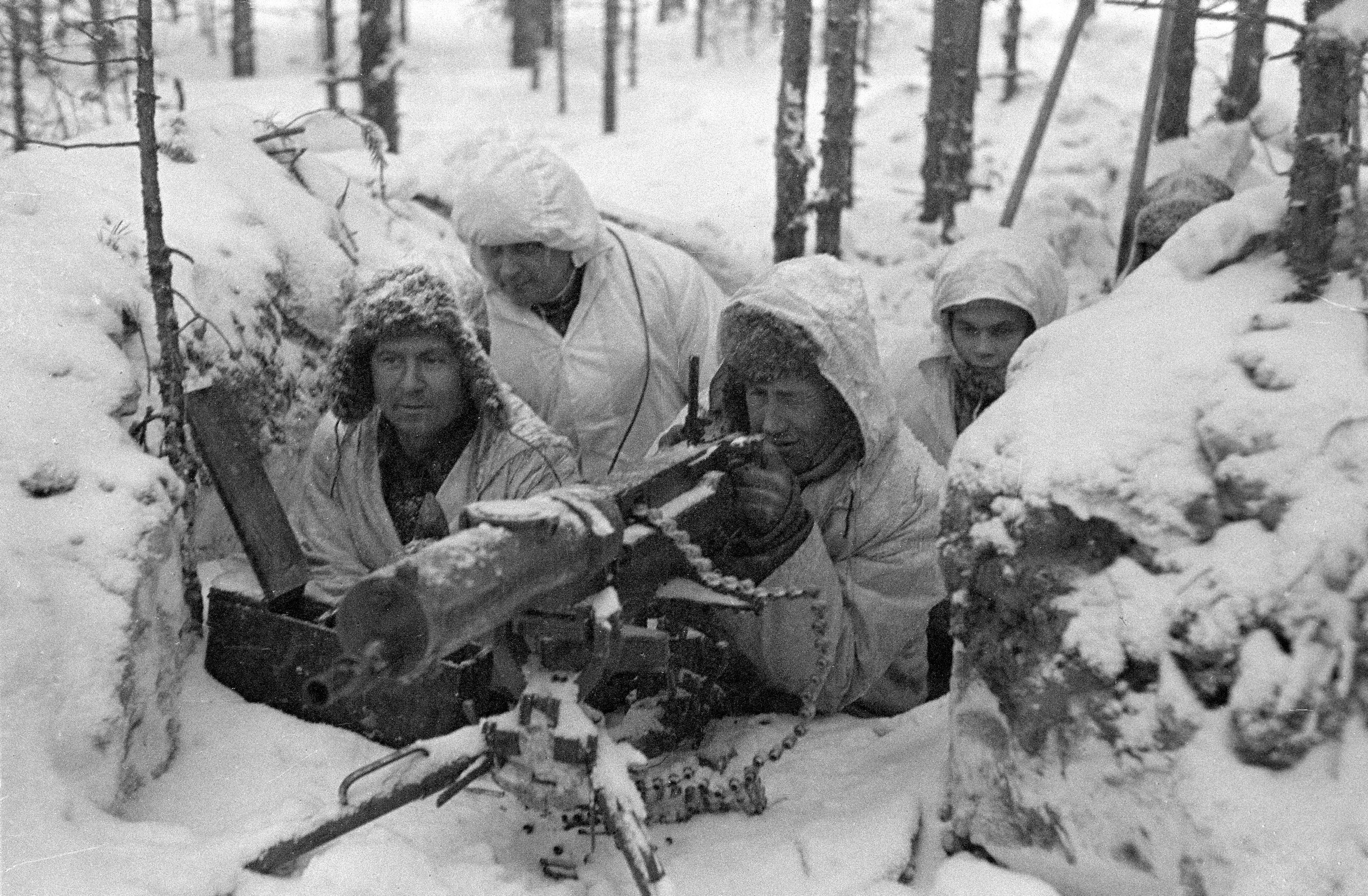
- Category: Automatic weapon
- Era of impact: Industrial Age
- Primary threat it countered: Cavalry and massed infantry
- How infantry used it: Crew-served
- What it replaced or neutralized: Infantry charges
- Why it shifted battlefield power: Exponential firepower per soldier
- Doctrinal impact: Made frontal assaults obsolete
The Maxim machine gun concentrated unprecedented firepower into infantry hands. Small crews could halt entire formations, ending cavalry charges and mass assaults. It permanently shifted battlefield dominance toward defensive infantry positions.
Hand Grenade
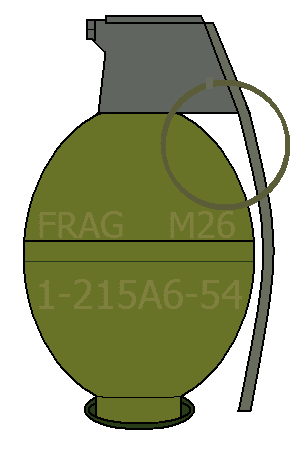
- Category: Explosive
- Era of impact: WWI
- Primary threat it countered: Trenches and fortifications
- How infantry used it: Individual soldier
- What it replaced or neutralized: Fixed defenses
- Why it shifted battlefield power: Enabled infantry assault of fortified positions
- Doctrinal impact: Empowered close combat tactics
Hand grenades gave infantry organic explosive power for clearing trenches and bunkers. Soldiers no longer depended solely on artillery, allowing small units to break fortified positions independently.
Submachine Gun
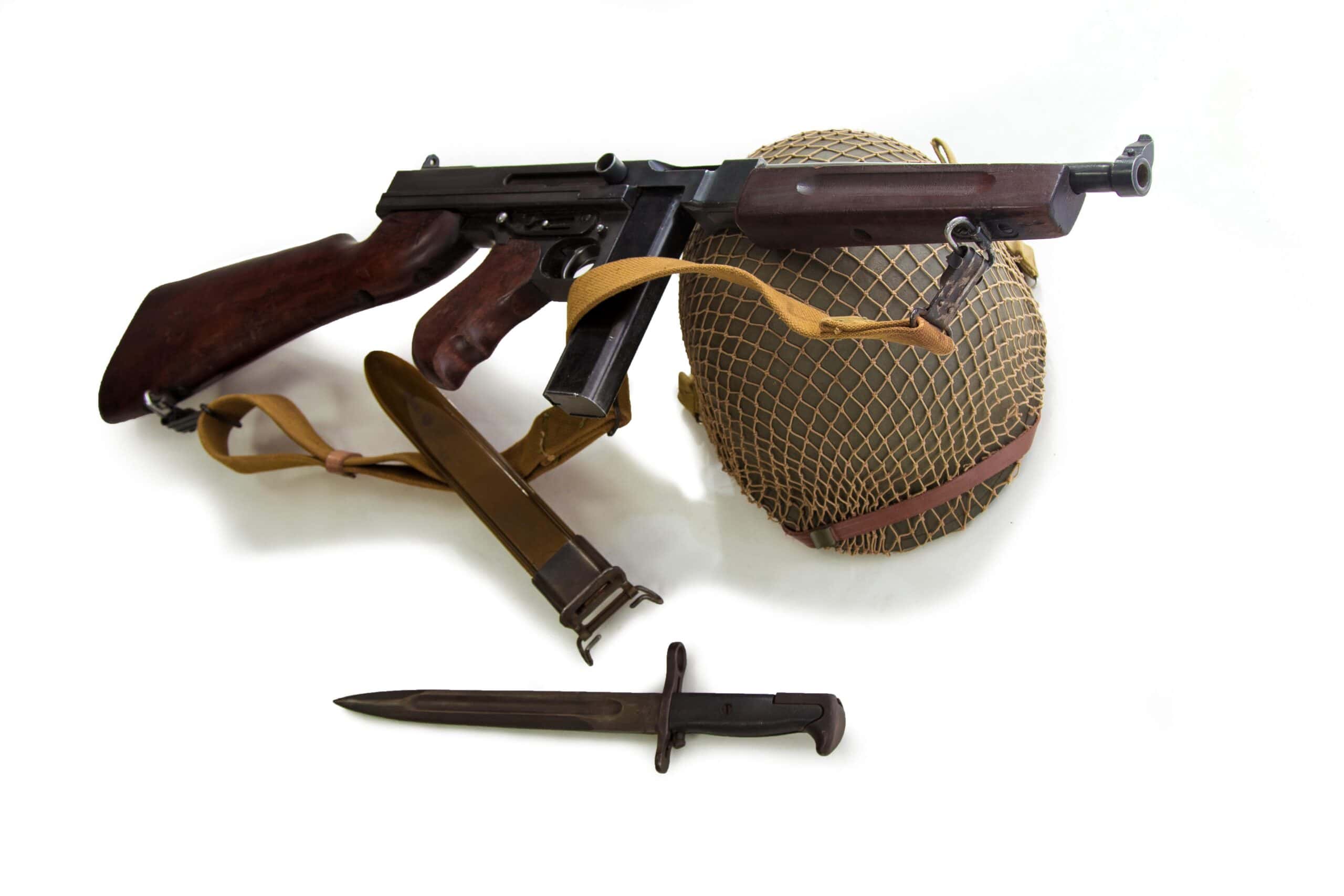
- Category: Small arm
- Era of impact: WWI/WWII
- Primary threat it countered: Close-range infantry
- How infantry used it: Individual soldier
- What it replaced or neutralized: Bolt-action rifles in CQB
- Why it shifted battlefield power: High firepower in confined spaces
- Doctrinal impact: Dominated urban and trench fighting
Submachine guns gave infantry overwhelming firepower in close quarters. Their rapid fire and compact size made them ideal for urban and trench warfare, allowing foot soldiers to dominate environments where traditional rifles struggled.
Light Machine Gun
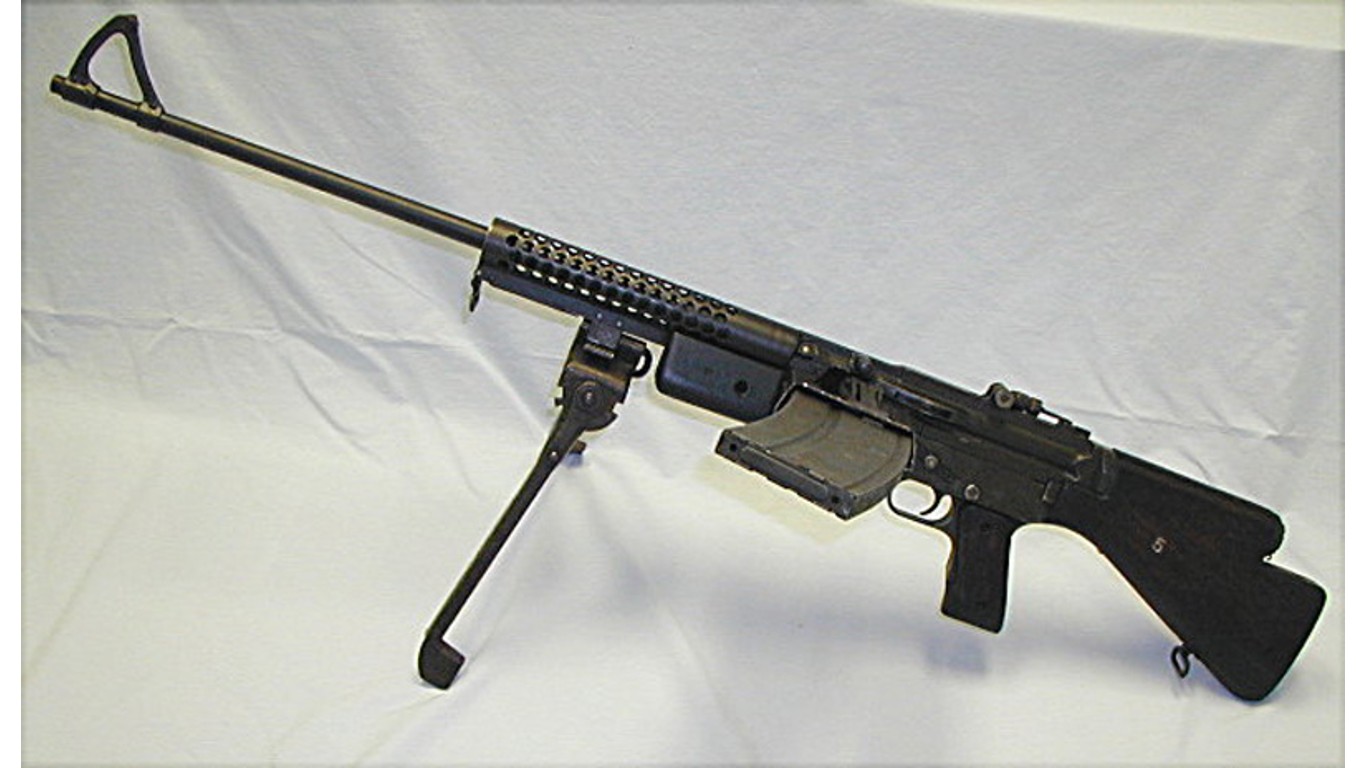
- Category: Automatic weapon
- Era of impact: WWI
- Primary threat it countered: Infantry formations
- How infantry used it: Squad-level
- What it replaced or neutralized: Heavy machine guns
- Why it shifted battlefield power: Portable sustained fire
- Doctrinal impact: Made squads self-sufficient
Light machine guns allowed infantry squads to generate sustained firepower without large crews. This turned small units into independent combat elements capable of holding ground and maneuvering effectively.
Man-Portable Mortar
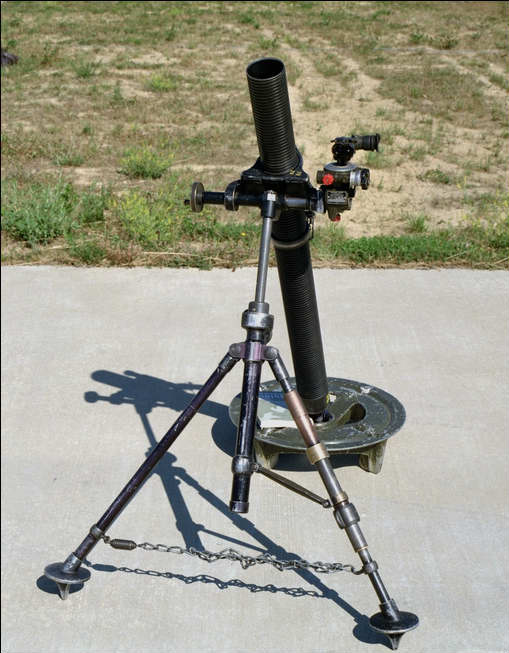
- Category: Indirect fire
- Era of impact: WWI
- Primary threat it countered: Entrenched enemies
- How infantry used it: Crew-served
- What it replaced or neutralized: Artillery dependency
- Why it shifted battlefield power: Organic indirect fire
- Doctrinal impact: Expanded infantry reach
Portable mortars gave infantry their own indirect fire capability. Units could suppress or destroy enemies behind cover without waiting for artillery, increasing autonomy and battlefield dominance.
Anti-Tank Rifle
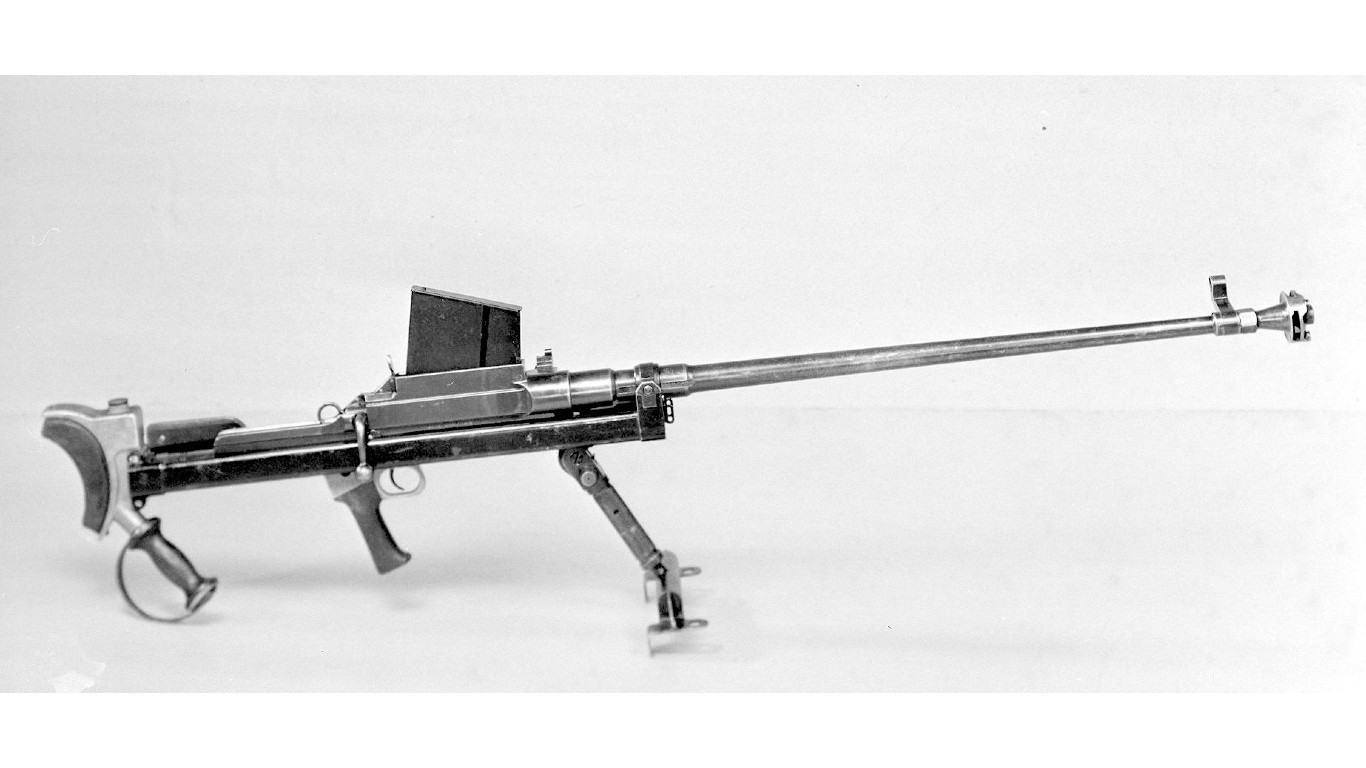
- Category: Anti-armor
- Era of impact: WWI/WWII
- Primary threat it countered: Early armored vehicles
- How infantry used it: Crew-served
- What it replaced or neutralized: Infantry helplessness vs armor
- Why it shifted battlefield power: First infantry anti-armor solution
- Doctrinal impact: Allowed infantry to counter vehicles
Anti-tank rifles represented the first successful attempt to give infantry a way to fight armored vehicles. Though limited, they demonstrated that tanks were not invulnerable to foot soldiers.
Bazooka / Panzerfaust
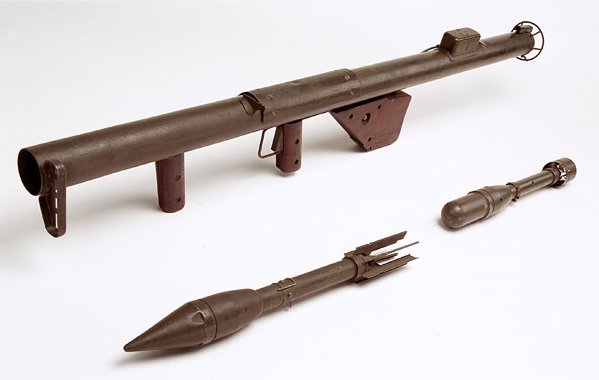
- Category: Anti-armor
- Era of impact: WWII
- Primary threat it countered: Tanks
- How infantry used it: Individual soldier
- What it replaced or neutralized: Armor dominance
- Why it shifted battlefield power: Infantry-kill capability against tanks
- Doctrinal impact: Ended tank invulnerability
Rocket-based anti-tank weapons proved infantry could destroy tanks at close range. This fundamentally altered armored warfare, forcing tanks to operate with infantry support.
Recoilless Rifle

- Category: Anti-armor
- Era of impact: WWII/Cold War
- Primary threat it countered: Armor and fortifications
- How infantry used it: Crew-served
- What it replaced or neutralized: Heavy artillery
- Why it shifted battlefield power: Portable heavy firepower
- Doctrinal impact: Expanded infantry fire support
Recoilless rifles gave infantry heavy firepower without massive recoil systems. They enabled small units to defeat armor and fortifications, extending infantry influence across the battlefield.
RPG
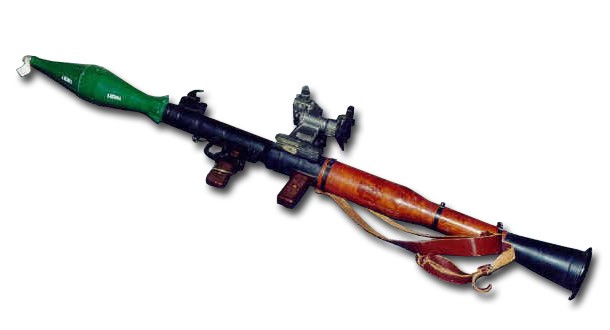
- Category: Anti-armor
- Era of impact: Cold War
- Primary threat it countered: Armor and structures
- How infantry used it: Individual soldier
- What it replaced or neutralized: Tank dominance
- Why it shifted battlefield power: Low-cost armor counter
- Doctrinal impact: Empowered irregular infantry
The RPG became one of the most influential infantry weapons ever created. Cheap, portable, and lethal, it allowed infantry and insurgents alike to threaten armored vehicles and fortified positions worldwide.
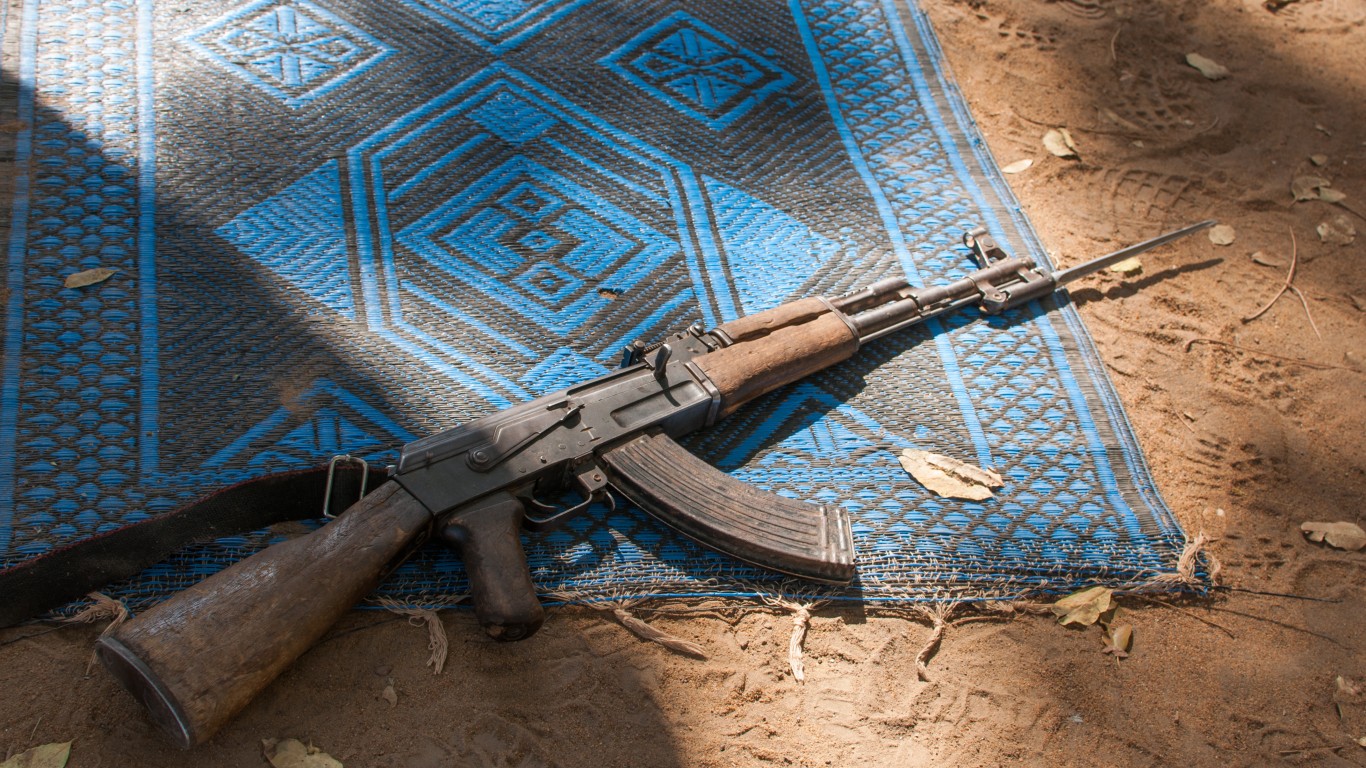
Assault Rifle

- Category: Small arm
- Era of impact: Cold War
- Primary threat it countered: Infantry
- How infantry used it: Individual soldier
- What it replaced or neutralized: Bolt-action rifles
- Why it shifted battlefield power: Balanced firepower and mobility
- Doctrinal impact: Defined modern infantry combat
Assault rifles combined automatic fire, manageable recoil, and mobility. This balance allowed infantry to dominate modern battlefields across a wide range of engagements.
Squad Automatic Weapon
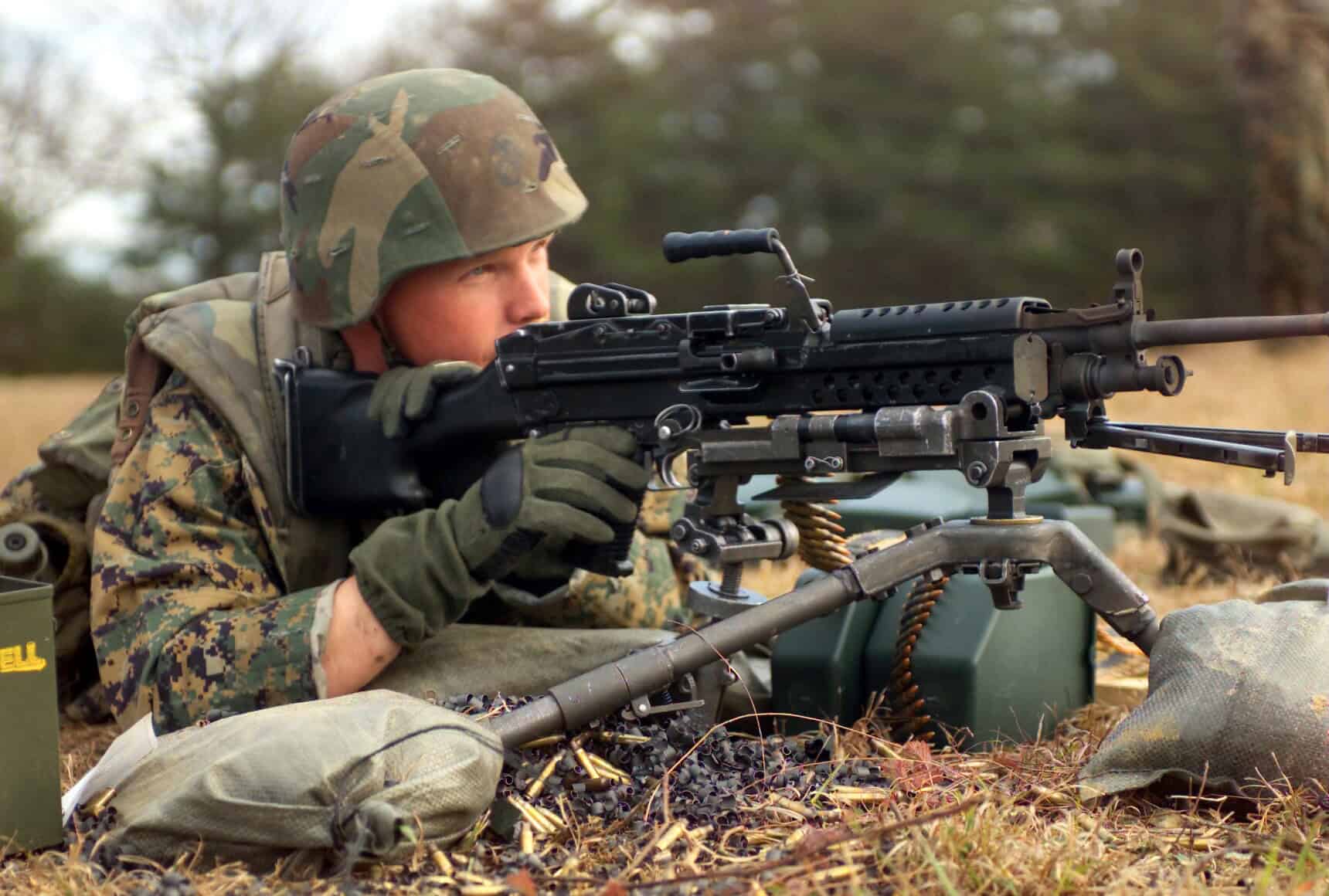
- Category: Automatic weapon
- Era of impact: Cold War
- Primary threat it countered: Infantry units
- How infantry used it: Squad-level
- What it replaced or neutralized: Rifle-only squads
- Why it shifted battlefield power: Sustained squad firepower
- Doctrinal impact: Anchored squad tactics
Squad automatic weapons ensured every infantry unit could generate suppressive fire. This made squads tactically independent and capable of dominating firefights.
Designated Marksman Rifle
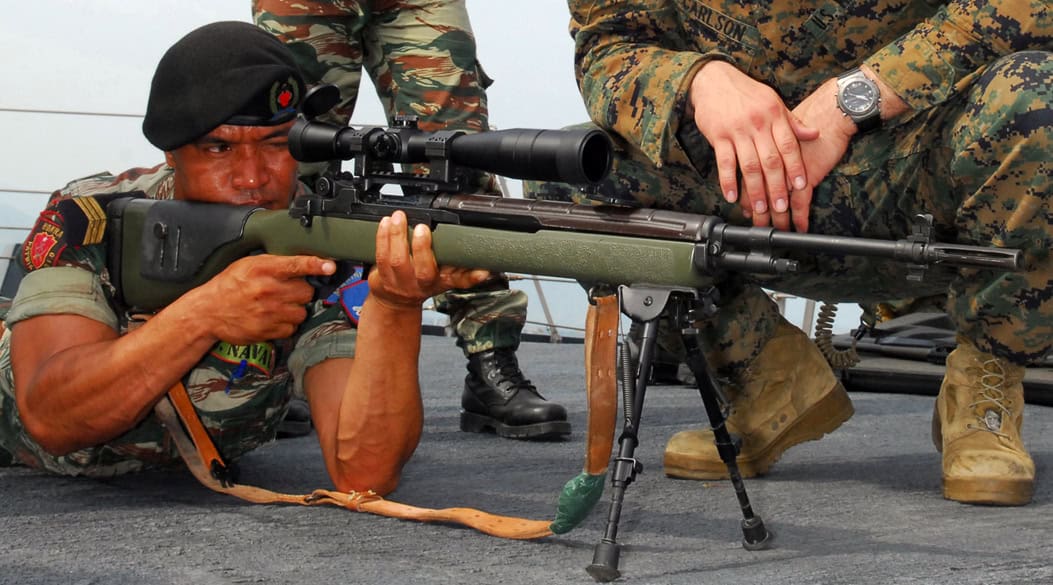
- Category: Small arm
- Era of impact: Cold War
- Primary threat it countered: Distant infantry
- How infantry used it: Individual soldier
- What it replaced or neutralized: Standard rifles
- Why it shifted battlefield power: Extended precision
- Doctrinal impact: Expanded squad engagement range
DMRs extended infantry engagement ranges without dedicated sniper teams. This allowed squads to control terrain and dominate enemies at longer distances.
Sniper Rifle
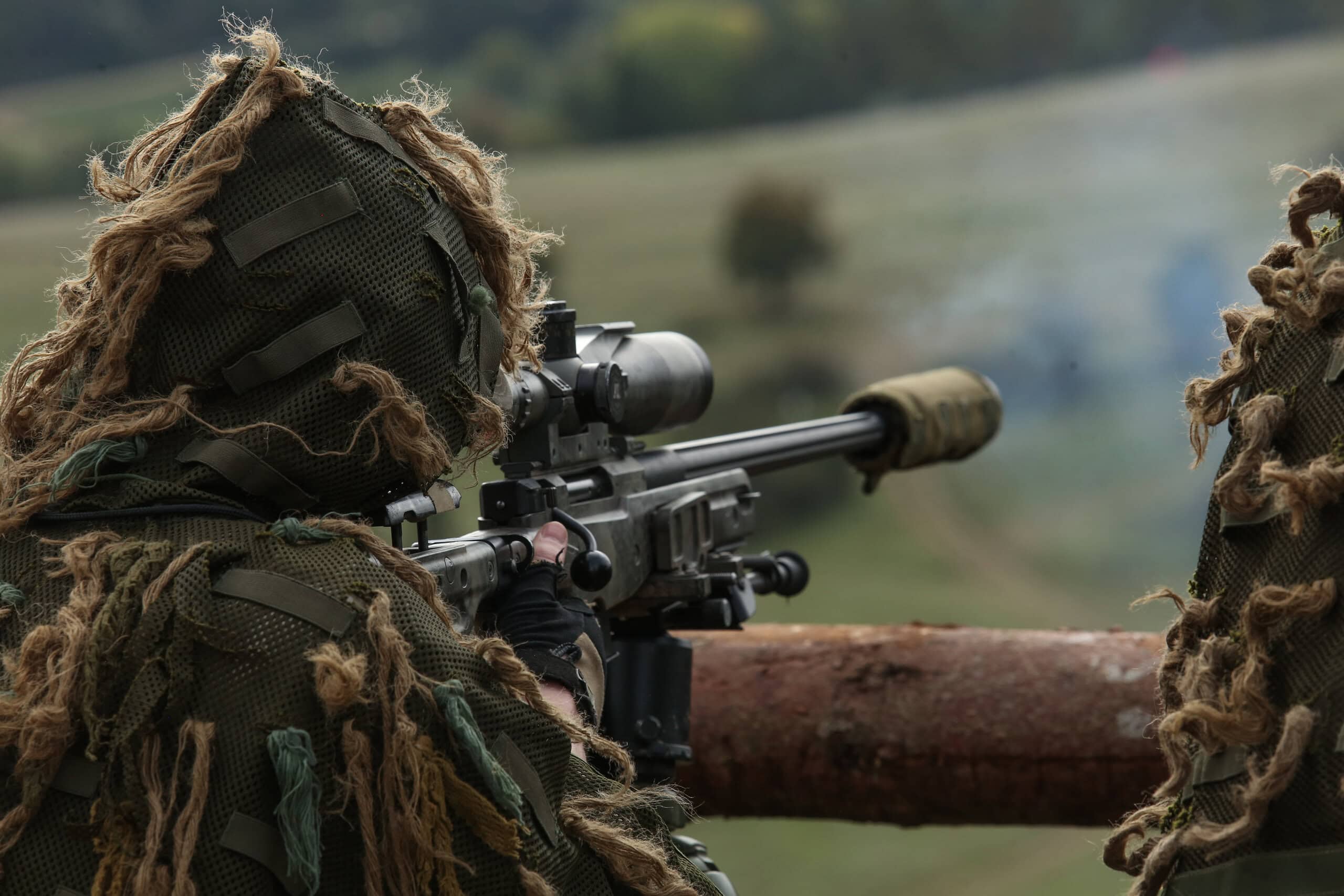
- Category: Small arm
- Era of impact: Cold War
- Primary threat it countered: High-value targets
- How infantry used it: Individual soldier
- What it replaced or neutralized: Limited precision
- Why it shifted battlefield power: Psychological and tactical dominance
- Doctrinal impact: Controlled terrain
Sniper rifles allowed individual soldiers to dominate entire areas psychologically and tactically. Precision fire reshaped battlefield movement and planning.
MANPADS
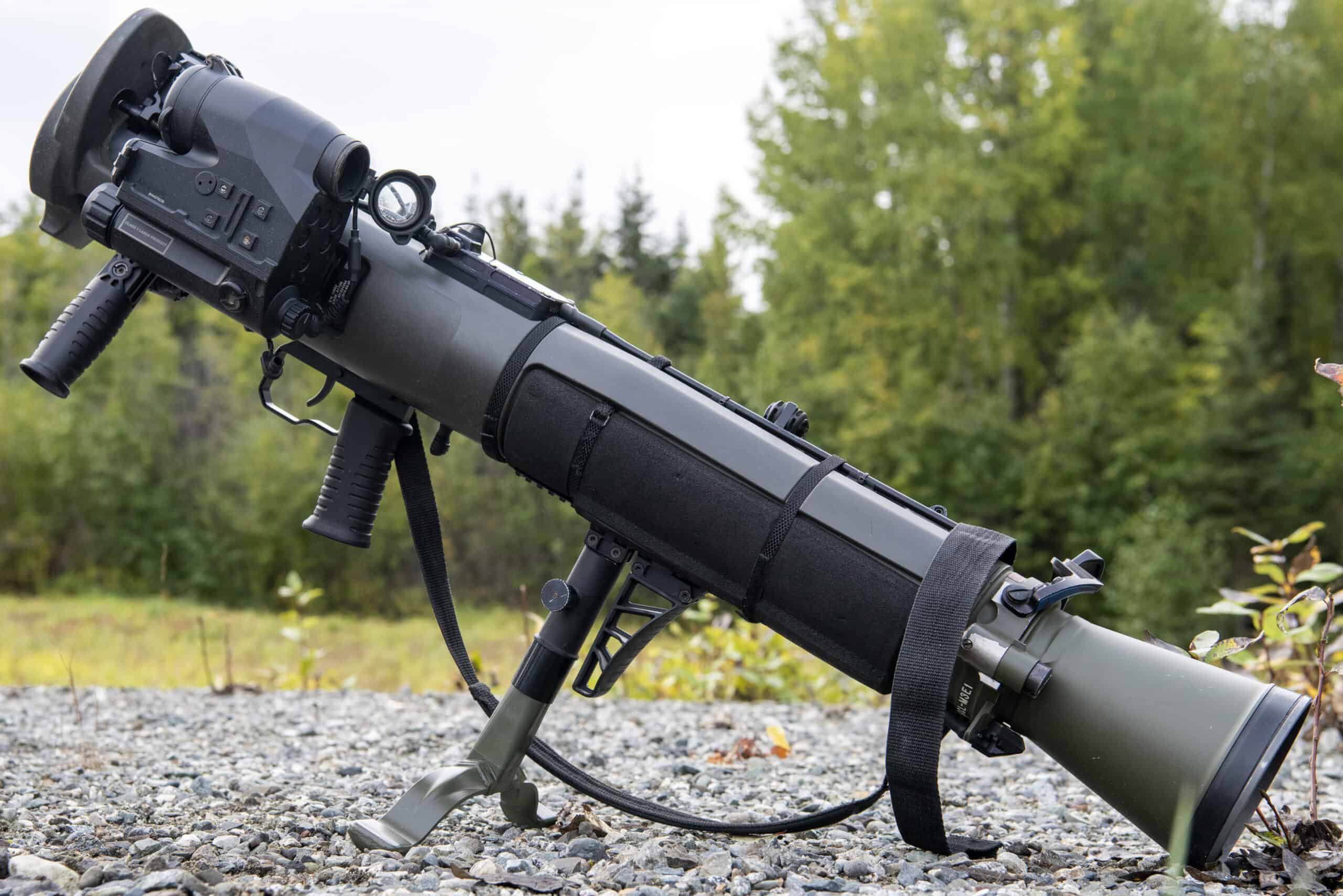
- Category: Air defense
- Era of impact: Cold War
- Primary threat it countered: Aircraft
- How infantry used it: Individual soldier
- What it replaced or neutralized: Air superiority
- Why it shifted battlefield power: Denied airspace
- Doctrinal impact: Infantry countered aircraft
Man-portable air defense systems gave infantry the ability to threaten aircraft. This ended uncontested low-altitude air dominance and reshaped air-ground operations.
ATGM
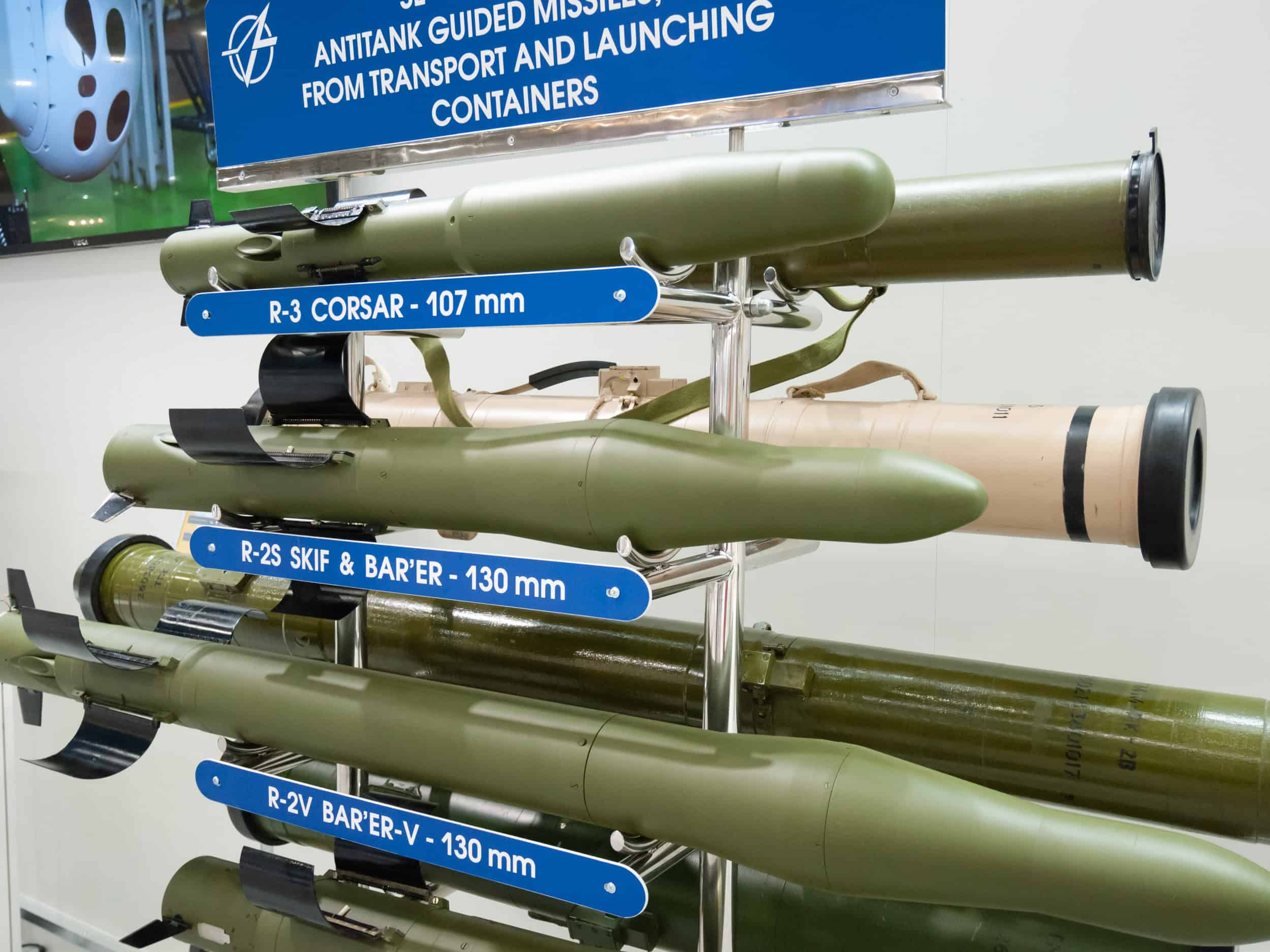
- Category: Anti-armor
- Era of impact: Cold War
- Primary threat it countered: Heavy armor
- How infantry used it: Crew-served
- What it replaced or neutralized: Tank formations
- Why it shifted battlefield power: Long-range armor kill
- Doctrinal impact: Infantry strategic threat
Anti-tank guided missiles turned infantry into a strategic threat against armored formations. Tanks could no longer operate without fear of small units.
Night Vision
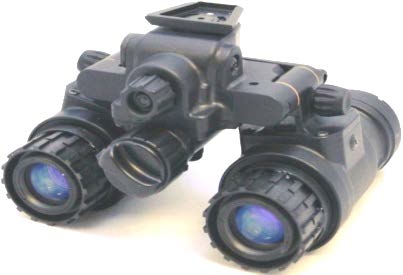
- Category: Sensor
- Era of impact: Modern
- Primary threat it countered: Darkness
- How infantry used it: Individual soldier
- What it replaced or neutralized: Limited visibility
- Why it shifted battlefield power: Night dominance
- Doctrinal impact: Extended battlefield control
Night vision devices allowed infantry to dominate combat after dark. Forces equipped with NVGs could maneuver, fight, and strike while opponents remained blind.
Thermal Optics
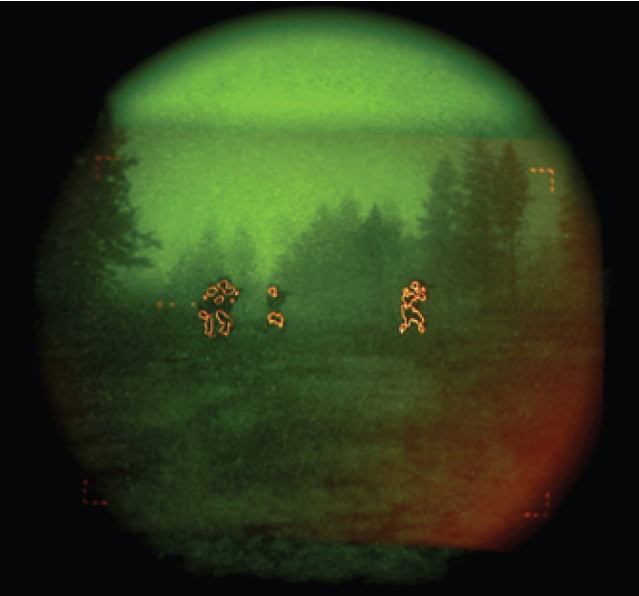
- Category: Sensor
- Era of impact: Modern
- Primary threat it countered: Concealment
- How infantry used it: Individual soldier
- What it replaced or neutralized: Camouflage
- Why it shifted battlefield power: Detected hidden enemies
- Doctrinal impact: Negated concealment
Thermal optics removed concealment advantages, allowing infantry to detect enemies through smoke, foliage, and darkness, expanding battlefield dominance.
Modern Body Armor
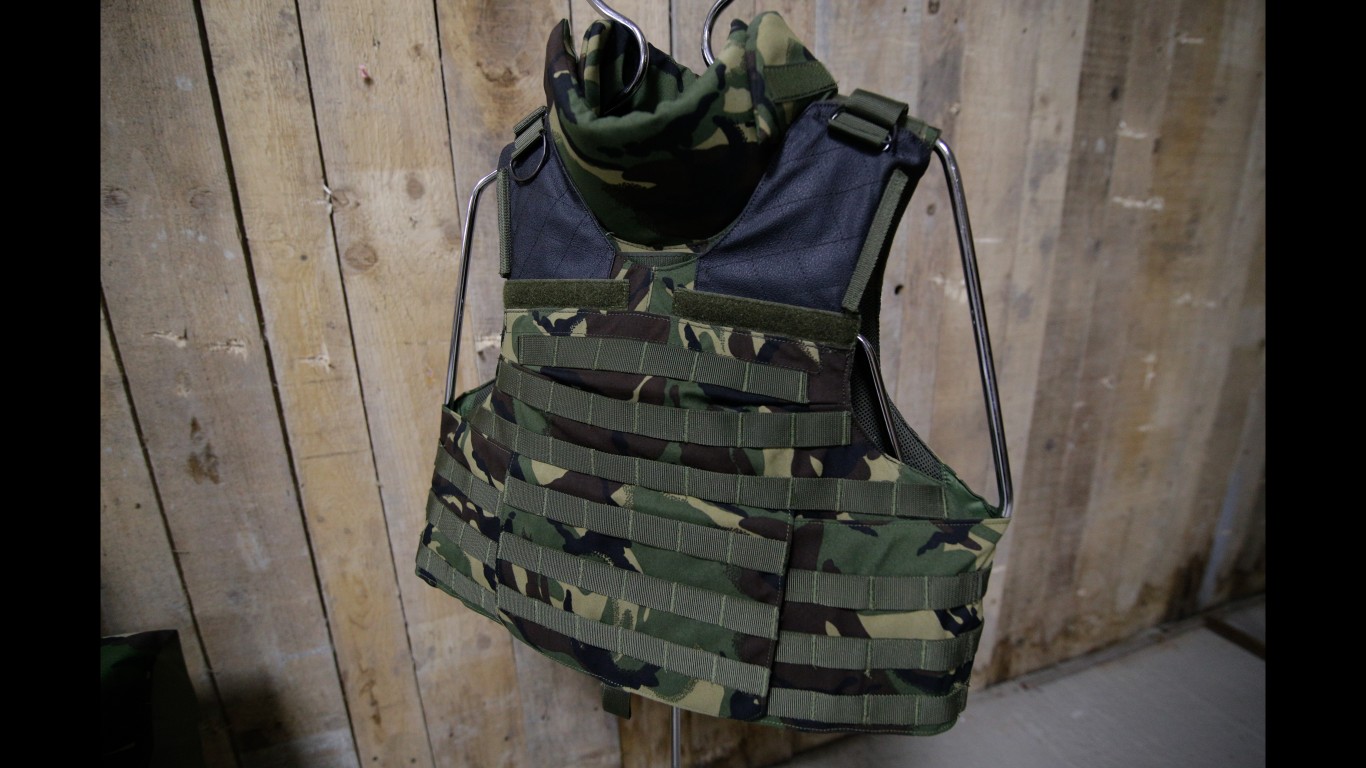
- Category: Protection
- Era of impact: Modern
- Primary threat it countered: Small arms
- How infantry used it: Individual soldier
- What it replaced or neutralized: High casualty rates
- Why it shifted battlefield power: Increased survivability
- Doctrinal impact: Enabled aggressive infantry tactics
Modern body armor increased infantry survivability, allowing soldiers to operate more aggressively. Protection changed risk calculations and combat behavior.
Combat Helmet Systems
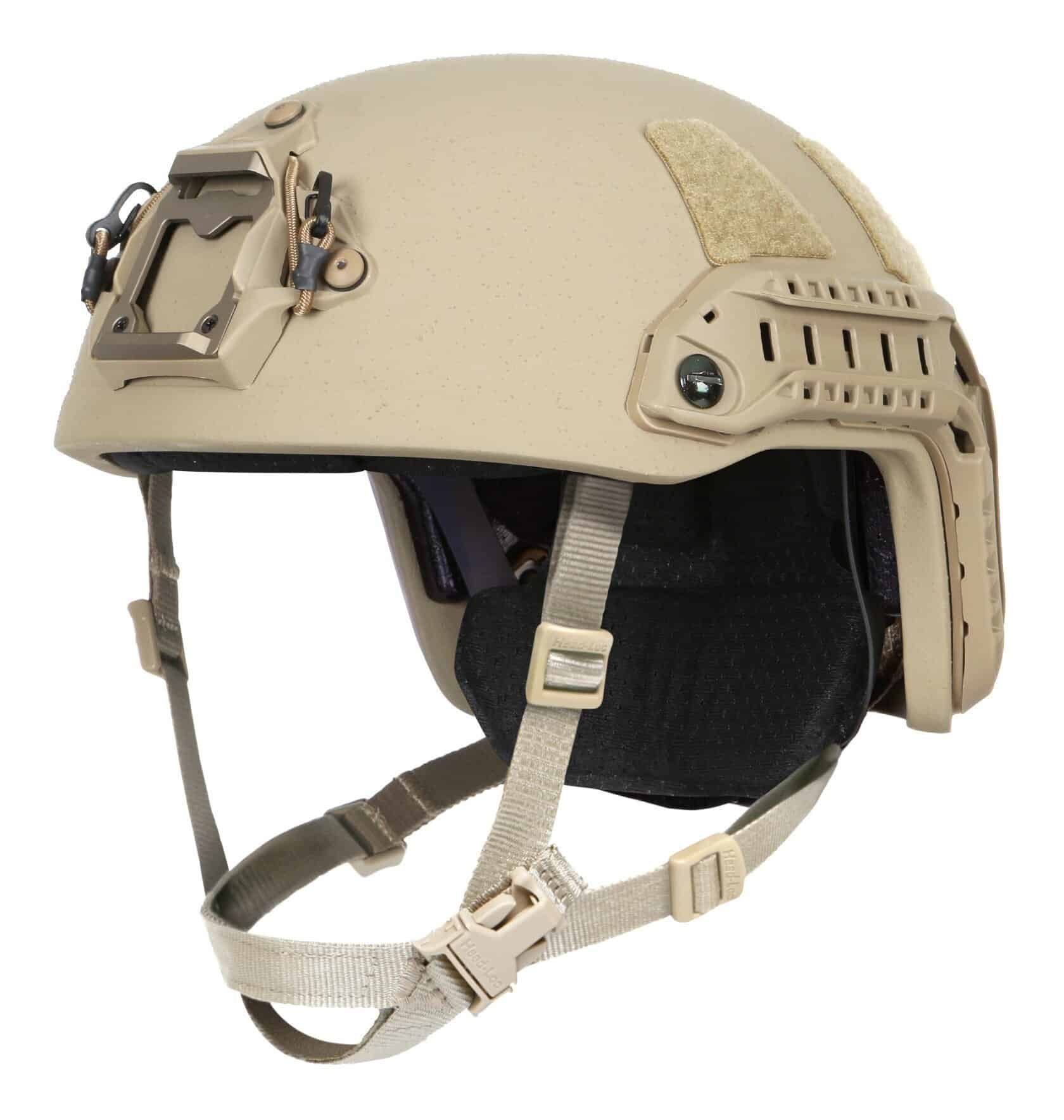
- Category: Protection
- Era of impact: Modern
- Primary threat it countered: Shrapnel and sensors
- How infantry used it: Individual soldier
- What it replaced or neutralized: Basic helmets
- Why it shifted battlefield power: Integrated protection and tech
- Doctrinal impact: Enhanced situational awareness
Modern combat helmets integrate protection, communications, and sensors. They transformed infantrymen into networked combat systems rather than isolated fighters.
Precision Optics
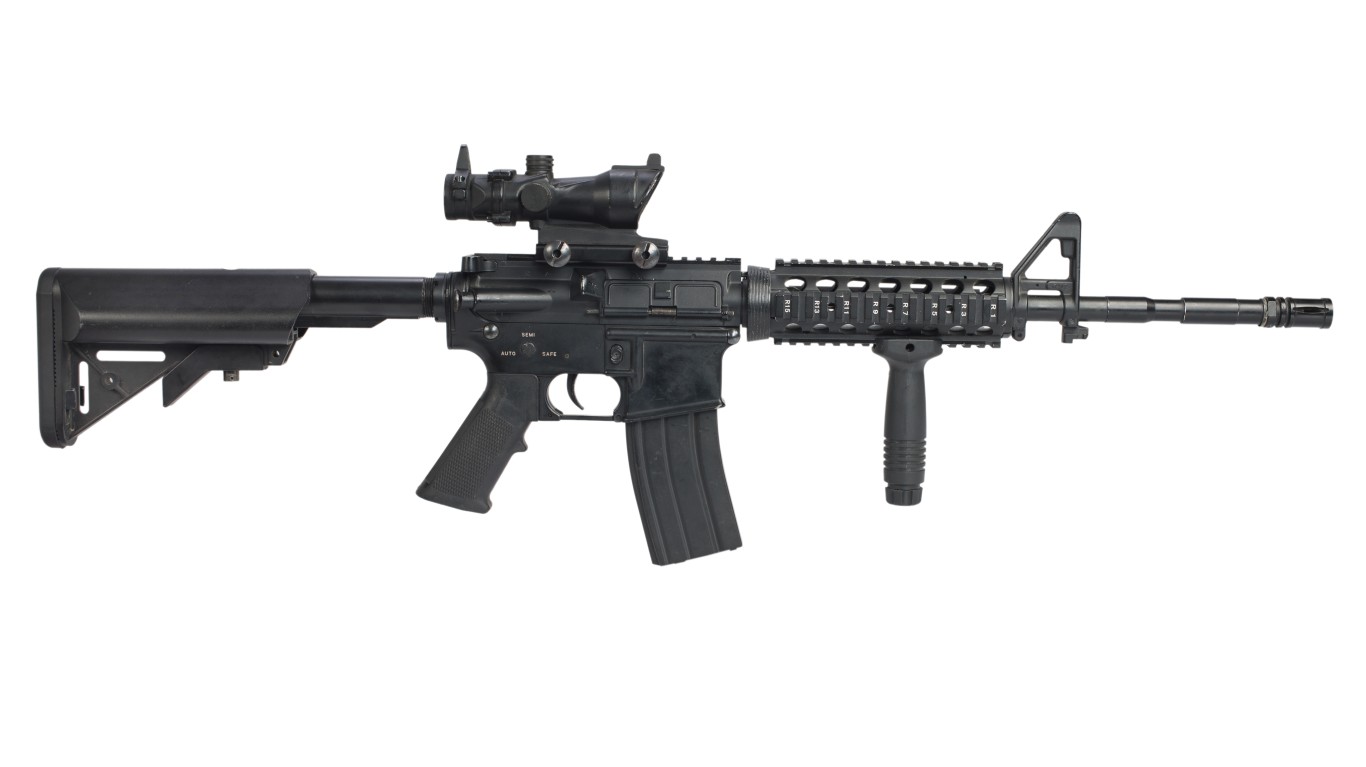
- Category: Optics
- Era of impact: Modern
- Primary threat it countered: Poor marksmanship
- How infantry used it: Individual soldier
- What it replaced or neutralized: Iron sights
- Why it shifted battlefield power: Improved hit probability
- Doctrinal impact: Made average soldiers lethal
Precision optics dramatically increased infantry accuracy. Soldiers could engage effectively at longer distances with less training, multiplying combat effectiveness.
Suppressors
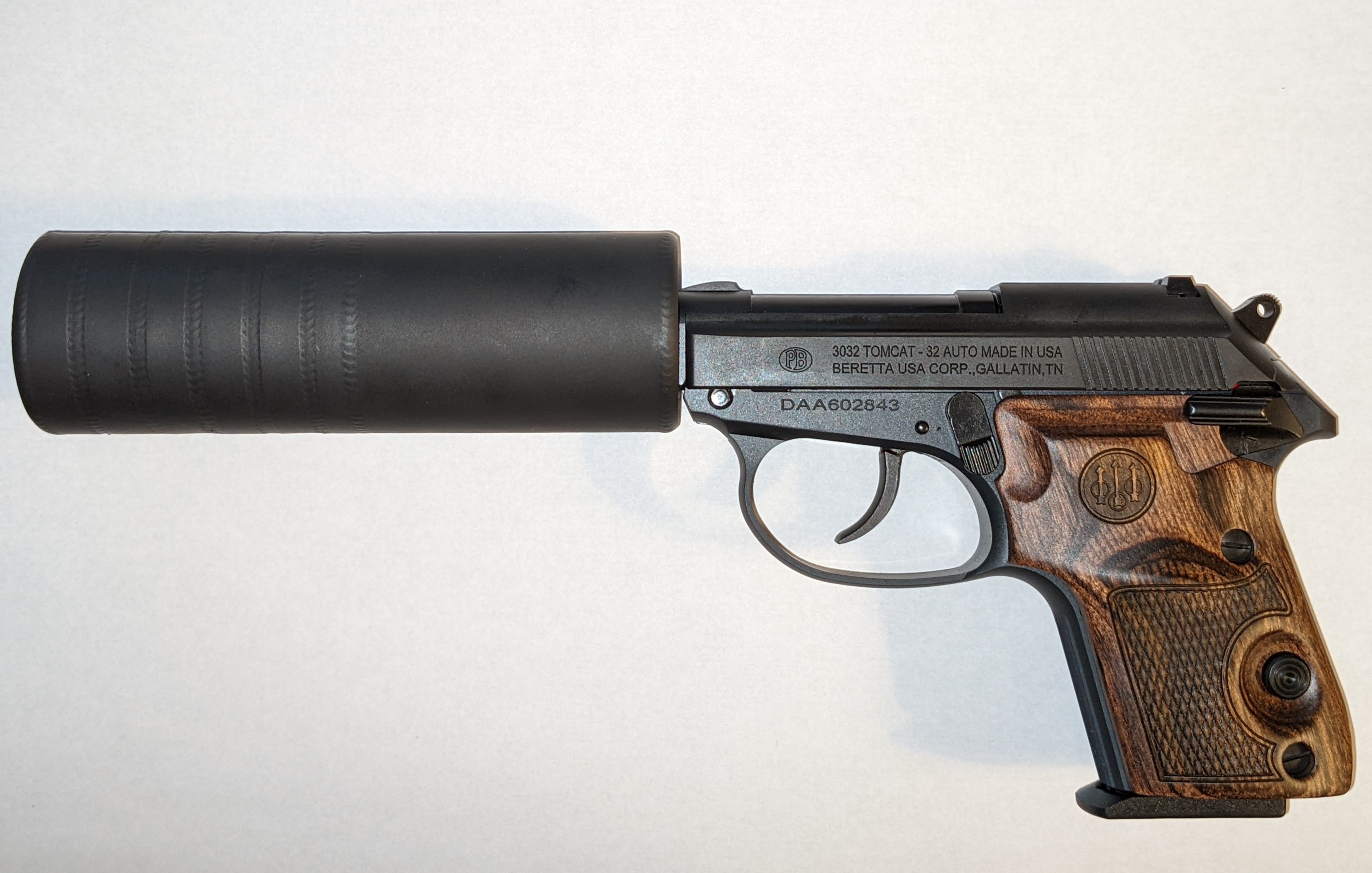
- Category: Accessory
- Era of impact: Modern
- Primary threat it countered: Detection
- How infantry used it: Individual soldier
- What it replaced or neutralized: High signature weapons
- Why it shifted battlefield power: Reduced signature
- Doctrinal impact: Improved infantry coordination
Suppressors reduced noise and muzzle flash, improving communication and survivability. Infantry units could coordinate more effectively in close combat.
Infantry Drones
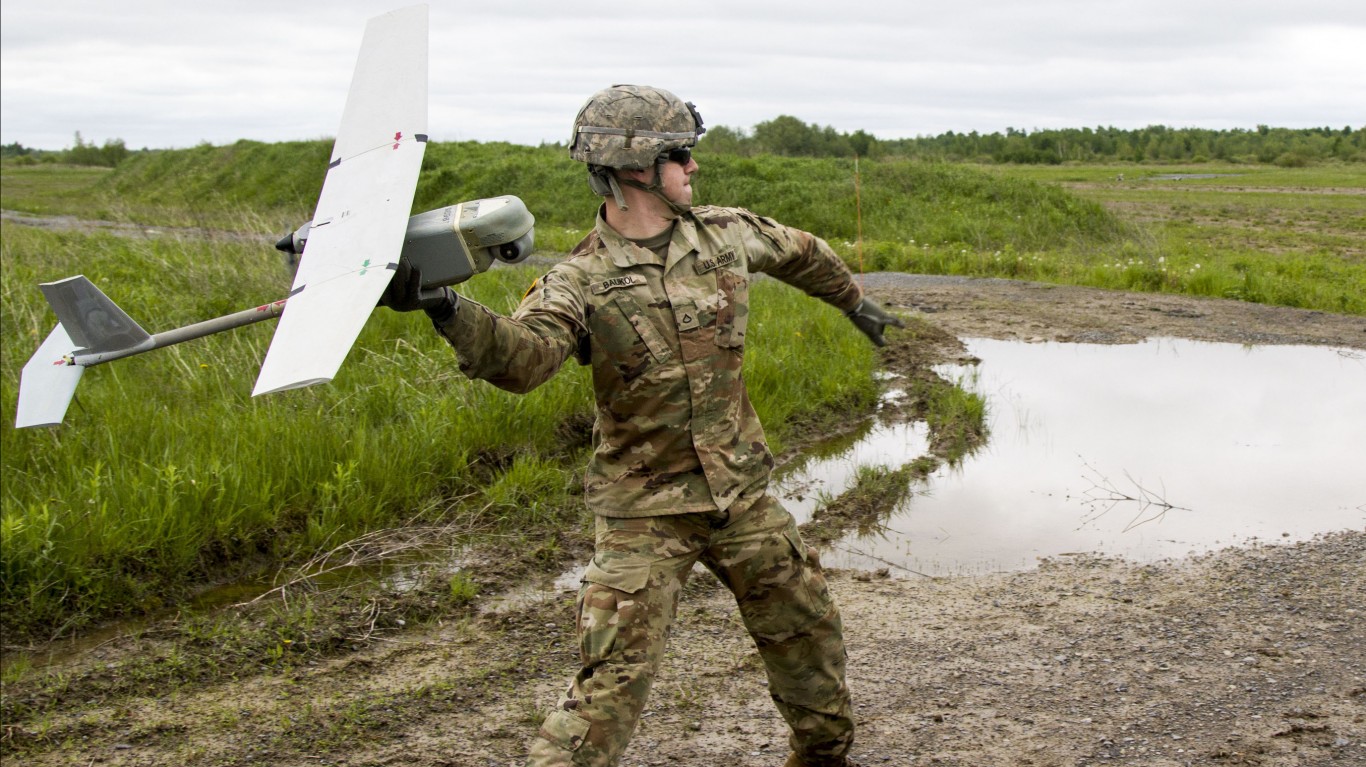
- Category: ISR
- Era of impact: Modern
- Primary threat it countered: Unknown terrain
- How infantry used it: Squad-level
- What it replaced or neutralized: Limited reconnaissance
- Why it shifted battlefield power: Real-time situational awareness
- Doctrinal impact: Expanded battlefield control
Small drones gave infantry organic reconnaissance once reserved for higher command. Squads could see beyond terrain and ambushes, dominating maneuver warfare.
Digital Radios
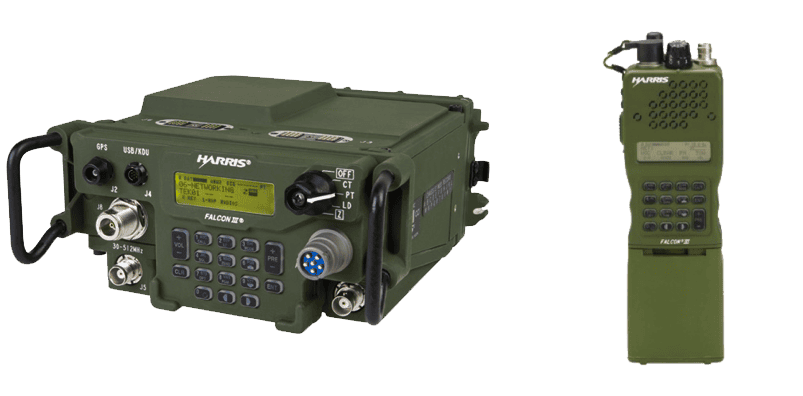
- Category: Communications
- Era of impact: Modern
- Primary threat it countered: Coordination limits
- How infantry used it: Squad-level
- What it replaced or neutralized: Runner-based comms
- Why it shifted battlefield power: Rapid coordination
- Doctrinal impact: Enabled decentralized command
Digital radios enabled real-time coordination across dispersed units. Infantry could operate independently while remaining connected, reshaping command and control.
Grenade Launchers
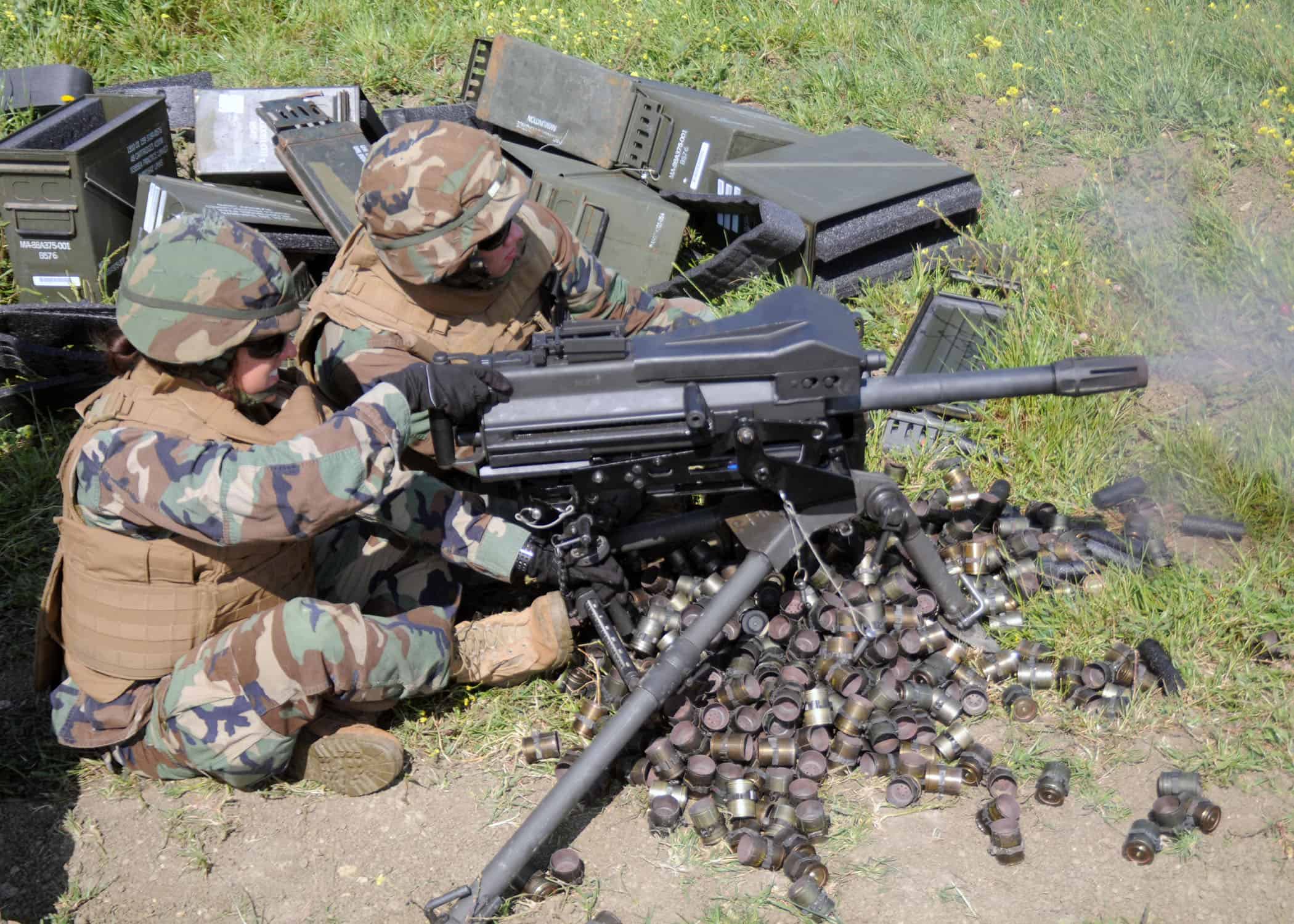
- Category: Explosive
- Era of impact: Modern
- Primary threat it countered: Cover and fortifications
- How infantry used it: Individual soldier
- What it replaced or neutralized: External fire support
- Why it shifted battlefield power: Immediate explosive fire
- Doctrinal impact: Expanded infantry lethality
Modern grenade launchers gave infantry instant explosive capability. Squads could neutralize enemies behind cover without relying on heavier support weapons.






 Top Gaining Stocks
 Top Losing Stocks