


Much of the military’s most enduring gear was never supposed to last. Designed as temporary fixes or emergency solutions, these systems were meant to bridge short-term gaps until better replacements arrived. Instead, battlefield performance rewrote the plan, turning stopgap equipment into permanent fixtures that reshaped doctrine and modern warfare. Here, 24/7 Wall St. is taking a closer look at this gear that was meant to be temporary but is now permanent fixture.
To determine the military gear that was designed to be temporary but ultimately became permanent, 24/7 Wall St. reviewed various historical and military sources. We included supplemental information regarding the original intended role, why it was meant to be temporary, what problem it actually solved, and how each became permanent.
Here is a look at the military gear that was designed to be temporary but became permanent:
Why Are We Covering This?
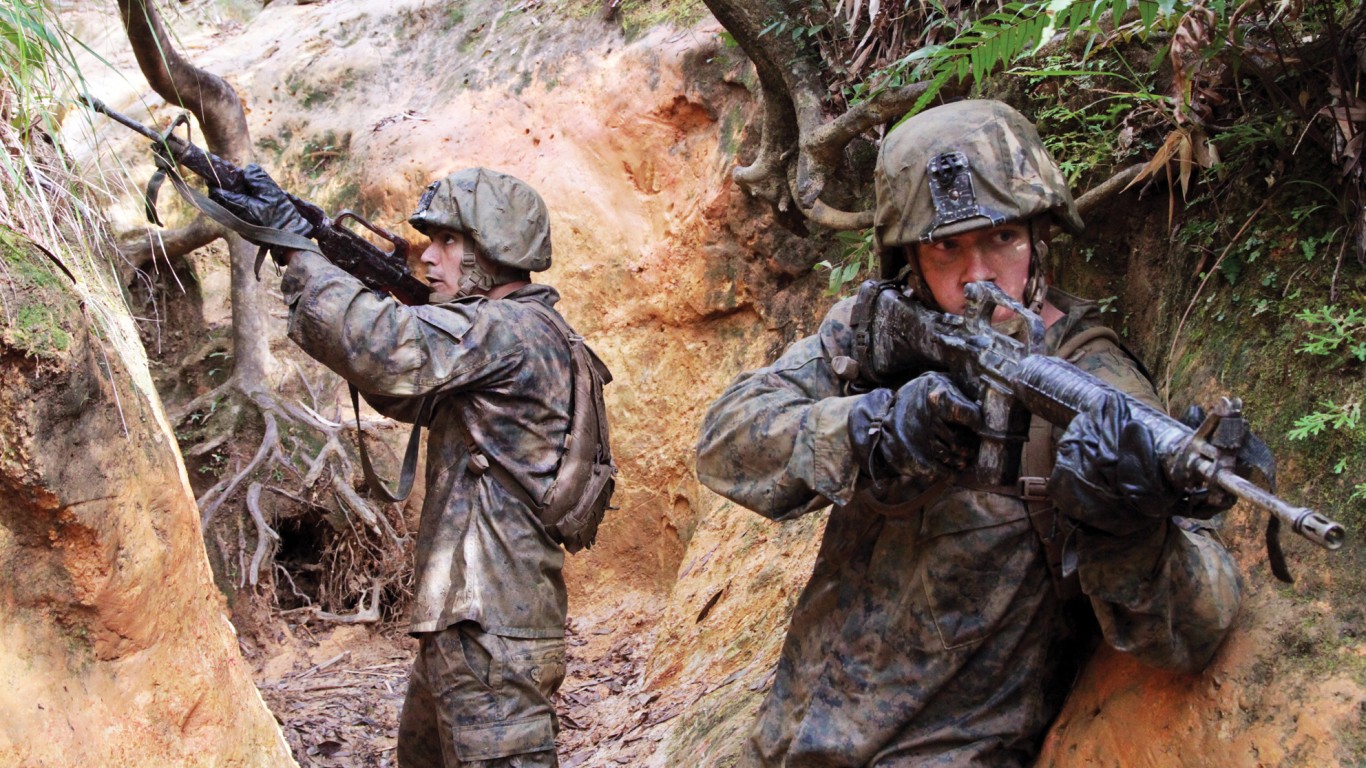
Military gear that was never meant to last reveals how wars are actually fought, not how they are planned on paper. Temporary and stopgap solutions often remain in service because they solve real battlefield problems more effectively than their intended replacements. By examining how emergency fixes became permanent fixtures, this highlights the gap between procurement intent and combat reality, showing why adaptability, reliability, and proven performance ultimately shape what militaries continue to rely on.
Meant to Be Temporary
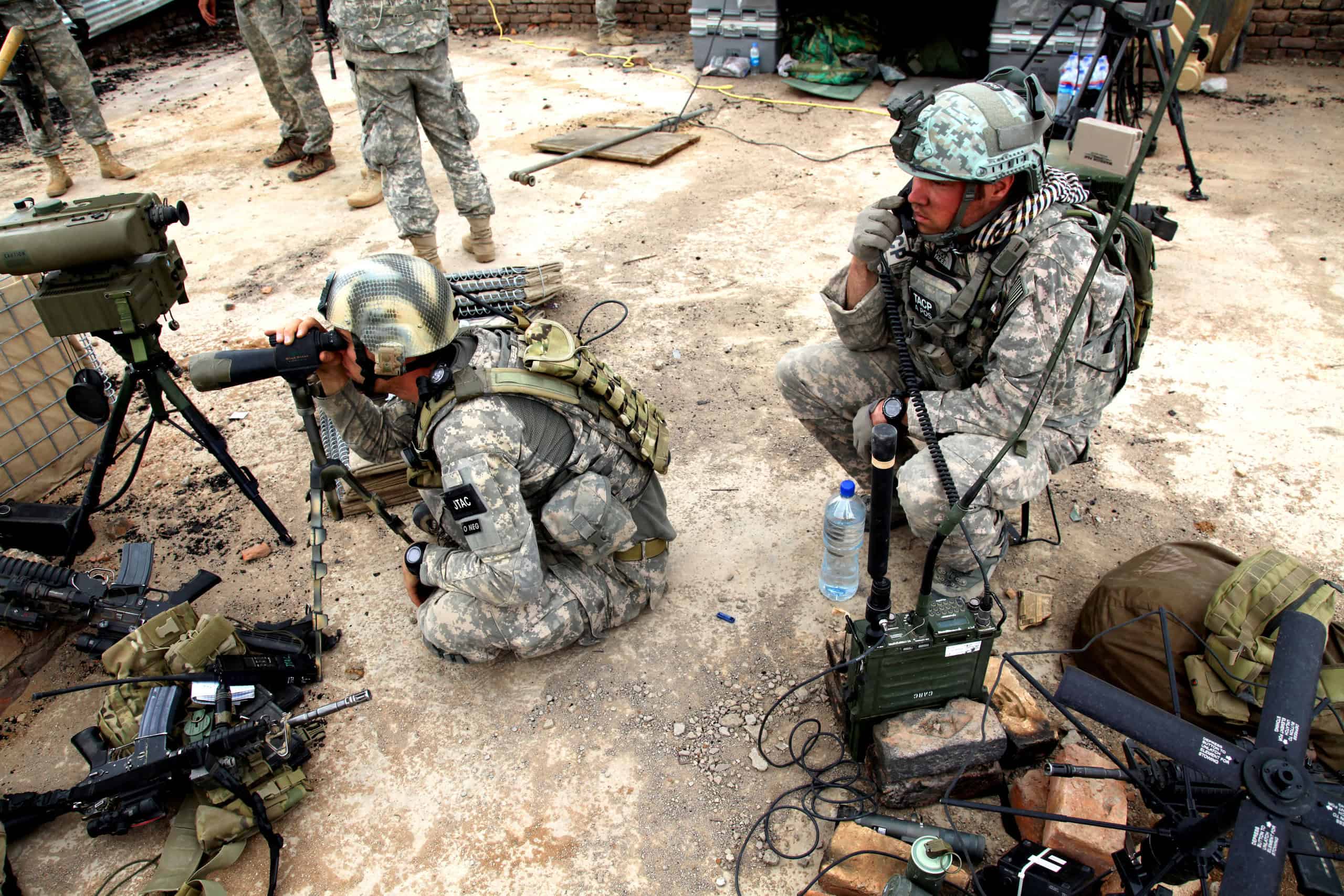
Much military gear is introduced as a temporary fix rather than a permanent solution. Emergency needs, budget constraints, or unexpected battlefield challenges often force rapid fielding, with the assumption that a more refined replacement will follow. These systems were meant to bridge short-term gaps, not define long-term doctrine.
Battlefield Reality Changed the Plan
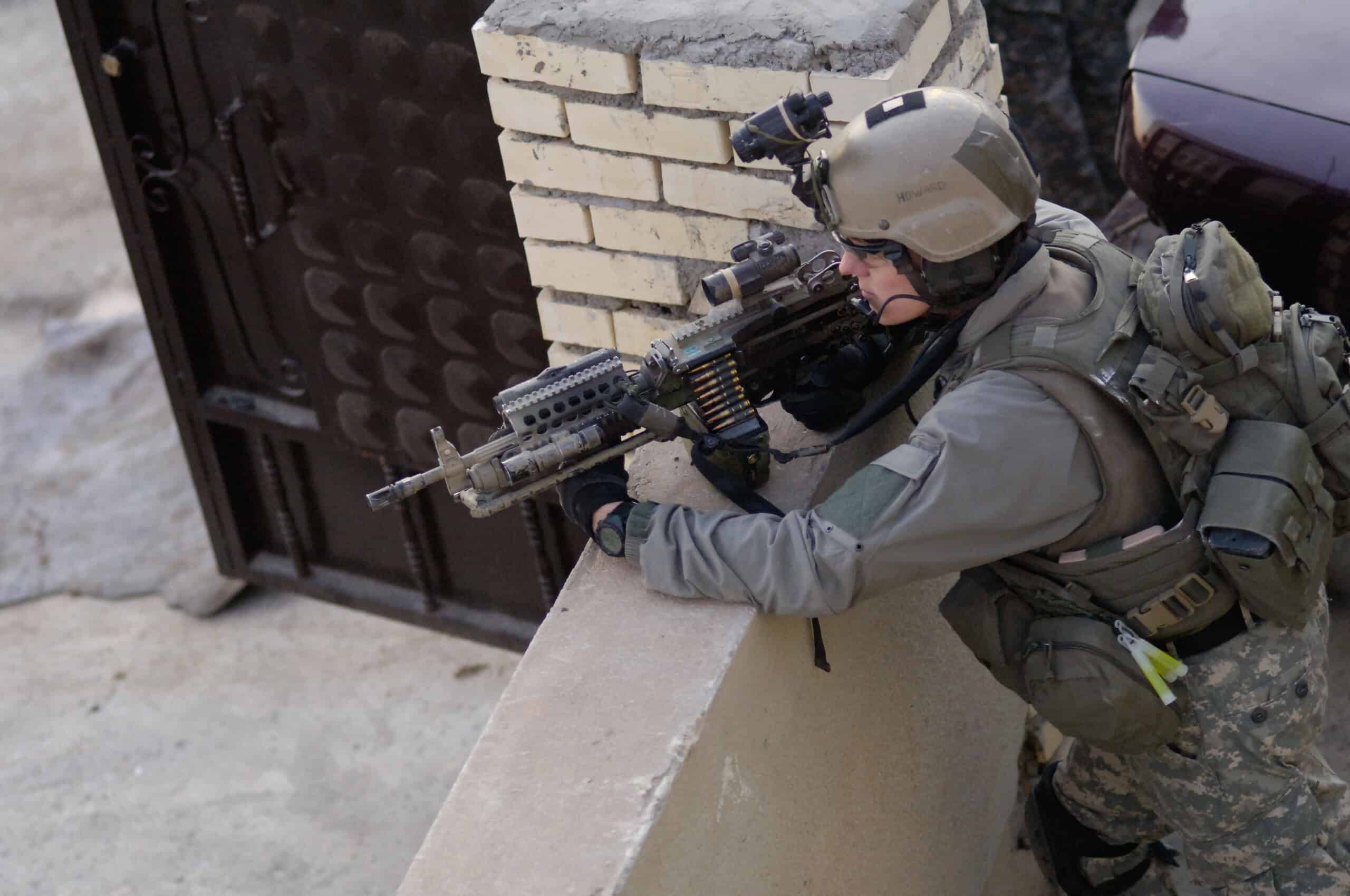
Battlefield reality frequently rewrites those plans. Gear that performs reliably under combat conditions often proves more valuable than anticipated, especially when alternatives are delayed or ineffective. In practice, immediate effectiveness outweighs long-term intent, and equipment that works tends to remain in service.
Adaptation Turned Stopgaps into Standards
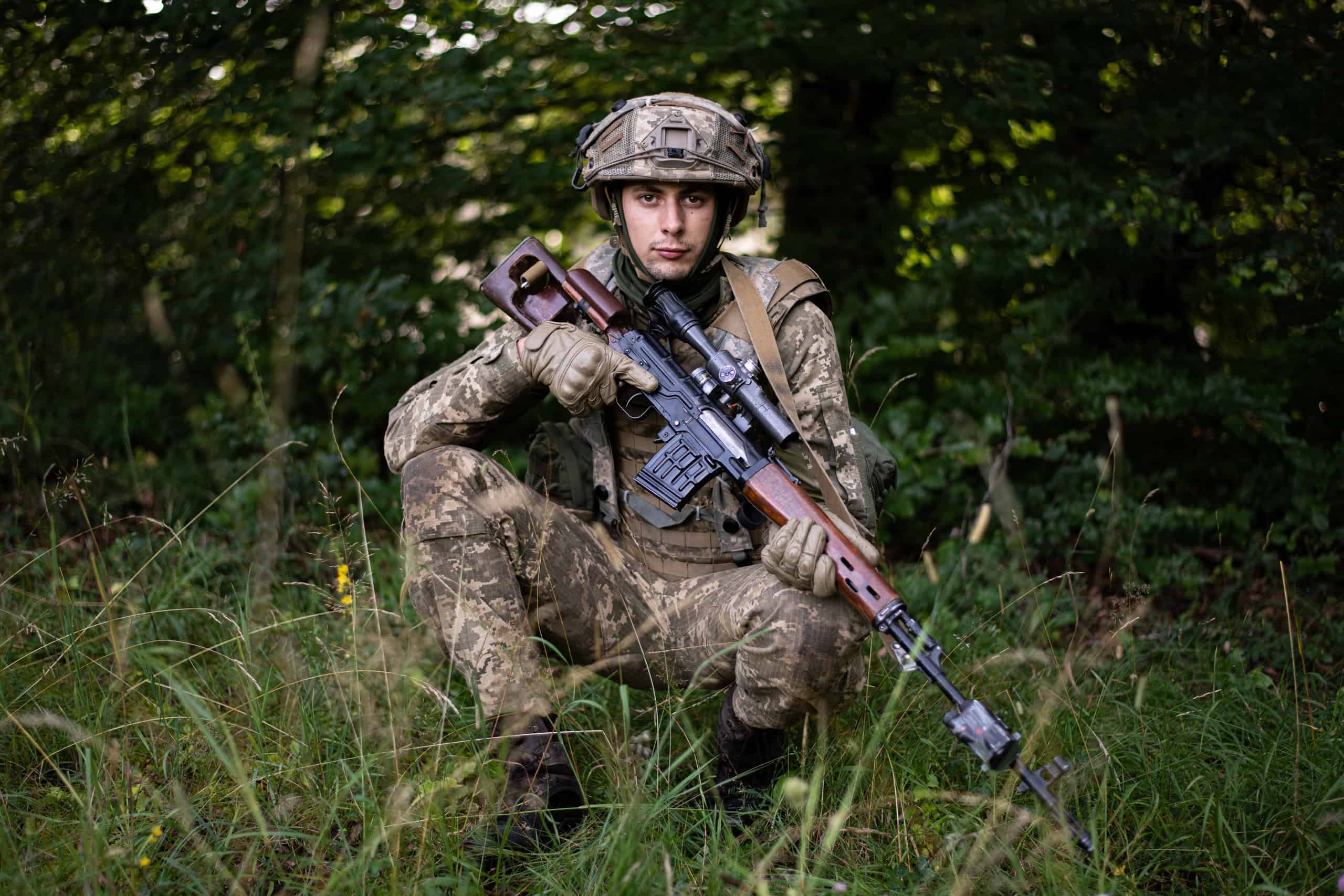
Adaptation is what turns stopgaps into standards. As temporary gear proves useful, upgrades, modifications, and new roles extend its lifespan. Combat feedback drives evolution, allowing originally limited systems to meet expanding mission requirements and remain relevant.
Replacements Never Fully Arrived
In many cases, the replacements never fully arrived. Programs meant to supersede temporary gear were delayed, scaled back, or failed to deliver clear advantages. Proven equipment continued to fill critical roles, quietly outlasting the plans designed to replace it.
Why These Systems Still Matter
These systems still matter because they reshaped expectations and doctrine. What began as a temporary fix often became baseline equipment, earning institutional trust through repeated use. Together, they illustrate how flexibility and realism—not long-term planning alone—shape what militaries ultimately rely on.
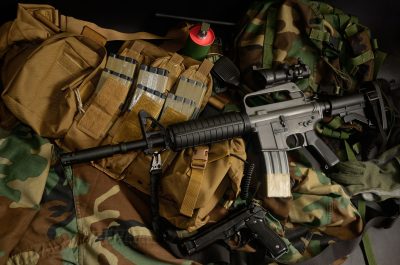
M4 Carbine
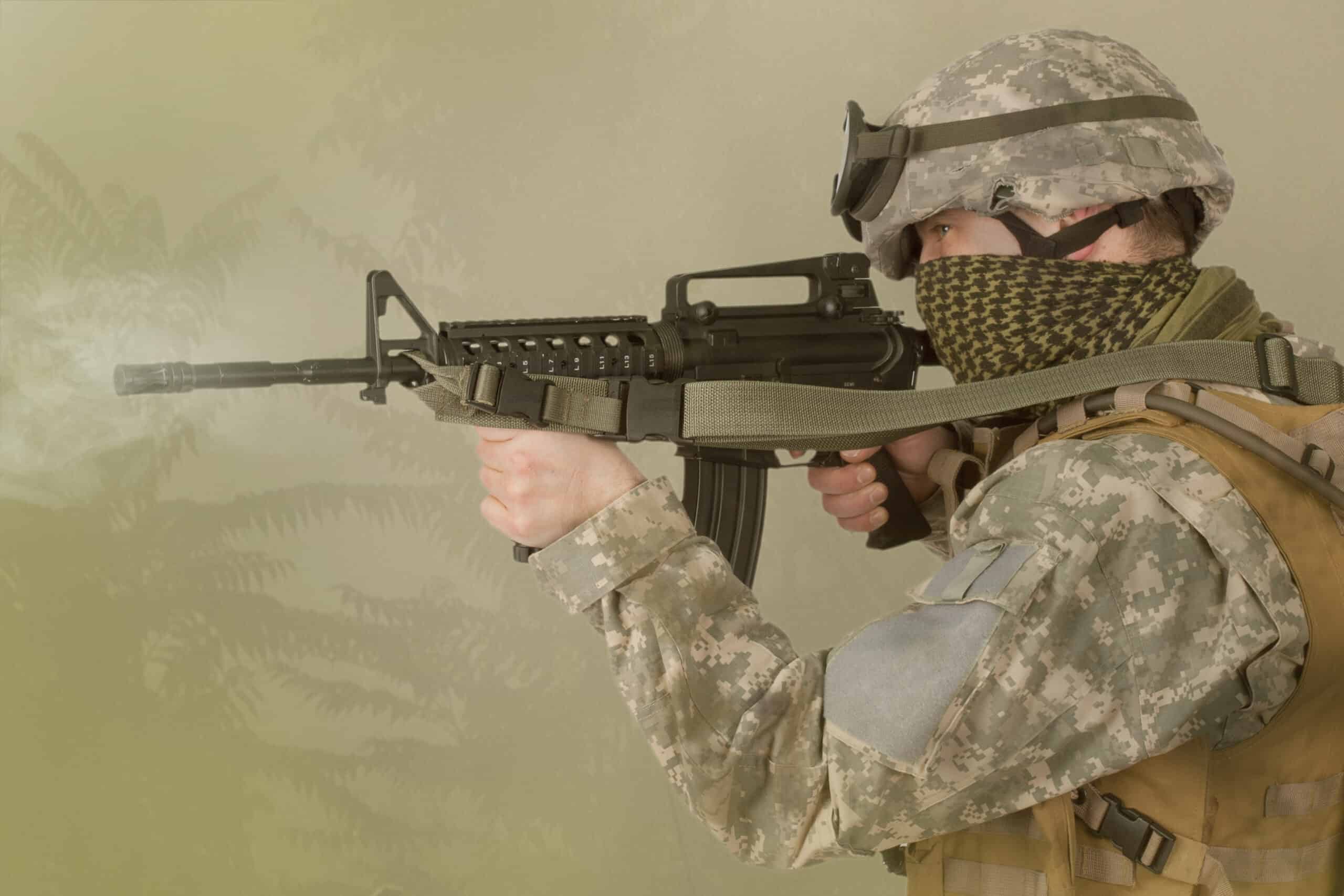
- Category: Small arms
- Year introduced to service: 1994
- Original intended role: Compact interim rifle
- Why it was meant to be temporary: Bridge between full-length rifles
- What problem it actually solved: Infantry mobility and modularity
- How it became permanent: Adopted as standard issue
- Replacement status: Partial
- Is it still in use today?: Yes
The M4 was introduced as a compact stopgap for specialized units but proved so adaptable that it became the standard U.S. service rifle. Its modularity, lighter weight, and suitability for modern combat environments kept it in service far longer than originally planned.
M16 Rifle
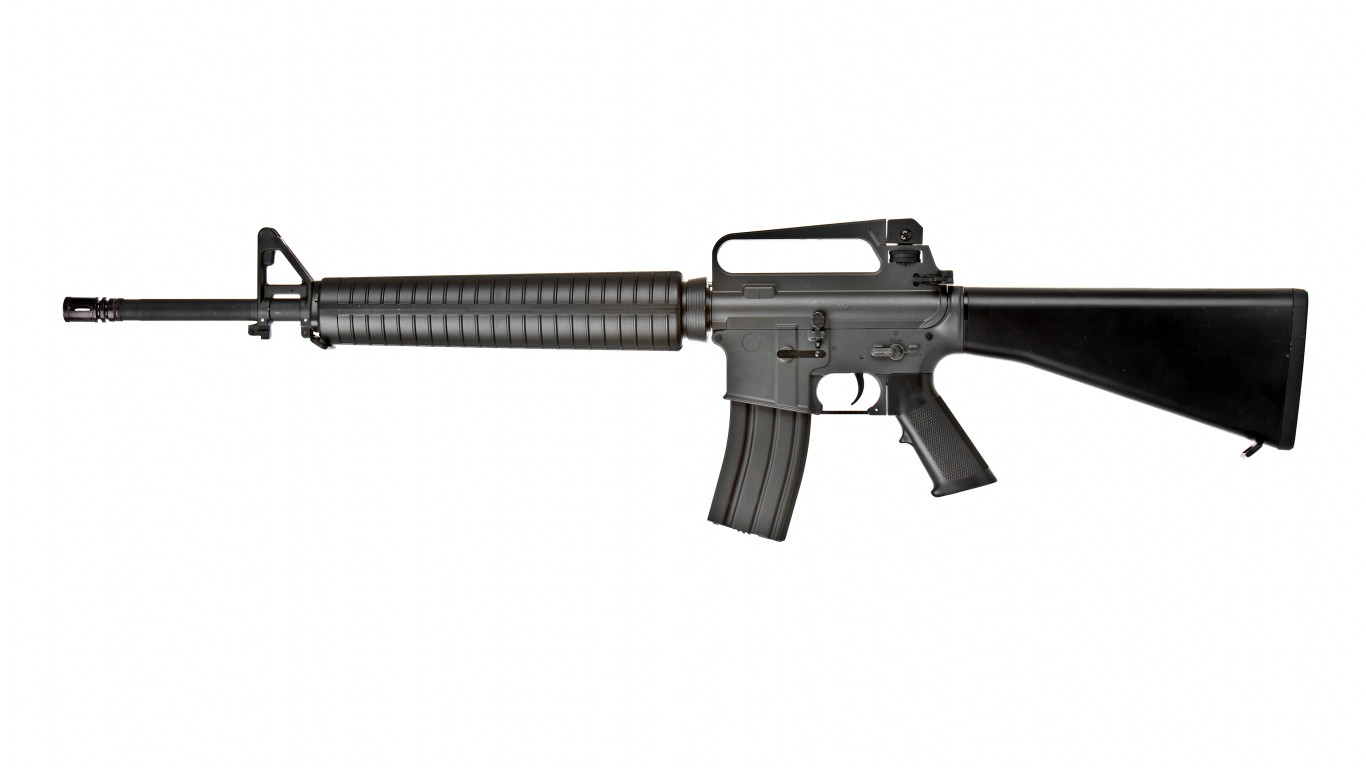
- Category: Small arms
- Year introduced to service: 1964
- Original intended role: Rapidly fielded Vietnam-era rifle
- Why it was meant to be temporary: Urgent wartime replacement
- What problem it actually solved: Lightweight infantry firepower
- How it became permanent: Expanded adoption
- Replacement status: Partial
- Is it still in use today?: Limited
The M16 was rushed into service for Vietnam and never intended to define decades of doctrine. Despite early issues, improvements turned it into a long-term infantry standard.
M249 SAW
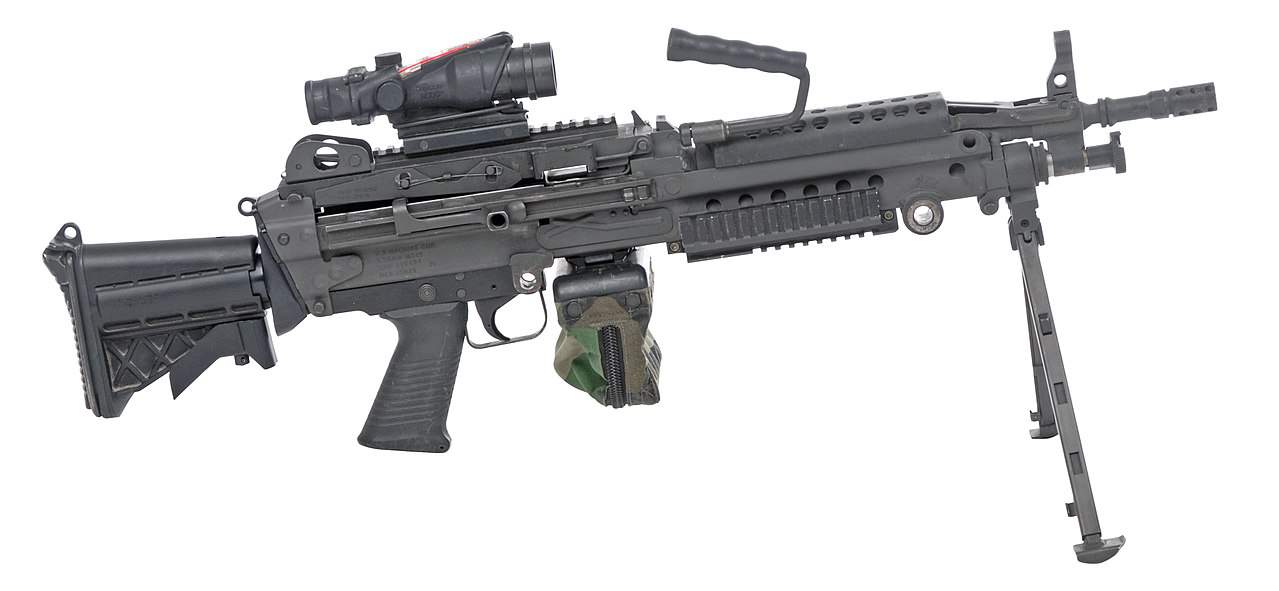
- Category: Small arms
- Year introduced to service: 1984
- Original intended role: Squad firepower gap filler
- Why it was meant to be temporary: Interim squad automatic weapon
- What problem it actually solved: Organic suppressive fire
- How it became permanent: Entrenched in doctrine
- Replacement status: Partial
- Is it still in use today?: Yes
The M249 was adopted to quickly boost squad firepower and remained because it integrated cleanly into infantry tactics, resisting full replacement.
M240 Machine Gun
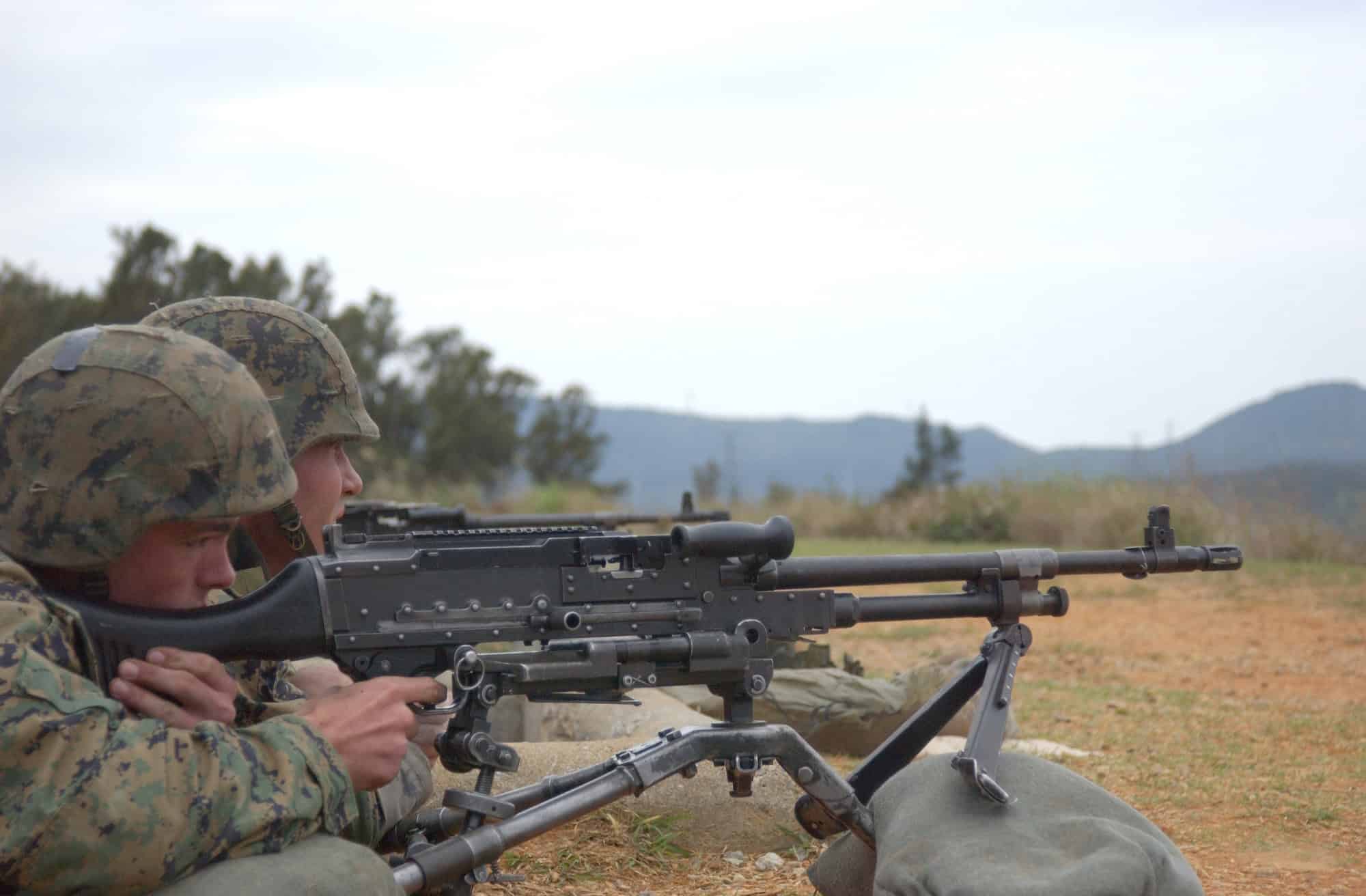
- Category: Small arms
- Year introduced to service: 1958
- Original intended role: Interim GPMG
- Why it was meant to be temporary: Replace aging machine guns
- What problem it actually solved: Reliable sustained fire
- How it became permanent: Widespread adoption
- Replacement status: None
- Is it still in use today?: Yes
The M240 began as an interim solution but earned permanent status through reliability and versatility across infantry and vehicle roles.
AT4
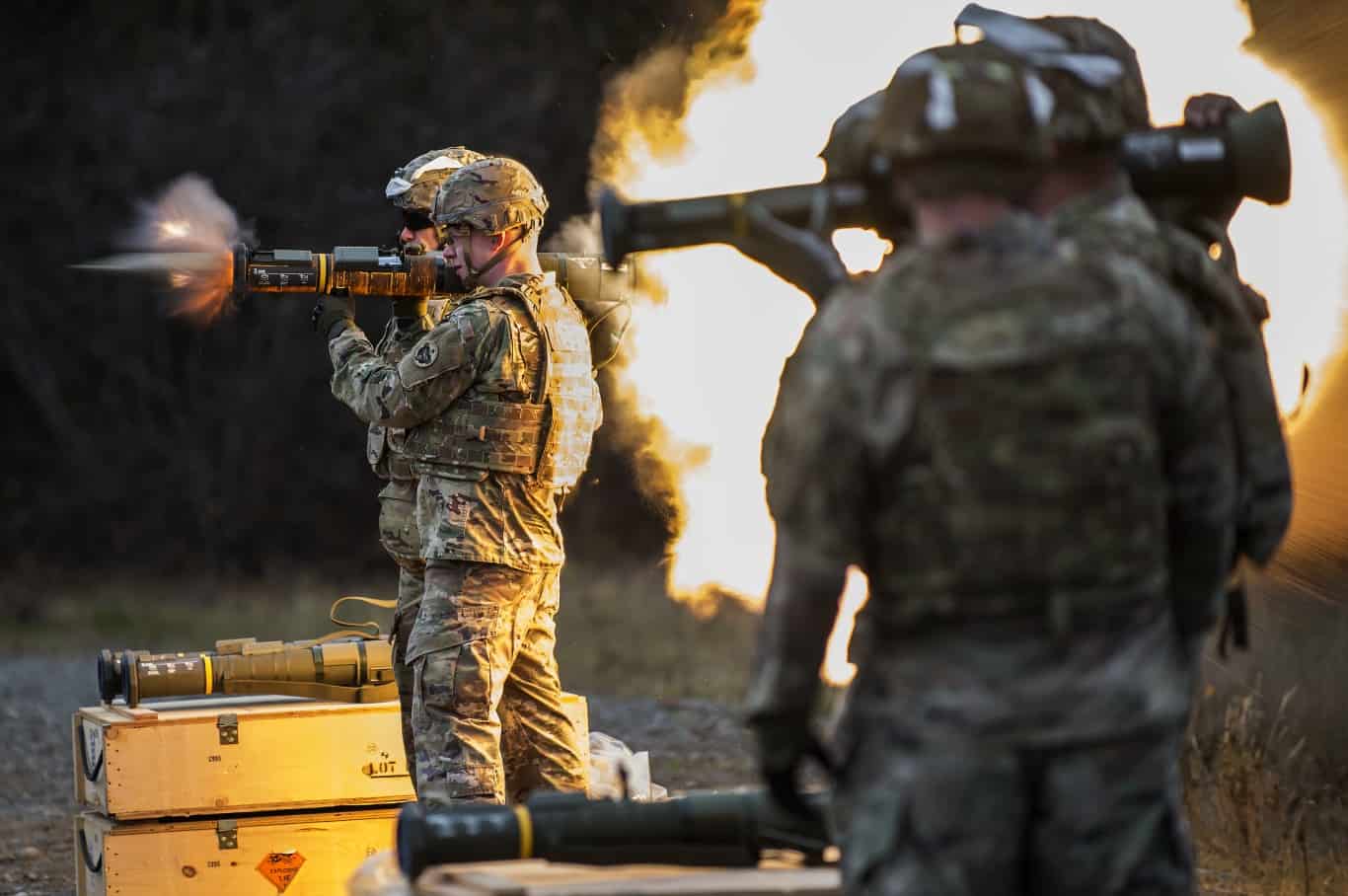
- Category: Small arms
- Year introduced to service: 1987
- Original intended role: Disposable anti-armor stopgap
- Why it was meant to be temporary: Short-term anti-armor solution
- What problem it actually solved: Simple infantry anti-armor
- How it became permanent: Continued procurement
- Replacement status: None
- Is it still in use today?: Yes
The AT4 was introduced as a temporary disposable weapon yet remained due to its simplicity and effectiveness against modern threats.
Carl Gustaf
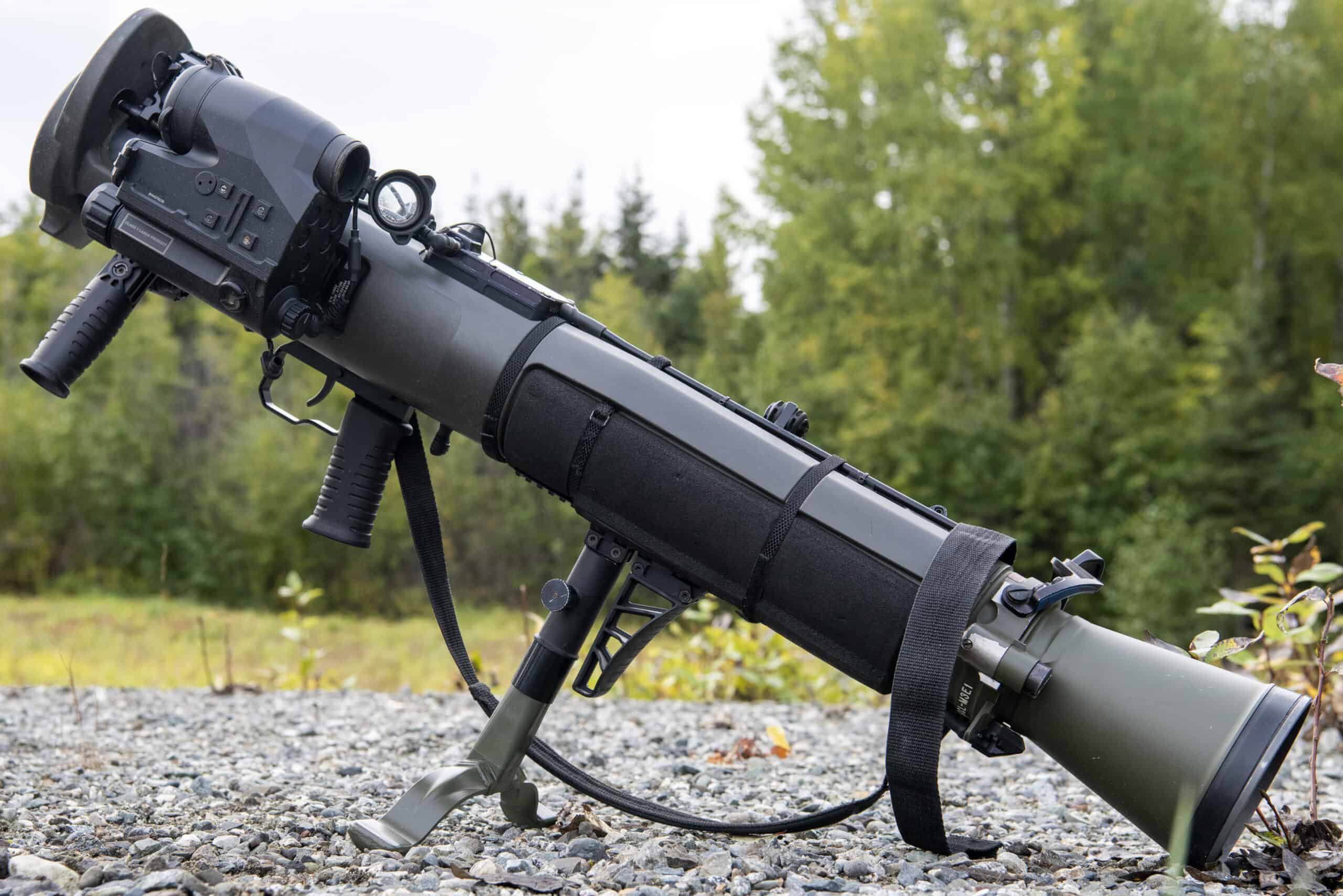
- Category: Small arms
- Year introduced to service: 1948
- Original intended role: Interim recoilless capability
- Why it was meant to be temporary: Stopgap anti-armor
- What problem it actually solved: Multi-role infantry support
- How it became permanent: Modernized ammunition
- Replacement status: None
- Is it still in use today?: Yes
The Carl Gustaf was reintroduced as a temporary capability but stayed because of its flexibility across missions.
M1911 Pistol
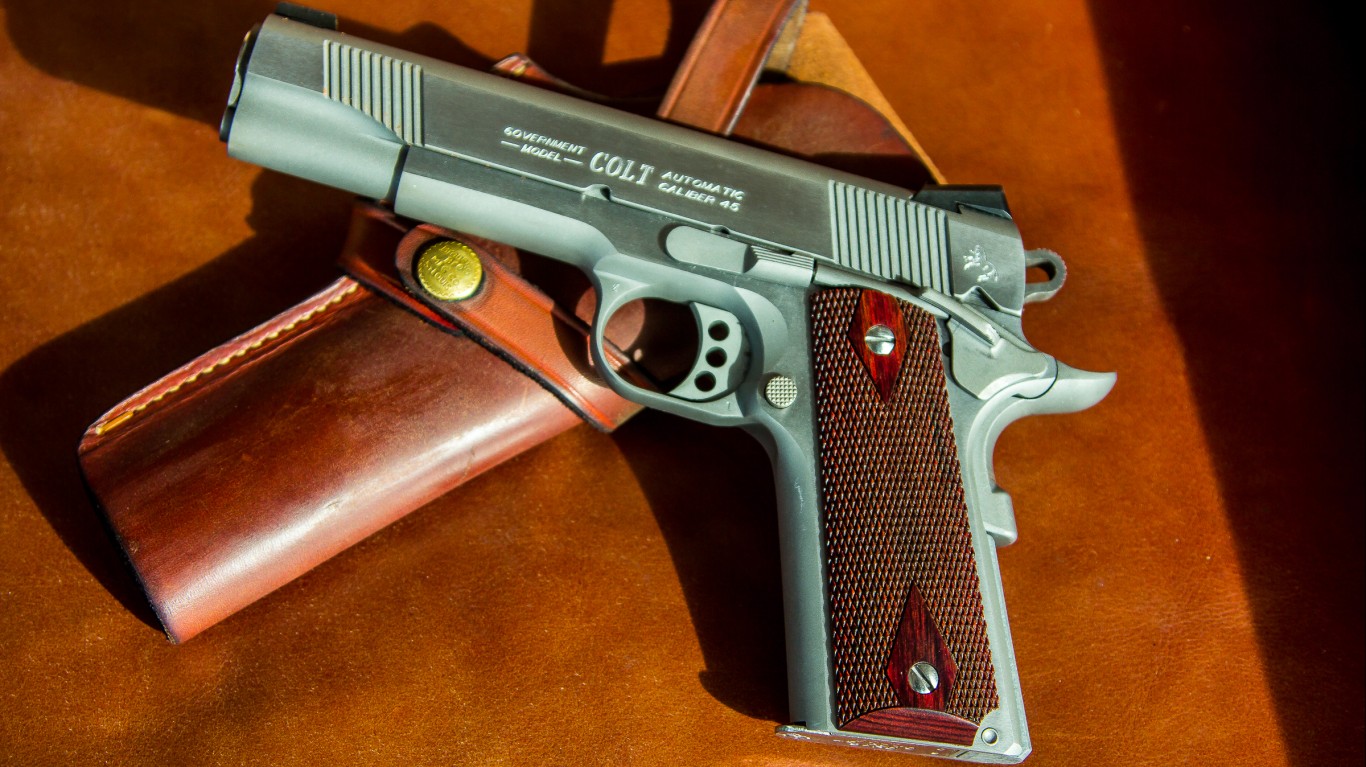
- Category: Small arms
- Year introduced to service: 1911
- Original intended role: Emergency wartime sidearm
- Why it was meant to be temporary: Rapid wartime adoption
- What problem it actually solved: Reliable close-defense weapon
- How it became permanent: Institutional trust
- Replacement status: Replaced
- Is it still in use today?: Limited
The M1911 was adopted quickly during wartime and endured through multiple conflicts due to reliability and stopping power.
Stinger MANPADS
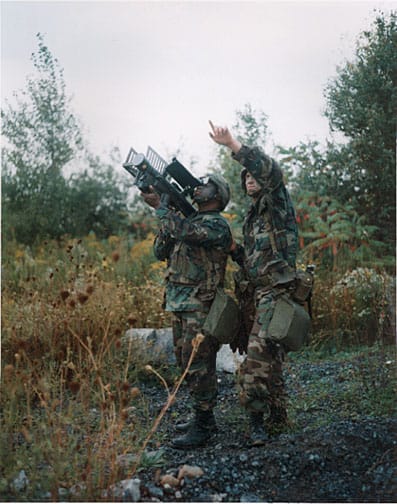
- Category: Missile
- Year introduced to service: 1981
- Original intended role: Rapid air-defense response
- Why it was meant to be temporary: Cold War emergency need
- What problem it actually solved: Portable air defense
- How it became permanent: Sustained upgrades
- Replacement status: None
- Is it still in use today?: Yes
Stinger missiles were rushed into service to counter air threats and became a long-term staple for infantry air defense.
HMMWV (Humvee)
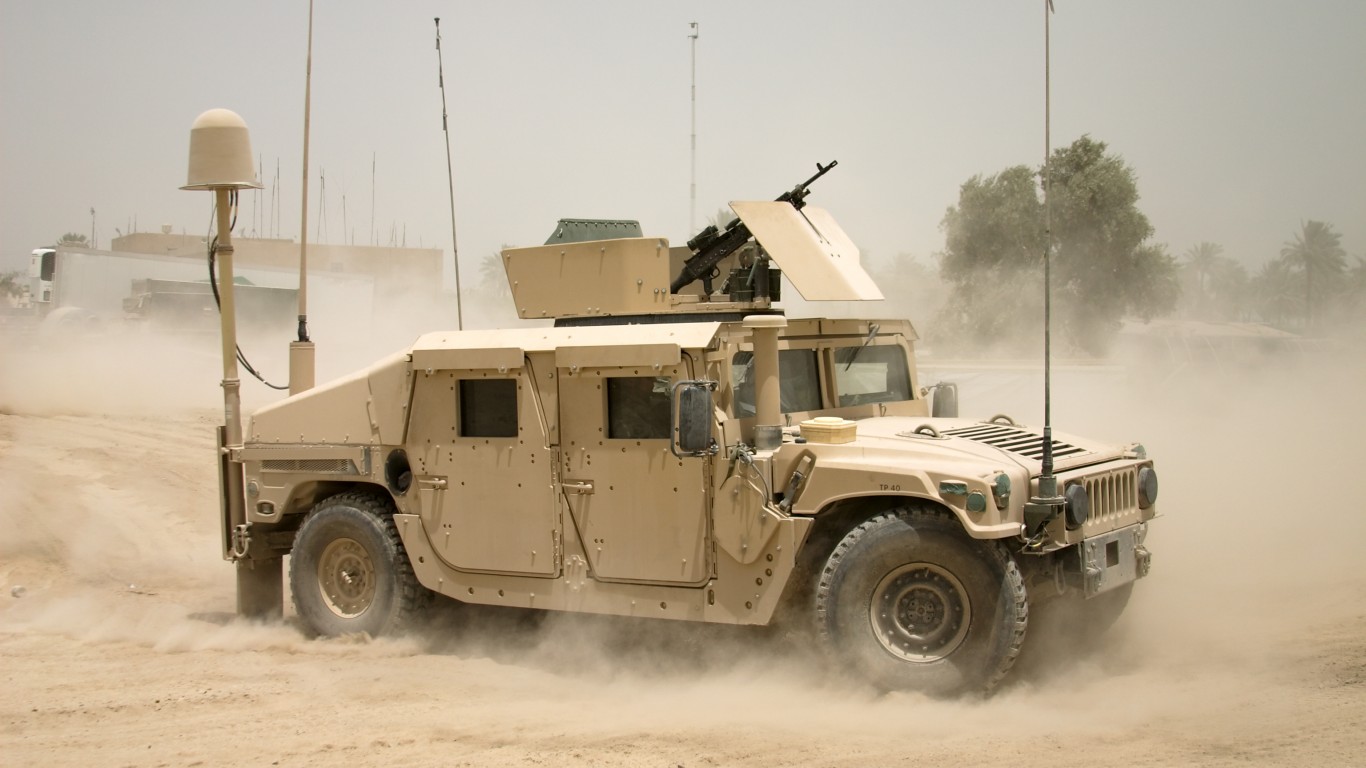
- Category: Vehicle
- Year introduced to service: 1985
- Original intended role: Utility transport
- Why it was meant to be temporary: Non-combat design
- What problem it actually solved: General-purpose mobility
- How it became permanent: Expanded combat use
- Replacement status: Replaced
- Is it still in use today?: Limited
The Humvee was never meant for frontline combat, yet its adaptability pushed it into permanent service roles.
MRAP Vehicles
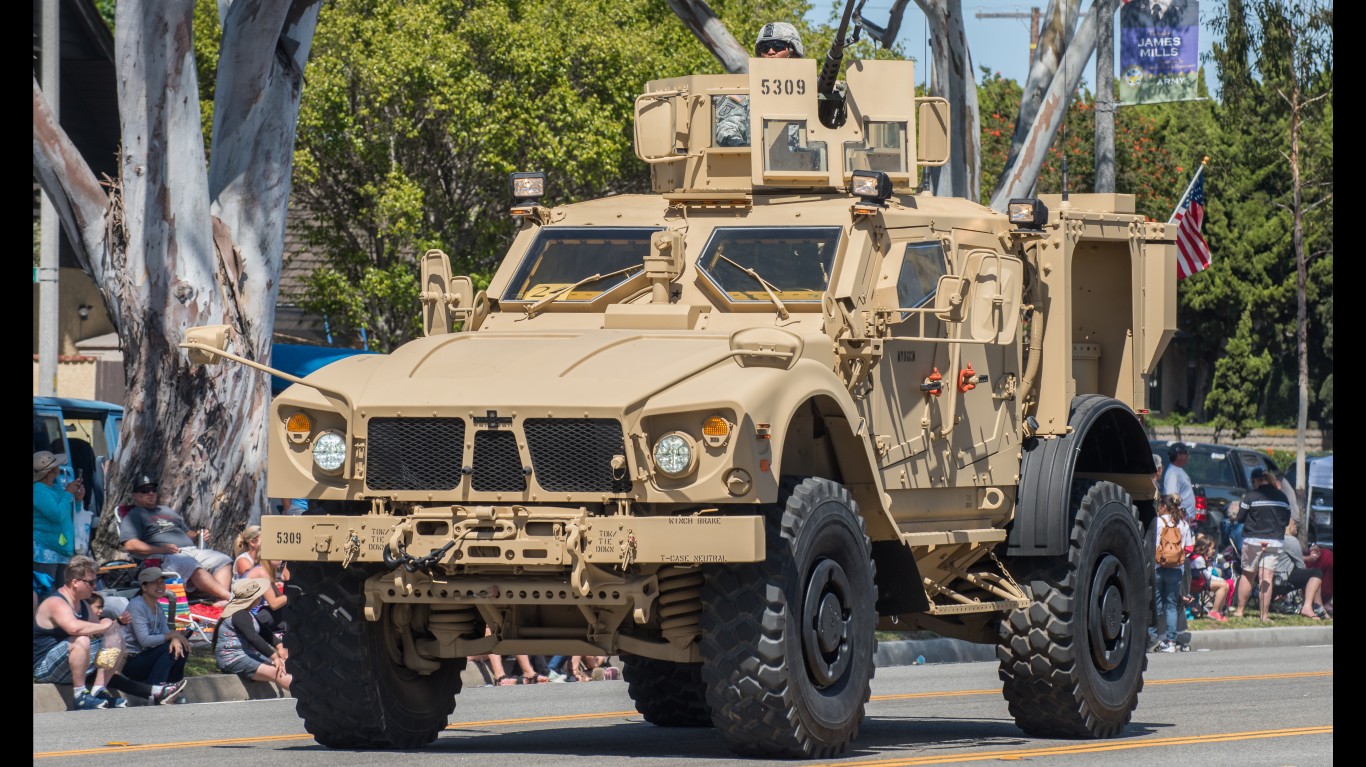
- Category: Vehicle
- Year introduced to service: 2007
- Original intended role: Emergency force protection
- Why it was meant to be temporary: IED threat response
- What problem it actually solved: Survivable troop transport
- How it became permanent: Fleet expansion
- Replacement status: Partial
- Is it still in use today?: Yes
MRAPs were emergency responses to IED threats but reshaped vehicle procurement permanently.
M113 APC
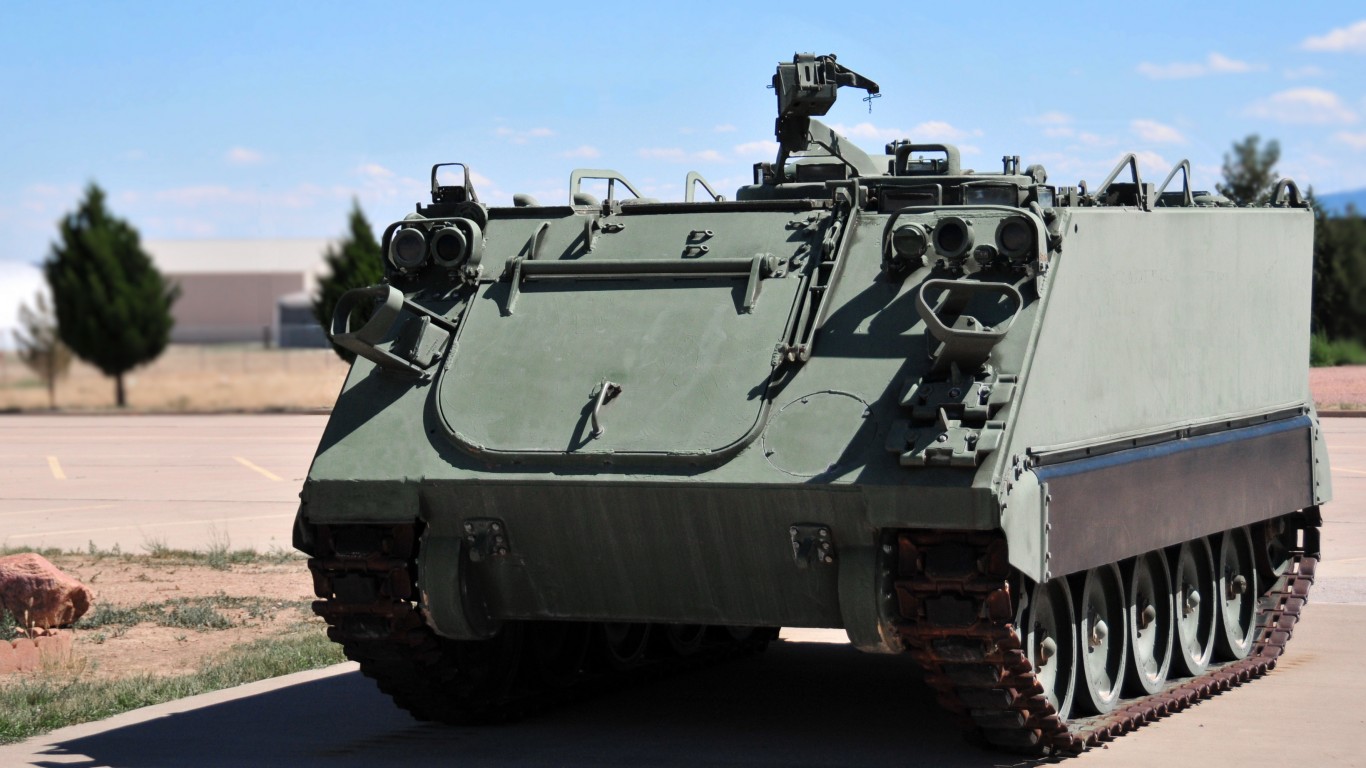
- Category: Vehicle
- Year introduced to service: 1960
- Original intended role: Temporary APC
- Why it was meant to be temporary: Stopgap armored transport
- What problem it actually solved: Versatile platform
- How it became permanent: Role expansion
- Replacement status: Partial
- Is it still in use today?: Limited
The M113 was intended as a temporary armored carrier but became ubiquitous due to adaptability.
M109 Howitzer
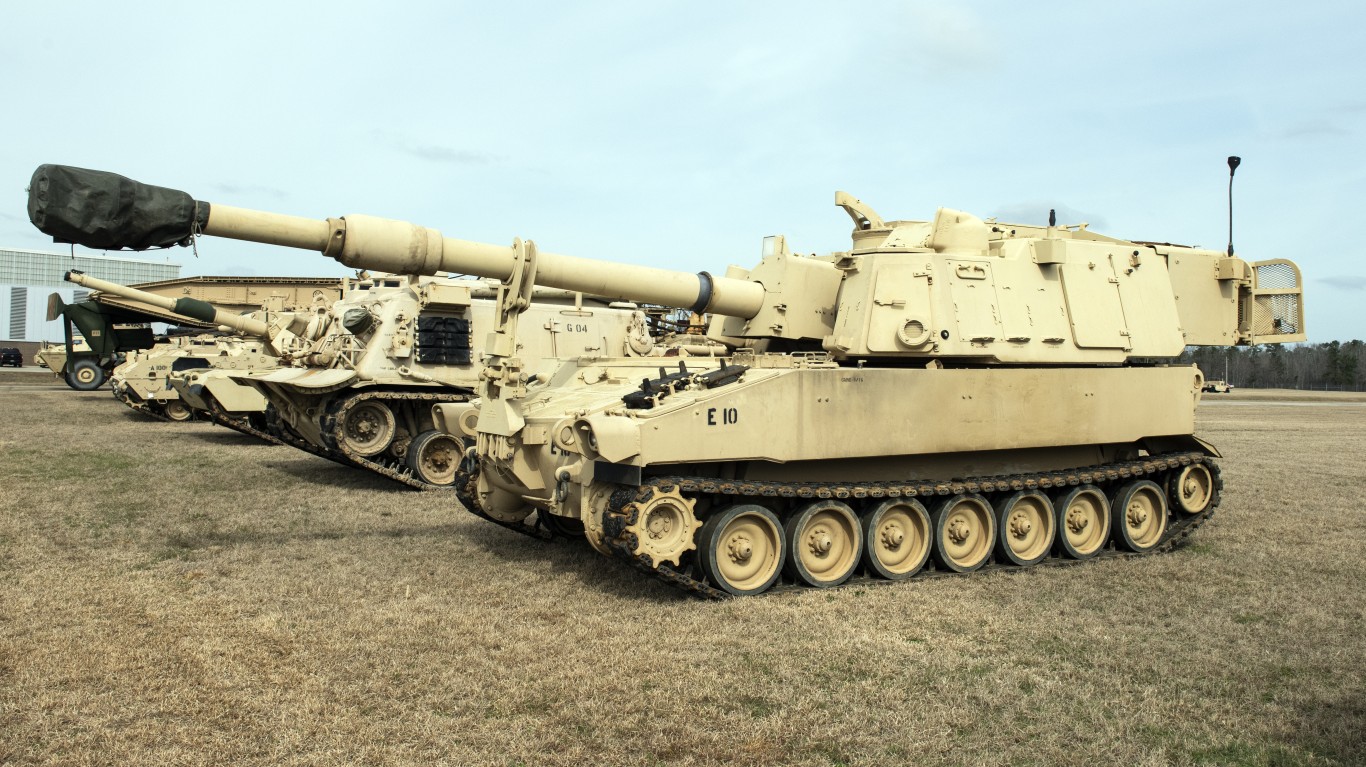
- Category: Artillery
- Year introduced to service: 1963
- Original intended role: Interim artillery system
- Why it was meant to be temporary: Bridge to future systems
- What problem it actually solved: Mobile fire support
- How it became permanent: Continuous upgrades
- Replacement status: None
- Is it still in use today?: Yes
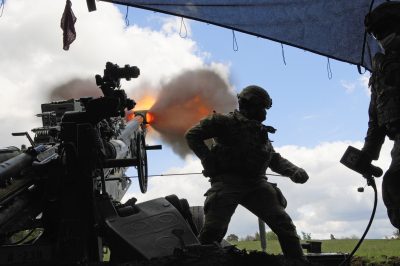
The M109 began as an interim system but endured through repeated modernization.
M270 MLRS
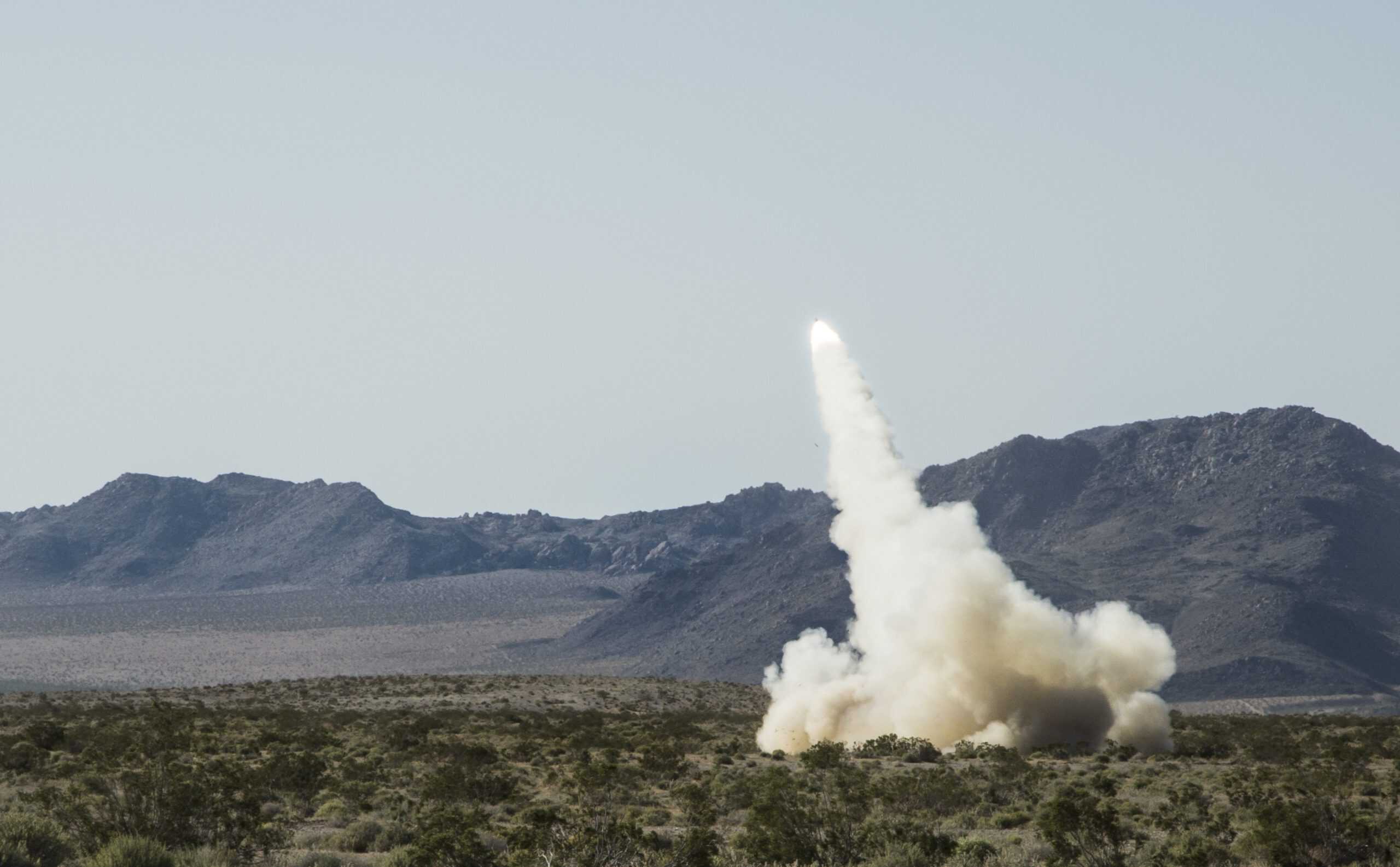
- Category: Artillery
- Year introduced to service: 1983
- Original intended role: Cold War interim fire support
- Why it was meant to be temporary: Counter massed forces
- What problem it actually solved: Long-range fires
- How it became permanent: Guided munitions
- Replacement status: None
- Is it still in use today?: Yes
The M270 was introduced as a Cold War solution but remains vital due to adaptability.
M1 Abrams
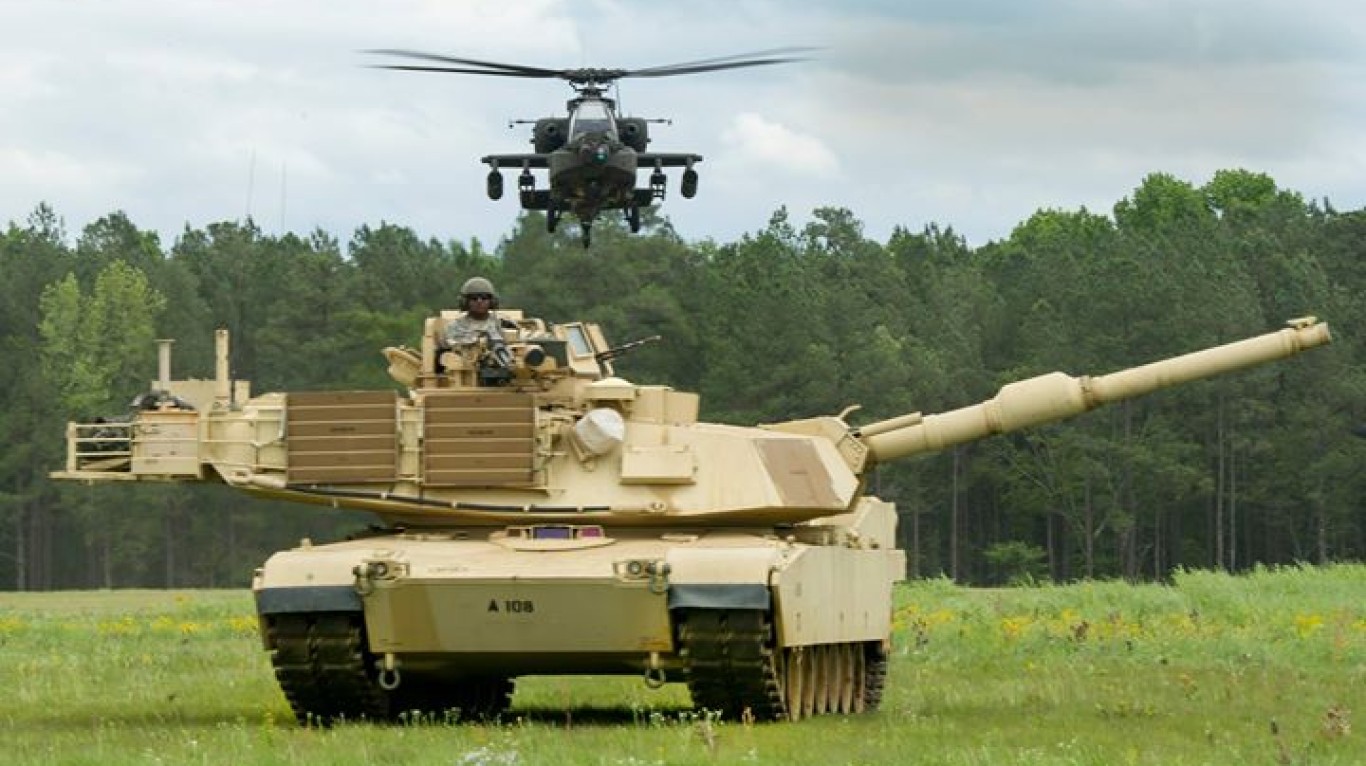
- Category: Vehicle
- Year introduced to service: 1980
- Original intended role: Transitional MBT
- Why it was meant to be temporary: Bridge design
- What problem it actually solved: Armored dominance
- How it became permanent: Continuous modernization
- Replacement status: None
- Is it still in use today?: Yes
Early Abrams models were transitional but upgrades cemented permanent service.
A-10 Thunderbolt II
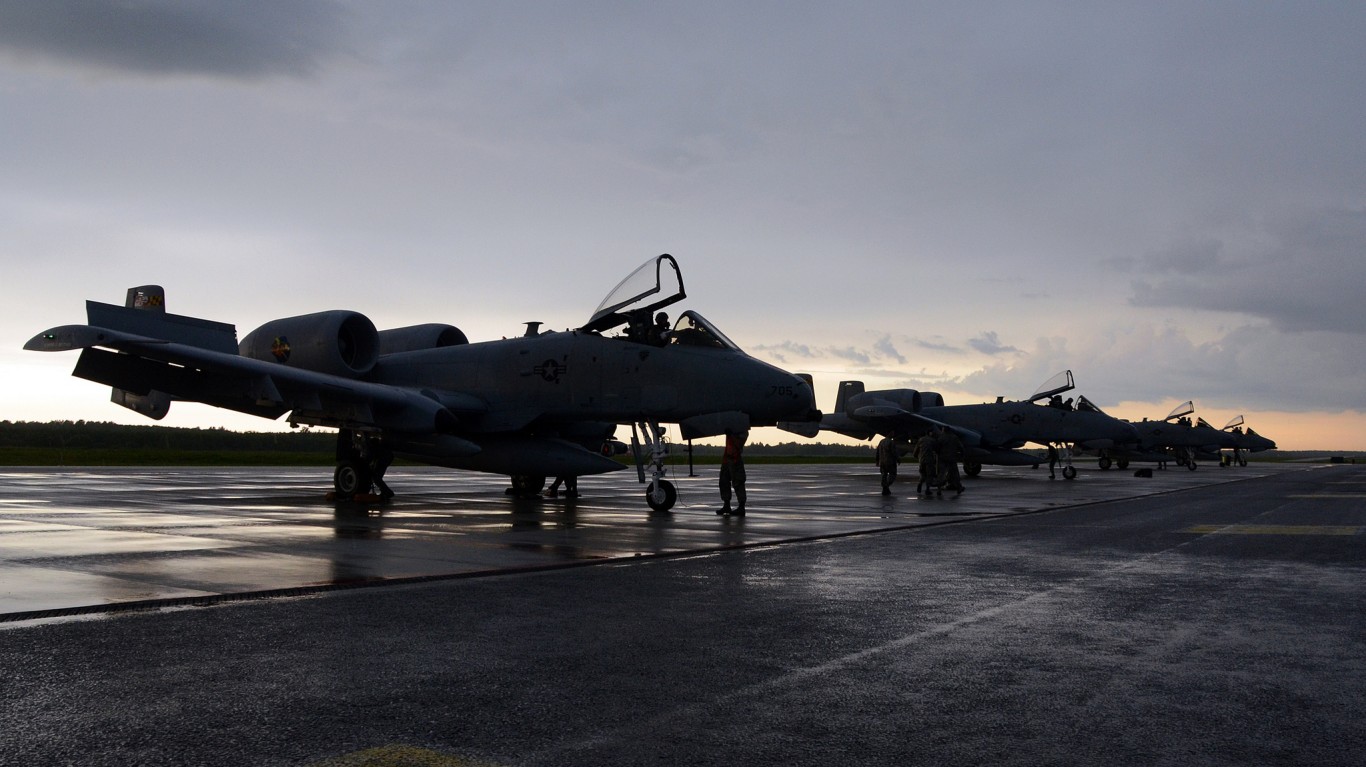
- Category: Aircraft
- Year introduced to service: 1977
- Original intended role: Niche CAS aircraft
- Why it was meant to be temporary: Limited mission scope
- What problem it actually solved: Close air support
- How it became permanent: Repeated retention
- Replacement status: Partial
- Is it still in use today?: Yes
The A-10 was designed for a narrow role yet proved irreplaceable in CAS missions.
B-52 Stratofortress
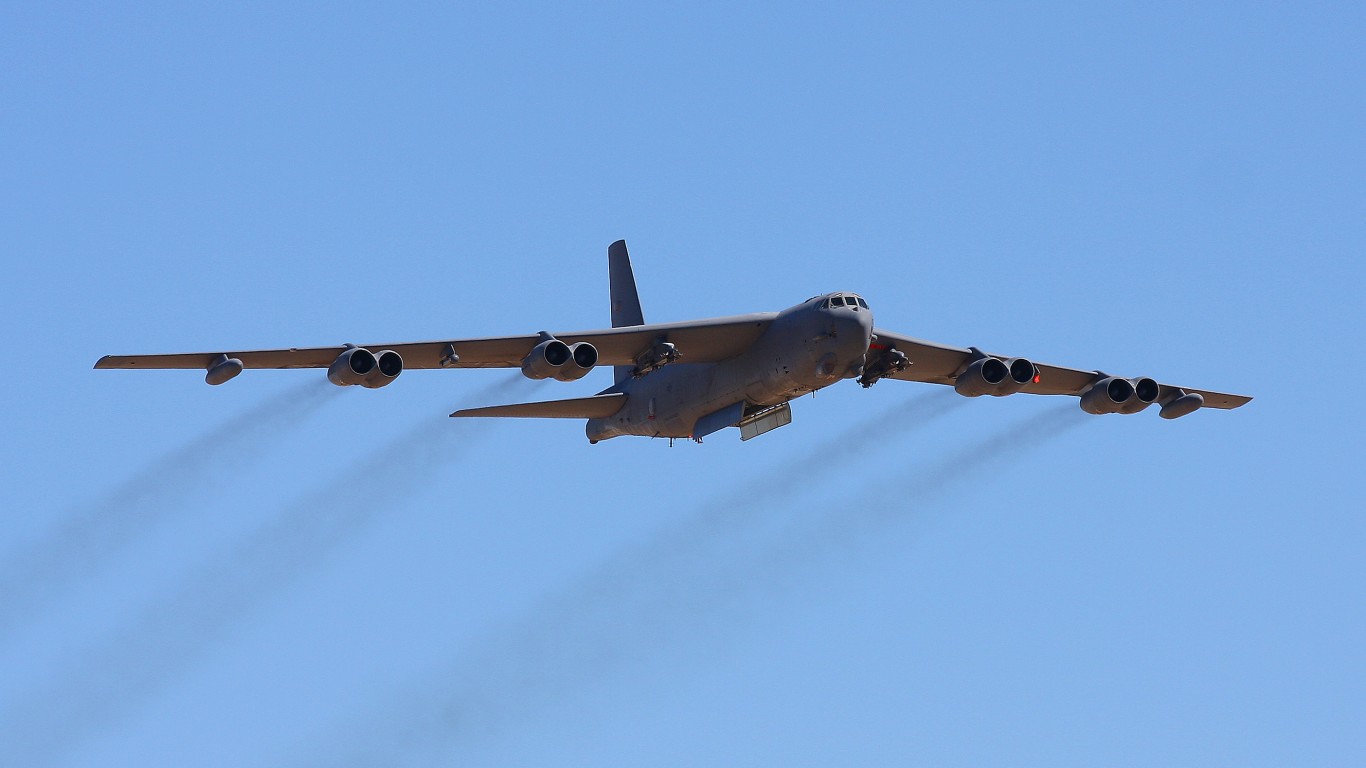
- Category: Aircraft
- Year introduced to service: 1961
- Original intended role: Interim bomber
- Why it was meant to be temporary: Short service expectation
- What problem it actually solved: Long-range strike
- How it became permanent: Ongoing upgrades
- Replacement status: None
- Is it still in use today?: Yes
The B-52 outlived its expected lifespan due to unmatched payload and adaptability.
C-130 Hercules
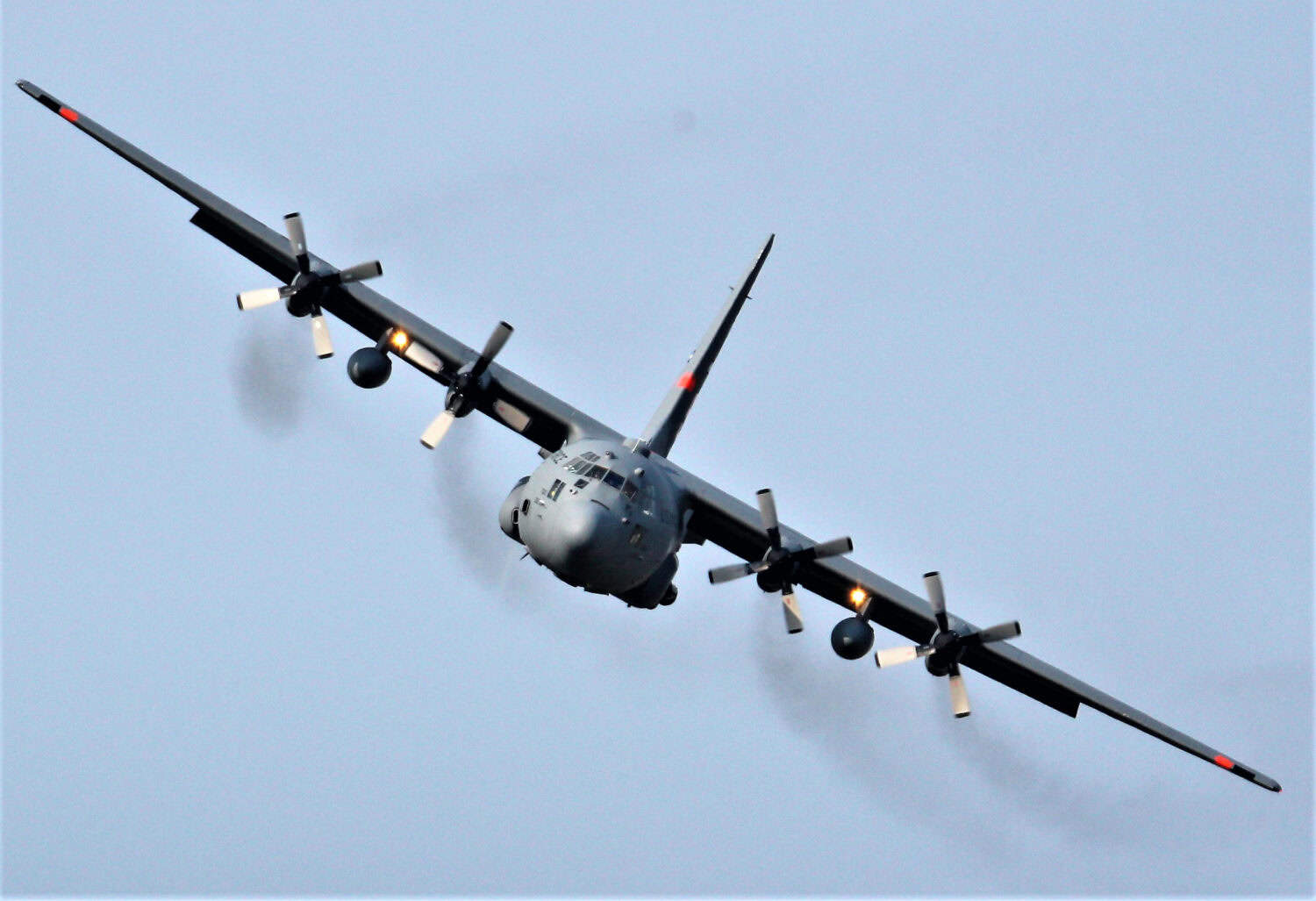
- Category: Aircraft
- Year introduced to service: 1956
- Original intended role: Tactical airlift stopgap
- Why it was meant to be temporary: Bridge airlifter
- What problem it actually solved: Multi-mission airlift
- How it became permanent: Role expansion
- Replacement status: None
- Is it still in use today?: Yes
The C-130 was intended as a short-term solution but became indispensable globally.
AC-130 Gunship
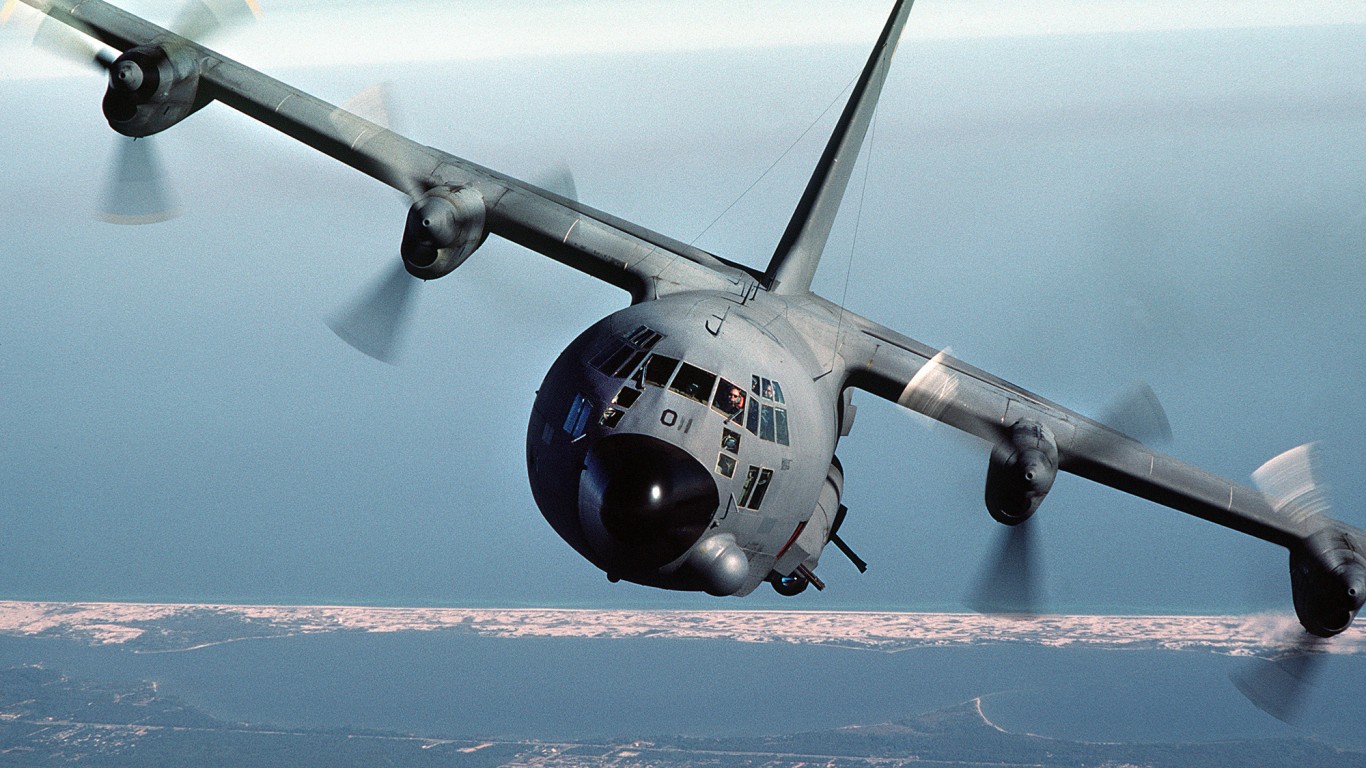
- Category: Aircraft
- Year introduced to service: 1968
- Original intended role: Improvised gunship
- Why it was meant to be temporary: Vietnam-era experiment
- What problem it actually solved: Precision fire support
- How it became permanent: Formalization
- Replacement status: None
- Is it still in use today?: Yes
The AC-130 began as an improvised solution but became a permanent special operations asset.
U-2 Dragon Lady
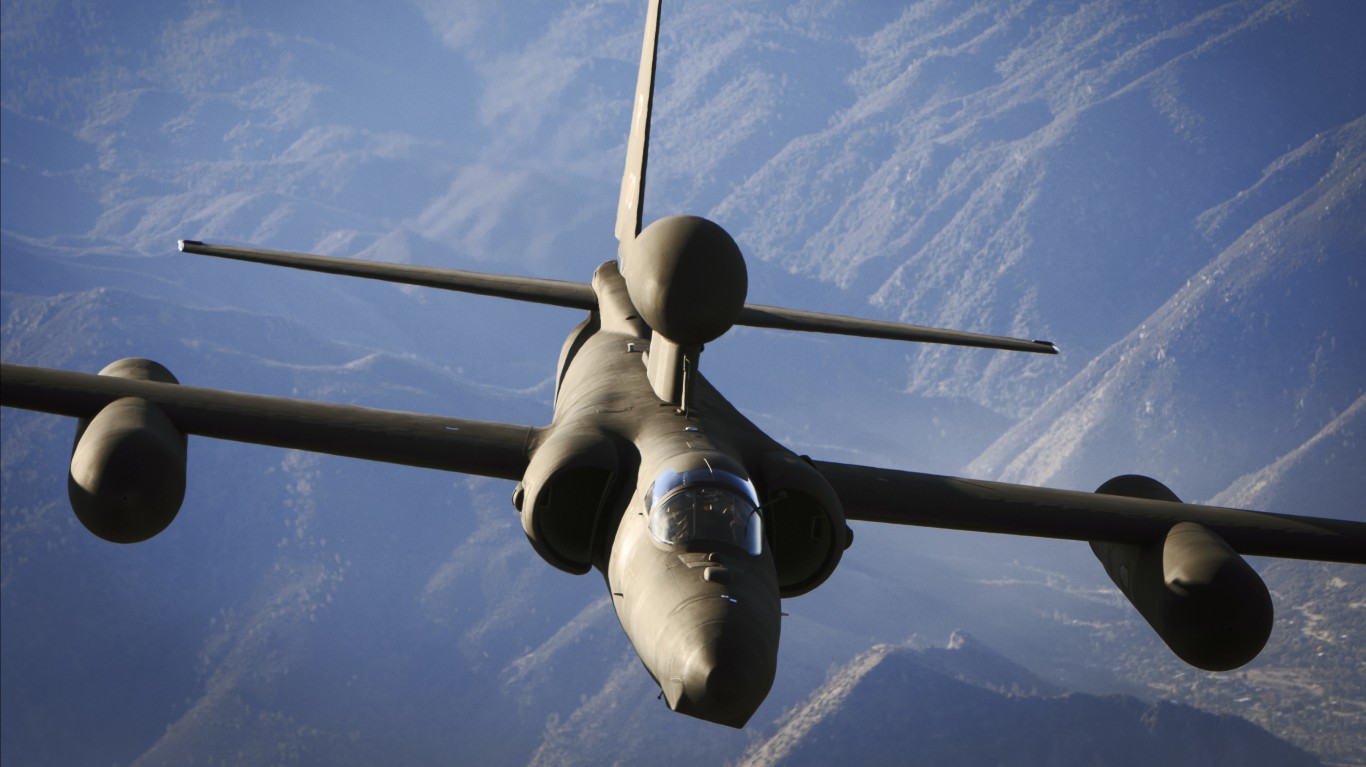
- Category: Aircraft
- Year introduced to service: 1957
- Original intended role: Emergency ISR
- Why it was meant to be temporary: Urgent reconnaissance
- What problem it actually solved: High-altitude intelligence
- How it became permanent: Upgraded sensors
- Replacement status: None
- Is it still in use today?: Yes
The U-2 was rushed into service and remained relevant through modernization.
KC-135 Stratotanker

- Category: Aircraft
- Year introduced to service: 1957
- Original intended role: Interim refueler
- Why it was meant to be temporary: Bridge tanker
- What problem it actually solved: Aerial refueling backbone
- How it became permanent: Structural upgrades
- Replacement status: Partial
- Is it still in use today?: Yes
The KC-135 was a temporary refueling solution that became foundational.
PASGT Helmet
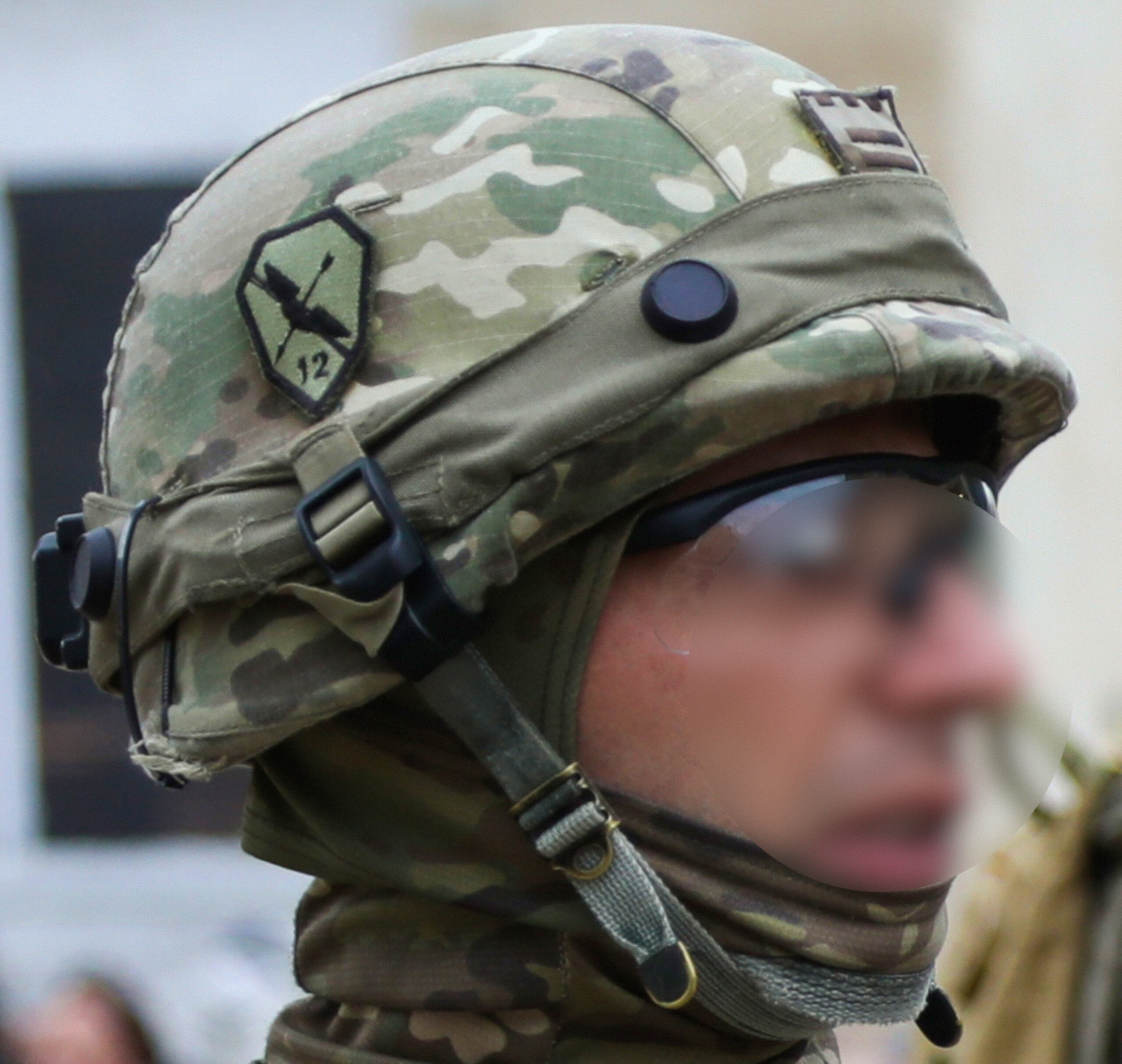
- Category: Personal gear
- Year introduced to service: 1983
- Original intended role: Interim ballistic helmet
- Why it was meant to be temporary: Temporary protection upgrade
- What problem it actually solved: Improved survivability
- How it became permanent: Standardization
- Replacement status: Replaced
- Is it still in use today?: Limited
The PASGT helmet was introduced as an interim solution but defined head protection for decades.
ACH Helmet
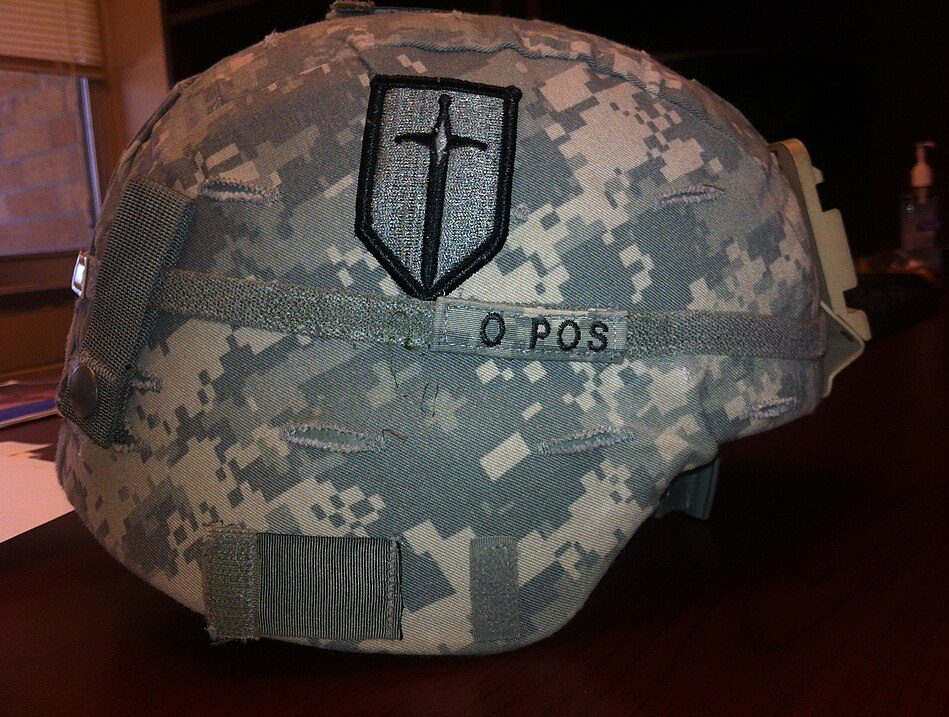
- Category: Personal gear
- Year introduced to service: 2002
- Original intended role: Transitional helmet
- Why it was meant to be temporary: Upgrade bridge
- What problem it actually solved: Ballistic protection
- How it became permanent: Extended use
- Replacement status: Partial
- Is it still in use today?: Limited
The ACH was meant to bridge helmet designs but stayed longer than expected.
Plate Carriers
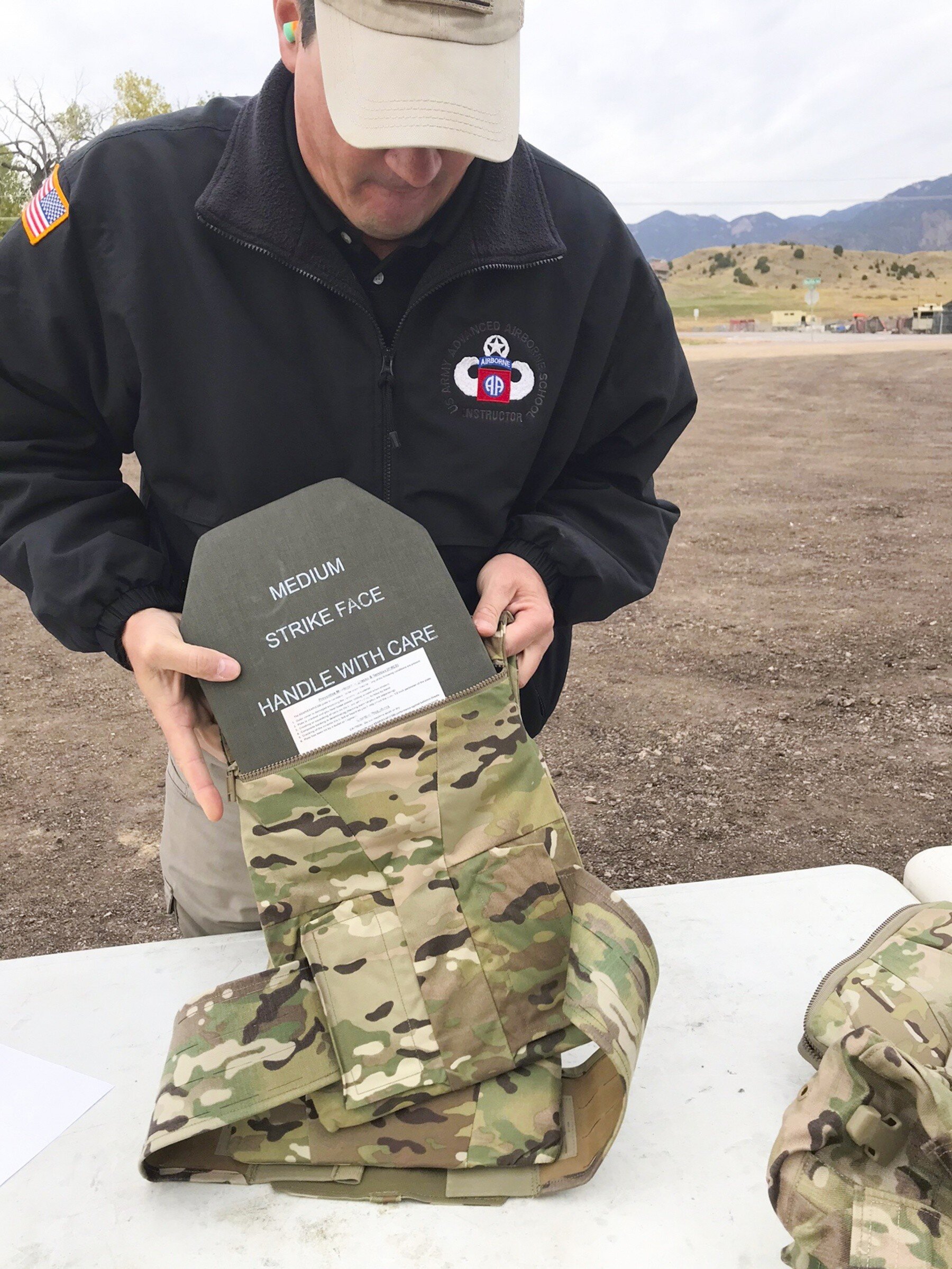
- Category: Personal gear
- Year introduced to service: 2003
- Original intended role: Emergency body armor
- Why it was meant to be temporary: Rapid GWOT response
- What problem it actually solved: Scalable protection
- How it became permanent: Doctrine shift
- Replacement status: Evolved
- Is it still in use today?: Yes
Plate carriers were rushed into service and permanently changed infantry protection.
ACOG Optic
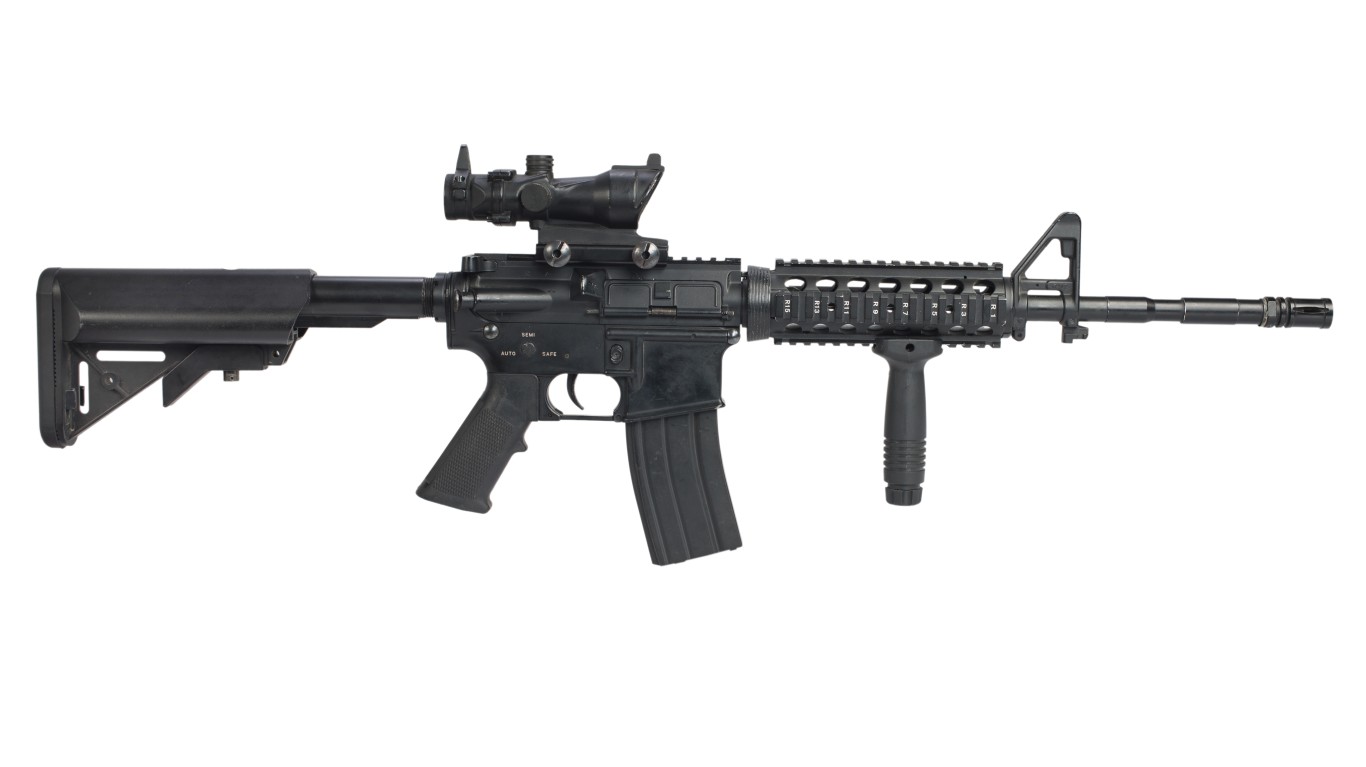
- Category: Optics
- Year introduced to service: 1995
- Original intended role: Supplemental optic
- Why it was meant to be temporary: Optional enhancement
- What problem it actually solved: Precision aiming
- How it became permanent: Widespread issue
- Replacement status: Partial
- Is it still in use today?: Yes
The ACOG was fielded as an optional optic but became a standard infantry sight.
Red Dot Sights
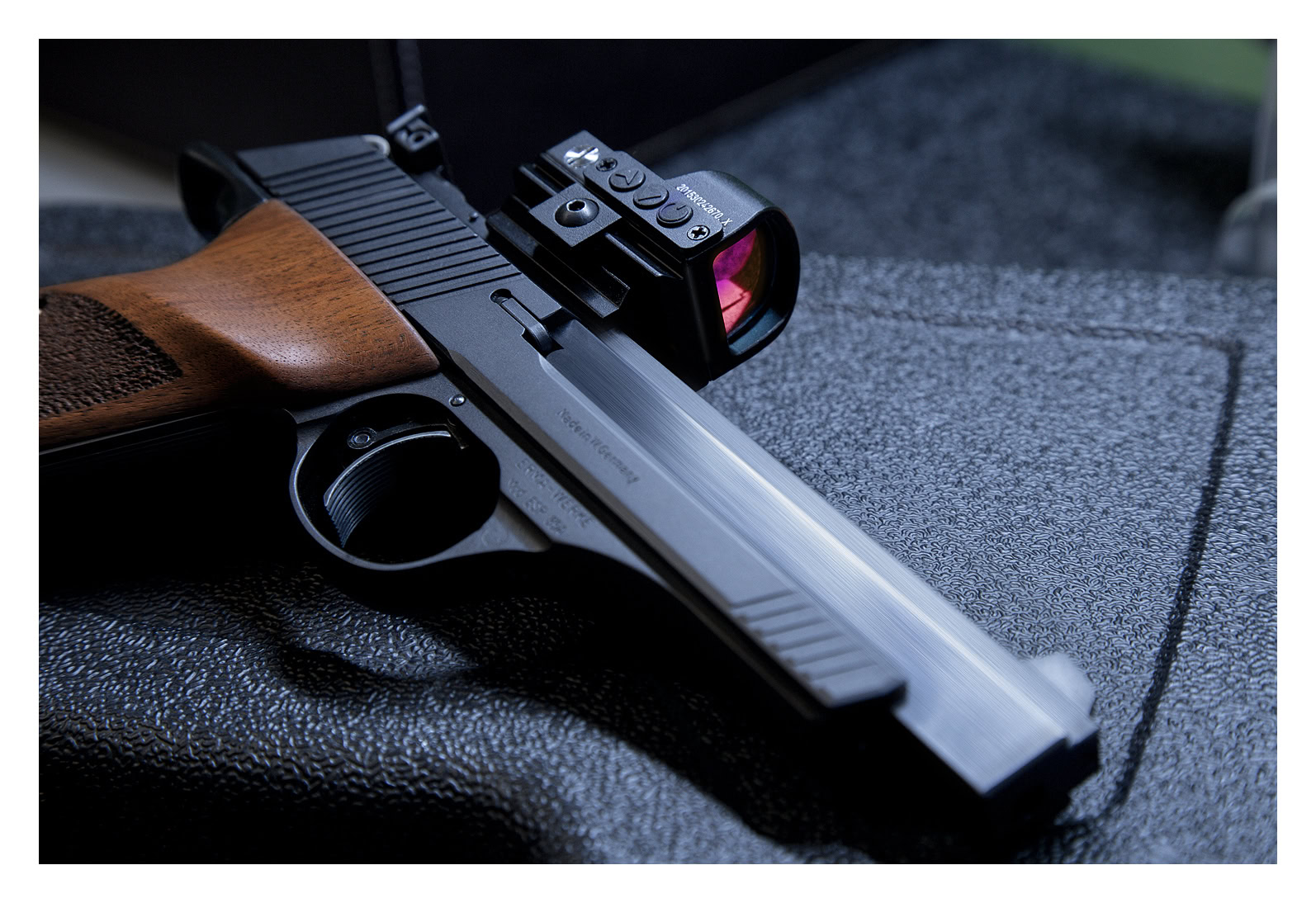
- Category: Optics
- Year introduced to service: 1990
- Original intended role: Supplemental aiming aid
- Why it was meant to be temporary: Non-essential accessory
- What problem it actually solved: Rapid target acquisition
- How it became permanent: Standard issue
- Replacement status: None
- Is it still in use today?: Yes
Red dot sights began as optional equipment and became baseline infantry gear.
Patriot System
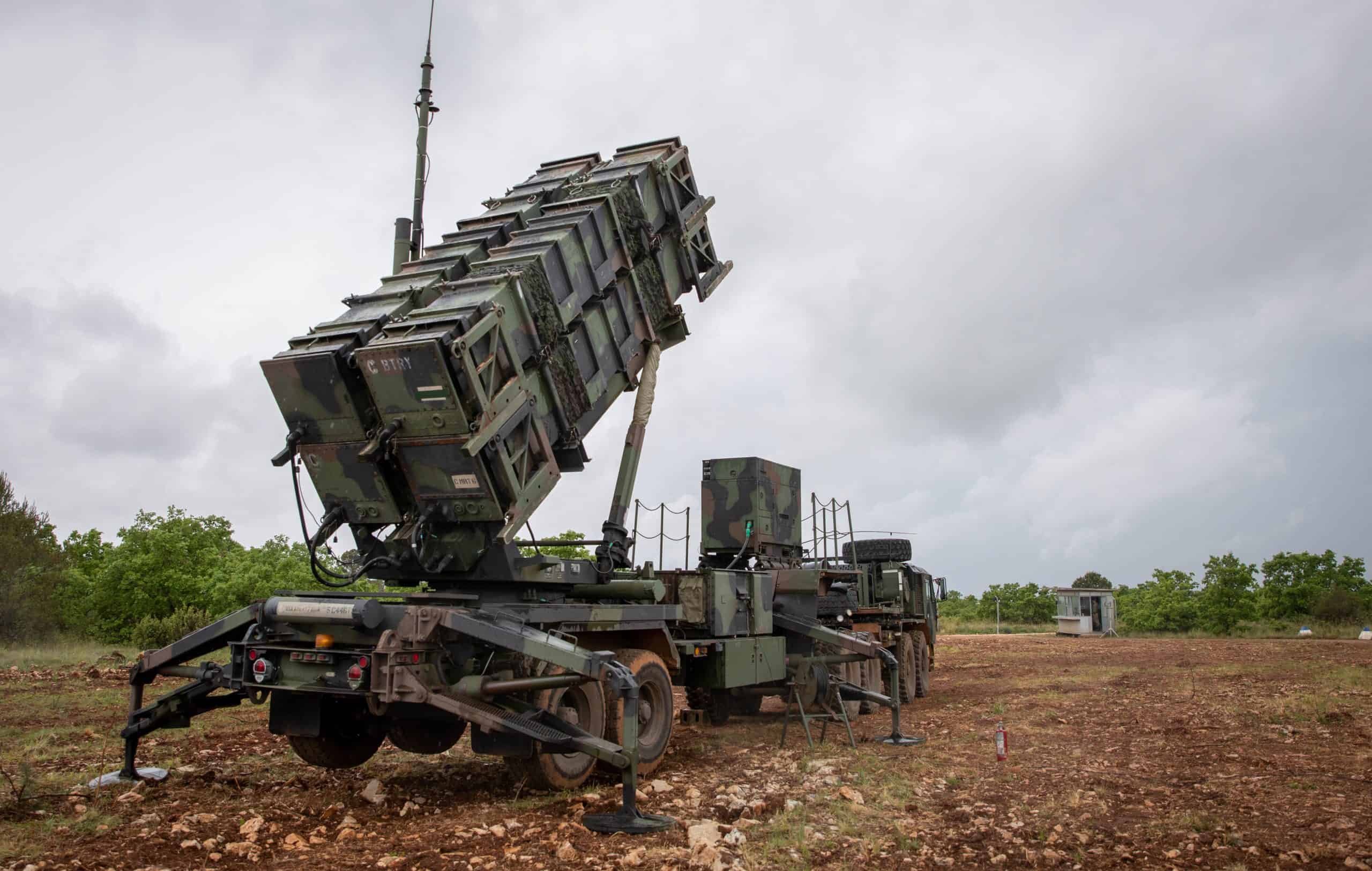
- Category: Missile
- Year introduced to service: 1984
- Original intended role: Interim air defense
- Why it was meant to be temporary: Cold War stopgap
- What problem it actually solved: Missile defense
- How it became permanent: Modernized interceptors
- Replacement status: None
- Is it still in use today?: Yes
Patriot systems were expected to be temporary yet evolved into cornerstone air defense.
TOW Missile

- Category: Missile
- Year introduced to service: 1970
- Original intended role: Interim anti-tank
- Why it was meant to be temporary: Bridge weapon
- What problem it actually solved: Armor defeat
- How it became permanent: Guidance upgrades
- Replacement status: None
- Is it still in use today?: Yes
The TOW missile outlived its temporary intent through continuous upgrades.
Tomahawk Missile
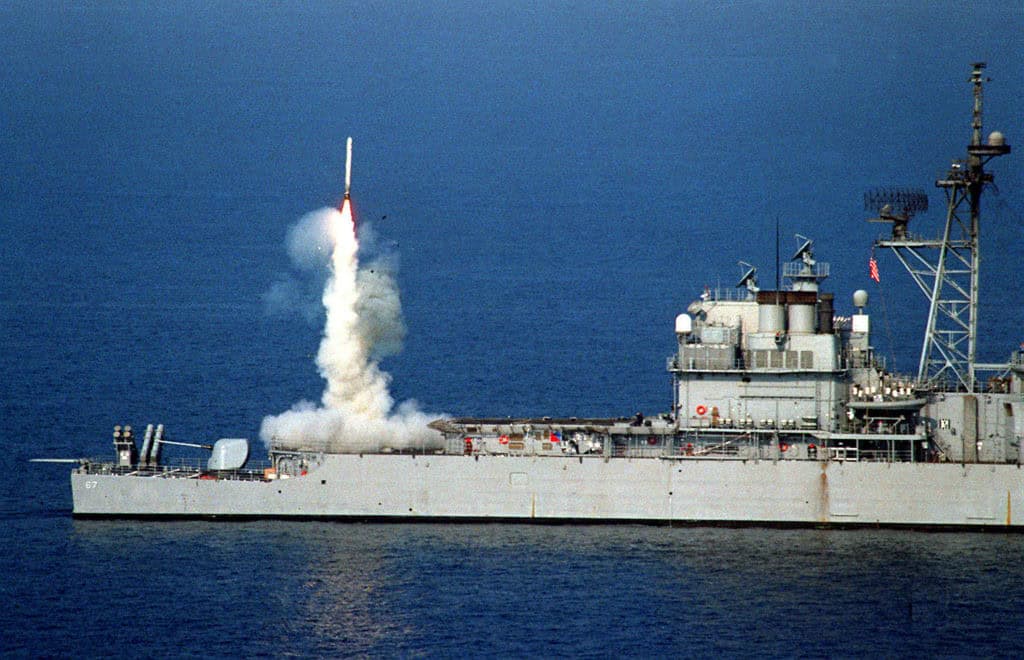
- Category: Missile
- Year introduced to service: 1983
- Original intended role: Cold War strike option
- Why it was meant to be temporary: Theater weapon
- What problem it actually solved: Long-range precision
- How it became permanent: Guidance upgrades
- Replacement status: None
- Is it still in use today?: Yes
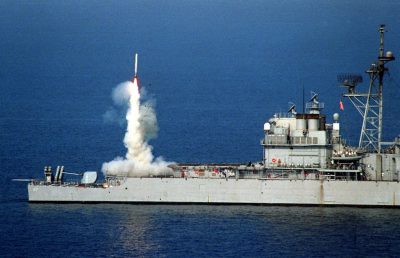
The Tomahawk was introduced for Cold War contingencies and remains vital today.
SINCGARS Radio
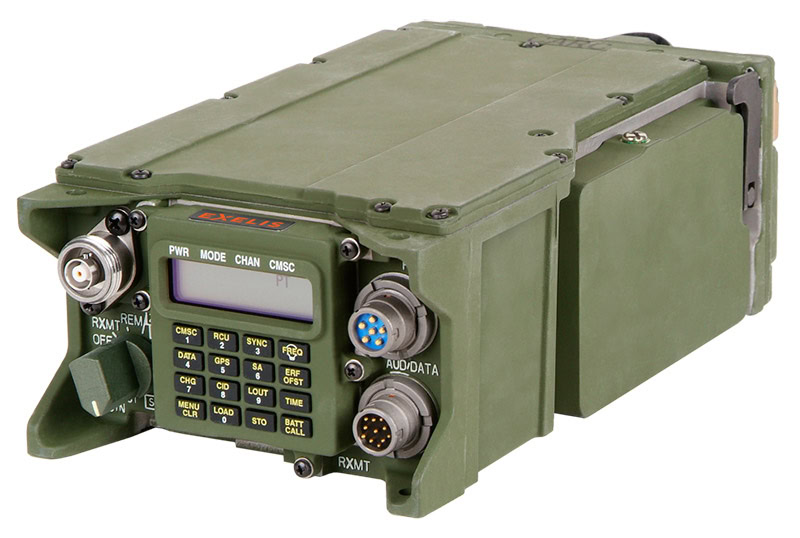
- Category: Comms
- Year introduced to service: 1988
- Original intended role: Temporary comms fix
- Why it was meant to be temporary: Interim radio
- What problem it actually solved: Secure communications
- How it became permanent: Entrenched use
- Replacement status: Partial
- Is it still in use today?: Yes
SINCGARS radios were fielded quickly and became deeply embedded in U.S. communications.
GPS (Military Use)
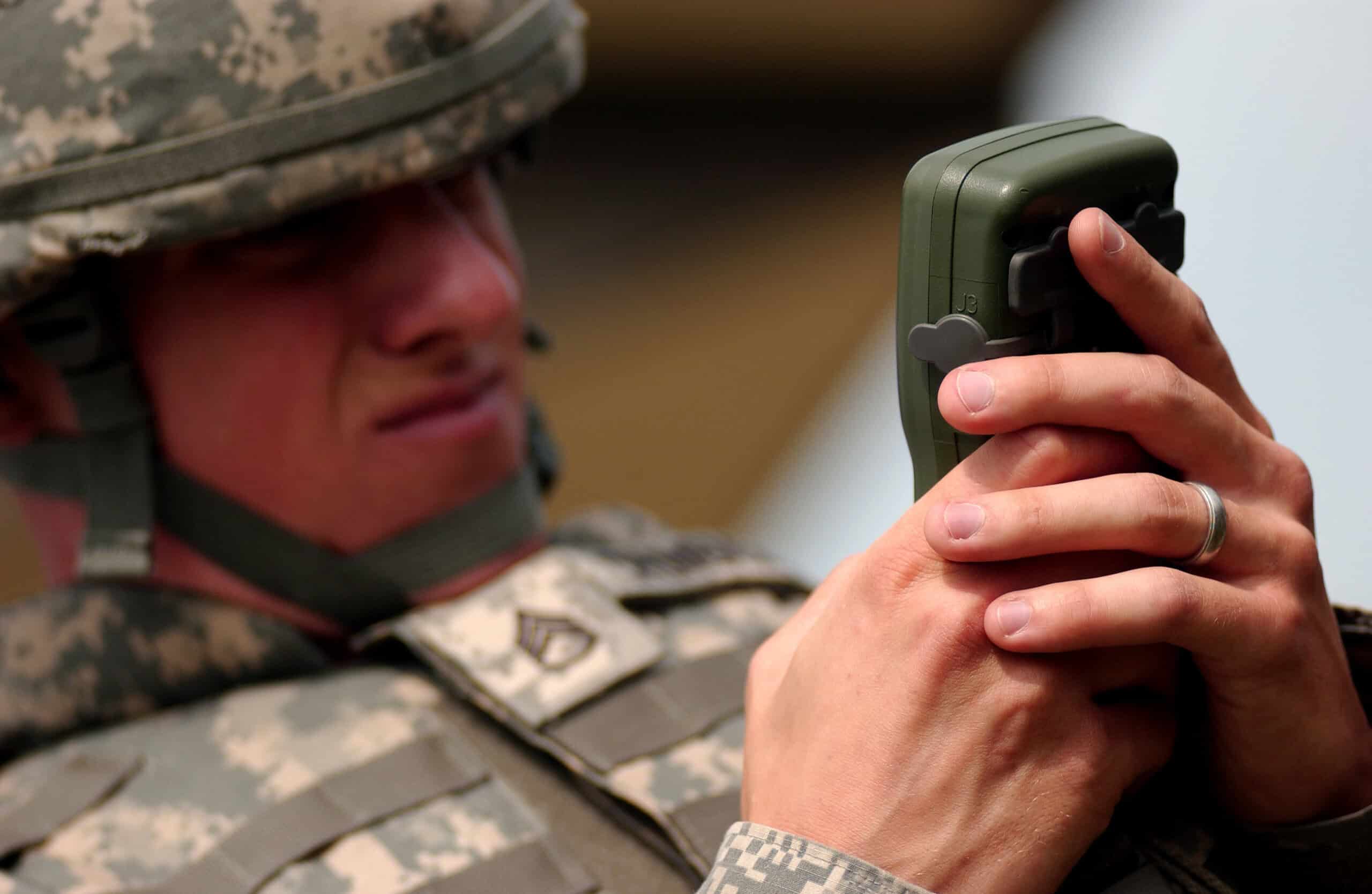
- Category: Navigation
- Year introduced to service: 1978
- Original intended role: Auxiliary navigation aid
- Why it was meant to be temporary: Supplemental system
- What problem it actually solved: Precision navigation
- How it became permanent: Global integration
- Replacement status: None
- Is it still in use today?: Yes
GPS began as a supplemental capability and became foundational to modern warfare.






 Top Gaining Stocks
 Top Losing Stocks