


History is filled with military aircraft that looked like expensive miscalculations long before they ever saw combat. Developmental problems and disappointing early assessments branded some planes as failures almost from the start. But war has a way of rewriting verdicts. Once deployed in real conflicts, these aircraft proved their value where it mattered most. Here, 24/7 Wall St. is taking a closer look at the aircraft that were thought to be failures until they hit the battlefield.
To identify the aircraft that looked like failures until they entered combat, 24/7 Wall St. reviewed various historical and military sources. We included supplemental information regarding each aircraft’s country of origin, primary role, why it was criticized early, and what combat ultimately proved wrong by each.
Here is a look at the aircraft that looked like failures until combat proved otherwise:
Why Are We Covering This?
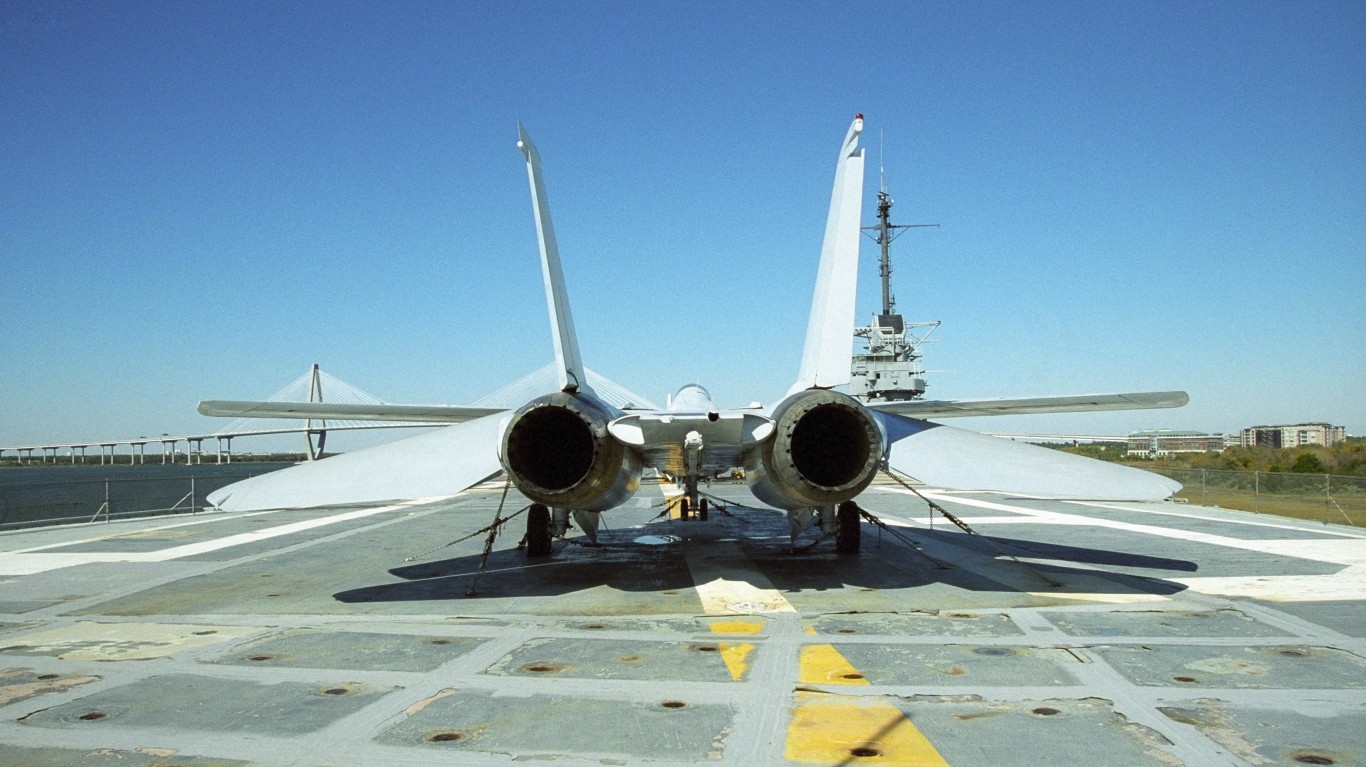
Understanding how military aircraft earn their reputations requires looking beyond test programs, procurement debates, and early headlines. Many planes that were initially labeled as failures were judged using peacetime assumptions that did not reflect the realities of combat. By examining aircraft that were redeemed only after being tested in real conflicts, this highlights how warfare exposes strengths that doctrine, simulations, and early evaluations often miss. These stories matter because they show why combat experience remains essential to shaping effective airpower and why early failure does not always mean a design was fundamentally flawed.
When First Impressions Were Wrong
Military aircraft are often judged long before they ever see combat. Engineers, test pilots, and procurement officials evaluate designs in controlled environments where the variables can be measured and compared. But war is rarely controlled, and the battlefield has a way of exposing which assumptions were correct and which were misguided. Some aircraft entered service under a cloud of skepticism, criticized as flawed, unnecessary, or outright mistaken—only for combat to reveal strengths that peacetime evaluation failed to see.
Why These Aircraft Were Written Off
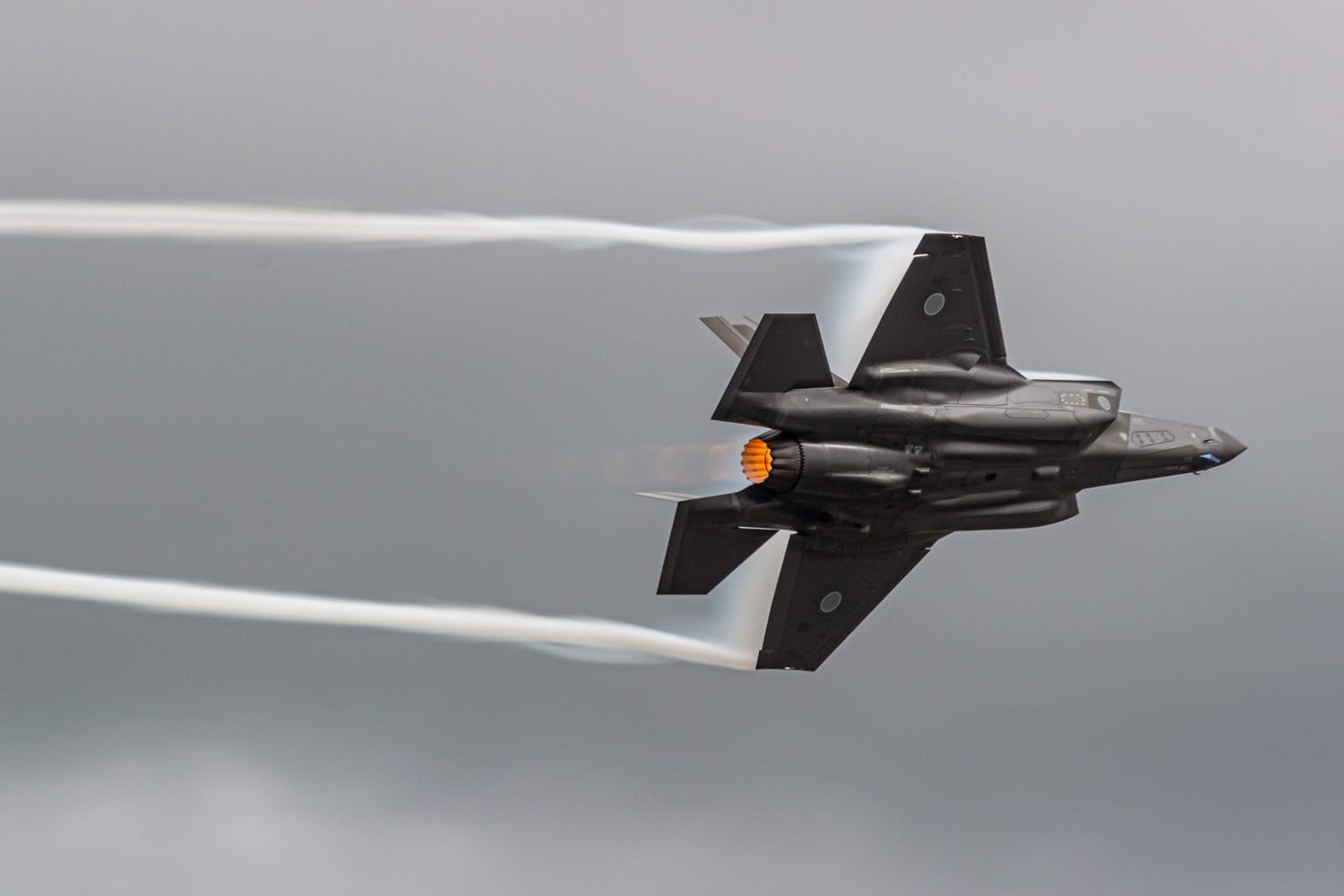
Many of these aircraft were written off for reasons that sounded rational at the time. Programs ran late, budgets ballooned, and early technical issues created real doubt about whether the aircraft could ever deliver what was promised. In other cases, the plane did not fit neatly into existing doctrine, making it harder for decision-makers to justify. Trials and training exercises sometimes rewarded the wrong traits, while political pressure and institutional bias turned early problems into lasting reputations. Before combat, these aircraft looked like expensive risks.
Combat as the Ultimate Test
Combat changes the rules. The battlefield demands flexibility, survivability, and mission effectiveness under stress, often in environments that no test range can fully reproduce. War exposes which features matter when pilots are tired, maintenance crews are stretched thin, and enemies adapt quickly. A plane that seems unimpressive in peacetime can become invaluable once the mission is real, and a platform criticized for not excelling on paper can prove dominant because it delivers results when it counts.
Redemption Earned the Hard Way
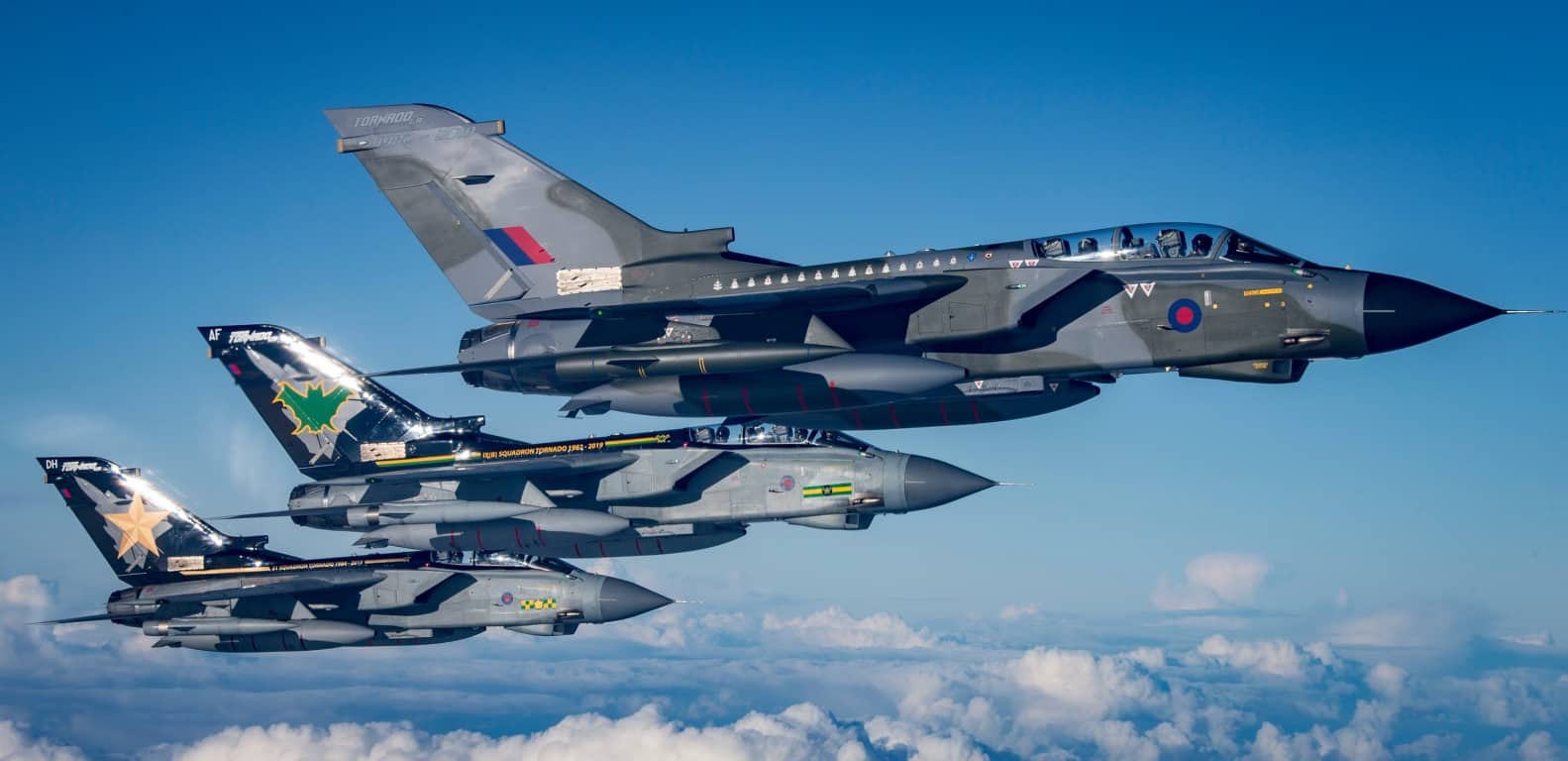
For the aircraft in this list, redemption was earned under fire. Combat success forced commanders and planners to reconsider what they thought they knew, and in many cases it changed how those aircraft were employed going forward. Some went from near-cancellation to long-term service, not because the criticism vanished, but because the aircraft repeatedly proved useful in missions that mattered. Their reputations changed because their performance changed the conversation.
What These Comebacks Teach Us
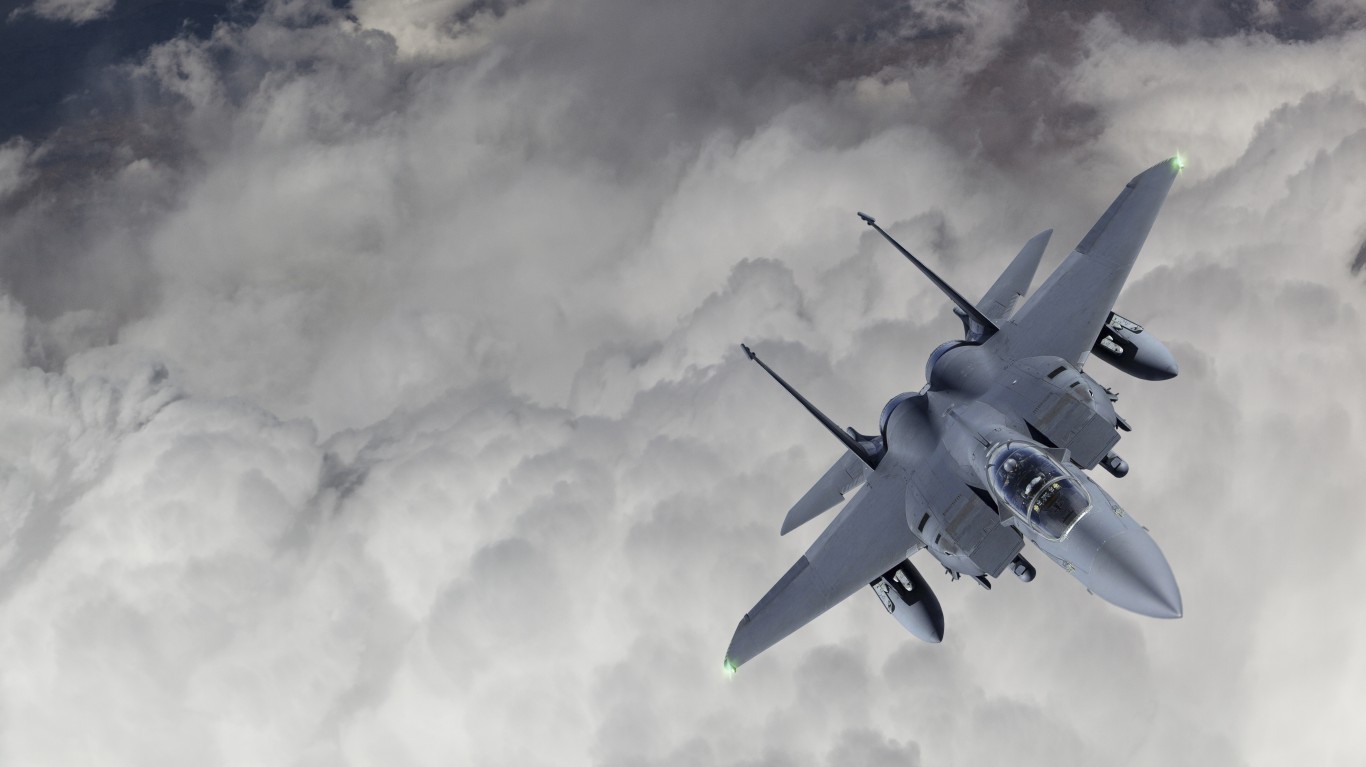
These comeback stories teach a larger lesson about military innovation. The early narrative around a weapons system is often shaped by incomplete evidence, institutional expectations, and the natural tendency to judge new designs by old standards. While not every troubled aircraft deserves a second chance, history shows that initial failure is not always the final verdict. In the end, combat remains the ultimate evaluator, and it has redeemed more than a few planes that once looked like mistakes.
A-10 Thunderbolt II
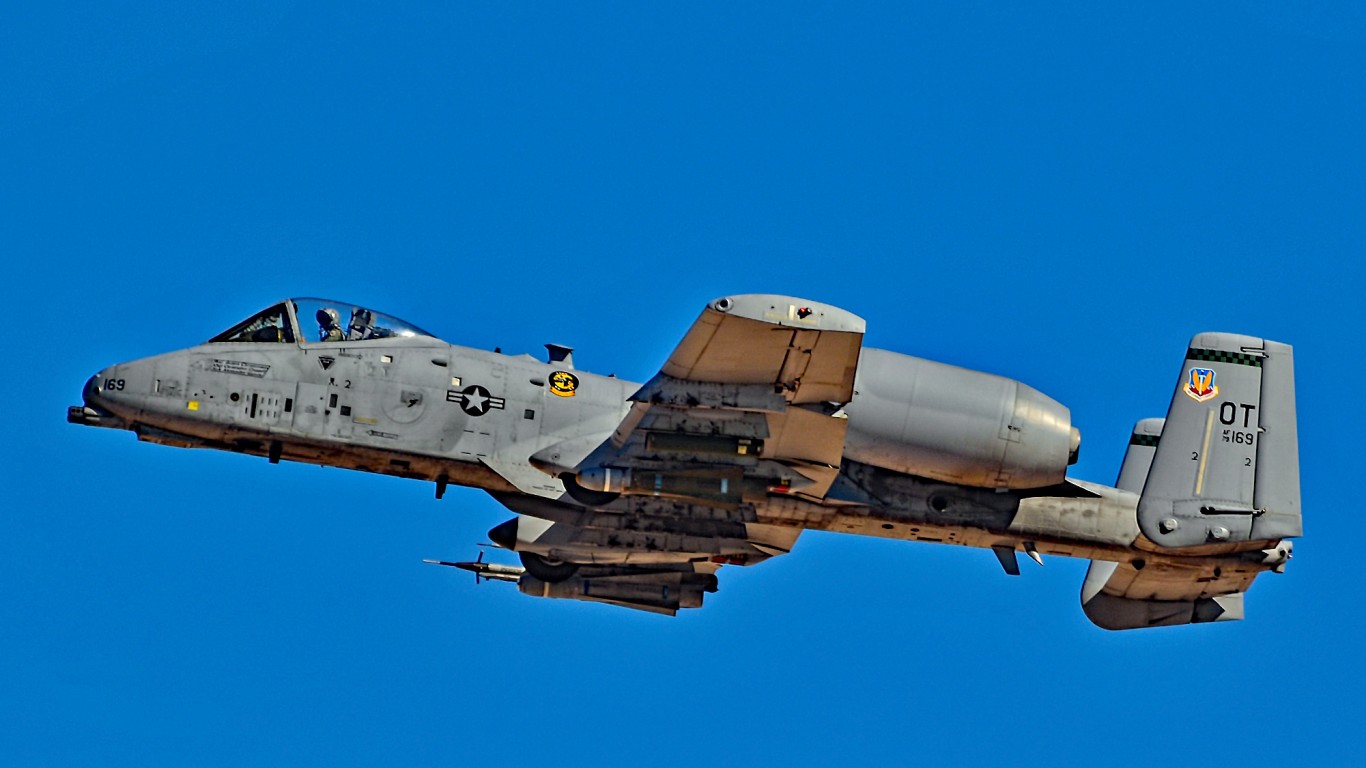
- Country of origin: United States
- Era introduced: 1970s
- Primary role: Close Air Support
- Why it was criticized early: Seen as slow and vulnerable
- Perceived failure risk: Near retirement multiple times
- Conflict or combat that changed perception: Gulf War, Iraq War
- What combat proved wrong: Survivability and lethality at low altitude
Often mocked as obsolete, the A-10 was nearly retired before combat proved its value. In the Gulf War and later conflicts, its armor, loiter time, and cannon made it indispensable for close air support. Combat showed that survivability, pilot visibility, and persistence mattered more than speed, cementing the A-10’s reputation as one of the most effective battlefield aircraft ever fielded.
F-117 Nighthawk
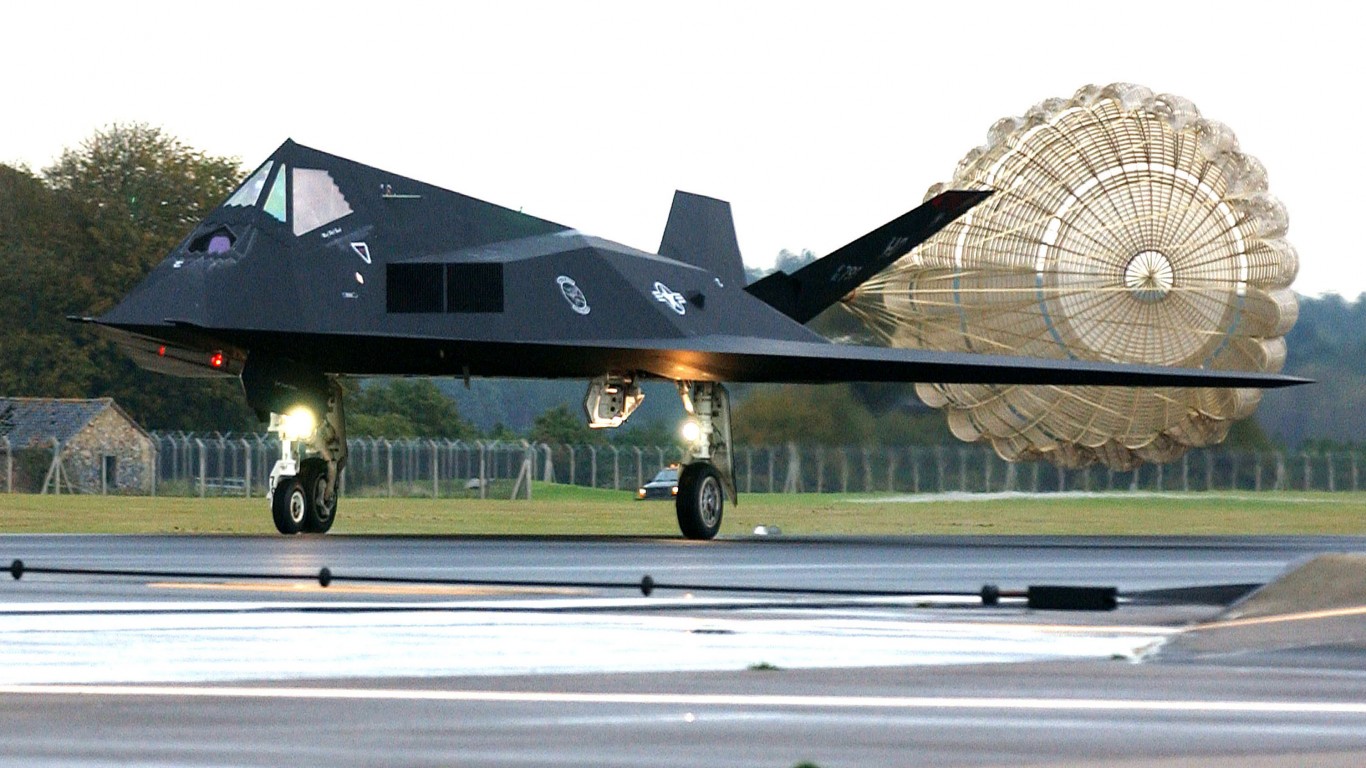
- Country of origin: United States
- Era introduced: 1980s
- Primary role: Stealth Strike
- Why it was criticized early: Unstable, slow, and radar-dependent
- Perceived failure risk: Limited production, niche role
- Conflict or combat that changed perception: Panama, Gulf War
- What combat proved wrong: Stealth penetration effectiveness
The F-117 was derided for its awkward design and lack of agility, with critics doubting its combat value. In real combat, its stealth allowed it to strike heavily defended targets with unprecedented success. Combat validated stealth as a decisive force multiplier and reshaped modern air warfare doctrine.
F4U Corsair
.jpg "Vought F4U Corsair by Gerry Metzler")
- Country of origin: United States
- Era introduced: 1940s
- Primary role: Fighter
- Why it was criticized early: Poor carrier handling
- Perceived failure risk: Carrier rejection
- Conflict or combat that changed perception: Pacific Theater WWII
- What combat proved wrong: Ruggedness and firepower
Initially rejected for carrier use due to landing issues, the Corsair found redemption in combat. Its speed, durability, and firepower dominated Japanese aircraft once deployed effectively. Combat experience transformed it from a problem aircraft into one of WWII’s most feared fighters.
P-47 Thunderbolt
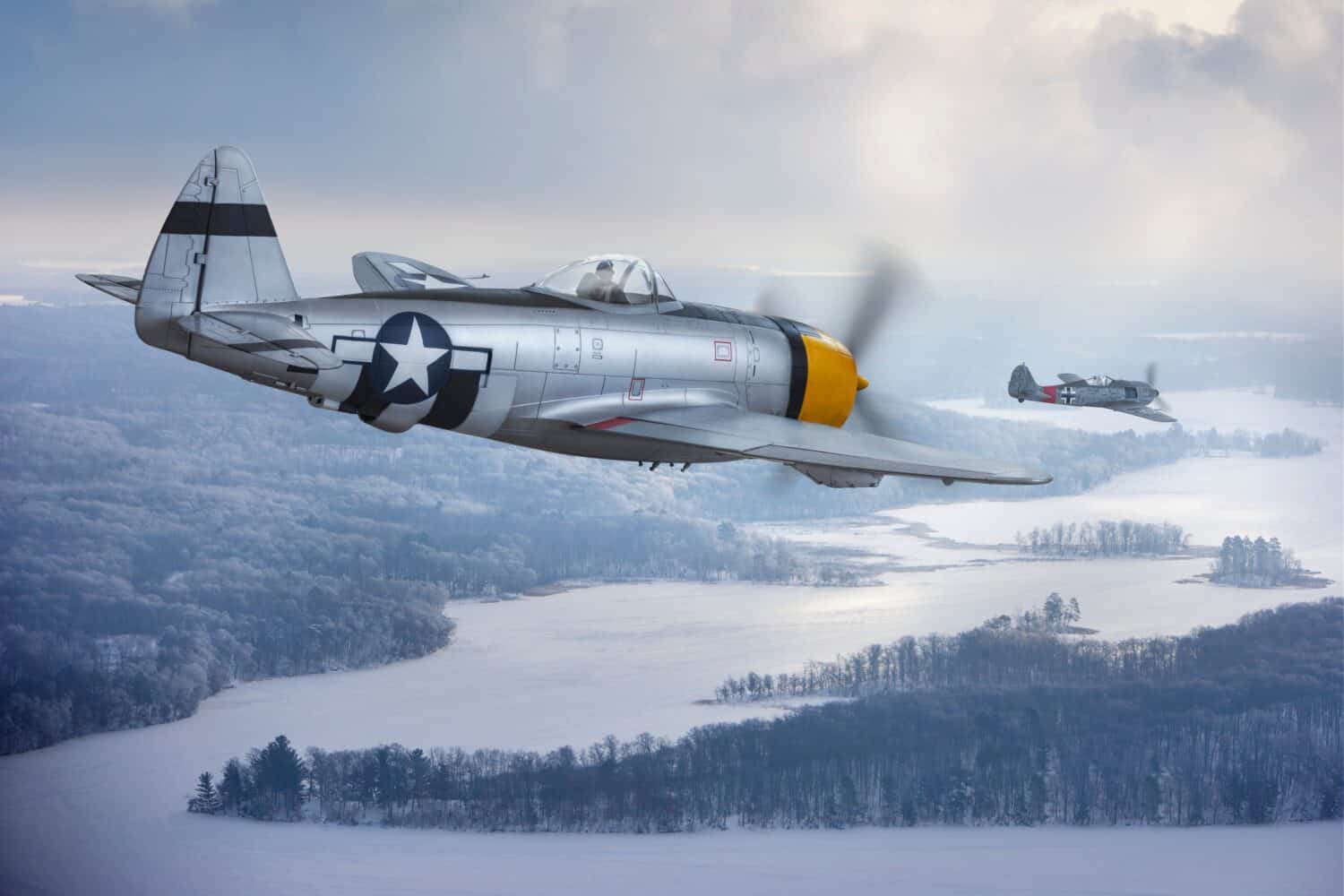
- Country of origin: United States
- Era introduced: 1940s
- Primary role: Fighter-Bomber
- Why it was criticized early: Too heavy and sluggish
- Perceived failure risk: Doubts about dogfighting
- Conflict or combat that changed perception: European Theater WWII
- What combat proved wrong: Survivability and ground attack
Criticized for its size and weight, the P-47 was expected to underperform. Combat revealed unmatched durability and devastating ground-attack capability. Its ability to absorb damage and deliver firepower made it a cornerstone of Allied air power.
B-17 Flying Fortress
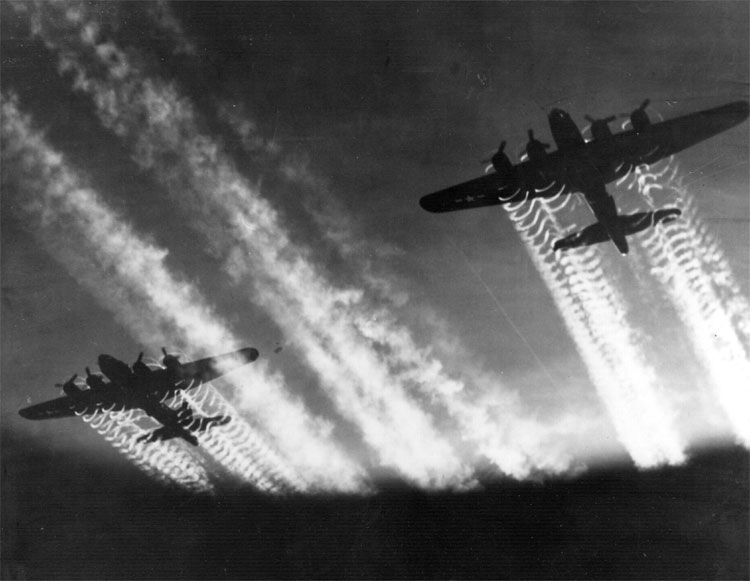
- Country of origin: United States
- Era introduced: 1930s
- Primary role: Strategic Bomber
- Why it was criticized early: Unproven defensive doctrine
- Perceived failure risk: High loss concerns
- Conflict or combat that changed perception: European Theater WWII
- What combat proved wrong: Defensive formations effectiveness
Early skeptics doubted the B-17’s survivability. Combat showed that formation flying and heavy defensive armament allowed bombers to penetrate deep into enemy territory. Its performance reshaped strategic bombing and air campaign planning.
B-52 Stratofortress
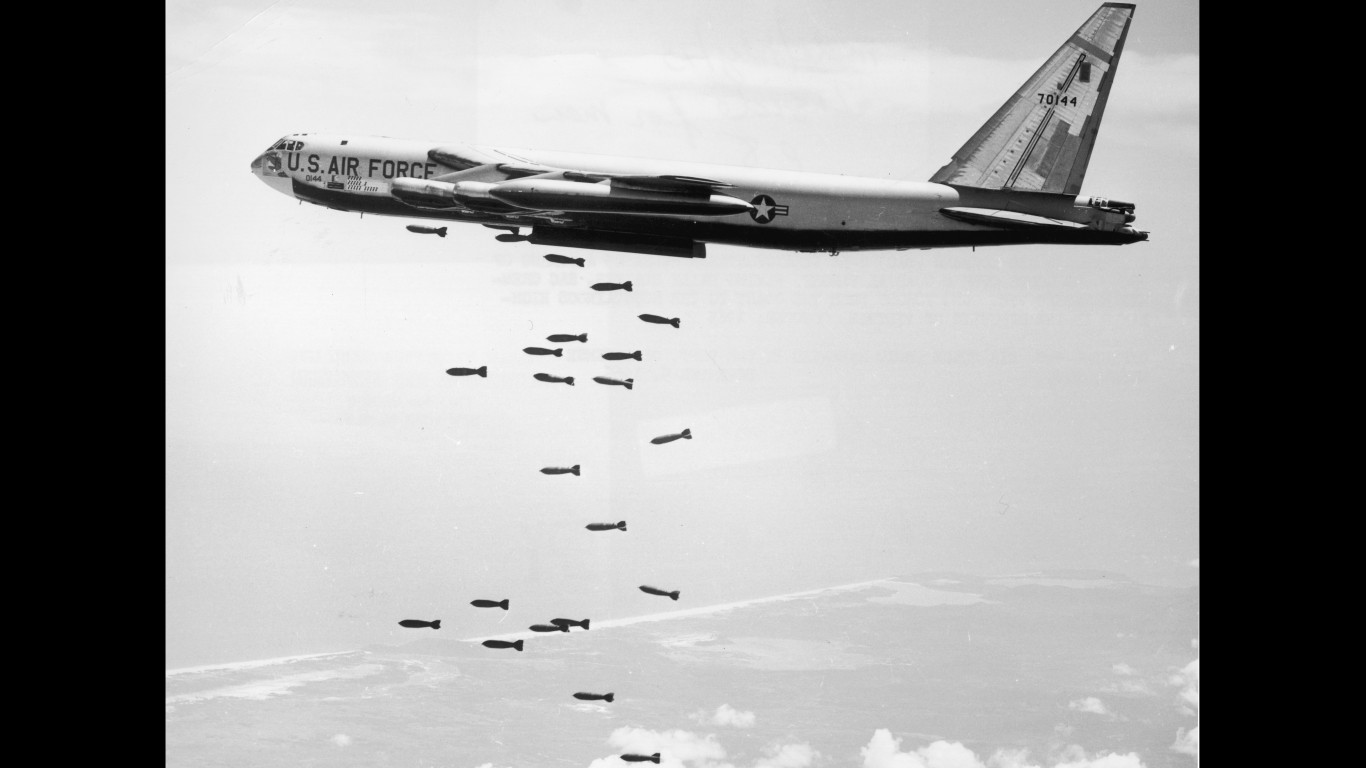
- Country of origin: United States
- Era introduced: 1950s
- Primary role: Strategic Bomber
- Why it was criticized early: Outdated design
- Perceived failure risk: Early retirement fears
- Conflict or combat that changed perception: Vietnam War
- What combat proved wrong: Payload and adaptability
Initially criticized as a relic, the B-52 proved devastating in combat. Its payload and reliability made it indispensable in Vietnam and beyond. Combat validated adaptability over cutting-edge design, ensuring decades of continued service.
AV-8B Harrier II
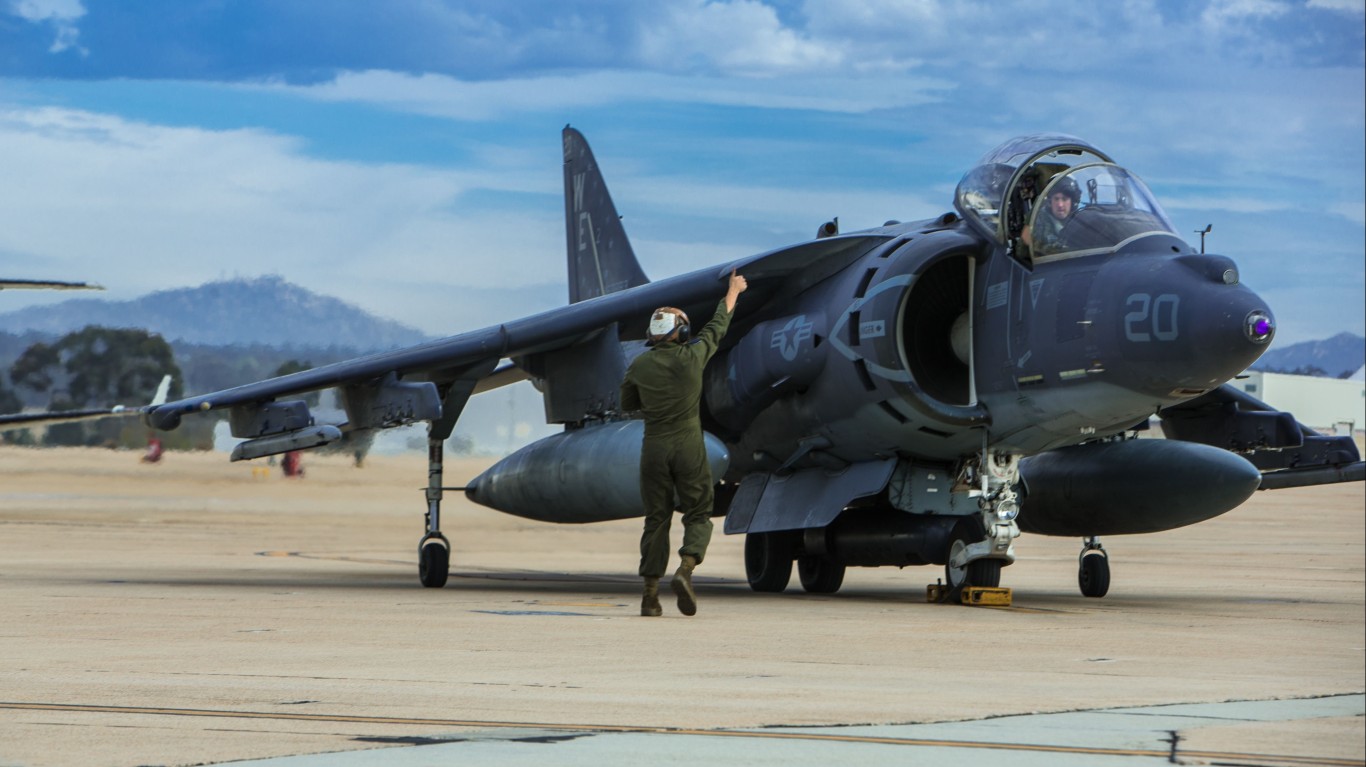
- Country of origin: United States/UK
- Era introduced: 1980s
- Primary role: VTOL Attack
- Why it was criticized early: Complex and accident-prone
- Perceived failure risk: Program skepticism
- Conflict or combat that changed perception: Falklands, Iraq
- What combat proved wrong: Operational flexibility
The Harrier was seen as risky and maintenance-heavy. Combat showed its vertical takeoff capability enabled operations from austere bases. Its success validated VTOL aircraft as practical combat assets.
F-111 Aardvark
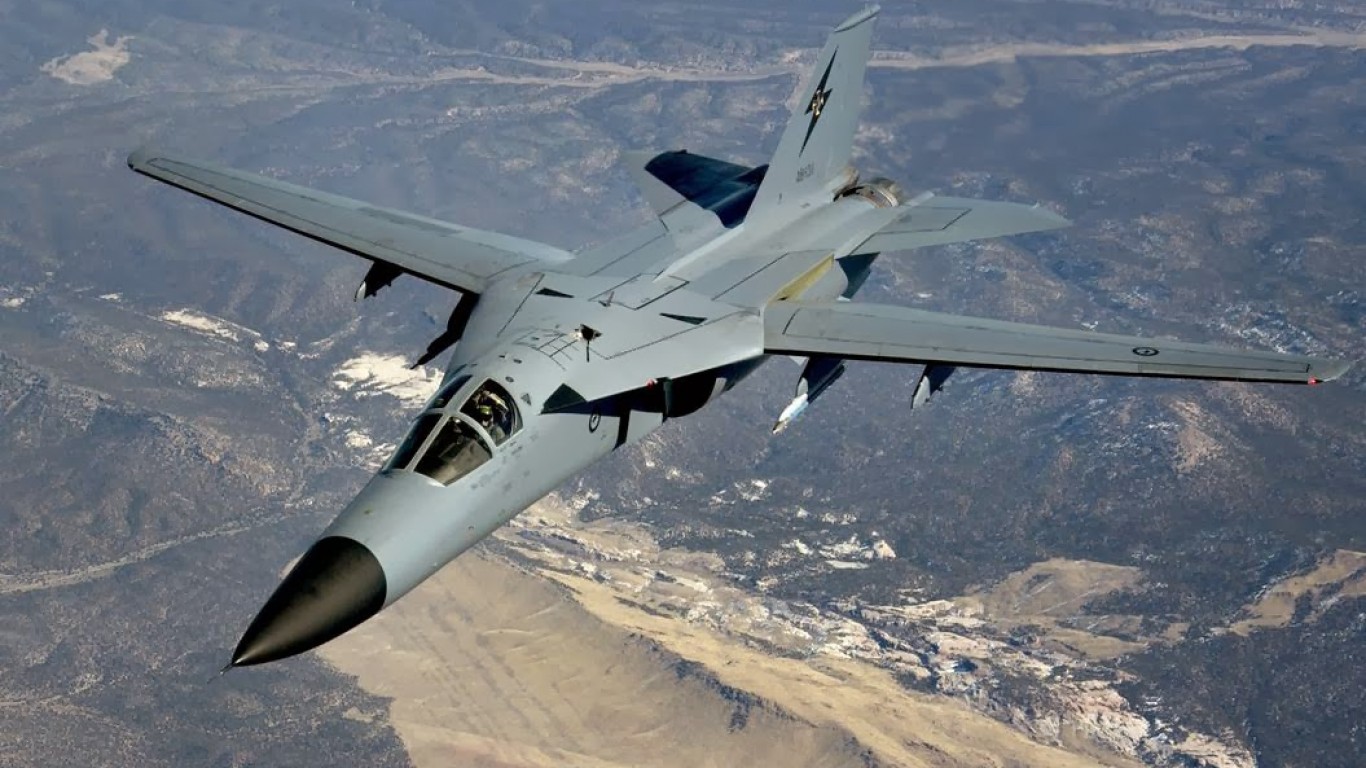
- Country of origin: United States
- Era introduced: 1960s
- Primary role: Strike
- Why it was criticized early: Technical failures
- Perceived failure risk: Near cancellation
- Conflict or combat that changed perception: Vietnam War
- What combat proved wrong: Precision strike capability
Plagued by early technical problems, the F-111 was nearly scrapped. Combat demonstrated its range and precision strike abilities. It became a foundation for modern deep-strike aircraft design.
F-15E Strike Eagle

- Country of origin: United States
- Era introduced: 1980s
- Primary role: Strike Fighter
- Why it was criticized early: Questioned multirole shift
- Perceived failure risk: Budget pressure
- Conflict or combat that changed perception: Gulf War
- What combat proved wrong: True multirole dominance
Critics questioned adapting the air-superiority F-15 into a strike platform. Combat proved the Strike Eagle’s ability to dominate air-to-ground missions without sacrificing performance. It redefined multirole fighter expectations.
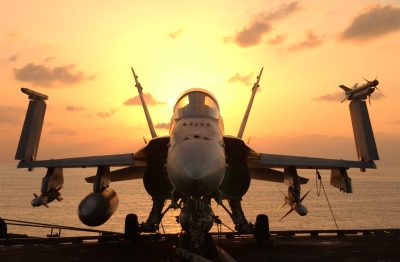
F/A-18 Hornet
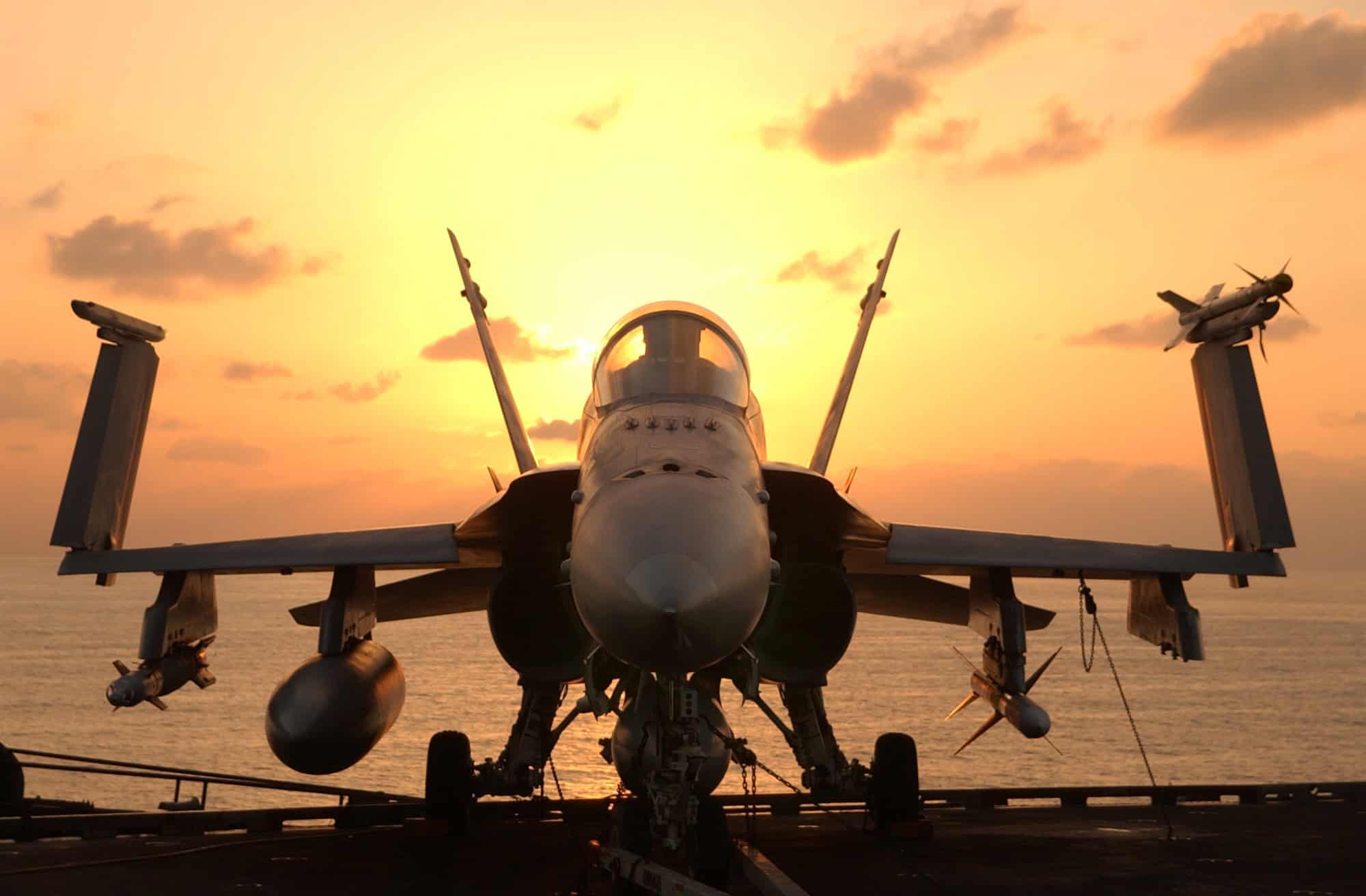
- Country of origin: United States
- Era introduced: 1980s
- Primary role: Multirole Fighter
- Why it was criticized early: Underpowered criticism
- Perceived failure risk: Skepticism vs legacy jets
- Conflict or combat that changed perception: Gulf War
- What combat proved wrong: Reliability and flexibility
Initially viewed as underpowered, the Hornet proved itself through reliable multirole combat performance. Its adaptability and survivability validated balanced design over raw performance.
F-35A Lightning II
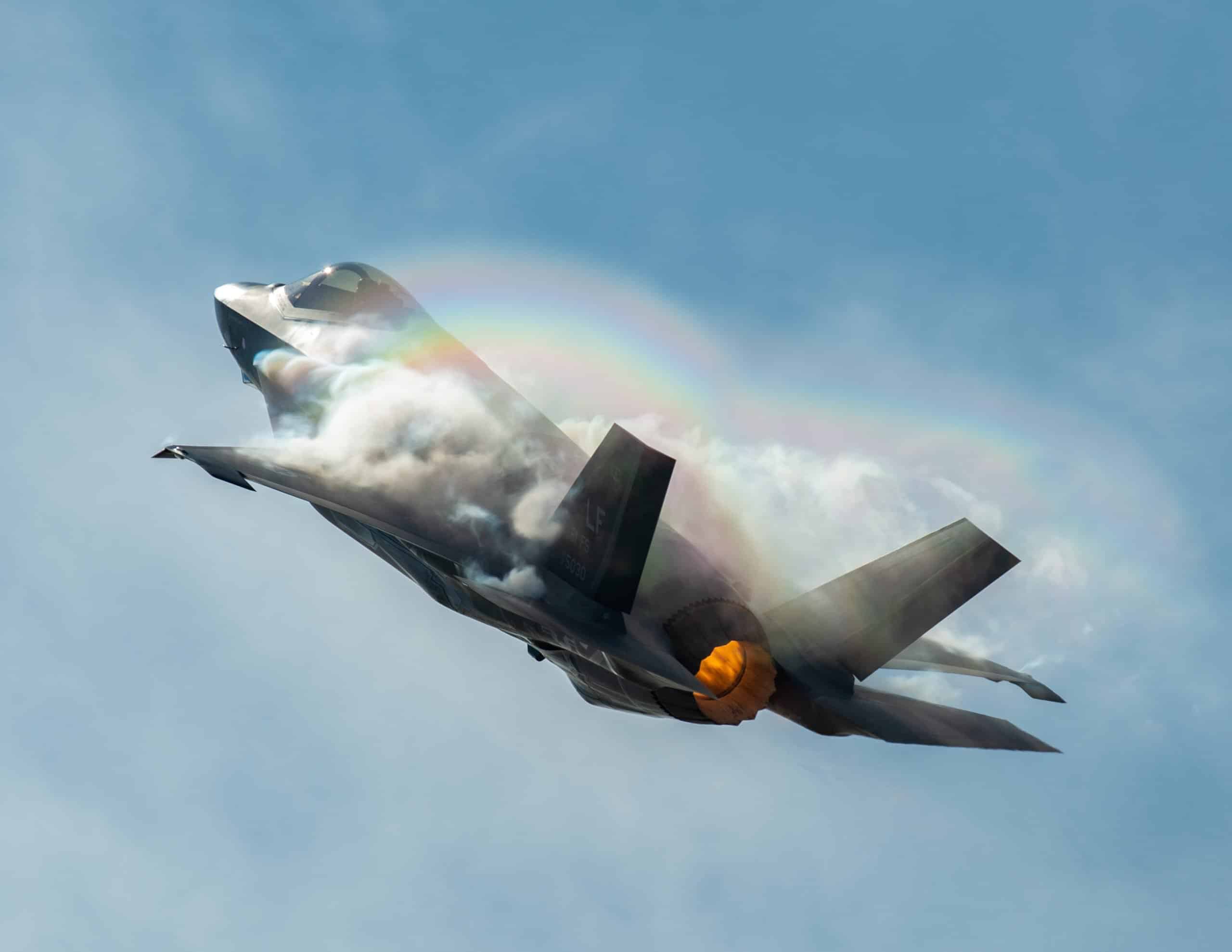
- Country of origin: United States
- Era introduced: 2000s
- Primary role: Multirole Stealth
- Why it was criticized early: Cost overruns
- Perceived failure risk: Political backlash
- Conflict or combat that changed perception: Middle East operations
- What combat proved wrong: Sensor fusion advantage
The F-35 faced relentless criticism for cost and complexity. Combat deployments showed its sensor fusion and survivability delivered unmatched situational awareness. Real-world use validated its role as a cornerstone of modern air combat.
F-14 Tomcat
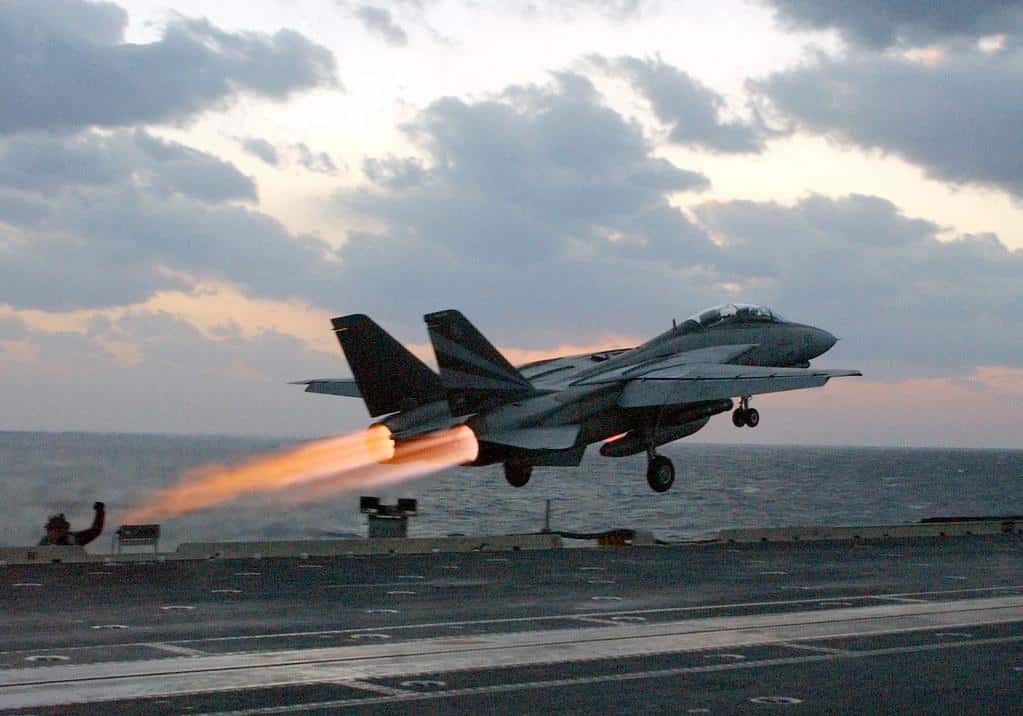
- Country of origin: United States
- Era introduced: 1970s
- Primary role: Fleet Defense
- Why it was criticized early: Maintenance-heavy
- Perceived failure risk: High operating cost
- Conflict or combat that changed perception: Cold War patrols
- What combat proved wrong: Long-range interception
Seen as expensive and complex, the F-14 proved its worth through unmatched fleet defense capabilities. Combat patrols and deterrence validated its role as a premier interceptor.
Su-25 Frogfoot
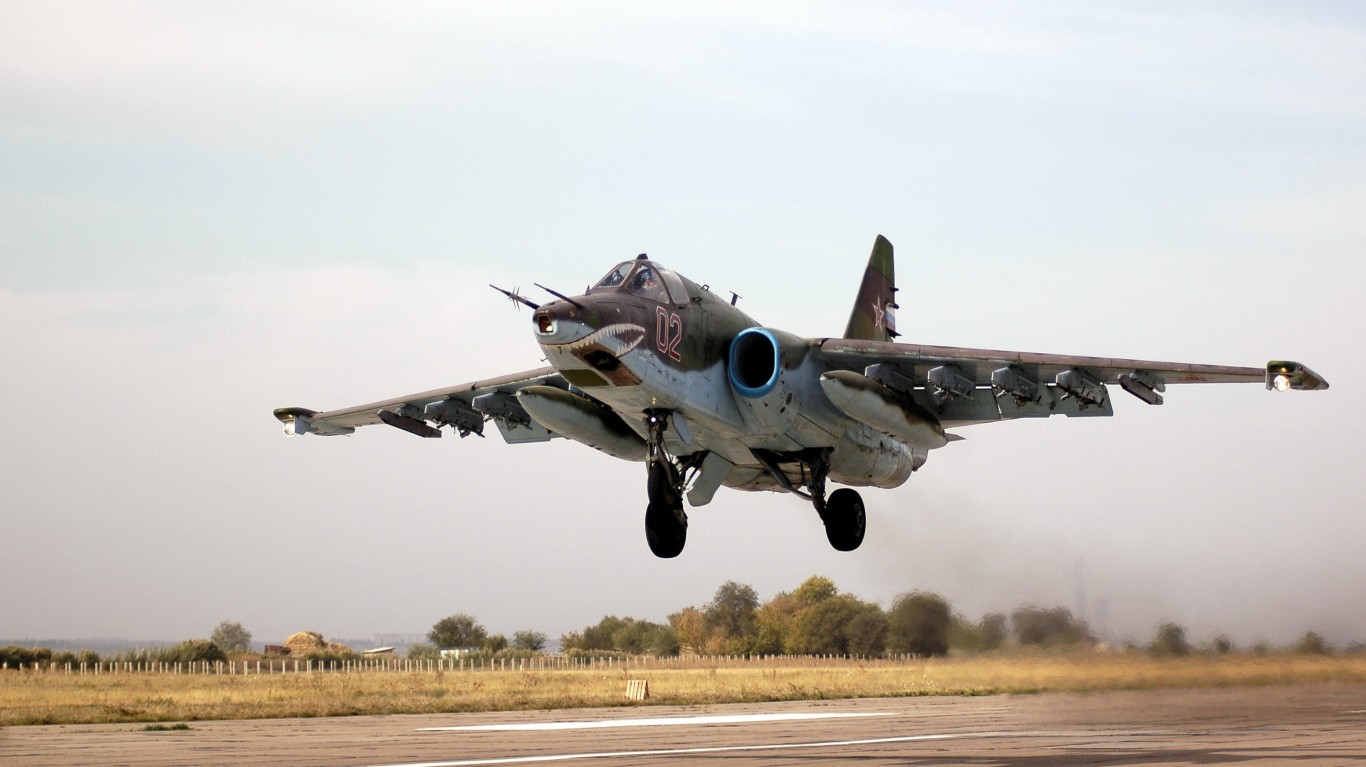
- Country of origin: Soviet Union/Russia
- Era introduced: 1980s
- Primary role: CAS
- Why it was criticized early: Low-tech perception
- Perceived failure risk: Underestimation
- Conflict or combat that changed perception: Afghanistan
- What combat proved wrong: Rugged survivability
Dismissed as unsophisticated, the Su-25 proved highly survivable in harsh combat environments. Its effectiveness in close air support mirrored Western CAS concepts and validated its design philosophy.
Su-34 Fullback
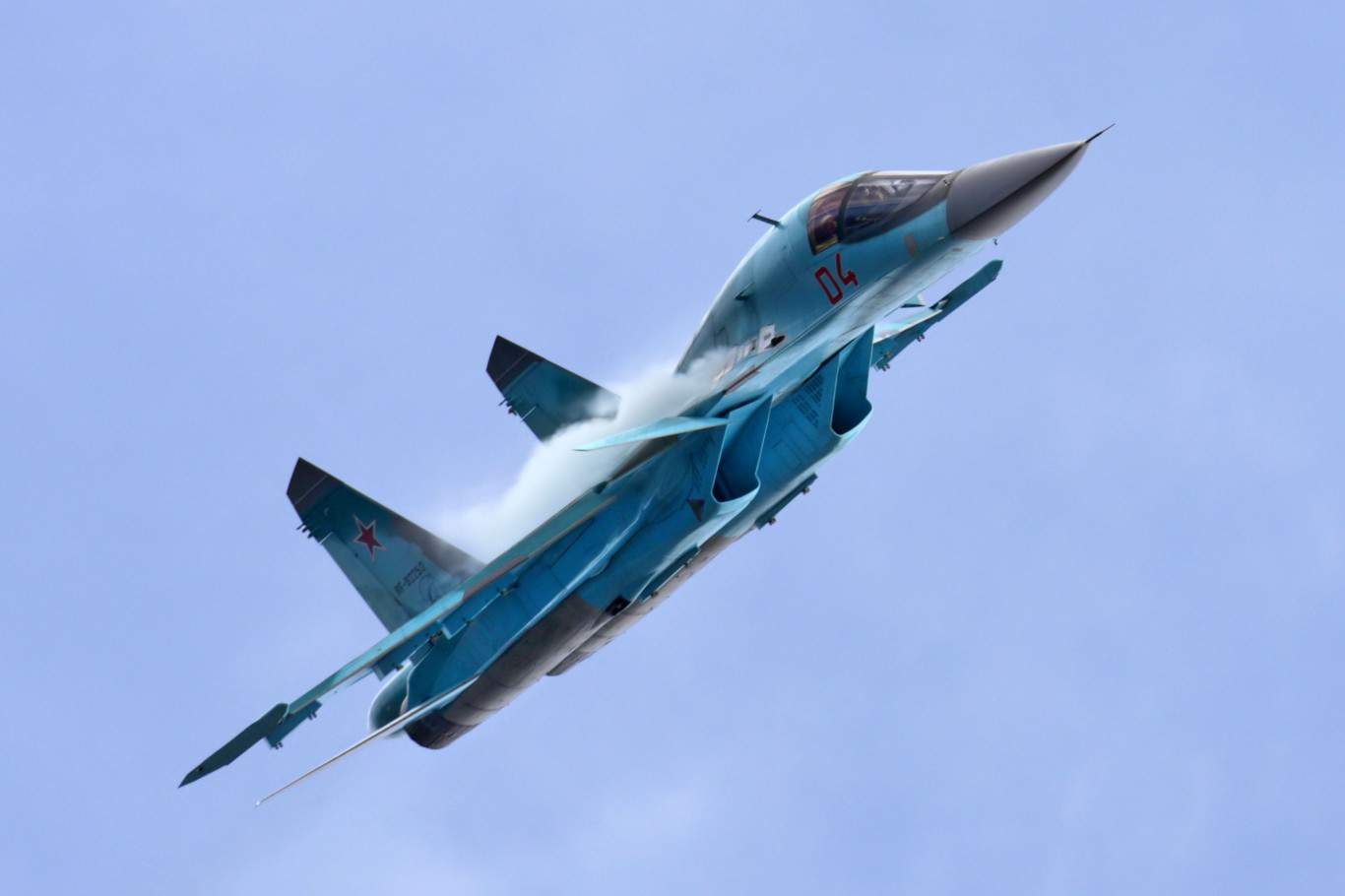
- Country of origin: Russia
- Era introduced: 2000s
- Primary role: Strike
- Why it was criticized early: Costly development
- Perceived failure risk: Slow adoption
- Conflict or combat that changed perception: Syria
- What combat proved wrong: Long-range strike
The Su-34 was criticized for cost and delays. Combat operations in Syria demonstrated its endurance and strike capabilities, securing its place in Russian air doctrine.
MiG-21
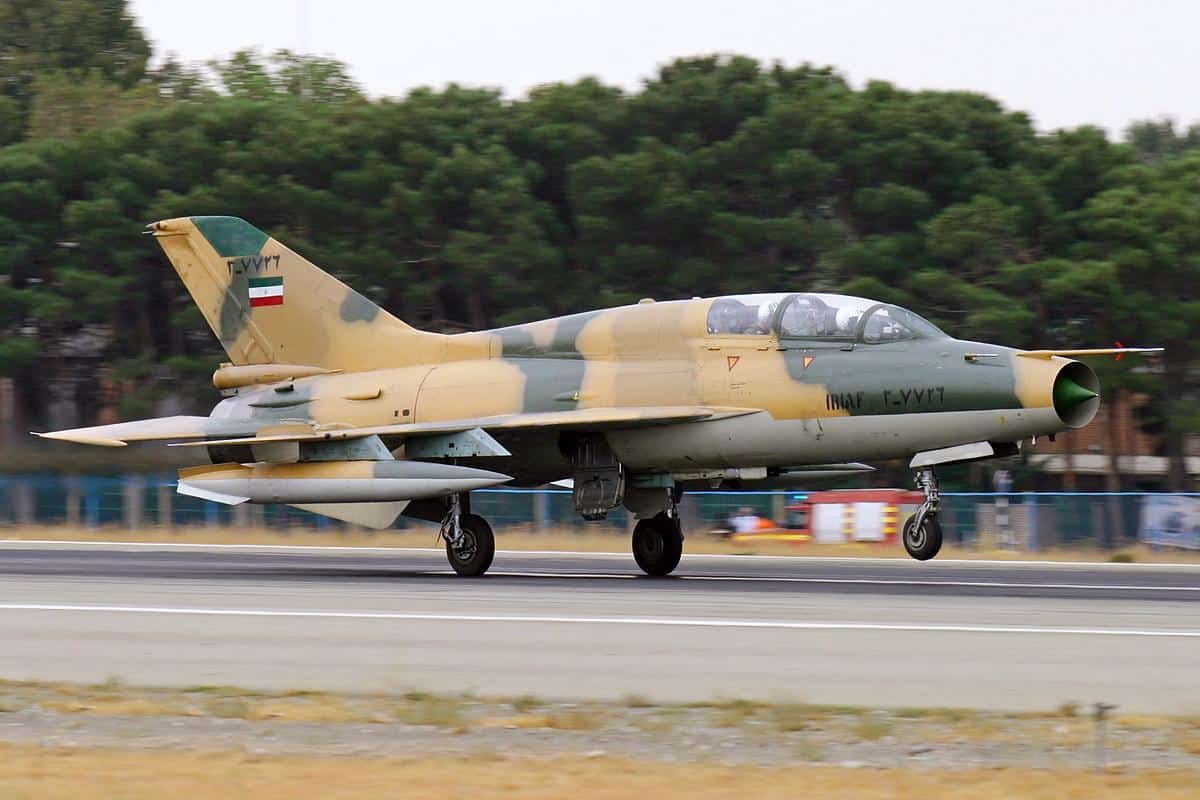
- Country of origin: Soviet Union
- Era introduced: 1960s
- Primary role: Interceptor
- Why it was criticized early: Short range
- Perceived failure risk: Export skepticism
- Conflict or combat that changed perception: Vietnam War
- What combat proved wrong: Dogfighting effectiveness
Often criticized for limited range, the MiG-21 excelled in combat through agility and simplicity. Its success in Vietnam overturned early doubts and cemented its global legacy.
MiG-23

- Country of origin: Soviet Union
- Era introduced: 1970s
- Primary role: Interceptor
- Why it was criticized early: Poor early variants
- Perceived failure risk: Export disappointment
- Conflict or combat that changed perception: Middle East conflicts
- What combat proved wrong: Improved performance
Early MiG-23 variants underperformed, but combat refinements proved the platform capable. Its redemption came through iterative improvement under real-world conditions.
Mirage 2000

- Country of origin: France
- Era introduced: 1980s
- Primary role: Fighter
- Why it was criticized early: Overshadowed by rivals
- Perceived failure risk: Procurement doubt
- Conflict or combat that changed perception: Middle East
- What combat proved wrong: Reliability in combat
Initially questioned against competitors, the Mirage 2000 proved reliable and effective in combat, validating France’s design approach.
Dassault Rafale
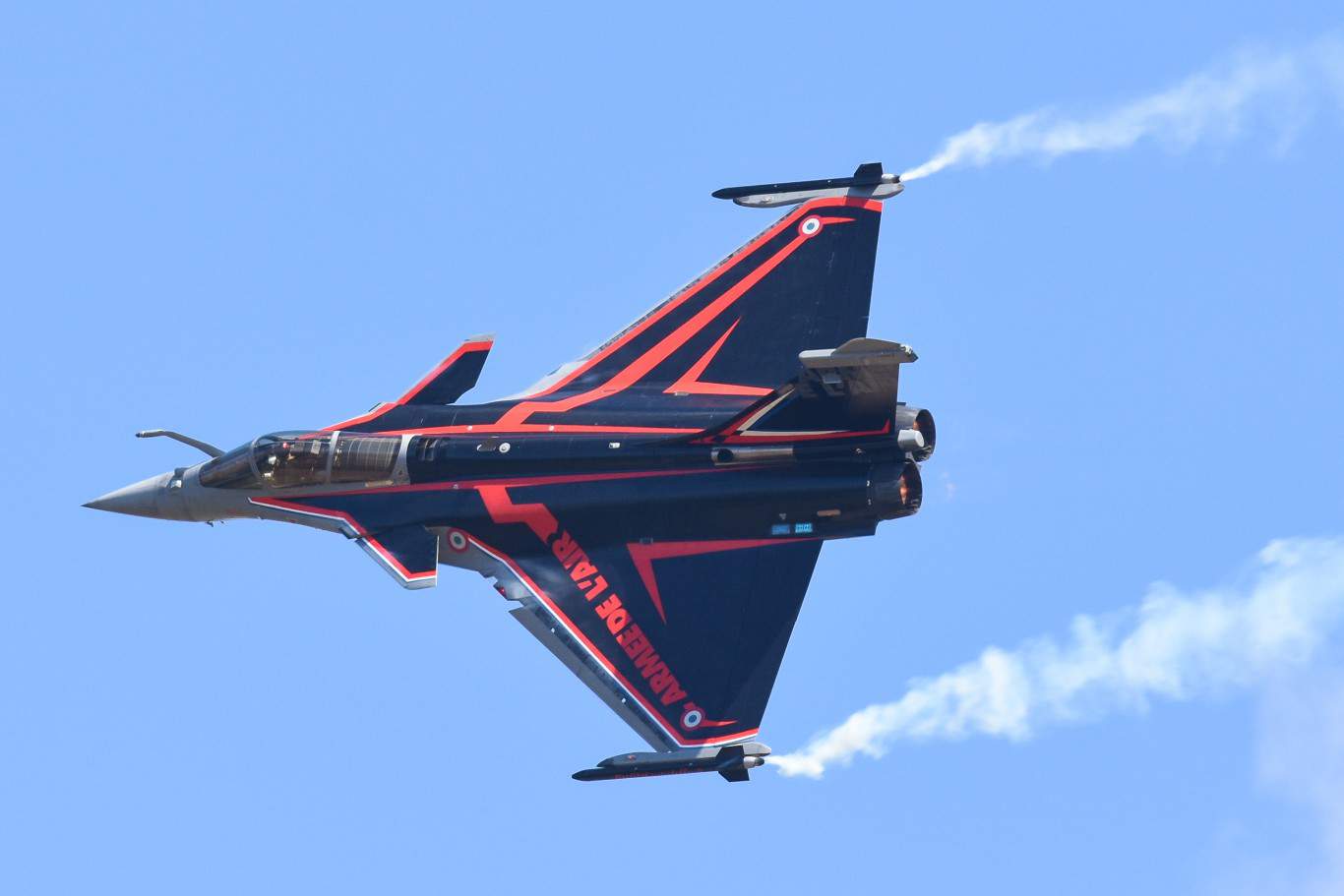
- Country of origin: France
- Era introduced: 2000s
- Primary role: Multirole Fighter
- Why it was criticized early: High cost
- Perceived failure risk: Delayed exports
- Conflict or combat that changed perception: Libya, Middle East
- What combat proved wrong: True multirole performance
The Rafale faced skepticism over cost and export delays. Combat deployments proved its flexibility and reliability, transforming its reputation into that of a premier multirole fighter.
Eurofighter Typhoon

- Country of origin: Europe
- Era introduced: 2000s
- Primary role: Air Superiority
- Why it was criticized early: Role confusion
- Perceived failure risk: Cost overruns
- Conflict or combat that changed perception: Middle East
- What combat proved wrong: Combat adaptability
Criticized for unclear mission focus, the Typhoon proved adaptable in combat. Operational success reshaped its image as a capable multirole fighter.
IAI Kfir
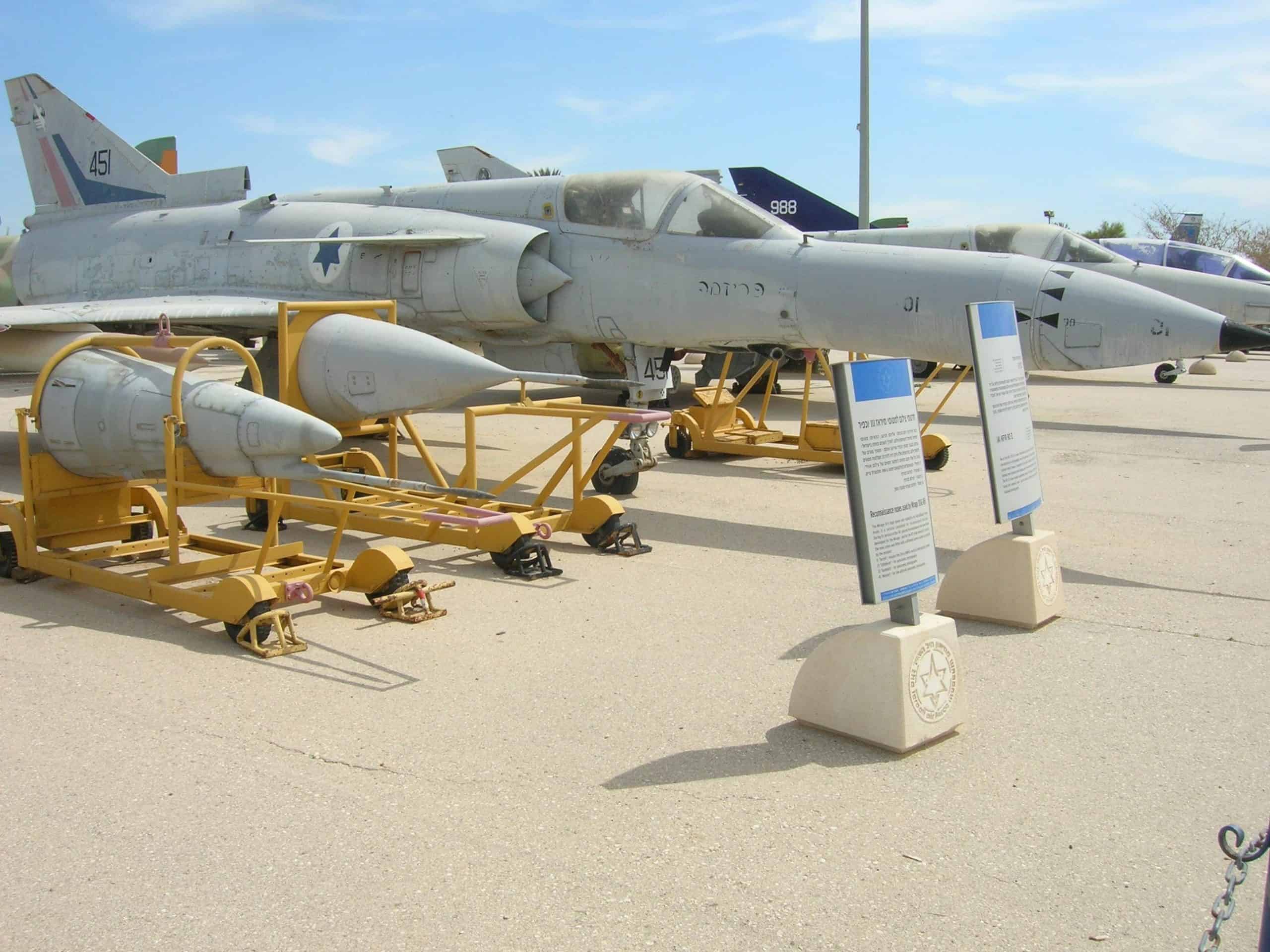
- Country of origin: Israel
- Era introduced: 1970s
- Primary role: Fighter
- Why it was criticized early: Stopgap design
- Perceived failure risk: Limited expectations
- Conflict or combat that changed perception: Middle East conflicts
- What combat proved wrong: Operational effectiveness
The Kfir was seen as a temporary solution. Combat demonstrated its effectiveness, validating Israeli aerospace ingenuity.
A-4 Skyhawk
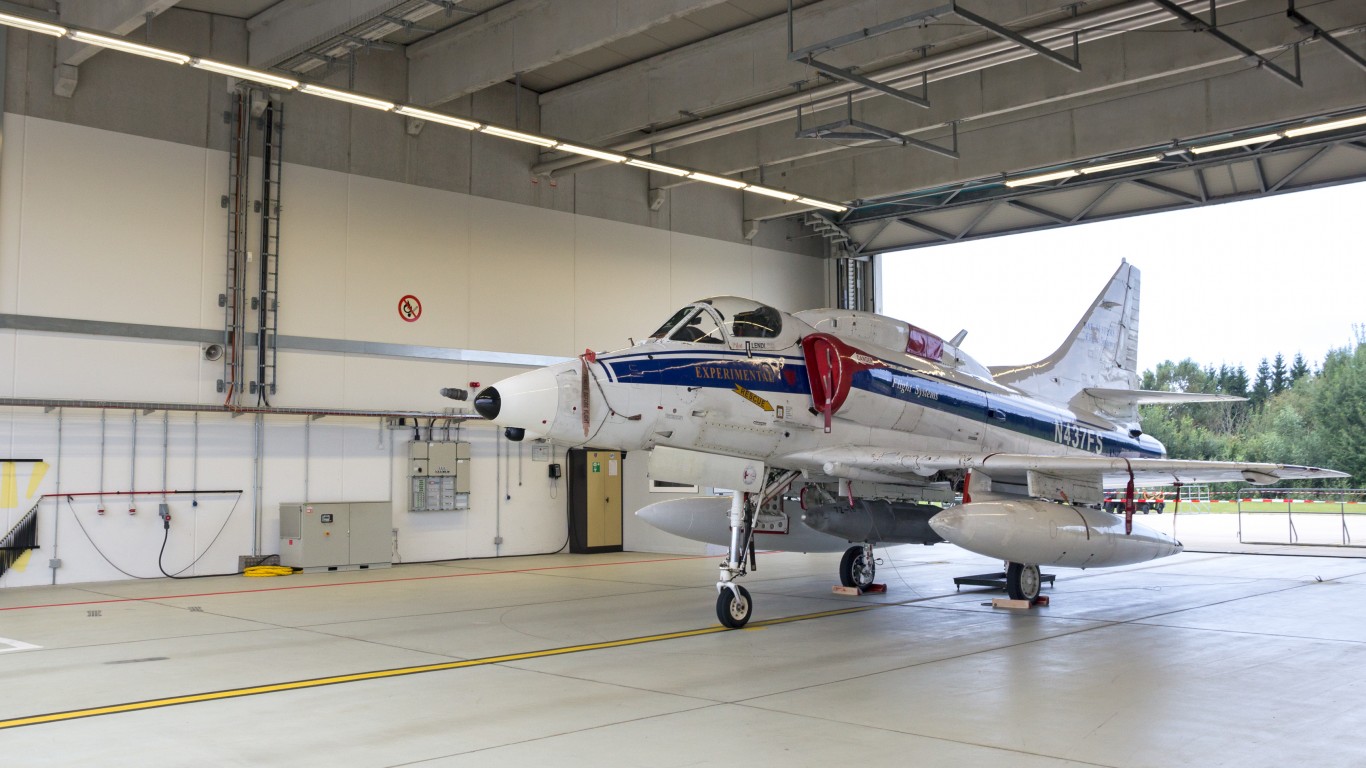
- Country of origin: United States
- Era introduced: 1950s
- Primary role: Attack
- Why it was criticized early: Lightweight skepticism
- Perceived failure risk: Survivability doubts
- Conflict or combat that changed perception: Vietnam War
- What combat proved wrong: Versatility
Critics doubted the A-4’s survivability. Combat proved its versatility and effectiveness, making it a carrier aviation mainstay.
Bristol Beaufighter
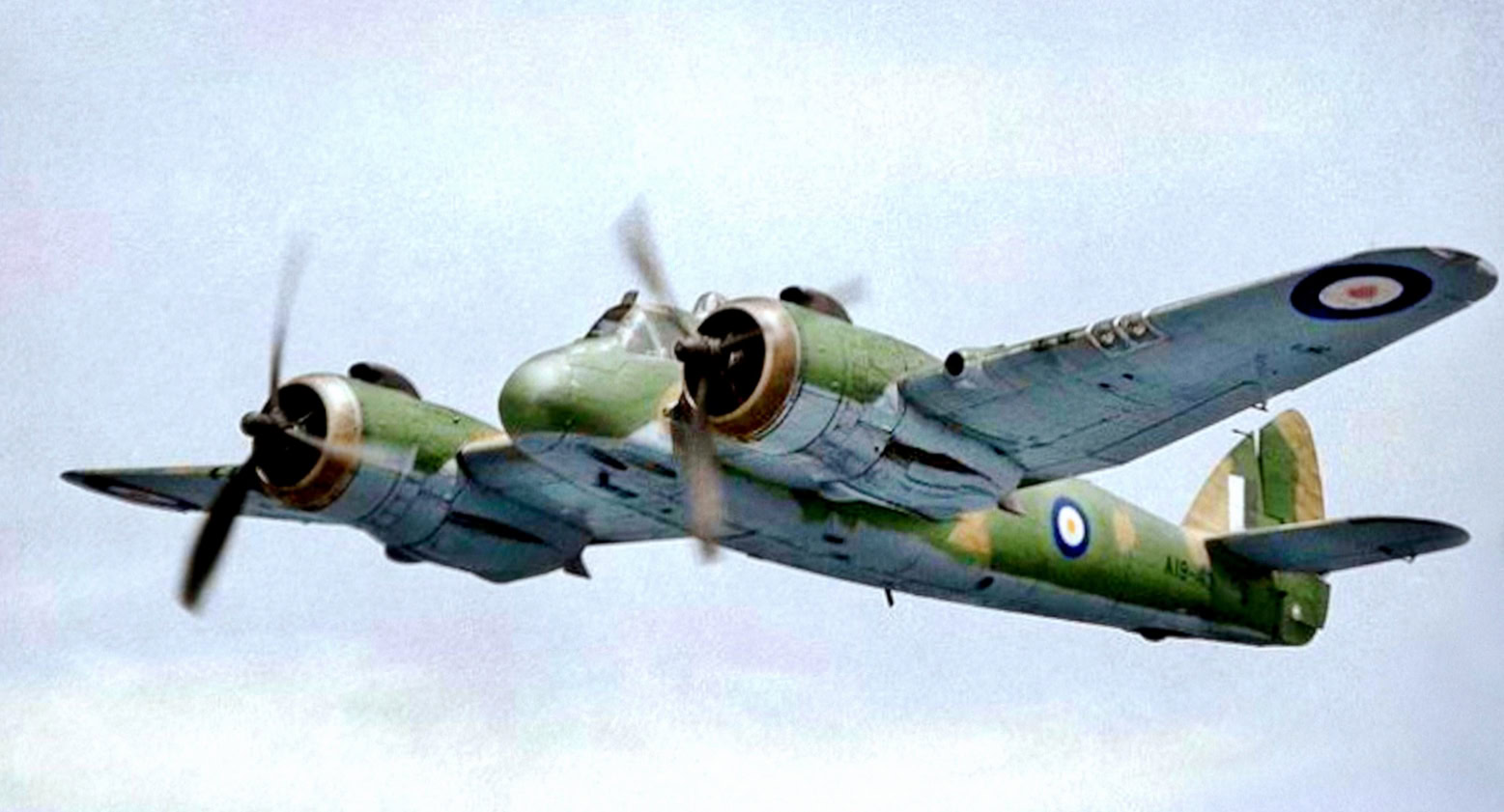
- Country of origin: UK
- Era introduced: 1940s
- Primary role: Strike Fighter
- Why it was criticized early: Poor initial performance
- Perceived failure risk: Early skepticism
- Conflict or combat that changed perception: European Theater WWII
- What combat proved wrong: Heavy strike capability
Early doubts surrounded the Beaufighter’s handling. Combat success as a strike and night fighter redeemed its reputation.
de Havilland Mosquito
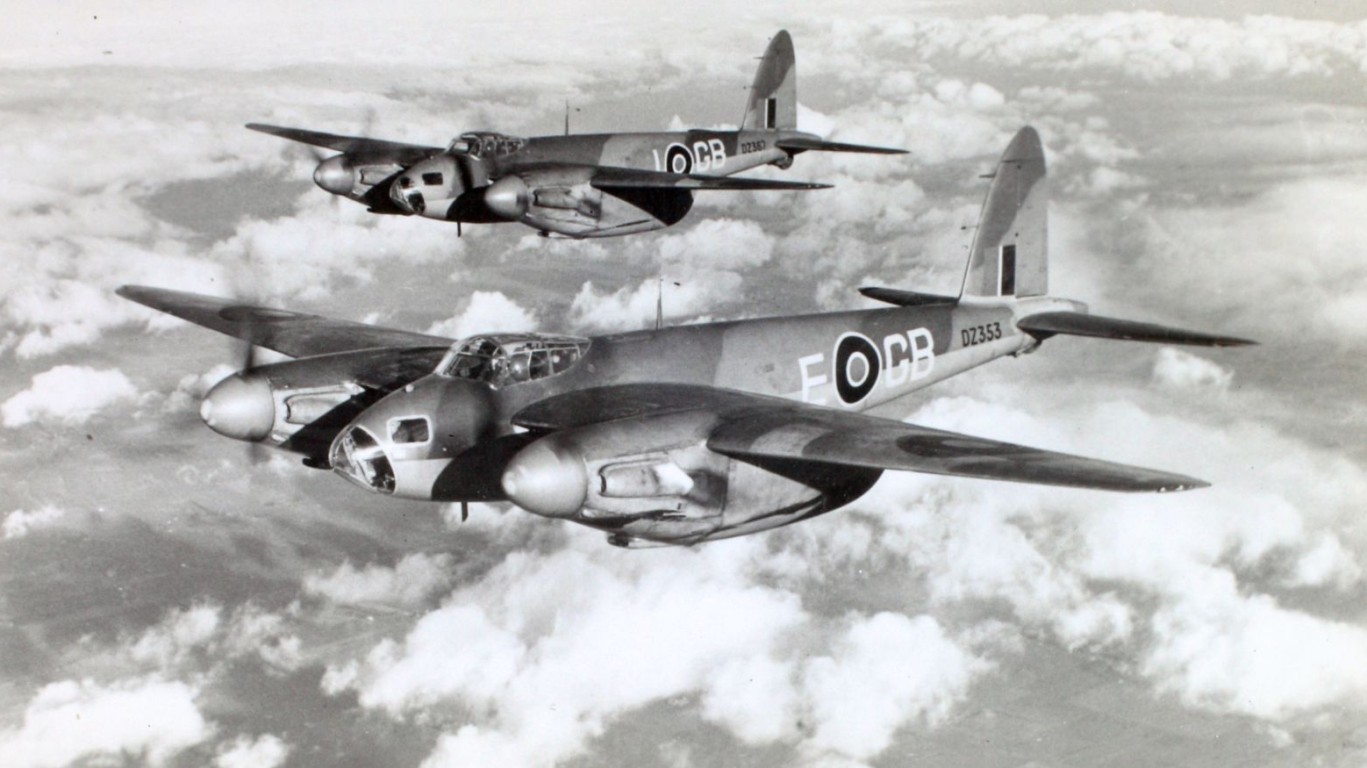
- Country of origin: UK
- Era introduced: 1940s
- Primary role: Multirole
- Why it was criticized early: Wooden construction doubts
- Perceived failure risk: Material skepticism
- Conflict or combat that changed perception: WWII Europe
- What combat proved wrong: Speed and versatility
The Mosquito’s wooden design drew ridicule. Combat proved its speed and versatility, making it one of WWII’s most effective aircraft.
Ju-87 Stuka
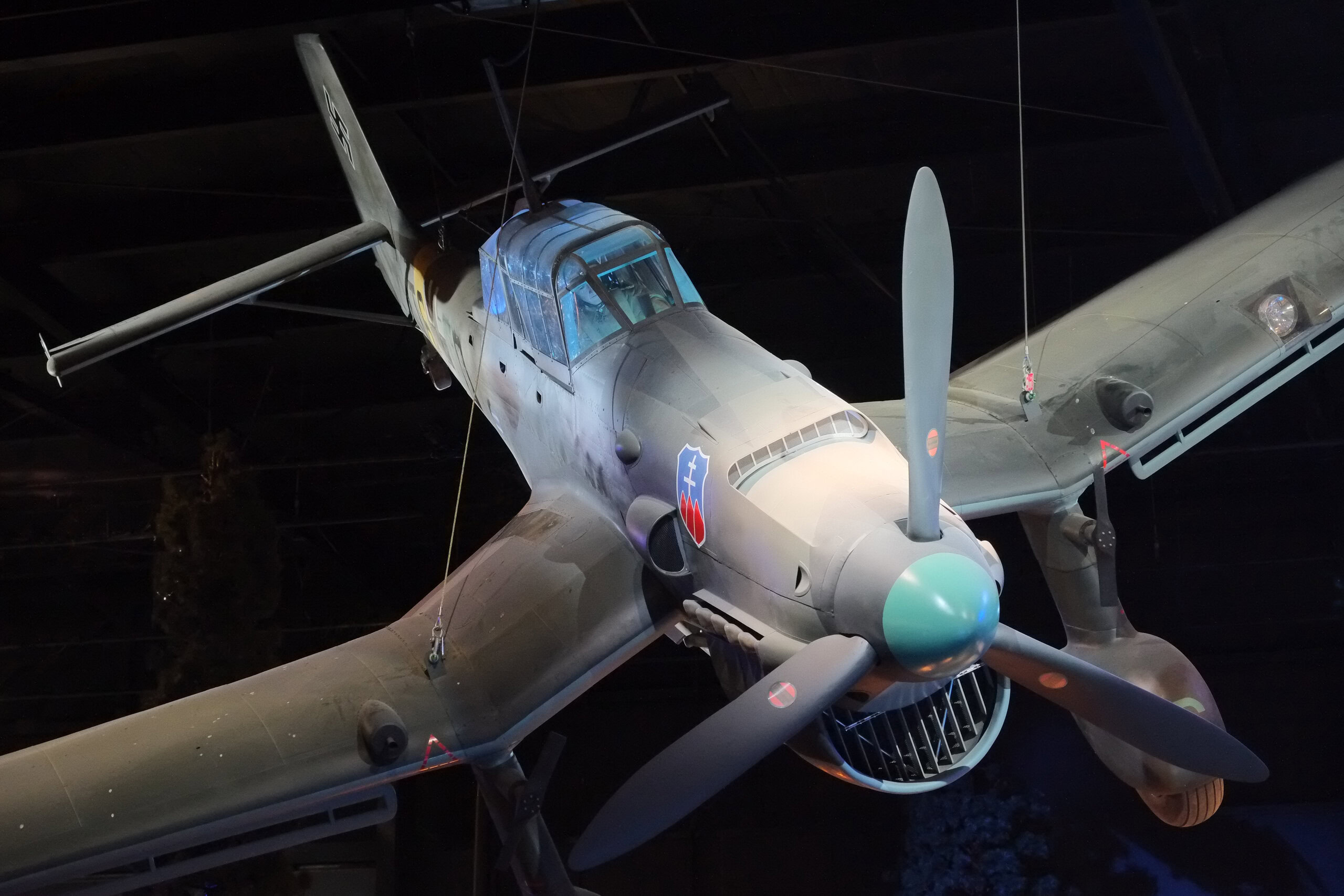
- Country of origin: Germany
- Era introduced: 1930s
- Primary role: Dive Bomber
- Why it was criticized early: Vulnerability concerns
- Perceived failure risk: Obsolescence fears
- Conflict or combat that changed perception: Early WWII
- What combat proved wrong: Precision bombing
Though vulnerable, early combat showed the Stuka’s precision bombing impact. Combat success cemented its early-war reputation.
Il-2 Sturmovik
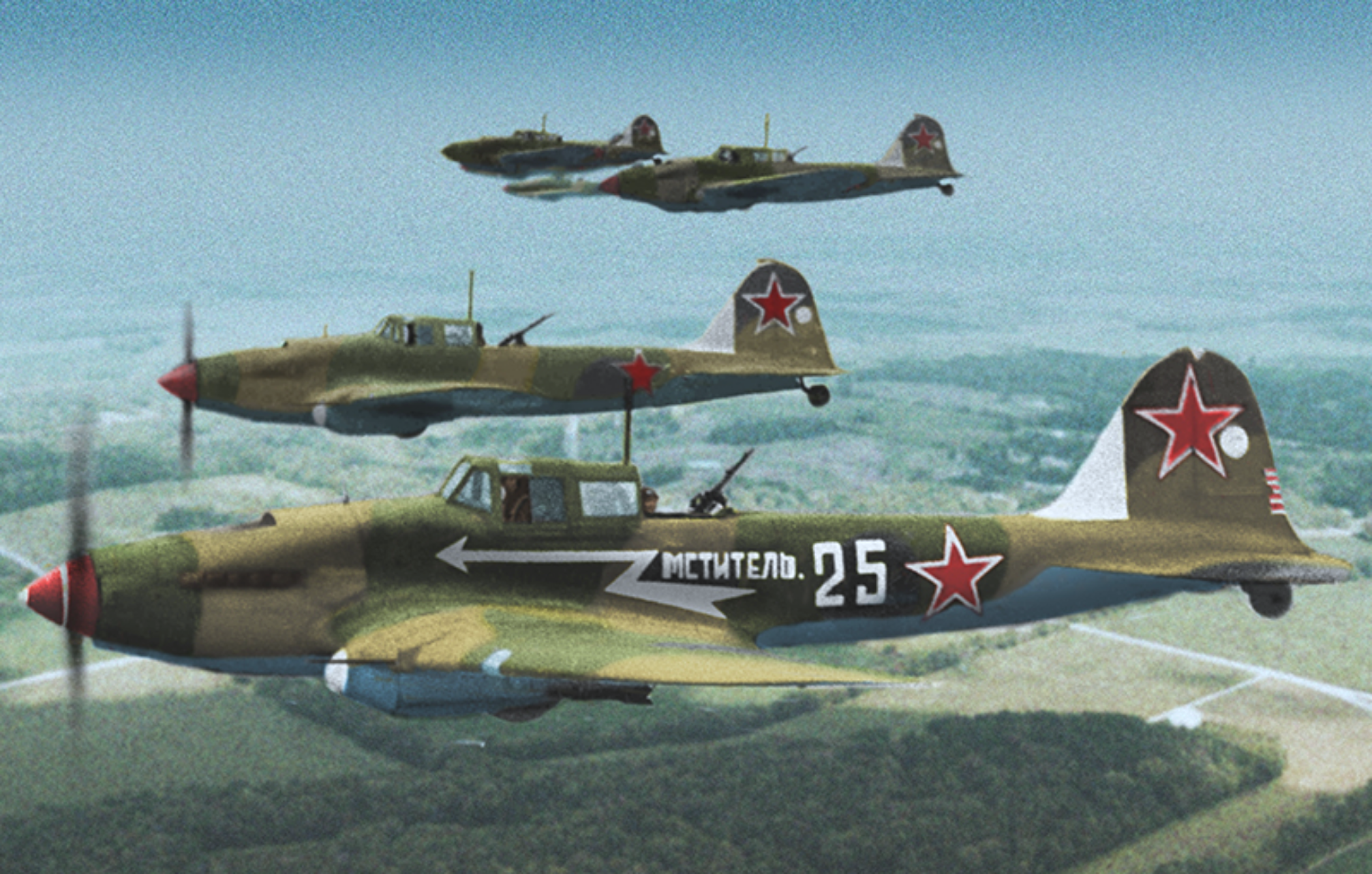
- Country of origin: Soviet Union
- Era introduced: 1940s
- Primary role: Attack
- Why it was criticized early: Heavy losses early
- Perceived failure risk: Survivability doubts
- Conflict or combat that changed perception: Eastern Front WWII
- What combat proved wrong: Armor effectiveness
Early losses questioned the Il-2’s design. Combat adaptations proved its armor and firepower decisive, making it a battlefield legend.
A-1 Skyraider
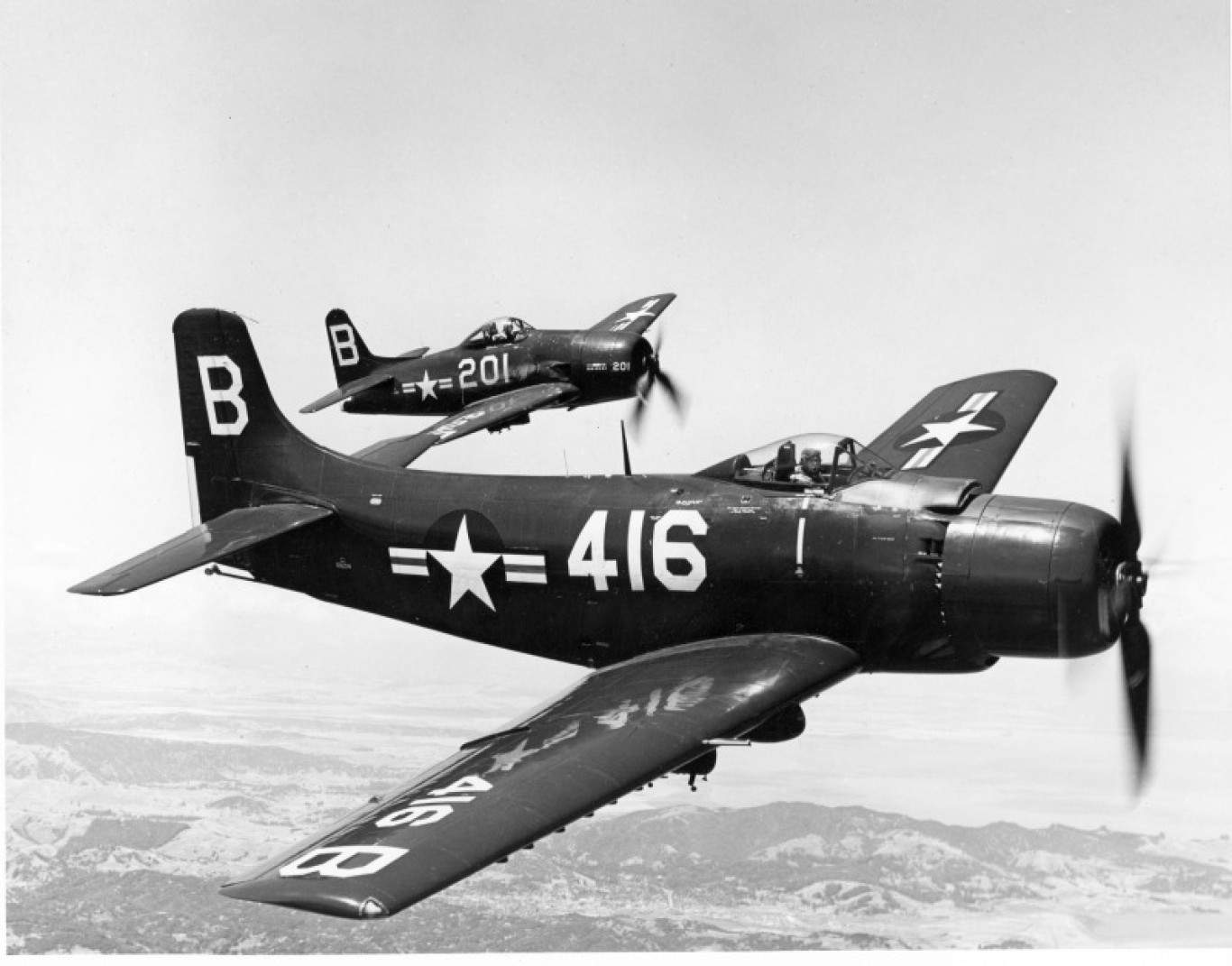
- Country of origin: United States
- Era introduced: 1940s
- Primary role: Attack
- Why it was criticized early: Obsolete piston design
- Perceived failure risk: Jet age dismissal
- Conflict or combat that changed perception: Vietnam War
- What combat proved wrong: Loiter endurance
Seen as outdated, the Skyraider proved invaluable in Vietnam. Its endurance and payload made it ideal for close air support.
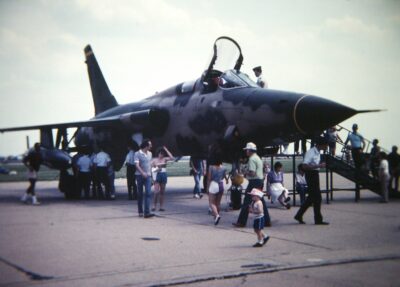
F-105 Thunderchief
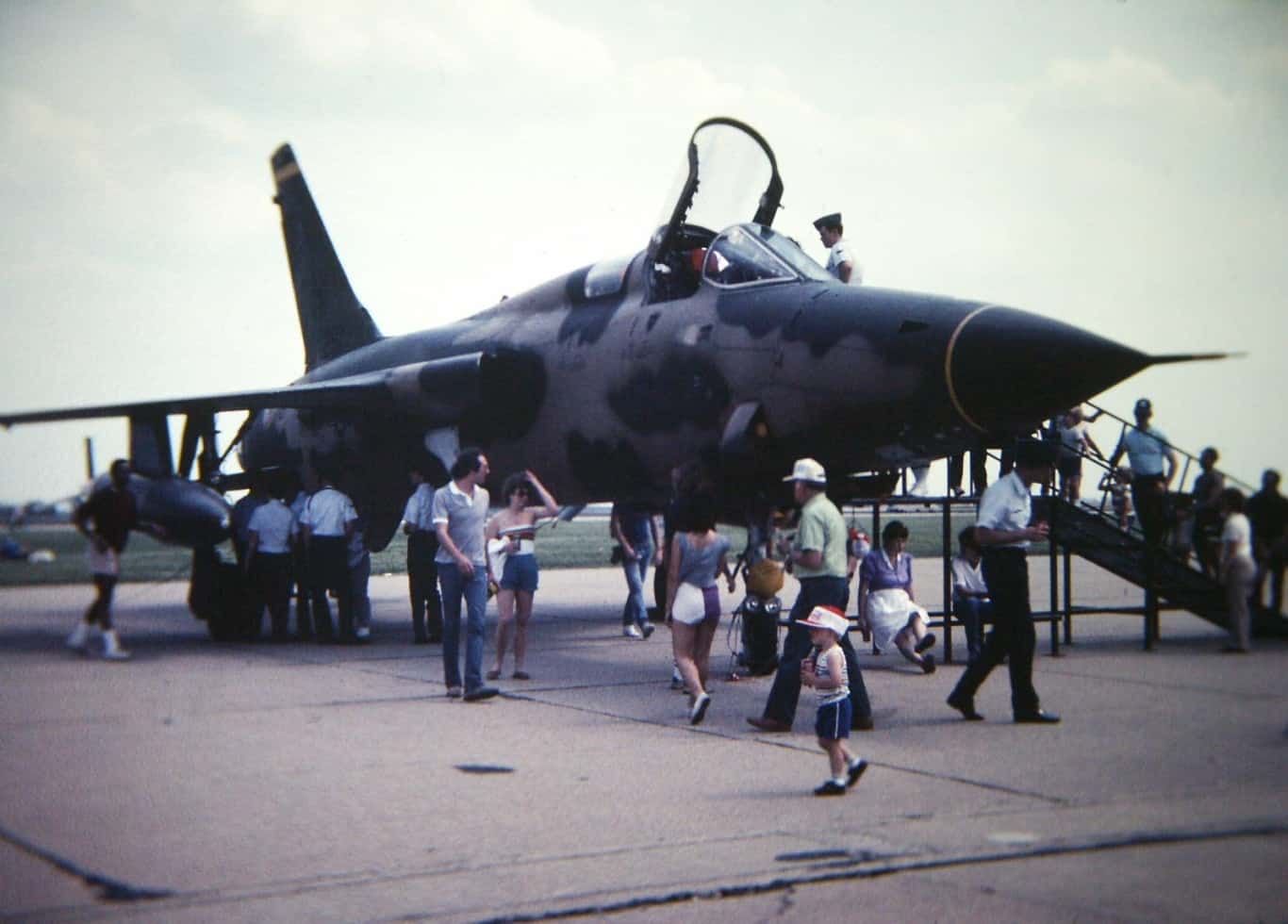
- Country of origin: United States
- Era introduced: 1950s
- Primary role: Strike
- Why it was criticized early: High loss rates
- Perceived failure risk: Mission mismatch
- Conflict or combat that changed perception: Vietnam War
- What combat proved wrong: High-speed strike
The F-105 suffered heavy losses early. Combat refinements revealed its effectiveness as a strike platform, validating its design under fire.
F-8 Crusader
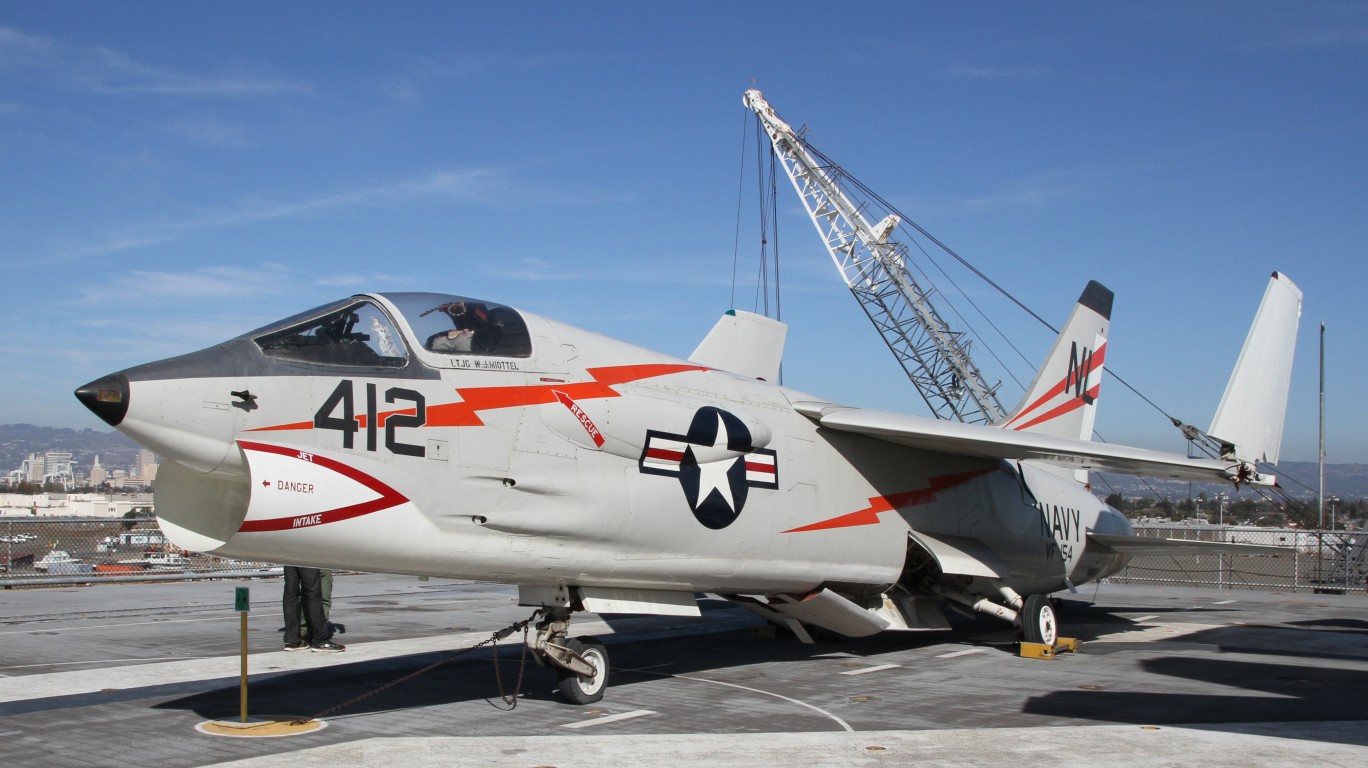
- Country of origin: United States
- Era introduced: 1950s
- Primary role: Fighter
- Why it was criticized early: Maintenance complexity
- Perceived failure risk: Carrier doubts
- Conflict or combat that changed perception: Vietnam War
- What combat proved wrong: Dogfighting dominance
Criticized for maintenance issues, the F-8 excelled in air combat. Its kill record redeemed its reputation as a premier dogfighter.
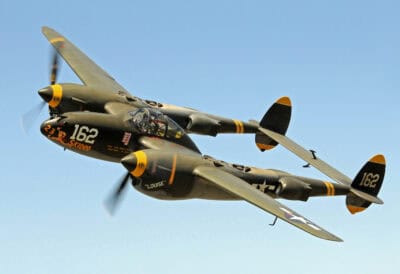
P-38 Lightning
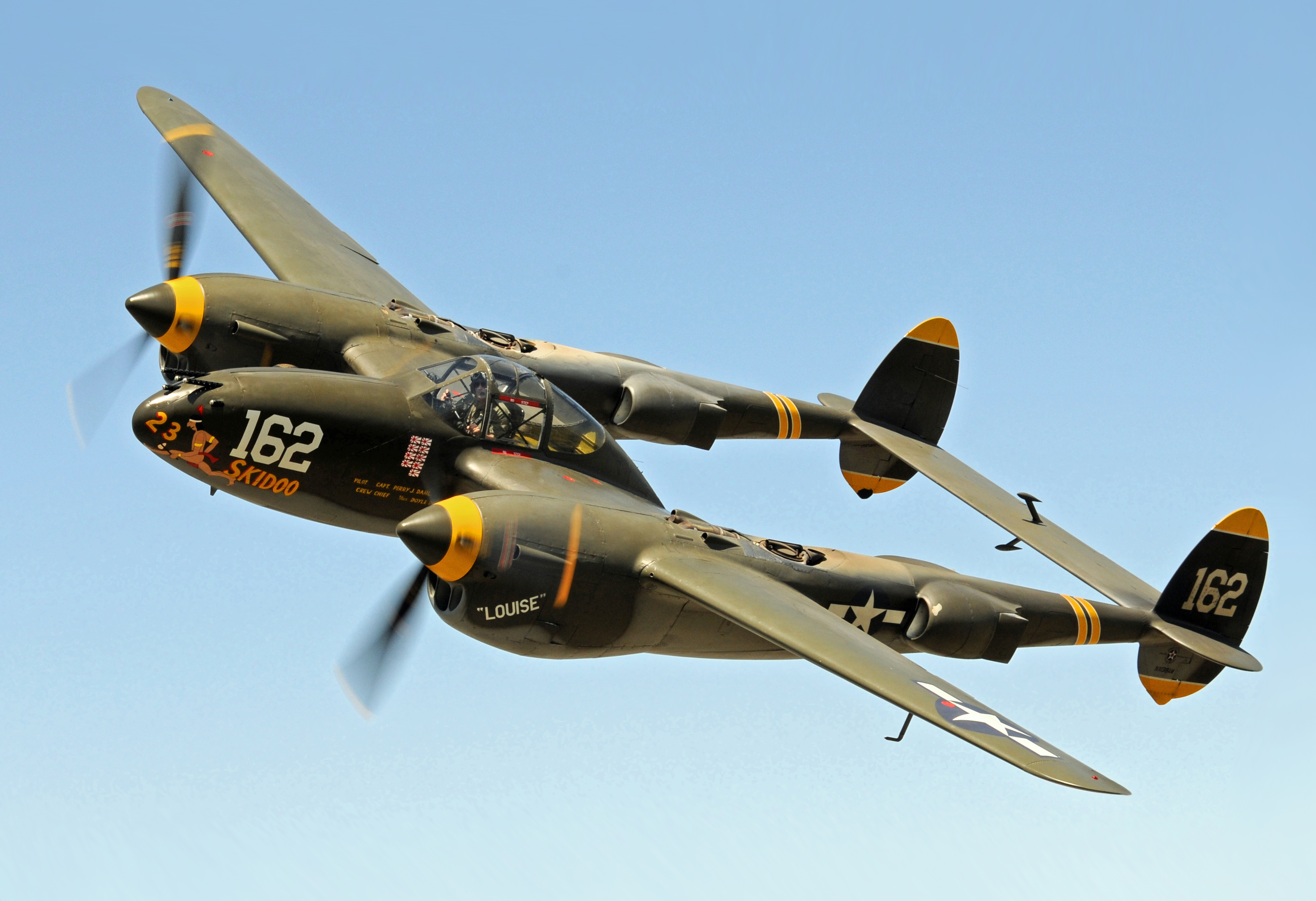
- Country of origin: United States
- Era introduced: 1940s
- Primary role: Fighter
- Why it was criticized early: Engine reliability issues
- Perceived failure risk: Early skepticism
- Conflict or combat that changed perception: Pacific Theater WWII
- What combat proved wrong: Range and firepower
Early engine problems plagued the P-38. Combat improvements revealed its long-range escort value, securing its legacy.
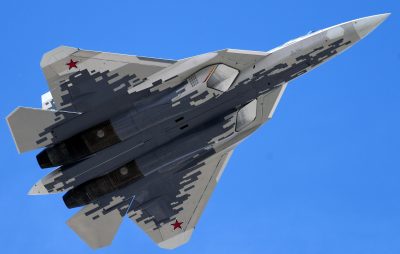
Su-57 Felon
.jpg "Su-57 by Anna Zvereva")
- Country of origin: Russia
- Era introduced: 2010s
- Primary role: Stealth Fighter
- Why it was criticized early: Delays and skepticism
- Perceived failure risk: Limited numbers
- Conflict or combat that changed perception: Ukraine conflict
- What combat proved wrong: Combat evaluation
The Su-57 faced doubts over readiness and numbers. Limited combat use has begun reshaping perceptions, testing its real-world viability.





 Top Gaining Stocks
 Top Losing Stocks