


Not every underperforming weapon was poorly designed. In many cases, the problem wasn’t the technology but really it was the environment that it depended on. From aircraft that needed perfect timing to weapons that assumed uncontested access and flawless logistics, these systems worked best in conditions war rarely provides. Here, 24/7 Wall St. is taking a closer look at the weapons that needed perfect conditions to function.
To determine the military weapons that need perfect conditions to function, 24/7 Wall St. reviewed various historical and military sources. We included supplemental information regarding the country of origin for each weapon, when it was from, its intended role, and what actually went wrong in the process.
Here is a look at military weapons that only worked under perfect conditions:
Why Are We Covering This?

These weapons reveal a consistent gap between military theory and battlefield reality. Many of these systems were technologically impressive and performed well in controlled testing or limited scenarios, but they depended on ideal conditions that war rarely provides. Weather changes, logistics break down, enemies adapt, and human error is unavoidable. By examining weapons that only worked under perfect conditions, this highlights why adaptability, resilience, and realistic assumptions often matter more than peak performance. These examples show how combat repeatedly punishes narrow design expectations and rewards systems built to function when conditions deteriorate.
The Illusion of the Perfect Battlefield
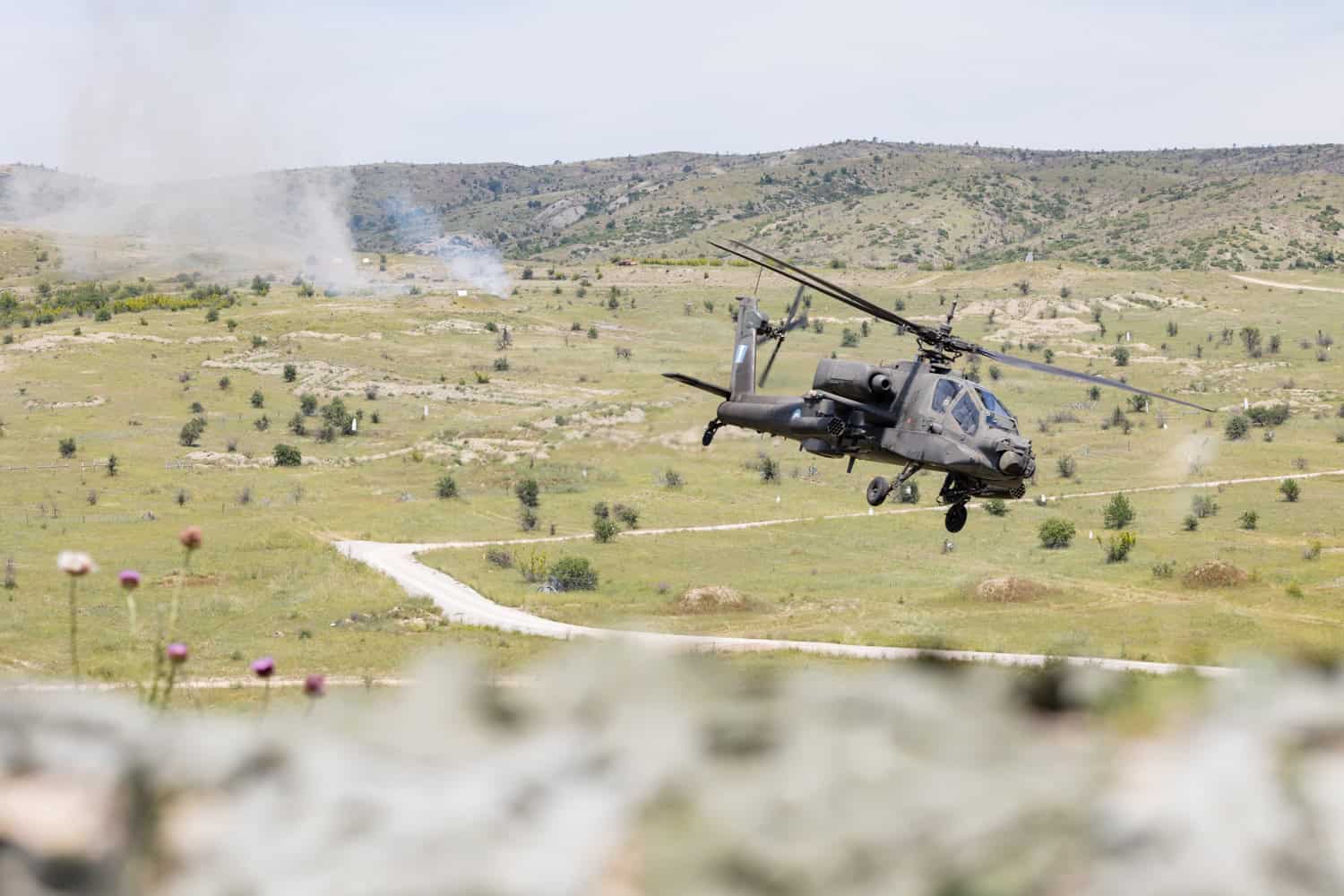
Military weapons are often designed and tested in environments where variables behave predictably. Planners assume stable weather, reliable terrain access, clean lines of communication, and time to execute doctrine as written. Combat rarely offers that level of control. When the battlefield refuses to cooperate, even well-engineered systems can struggle to perform as intended.
When Weapons Work Until They Don’t
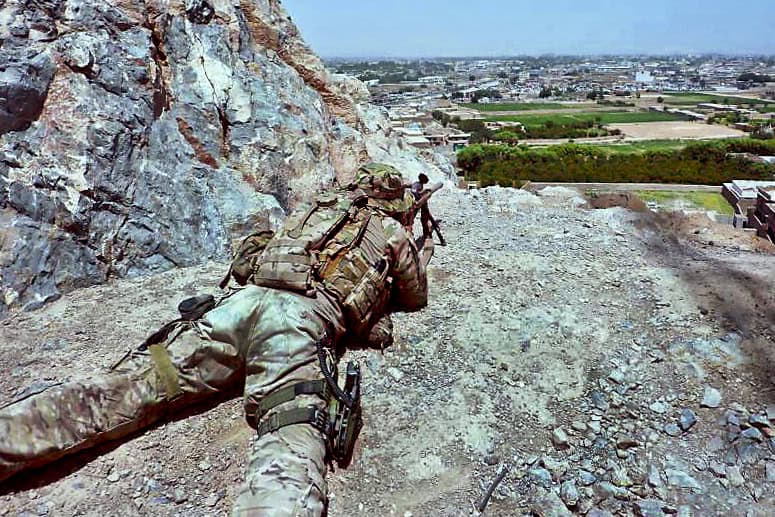
Many of the weapons on this list were not immediate failures. Some performed well in early engagements or behaved exactly as expected in controlled testing. The problems emerged when conditions shifted, visibility dropped, terrain changed, defenses adapted, or operations demanded sustained use. What initially looked effective often proved fragile once real-world variables intervened.
Perfect Conditions Were the Real Requirement
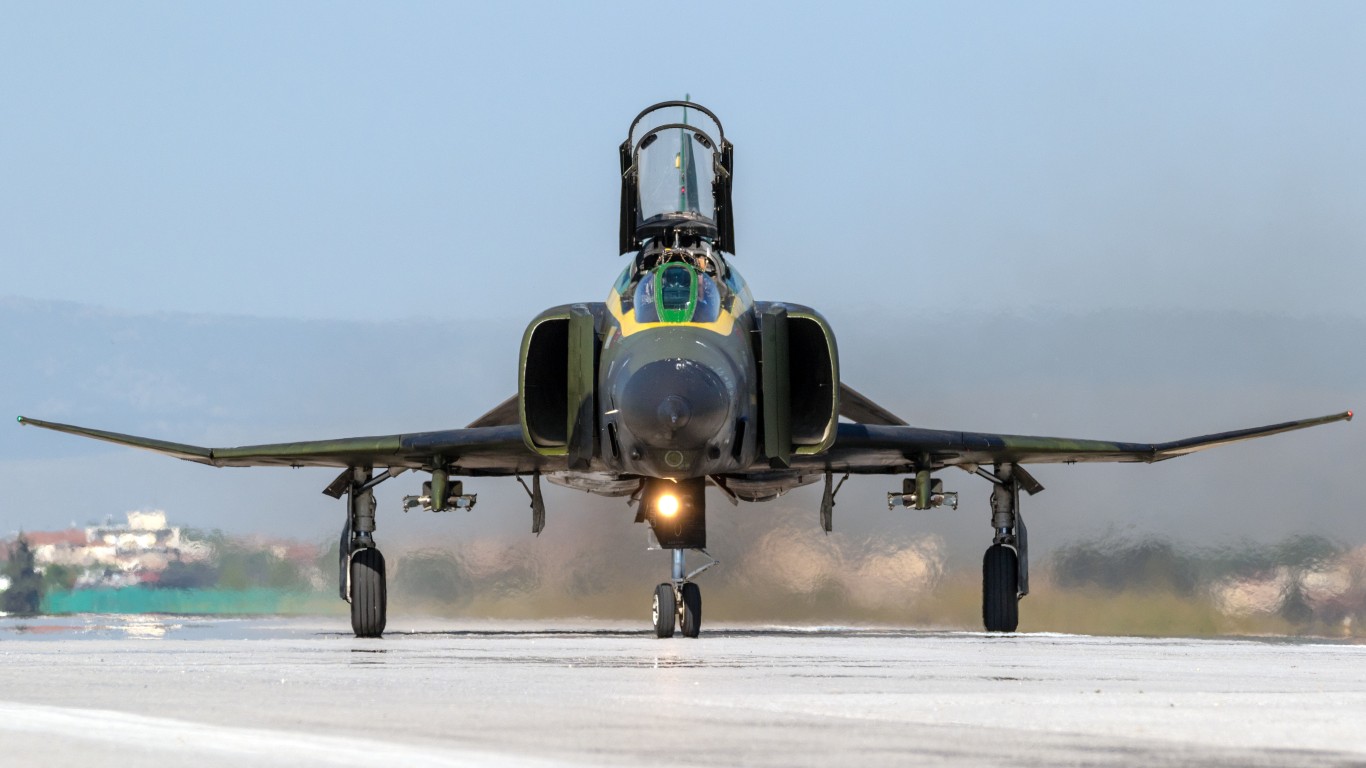
Across air, land, sea, and strategic systems, the common thread was reliance on ideal conditions. Clear weather, secure logistics, trained crews, uncontested access, and predictable enemy behavior were not advantages but prerequisites. When multiple assumptions had to hold true at once, battlefield friction quickly exposed the limits of these designs.
Combat Punishes Fragility
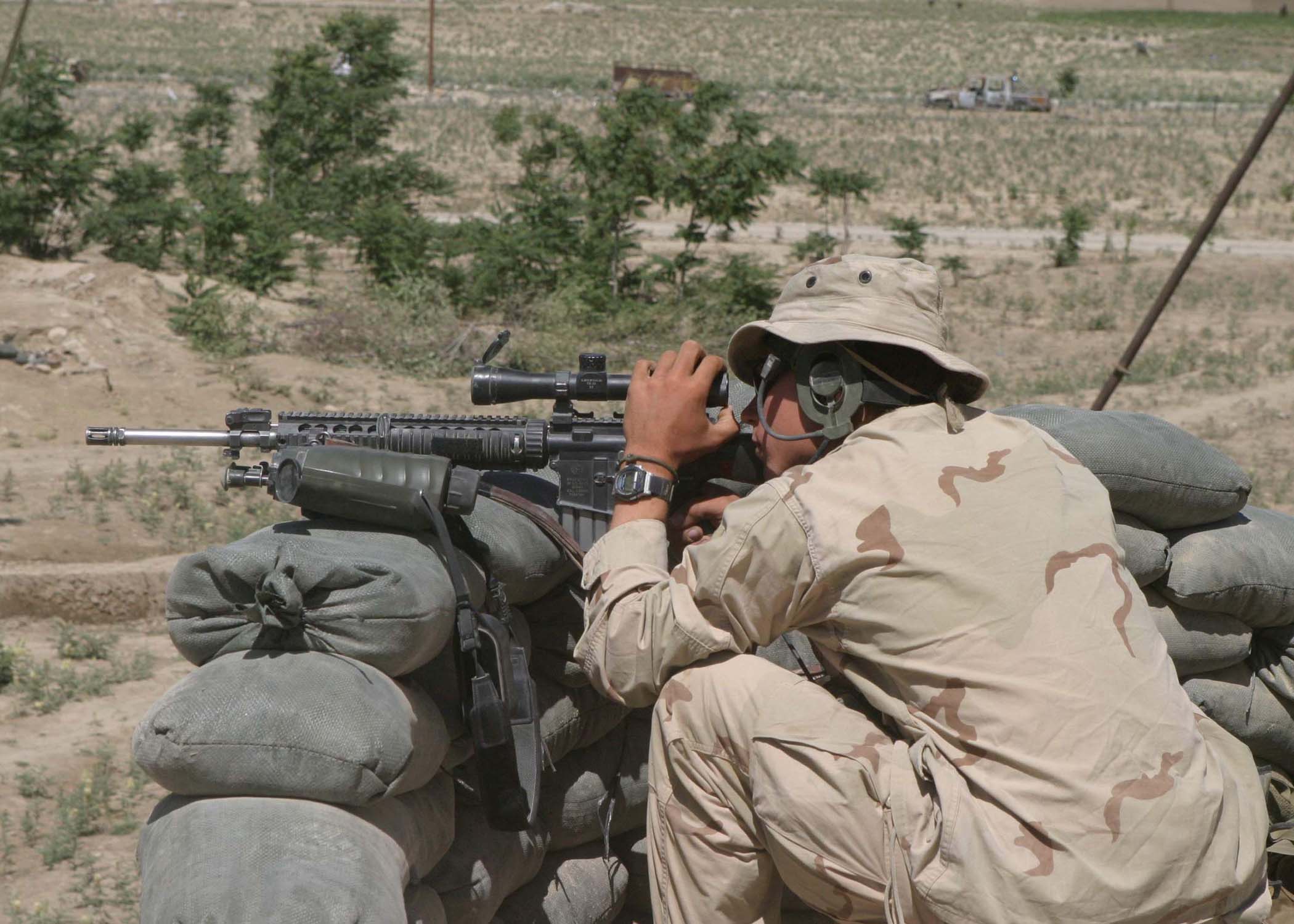
Combat environments evolve faster than doctrine and hardware often anticipate. Countermeasures emerge, tactics shift, and human factors introduce uncertainty. Weapons built around narrow assumptions struggle to absorb these stresses. Once conditions deteriorate, systems lacking flexibility lose effectiveness rapidly regardless of their theoretical performance.
What These Weapons Reveal About War
These weapons highlight a recurring lesson in military history. The most valuable systems are not those with the highest performance in perfect conditions but those that remain useful when conditions worsen. Examining weapons that required an ideal battlefield underscores why resilience, flexibility, and realistic assumptions ultimately shape lasting military effectiveness.
Me 163 Komet
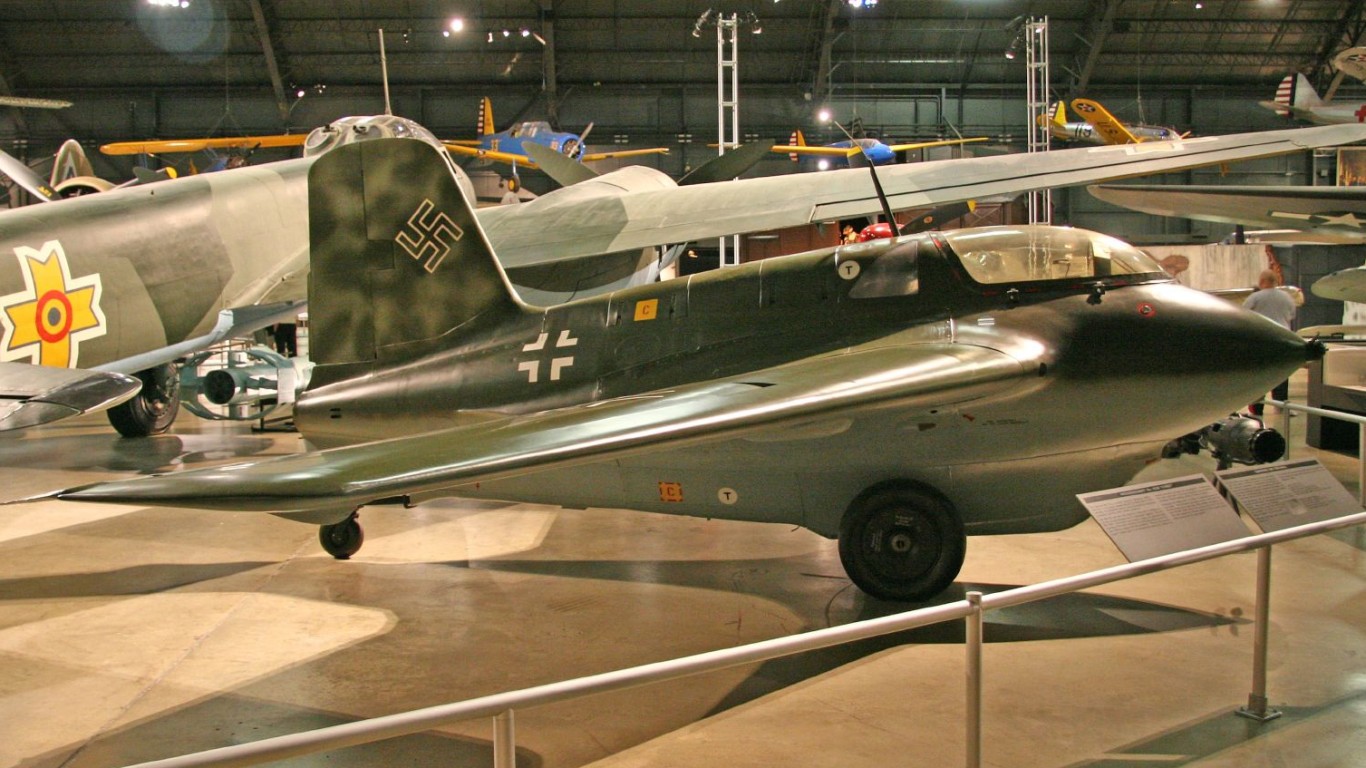
- Country of origin: Germany
- Era: WWII
- Type: Interceptor aircraft
- Intended role: Point-defense interceptor against bomber formations
- Assumed perfect conditions: Clear weather, precise timing, secure airfields, elite pilots
- What went wrong in reality: Tiny endurance, dangerous fuel, vulnerable landing phase
- Where it actually worked: Short-range bomber interceptions late WWII
- Why it couldn’t scale: Extreme logistics and pilot risk prevented sustained use
Schwerer Gustav / Dora
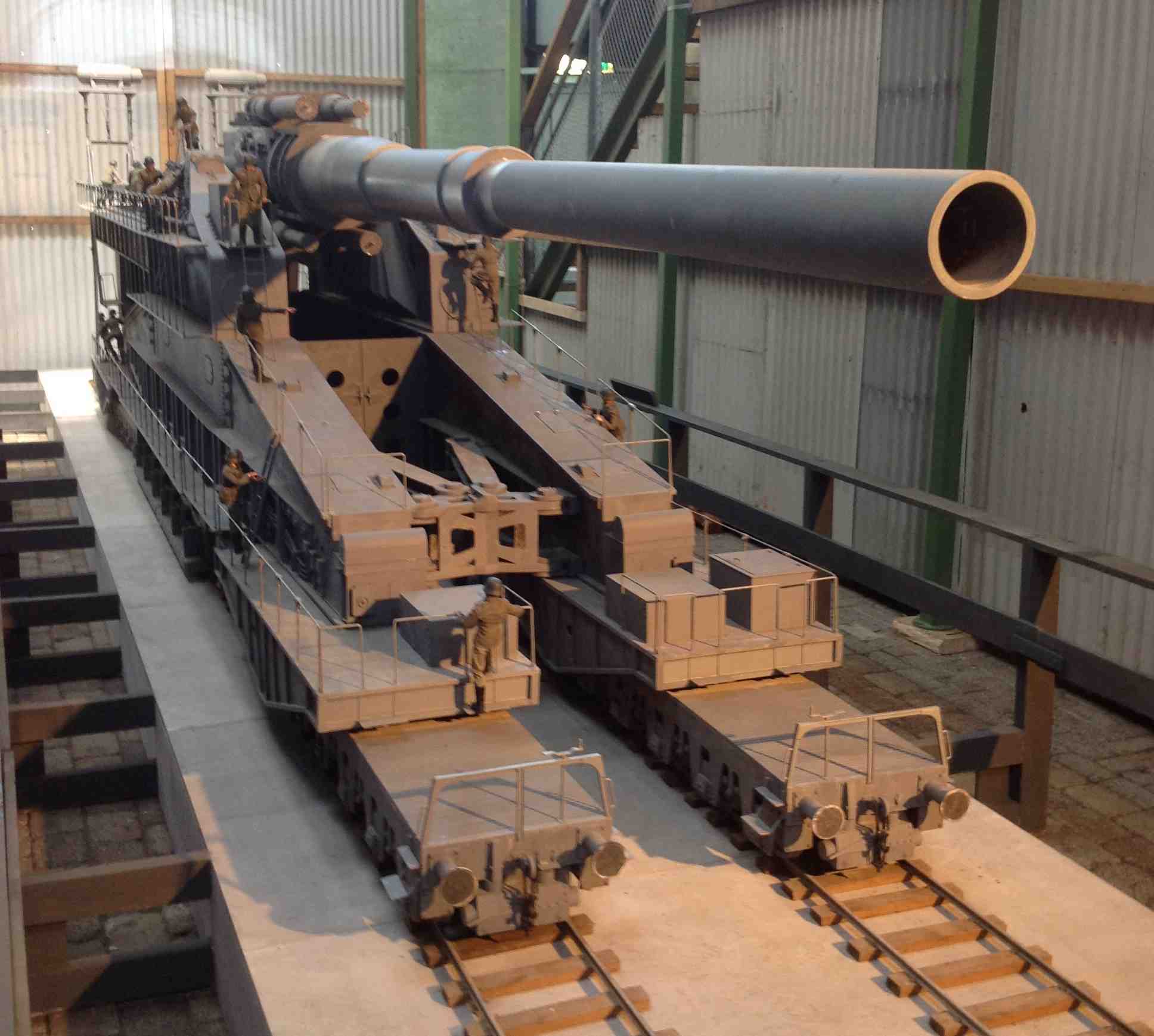
- Country of origin: Germany
- Era: WWII
- Type: Railway artillery
- Intended role: Destroy fortified positions with massive firepower
- Assumed perfect conditions: Secure rail lines, air superiority, weeks of preparation
- What went wrong in reality: Immobile, vulnerable, enormous logistical footprint
- Where it actually worked: Siege operations with total preparation control
- Why it couldn’t scale: Infrastructure and security needs were unrealistic
Mk 14 Torpedo (early)
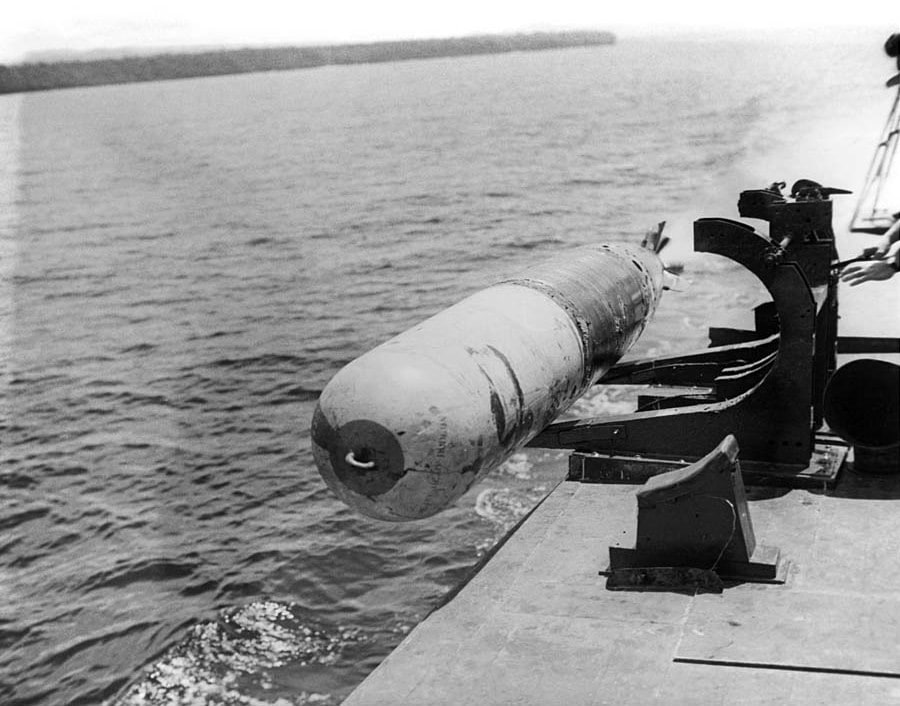
- Country of origin: United States
- Era: WWII
- Type: Naval torpedo
- Intended role: Reliable submarine-launched anti-ship weapon
- Assumed perfect conditions: Perfect depth control and detonator performance
- What went wrong in reality: Ran too deep and failed to detonate
- Where it actually worked: Limited successes after fixes
- Why it couldn’t scale: Faults undermined fleet-wide effectiveness
Duplex Drive (DD) Tanks
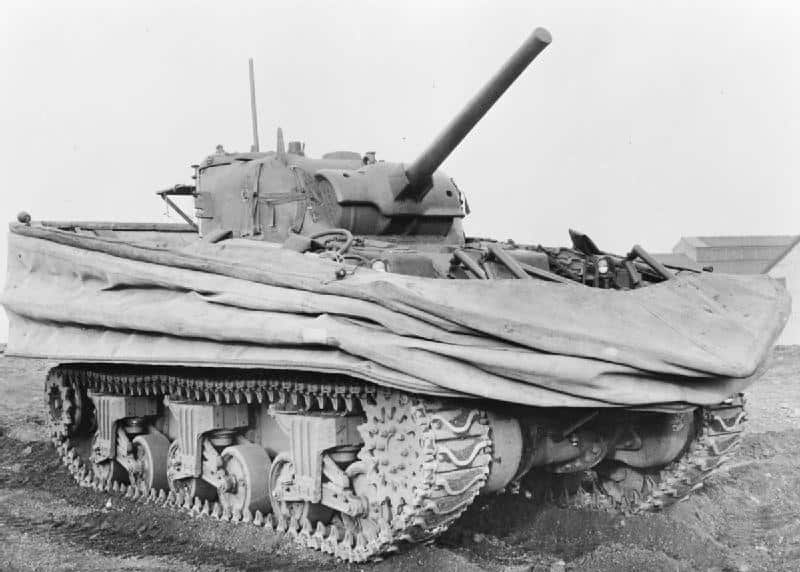
- Country of origin: Allies
- Era: WWII
- Type: Amphibious armor
- Intended role: Provide armored support during beach landings
- Assumed perfect conditions: Calm seas, precise launch distance, perfect timing
- What went wrong in reality: Rough water caused sinkings
- Where it actually worked: Successful landings in mild sea states
- Why it couldn’t scale: Weather dependency made results inconsistent
V-2 Rocket
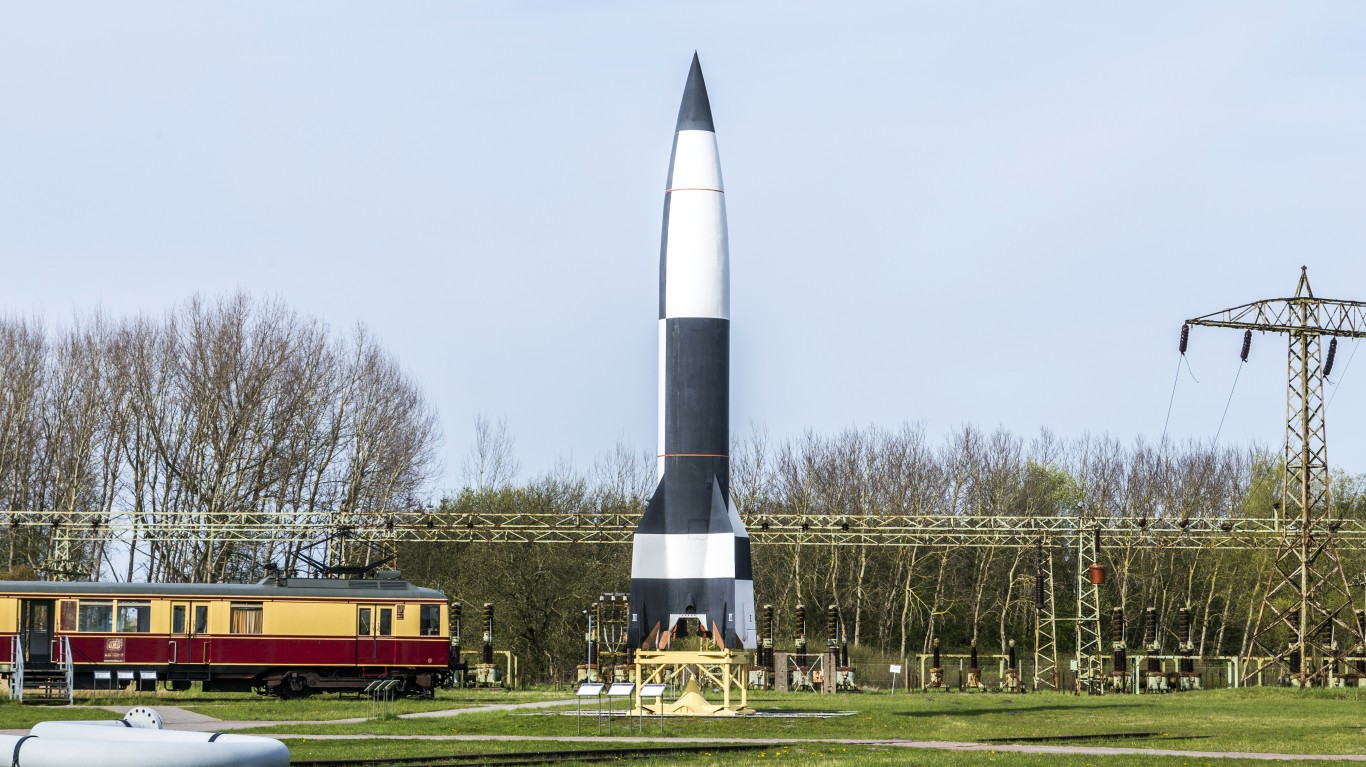
- Country of origin: Germany
- Era: WWII
- Type: Ballistic missile
- Intended role: Strategic terror and infrastructure damage
- Assumed perfect conditions: Uncontested launch sites and mass production
- What went wrong in reality: Poor accuracy and high cost
- Where it actually worked: Psychological impact on cities
- Why it couldn’t scale: Inefficient compared to cost
V-1 Flying Bomb
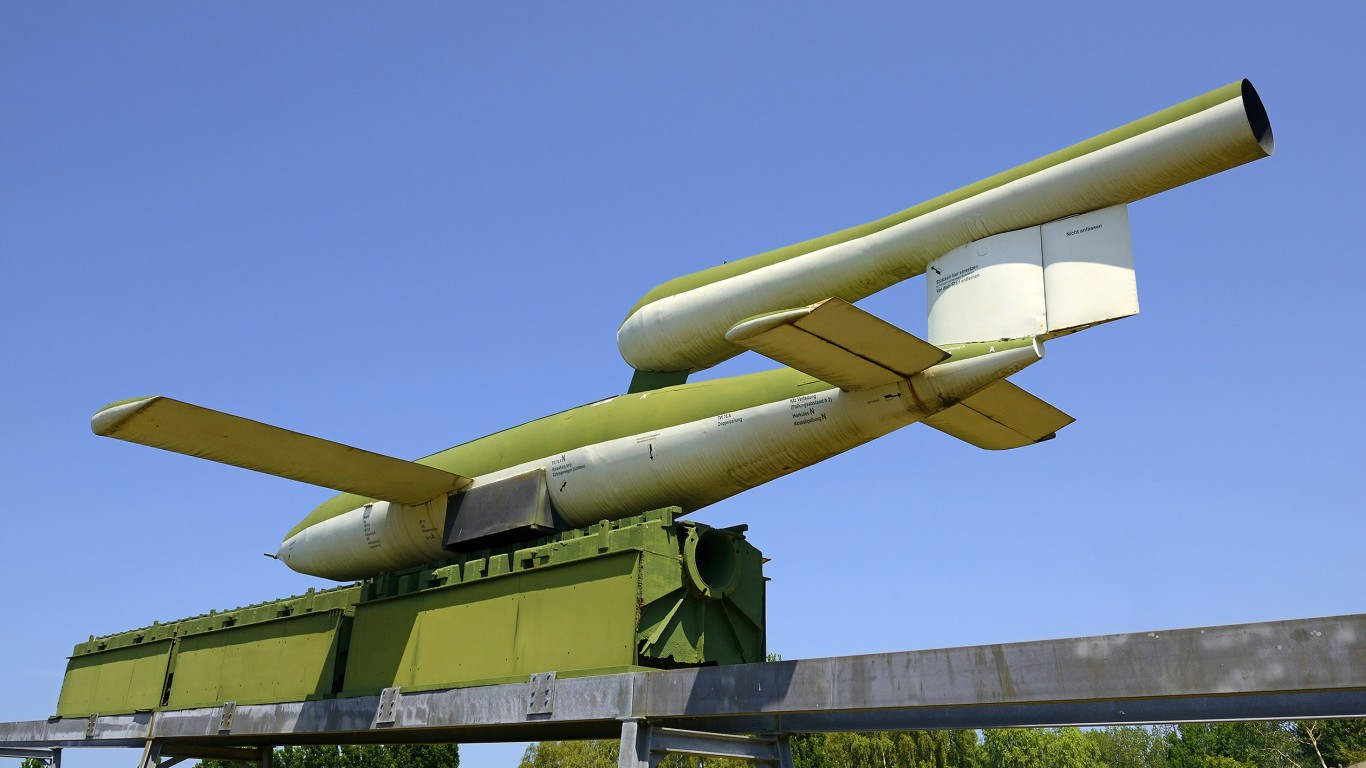
- Country of origin: Germany
- Era: WWII
- Type: Cruise missile
- Intended role: Saturate defenses and strike cities
- Assumed perfect conditions: Limited air defenses and surprise
- What went wrong in reality: Intercepted once defenses adapted
- Where it actually worked: Early strikes on London
- Why it couldn’t scale: Countermeasures quickly reduced impact
Fritz X Guided Bomb
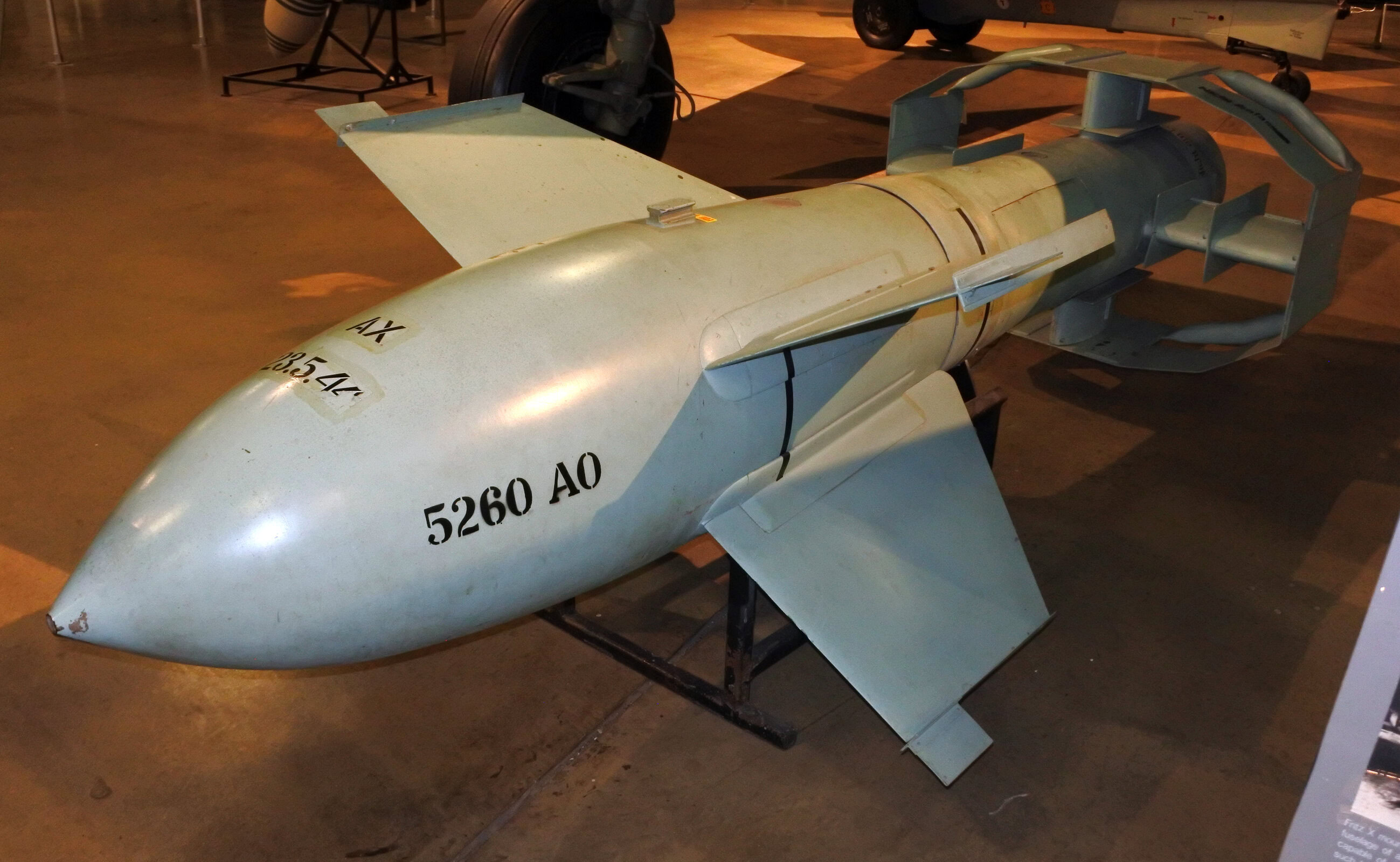
- Country of origin: Germany
- Era: WWII
- Type: Guided munition
- Intended role: Precision attacks on capital ships
- Assumed perfect conditions: Clear weather and stable control aircraft
- What went wrong in reality: Aircraft vulnerability and jamming
- Where it actually worked: Sinking of Italian battleship Roma
- Why it couldn’t scale: Line-of-sight guidance limited use
Hs 293
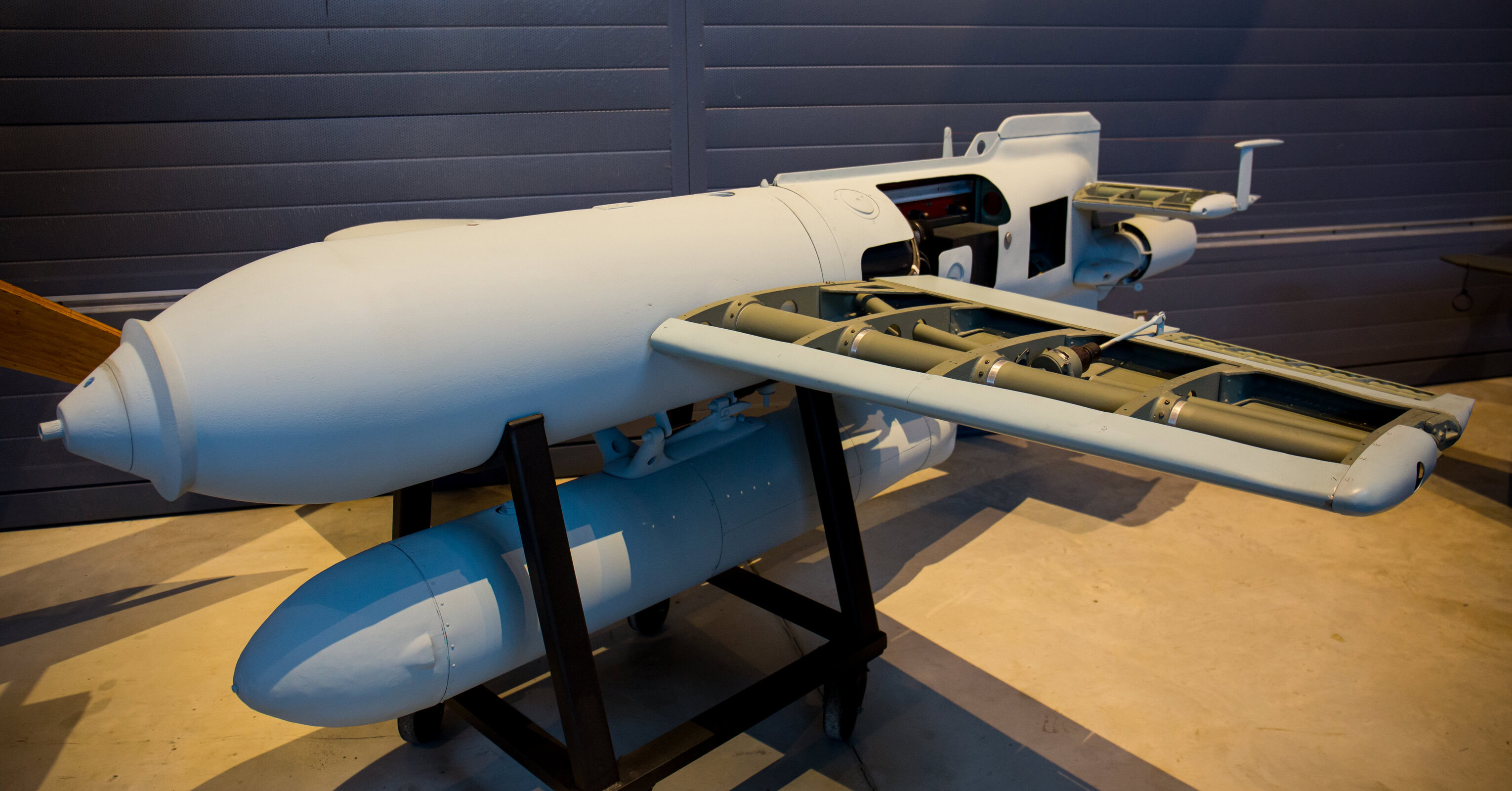
- Country of origin: Germany
- Era: WWII
- Type: Guided anti-ship weapon
- Intended role: Standoff naval strikes
- Assumed perfect conditions: Clear visibility and unopposed bombers
- What went wrong in reality: Guidance easily disrupted
- Where it actually worked: Early Allied shipping losses
- Why it couldn’t scale: Launch aircraft exposed
Me 262 (Interceptor role)

- Country of origin: Germany
- Era: WWII
- Type: Jet fighter
- Intended role: Destroy Allied bombers
- Assumed perfect conditions: Fuel supply, intact runways, trained pilots
- What went wrong in reality: Logistics and training shortages
- Where it actually worked: Local air superiority bursts
- Why it couldn’t scale: Could not be fielded at scale
Davy Crockett
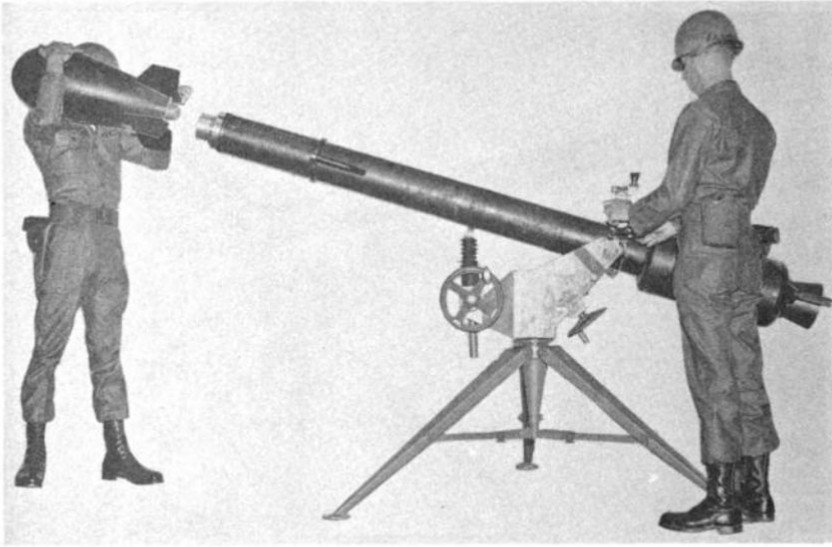
- Country of origin: United States
- Era: Cold War
- Type: Nuclear recoilless weapon
- Intended role: Tactical nuclear battlefield denial
- Assumed perfect conditions: Perfect coordination and terrain
- What went wrong in reality: Dangerously short range
- Where it actually worked: Never used in combat
- Why it couldn’t scale: Narrow theoretical usefulness
MBT-70 / XM803
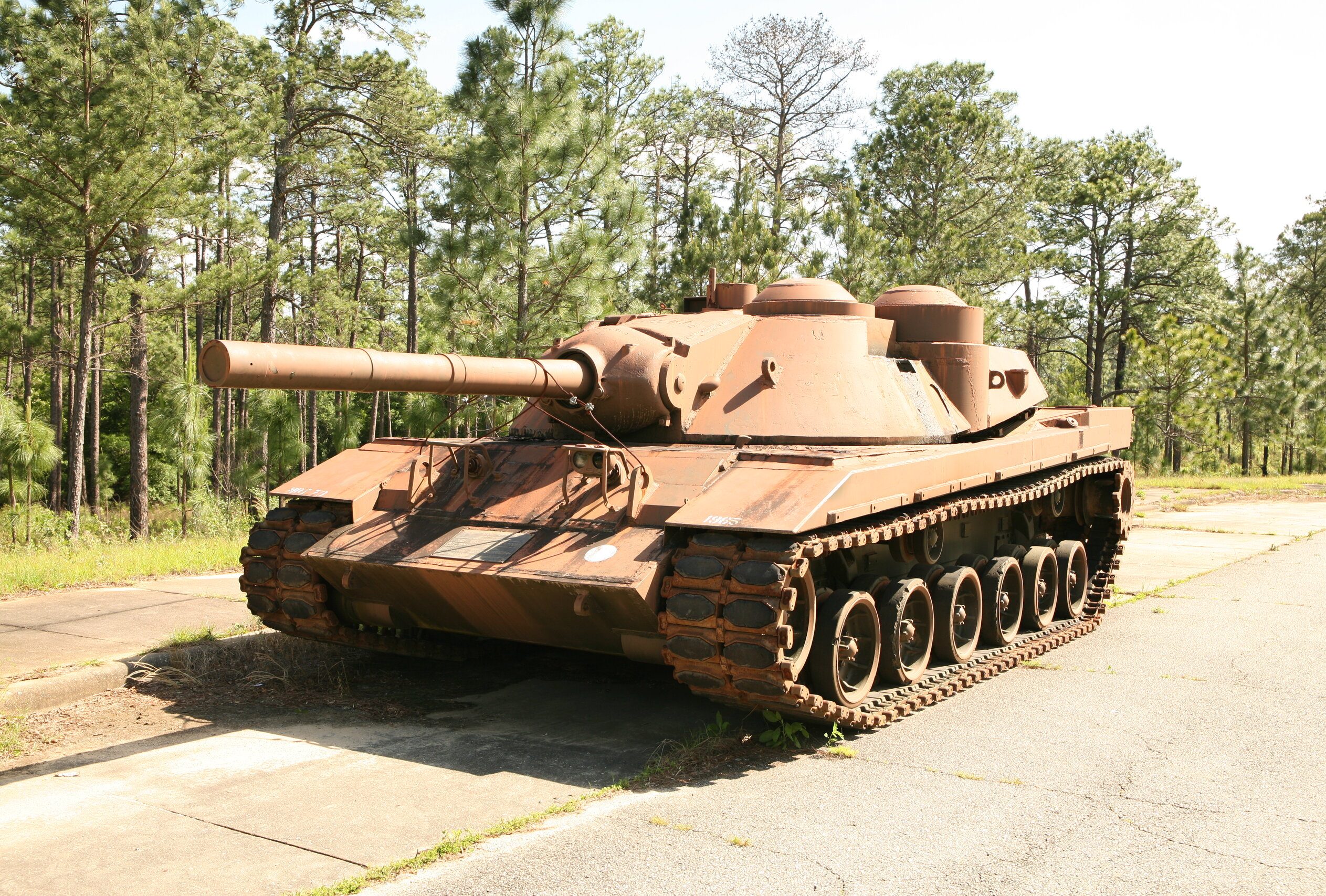
- Country of origin: US / Germany
- Era: Cold War
- Type: Main battle tank
- Intended role: Highly advanced next-gen MBT
- Assumed perfect conditions: Perfect engineering maturity and budgets
- What went wrong in reality: Cost overruns and complexity
- Where it actually worked: Prototype testing only
- Why it couldn’t scale: Technology exceeded feasibility
M551 Sheridan
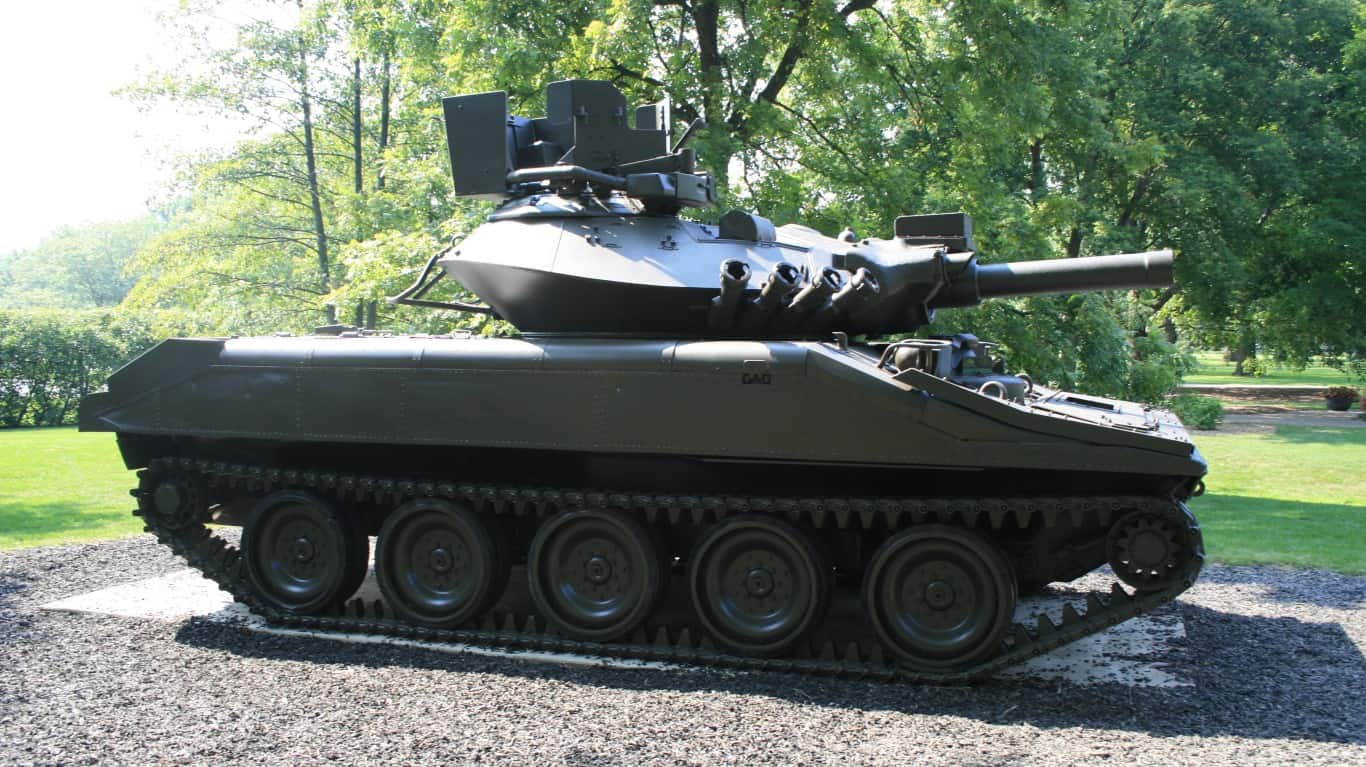
- Country of origin: United States
- Era: Cold War
- Type: Light tank
- Intended role: Air-deployable armored support
- Assumed perfect conditions: Mobility-focused engagements
- What went wrong in reality: Thin armor and reliability issues
- Where it actually worked: Airborne operations
- Why it couldn’t scale: Survivability tradeoffs
M47 Dragon (early)
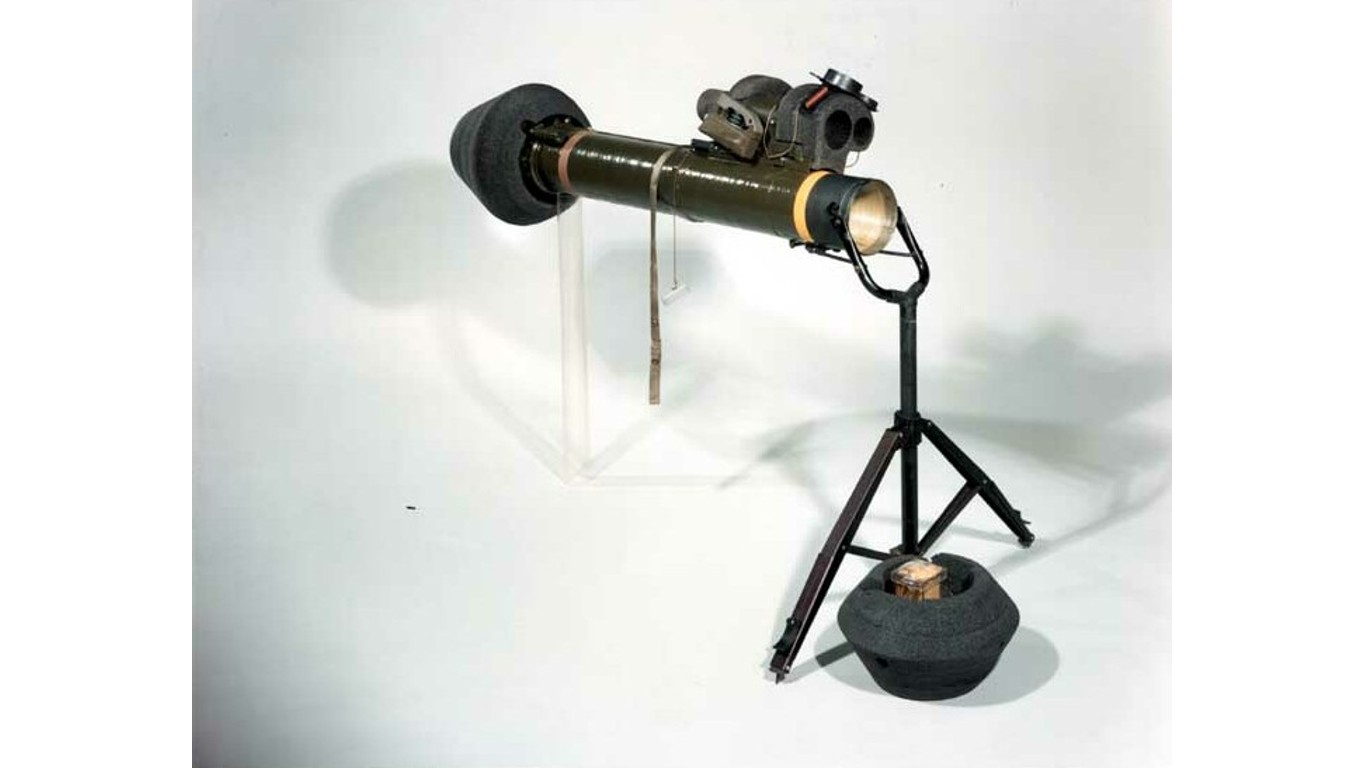
- Country of origin: United States
- Era: Cold War
- Type: ATGM
- Intended role: Infantry anti-tank defense
- Assumed perfect conditions: Calm conditions and stable tracking
- What went wrong in reality: Slow missile and exposed operator
- Where it actually worked: Prepared defensive positions
- Why it couldn’t scale: Operator vulnerability
Early Wire-Guided ATGMs
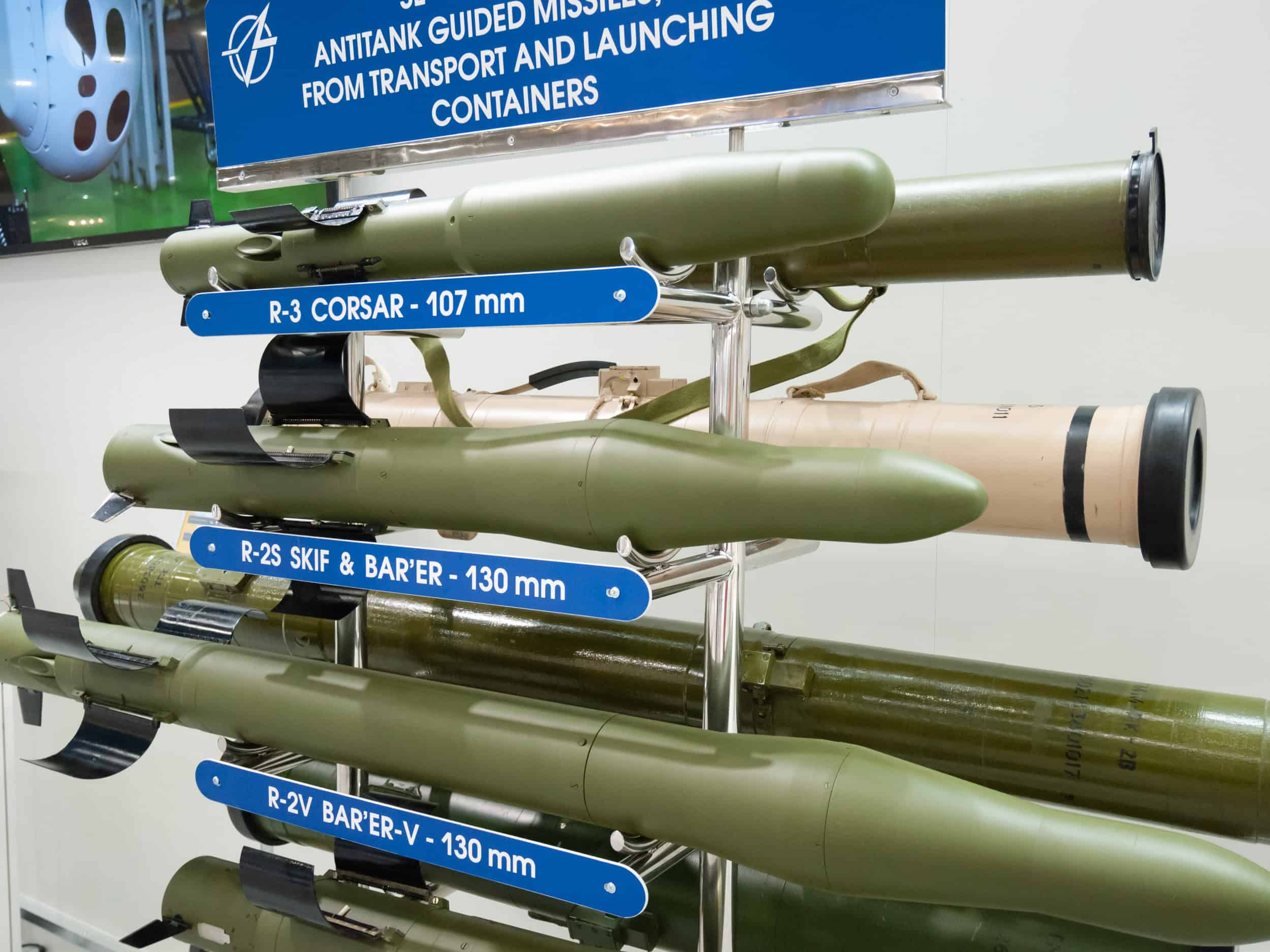
- Country of origin: Various
- Era: Cold War
- Type: ATGM
- Intended role: Defeat armor at long range
- Assumed perfect conditions: Clear line-of-sight
- What went wrong in reality: Susceptible to suppression
- Where it actually worked: Static defensive roles
- Why it couldn’t scale: Line-of-sight constraints
Elefant / Ferdinand
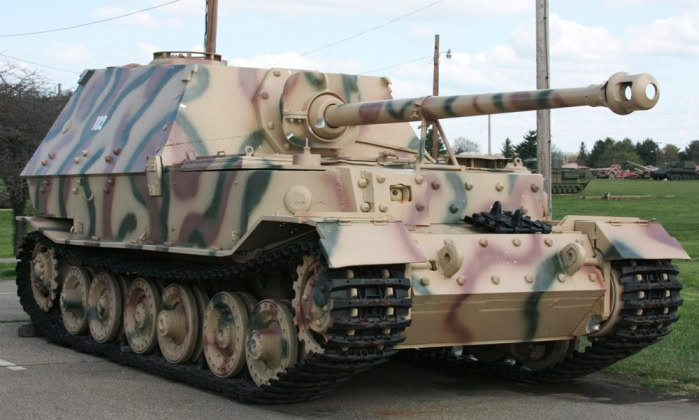
- Country of origin: Germany
- Era: WWII
- Type: Tank destroyer
- Intended role: Long-range tank killing
- Assumed perfect conditions: Open terrain and support
- What went wrong in reality: No close defense
- Where it actually worked: Kursk long-range duels
- Why it couldn’t scale: Poor adaptability
Long Lance Doctrine
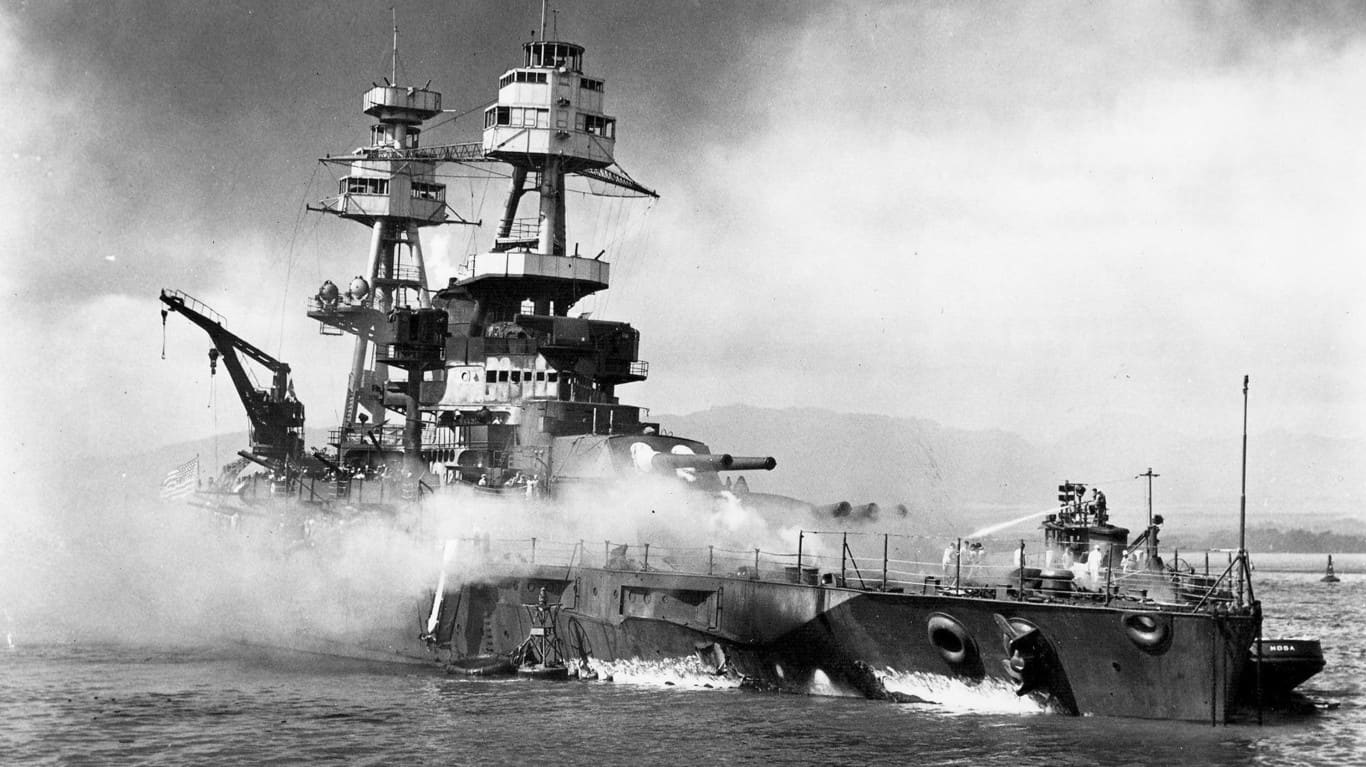
- Country of origin: Japan
- Era: WWII
- Type: Naval torpedo doctrine
- Intended role: Night surprise fleet actions
- Assumed perfect conditions: Surprise and lack of radar
- What went wrong in reality: Radar negated advantage
- Where it actually worked: Early Pacific battles
- Why it couldn’t scale: Doctrine dependency
Yamato-class Battleships
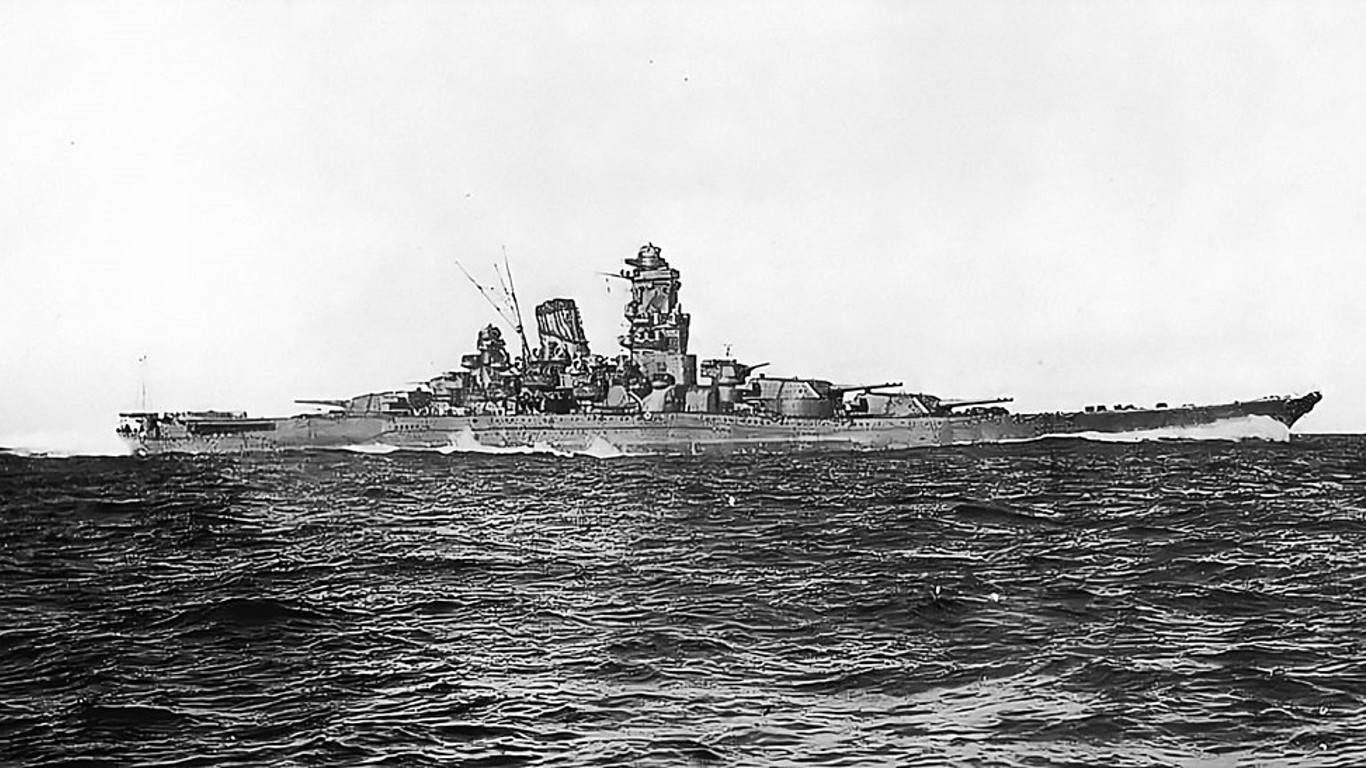
- Country of origin: Japan
- Era: WWII
- Type: Battleship
- Intended role: Decisive fleet engagement
- Assumed perfect conditions: Surface battle dominance
- What went wrong in reality: Airpower made obsolete
- Where it actually worked: Symbolic fleet presence
- Why it couldn’t scale: Concept outdated
Maginot Line
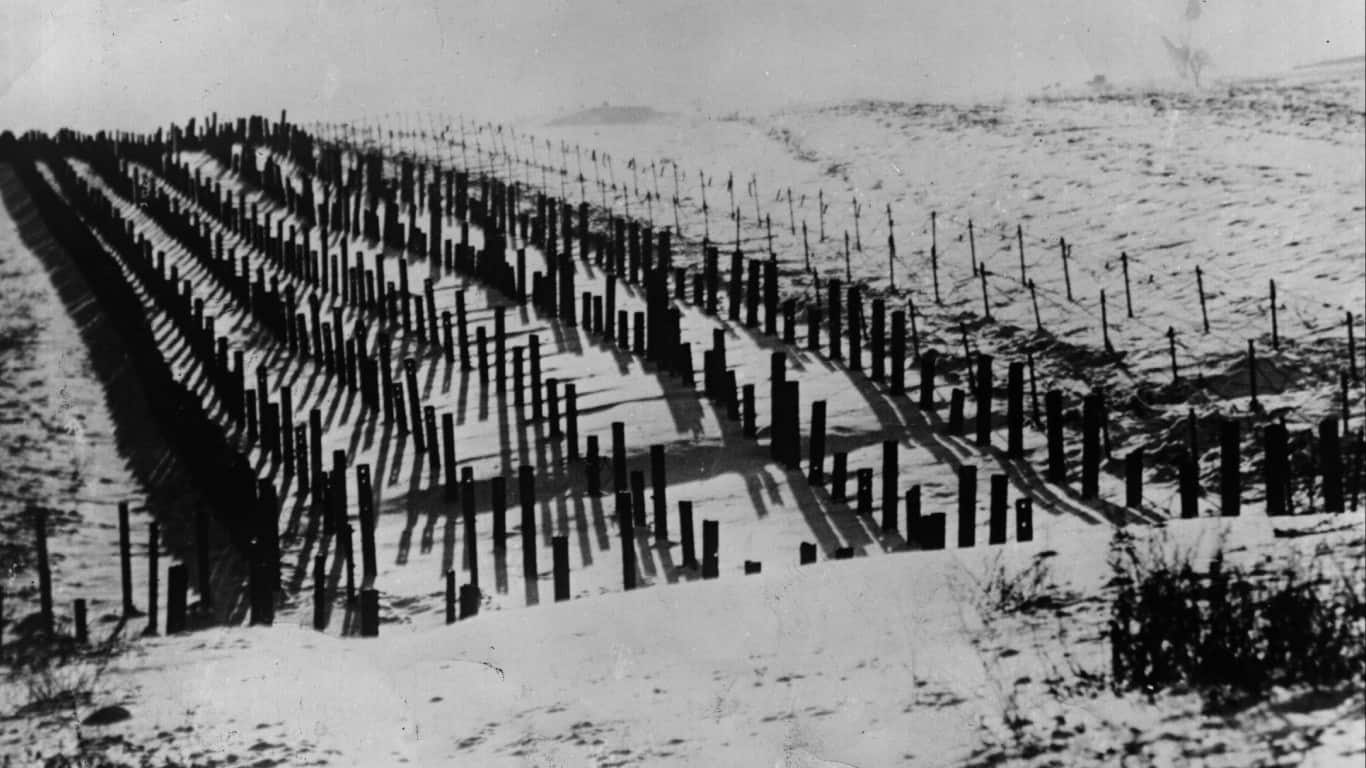
- Country of origin: France
- Era: Interwar
- Type: Fortification system
- Intended role: Block German invasion
- Assumed perfect conditions: Enemy cooperation with geography
- What went wrong in reality: Bypassed entirely
- Where it actually worked: Static defense zones
- Why it couldn’t scale: Inflexible strategy
Tallboy / Grand Slam
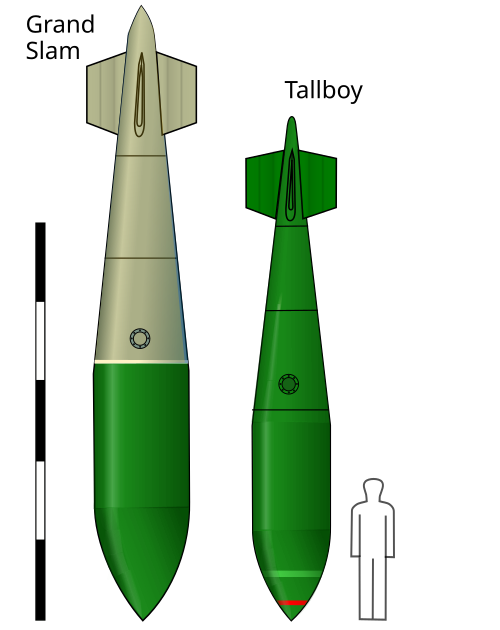
- Country of origin: United Kingdom
- Era: WWII
- Type: Heavy bomb
- Intended role: Destroy hardened targets
- Assumed perfect conditions: Clear weather and bomber access
- What went wrong in reality: Limited targeting windows
- Where it actually worked: Bunker destruction
- Why it couldn’t scale: Operational constraints
High-Altitude Daylight Bombing
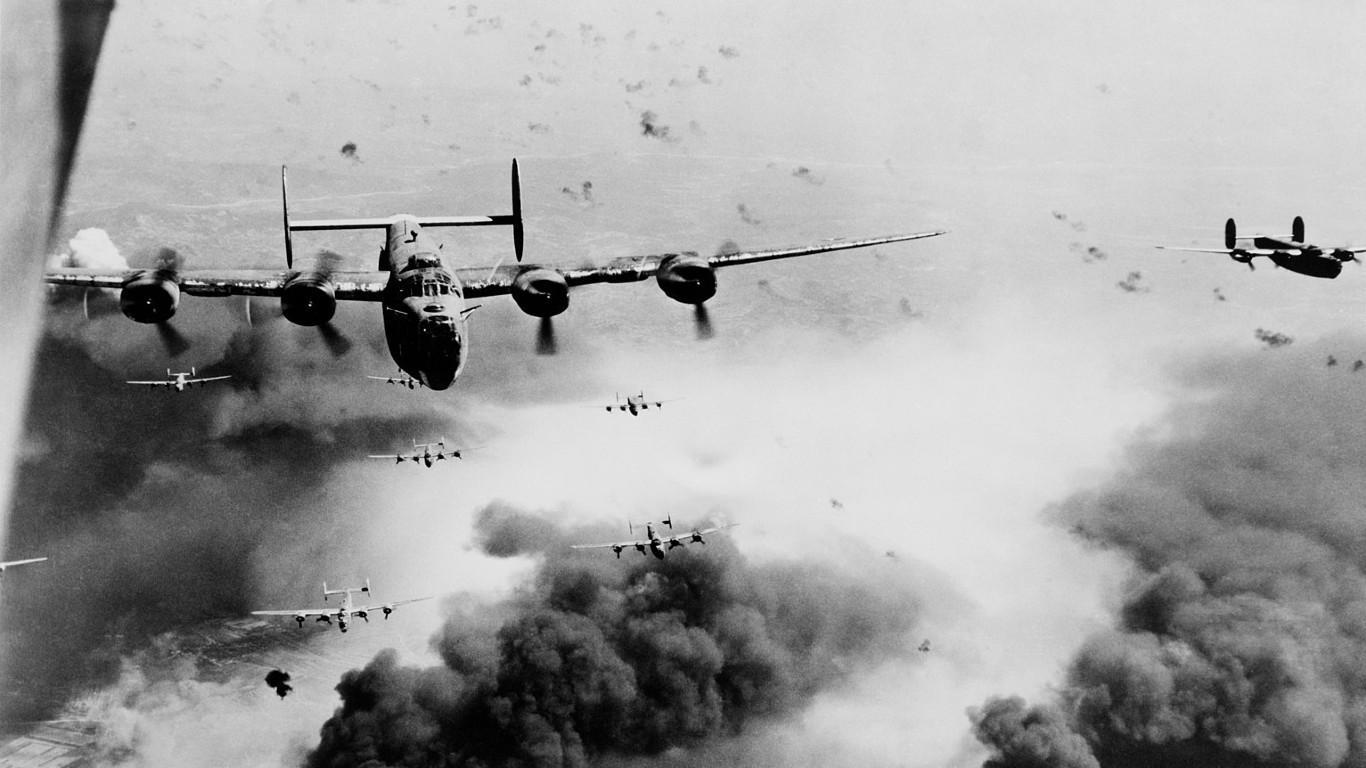
- Country of origin: Allies
- Era: WWII
- Type: Doctrine
- Intended role: Precision industrial destruction
- Assumed perfect conditions: Unescorted bomber survivability
- What went wrong in reality: Heavy losses
- Where it actually worked: Late-war escorted raids
- Why it couldn’t scale: Required air superiority
M14 Rifle
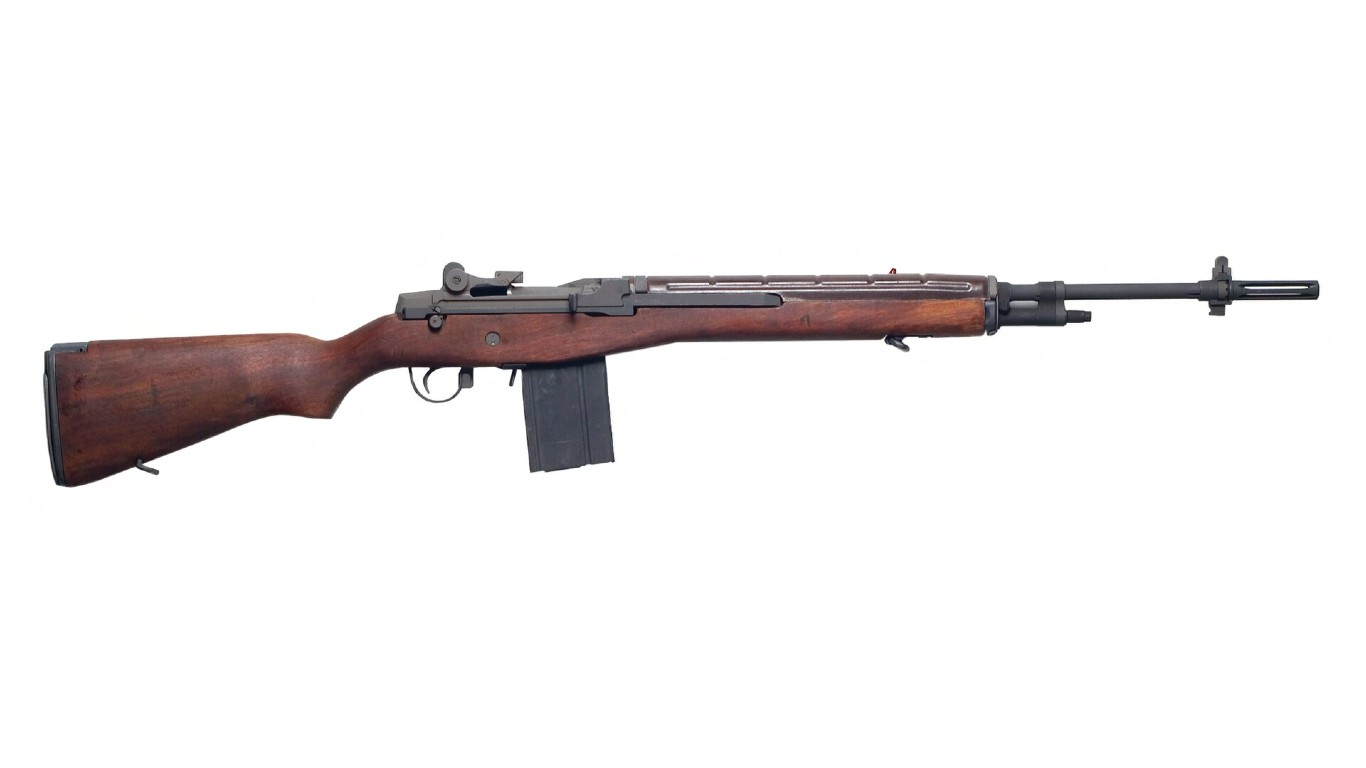
- Country of origin: United States
- Era: Cold War
- Type: Infantry rifle
- Intended role: Universal infantry weapon
- Assumed perfect conditions: Marksmanship-focused combat
- What went wrong in reality: Poor jungle handling
- Where it actually worked: Designated marksman roles
- Why it couldn’t scale: Mismatch with combat reality
Sturmgeschütz (mobile use)
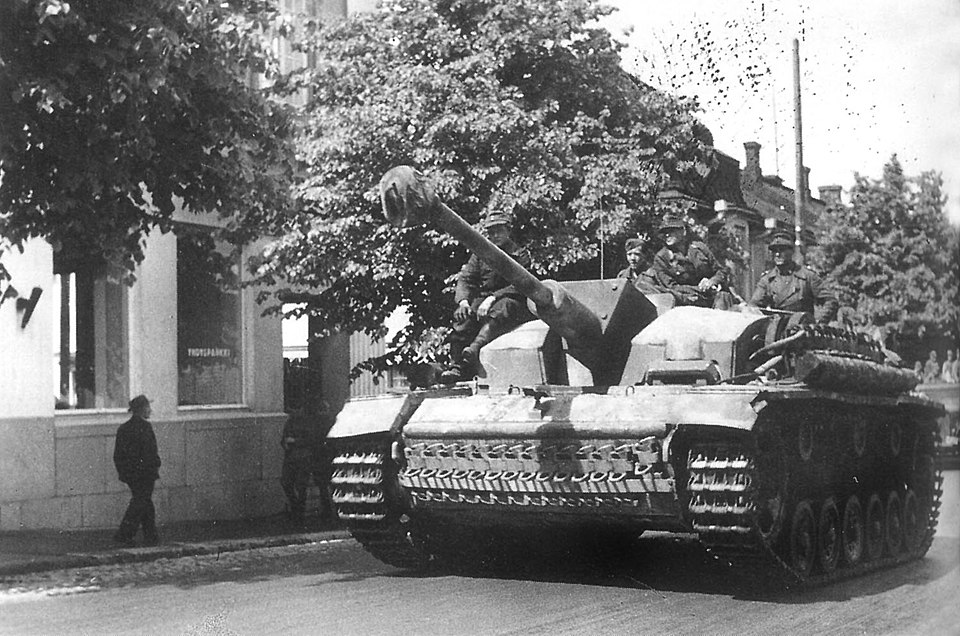
- Country of origin: Germany
- Era: WWII
- Type: Assault gun
- Intended role: Mobile armored support
- Assumed perfect conditions: Prepared ambushes
- What went wrong in reality: Limited flexibility
- Where it actually worked: Defensive operations
- Why it couldn’t scale: Role misuse
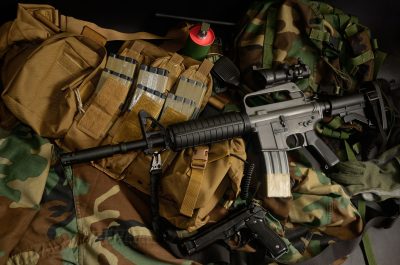
M16A1 (early Vietnam)
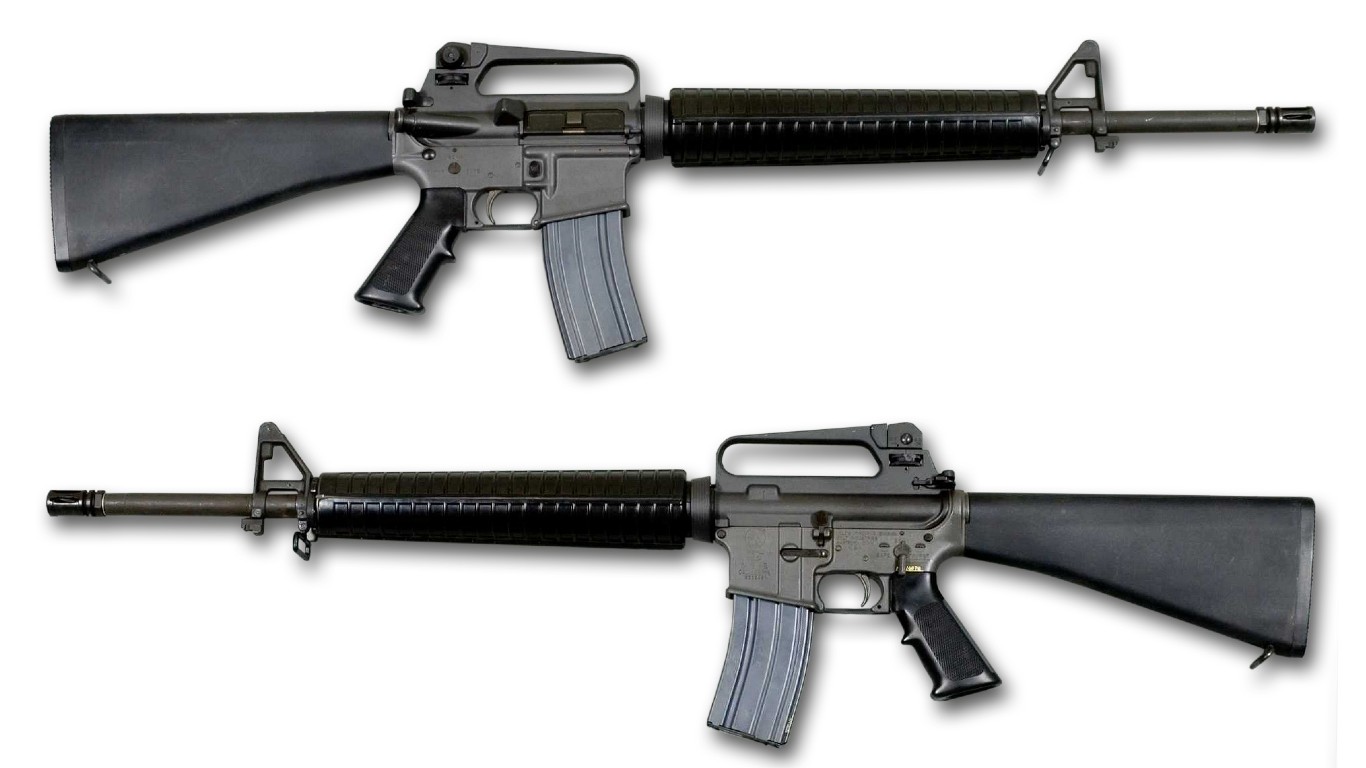
- Country of origin: United States
- Era: Cold War
- Type: Infantry rifle
- Intended role: Lightweight automatic rifle
- Assumed perfect conditions: Clean ammo and maintenance
- What went wrong in reality: Jamming issues
- Where it actually worked: Later corrected service
- Why it couldn’t scale: Ammo assumptions
Chieftain Tank Powertrain
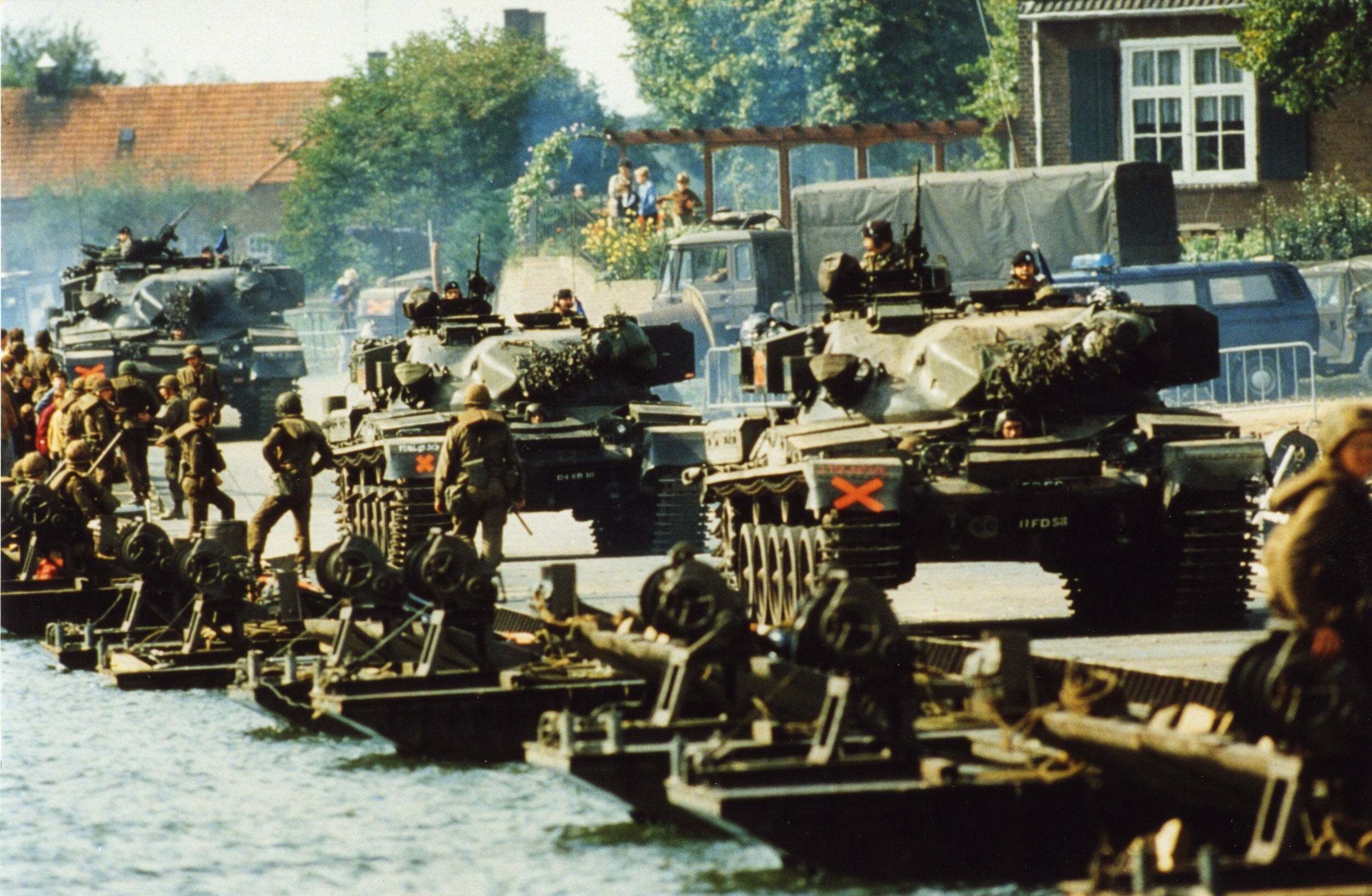
- Country of origin: United Kingdom
- Era: Cold War
- Type: Main battle tank
- Intended role: High firepower MBT
- Assumed perfect conditions: Controlled operating conditions
- What went wrong in reality: Engine reliability issues
- Where it actually worked: Defensive deployments
- Why it couldn’t scale: Maintenance burden
Early Radar-Guided SAMs
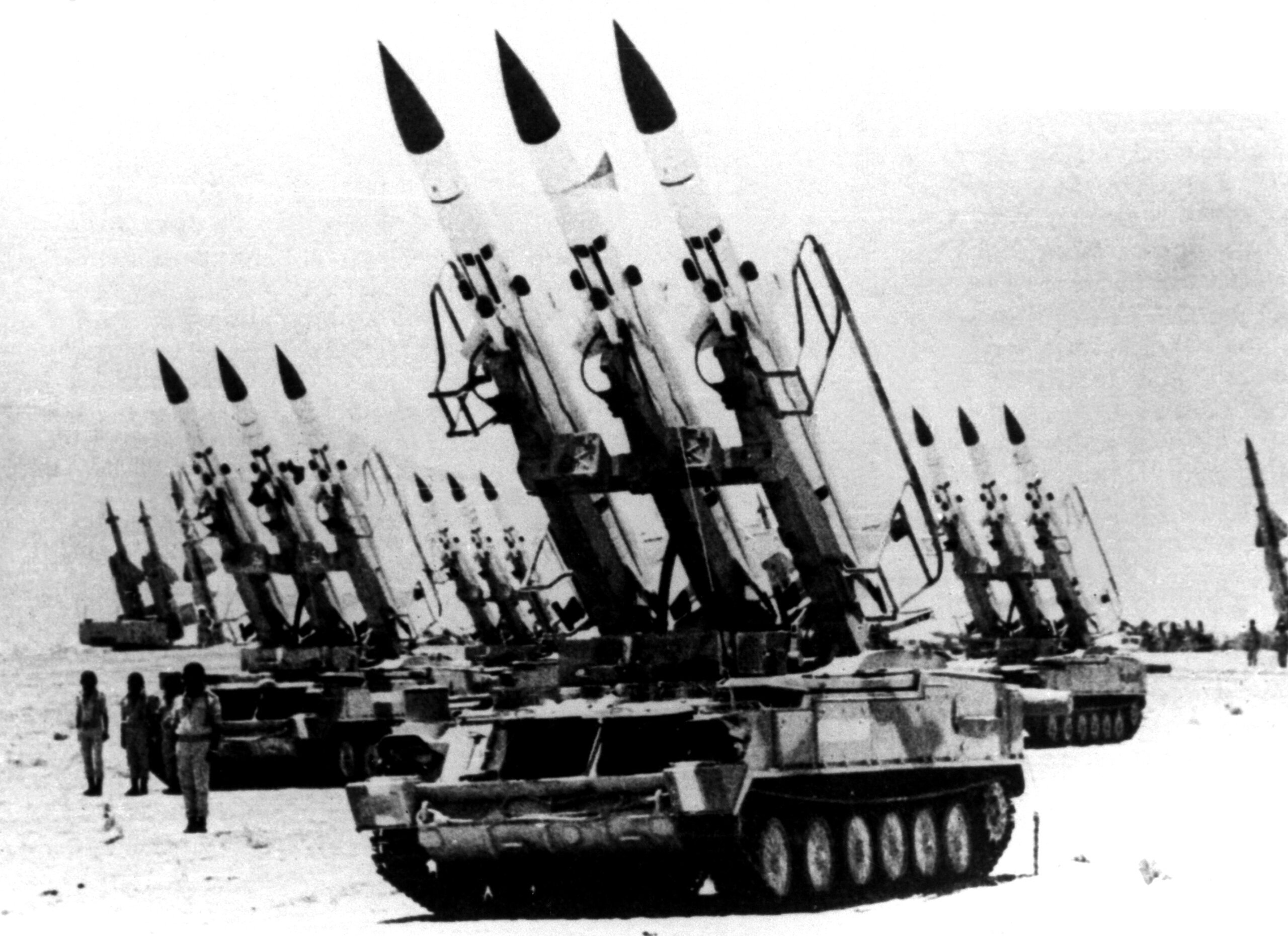
- Country of origin: Various
- Era: Cold War
- Type: Air defense missile
- Intended role: Defeat predictable aircraft
- Assumed perfect conditions: Minimal ECM
- What went wrong in reality: Electronic countermeasures
- Where it actually worked: Early air defense success
- Why it couldn’t scale: Adaptation by attackers
Cluster Munitions (complex terrain)
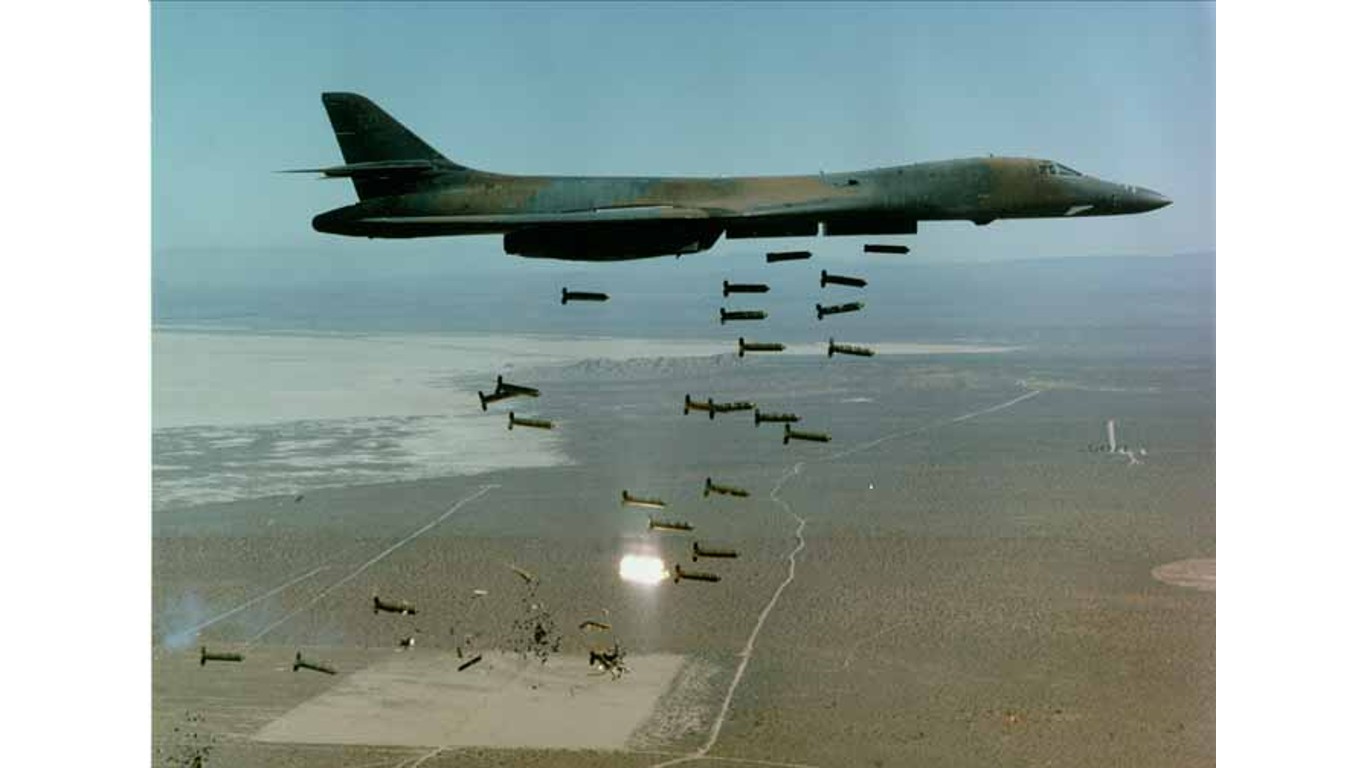
- Country of origin: Various
- Era: Modern
- Type: Area munition
- Intended role: Area denial and saturation
- Assumed perfect conditions: Open terrain
- What went wrong in reality: Terrain and ROE limits
- Where it actually worked: Open battlefield use
- Why it couldn’t scale: Environmental sensitivity
Battleship-Centric Doctrine
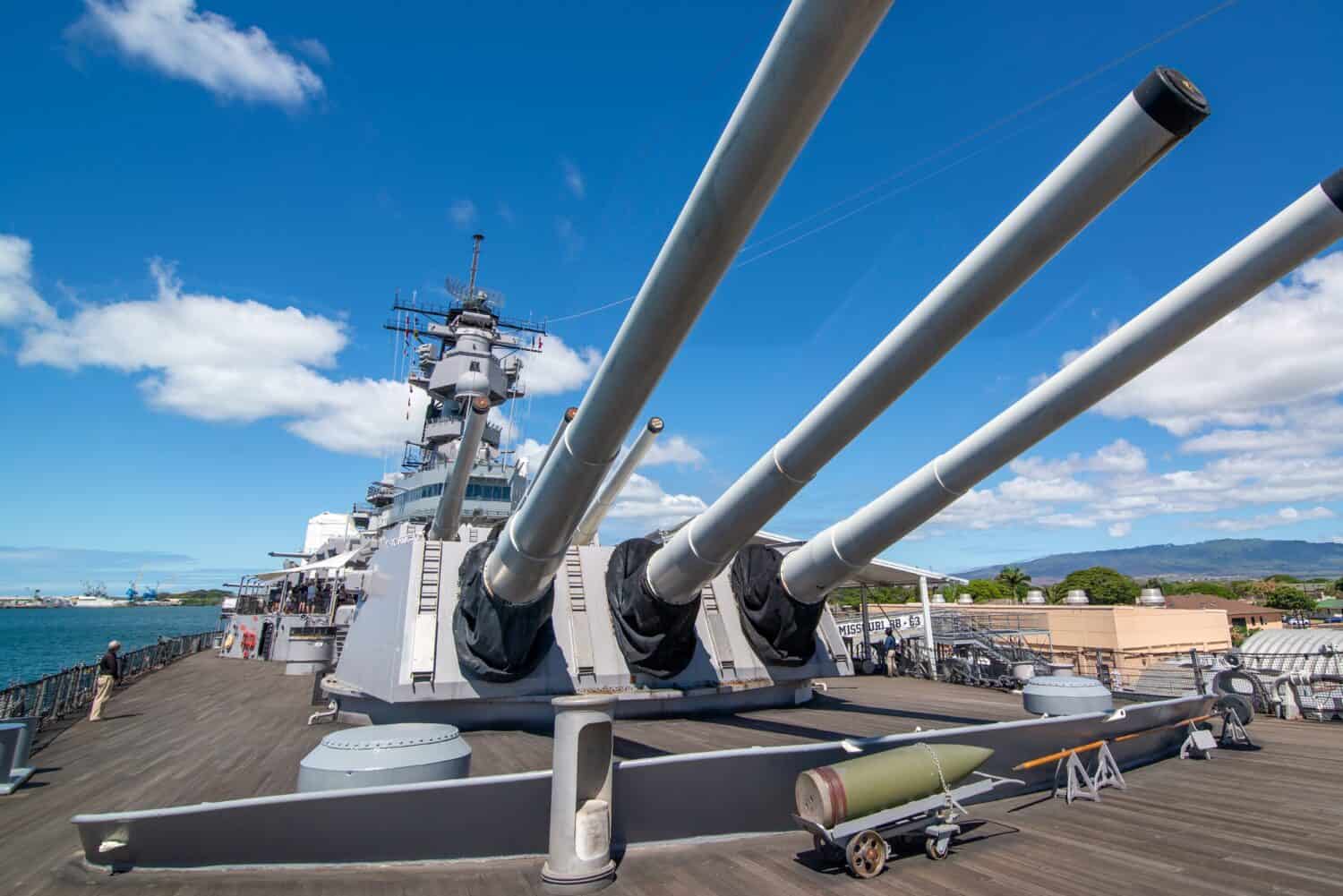
- Country of origin: Various
- Era: Interwar
- Type: Naval doctrine
- Intended role: Decisive surface engagement
- Assumed perfect conditions: Fleet confrontation
- What went wrong in reality: Airpower dominance
- Where it actually worked: Pre-WWII planning
- Why it couldn’t scale: Strategic mismatch
Rail-Dependent Weapons Systems

- Country of origin: Various
- Era: WWII
- Type: Logistics-based systems
- Intended role: Heavy firepower deployment
- Assumed perfect conditions: Intact infrastructure
- What went wrong in reality: Infrastructure vulnerability
- Where it actually worked: Rear-area operations
- Why it couldn’t scale: Fragile logistics
High-Speed Interceptors (low endurance)
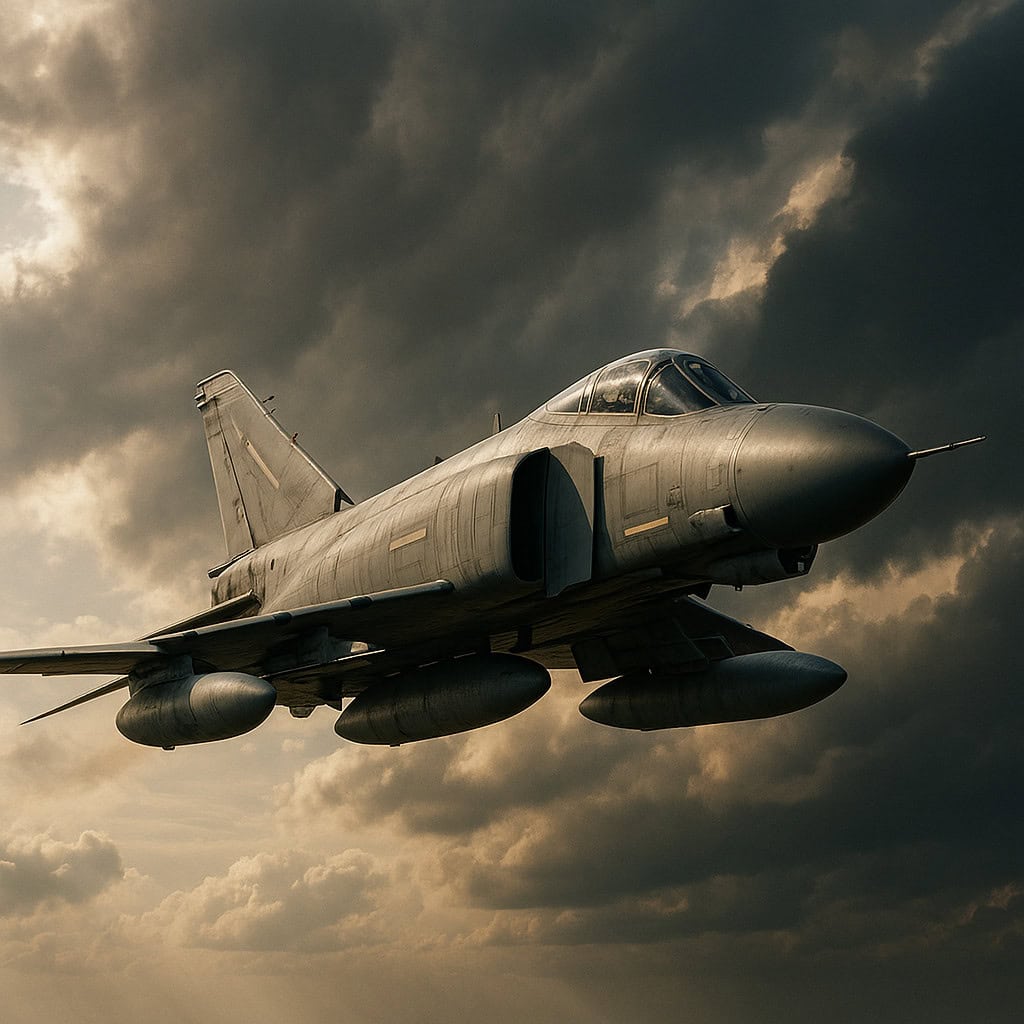
- Country of origin: Various
- Era: Cold War
- Type: Interceptor aircraft
- Intended role: Rapid bomber interception
- Assumed perfect conditions: Perfect cueing and timing
- What went wrong in reality: Short loiter time
- Where it actually worked: Point-defense roles
- Why it couldn’t scale: Operational inflexibility




 Top Gaining Stocks
 Top Losing Stocks