


History has shown that wars are capable of evolving faster than aircraft design cycles. Platforms optimized for nuclear standoffs, bomber interception, or large-scale peer conflict often found themselves operating in regional wars, counterinsurgencies, or airspaces dominated by new defenses. The result was a growing gap between what these aircraft were built to do and what they were actually asked to accomplish. Here, 24/7 Wall St. is taking a closer look at the combat aircraft that were built for the wrong war.
To determine the combat aircraft that were built for the wrong war, 24/7 Wall St. reviewed various historical and military sources. We included supplemental information regarding which countries these aircraft served, what their primary mission was, and ultimately why each was built for the wrong war.
There are a couple interesting facts to note when considering the evolution of any technology over the course of a war. World War II began with some major powers still using horse driven cavalry in combat, while the conflict ended less than a decade later with the dropping of the first nuclear bomb. Only a few short years separated vastly different generations of warfare, and the evolution of aircraft is no different with many of these jets living on the cutting-edge of tech, at least for now.
Here is a look at the combat aircraft built for the wrong war:
Why Are We Covering This?
Combat aircraft built for the wrong war highlight how difficult it is to predict the future of conflict and how costly those miscalculations can be. These platforms were often technically advanced and built around sound assumptions at the time, yet struggled when real-world warfare evolved in unexpected directions. By examining where design intent and combat reality diverged, this shows why adaptability matters more than perfect forecasting and why military power is ultimately shaped by how well systems adjust once war begins.
Designed Around Assumptions
Combat aircraft are often designed decades before the wars they ultimately fight. Strategic forecasts, intelligence estimates, and doctrinal assumptions shape requirements long in advance, especially during periods of intense rivalry like the Cold War. In many cases, aircraft were optimized for specific enemies, environments, and combat models that never materialized.
When the War Didn’t Match the Design
When real conflicts emerged, they frequently looked nothing like what planners had anticipated. Nuclear standoffs gave way to regional wars, counterinsurgency campaigns, and airspaces saturated with surface-to-air missiles. As a result, some aircraft entered service just as their core missions were becoming less relevant or obsolete.
Adaptation Became Survival
For many platforms, adaptation became the difference between relevance and retirement. Aircraft that could be reassigned new missions, upgraded with modern sensors, or integrated into changing doctrine survived. Others struggled because their original designs left little room for flexibility once assumptions proved wrong.
The Cost of Getting the War Wrong
Building for the wrong war carried real consequences. Some aircraft were retired early, others required costly redesigns, and several programs were canceled outright. These outcomes reflected not engineering failure, but the high price of strategic miscalculation and rigid planning.
What These Aircraft Teach Us
Together, these aircraft offer enduring lessons. They show the limits of predicting future warfare and the importance of adaptability in military design. More broadly, they demonstrate that no combat aircraft is truly future-proof when wars evolve faster than doctrine and technology cycles.
F-106 Delta Dart
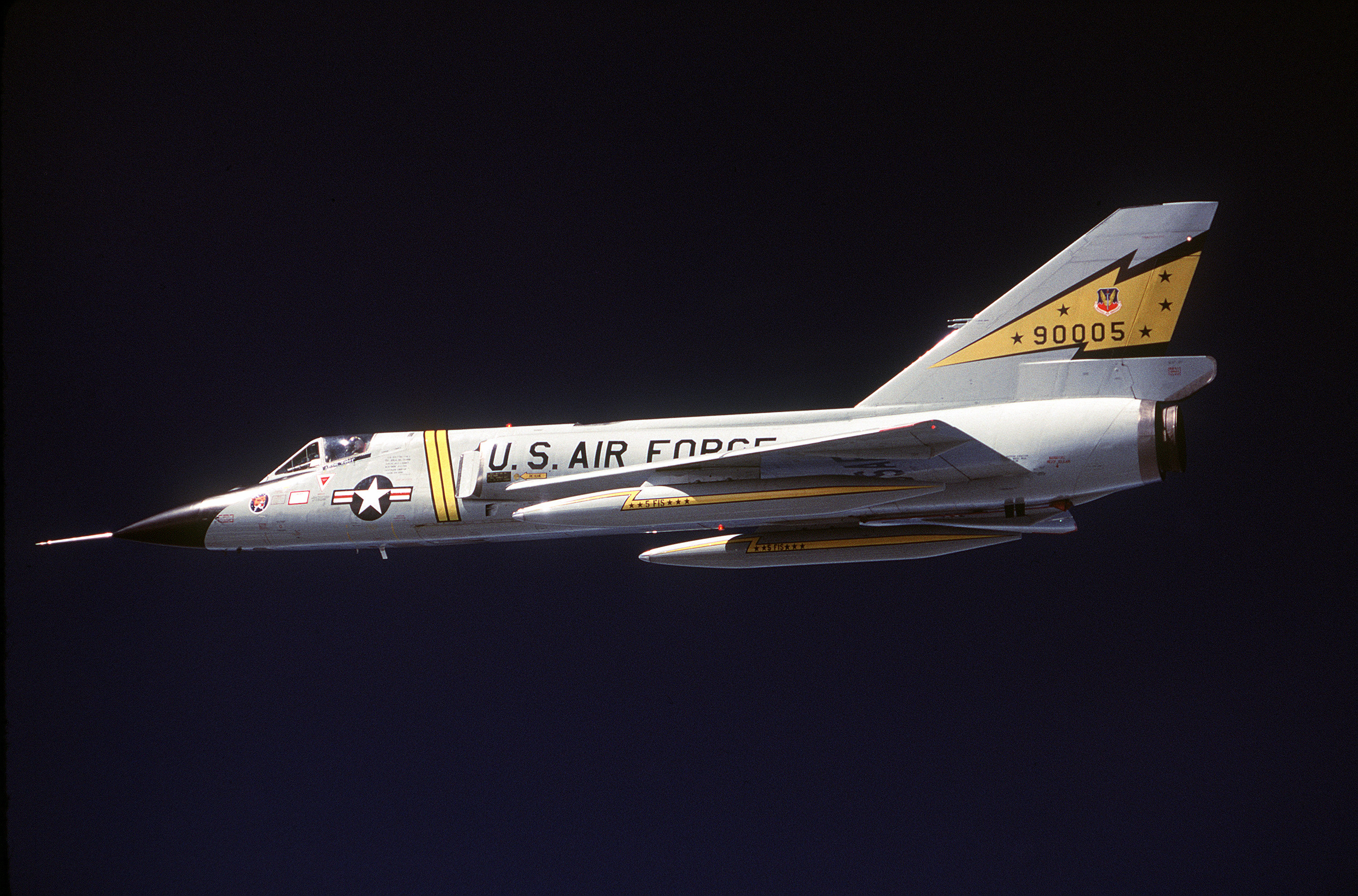
- Country: United States (USAF)
- Year introduced to service: 1959
- Intended war or threat model: Nuclear bomber interception
- Original primary mission: High-speed interceptor
- Actual conflicts or missions flown: Never fought intended nuclear bomber threat
- Why it was built for the wrong war: Cold War bomber threat vanished
- How it was adapted: Limited secondary roles
The F-106 was designed to intercept Soviet nuclear bombers at high speed, a mission that never materialized. As air defense doctrine shifted and bomber threats evolved, the aircraft found little relevance outside its original role, becoming a symbol of Cold War planning overtaken by events.
F-102 Delta Dagger
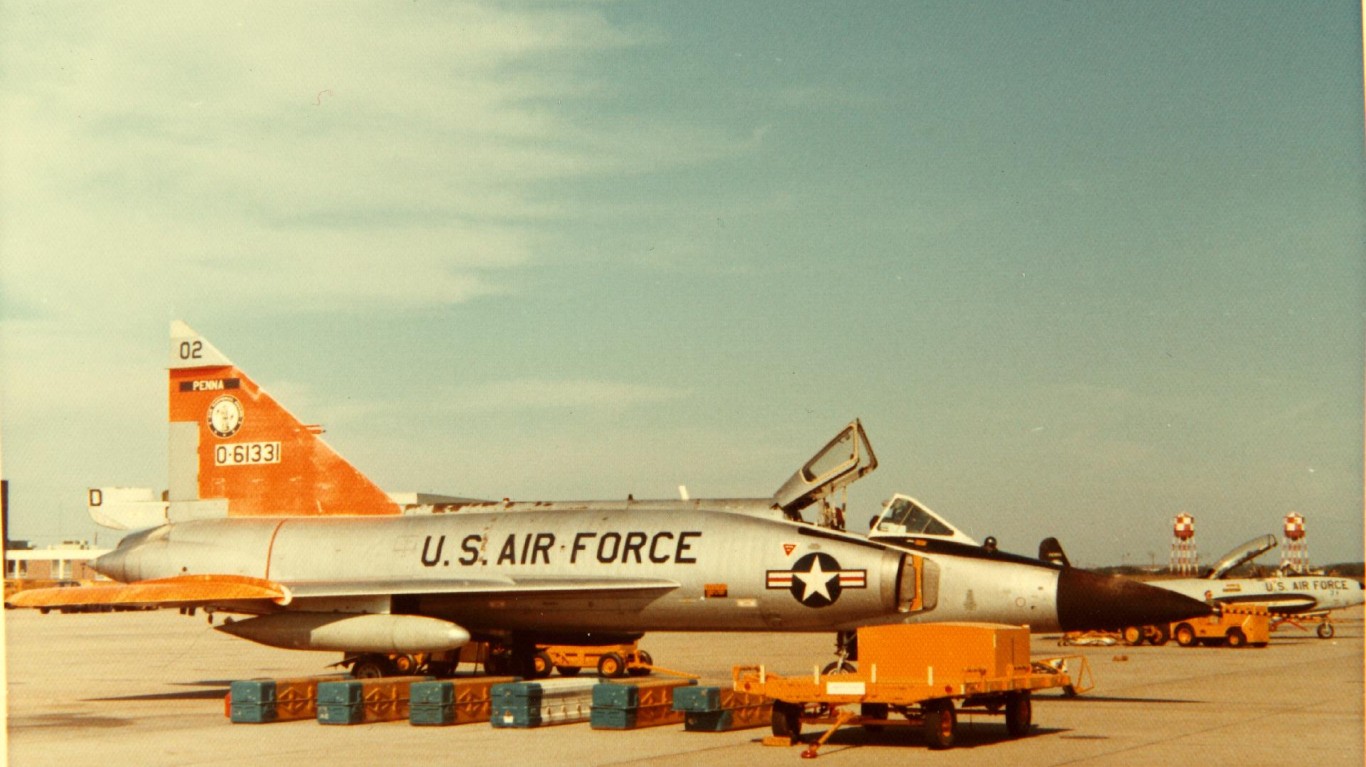
- Country: United States (USAF)
- Year introduced to service: 1956
- Intended war or threat model: Nuclear bomber interception
- Original primary mission: Interceptor
- Actual conflicts or missions flown: Vietnam air combat and patrol
- Why it was built for the wrong war: Missile-only doctrine failed
- How it was adapted: Limited gun pods and upgrades
The F-102 was optimized for missile-based interception of bombers, but Vietnam exposed its shortcomings against maneuvering fighters. Its design reflected assumptions about future wars that proved inaccurate once combat demanded flexibility.
MiG-25 Foxbat
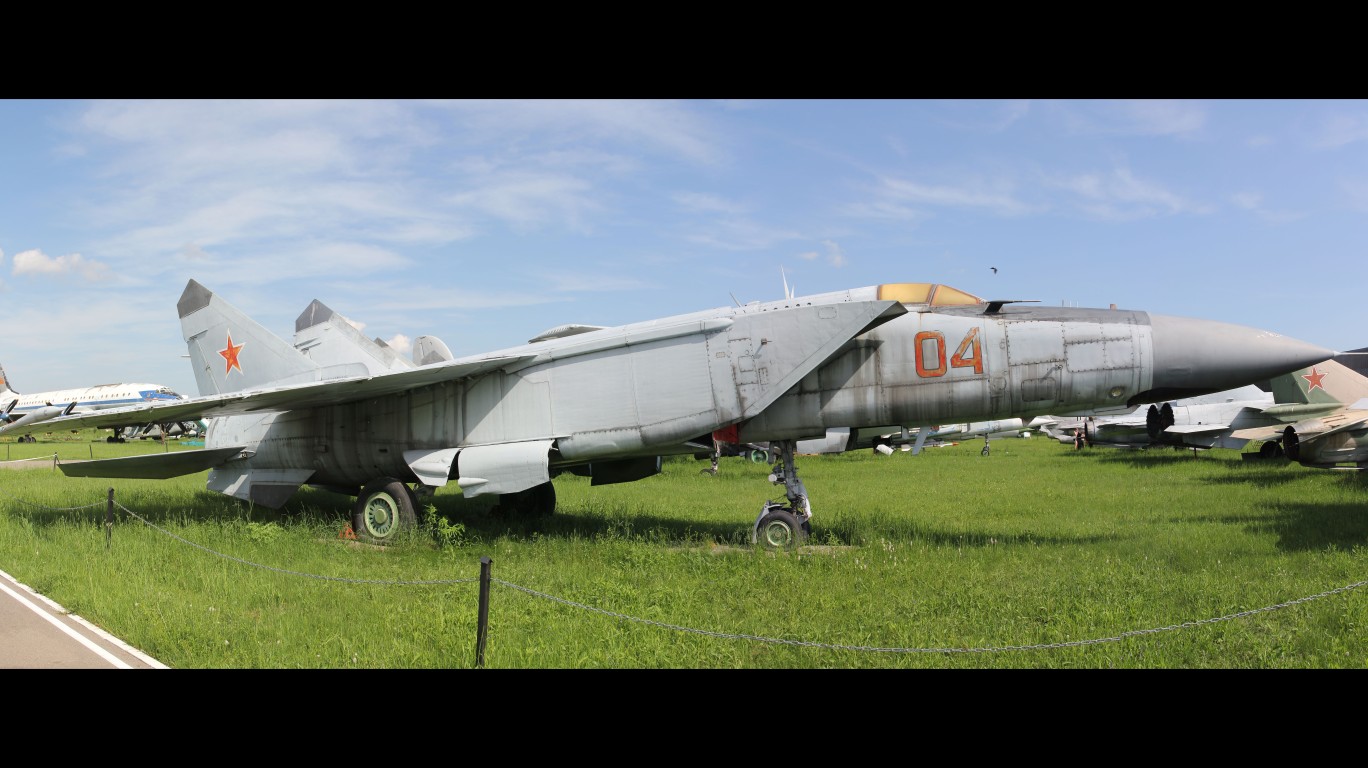
- Country: Soviet Union
- Year introduced to service: 1970
- Intended war or threat model: High-speed bomber interception
- Original primary mission: Interceptor
- Actual conflicts or missions flown: Air defense and reconnaissance
- Why it was built for the wrong war: Threat overestimated
- How it was adapted: Minor upgrades
The MiG-25 was built to counter high-speed bombers that never appeared in large numbers. Its extreme performance masked limitations that reduced effectiveness in more flexible combat roles.
English Electric Lightning
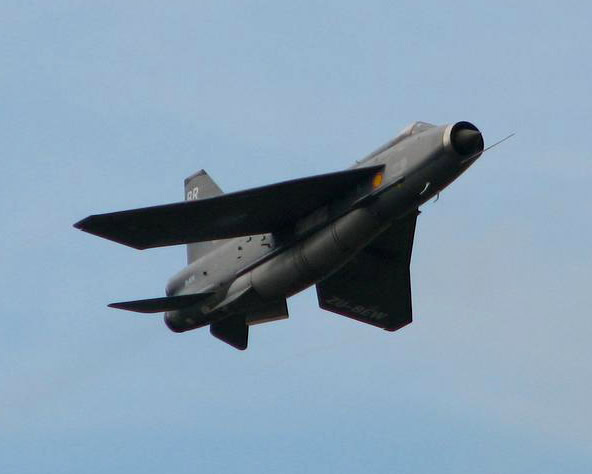
- Country: United Kingdom
- Year introduced to service: 1960
- Intended war or threat model: UK airspace defense
- Original primary mission: Point-defense interceptor
- Actual conflicts or missions flown: Air policing
- Why it was built for the wrong war: Short range and endurance
- How it was adapted: Minimal adaptation
The Lightning was designed for rapid interception over Britain, but limited range and endurance made it ill-suited for evolving NATO missions beyond homeland defense.
MiG-31 Foxhound
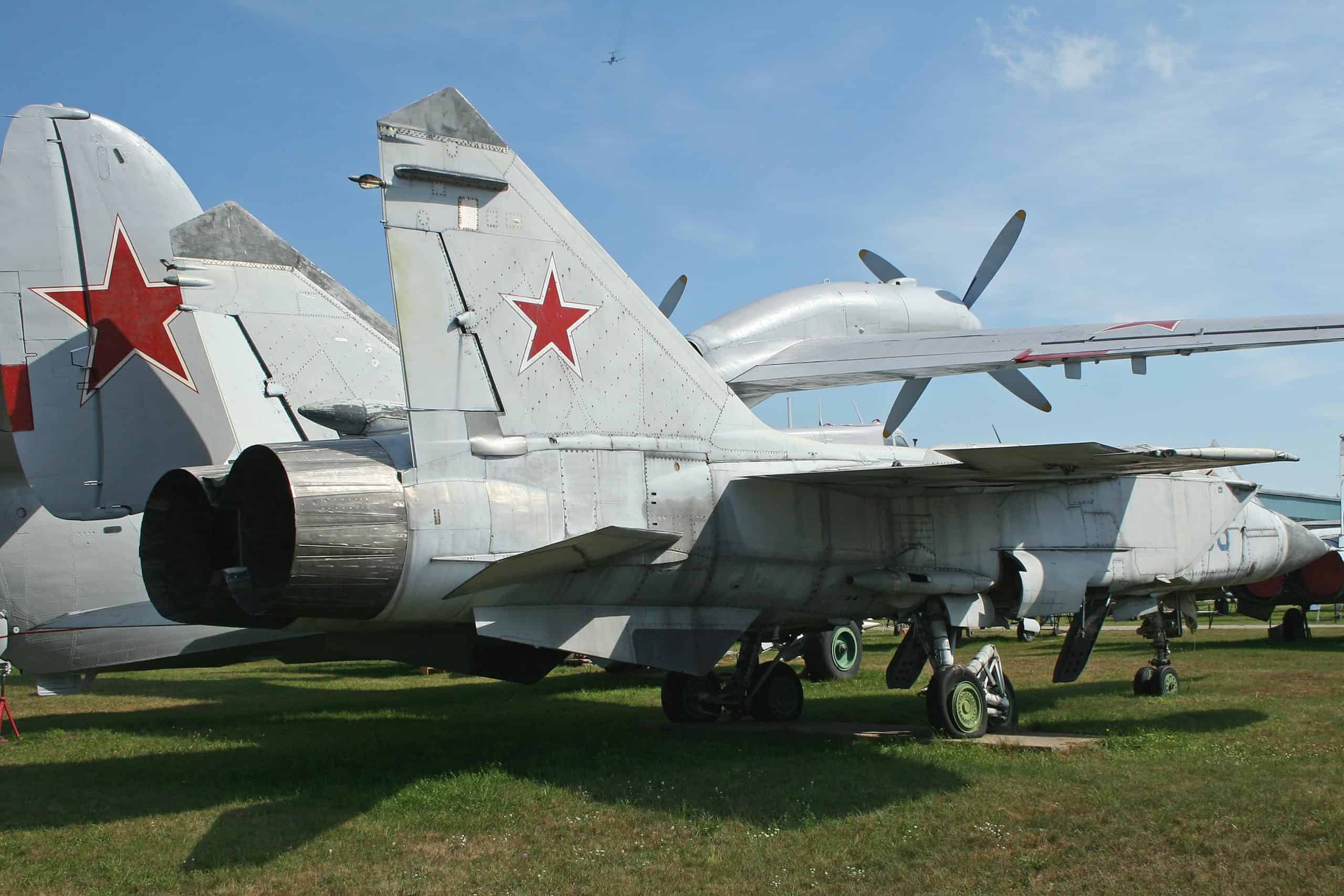
- Country: Soviet Union / Russia
- Year introduced to service: 1981
- Intended war or threat model: NATO bomber interception
- Original primary mission: Long-range interceptor
- Actual conflicts or missions flown: Air defense patrols
- Why it was built for the wrong war: Cold War ended
- How it was adapted: Avionics upgrades
The MiG-31 was built to stop NATO bombers, a mission diminished after the Cold War. While upgraded, its relevance narrowed as the threat environment changed.
Su-15 Flagon
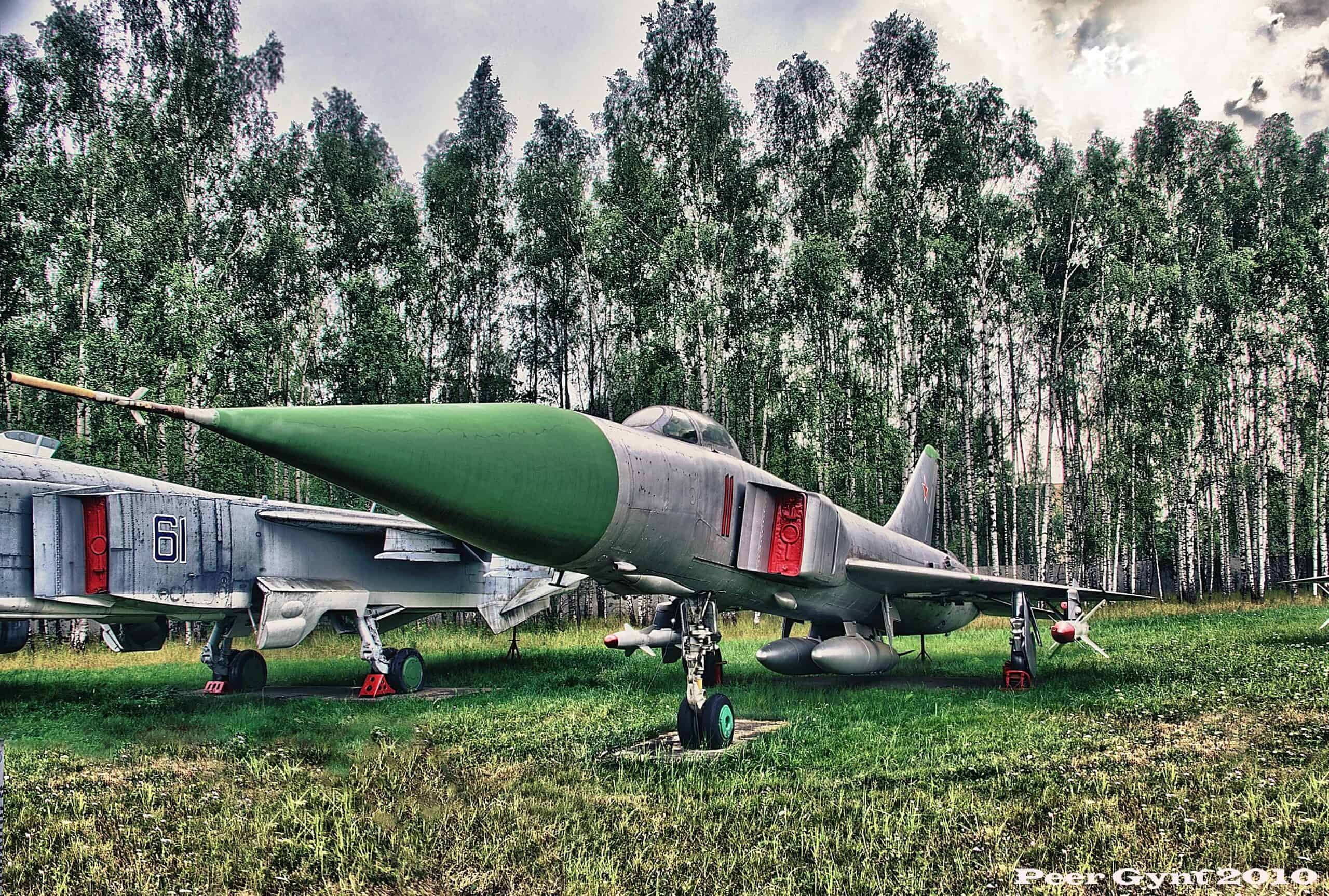
- Country: Soviet Union
- Year introduced to service: 1965
- Intended war or threat model: Air defense interceptor
- Original primary mission: Interceptor
- Actual conflicts or missions flown: Air defense incidents
- Why it was built for the wrong war: Doctrine rigidity
- How it was adapted: Minimal adaptation
The Su-15 embodied rigid interceptor doctrine and struggled to adapt as air combat requirements evolved beyond its narrow design focus.
B-58 Hustler
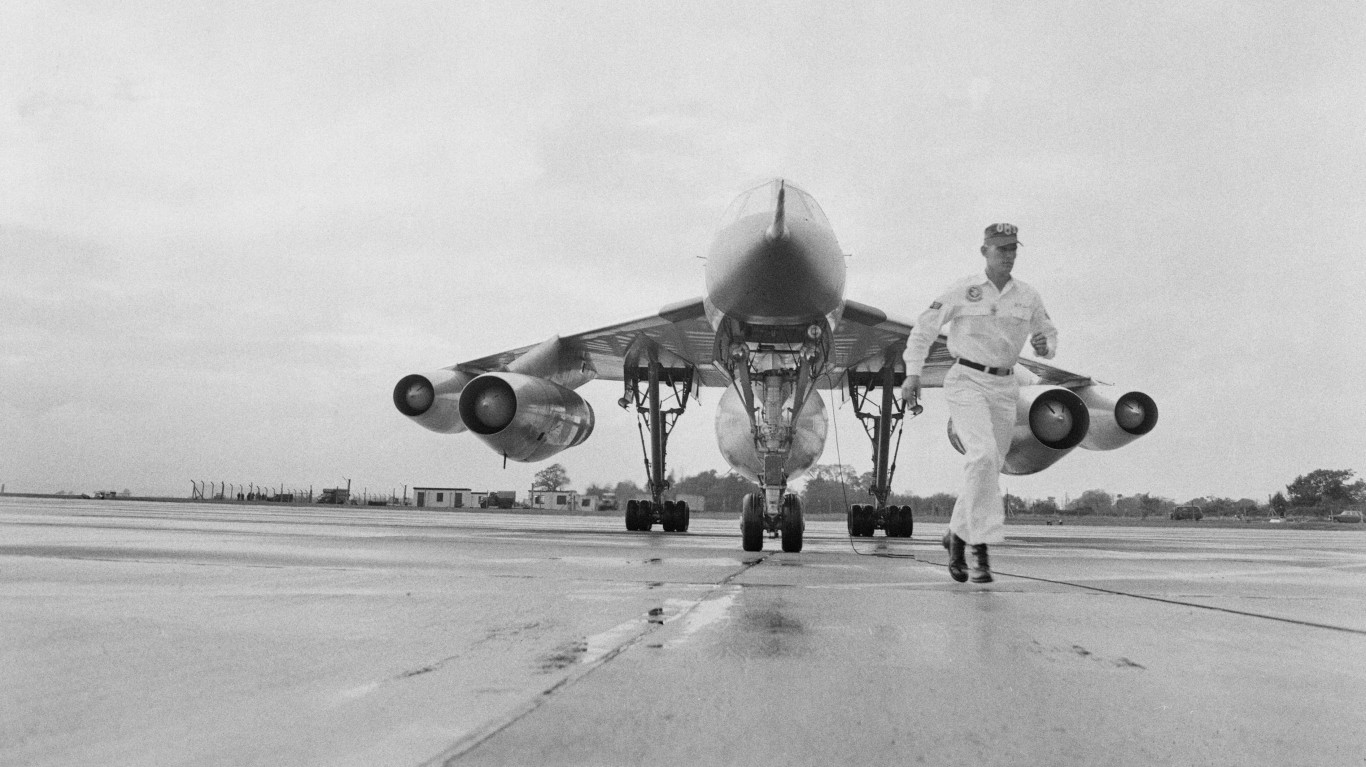
- Country: United States (USAF)
- Year introduced to service: 1960
- Intended war or threat model: High-speed nuclear penetration
- Original primary mission: Strategic bomber
- Actual conflicts or missions flown: Nuclear deterrence
- Why it was built for the wrong war: SAM threat invalidated concept
- How it was adapted: None
The B-58 relied on speed to penetrate defenses, but advancing surface-to-air missiles quickly made its concept obsolete.
B-1A Lancer
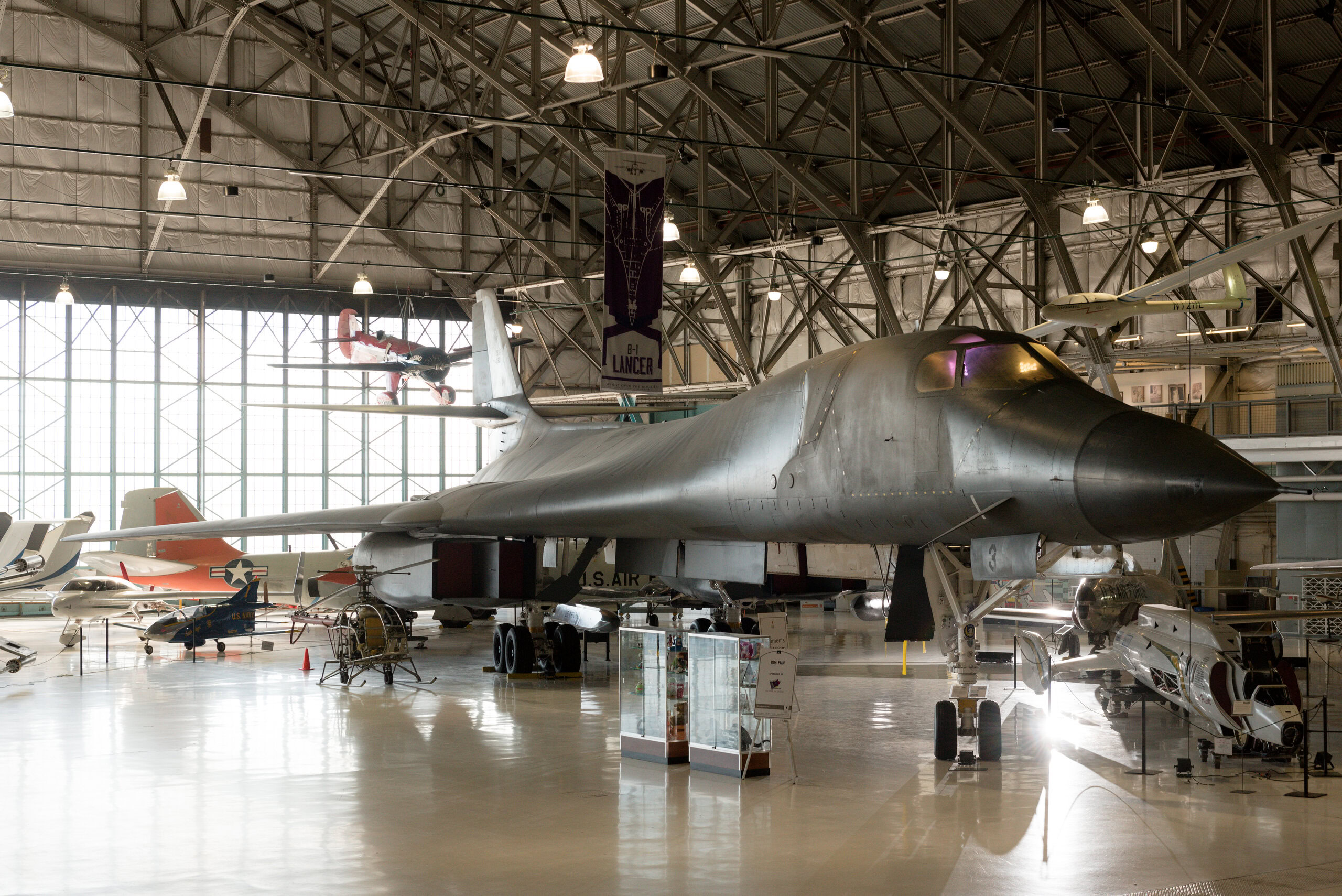
- Country: United States (USAF)
- Year introduced to service: 1984
- Intended war or threat model: Low-altitude nuclear strike
- Original primary mission: Strategic bomber
- Actual conflicts or missions flown: Conventional strike
- Why it was built for the wrong war: Shift away from nuclear focus
- How it was adapted: Redesign into B-1B
The B-1A was designed for nuclear penetration missions that became less relevant. Its eventual redesign reflected the mismatch between intent and reality.
Tu-22 Blinder
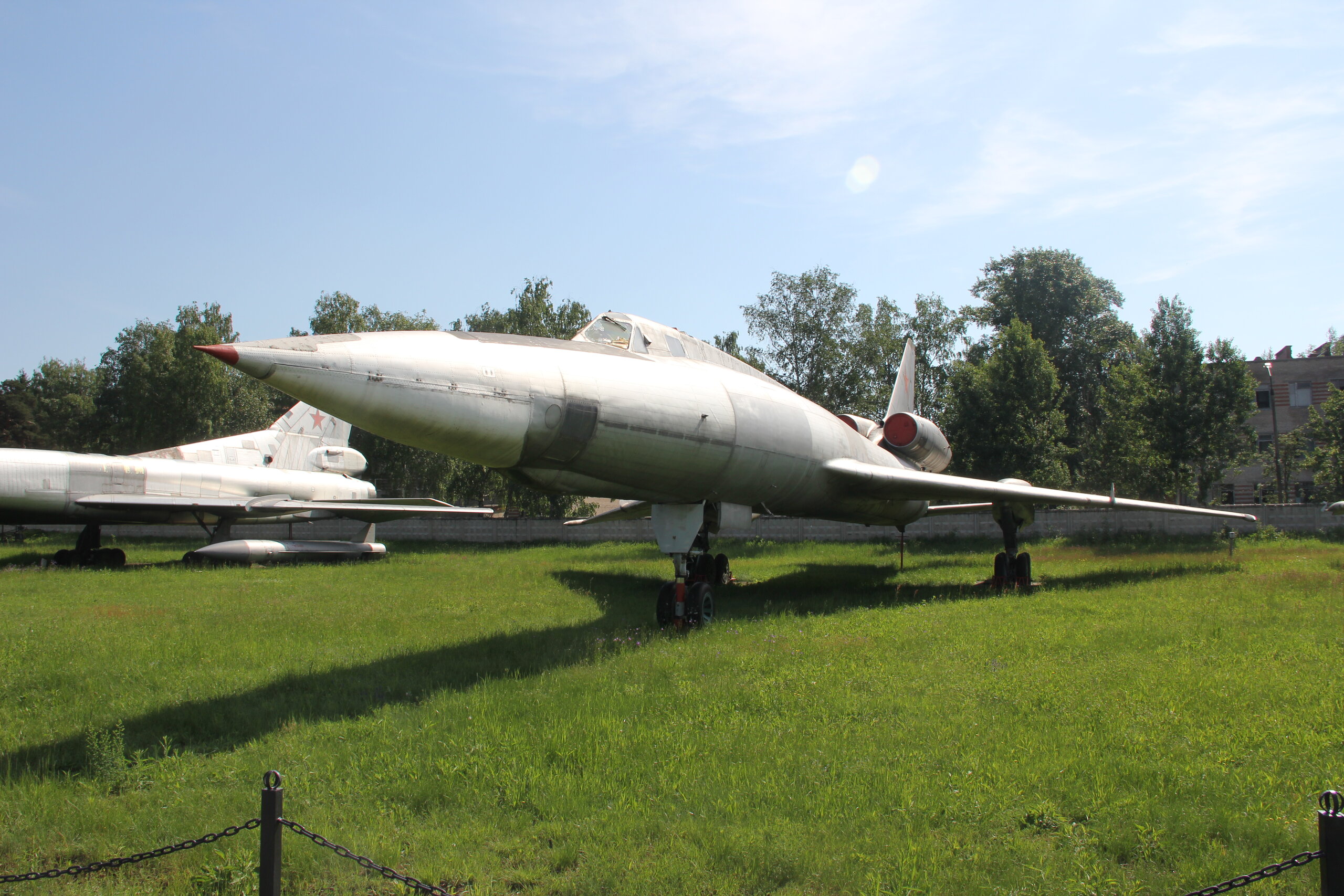
- Country: Soviet Union
- Year introduced to service: 1962
- Intended war or threat model: Strategic nuclear bomber
- Original primary mission: Bomber
- Actual conflicts or missions flown: Conventional strike
- Why it was built for the wrong war: Performance and survivability limits
- How it was adapted: Limited adaptation
The Tu-22 was intended for nuclear strike roles but struggled to perform effectively in conventional missions.
XB-70 Valkyrie
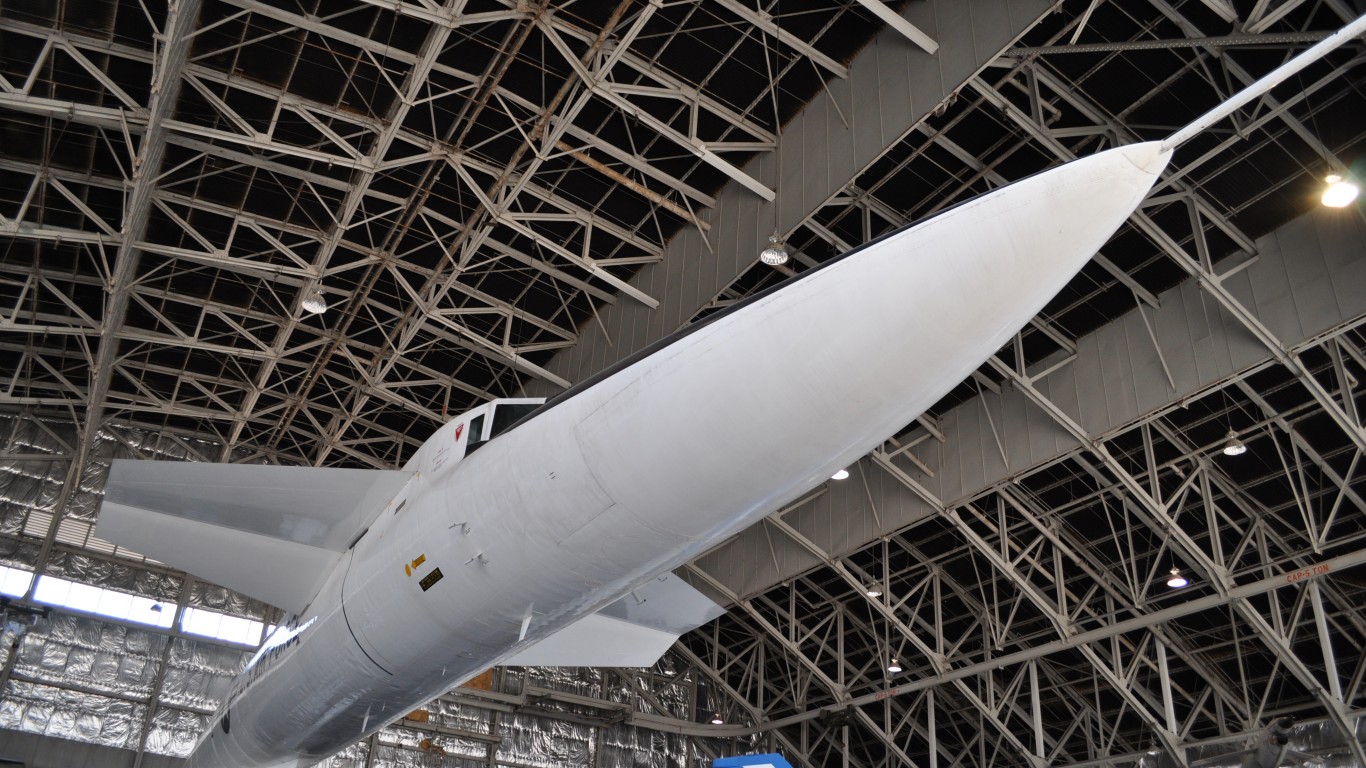
- Country: United States
- Year introduced to service: 1964
- Intended war or threat model: Mach 3 nuclear strike
- Original primary mission: Strategic bomber
- Actual conflicts or missions flown: Never operational
- Why it was built for the wrong war: SAM threat emergence
- How it was adapted: Canceled
The XB-70 represented a futuristic bomber concept invalidated by missile defenses before it could enter service.
F-4 Phantom II (early doctrine)
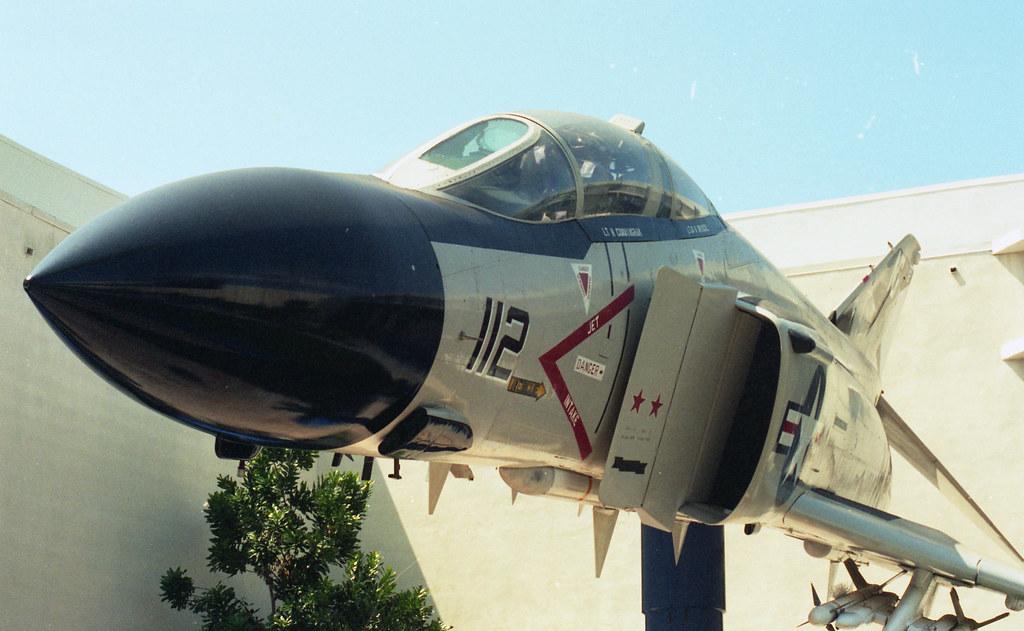
- Country: United States (USN/USAF)
- Year introduced to service: 1961
- Intended war or threat model: Missile-only air combat
- Original primary mission: Multirole fighter
- Actual conflicts or missions flown: Vietnam air combat
- Why it was built for the wrong war: Dogfighting still relevant
- How it was adapted: Guns added
Early F-4 doctrine assumed missiles would replace guns, an assumption Vietnam disproved, forcing adaptation.
F-104 Starfighter
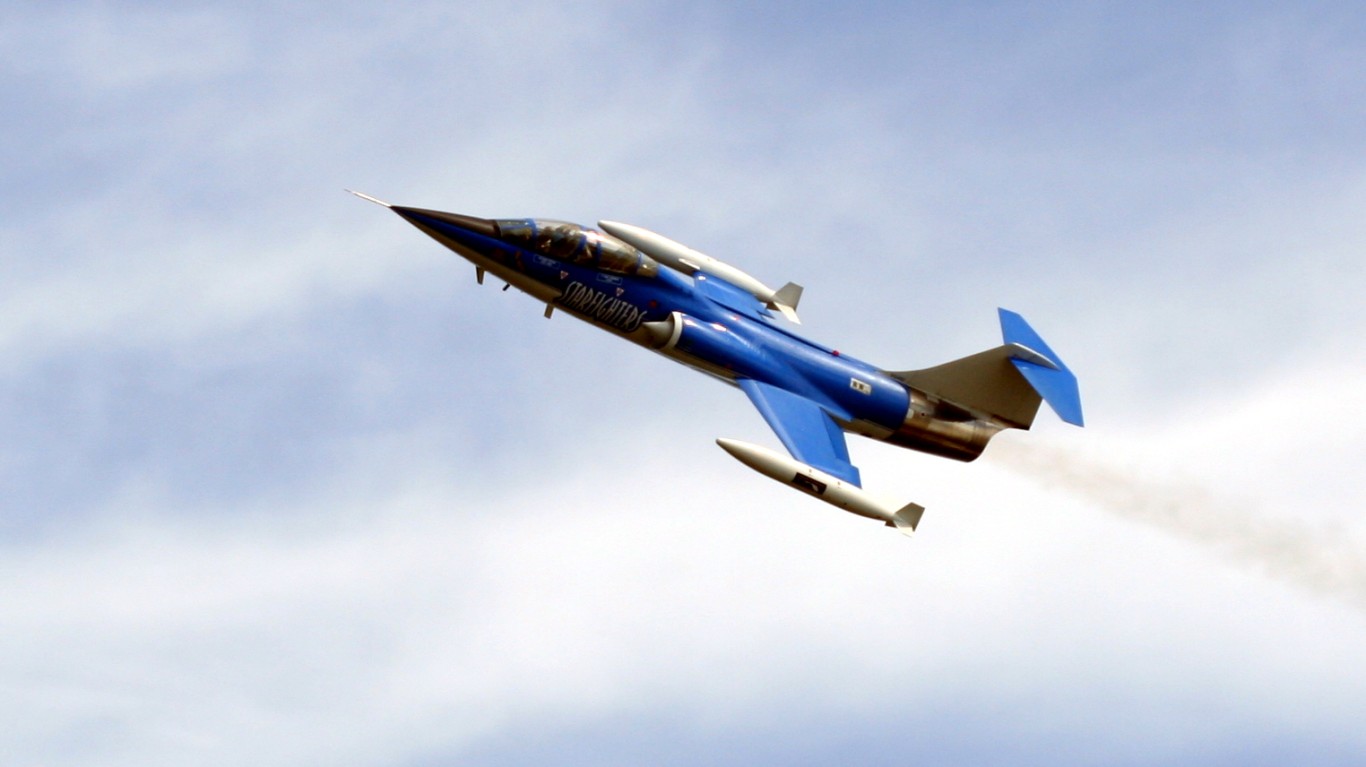
- Country: United States / NATO
- Year introduced to service: 1958
- Intended war or threat model: High-speed interception
- Original primary mission: Interceptor
- Actual conflicts or missions flown: Strike missions
- Why it was built for the wrong war: Role mismatch
- How it was adapted: Limited upgrades
The F-104 was optimized for speed and climb, but proved ill-suited when forced into strike roles.
MiG-21
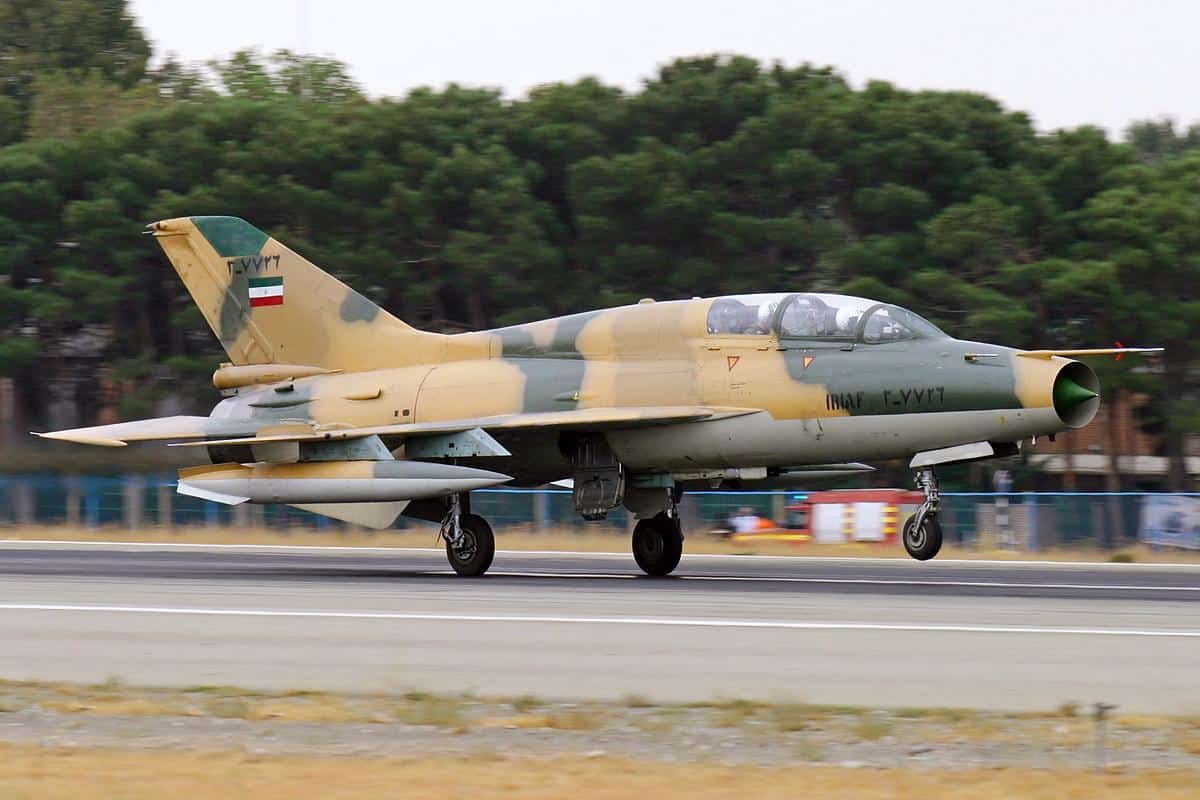
- Country: Soviet Union
- Year introduced to service: 1959
- Intended war or threat model: Short-range interception
- Original primary mission: Interceptor
- Actual conflicts or missions flown: Prolonged air wars
- Why it was built for the wrong war: Limited endurance
- How it was adapted: Tactical adaptation
The MiG-21 was designed for quick interception, yet often employed in extended conflicts that stretched its design limits.
Mirage III
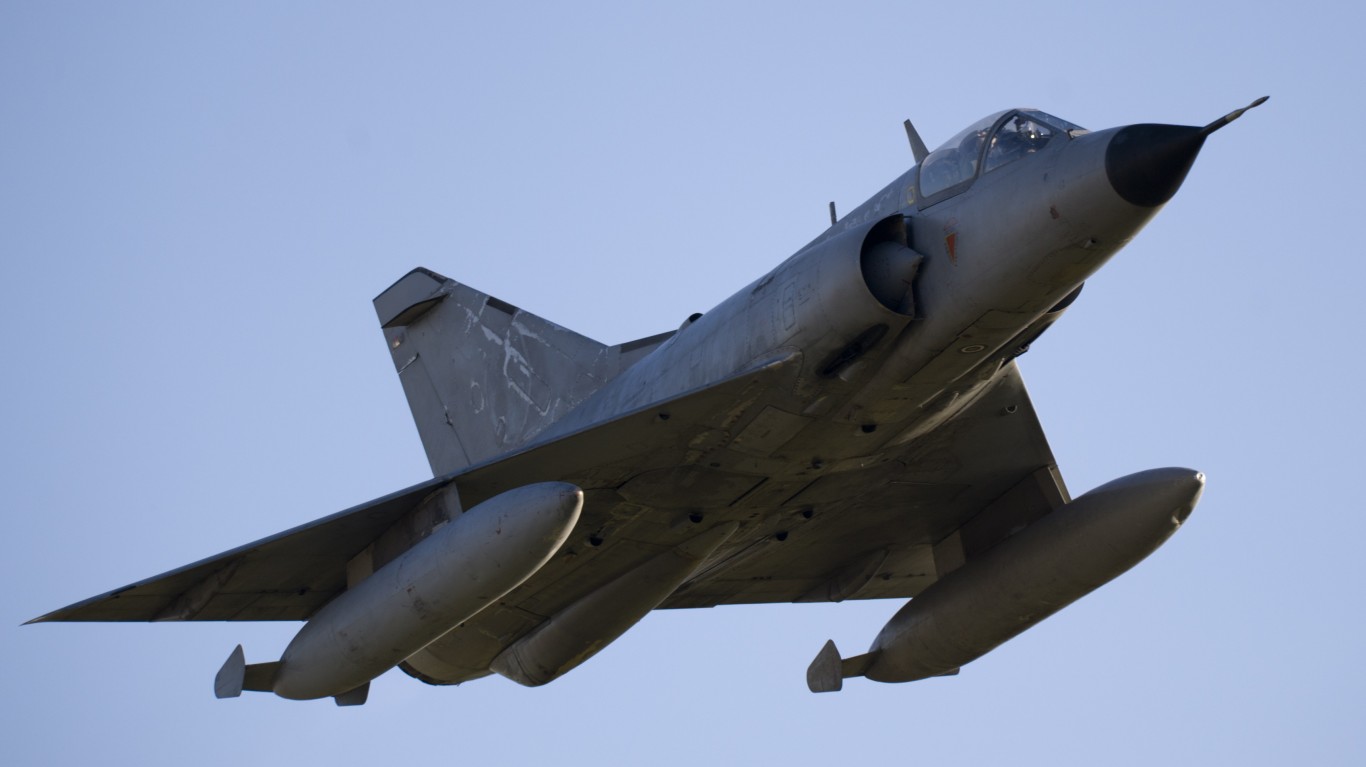
- Country: France
- Year introduced to service: 1961
- Intended war or threat model: Interceptor
- Original primary mission: Air defense fighter
- Actual conflicts or missions flown: Multirole combat
- Why it was built for the wrong war: Mission expansion
- How it was adapted: Adapted
The Mirage III was optimized for interception but found itself performing broader combat roles that required adaptation.
Su-7 Fitter
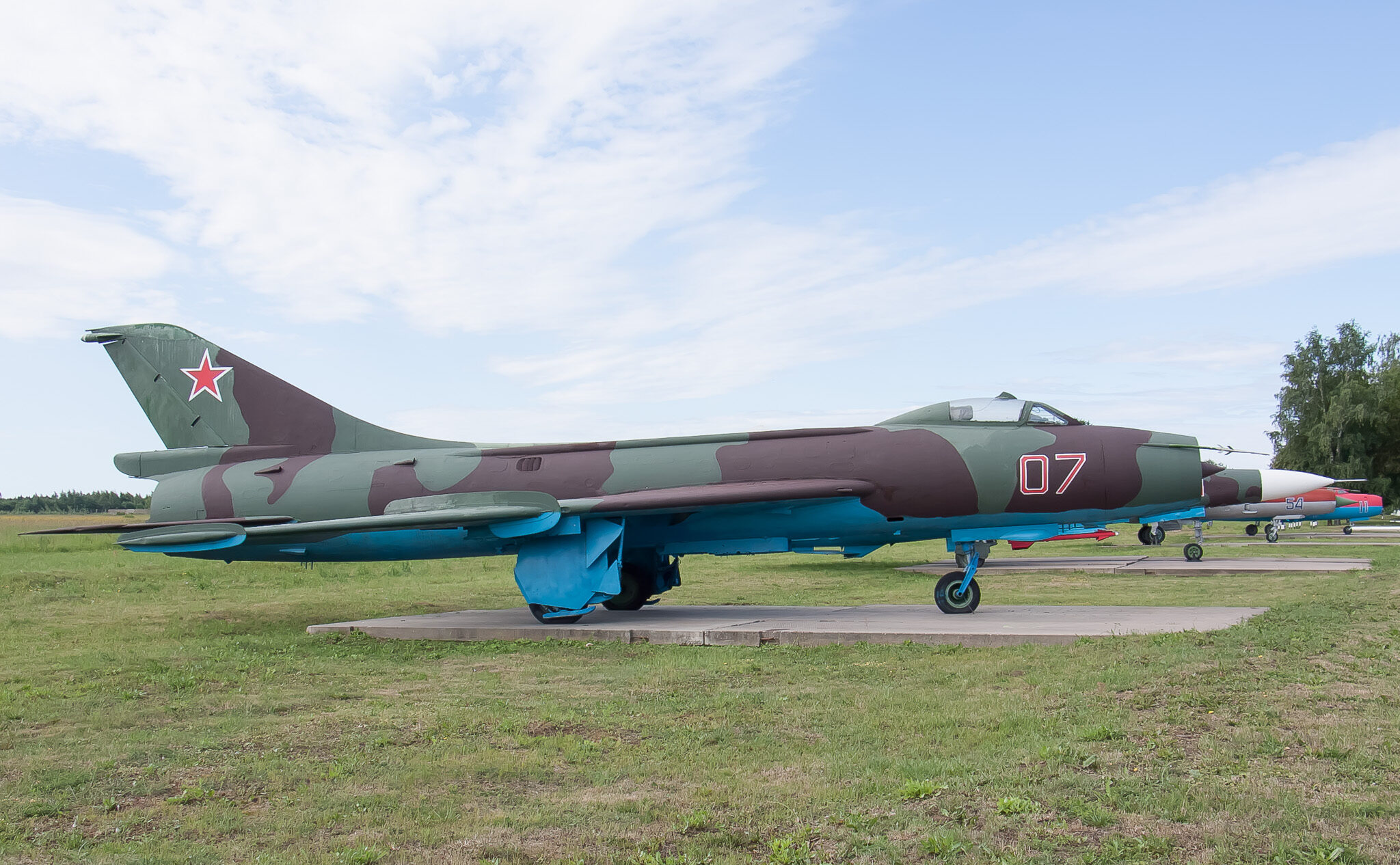
- Country: Soviet Union
- Year introduced to service: 1959
- Intended war or threat model: Nuclear strike
- Original primary mission: Attack aircraft
- Actual conflicts or missions flown: CAS and strike
- Why it was built for the wrong war: Poor low-speed handling
- How it was adapted: Limited adaptation
The Su-7 was designed for nuclear delivery and struggled when used for close air support missions.
A-7 Corsair II
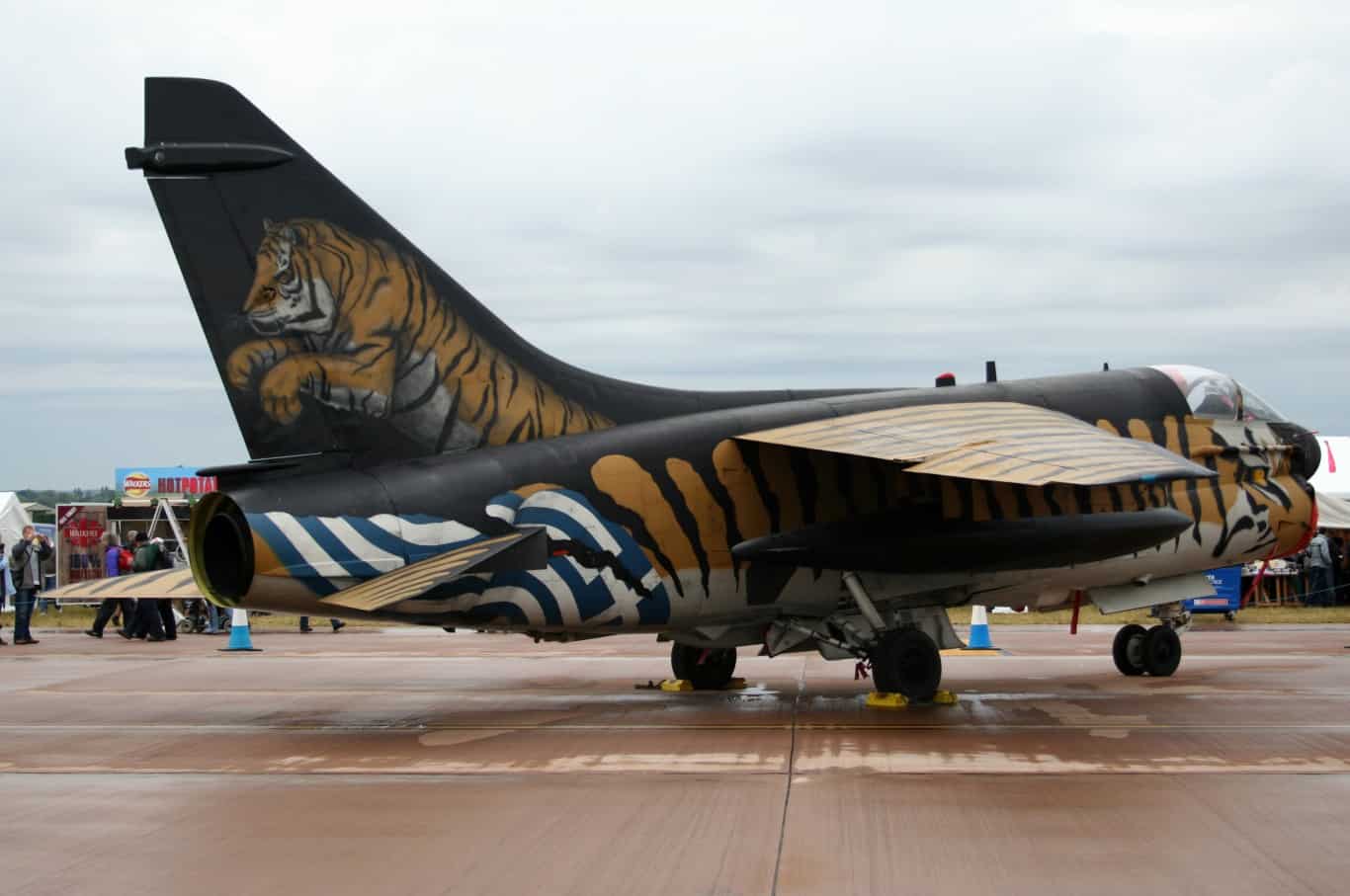
- Country: United States (USN)
- Year introduced to service: 1967
- Intended war or threat model: Cold War strike
- Original primary mission: Carrier-based attack
- Actual conflicts or missions flown: Low-intensity conflicts
- Why it was built for the wrong war: Mission mismatch
- How it was adapted: Upgrades
The A-7 was optimized for Cold War strike scenarios that gave way to different combat needs.
Su-24 Fencer
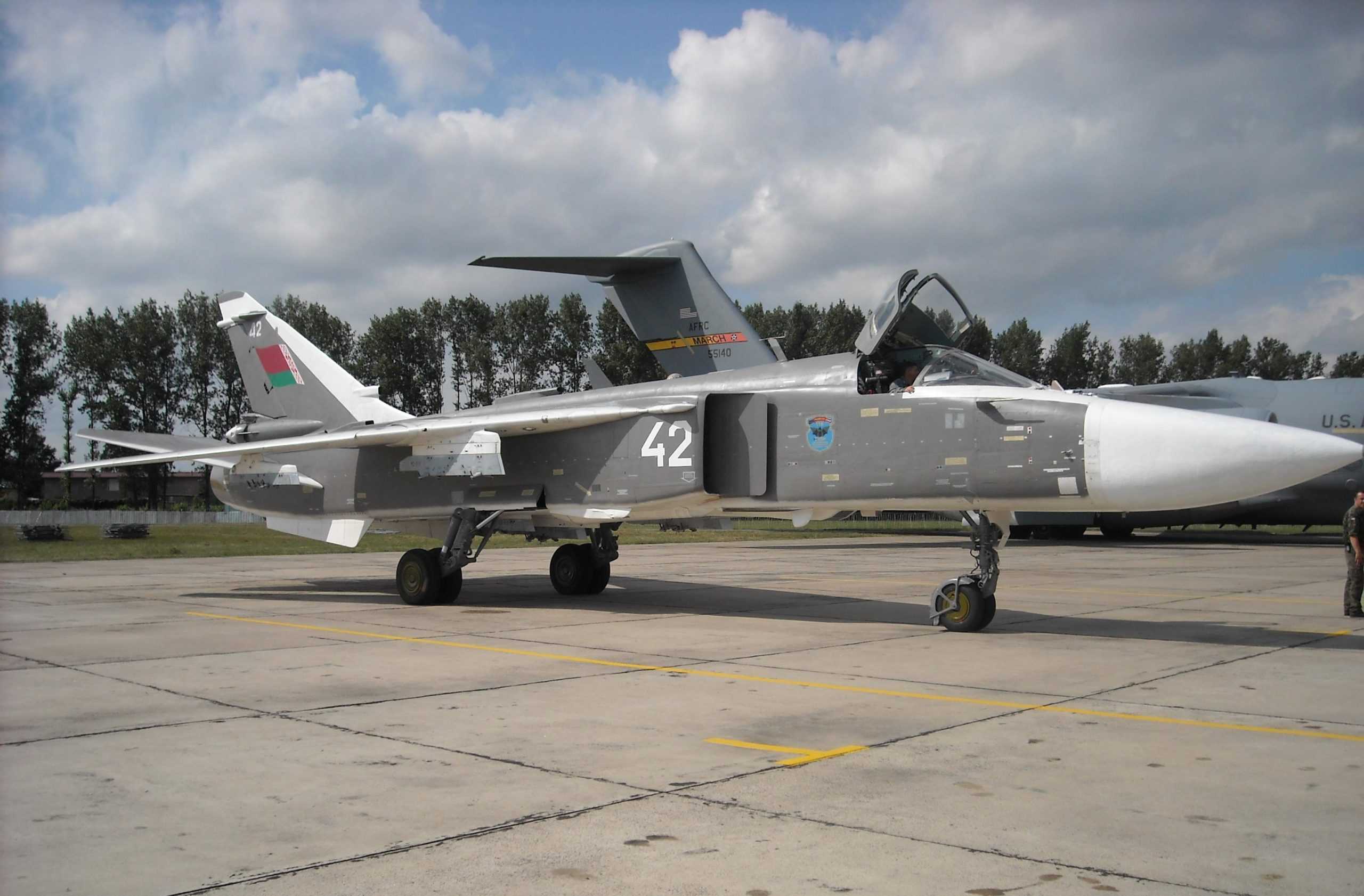
- Country: Soviet Union / Russia
- Year introduced to service: 1974
- Intended war or threat model: Deep strike in Europe
- Original primary mission: Strike aircraft
- Actual conflicts or missions flown: Regional conflicts
- Why it was built for the wrong war: Threat model vanished
- How it was adapted: Upgrades
The Su-24 was designed for deep strikes against NATO targets that never occurred at scale.
Jaguar

- Country: UK/France
- Year introduced to service: 1973
- Intended war or threat model: Tactical strike
- Original primary mission: Attack aircraft
- Actual conflicts or missions flown: Low-intensity conflicts
- Why it was built for the wrong war: CAS limitations
- How it was adapted: Upgrades
The Jaguar was built for Cold War strike missions and faced challenges adapting to counterinsurgency warfare.
Q-5 Fantan
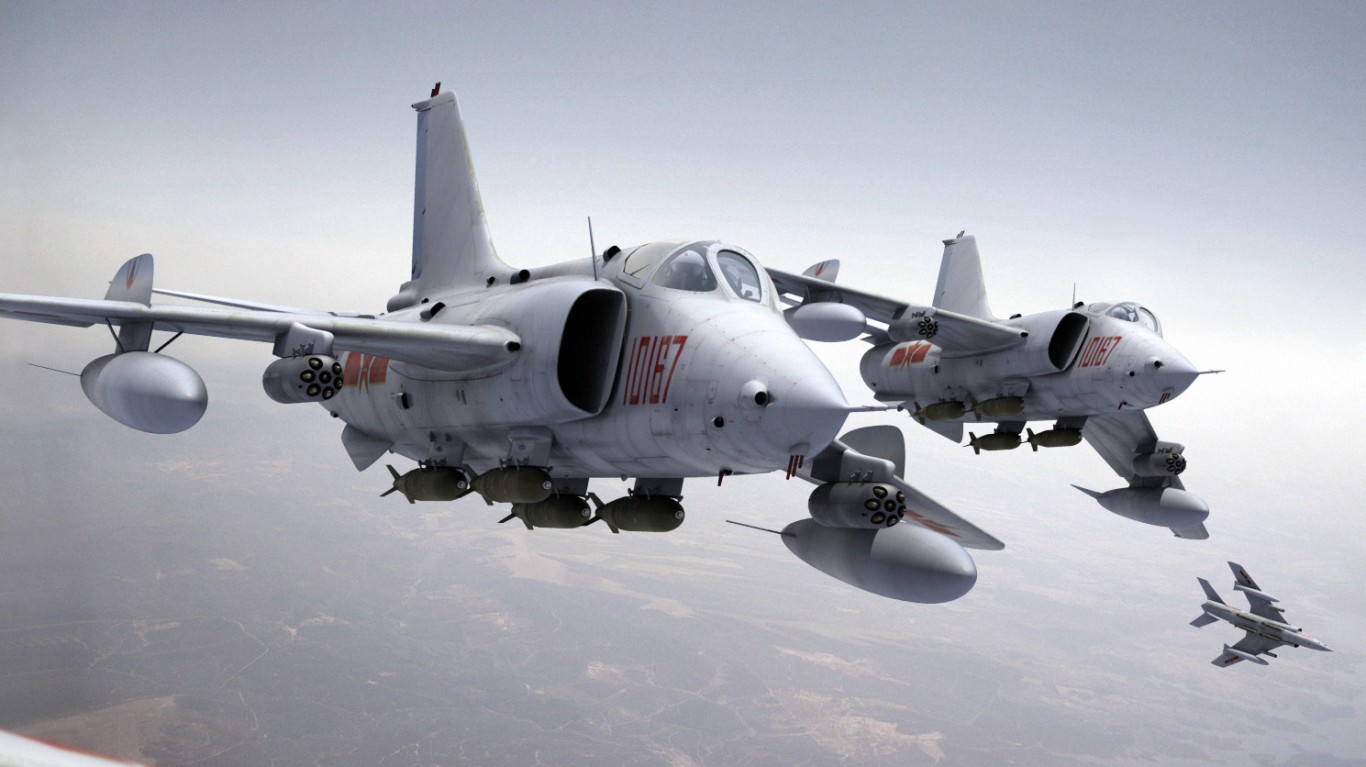
- Country: China
- Year introduced to service: 1970
- Intended war or threat model: Nuclear delivery
- Original primary mission: Attack aircraft
- Actual conflicts or missions flown: Conventional strike
- Why it was built for the wrong war: Mission shift
- How it was adapted: Limited adaptation
The Q-5 was optimized for nuclear missions that never materialized, forcing it into less suitable conventional roles.
A-12 Avenger II
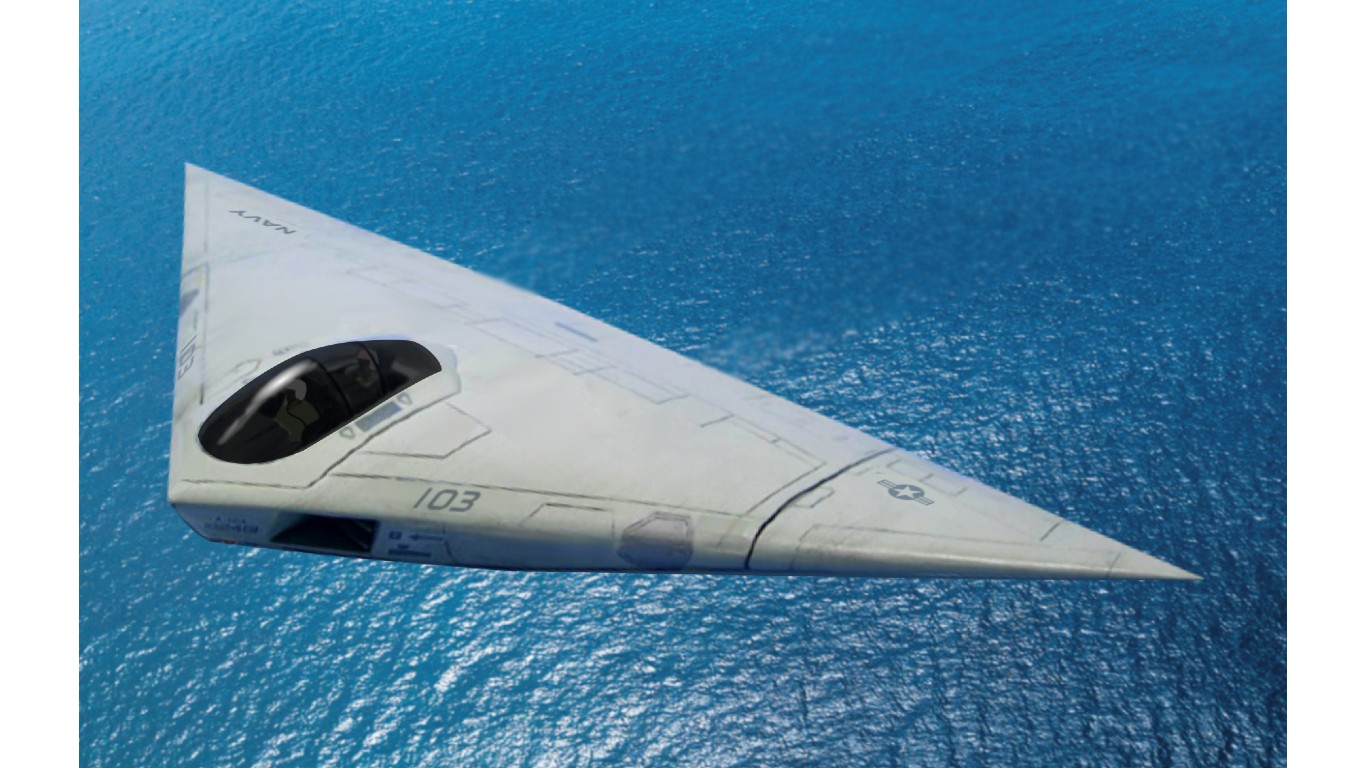
- Country: United States (USN)
- Year introduced to service: 1990
- Intended war or threat model: Stealth carrier strike
- Original primary mission: Attack aircraft
- Actual conflicts or missions flown: Never fielded
- Why it was built for the wrong war: Cold War ended
- How it was adapted: Canceled
The A-12 was conceived for Cold War naval strike, but geopolitical change ended its mission before deployment.
Yak-38 Forger
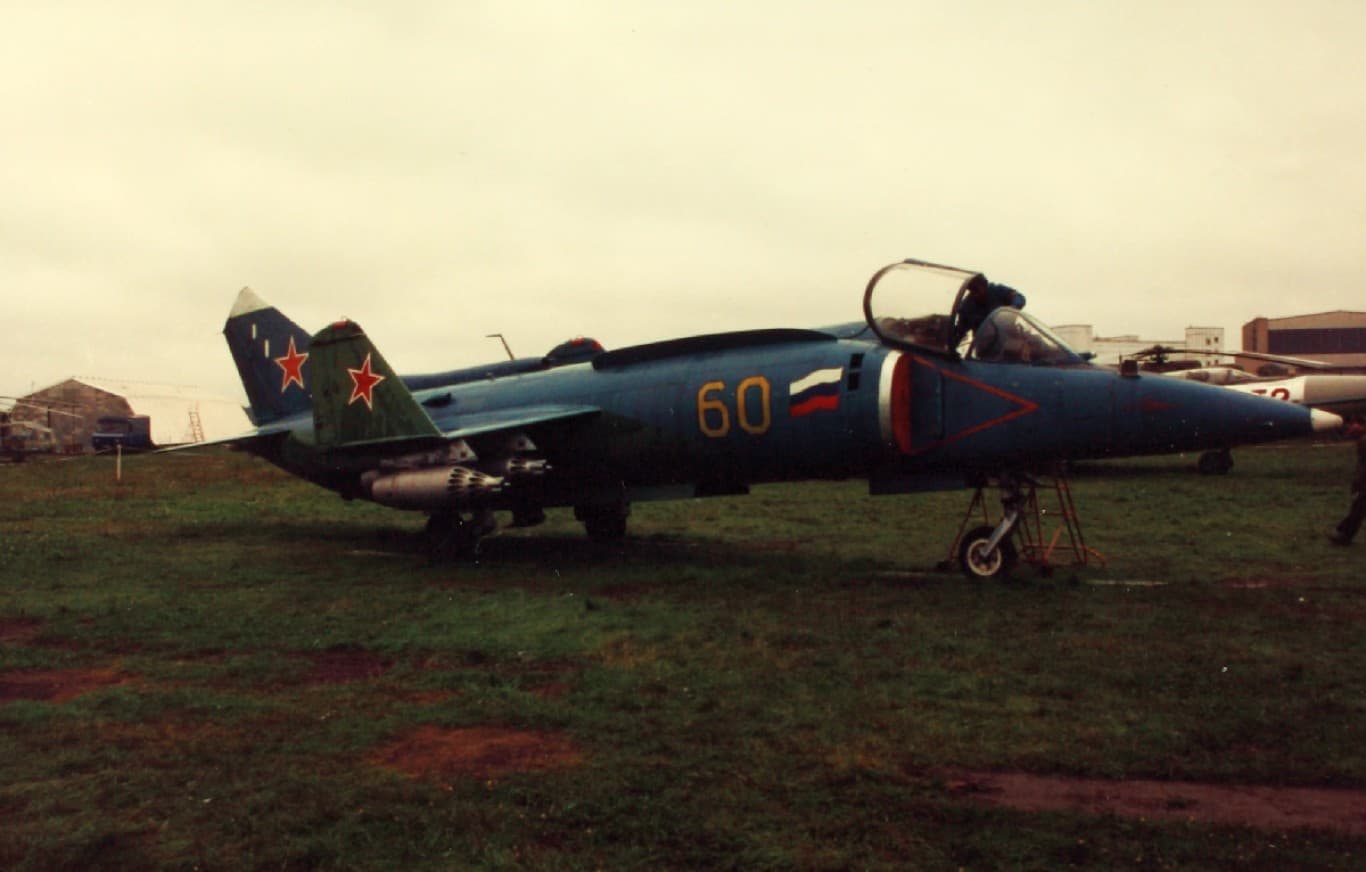
- Country: Soviet Union
- Year introduced to service: 1976
- Intended war or threat model: VTOL fleet defense
- Original primary mission: VTOL fighter
- Actual conflicts or missions flown: Limited carrier ops
- Why it was built for the wrong war: Severe performance limits
- How it was adapted: None
The Yak-38 was designed for fleet defense but lacked the performance needed for real combat effectiveness.
Sea Harrier FRS.1
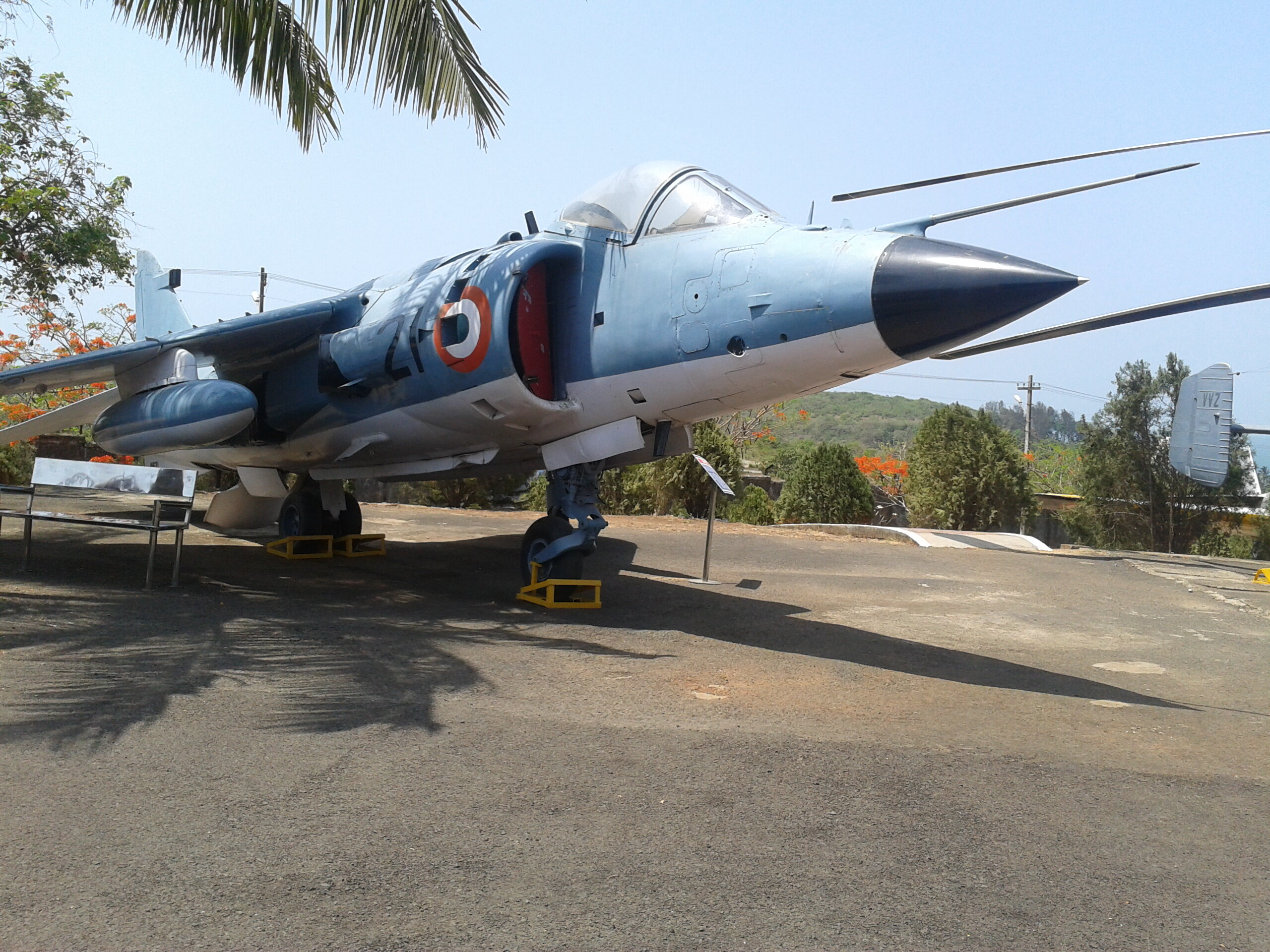
- Country: United Kingdom
- Year introduced to service: 1980
- Intended war or threat model: Fleet air defense
- Original primary mission: Carrier fighter
- Actual conflicts or missions flown: Falklands War
- Why it was built for the wrong war: Doctrine shift mid-conflict
- How it was adapted: Adapted
Early Sea Harrier doctrine focused on fleet defense, but combat forced rapid adaptation.
OV-10 Bronco
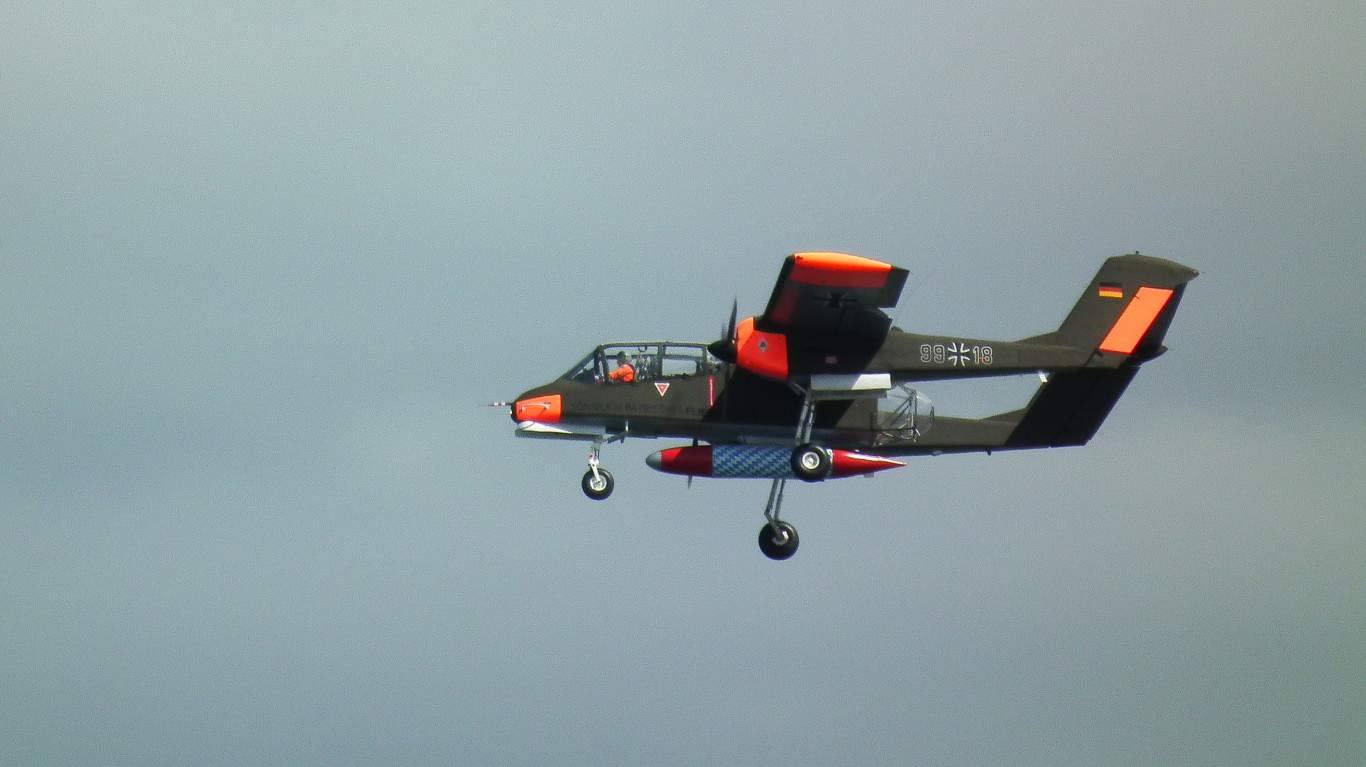
- Country: United States
- Year introduced to service: 1969
- Intended war or threat model: Counterinsurgency
- Original primary mission: Light attack
- Actual conflicts or missions flown: COIN missions
- Why it was built for the wrong war: Fast-jet priority
- How it was adapted: Limited upgrades
The OV-10 was built for counterinsurgency but was sidelined by preferences for faster jets.
F-111 Aardvark
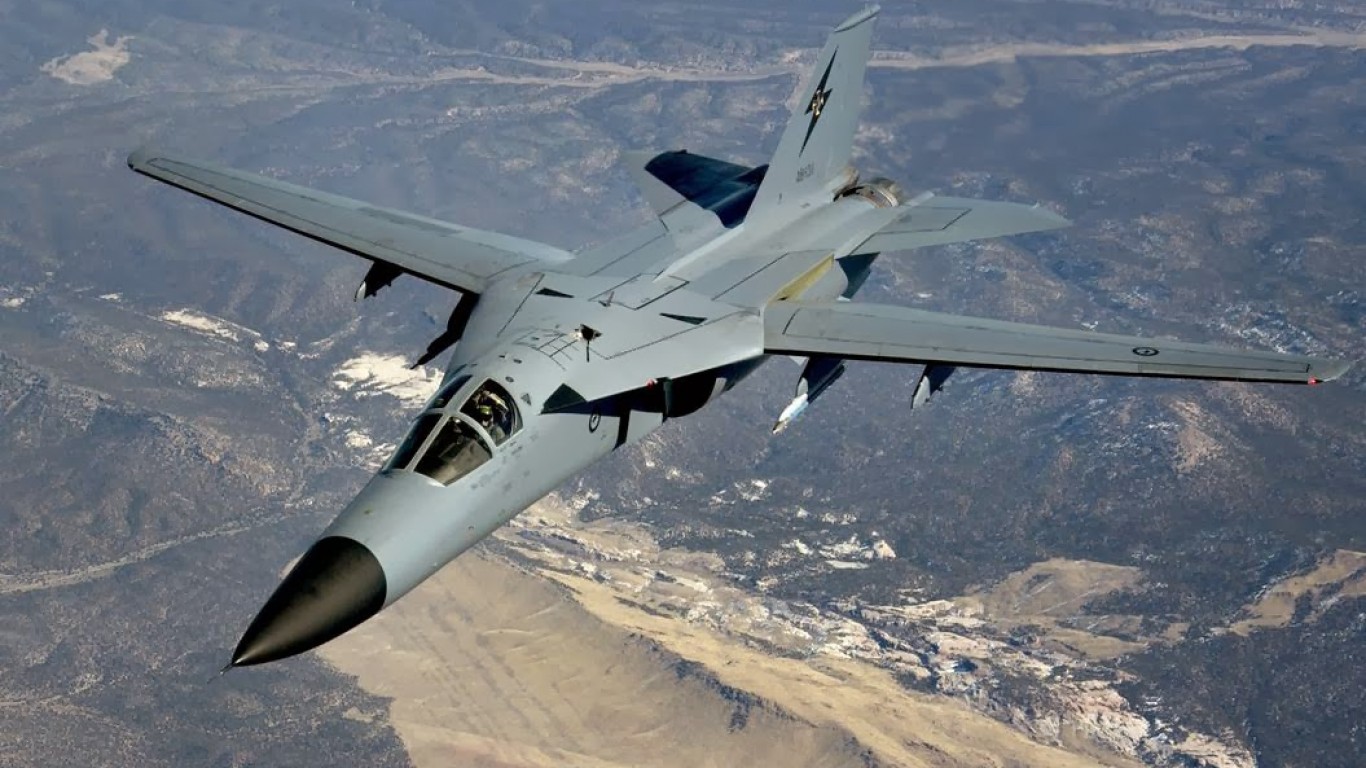
- Country: United States (USAF)
- Year introduced to service: 1967
- Intended war or threat model: Deep nuclear strike
- Original primary mission: Strike aircraft
- Actual conflicts or missions flown: Conventional strike
- Why it was built for the wrong war: Mission shift
- How it was adapted: Adapted
The F-111 was designed for nuclear strike but ultimately served in conventional roles very different from its original purpose.
Su-25 Frogfoot
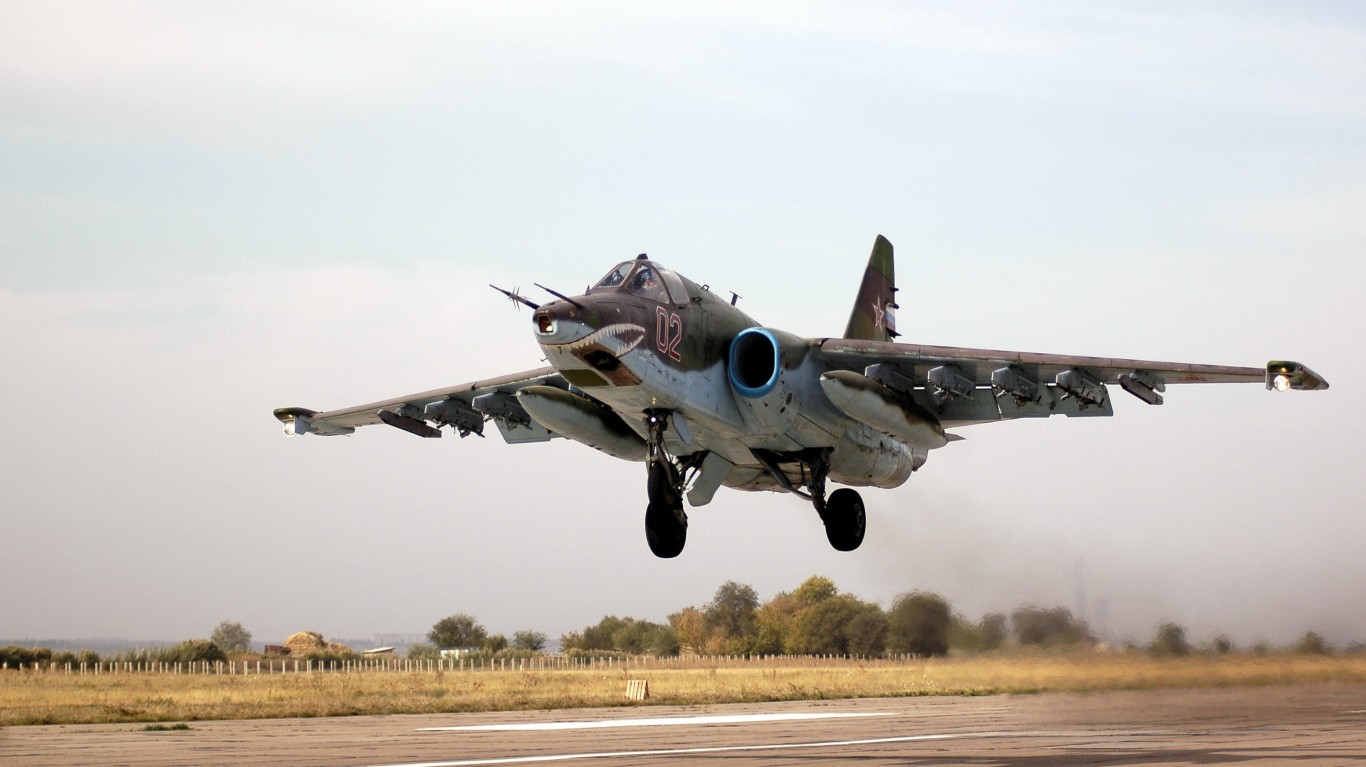
- Country: Soviet Union / Russia
- Year introduced to service: 1981
- Intended war or threat model: European armored warfare
- Original primary mission: CAS aircraft
- Actual conflicts or missions flown: Asymmetric conflicts
- Why it was built for the wrong war: Threat mismatch
- How it was adapted: Upgrades
The Su-25 was built for large-scale armored warfare but found itself fighting insurgents instead.
MiG-27 Flogger-D
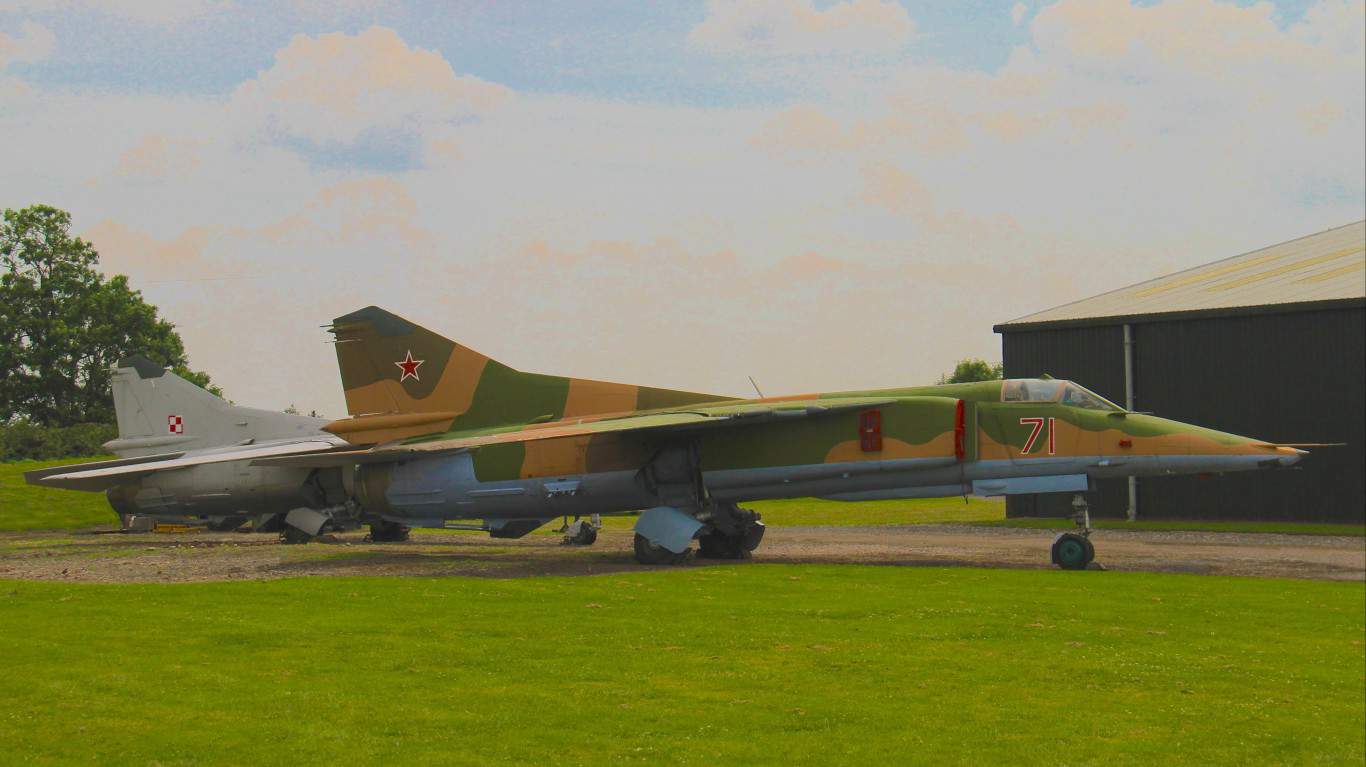
- Country: Soviet Union
- Year introduced to service: 1975
- Intended war or threat model: Nuclear strike
- Original primary mission: Attack aircraft
- Actual conflicts or missions flown: Conventional strike
- Why it was built for the wrong war: Role obsolescence
- How it was adapted: Limited upgrades
The MiG-27 was optimized for missions that became irrelevant, limiting its long-term usefulness.
AMX International
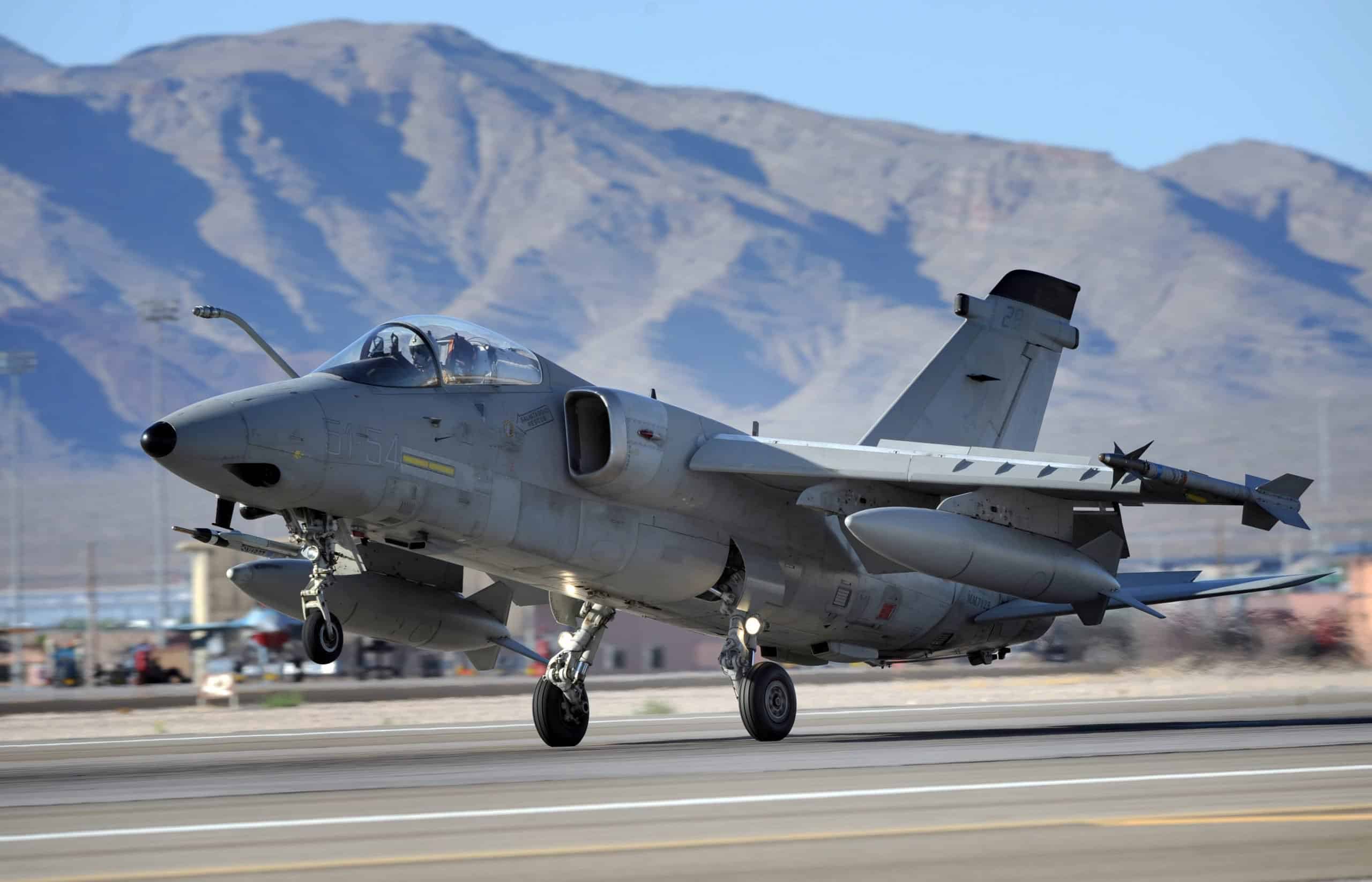
- Country: Italy/Brazil
- Year introduced to service: 1989
- Intended war or threat model: Cold War strike
- Original primary mission: Attack aircraft
- Actual conflicts or missions flown: Regional conflicts
- Why it was built for the wrong war: Limited payload and range
- How it was adapted: Upgrades
The AMX was designed for Cold War strike scenarios that did not align with later conflicts.
Alpha Jet
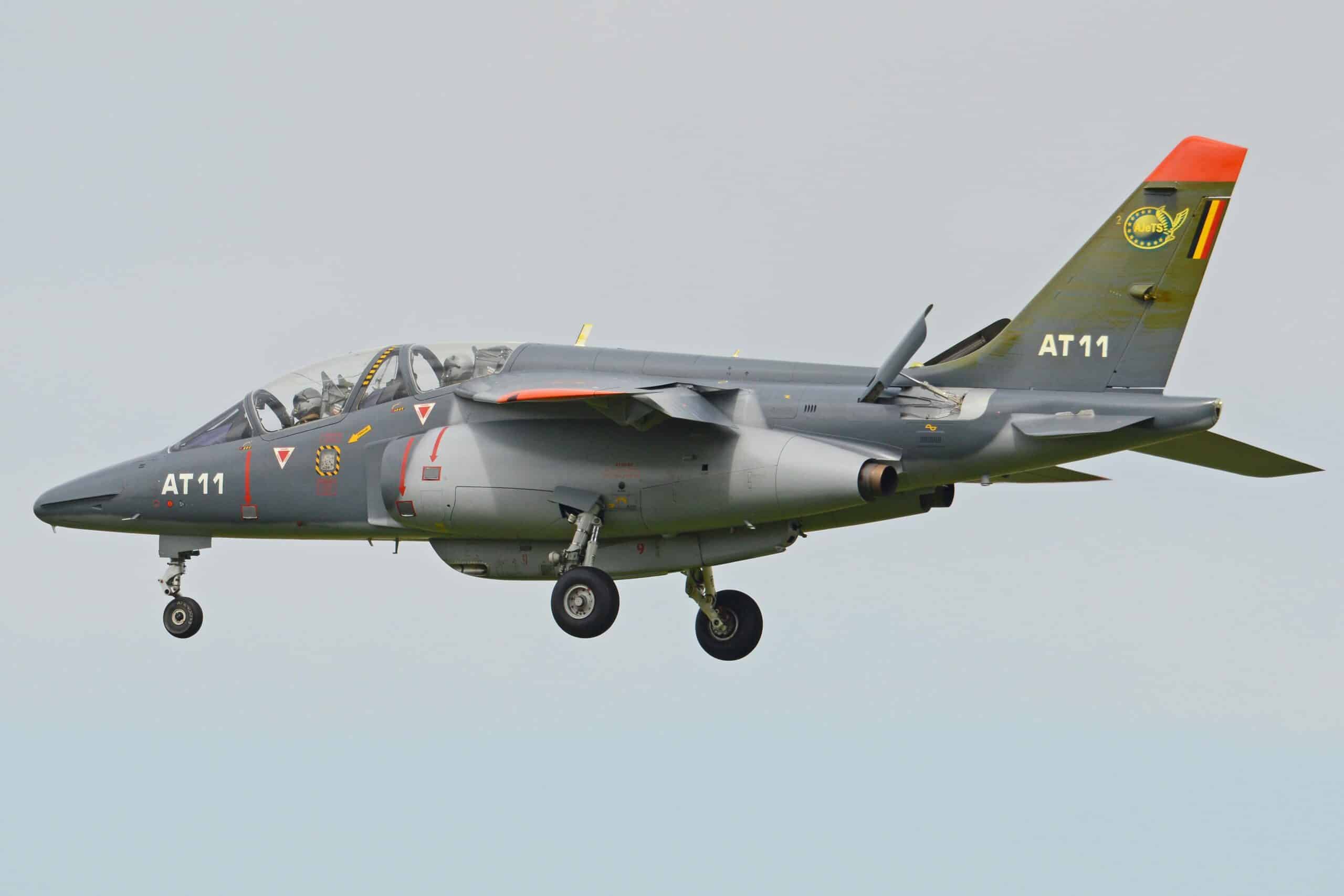
- Country: France/Germany
- Year introduced to service: 1979
- Intended war or threat model: Light attack/trainer
- Original primary mission: Trainer/light attack
- Actual conflicts or missions flown: Training and COIN
- Why it was built for the wrong war: Unclear role
- How it was adapted: Adapted
The Alpha Jet straddled trainer and attack roles, reflecting uncertainty about future warfare needs.
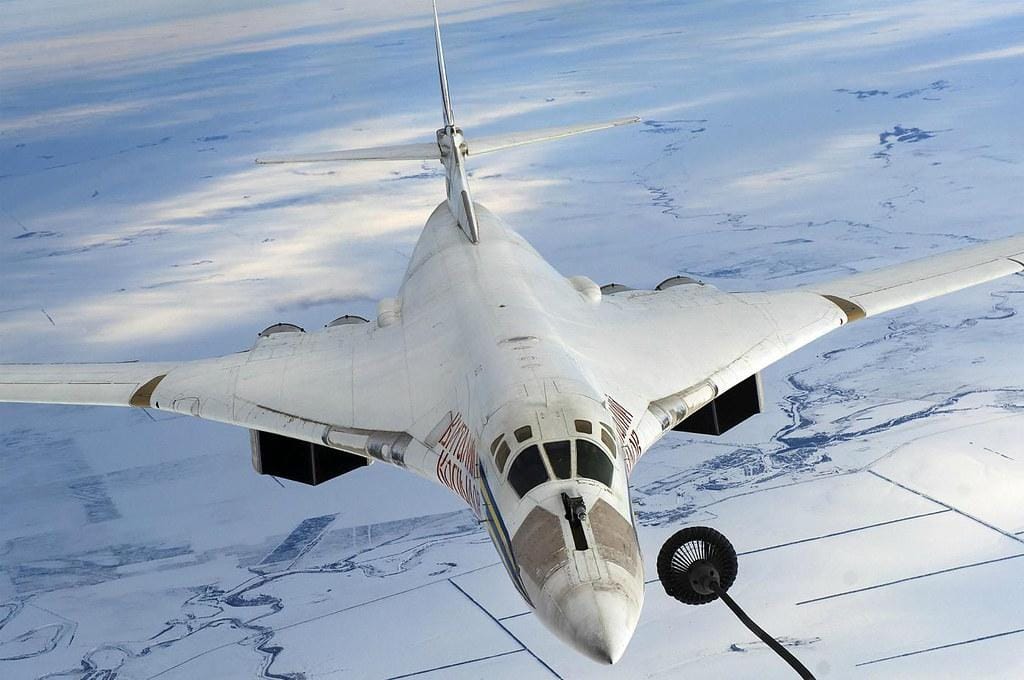
Tu-160 Blackjack

- Country: Soviet Union / Russia
- Year introduced to service: 1987
- Intended war or threat model: Strategic nuclear bombing
- Original primary mission: Bomber
- Actual conflicts or missions flown: Deterrence patrols
- Why it was built for the wrong war: Limited conventional use
- How it was adapted: Upgrades
The Tu-160 was built for nuclear deterrence missions that rarely translated into conventional combat roles.
A-6 Intruder (late service)
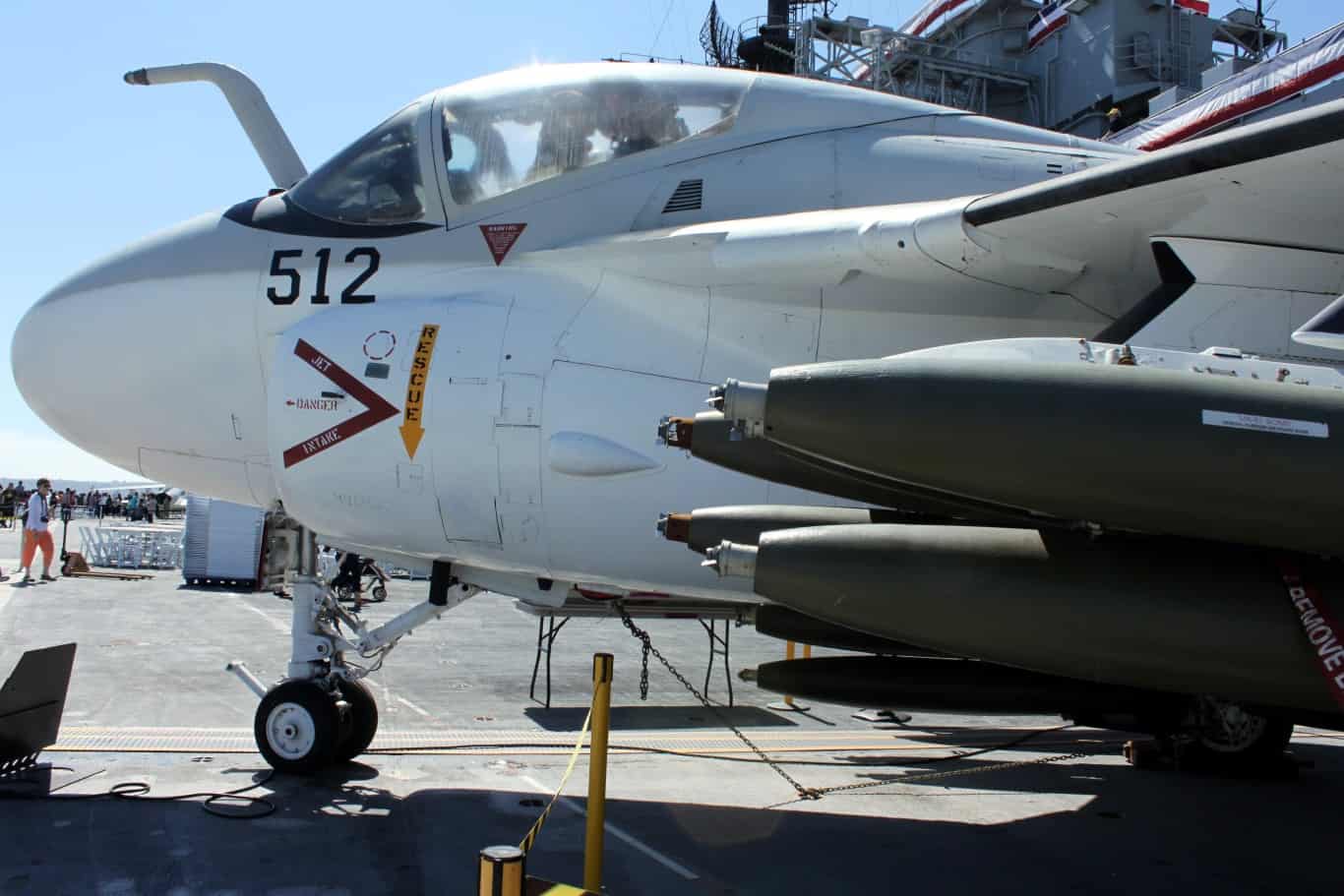
- Country: United States (USN)
- Year introduced to service: 1963
- Intended war or threat model: All-weather deep strike
- Original primary mission: Attack aircraft
- Actual conflicts or missions flown: Precision strike era
- Why it was built for the wrong war: Technology shift
- How it was adapted: Limited upgrades
The A-6 was designed for deep strike in contested environments, but evolving precision warfare reduced its relevance.
Mirage F1
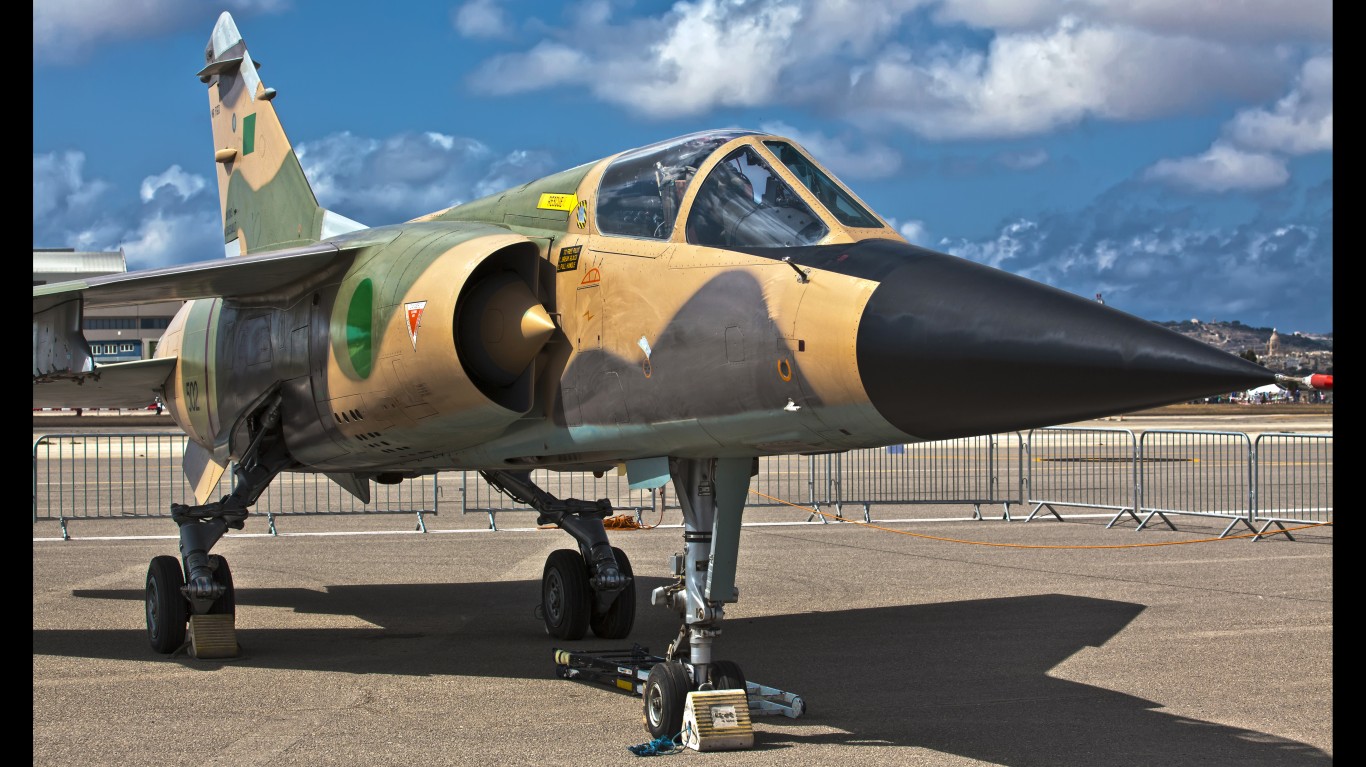
- Country: France
- Year introduced to service: 1973
- Intended war or threat model: Interceptor
- Original primary mission: Air defense
- Actual conflicts or missions flown: Multirole combat
- Why it was built for the wrong war: Mission expansion
- How it was adapted: Adapted
The Mirage F1 was optimized for interception but found itself employed in broader combat roles that diluted its original strengths.





 Top Gaining Stocks
 Top Losing Stocks