


Some aircraft succeeded even though they made life harder for the people flying them. They demanded constant attention, punished mistakes, and left little margin for error. Instead of relying on forgiving design, these platforms forced crews to compensate through skill, planning, and coordination. Over time, combat proved that the human element was the decisive factor behind their success. Here, 24/7 Wall St. is taking a closer look at these aircraft that embodied the human factor.
To determine the aircraft that succeeded because of their crews (not necessarily their design), 24/7 Wall St. reviewed various historical and military sources. We included supplemental information regarding the country of origin, each aircraft’s primary role, where these aircraft excelled, as well as what these aircraft and their crews ultimately achieved.
Here is a look at the aircraft that succeeded because of their crews:
Why Are We Covering This?

Understanding why some military aircraft succeeded despite flawed or demanding designs helps clarify the enduring role of human skill in warfare. Technology and engineering matter, but combat history shows that training, discipline, and crew judgment often determine whether a platform succeeds or fails. By examining aircraft that relied on exceptional crews rather than forgiving design, this highlights how doctrine and experience can overcome limitations, as well as why the human element remains central to airpower even in an age of advanced technology.
When Design Wasn’t the Deciding Factor
Not every successful military aircraft was an elegant design or an easy platform to operate. Some entered service with known flaws, compromises, or performance limitations that made them controversial from the start. Yet in combat, success is not determined solely by engineering or specifications. In many cases, the deciding factor was the crew—pilots and operators who learned how to make imperfect aircraft effective through discipline, judgment, and experience.
The Burden Placed on Crews
These aircraft placed a heavy burden on the people who flew them. High workloads, demanding handling characteristics, and narrow safety margins meant mistakes could be punished quickly and brutally. Some required constant attention just to remain stable, while others forced crews to manage complex systems under stress. Instead of absorbing human error, these designs often exposed it, making crew competence a survival requirement rather than a nice advantage.
Training Turned Limitations Into Strengths
Training and doctrine became the tools that turned limitations into strength. Units adapted tactics to match what an aircraft could realistically do well, and specialized training pipelines often became essential for safe and effective operations. In multi-crew platforms, success depended on coordination and communication as much as flying skill. Over time, disciplined crews learned to exploit the strengths that did exist while building procedures to reduce the risks created by the design.
Tactics Made the Difference in Combat
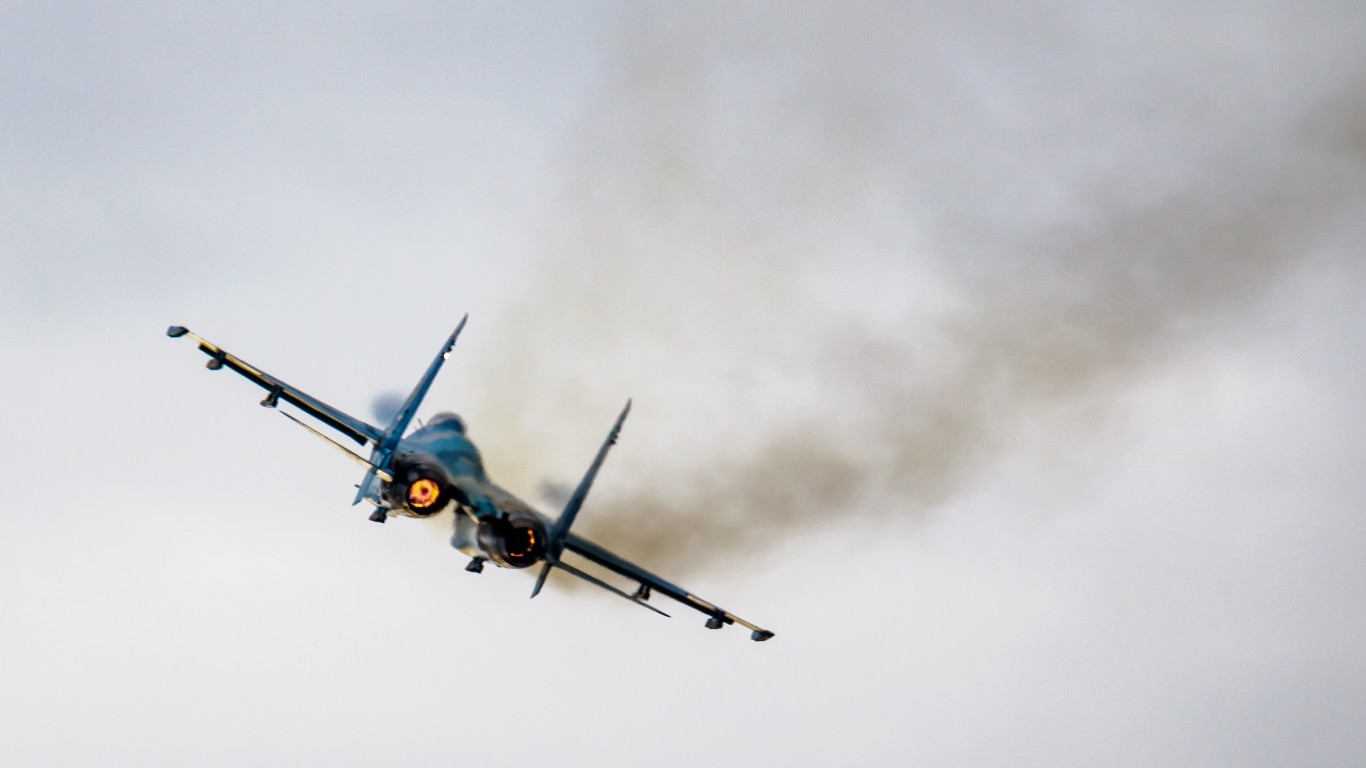
Combat also forced crews to become tacticians and problem-solvers. Pilots learned how to fight the aircraft they had, not the aircraft they wished they had. That meant careful planning, improvisation in the face of uncertainty, and an ability to make fast decisions when missions changed. Many of these aircraft built their reputations only after sustained combat use, where practical experience revealed what skilled crews could accomplish despite the platform’s shortcomings.
What These Aircraft Prove About Airpower
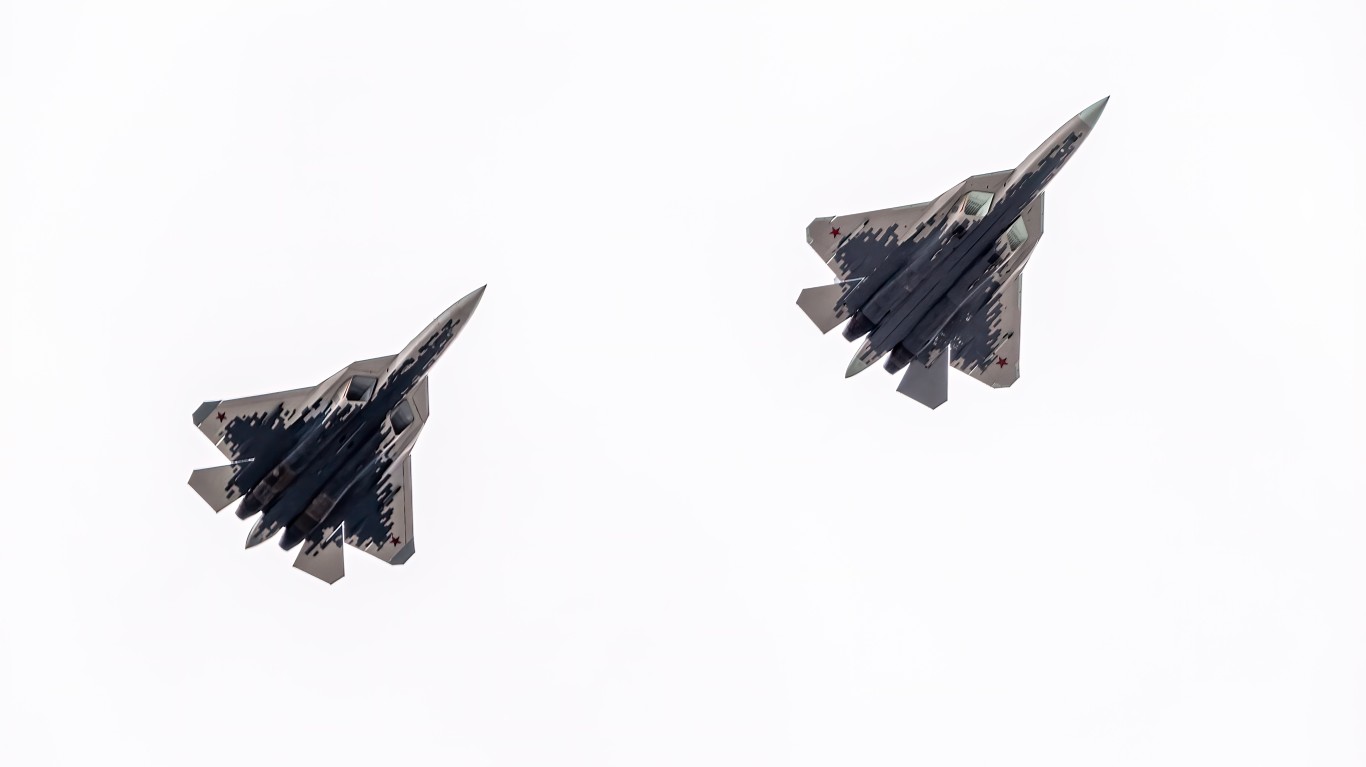
Together, these aircraft prove something fundamental about airpower: technology alone does not decide outcomes. Hardware matters, but the human element still shapes how effectively a weapon system is used. The aircraft in this list did not succeed because their designs made success easy. They succeeded because their crews made them work, often under conditions where the margin for error was thin and the consequences were high.
F-4 Phantom II

- Country of origin: United States
- Era introduced: 1960s
- Primary role: Multirole Fighter
- Key design limitation: Poor maneuverability, early lack of gun
- Crew skill or tactic that compensated: Energy tactics, crew coordination
- Training or doctrine factor: Top Gun and revised training
- Combat environment where crews excelled: Vietnam War
- Outcome achieved despite design limits: High kill ratios once doctrine adapted
The F-4 Phantom II entered combat with clear design shortcomings, including poor maneuverability and no internal gun. Its eventual success came from crew skill, revised tactics, and improved training programs like Top Gun. Pilots learned to fight to the aircraft’s strengths rather than its weaknesses, proving that doctrine and discipline mattered more than airframe elegance.
B-17 Flying Fortress
- Country of origin: United States
- Era introduced: 1930s
- Primary role: Heavy Bomber
- Key design limitation: Vulnerable when alone
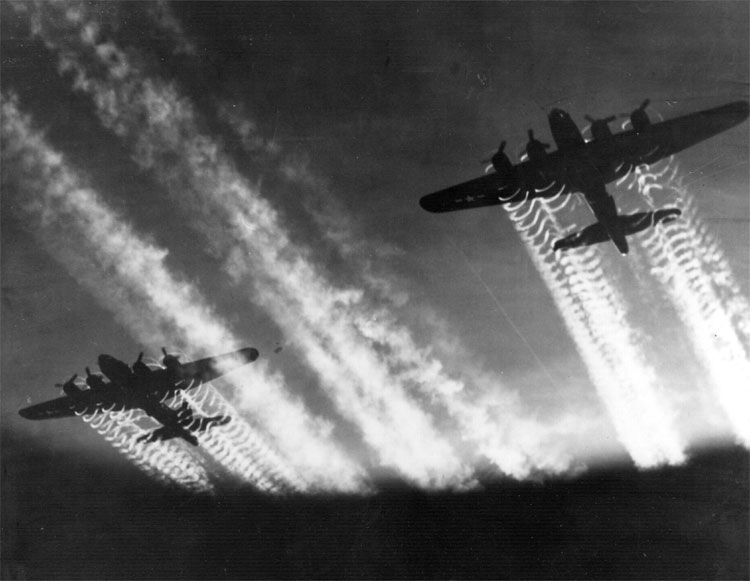
- Crew skill or tactic that compensated: Formation flying and discipline
- Training or doctrine factor: Tight crew coordination
- Combat environment where crews excelled: European Theater WWII
- Outcome achieved despite design limits: Sustained deep strikes
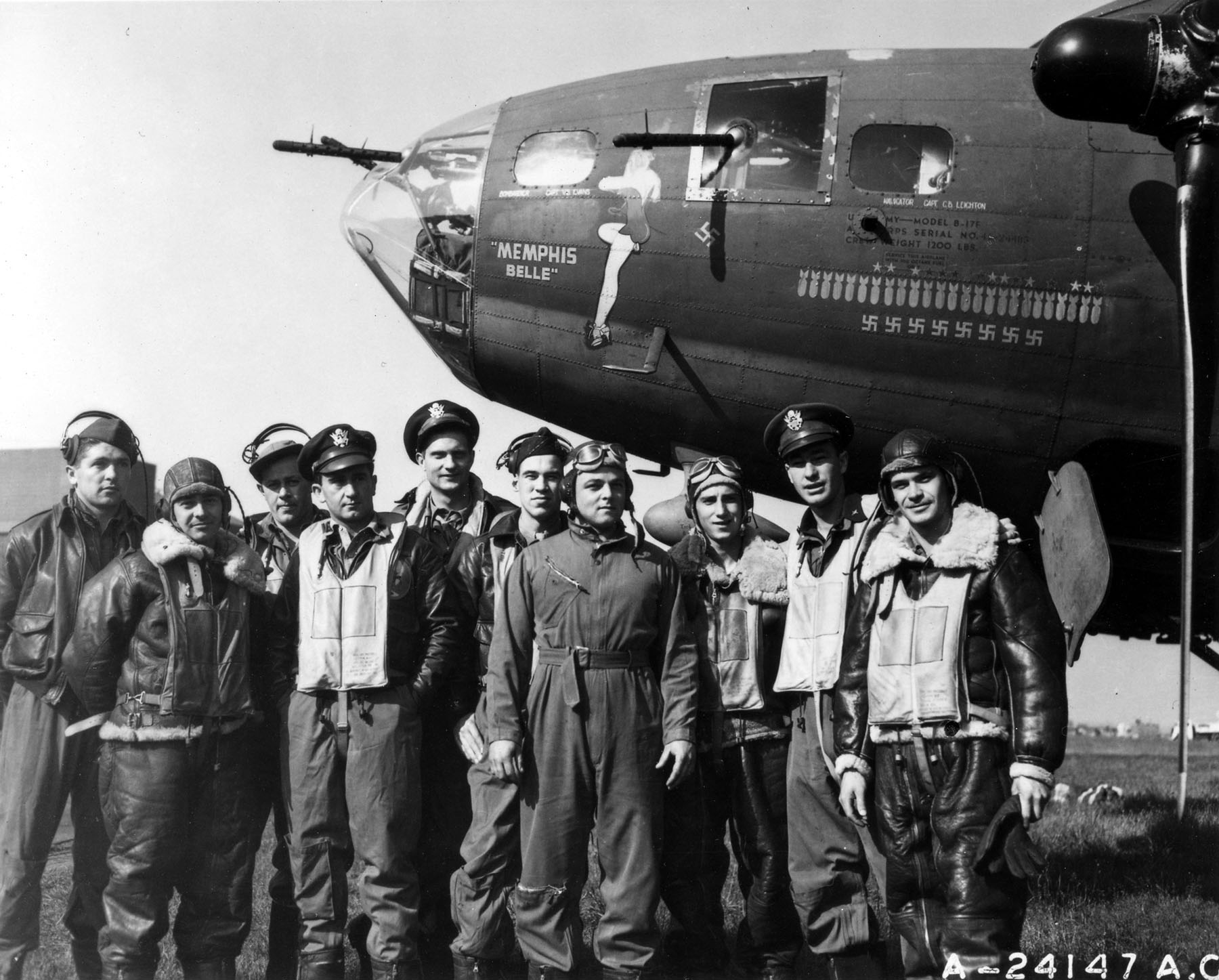
The B-17’s survivability depended heavily on disciplined crews flying tight formations and manning defensive guns under extreme stress. While the design offered some protection, it was crew coordination and adherence to doctrine that allowed bomber streams to survive and complete missions deep into enemy territory.
A-4 Skyhawk
- Country of origin: United States
- Era introduced: 1950s
- Primary role: Attack
- Key design limitation: Limited range and payload
- Crew skill or tactic that compensated: Aggressive flying and planning
- Training or doctrine factor: Carrier aviation training
- Combat environment where crews excelled: Vietnam War
- Outcome achieved despite design limits: Effective carrier strike
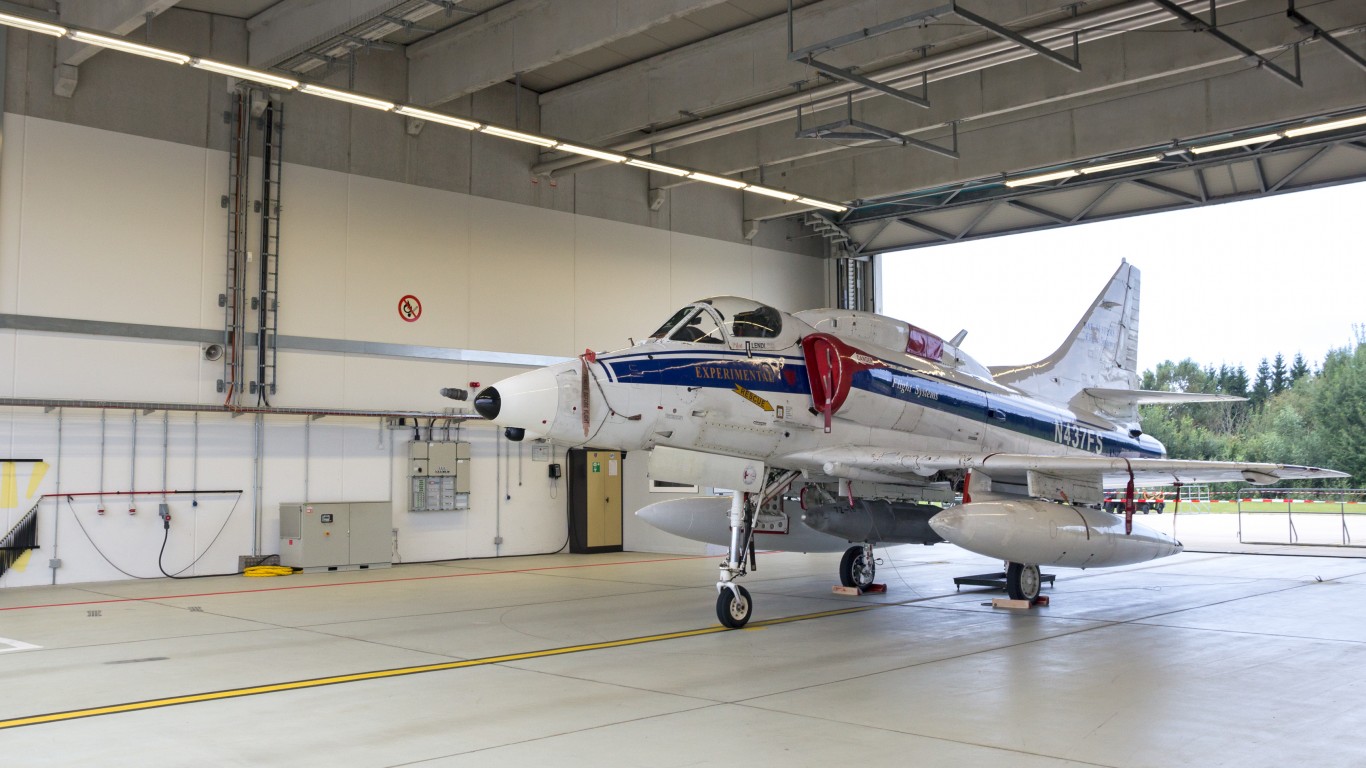
The A-4 Skyhawk was small and limited compared to larger strike aircraft, but skilled pilots maximized its strengths through careful mission planning and aggressive flying. Its combat success was driven more by pilot proficiency and carrier doctrine than by advanced design features.
A-6 Intruder
- Country of origin: United States
- Era introduced: 1960s
- Primary role: All-weather Attack
- Key design limitation: Slow and unarmed
- Crew skill or tactic that compensated: Crew coordination and navigation
- Training or doctrine factor: Two-crew doctrine
- Combat environment where crews excelled: Vietnam War
- Outcome achieved despite design limits: Reliable strike platform
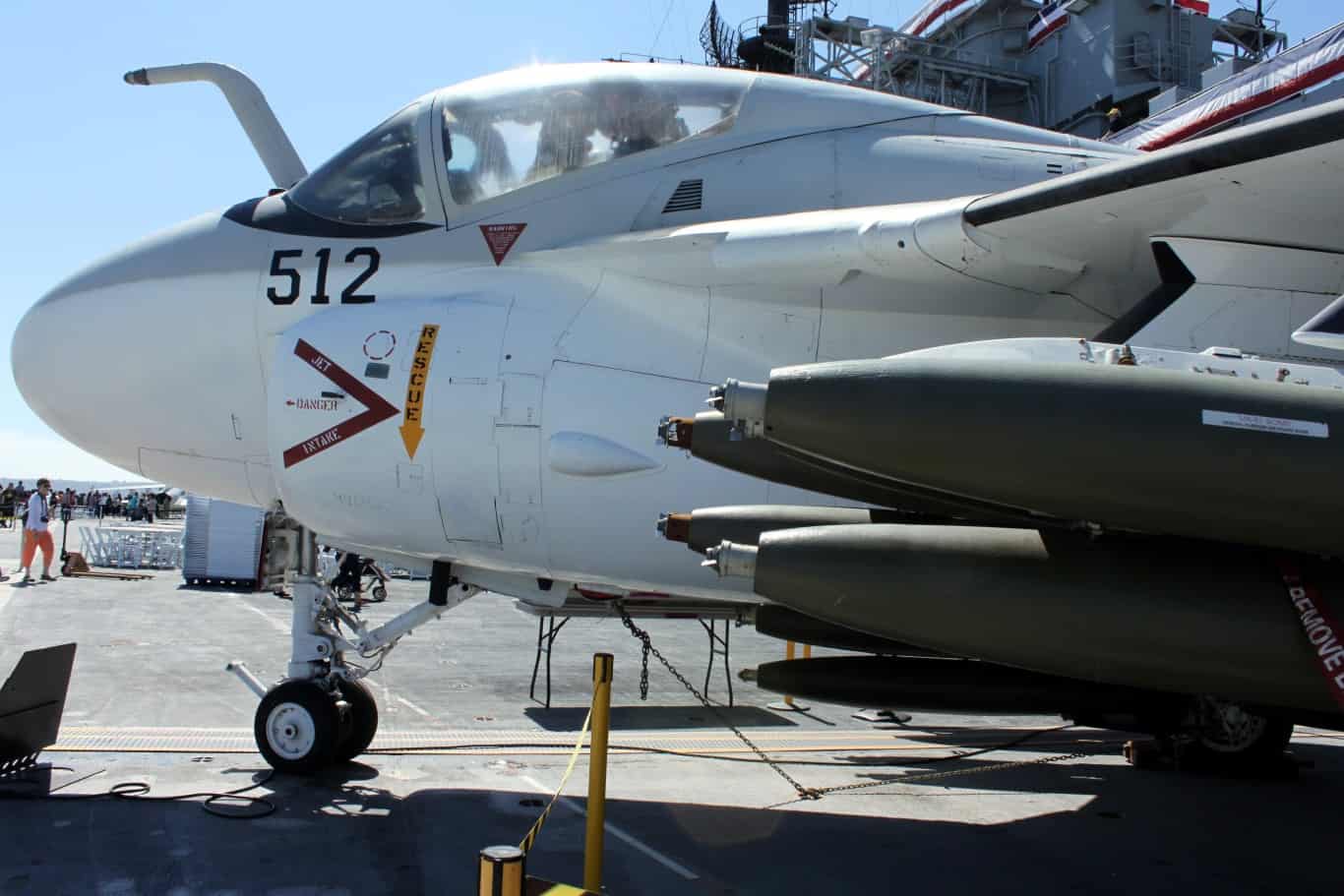
The A-6 Intruder relied heavily on its pilot and bombardier-navigator working seamlessly together. Despite being slow and lacking defensive armament, disciplined crew coordination allowed it to deliver precise strikes in difficult conditions, proving human integration was its real strength.
F-14 Tomcat
- Country of origin: United States
- Era introduced: 1970s
- Primary role: Fleet Defense Fighter
- Key design limitation: Maintenance-intensive and complex
- Crew skill or tactic that compensated: Pilot and RIO teamwork
- Training or doctrine factor: Extensive carrier training
- Combat environment where crews excelled: Cold War patrols
- Outcome achieved despite design limits: Effective fleet defense
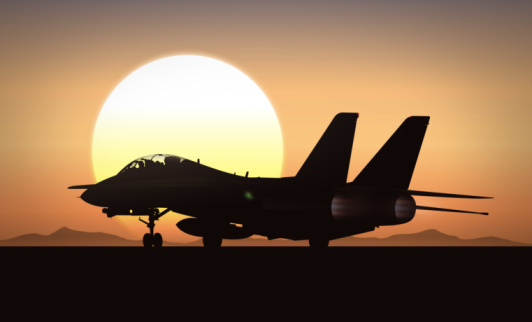
The F-14 Tomcat demanded exceptional crew coordination between pilot and radar intercept officer. Its complexity could overwhelm untrained crews, but highly skilled teams exploited its capabilities, making it an effective fleet defense platform despite its demanding design.
B-52 Stratofortress
- Country of origin: United States
- Era introduced: 1950s
- Primary role: Strategic Bomber
- Key design limitation: Large, slow airframe
- Crew skill or tactic that compensated: Crew discipline and mission planning
- Training or doctrine factor: Long-range bomber doctrine
- Combat environment where crews excelled: Vietnam War
- Outcome achieved despite design limits: Sustained strategic bombing
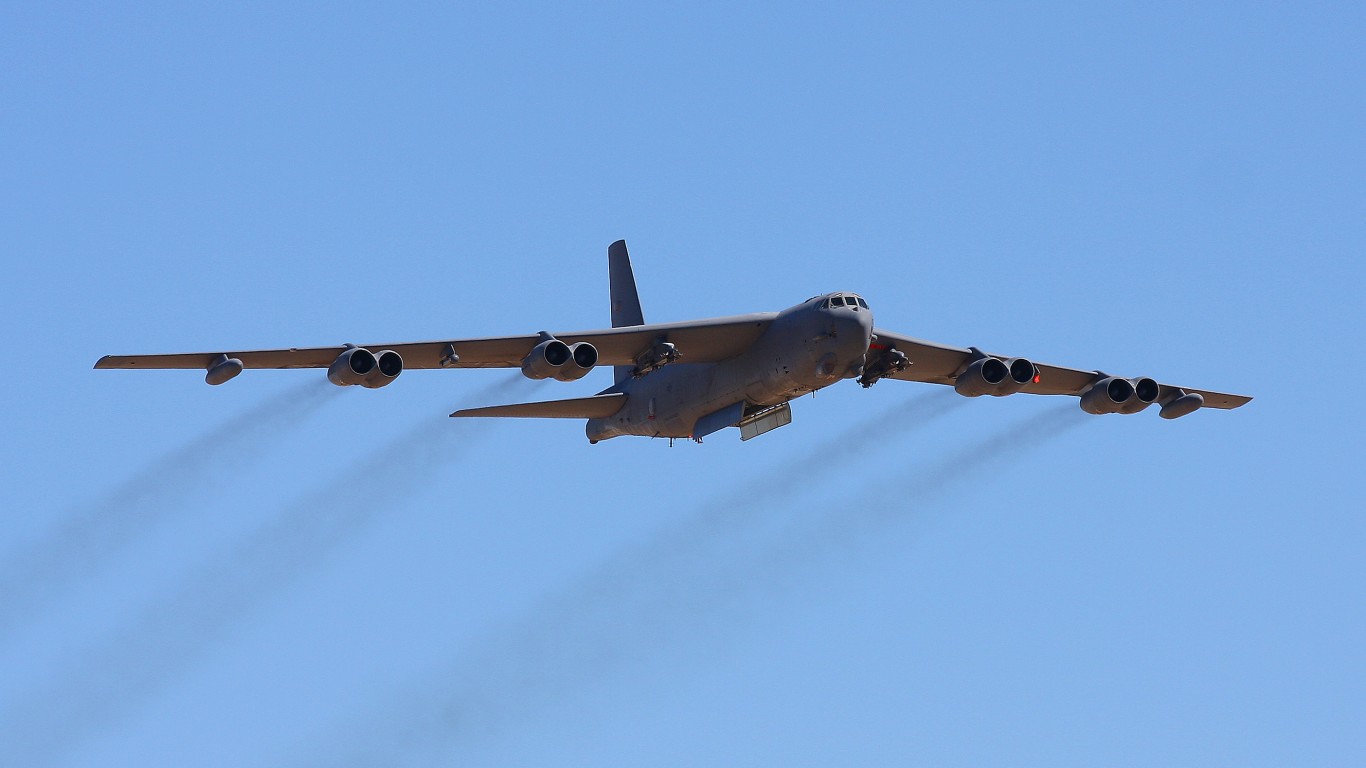
The B-52’s continued combat relevance owes much to disciplined crews executing complex missions over long durations. Despite its size and vulnerability, careful planning and crew professionalism kept it effective across decades of conflict.
B-24 Liberator
- Country of origin: United States
- Era introduced: 1940s
- Primary role: Heavy Bomber
- Key design limitation: Difficult handling
- Crew skill or tactic that compensated: Strict crew procedures
- Training or doctrine factor: Bomber training pipelines
- Combat environment where crews excelled: WWII
- Outcome achieved despite design limits: High sortie rates
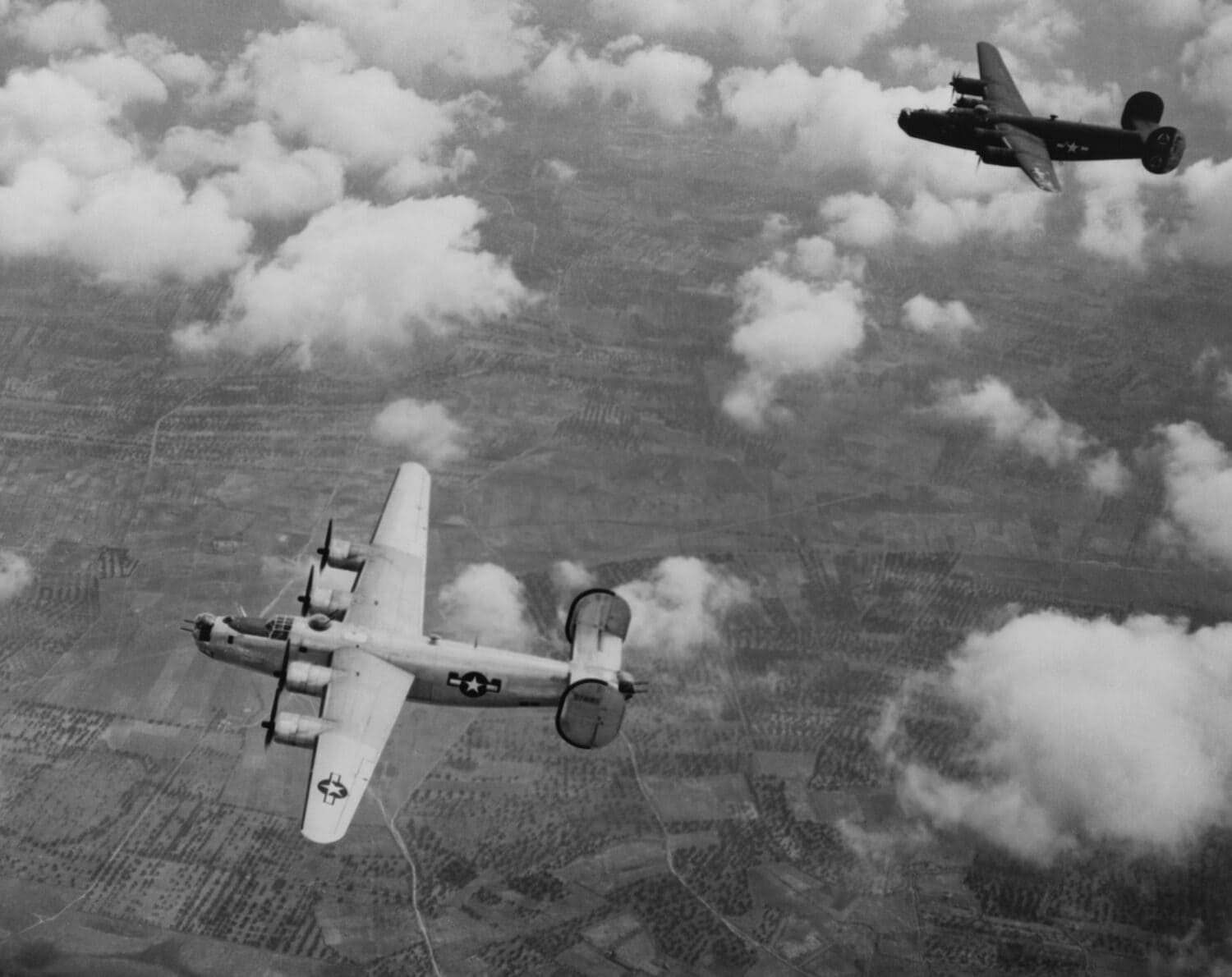
The B-24’s challenging flight characteristics placed heavy demands on its crews. Success depended on strict adherence to procedures and teamwork, allowing the aircraft to deliver high sortie rates despite its unforgiving design.
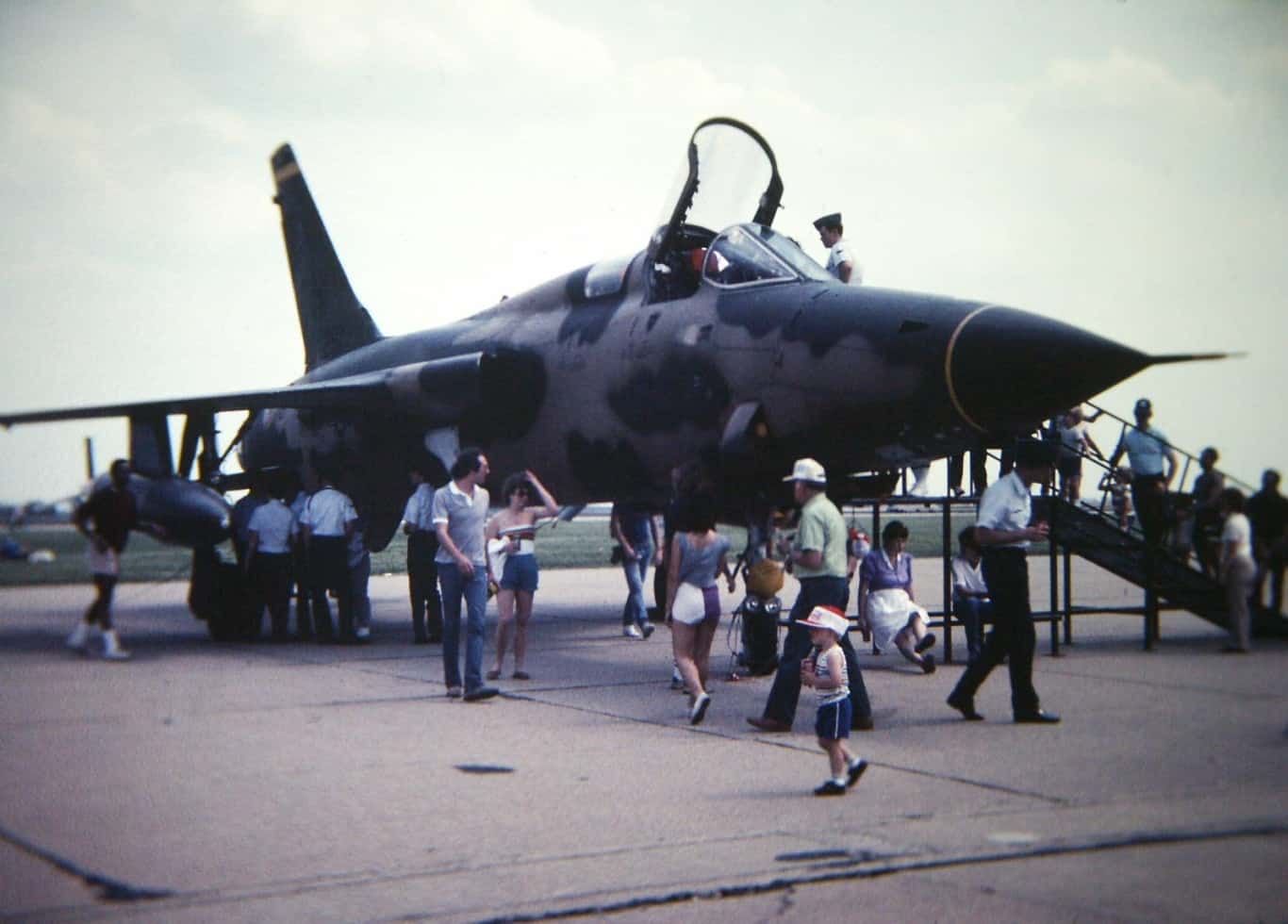
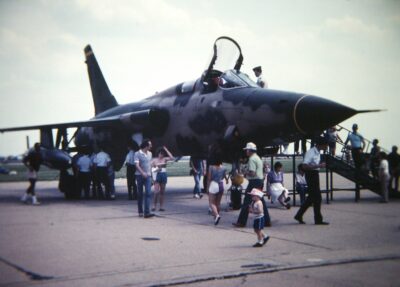
F-105 Thunderchief
- Country of origin: United States
- Era introduced: 1950s
- Primary role: Strike Fighter
- Key design limitation: High loss rates
- Crew skill or tactic that compensated: Low-level penetration tactics
- Training or doctrine factor: Specialized training
- Combat environment where crews excelled: Vietnam War
- Outcome achieved despite design limits: Primary strike workhorse
The F-105 suffered from heavy losses early in Vietnam, but skilled pilots adapted tactics to survive dense defenses. Their ability to exploit speed and terrain transformed the aircraft into an effective strike platform despite its vulnerability.
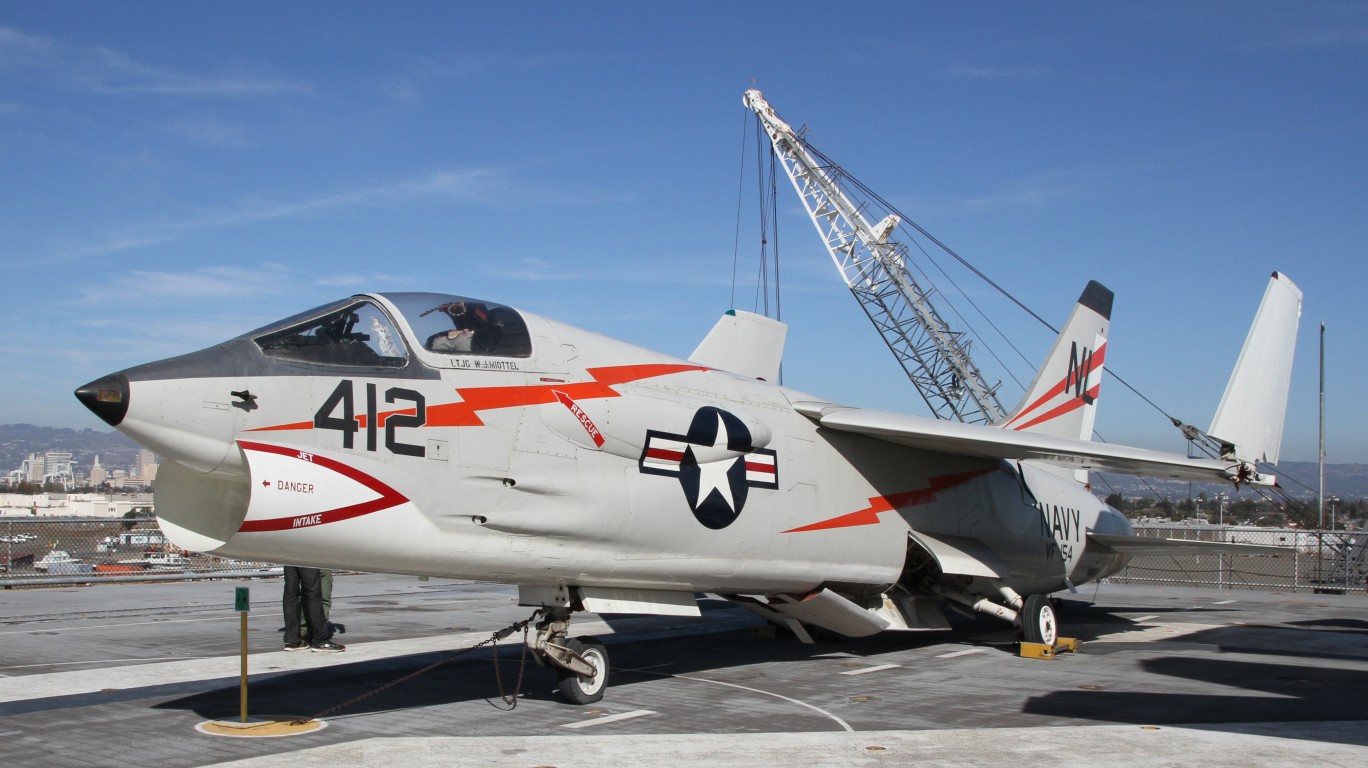
F-8 Crusader
- Country of origin: United States
- Era introduced: 1950s
- Primary role: Fighter
- Key design limitation: Maintenance-heavy design
- Crew skill or tactic that compensated: Dogfighting skill
- Training or doctrine factor: Carrier fighter training
- Combat environment where crews excelled: Vietnam War
- Outcome achieved despite design limits: High kill ratio
The F-8 Crusader’s reputation was built on pilot skill rather than ease of operation. Maintenance demands were high, but well-trained pilots exploited its gun armament and handling to dominate aerial combat.
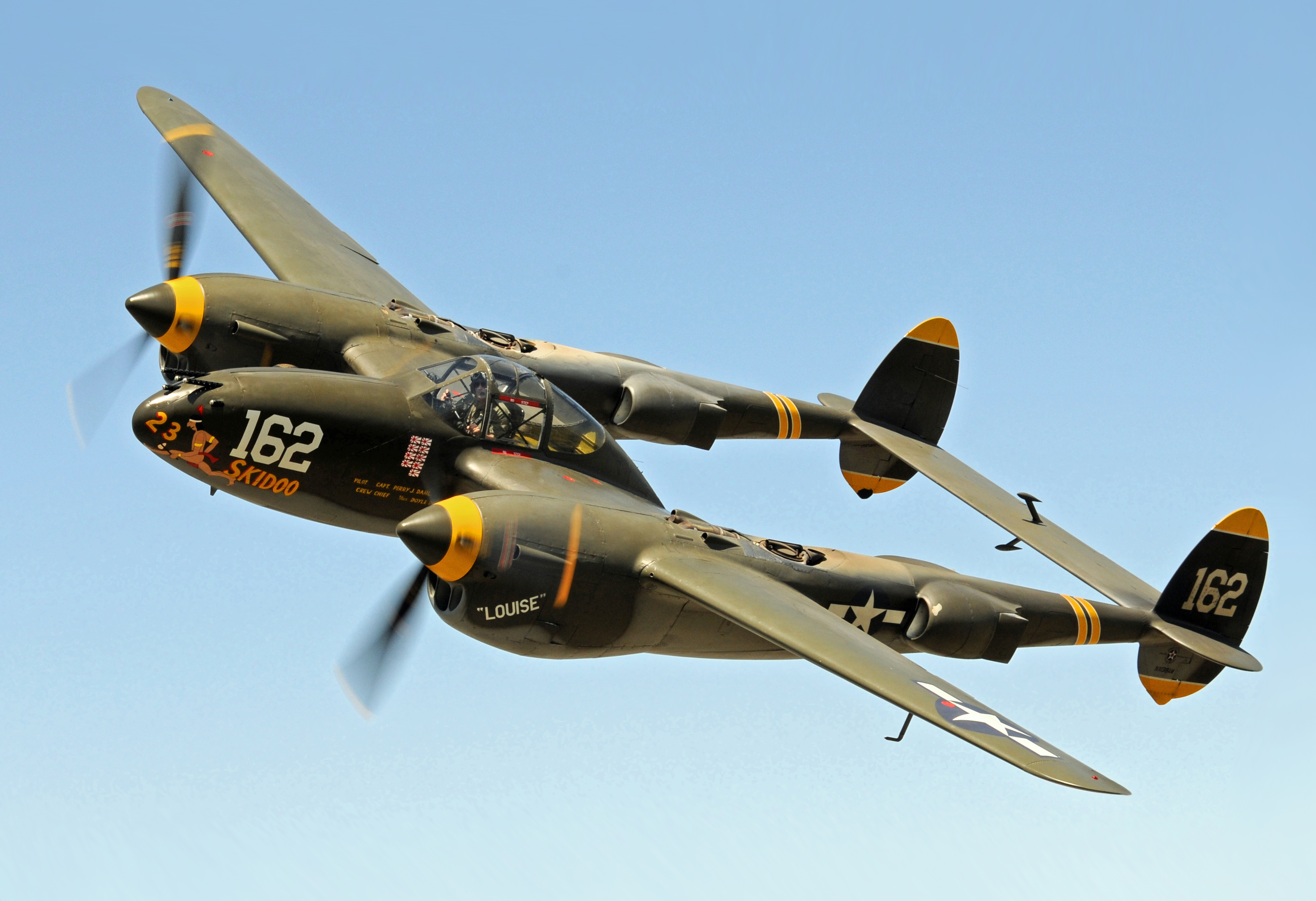
P-38 Lightning
- Country of origin: United States
- Era introduced: 1940s
- Primary role: Fighter
- Key design limitation: Early engine reliability issues
- Crew skill or tactic that compensated: Pilot adaptation
- Training or doctrine factor: Combat experience
- Combat environment where crews excelled: Pacific Theater WWII
- Outcome achieved despite design limits: Long-range escort success
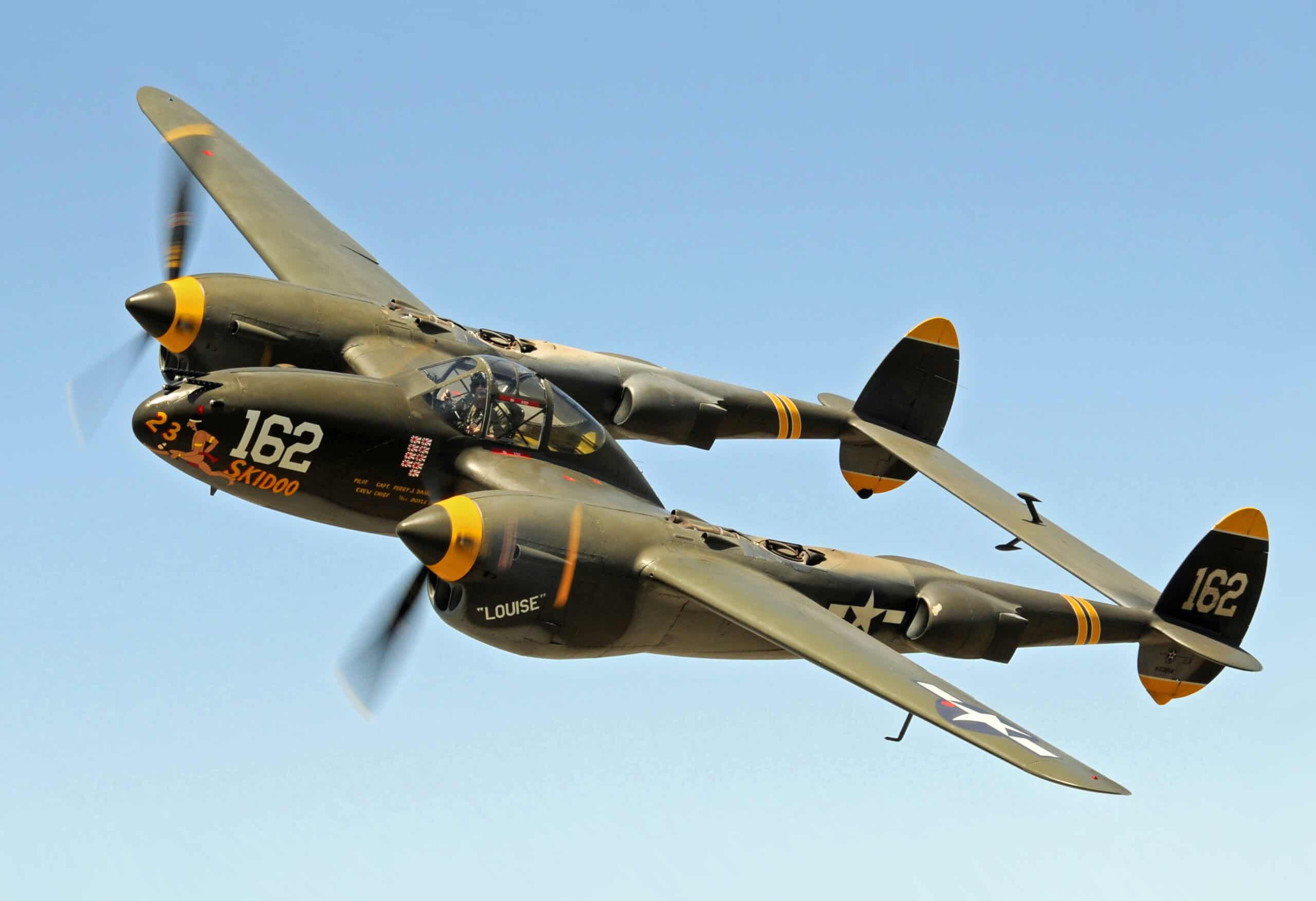
The P-38’s early technical problems challenged pilots, but experienced crews adapted operating techniques to overcome them. Pilot skill and tactical learning allowed the aircraft to succeed as a long-range escort and interceptor.
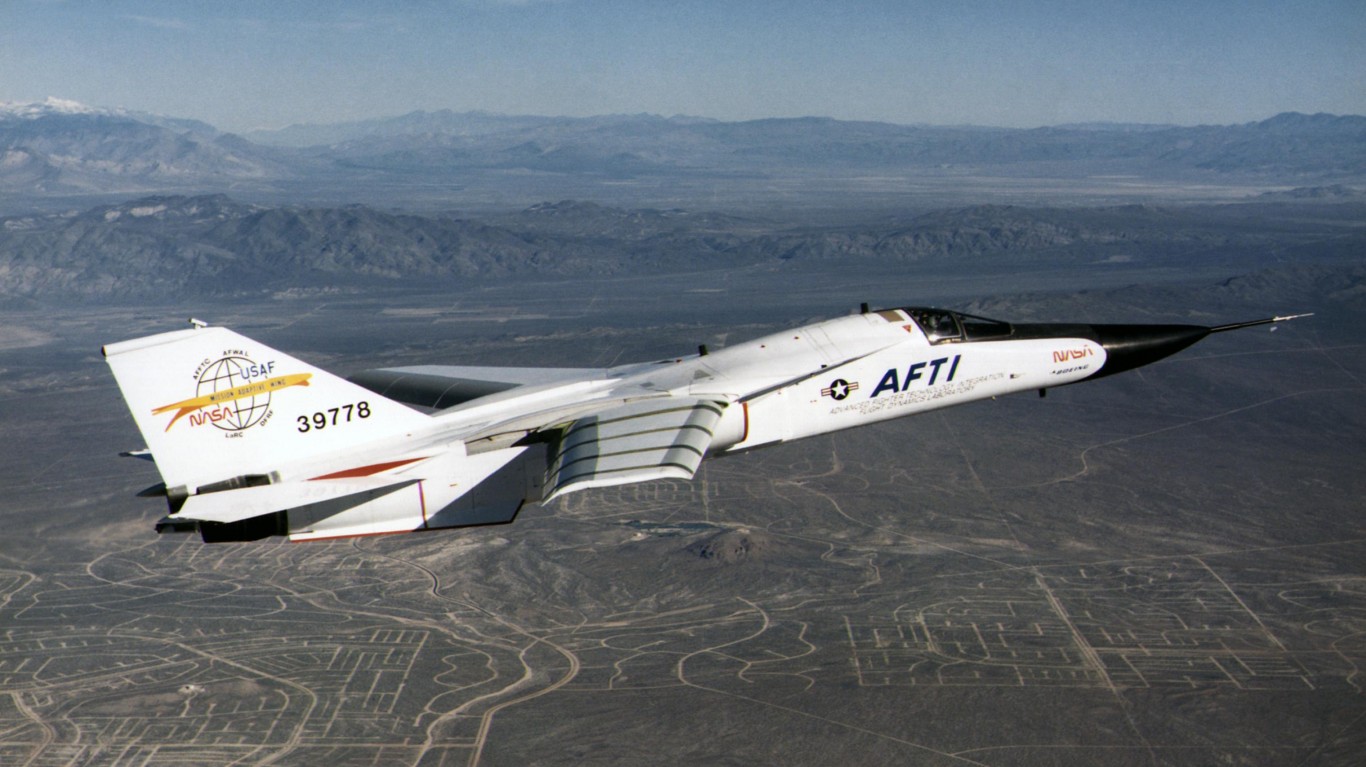
F-111 Aardvark
- Country of origin: United States
- Era introduced: 1960s
- Primary role: Strike
- Key design limitation: Complex systems
- Crew skill or tactic that compensated: Crew systems management
- Training or doctrine factor: Two-crew strike doctrine
- Combat environment where crews excelled: Vietnam War
- Outcome achieved despite design limits: Effective deep strike
The F-111’s success depended on crews mastering its complex avionics and terrain-following systems. When properly trained, crews turned a troubled design into a reliable deep-strike aircraft.
AV-8B Harrier II
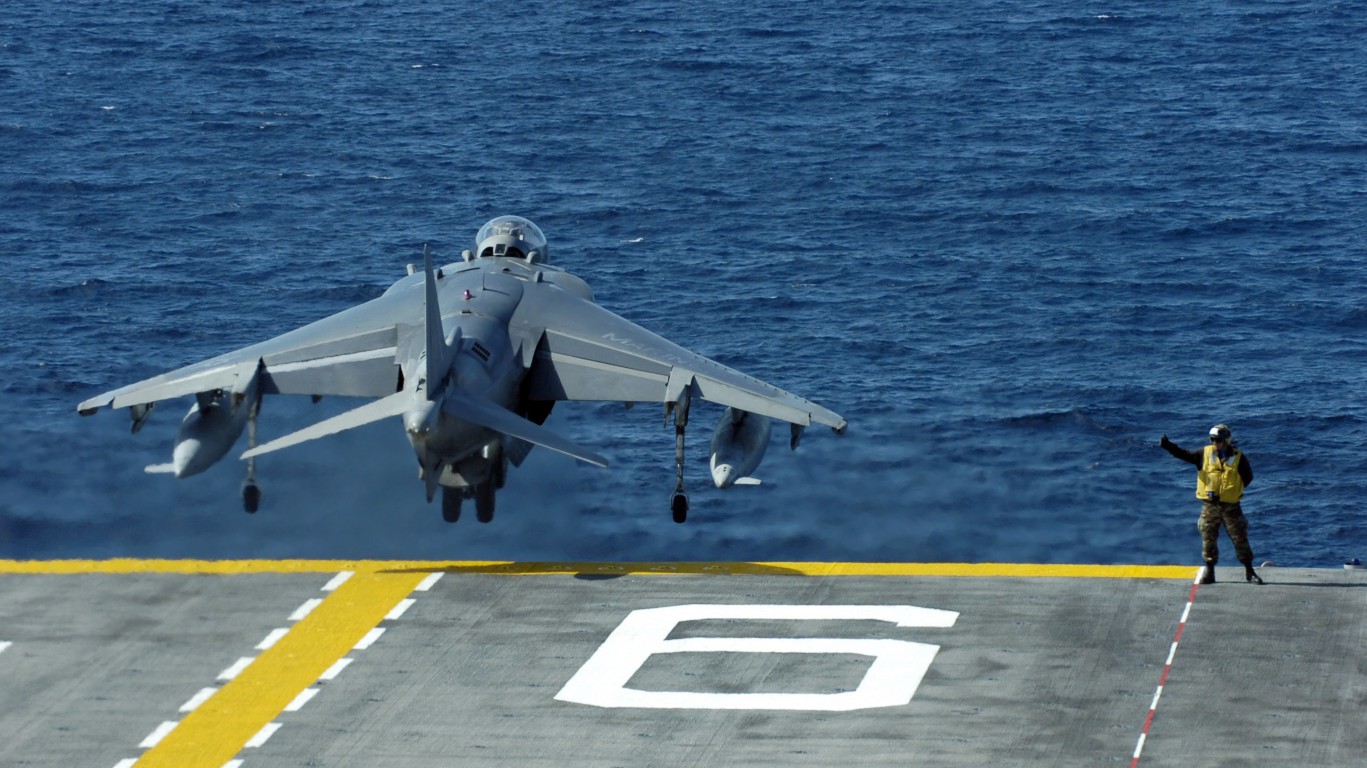
- Country of origin: United States/UK
- Era introduced: 1980s
- Primary role: VTOL Attack
- Key design limitation: High pilot workload
- Crew skill or tactic that compensated: Exceptional pilot skill
- Training or doctrine factor: Specialized VTOL training
- Combat environment where crews excelled: Iraq War
- Outcome achieved despite design limits: Flexible basing success
The Harrier’s demanding flight characteristics required highly trained pilots. Its combat success relied on pilot discipline and specialized training rather than forgiving design.
Su-25 Frogfoot
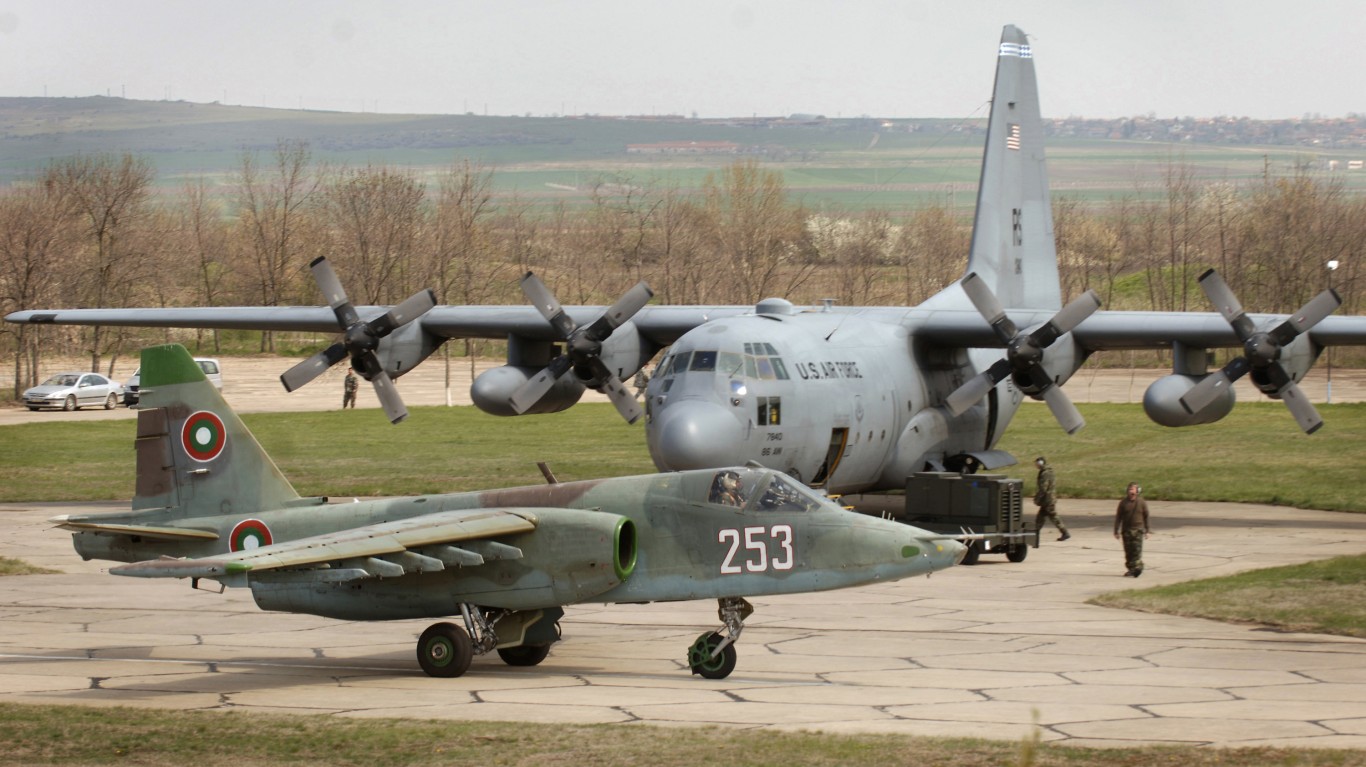
- Country of origin: Soviet Union/Russia
- Era introduced: 1980s
- Primary role: CAS
- Key design limitation: Limited avionics
- Crew skill or tactic that compensated: Pilot toughness
- Training or doctrine factor: Forward air coordination
- Combat environment where crews excelled: Afghanistan
- Outcome achieved despite design limits: Effective CAS
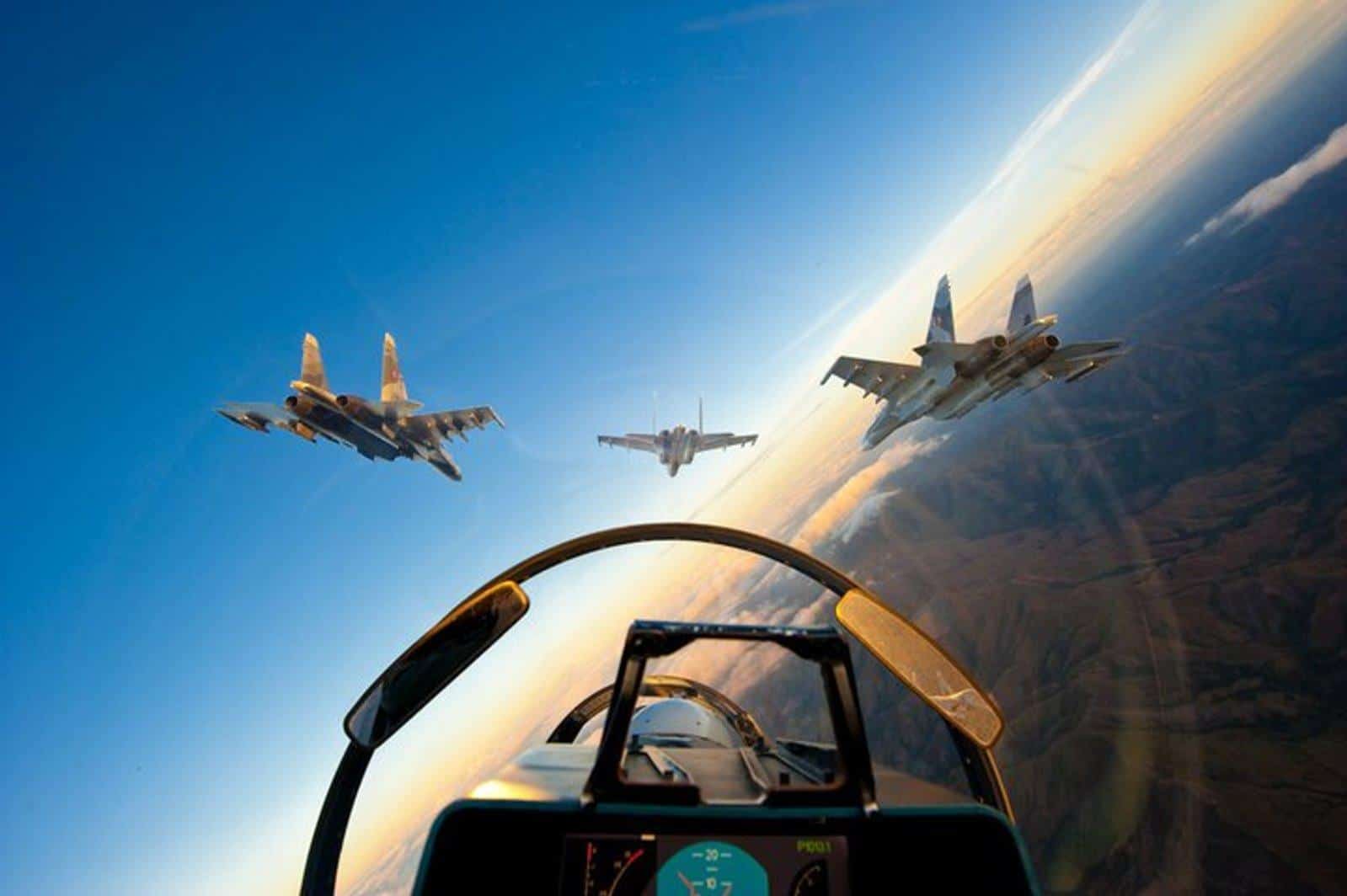
The Su-25’s effectiveness stemmed from pilot resilience and close coordination with ground forces. Crews compensated for basic systems through experience and discipline in harsh environments.
MiG-21
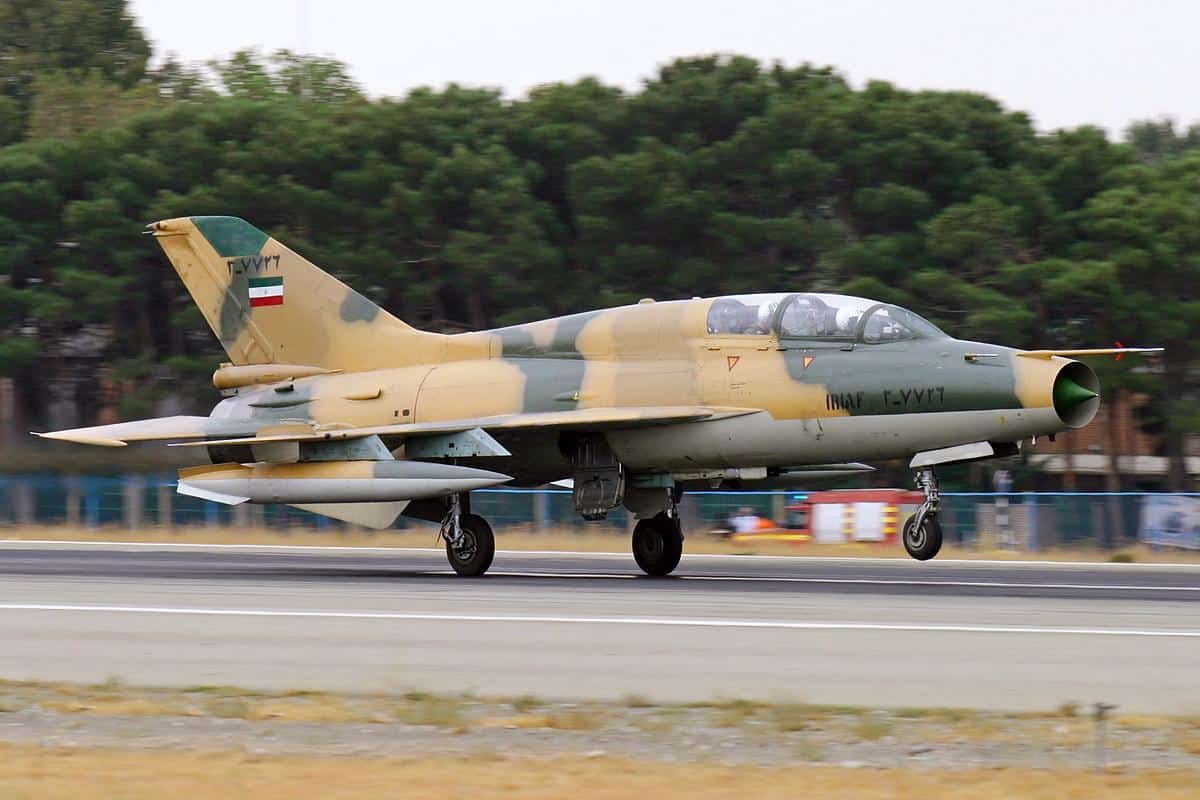
- Country of origin: Soviet Union
- Era introduced: 1960s
- Primary role: Interceptor
- Key design limitation: Short range
- Crew skill or tactic that compensated: Pilot tactics
- Training or doctrine factor: Training and doctrine
- Combat environment where crews excelled: Vietnam War
- Outcome achieved despite design limits: Surprise effectiveness
MiG-21 pilots exploited tactics and discipline to offset the aircraft’s limitations. Success depended on crew decisions rather than technological superiority.
MiG-23

- Country of origin: Soviet Union
- Era introduced: 1970s
- Primary role: Interceptor
- Key design limitation: Handling issues
- Crew skill or tactic that compensated: Pilot adaptation
- Training or doctrine factor: Improved training
- Combat environment where crews excelled: Middle East
- Outcome achieved despite design limits: Improved combat record
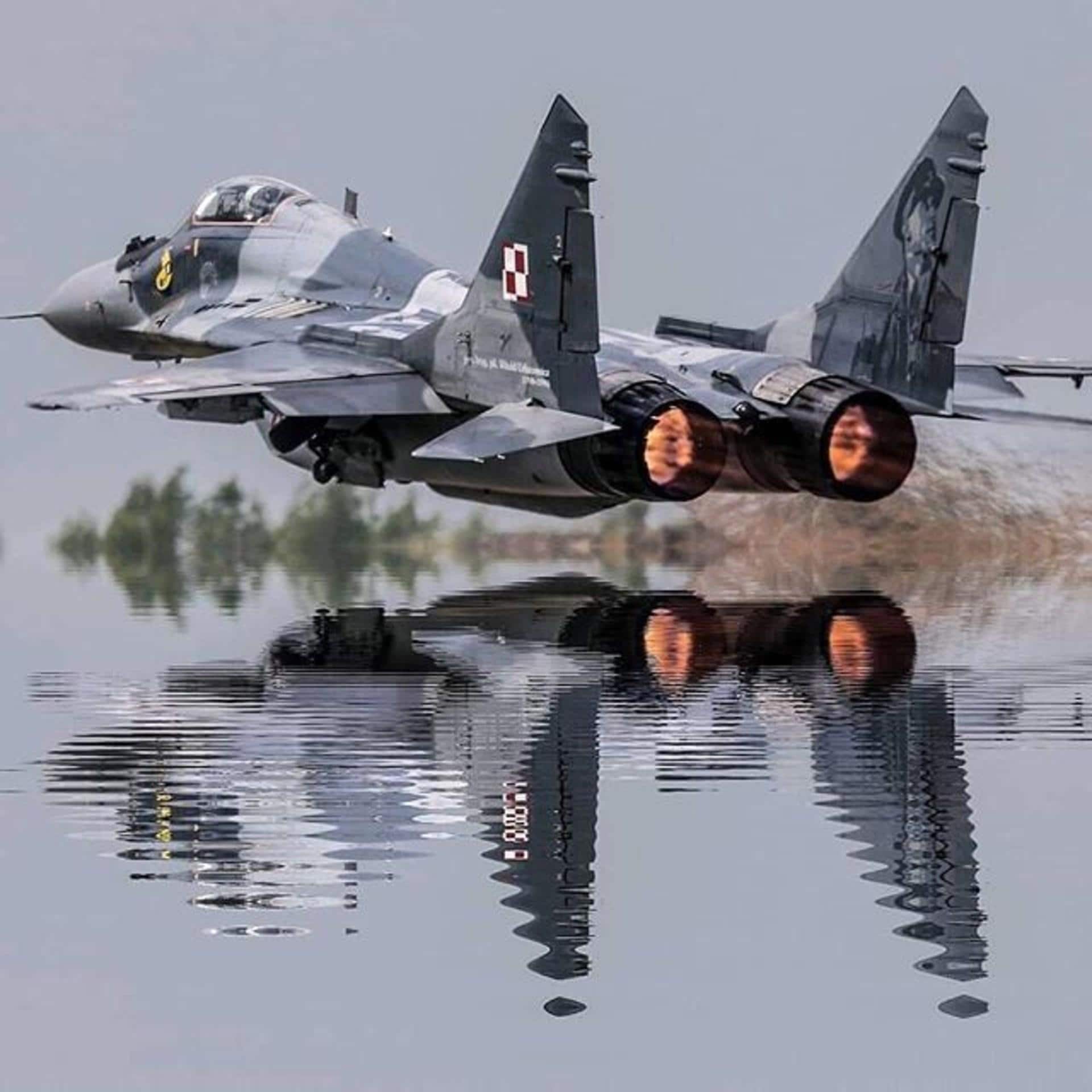
Early MiG-23 variants were unforgiving, but trained pilots learned to work around flaws. Combat effectiveness improved as crews adapted tactics.
Il-2 Sturmovik
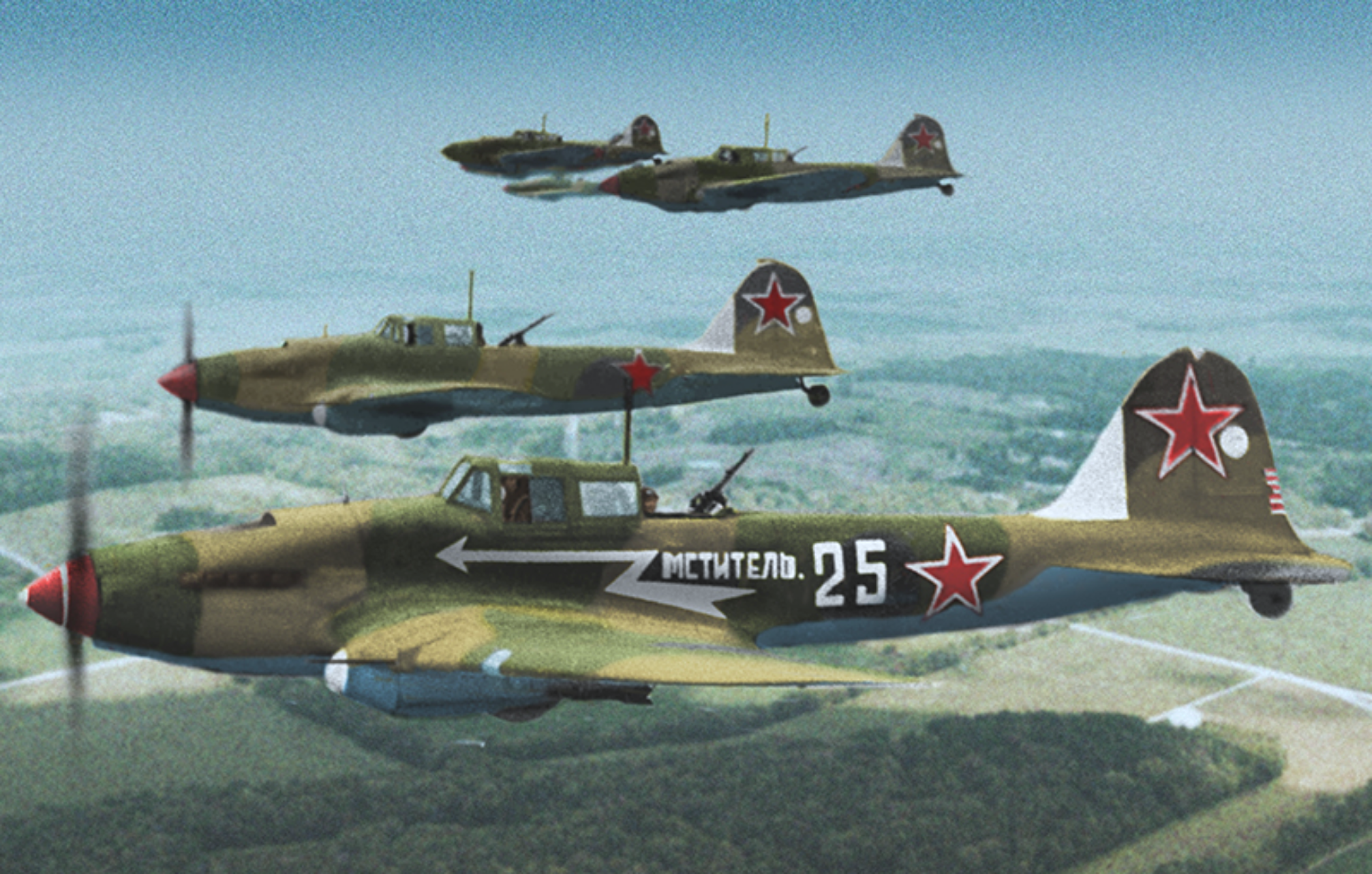
- Country of origin: Soviet Union
- Era introduced: 1940s
- Primary role: Ground Attack
- Key design limitation: Poor early survivability
- Crew skill or tactic that compensated: Pilot endurance
- Training or doctrine factor: Close ground coordination
- Combat environment where crews excelled: Eastern Front WWII
- Outcome achieved despite design limits: Sustained attack capability
Il-2 crews flew in extremely dangerous conditions, relying on discipline and coordination rather than design elegance to survive and deliver firepower.
Ju-87 Stuka
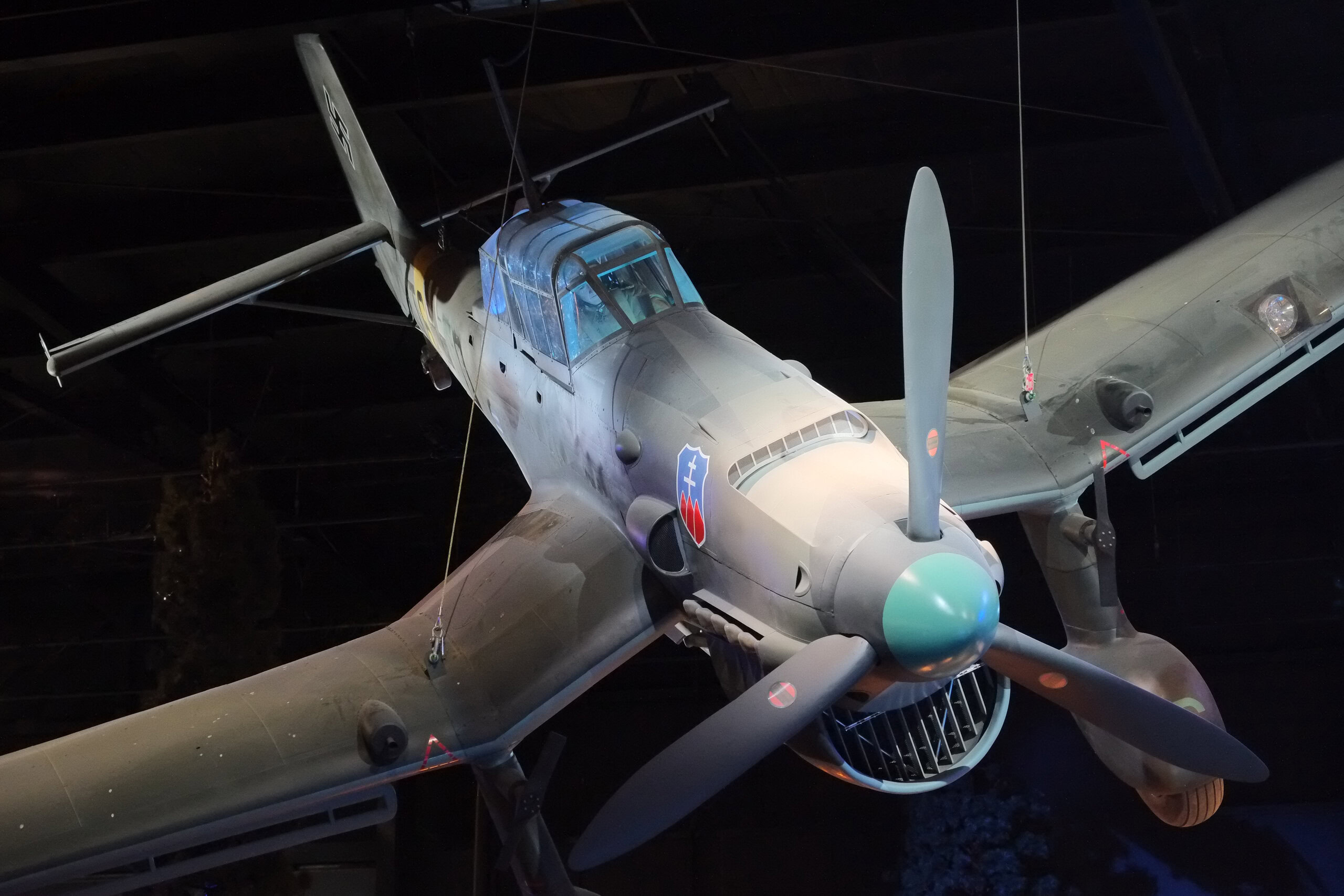
- Country of origin: Germany
- Era introduced: 1930s
- Primary role: Dive Bomber
- Key design limitation: Highly vulnerable
- Crew skill or tactic that compensated: Precision dive tactics
- Training or doctrine factor: Strict crew training
- Combat environment where crews excelled: Early WWII
- Outcome achieved despite design limits: Accurate strike results
The Stuka’s success depended on disciplined crews executing precise dive-bombing profiles. Without skilled crews, the design’s vulnerabilities were fatal.
Tornado IDS

- Country of origin: UK/Germany
- Era introduced: 1970s
- Primary role: Strike
- Key design limitation: Low-altitude risk
- Crew skill or tactic that compensated: Terrain-following skill
- Training or doctrine factor: NATO low-level doctrine
- Combat environment where crews excelled: Cold War / Gulf War
- Outcome achieved despite design limits: Penetration success
Tornado crews relied on intense training and coordination to survive low-level penetration missions, compensating for inherent risks.
Mirage III
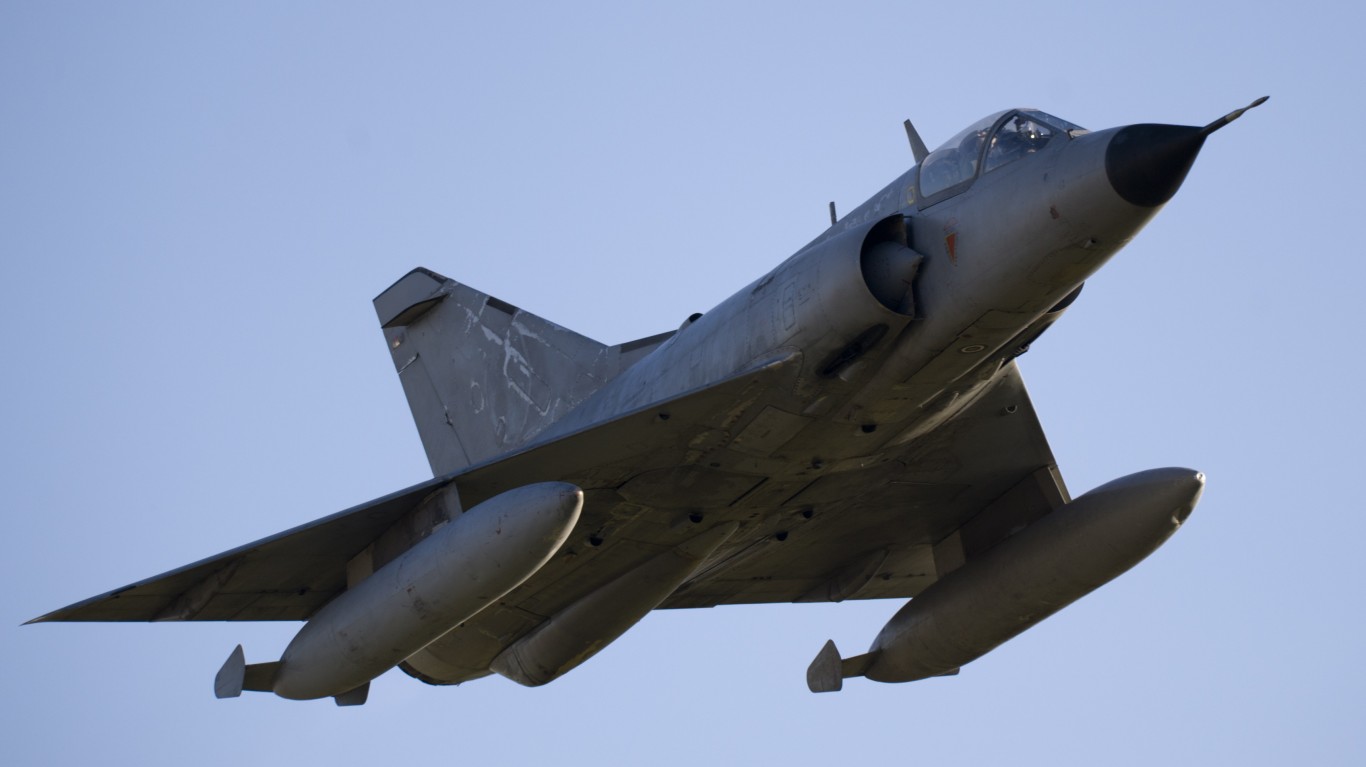
- Country of origin: France
- Era introduced: 1960s
- Primary role: Fighter
- Key design limitation: Limited avionics
- Crew skill or tactic that compensated: Pilot skill
- Training or doctrine factor: Aggressive doctrine
- Combat environment where crews excelled: Six-Day War
- Outcome achieved despite design limits: Air superiority
Mirage III pilots leveraged training and tactics to overcome limited avionics, achieving decisive results through skill rather than design complexity.
Bristol Beaufighter
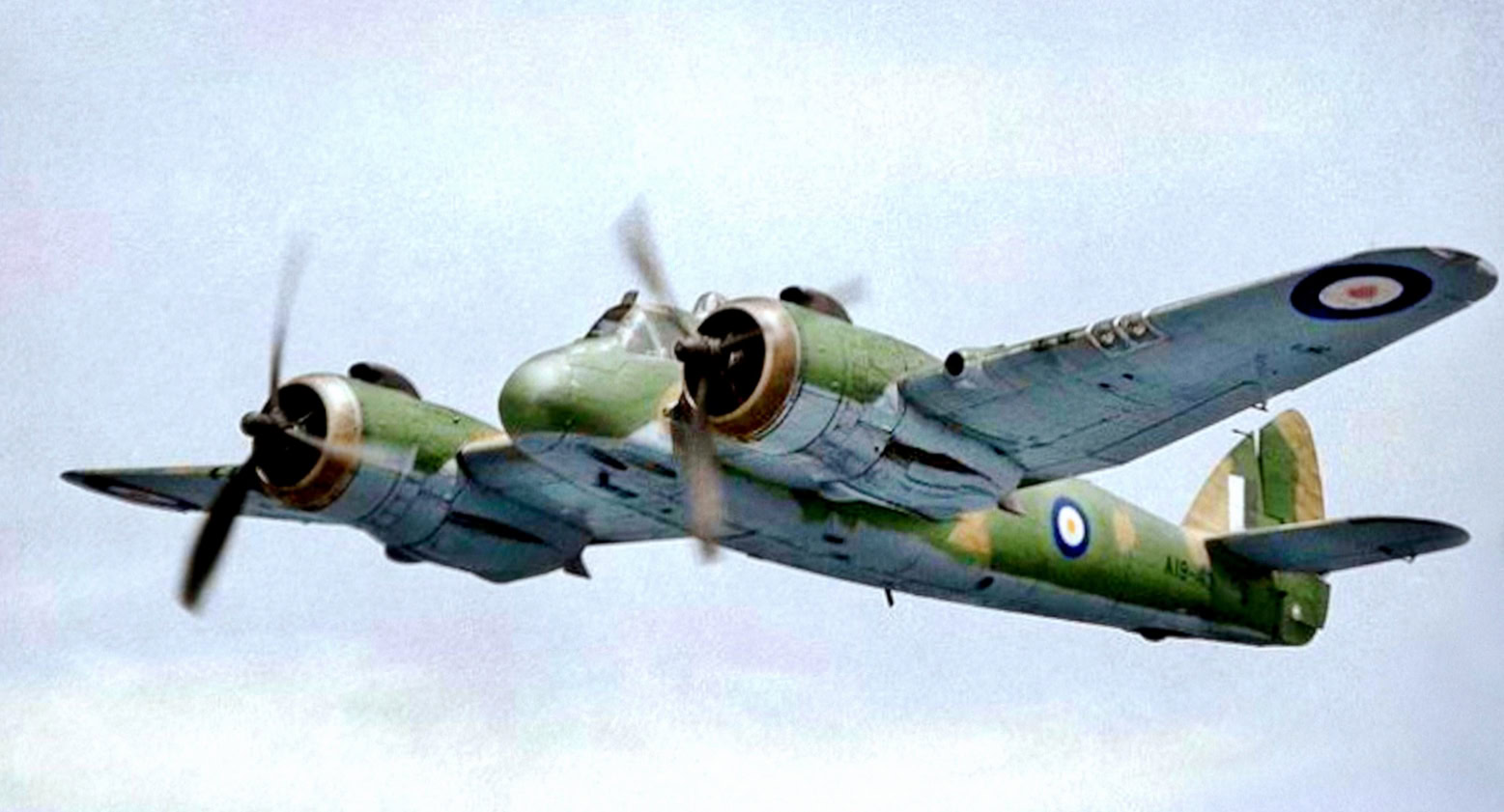
- Country of origin: United Kingdom
- Era introduced: 1940s
- Primary role: Strike Fighter
- Key design limitation: Heavy handling
- Crew skill or tactic that compensated: Crew coordination
- Training or doctrine factor: Night-fighting doctrine
- Combat environment where crews excelled: WWII
- Outcome achieved despite design limits: Effective strike
Beaufighter crews overcame heavy handling through coordination and training, making the aircraft effective in multiple roles.
de Havilland Mosquito
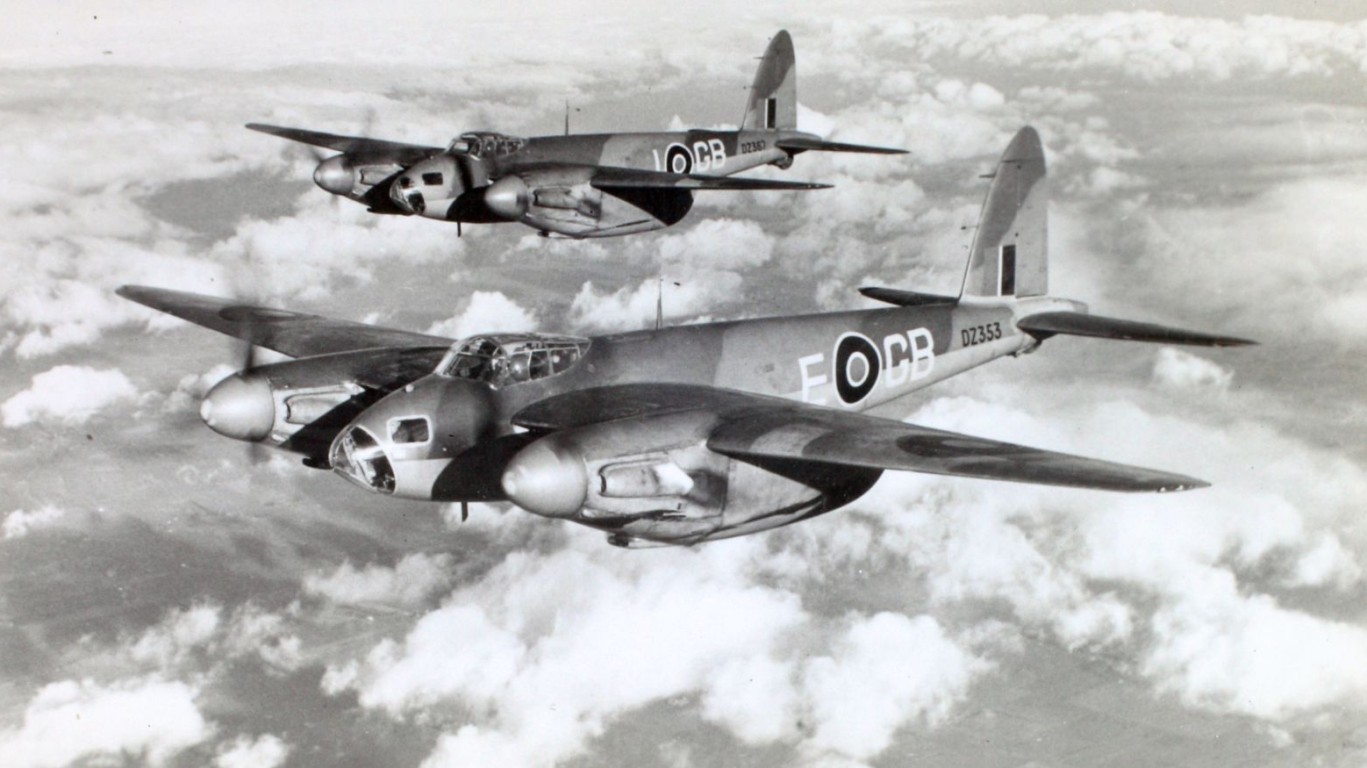
- Country of origin: United Kingdom
- Era introduced: 1940s
- Primary role: Multirole
- Key design limitation: Minimal defensive armament
- Crew skill or tactic that compensated: Crew precision
- Training or doctrine factor: Specialized training
- Combat environment where crews excelled: WWII
- Outcome achieved despite design limits: High survivability
Mosquito crews relied on speed, planning, and precision rather than defensive systems. Crew skill was central to its success.
A-1 Skyraider
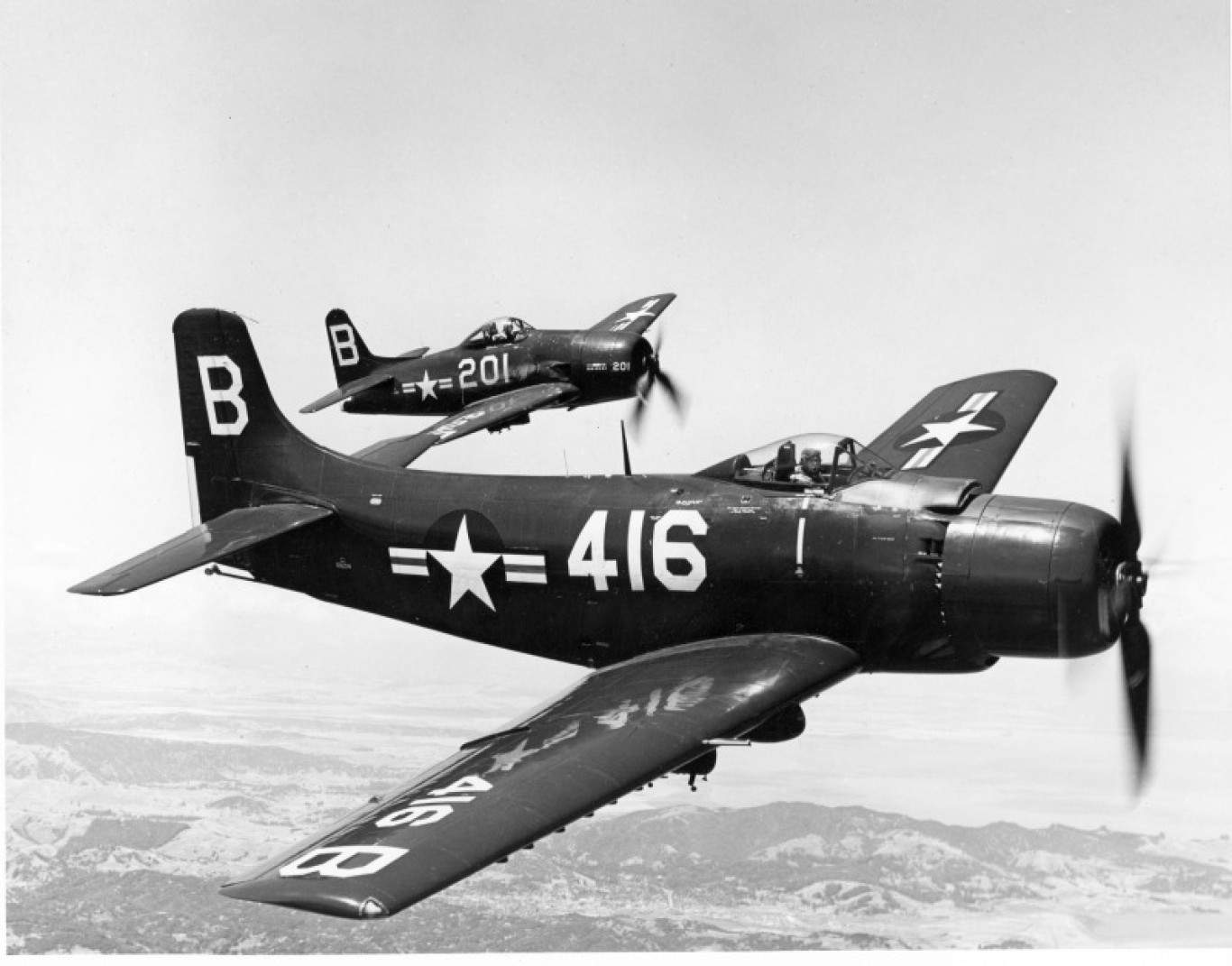
- Country of origin: United States
- Era introduced: 1940s
- Primary role: Attack
- Key design limitation: Obsolete design
- Crew skill or tactic that compensated: Pilot endurance
- Training or doctrine factor: CAS doctrine
- Combat environment where crews excelled: Vietnam War
- Outcome achieved despite design limits: Exceptional CAS
Skyraider pilots maximized loiter time and payload through experience and discipline, making an outdated design lethal in modern combat.
F-104 Starfighter
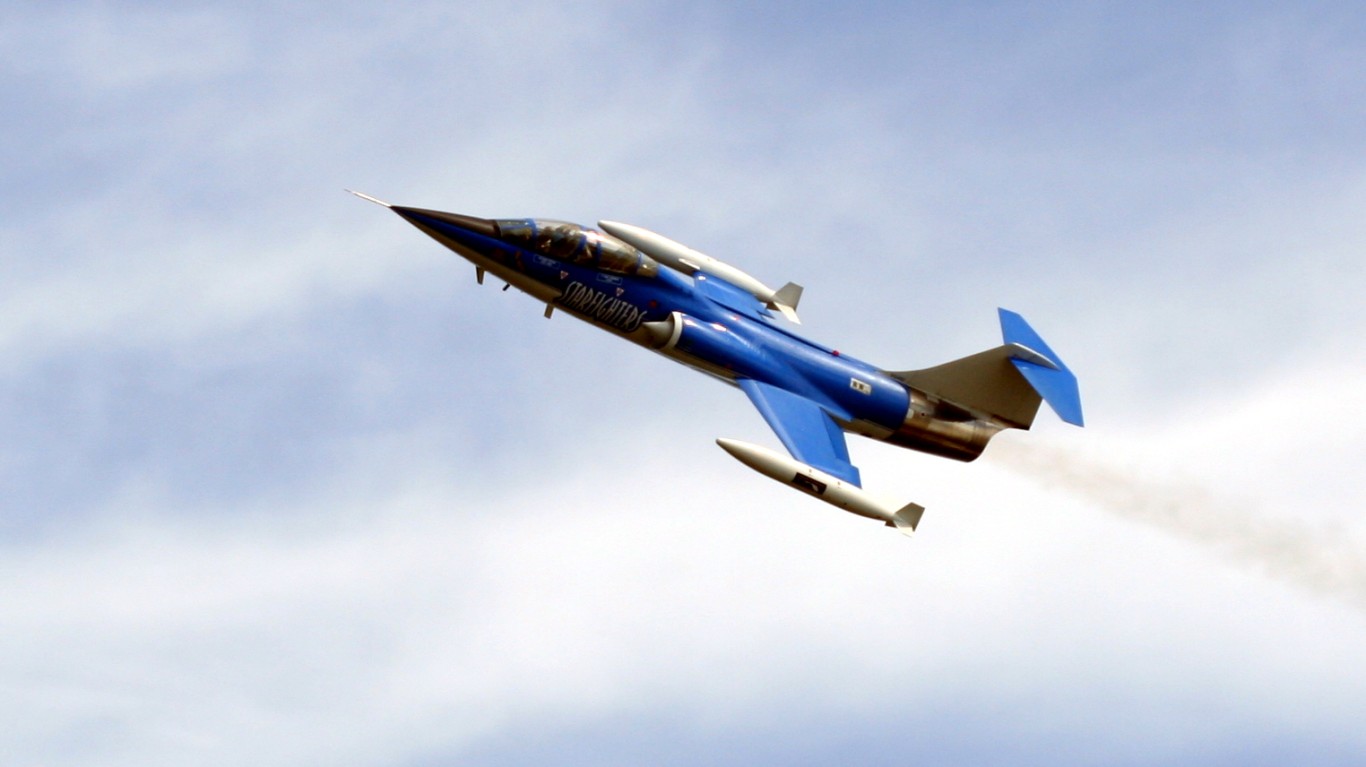
- Country of origin: United States
- Era introduced: 1950s
- Primary role: Interceptor
- Key design limitation: Unforgiving flight characteristics
- Crew skill or tactic that compensated: Exceptional pilot discipline
- Training or doctrine factor: Specialized training
- Combat environment where crews excelled: NATO service
- Outcome achieved despite design limits: Mixed but capable
The F-104 demanded constant attention from pilots. Success depended on discipline and training rather than forgiving design.
MiG-19
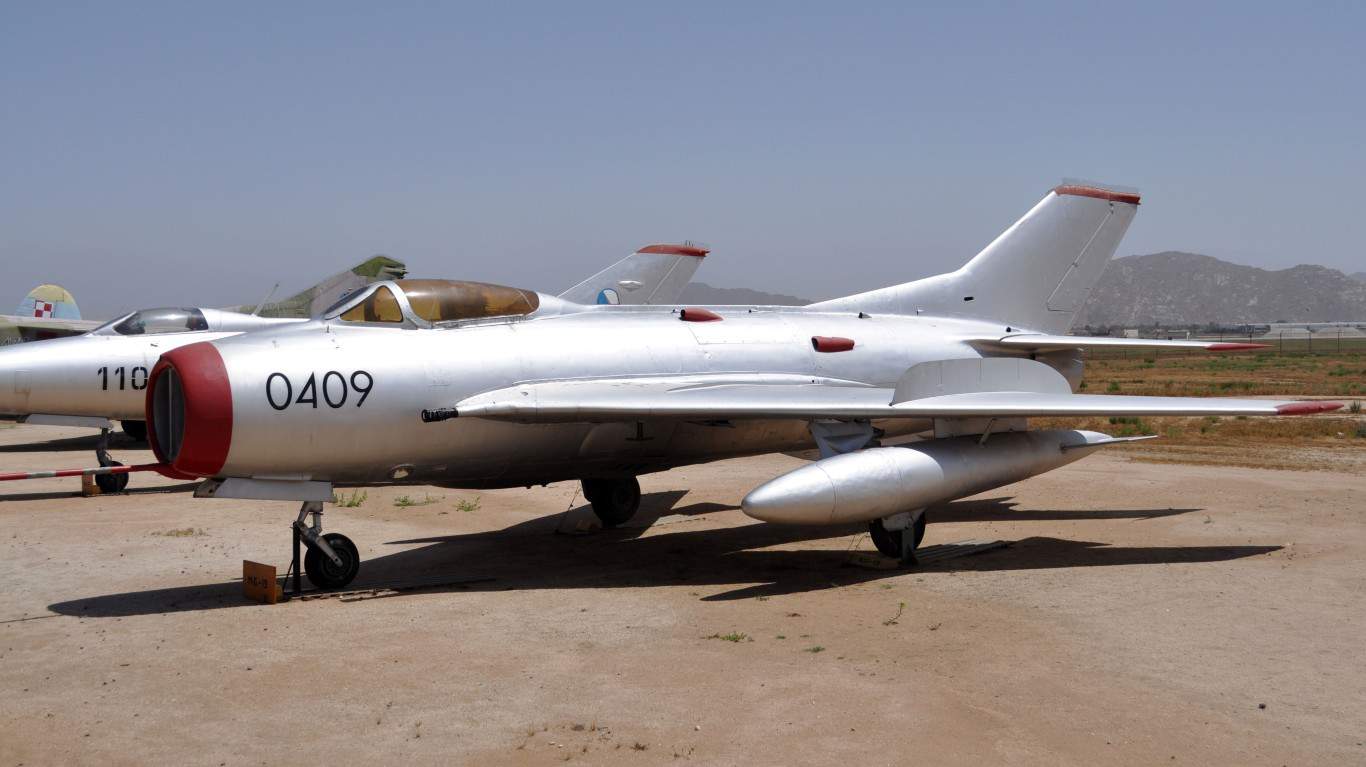
- Country of origin: Soviet Union
- Era introduced: 1950s
- Primary role: Fighter
- Key design limitation: Short endurance
- Crew skill or tactic that compensated: Pilot aggressiveness
- Training or doctrine factor: Early jet doctrine
- Combat environment where crews excelled: Cold War
- Outcome achieved despite design limits: Combat relevance
MiG-19 pilots compensated for limited endurance through tactics and discipline.
Su-17 / Su-22
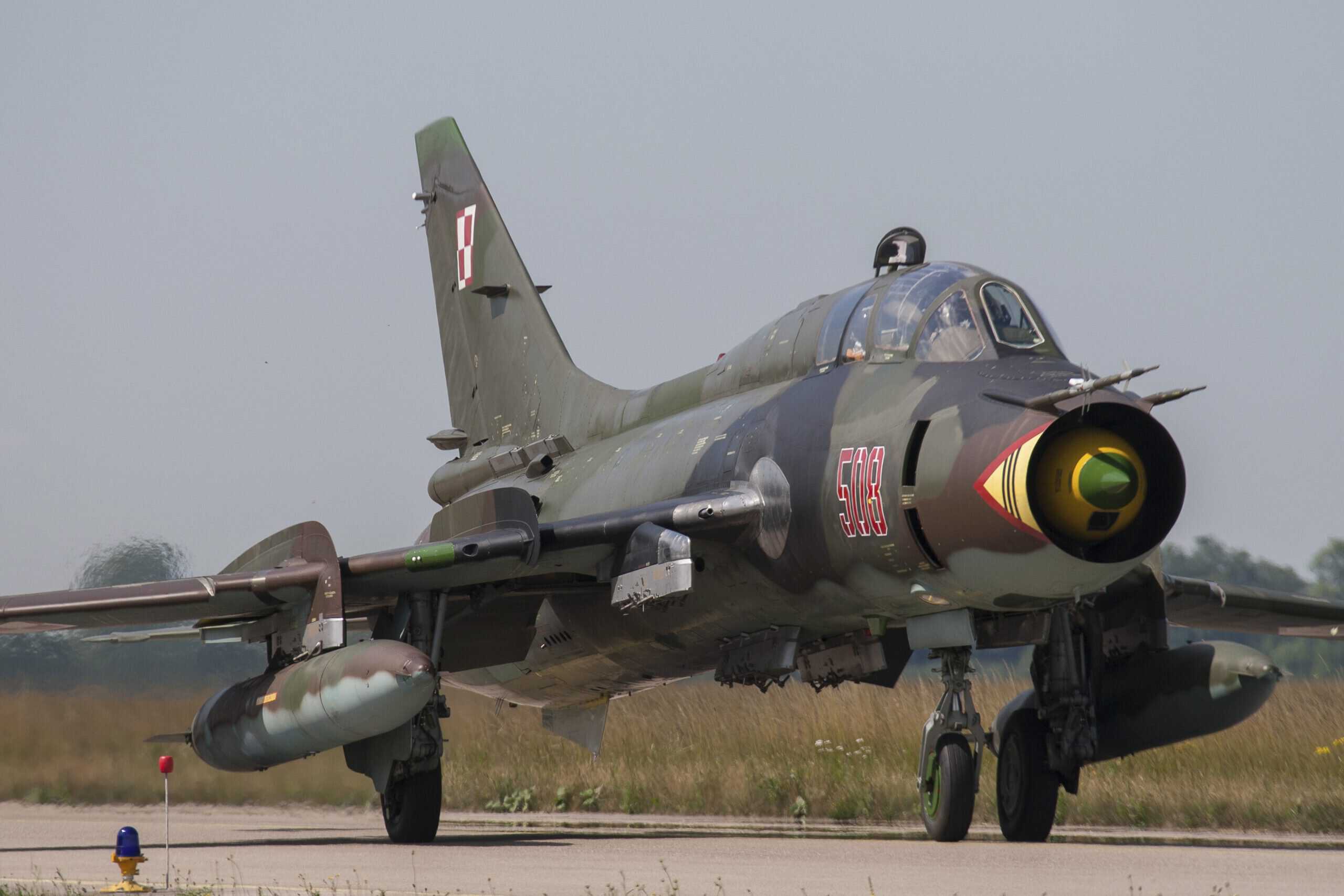
- Country of origin: Soviet Union
- Era introduced: 1970s
- Primary role: Strike
- Key design limitation: Limited precision
- Crew skill or tactic that compensated: Pilot planning
- Training or doctrine factor: Tactical adaptation
- Combat environment where crews excelled: Middle East
- Outcome achieved despite design limits: Effective strike
Crews relied on planning and experience to offset limited precision capabilities.
Canberra B(I).8
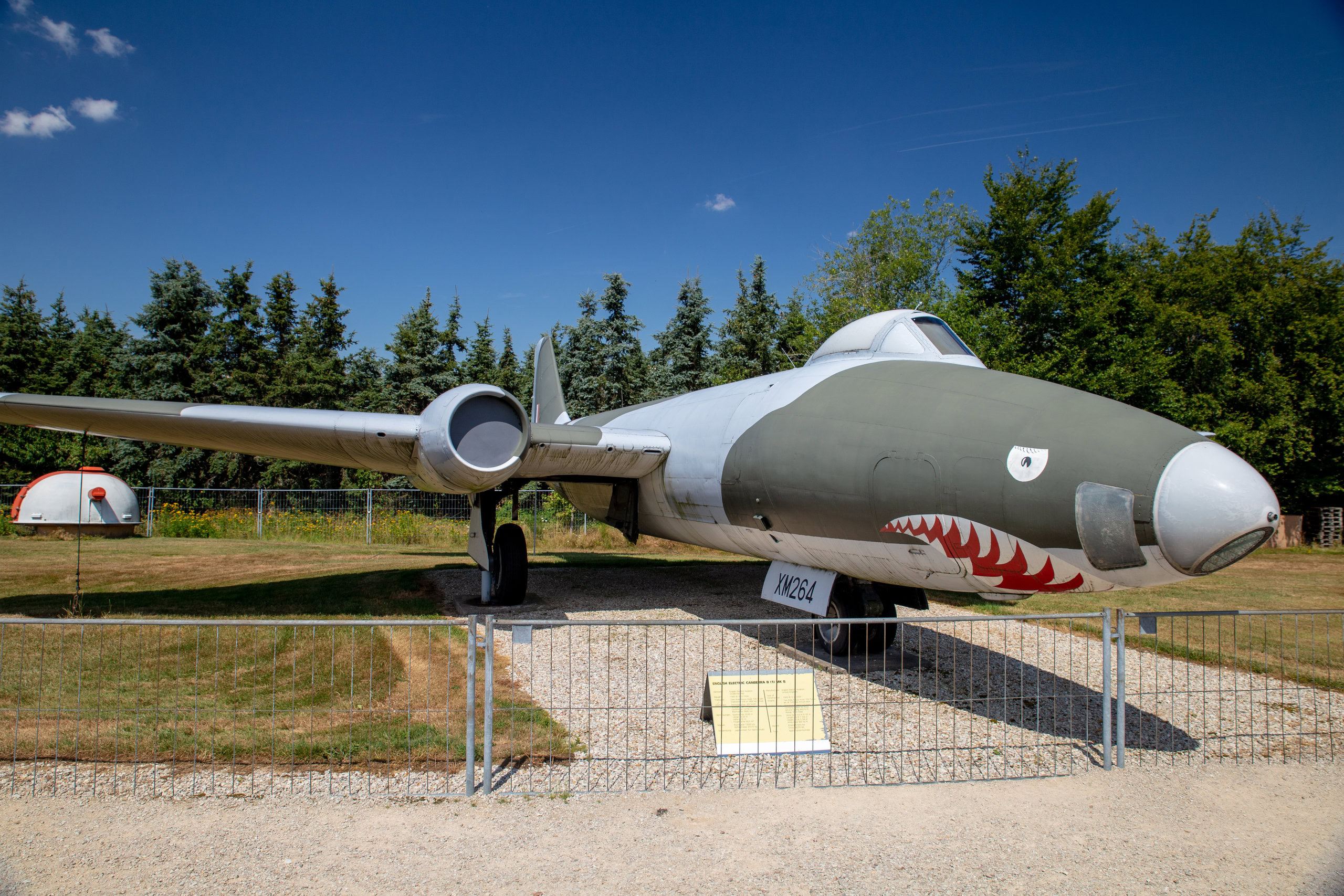
- Country of origin: United Kingdom
- Era introduced: 1950s
- Primary role: Light Bomber
- Key design limitation: Limited defenses
- Crew skill or tactic that compensated: Crew navigation skill
- Training or doctrine factor: Low-level doctrine
- Combat environment where crews excelled: Cold War
- Outcome achieved despite design limits: Survivable penetration
Canberra crews used navigation skill and discipline to survive missions despite minimal defensive systems.
F-5 Freedom Fighter
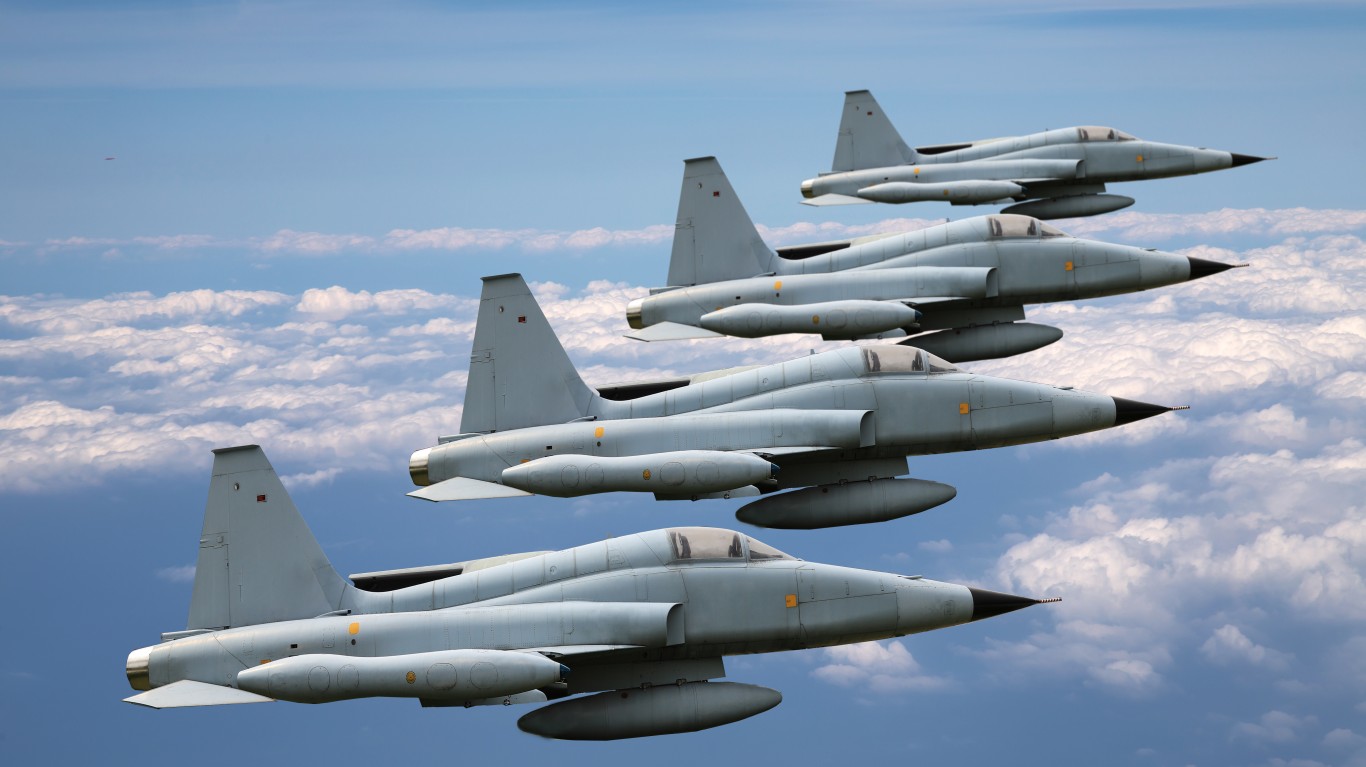
- Country of origin: United States
- Era introduced: 1960s
- Primary role: Fighter
- Key design limitation: Lightweight limitations
- Crew skill or tactic that compensated: Pilot training
- Training or doctrine factor: Aggressor doctrine
- Combat environment where crews excelled: Vietnam era
- Outcome achieved despite design limits: Training success
The F-5 succeeded largely through pilot skill and training roles rather than design dominance.
Yak-9

- Country of origin: Soviet Union
- Era introduced: 1940s
- Primary role: Fighter
- Key design limitation: Variable build quality
- Crew skill or tactic that compensated: Pilot adaptability
- Training or doctrine factor: Frontline experience
- Combat environment where crews excelled: Eastern Front WWII
- Outcome achieved despite design limits: Sustained effectiveness
Yak-9 pilots adapted to inconsistent aircraft quality, relying on skill rather than hardware.
F-100 Super Sabre
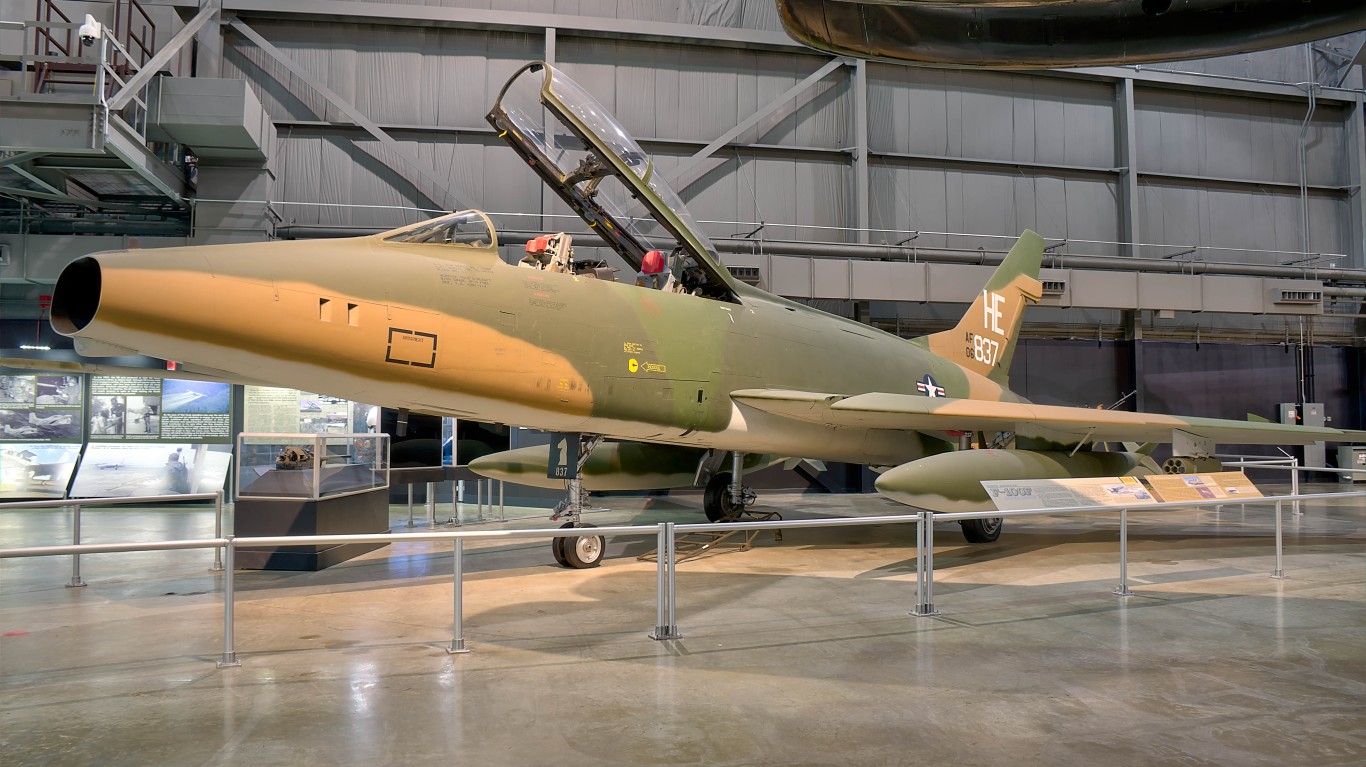
- Country of origin: United States
- Era introduced: 1950s
- Primary role: Fighter-Bomber
- Key design limitation: Early instability
- Crew skill or tactic that compensated: Pilot discipline
- Training or doctrine factor: Operational learning
- Combat environment where crews excelled: Vietnam War
- Outcome achieved despite design limits: Continued service
F-100 crews learned to manage a dangerous airframe through experience, making it effective despite design risks.
Tu-95 Bear
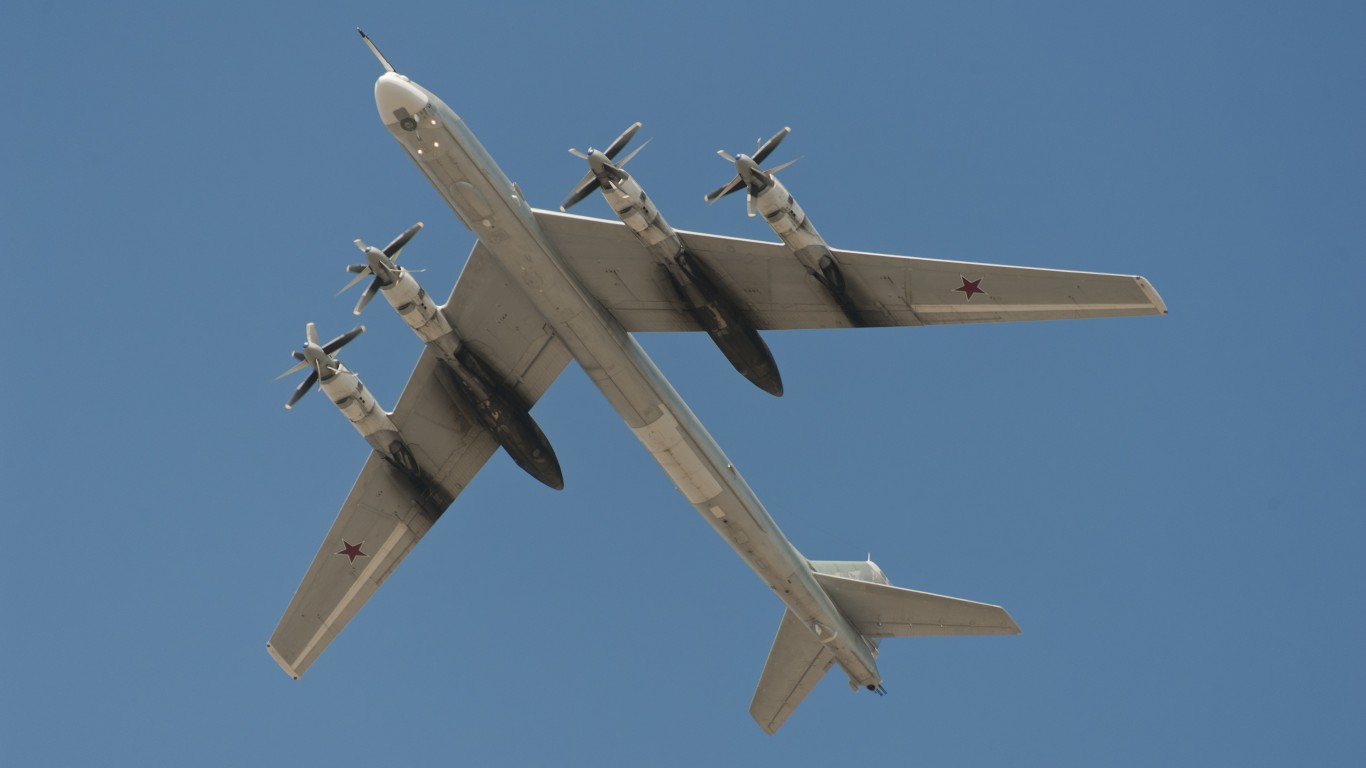
- Country of origin: Soviet Union/Russia
- Era introduced: 1950s
- Primary role: Strategic Bomber
- Key design limitation: Extremely noisy
- Crew skill or tactic that compensated: Crew endurance
- Training or doctrine factor: Long-duration training
- Combat environment where crews excelled: Cold War patrols
- Outcome achieved despite design limits: Persistent deterrence
Tu-95 crews endured long missions and demanding conditions, making the aircraft effective through discipline and endurance rather than refined design.






 Top Gaining Stocks
 Top Losing Stocks