


Combat rarely unfolds as a sequence of clean, deliberate actions. For Navy SEALs, engagements are defined by seconds-long windows where decisions about movement, fire, and restraint must be made instantly and under extreme pressure. These choices are not improvised in the moment, but trained relentlessly until judgment becomes automatic. Here, 24/7 Wall St. is taking a closer look at the split-second decisions that Navy SEALs have to make.
To identify the split-second decisions Navy SEALs have to make under fire, 24/7 Wall St. reviewed various historical and military sources. We included supplemental information regarding each decision’s operational context, time window, primary risk, and why it is important.
Here is a look at the split-second decisions Navy SEALs have to make under fire:
Why Are We Covering This?
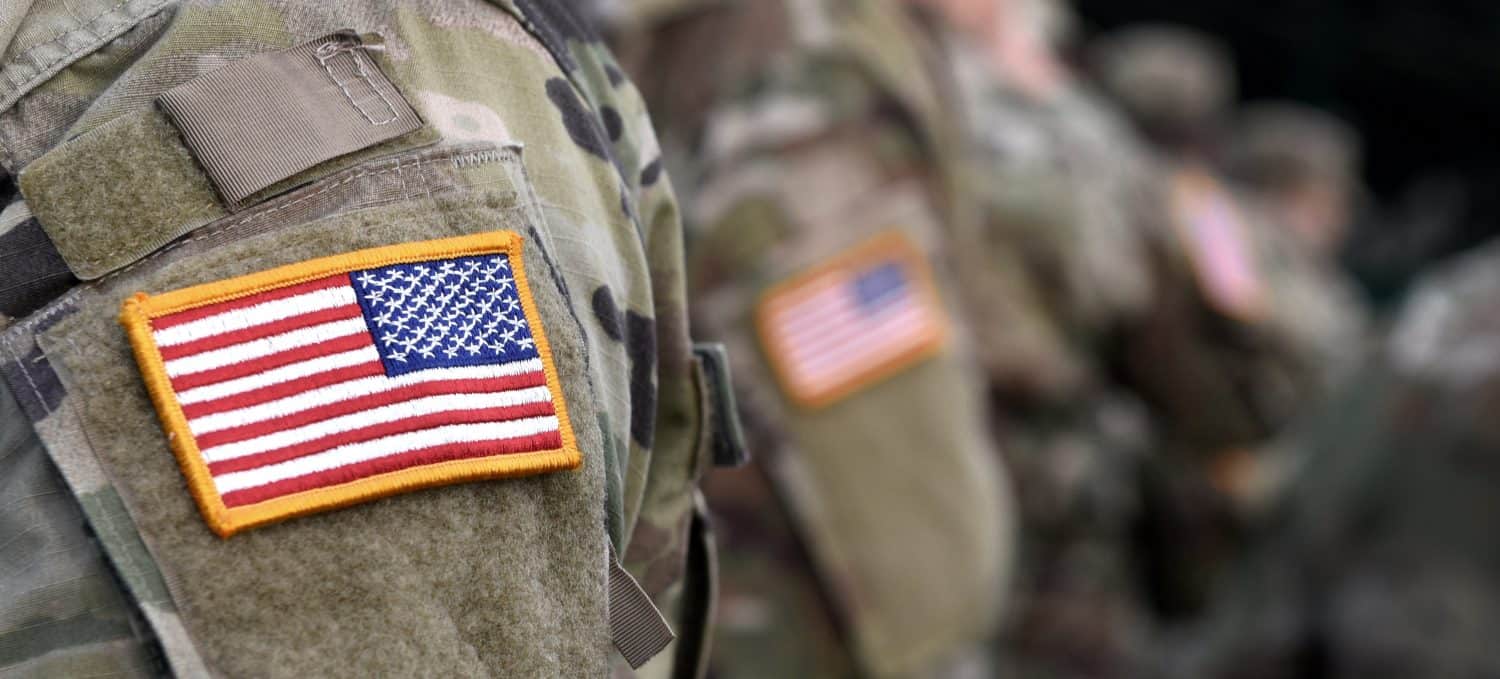
Understanding how Navy SEALs make split-second decisions under fire helps explain why elite units succeed in environments where hesitation is fatal. These moments are not driven by instinct alone, but by deliberate training designed to compress judgment, reduce uncertainty, and limit catastrophic error. Examining these decisions provides insight into how modern combat is actually fought at the ground level, where civilians, teammates, and mission objectives all coexist in seconds-long windows. By breaking down these choices, this moves past myth and hardware to reveal the human decision-making process that ultimately determines survival and success.
Where Seconds Decide Survival

In Navy SEAL combat, decisions are rarely made with the luxury of time. Many choices occur in fractions of a second, often while under direct threat. Hesitation can be just as dangerous as a wrong move, especially in close quarters where conditions shift instantly. These split-second decisions frequently determine whether an operation succeeds or fails.
Training the Brain, Not Just the Body

SEAL training is designed to condition judgment under stress, not just physical endurance. Repetition and realistic scenarios force operators to make decisions while overloaded with noise, movement, and pressure. Over time, deliberate thought is replaced by instinctive action. The objective is reliable decision-making even when the environment is chaotic and unforgiving.
Combat Is a Series of Forks in the Road
Every engagement presents multiple decision points that branch in different directions. Choices about movement, target selection, escalation, or restraint occur continuously and often cannot be reversed. SEALs are trained to recognize these forks instantly and commit without hesitation. Success depends on identifying the correct path under extreme pressure.
Why the Wrong Call Cascades
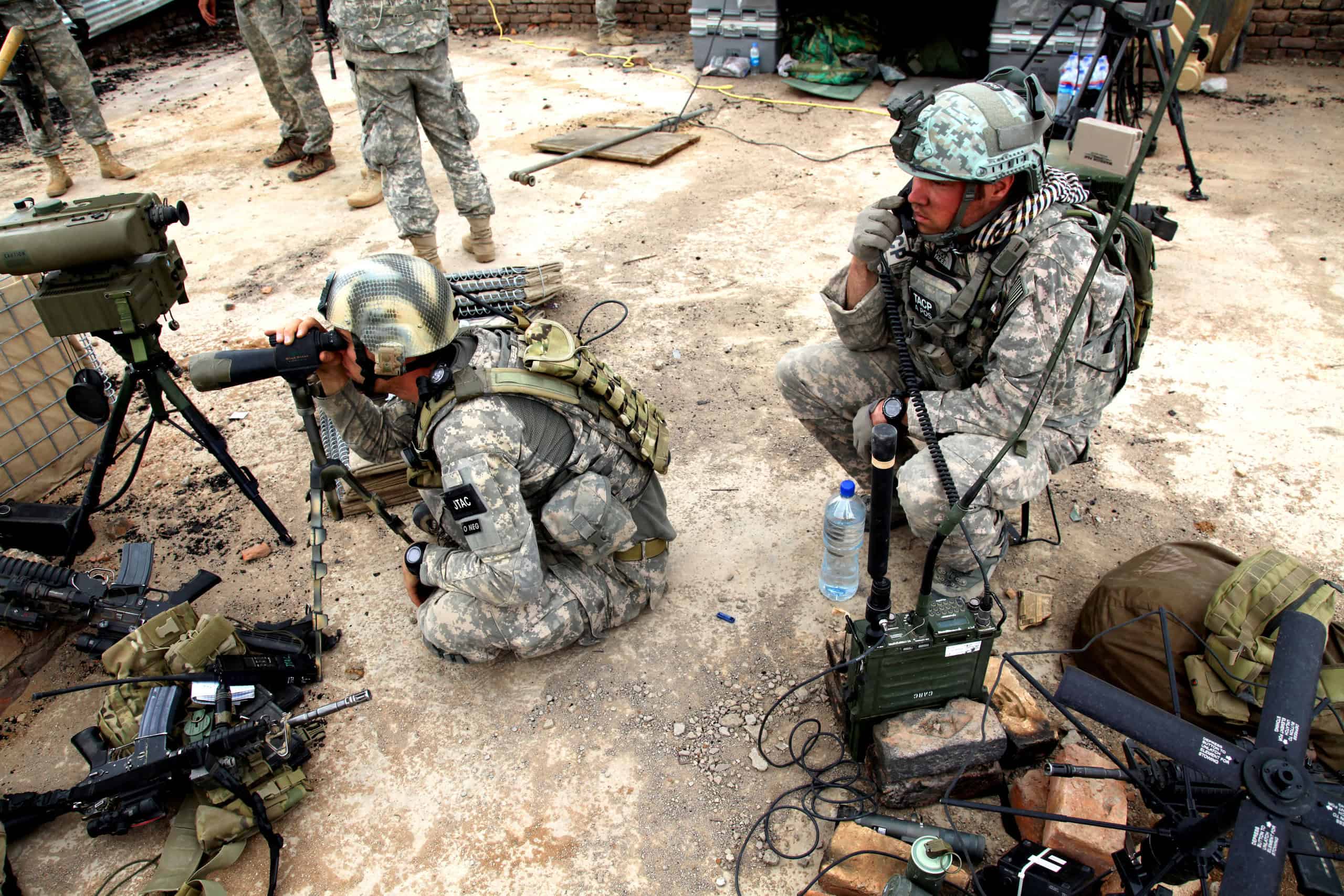
A single poor decision can quickly trigger a chain reaction of failures. Mistakes expose teammates, civilians, and the mission itself to escalating risk. In close combat, small errors compound rapidly, leaving little room for recovery. Training focuses on preventing these cascades before they begin.
Breaking Down the Decisions That Matter Most
This article breaks down 30 split-second decisions Navy SEALs train to master under fire. Each example focuses on judgment rather than equipment or legend. These decisions are practiced repeatedly until they become instinctive. Understanding them offers insight into how elite units function when every second counts.
Hostile vs Non-Combatant Identification
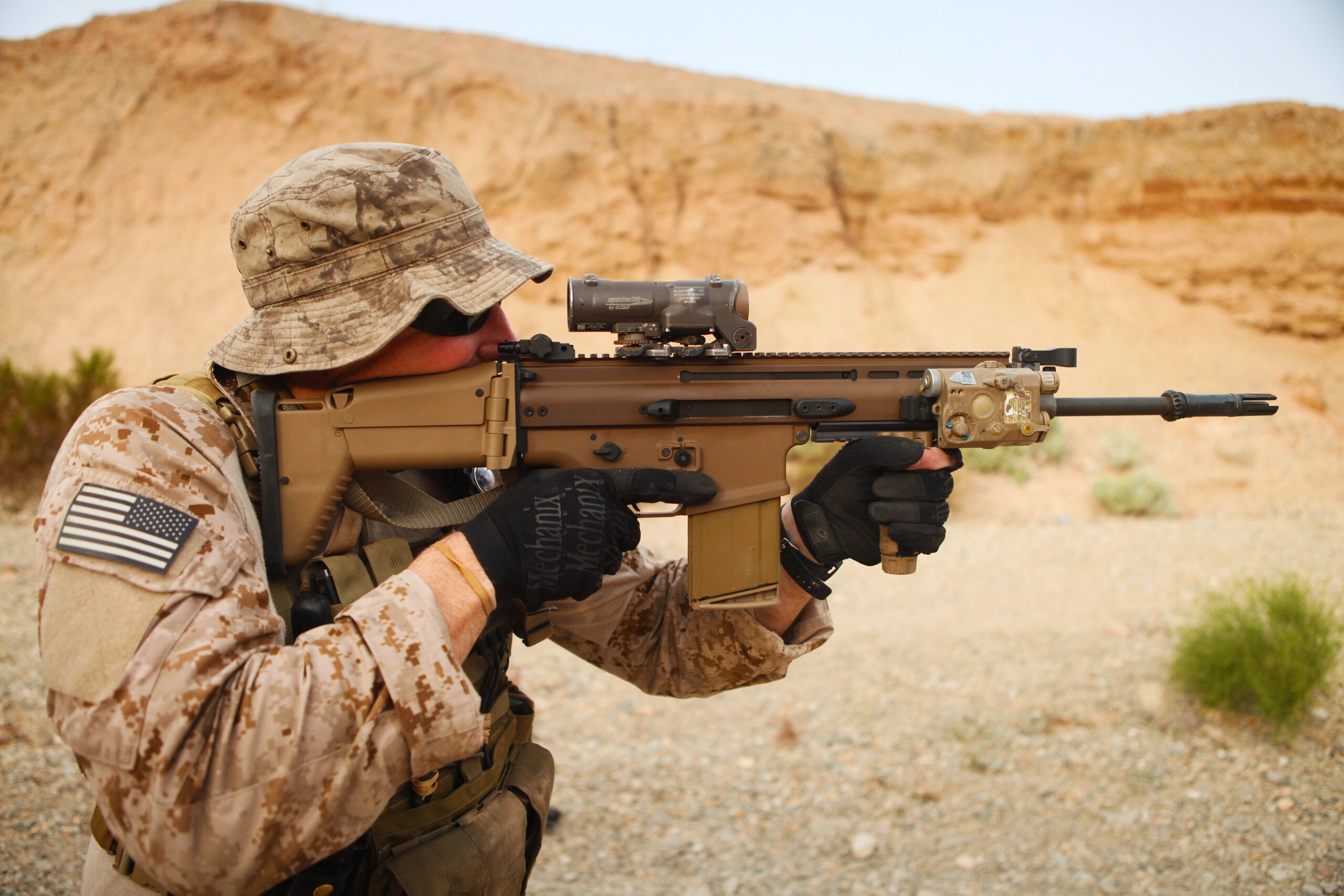
- Operational context: CQB / Urban Raid
- Trigger moment: Unexpected movement
- Time window: Fractions of a second
- Primary risk if wrong: Civilian casualty
- Training emphasis: PID drills, force-on-force
- Environmental factors: Low light, cluttered interiors
- Team impact: Individual operator
SEALs train to instantly distinguish hostile intent from innocent movement in chaotic environments. This decision must be made with incomplete information and extreme time pressure. A single mistake can lead to civilian harm or allow a lethal threat to act first, which is why positive identification under stress is drilled relentlessly.
Primary Threat Prioritization
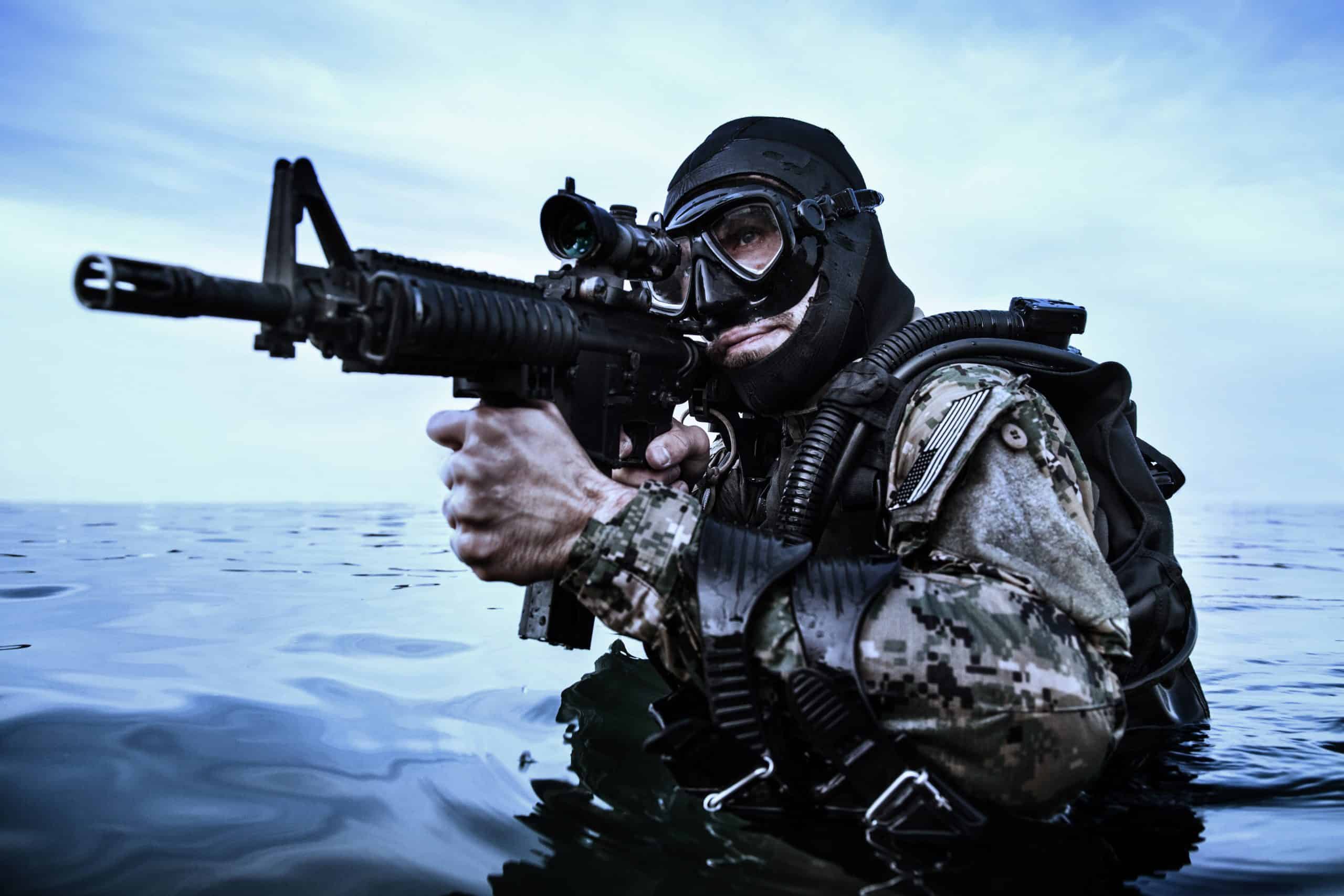
- Operational context: CQB / Urban
- Trigger moment: Multiple armed targets
- Time window: Immediate
- Primary risk if wrong: Being shot first
- Training emphasis: Room-clearing reps
- Environmental factors: Tight angles, noise
- Team impact: Fire team
When multiple threats appear simultaneously, SEALs must decide which target poses the most immediate danger. Weapon orientation, distance, and body language drive this judgment. Choosing incorrectly can allow a gunman to fire first, turning milliseconds into fatal consequences.
Press Forward or Break Contact
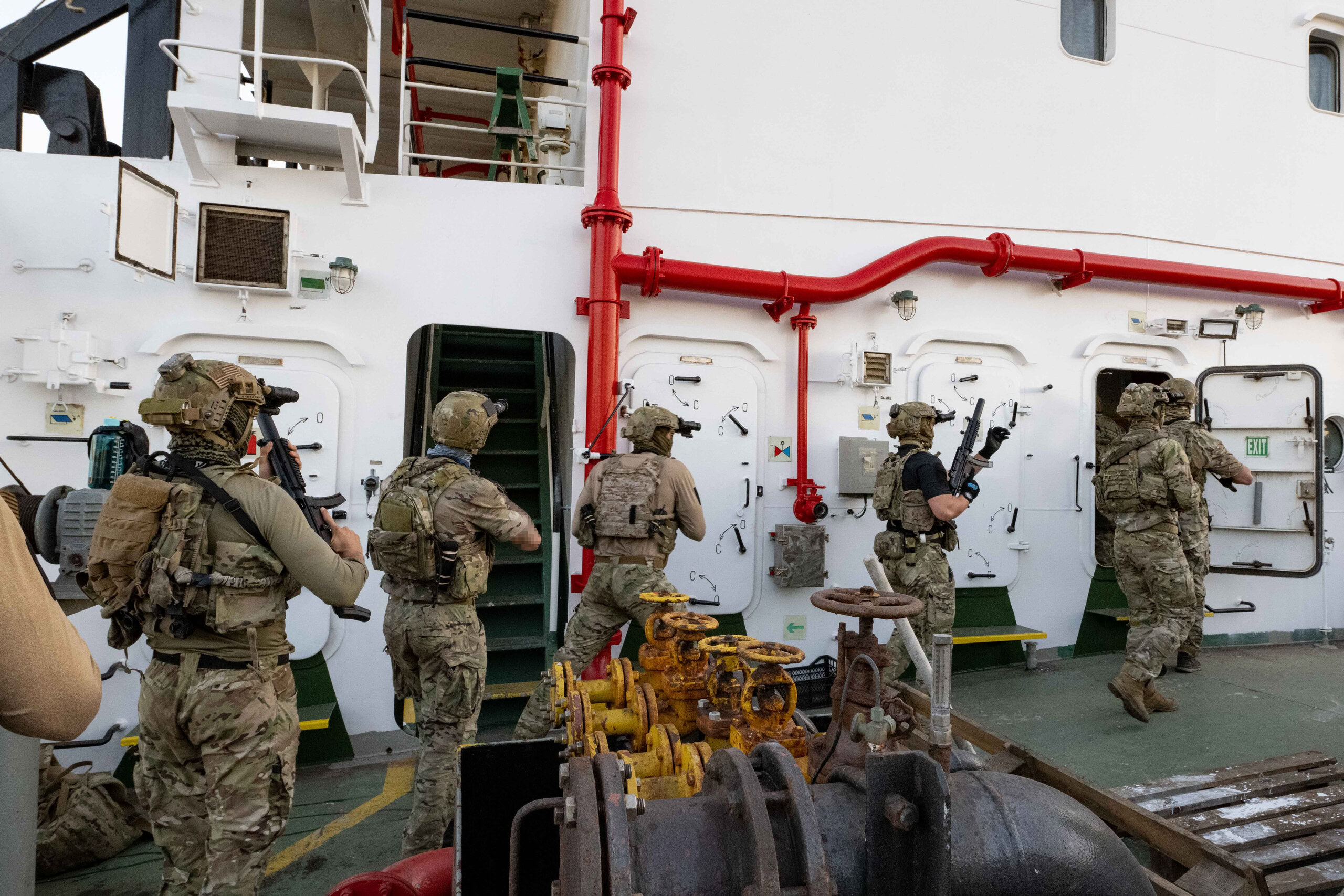
- Operational context: Urban / Rural
- Trigger moment: Enemy fire initiated
- Time window: Seconds
- Primary risk if wrong: Ambush escalation
- Training emphasis: Battle drills
- Environmental factors: Unknown enemy strength
- Team impact: Element
SEALs are conditioned to quickly judge whether momentum favors pushing forward or disengaging. This decision weighs surprise, terrain, and enemy fire volume. Pressing when overmatched or withdrawing too early can both collapse a mission under fire.
Early Reload vs Slide Lock

- Operational context: CQB
- Trigger moment: Rounds expended
- Time window: Seconds
- Primary risk if wrong: Weapon empty at wrong time
- Training emphasis: Dry/live-fire reload drills
- Environmental factors: Confined space
- Team impact: Individual operator
Operators constantly assess whether to reload early or fire until empty. Reloading too soon reduces firepower, while waiting too long risks a dead weapon during contact. Training engrains subconscious ammo management so this choice happens instinctively.
Fire Through Concealment
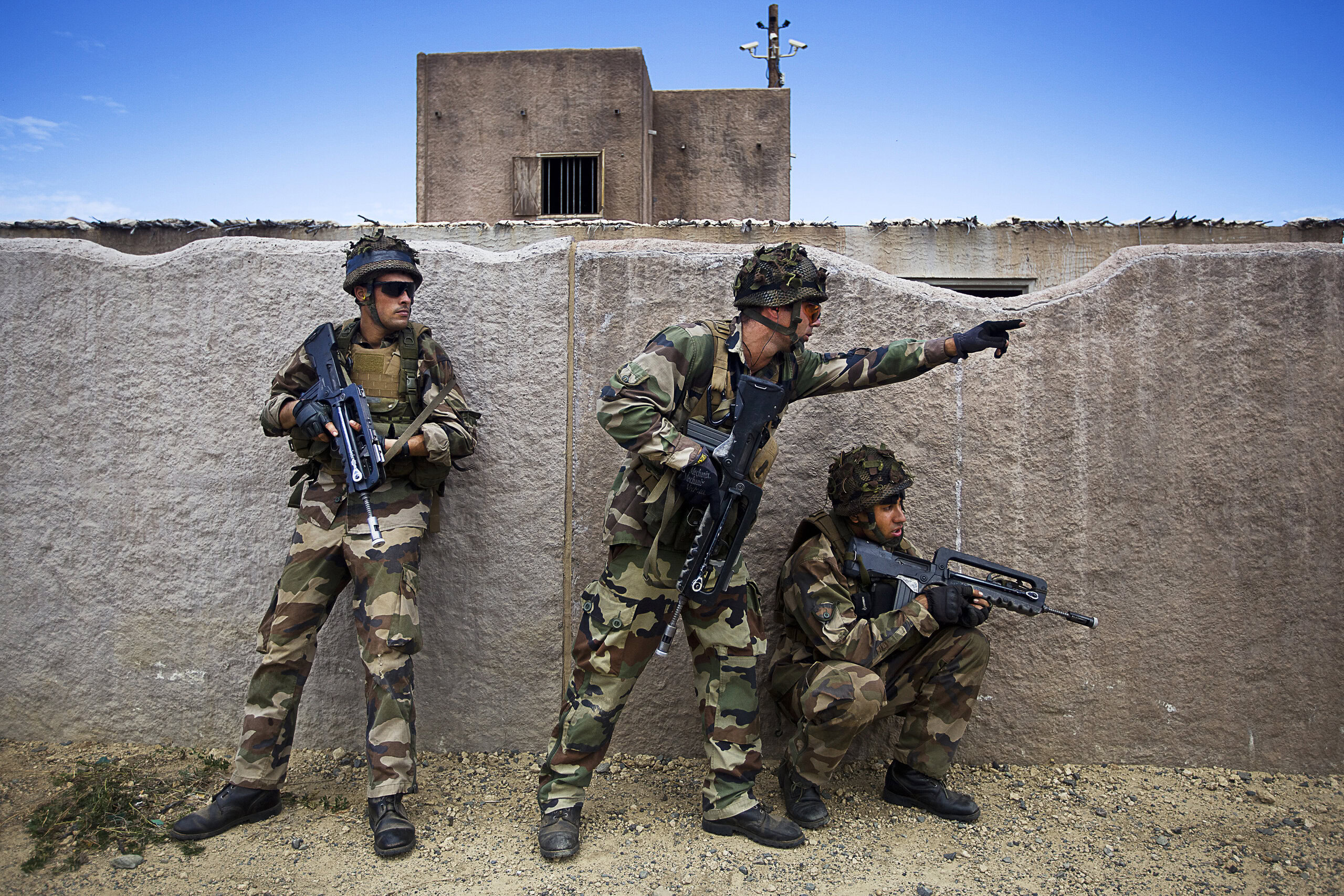
- Operational context: CQB / Urban
- Trigger moment: Sound or movement
- Time window: Immediate
- Primary risk if wrong: Collateral damage
- Training emphasis: Ballistics training
- Environmental factors: Drywall, doors
- Team impact: Fire team
SEALs train to decide whether to fire through concealment when a threat is suspected but not visible. The decision balances neutralizing danger against unintended casualties. Understanding material penetration and threat behavior is critical under pressure.
Commit to Breach or Abort
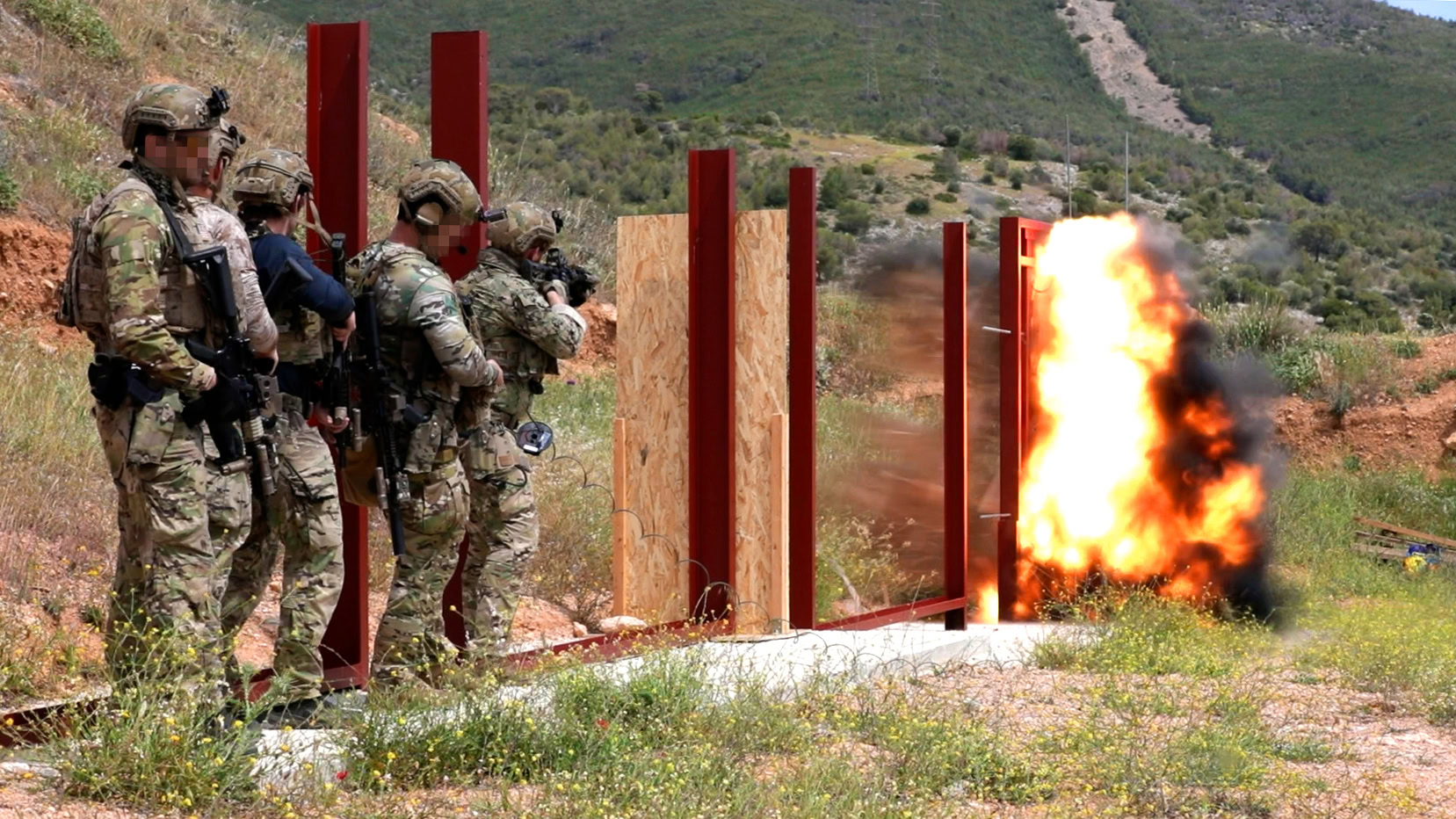
- Operational context: CQB
- Trigger moment: Anomaly at entry
- Time window: Immediate
- Primary risk if wrong: Fatal funnel exposure
- Training emphasis: Breach rehearsals
- Environmental factors: Doorways
- Team impact: Fire team
At the moment of breach, SEALs must decide whether to commit or abort. Hesitation inside a fatal funnel can be deadly, but forcing entry into a compromised space can be worse. Training turns this judgment into a near-instant reaction.
Abandon Stealth or Maintain Noise Discipline
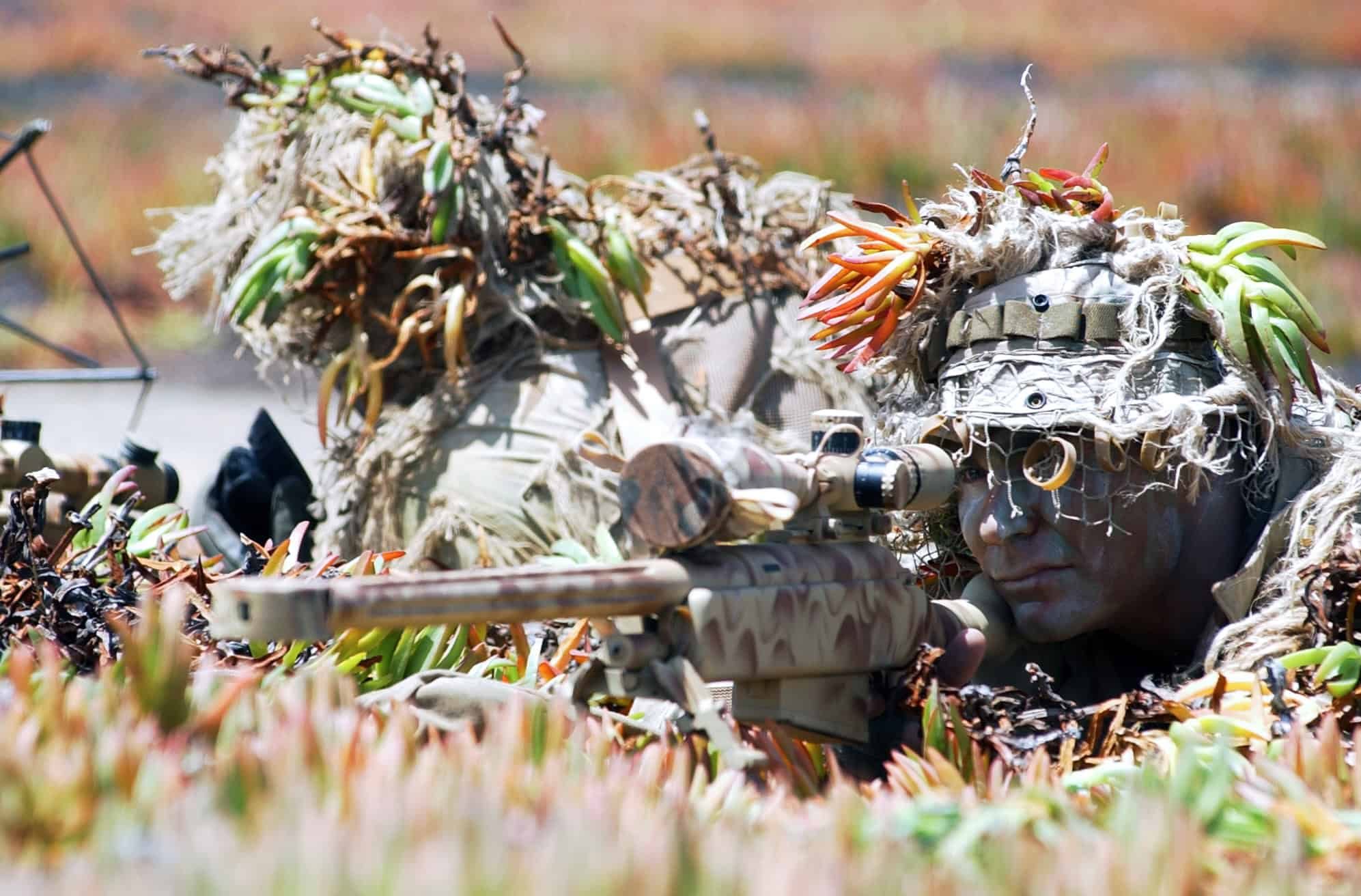
- Operational context: Urban
- Trigger moment: Loss of surprise
- Time window: Seconds
- Primary risk if wrong: Enemy reinforcement
- Training emphasis: Stealth-to-assault drills
- Environmental factors: Urban echo
- Team impact: Element
Once surprise degrades, SEALs must decide whether stealth still offers advantage. Maintaining suppression too long can limit firepower, while going loud too early can attract reinforcements. This call shapes tempo and survivability.
Treat Casualty or Secure Space

- Operational context: CQB
- Trigger moment: Teammate wounded
- Time window: Immediate
- Primary risk if wrong: Second casualty
- Training emphasis: TCCC under fire
- Environmental factors: Confined interior
- Team impact: Fire team
When a teammate is hit, SEALs must decide whether to provide immediate aid or first neutralize remaining threats. An unsecured space can produce additional casualties, making disciplined judgment essential despite emotional pressure.
Fire While Moving or Pause for Accuracy
- Operational context: CQB
- Trigger moment: Threat appears mid-movement
- Time window: Immediate
- Primary risk if wrong: Missed shots
- Training emphasis: Movement shooting drills
- Environmental factors: Tight hallways
- Team impact: Individual operator
SEALs practice deciding whether to fire accurately while moving or briefly pause. The choice affects exposure, speed, and hit probability. Under fire, this decision must be instinctive to maintain momentum without sacrificing effectiveness.
Escalate Force on Ambiguous Threat
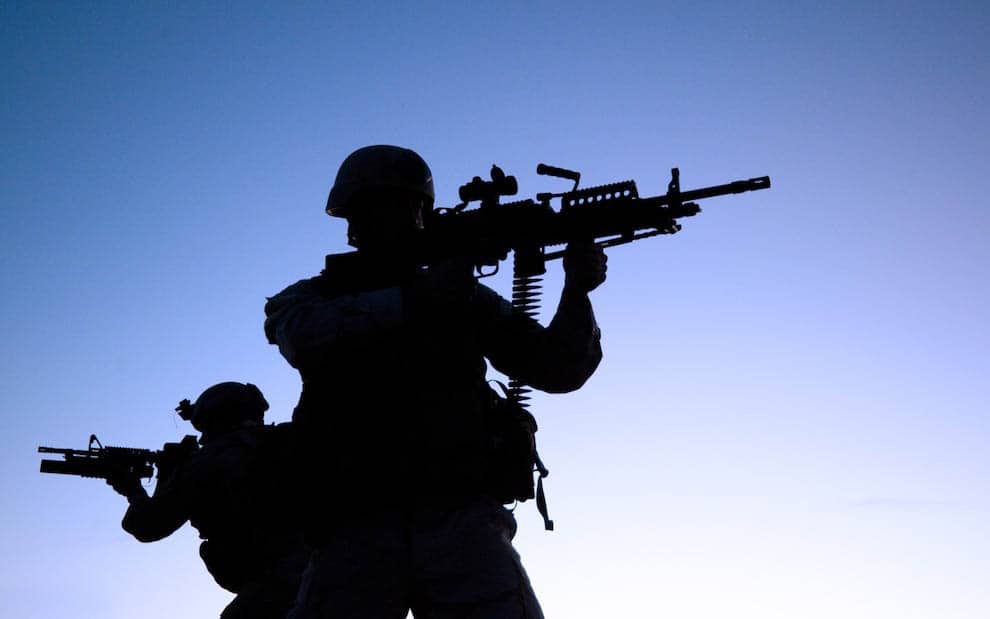
- Operational context: Urban
- Trigger moment: Suspicious behavior
- Time window: Seconds
- Primary risk if wrong: Civilian harm
- Training emphasis: ROE training
- Environmental factors: Crowded environments
- Team impact: Element
Operators are trained to recognize behavioral cues that justify escalation. This split-second decision balances restraint with survival, requiring judgment refined through repetition, legal instruction, and realistic training.
Clear Room Fully or Bypass
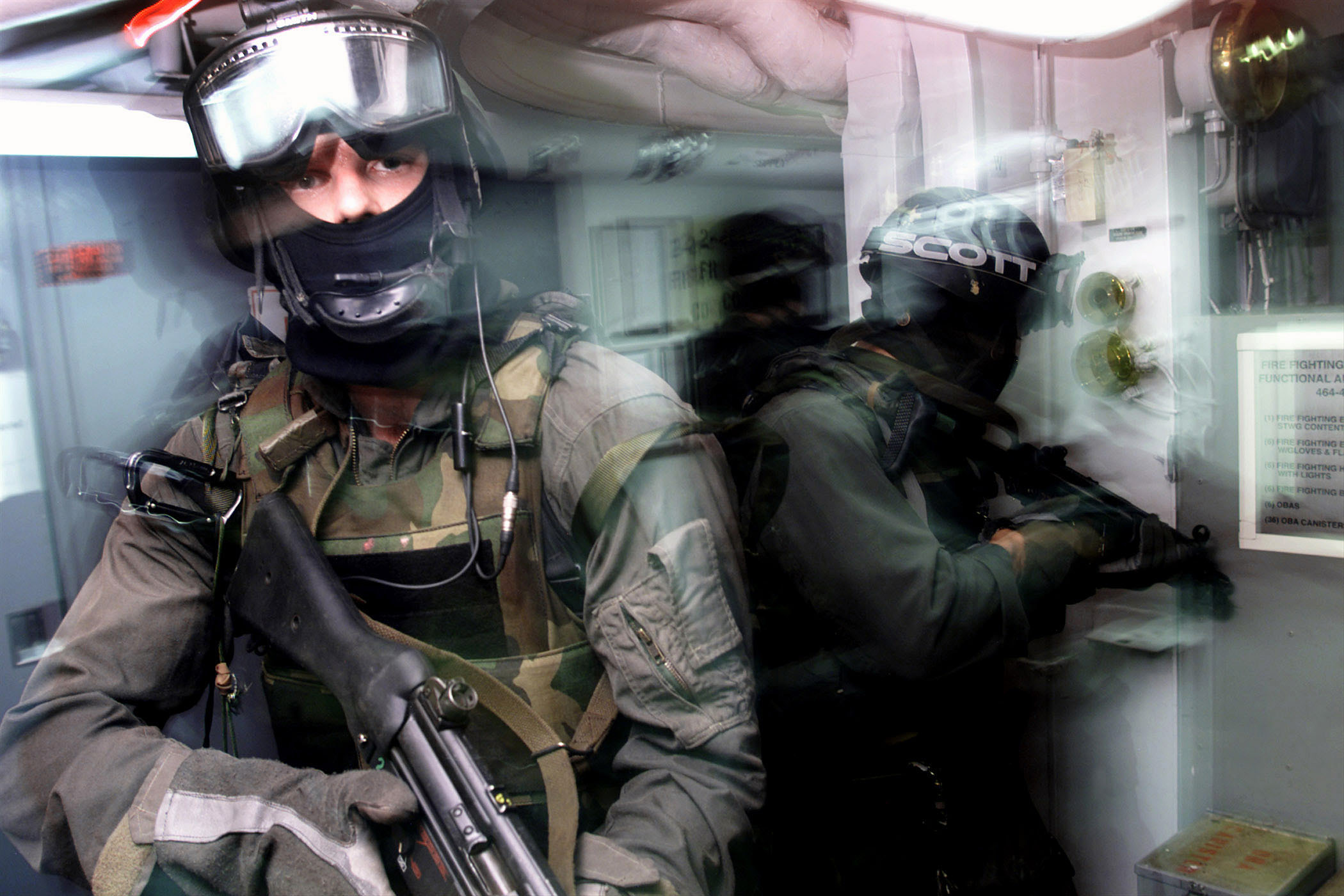
- Operational context: CQB
- Trigger moment: Partial clearance achieved
- Time window: Seconds
- Primary risk if wrong: Rear attack
- Training emphasis: Room-clearing doctrine
- Environmental factors: Multiple access points
- Team impact: Fire team
SEALs must decide whether to fully clear a space or bypass it to maintain momentum. Bypassing saves time but risks rear attacks. Training emphasizes understanding mission priority versus immediate security.
Pursue Fleeing Threat or Hold Position
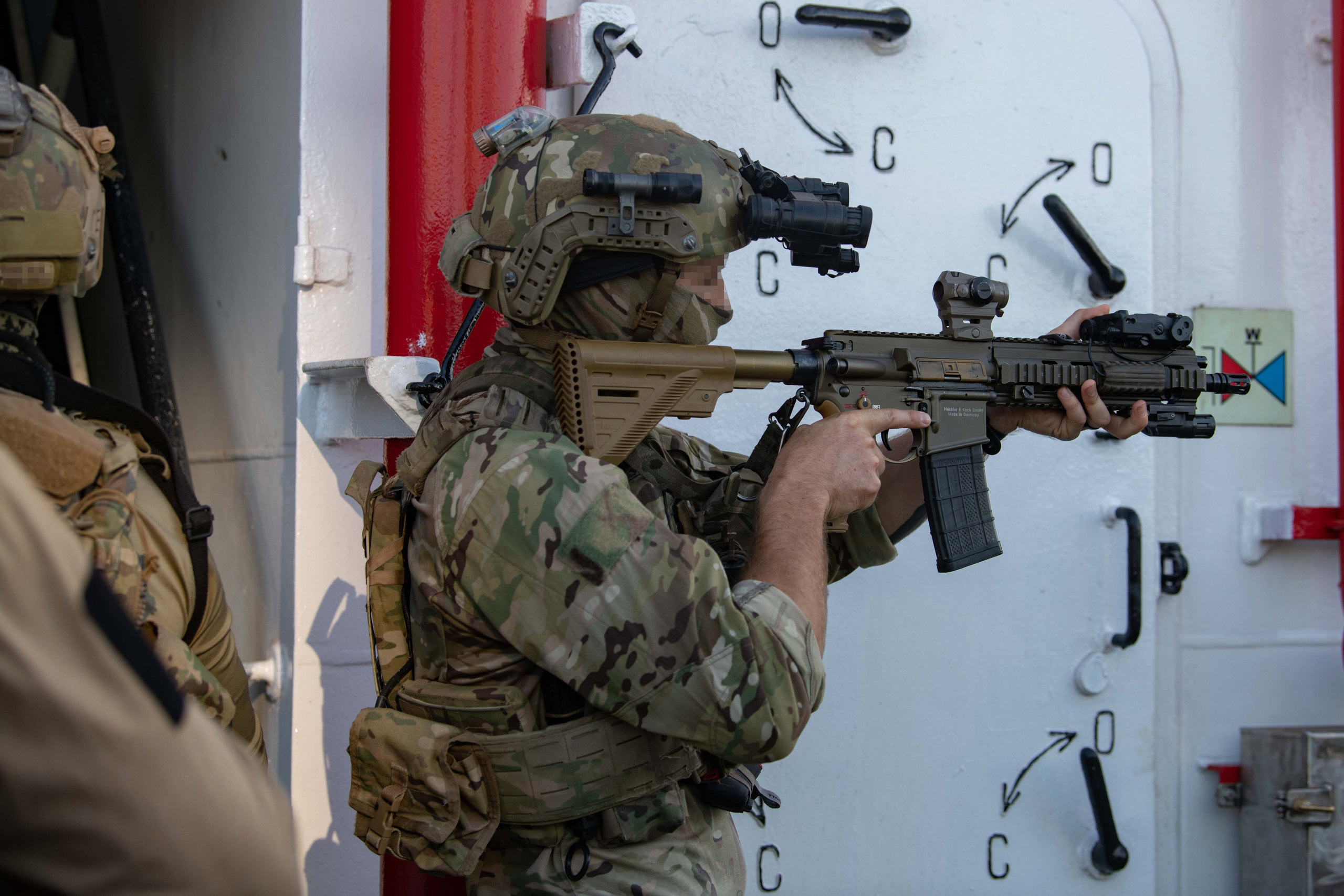
- Operational context: Urban / Rural
- Trigger moment: Enemy retreats
- Time window: Seconds
- Primary risk if wrong: Ambush or escape
- Training emphasis: Pursuit drills
- Environmental factors: Unknown terrain
- Team impact: Element
When a threat flees, SEALs must choose between pursuit and holding security. Chasing may neutralize danger but risks ambush. Holding position preserves safety but may allow escape, making this a high-stakes judgment.
Cross Open Ground or Reroute
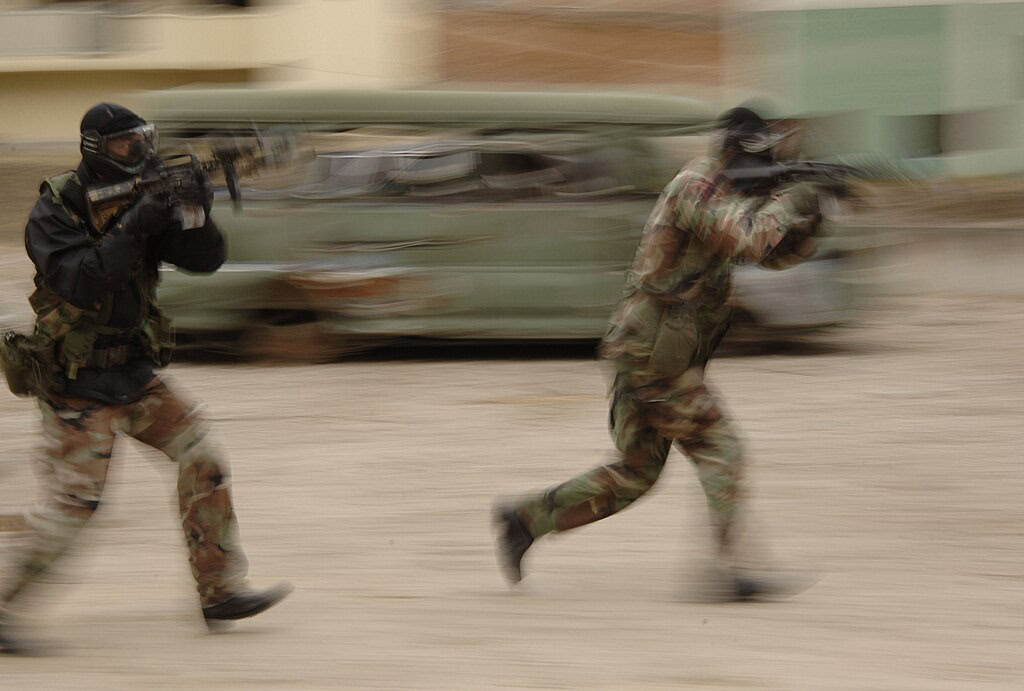
- Operational context: Urban / Rural
- Trigger moment: Need for movement
- Time window: Seconds
- Primary risk if wrong: Exposure to fire
- Training emphasis: Movement drills
- Environmental factors: Open terrain
- Team impact: Element
Crossing open ground under fire forces SEALs to weigh speed against exposure. Rerouting may cost time but save lives. Training builds rapid terrain assessment to support this decision.
Switch Weapons After Malfunction
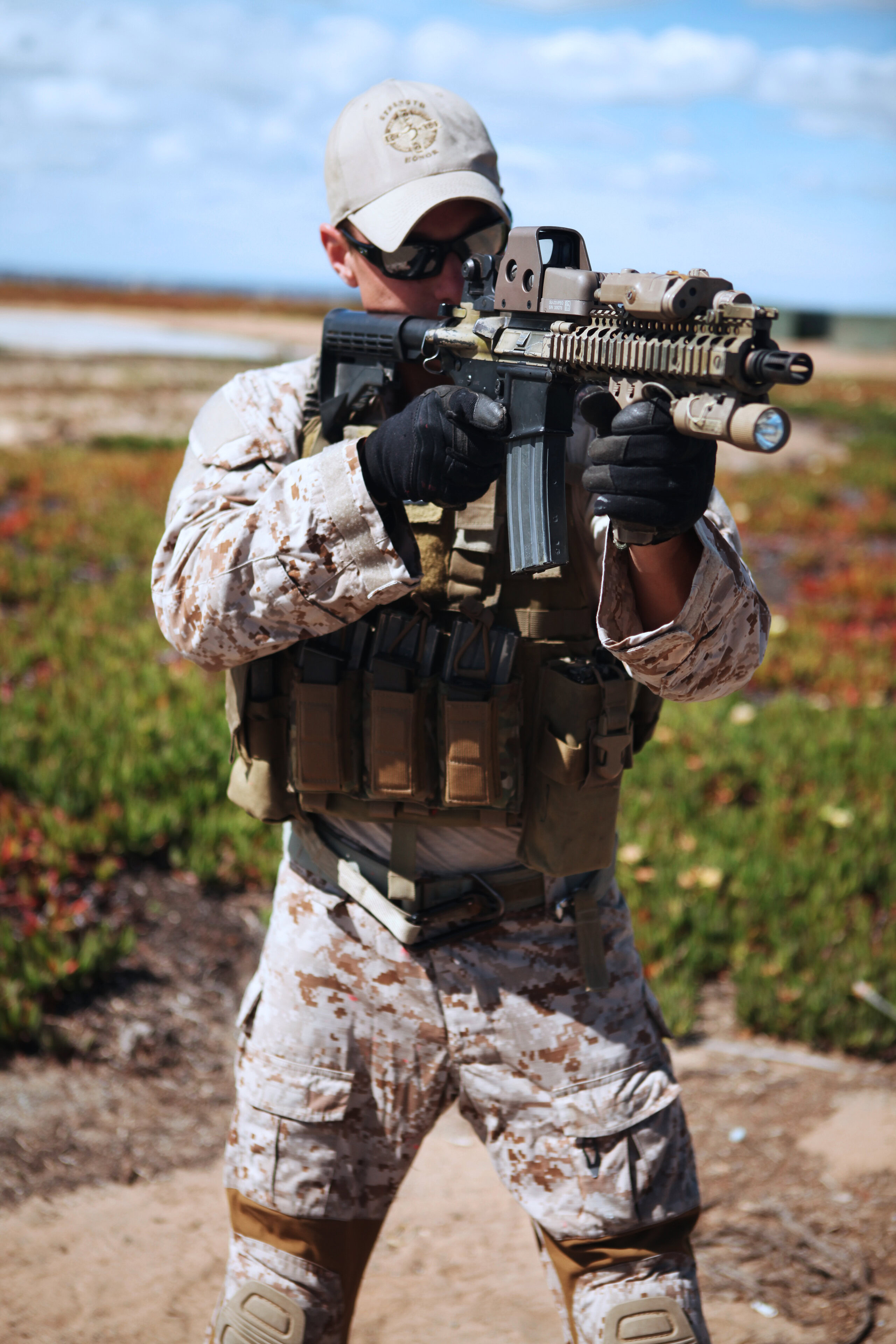
- Operational context: CQB
- Trigger moment: Weapon stoppage
- Time window: Immediate
- Primary risk if wrong: Loss of firepower
- Training emphasis: Malfunction drills
- Environmental factors: Confined space
- Team impact: Individual operator
A malfunction forces an instant decision to clear the weapon or transition to a secondary. SEALs drill this until automatic, as hesitation can leave an operator defenseless in close combat.
Expose Teammate to Cover Blind Spot
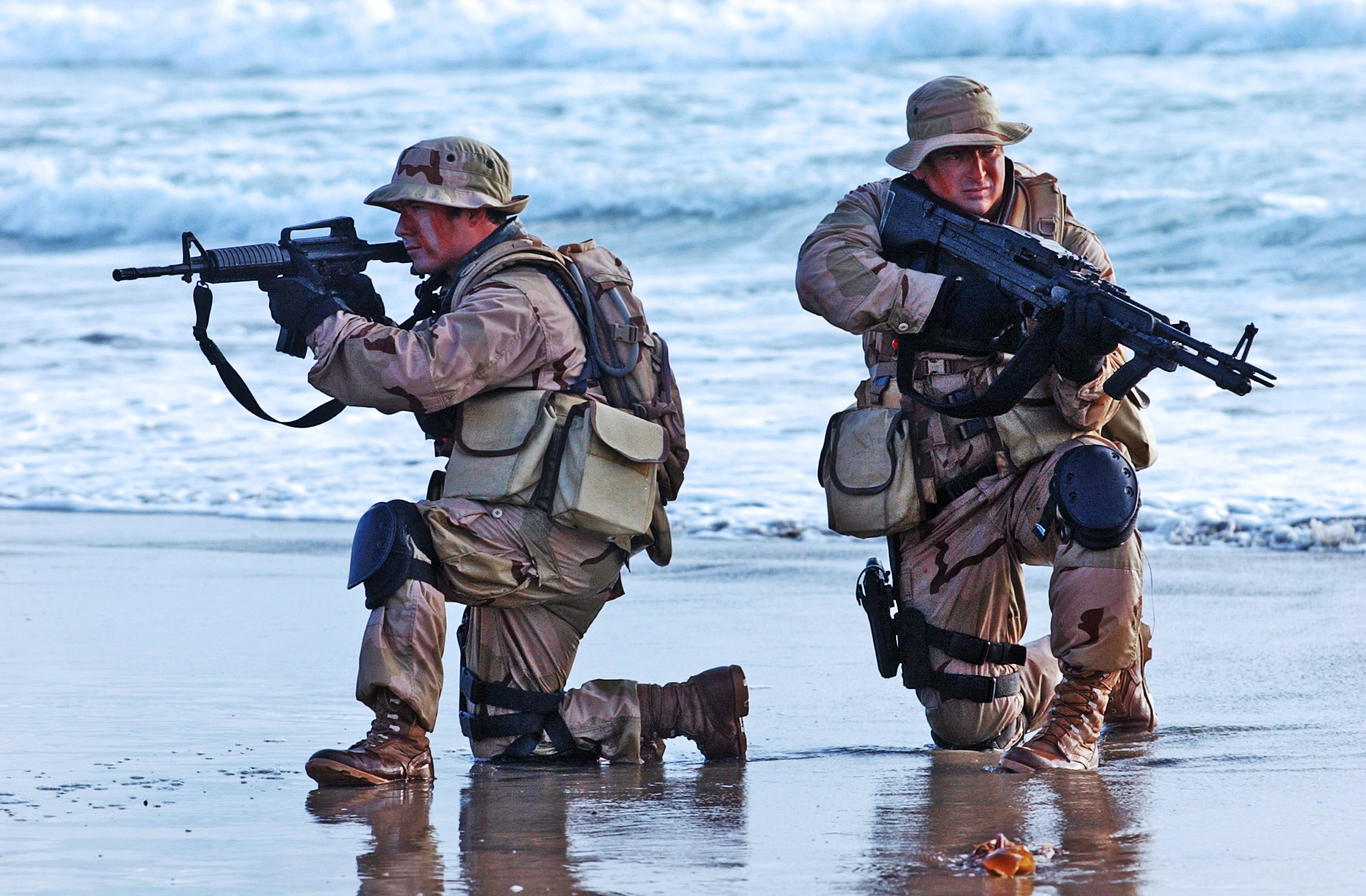
- Operational context: CQB
- Trigger moment: Unseen angle detected
- Time window: Immediate
- Primary risk if wrong: Friendly casualty
- Training emphasis: Team movement drills
- Environmental factors: Tight angles
- Team impact: Fire team
SEALs may need to expose a teammate briefly to cover a blind spot. This decision weighs risk against team survival and requires trust built through training and repetition.
Commit Last Reserve Element
- Operational context: Urban
- Trigger moment: Fight escalating
- Time window: Seconds
- Primary risk if wrong: No fallback
- Training emphasis: Assault planning drills
- Environmental factors: Dense structures
- Team impact: Element
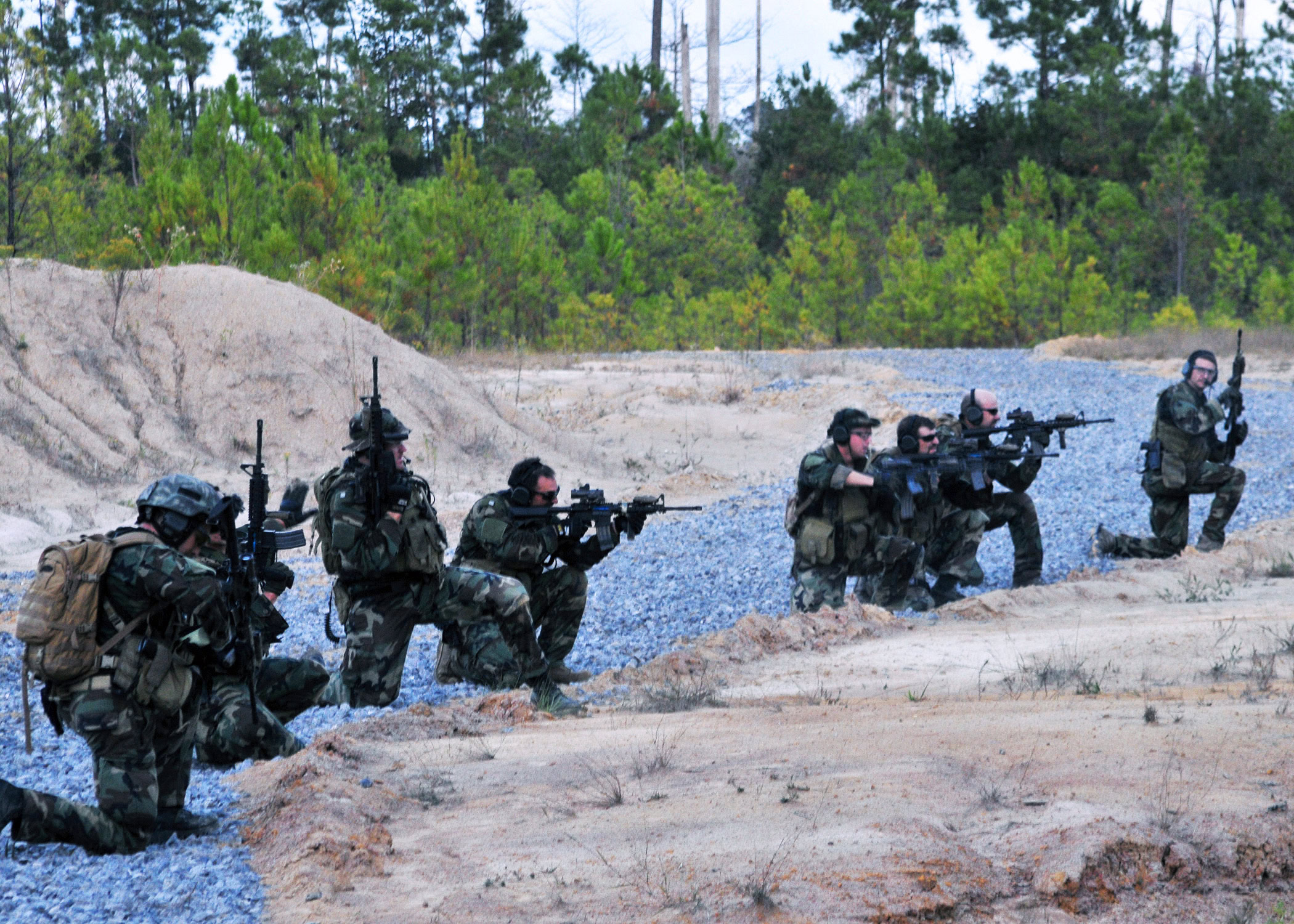
Deciding when to commit the final reserve can determine mission success or failure. SEALs train to recognize the tipping point where holding back becomes more dangerous than committing fully.
Abort Mission Due to Casualty
- Operational context: All environments
- Trigger moment: Unexpected injury
- Time window: Seconds
- Primary risk if wrong: Mission failure
- Training emphasis: Contingency drills
- Environmental factors: Variable
- Team impact: Command element
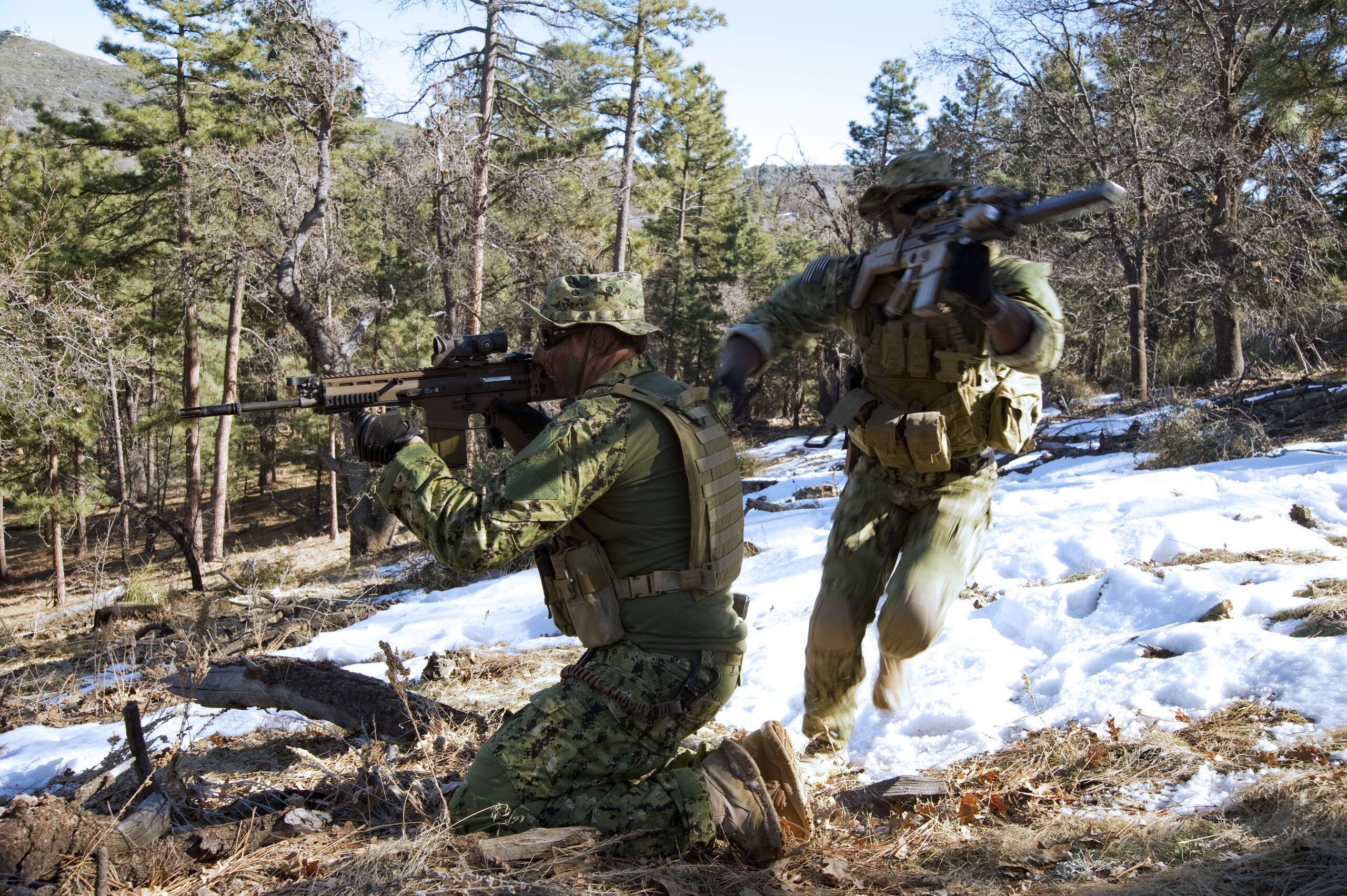
A serious casualty can force an instant decision to abort. Continuing may risk lives, while aborting may compromise objectives. Training emphasizes disciplined evaluation under emotional strain.
Fire Through Intermediate Barriers
- Operational context: CQB
- Trigger moment: Threat behind cover
- Time window: Immediate
- Primary risk if wrong: Collateral damage
- Training emphasis: Penetration training
- Environmental factors: Interior walls
- Team impact: Fire team
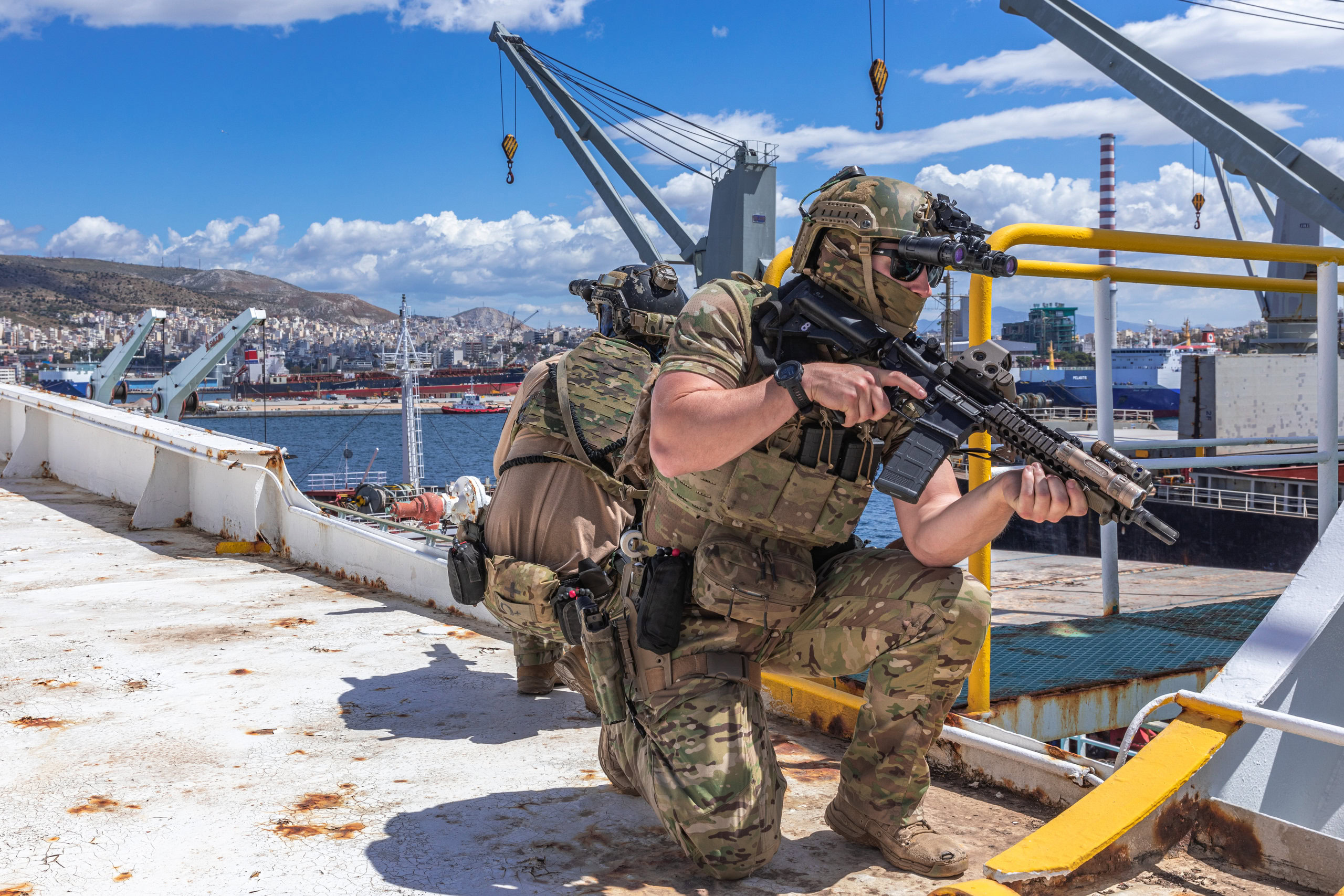
SEALs must judge whether barriers conceal or merely hide a threat. Firing through walls can neutralize danger but risks unintended harm, making material awareness critical.
Shift from Offense to Defense
- Operational context: Urban
- Trigger moment: Enemy counterattack
- Time window: Seconds
- Primary risk if wrong: Overextension
- Training emphasis: Battle drills
- Environmental factors: Dynamic terrain
- Team impact: Element
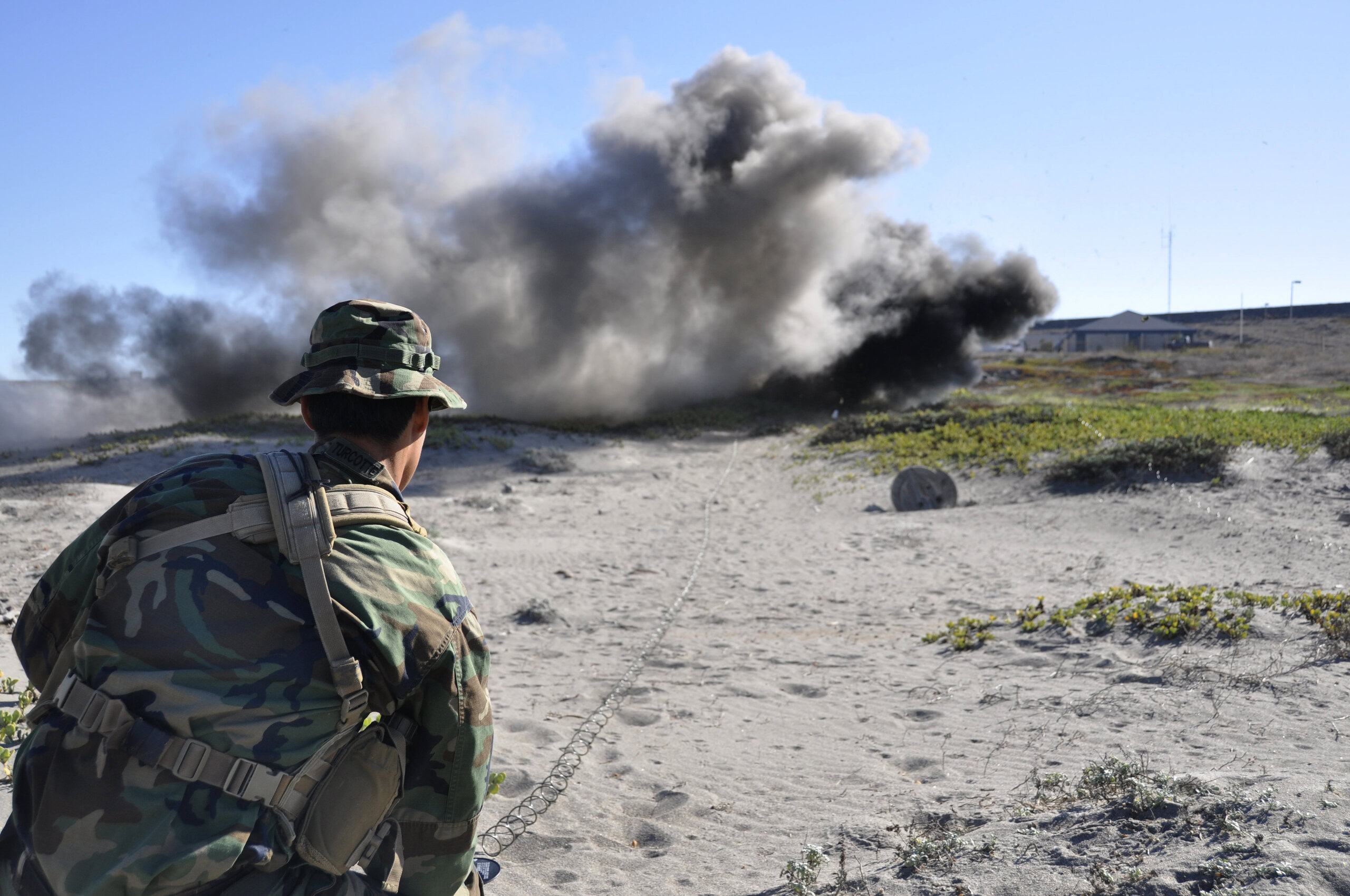
When momentum reverses, SEALs must instantly transition from offense to defense. Failure to recognize this shift can leave teams exposed to counterattacks.
Continue Mission After Compromise
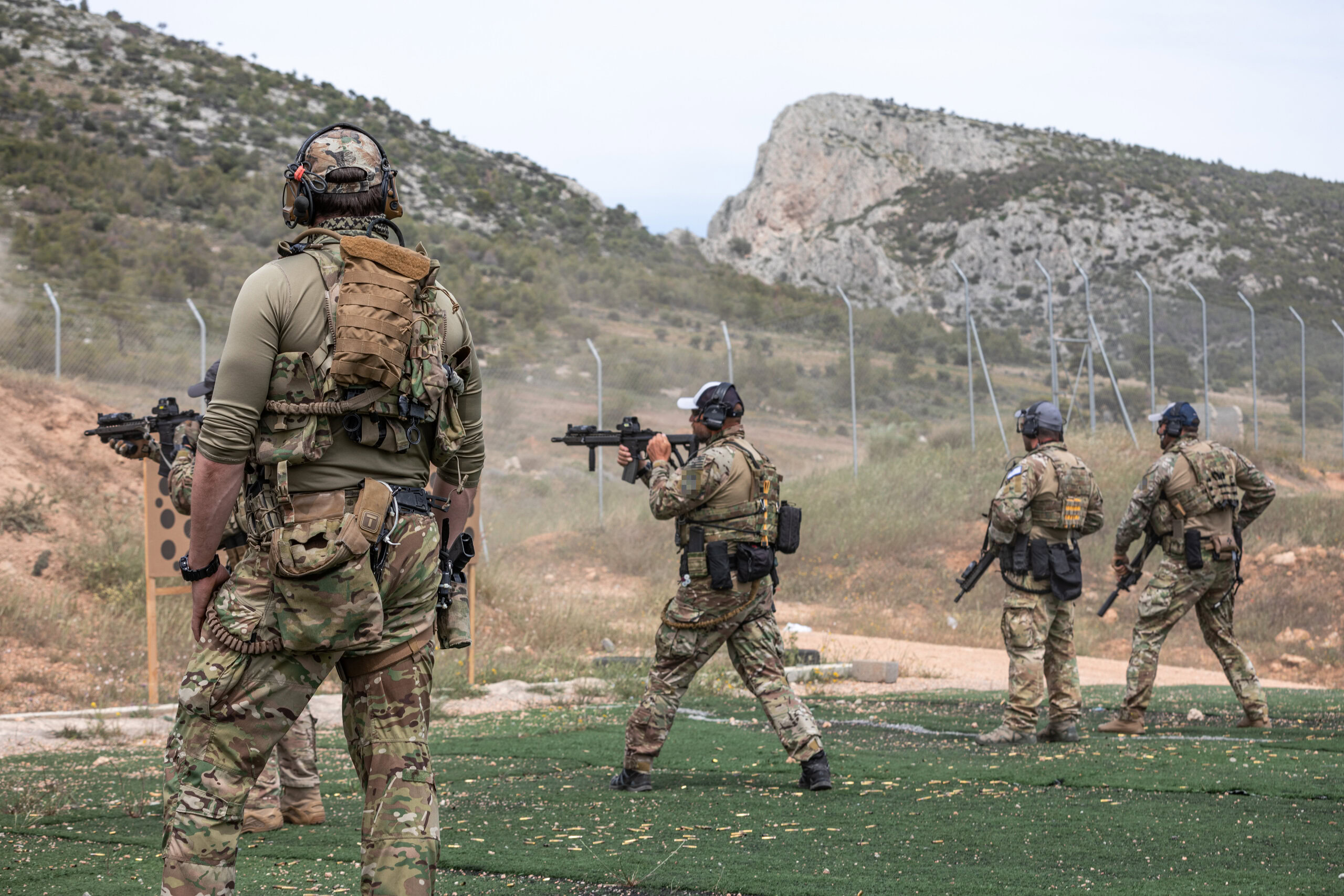
- Operational context: Urban
- Trigger moment: Loss of surprise
- Time window: Seconds
- Primary risk if wrong: Escalation
- Training emphasis: Contingency rehearsals
- Environmental factors: Populated areas
- Team impact: Command element
Once compromised, SEALs must decide whether objectives remain achievable. Continuing blindly can increase casualties, while aborting too early may forfeit success.
Engage or Bypass Suspected Trap

- Operational context: CQB
- Trigger moment: Suspicious obstacle
- Time window: Immediate
- Primary risk if wrong: IED detonation
- Training emphasis: Pattern recognition drills
- Environmental factors: Doorways
- Team impact: Fire team
SEALs train to recognize indicators of traps and decide whether to engage or bypass. Misjudgment can lead to catastrophic injury, making rapid pattern recognition essential.
Hold Fire to Preserve Surprise
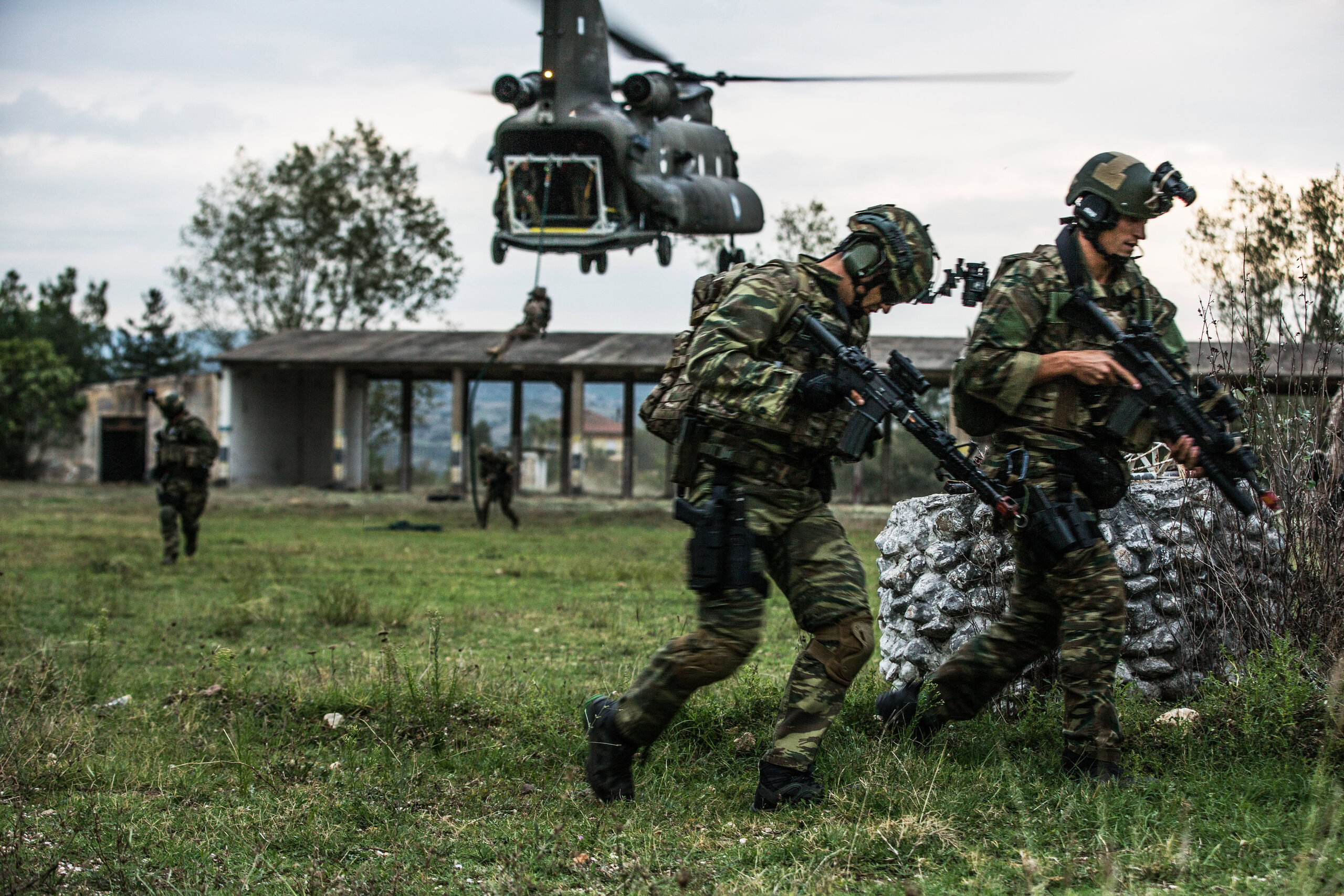
- Operational context: Urban
- Trigger moment: Enemy unaware
- Time window: Seconds
- Primary risk if wrong: Lost initiative
- Training emphasis: Stealth drills
- Environmental factors: Low visibility
- Team impact: Element
Holding fire can preserve surprise but risks allowing a threat to act. SEALs rehearse recognizing the exact moment when restraint becomes liability.
Reposition for Better Angle

- Operational context: CQB
- Trigger moment: Poor firing lane
- Time window: Seconds
- Primary risk if wrong: Exposure
- Training emphasis: Movement drills
- Environmental factors: Confined spaces
- Team impact: Individual operator
Repositioning may improve effectiveness but increases exposure. SEALs train to assess angles instantly to decide whether movement outweighs risk.
Engage Target Near Teammate
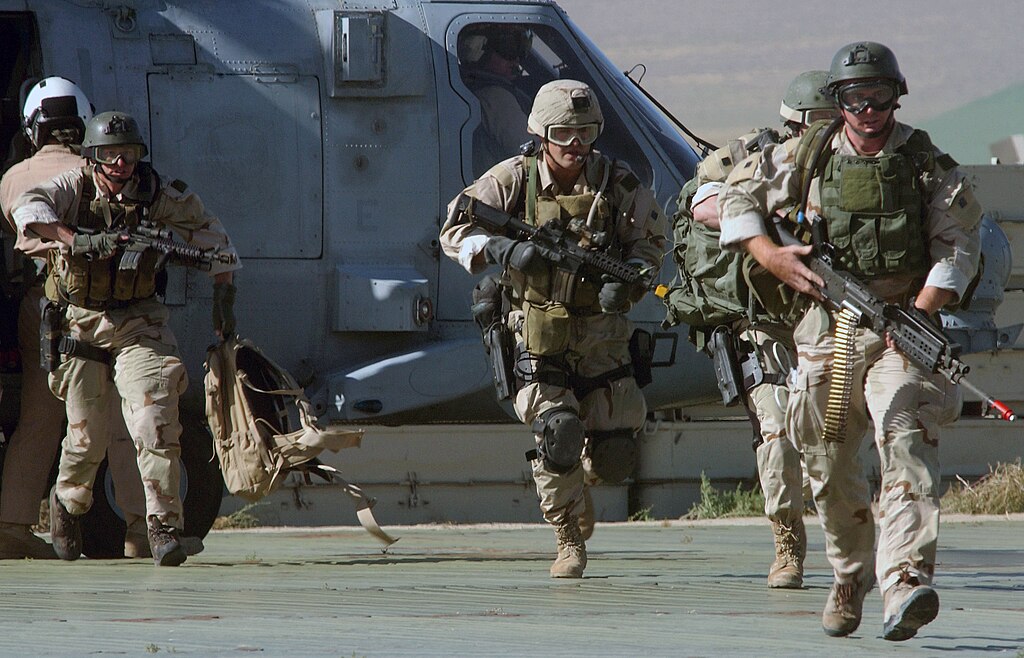
- Operational context: CQB
- Trigger moment: Friendly proximity
- Time window: Immediate
- Primary risk if wrong: Fratricide
- Training emphasis: Precision shooting
- Environmental factors: Tight formations
- Team impact: Fire team
Engaging a threat near teammates requires extreme fire control. SEALs drill this scenario to ensure split-second accuracy under pressure.
Push Through Fatigue Under Fire

- Operational context: All environments
- Trigger moment: Extended engagement
- Time window: Seconds
- Primary risk if wrong: Reduced performance
- Training emphasis: Stress inoculation
- Environmental factors: Variable
- Team impact: Individual operator
Combat fatigue degrades judgment. SEALs train to recognize when to push through exhaustion or slow tempo to avoid mistakes under fire.
Call Supporting Fires
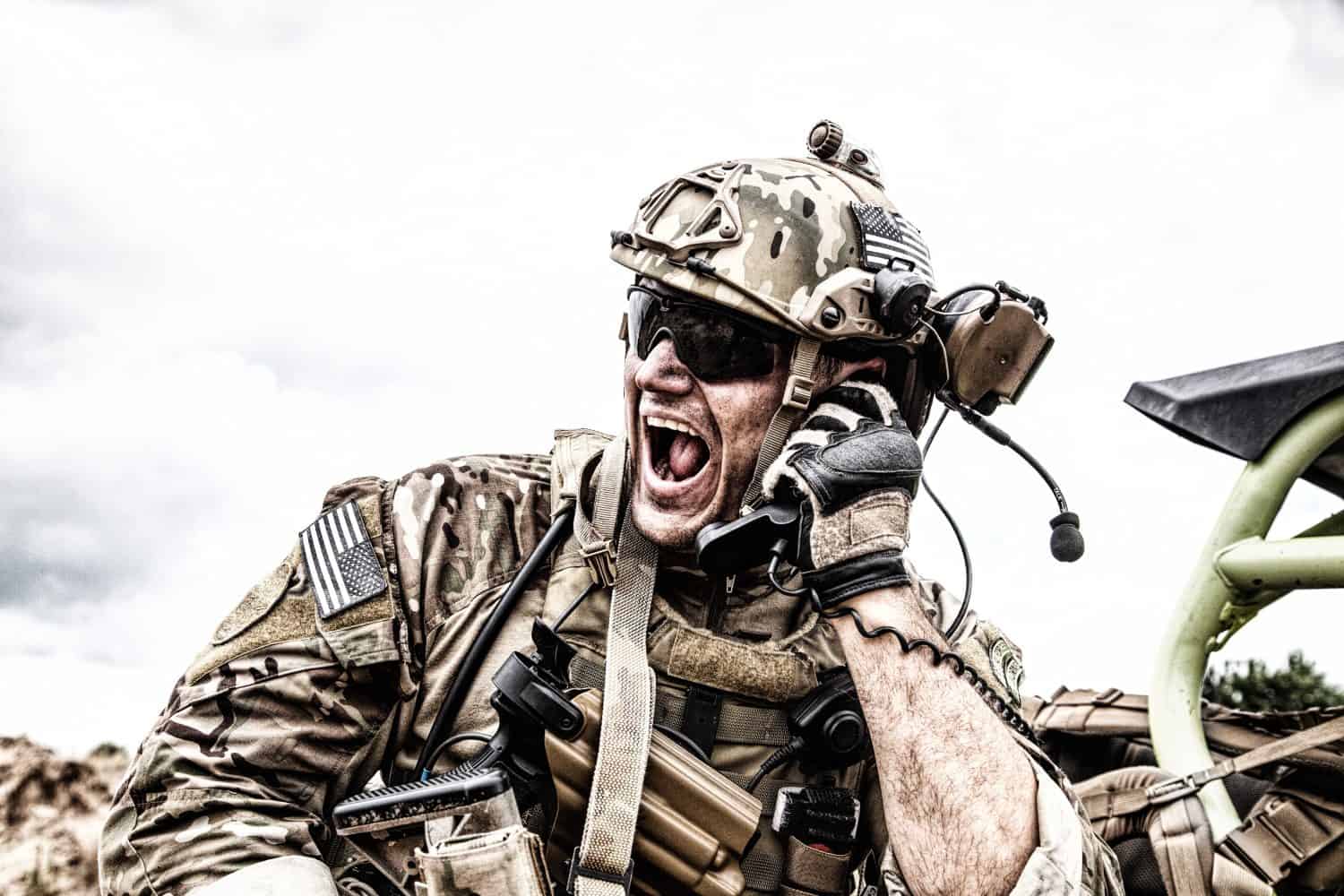
- Operational context: Rural / Maritime
- Trigger moment: Overmatched
- Time window: Seconds
- Primary risk if wrong: Collateral damage
- Training emphasis: Joint fire training
- Environmental factors: Open terrain
- Team impact: Command element
Calling for support can shift the fight but risks escalation. SEALs train to recognize the moment organic firepower is insufficient.
Expose Position to Save Teammate
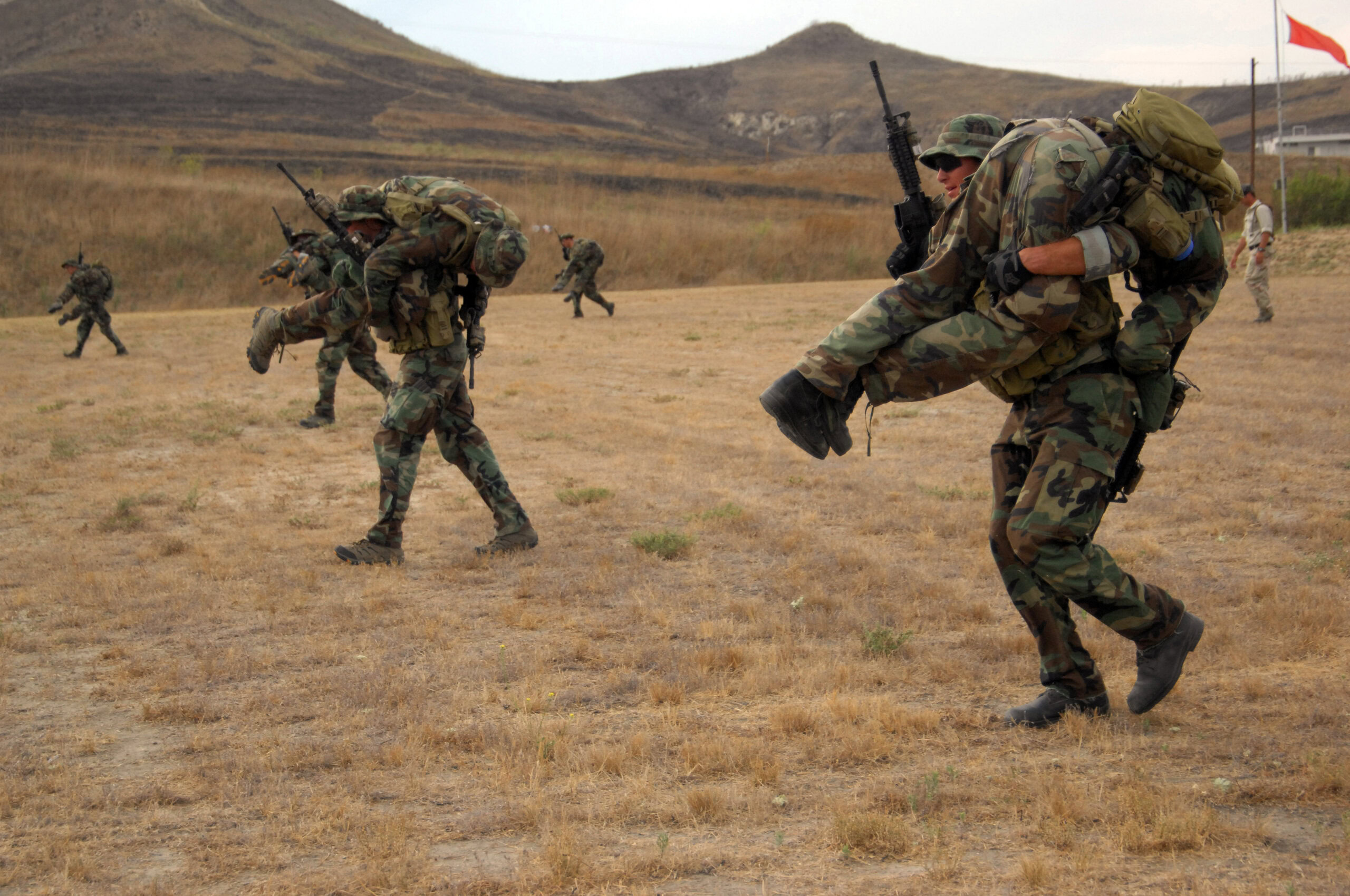
- Operational context: CQB
- Trigger moment: Teammate pinned
- Time window: Immediate
- Primary risk if wrong: Friendly casualty
- Training emphasis: Team drills
- Environmental factors: Confined space
- Team impact: Fire team
Sometimes survival requires deliberate exposure to draw fire. SEALs train to make this selfless decision only when it creates advantage.
Abort Exfil Route
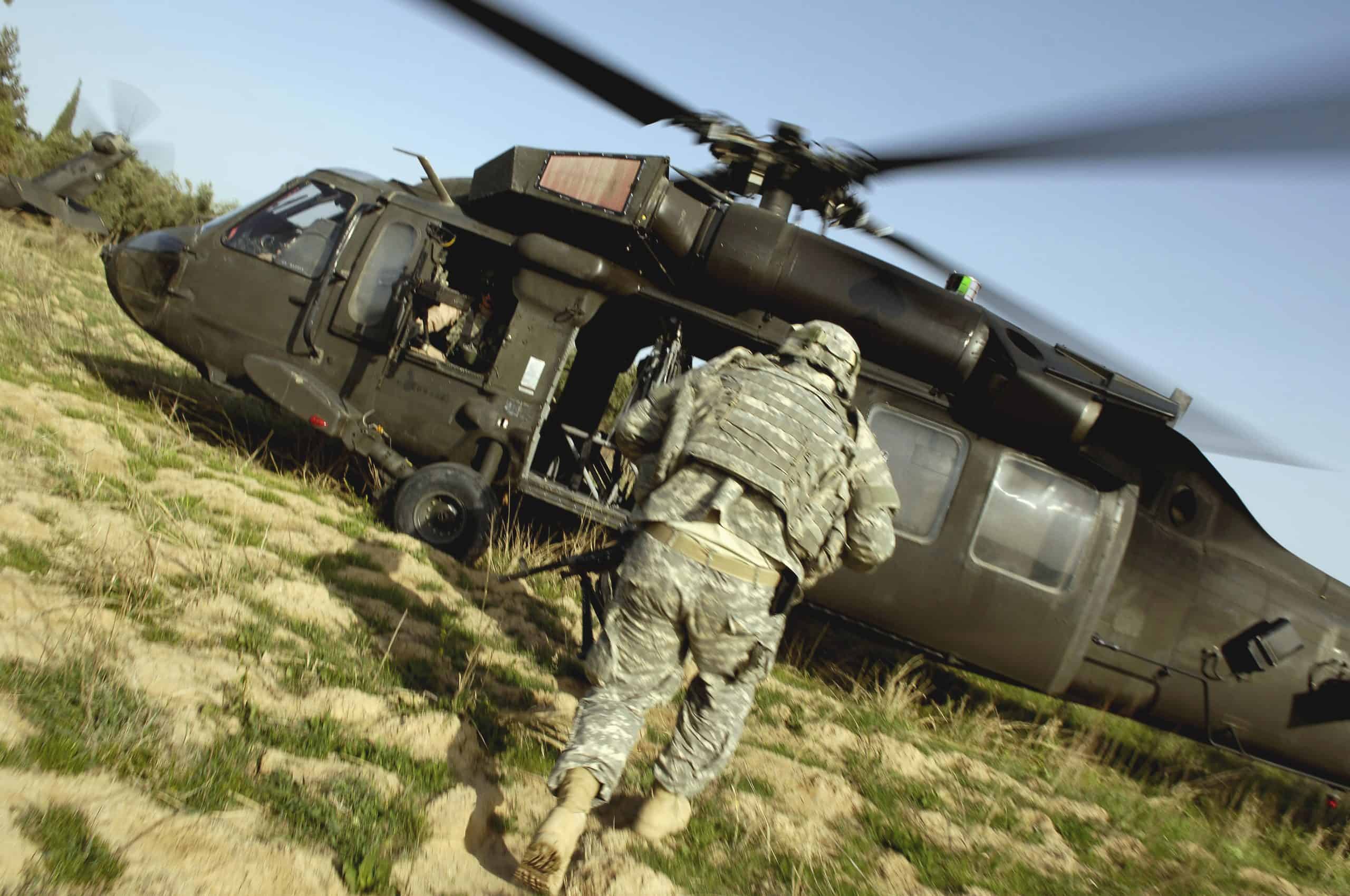
- Operational context: All environments
- Trigger moment: Enemy pressure
- Time window: Seconds
- Primary risk if wrong: Encirclement
- Training emphasis: Exfil drills
- Environmental factors: Variable
- Team impact: Element
During exfil, SEALs must decide whether to abandon a planned route. Flexibility and rapid terrain assessment are critical to survival.
Take Marginal Shot or Hold Fire
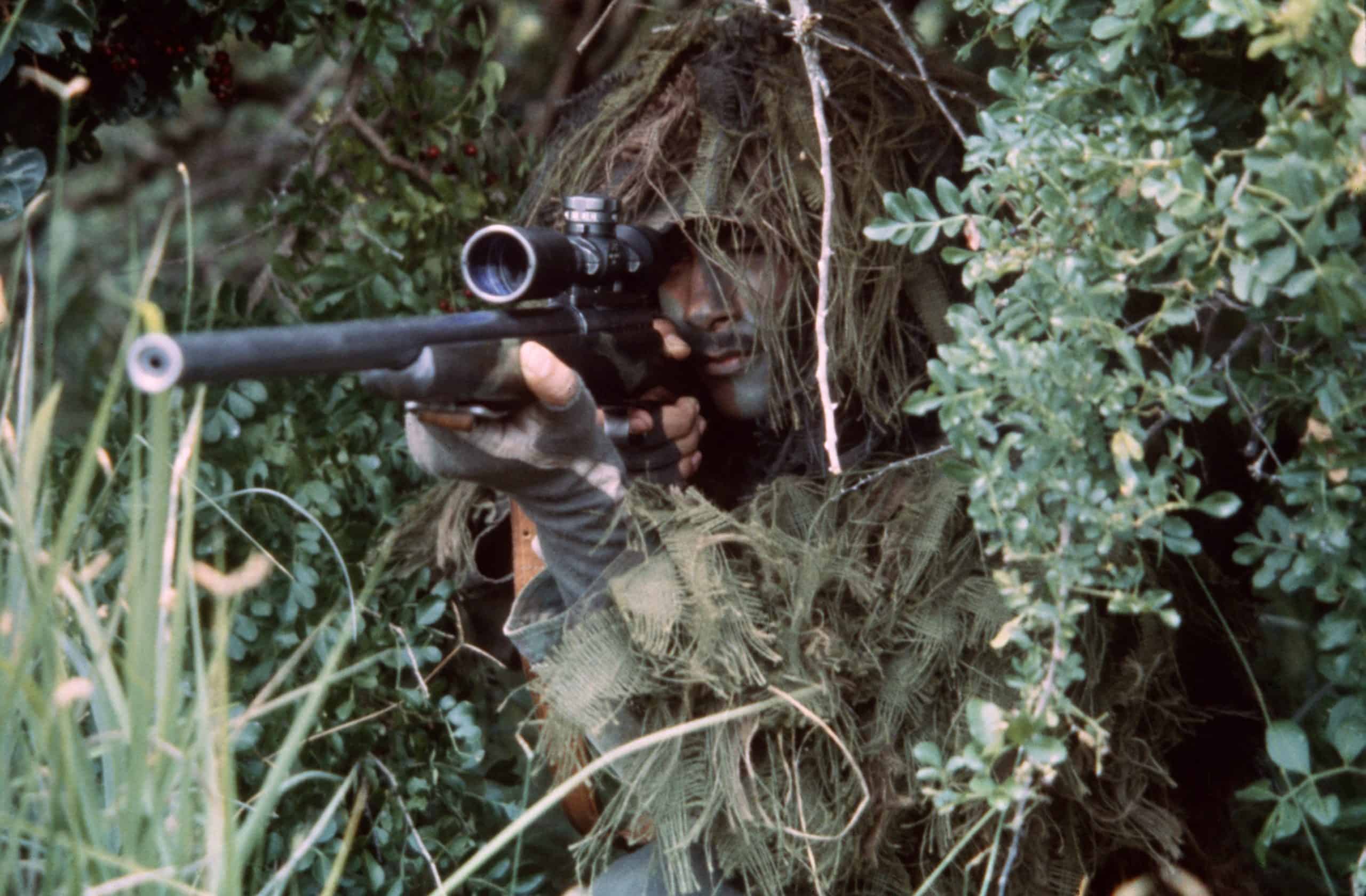
- Operational context: CQB / Urban
- Trigger moment: Partial target exposure
- Time window: Immediate
- Primary risk if wrong: Miss or collateral
- Training emphasis: Precision drills
- Environmental factors: Limited visibility
- Team impact: Individual operator
Marginal shots test discipline. SEALs train to decide whether firing now outweighs waiting for a better angle, knowing hesitation can be just as dangerous as a miss.






 Top Gaining Stocks
 Top Losing Stocks