


Much of modern warfare was built around the idea that cover bought survival. Trenches, bunkers, armored hulls, and urban structures worked because most weapons were imprecise, and misses were common. Precision weapons upended that balance. By making it possible to hit targets hiding behind, beneath, or inside traditional cover, these systems stripped away the battlefield’s old safety margins and forced militaries to rethink how protection, movement, and survivability actually work. Here, 24/7 Wall St. is taking a closer look at these advanced precision weapon systems.
To determine the precision weapons that made traditional cover obsolete, 24/7 Wall St. reviewed various historical and military sources. We included supplemental information regarding each weapon’s type, when it was introduced, what it changed with its precision, and the combat environments where this shift was glaringly obvious.
Here is a look at precision weapons that made traditional cover obsolete:
Why Are We Covering This?

Understanding how precision weapons stripped away the protection once provided by traditional cover is essential to understanding modern combat. Trenches, bunkers, armor, and urban structures were built around the assumption that inaccuracy created safety. Precision shattered that assumption. By examining the weapons that made cover unreliable, this explains why modern forces must prioritize movement, dispersion, and targeting discipline, as well as why surviving on today’s battlefield depends less on what you hide behind and more on how quickly you are detected.
When Cover Stopped Meaning Safety

For most of military history, cover meant safety. Trenches, berms, buildings, armor, and terrain masking reduced exposure and gave soldiers a way to survive direct fire. Even when forces could not eliminate a threat, cover let them endure it long enough to maneuver, regroup, or bring in supporting fires. Traditional battlefield protection relied on a basic assumption: if you could get behind something solid, the enemy’s ability to hit you accurately would drop sharply. Precision weapons began to undermine that logic by making it possible to reach targets that cover once reliably protected.
Accuracy Replaced Suppression

As accuracy improved, suppression started losing its monopoly on battlefield effects. In earlier eras, attackers often needed large volumes of fire to neutralize defended positions because their weapons were not precise enough to guarantee hits. Cover was effective because many rounds would miss, and defenders could survive long enough to keep fighting. Precision changed that math. With guided munitions and improved targeting, a single shot could do what dozens once had to attempt, making cover less a shield and more a temporary delay.
Attacking From Angles Cover Couldn’t Defend
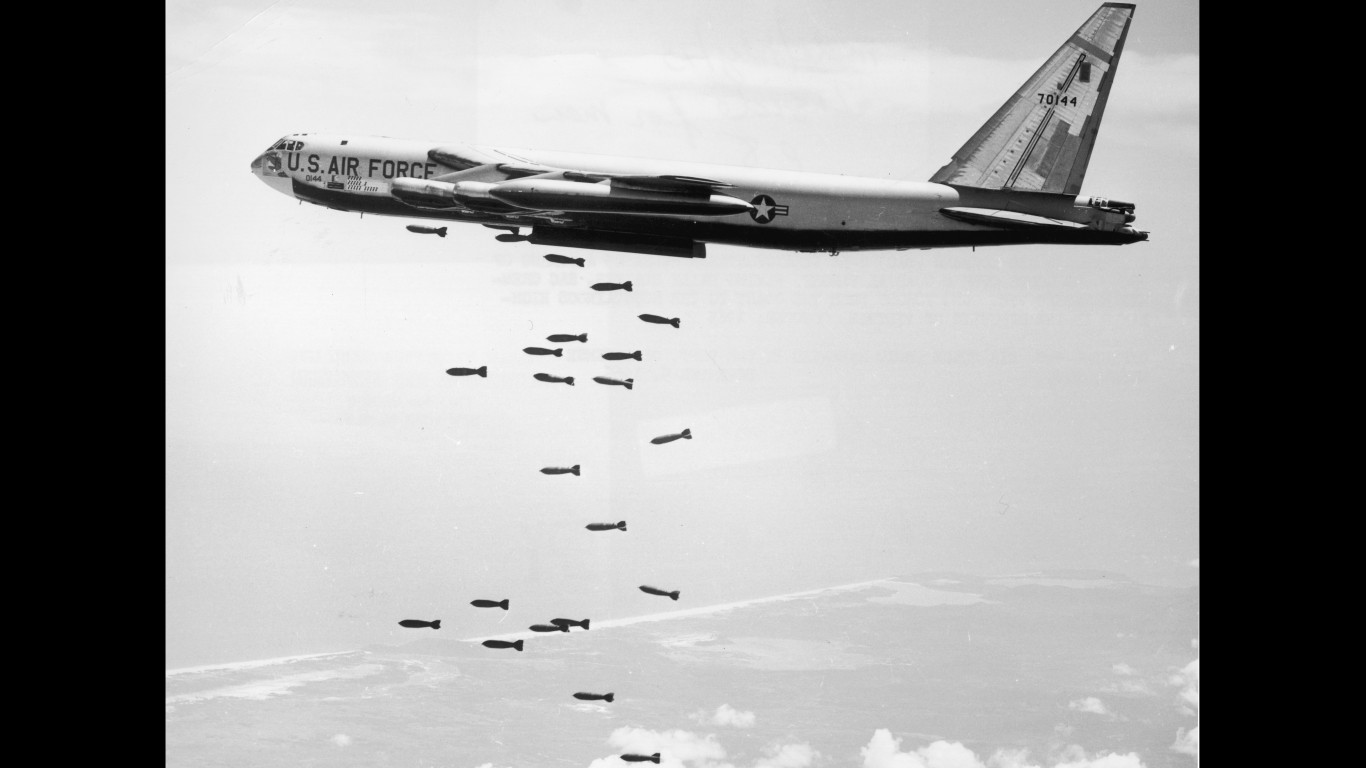
Precision also attacked cover from angles it was never designed to defend. Top-attack weapons exploited weak overhead protection on armored vehicles. Behind-cover strikes punished positions that relied on terrain defilade. Stand-off munitions allowed attackers to engage from ranges and directions that defenders could not easily counter. The core advantage of cover—forcing the enemy into a limited line of sight—became less relevant when weapons could climb, arc, loiter, or be guided into the target area from above and behind.
How Tactics and Fortifications Had to Change
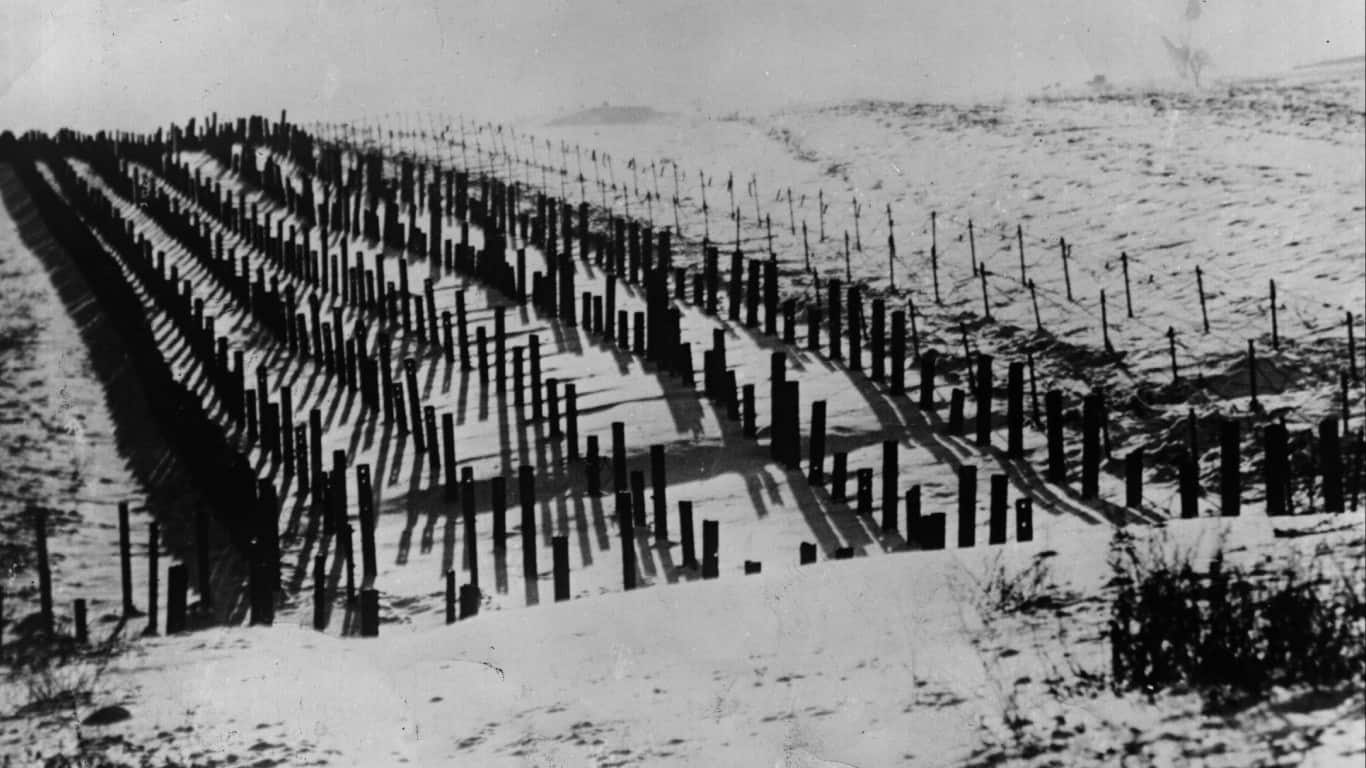
The tactical consequences were immediate and lasting. Static defenses that once offered security became predictable aim points, and digging in could become a liability if it fixed forces in place. Survivability shifted toward dispersion, mobility, and concealment, not simply thicker walls. Infantry tactics adapted to a world where precision threats could arrive quickly once a position was detected, and fortifications had to evolve from “stop bullets” to “avoid being targeted.”
Why Modern Battlefields Look Different

That is why modern battlefields look different. Cover still matters, but it increasingly delays effects rather than preventing them. Survivability now depends on movement, deception, electronic discipline, and the ability to break enemy targeting cycles before precision fires arrive. This article highlights the precision weapons that made traditional cover unreliable and forced armies to rethink how they hide, fight, and endure under modern firepower.
FGM-148 Javelin
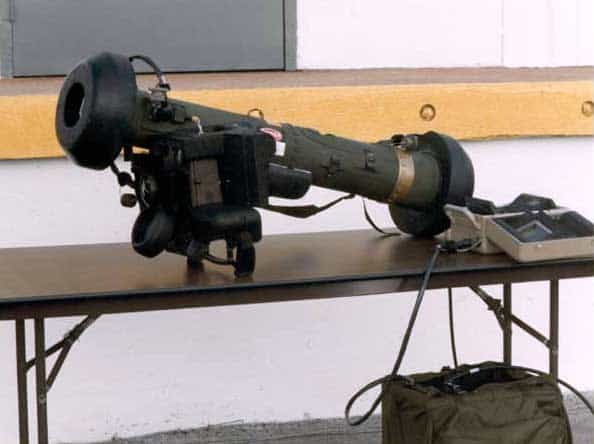
- Domain: Land
- Era introduced: 1990s
- Type of traditional cover defeated: Heavy armor
- Method of defeat: Top-attack
- Why that cover used to work: Armor protected frontal arcs
- What changed with precision: Attacks weakest armor from above
- Combat environment where the shift was clear: Open terrain, urban edges
- Tactical or doctrinal consequence: Forced armor dispersion
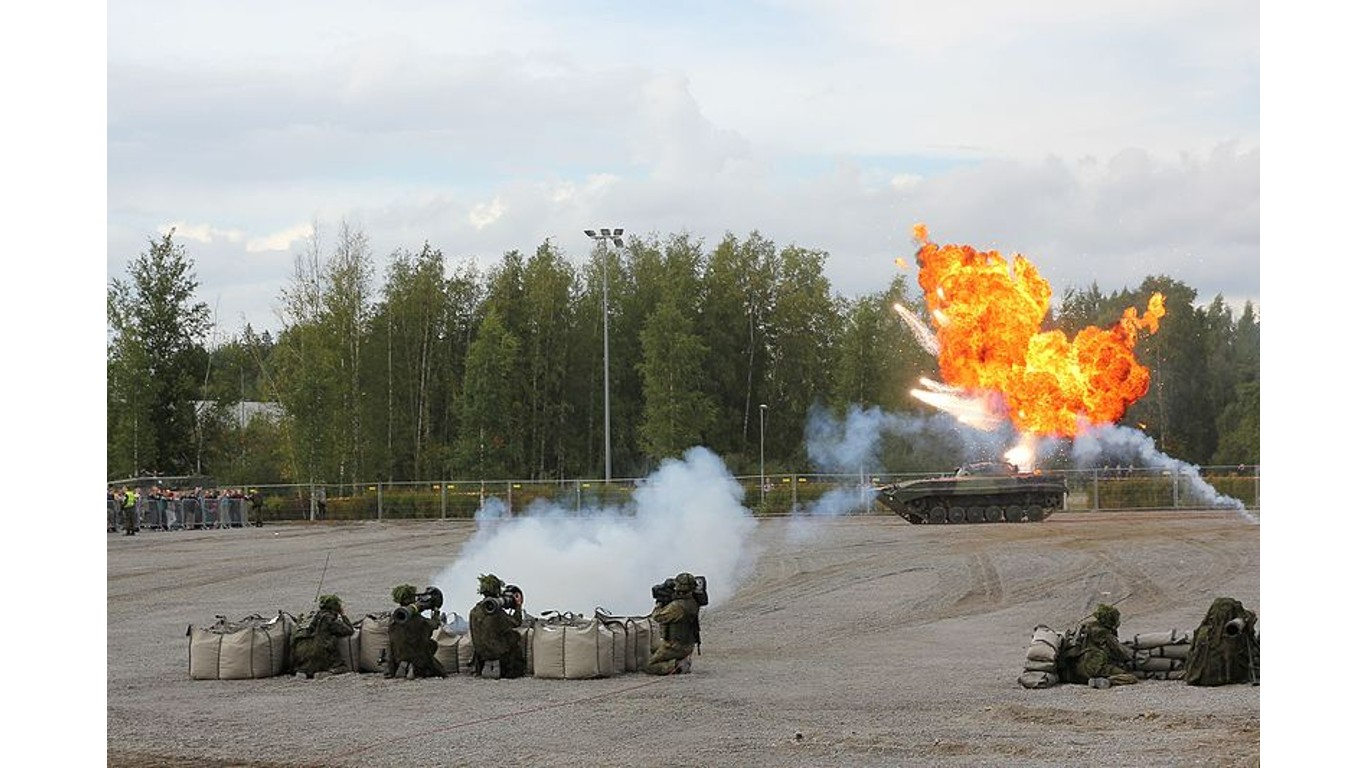
Javelin missiles rendered traditional armored cover unreliable by striking tanks from above, where protection was weakest. This forced armored units to abandon assumptions about frontal armor dominance and change movement and spacing. Precision top-attack meant cover provided by armor alone was no longer sufficient, reshaping armored warfare tactics.
AGM-114 Hellfire
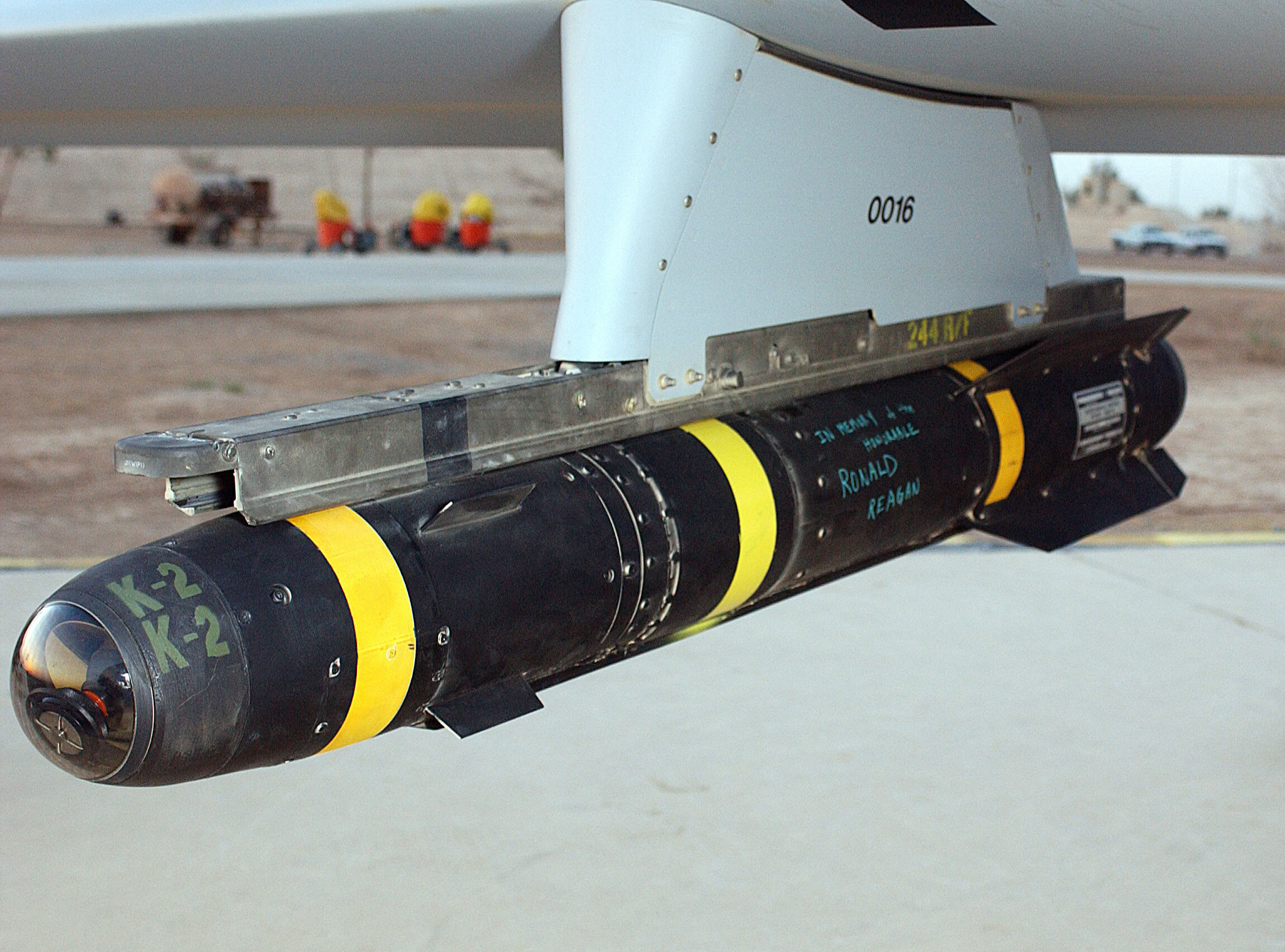
- Domain: Air
- Era introduced: 1980s
- Type of traditional cover defeated: Terrain and structures
- Method of defeat: Behind-cover precision
- Why that cover used to work: Cover blocked unguided fires
- What changed with precision: Guidance allowed engagement from angles
- Combat environment where the shift was clear: Urban and rural combat
- Tactical or doctrinal consequence: Reduced static defensive positions
Hellfire missiles allowed precision engagement of targets hiding behind terrain or structures. By striking from standoff angles, Hellfire negated cover that once protected vehicles and fighters, forcing adversaries to abandon static positions.
BGM-71 TOW (Top-Attack)

- Domain: Land
- Era introduced: 1980s
- Type of traditional cover defeated: Armored cover
- Method of defeat: Top-attack
- Why that cover used to work: Armor designed for frontal hits
- What changed with precision: Overhead penetration
- Combat environment where the shift was clear: Open terrain
- Tactical or doctrinal consequence: Changed armor movement
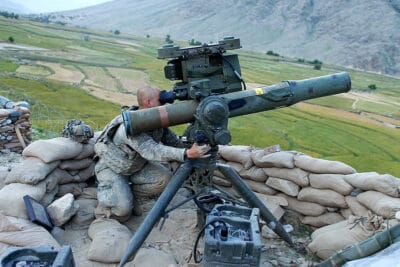
Top-attack TOW variants exploited weak overhead armor, reducing the effectiveness of traditional armored cover and forcing new defensive tactics.
M982 Excalibur
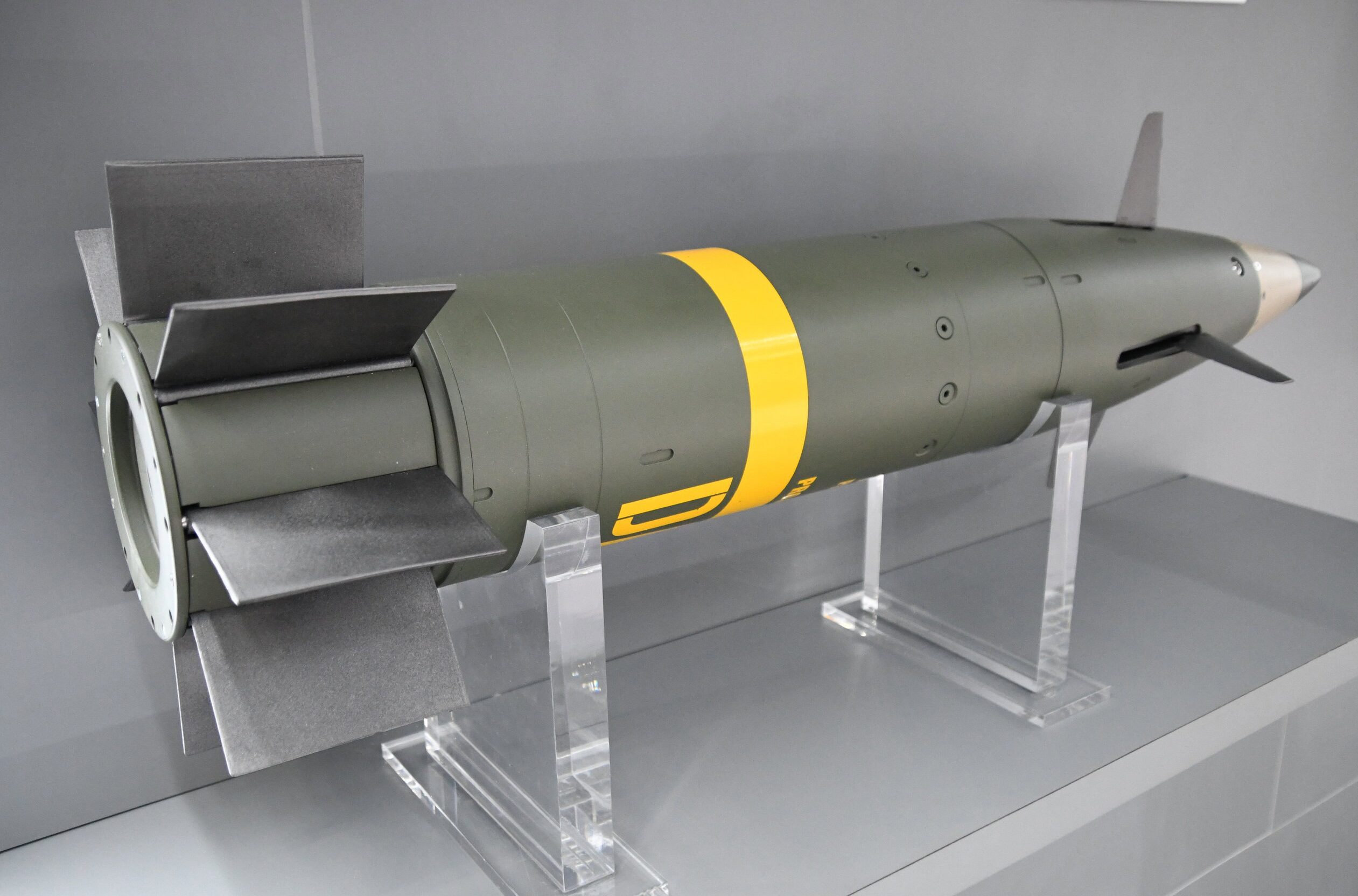
- Domain: Land
- Era introduced: 2000s
- Type of traditional cover defeated: Trenches and bunkers
- Method of defeat: Precision penetration
- Why that cover used to work: Indirect fire lacked accuracy
- What changed with precision: Single-round precision
- Combat environment where the shift was clear: Entrenched positions
- Tactical or doctrinal consequence: Reduced need for barrage
Excalibur artillery shells allowed forces to strike trench systems and bunkers precisely, removing the need for prolonged bombardment. Cover that once required saturation fire became vulnerable to single, accurate rounds.
M712 Copperhead
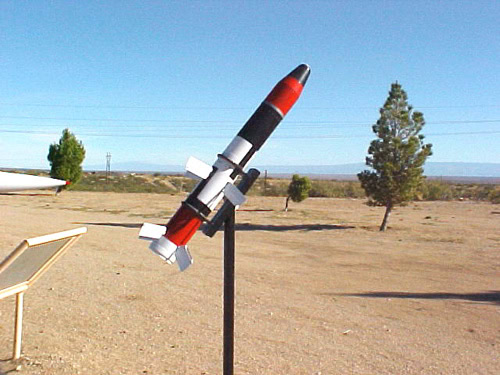
- Domain: Land
- Era introduced: 1970s
- Type of traditional cover defeated: Armored cover
- Method of defeat: Laser-guided top attack
- Why that cover used to work: Armor relied on concealment
- What changed with precision: Precision guidance
- Combat environment where the shift was clear: Open terrain
- Tactical or doctrinal consequence: Early precision artillery
Copperhead demonstrated that precision-guided artillery could defeat armored cover previously protected from indirect fire.
JDAM
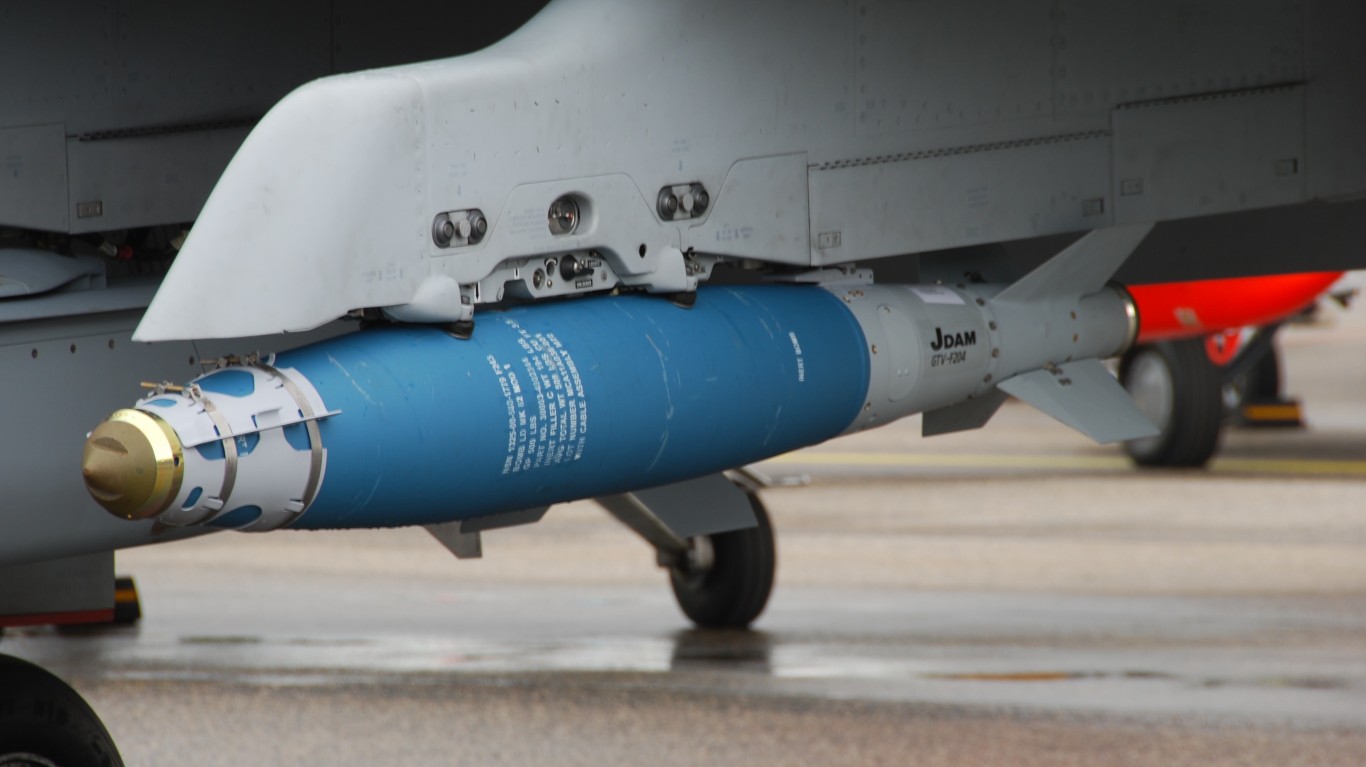
- Domain: Air
- Era introduced: 1990s
- Type of traditional cover defeated: Hardened structures
- Method of defeat: Precision penetration
- Why that cover used to work: Unguided bombs lacked accuracy
- What changed with precision: GPS guidance
- Combat environment where the shift was clear: Urban and fixed targets
- Tactical or doctrinal consequence: Collapsed bunker safety
JDAMs turned hardened structures into vulnerable targets by enabling accurate strikes without mass bombing. Traditional cover no longer guaranteed survival.
GBU-39 SDB
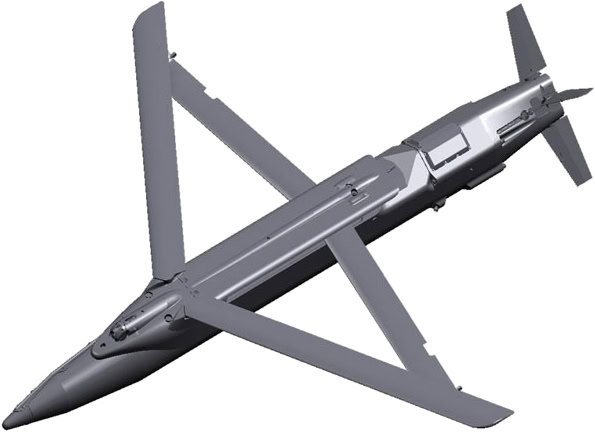
- Domain: Air
- Era introduced: 2000s
- Type of traditional cover defeated: Urban cover
- Method of defeat: Stand-off precision
- Why that cover used to work: Large bombs caused collateral damage
- What changed with precision: Small precision warheads
- Combat environment where the shift was clear: Urban combat
- Tactical or doctrinal consequence: More selective movement
SDBs allowed precise attacks inside dense urban environments, reducing the protective value of buildings used as cover.
GBU-12 Paveway II

- Domain: Air
- Era introduced: 1970s
- Type of traditional cover defeated: Fortified positions
- Method of defeat: Laser guidance
- Why that cover used to work: Bombing relied on area effects
- What changed with precision: Laser designation
- Combat environment where the shift was clear: Open terrain
- Tactical or doctrinal consequence: Reduced saturation bombing
Paveway bombs showed that fortifications could be destroyed without massed bombing, making traditional cover less reliable.
AGM-65 Maverick

- Domain: Air
- Era introduced: 1970s
- Type of traditional cover defeated: Vehicle cover
- Method of defeat: Direct precision strike
- Why that cover used to work: Vehicles hid behind terrain
- What changed with precision: Electro-optical guidance
- Combat environment where the shift was clear: Open terrain
- Tactical or doctrinal consequence: Reduced repeated passes
Maverick missiles allowed aircraft to destroy vehicles hiding behind cover with single strikes, ending reliance on repeated attack runs.
Brimstone
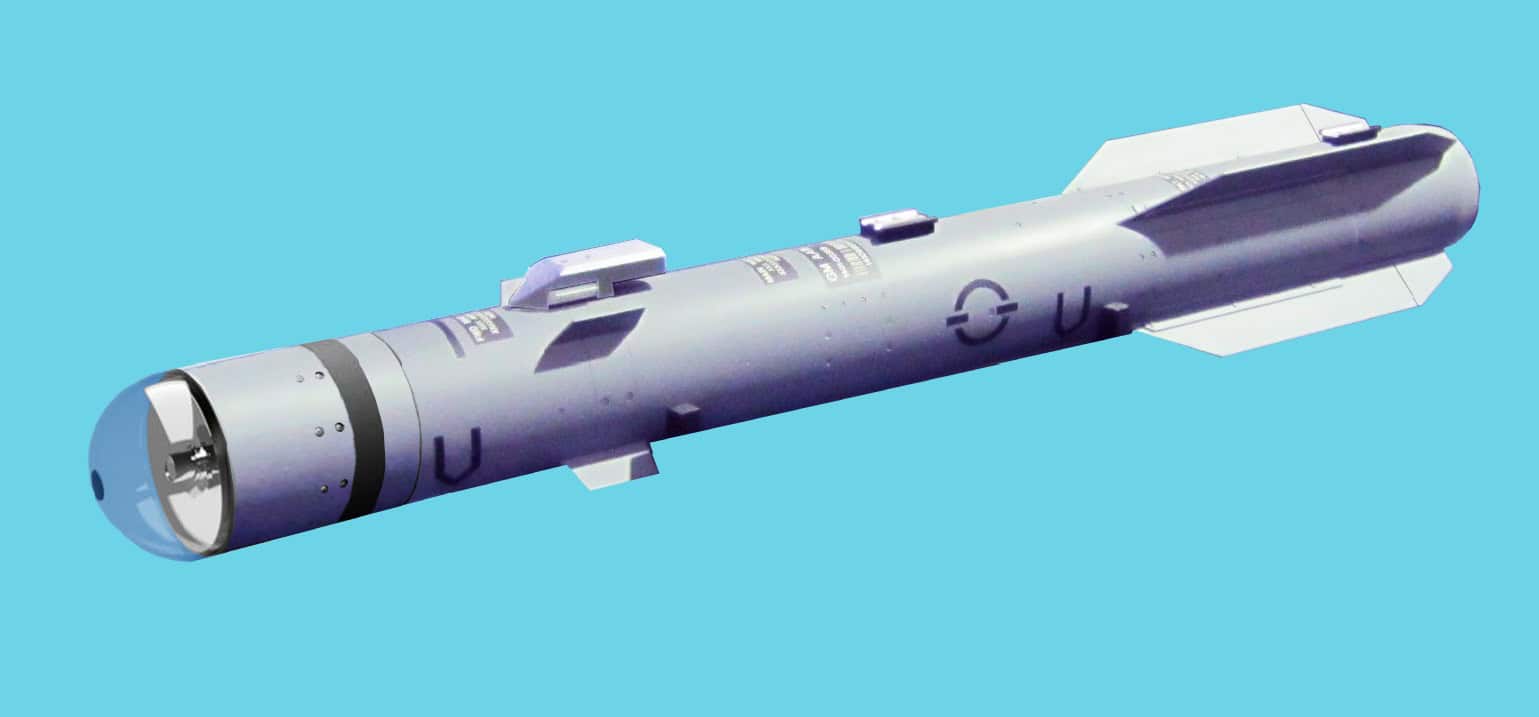
- Domain: Air
- Era introduced: 2000s
- Type of traditional cover defeated: Armored formations
- Method of defeat: Top-attack radar guidance
- Why that cover used to work: Armor massed for protection
- What changed with precision: Precision targeting
- Combat environment where the shift was clear: Open terrain
- Tactical or doctrinal consequence: Forced dispersion
Brimstone missiles negated armor formations by striking from above, making traditional massed cover ineffective.
Spike NLOS
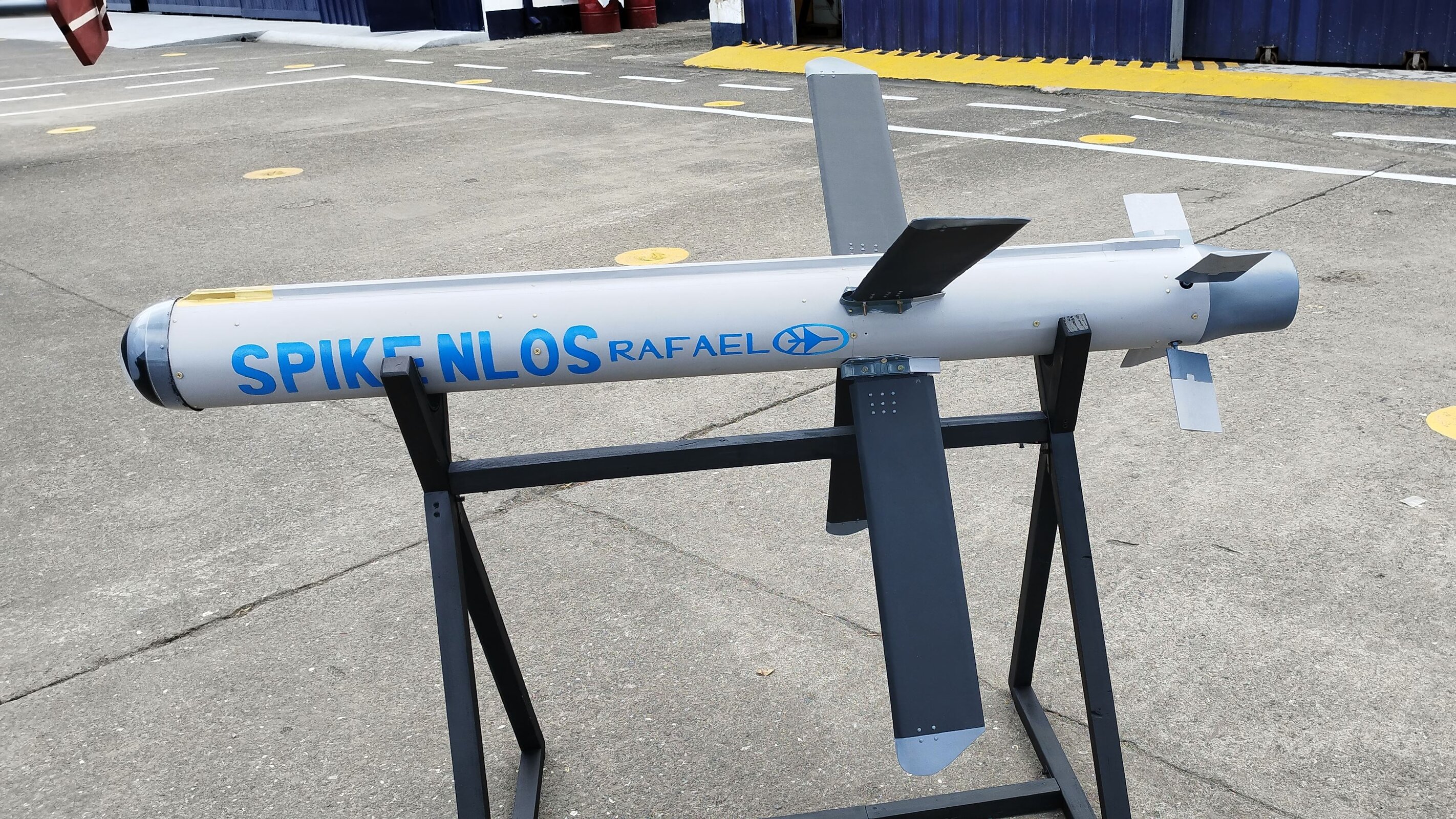
- Domain: Land/Air
- Era introduced: 2000s
- Type of traditional cover defeated: Behind-cover positions
- Method of defeat: Over-the-horizon precision
- Why that cover used to work: Cover blocked line-of-sight
- What changed with precision: Remote guidance
- Combat environment where the shift was clear: Complex terrain
- Tactical or doctrinal consequence: Standoff overwatch
Spike NLOS allowed operators to attack targets hidden behind terrain, eliminating the safety once provided by cover.
Spike LR/ER
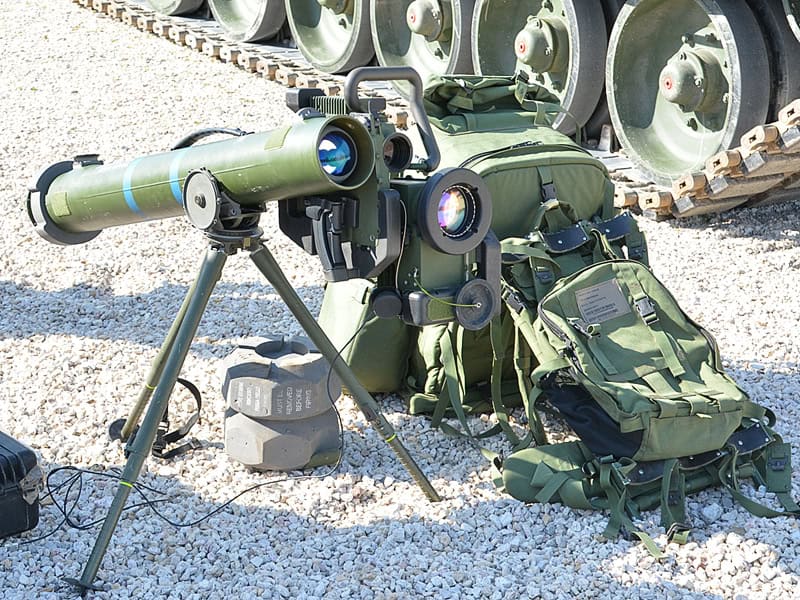
- Domain: Land
- Era introduced: 2000s
- Type of traditional cover defeated: Armored and structural cover
- Method of defeat: Top-attack
- Why that cover used to work: Armor and structures absorbed fire
- What changed with precision: Precision guidance
- Combat environment where the shift was clear: Urban and rural
- Tactical or doctrinal consequence: Changed defensive posture
Spike variants undermined traditional cover by enabling accurate top-attack strikes.
Top-Attack ATGMs
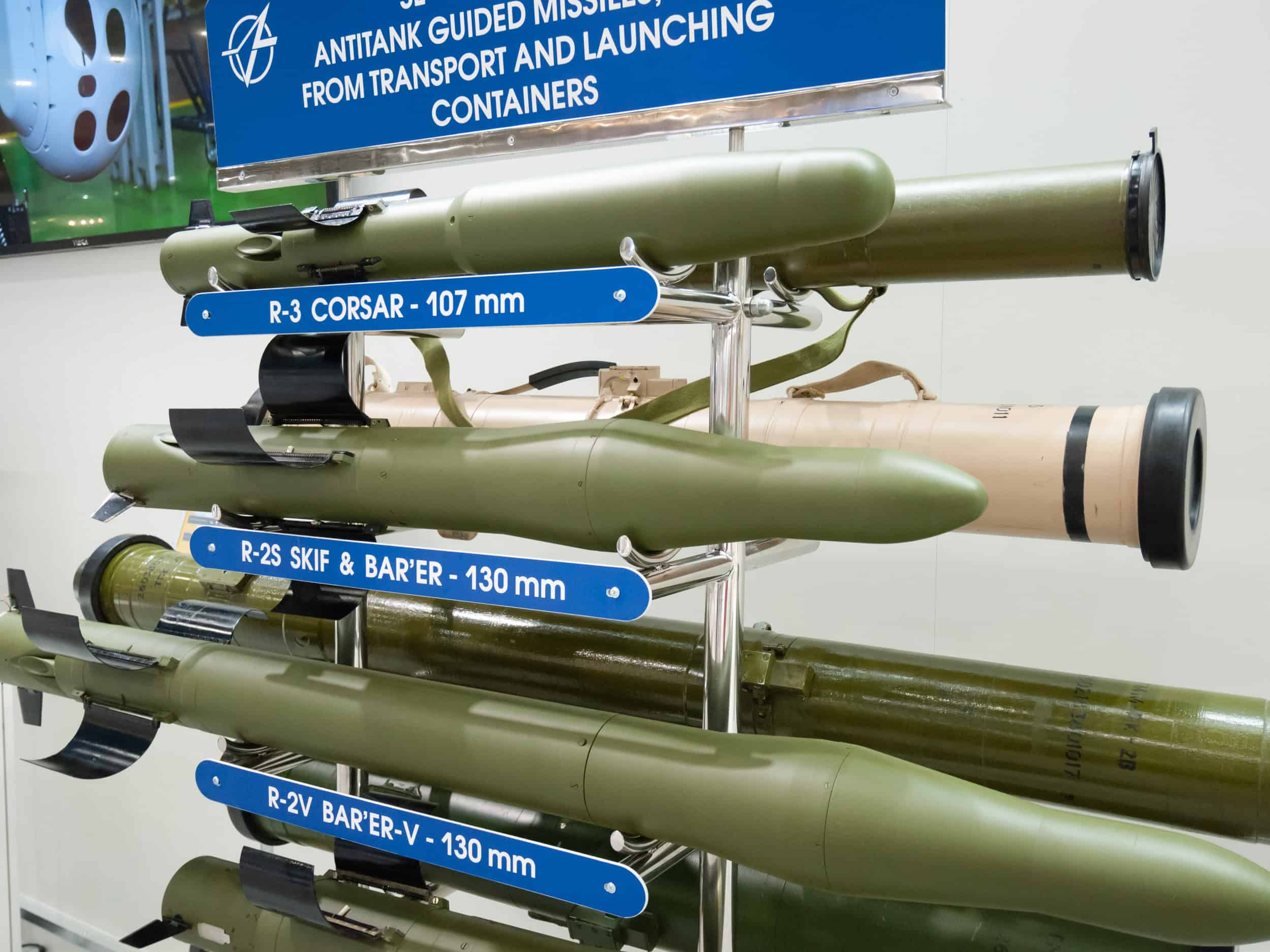
- Domain: Land
- Era introduced: 1990s
- Type of traditional cover defeated: Armored cover
- Method of defeat: Top-attack
- Why that cover used to work: Armor emphasized frontal protection
- What changed with precision: Overhead defeat
- Combat environment where the shift was clear: Open terrain
- Tactical or doctrinal consequence: Armor redesign
The spread of top-attack ATGMs made traditional armored cover obsolete by attacking weak points.
Loitering Munitions

- Domain: Air
- Era introduced: 2000s
- Type of traditional cover defeated: Concealed positions
- Method of defeat: Vertical attack
- Why that cover used to work: Cover hid targets
- What changed with precision: Persistent overhead attack
- Combat environment where the shift was clear: Urban and open
- Tactical or doctrinal consequence: Ended static defense
Loitering munitions negated cover by attacking from above after extended observation.
AGM-158 JASSM

- Domain: Air
- Era introduced: 2000s
- Type of traditional cover defeated: Hardened facilities
- Method of defeat: Stand-off penetration
- Why that cover used to work: Air defenses protected targets
- What changed with precision: Stealth precision
- Combat environment where the shift was clear: Strategic targets
- Tactical or doctrinal consequence: Forced deeper dispersion
JASSM bypassed defensive cover by striking from stand-off range with stealth and precision.
Storm Shadow / SCALP-EG
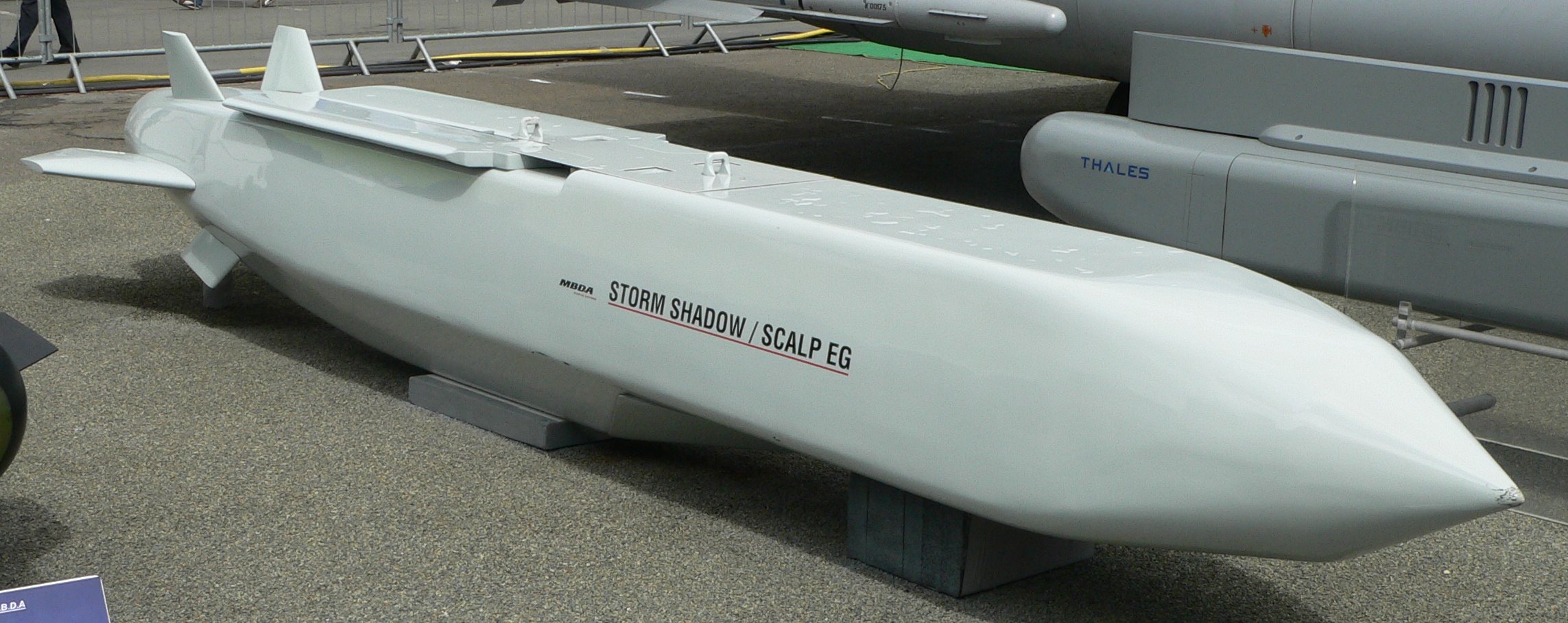
- Domain: Air
- Era introduced: 2000s
- Type of traditional cover defeated: Bunkers and shelters
- Method of defeat: Penetration
- Why that cover used to work: Hardened cover resisted bombs
- What changed with precision: Delayed-fuse precision
- Combat environment where the shift was clear: Strategic targets
- Tactical or doctrinal consequence: Redefined shelter design
Storm Shadow made hardened shelters vulnerable to precise deep penetration strikes.
Tomahawk

- Domain: Sea
- Era introduced: 1980s
- Type of traditional cover defeated: Fixed cover
- Method of defeat: Stand-off precision
- Why that cover used to work: Distance provided safety
- What changed with precision: Long-range guidance
- Combat environment where the shift was clear: Strategic targets
- Tactical or doctrinal consequence: Reduced sanctuary
Tomahawk missiles eliminated geographic sanctuary by striking fixed targets precisely from long range.
Naval Strike Missile
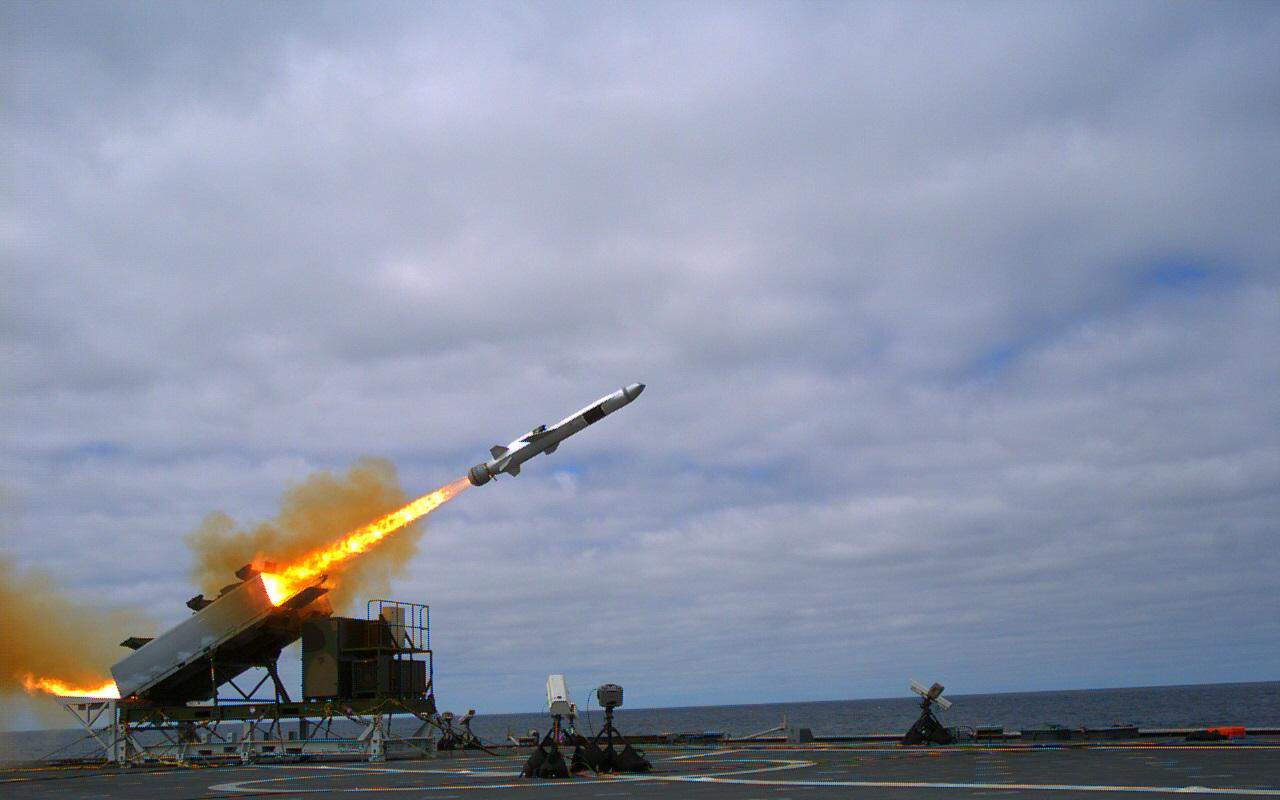
- Domain: Sea
- Era introduced: 2000s
- Type of traditional cover defeated: Ship armor and cover
- Method of defeat: Sea-skimming precision
- Why that cover used to work: Ships relied on distance
- What changed with precision: Low-observable approach
- Combat environment where the shift was clear: Naval combat
- Tactical or doctrinal consequence: Altered fleet defense
NSM negated traditional naval cover through precision and stealth.
ATACMS

- Domain: Land
- Era introduced: 1990s
- Type of traditional cover defeated: Rear-area cover
- Method of defeat: Precision ballistic strike
- Why that cover used to work: Rear areas were safe
- What changed with precision: Deep precision fires
- Combat environment where the shift was clear: Operational depth
- Tactical or doctrinal consequence: Collapsed rear sanctuary
ATACMS strikes removed the concept of safe rear-area cover.
GMLRS

- Domain: Land
- Era introduced: 2000s
- Type of traditional cover defeated: Field fortifications
- Method of defeat: Precision rocket
- Why that cover used to work: Rockets required salvos
- What changed with precision: Single-rocket accuracy
- Combat environment where the shift was clear: Open terrain
- Tactical or doctrinal consequence: Reduced massed fires
Precision GMLRS made field cover vulnerable without massed rocket fire.
PGK Precision Fuse
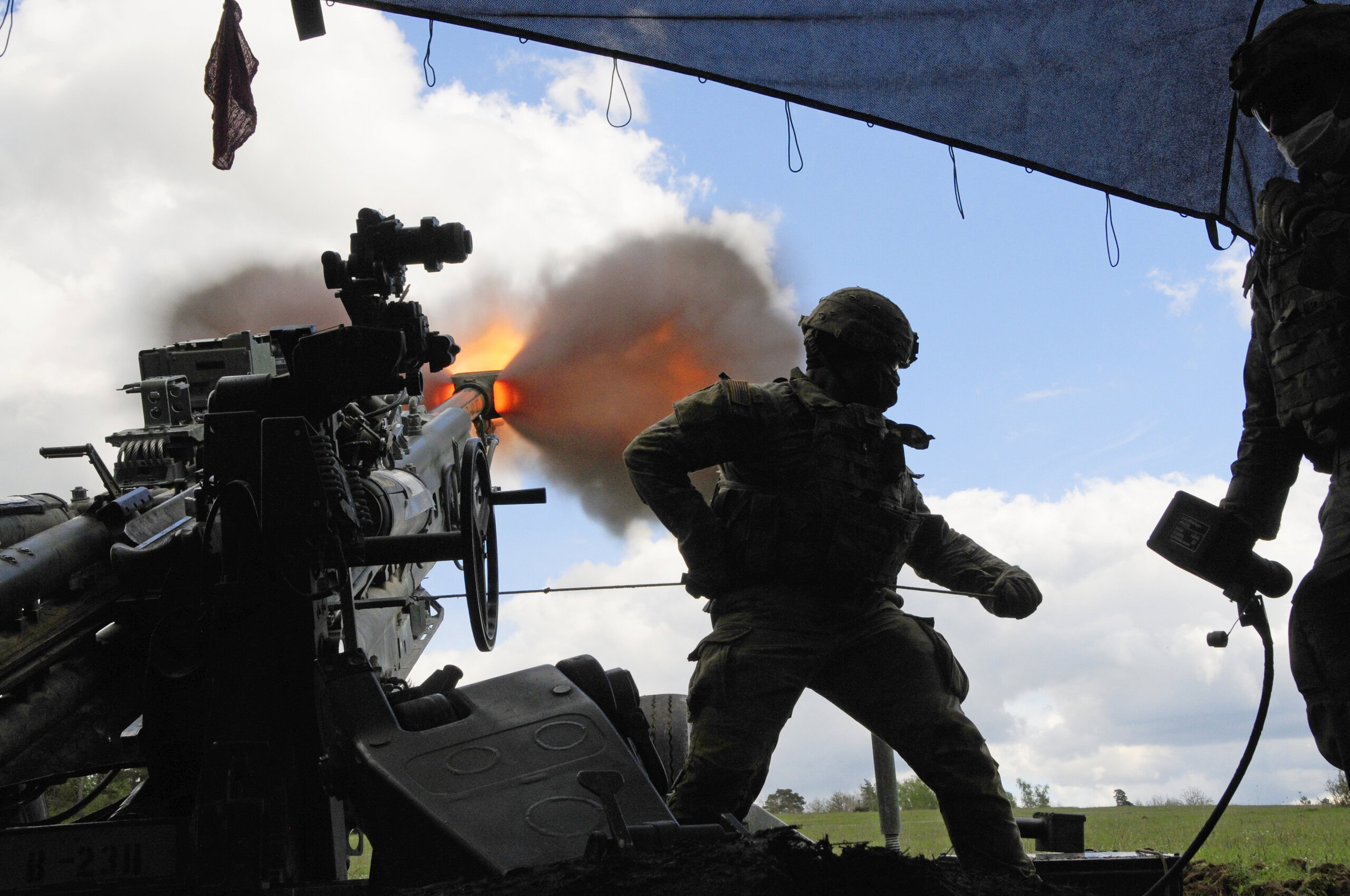
- Domain: Land
- Era introduced: 2010s
- Type of traditional cover defeated: Area cover
- Method of defeat: Accuracy enhancement
- Why that cover used to work: Shells dispersed widely
- What changed with precision: Guided correction
- Combat environment where the shift was clear: Entrenched areas
- Tactical or doctrinal consequence: Incremental precision
PGK fuzes reduced the protection offered by area cover by improving artillery accuracy.
Thermobaric Precision Munitions
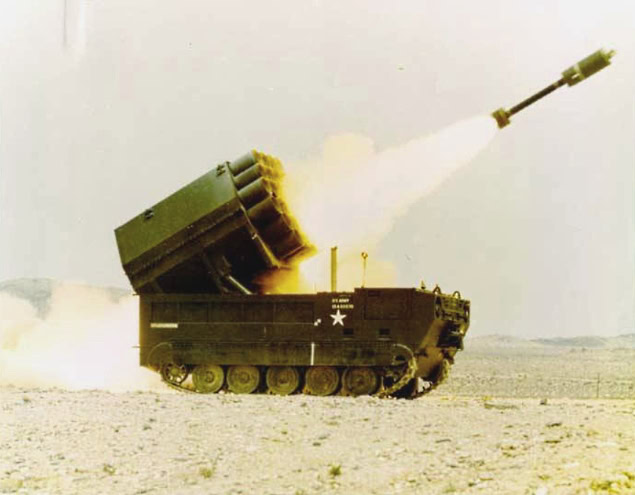
- Domain: Air/Land
- Era introduced: 2000s
- Type of traditional cover defeated: Enclosed cover
- Method of defeat: Overpressure
- Why that cover used to work: Cover trapped blast
- What changed with precision: Guided delivery
- Combat environment where the shift was clear: Urban combat
- Tactical or doctrinal consequence: Changed room clearing
Thermobaric precision weapons made enclosed cover deadly rather than protective.
Laser-Guided Mortars
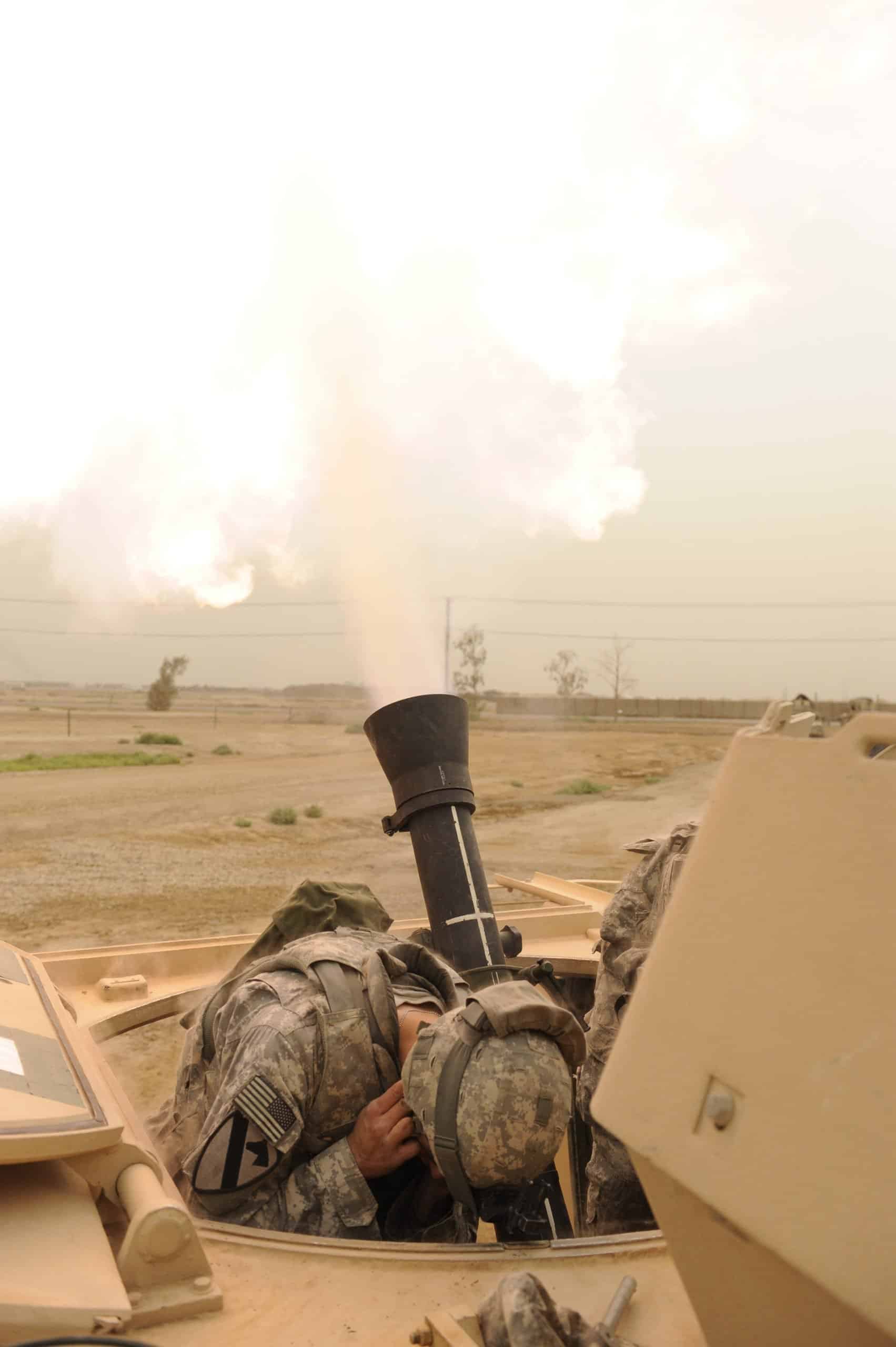
- Domain: Land
- Era introduced: 2000s
- Type of traditional cover defeated: Defilade positions
- Method of defeat: Top-down precision
- Why that cover used to work: Mortars were area weapons
- What changed with precision: Laser guidance
- Combat environment where the shift was clear: Urban terrain
- Tactical or doctrinal consequence: Reduced infantry exposure
Laser-guided mortars struck enemies behind cover with precision.
Anti-Materiel Rifles
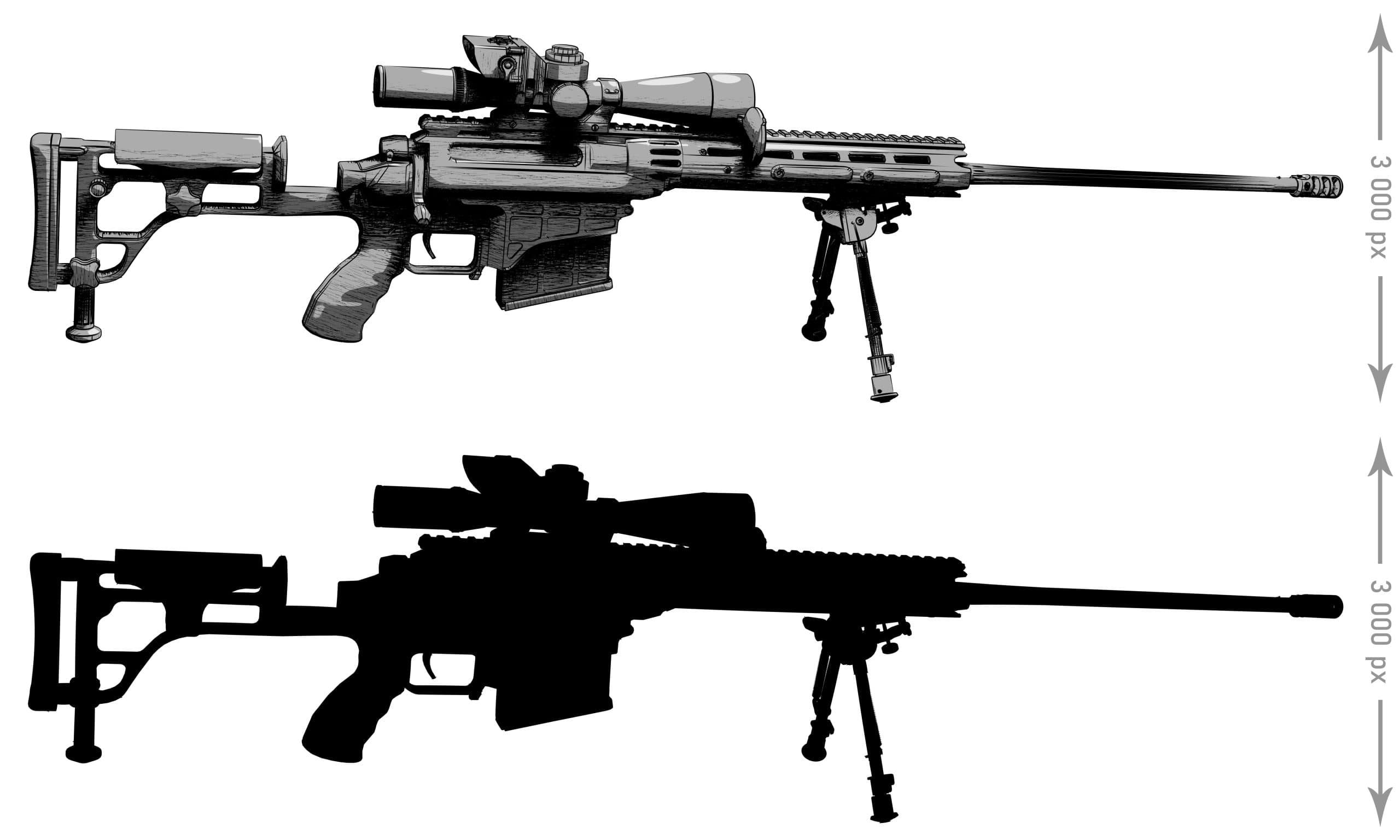
- Domain: Land
- Era introduced: 1980s
- Type of traditional cover defeated: Light cover
- Method of defeat: Precision penetration
- Why that cover used to work: Cover stopped small arms
- What changed with precision: High-energy rounds
- Combat environment where the shift was clear: Open terrain
- Tactical or doctrinal consequence: Extended sniper reach
Anti-materiel rifles penetrated cover once safe from infantry fire.
Precision Sniper Ammunition

- Domain: Land
- Era introduced: 20th Century
- Type of traditional cover defeated: Improvised cover
- Method of defeat: Improved accuracy
- Why that cover used to work: Cover relied on misses
- What changed with precision: Consistent hits
- Combat environment where the shift was clear: All environments
- Tactical or doctrinal consequence: Reduced suppressive fire
Precision ammo reduced reliance on suppressive fire to defeat cover.
Precision Airburst Munitions
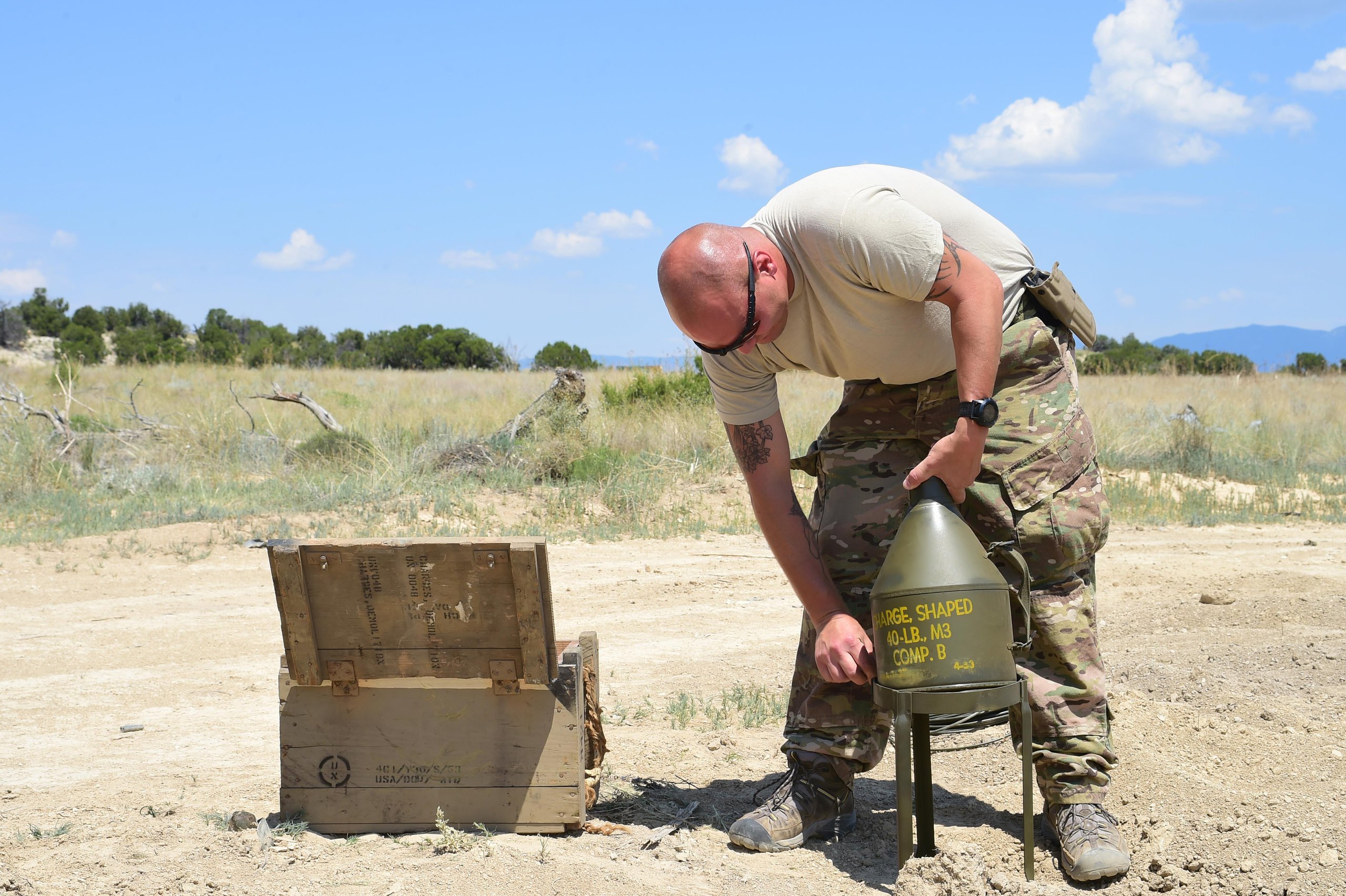
- Domain: Land
- Era introduced: 2000s
- Type of traditional cover defeated: Defilade cover
- Method of defeat: Airburst
- Why that cover used to work: Cover shielded from direct fire
- What changed with precision: Overhead detonation
- Combat environment where the shift was clear: Urban and trenches
- Tactical or doctrinal consequence: Changed infantry spacing
Airburst precision munitions negated defilade cover.
Precision Submunitions
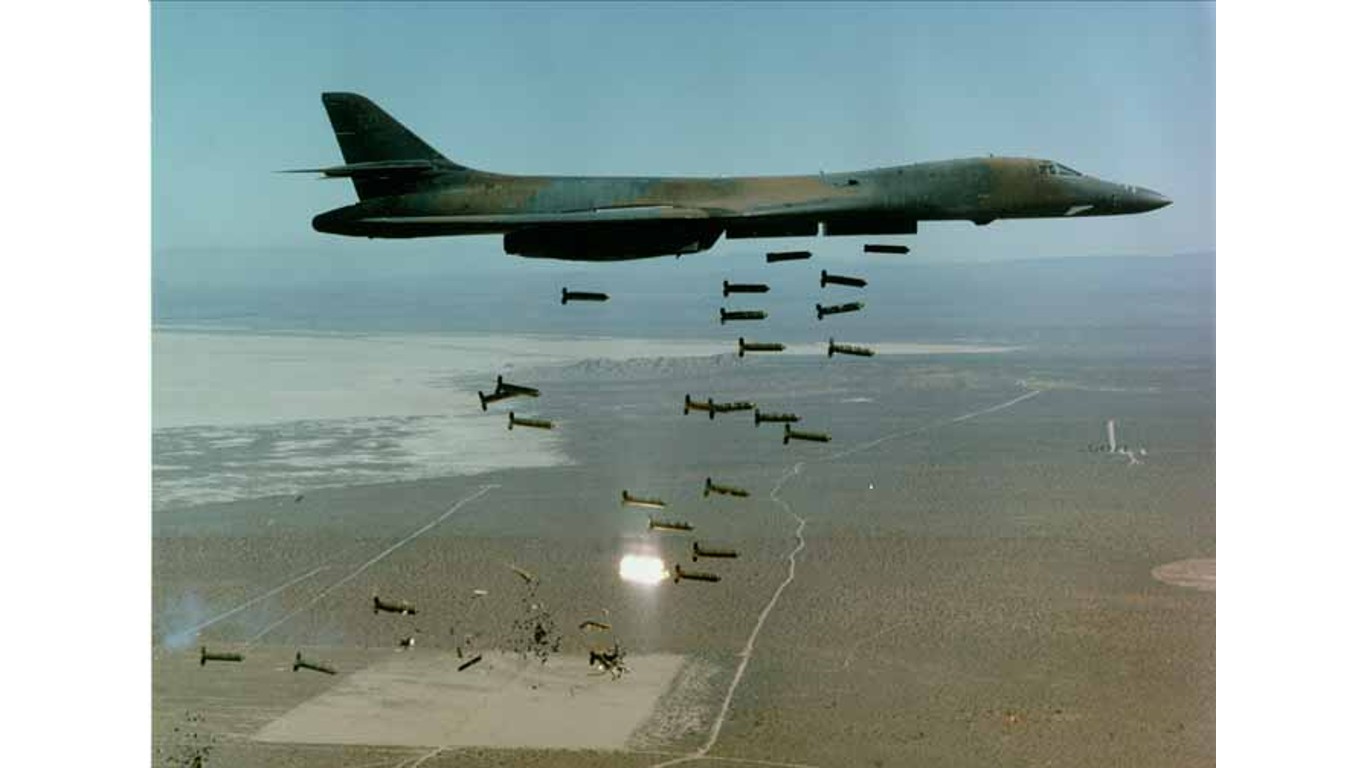
- Domain: Air/Land
- Era introduced: 1990s
- Type of traditional cover defeated: Area cover
- Method of defeat: Top-down delivery
- Why that cover used to work: Cover relied on dispersion
- What changed with precision: Selective submunitions
- Combat environment where the shift was clear: Open terrain
- Tactical or doctrinal consequence: Reduced area defenses
Precision-delivered submunitions undermined cover effectiveness.
GBU-28 Bunker Buster
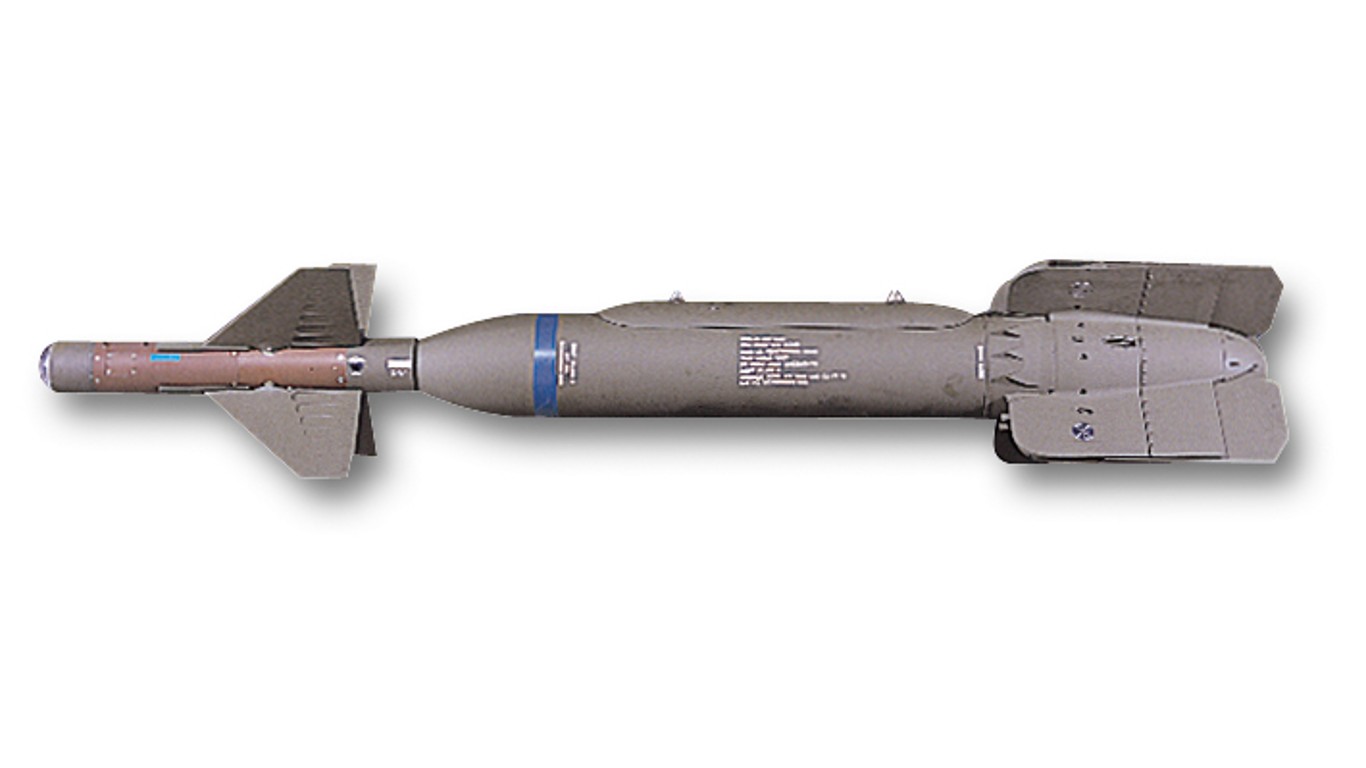
- Domain: Air
- Era introduced: 1990s
- Type of traditional cover defeated: Deep bunkers
- Method of defeat: Penetration
- Why that cover used to work: Bunkers resisted bombs
- What changed with precision: Deep-penetration guidance
- Combat environment where the shift was clear: Strategic targets
- Tactical or doctrinal consequence: Ended bunker sanctuary
GBU-28 showed that deep bunkers were no longer safe from precision attack.
Guided Naval Gun Munitions

- Domain: Sea
- Era introduced: 2000s
- Type of traditional cover defeated: Coastal cover
- Method of defeat: Precision shell
- Why that cover used to work: Naval guns inaccurate
- What changed with precision: Guided projectiles
- Combat environment where the shift was clear: Littoral zones
- Tactical or doctrinal consequence: Changed shore defense
Guided naval munitions made coastal cover unreliable.
Networked ISR-Cued Fires
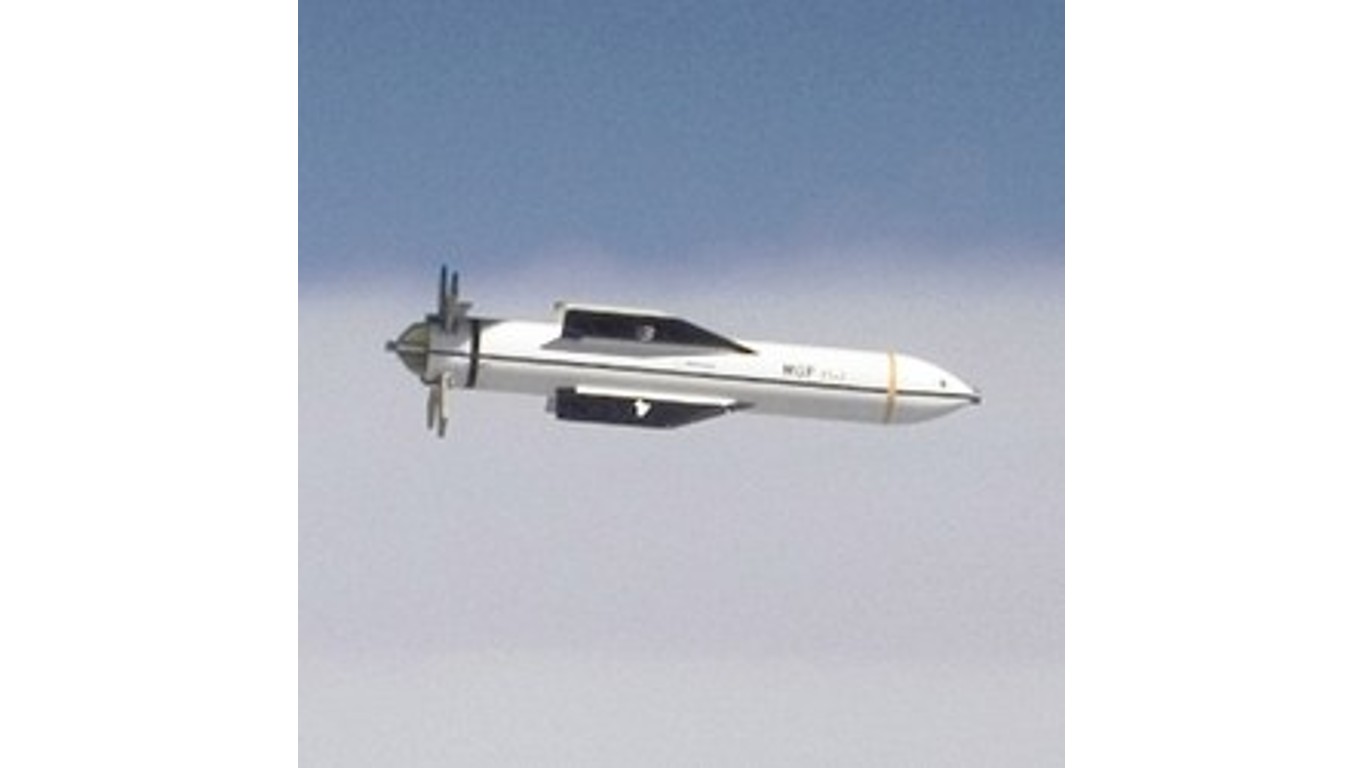
- Domain: Joint
- Era introduced: 2000s
- Type of traditional cover defeated: Concealed cover
- Method of defeat: Sensor-shooter integration
- Why that cover used to work: Cover relied on invisibility
- What changed with precision: Rapid targeting
- Combat environment where the shift was clear: All environments
- Tactical or doctrinal consequence: Accelerated kill chains
ISR-linked precision fires removed concealment as effective cover.










 Top Gaining Stocks
 Top Losing Stocks