


Air superiority doesn’t just enable victory on the modern battlefield, in an indirect sense it determines which aircraft can even enter the fight. Many platforms are only capable of delivering their full value only in permissive airspace, where enemy fighters and air defenses have been neutralized. Here, 24/7 Wall St. is taking a closer look at the aircraft that need air superiority to operate.
To determine the aircraft that only worked with air superiority, 24/7 Wall St. reviewed various historical and military sources. We included supplemental information regarding each aircraft, the type, when it was introduced to service, its primary mission, and why it required air superiority to function effectively.
Here is a look at the aircraft that only worked with air superiority:
Why Are We Covering This?
Aircraft that depend on guaranteed air superiority show how some assumptions shape modern military design and doctrine. These platforms often delivered decisive effects, but only after other forces had already secured control of the skies. By examining aircraft that thrived in permissive environments, this highlights the hidden dependencies behind airpower and explains why conditions, as well as technology, can determine whether combat aircraft can actually be used in war.
Air Superiority Is Not a Given
Air superiority is often treated as a constant, but in reality it is a condition that must be earned and maintained. Many combat aircraft were designed with the assumption that friendly forces would already control the skies. That assumption shaped their survivability, speed, and defensive tradeoffs, embedding air dominance directly into their operational usefulness.
Built for Permissive Airspace
Some aircraft were built specifically for permissive airspace. They traded stealth, speed, or self-defense for loiter time, firepower, sensors, or endurance. These designs excelled once enemy fighters and air defenses were neutralized, but became increasingly vulnerable the moment airspace was contested.
When the Assumption Breaks Down
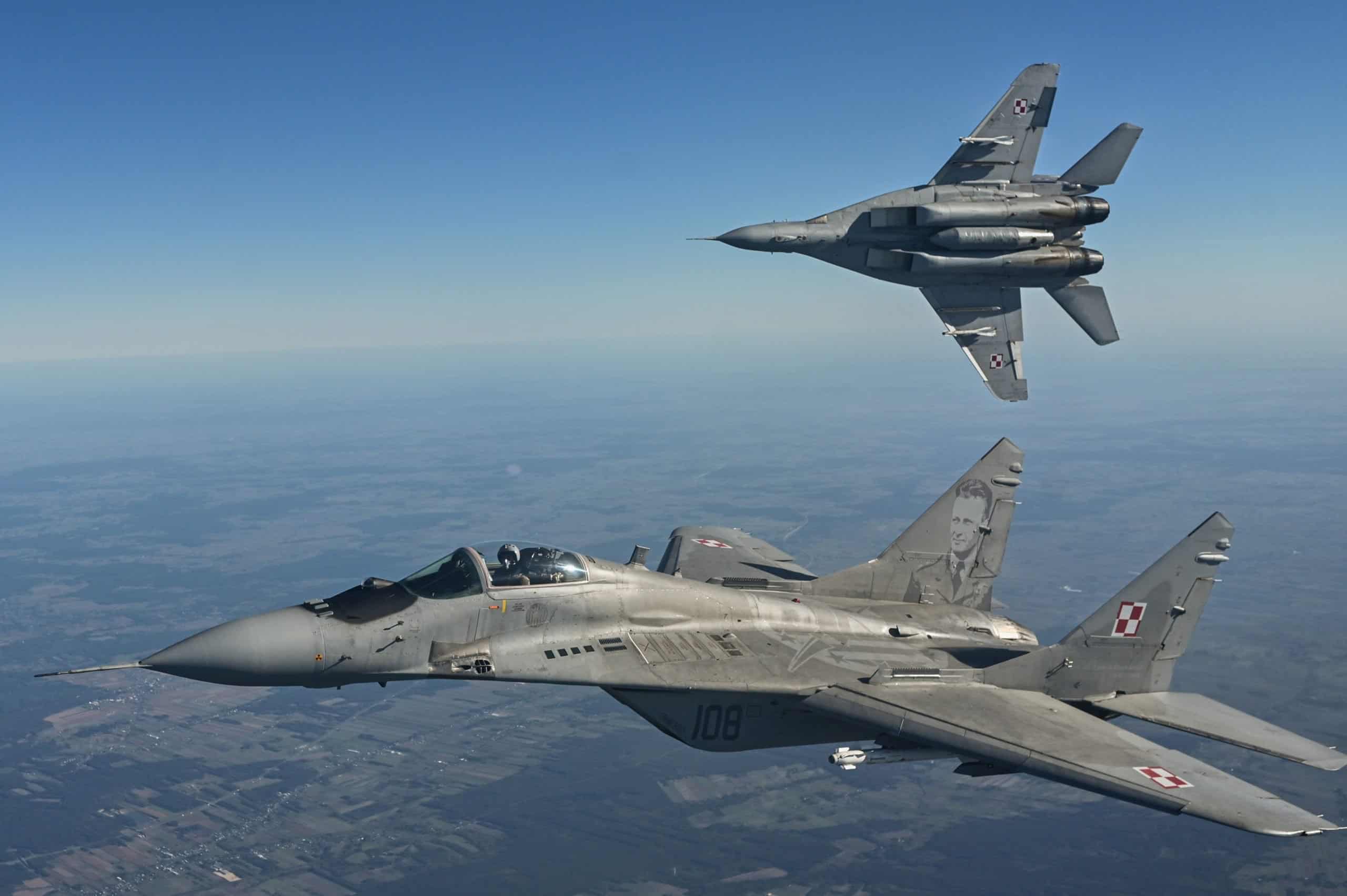
When air superiority breaks down, the limits of these aircraft are exposed quickly. Fighters, modern surface-to-air missiles, and even portable air defenses can restrict or completely eliminate their missions. In many conflicts, these platforms were sidelined, withdrawn, or tightly constrained once threats re-emerged.
Why They Were Still Worth It
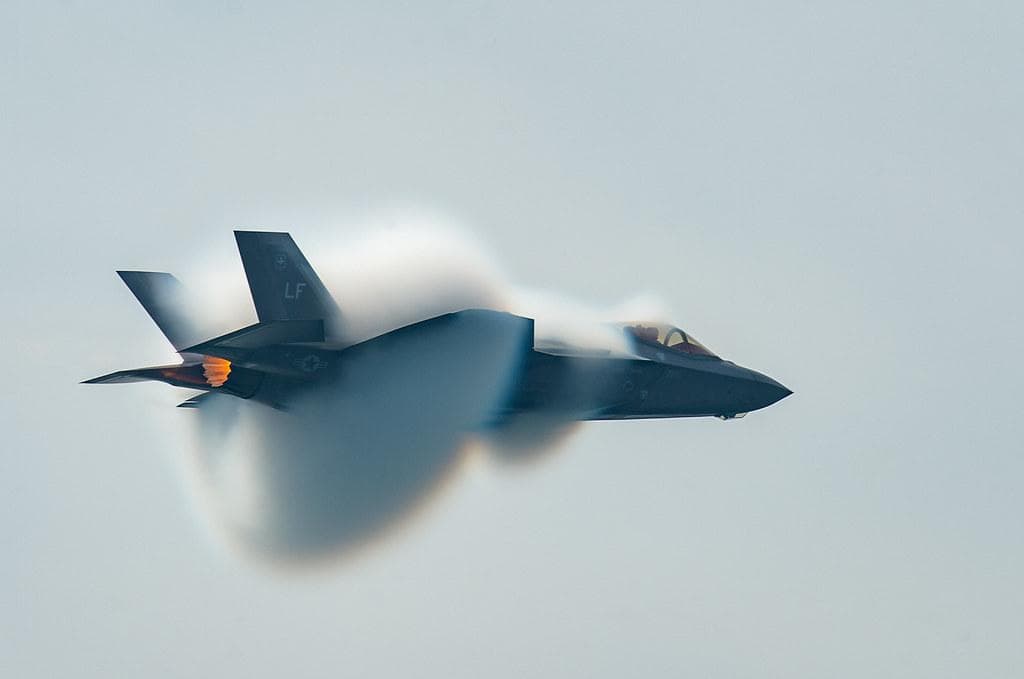
Despite those vulnerabilities, these aircraft were often indispensable. With air dominance in place, they delivered capabilities that faster or stealthier platforms could not—persistent surveillance, precise fire support, and sustained battlefield presence. Escorts, SEAD, and night operations turned exposure into advantage.
What These Aircraft Reveal About Airpower
Together, these aircraft reveal a core truth about airpower: no platform operates alone. Fighters, electronic warfare, and air defense suppression enable everything else. Effectiveness is not just about what an aircraft can do, but about the conditions that allow it to survive and operate.
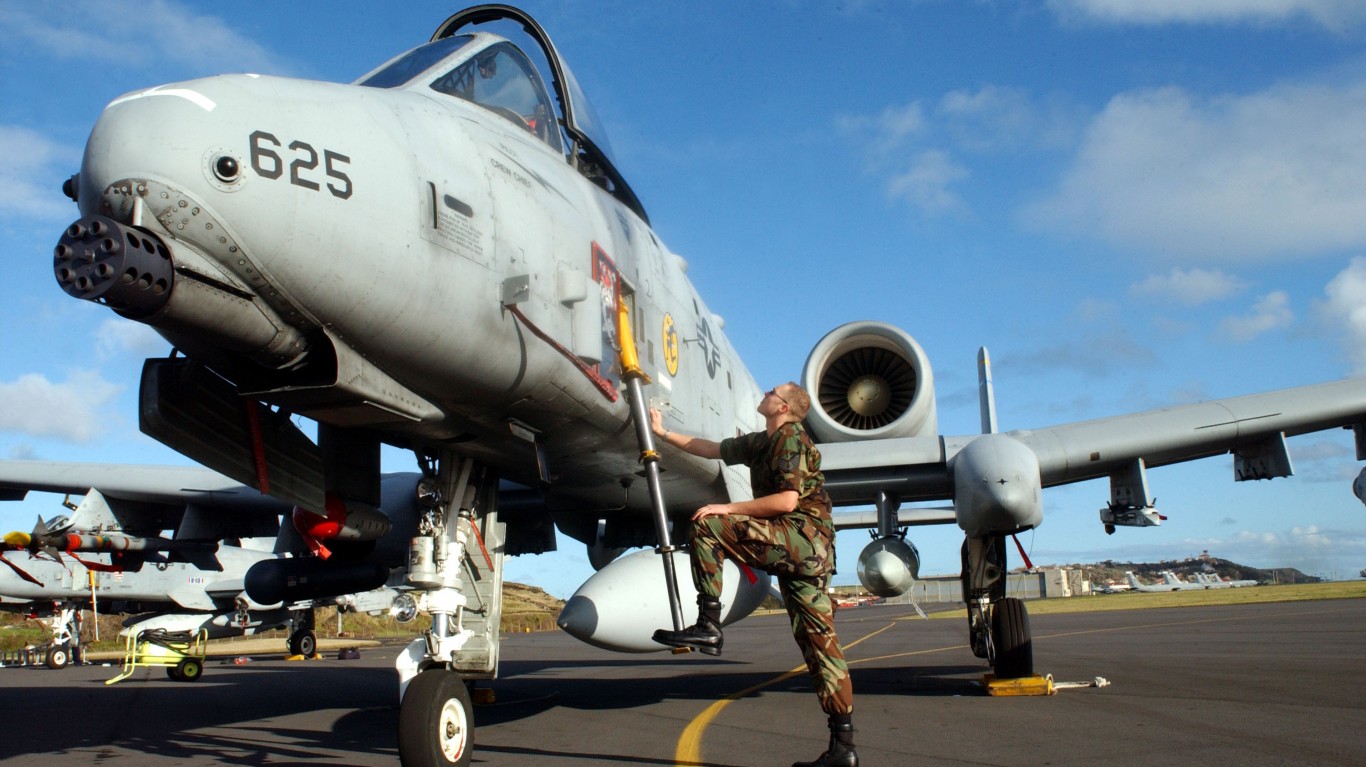
A-10 Thunderbolt II
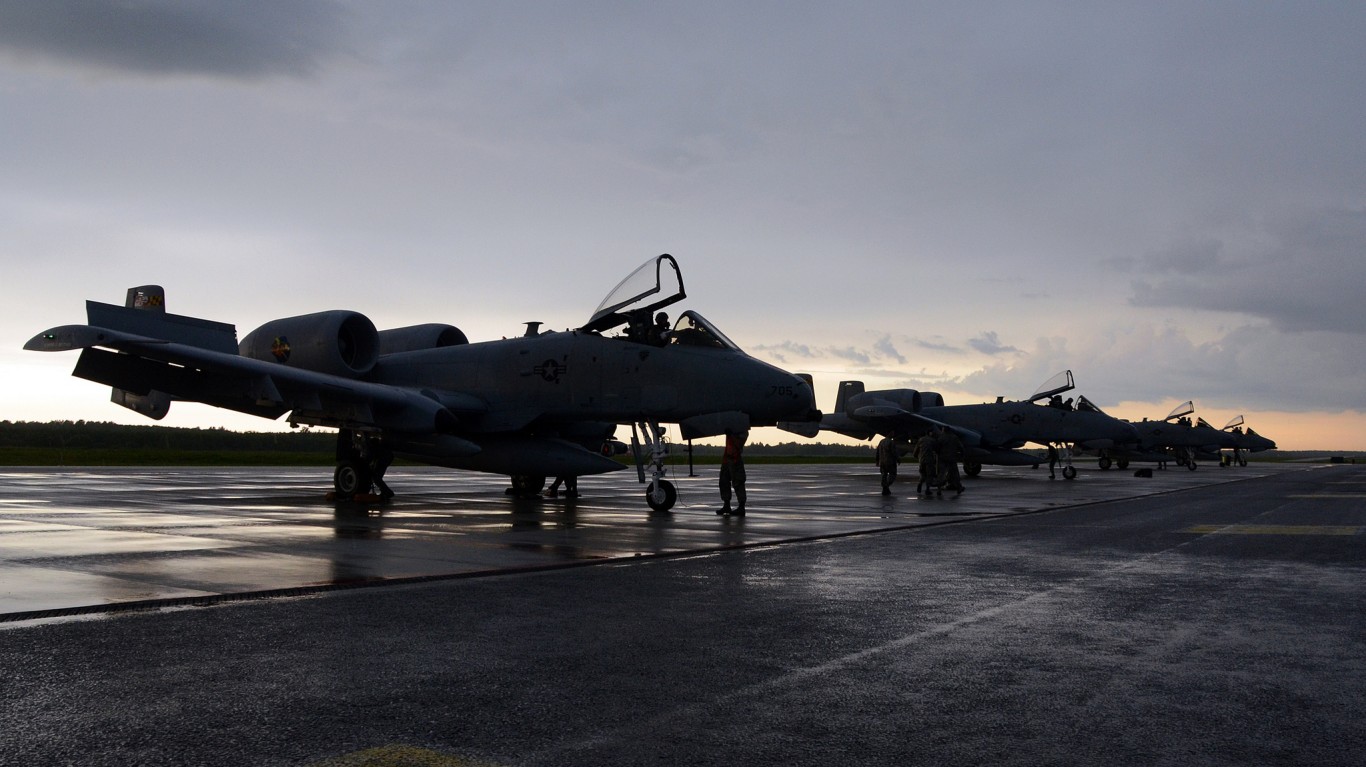
- Country of origin: United States (USAF)
- Year introduced to service: 1977
- Aircraft type: CAS
- Why it required air superiority: Slow speed, no stealth
- Primary mission in permissive airspace: Close air support
- Threats it could not survive: Fighters, modern SAMs
- How it was protected in practice: SEAD, escorts
The A-10 Thunderbolt II was devastating in permissive airspace, where enemy fighters and surface-to-air missiles had already been neutralized. Its slow speed, limited self-defense, and lack of stealth made it highly vulnerable in contested environments. The aircraft’s effectiveness depended on air superiority, allowing it to focus on close air support without facing modern air defense threats.
Su-25 Frogfoot
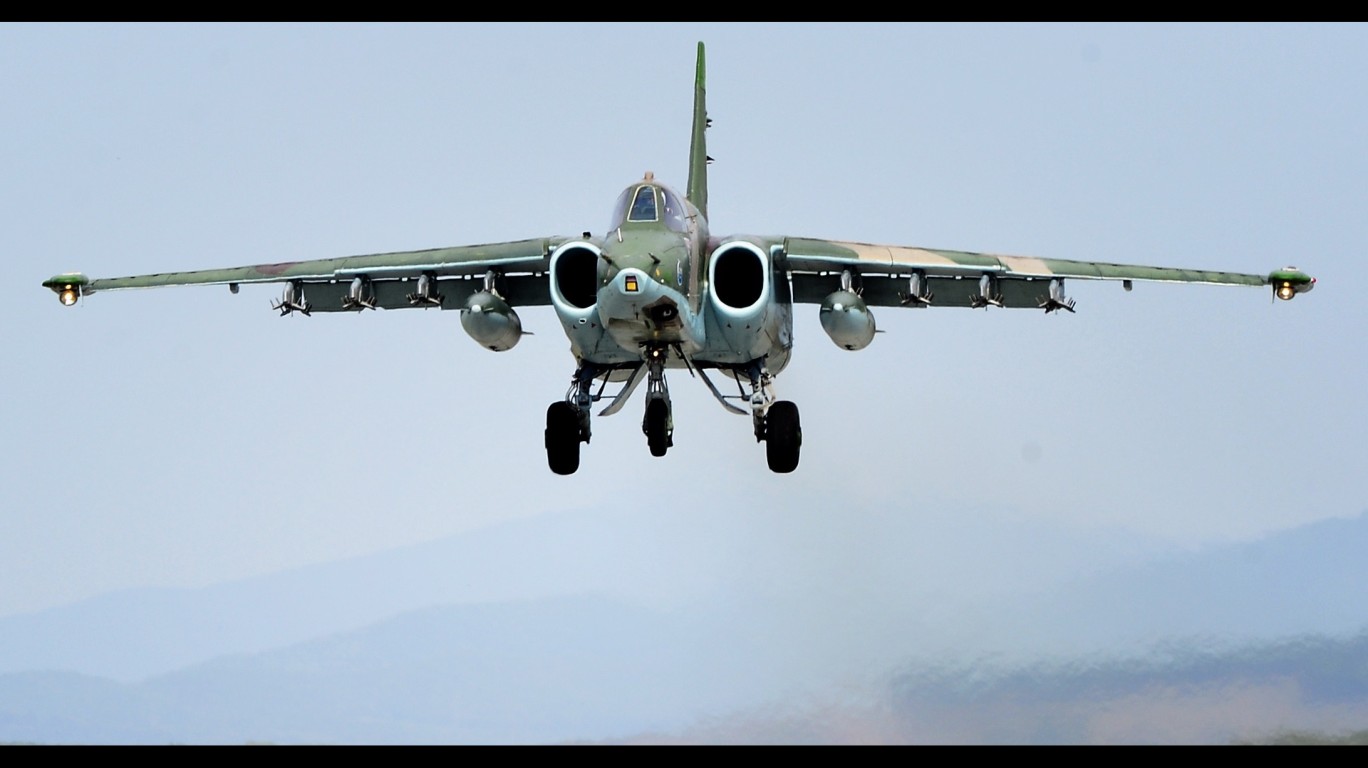
- Country of origin: Soviet Union / Russia
- Year introduced to service: 1981
- Aircraft type: CAS
- Why it required air superiority: Low altitude attack profile
- Primary mission in permissive airspace: Ground attack
- Threats it could not survive: MANPADS, fighters
- How it was protected in practice: Escort fighters
The Su-25 Frogfoot delivered effective close air support when operating against lightly defended opponents. Designed for low-altitude attack, it became increasingly vulnerable as modern MANPADS and fighter threats proliferated. Without friendly control of the air, the Su-25’s survivability dropped sharply, limiting its usefulness to permissive or degraded air defense environments.
OV-10 Bronco
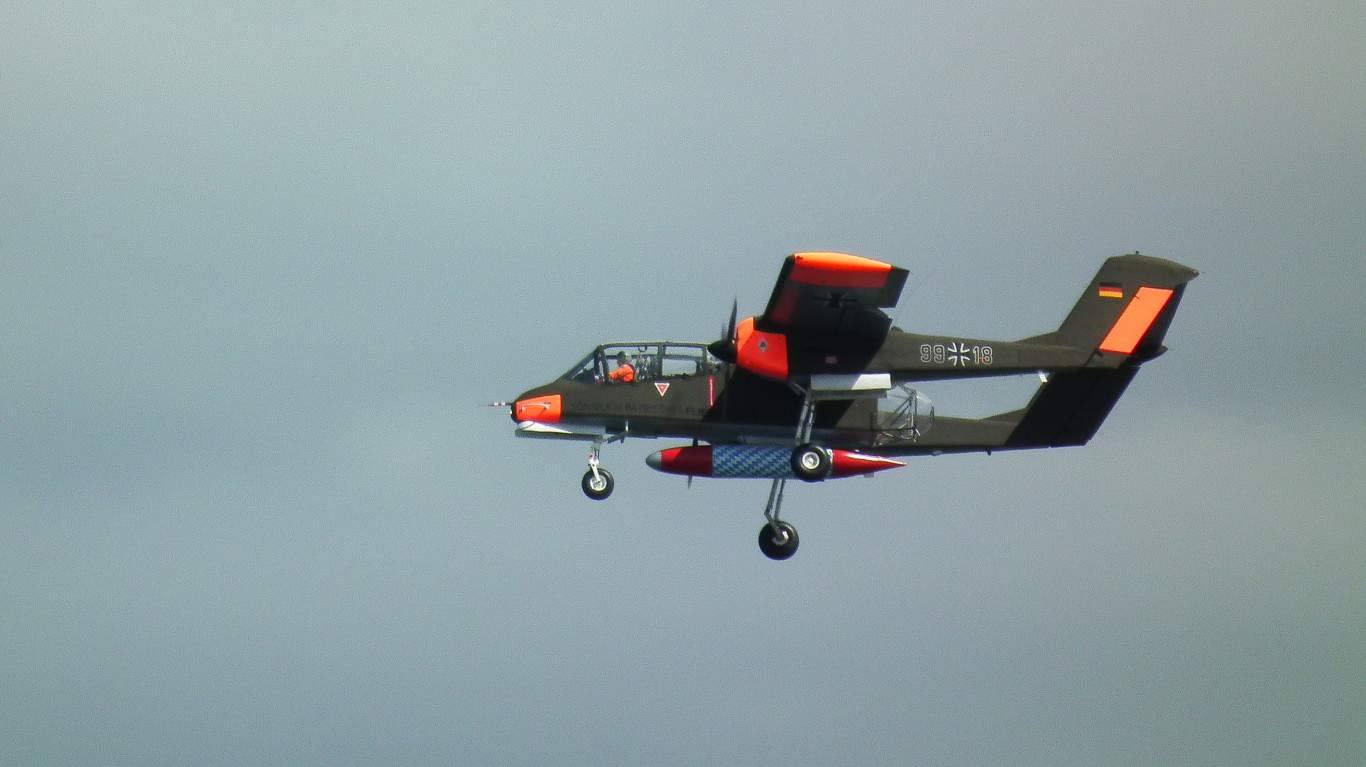
- Country of origin: United States
- Year introduced to service: 1969
- Aircraft type: Light attack / COIN
- Why it required air superiority: Slow speed
- Primary mission in permissive airspace: Recon and CAS
- Threats it could not survive: Fighters, radar SAMs
- How it was protected in practice: Low altitude, escorts
The OV-10 Bronco excelled in counterinsurgency and forward air control roles, but only where enemy air defenses were minimal or nonexistent. Its slow speed, light protection, and lack of self-defense systems made it unsuitable for contested airspace. The aircraft’s value depended entirely on friendly air superiority and permissive operating conditions.
A-1 Skyraider
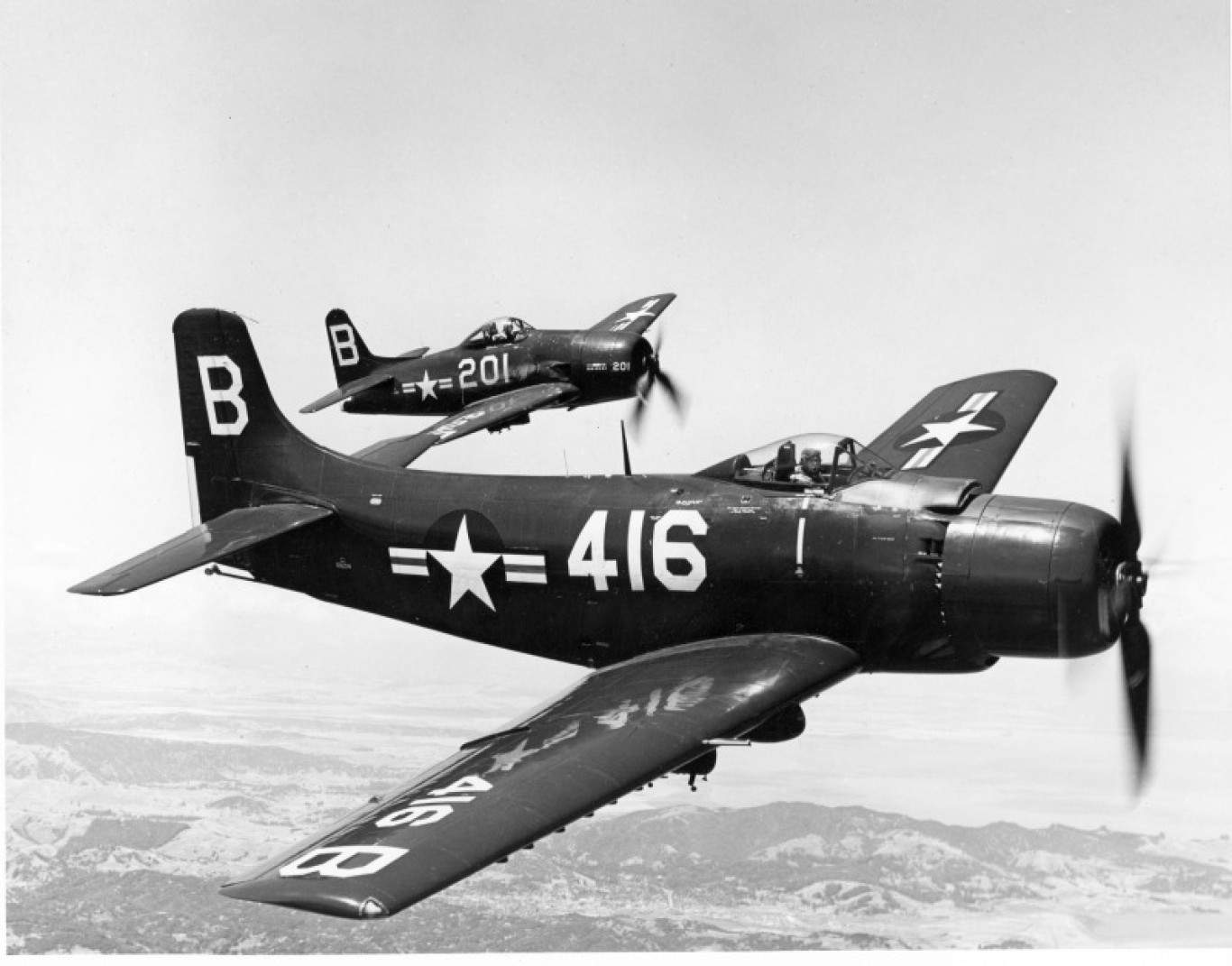
- Country of origin: United States
- Year introduced to service: 1946
- Aircraft type: Attack
- Why it required air superiority: Prop-driven, slow
- Primary mission in permissive airspace: CAS and rescue escort
- Threats it could not survive: Fighters, SAMs
- How it was protected in practice: Escort fighters
The A-1 Skyraider carried enormous ordnance loads and loitered for long periods, making it highly effective in permissive environments. However, its prop-driven speed and limited survivability left it extremely vulnerable to fighters and modern air defenses. Skyraider operations depended on total control of the air to remain viable.
A-7 Corsair II
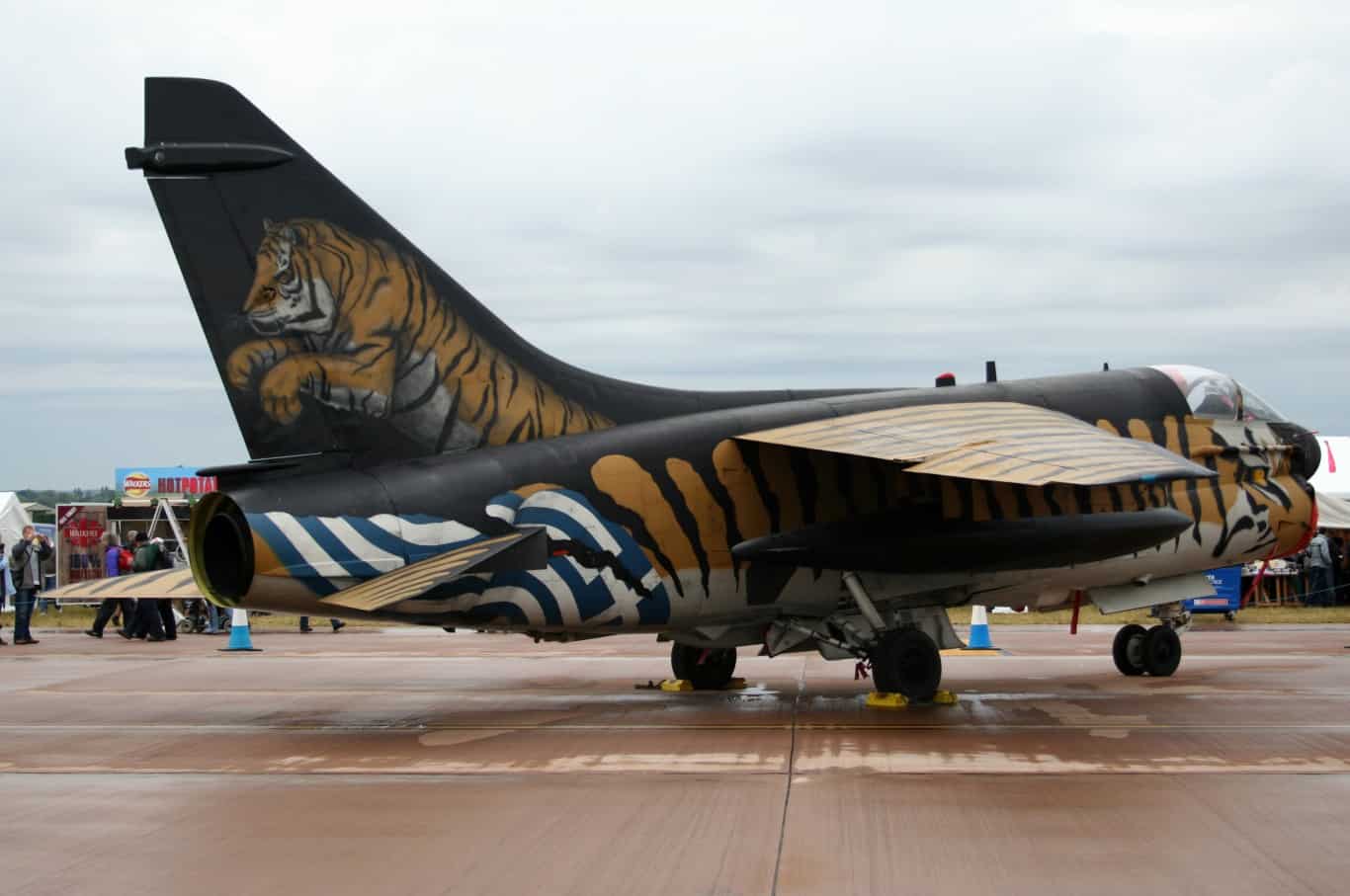
- Country of origin: United States (USN)
- Year introduced to service: 1967
- Aircraft type: Attack
- Why it required air superiority: Subsonic speed
- Primary mission in permissive airspace: Strike missions
- Threats it could not survive: Fighters, SAMs
- How it was protected in practice: Escort and ECM
The A-7 Corsair II was a capable strike aircraft once enemy air defenses were suppressed. Its subsonic performance and limited survivability meant it relied heavily on escorts, electronic warfare, and air superiority. Without control of the skies, the aircraft faced significant risk, restricting its use to permissive or semi-permissive environments.
Alpha Jet
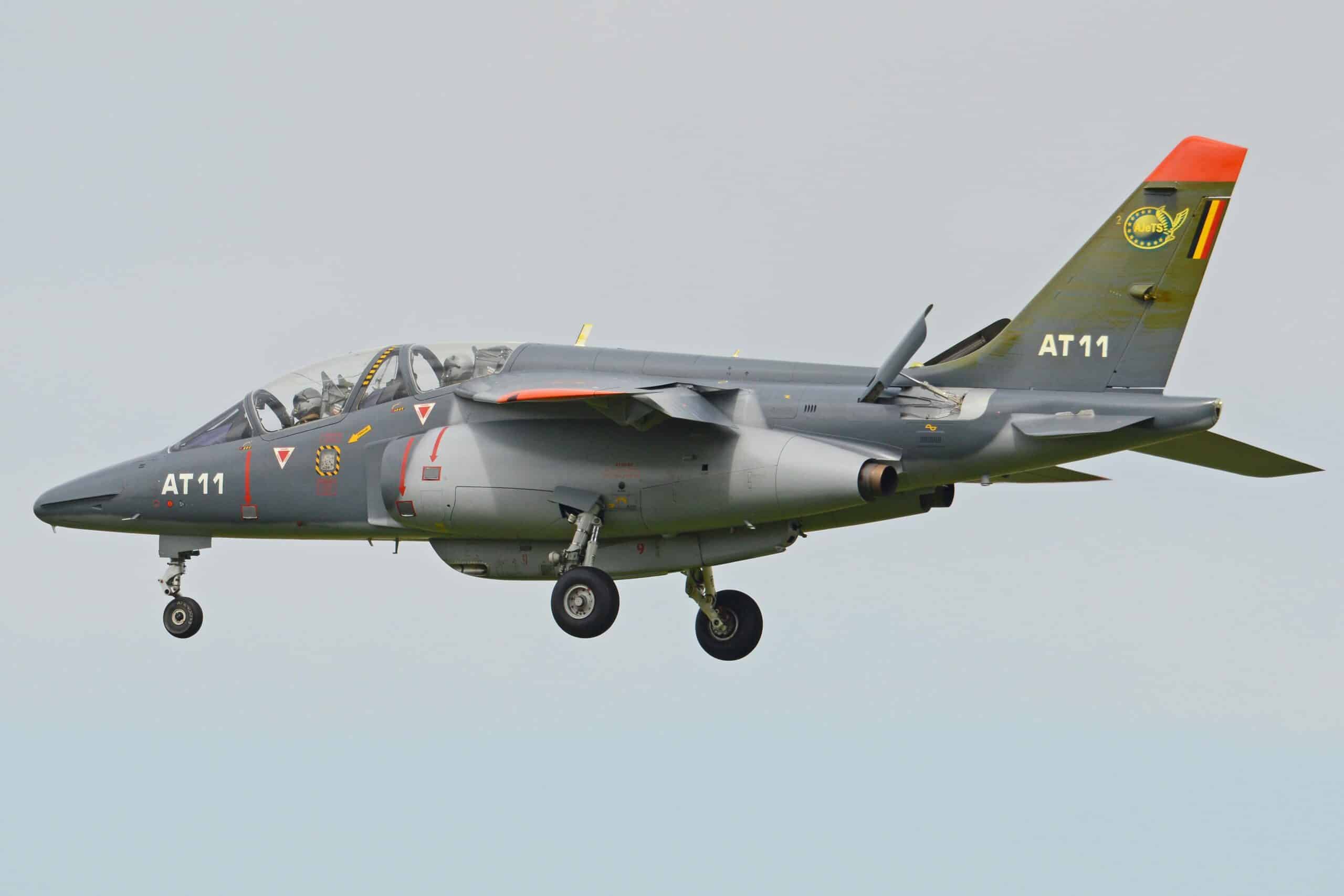
- Country of origin: France/Germany
- Year introduced to service: 1979
- Aircraft type: Light attack
- Why it required air superiority: Limited self-defense
- Primary mission in permissive airspace: CAS
- Threats it could not survive: Fighters, SAMs
- How it was protected in practice: Low-threat ops
The Alpha Jet’s light attack capability was effective only in low-threat environments. Limited speed, payload, and defensive systems left it exposed to fighters and surface-to-air missiles. As a result, the aircraft could operate safely only when friendly forces already dominated the airspace.
AC-130 Gunship
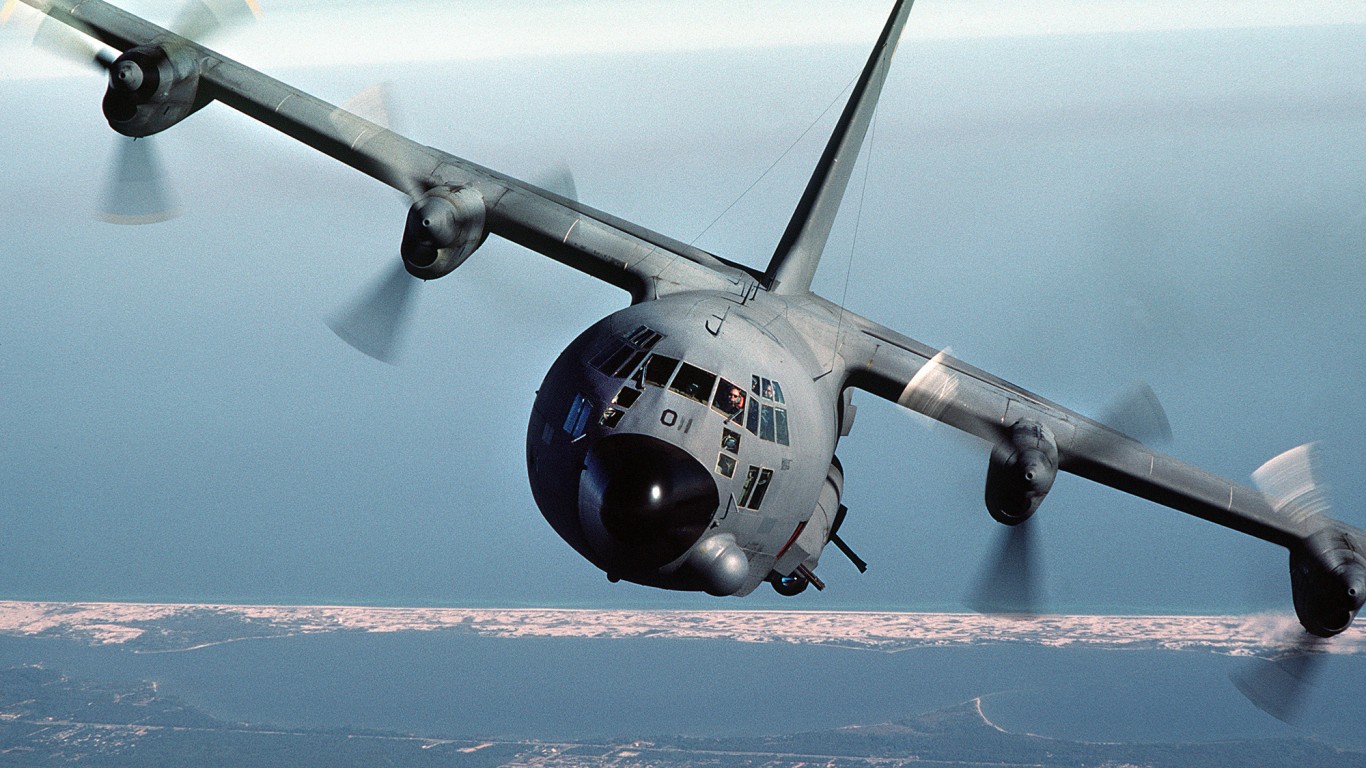
- Country of origin: United States (USAF)
- Year introduced to service: 1968
- Aircraft type: Gunship
- Why it required air superiority: Slow, predictable orbit
- Primary mission in permissive airspace: Precision fire support
- Threats it could not survive: Fighters, SAMs
- How it was protected in practice: Night ops, escorts
The AC-130 gunship delivers devastating, precise firepower, but only under strict air superiority. Its slow speed, predictable orbits, and large radar signature make it an extremely high-value and vulnerable target. Gunship missions depend on enemy air defenses and fighters being fully suppressed beforehand.
AC-47 Spooky
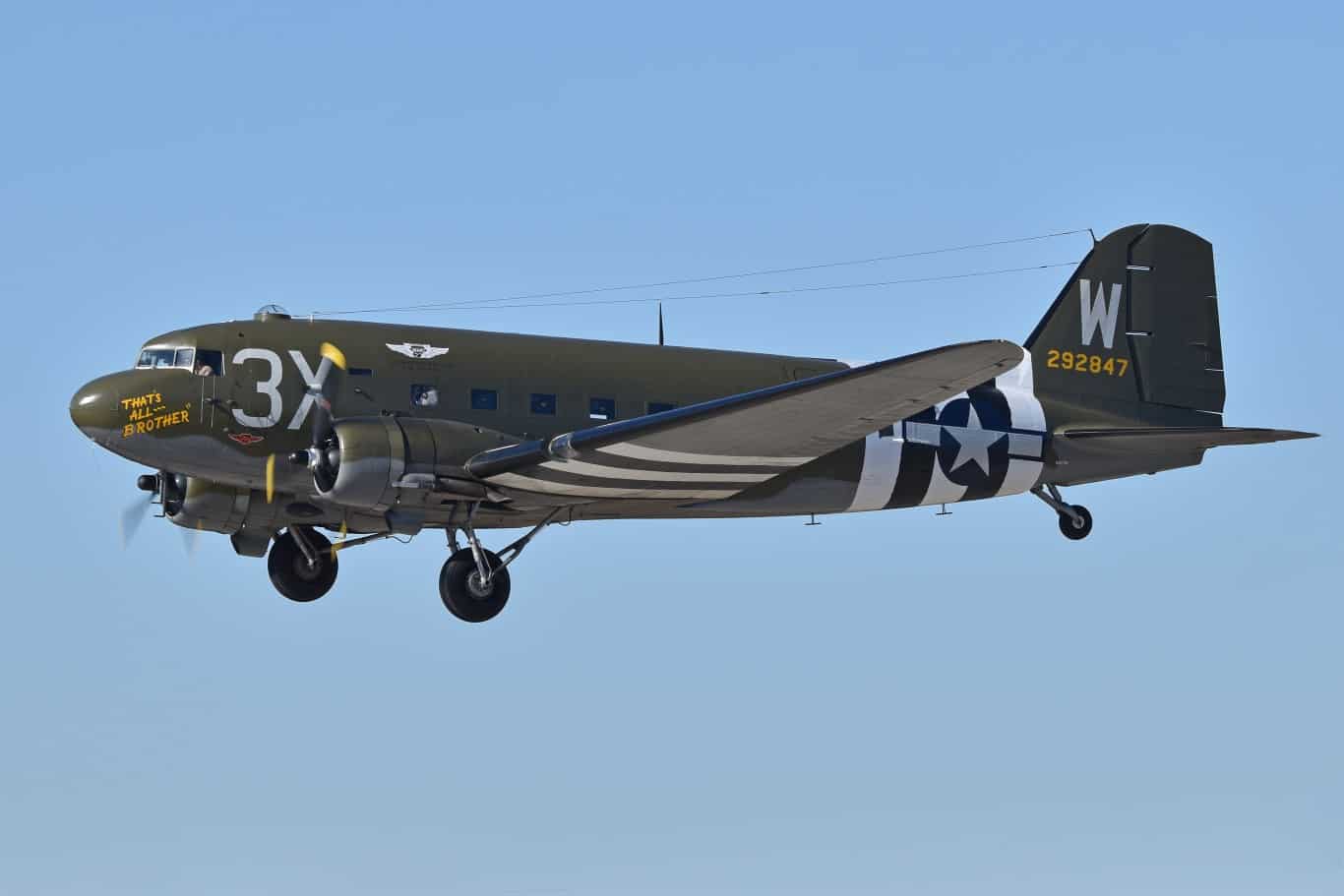
- Country of origin: United States
- Year introduced to service: 1964
- Aircraft type: Gunship
- Why it required air superiority: Very slow airframe
- Primary mission in permissive airspace: Area suppression
- Threats it could not survive: Any air threat
- How it was protected in practice: Night ops
The AC-47 Spooky pioneered the gunship concept but could operate only where no air threat existed. Its slow speed and lack of defenses made it completely dependent on uncontested skies. Even light air defenses would have rendered the aircraft unusable.
AC-119 Shadow
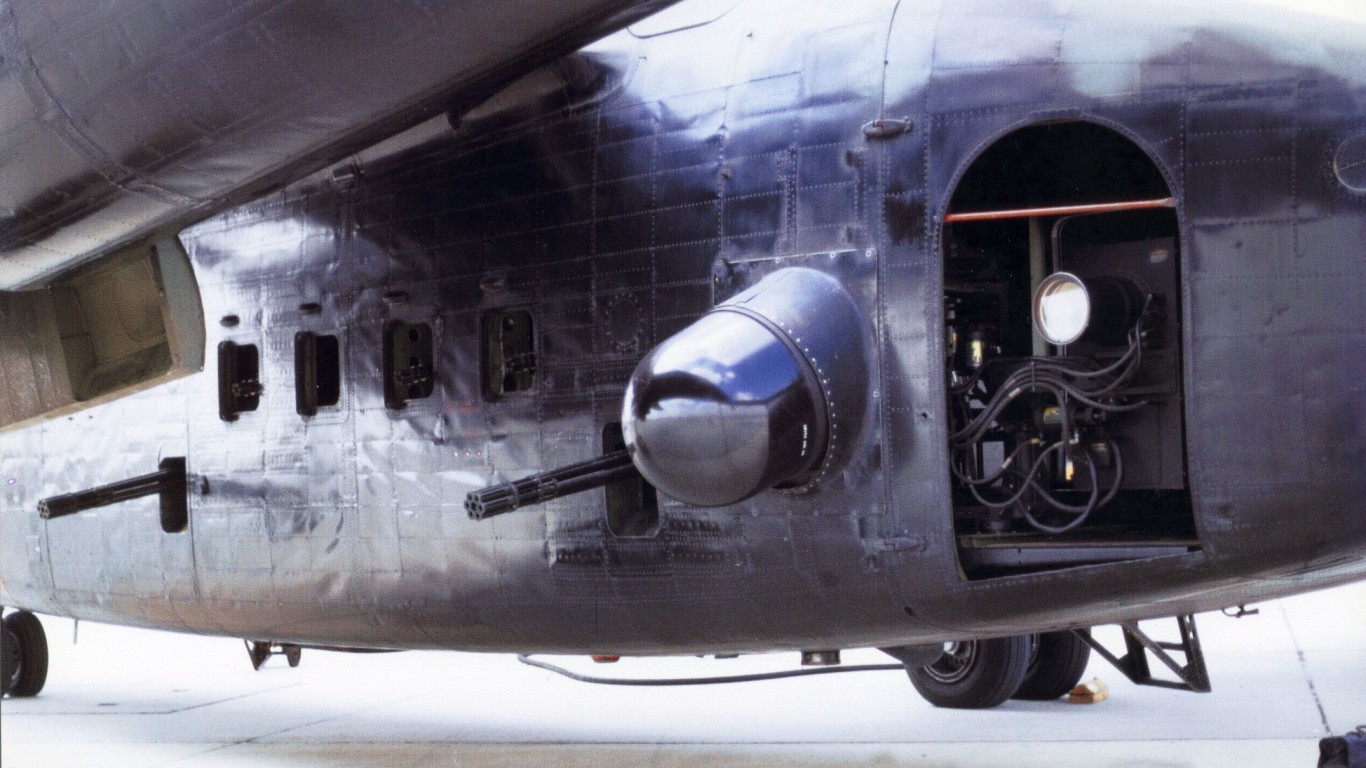
- Country of origin: United States
- Year introduced to service: 1968
- Aircraft type: Gunship
- Why it required air superiority: Slow speed
- Primary mission in permissive airspace: Fire support
- Threats it could not survive: Fighters, SAMs
- How it was protected in practice: Escort
The AC-119 Shadow followed the same model as earlier gunships, providing fire support only in permissive airspace. Its survivability relied entirely on the absence of enemy fighters and air defenses, making air superiority an absolute requirement for operations.
AC-208 Combat Caravan
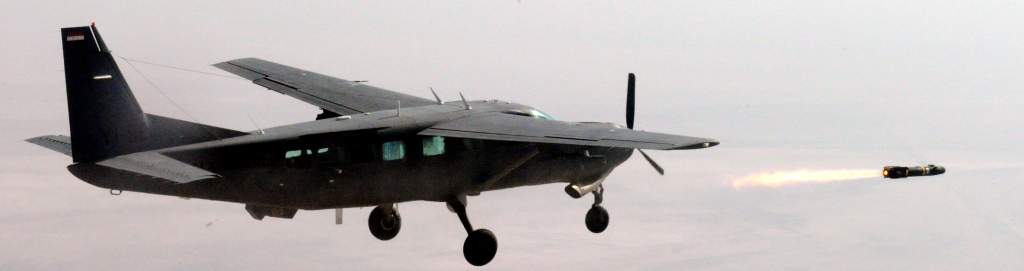
- Country of origin: United States
- Year introduced to service: 2009
- Aircraft type: ISR/Strike
- Why it required air superiority: Slow turboprop
- Primary mission in permissive airspace: ISR and light strike
- Threats it could not survive: Fighters, SAMs
- How it was protected in practice: Low-threat theaters
The AC-208 Combat Caravan is designed specifically for low-threat environments. Its turboprop design, slow speed, and minimal defenses restrict its use to permissive airspace where enemy air capabilities are absent or negligible.
E-3 Sentry
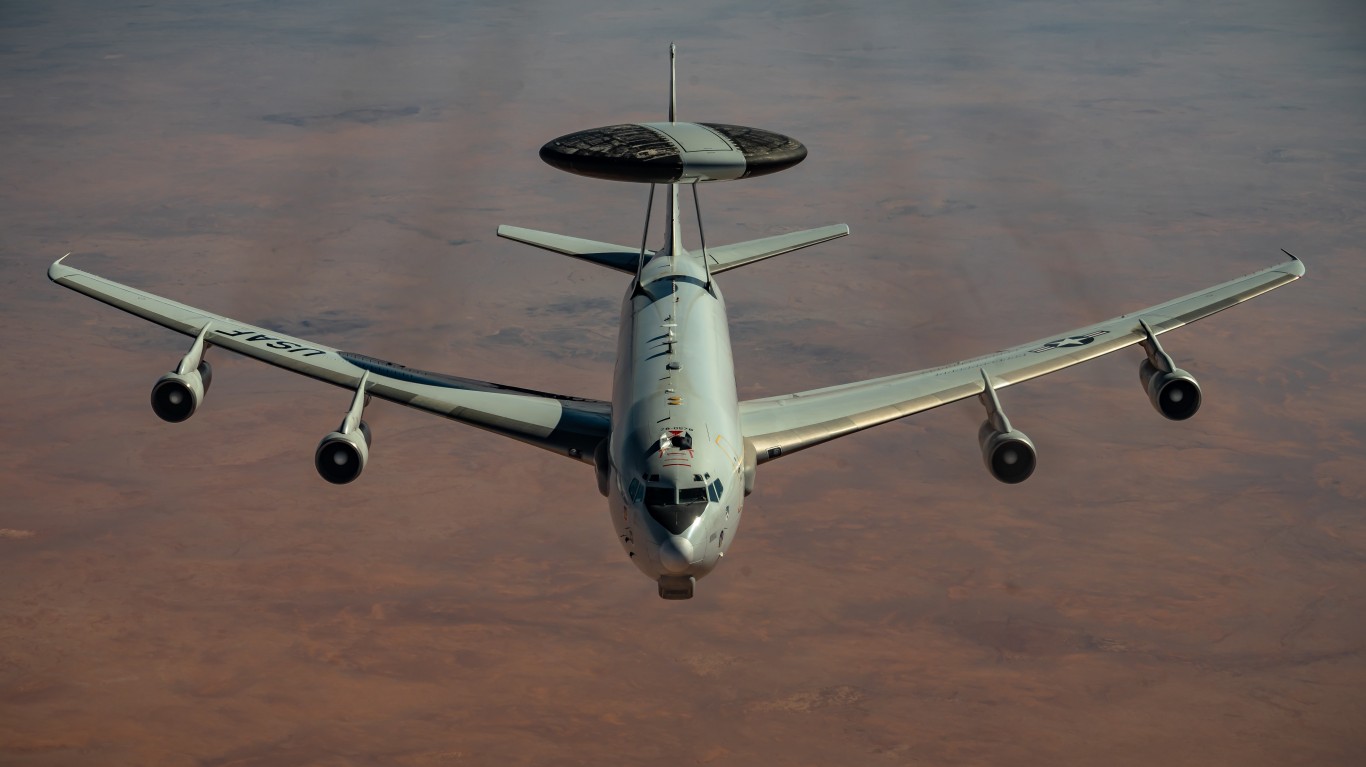
- Country of origin: United States (USAF)
- Year introduced to service: 1977
- Aircraft type: AWACS
- Why it required air superiority: Large radar signature
- Primary mission in permissive airspace: Battle management
- Threats it could not survive: Fighters, SAMs
- How it was protected in practice: Escort fighters
The E-3 Sentry is critical for air battle management but extremely vulnerable without friendly air control. Its large radar signature and limited maneuverability require escorts and protected airspace, making air superiority essential for safe operations.
E-8 JSTARS
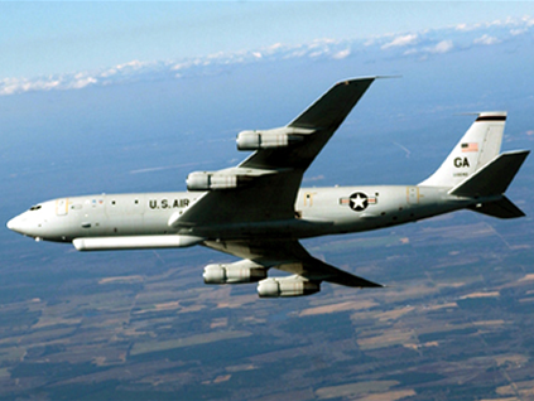
- Country of origin: United States (USAF)
- Year introduced to service: 1996
- Aircraft type: ISR
- Why it required air superiority: Large, slow platform
- Primary mission in permissive airspace: Ground surveillance
- Threats it could not survive: SAMs, fighters
- How it was protected in practice: Stand-off ops
The E-8 JSTARS provided unparalleled ground surveillance but depended on protected airspace. Large size, slow speed, and limited self-defense made it unsuitable for contested environments, restricting its use to permissive skies.
RC-135 Rivet Joint
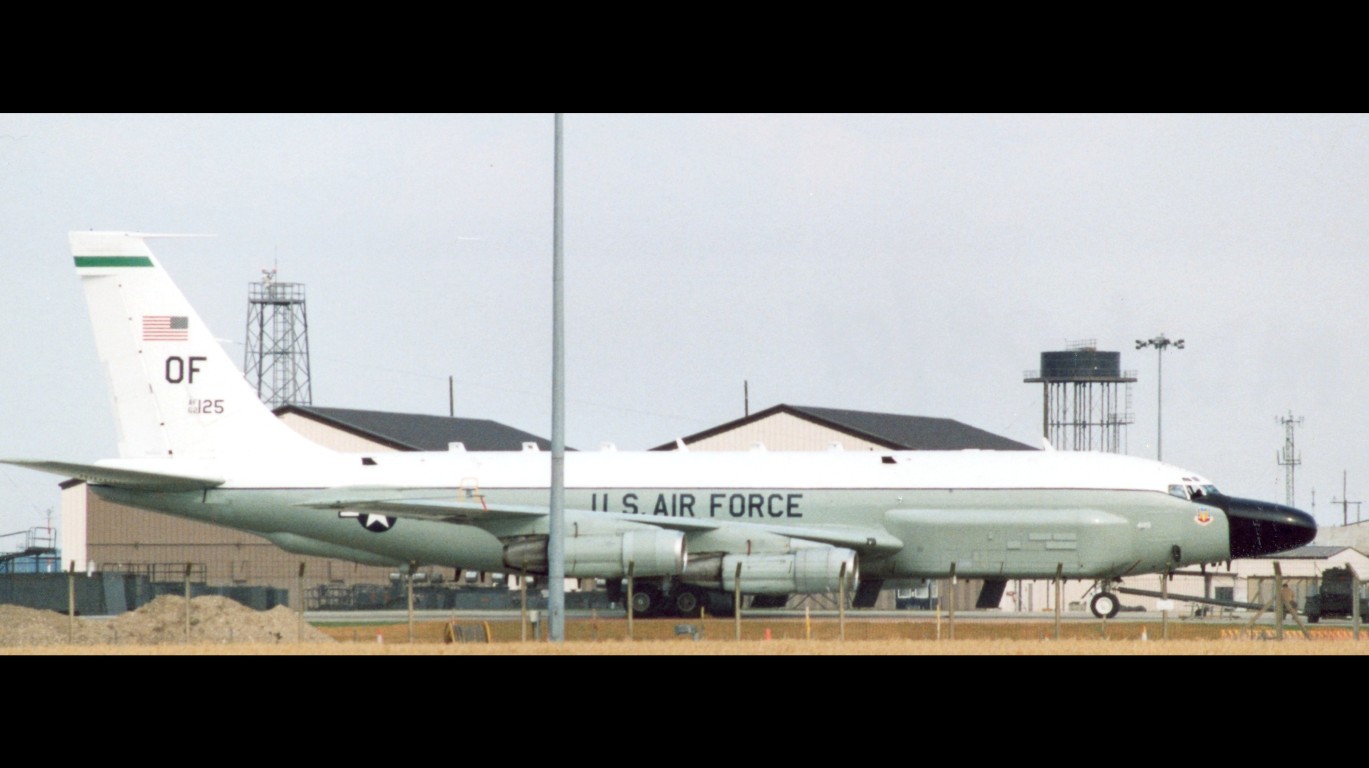
- Country of origin: United States (USAF)
- Year introduced to service: 1964
- Aircraft type: SIGINT
- Why it required air superiority: Large non-stealthy airframe
- Primary mission in permissive airspace: Signals intelligence
- Threats it could not survive: Fighters, SAMs
- How it was protected in practice: Stand-off ranges
The RC-135 Rivet Joint conducts vital signals intelligence missions but relies on friendly air dominance. Its non-stealthy airframe and predictable flight profiles make it vulnerable, forcing operations only where air superiority is assured.
U-2 Dragon Lady
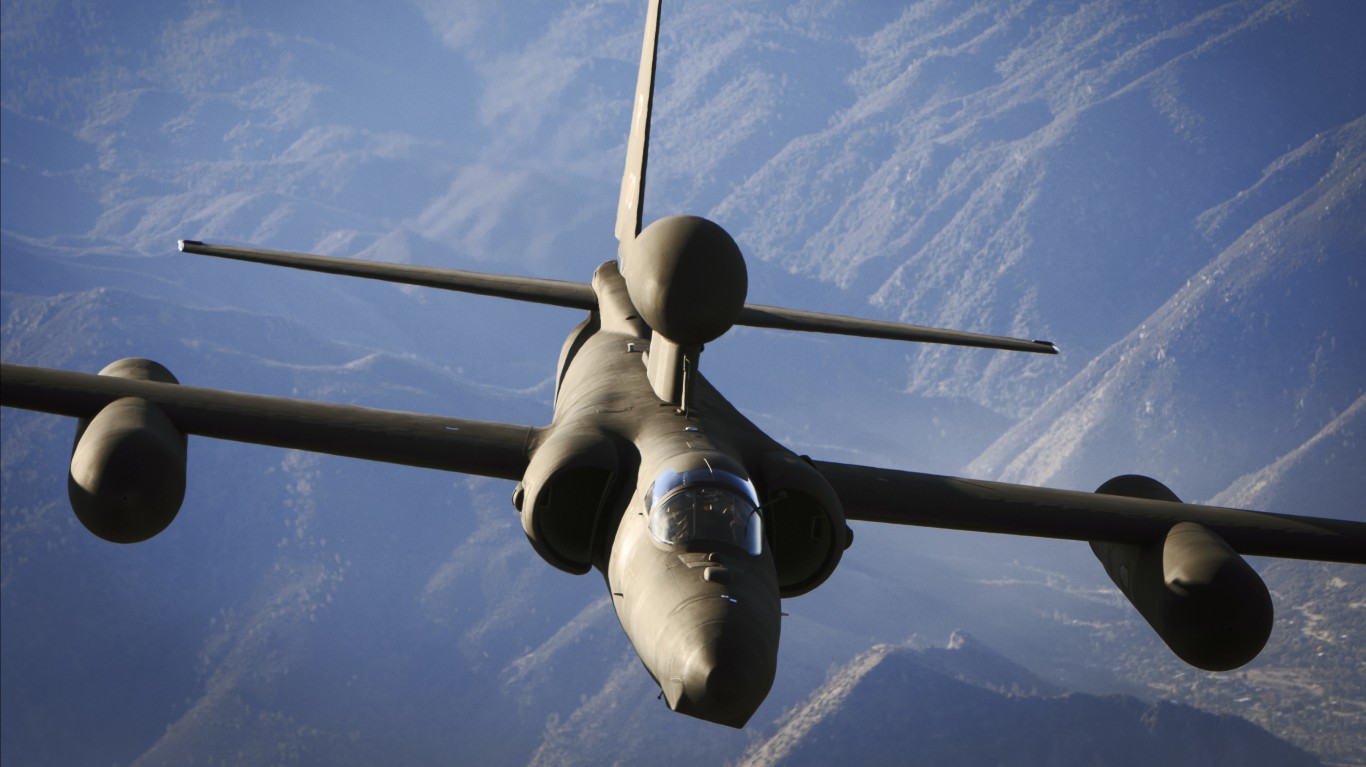
- Country of origin: United States (USAF)
- Year introduced to service: 1957
- Aircraft type: High-altitude ISR
- Why it required air superiority: Limited self-defense
- Primary mission in permissive airspace: Strategic reconnaissance
- Threats it could not survive: Modern SAMs
- How it was protected in practice: Altitude
The U-2 Dragon Lady initially relied on altitude for survivability, but modern air defenses eroded that advantage. Continued operations depend on air superiority or degraded enemy defenses, limiting its use in contested environments.
RQ-4 Global Hawk
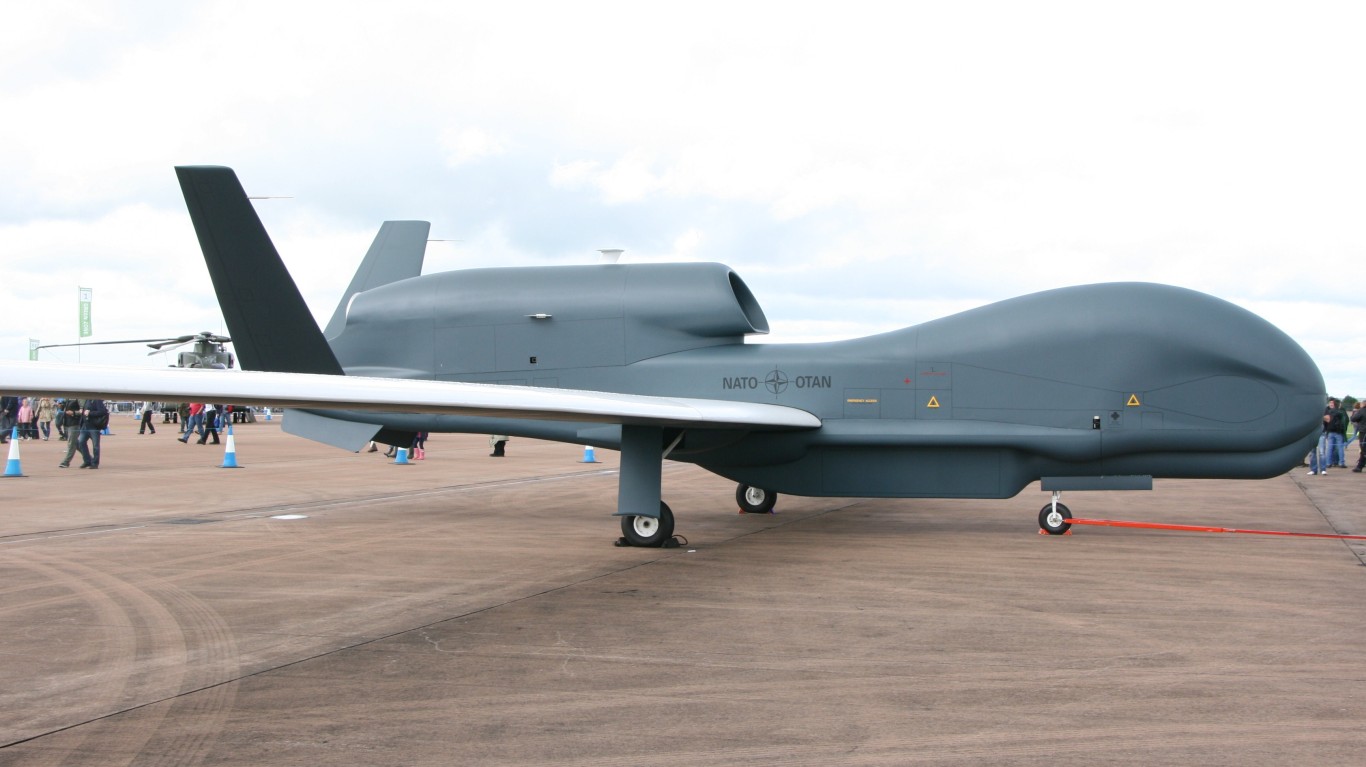
- Country of origin: United States (USAF)
- Year introduced to service: 2001
- Aircraft type: UAV ISR
- Why it required air superiority: No self-defense
- Primary mission in permissive airspace: Persistent ISR
- Threats it could not survive: SAMs, fighters
- How it was protected in practice: Stand-off
The RQ-4 Global Hawk offers persistent ISR but lacks any meaningful self-defense. Its operations require permissive airspace, as modern fighters and SAMs pose a direct threat in contested regions.
AH-64 Apache

- Country of origin: United States (Army)
- Year introduced to service: 1986
- Aircraft type: Attack helicopter
- Why it required air superiority: Slow, low altitude
- Primary mission in permissive airspace: CAS and anti-armor
- Threats it could not survive: Fighters, SAMs
- How it was protected in practice: Escort, terrain masking
The AH-64 Apache is highly lethal against ground targets but extremely vulnerable without friendly air cover. Enemy fighters and advanced air defenses severely limit its survivability, tying its effectiveness to air superiority.
AH-1 Cobra
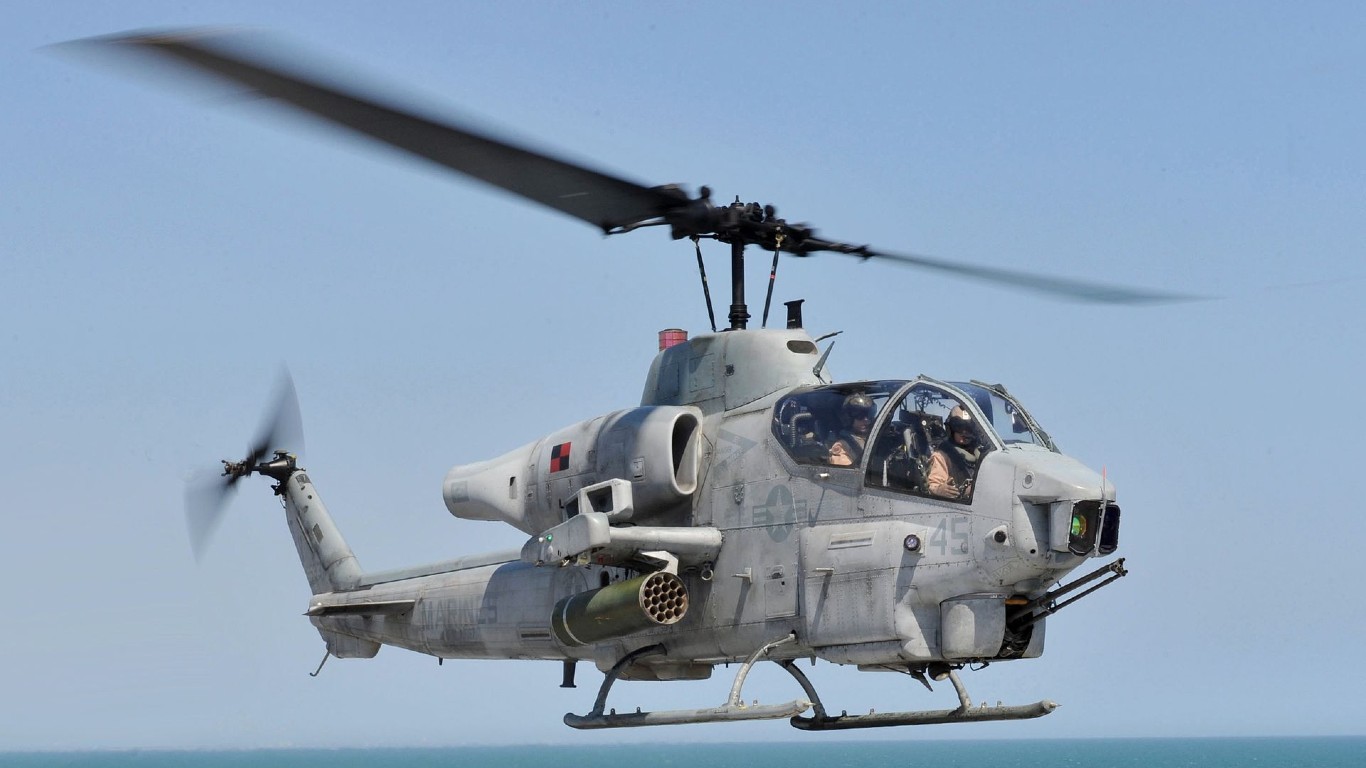
- Country of origin: United States (USMC)
- Year introduced to service: 1967
- Aircraft type: Attack helicopter
- Why it required air superiority: Light armor
- Primary mission in permissive airspace: CAS
- Threats it could not survive: Fighters, SAMs
- How it was protected in practice: Escort
The AH-1 Cobra delivered effective close air support in permissive environments. Light armor and limited defensive systems meant it required friendly control of the air to survive sustained operations.
UH-1 Huey (armed)
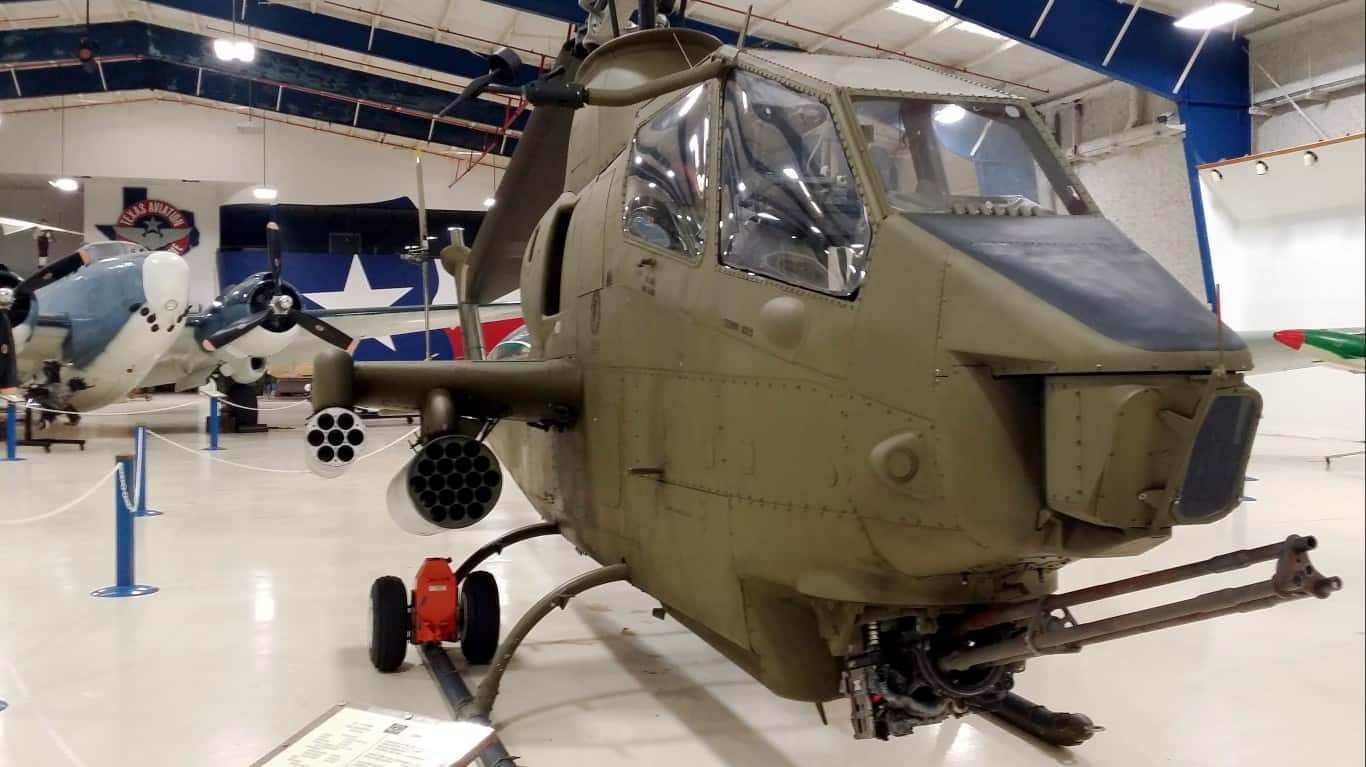
- Country of origin: United States
- Year introduced to service: 1959
- Aircraft type: Utility/attack
- Why it required air superiority: Slow, lightly armored
- Primary mission in permissive airspace: Troop support
- Threats it could not survive: Any air threat
- How it was protected in practice: Escort
Armed UH-1 Huey variants provided flexible fire support but were highly vulnerable. Without air superiority, their slow speed and light protection made them easy targets for enemy air threats.
Mi-24 Hind
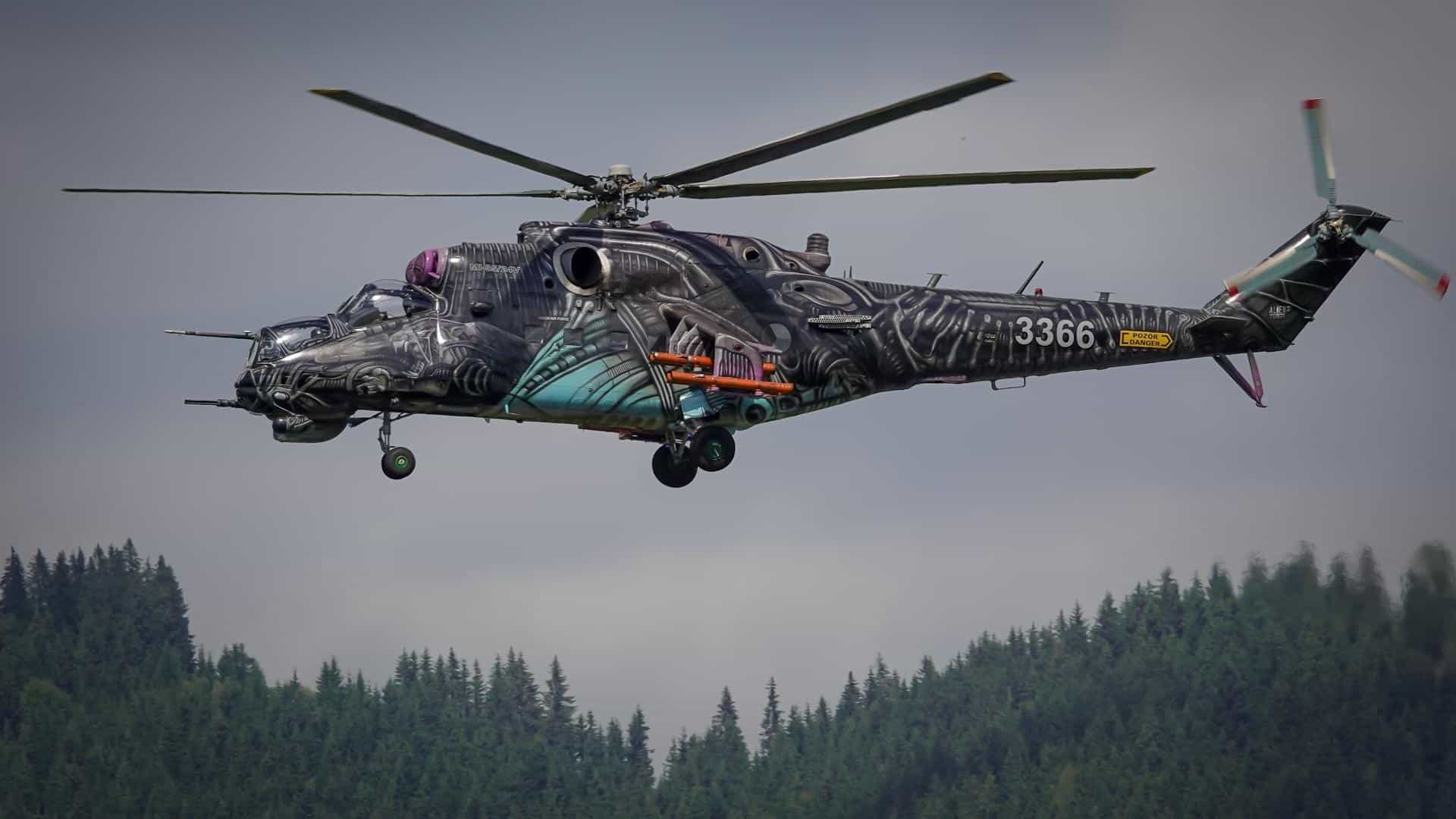
- Country of origin: Soviet Union / Russia
- Year introduced to service: 1972
- Aircraft type: Attack helicopter
- Why it required air superiority: Large target
- Primary mission in permissive airspace: CAS
- Threats it could not survive: Fighters, MANPADS
- How it was protected in practice: Escort
The Mi-24 Hind combined transport and firepower but depended on air dominance to survive. Large size and limited defensive measures left it exposed in contested airspace, restricting effective use to permissive environments.
MQ-1 Predator
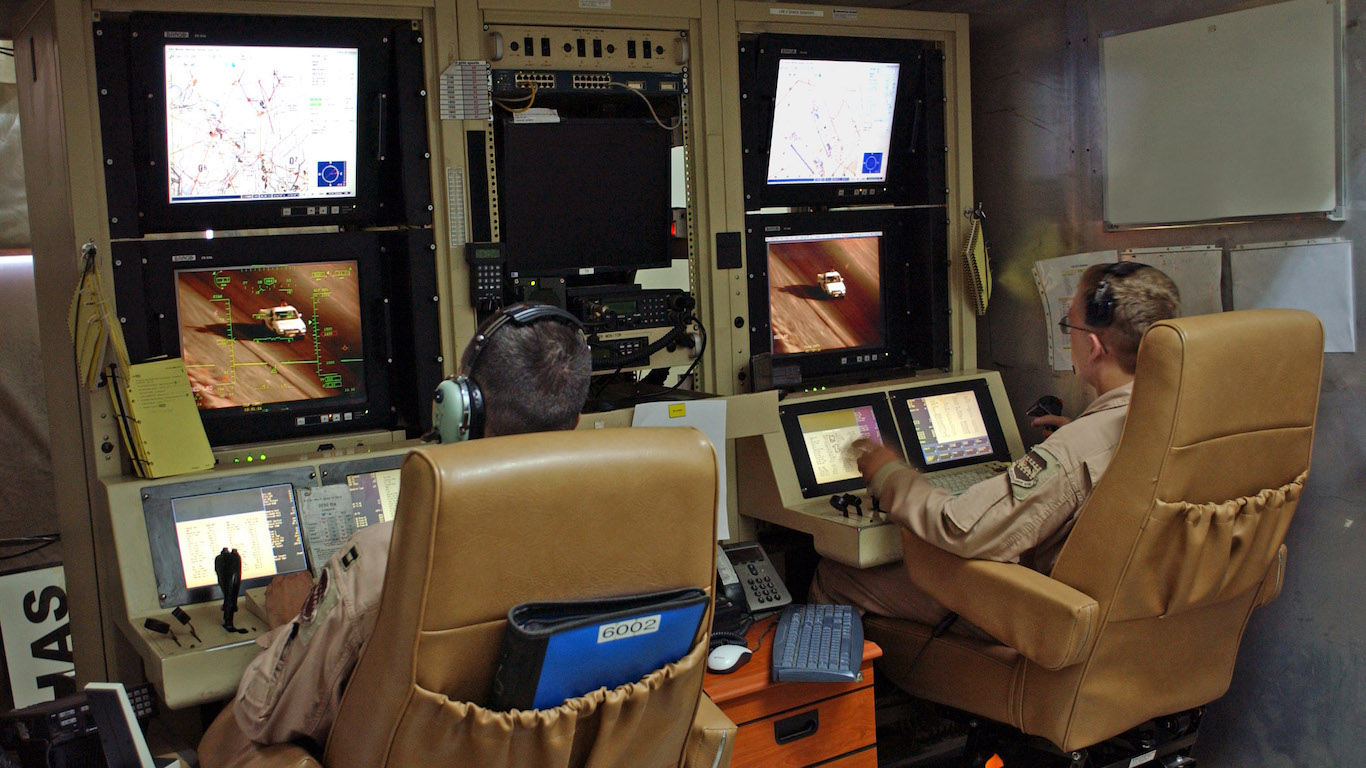
- Country of origin: United States
- Year introduced to service: 1995
- Aircraft type: UAV
- Why it required air superiority: Slow, no defenses
- Primary mission in permissive airspace: ISR/strike
- Threats it could not survive: Fighters, SAMs
- How it was protected in practice: Permissive use
The MQ-1 Predator enabled persistent ISR and strike missions but lacked survivability in contested airspace. Its slow speed and lack of defenses meant it could operate only where enemy air defenses were minimal.
MQ-9 Reaper
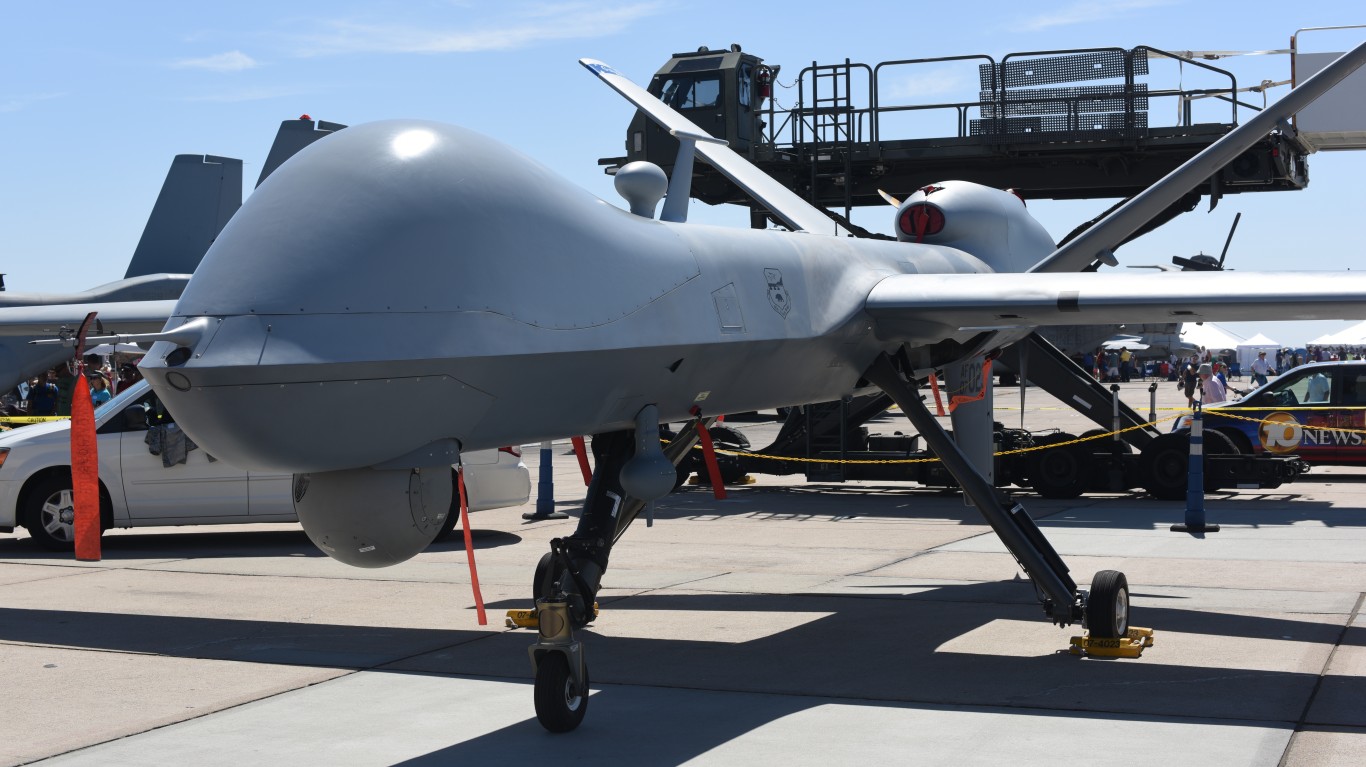
- Country of origin: United States
- Year introduced to service: 2007
- Aircraft type: UAV
- Why it required air superiority: No survivability
- Primary mission in permissive airspace: ISR/strike
- Threats it could not survive: SAMs, fighters
- How it was protected in practice: Permissive ops
The MQ-9 Reaper expanded payload and endurance but remained dependent on permissive skies. Modern fighters and SAM systems pose immediate threats, limiting its effectiveness to uncontested airspace.
Bayraktar TB2
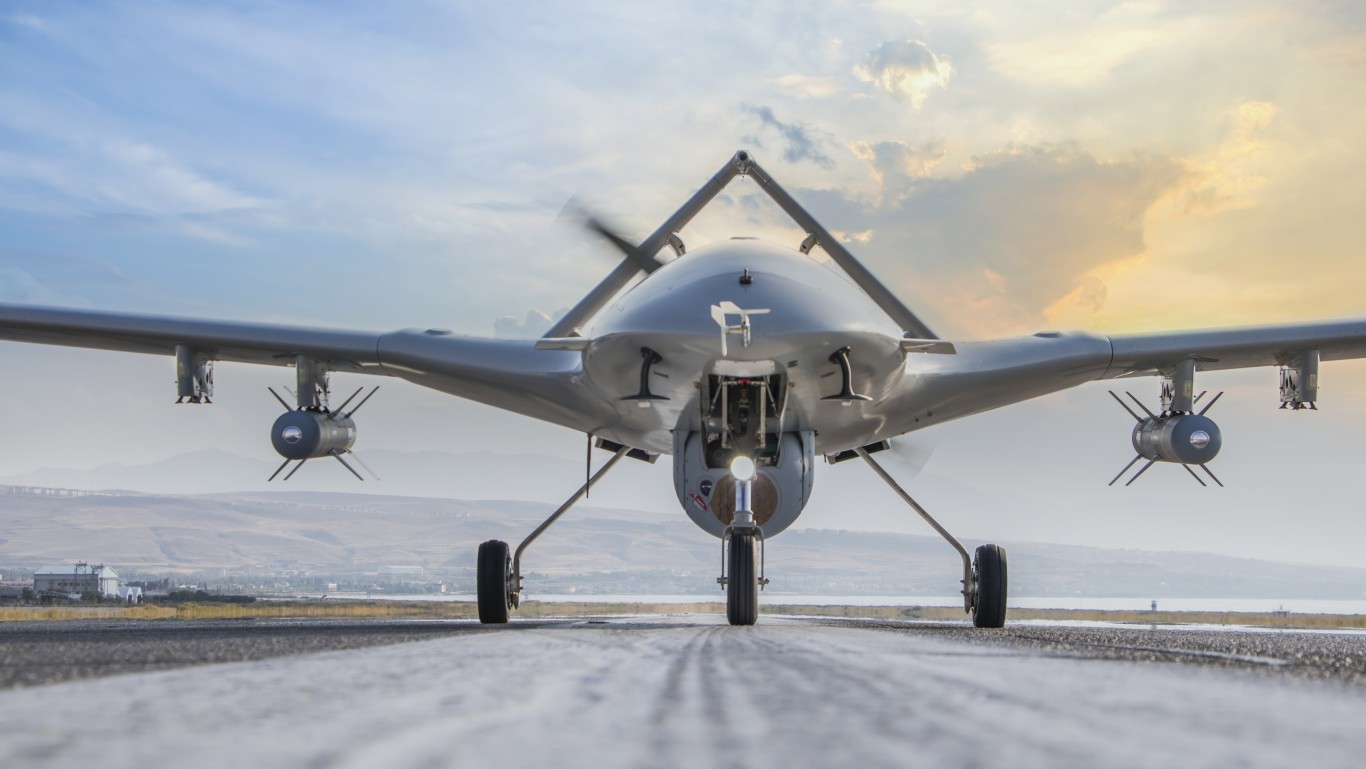
- Country of origin: Turkey
- Year introduced to service: 2014
- Aircraft type: UAV
- Why it required air superiority: Low survivability
- Primary mission in permissive airspace: ISR/strike
- Threats it could not survive: Integrated air defense
- How it was protected in practice: Mass employment
The Bayraktar TB2 demonstrated effectiveness early in conflicts, but its vulnerability became evident once air defenses adapted. Its success depended on degraded enemy air capabilities and air superiority.
AT-6 Wolverine

- Country of origin: United States
- Year introduced to service: 2018
- Aircraft type: Light attack
- Why it required air superiority: Prop-driven
- Primary mission in permissive airspace: CAS
- Threats it could not survive: Fighters, SAMs
- How it was protected in practice: Low-threat ops
The AT-6 Wolverine is optimized for permissive environments. Its turboprop design and limited defenses restrict it to low-threat airspace where air superiority is guaranteed.
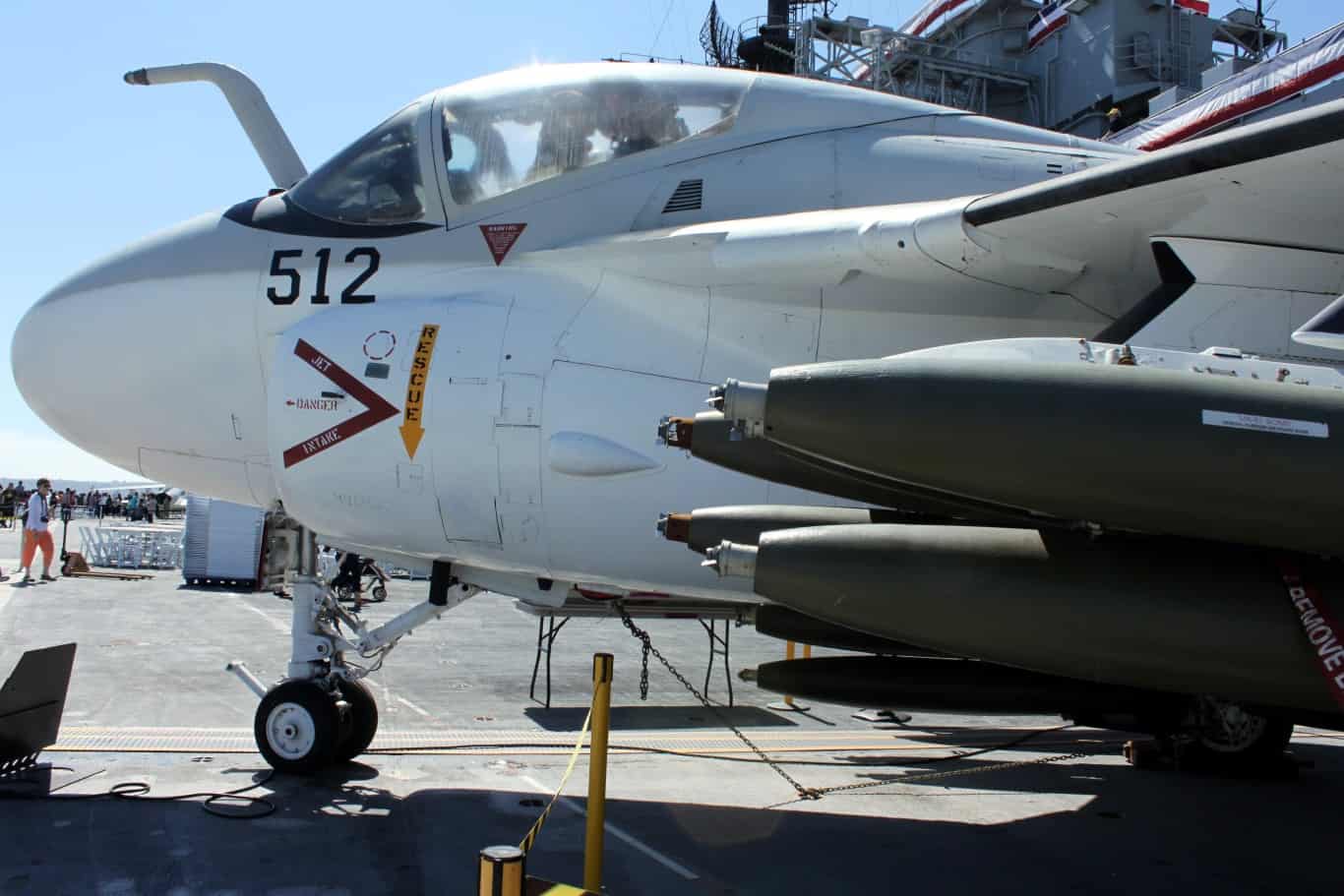
A-6 Intruder
- Country of origin: United States (USN)
- Year introduced to service: 1963
- Aircraft type: Attack
- Why it required air superiority: Large radar signature
- Primary mission in permissive airspace: Strike
- Threats it could not survive: SAMs, fighters
- How it was protected in practice: ECM, escort
The A-6 Intruder relied on escorts and electronic warfare to survive. As air defenses improved, its survivability declined, making air superiority a prerequisite for effective operations.
P-3 Orion (overland)
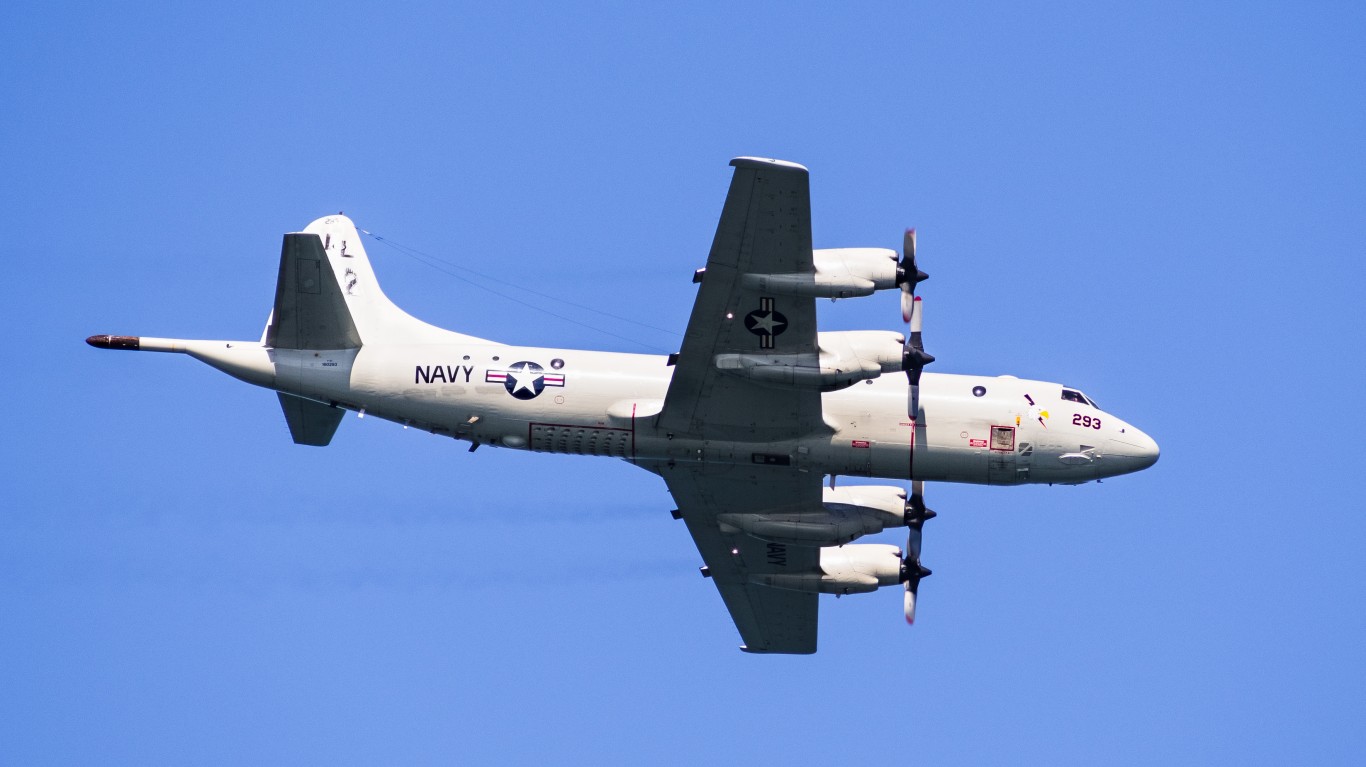
- Country of origin: United States (USN)
- Year introduced to service: 1962
- Aircraft type: ISR
- Why it required air superiority: Slow turboprop
- Primary mission in permissive airspace: Surveillance
- Threats it could not survive: Fighters, SAMs
- How it was protected in practice: Stand-off
The P-3 Orion, when used over land, is highly vulnerable. Slow speed and limited defenses require friendly air dominance to safely conduct surveillance missions.
EC-130 Compass Call
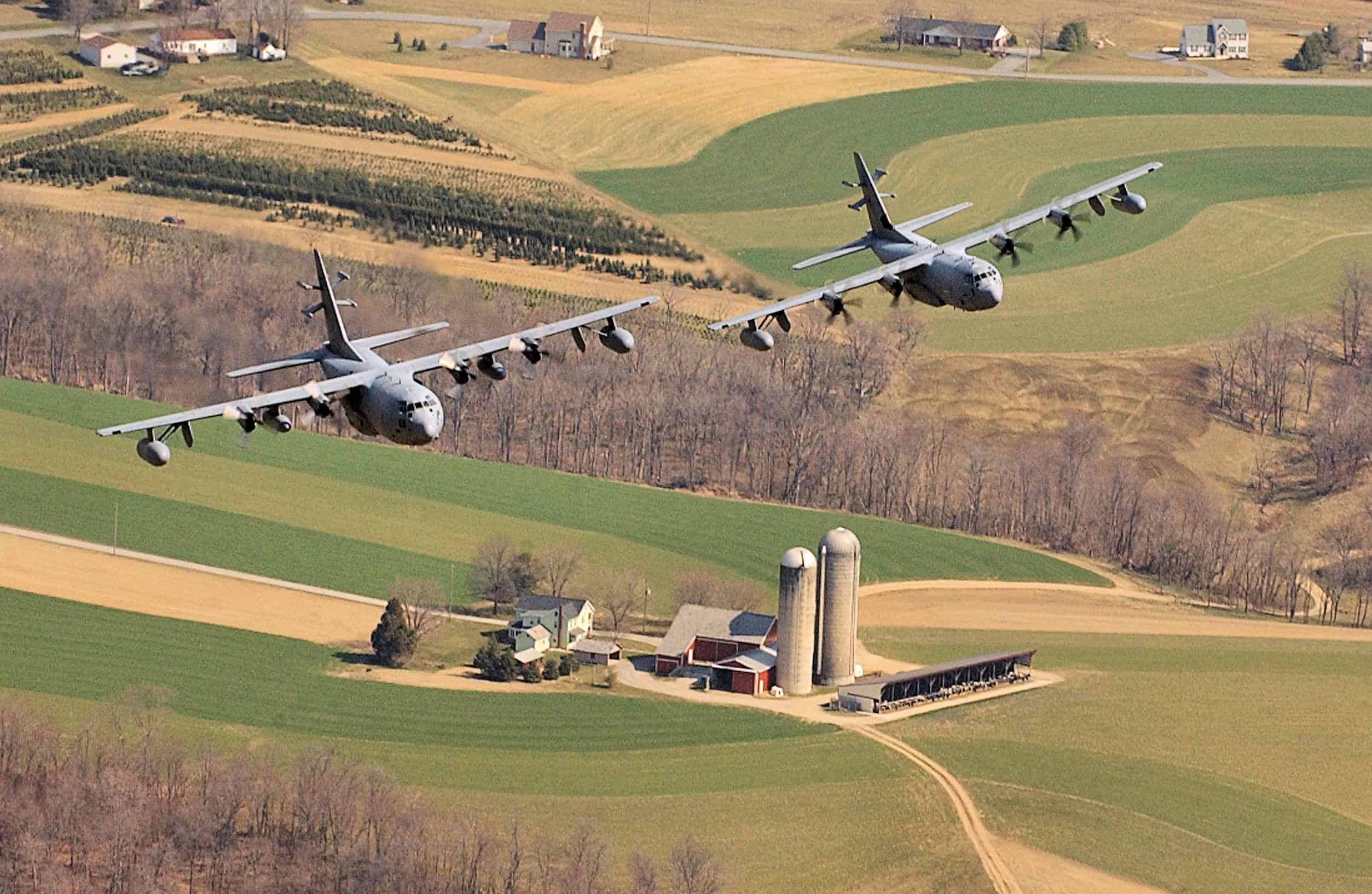
- Country of origin: United States (USAF)
- Year introduced to service: 1981
- Aircraft type: EW
- Why it required air superiority: Large non-stealth aircraft
- Primary mission in permissive airspace: Electronic attack
- Threats it could not survive: Fighters, SAMs
- How it was protected in practice: Escort
The EC-130 Compass Call conducts electronic attack but depends on protected airspace. Its large, non-stealthy profile makes air superiority essential for survivability.
C-130 Gunship variants
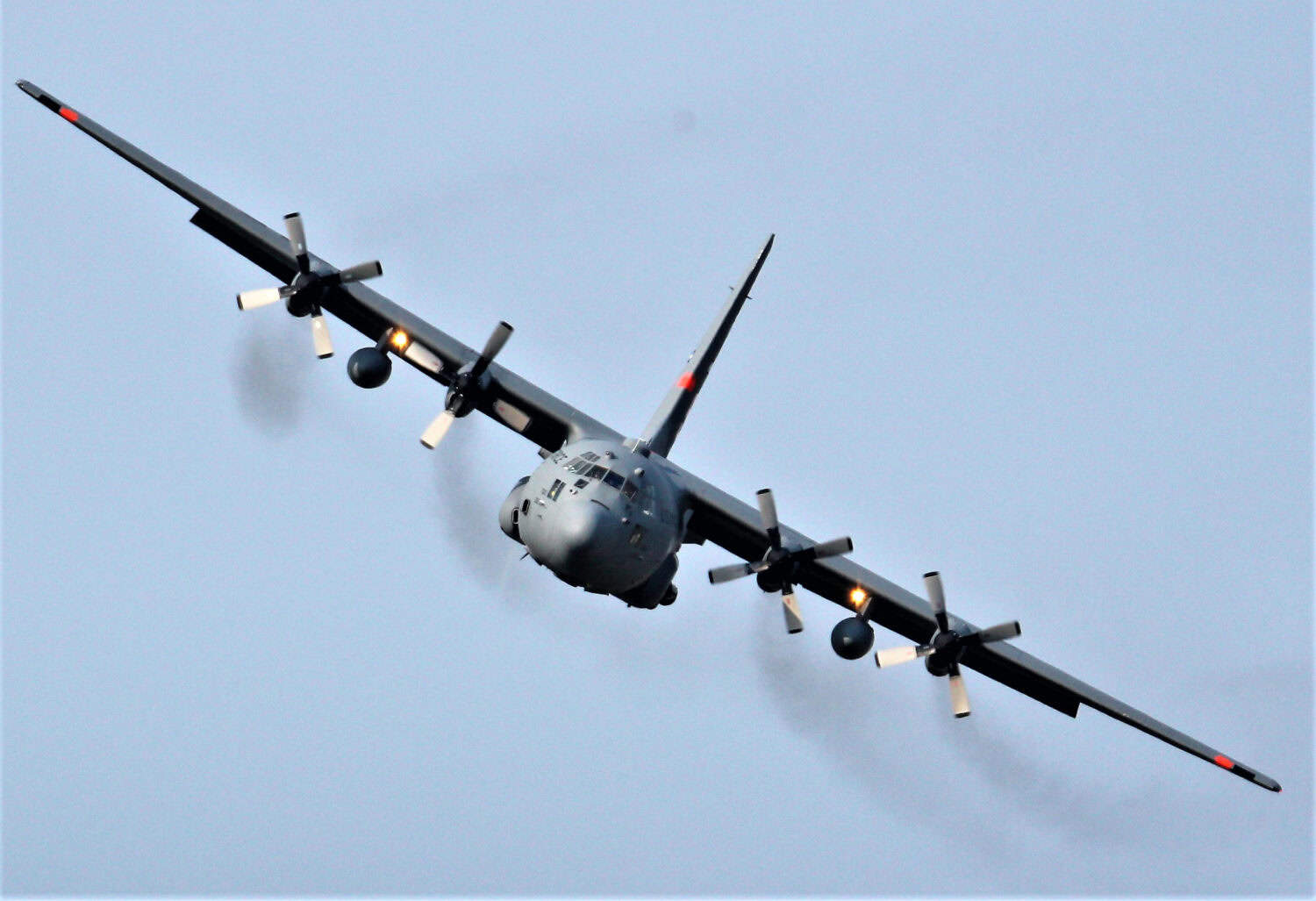
- Country of origin: United States
- Year introduced to service: 1968
- Aircraft type: Gunship
- Why it required air superiority: Slow, large airframe
- Primary mission in permissive airspace: Fire support
- Threats it could not survive: All air threats
- How it was protected in practice: Night ops
C-130 gunship variants deliver powerful fire support but are among the most vulnerable aircraft in contested airspace. Their effectiveness depends entirely on friendly control of the skies.
E-4B Nightwatch
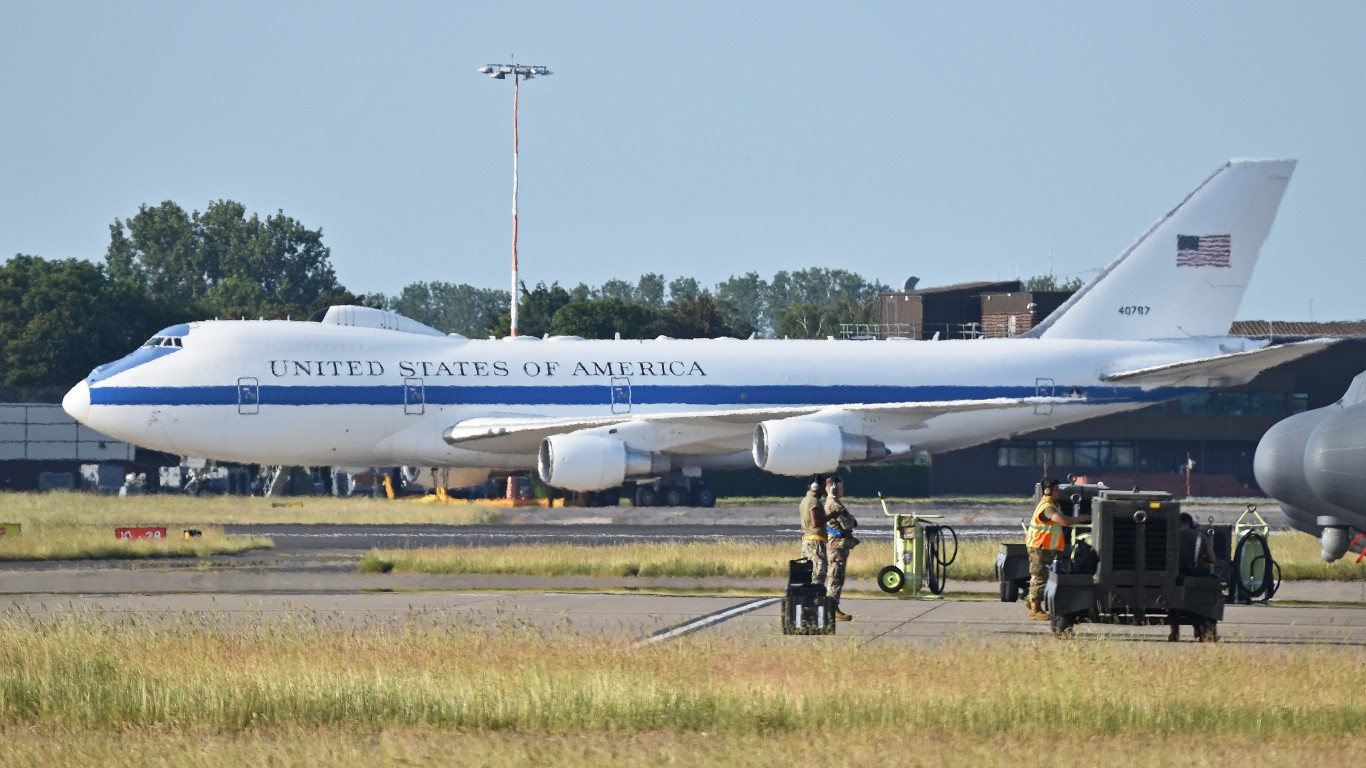
- Country of origin: United States
- Year introduced to service: 1974
- Aircraft type: Command and control
- Why it required air superiority: Large radar signature
- Primary mission in permissive airspace: National command post
- Threats it could not survive: Any air threat
- How it was protected in practice: Escorts
The E-4B Nightwatch assumes uncontested or protected airspace. Its size, visibility, and mission profile make air superiority essential for survivability.
OV-1 Mohawk
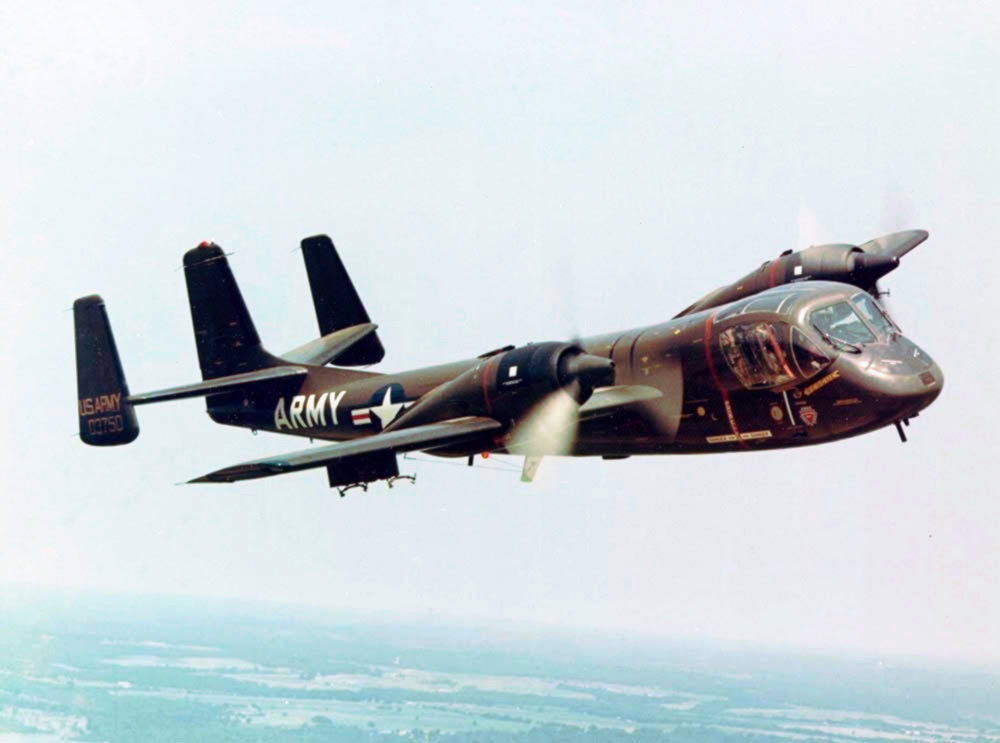
- Country of origin: United States
- Year introduced to service: 1962
- Aircraft type: ISR
- Why it required air superiority: Slow, low altitude
- Primary mission in permissive airspace: Recon
- Threats it could not survive: Fighters, SAMs
- How it was protected in practice: Escort
The OV-1 Mohawk provided valuable reconnaissance but lacked survivability in contested environments. Its effectiveness was tied directly to friendly air dominance.






 Top Gaining Stocks
 Top Losing Stocks