


For decades, modern warfare relied on the idea that overwhelming firepower could compensate for imperfect information and limited accuracy. When commanders could not be certain a single strike would succeed, they simply ordered more. Precision weapons changed that calculus. By making individual shots count, these systems shifted combat away from volume and toward discipline, forcing militaries to value patience, timing, and decision-making as much as raw destructive power. Here, 24/7 Wall St. is taking a closer look at this shift in precision weapons from firepower to patience.
To determine the precision weapons that made a tactical shift from firepower to patience, 24/7 Wall St. reviewed various historical and military sources. We included supplemental information for each regarding the country of origin, the era introduced, typical target set, and how each of these weapons rewarded patience.
Here is a look at the precision weapons that shifted combat from firepower to patience:
Why Are We Covering This?
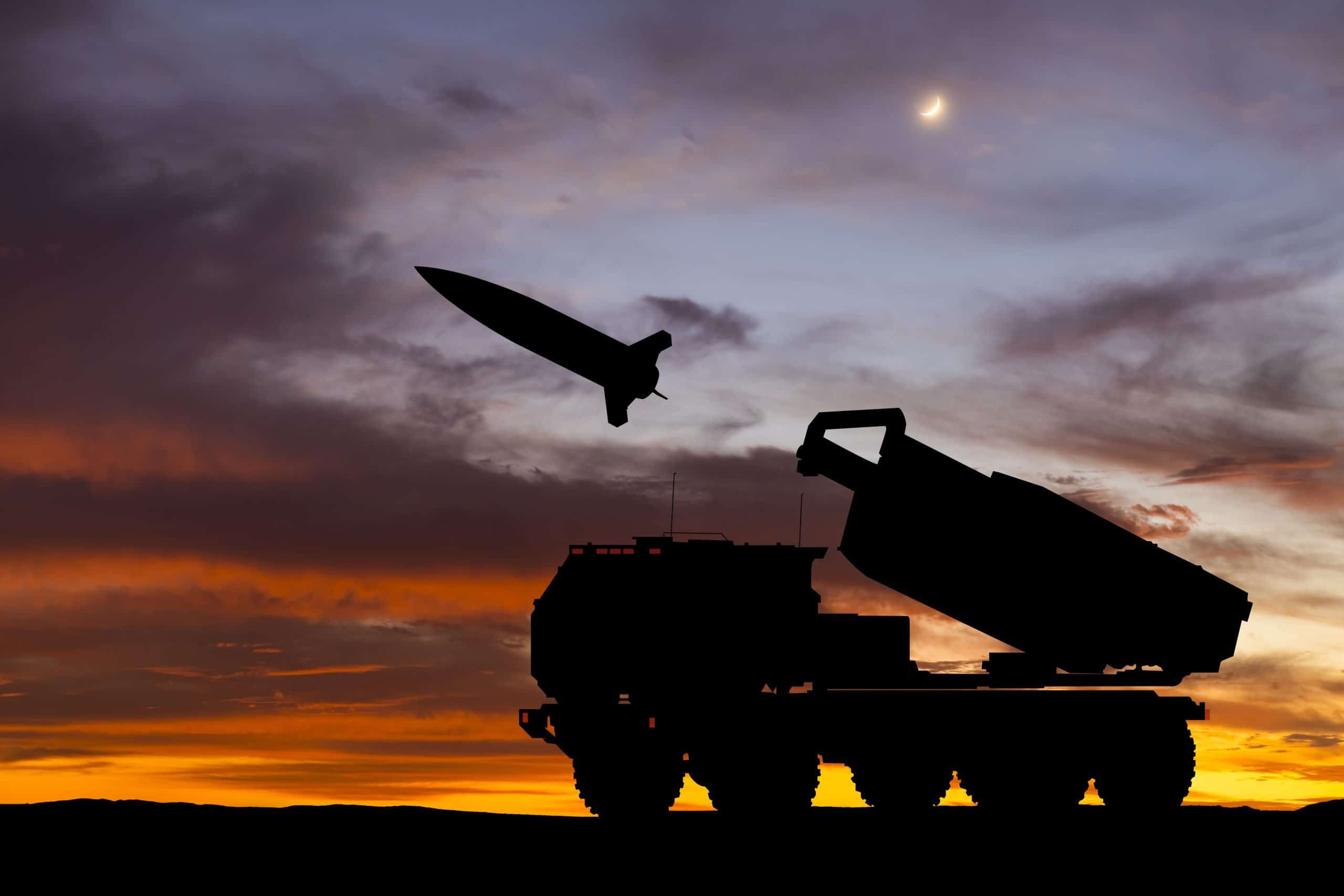
Understanding how warfare shifted from massed firepower to deliberate precision helps explain many of the tactical and ethical choices modern militaries now face. Precision weapons did more than improve accuracy; they changed how commanders think about timing, restraint, and responsibility on the battlefield. By examining the systems that rewarded patience over volume, this shows why modern combat increasingly depends on intelligence, discipline, and decision-making rather than sheer destructive capacity, as well as why the ability to wait has become just as important as the ability to strike.
When More Firepower Stopped Being the Answer

For much of modern warfare, success was often defined by how much firepower a force could deliver in a short amount of time. Massed artillery, saturation bombing, and overwhelming barrages were treated as reliable solutions because they compensated for uncertainty and imperfect accuracy. When commanders could not guarantee a single strike would land where it needed to, they solved the problem by firing more. Precision weapons began to challenge that logic by proving that combat effectiveness did not always require more ordnance, only better targeting.
Precision Changed the Tempo of War
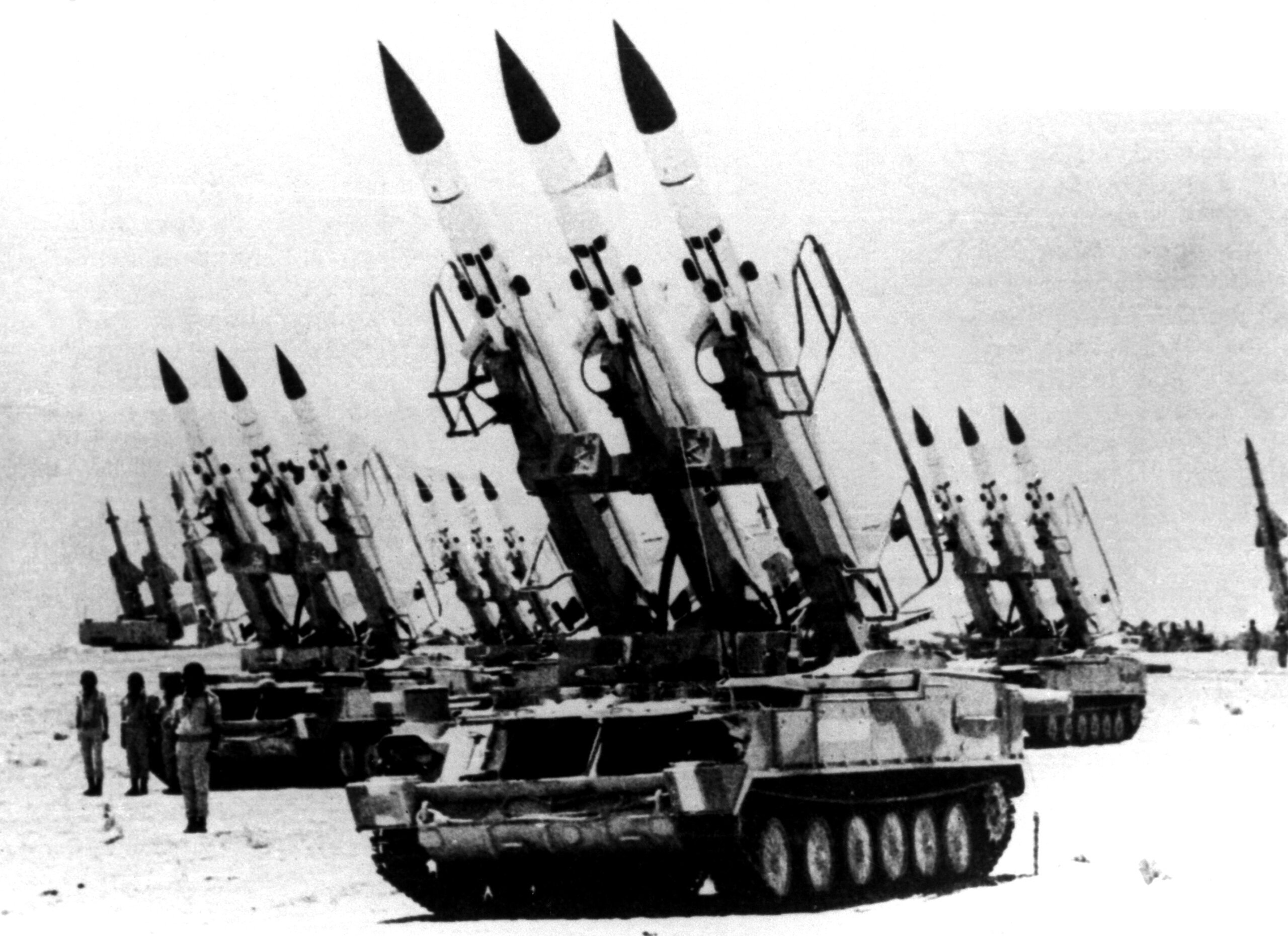
As accuracy improved, the tempo of combat began to shift. Precision reduced the need for repeated strikes, follow-on bombardments, and wide-area effects meant to “cover” a target. Commanders could slow down, verify intelligence, and commit fewer munitions with greater confidence. That change mattered because it turned single engagements into higher-stakes decisions. A smaller number of shots could shape an operation, but mistakes also became harder to justify when precision was available.
Patience Became a Tactical Advantage
Patience became a tactical advantage rather than a delay. Precision weapons encouraged tracking, observation, and timing, often requiring operators to wait for the right conditions, the right target behavior, or the right confirmation before firing. Instead of rewarding speed alone, modern engagements increasingly rewarded discipline, coordination, and restraint. In many situations, waiting an extra minute mattered more than firing first, because precision works best when the target is understood.
Doctrine Adjusted to Fewer, Better Shots
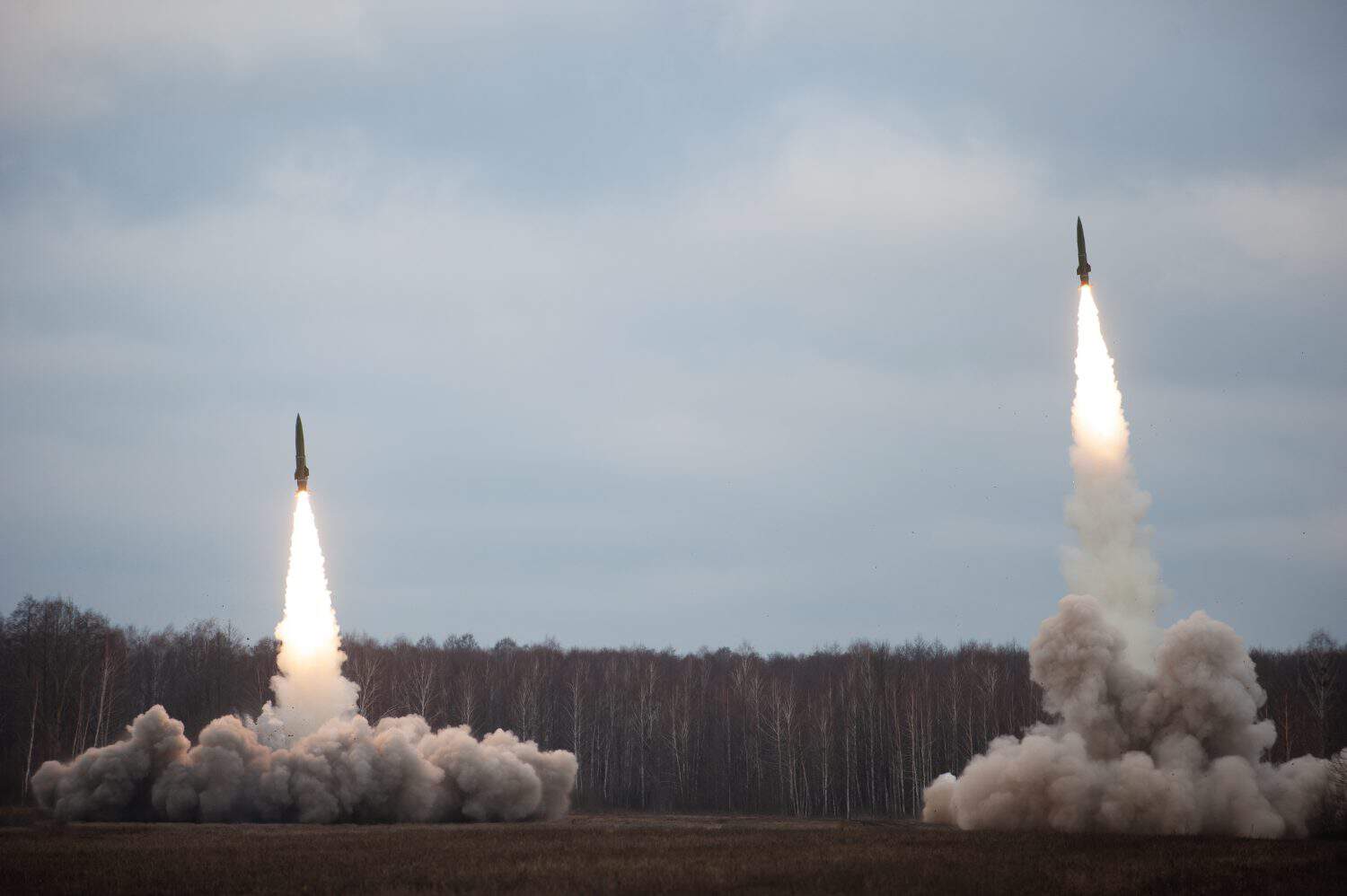
This shift also reshaped doctrine. As precision improved, rules of engagement and targeting standards became more demanding, and commanders had to think differently about when and how to apply force. Instead of planning around volume, military forces began planning around intent, discrimination, and effects. Air, land, and naval fires became more closely integrated with intelligence and surveillance, because precision warfare depends on knowing what to hit and when to hit it.
What This Shift Means for Modern Combat
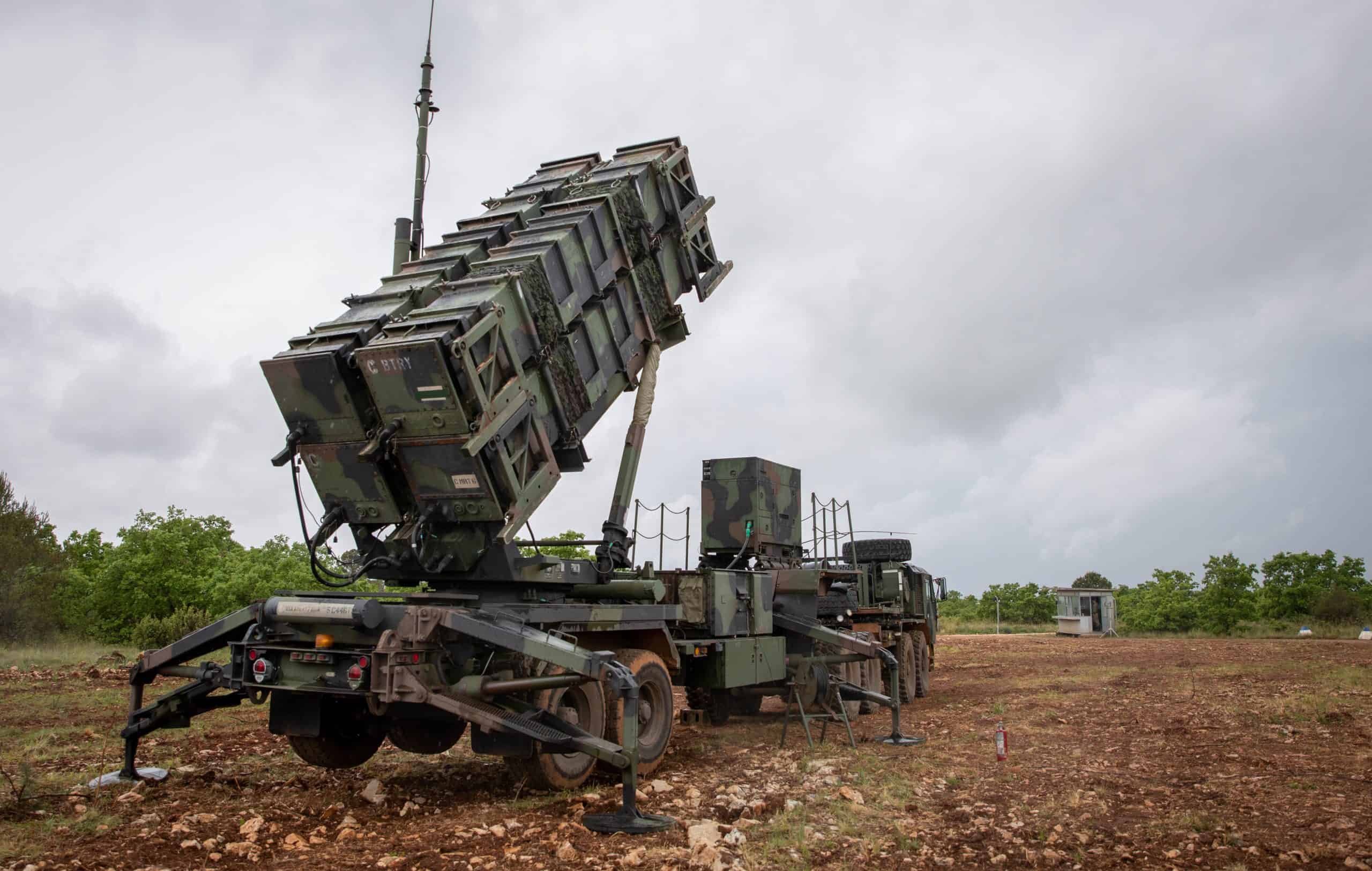
The result is a modern battlefield where effectiveness is tied to decision-making as much as lethality. Precision weapons raised expectations for what military force should achieve, but they also increased responsibility for how it is used. When a single shot can change the outcome of a mission, patience becomes part of the weapon system. This article looks at the precision tools that helped shift combat away from brute firepower and toward deliberate, well-timed action.
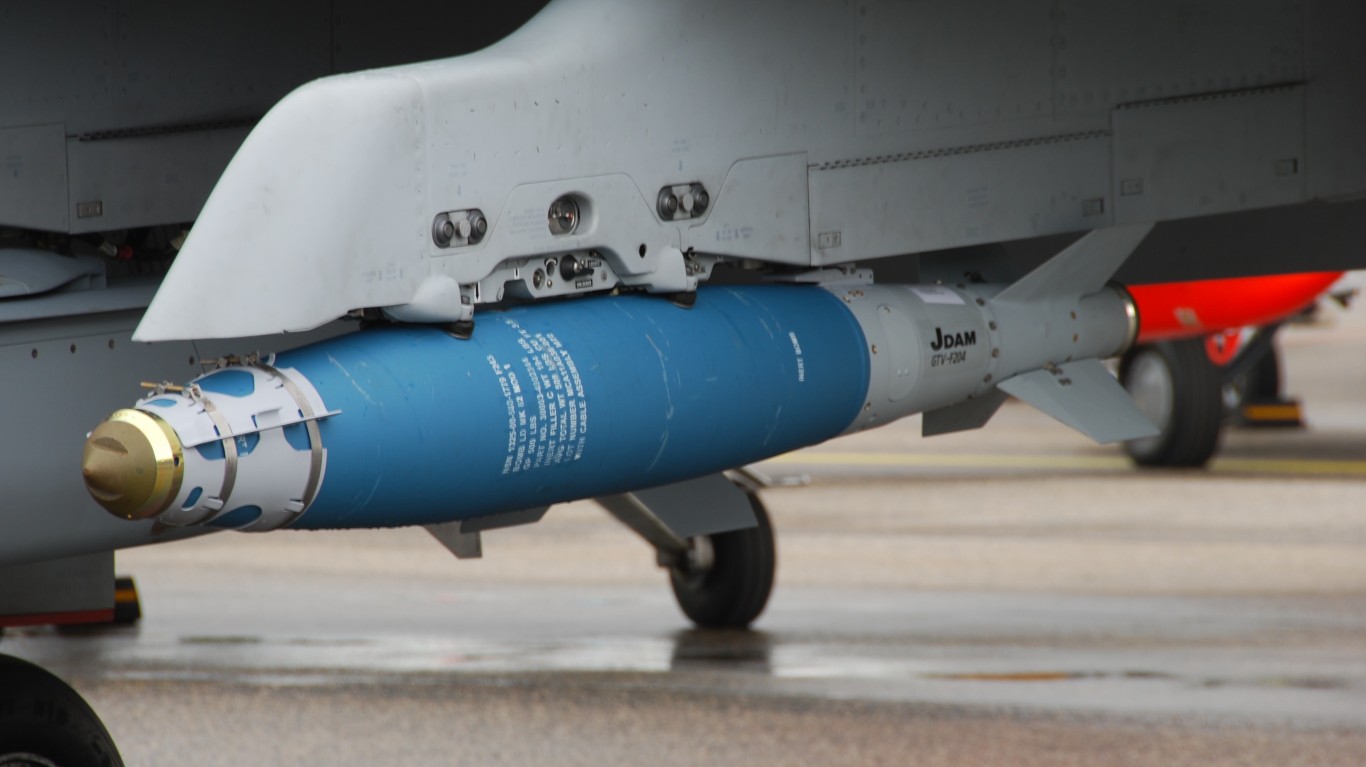
JDAM
- Country of origin: United States
- Era introduced: 1990s
- Domain: Air
- Guidance type: GPS
- Typical target set: Fixed targets
- What it replaced or reduced: Unguided bombing
- How it rewarded patience: Allowed planners to wait for optimal conditions before a single release
- Combat impact: Normalized precision strike
JDAM transformed conventional bombs into precision weapons, allowing aircrews to strike fixed targets accurately with a single munition. Instead of relying on repeated bombing runs, commanders could wait for confirmation and release once, reducing collateral damage. This shift emphasized timing, intelligence, and restraint over volume, fundamentally changing how airpower was applied in modern conflicts.
AGM-114 Hellfire

- Country of origin: United States
- Era introduced: 1980s
- Domain: Air/Land
- Guidance type: Laser / Radar
- Typical target set: Armor, point targets
- What it replaced or reduced: Area suppression
- How it rewarded patience: Encouraged deliberate target designation
- Combat impact: Precision CAS standard
The Hellfire missile replaced brute-force close air support with deliberate, patient targeting. Crews learned to track and confirm targets before launch, often waiting minutes rather than seconds. Its precision reduced the need for area fires and reshaped how helicopters and drones support ground forces under restrictive rules of engagement.
BGM-109 Tomahawk

- Country of origin: United States
- Era introduced: 1980s
- Domain: Sea
- Guidance type: INS/GPS
- Typical target set: Strategic fixed targets
- What it replaced or reduced: Massed air strikes
- How it rewarded patience: Required long-term planning and timing
- Combat impact: Strategic strike patience
Tomahawk cruise missiles shifted strike warfare toward patience and planning. Launches often occurred hours before impact, requiring precise intelligence and coordination. This removed the need for massed bomber formations and allowed commanders to strike selectively, emphasizing accuracy and timing over overwhelming force.
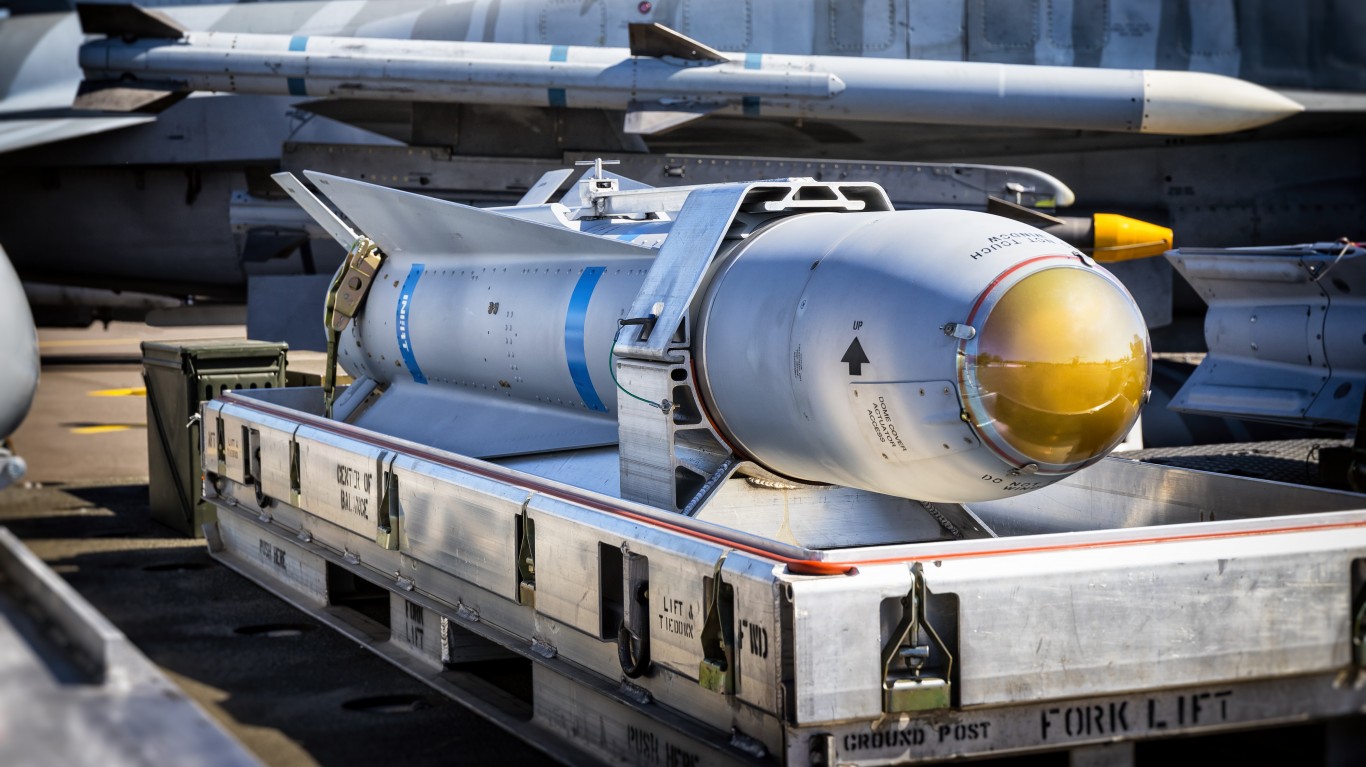
AGM-65 Maverick
- Country of origin: United States
- Era introduced: 1970s
- Domain: Air
- Guidance type: Electro-optical / IR
- Typical target set: Armor, vehicles
- What it replaced or reduced: Multiple attack passes
- How it rewarded patience: One-shot precision engagements
- Combat impact: Early precision CAS
The Maverick missile allowed pilots to destroy armored targets with a single shot rather than repeated strafing runs. This encouraged patience in target identification and reduced exposure to air defenses. Its combat use demonstrated how precision could replace volume in close combat situations.
GBU-12 Paveway II

- Country of origin: United States
- Era introduced: 1970s
- Domain: Air
- Guidance type: Laser
- Typical target set: Fixed and mobile targets
- What it replaced or reduced: Carpet bombing
- How it rewarded patience: Demanded laser designation discipline
- Combat impact: Laser-guided warfare
Paveway bombs showed that careful target designation could replace saturation bombing. Aircrews learned to wait for proper laser lock and conditions, emphasizing restraint and coordination. Combat use proved that precision guidance fundamentally altered airstrike doctrine.
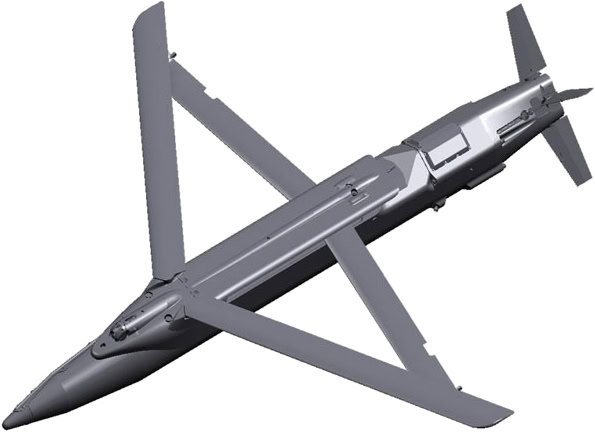
GBU-39 Small Diameter Bomb
- Country of origin: United States
- Era introduced: 2000s
- Domain: Air
- Guidance type: GPS/INS
- Typical target set: Hardened targets
- What it replaced or reduced: Large payload strikes
- How it rewarded patience: Encouraged selective target choice
- Combat impact: Low-collateral strike
The Small Diameter Bomb enabled precise strikes with minimal collateral damage. Commanders could wait for high-confidence targets rather than rely on large munitions. Its use reinforced patience and discrimination in strike planning.
AGM-158 JASSM
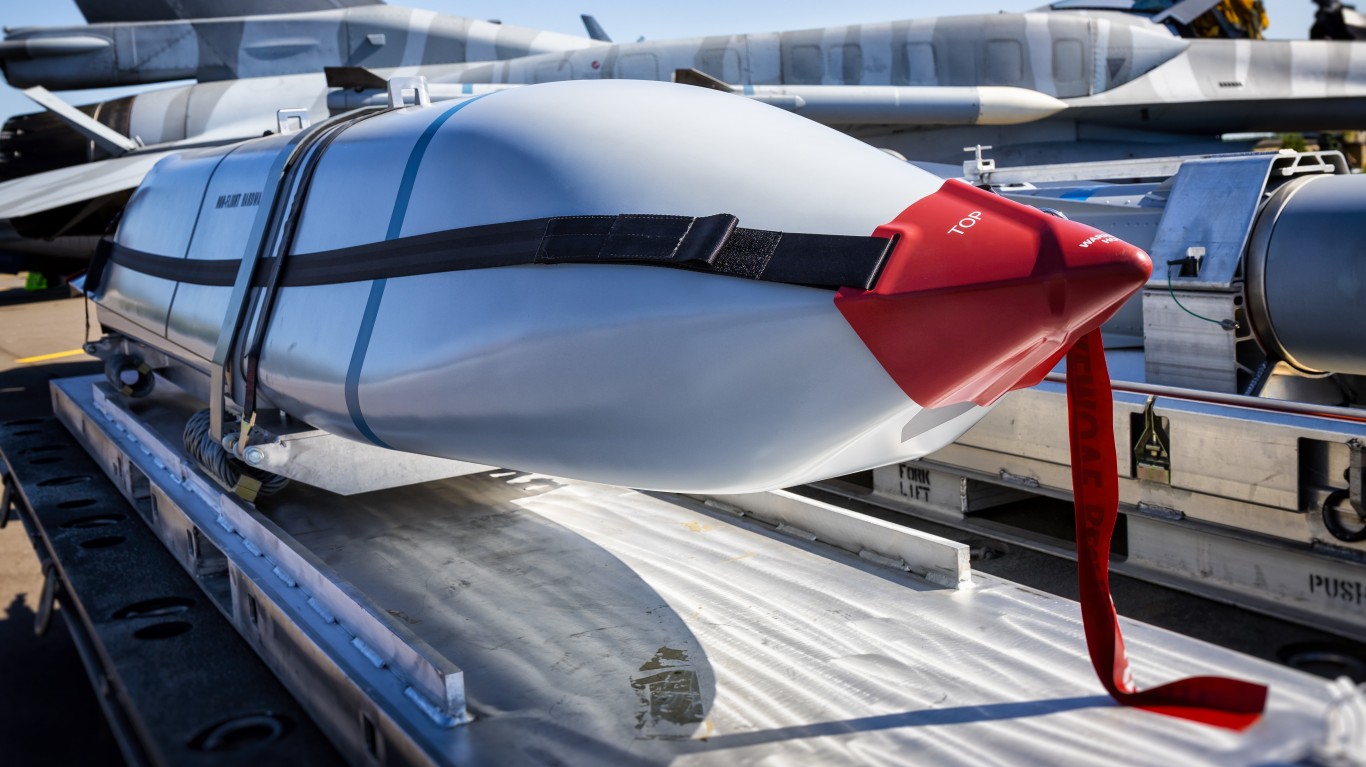
- Country of origin: United States
- Era introduced: 2000s
- Domain: Air
- Guidance type: INS/GPS
- Typical target set: High-value targets
- What it replaced or reduced: Risky penetration strikes
- How it rewarded patience: Allowed stand-off patience
- Combat impact: Deep-strike precision
JASSM allowed aircraft to strike defended targets from stand-off range, emphasizing planning and patience over risk-heavy mass attacks. Combat use highlighted how precision and timing could replace brute force penetration.
M982 Excalibur
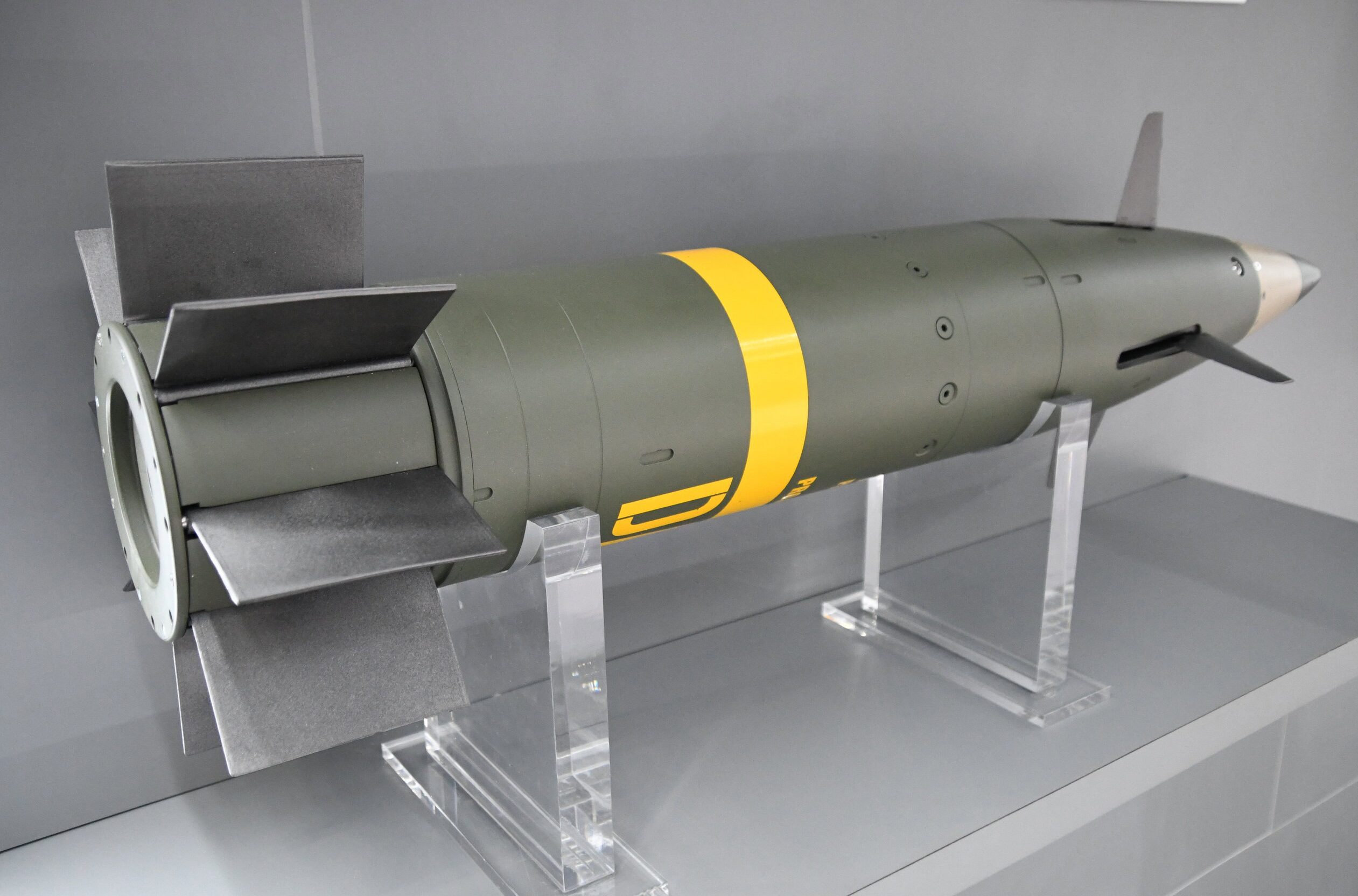
- Country of origin: United States
- Era introduced: 2000s
- Domain: Land
- Guidance type: GPS
- Typical target set: Point targets
- What it replaced or reduced: Area artillery fires
- How it rewarded patience: Enabled single-round engagements
- Combat impact: Precision artillery shift
Excalibur reduced artillery missions from dozens of rounds to single precision shots. Fire units could wait for accurate coordinates and achieve effects with minimal expenditure, reshaping artillery doctrine toward restraint.
M712 Copperhead
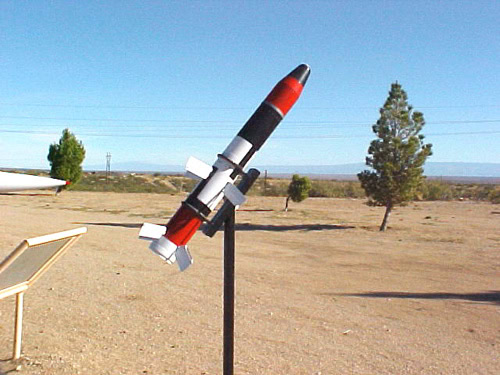
- Country of origin: United States
- Era introduced: 1970s
- Domain: Land
- Guidance type: Laser
- Typical target set: Armor
- What it replaced or reduced: Massed artillery
- How it rewarded patience: Required coordinated designation
- Combat impact: Early precision artillery
Copperhead demonstrated that artillery could engage specific targets precisely. Though limited, it introduced patience and coordination into indirect fire employment.
Spike NLOS
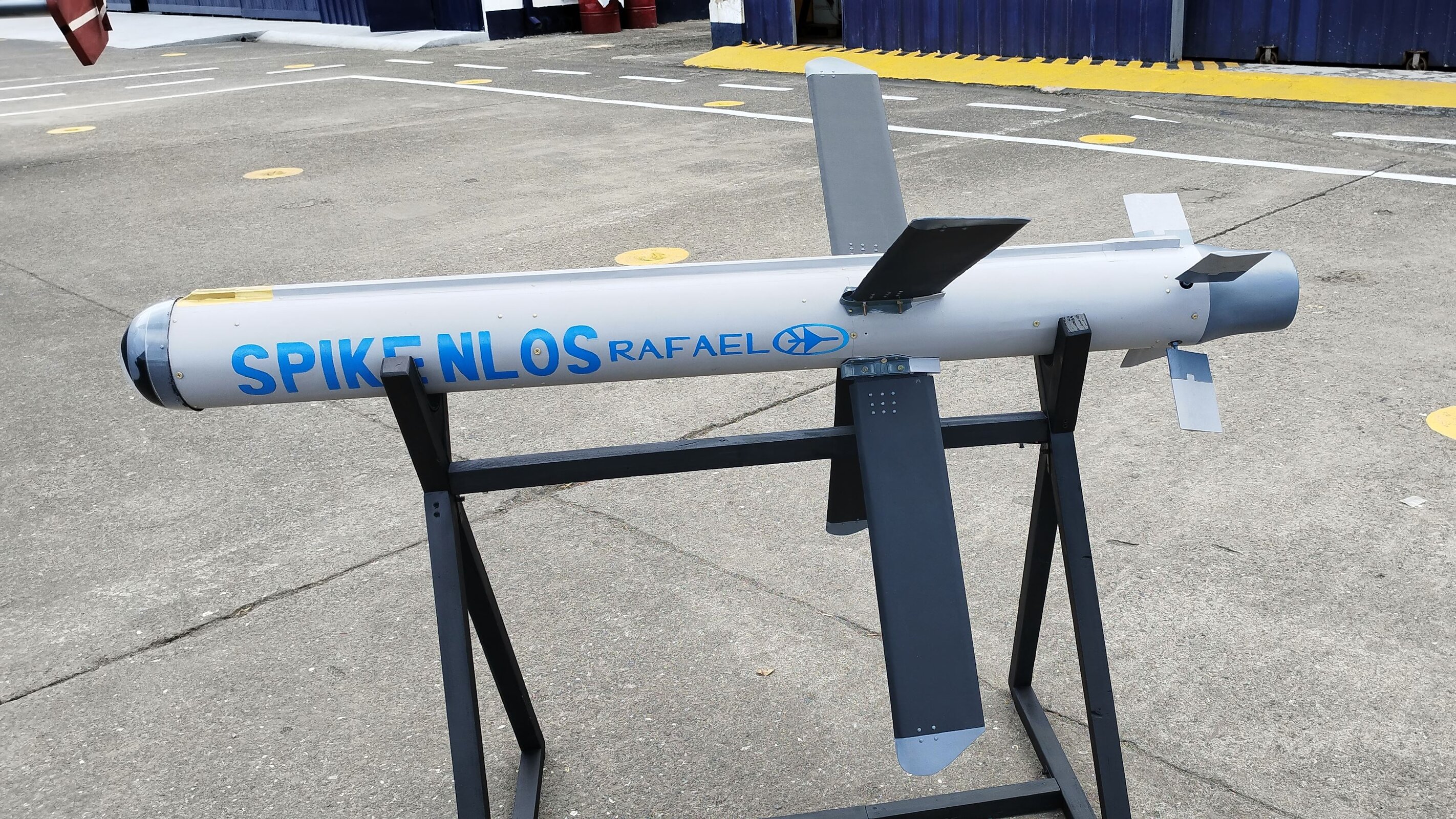
- Country of origin: Israel
- Era introduced: 2000s
- Domain: Land/Air
- Guidance type: EO
- Typical target set: Beyond-line targets
- What it replaced or reduced: Blind area fires
- How it rewarded patience: Extended observation before strike
- Combat impact: Long-range patience
Spike NLOS allowed operators to observe targets in real time before committing to a strike. This rewarded patience and intelligence gathering over immediate engagement.
Brimstone
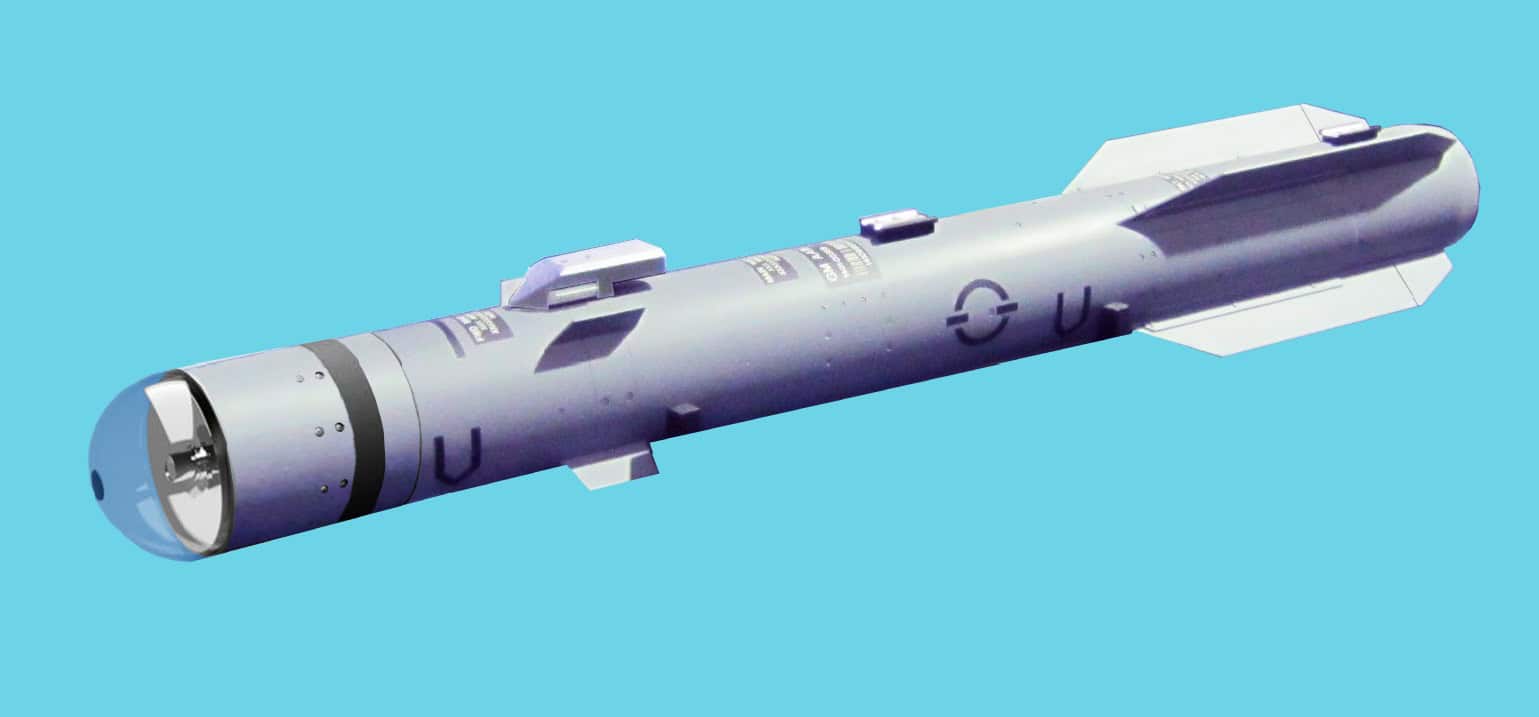
- Country of origin: United Kingdom
- Era introduced: 2000s
- Domain: Air
- Guidance type: Millimeter-wave radar
- Typical target set: Fast-moving armor
- What it replaced or reduced: Area anti-armor strikes
- How it rewarded patience: Delayed fire until identification
- Combat impact: Selective anti-armor
Brimstone emphasized waiting for target discrimination before engagement, reducing collateral damage and replacing saturation anti-armor tactics.
Kh-29
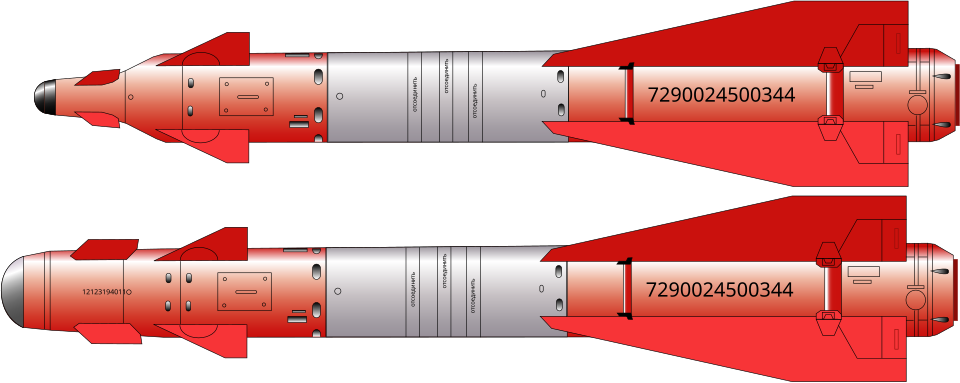
- Country of origin: Soviet Union/Russia
- Era introduced: 1980s
- Domain: Air
- Guidance type: Laser/TV
- Typical target set: Hardened targets
- What it replaced or reduced: Unguided attacks
- How it rewarded patience: Encouraged deliberate strikes
- Combat impact: Soviet precision step
Kh-29 showed a shift toward precision in Soviet air doctrine, requiring patient target acquisition rather than massed attacks.
Kh-101
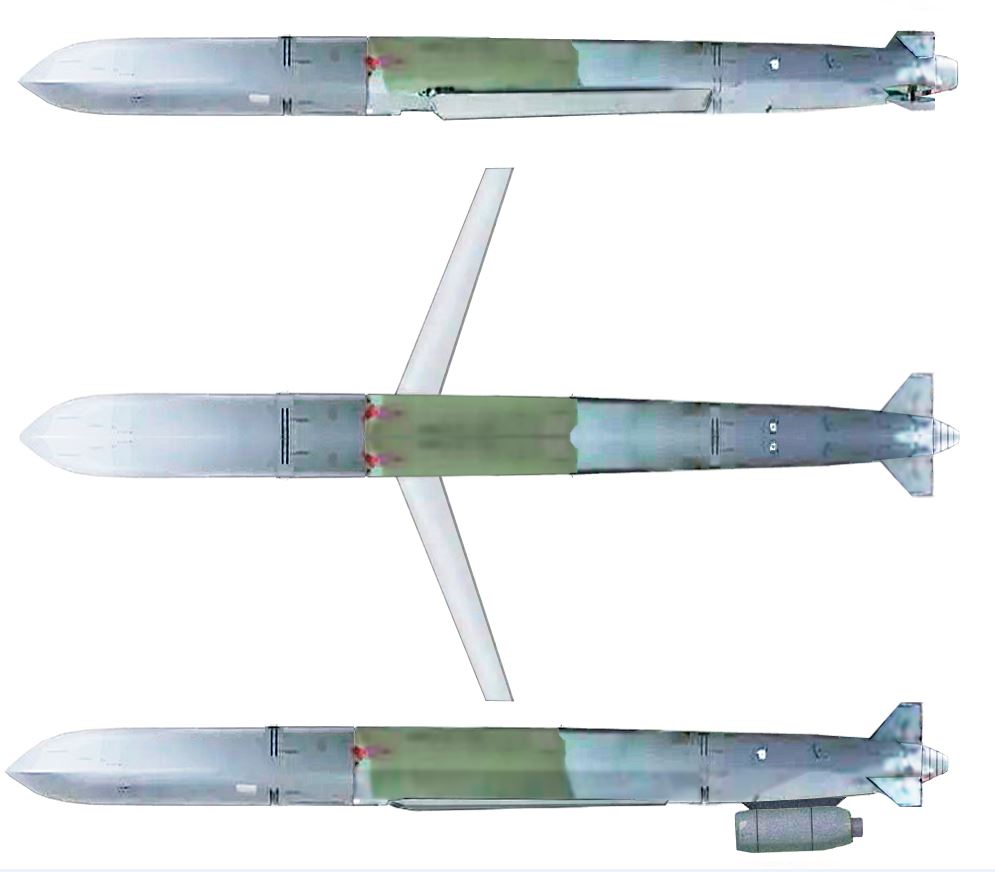
- Country of origin: Russia
- Era introduced: 2000s
- Domain: Air
- Guidance type: INS/GPS
- Typical target set: Strategic targets
- What it replaced or reduced: Bomber saturation
- How it rewarded patience: Long-range planning
- Combat impact: Modern Russian precision
Kh-101 cruise missiles reinforced long-range patience, emphasizing planning and precision over bomber mass.
Storm Shadow / SCALP-EG
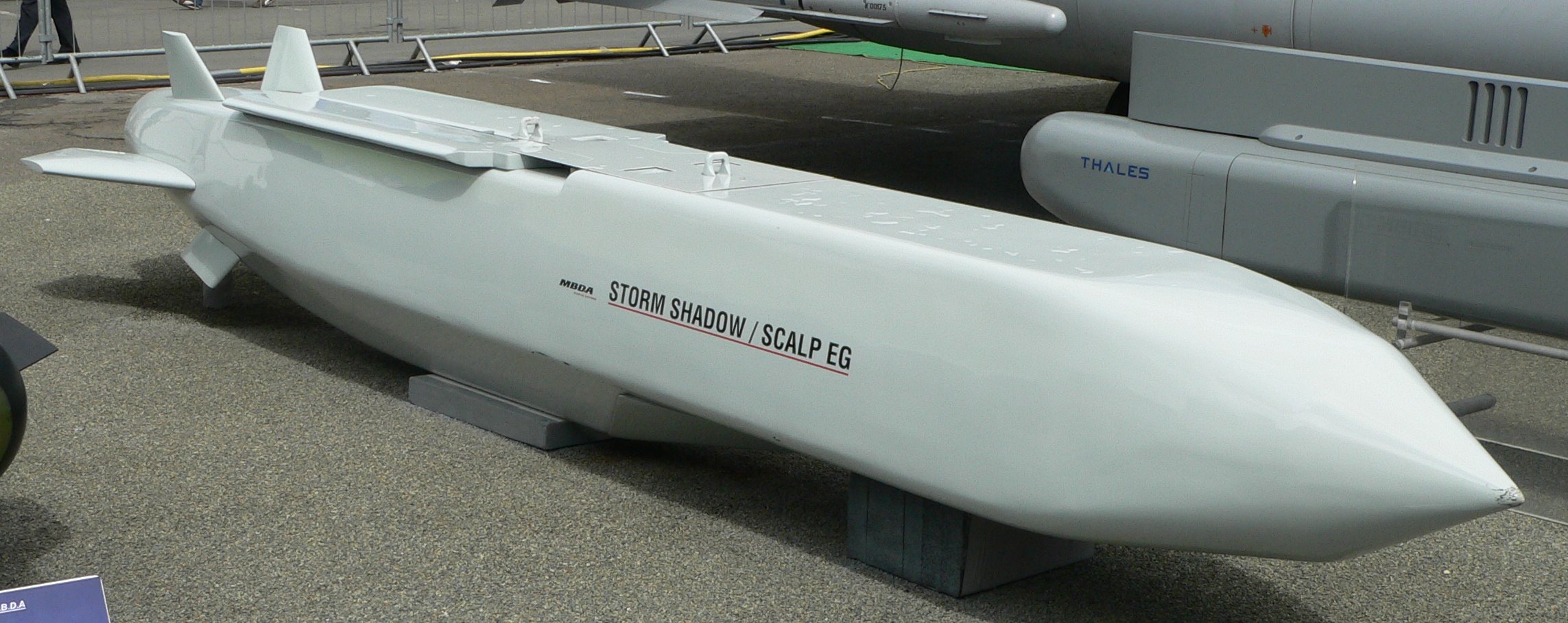
- Country of origin: United Kingdom / France
- Era introduced: 2000s
- Domain: Air
- Guidance type: INS/GPS
- Typical target set: Hardened targets
- What it replaced or reduced: Repeated strike packages
- How it rewarded patience: Stand-off timing
- Combat impact: European deep strike
Storm Shadow enabled patient stand-off strikes, changing how European air forces planned deep attacks.
AGM-88 HARM
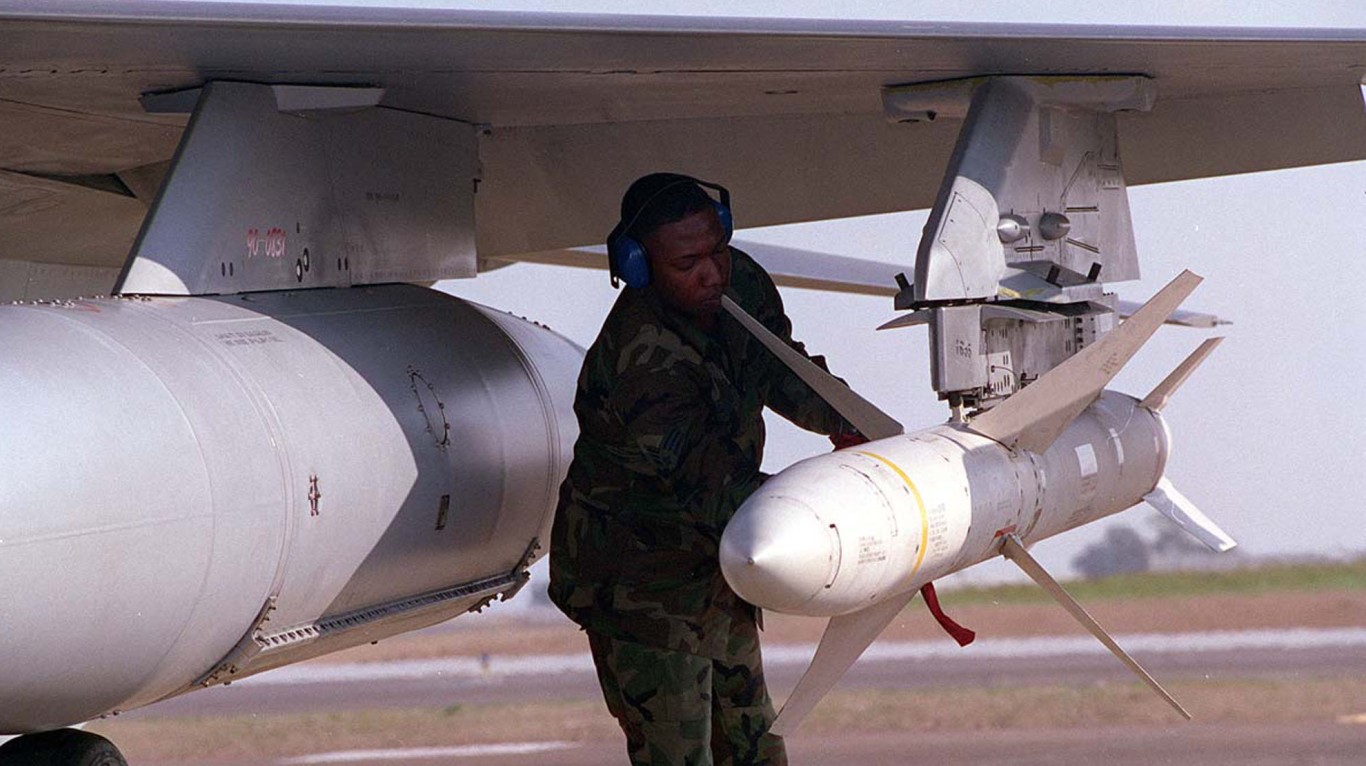
- Country of origin: United States
- Era introduced: 1980s
- Domain: Air
- Guidance type: Passive radar
- Typical target set: Air defenses
- What it replaced or reduced: Area suppression
- How it rewarded patience: Waited for emitter activation
- Combat impact: SEAD patience
HARM missions required patience, often waiting for enemy radars to activate. This rewarded restraint and timing over continuous suppression.
AGM-176 Griffin
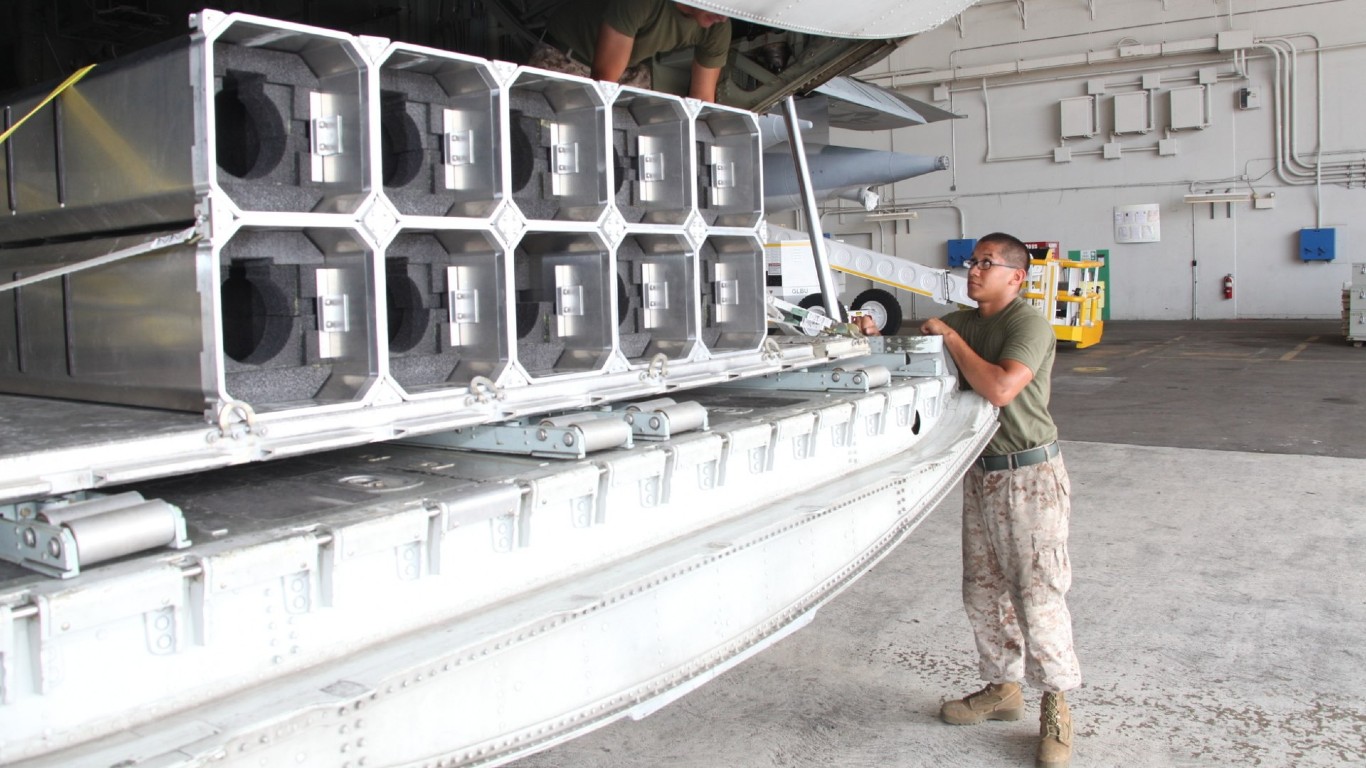
- Country of origin: United States
- Era introduced: 2000s
- Domain: Air
- Guidance type: Laser/GPS
- Typical target set: Light vehicles
- What it replaced or reduced: Larger munitions
- How it rewarded patience: Precision timing
- Combat impact: Low-yield precision
Griffin enabled precise low-yield strikes, allowing operators to wait for clear identification before engagement.
ATACMS

- Country of origin: United States
- Era introduced: 1990s
- Domain: Land
- Guidance type: INS/GPS
- Typical target set: High-value targets
- What it replaced or reduced: MLRS saturation
- How it rewarded patience: Delayed, deliberate launches
- Combat impact: Strategic land precision
Used selectively, ATACMS demonstrated how precision strikes could replace mass rocket fire for strategic targets.
Naval Strike Missile
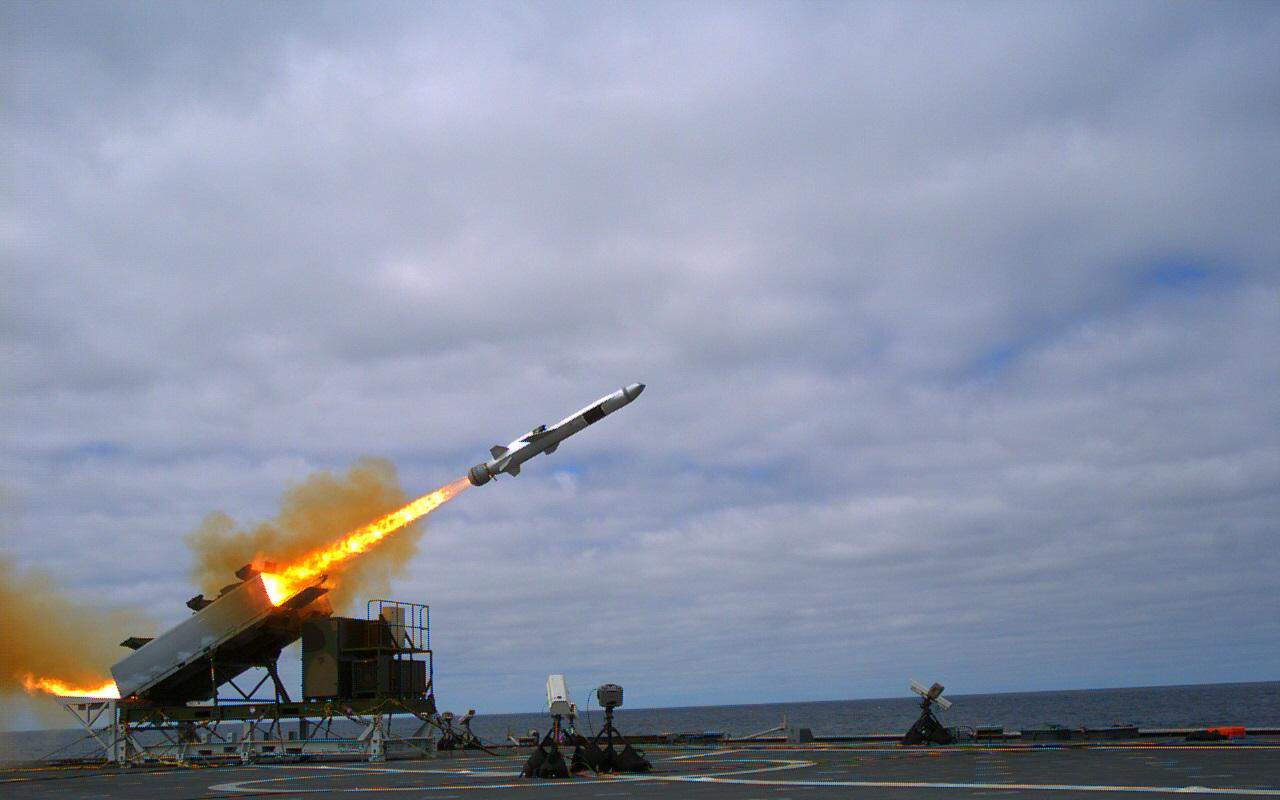
- Country of origin: Norway
- Era introduced: 2000s
- Domain: Sea
- Guidance type: INS/IR
- Typical target set: Surface ships
- What it replaced or reduced: Area naval fires
- How it rewarded patience: Target confirmation before strike
- Combat impact: Naval precision shift
NSM emphasized patience and discrimination in naval warfare, favoring precise targeting over volume.
Harpoon (Precision Variants)
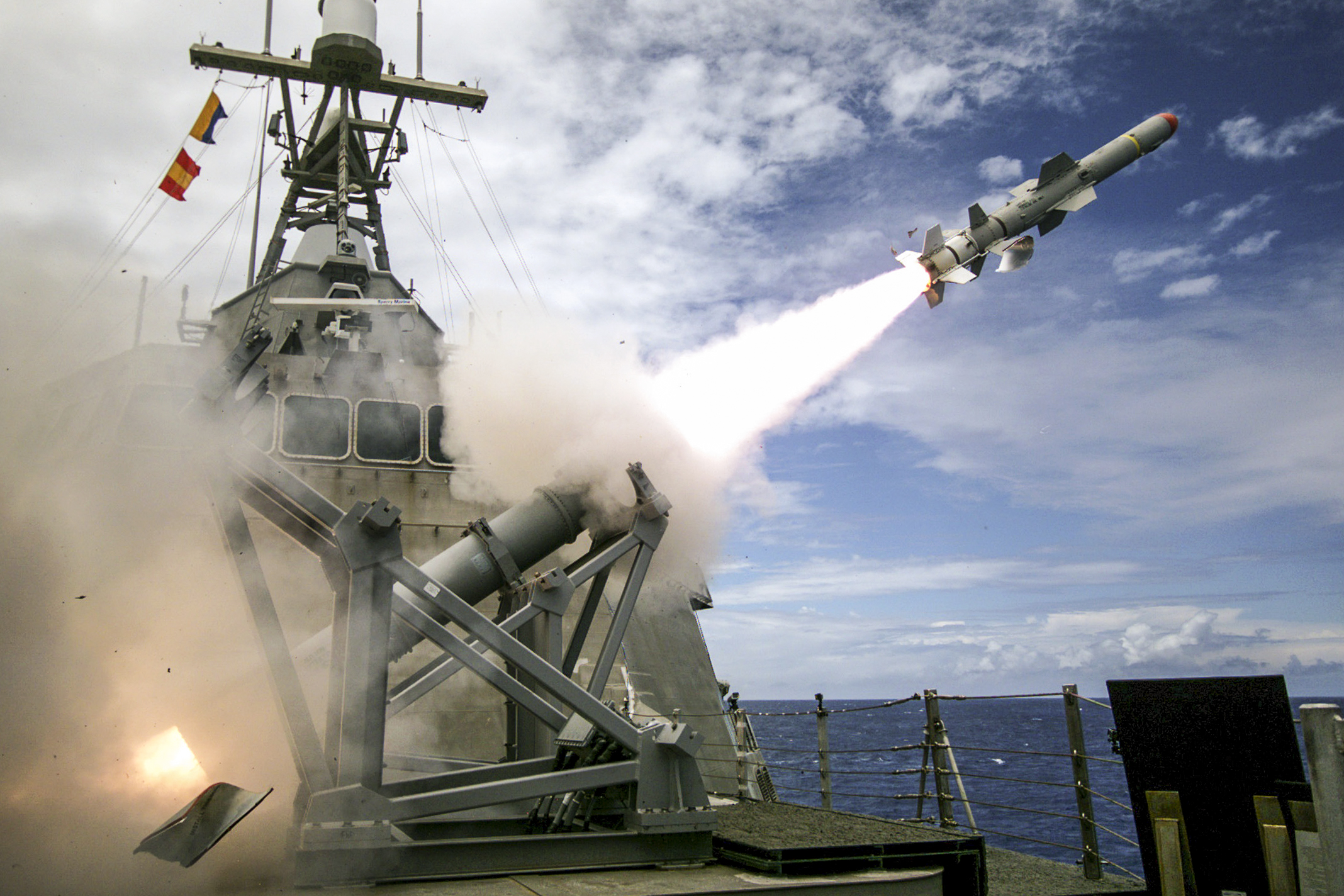
- Country of origin: United States
- Era introduced: 1980s
- Domain: Sea
- Guidance type: Active radar
- Typical target set: Surface ships
- What it replaced or reduced: Salvo tactics
- How it rewarded patience: Selective engagement
- Combat impact: Evolving naval precision
Later Harpoon variants supported deliberate targeting, reducing reliance on massed salvos.
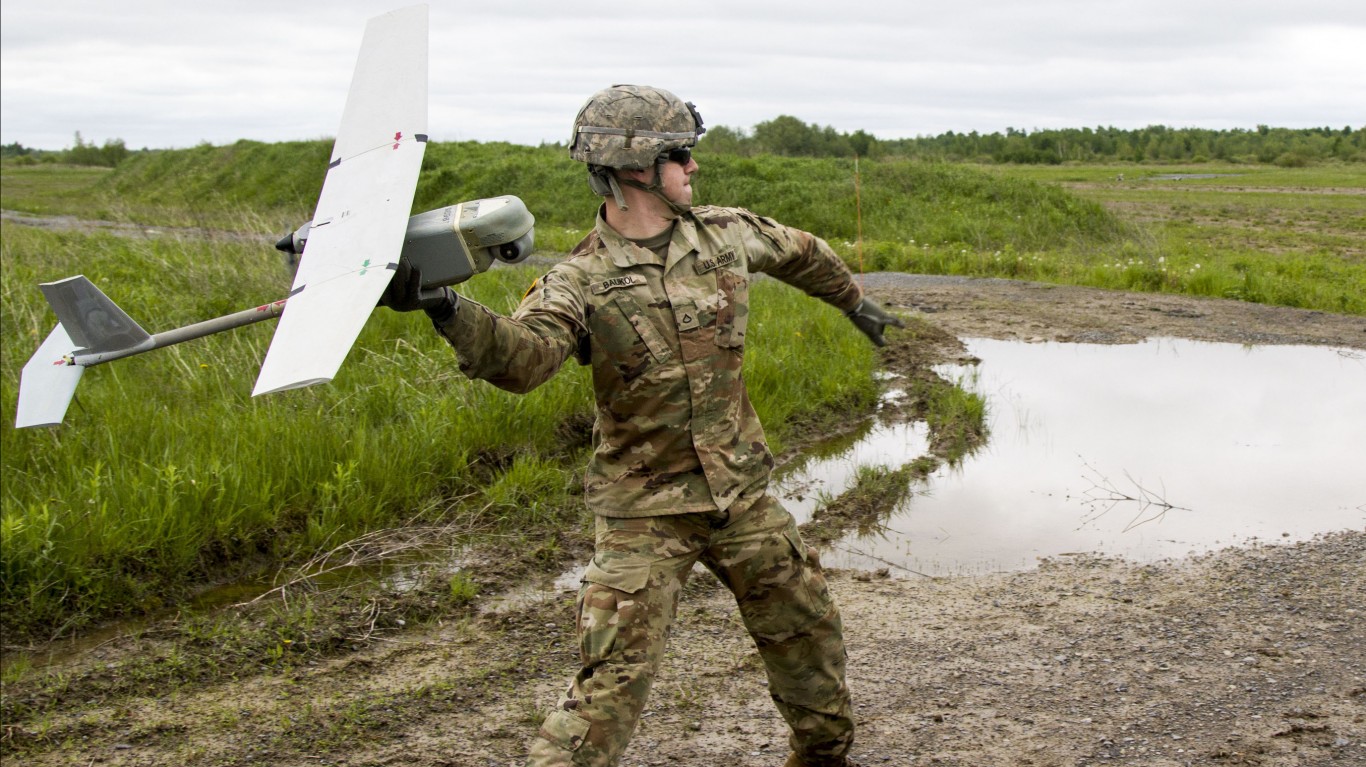
Loitering Munitions

- Country of origin: Various
- Era introduced: 2000s
- Domain: Air
- Guidance type: EO/GPS
- Typical target set: Mobile targets
- What it replaced or reduced: Immediate fires
- How it rewarded patience: Extended observation
- Combat impact: Patience weaponized
Loitering munitions inverted the firepower model, allowing operators to wait and strike at the ideal moment.
GMLRS (Precision Use)
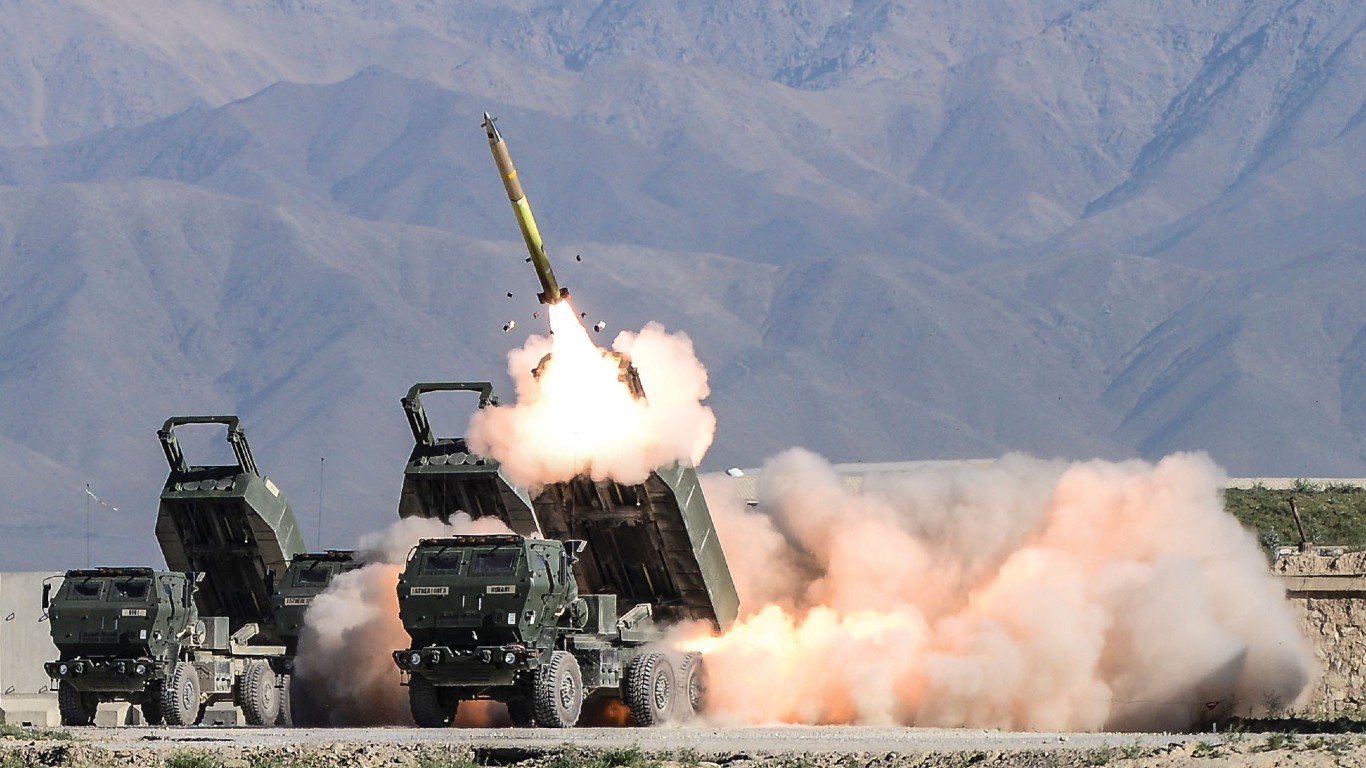
- Country of origin: United States
- Era introduced: 2000s
- Domain: Land
- Guidance type: GPS
- Typical target set: Point targets
- What it replaced or reduced: Rocket saturation
- How it rewarded patience: Delayed fires
- Combat impact: Rocket restraint
Precision GMLRS employment reduced rocket salvos to single, timed strikes.
PGK Artillery Fuse
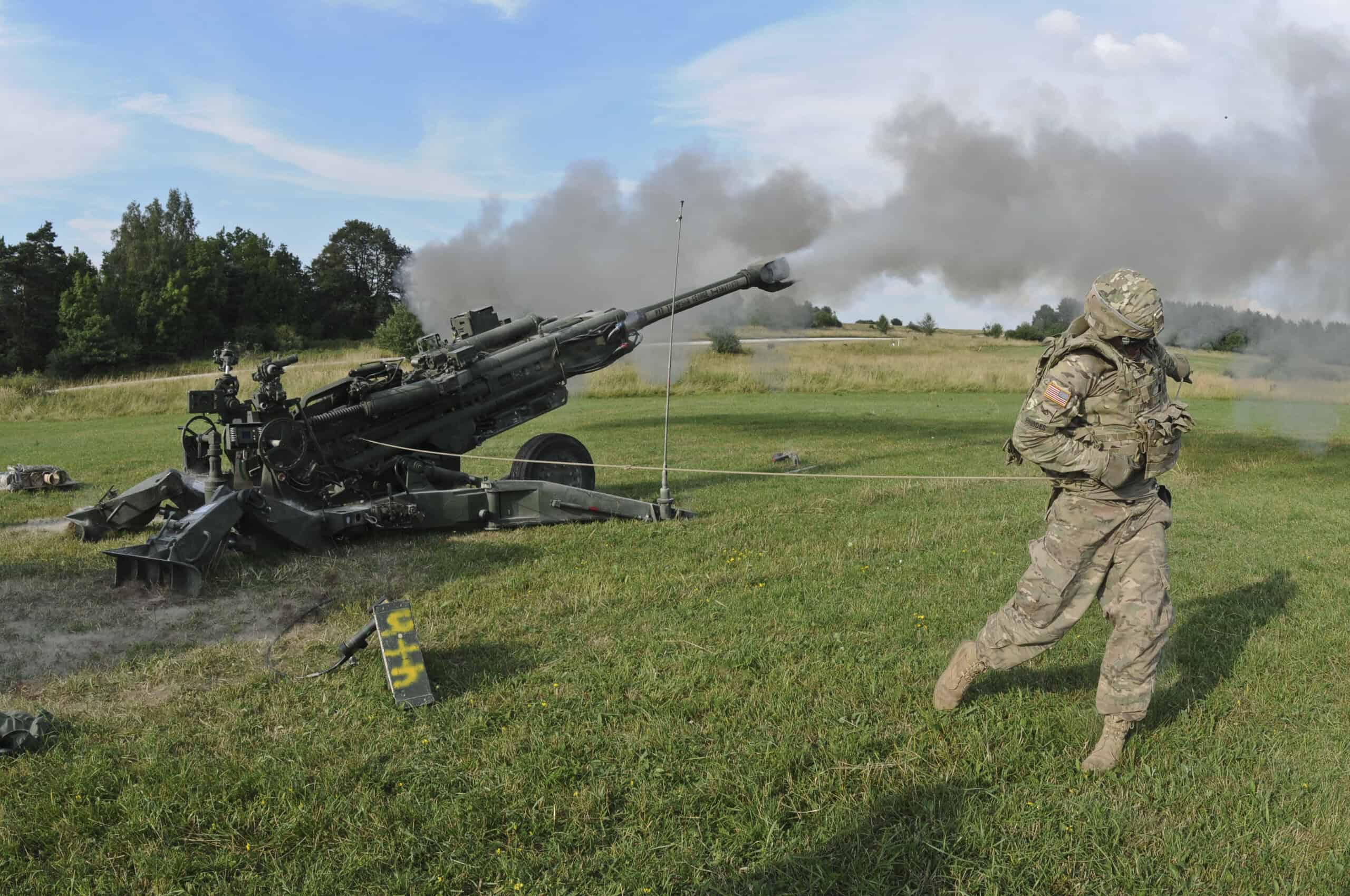
- Country of origin: United States
- Era introduced: 2010s
- Domain: Land
- Guidance type: GPS
- Typical target set: Area targets
- What it replaced or reduced: Wide CEP fires
- How it rewarded patience: Improved accuracy per round
- Combat impact: Incremental precision
PGK turned conventional shells into precision tools, encouraging restraint.
Sniper Rifle Systems

- Country of origin: Various
- Era introduced: 20th Century
- Domain: Land
- Guidance type: Optical
- Typical target set: High-value individuals
- What it replaced or reduced: Suppressive fire
- How it rewarded patience: Waiting for the shot
- Combat impact: Precision patience
Sniper systems reward patience above all, replacing volume with deliberate engagement.
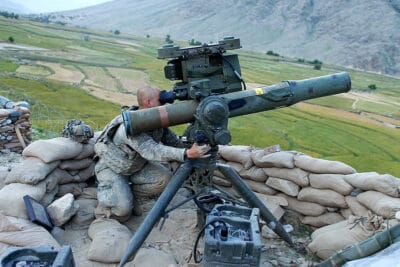
TOW (Late Variants)
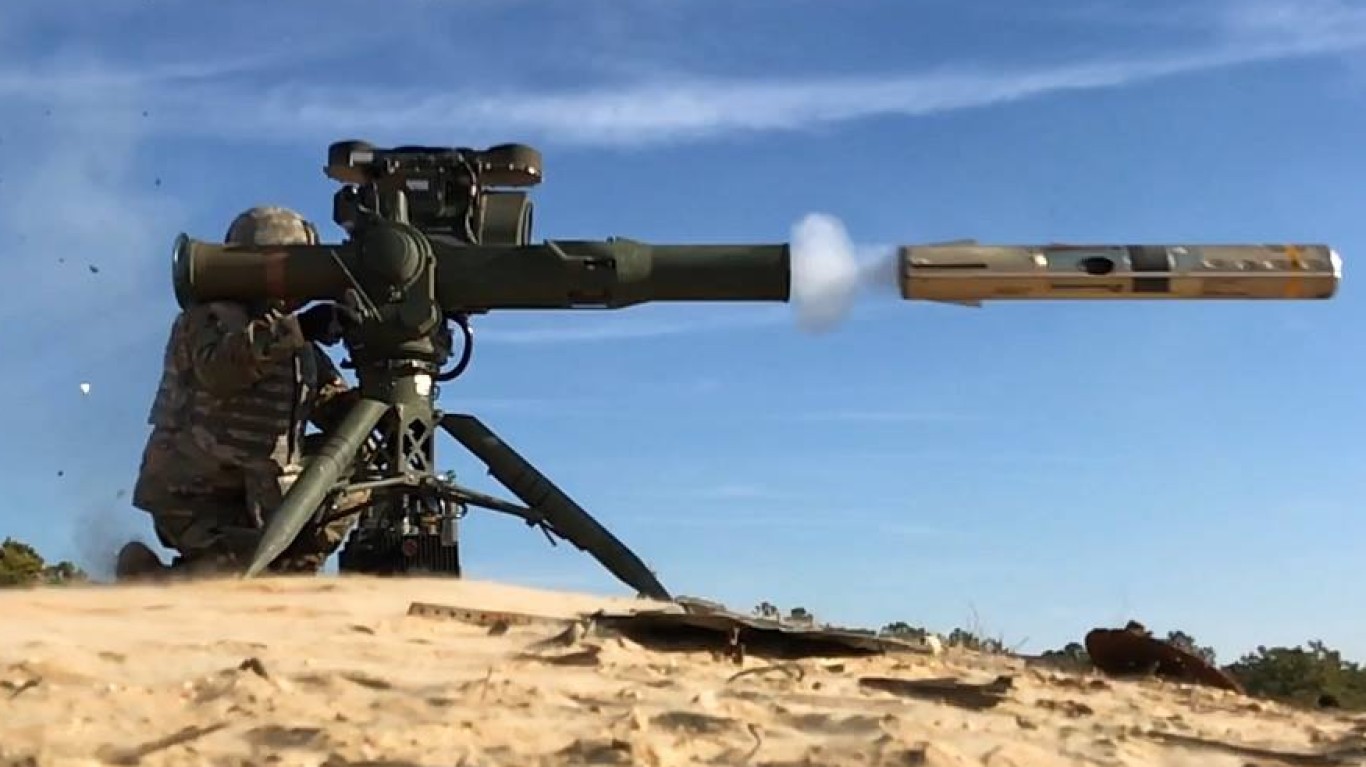
- Country of origin: United States
- Era introduced: 1970s
- Domain: Land
- Guidance type: Wire-guided
- Typical target set: Armor
- What it replaced or reduced: Mass anti-armor fire
- How it rewarded patience: Controlled engagement
- Combat impact: AT precision
Later TOW employment emphasized careful tracking rather than rapid firing.
Javelin
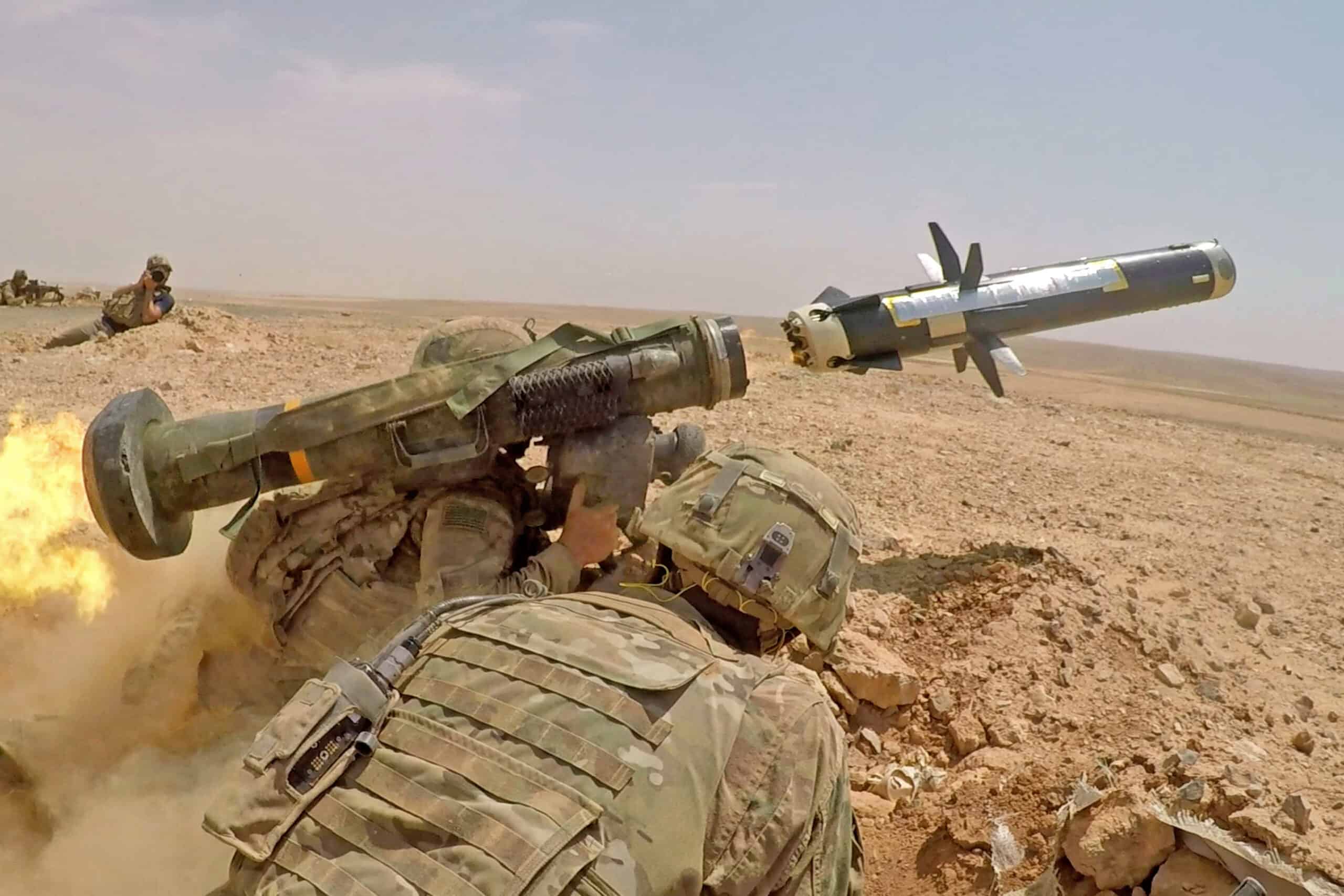
- Country of origin: United States
- Era introduced: 1990s
- Domain: Land
- Guidance type: IR
- Typical target set: Armor
- What it replaced or reduced: Saturation AT fire
- How it rewarded patience: One-shot certainty
- Combat impact: Infantry precision
Javelin allowed infantry to wait for ideal engagement conditions, reducing exposure and ammunition use.
APKWS
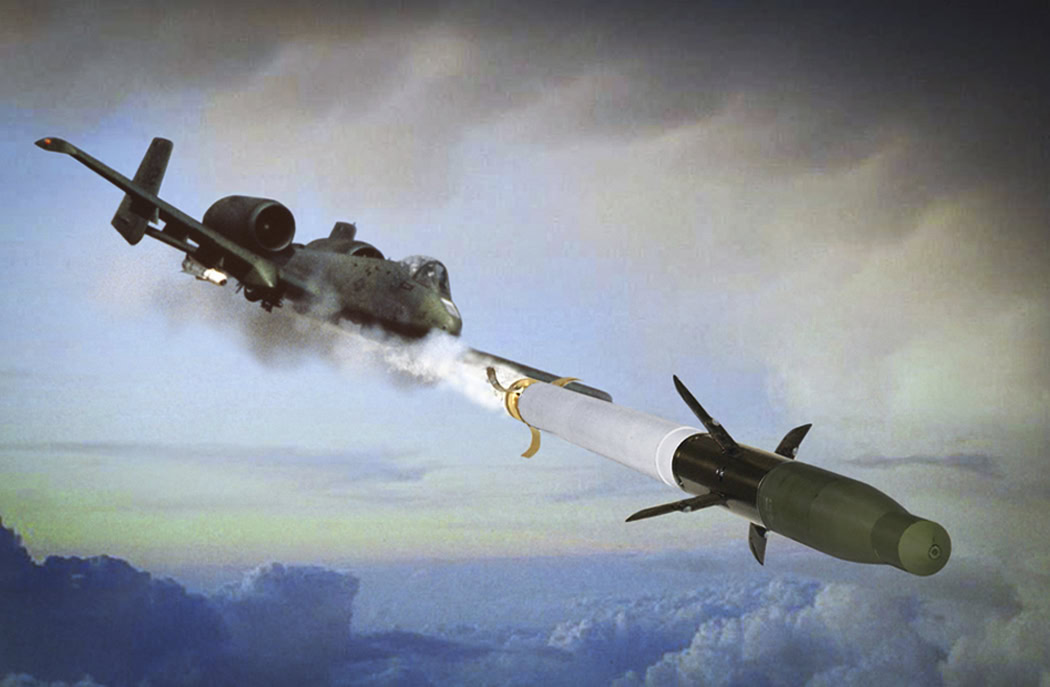
- Country of origin: United States
- Era introduced: 2000s
- Domain: Air
- Guidance type: Laser
- Typical target set: Light targets
- What it replaced or reduced: Unguided rockets
- How it rewarded patience: Selective fire
- Combat impact: Rocket precision
APKWS converted rockets into patient precision weapons.
SDB II / StormBreaker
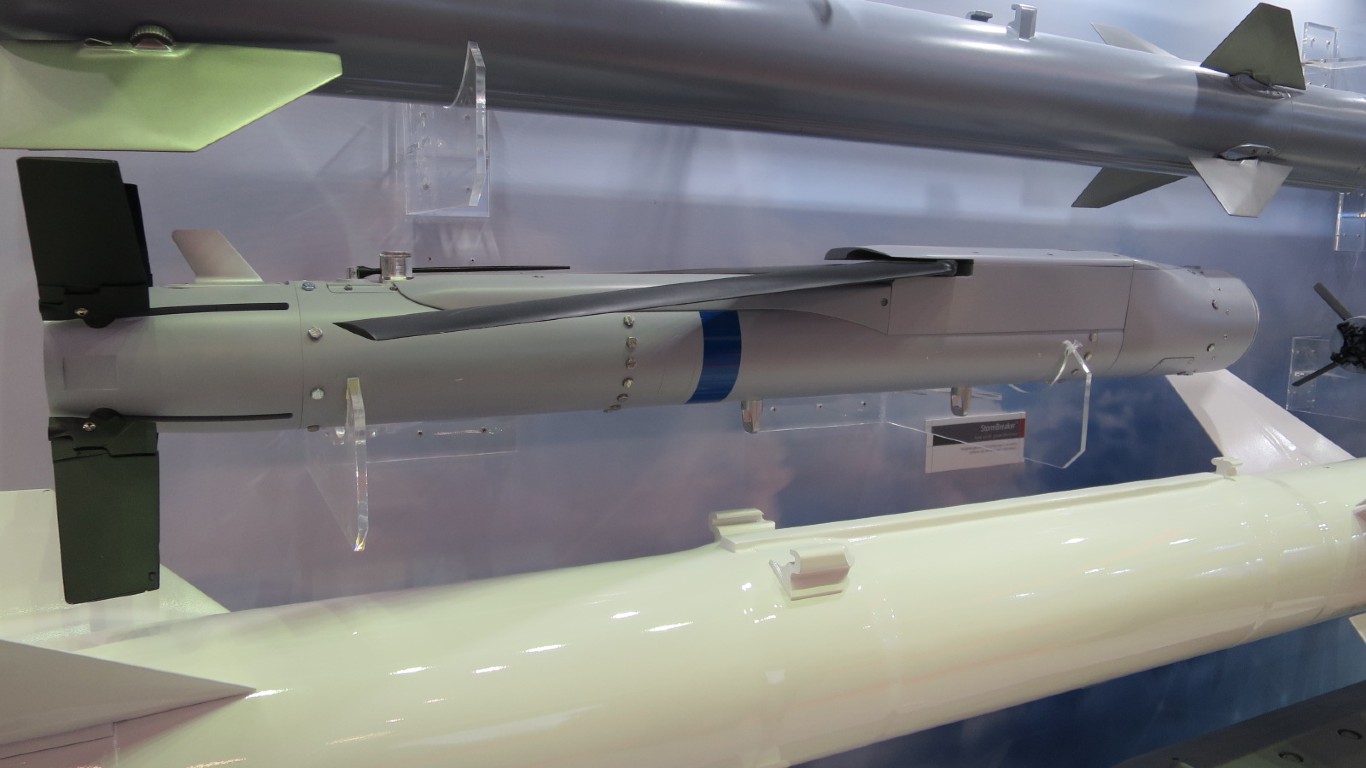
- Country of origin: United States
- Era introduced: 2010s
- Domain: Air
- Guidance type: Multi-mode
- Typical target set: Moving targets
- What it replaced or reduced: Repeated strikes
- How it rewarded patience: All-weather patience
- Combat impact: Advanced precision
StormBreaker rewarded patience by enabling reliable engagement in poor conditions.
Hellfire Romeo
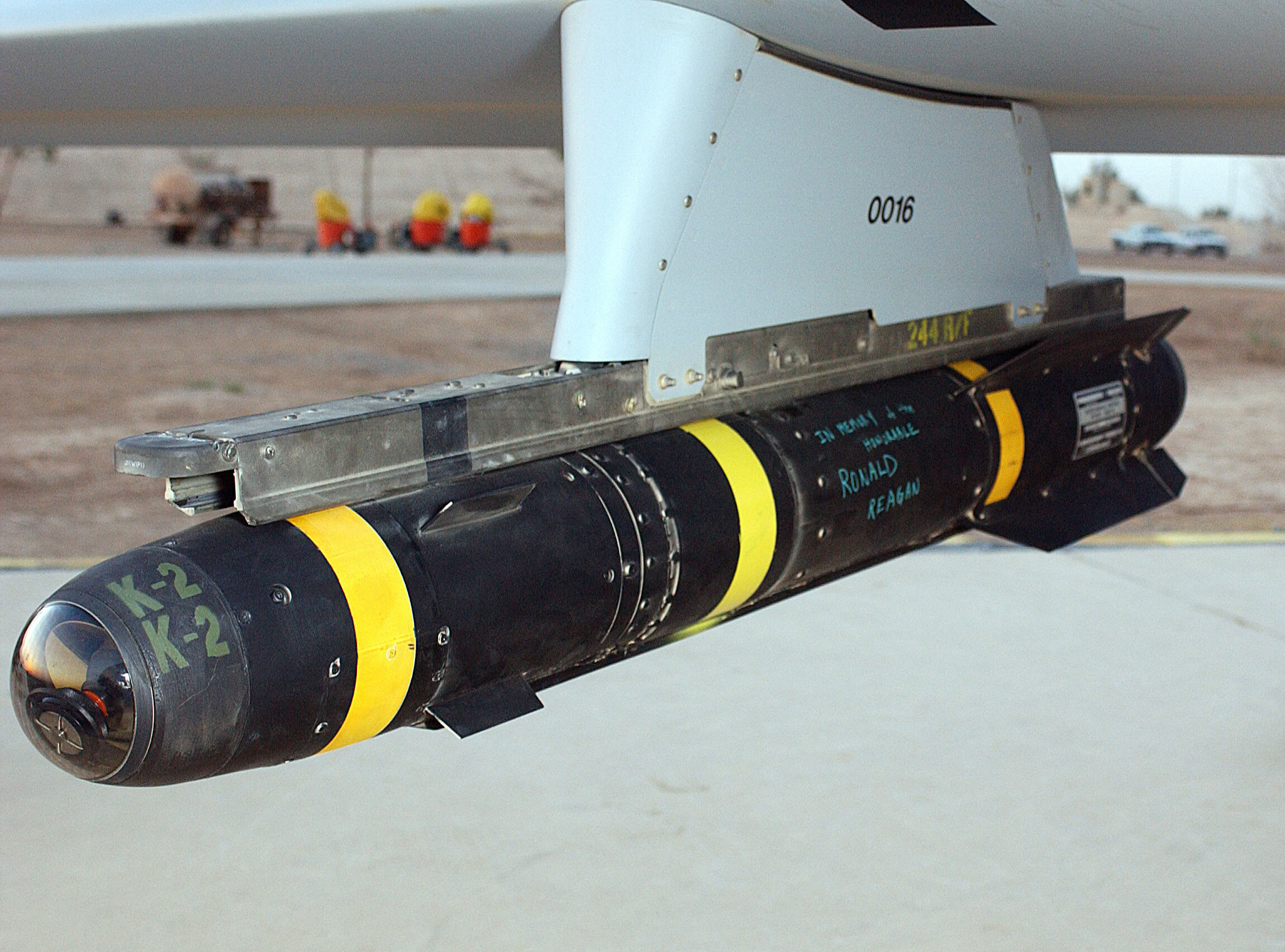
- Country of origin: United States
- Era introduced: 2010s
- Domain: Air
- Guidance type: Multi-mode
- Typical target set: Dynamic targets
- What it replaced or reduced: Earlier variants
- How it rewarded patience: Improved engagement timing
- Combat impact: Refined precision
The Romeo variant refined Hellfire employment, enhancing patience and flexibility.
SPICE
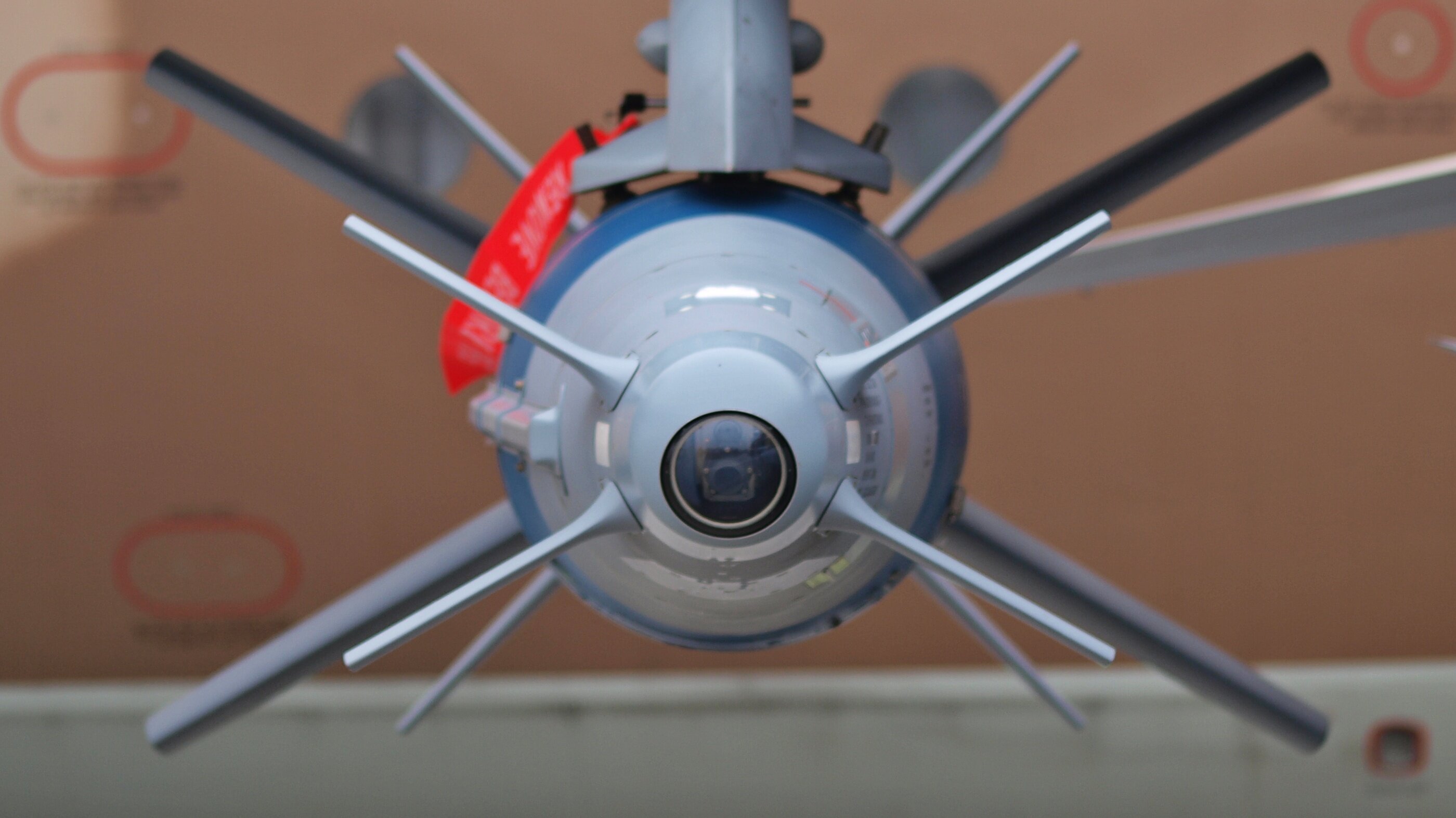
- Country of origin: Israel
- Era introduced: 2000s
- Domain: Air
- Guidance type: EO/GPS
- Typical target set: Fixed targets
- What it replaced or reduced: Unguided bombing
- How it rewarded patience: Pre-strike planning
- Combat impact: Precision kits
SPICE kits reinforced deliberate planning and patient targeting.
Kalibr
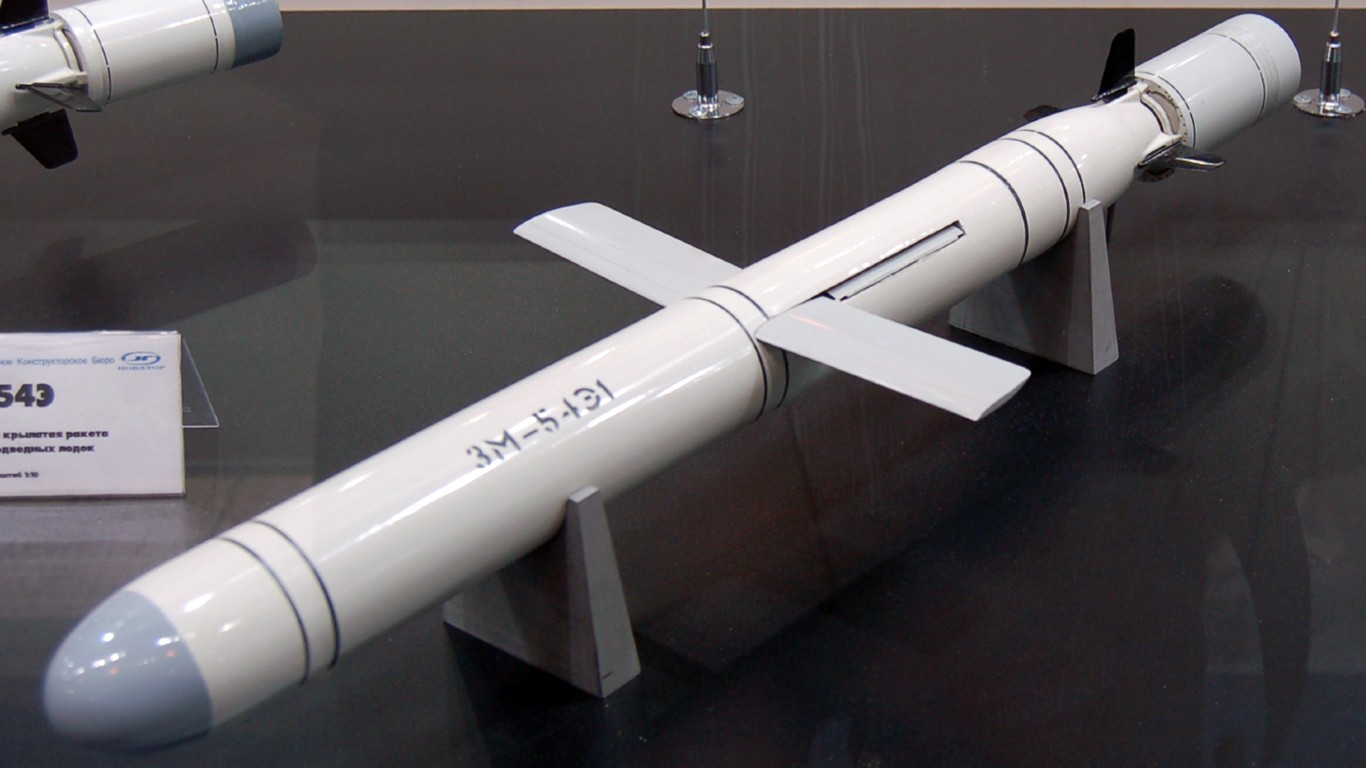
- Country of origin: Russia
- Era introduced: 2000s
- Domain: Sea
- Guidance type: INS/GPS
- Typical target set: Strategic targets
- What it replaced or reduced: Naval gunfire
- How it rewarded patience: Long-range timing
- Combat impact: Strategic patience
Kalibr cruise missiles emphasized long-range, patient strike planning over mass naval fires.








 Top Gaining Stocks
 Top Losing Stocks