


In military service, reliability is priceless, at least until the bill comes due. Some vehicles earned legendary status because they rarely failed in combat and delivered results under pressure. The problem was what it took to keep them that way. Heavy fuel use, maintenance-intensive systems, specialized parts, and recovery demands typically followed these platforms wherever they deployed. Here, 24/7 Wall St. is taking a closer look at reliable military vehicles that were logistically expensive.
To determine the military vehicles that were reliable but logistically expensive, 24/7 Wall St. reviewed various historical and military sources. We included supplemental information regarding each vehicle’s country of origin, era, operational reputation, its primary strength, and why the logistical cost was high.
Here is a look at military vehicles that were way too logistically expensive:
Why Are We Covering This?
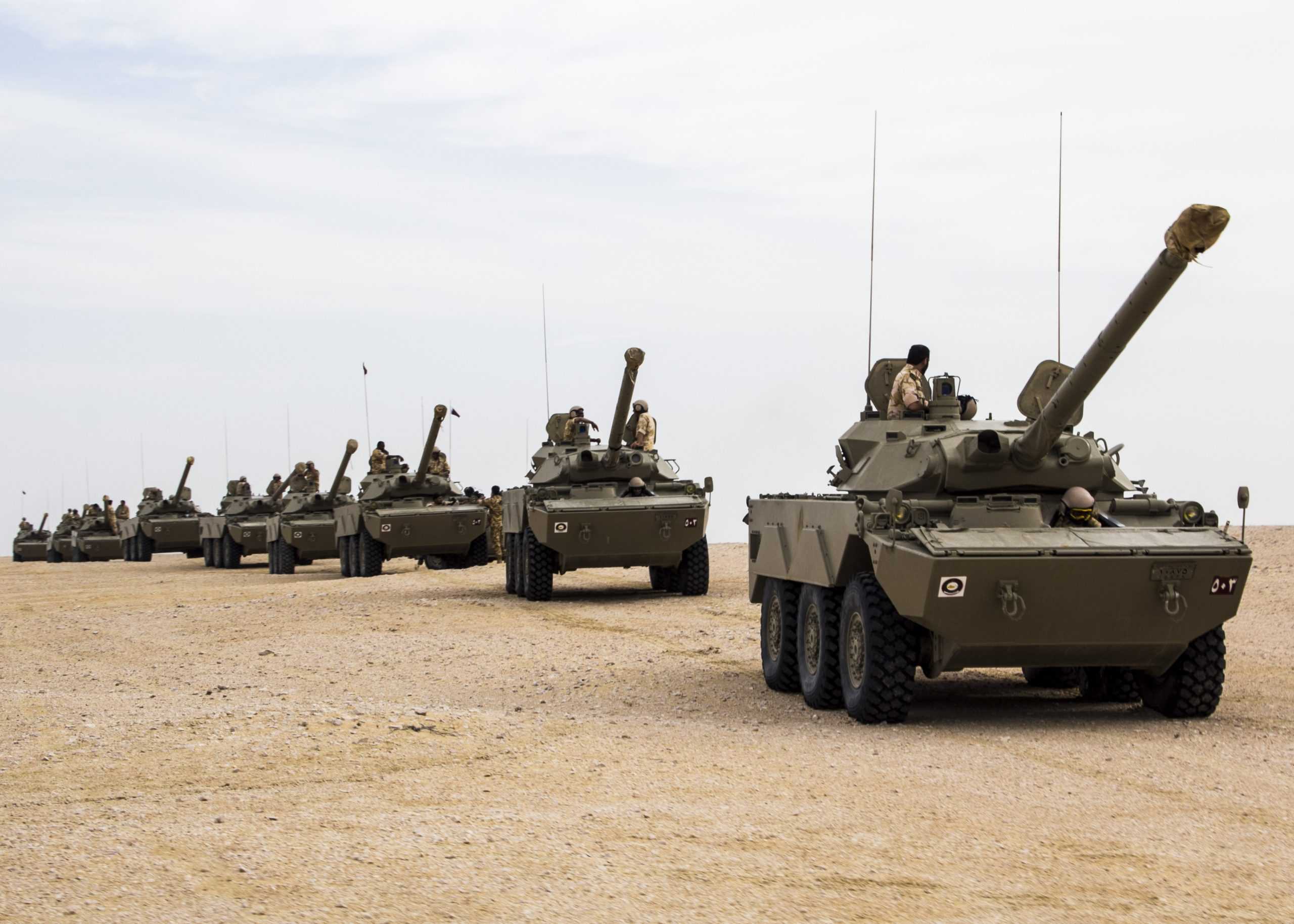
Understanding the difference between battlefield reliability and logistical efficiency helps explain why some of history’s most trusted military vehicles also became some of the most expensive to sustain. These platforms often performed exactly as designed under fire, earning the confidence of crews and commanders alike. Yet their success depended on fuel convoys, maintenance crews, spare parts pipelines, and recovery assets that quietly shaped operational limits. Examining these vehicles highlights how logistics, not just performance, determines whether military power can be sustained over time.
Reliability Isn’t the Same as Efficiency
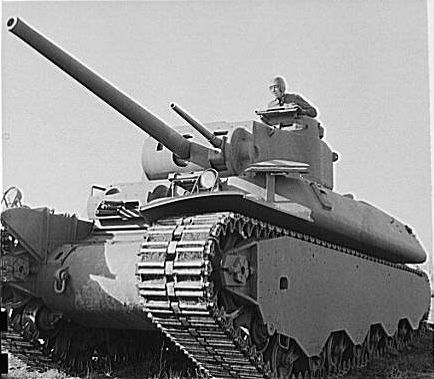
Some military vehicles earn legendary reputations because they keep working when conditions are bad and combat is unforgiving. Crews trust them, commanders plan around them, and units depend on them to show up when it matters most. But battlefield reliability does not automatically translate into strategic efficiency. In many cases, the vehicles that performed best tactically placed heavy, sometimes hidden, burdens on logistics systems that followed them everywhere they deployed.
The Hidden Cost of Staying Operational
![Iraq+military | A new generation of tanker for a new generation of Iraqi military [Image 6 of 9]](https://a673b.bigscoots-temp.com/wp-content/uploads/2025/09/imageForEntry9-GAs.jpg)
Fuel consumption, spare parts, recovery assets, maintenance hours, and trained personnel all shape whether a vehicle can stay in the fight. Some platforms were mechanically dependable but demanded constant attention behind the lines. These costs rarely appeared in after-action reports, yet they shaped how far units could advance, how long they could operate, and how many vehicles could realistically be sustained at any given time.
When Support Systems Decide the Outcome
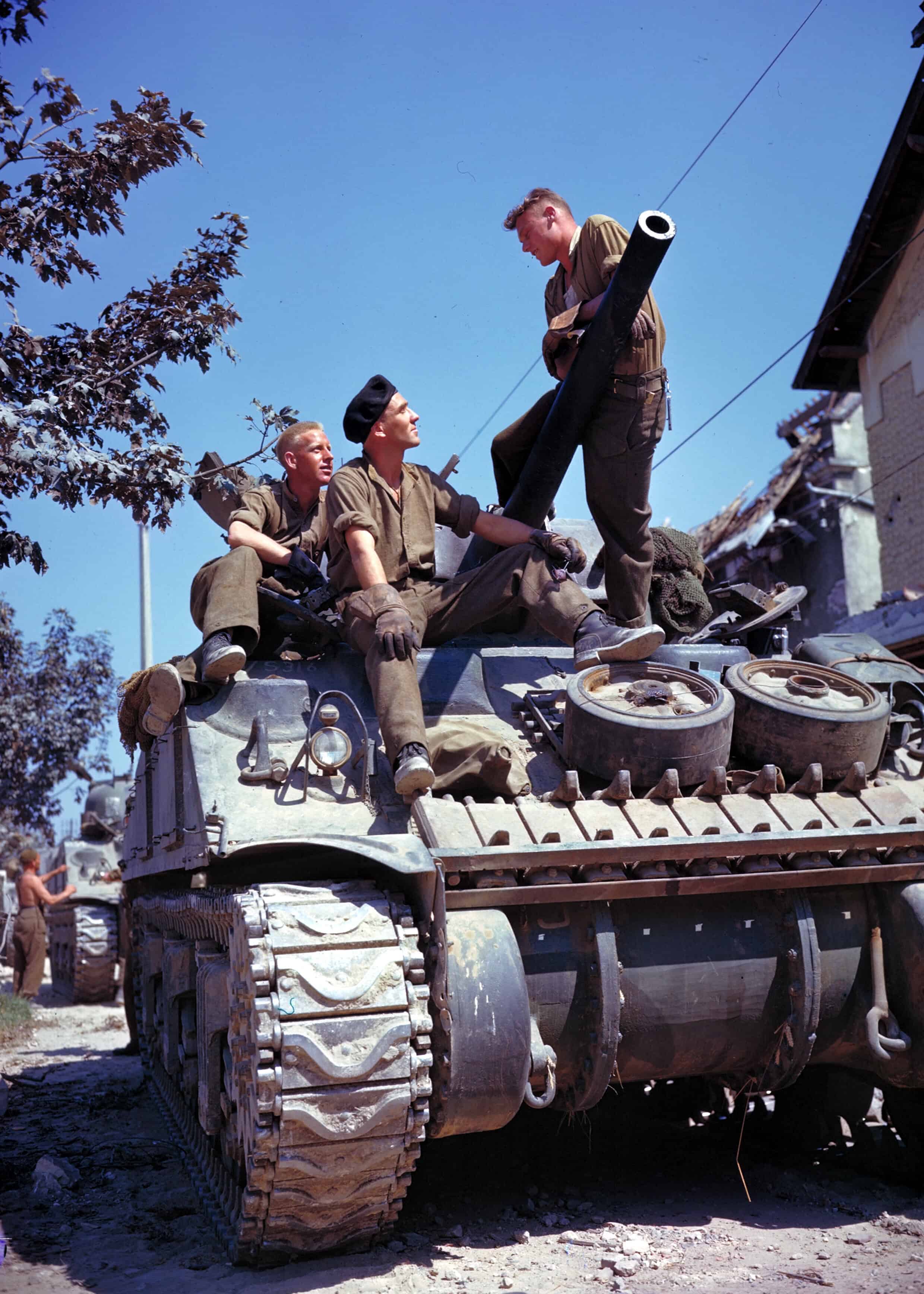
A reliable vehicle only stays reliable if its support network holds together. Heavy armor, advanced electronics, and high-performance engines often required deep supply chains and specialized maintenance. When those systems functioned properly, these vehicles were formidable. When they faltered, even proven platforms could become operational liabilities, slowing tempo and forcing commanders to reshape plans around sustainment constraints rather than battlefield opportunity.
Why Armies Still Accepted the Tradeoff
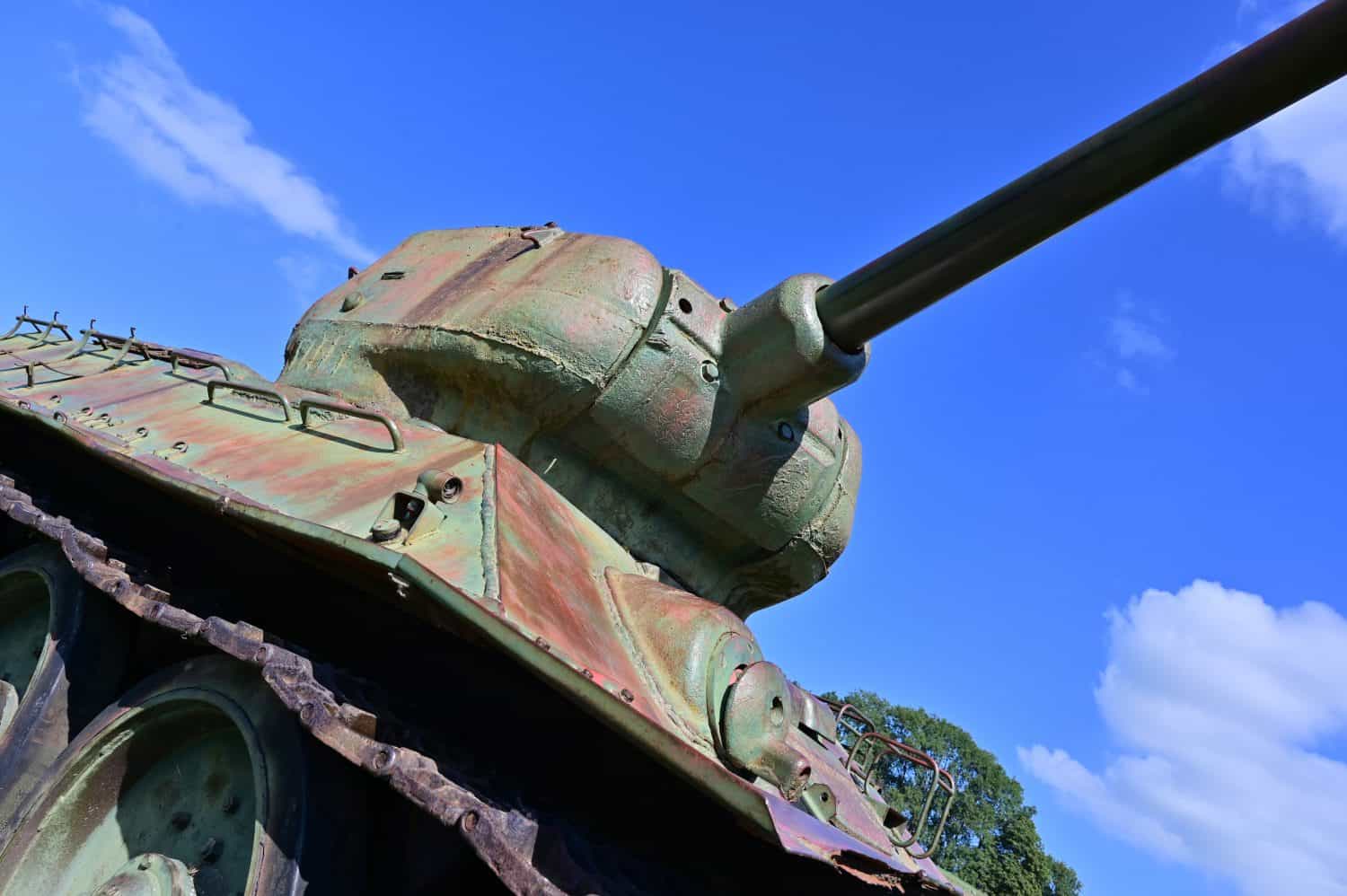
Despite the expense, militaries repeatedly accepted these vehicles because reliability under fire carries enormous value. A tank that always starts, a recovery vehicle that never quits, or an artillery system that sustains punishing fire rates can outweigh logistical pain. Many armies concluded that paying more in fuel, parts, and manpower was preferable to risking failure in combat when reliability mattered most.
Performance Bought with Logistics
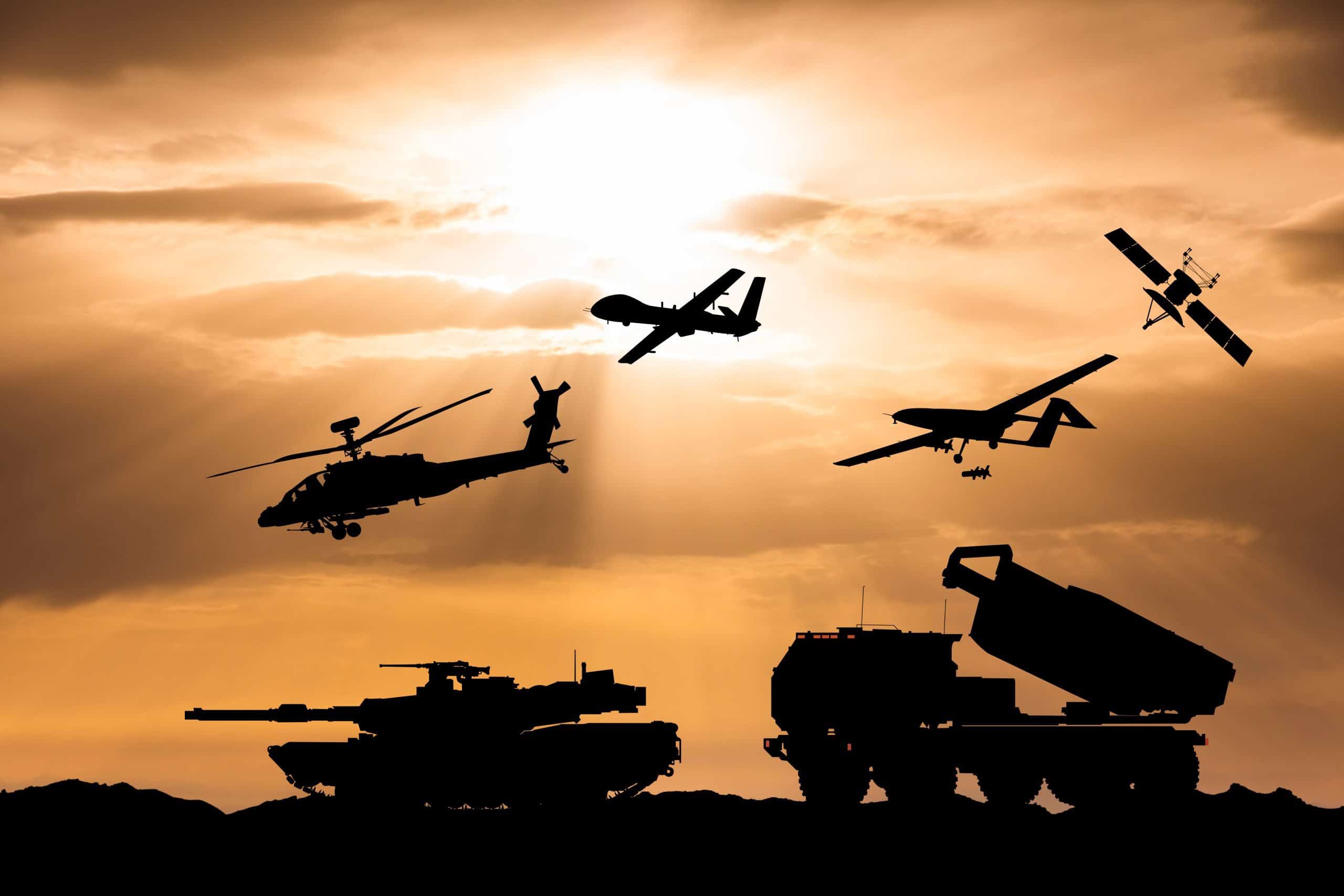
This list examines military vehicles that proved themselves where it counted, but only because logistics worked overtime to keep them there. From heavy tanks to recovery vehicles and artillery systems, these platforms highlight a recurring truth of modern warfare: reliability is rarely free. It is often purchased with fuel convoys, maintenance crews, spare parts stockpiles, and planning discipline extending far beyond the front line.
M1 Abrams (all variants)
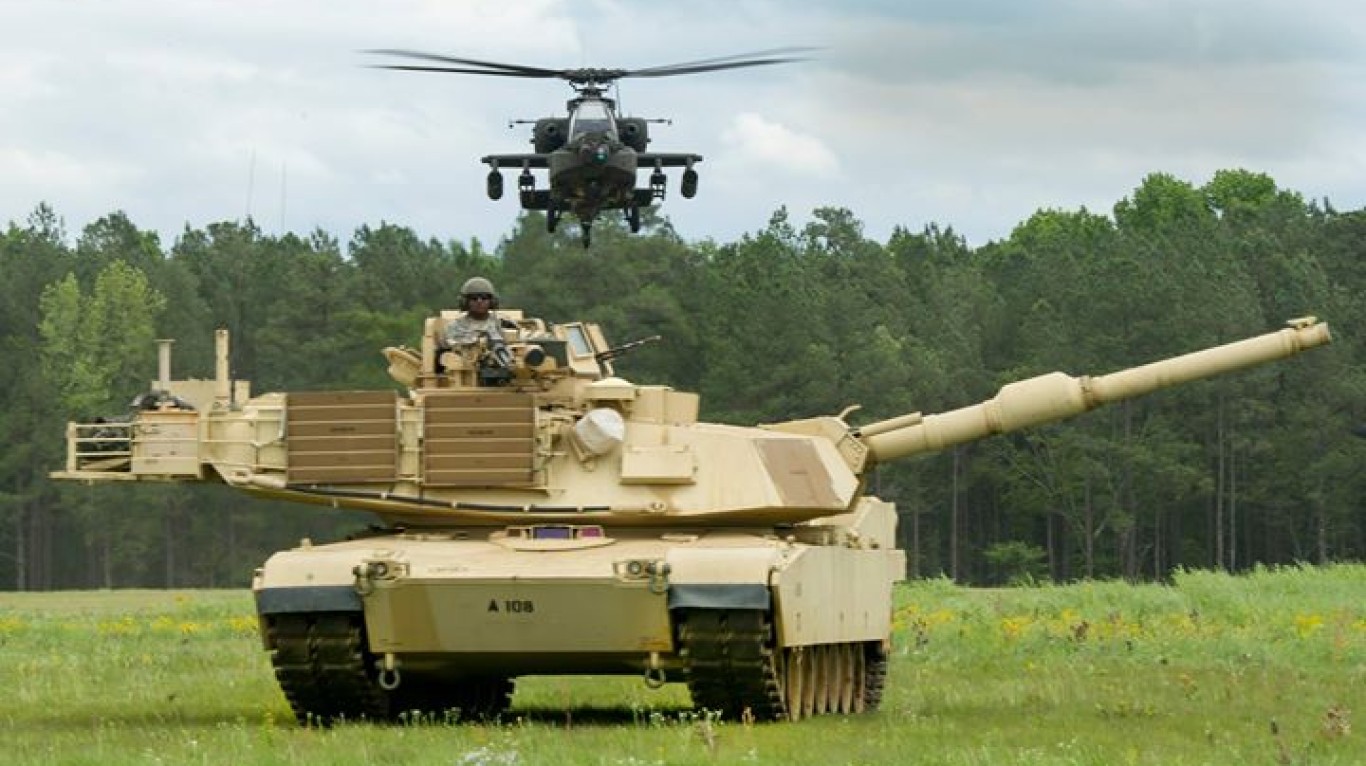
- Country of origin: United States
- Vehicle type: Main Battle Tank (MBT)
- Era introduced: Cold War
- Operational reputation: Battle-proven, dependable under harsh conditions
- Primary strength: Survivability and firepower
- Logistical cost driver: High fuel use; turbine-specific maintenance and parts
- Operational impact of logistics: Requires large fuel convoys and heavy maintenance support to sustain tempo
The M1 Abrams is widely trusted for staying operational in punishing conditions while delivering top-tier protection and firepower. But that reliability comes with a steep sustainment bill. Its turbine appetite drives heavy fuel demand, and the platform’s weight and specialized components increase recovery, transport, and depot-level requirements. The Abrams wins fights, yet it pulls a large logistical tail wherever it goes.
Tiger I
.jpg "panzer by Gru00f6nert")
- Country of origin: Germany
- Vehicle type: Heavy Tank
- Era introduced: WWII
- Operational reputation: Reliable when properly maintained; formidable in the field
- Primary strength: Armor and 88mm firepower
- Logistical cost driver: Complex drivetrain; heavy weight; limited spares and recovery assets
- Operational impact of logistics: Breakdowns and recovery often slowed operations and concentrated support assets
The Tiger I could be mechanically dependable in the hands of skilled crews, and its armor and gun made it a battlefield anchor. The price was logistics. Its complex components and heavy weight demanded careful maintenance, plentiful spares, and specialized recovery. Moving Tigers stressed bridges, rail, and transport planning. The tank was reliable in combat, but expensive and slow to sustain across a wide front.
Churchill Infantry Tank
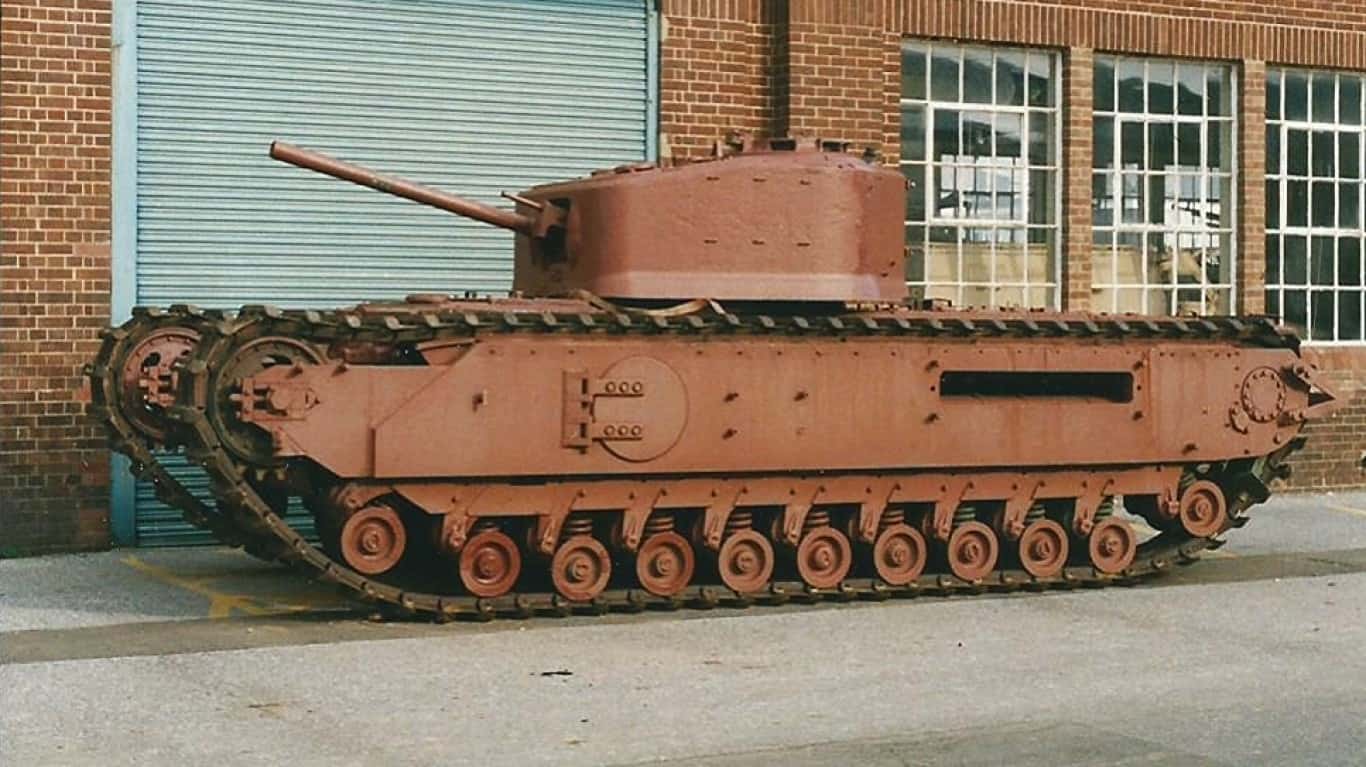
- Country of origin: United Kingdom
- Vehicle type: Infantry Tank
- Era introduced: WWII
- Operational reputation: Rugged and dependable over long periods
- Primary strength: Cross-country mobility and armor resilience
- Logistical cost driver: Heavy weight; complex track and suspension maintenance
- Operational impact of logistics: High parts usage and maintenance hours, especially in sustained operations
The Churchill became a reputation tank: slow, but rugged, and often still moving when others broke down. That dependability carried a cost. Its heavy chassis and intricate running gear demanded frequent inspection and replacement of track and suspension components. Moving it also taxed transport planning and recovery units. Churchill formations could be reliable under fire, yet they consumed time, parts, and manpower to sustain.
Merkava Mk IV
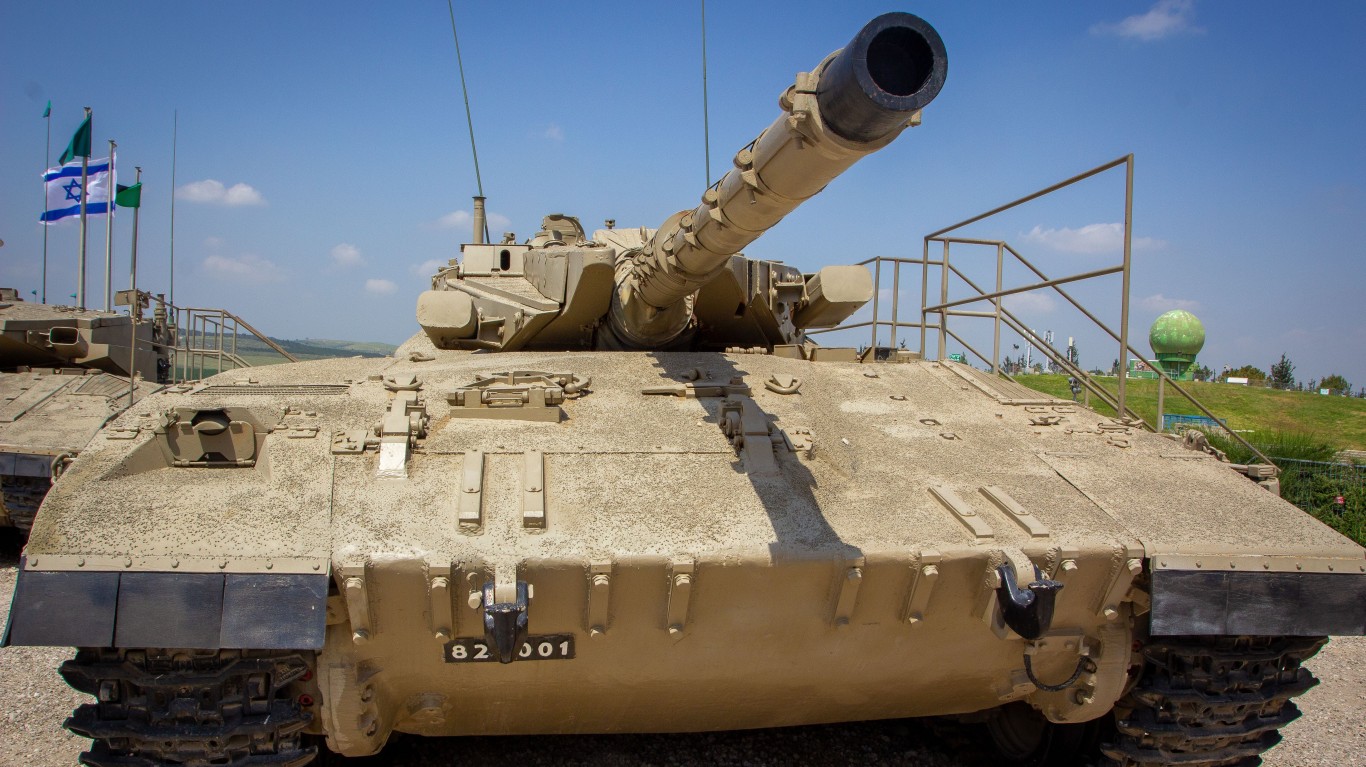
- Country of origin: Israel
- Vehicle type: Main Battle Tank (MBT)
- Era introduced: Modern
- Operational reputation: Highly reliable in Israeli service
- Primary strength: Crew protection and urban survivability
- Logistical cost driver: High-end subsystems; heavy armor modules; maintenance-intensive protection suites
- Operational impact of logistics: Requires specialized spares, sensors support, and depot capacity for modular armor
The Merkava Mk IV is built around crew survival and sustained fighting power, and it is widely viewed as dependable in Israeli operations. But its layered protection and advanced systems are costly to maintain. Heavy modular armor, protection suites, and sensors increase parts demand and repair complexity. Even when the vehicle stays reliable in combat, the sustainment chain must be deep and specialized to keep availability high.
Challenger 2
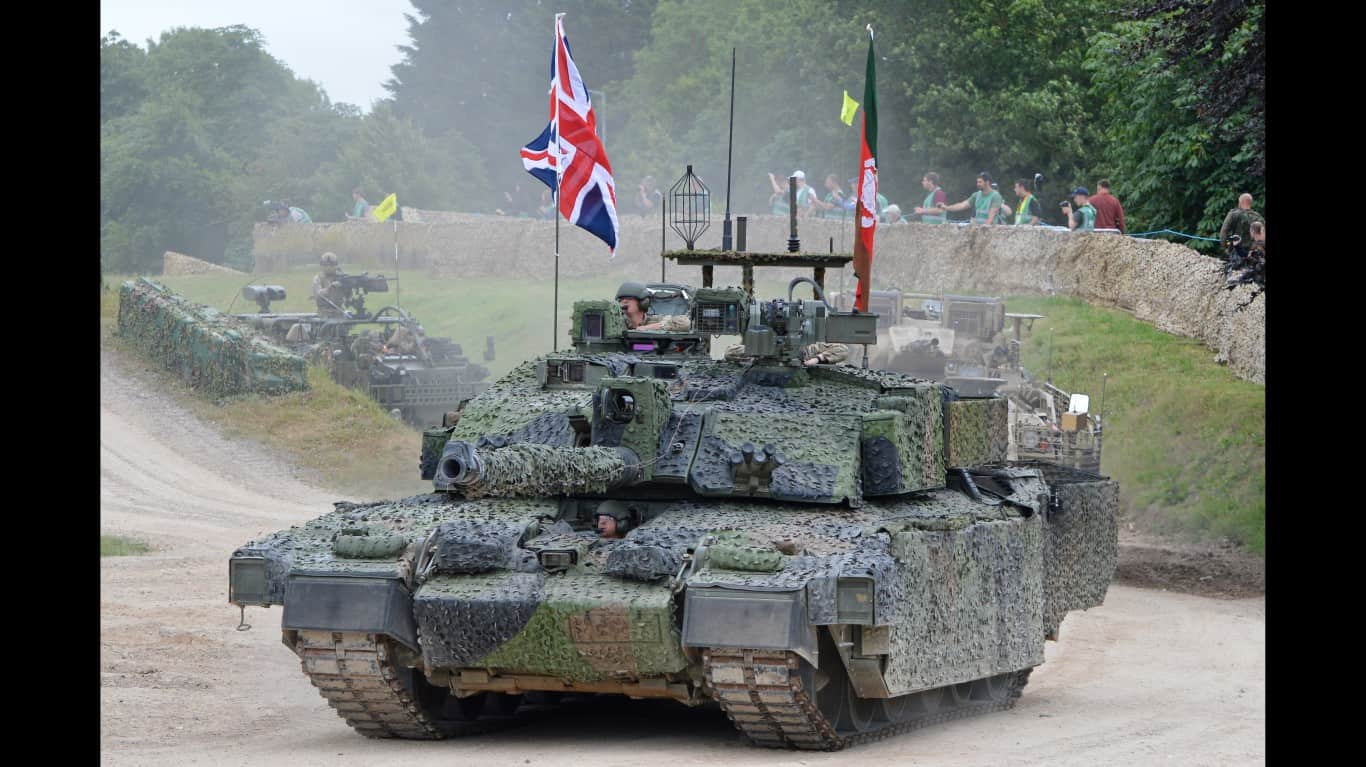
- Country of origin: United Kingdom
- Vehicle type: Main Battle Tank (MBT)
- Era introduced: Post–Cold War
- Operational reputation: Robust, reliable, and crew-trusted
- Primary strength: Armor protection and gunnery stability
- Logistical cost driver: Small fleet sustainment; heavy components; specialized spares
- Operational impact of logistics: High per-vehicle cost to maintain readiness and supply unique parts
Challenger 2 developed a reputation as a sturdy, reliable tank with strong protection and consistent performance. The logistical burden comes from complexity and scale. A smaller fleet means less parts commonality and higher costs per vehicle, while heavy components and specialized subsystems demand skilled maintainers and robust depots. It can be dependable in service, but it is expensive to keep at high readiness for long deployments.
Leopard 2A6 / 2A7
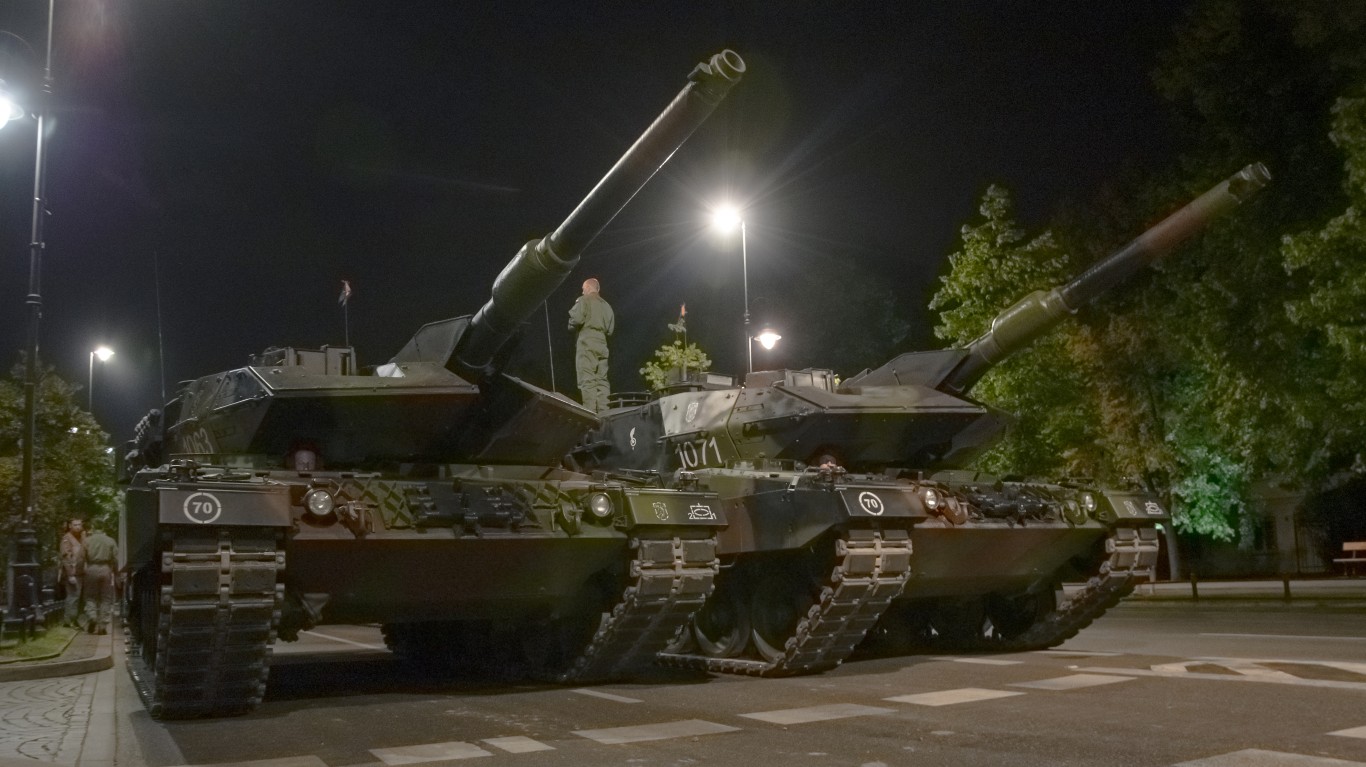
- Country of origin: Germany
- Vehicle type: Main Battle Tank (MBT)
- Era introduced: Modern
- Operational reputation: Highly reliable and professionalized sustainment
- Primary strength: Mobility, firepower, and protection balance
- Logistical cost driver: Advanced subsystems; heavy logistics footprint; high-grade spares
- Operational impact of logistics: Requires well-funded maintenance and parts pipelines to preserve readiness
Leopard 2 variants are widely regarded as dependable, especially in militaries with strong maintenance culture. The downside is cost. Modernized A6/A7 fleets rely on high-end optics, electronics, and protection upgrades that require specialized spares and diagnostics. Their weight and performance also drive fuel and transport demands. The platform is reliable when supported—but preserving that reliability depends on an expensive, well-organized logistical ecosystem.
T-10 Heavy Tank
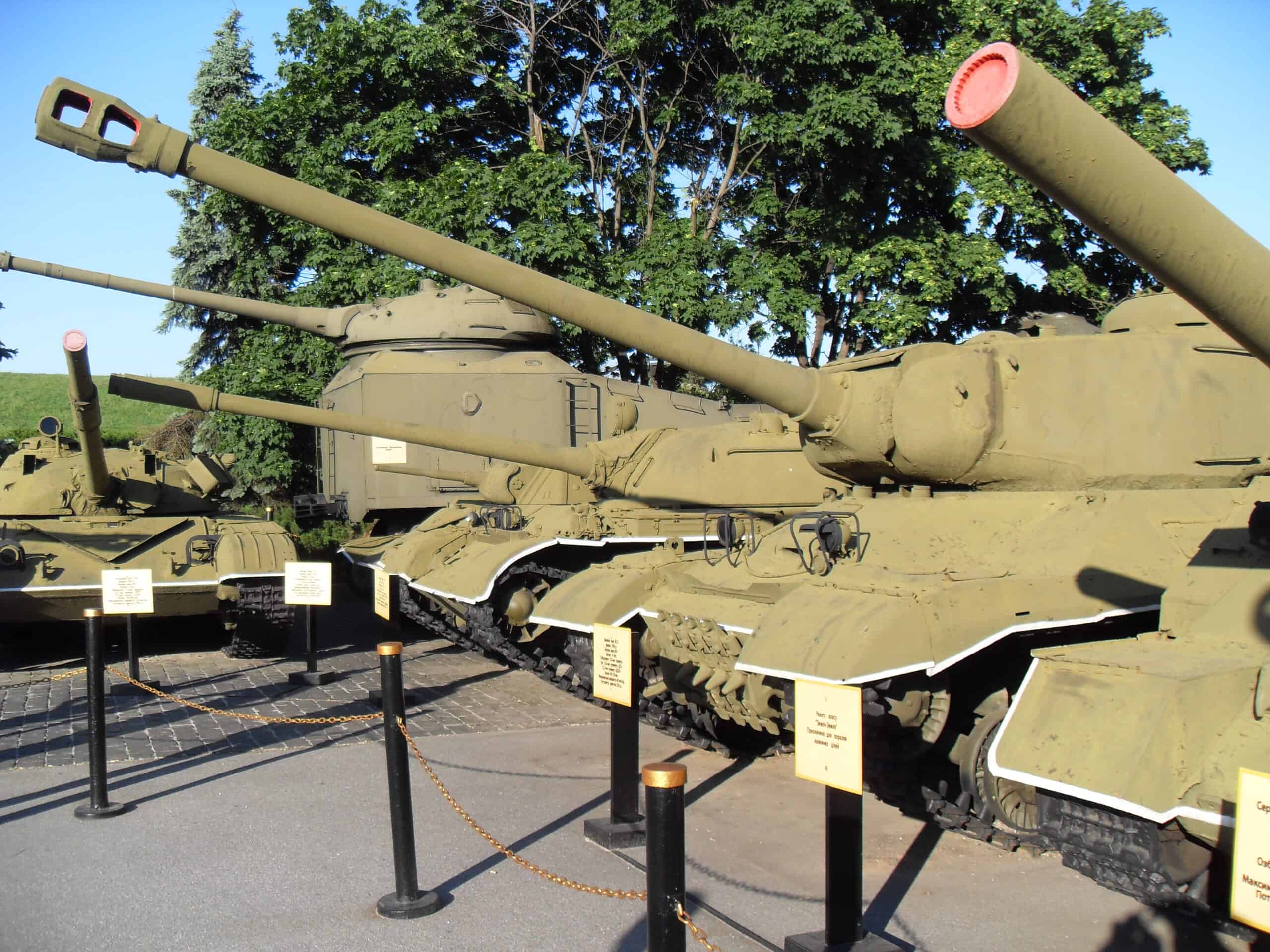
- Country of origin: Soviet Union
- Vehicle type: Heavy Tank
- Era introduced: Cold War
- Operational reputation: Dependable for its class, but sustainment-heavy
- Primary strength: Armor and breakthrough capability
- Logistical cost driver: Heavy chassis; large powertrain and track wear; transport constraints
- Operational impact of logistics: Limited strategic mobility; high maintenance hours and recovery requirements
The T-10 represented the heavy-tank idea pushed into the Cold War: strong protection, big gun, and credible reliability for a massive vehicle. The expense came from weight and sustainment. Tracks, suspension, and drivetrain components wore quickly under field conditions, and strategic movement required careful transport planning. It could be kept dependable with attention, but the support burden helped drive armies toward lighter, easier-to-sustain MBTs.
BMP-3
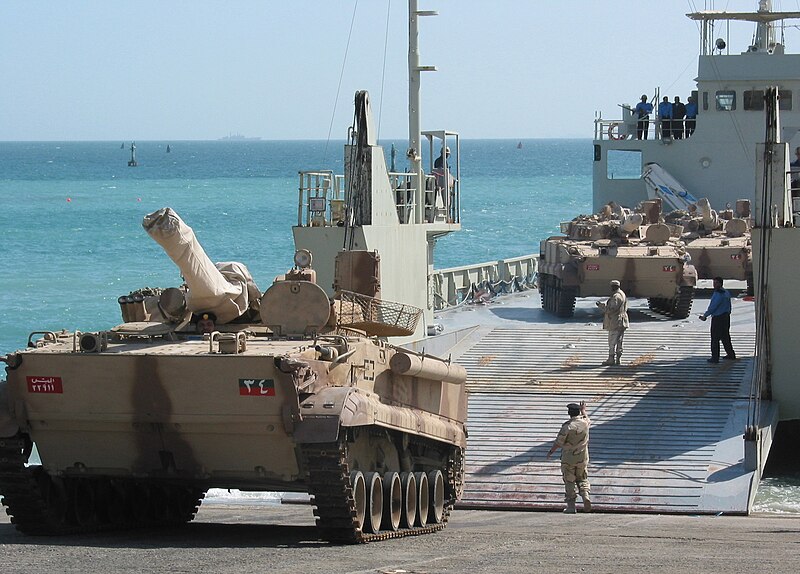
- Country of origin: Russia
- Vehicle type: Infantry Fighting Vehicle (IFV)
- Era introduced: Late Cold War
- Operational reputation: Capable and durable with attentive maintenance
- Primary strength: Firepower package and amphibious capability
- Logistical cost driver: Complex armament suite; specialized parts; maintenance-intensive systems
- Operational impact of logistics: Higher spares and training load than simpler IFVs; readiness sensitive to support
The BMP-3 is respected for combining strong firepower, mobility, and amphibious utility, and it can be reliable when properly maintained. The logistical bill comes from complexity. Its multi-weapon turret, fire-control components, and specialized subsystems increase spare parts variety and training requirements. Keeping the vehicle mission-ready often depends on disciplined maintenance and stocked inventories. It performs well, but it is more expensive to sustain than simpler troop carriers.
Bradley Fighting Vehicle (M2/M3)
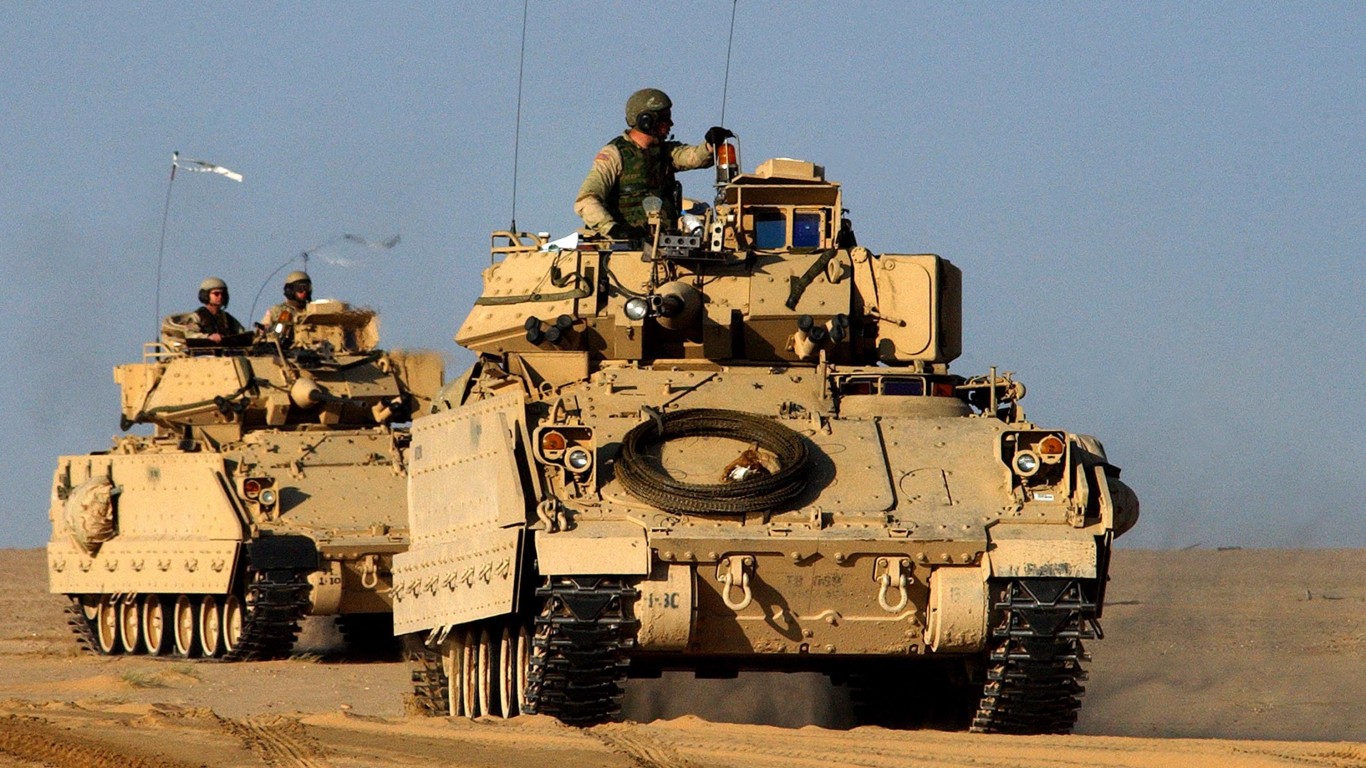
- Country of origin: United States
- Vehicle type: Infantry Fighting Vehicle (IFV)
- Era introduced: Cold War
- Operational reputation: Battle-tested and dependable with strong support
- Primary strength: Protection, sensors, and anti-armor capability
- Logistical cost driver: Maintenance-intensive track systems; electronics; supply chain breadth
- Operational impact of logistics: Requires steady parts flow and skilled maintainers to preserve availability
The Bradley is widely seen as a reliable, combat-effective IFV when backed by the U.S. Army’s maintenance system. Its cost shows up in sustainment. Tracks, road wheels, and suspension components demand continual attention, and upgraded electronics add diagnostics and specialized spares. The vehicle’s strength depends on an active parts pipeline and trained crews. It stays dependable in the field, but it is not a “cheap to keep running” platform.
M88 Hercules Recovery Vehicle
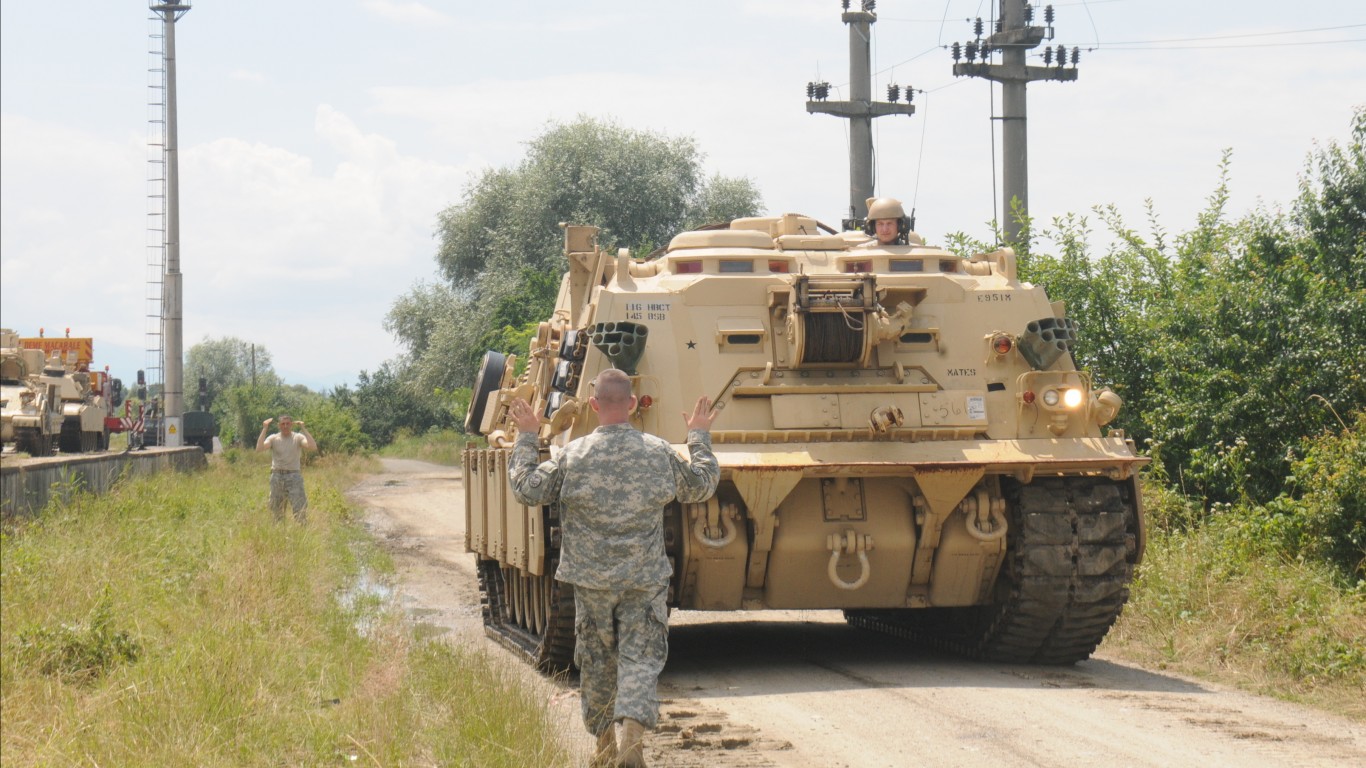
- Country of origin: United States
- Vehicle type: Armored Recovery Vehicle
- Era introduced: Cold War
- Operational reputation: Extremely reliable and indispensable
- Primary strength: Recovery and repair of heavy armor under fire
- Logistical cost driver: Heavy weight; specialized equipment maintenance; high fuel usage
- Operational impact of logistics: Requires transport planning and dedicated sustainment, but enables armored tempo
The M88 is the kind of vehicle armies rely on when everything goes wrong. It is trusted, durable, and repeatedly proven at recovering heavy tanks in harsh conditions. The drawback is that it is itself a heavy, fuel-hungry machine with specialized winches, cranes, and repair equipment that require upkeep. Moving and sustaining M88 units adds cost, but without them, armored formations lose operational momentum after breakdowns or damage.
M109 Paladin SPH
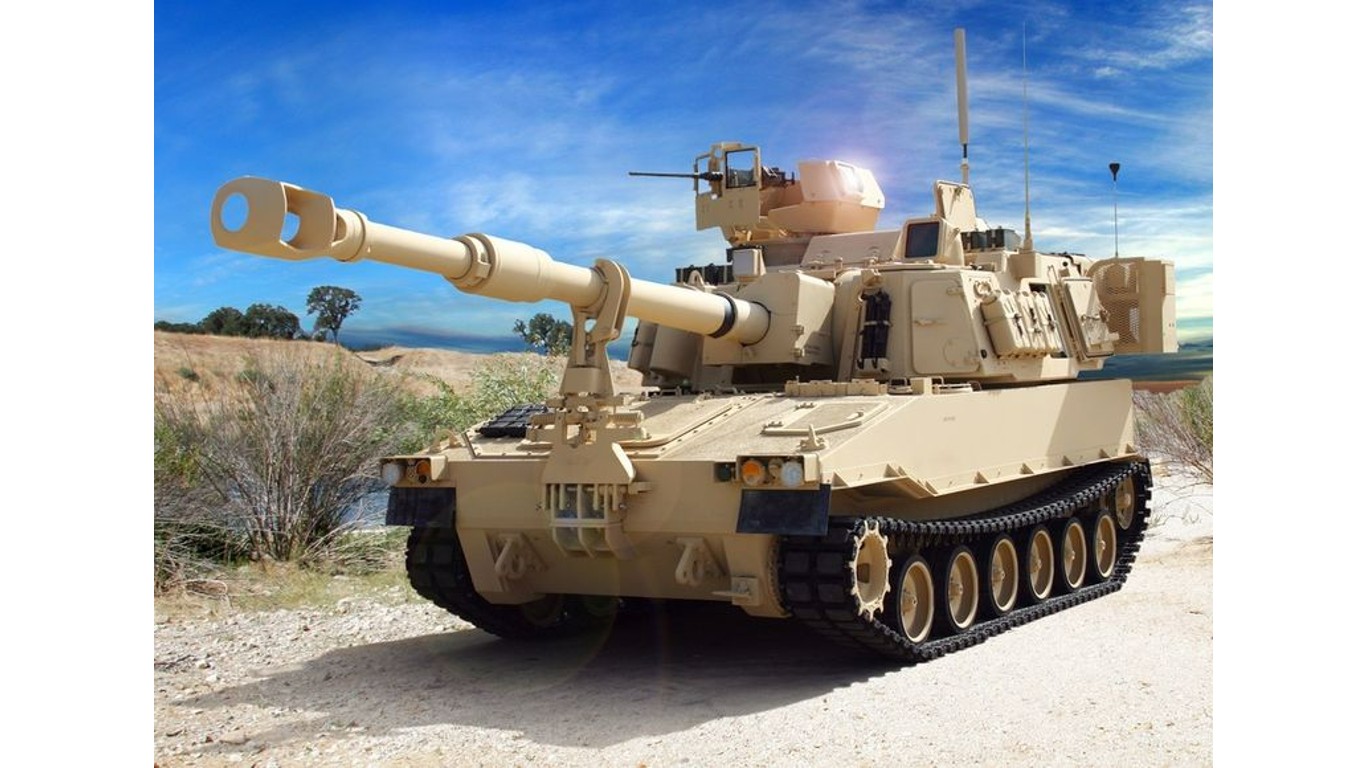
- Country of origin: United States
- Vehicle type: Self-Propelled Howitzer (SPH)
- Era introduced: Cold War (Paladin upgrades post–Cold War)
- Operational reputation: Reliable artillery workhorse when maintained
- Primary strength: Sustained indirect fire with protected mobility
- Logistical cost driver: Ammunition resupply demand; tracked maintenance; spares and hydraulics
- Operational impact of logistics: High supply throughput needed to keep guns firing; tracked fleet sustainment burden
The M109 family, especially Paladin-era upgrades, has long been valued for dependable artillery support under armor. Its logistical expense is structural: sustained firepower consumes huge ammunition volumes, and the tracked chassis demands constant maintenance and parts. Hydraulics, power systems, and reload support add complexity. The guns can be reliable and responsive, but maintaining a high rate of fire requires a steady stream of resupply vehicles, crews, and depot capacity.
Panther (Panzer V)
_mit_Infanterie.jpg "panzer by Kurth")
- Country of origin: Germany
- Vehicle type: Medium Tank
- Era introduced: WWII
- Operational reputation: Improved reliability over time; strong performance when operational
- Primary strength: Firepower and frontal protection
- Logistical cost driver: Complex drivetrain; early production issues; high parts and maintenance load
- Operational impact of logistics: Readiness depended on maintenance capacity and spare availability
The Panther became a dangerous battlefield performer once initial problems were addressed, and many crews considered mature Panthers reliable enough for sustained operations. But keeping them there was costly. The drivetrain and suspension were complex, spares were in constant demand, and repair infrastructure was stressed by heavy operational use. The Panther’s combat value was real, yet its readiness often depended less on tactics and more on whether the supply and maintenance system could keep up.
AMX-56 Leclerc
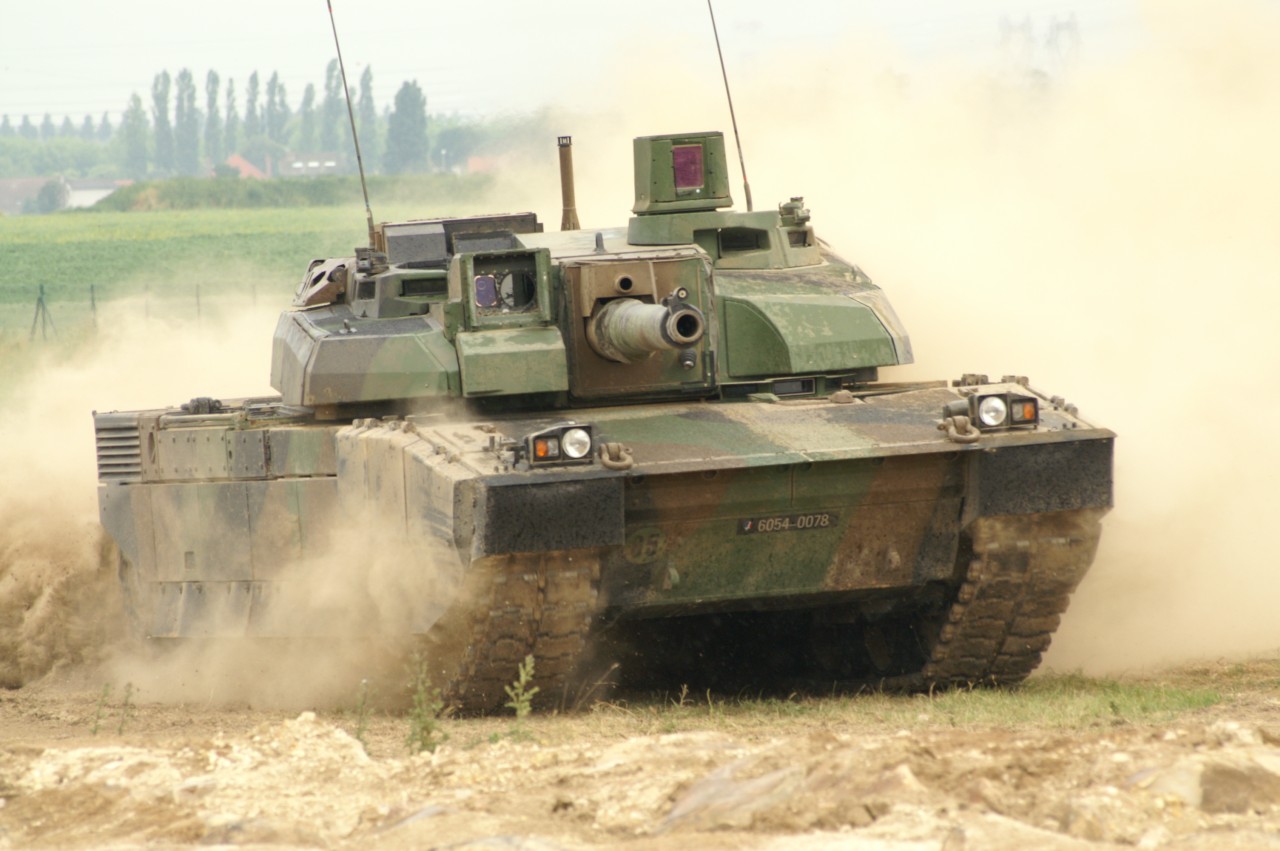
- Country of origin: France
- Vehicle type: Main Battle Tank (MBT)
- Era introduced: Post–Cold War
- Operational reputation: Reliable, high-performance platform with demanding support needs
- Primary strength: Mobility, fire control, and autoloader efficiency
- Logistical cost driver: Advanced electronics; autoloader and sensors; specialized spares
- Operational impact of logistics: High readiness possible, but only with well-resourced, technical sustainment
The Leclerc is a modern, reliable MBT when supported by a well-trained maintenance force, offering strong mobility and precise gunnery. The cost is complexity. Its electronics, sensor suite, and autoloader systems require specialized diagnostics and parts that are not easily substituted in the field. With relatively small fleets, sustainment can be expensive per vehicle. It delivers dependable performance, but it demands a high-tech logistical backbone to stay that way.
Centurion Tank
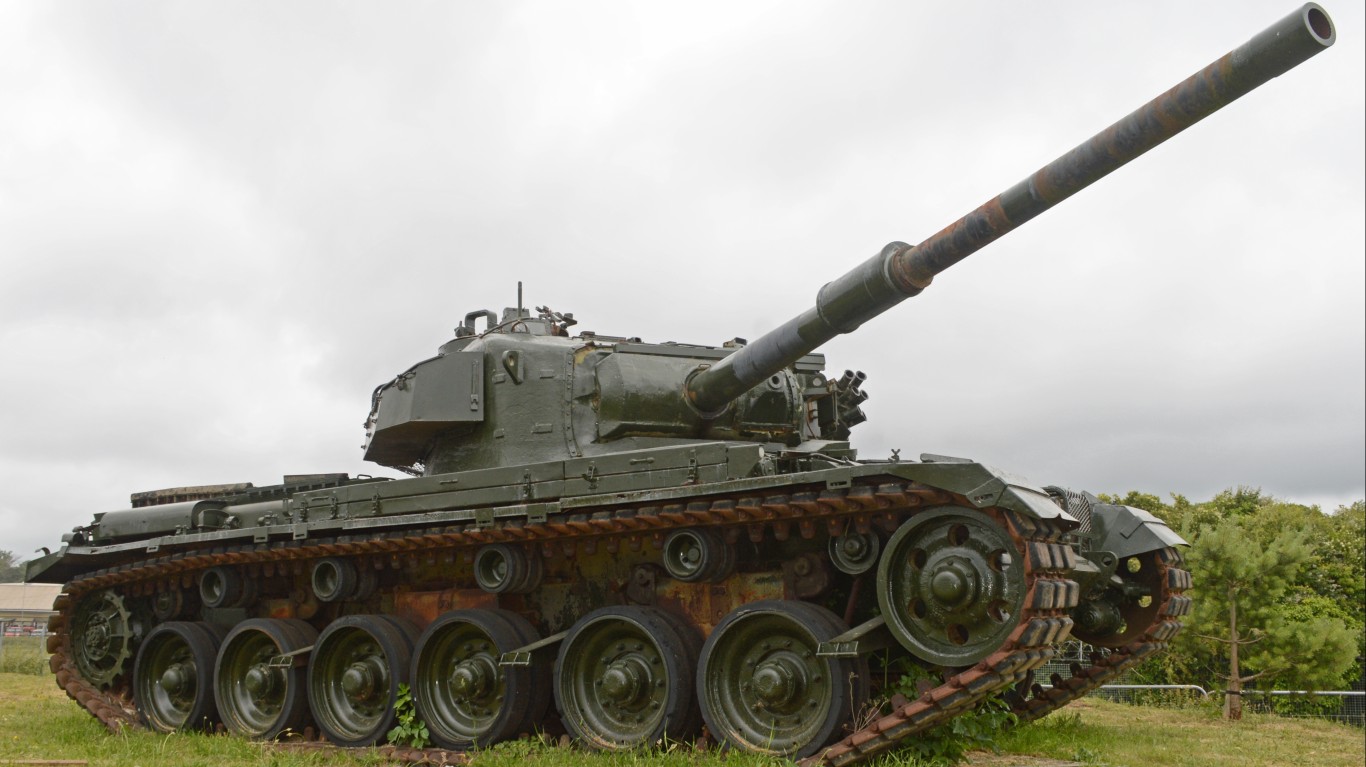
- Country of origin: United Kingdom
- Vehicle type: Main Battle Tank (early MBT)
- Era introduced: Post–WWII / Early Cold War
- Operational reputation: Exceptionally durable and trusted worldwide
- Primary strength: Adaptability and ruggedness
- Logistical cost driver: Heavy weight; engine and drivetrain servicing; transport demands
- Operational impact of logistics: Required robust maintenance and transport planning across long deployments
Centurion became famous as a dependable, long-lived tank that armies kept upgrading because it simply worked. Its logistical drawback was that it was heavy and maintenance-hungry compared with lighter alternatives, especially as armor and systems were added over decades. Engines, transmissions, and track components demanded steady attention, and strategic movement required planning. The tank’s reliability made it worth the effort, but keeping it modern and mobile was never cheap.
Strv 122
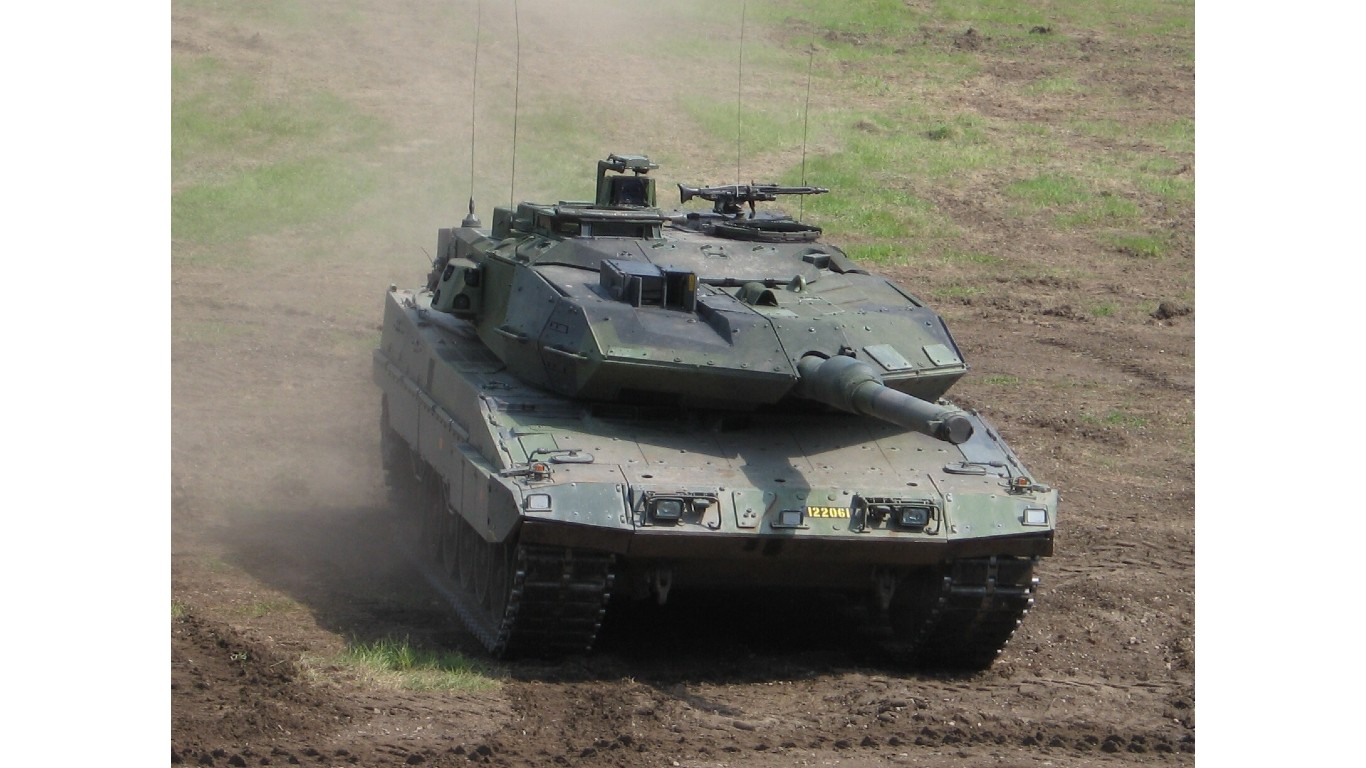
- Country of origin: Sweden
- Vehicle type: Main Battle Tank (MBT)
- Era introduced: Modern
- Operational reputation: Highly reliable with strong readiness culture
- Primary strength: Protection and cold-weather capability
- Logistical cost driver: Heavy armor packages; advanced subsystems; high-cost spares
- Operational impact of logistics: Strong performance but expensive to maintain at high readiness in harsh climates
Sweden’s Strv 122 builds on Leopard 2 reliability and adds enhancements focused on protection and operation in demanding environments. It is dependable when supported, but the upgrades increase sustainment cost. Heavier armor packages, specialized Swedish modifications, and advanced subsystems require high-quality spares and skilled maintenance. Cold-weather readiness also raises support needs for vehicles and crews. The result is a tank that performs reliably, but one that is expensive to keep consistently mission-ready.
BTR-90
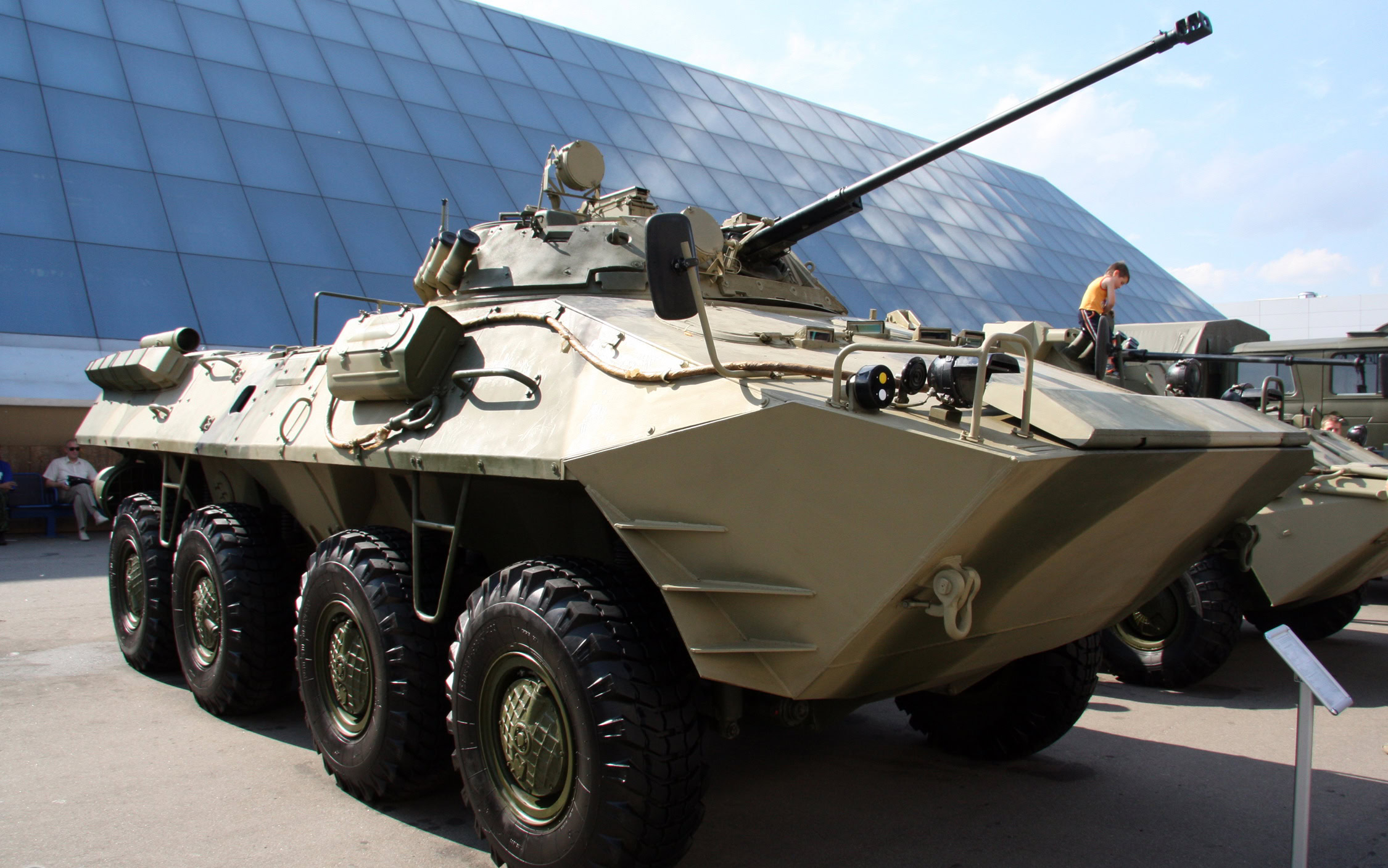
- Country of origin: Russia
- Vehicle type: Armored Personnel Carrier (APC)
- Era introduced: Post–Cold War
- Operational reputation: Capable platform with reliability tied to support quality
- Primary strength: Improved protection and firepower over earlier BTRs
- Logistical cost driver: More complex turret/electronics; limited production spares
- Operational impact of logistics: Small fleets and unique parts increased sustainment cost and reduced flexibility
The BTR-90 aimed to improve the BTR family with better protection and heavier armament, and it could be reliable when properly supported. The logistical problem was scale and complexity. Limited production meant fewer spare parts pipelines, while the upgraded turret and systems increased maintenance demands compared with older models. Small fleets are always expensive to sustain, especially when components are unique. It could perform well, but the sustainment ecosystem never became cheap or broad.
PzH 2000
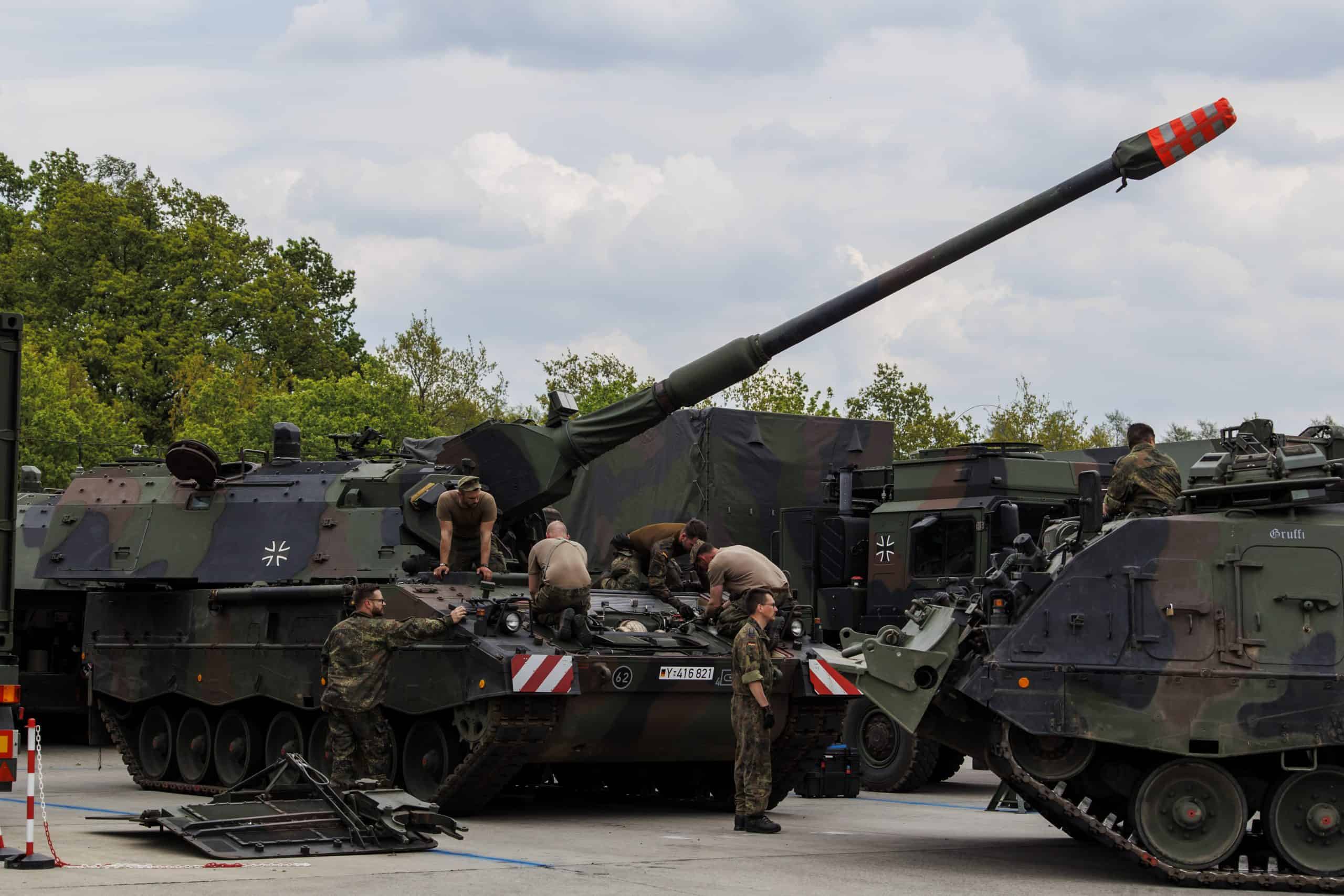
- Country of origin: Germany
- Vehicle type: Self-Propelled Howitzer (SPH)
- Era introduced: Modern
- Operational reputation: Highly reliable and accurate with strong engineering
- Primary strength: High rate of fire and precision
- Logistical cost driver: Ammunition throughput; complex loading systems; maintenance and spares
- Operational impact of logistics: Sustained high-tempo firing requires extensive resupply and technical maintenance
The PzH 2000 is respected for reliability, precision, and the ability to deliver intense fire missions without falling apart. The logistical cost is that it is built for high performance. Rapid firing drives heavy ammunition and barrel wear demands, while automated systems and advanced components require specialized maintenance and spares. It can sustain punishing tempos, but only when the supporting supply and workshop network is equally robust and well funded.
M60 Patton (late variants)
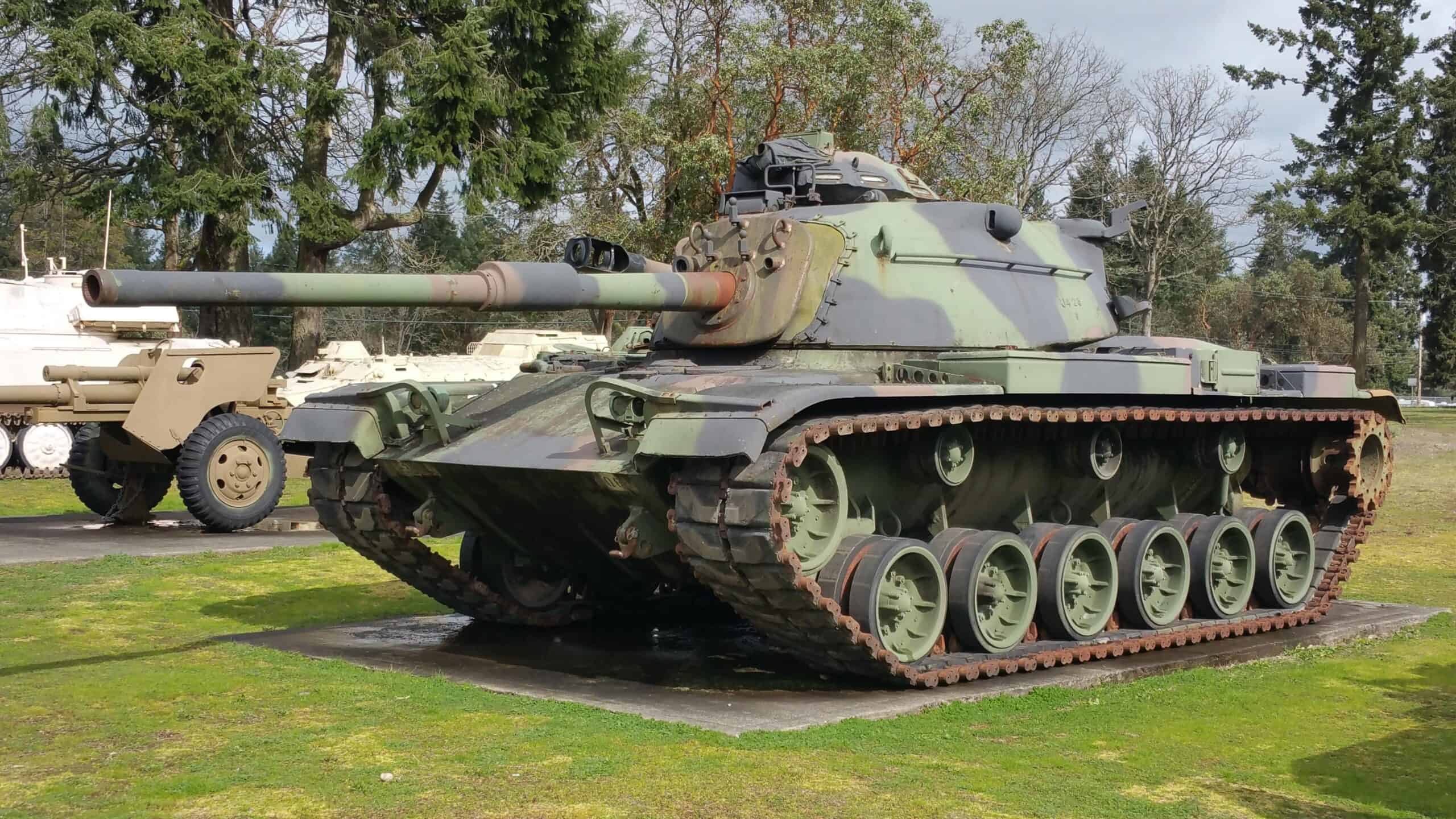
- Country of origin: United States
- Vehicle type: Main Battle Tank (MBT)
- Era introduced: Cold War
- Operational reputation: Dependable workhorse with extensive global service
- Primary strength: Ease of use and upgradeability
- Logistical cost driver: Aging fleet sustainment; parts obsolescence; fuel and maintenance load
- Operational impact of logistics: Older tanks needed refurbishment cycles and parts sourcing to remain reliable
Late-variant M60s are often described as reliable, straightforward tanks that crews could keep operating with solid maintenance routines. The expensive part is keeping them reliable after decades. Aging fleets face parts obsolescence, refurbishment cycles, and upgrades that introduce new components into old hulls. Engines, transmissions, and suspensions still demand attention, and fuel and spares add up at scale. The M60 can be dependable, but it is not cheap to sustain as it grows older.
Type 99 MBT

- Country of origin: China
- Vehicle type: Main Battle Tank (MBT)
- Era introduced: Modern
- Operational reputation: Reliable in PLA service with strong modernization support
- Primary strength: Modern fire control and protection
- Logistical cost driver: Sophisticated subsystems; high-performance powertrain; spares and diagnostics
- Operational impact of logistics: High capability increases maintenance and parts demands, especially for advanced variants
China’s Type 99 series is designed as a modern, reliable frontline tank, and its effectiveness relies on consistent sustainment and modernization support. The logistical cost comes from advanced systems. Fire-control electronics, protection upgrades, and high-performance powertrains require specialized diagnostics, trained maintainers, and a steady spare parts pipeline. The tank can be dependable in well-supported units, but keeping high readiness across advanced variants is resource-intensive and expensive compared with simpler armored platforms.
K2 Black Panther
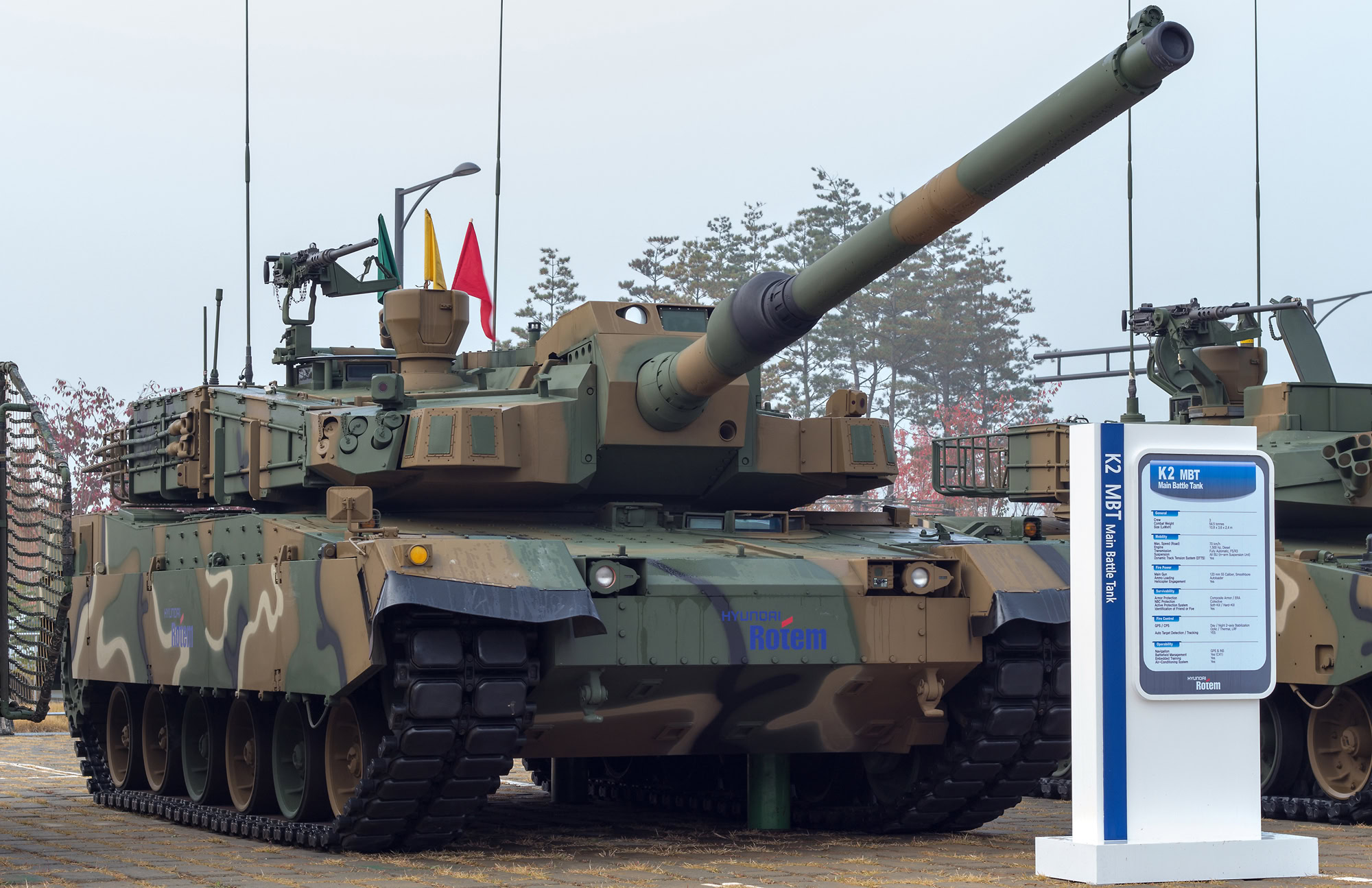
- Country of origin: South Korea
- Vehicle type: Main Battle Tank (MBT)
- Era introduced: Modern
- Operational reputation: High reliability when supported by modern logistics
- Primary strength: Automation, sensors, and mobility
- Logistical cost driver: Complex electronics and active systems; high-cost parts
- Operational impact of logistics: Requires specialized sustainment and supply depth to keep advanced features available
The K2 is built to be reliable and lethal, pairing automation and advanced sensors with strong mobility. But cutting-edge capability increases sustainment cost. Electronics-heavy systems, specialized components, and advanced protection features demand trained technicians, diagnostics, and stocked high-cost spares. A tank like this can be dependable in daily operations, yet it is expensive to keep at peak readiness because many of its advantages are maintenance-sensitive and not easily repaired with improvised fixes.






 Top Gaining Stocks
 Top Losing Stocks