



Bitcoin (CRYPTO: BTC) hit $75,000 on March 17, which is its highest level since the Iran war started three weeks earlier. By Saturday March 22 it dropped below $68,000 after Trump threatened to obliterate Iran’s power plants. But by Monday March 23, the BTC price was back at $71,000 after he postponed the strikes.
XRP (CRYPTO: XRP) rode the same wave. The XRP price slipped from $1.60 down to $1.37 and climbed above $1.40 again. Since Operation Epic Fury began on February 28, the Iran conflict has overridden everything that’s supposed to work in crypto’s favor. Oil above $100 keeps inflation hot, the Fed can’t cut rates, and every escalation headline hits crypto first because it’s the only market open 24/7.
We dug into the pattern behind why the Iran war keeps killing the Bitcoin and XRP price recovery, and what needs to change before the bullish catalysts can actually stick.
Trump’s 48-Hour Ultimatum and the $1 Billion Crypto Wipeout
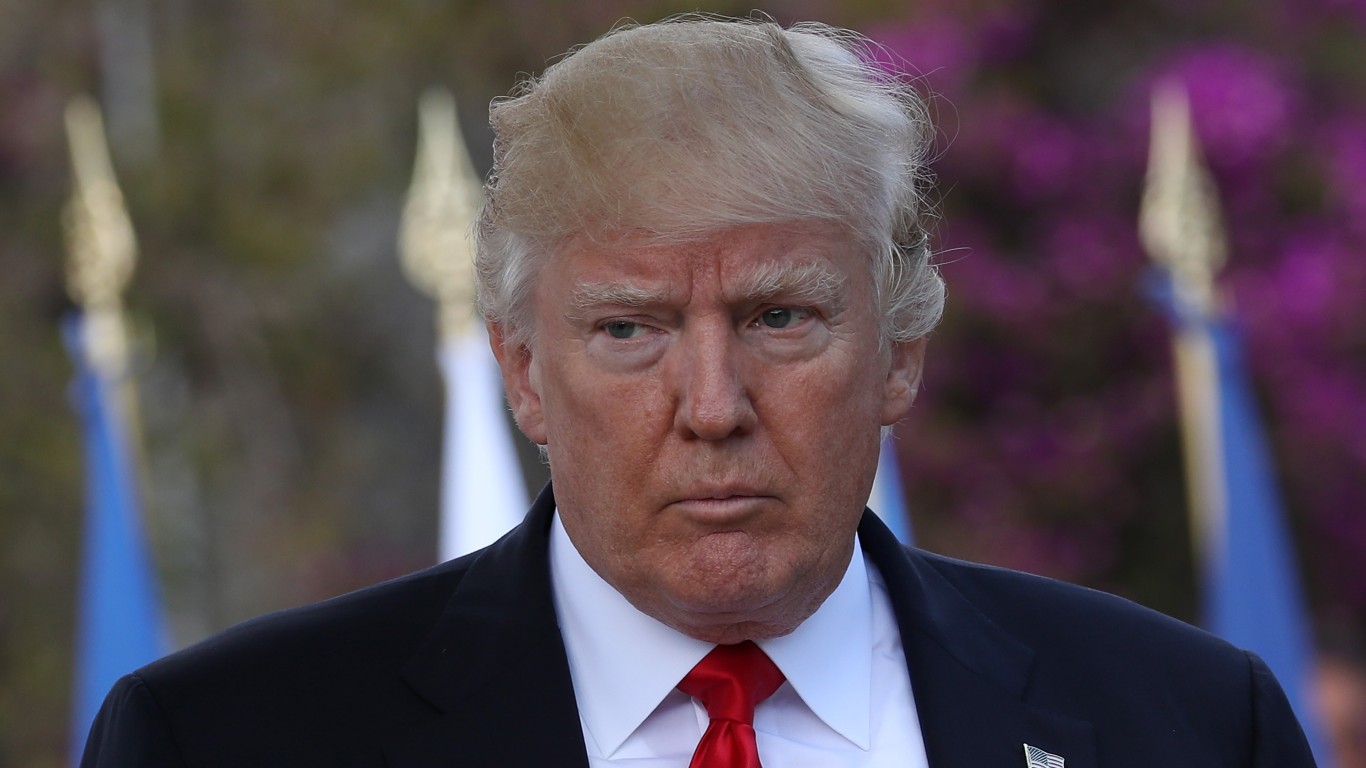
On Friday March 21, Trump said the U.S. was “considering winding down” the military operation in Iran. Less than 24 hours later, at roughly 2AM Saturday, he posted on Truth Social that Iran had 48 hours to reopen the Strait of Hormuz or the U.S. would “hit and obliterate” the country’s power plants starting with the largest. The news caught the crypto market off guard, especially after eight consecutive days of gains had pushed Bitcoin to $75,912 on March 21 and left traders heavily positioned for more upside.
Over $240 million in crypto positions were liquidated within the first hour of Trump’s post, and total liquidations crossed $1 billion over the following 24 hours. Roughly 85% of that damage hit long positions. Bitcoin dropped to $68,241, giving back the entire prior week’s rally in hours. XRP fell 2.6% to $1.37, Ethereum dropped to $2,114, and the total crypto market cap lost roughly $55 billion. Brent crude surged past $112 a barrel as the Strait of Hormuz, which handles about 20% of the world’s oil supply, remained effectively closed.
Iran responded by doubling down, vowing to fully close the Strait and strike energy, tech, and water infrastructure across the region. But Monday March 23 morning brought another reversal. Trump posted that strikes would be postponed for five days, citing “very good and productive conversations.” The Bitcoin price jumped 5% back to $71,000, XRP surged to $1.44, and oil crashed 11% in a single session.
Iran has denied any talks had taken place, though, which means the postponement may be one-sided and the five-day window could end the same way the 48-hour one did.
Why the Iran War Keeps Dragging Bitcoin and XRP Down

Oil is the link between the war and the crypto market. With the Strait of Hormuz effectively closed since late February, Brent crude has regularly pushed past $100 and spiked above $110 on every escalation headline. Oil at those levels keeps inflation elevated, and the Fed told markets on March 19 that it can’t cut rates while energy costs are this high. When rate cuts get pushed further out, money moves away from risk assets, and Bitcoin still trades like one.
During the March 19 selloff, Bitcoin showed an 89% correlation with the S&P 500 and 95% with gold—everything sold at the same time on the same macro trigger. The pattern has held on nearly every war headline since February 28. Traders who expected Bitcoin to act as a safe haven during a geopolitical crisis have watched it move in lockstep with stocks instead. XRP follows the same dynamic and tends to amplify BTC’s moves along with the rest of altcoins. The XRP price dropped 2.6% on the ultimatum weekend while Bitcoin fell 2.2%.
Every major escalation in this conflict—the initial strikes on February 28, the retaliatory missiles on March 2, and the ultimatum on March 22—happened on a weekend, when stocks, bonds, and commodity markets were all closed. Crypto is the only liquid market trading 24/7, which means it absorbs the full initial shock alone before traditional markets can react Monday morning. That’s why the Bitcoin and XRP price drops look outsized compared to equities on the same events — crypto takes the hit first, and the selling is concentrated into a market with thinner weekend liquidity.
What Bitcoin and XRP Holders Should Watch Next
The variable that breaks the Bitcoin and XRP price drop pattern is oil prices. If Brent crude drops back toward $80 to $85 on ceasefire signals or a diplomatic resolution, rate cut expectations come back to life and the Bitcoin and XRP price rallies can finally stick. But if oil stays above $100, every positive catalyst keeps getting overridden by the same inflation-and-rates pressure that’s been in control since February.
Bitcoin has been making higher lows on each selloff since the war started—$64,000 on February 28, $66,000 on March 2, $68,000 on March 7, and $69,400 on March 12. XRP has held its $1.35 to $1.45 range through every escalation without breaking down. The market is absorbing the shocks even though it can’t rally through them yet.
The bullish catalysts that were building before the war—SEC’s commodity classification, $1.44 billion in XRP ETF inflows, and the CLARITY Act advancing—haven’t gone anywhere. They’re waiting for the same thing the broader crypto market is: oil to come down and the Fed to have room to move.














 Top Gaining Stocks
 Top Losing Stocks