



Modern warfare is in the process of being rewritten and the biggest shift isn’t a new tank, fighter jet, or missile system. Instead, it’s artificial intelligence (AI) that brings precision ballistics to the table. For a long time, accuracy was determined by the shooter, the optics, and the weapon. However, battlefield lethality has become increasingly shaped by onboard processors, predictive software, and autonomous guidance.
When it comes down to it, AI isn’t just helping soldiers shoot straighter. Realistically, it’s making targeting decisions, calculating trajectories, and closing kill chains faster than human operators ever could.
At the same time, the rapid rise of loitering munitions, drone interceptors, and smart artillery is transforming how armies fight. Systems like the Switchblade 600, Harop, and Brimstone demonstrate a world where weapons can hunt, track, and prioritize targets with minimal oversight. Even at the individual level, infantry are being outfitted with smart optics like SMASH and JRER that easily turn every rifleman into a precision marksman. What used to require elite sniper training is now embedded directly into the hardware.
Ultimately, these technologies make a major pivot in how nations project power. AI-enhanced weapons reduce collateral damage, overpower enemy defenses, and shorten the time between detection and strike. They’re not replacing human decision-makers yet, but they are changing what those decisions look like. Here, 24/7 Wall St. is taking a closer look at how AI is changing the battlefield as we know it.
To identify how AI is reshaping the battlefield, 24/7 Wall St. reviewed various historical and military sources to come up with this list. We ordered these assets alphabetically. We included supplemental information regarding the country of origin, manufacturer, and more for each. Note that this is not an all inclusive list, but a snapshot of how AI is influencing the battlefield.
Here is a look at how AI is changing the landscape of modern warfare:
Why Are We Covering This?

Artificial intelligence and advanced ballistics technology are reshaping warfare faster than any shift since the introduction of precision-guided munitions in the 1970s. From loitering drones that autonomously hunt armored vehicles to smart optics that turn ordinary riflemen into precision shooters, modern battlefields are being transformed by systems that think, decide, and strike with unprecedented speed. Understanding these technologies gives context to how modern militaries plan operations, counter emerging threats like drone swarms, and maintain strategic advantage in an era where algorithms are becoming as important as ammunition.
AGM‑179 JAGM
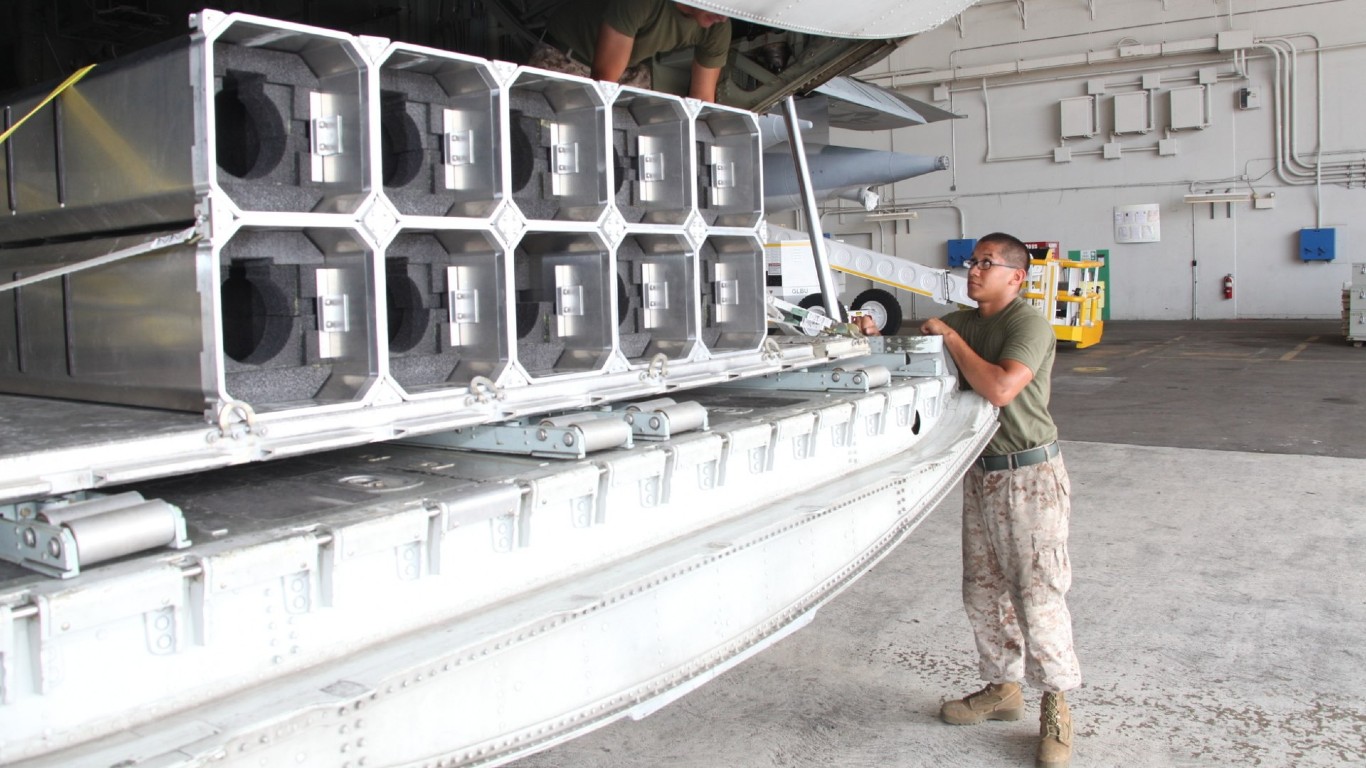
- Country of origin: United States
- Manufacturer: Lockheed Martin
- Firing mechanism: Tri‑mode seeker missile
- Targets: Armor, air defenses, maritime targets
JAGM uses sensor fusion across radar, laser, and IR guidance—an AI‑adjacent approach that maximizes accuracy in cluttered battlefields.
Brimstone Missile
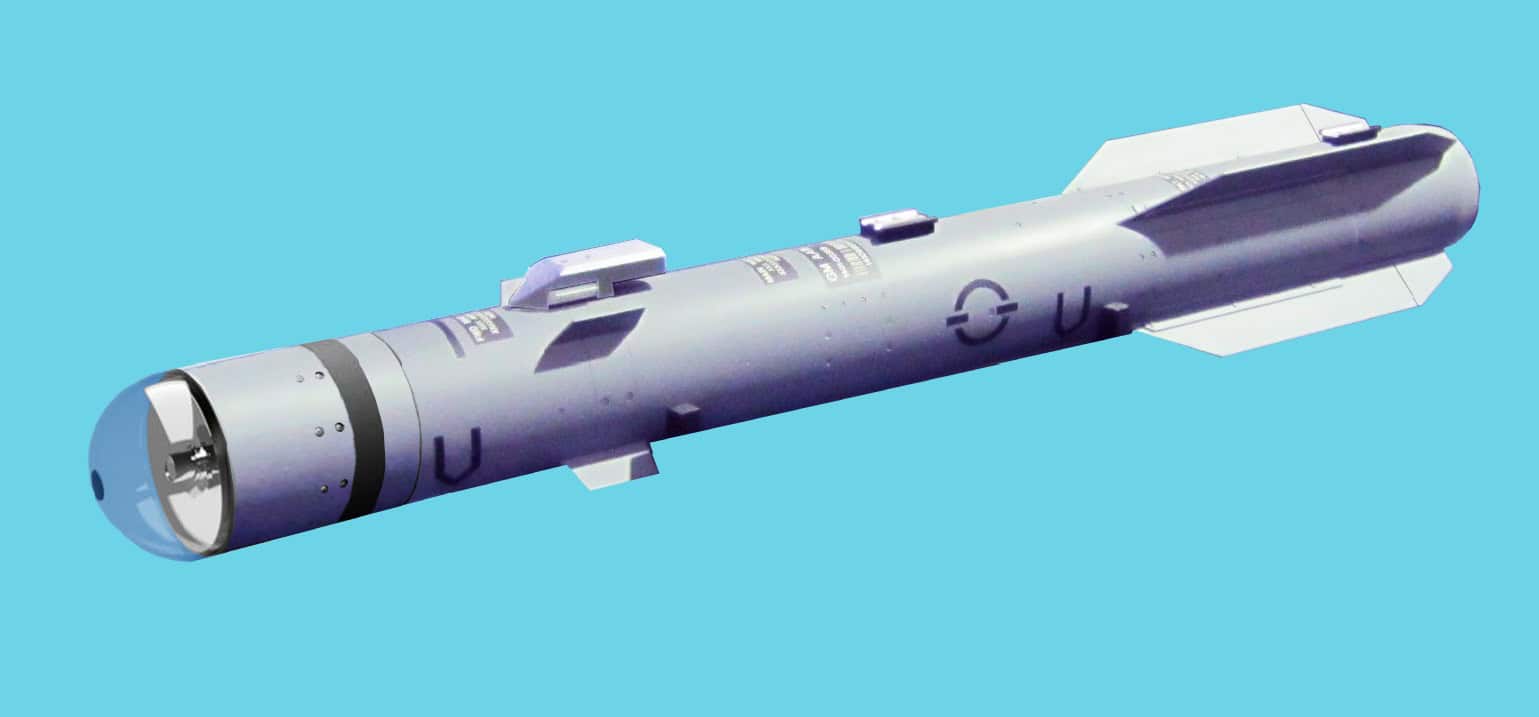
- Country of origin: United Kingdom
- Manufacturer: MBDA UK
- Firing mechanism: Autonomous radar/laser-guided missile
- Targets: Armor, convoys, fast-moving vehicles
Brimstone’s autonomous target prioritization showcases how advanced seekers now combine sensors with AI logic, enabling missiles to engage moving targets with minimal pilot workload.
Coyote Block 3
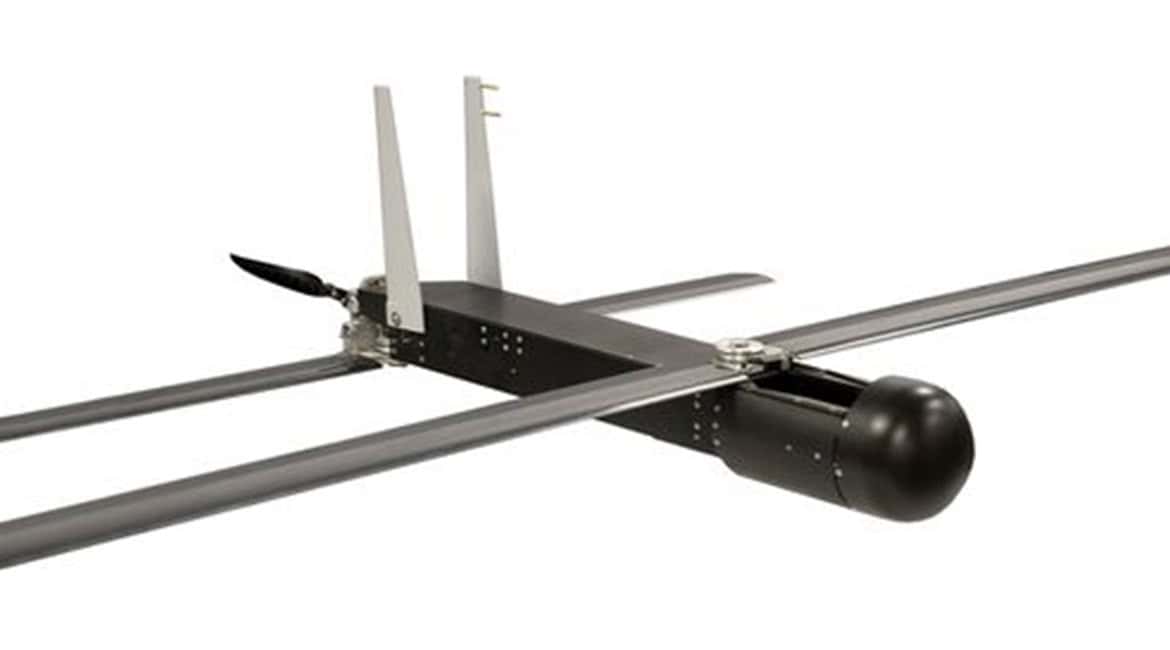
- Country of origin: United States
- Manufacturer: Raytheon
- Firing mechanism: Autonomous drone interceptor
- Targets: Drones and swarming UAVs
Coyote autonomously chases, identifies, and destroys drones using AI navigation. It highlights a future where machine‑versus‑machine engagements dominate air defense.
Excalibur 155mm

- Country of origin: United States
- Manufacturer: Raytheon
- Firing mechanism: GPS/INS guided artillery round
- Targets: Fortified positions, vehicles, urban targets
Excalibur shows how smart artillery fuses long‑range firepower with precision. Its onboard computing reshapes indirect fire by reducing collateral damage and improving first‑round effectiveness.
FN EVOLYS Smart LMG
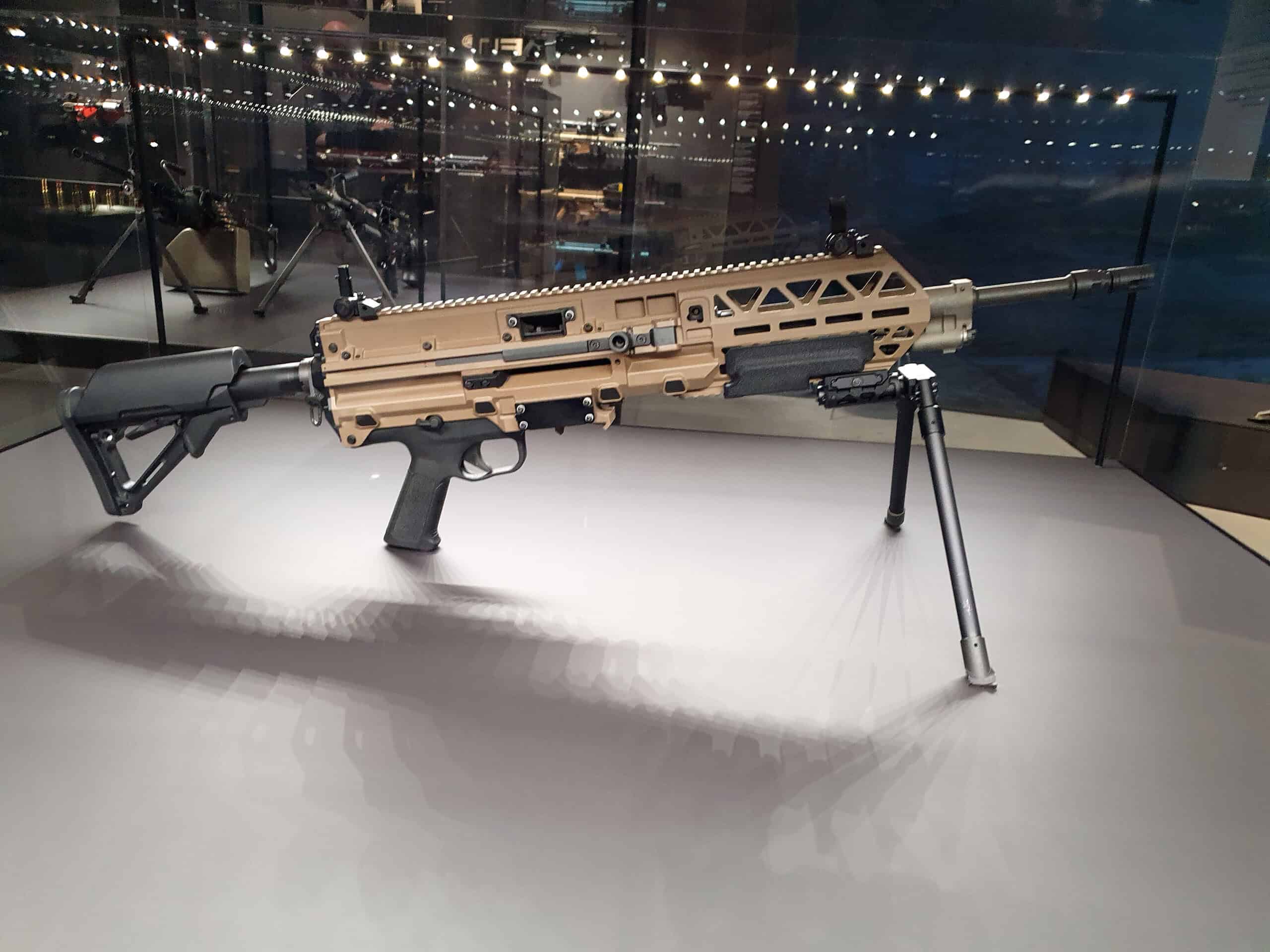
- Country of origin: Belgium
- Manufacturer: FN Herstal
- Firing mechanism: Gas‑operated LMG with smart optics
- Targets: Infantry, light vehicles
When paired with ballistic computers and tracking optics, the EVOLYS shows how even light machine guns are entering the AI‑enhanced era of small‑unit firepower.
Harop Loitering Munition
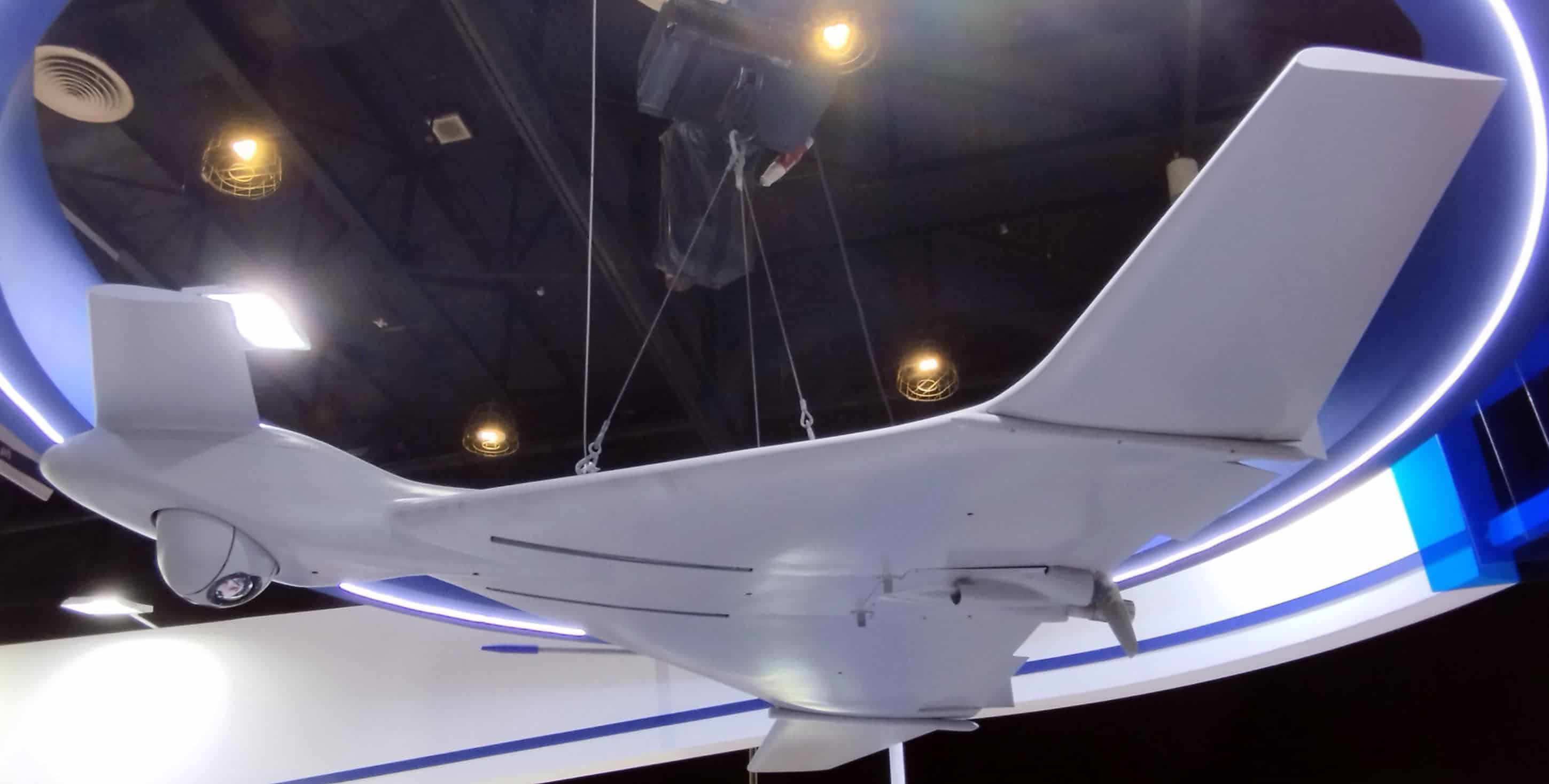
- Country of origin: Israel
- Manufacturer: IAI
- Firing mechanism: Autonomous loitering munition
- Targets: Air defenses, radars, vehicles
The Harop blends drone endurance with autonomous target recognition, allowing operators to strike high-value systems without constant control. It demonstrates how AI-driven autonomy is redefining deep‑strike and suppression missions.
Iron Dome Tamir

- Country of origin: Israel
- Manufacturer: Rafael
- Firing mechanism: Radar-guided intercept missile
- Targets: Rockets, missiles, drones
Tamir uses predictive algorithms to decide which threats to intercept, embodying the role of AI in high‑speed defensive decision‑making.
JRER Smart Rifle Optic
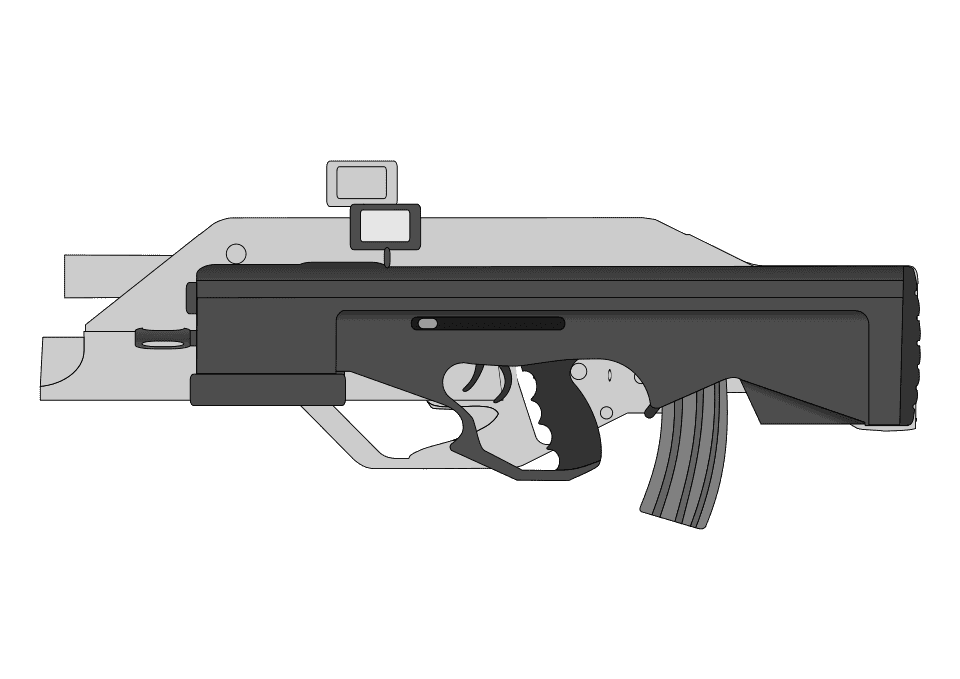
- Country of origin: United States
- Manufacturer: US DoD
- Firing mechanism: AI‑assisted fire‑control optic
- Targets: Infantry targets at extended ranges
JRER calculates ballistic solutions automatically, helping soldiers achieve precision normally reserved for trained snipers. It illustrates how AI optics are democratizing long‑range accuracy.
Kargu-2
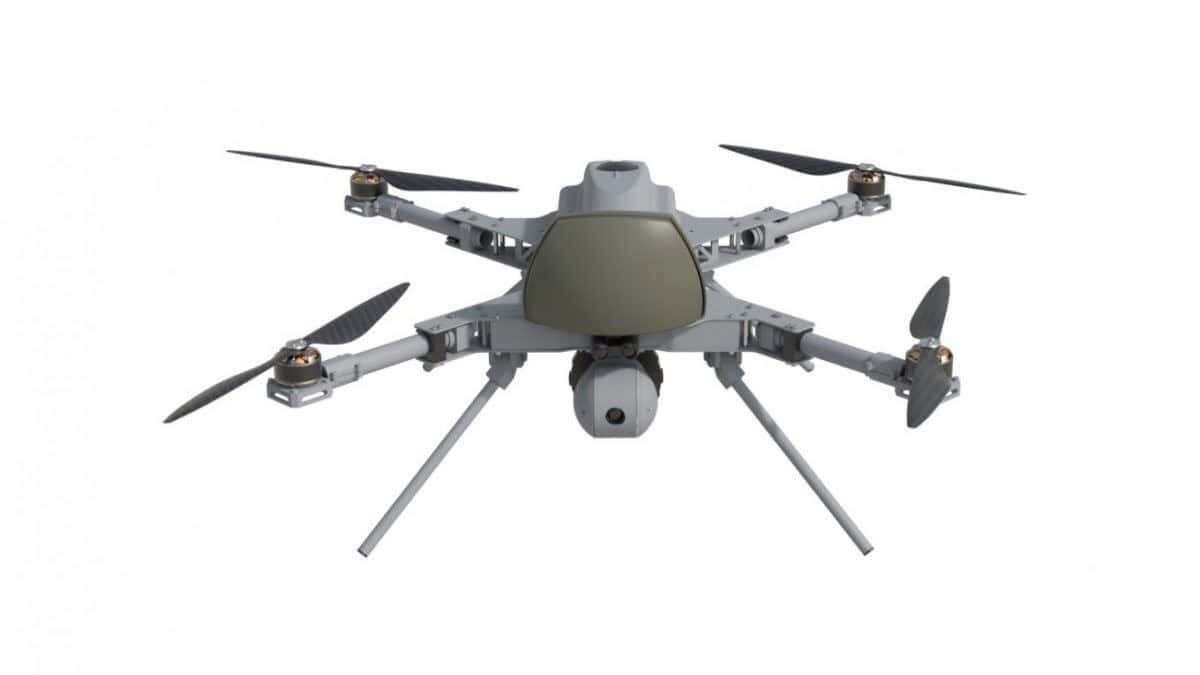
- Country of origin: Turkey
- Manufacturer: STM
- Firing mechanism: AI‑guided rotary loitering munition
- Targets: Personnel, light vehicles
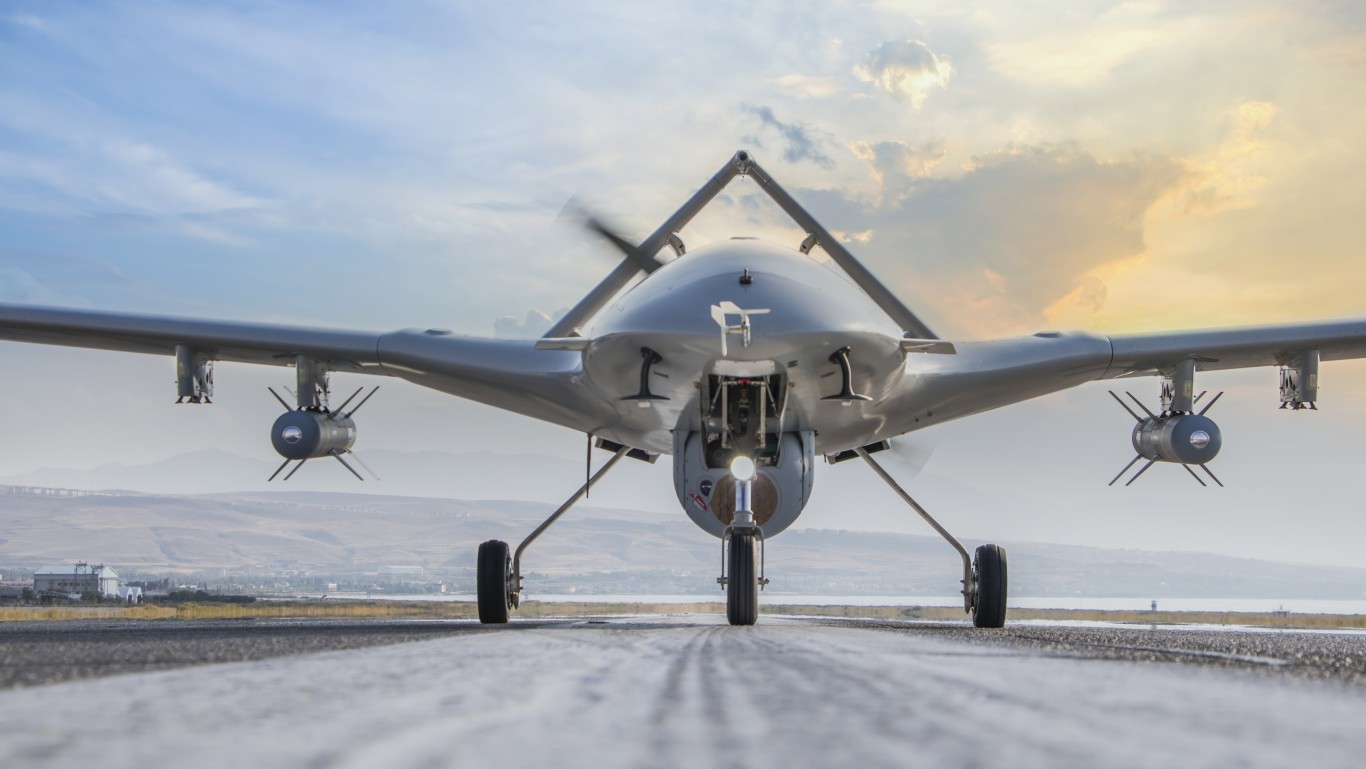
The Kargu‑2 uses machine vision and autonomous tracking to conduct precision attacks in urban terrain. Its small form factor shows how AI is enabling swarming, selective, low‑collateral strikes.
KUB‑BLA
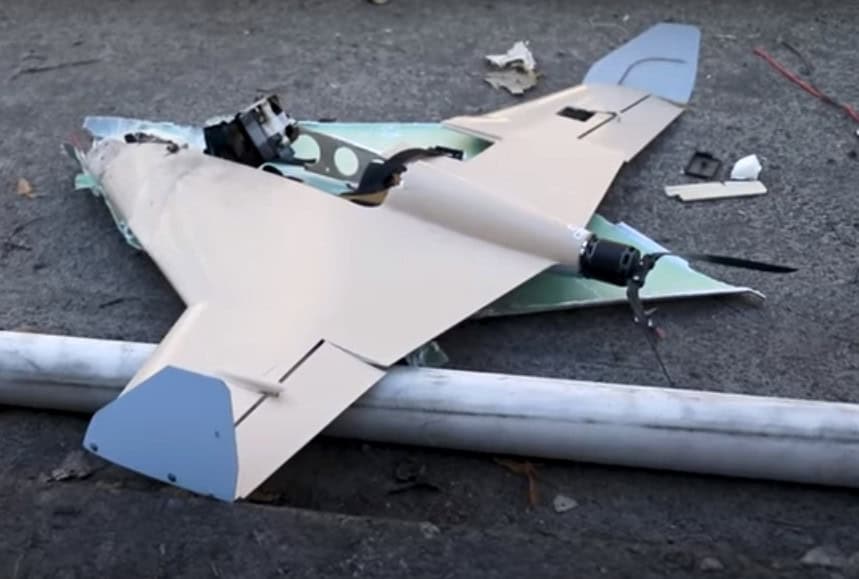
- Country of origin: Russia
- Manufacturer: Kalashnikov / ZALA Aero
- Firing mechanism: Autonomous explosive drone
- Targets: Infantry, command posts, vehicles
KUB‑BLA applies AI imaging to identify and loiter over targets, reflecting global interest in small, expendable autonomous strike systems.
Mistral ATLAS RC

- Country of origin: France
- Manufacturer: MBDA
- Firing mechanism: Remote‑operated SAM launcher
- Targets: Helicopters, aircraft, drones
ATLAS RC integrates automated tracking and predictive aiming, illustrating how AI-enhanced fire control is transforming short‑range air defenses.
SMART Shooter SMASH
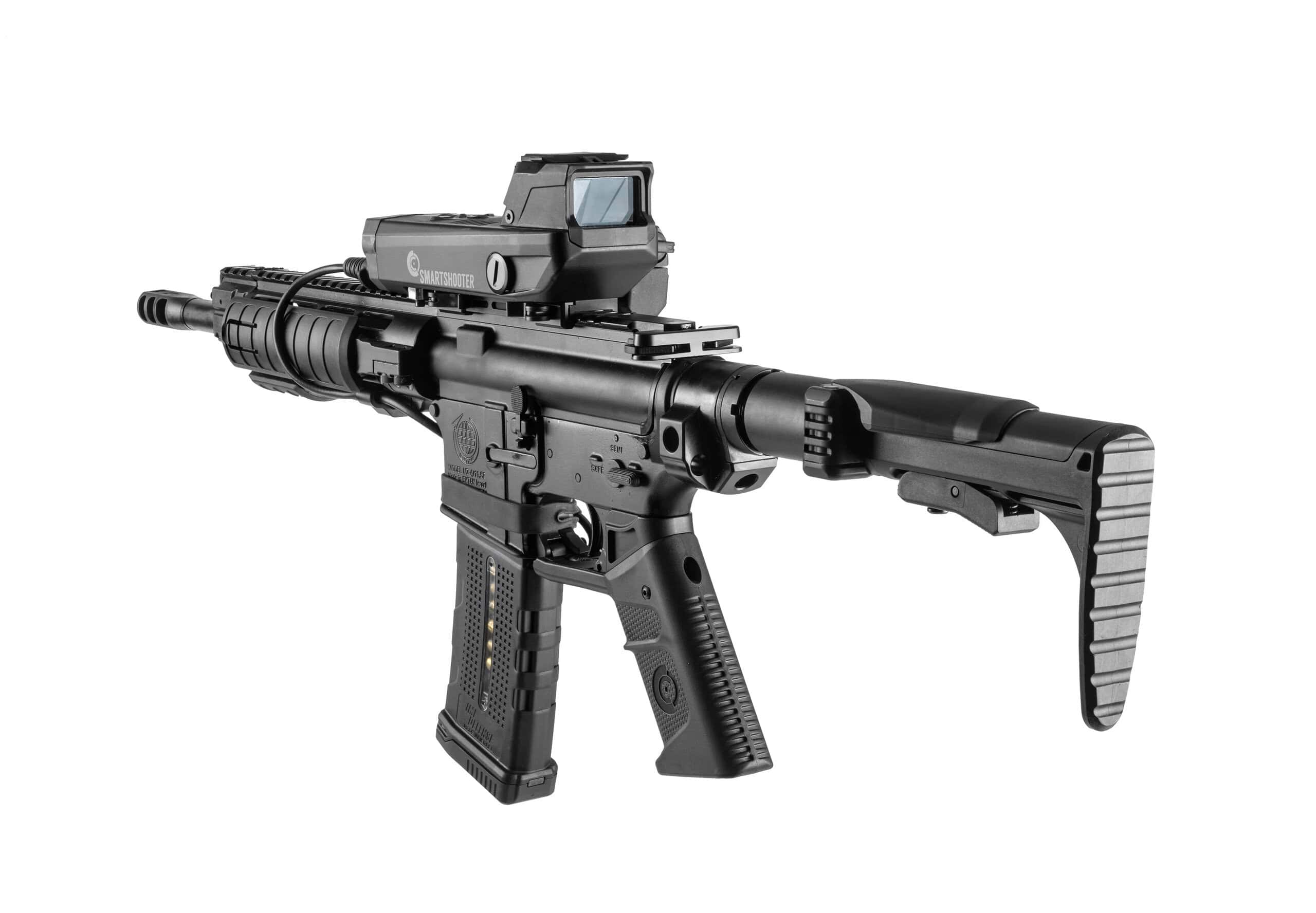
- Country of origin: Israel
- Manufacturer: SMART Shooter Ltd.
- Firing mechanism: AI‑assisted rifle fire control
- Targets: Drones, UAVs, personnel
SMASH optics use computer vision to lock onto fast-moving drones and guarantee shot timing. It represents the frontline of AI‑enabled counter‑drone defense.
Spike NLOS
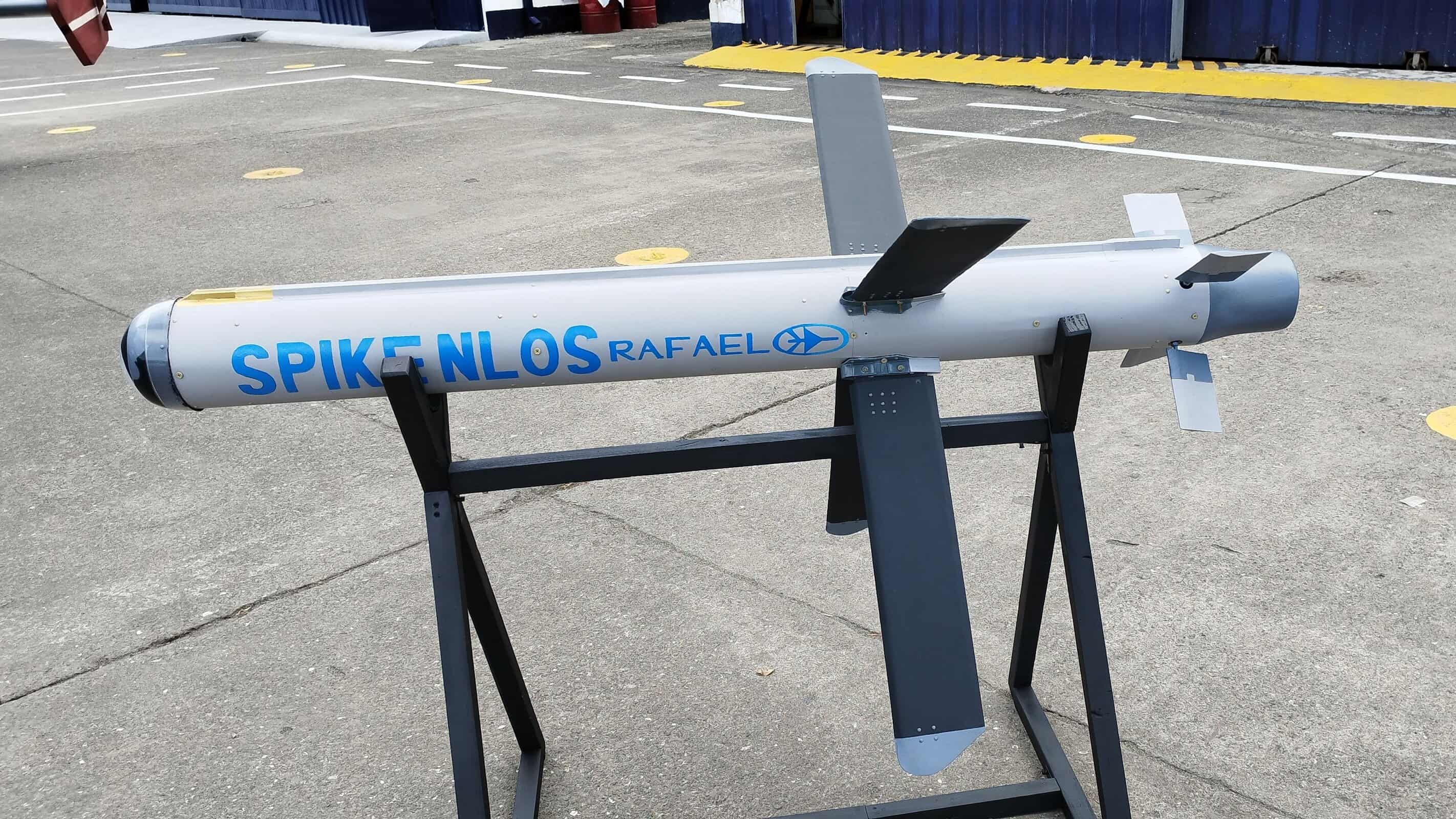
- Country of origin: Israel
- Manufacturer: Rafael
- Firing mechanism: Electro‑optical guided missile
- Targets: Vehicles, ships, hardened positions
Spike NLOS leverages AI‑assisted image recognition to hit targets beyond line of sight, expanding remote precision strike capability.
Switchblade 600

- Country of origin: United States
- Manufacturer: AeroVironment
- Firing mechanism: Tube-launched loitering munition
- Targets: Armor, vehicles, fortified positions
The Switchblade 600 uses AI‑assisted navigation and precision guidance to track and strike moving armor. Its autonomous loitering capability shows how AI-driven munitions shorten decision cycles and increase lethality on modern battlefields.
XM1156 Precision Guidance Kit
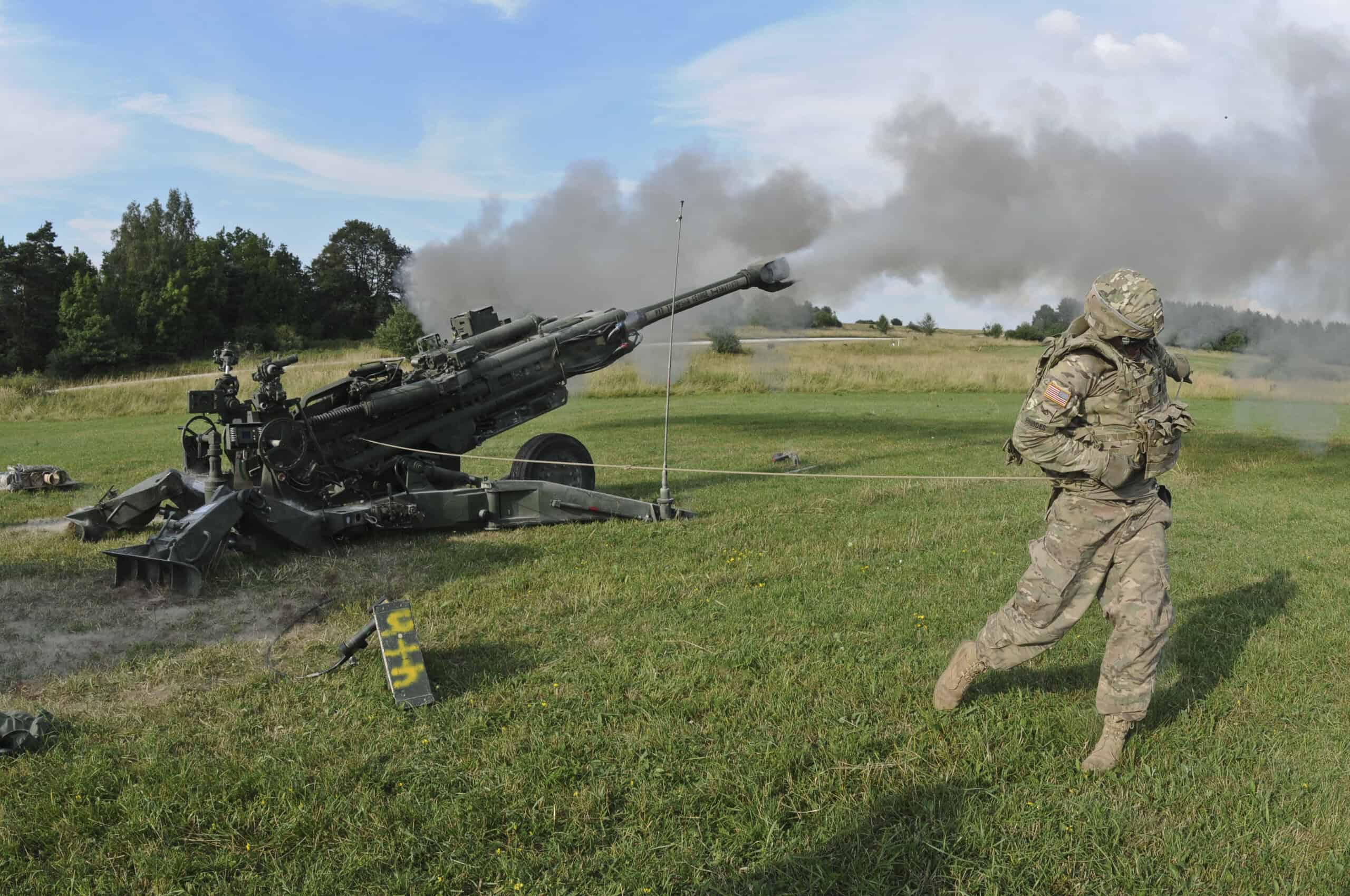
- Country of origin: United States
- Manufacturer: Boeing
- Firing mechanism: GPS‑guided artillery fuze
- Targets: Fixed and mobile ground targets
The XM1156 converts standard artillery into precision-guided rounds. Its ballistic correction algorithms demonstrate how AI‑style guidance is upgrading legacy systems for pinpoint accuracy.








 Top Gaining Stocks
 Top Losing Stocks