


For decades, the United States has relied on aircraft not just to fight wars, but to project power across the globe faster and farther than any rival. Some aircraft fundamentally changed how that power was delivered in terms of shrinking distances, reducing dependence on foreign bases, and giving U.S. leaders more options short of full-scale war. From strategic bombers to airlift, tankers, and surveillance platforms, these aircraft reshaped how America shows presence, signals deterrence, and responds to crises abroad. Here, 24/7 Wall St. is taking a closer look at these aircraft.
To identify the aircraft that changed how the U.S. projects power abroad, 24/7 Wall St. reviewed various historical and military sources. We included supplemental information on each aircraft regarding its service branch, role in power projection, what it enabled the U.S. to do abroad, and its ultimate strategic impact.
Here is a look at the aircraft that changed how the U.S. projects power abroad:
Why Are We Covering This?
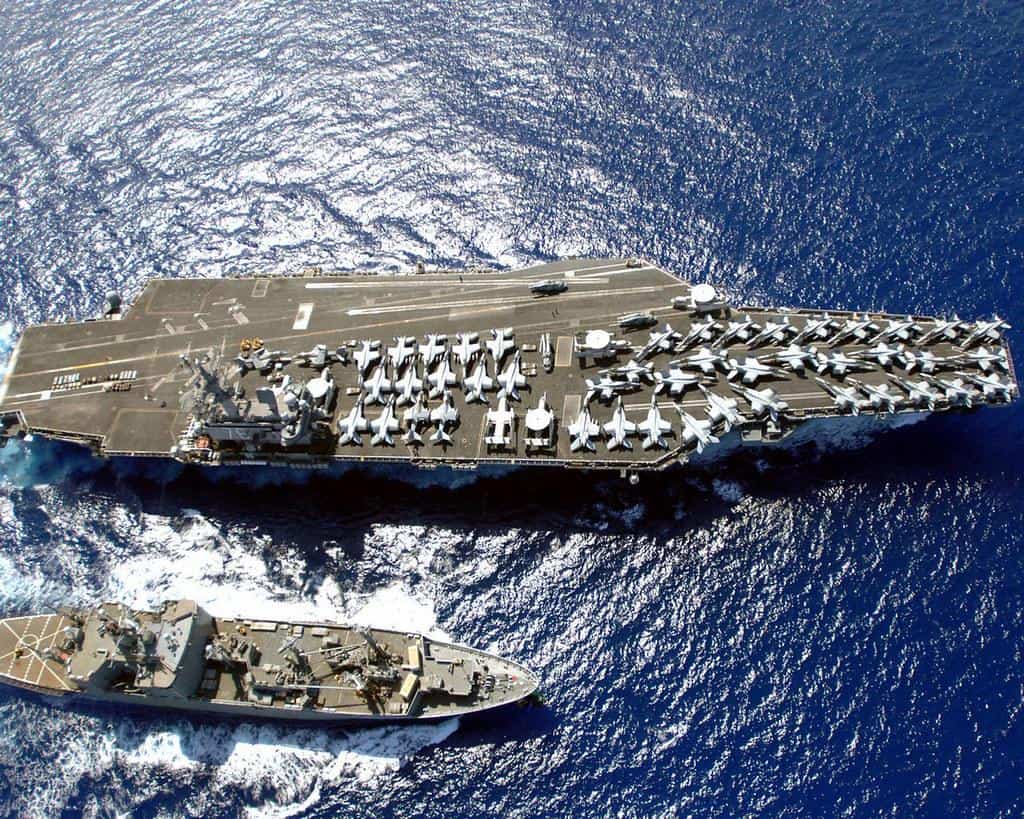
Understanding the aircraft that changed how the United States projects power abroad is important because it reveals how airpower shapes global influence long before combat begins. These aircraft did more than deliver weapons; they expanded reach, reduced dependence on foreign bases, accelerated response times, and altered political decision-making. Examining these platforms shows how mobility, presence, and persistence became strategic tools, helping explain why the United States relies on airpower as its fastest and most flexible means of influencing events overseas.
B-52 Stratofortress
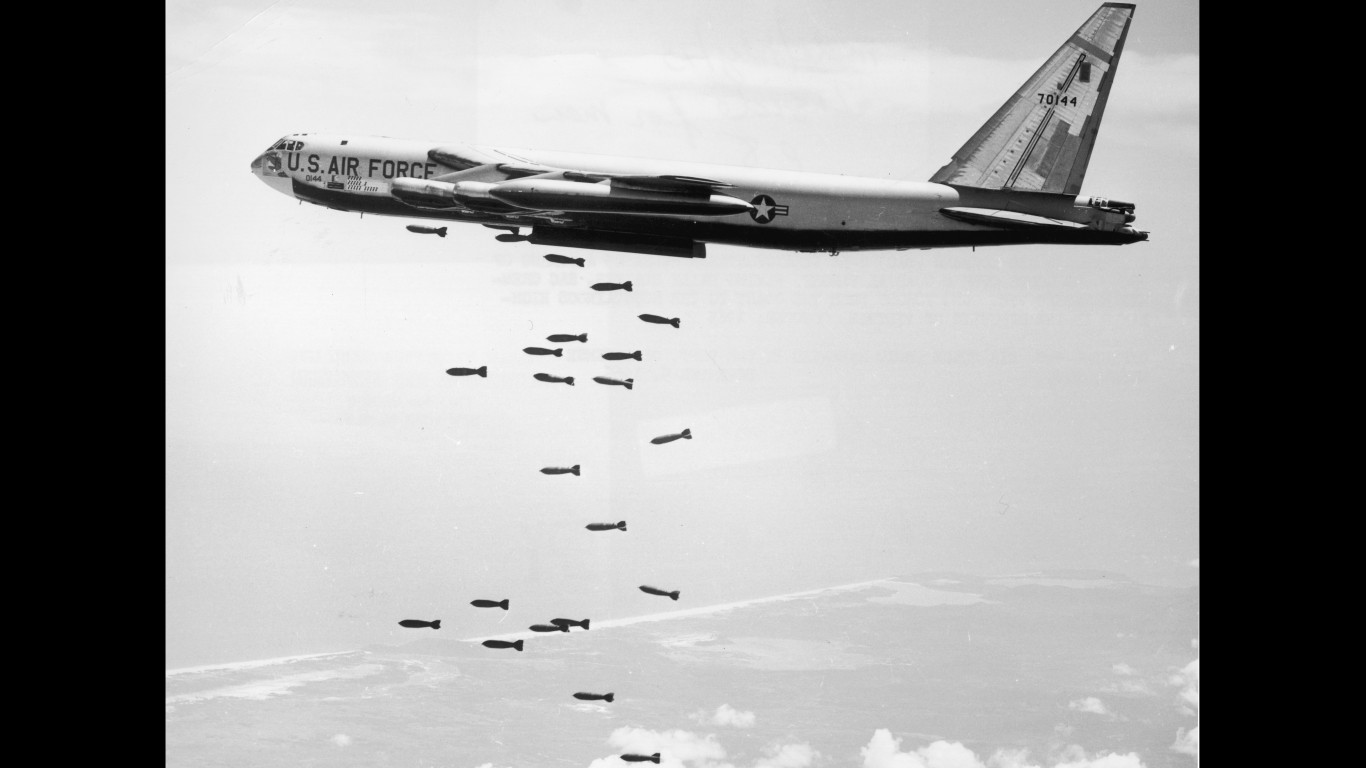
- Service branch: USAF
- Era: Cold War
- Aircraft role in power projection: Strategic bomber
- How it changed U.S. power projection: Enabled persistent global strike and nuclear deterrence from distant bases
- What it enabled the U.S. to do abroad: Conduct long-range strikes and continuous overseas presence
- Political or strategic impact: Symbol of enduring U.S. global reach and deterrence credibility
- Why it mattered long-term: Remains relevant across generations due to adaptability and reach
The B-52 fundamentally changed U.S. power projection by enabling sustained global strike missions far from American shores. Its range and payload allowed the United States to hold targets worldwide at risk without relying on nearby bases. Over decades, it became a visible symbol of deterrence, signaling commitment and capability across regions.
B-1B Lancer

- Service branch: USAF
- Era: Cold War
- Aircraft role in power projection: Long-range bomber
- How it changed U.S. power projection: Provided rapid conventional strike without forward basing
- What it enabled the U.S. to do abroad: Deliver large conventional payloads quickly to distant theaters
- Political or strategic impact: Expanded options for rapid escalation without nuclear use
- Why it mattered long-term: Shaped post–Cold War bomber employment and flexibility
The B-1B shifted U.S. power projection toward fast, conventional global strike. Its speed and range allowed rapid response from distant bases, reducing reliance on foreign infrastructure. In post–Cold War conflicts, it demonstrated how bombers could deliver decisive conventional power while retaining strategic signaling value.
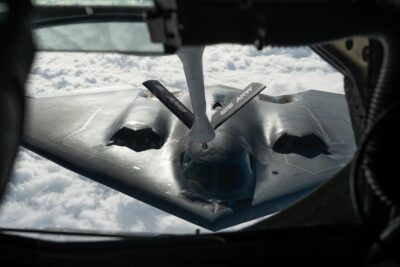
B-2 Spirit

- Service branch: USAF
- Era: Post–Cold War
- Aircraft role in power projection: Stealth strategic bomber
- How it changed U.S. power projection: Enabled stealthy global strike directly from the U.S. mainland
- What it enabled the U.S. to do abroad: Strike heavily defended targets without forward deployment
- Political or strategic impact: Redefined deterrence and first-night strike capability
- Why it mattered long-term: Established stealth as a strategic power-projection tool
The B-2 Spirit transformed U.S. power projection by combining stealth with intercontinental range. It allowed strikes against heavily defended targets without relying on overseas bases or regional access, fundamentally altering deterrence and crisis-response options.
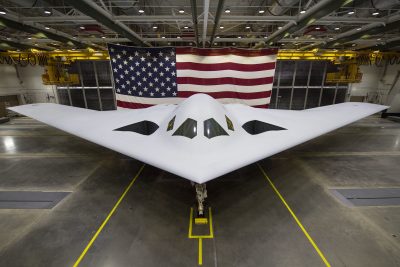
B-21 Raider
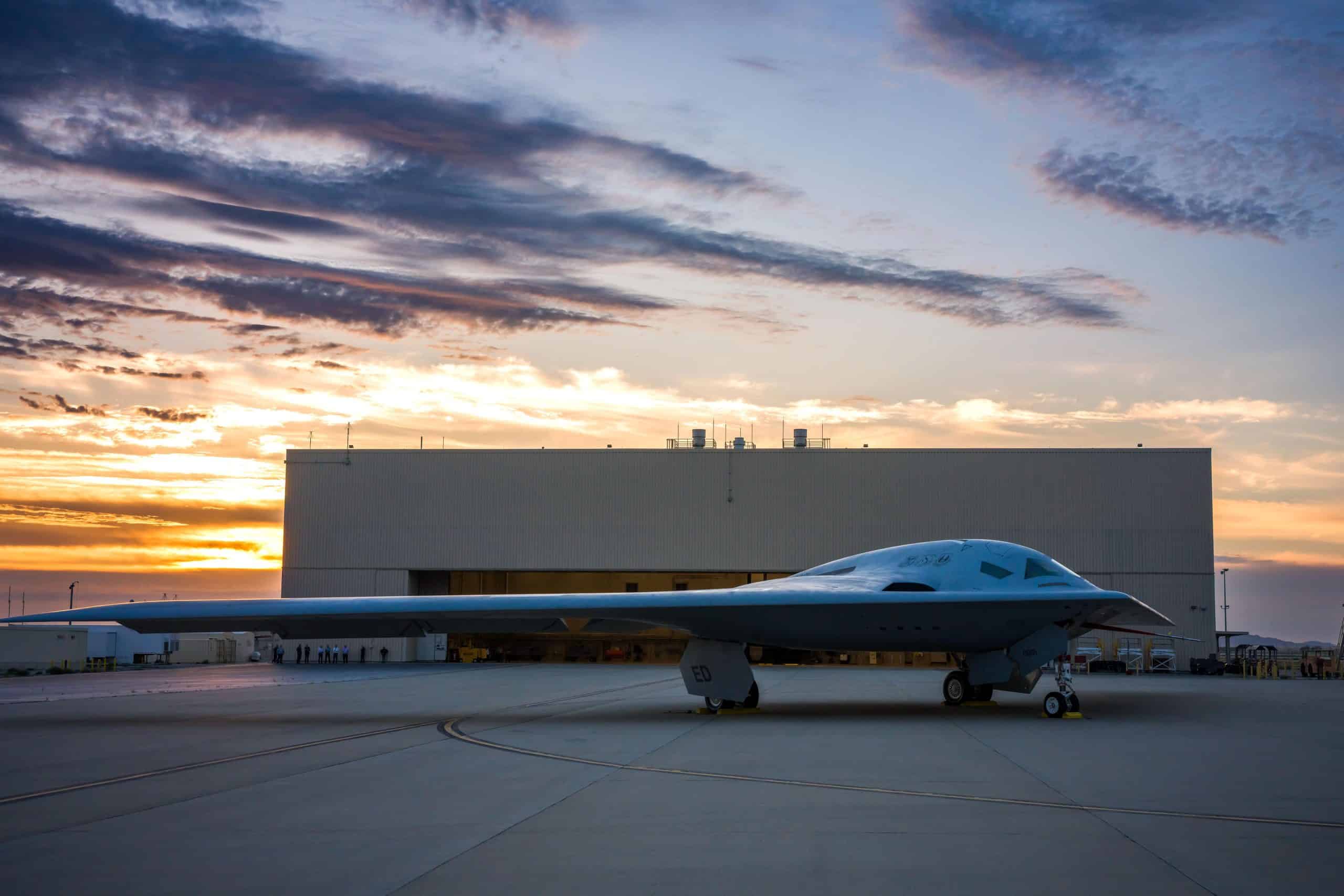
- Service branch: USAF
- Era: Modern
- Aircraft role in power projection: Stealth strategic bomber
- How it changed U.S. power projection: Extends stealth global strike into near-peer competition
- What it enabled the U.S. to do abroad: Maintain credible long-range strike in contested environments
- Political or strategic impact: Signals sustained U.S. global strike dominance
- Why it mattered long-term: Designed to anchor future power projection doctrine
The B-21 Raider represents the next evolution of U.S. power projection, ensuring stealthy global strike remains viable against advanced air defenses. It reinforces deterrence while reducing dependence on vulnerable overseas bases in future conflicts.
B-47 Stratojet
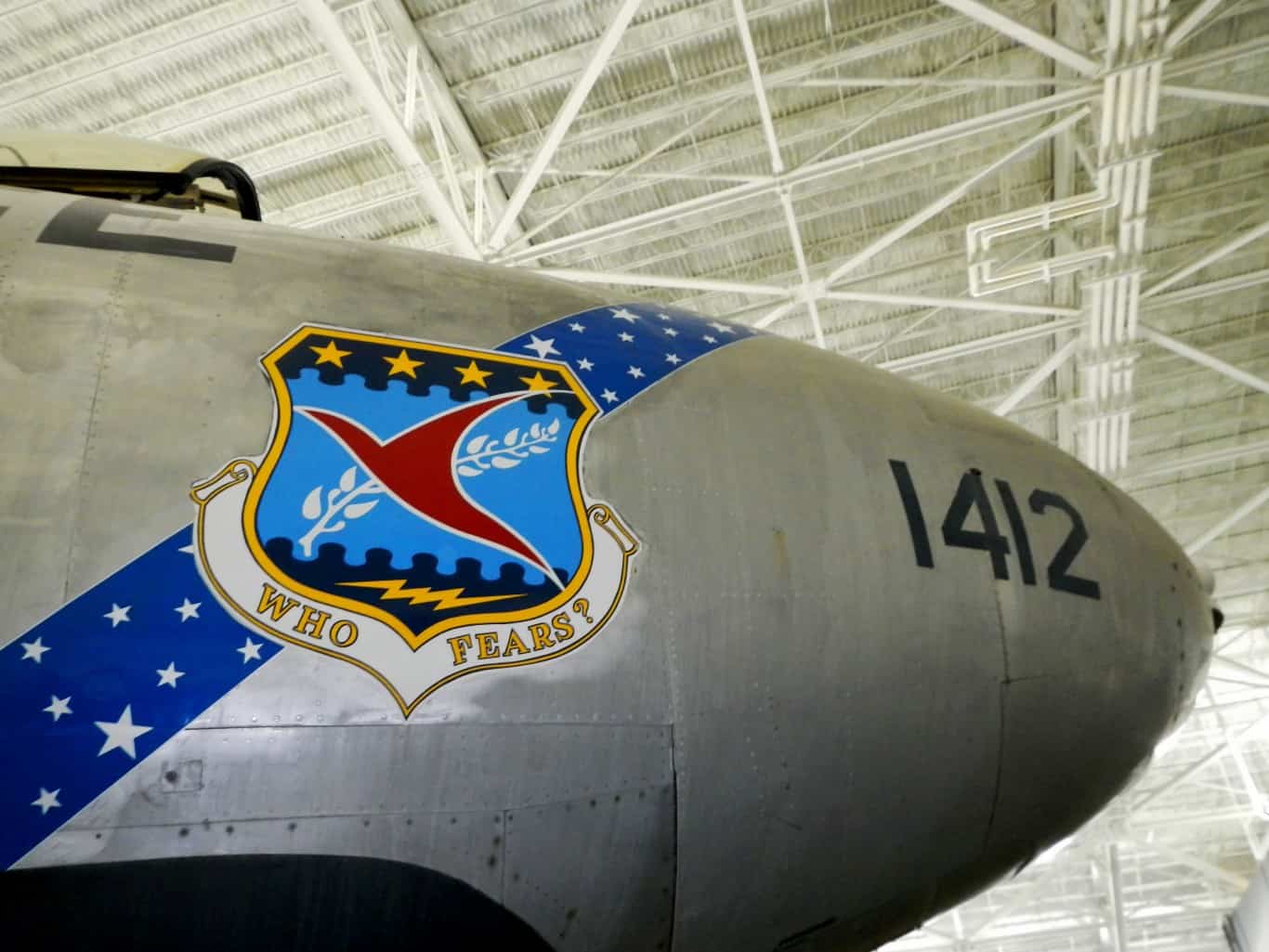
- Service branch: USAF
- Era: Cold War
- Aircraft role in power projection: Jet strategic bomber
- How it changed U.S. power projection: Introduced jet-powered nuclear power projection
- What it enabled the U.S. to do abroad: Rapidly deliver nuclear weapons across continents
- Political or strategic impact: Accelerated Cold War deterrence dynamics
- Why it mattered long-term: Laid groundwork for modern strategic bomber doctrine
The B-47 marked the transition to jet-powered strategic bombing, dramatically increasing the speed and reach of U.S. nuclear power projection. It reshaped early Cold War deterrence by enabling faster response times.
C-17 Globemaster III
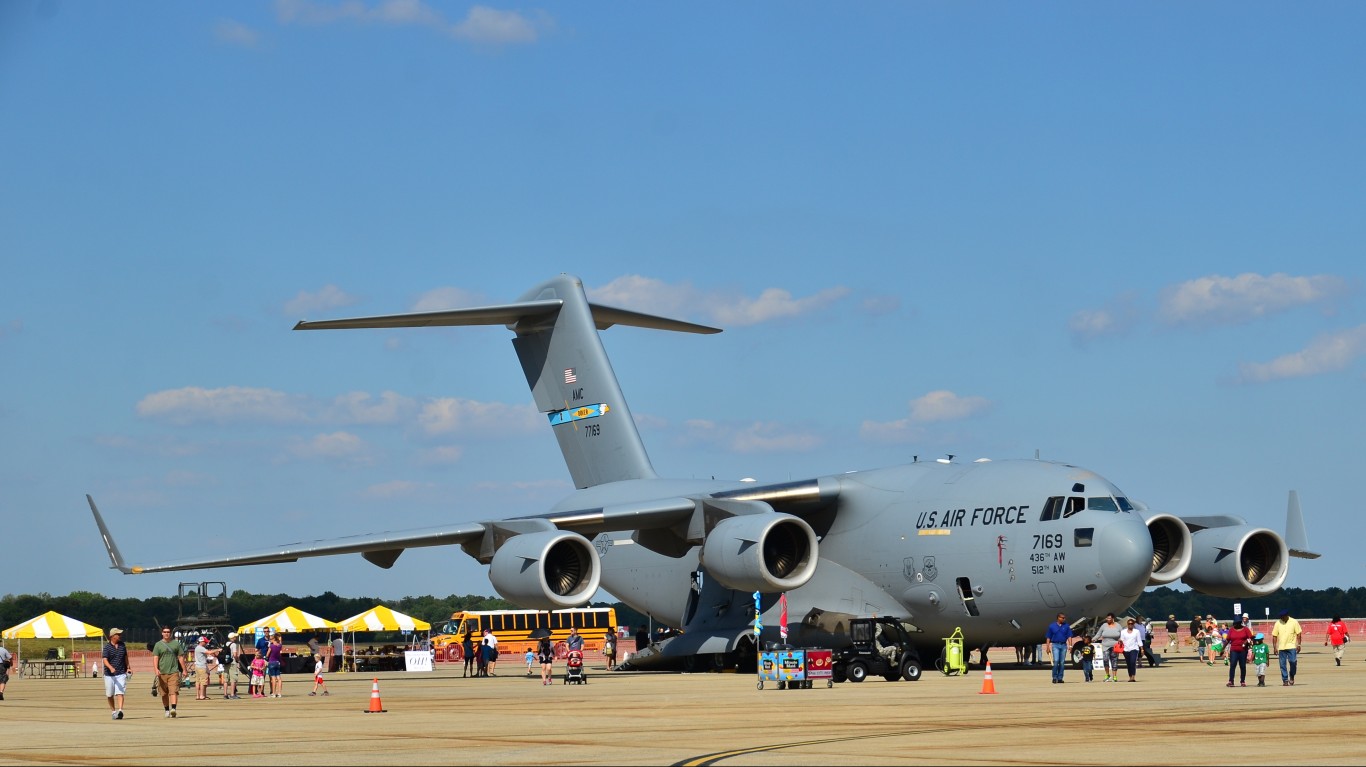
- Service branch: USAF
- Era: Post–Cold War
- Aircraft role in power projection: Strategic airlift
- How it changed U.S. power projection: Enabled rapid global deployment of forces and equipment
- What it enabled the U.S. to do abroad: Move troops and heavy equipment directly into theater
- Political or strategic impact: Made rapid intervention politically and militarily feasible
- Why it mattered long-term: Redefined expeditionary warfare logistics
The C-17 transformed U.S. power projection by allowing forces to deploy rapidly and directly into distant theaters. Its flexibility reduced reliance on intermediate staging bases and enabled fast responses to crises, humanitarian missions, and combat operations worldwide.
C-5 Galaxy
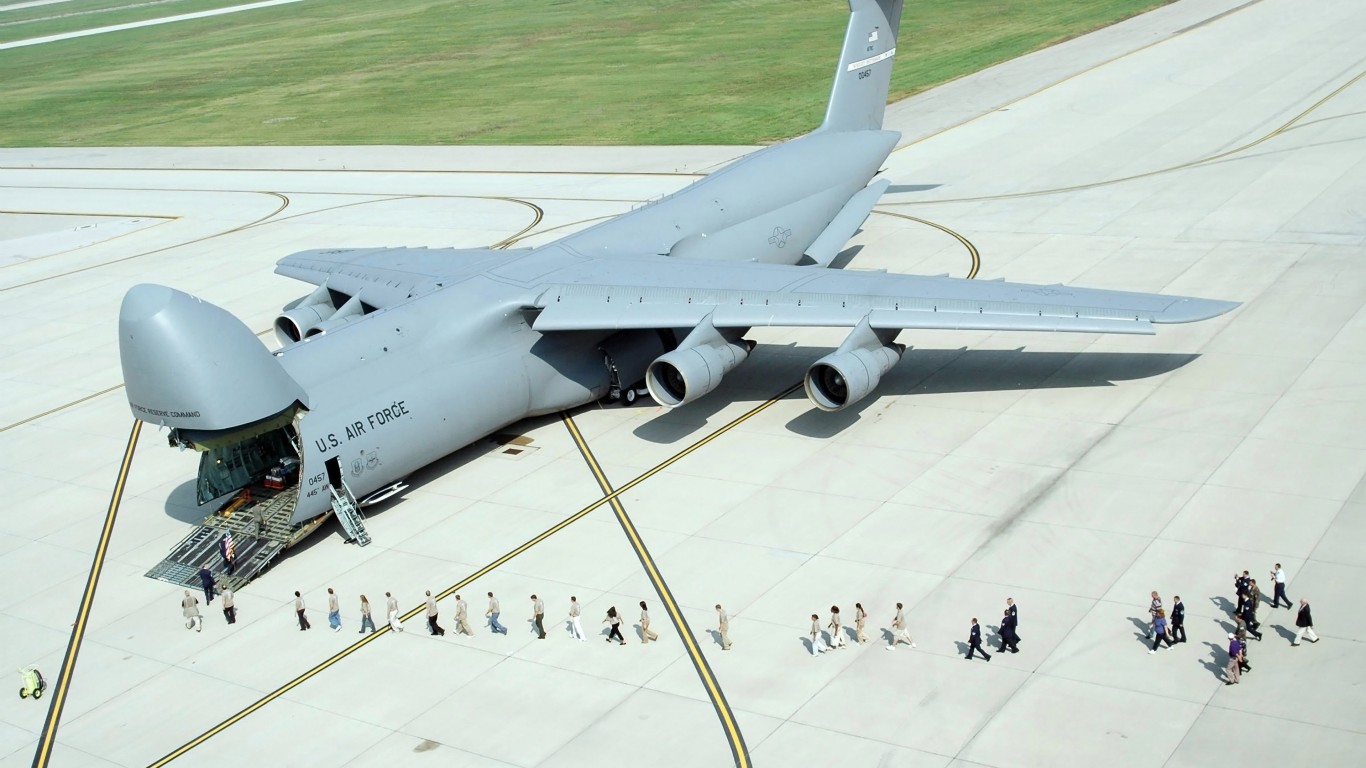
- Service branch: USAF
- Era: Cold War
- Aircraft role in power projection: Strategic airlift
- How it changed U.S. power projection: Enabled movement of oversized equipment overseas
- What it enabled the U.S. to do abroad: Deploy armored vehicles and large systems globally
- Political or strategic impact: Made large-scale overseas wars logistically possible
- Why it mattered long-term: Anchored heavy-force projection doctrine
The C-5 Galaxy expanded U.S. power projection by making it possible to deploy massive military equipment across oceans. This capability allowed the United States to sustain large-scale overseas operations.
C-141 Starlifter

- Service branch: USAF
- Era: Cold War
- Aircraft role in power projection: Strategic airlift
- How it changed U.S. power projection: Made intercontinental airlift routine
- What it enabled the U.S. to do abroad: Rapidly move troops overseas
- Political or strategic impact: Accelerated crisis response during the Cold War
- Why it mattered long-term: Established modern air mobility concepts
The C-141 normalized long-range airlift, allowing U.S. forces to move troops across continents quickly. It reshaped Cold War crisis response and laid the foundation for modern rapid deployment and sustained overseas presence.
C-130 Hercules
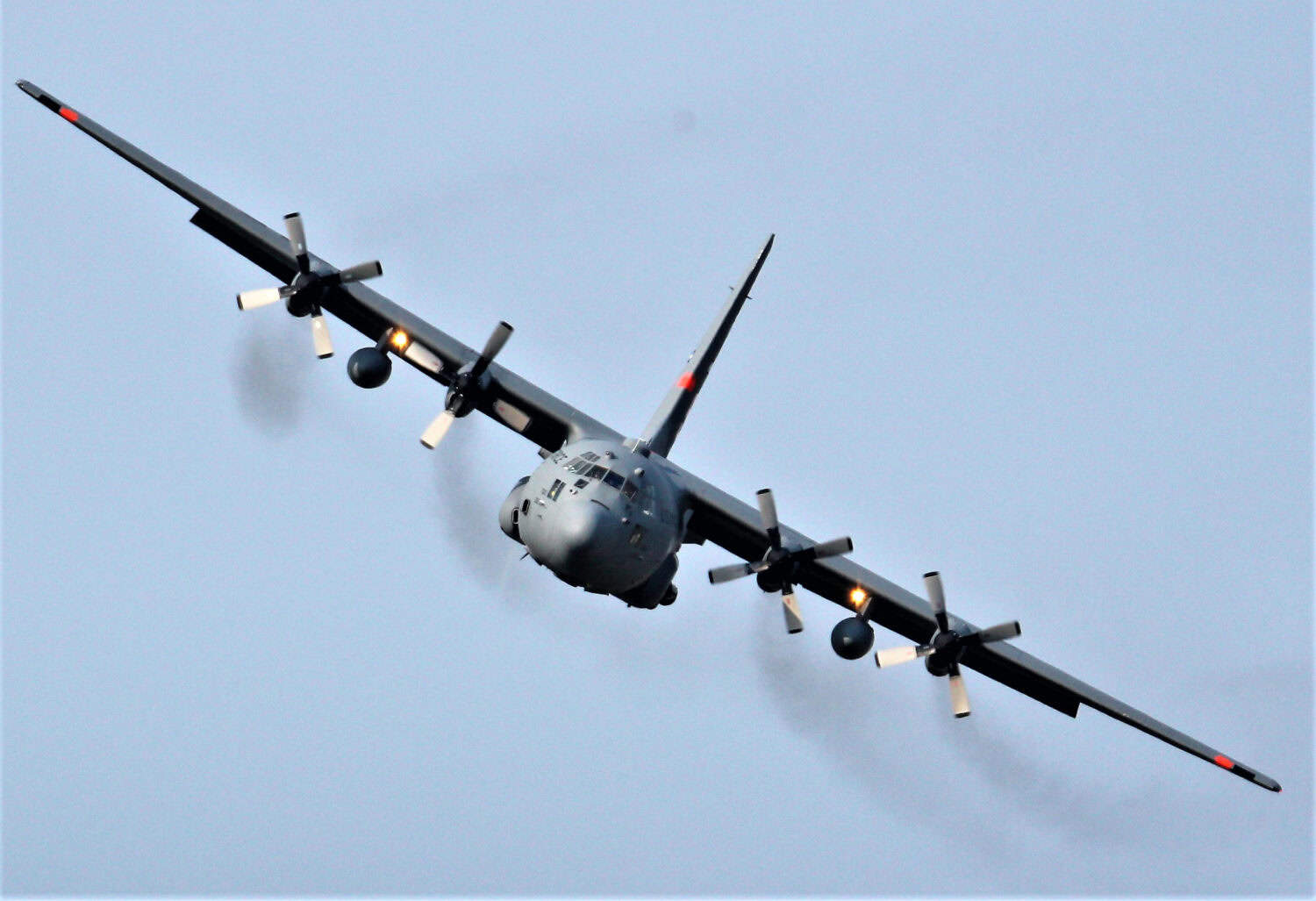
- Service branch: USAF
- Era: Cold War
- Aircraft role in power projection: Tactical airlift
- How it changed U.S. power projection: Enabled access to austere foreign airfields
- What it enabled the U.S. to do abroad: Support dispersed operations abroad
- Political or strategic impact: Expanded reach into politically sensitive regions
- Why it mattered long-term: Remains central to expeditionary operations
The C-130 changed U.S. power projection by enabling operations from short, unimproved runways worldwide. Its versatility allowed American forces to operate in remote or politically constrained environments.
CV-22 Osprey

- Service branch: USAF
- Era: Modern
- Aircraft role in power projection: Tiltrotor SOF transport
- How it changed U.S. power projection: Extended special operations reach without bases
- What it enabled the U.S. to do abroad: Insert SOF forces deep into hostile territory
- Political or strategic impact: Expanded covert and rapid-response options
- Why it mattered long-term: Reshaped special operations deployment models
The CV-22 Osprey extended U.S. power projection by giving special operations forces unprecedented range and speed. It reduced dependence on nearby bases and enabled rapid, flexible operations in politically sensitive regions.
KC-135 Stratotanker

- Service branch: USAF
- Era: Cold War
- Aircraft role in power projection: Aerial refueling
- How it changed U.S. power projection: Made global air operations sustainable
- What it enabled the U.S. to do abroad: Extend range of fighters, bombers, and ISR aircraft
- Political or strategic impact: Quiet backbone of U.S. global reach
- Why it mattered long-term: Enabled nearly every modern overseas air operation
The KC-135 revolutionized U.S. power projection by enabling aircraft to operate globally without landing. Aerial refueling made long-range strike, patrol, and presence missions routine across every theater.
KC-10 Extender
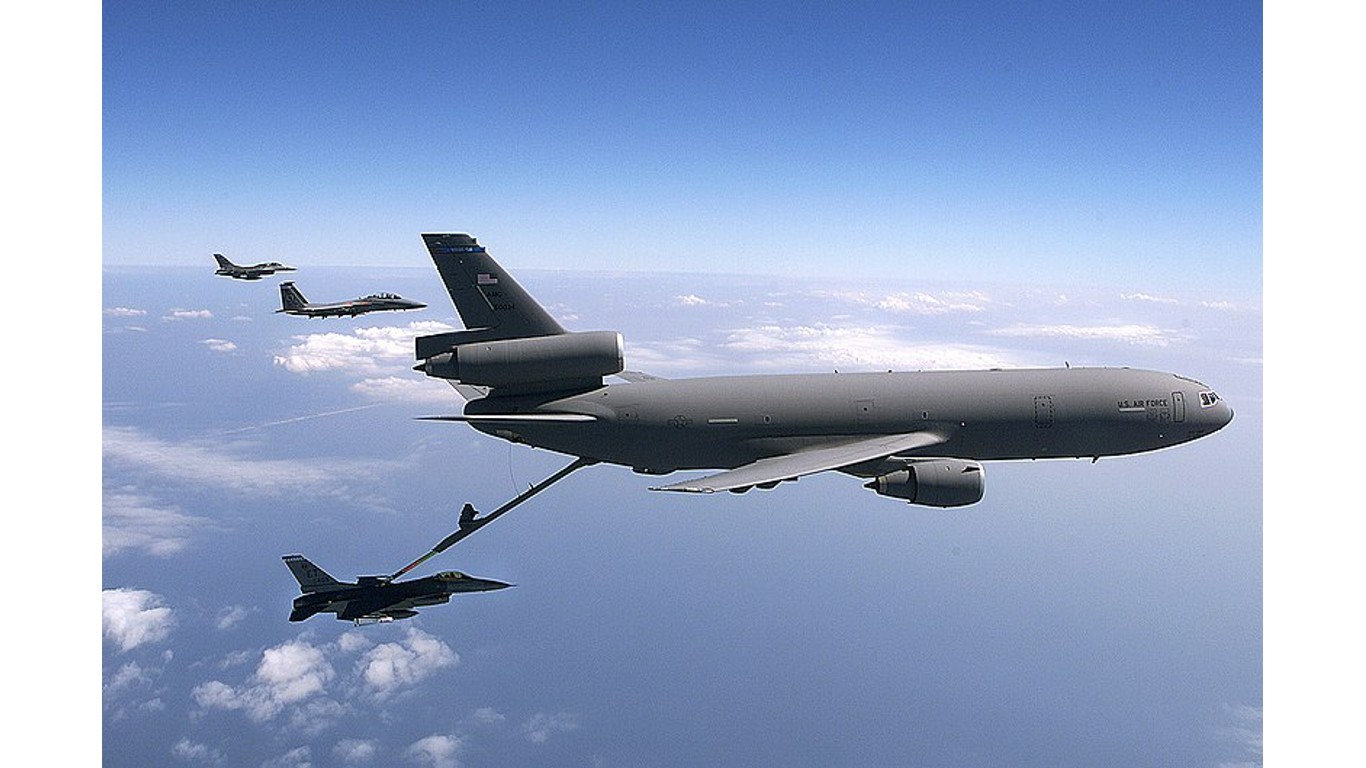
- Service branch: USAF
- Era: Cold War
- Aircraft role in power projection: Aerial refueling / airlift
- How it changed U.S. power projection: Combined refueling and transport capability
- What it enabled the U.S. to do abroad: Support sustained overseas operations
- Political or strategic impact: Enhanced endurance of global operations
- Why it mattered long-term: Improved efficiency of force projection
The KC-10 strengthened U.S. power projection by combining aerial refueling with strategic airlift. This dual role improved operational efficiency and sustained overseas operations without expanding basing requirements.
KC-46 Pegasus
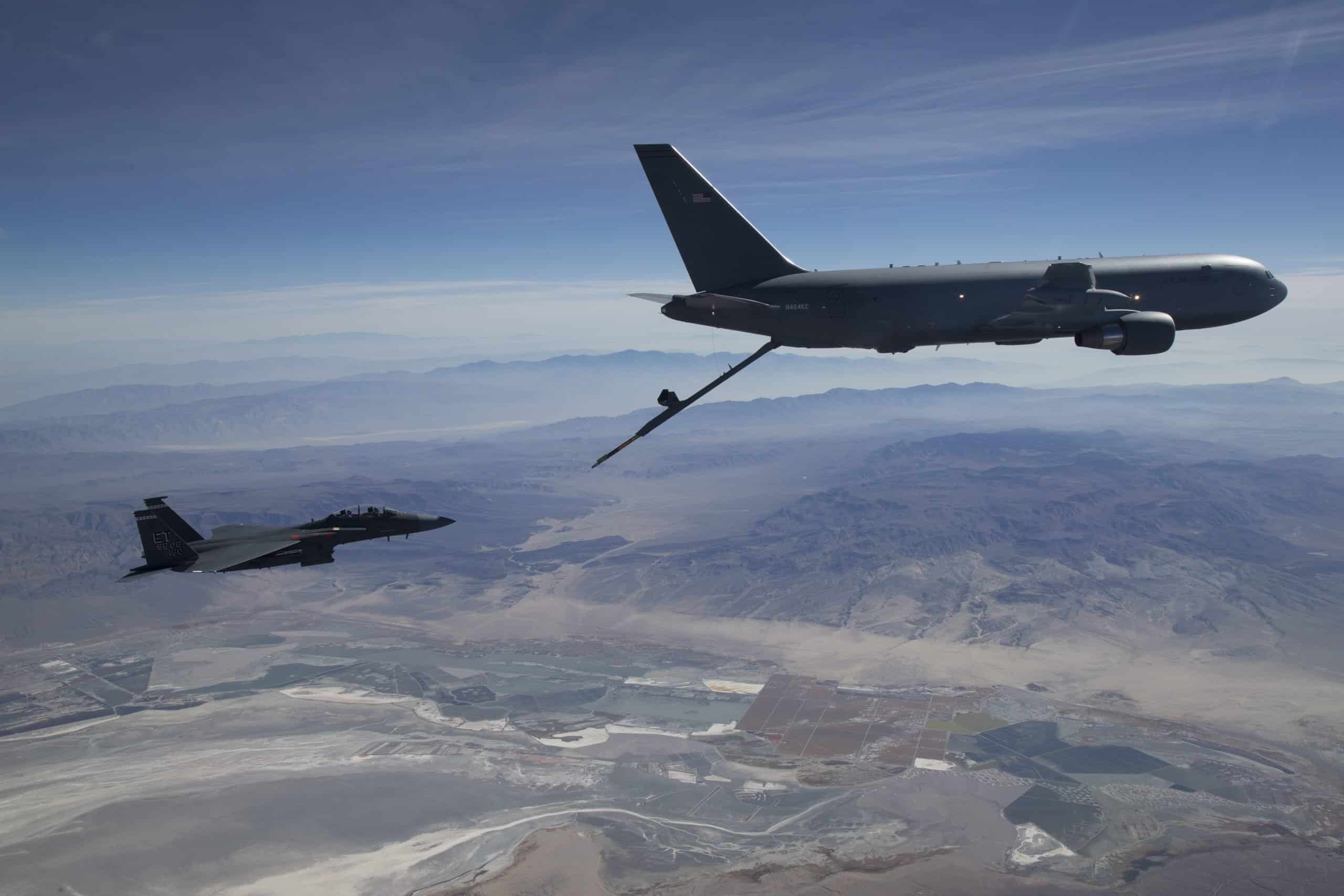
- Service branch: USAF
- Era: Modern
- Aircraft role in power projection: Aerial refueling
- How it changed U.S. power projection: Modernized global refueling capacity
- What it enabled the U.S. to do abroad: Sustain worldwide air operations
- Political or strategic impact: Ensures continuity of U.S. global reach
- Why it mattered long-term: Anchors future airpower projection
The KC-46 ensures U.S. power projection remains viable by modernizing the aerial refueling fleet. It supports global operations across theaters, sustaining the reach and persistence of American airpower.
E-3 AWACS
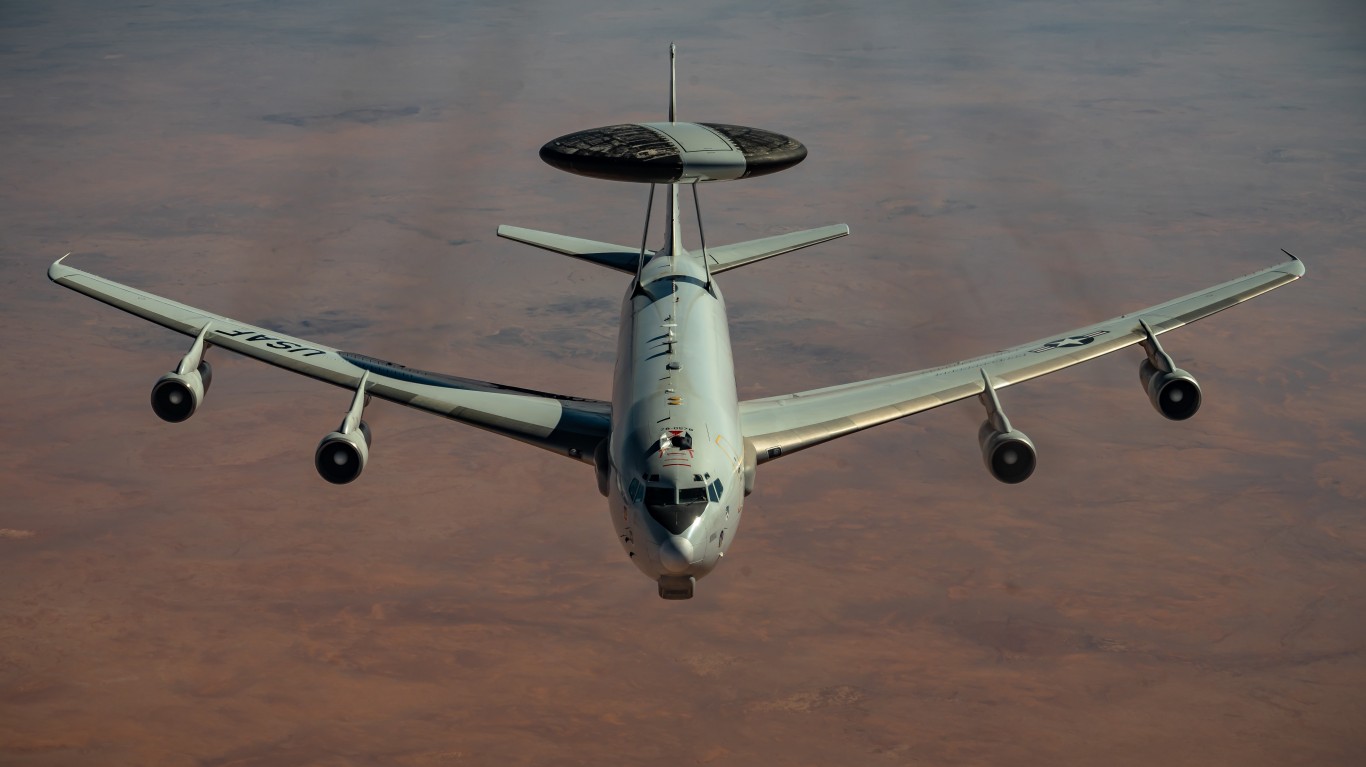
- Service branch: USAF
- Era: Cold War
- Aircraft role in power projection: Airborne command and control
- How it changed U.S. power projection: Enabled airspace control and coalition coordination
- What it enabled the U.S. to do abroad: Direct multinational air campaigns
- Political or strategic impact: Enhanced alliance interoperability and dominance
- Why it mattered long-term: Redefined airborne command roles
The E-3 AWACS transformed power projection by allowing the United States to command and control airspace far from home. It enabled coalition operations and reinforced U.S. leadership in multinational campaigns.
E-8 JSTARS
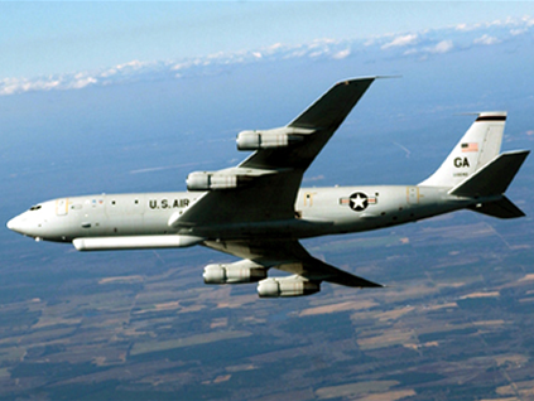
- Service branch: USAF
- Era: Post–Cold War
- Aircraft role in power projection: Battlefield surveillance
- How it changed U.S. power projection: Provided real-time ground battle management
- What it enabled the U.S. to do abroad: Coordinate large-scale land operations abroad
- Political or strategic impact: Changed joint warfare planning
- Why it mattered long-term: Linked airpower directly to ground dominance
The E-8 JSTARS reshaped power projection by giving commanders real-time insight into ground movements. It allowed U.S. forces to coordinate large-scale land operations overseas with unprecedented precision.
RC-135 Rivet Joint
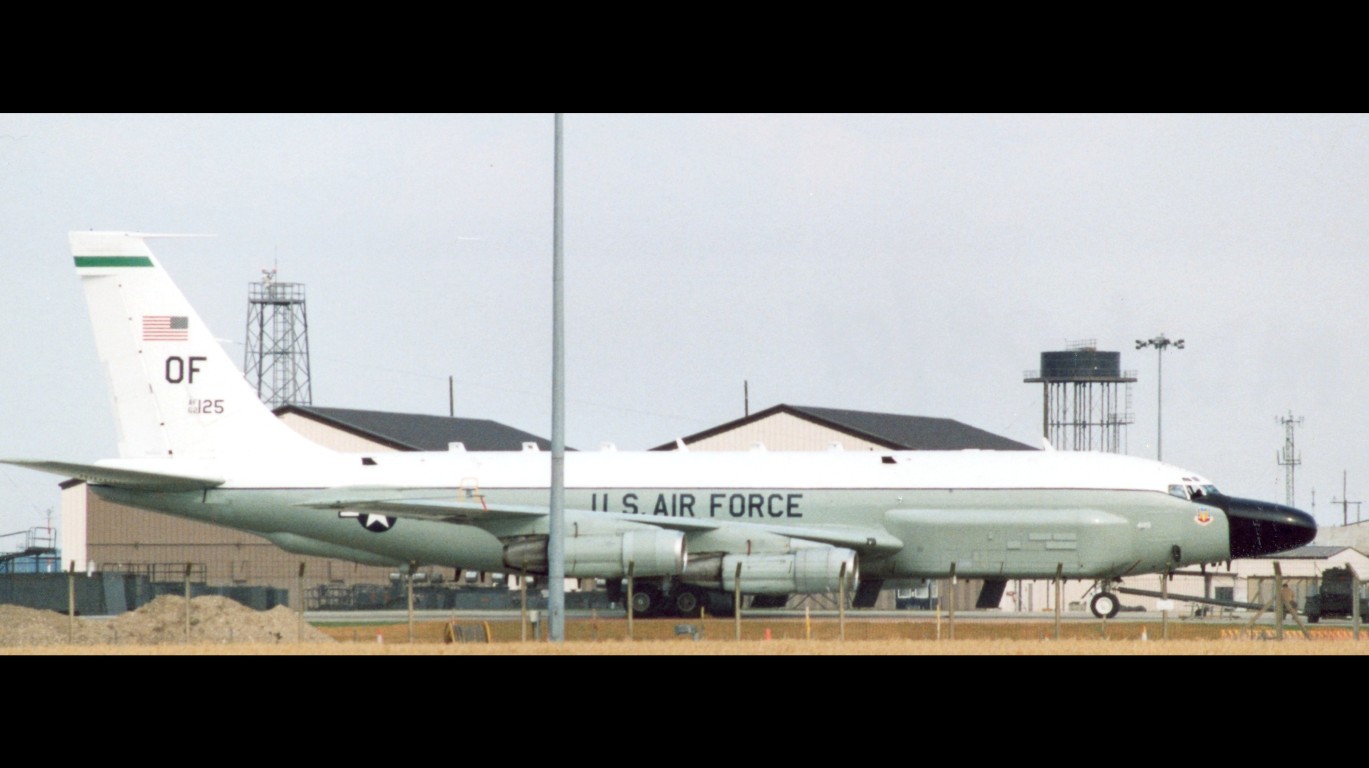
- Service branch: USAF
- Era: Cold War
- Aircraft role in power projection: Signals intelligence
- How it changed U.S. power projection: Enabled persistent global intelligence collection
- What it enabled the U.S. to do abroad: Monitor adversaries worldwide
- Political or strategic impact: Influenced strategic decision-making
- Why it mattered long-term: Anchored airborne intelligence operations
The RC-135 expanded U.S. power projection through persistent global intelligence collection. By monitoring adversaries abroad, it shaped deterrence, crisis management, and strategic planning.
U-2 Dragon Lady
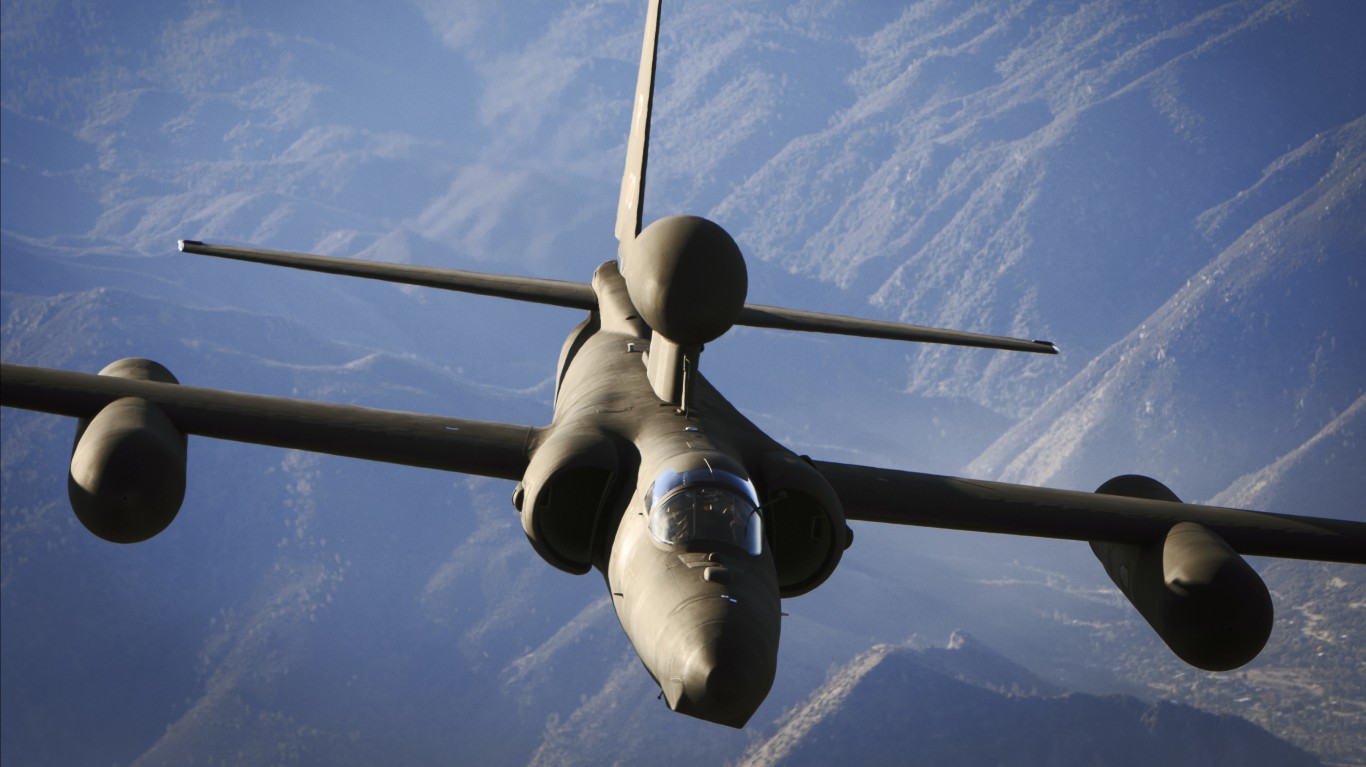
- Service branch: USAF
- Era: Cold War
- Aircraft role in power projection: Strategic ISR
- How it changed U.S. power projection: Enabled high-altitude global surveillance
- What it enabled the U.S. to do abroad: Gather intelligence without ground access
- Political or strategic impact: Altered Cold War intelligence dynamics
- Why it mattered long-term: Remains vital for strategic awareness
The U-2 changed U.S. power projection by providing strategic intelligence without reliance on foreign bases. Its endurance and altitude made it a key tool for monitoring global threats.
RQ-4 Global Hawk
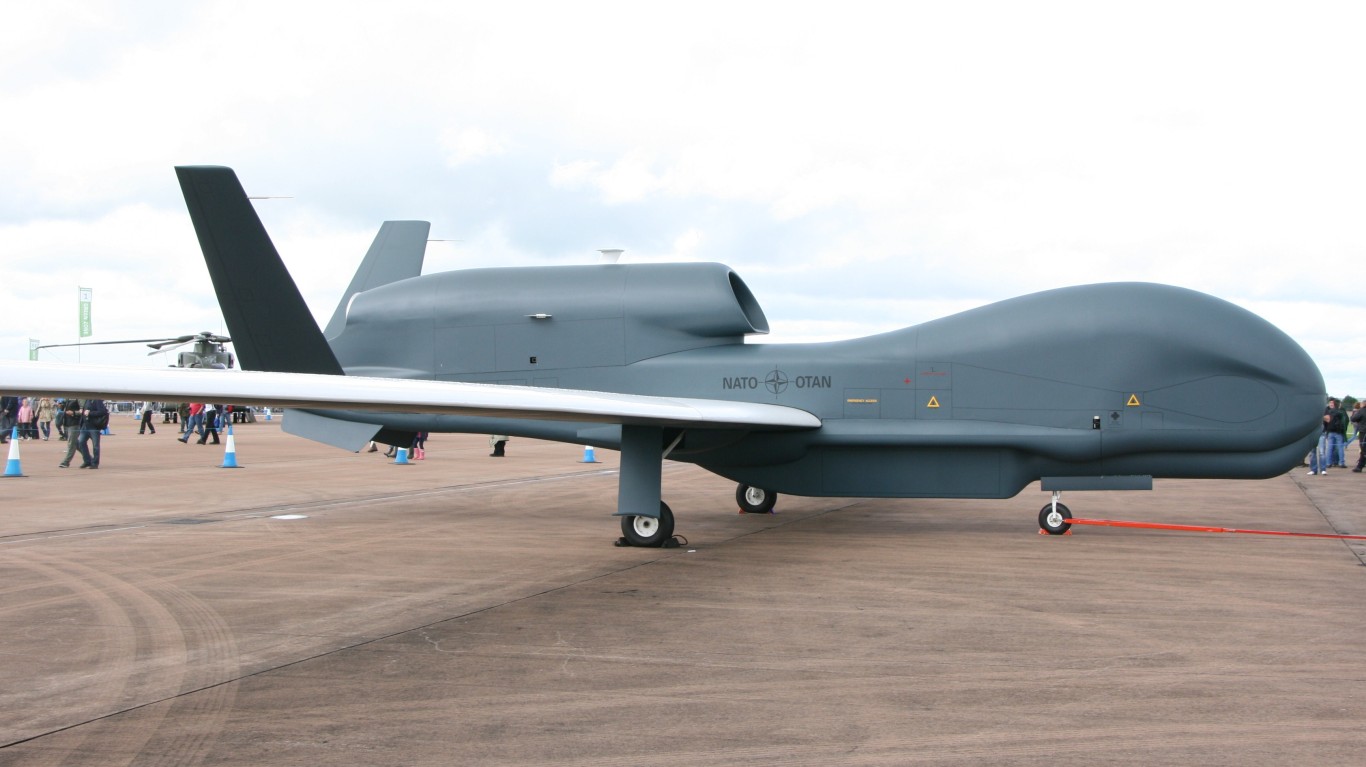
- Service branch: USAF
- Era: Modern
- Aircraft role in power projection: Unmanned ISR
- How it changed U.S. power projection: Enabled persistent unmanned global surveillance
- What it enabled the U.S. to do abroad: Maintain long-term presence without pilots
- Political or strategic impact: Lowered political cost of ISR missions
- Why it mattered long-term: Expanded unmanned power projection
The RQ-4 Global Hawk extended U.S. power projection by enabling persistent global surveillance without risking pilots. Its endurance reshaped intelligence gathering and crisis monitoring.
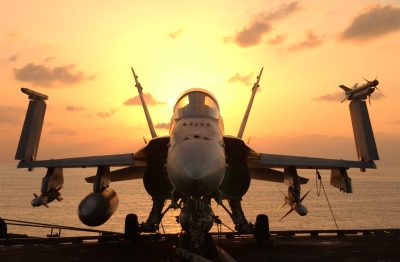
F/A-18 Hornet / Super Hornet
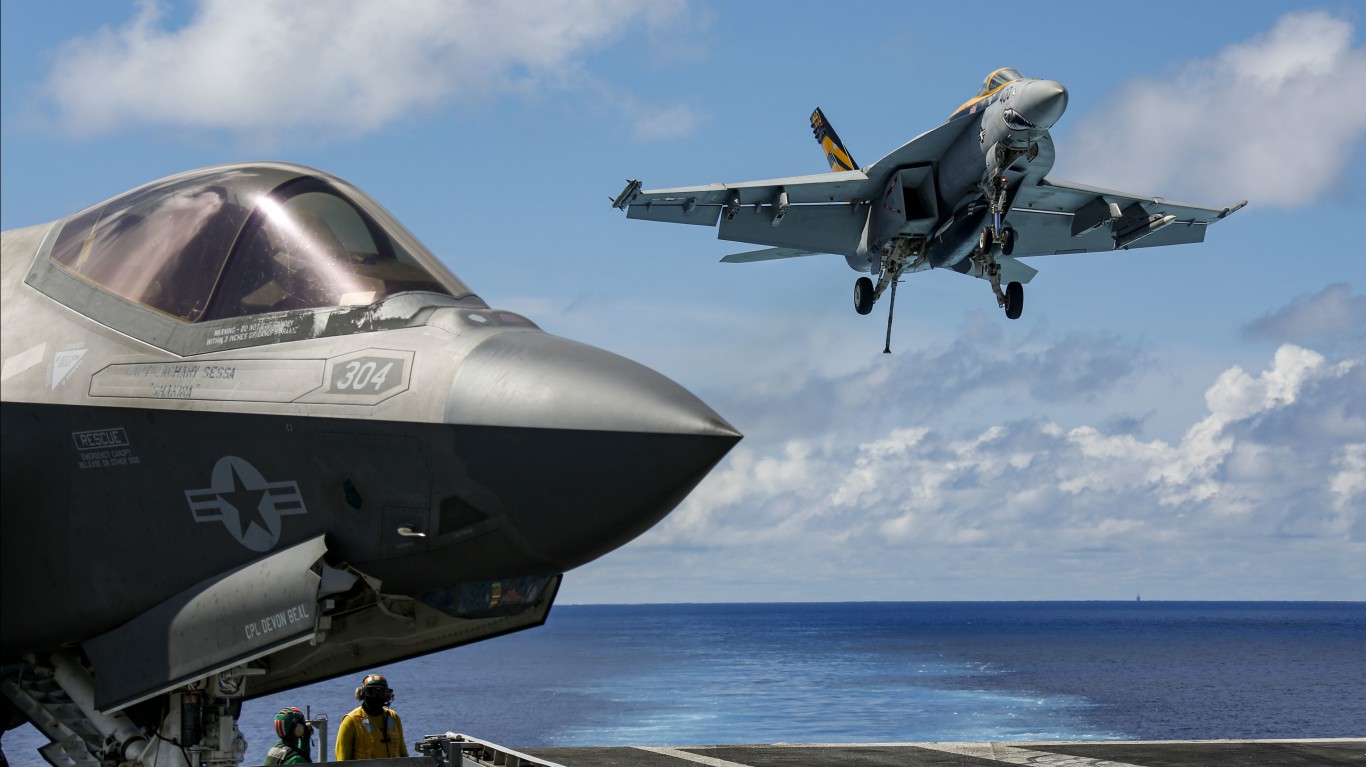
- Service branch: USN
- Era: Cold War / Modern
- Aircraft role in power projection: Carrier strike fighter
- How it changed U.S. power projection: Enabled flexible carrier-based global strike
- What it enabled the U.S. to do abroad: Project power from international waters
- Political or strategic impact: Reinforced naval power projection
- Why it mattered long-term: Anchored carrier air wing flexibility
The F/A-18 family allowed the United States to project power globally from carriers without relying on foreign bases. Its versatility made carrier strike groups central to sustained overseas presence.
F-35 Lightning II

- Service branch: USAF/USN/USMC
- Era: Modern
- Aircraft role in power projection: Multirole stealth fighter
- How it changed U.S. power projection: Enabled networked coalition power projection
- What it enabled the U.S. to do abroad: Integrate allies into U.S.-led operations
- Political or strategic impact: Strengthened alliance-based deterrence
- Why it mattered long-term: Reshaped coalition airpower doctrine
The F-35 changed U.S. power projection by integrating allies into a shared networked battlespace. It strengthened coalition deterrence and expanded political influence through interoperability.
AV-8B Harrier II
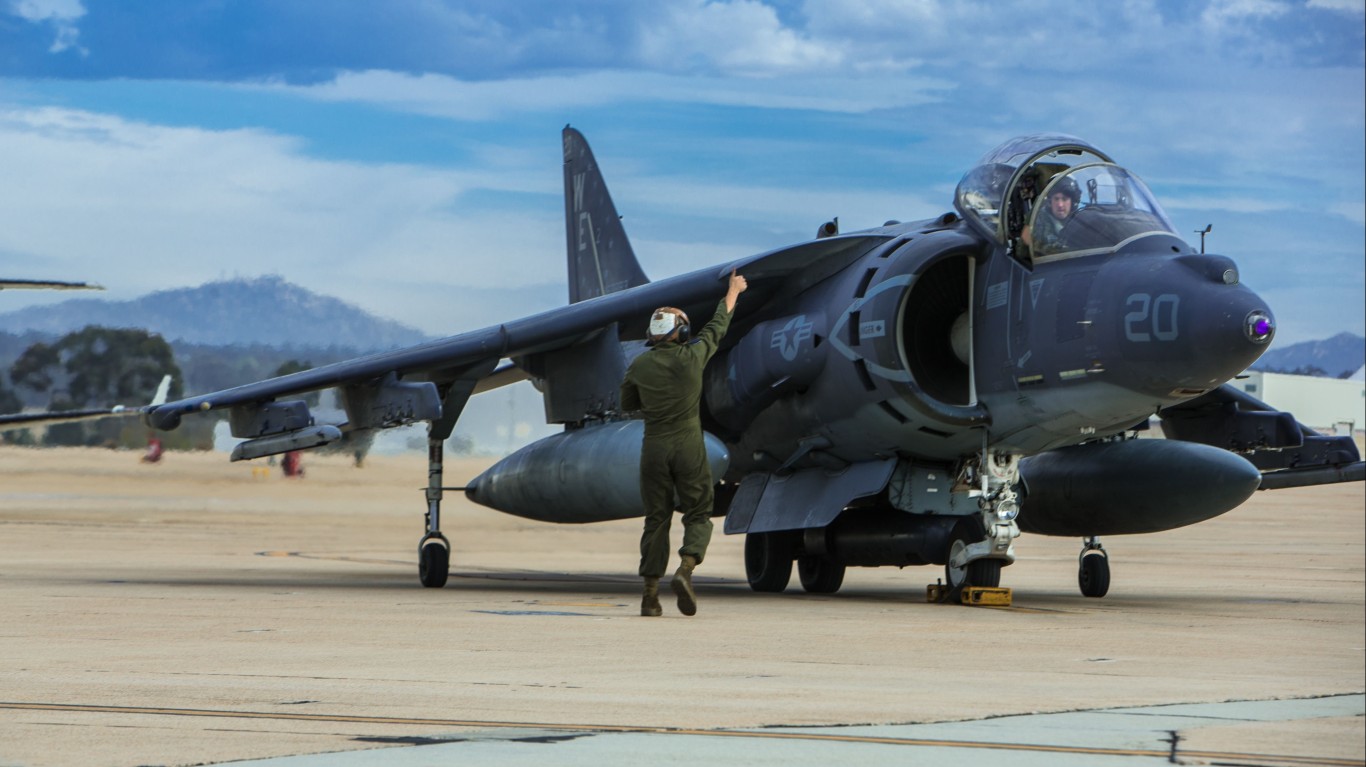
- Service branch: USMC
- Era: Cold War
- Aircraft role in power projection: STOVL attack aircraft
- How it changed U.S. power projection: Enabled expeditionary aviation from austere bases
- What it enabled the U.S. to do abroad: Project power without major airfields
- Political or strategic impact: Expanded Marine expeditionary reach
- Why it mattered long-term: Influenced future expeditionary aviation
The AV-8B Harrier II allowed U.S. forces to project airpower from forward and austere locations. It reduced dependence on major bases and enhanced expeditionary operations.
F-14 Tomcat
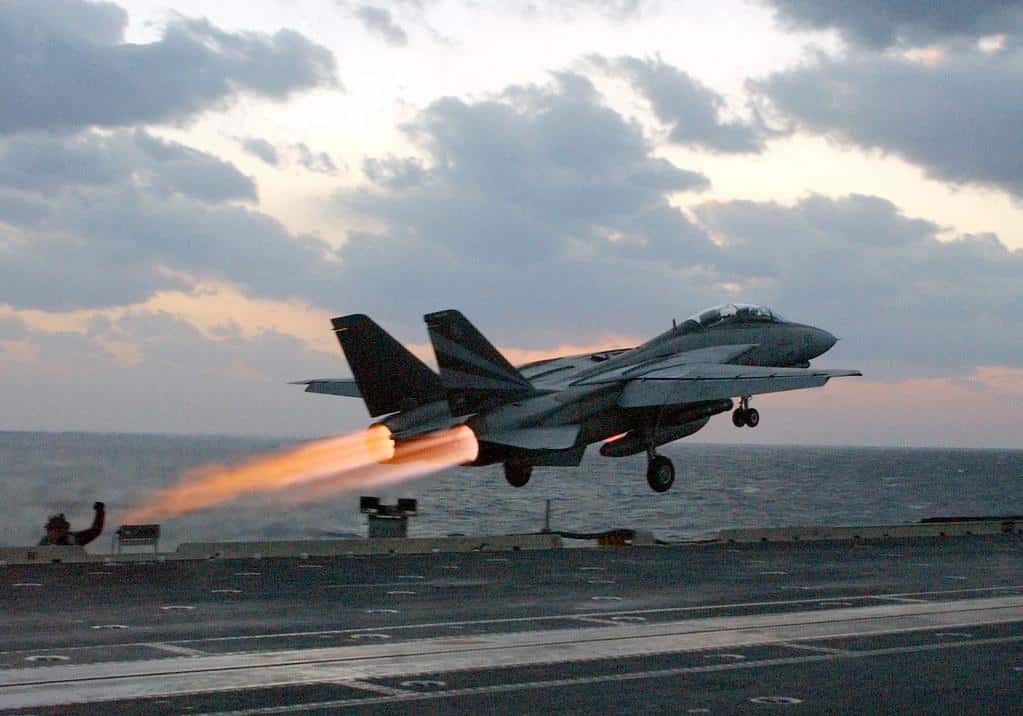
- Service branch: USN
- Era: Cold War
- Aircraft role in power projection: Fleet defense fighter
- How it changed U.S. power projection: Enabled long-range carrier defense
- What it enabled the U.S. to do abroad: Protect carrier strike groups abroad
- Political or strategic impact: Reinforced naval deterrence
- Why it mattered long-term: Secured carrier-based power projection
The F-14 Tomcat ensured carrier strike groups could operate globally by providing long-range fleet defense. Its presence reinforced U.S. naval power projection during the Cold War.
AC-130 Gunship
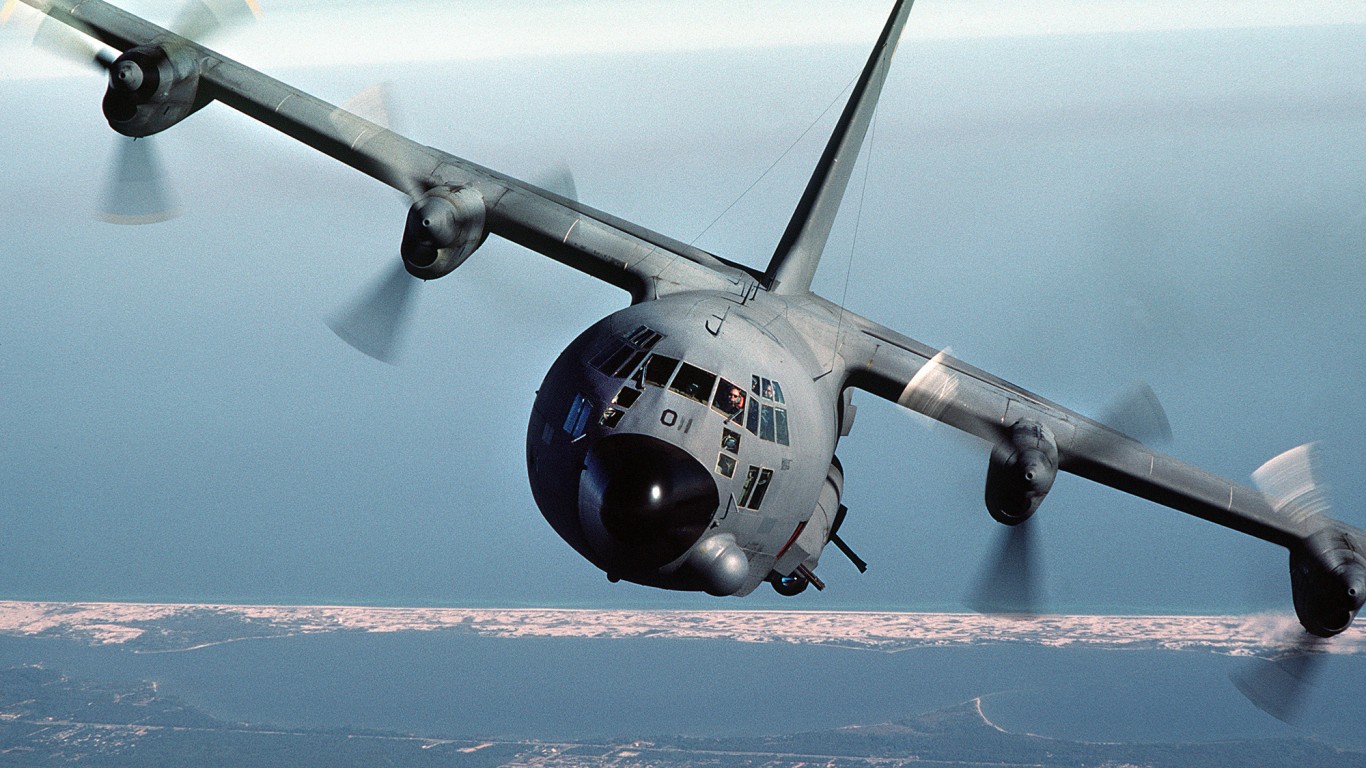
- Service branch: USAF
- Era: Cold War
- Aircraft role in power projection: Close air support
- How it changed U.S. power projection: Enabled persistent firepower in permissive theaters
- What it enabled the U.S. to do abroad: Sustain presence in counterinsurgency operations
- Political or strategic impact: Changed small-war power projection
- Why it mattered long-term: Defined permissive-environment dominance
The AC-130 changed how the U.S. projected power in low-intensity conflicts by delivering sustained, precise fire support. It allowed prolonged presence in permissive environments with minimal ground footprint.
MQ-9 Reaper
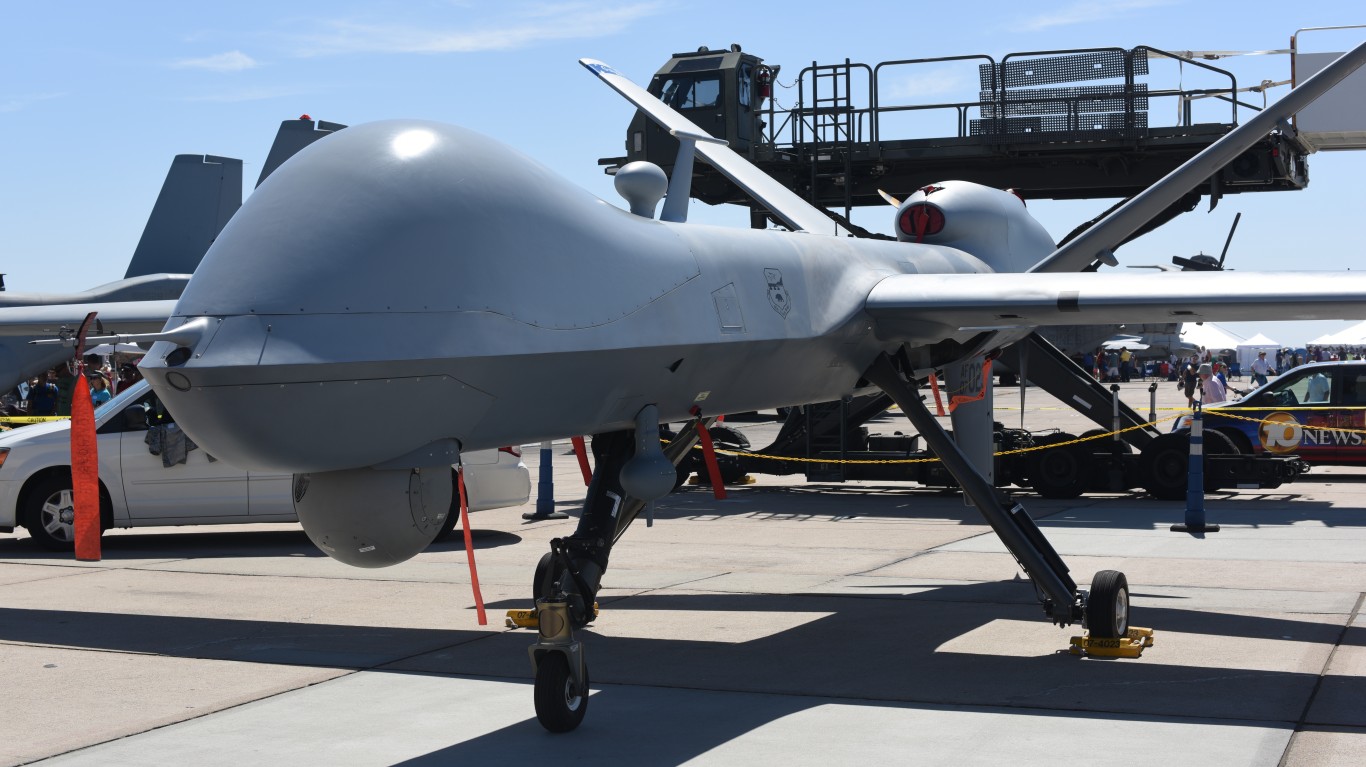
- Service branch: USAF
- Era: Modern
- Aircraft role in power projection: Unmanned strike
- How it changed U.S. power projection: Enabled persistent strike without troop deployments
- What it enabled the U.S. to do abroad: Apply force with low political risk
- Political or strategic impact: Altered political calculus of force use
- Why it mattered long-term: Redefined remote warfare
The MQ-9 Reaper reshaped U.S. power projection by enabling persistent strike operations without deploying large forces. It lowered political barriers to overseas action and changed how force was applied.
MQ-1 Predator
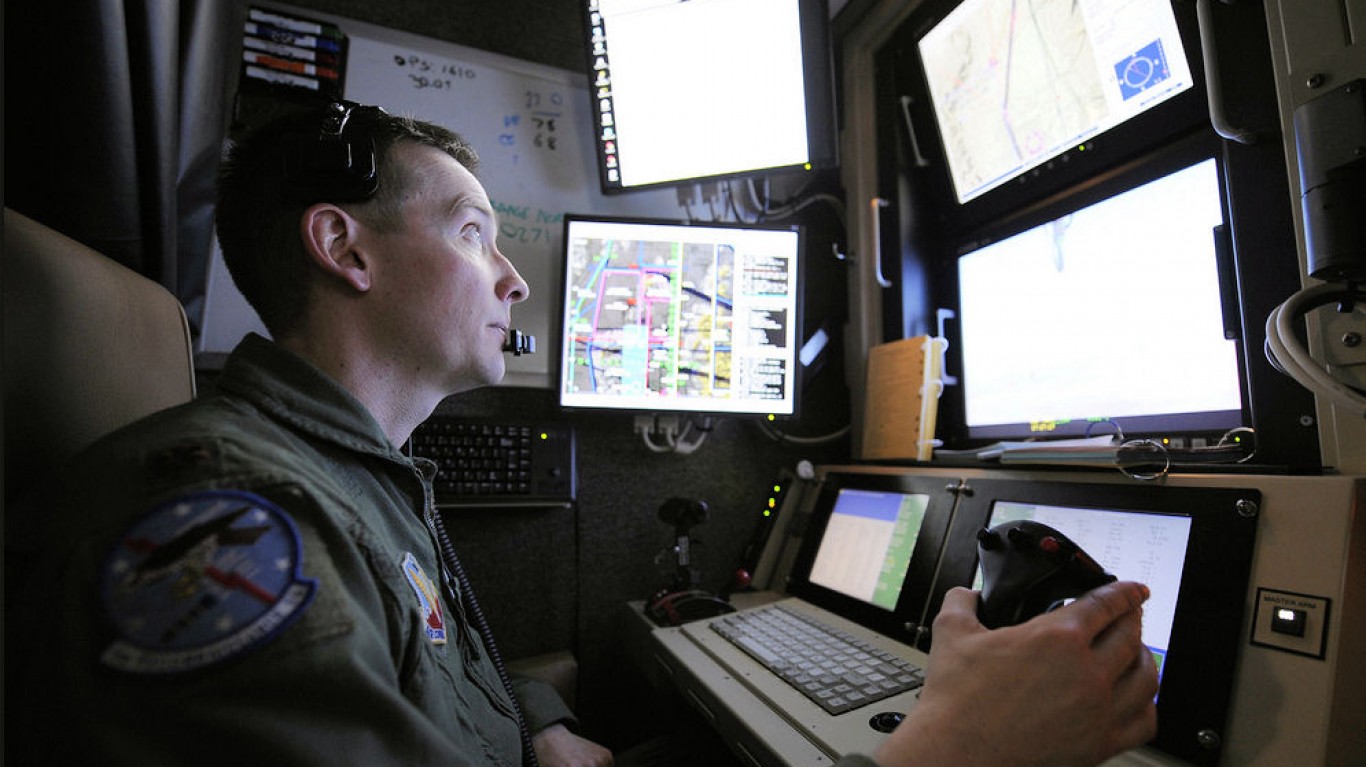
- Service branch: USAF
- Era: Modern
- Aircraft role in power projection: Unmanned ISR/strike
- How it changed U.S. power projection: Introduced armed unmanned power projection
- What it enabled the U.S. to do abroad: Conduct surveillance and strike remotely
- Political or strategic impact: Changed decision-making on overseas strikes
- Why it mattered long-term: Paved the way for modern drone warfare
The MQ-1 Predator transformed power projection by combining surveillance and strike in a single unmanned platform. It redefined how and when the United States used force abroad.
B-29 Superfortress
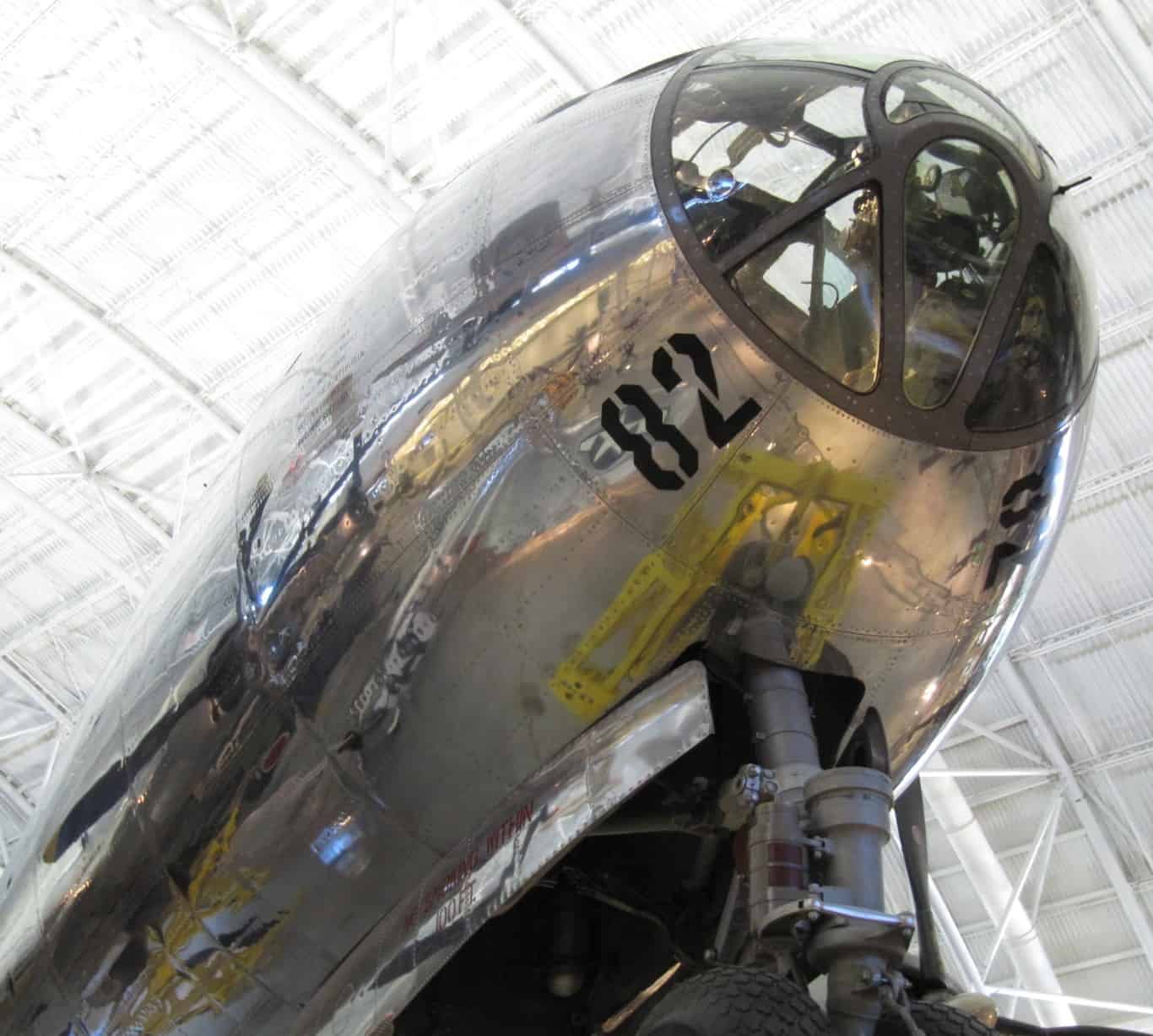
- Service branch: USAAF
- Era: WWII
- Aircraft role in power projection: Strategic bomber
- How it changed U.S. power projection: Enabled intercontinental bombing campaigns
- What it enabled the U.S. to do abroad: Project power across oceans
- Political or strategic impact: Demonstrated global airpower reach
- Why it mattered long-term: Set precedent for postwar strategy
The B-29 Superfortress represented the first true expression of global airpower, allowing the United States to project force across oceans. It reshaped strategic thinking and postwar power projection.
P-8 Poseidon
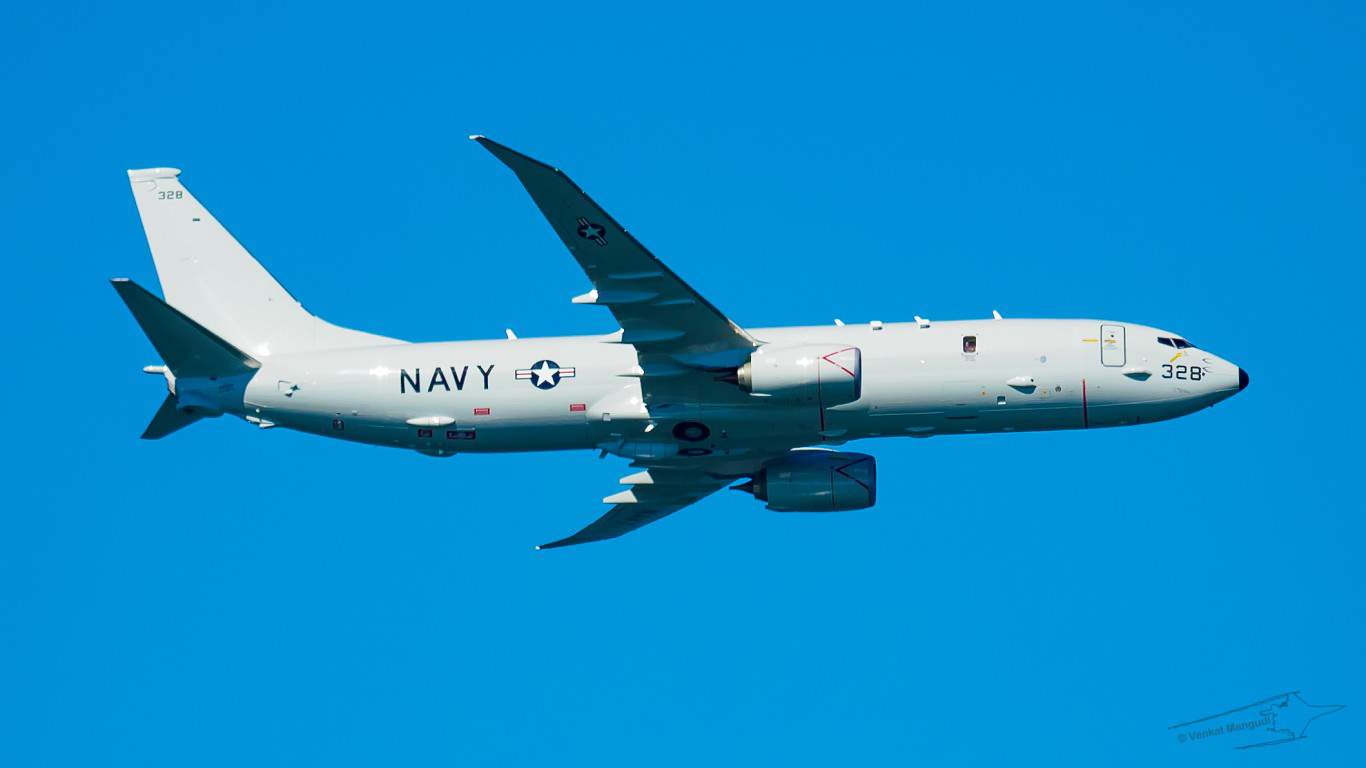
- Service branch: USN
- Era: Modern
- Aircraft role in power projection: Maritime patrol
- How it changed U.S. power projection: Extended maritime surveillance and alliance presence
- What it enabled the U.S. to do abroad: Project influence across global sea lanes
- Political or strategic impact: Strengthened maritime deterrence
- Why it mattered long-term: Anchored modern naval surveillance
The P-8 Poseidon enhanced U.S. power projection by extending maritime surveillance and presence across key regions. It reinforced alliances and deterrence in contested waters.
E-2 Hawkeye
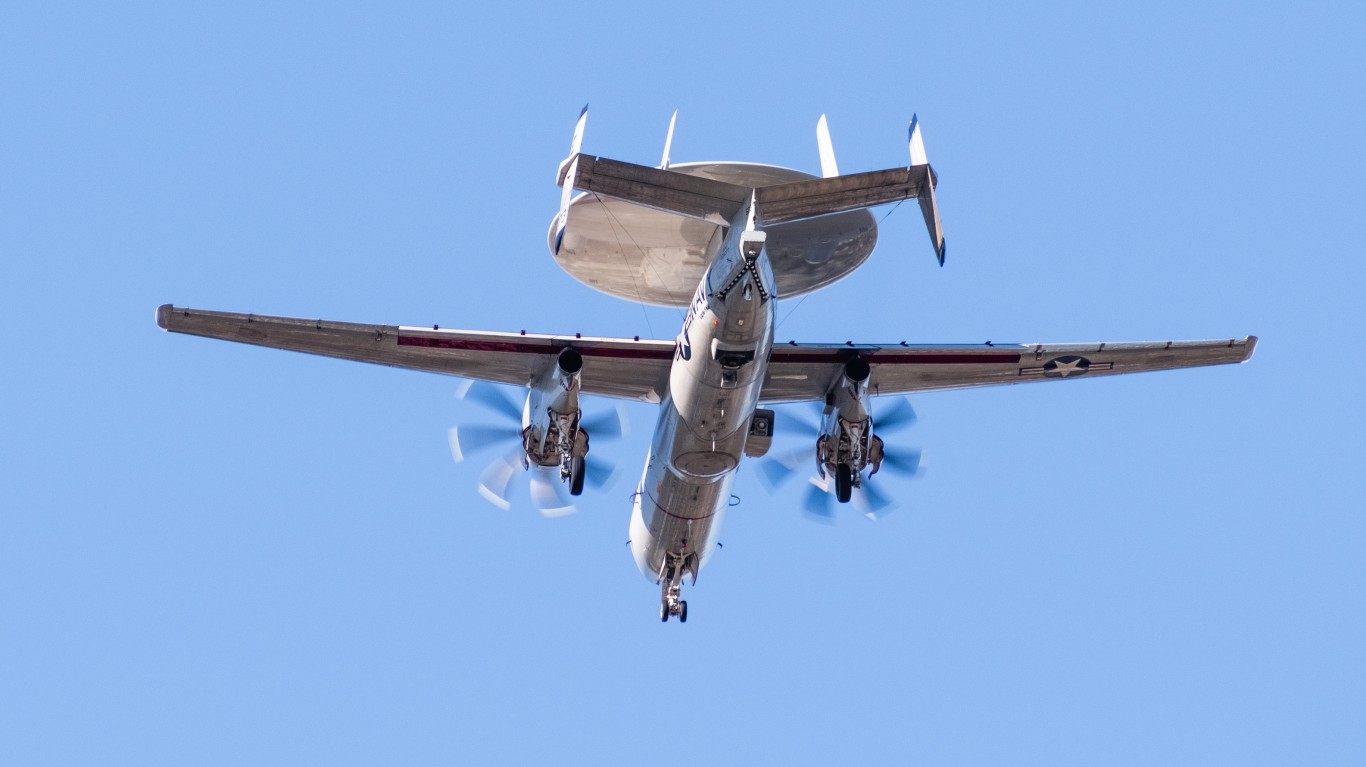
- Service branch: USN
- Era: Cold War
- Aircraft role in power projection: Carrier AEW
- How it changed U.S. power projection: Enabled carrier battle management
- What it enabled the U.S. to do abroad: Command air operations at sea
- Political or strategic impact: Expanded carrier strike effectiveness
- Why it mattered long-term: Central to naval airpower projection
The E-2 Hawkeye allowed U.S. carriers to project power more effectively by providing airborne command and control. It extended situational awareness and coordination far from shore.
F-111 Aardvark
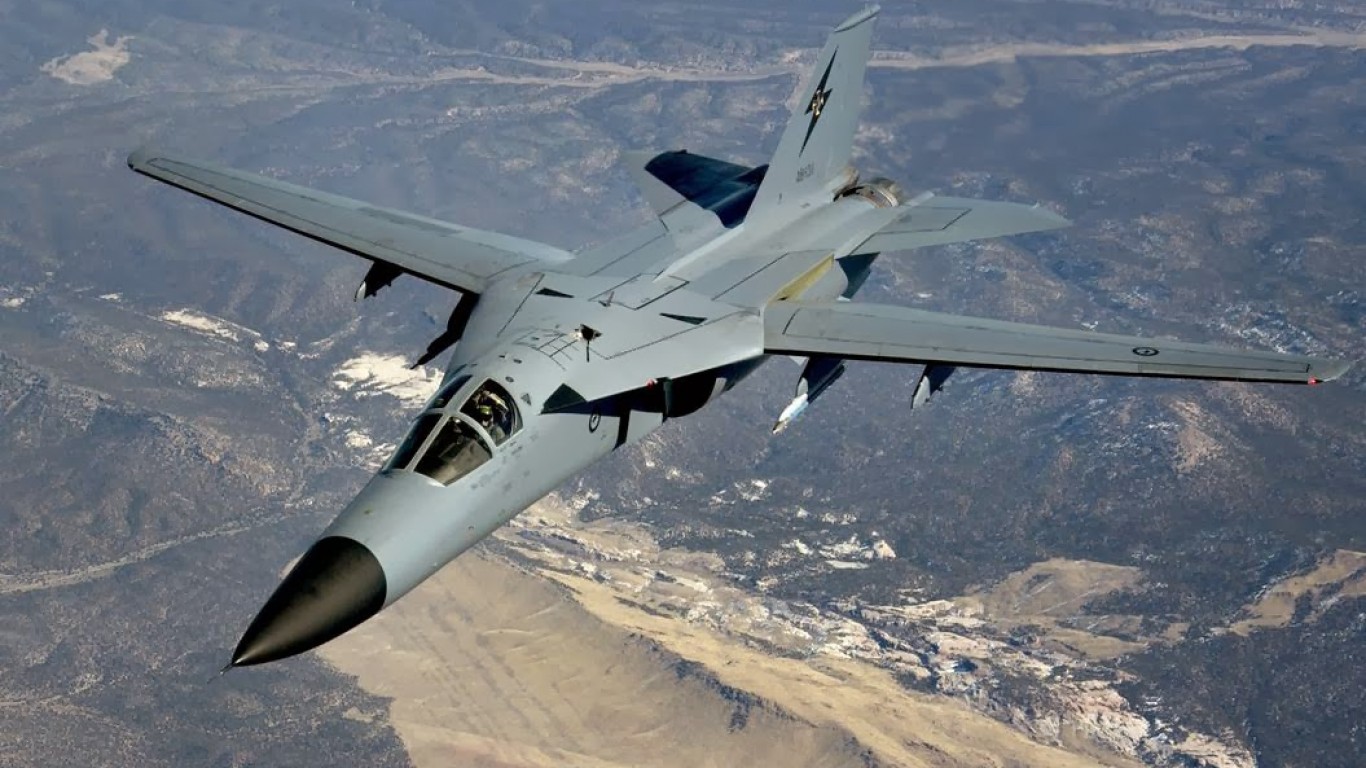
- Service branch: USAF
- Era: Cold War
- Aircraft role in power projection: Long-range strike
- How it changed U.S. power projection: Enabled deep strike without escorts
- What it enabled the U.S. to do abroad: Strike distant targets independently
- Political or strategic impact: Expanded autonomous strike options
- Why it mattered long-term: Influenced precision strike doctrine
The F-111 Aardvark allowed the United States to conduct deep strikes without fighter escorts, expanding autonomous power projection options and shaping future strike concepts.
SR-71 Blackbird
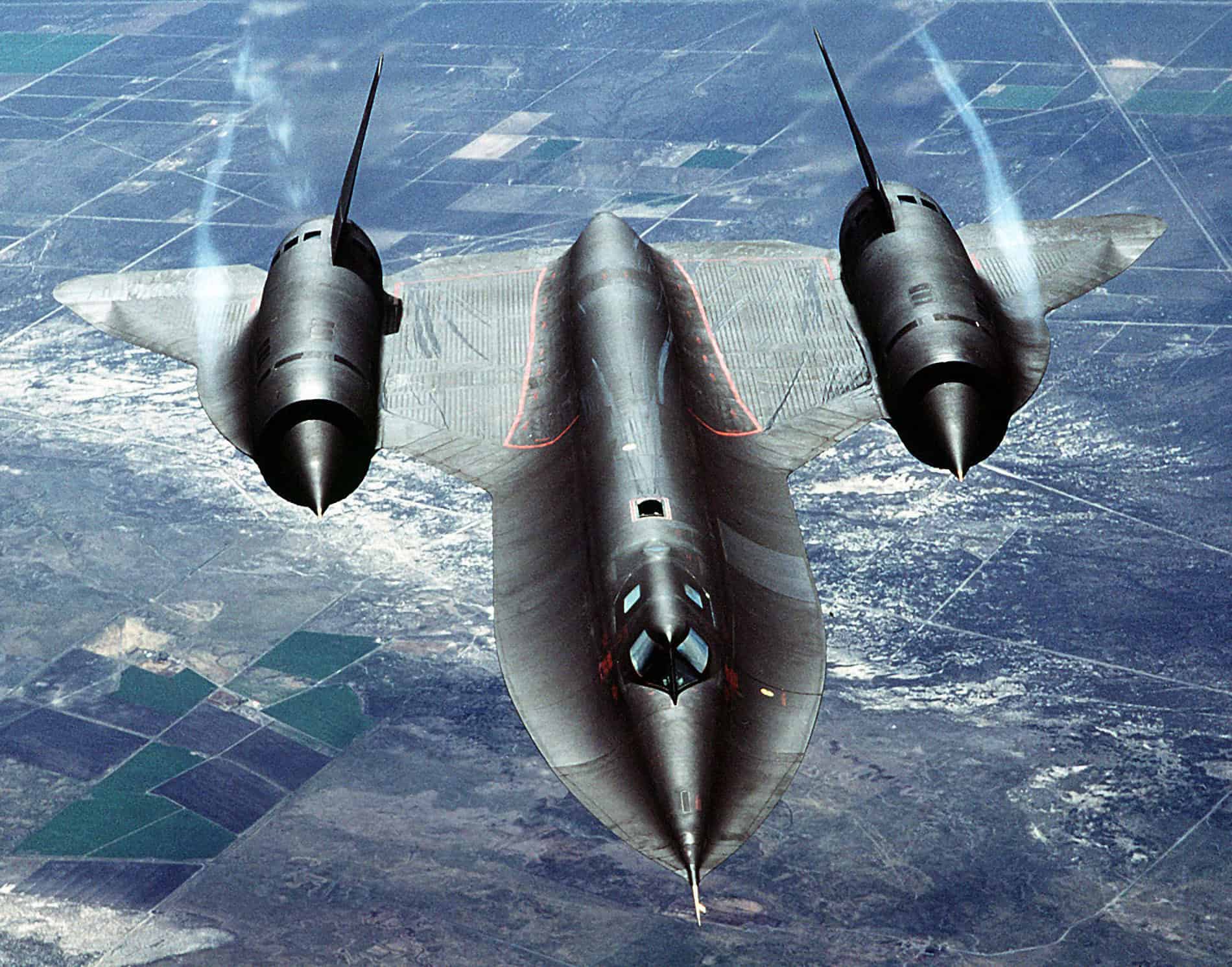
- Service branch: USAF
- Era: Cold War
- Aircraft role in power projection: Strategic reconnaissance
- How it changed U.S. power projection: Enabled uncontested global reconnaissance
- What it enabled the U.S. to do abroad: Signal presence without engagement
- Political or strategic impact: Powerful tool of strategic signaling
- Why it mattered long-term: Set unmatched ISR benchmarks
The SR-71 projected U.S. power through speed and altitude, conducting reconnaissance missions that signaled reach and technological dominance. It influenced deterrence without firing a shot.






 Top Gaining Stocks
 Top Losing Stocks